Apr 3, 2026
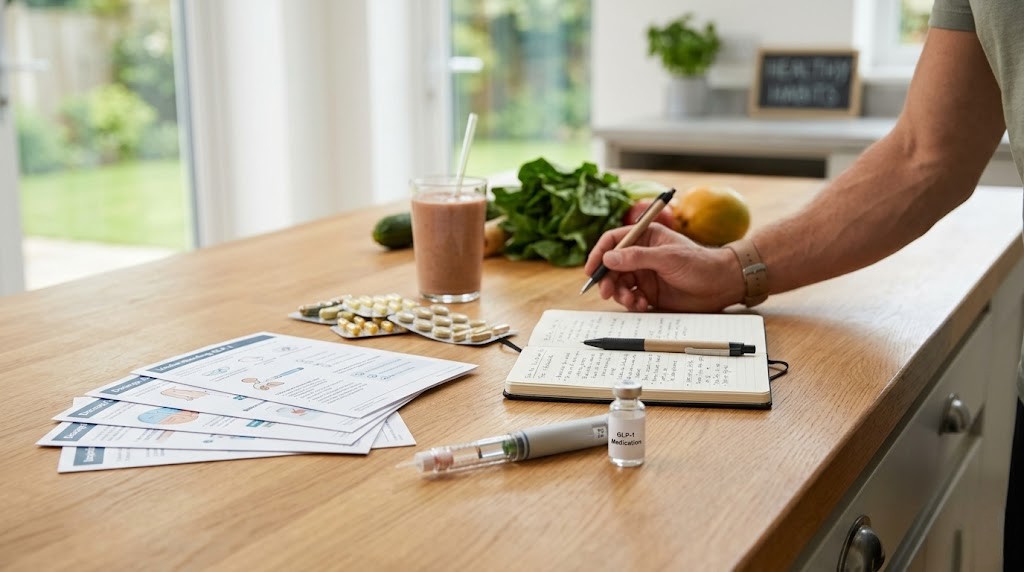
Some GLP-1 providers charge under $100 a month. Others charge five times that for the same compound. The difference is not always quality. Sometimes it is marketing. Sometimes it is the subscription model locking you in. And sometimes, a platform genuinely offers something unique enough to justify a premium price point.
Maximus Tribe sits in an interesting middle ground. It is a men-focused telehealth platform offering compounded semaglutide and compounded tirzepatide for weight loss, and it pairs those medications with testosterone optimization services that most GLP-1 providers do not touch. The starter pricing looks attractive at $99.99 per month for semaglutide. But the full picture, including what happens after the introductory period ends, what you actually receive in each shipment, and how the platform compares to dozens of alternatives, requires a much closer look.
That is exactly what this guide delivers. No fluff. No sales pitch. Just the information you need to decide.
Whether you have been researching how fast semaglutide works, comparing affordable compounded semaglutide options, or trying to figure out if a men-only platform actually provides better care than a general provider, this breakdown covers every angle. Pricing tables, medication details, real user feedback, transparency concerns, side effect profiles, and a head-to-head comparison against other providers you might be considering. By the time you reach the end, you will know whether Maximus deserves your money or whether a different path makes more sense for your goals. SeekPeptides built this review to give you clarity, not a sales pitch.
What is Maximus Tribe?
Maximus Tribe is a digital health platform built specifically for men. It operates as a telehealth service, connecting patients with board-certified physicians who prescribe compounded GLP-1 medications for weight loss. The company also offers testosterone optimization programs, which makes it somewhat unusual in the crowded GLP-1 marketplace.
The platform runs entirely online. There is no brick-and-mortar clinic to visit. You fill out a health questionnaire, a physician reviews your information, and if approved, your medication ships directly to your door. That model is not unique. Dozens of telehealth providers follow the same playbook. What sets Maximus apart is its narrow focus on male health and its bundled approach to weight management and hormonal balance.
Maximus is available in all 50 states plus Washington, D.C. The company uses NABP-certified pharmacies to fill prescriptions, though it does not publicly disclose which specific pharmacies it partners with. That detail matters, and we will address it later in this review. For now, know that NABP certification means the pharmacy meets certain operational and safety standards, but it does not guarantee the level of transparency that many informed patients have come to expect from their medication sources.
The medications Maximus prescribes are compounded versions of semaglutide and tirzepatide. These are not brand-name products like Ozempic, Wegovy, Mounjaro, or Zepbound. Compounded medications are created by pharmacies to match the same active ingredient but may include additional components. In the case of Maximus, those additions are glycine and vitamin B12.
If you are comparing providers, it helps to understand how Maximus stacks up against options like Fella Health, Medvi, or Willow. Each has a different pricing model, different included services, and a different approach to patient care. We will compare several of them later in this guide.
Who is Maximus designed for?
Men. Exclusively. This is not a platform that serves women, and that distinction matters for a few reasons.
First, the clinical protocols are tailored to male physiology. The physicians reviewing your case specialize in male health, and the treatment plans account for factors like testosterone levels, muscle mass preservation, and the specific metabolic patterns that differ between men and women. Second, the combination of GLP-1 medication with testosterone optimization creates a treatment approach that is uniquely relevant to men dealing with weight gain and declining hormonal levels simultaneously.
If you are a man over 30 who carries excess weight and suspects his testosterone might be low, Maximus positions itself as a one-stop platform. The appeal is obvious. Instead of coordinating between a weight loss clinic and an endocrinologist, you have one provider managing both concerns with physicians who understand how the two interact. Whether it delivers on that promise is something the rest of this review will examine in detail, with real pricing data, honest feedback analysis, and comparisons to the providers you are likely also considering.
How the Maximus GLP-1 program works
The process is straightforward. Three steps. No clinic visits required. Everything happens through the Maximus website and app, from initial intake to ongoing prescription management.
This model mirrors what most digital health platforms offer, but the execution details matter. How quickly does the physician review happen? What information do you need to provide? How soon does medication arrive? These are the questions that separate a smooth onboarding experience from a frustrating one. Here is exactly what happens at each stage.
Step 1: Online health questionnaire
You start by filling out a detailed health intake form on the Maximus website. This questionnaire covers your medical history, current medications, weight loss goals, and any existing conditions that might affect your eligibility for GLP-1 therapy. The form takes roughly 10 to 15 minutes to complete, depending on the complexity of your medical background.
The questions are thorough. Maximus asks about cardiovascular history, thyroid conditions, diabetes status, previous weight loss attempts, and current lifestyle habits. This level of screening is important because qualifying for semaglutide or tirzepatide requires meeting specific clinical criteria.
One thing to note: Maximus applies a strict initial screening process. Some users who meet the standard BMI and health criteria for GLP-1 medications report being declined. The platform has not publicly explained its exact screening thresholds, which has frustrated some potential patients.
Step 2: Physician review
After you submit the questionnaire, a board-certified physician reviews your information. This review typically takes 24 to 48 hours. The physician evaluates whether GLP-1 therapy is appropriate for your situation and, if so, determines the correct starting dose and medication type.
If the physician needs additional information, they will reach out through the platform messaging system. In some cases, lab work may be requested before a prescription can be written. Maximus offers its own lab panels ranging from $199.99 to $349.99, though you can also submit results from your own doctor.
Video consultations are available but cost extra. Expect to pay between $28 and $35 per visit on top of your medication cost. These are not mandatory for every patient, but some people find value in a face-to-face conversation with their prescribing physician, especially when adjusting doses or troubleshooting side effects like semaglutide constipation or bloating.
Step 3: Prescription shipped
Once approved, your compounded medication ships from an NABP-certified pharmacy. Delivery takes 2 to 5 business days. The package includes your medication vial, syringes, alcohol swabs, and injection instructions.
If you have never self-injected before, Maximus provides guidance materials. But for a more detailed walkthrough, resources like how to give a semaglutide injection with a syringe or how to inject GLP-1 can be incredibly helpful. Understanding the best injection sites and proper technique makes a real difference in comfort and medication absorption.
Medications offered by Maximus
Maximus prescribes two GLP-1 receptor agonists: compounded semaglutide and compounded tirzepatide. Both are injectable medications administered once weekly via subcutaneous injection.
Compounded semaglutide
Semaglutide is the active ingredient found in brand-name medications like Ozempic and Wegovy. The compounded version prescribed through Maximus contains the same active molecule but is produced by a compounding pharmacy rather than the original manufacturer, Novo Nordisk.
The Maximus semaglutide compound includes two additional ingredients: glycine and vitamin B12. Glycine in semaglutide compounds serves as a stabilizer that helps maintain the medication integrity and may provide additional metabolic benefits. Vitamin B12 in semaglutide supports energy levels, which many patients appreciate since fatigue on semaglutide is a common early side effect.
Understanding the semaglutide dosage chart is essential when using any compounded version. Dosing typically starts low and increases gradually over several weeks, a process called titration. The semaglutide dosage calculator on SeekPeptides can help you understand where your prescribed dose falls within the standard escalation protocol.
Compounded tirzepatide
Tirzepatide is a dual GIP/GLP-1 receptor agonist, originally marketed as Mounjaro and Zepbound by Eli Lilly. It works on two hormonal pathways instead of one, which clinical trials have shown can produce greater weight loss compared to semaglutide alone.
The Maximus tirzepatide compound also includes glycine and B12. Tirzepatide with glycine follows the same stabilization rationale, and tirzepatide with B12 helps offset the energy dips that some patients experience during the first few weeks of treatment.
For a deeper dive into how these two medications compare, the semaglutide vs tirzepatide side effects comparison and the dosage chart comparison provide detailed breakdowns. If you are unsure which to choose, understanding the tirzepatide dose chart and how it differs from semaglutide can help you have a more informed conversation with your prescribing physician.
Why compounded and not brand-name?
Cost. That is the primary reason.
Brand-name Wegovy can cost over $1,300 per month without insurance. Mounjaro is similarly expensive. Compounded semaglutide offers the same active ingredient at a fraction of that price. The trade-off is that compounded medications are not FDA-approved as finished products, though they are prepared under FDA-regulated compounding guidelines and dispensed by licensed pharmacies.
Many patients find that compounded versions work identically to brand-name medications. The key factor is the quality of the compounding pharmacy, which brings us to a concern about Maximus that we will address in the transparency section below.
Complete pricing breakdown
Pricing is where Maximus gets complicated. The introductory rates look competitive. The long-term costs tell a different story. And unless you read the fine print carefully, the jump between what you pay during month one and what you pay during month four can feel jarring.
Understanding the full pricing structure before you sign up is essential. Too many patients focus on the starter price, commit to the platform, and then face sticker shock when the promotional period ends. We are going to lay out every tier, every add-on cost, and every commitment requirement so there are no surprises.
Starter pack pricing (new patients)
The starter pack requires a 3-month commitment, billed in advance. This is the promotional pricing designed to get you through the door.
Medication | Monthly cost | Commitment | Total upfront |
|---|---|---|---|
Compounded semaglutide | $99.99/mo | 3 months | $299.97 |
Compounded tirzepatide | $132.99/mo | 3 months | $398.97 |
At these prices, Maximus is competitive with many providers offering cheap compounded semaglutide and affordable tirzepatide. But keep reading.
Post-introductory pricing
After the starter period ends, costs increase substantially. Here is where many users feel blindsided.
Medication | Single month | 3-month plan (per mo) | 6-month plan (per mo) |
|---|---|---|---|
Semaglutide | $299.99 | $199.99 | $174.99 |
Tirzepatide | $349.99 | $249.99 | N/A |
That jump from $99.99 to $299.99 for a single month of semaglutide is a 200% increase. Even the 6-month plan at $174.99 per month is nearly double the introductory rate. If you compare this to providers like Direct Meds or Amino Amigos, which offer consistent pricing without dramatic jumps, the Maximus model starts to look less appealing for long-term use.
The peptide cost calculator can help you estimate total treatment costs across different timeframes and providers.
Additional costs
The medication price is not the only expense. Factor in these extras.
Video consultations: $28 to $35 per visit
Lab work (through Maximus): $199.99 to $349.99
No insurance accepted: You pay out of pocket entirely
HSA/FSA: Accepted, which helps offset costs
Over a full year on the 3-month semaglutide plan (after the intro period), your medication alone costs roughly $2,399.88 plus whatever you spend on consultations and labs. That total can approach $2,800 to $3,000 annually. Compare that to the overall cost of peptide therapy across different platforms, and you will see that Maximus falls in the mid-to-upper range. For a full comparison, check how much peptides cost across the market.
Microdosing option explained
Maximus offers a GLP-1 microdosing protocol, and this is genuinely interesting. Not every provider offers this option.
The microdosing program targets men who need to lose a modest amount of weight, typically 10 to 20 pounds. Instead of the standard escalating dose protocol, patients stay on a lower dose long-term. The theory is straightforward: smaller doses produce fewer side effects while still providing meaningful appetite suppression and metabolic benefits.
Microdose medication | Monthly cost |
|---|---|
Semaglutide microdose | $79.99 |
Tirzepatide microdose | $99.99 |
At $79.99 per month for semaglutide microdosing, this is actually one of the more affordable ongoing options from Maximus. If you are exploring microdosing as an approach, the microdosing tirzepatide chart and the detailed guide on how to microdose tirzepatide provide the clinical context you need. The microdose tirzepatide schedule walks through what a typical protocol looks like week by week.
Microdosing is not just about weight loss either. Some research suggests that lower doses of GLP-1 medications may provide anti-inflammatory benefits and potentially help with autoimmune conditions, though these applications are still being studied.
For men who do not need aggressive weight loss but want to manage appetite, reduce visceral fat, or maintain results after a more intensive treatment phase, the microdosing protocol makes practical sense. It keeps costs lower and minimizes the side effects that sometimes push people to discontinue treatment entirely.
What to expect: timeline and results
Patience matters. GLP-1 medications are not overnight solutions.
The first week is typically uneventful from a weight loss perspective. Your body is adjusting to the medication, and the starting dose is deliberately low. Most people do not notice significant appetite changes until weeks two or three. If you want a detailed breakdown, the first week on semaglutide guide walks through what to expect day by day.
Weeks 1 through 4
The initial month focuses on tolerability. You start at the lowest dose and observe how your body responds. Some men notice reduced appetite within the first two weeks. Others feel nothing yet. That variability is normal and does not indicate that the medication is ineffective. Individual metabolism, body composition, and even gut microbiome differences all influence how quickly you respond.
Common experiences during this phase include mild nausea, slight changes in food preferences, and gradually declining interest in large meals. Weight loss during month one varies widely, from zero to five pounds. Tirzepatide weight loss in the first month tends to be slightly more pronounced than semaglutide for many patients, though individual responses vary. If you find yourself in the four weeks on semaglutide with no weight loss category, do not panic. It does not mean the medication is not working.
Months 2 through 3
This is where things get interesting. Dose increases during the second and third months typically produce noticeable appetite suppression and measurable weight loss. According to Maximus user reviews, the average reported weight loss over three months is approximately 27 pounds. That number aligns well with clinical data on GLP-1 medications when combined with dietary changes.
The semaglutide results week by week data shows a clear acceleration curve. Weight loss typically starts slowly and builds momentum as the dose increases. The tirzepatide weight loss timeline follows a similar pattern but often reaches meaningful milestones sooner.
Understanding when you start losing weight on semaglutide helps set realistic expectations. Most men see their most dramatic results between months two and six.
Months 4 through 6 and beyond
Long-term results depend on several factors: your adherence to the medication schedule, dietary choices, physical activity, sleep quality, and whether your dose has been optimized. Some men continue losing weight steadily through month six and beyond. Others hit a semaglutide plateau around months three to four and need a dose adjustment or strategy shift.
If weight loss stalls, the guides on why you are not losing weight on semaglutide and tirzepatide not working anymore break down the most common causes and fixes. Dietary optimization plays a huge role. The semaglutide diet plan and tirzepatide diet plan resources provide structured approaches that complement the medication.
Before and after results from men using GLP-1 medications are compelling. Check the men before and after tirzepatide results for realistic visual references, or browse before and after semaglutide transformations for additional perspective.
Side effects on Maximus GLP-1
Side effects are real. Ignoring them or pretending they do not exist would be dishonest.
The side effect profile for Maximus medications mirrors what you would expect from any compounded semaglutide or tirzepatide. The active ingredients are the same, so the body responds the same way regardless of whether the medication comes from a branded manufacturer or a compounding pharmacy.
Common side effects
Most men experience at least one of the following during the first few weeks of treatment.
Nausea. This is the most frequently reported side effect, affecting roughly 40% of patients. It typically subsides as the body adjusts. Eating smaller meals and avoiding greasy foods helps significantly. Knowing which foods to avoid on semaglutide and foods to avoid on tirzepatide can make a real difference in managing nausea.
Constipation. GLP-1 medications slow gastric emptying, which can cause digestive sluggishness. The comprehensive guides on semaglutide constipation treatment, tirzepatide constipation treatment, and GLP-1 constipation relief provide practical strategies including fiber supplementation, hydration protocols, and dietary adjustments.
Fatigue. Reduced caloric intake combined with metabolic changes can cause tiredness, especially in the first month. The GLP-1 fatigue guide and tirzepatide tiredness resource explain why this happens and what to do about it.
Bloating. Slowed digestion can cause abdominal discomfort. Both semaglutide bloating and tirzepatide bloating are well-documented and generally manageable with dietary modifications.
Less common side effects
Some men report experiences that are less typical but still worth knowing about.
Dizziness can occur, particularly during the first few weeks. Headaches on GLP-1 medications are also reported, often related to dehydration or rapid blood sugar changes. Hair loss has been observed in some patients, likely related to the rapid weight loss itself rather than the medication directly. Sulfur burps are an unusual but commonly discussed side effect that can be unpleasant.
For tirzepatide specifically, some users report muscle pain, body aches, anxiety, and insomnia. The tirzepatide diarrhea resource explains how long digestive issues typically last and when to seek medical attention.
Managing side effects
Side effect management is crucial for staying on treatment long enough to see results. Many men discontinue GLP-1 therapy not because the medication does not work, but because they could not tolerate the side effects during the adjustment period. Learning how to minimize and manage these reactions makes the difference between quitting at week three and transforming your body by month six. Here are the fundamentals.
Choose the best time of day to take semaglutide or best time to inject tirzepatide based on when side effects would be least disruptive. Many men inject in the evening so that any nausea occurs during sleep. Taking the right supplements with tirzepatide or supplements with GLP-1 can also support your body through the adjustment period. Electrolyte balance matters too, and the guide on the best electrolytes for GLP-1 covers what to look for.
Proper nutrition is your best defense against side effects. The best foods to eat on semaglutide, what to eat on tirzepatide, and complete food lists for semaglutide provide practical meal guidance. Understanding how many calories to eat on semaglutide and getting enough protein on semaglutide are particularly important for maintaining muscle mass during weight loss.
Maximus vs other GLP-1 providers
Context matters. Maximus does not exist in a vacuum, and the GLP-1 telehealth space has become incredibly competitive. Here is how it compares to other popular options.
Provider | Semaglutide (monthly) | Tirzepatide (monthly) | Men-only | Insurance | Pharmacy disclosed |
|---|---|---|---|---|---|
Maximus Tribe | $99.99 intro / $174.99-$299.99 ongoing | $132.99 intro / $249.99-$349.99 ongoing | Yes | No | No |
Varies | N/A | No | No | Yes | |
Varies by provider | Varies by provider | No | No | Yes (they are the pharmacy) | |
Varies | Varies | Yes | No | Varies | |
Varies | Varies | No | No | Yes | |
Varies | Varies | No | No | Varies | |
Varies by provider | N/A | No | No | Yes (they are the pharmacy) |
The comparison reveals a few patterns. Maximus introductory pricing is competitive. The ongoing pricing is above average. And the lack of pharmacy disclosure puts it at a transparency disadvantage compared to providers that use or are known pharmacies like Empower, Belmar, or Red Rock.
If your primary concern is cost, several providers consistently offer lower long-term pricing. Explore BPI Labs semaglutide, WeightCare, Amino USA, or BrightMeds for potentially more affordable options. For tirzepatide specifically, Orderly Meds, Shed, Strive, and Citizen Meds offer competitive alternatives.
If you want a men-focused platform specifically, Fella Health is the most direct competitor to Maximus. Both target male patients exclusively, but the pricing structures and included services differ. The full top-rated digital health providers for semaglutide guide ranks multiple options by price, service quality, and patient satisfaction.
Pros and cons of Maximus GLP-1
Every provider has strengths and weaknesses. Here is an honest assessment.
The pros
Men-focused clinical approach. The physicians understand male physiology, hormonal interactions, and the specific challenges men face with weight loss. This specialization means your treatment plan accounts for factors like testosterone levels that a general provider might overlook. The option to combine GLP-1 therapy with tirzepatide and testosterone optimization or explore HRT and GLP-1 together is a genuine advantage.
Competitive introductory pricing. At $99.99 per month for semaglutide and $132.99 for tirzepatide during the starter period, new patients get three months at below-market rates. This low entry point allows you to test the medication and the platform without a massive financial commitment.
Microdosing availability. Not every provider offers a dedicated microdosing protocol. For men who need modest weight loss or want to maintain results, the $79.99 semaglutide microdose is a genuinely affordable ongoing option.
Fast shipping and clear instructions. User reviews consistently praise the shipping speed and the quality of instructional materials included with each order. When you are new to self-injection, clear guidance makes the experience far less intimidating.
Positive clinical outcomes. An average of 27 pounds lost in three months, as reported by verified users, suggests the medications and protocols are effective. A 4.5 out of 5 rating across 312 reviews confirms general satisfaction.
Nationwide availability. Access in all 50 states plus D.C. means geographic restrictions are not a barrier.
The cons
Dramatic price increases after intro period. The jump from $99.99 to as high as $299.99 per month for semaglutide is steep. Even the best ongoing rate of $174.99 requires a 6-month commitment. This pricing structure feels designed to attract patients at a low price and then rely on the difficulty of switching providers to retain them.
BBB F rating. The Better Business Bureau gives Maximus an F rating based on 10 unresolved complaints. While BBB ratings do not always tell the complete story, unresolved complaints suggest customer service gaps that warrant caution.
No pharmacy disclosure. Maximus does not reveal which compounding pharmacies prepare its medications. This is a significant transparency concern. When providers like Empower Pharmacy or Southend Pharmacy are the pharmacy themselves, patients know exactly where their medication comes from. With Maximus, you are trusting a middleman without knowing who is actually making your medication.
Extra costs add up. Video consultations at $28 to $35, lab work at $199.99 to $349.99, and the medication itself create a total cost that can be significantly higher than the advertised monthly rate. These are not hidden fees exactly, but they are easy to overlook during the sign-up process.
Limited customer support. Support is available during U.S. business hours only. If you have a question at 9 PM on a Saturday, you are waiting until Monday. For a telehealth platform that serves patients who may be managing side effects or have urgent dosing questions, limited support availability is a real drawback.
Strict screening that excludes some eligible patients. Multiple reports indicate that some men who meet standard GLP-1 prescribing criteria are declined through the Maximus screening process. The platform has not explained these declinations publicly, which creates frustration for potential patients who then need to start the process over with a different provider.
No insurance accepted. Everything is out of pocket. While HSA and FSA cards are accepted, the lack of insurance coverage means the full financial burden falls on the patient.
Compounding quality and transparency concerns
This section matters. Read it carefully.
When you order medication from Maximus, you know two things: the medication contains compounded semaglutide or tirzepatide with glycine and B12, and it comes from an NABP-certified pharmacy. What you do not know is which pharmacy.
That gap in transparency is unusual among reputable providers. Many telehealth platforms either use well-known compounding pharmacies like Empower, Belmar, Boothwyn, or South Lake, or they are a pharmacy themselves. When a provider openly shares its pharmacy partner, patients can independently verify the pharmacy accreditation, review its track record, and assess its quality standards.
Without that information, you are relying entirely on the Maximus brand promise. For some patients, that is sufficient. For others, especially those who have researched the difference between 503B compounding pharmacies and 503A facilities, the lack of disclosure raises legitimate questions.
NABP certification is a positive indicator. It means the pharmacy meets baseline standards for safety and quality. But NABP certification alone does not tell you whether the pharmacy operates as a 503A (individual prescriptions) or 503B (larger batch production with more FDA oversight) facility. That distinction affects quality control processes, testing protocols, and overall reliability. A 503B facility undergoes more rigorous FDA inspection and must follow current Good Manufacturing Practices. A 503A facility operates under state pharmacy board oversight with less federal scrutiny. Both are legal, both can produce quality medications, but the level of oversight is meaningfully different.
For comparison, providers that use known pharmacies like ProRx, Red Rock, or Olympia give patients the ability to research the pharmacy independently, read reviews from other patients, and verify current accreditation status. Maximus does not provide that level of transparency.
Does this mean the Maximus medications are unsafe? No. It simply means you have less information to work with compared to other providers. If pharmacy transparency is important to you, and it probably should be, this is a factor worth weighing heavily in your decision.
If you want to understand the broader landscape of compounding quality, the guides on grey market tirzepatide and research chemicals semaglutide explain the risks of unregulated sources and why pharmacy credentials matter.
Who should (and should not) use Maximus
Maximus is not for everyone. Here is a clear breakdown of who benefits most and who should look elsewhere.
Maximus is a good fit if you are:
A man who wants a male-focused healthcare experience. If dealing with a general provider feels too generic, and you want a physician who specializes in male health and understands how weight loss intersects with testosterone and hormonal balance, the Maximus approach has real appeal.
Someone interested in combining GLP-1 therapy with testosterone optimization. Few platforms offer both under one roof. If you suspect low testosterone is contributing to your weight gain, having one provider manage both issues creates continuity of care that is hard to replicate by coordinating between separate providers.
A new patient looking for affordable entry pricing. The starter pack at $99.99 per month for semaglutide is competitive. If you want three months to test the medication before committing to higher ongoing costs, the introductory offer delivers real value.
Someone who prefers a microdosing approach. The $79.99 semaglutide microdose program offers ongoing treatment at a reasonable price point for men with modest weight loss goals. If you are looking into GLP-1 maintenance dosing after an initial weight loss phase, this option could work well.
Maximus is not ideal if you are:
Budget-conscious for long-term use. If you plan to use GLP-1 medications for six months or longer, the post-introductory pricing at Maximus is above average. Providers like Elevate Health, Brello, or Amino Asylum may offer more competitive long-term rates.
Someone who values pharmacy transparency. If knowing exactly which pharmacy prepares your medication is important to you, Maximus falls short. Consider providers that use or disclose their pharmacy partners, such as those working with Empower or Belmar.
A woman. Maximus is exclusively for men. Women seeking GLP-1 therapy need to look at other platforms.
Someone who needs after-hours support. If your schedule means you might need to reach customer service outside standard business hours, the limited support window at Maximus could be a problem. Medical questions about withdrawal symptoms, unexpected reactions, or reconstitution questions do not always happen between 9 AM and 5 PM.
Someone who prefers alternative delivery methods. Maximus only offers injectable formulations. If you are interested in oral semaglutide drops, sublingual semaglutide, oral tirzepatide, or tirzepatide drops, you will need to explore other providers.
How to get started with Maximus
If you have decided Maximus is worth trying, the process is simple. But going in prepared makes the experience smoother and increases your chances of approval on the first attempt. Here is a step-by-step walkthrough of what to do before, during, and immediately after signing up.
Visit the Maximus Tribe website and click on the weight loss program. You will be directed to the health questionnaire. Complete it honestly and thoroughly. Incomplete or inaccurate information can delay your review or result in declination.
Choose between semaglutide and tirzepatide. If you are unsure which medication suits your goals better, the semaglutide vs tirzepatide comparison can help you understand the differences. You can also explore whether the triple comparison including retatrutide gives you broader context on where these medications stand in the larger landscape.
Wait 24 to 48 hours for physician review. Once approved, select your plan. The starter pack locks in the introductory rate for three months but requires payment upfront. Factor in whether you want to add video consultations or lab work to your plan.
Your medication will arrive within 2 to 5 business days. Before your first injection, review proper technique. The stomach injection technique for tirzepatide guide and where to inject GLP-1 resource cover everything you need to know about site selection, rotation, and proper form.
Make sure you understand storage requirements. Semaglutide refrigeration requirements and tirzepatide refrigeration needs are critical for maintaining medication potency. If you travel frequently, the guides on traveling with semaglutide and traveling with tirzepatide cover how to keep your medication safe on the go.
Track your progress from day one. Knowing the average GLP-1 weight loss per month helps you benchmark your results against typical outcomes. And if you ever decide to switch medications, the guide on switching from tirzepatide to semaglutide or exploring alternatives to tirzepatide covers the transition process.
Programs offered in detail
Maximus structures its GLP-1 offerings into three distinct programs. Understanding the differences helps you choose the right fit.
Weight loss starter pack
This is the entry point. New patients start here. The promotional pricing of $99.99 per month for semaglutide or $132.99 for tirzepatide is locked in for three months. You get your medication, access to the Maximus platform, physician oversight, and shipping included in that monthly rate.
The starter pack uses standard titration protocols. You begin at a low dose and increase gradually based on tolerability and results. Your physician manages the dose escalation based on your reported response and any side effects. The compounded tirzepatide starting dose guide explains what typical initial dosing looks like.
Custom dosage weight loss protocol
After the starter period, patients who need higher doses or more personalized protocols move to the custom program. This is where the pricing increases to the rates listed in the post-introductory table above.
Custom dosing allows for adjustments beyond the standard escalation schedule. If you have plateaued or need a specific dose that falls outside typical protocols, this program provides that flexibility. Understanding the tirzepatide compound dosage chart and using the compounded tirzepatide dosage calculator can help you understand where your prescription falls.
This program also opens up the possibility of combination compounds. The tirzepatide glycine B12 compound and semaglutide glycine B12 blend guides explain the rationale behind these multi-ingredient formulations.
GLP-1 microdosing protocol
Already covered in the microdosing section above, but worth noting here in context. At $79.99 for semaglutide and $99.99 for tirzepatide per month, this is the most cost-effective ongoing program Maximus offers. It is designed for maintenance, modest weight loss, or patients who respond well to lower doses.
Nutrition and lifestyle on Maximus GLP-1
Medication alone is not enough. This is true for every GLP-1 provider, not just Maximus. The men who achieve lasting results treat GLP-1 therapy as one component of a broader lifestyle overhaul, not a magic solution that works while they continue eating fast food and skipping the gym.
Maximus physicians may provide general dietary guidance during consultations, but detailed nutritional programming is not the platform core offering. That means you need to take ownership of your diet and exercise strategy. The good news is that extensive resources exist to help you do exactly that.
The men who see the best results combine their medication with intentional dietary changes, regular physical activity, and adequate sleep. GLP-1 medications suppress appetite and slow gastric emptying, but they do not eliminate the need for good nutrition. In fact, because you eat less food overall, every meal needs to be more nutrient-dense than before.
The GLP-1 friendly meals guide and GLP-1 recipes for weight loss provide practical starting points. For meal planning specifically tailored to each medication, the semaglutide diet plan and tirzepatide diet plan break things down week by week.
Protein intake deserves special attention. When you lose weight rapidly, you risk losing muscle mass along with fat. Getting enough protein while on semaglutide helps preserve lean tissue and supports recovery from exercise. Most experts recommend 0.8 to 1.2 grams of protein per pound of target body weight daily.
Fiber supplementation can help manage digestive side effects. The best fiber supplement for GLP-1 guide evaluates different options based on tolerability and effectiveness. Probiotics also play a role in maintaining gut health during treatment, and the best probiotic for semaglutide guide covers evidence-based options.
Some men ask about combining GLP-1 medications with other supplements or medications. Guides on berberine and semaglutide, creatine and semaglutide, creatine and tirzepatide, and phentermine and semaglutide or phentermine and tirzepatide address the most common combination questions.
The semaglutide tips guide offers a collection of practical advice from patients and physicians that can help optimize your experience regardless of which provider you use. And if you want to understand whether exercise is strictly necessary, the guide on losing weight on semaglutide without exercise provides an honest assessment.
What happens when you stop Maximus GLP-1
This is the question nobody wants to ask. But it matters more than almost anything else. Because no matter how effective your treatment is during the months you are on it, what happens after you stop determines whether those results were temporary or transformative.
GLP-1 medications do not cure obesity. They manage it. When you stop taking them, appetite typically returns to baseline levels within a few weeks. Research consistently shows that most patients regain a significant portion of lost weight within 12 months of discontinuing treatment.
The guide on getting off GLP-1 covers the transition process in detail. If you have been on tirzepatide, understanding how to wean off tirzepatide properly is essential for minimizing rebound weight gain. The weight maintenance after tirzepatide guide provides strategies for keeping your results long-term.
This reality makes the cost conversation even more important. If Maximus charges $174.99 to $299.99 per month after the intro period, and you need the medication indefinitely to maintain results, the annual cost becomes a serious long-term financial commitment. That is why understanding restarting semaglutide after a break and the implications of cycling on and off medication is valuable for planning your approach.
Some men transition from a full dose to a GLP-1 maintenance dose after reaching their goal weight. The microdosing option at Maximus could serve this purpose, keeping costs at $79.99 per month while maintaining some appetite suppression.
Monitoring your progress at home
Maximus provides physician oversight, but you are the one living in your body every day. Tracking your own data helps you and your doctor make better decisions about dose adjustments and treatment duration.
The GLP-1 monitoring tools for home use guide covers everything from smart scales and body composition analyzers to blood glucose monitors and blood pressure cuffs. These tools give you objective data to share with your Maximus physician during consultations.
The before and after GLP-1 transformations and tirzepatide before and after results show what consistent tracking and treatment adherence can produce over time. Progress photos, measurements, and regular weigh-ins create a record that helps you stay motivated and provides clinical value.
Understanding whether your medication needs special handling matters too. Tirzepatide shelf life and proper reconstitution technique affect medication efficacy. If your results seem inconsistent, improper storage or preparation could be the culprit rather than a problem with the medication itself.
Maximus and testosterone: the combination advantage
This is where Maximus genuinely differentiates itself from most GLP-1 providers.
Many men dealing with weight gain also have declining testosterone levels. The relationship between the two is bidirectional. Excess body fat, particularly visceral fat, converts testosterone to estrogen through a process called aromatization. Lower testosterone then makes it harder to build muscle and easier to gain fat. It is a cycle that feeds itself.
By offering testosterone optimization alongside GLP-1 therapy, Maximus addresses both sides of the equation simultaneously. Losing weight through GLP-1 medication can naturally boost testosterone levels, and supplementing testosterone can improve body composition, energy, and motivation, which supports better exercise habits and dietary adherence.
The interaction between tirzepatide and testosterone therapy is an active area of clinical interest. Some research suggests that combining the two produces better body composition outcomes than either treatment alone, particularly for preserving lean muscle mass during rapid weight loss.
For men interested in the hormonal angle, understanding HRT and GLP-1 together provides important context on safety considerations, expected outcomes, and how to approach combination therapy responsibly.
Not every man on Maximus needs testosterone therapy. But having the option available through the same provider simplifies care coordination and ensures that the physicians managing your weight loss are also monitoring your hormonal health.
Reviews and reputation: the complete picture
Numbers tell part of the story. Context tells the rest. A 4.5-star rating sounds impressive until you look at what happens when things go wrong. A handful of complaints sounds minor until you notice they are all unresolved. The truth about any provider lives in the space between the marketing claims and the lived experience of real patients.
Maximus holds a 4.5 out of 5 rating based on 312 verified reviews. The most common praise centers on three things: fast shipping, clear injection instructions, and noticeable weight loss. Users who follow the program consistently report meaningful results, with the average self-reported loss sitting around 27 pounds over three months.
The positive reviews paint a picture of a functional platform. Medication arrives on time. The instructions are easy to follow. The starting doses are conservative enough to avoid overwhelming side effects. And the men who stick with the program see real changes in their body weight and composition.
Then there is the other side.
The Better Business Bureau gives Maximus an F rating. That rating stems from 10 unresolved complaints. Some of those complaints involve billing disputes, where patients felt they were charged for services they did not receive or could not cancel their subscriptions easily. Others relate to customer service responsiveness, or more precisely, the lack of it.
An F from the BBB is not necessarily a death sentence for a company. The BBB rating system can sometimes penalize smaller companies disproportionately, especially if they grow quickly and their customer service infrastructure has not kept pace. The system weights complaint resolution heavily, meaning that a small number of unresolved issues can drag down an otherwise strong rating. But 10 unresolved complaints is still 10 people whose problems were not addressed to any reasonable satisfaction level. That pattern suggests a systemic gap in how Maximus handles disputes and escalations when the standard support process fails.
The limited support hours compound this issue. If you have a billing problem, a medication question, or a technical issue with the platform, you can only reach support during U.S. business hours. For a digital health platform, that limitation feels outdated. Many competitors offer extended hours, chat support, or at minimum, a robust FAQ and self-service portal.
What does this mean for you? If everything goes smoothly, Maximus delivers a solid experience. If something goes wrong, resolving it may take more effort and patience than it should.
Other formulations worth knowing about
Maximus compounds its medications with glycine and B12, but those are not the only enhancement options available in the compounding world. The compounding pharmacy industry has developed numerous formulation variations, each with a different rationale and potential benefit profile. Understanding what else exists helps you evaluate whether the Maximus formulation is optimal or whether another provider might offer something better suited to your needs.
Glycine and B12 are solid additions. Glycine stabilizes the compound and may support sleep quality and metabolic function. B12 provides energy support that counteracts the fatigue many patients experience during the early weeks of GLP-1 therapy. But other enhancement ingredients have emerged as well, each targeting a different aspect of the weight loss journey.
Semaglutide with methylcobalamin uses a more bioavailable form of B12 that some patients absorb more effectively. Semaglutide with niacinamide adds a form of vitamin B3 that may support metabolic health and skin quality. Semaglutide with L-carnitine includes an amino acid that plays a role in fat metabolism and energy production.
On the tirzepatide side, tirzepatide with levocarnitine and tirzepatide with niacinamide offer similar enhancement options. These are not available through Maximus, but providers working with pharmacies like Empower or Lavender Sky may offer these formulations.
The peptide stack calculator can help you evaluate different compound combinations based on your specific goals. And the peptide reconstitution calculator is useful for understanding concentration and dosing when working with compounded medications that require mixing.
Payment and financing options
Maximus does not accept insurance. That is consistent with most compounded GLP-1 providers, as insurance companies generally do not cover compounded medications when FDA-approved alternatives exist.
What Maximus does accept:
Credit and debit cards
HSA (Health Savings Account) cards
FSA (Flexible Spending Account) cards
The HSA and FSA acceptance is worth noting. If you have one of these accounts through your employer, you can use pre-tax dollars to pay for Maximus medications and consultations. That effectively reduces your cost by your marginal tax rate, which for many people means a 22% to 32% discount.
Some patients have asked about payment plans or financing. Maximus does not currently offer installment plans or third-party financing options like Afterpay or Klarna. If flexible payment is a priority, the guide on tirzepatide with Afterpay covers which providers do offer split-payment options.
Comparing total costs across providers is essential before committing. The peptide cost calculator helps you estimate long-term expenses based on medication type, dose, and treatment duration. And guides like how much compounded tirzepatide costs and peptide therapy cost overview provide market-wide pricing context.
Interactions and combination considerations
If you are taking other medications or supplements, interactions matter. GLP-1 medications are powerful tools, and combining them with other substances without understanding the pharmacological implications is a risk you should not take.
GLP-1 medications affect how quickly your body absorbs other oral medications because they slow gastric emptying. This is not unique to Maximus compounds. It applies to every semaglutide and tirzepatide product on the market.
Common questions include whether you can combine GLP-1 therapy with other weight loss aids. Phentermine vs semaglutide is one of the most searched comparisons, and tesofensine vs semaglutide is another. Each comparison has different risk profiles and potential benefits that are worth understanding before making decisions about combination therapy.
For women who may be reading this on behalf of a male partner, it is worth knowing that GLP-1 medications can affect reproductive hormones. The guides on semaglutide and menstrual effects and tirzepatide and menstrual effects cover those specific considerations.
SeekPeptides maintains comprehensive guides on medication interactions because this information is critical for patient safety. Always disclose all medications and supplements to your prescribing physician, including over-the-counter products.
How Maximus handles dose adjustments
Dose management is where the quality of a telehealth provider really shows. Getting the right dose at the right time in your treatment journey is the difference between tolerating the medication well and suffering through unnecessary side effects, or between seeing steady weight loss and plateauing prematurely.
Maximus follows a standard titration protocol for both semaglutide and tirzepatide. You start low and increase gradually. The physician reviews your progress and side effect reports before approving each dose increase. This approach is medically sound and consistent with prescribing guidelines.
What varies is how responsive the platform is when adjustments are needed. If you experience significant side effects at a new dose level and need to step back down, you need to communicate through the platform and wait for physician guidance. The limited support hours can delay this process if your side effects emerge on a Friday evening.
Understanding the dosing landscape helps you have better conversations with your provider. The semaglutide dosage in units guide and tirzepatide dosage in units resource break down exactly what each dose level looks like in practical terms. The semaglutide dosage calculator and peptide calculator can help you understand your specific prescription in the context of standard protocols.
If you are curious about whether appetite suppression kicks in immediately at each dose, the guide on semaglutide appetite suppression timing addresses that question with clinical data.
Comparing the Maximus experience to DIY compounding
Some men wonder whether they can skip the telehealth middleman entirely and work directly with a compounding pharmacy. The answer is technically yes, but it requires a prescription from your own physician and more self-management than most people want to handle.
Working with pharmacies like BPI Labs, Vitastir, Trava, or IVIM directly means you handle coordination between your doctor and the pharmacy yourself. You manage dose adjustments through your own physician. You source your own supplies. For men who have an existing relationship with a knowledgeable doctor, this route can save money. For those who do not, the telehealth convenience of Maximus has genuine value.
The cost savings from working directly with a pharmacy can be significant. Some compounding pharmacies charge substantially less than what Maximus charges after the introductory period. But you lose the integrated platform experience, the male-focused physician expertise, and the simplicity of having everything managed through a single app. Whether that trade-off makes sense depends entirely on your personal situation, your comfort level with self-management, and how much you value convenience versus cost savings.
Providers like Belle Health, BelleHealth, Coby Health, Dr. Well, and Prime Health offer various levels of service between full-service platforms like Maximus and direct pharmacy ordering. Exploring the Fifty 410 tirzepatide pricing or Zealthy tirzepatide cost can also reveal competitive options worth considering.
If you do go the direct pharmacy route, understanding how to reconstitute semaglutide and how to reconstitute tirzepatide becomes essential, as some pharmacies ship lyophilized (freeze-dried) medication that you mix yourself. The reconstitution calculator makes this process much simpler.
The bigger picture: GLP-1 therapy as a long-term commitment
Choosing a provider is not just about the first three months. It is about building a relationship with a platform that you may use for a year or longer. And that perspective changes the math entirely.
At introductory pricing, Maximus is an easy recommendation. At post-introductory pricing, the conversation becomes more nuanced. A man paying $299.99 per month for semaglutide through Maximus is spending $3,599.88 per year on medication alone. Add consultations and lab work, and that number approaches $4,000 annually. That is a meaningful financial commitment that requires honest reflection about whether the men-focused approach and platform convenience justify the premium.
For some men, the answer is absolutely yes. The value of having a physician who specializes in male health, who understands testosterone dynamics, and who can manage both GLP-1 therapy and hormonal optimization simultaneously is worth paying more for. For others, switching to a more affordable provider like Precision Peptides or Brello Health after the introductory period makes better financial sense, especially if testosterone optimization is not part of their treatment goals.
The peptides for fat loss resource provides a broader view of the landscape beyond just GLP-1 medications. Understanding all available options helps you make decisions that align with both your health goals and your financial reality.
Frequently asked questions
Is Maximus Tribe legitimate?
Yes. Maximus Tribe is a legitimate telehealth platform that connects patients with board-certified physicians and uses NABP-certified pharmacies. It has a 4.5 out of 5 rating across 312 verified reviews. However, it also has an F rating from the Better Business Bureau due to 10 unresolved complaints, which suggests some customers have had negative experiences with billing or customer service. The medication itself is real compounded semaglutide or tirzepatide prescribed by licensed physicians.
How much does Maximus GLP-1 cost per month?
Introductory pricing starts at $99.99 per month for semaglutide and $132.99 for tirzepatide with a 3-month commitment. After the intro period, semaglutide costs $174.99 to $299.99 per month depending on plan length, and tirzepatide costs $249.99 to $349.99. Microdose options are $79.99 for semaglutide and $99.99 for tirzepatide. Additional costs include video consultations ($28 to $35) and optional lab work ($199.99 to $349.99). Use the peptide cost calculator to estimate your total investment.
Does Maximus accept insurance?
No. Maximus does not accept any health insurance. All costs are paid out of pocket. The platform does accept HSA and FSA cards, which allow you to use pre-tax dollars for payment. This is consistent with most compounded semaglutide providers, as insurance companies typically do not cover compounded GLP-1 medications.
Which pharmacy does Maximus use?
Maximus does not disclose its pharmacy partners. The company states that it uses NABP-certified pharmacies, but specific names are not provided. This contrasts with providers that openly use known pharmacies like Empower, Belmar, or Olympia. If pharmacy transparency is a priority for you, this is an important consideration.
Can women use Maximus for GLP-1 medications?
No. Maximus Tribe is exclusively for men. The platform clinical protocols, physician specializations, and marketing all target male patients. Women seeking compounded GLP-1 medications should explore other providers. Platforms like Medvi, Willow, or Elevate Health serve patients of all genders.
How long does it take to get medication from Maximus?
The typical timeline is 3 to 7 business days from sign-up to receiving your medication. The health questionnaire takes about 15 minutes. Physician review takes 24 to 48 hours. Once approved, medication ships within 1 to 2 business days. Delivery takes 2 to 5 business days depending on your location. Some patients report receiving their order faster, while others experience slight delays if additional information or lab work is required.
What is the Maximus microdosing option?
The microdosing protocol uses lower doses of semaglutide ($79.99 per month) or tirzepatide ($99.99 per month) for men who need to lose a smaller amount of weight or want to maintain results from a previous treatment phase. Instead of escalating to higher doses, patients stay on a low dose long-term. This approach typically produces fewer side effects while still providing appetite suppression and metabolic benefits. Learn more about the specifics in the tirzepatide microdosing guide.
Should I choose semaglutide or tirzepatide on Maximus?
The choice depends on your goals, budget, and body. Tirzepatide works on two hormonal pathways (GLP-1 and GIP) compared to semaglutide one pathway (GLP-1 only), which clinical data suggests may produce greater weight loss. However, tirzepatide is more expensive on Maximus at every pricing tier. The side effect comparison and dosage chart comparison can help inform your decision. Discuss both options with your Maximus physician during the consultation process.
External resources
SeekPeptides members get access to detailed protocol guides, dosage calculators, provider comparison tools, and expert resources that make navigating the GLP-1 landscape significantly easier. Whether you choose Maximus or another provider, having a comprehensive knowledge base helps you ask better questions, understand your medication more deeply, and get better results. The peptide calculator, semaglutide dosage calculator, and cost comparison tools are just the starting point. SeekPeptides membership gives you the confidence to manage your treatment like an informed patient, not a passive consumer.
In case I do not see you, good afternoon, good evening, and good night.