Feb 27, 2026
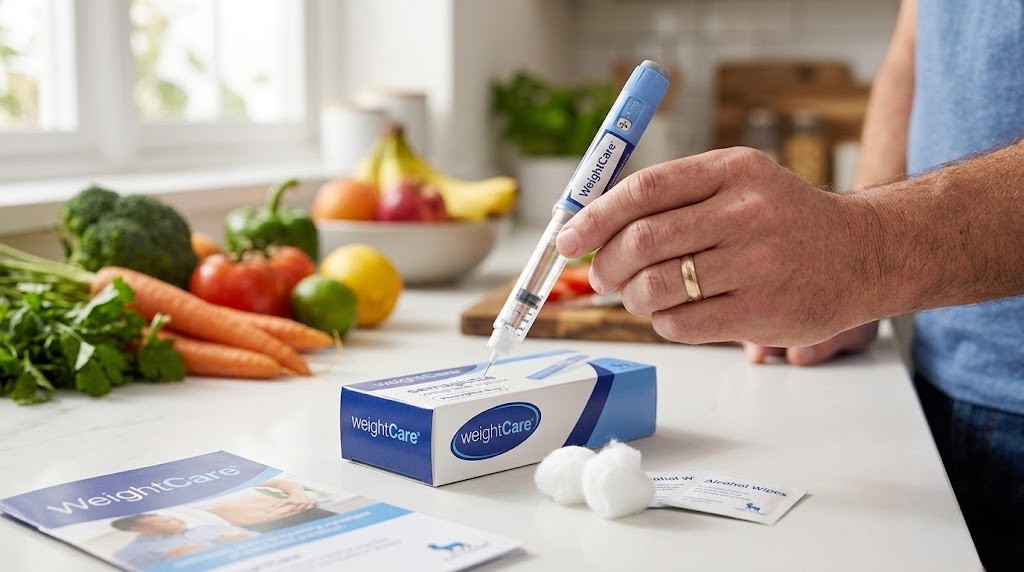
Experienced researchers already know the hardest part of starting a GLP-1 program is not the injection itself. It is finding a provider you can trust. One that ships on time, answers questions without a three-day wait, and actually adjusts your dose when something is not working. WeightCare, operating from joinweightcare.com, has positioned itself as one of the more prominent compounded semaglutide telehealth platforms on the market. With claims of 85,000 members and a 4.9-star rating, the numbers look impressive. But numbers on a homepage do not always tell the full story.
This guide breaks down everything about the WeightCare semaglutide program. The pricing. The dosing protocols. The actual customer experiences behind those star ratings. We will also compare WeightCare against other weight loss peptide providers, explore how their semaglutide dosing stacks up against clinical standards, and help you decide whether this platform deserves your time, your money, and your health. Whether you are new to GLP-1 injections or considering switching providers, the details ahead will save you from costly surprises.
What is WeightCare?
WeightCare is a telehealth weight loss company based in Fort Lauderdale, Florida. The platform connects patients with board-certified physicians who prescribe compounded semaglutide and tirzepatide for weight management. No insurance is required. No in-person visits. Everything from the initial consultation to monthly refills happens through their digital platform.
The company operates at joinweightcare.com and positions itself as a convenient, affordable alternative to traditional weight loss clinics. Their medications are compounded, which means they are prepared by partnering pharmacies rather than manufactured by Novo Nordisk (the maker of Ozempic and Wegovy) or Eli Lilly (the maker of Mounjaro and Zepbound). This distinction matters. Compounded versions of semaglutide are not FDA-approved products, though the active ingredient itself has FDA approval for weight management through brand-name formulations.
WeightCare offers more than just medication. The program includes access to a dedicated physician through HIPAA-compliant messaging, an in-house nutritionist, a health coach, and regular check-ins to track progress and adjust dosing. They also sell B12 lipotropic injections and NAD+ injections as add-on wellness products.
Think of WeightCare as a subscription-based medical service. You pay monthly. You receive medication shipped to your door. You have ongoing access to clinical support. The model is similar to other telehealth GLP-1 providers that have emerged over the past few years, but WeightCare differentiates itself through its range of program options and its emphasis on customer support infrastructure.
The company claims to have served over 85,000 members and reports a 4.9-star rating across their platform. On Trustpilot, the rating sits at 4.5 out of 5 based on approximately 660 reviews. Those numbers suggest a generally positive reputation, though the gap between their self-reported score and the independent Trustpilot rating is worth noting. We will dig deeper into the review landscape later in this guide.
How the WeightCare program works
The WeightCare process follows four steps. Simple on paper. But the details within each step determine whether your experience is smooth or frustrating.
Step one: place your order and complete the intake form
You start by selecting a program on the WeightCare website. This could be a monthly semaglutide plan, a three-month bundle, a microdose option, or a tirzepatide program. After selecting your plan and entering payment, you complete a medical intake form covering your health history, current medications, weight loss goals, and any relevant conditions.
The intake form is standard for telehealth platforms. It asks about contraindications like hormonal conditions, thyroid disease (specifically medullary thyroid carcinoma or MEN 2 syndrome), pancreatitis history, and current pregnancy or breastfeeding status. These are the same screening questions any responsible semaglutide prescriber should ask.
Step two: physician review and telehealth consultation
A board-certified physician reviews your questionnaire. If your medical history raises no red flags, you connect through their HIPAA-compliant telehealth platform. This is not always a live video call. Some patients report receiving approval through asynchronous messaging rather than a face-to-face consultation.
The physician determines your starting dose, typically 0.25mg per week for semaglutide, and creates a titration plan. This matches the standard semaglutide dosing protocol used in clinical settings.
Step three: medication shipment
Once approved, your prescription goes to one of their partnering compounding pharmacies. The medication ships directly to your door in temperature-controlled packaging. WeightCare advertises delivery within 7 to 9 business days for initial orders. Subsequent refills should arrive before your current supply runs out, though timing can vary.
This is where some customers report friction. Shipping delays, pharmacy changes, and occasional issues with temperature-sensitive packaging appear in negative reviews. If you are concerned about what happens if semaglutide gets warm during transit, this is a legitimate question to ask their support team before ordering.
Step four: ongoing support and dose adjustments
After your first shipment, the program continues with monthly check-ins. Your physician can adjust your dose based on your response, side effects, and progress. You have access to secure messaging with your doctor, plus optional support from a nutritionist and health coach.
Each month, you fill out a refill questionnaire that updates your physician on your experience. This questionnaire covers weight changes, side effects, appetite levels, and any concerns. Based on your responses, the physician may increase your dose according to the standard titration schedule, maintain your current dose, or suggest modifications.
The monthly subscription renews automatically. You can cancel anytime by emailing help@joinweightcare.com with "CANCEL" in the subject line. As long as you cancel before your renewal date, you will not be charged for the next month.
WeightCare semaglutide programs and pricing
WeightCare offers several semaglutide program tiers. The pricing varies based on whether you choose monthly or bundled plans, full-dose or microdose options. Understanding the differences is critical before committing.
Full-dose semaglutide monthly program
The standard monthly semaglutide program costs $399 per month. This includes the medication, physician consultations, and shipping. The dosing range covers 0.25mg to 2.0mg per week, following a gradual titration schedule.
One important detail: the maximum dose available through WeightCare semaglutide is 2.0mg per week. The FDA-approved maximum for weight management (through Wegovy) is 2.4mg per week. This means WeightCare caps your dose slightly below the clinically validated maximum. For many people, 2.0mg produces significant results. But if you need the full 2.4mg dose to maintain appetite suppression, this limitation could matter.
Three-month semaglutide program
The three-month bundle costs $747 total, which works out to $249 per month. This represents a $150 monthly savings compared to the standard monthly plan. The dosing range on the three-month plan covers 0.25mg to 1.0mg per week.
Notice the difference. The three-month plan caps at 1.0mg per week, while the monthly plan allows up to 2.0mg. If you are just starting and expect to be in the lower dose range for several months, the three-month bundle offers genuine savings. But if you titrate quickly and need higher doses within those first three months, you may need to switch to the monthly plan.
Semaglutide microdose program
WeightCare also offers a microdose semaglutide program. Microdosing uses lower doses primarily aimed at controlling food noise and cravings without the more aggressive appetite suppression of full-dose protocols. This option may appeal to individuals who want subtle support rather than dramatic appetite changes, or those who are sensitive to semaglutide side effects.
Pricing comparison table
Program | Monthly cost | Dose range | Consultation fee | Shipping |
|---|---|---|---|---|
Semaglutide monthly | $399 | 0.25-2.0mg/week | $19.99 (one-time) | Free |
Semaglutide 3-month | $249/mo ($747 total) | 0.25-1.0mg/week | $19.99 (one-time) | Free |
Semaglutide microdose | Varies | Sub-therapeutic | $19.99 (one-time) | Free |
Tirzepatide monthly | $499 | 2.5-15mg/week | $19.99 (one-time) | Free |
Tirzepatide 3-month | $299/mo ($897 total) | 2.5-7.5mg/week | $19.99 (one-time) | Free |
All programs include a one-time $19.99 consultation fee. Shipping is free across all tiers. WeightCare accepts FSA and HSA payments, and they offer buy-now-pay-later options through financing partners.
When you compare these numbers to other affordable GLP-1 providers, WeightCare falls in the mid-to-upper range. Some compounded semaglutide programs from competitors start as low as $199 to $299 per month. The value proposition from WeightCare comes from the included support services: physician access, nutritionist consultations, and health coaching. Whether those extras justify the premium depends on how much support you actually use.
WeightCare semaglutide dosing protocols
Understanding how WeightCare structures its semaglutide dosing helps you set realistic expectations for your journey. The titration follows a gradual increase pattern designed to minimize side effects while building toward an effective maintenance dose.
Standard titration schedule
WeightCare typically starts patients at 0.25mg per week. This is the universally accepted starting dose for semaglutide, whether compounded or brand-name. The low starting point allows your body to adjust to the medication before increasing to therapeutic levels.
The standard progression looks like this:
Weeks 1-4: 0.25mg per week
Weeks 5-8: 0.5mg per week
Weeks 9-12: 1.0mg per week
Weeks 13-16: 1.7mg per week (monthly plan only)
Week 17+: 2.0mg per week (monthly plan only)
This schedule mirrors the clinical titration protocol used in FDA-approved semaglutide products. The four-week intervals at each dose give your gastrointestinal system time to adapt, which significantly reduces the nausea and bloating that commonly occur with faster titration.
Your WeightCare physician may adjust this timeline based on your individual response. Some patients tolerate dose increases faster. Others need longer at each level. The monthly refill questionnaire is where these adjustments happen.
Converting doses to syringe units
If WeightCare ships your semaglutide in a vial (rather than a pre-filled pen), you will need to measure doses using an insulin syringe. The number of units you draw depends on the concentration of your vial.
For a standard 5mg/mL semaglutide vial:
0.25mg = 5 units on an insulin syringe
0.5mg = 10 units
1.0mg = 20 units
1.7mg = 34 units
2.0mg = 40 units
For a higher concentration vial, the unit count changes proportionally. If you are unsure about your vial concentration or how to calculate the correct draw, our semaglutide dosage calculator can help you determine the exact number of units for any concentration.
Getting your dose right is not optional. Drawing too much leads to amplified side effects. Drawing too little means you are wasting money on an ineffective protocol. If you need help understanding the relationship between semaglutide units and milligrams, take the time to learn the math before your first injection.
When to expect results
Most people on semaglutide begin noticing appetite changes within the first one to two weeks. But meaningful weight loss takes longer. The clinical data shows that semaglutide produces noticeable results around weeks 4 to 8, with the most significant changes occurring between months 3 and 6.
Do not panic if the first week on semaglutide feels uneventful. The 0.25mg starting dose is designed for tolerance building, not dramatic weight loss. Real momentum builds as you titrate to higher doses.
WeightCare tirzepatide programs
Beyond semaglutide, WeightCare also prescribes compounded tirzepatide. Tirzepatide is a dual GIP/GLP-1 receptor agonist, meaning it targets two incretin pathways instead of just one. In clinical trials, tirzepatide produced greater average weight loss than semaglutide, though individual responses vary significantly.
The WeightCare tirzepatide monthly program costs $499 per month, with doses ranging from 2.5mg to 15mg per week. This covers the full FDA-approved dosing range for tirzepatide (as used in Mounjaro and Zepbound). The three-month tirzepatide bundle reduces the cost to $299 per month ($897 total), though it caps the dose at 7.5mg per week.
Choosing between semaglutide and tirzepatide through WeightCare depends on several factors. Budget is the most obvious. Tirzepatide costs $100 more per month on the standard plan. Response history matters too. If you have already tried semaglutide and hit a plateau, switching to tirzepatide could reignite progress. Our semaglutide vs tirzepatide comparison covers the differences in mechanism, efficacy, and side effect profiles in detail.
Some patients start with WeightCare semaglutide for cost reasons and later switch to tirzepatide if they need stronger results. WeightCare accommodates these transitions through their physician consultations, using a dose conversion chart to calculate equivalent starting doses on the new medication.
How compounded semaglutide works
Before evaluating any provider, including WeightCare, understanding the basics of compounded semaglutide is essential. This is not the same product as Ozempic or Wegovy. It uses the same active molecule, semaglutide, but it is prepared differently.
Compounded vs brand-name semaglutide
Brand-name semaglutide products (Ozempic for diabetes, Wegovy for weight management) are manufactured by Novo Nordisk in regulated facilities and undergo rigorous FDA review. They come in pre-filled injection pens with precise dosing mechanisms.
Compounded semaglutide is prepared by compounding pharmacies that source the raw semaglutide ingredient and formulate it into injectable solutions. These pharmacies must follow FDA regulations under Section 503A or 503B of the Federal Food, Drug, and Cosmetic Act. The FDA does not individually review compounded products for safety, effectiveness, or quality in the same way it reviews manufactured drugs.
This does not automatically mean compounded semaglutide is unsafe. Many compounding pharmacies operate under strict quality controls. But the regulatory framework is different, and that difference carries risk. The quality varies between pharmacies. Some produce excellent products. Others have faced FDA warning letters for quality issues.
WeightCare states that they partner with "accredited US pharmacies" for their compounded medications. If you join the program, asking which specific pharmacy fills your prescription is a reasonable step. Checking whether that pharmacy holds PCAB accreditation or operates as a 503B outsourcing facility gives you additional quality assurance.
The GLP-1 mechanism
Semaglutide belongs to the GLP-1 receptor agonist class of medications. It mimics the natural GLP-1 hormone your body produces after eating. When semaglutide binds to GLP-1 receptors in the brain and gut, several things happen.
Gastric emptying slows down. Food stays in your stomach longer, which means you feel full faster and that fullness lasts longer. Simultaneously, semaglutide acts on appetite centers in the brain, reducing the "food noise" that drives unnecessary eating. Many users describe this as the most transformative effect, that constant background hum of hunger and cravings simply quiets down.
The medication also improves insulin sensitivity and reduces glucagon secretion, which helps stabilize blood sugar levels. For people with insulin resistance or prediabetes, these metabolic effects compound the weight loss benefits. Understanding how long semaglutide takes to suppress appetite helps set realistic expectations for those first few weeks on the medication.
What to expect on WeightCare semaglutide week by week
Starting a semaglutide program through WeightCare (or any provider) follows a predictable pattern. Knowing what to expect at each stage prevents unnecessary worry and helps you communicate effectively with your physician during check-ins.
Weeks 1 through 4: the adjustment phase
You are on 0.25mg per week. This is the lowest effective dose. Some people feel appetite changes immediately. Others feel nothing at all. Both responses are normal.
Common experiences during this phase include mild nausea after eating large meals, a slight decrease in hunger between meals, and occasional sulfur burping. These effects are typically mild and manageable. If nausea is severe, eating smaller meals and avoiding high-fat foods helps significantly. Our guide on the best foods to eat on semaglutide covers dietary strategies that minimize discomfort.
Weight loss during month one is usually modest, often 2 to 5 pounds. Some of this is water weight and reduced food volume rather than fat loss. Do not judge the medication by your first month results alone.
Weeks 5 through 8: building momentum
At 0.5mg per week, appetite suppression becomes more noticeable for most people. Portion sizes naturally decrease. Food decisions become easier because the compulsive drive to eat diminishes. This is the dose where many people first experience the "food noise" reduction that semaglutide is famous for.
Side effects may intensify briefly after the dose increase. Constipation becomes more common at this stage due to slowed gastric motility. Increasing water intake, adding fiber, and staying physically active usually resolves this. If constipation persists, discuss it with your WeightCare physician during your refill check-in.
Weight loss typically accelerates during this period. A loss of 5 to 10 pounds total by the end of month two is a common trajectory, though results vary based on starting weight, diet, activity level, and individual metabolic response.
Weeks 9 through 16: therapeutic dosing
Moving to 1.0mg and eventually 1.7mg per week represents the therapeutic range where semaglutide produces its most significant effects. Appetite suppression is strong. Weight loss is consistent. Many users report losing 1 to 2 pounds per week during this phase.
By this point, your body has adapted to the medication. Side effects from earlier stages usually diminish or disappear. Energy levels often improve as excess weight comes off and blood sugar stabilizes. Some users even report that semaglutide gives them more energy once the initial adjustment period passes.
This is also the phase where lifestyle factors become most important. Semaglutide reduces appetite, but it does not build muscle or improve fitness on its own. Combining the medication with a structured semaglutide diet plan and regular exercise produces dramatically better results than medication alone.
Month 4 and beyond: maintenance and optimization
After reaching your target dose, the focus shifts to maintenance. Some patients stay on their current dose long-term. Others work with their physician to find the lowest effective dose that maintains results without unnecessary side effects.
The question of how long to stay on semaglutide is personal. Clinical studies show that weight tends to return when the medication is discontinued, though patients who have developed healthy eating and exercise habits retain more of their progress. If you decide to stop, working with your physician on a gradual taper is important. Abruptly stopping can lead to rebound hunger and withdrawal effects.
Managing side effects on WeightCare semaglutide
Every GLP-1 medication comes with side effects. The question is not whether you will experience them, but how well you manage them. WeightCare provides physician support for side effect management, but knowing what to expect gives you a head start.
Gastrointestinal effects
Nausea is the most commonly reported side effect, particularly during dose increases. It typically peaks in the first 48 to 72 hours after each titration and diminishes over the following week. Eating smaller, more frequent meals and avoiding greasy or heavy foods reduces nausea significantly.
Constipation affects roughly 20 to 30 percent of semaglutide users. Semaglutide slows gastric motility, which means everything moves through your digestive system more slowly. Adequate hydration (at minimum 64 ounces per day), fiber supplementation, and regular movement help keep things moving.
Bloating and dizziness occur less frequently but can be disruptive. Bloating usually resolves with dietary modifications. Dizziness is often related to reduced caloric intake and dehydration rather than the medication itself. Ensuring adequate protein and fluid intake addresses both.
Fatigue and energy changes
Fatigue on semaglutide is a common early complaint. Your body is adjusting to significantly reduced caloric intake while the medication alters multiple metabolic pathways. This is not unique to WeightCare. It happens with any semaglutide product.
The fatigue usually improves within two to four weeks at each dose level. Supporting your energy levels with adequate protein (aim for 0.7 to 1.0 grams per pound of body weight), proper hydration, and consistent sleep makes a substantial difference. B12 supplementation, which WeightCare offers as an add-on product, may also help if your levels are suboptimal.
Hair thinning
Some GLP-1 users experience temporary hair thinning, a condition called telogen effluvium. This is not caused directly by the medication but by rapid weight loss and caloric restriction. The body redirects resources away from hair growth when it senses significant energy deficit.
GLP-1 related hair loss is usually temporary and resolves once weight stabilizes. Ensuring adequate protein intake and taking a quality biotin supplement can minimize this effect.
When to contact your WeightCare physician
Most side effects are manageable and expected. But certain symptoms warrant immediate medical attention: severe abdominal pain that does not resolve, persistent vomiting that prevents hydration, signs of pancreatitis (intense upper abdominal pain radiating to the back), or any allergic reaction symptoms. WeightCare provides secure physician messaging for these situations, but severe symptoms should be addressed through emergency medical services.
WeightCare customer reviews and reputation
Numbers matter. But context matters more.
WeightCare claims a 4.9-star rating with 85,000+ members on their own website. On Trustpilot, the independent rating is 4.5 out of 5 based on approximately 660 reviews. That discrepancy is common among telehealth companies. Self-reported ratings tend to skew higher because unhappy customers are less likely to leave reviews on the company own platform.
What positive reviewers say
The most consistent praise focuses on three areas. Weight loss results top the list, with multiple reviewers reporting losses of 50 or more pounds over three to seven months. Customer service receives frequent compliments, with reviewers noting responsive, helpful support teams. The convenience factor, from sign-up through medication delivery, also gets regular positive mentions.
Several five-star reviewers specifically mention the follow-up process, highlighting that regular check-ins and easy physician communication make the experience feel personalized rather than transactional.
What negative reviewers say
Negative reviews cluster around a few recurring themes. Shipping delays appear most frequently, with some customers waiting longer than the advertised 7 to 9 business days for their medication. Pharmacy changes have caused frustration, with some reviewers noting that their pharmacy changed mid-subscription, leading to different medication formulations or packaging.
Billing complaints surface occasionally, with some customers reporting charges processing before medication ships. Website usability issues appear in several reviews, with users struggling to navigate the platform for physician communication.
Pricing is another consistent concern. Several negative reviewers point out that the same compounded medications are available from competitors for $100 to $200 less per month. Whether the additional support services justify the premium is subjective, but it is a valid consideration.
Overall reputation assessment
A 4.5 rating on Trustpilot with 660 reviews is genuinely solid for a telehealth weight loss company. The negative reviews mostly describe operational friction (shipping, billing, website navigation) rather than medical concerns or product quality issues. This suggests that the core service, physician-prescribed semaglutide with ongoing support, works well for most users. The execution around logistics and platform usability has room for improvement.
For researchers evaluating providers, platforms like SeekPeptides provide independent analysis of various GLP-1 programs and vendor reviews, helping you compare options based on verified data rather than marketing claims.
Pros and cons of WeightCare
Every provider has strengths and weaknesses. Here is an honest assessment of WeightCare based on the available data, customer reviews, and program details.
Advantages
Comprehensive support structure. WeightCare includes physician access, nutritionist consultations, and health coaching with every program. This level of support is not standard across all telehealth GLP-1 providers. For users who want guidance beyond just receiving medication, this is a genuine differentiator.
Multiple program options. Between semaglutide, tirzepatide, microdose programs, and add-on products like B12 injections and NAD+, WeightCare offers more variety than many competitors. This flexibility allows you to customize your approach based on goals and budget.
Flexible payment options. Accepting FSA, HSA, and buy-now-pay-later financing makes the program more accessible. Not all telehealth providers accept health savings accounts.
No insurance required. The program operates entirely outside insurance, which eliminates prior authorization hassles and BMI requirements that can delay treatment through traditional channels.
Easy cancellation. Canceling via email before your renewal date is straightforward. There are no long-term contracts or cancellation fees.
Disadvantages
Higher pricing than competitors. At $399 per month for standard semaglutide, WeightCare costs more than several comparable telehealth programs. Providers like those reviewed in our Direct Meds semaglutide guide and Olympia semaglutide review offer lower monthly rates.
Semaglutide dose cap at 2.0mg. The maximum semaglutide dose of 2.0mg per week falls below the FDA-approved 2.4mg maximum for weight management. For patients who need the full dose to maintain results, this limitation could affect outcomes.
Three-month plan dose restrictions. The discounted three-month semaglutide plan caps at 1.0mg per week. If you titrate past that dose within the first three months, you will need to switch to the pricier monthly plan.
Shipping inconsistencies. Multiple reviews mention delays beyond the advertised 7 to 9 business day delivery window. For a temperature-sensitive medication like semaglutide, shipping delays raise storage and stability concerns.
Pharmacy changes. Some customers have experienced their fulfilling pharmacy changing mid-subscription, leading to differences in medication formulation, packaging, or delivery speed.
Geographic limitations. WeightCare is not available in all 50 states. Residents of Alaska, Hawaii, Louisiana, Mississippi, and potentially other states depending on the specific program may be excluded.
How WeightCare compares to other semaglutide providers
The telehealth GLP-1 market has exploded with options. Evaluating WeightCare against alternatives gives you the full picture.
WeightCare vs other compounded semaglutide providers
Provider | Monthly cost | Max dose | Physician access | Nutrition support |
|---|---|---|---|---|
WeightCare | $399 | 2.0mg/week | Unlimited messaging | Included |
Varies by clinic | 2.4mg/week | Via prescribing clinic | Varies | |
Varies by clinic | 2.4mg/week | Via prescribing clinic | Varies | |
$199-299 | 2.4mg/week | Telehealth | Limited | |
Varies | Varies | Telehealth | Varies |
The comparison reveals a trade-off. WeightCare charges more but bundles more support services. Providers with lower monthly costs may not include nutritionist access, health coaching, or the same level of physician availability. The right choice depends on whether you value hands-on guidance or prefer a lower-cost, medication-focused approach.
WeightCare vs brand-name products
Brand-name Wegovy (semaglutide 2.4mg) costs approximately $1,300 to $1,700 per month without insurance. With insurance coverage, the cost may drop significantly, but prior authorization requirements and step therapy protocols often delay access.
WeightCare at $399 per month represents a fraction of the brand-name cost. However, you are getting a compounded product without the same regulatory oversight. For many patients, this trade-off is acceptable. For others, especially those with complex medical histories, the additional safeguards of brand-name products may be worth the higher price.
Semaglutide vs tirzepatide through WeightCare
If you are deciding between WeightCare semaglutide and tirzepatide programs, the semaglutide vs tirzepatide dosage comparison is essential reading. In clinical head-to-head trials, tirzepatide produced approximately 5 to 10 percent more total body weight loss than semaglutide at comparable doses. But tirzepatide is also $100 more per month through WeightCare.
Starting with semaglutide is a reasonable approach for most people. It is less expensive, has a longer real-world track record, and produces significant results for the majority of users. If you do not see results after several months, switching to tirzepatide becomes a logical next step.
Who should consider WeightCare?
WeightCare is not the right fit for everyone. Understanding where it excels and where it falls short helps you determine if this platform matches your specific needs.
WeightCare may be a good fit if you
You want an all-in-one solution. The bundled physician access, nutritionist, and health coaching appeals to people who want comprehensive support rather than just medication delivery. If you are new to semaglutide injections and want guidance through the process, the support infrastructure adds genuine value.
You prefer convenience over cost optimization. WeightCare handles everything from consultation to delivery to dose adjustments. If your priority is a streamlined experience rather than finding the absolute lowest price, the premium pricing may be justified by the reduced hassle.
You want flexibility between medications. Having both semaglutide and tirzepatide available through the same provider, with physicians who can manage transitions between them, simplifies the process if you need to switch.
WeightCare may not be the best fit if you
You are primarily price-sensitive. At $399 per month for standard semaglutide, more affordable options exist. If the support services do not interest you, paying the premium for them does not make financial sense.
You need the maximum FDA-approved semaglutide dose. The 2.0mg cap means you cannot reach the 2.4mg dose that some patients require for optimal results. If your physician has indicated you will likely need the full dose, a provider that offers it might be more appropriate.
You live in an excluded state. Residents of Alaska, Hawaii, Louisiana, and Mississippi (and potentially others) cannot access WeightCare programs. Check availability for your state before investing time in the intake process.
Tips for maximizing results with WeightCare semaglutide
The medication does the heavy lifting on appetite. But your choices determine how far those results go. These strategies apply whether you use WeightCare or any other semaglutide provider.
Prioritize protein intake
Semaglutide reduces appetite across the board. Without intentional protein prioritization, you risk losing muscle along with fat. Aim for 0.7 to 1.0 grams of protein per pound of body weight daily. This means a 200-pound person should target 140 to 200 grams of protein per day.
Yes, eating that much protein when your appetite is suppressed feels challenging. Protein shakes, Greek yogurt, eggs, and lean meats become essential staples. Check our complete food list for semaglutide users for specific meal ideas and our protein shake guide for GLP-1 users for easy supplementation options.
Time your injection strategically
The best time to take semaglutide depends on your lifestyle and side effect pattern. Many users inject in the evening before bed so that any nausea peaks during sleep. Others prefer morning injections so they can eat normally at dinner.
Pick a consistent day and time each week. Consistency in timing helps your body maintain stable medication levels and makes it easier to track how you feel relative to your injection schedule. The optimal GLP-1 injection timing guide covers this in more detail.
Stay hydrated
This sounds basic. It is. But dehydration on semaglutide creates a cascade of problems: worsened constipation, increased nausea, fatigue, dizziness, and headaches. Most of these "side effects" improve dramatically with adequate water intake. Aim for at least 64 ounces per day, more if you exercise or live in a warm climate.
Know which foods to avoid
High-fat, greasy foods amplify semaglutide nausea. Carbonated beverages worsen bloating. Large meals trigger the worst GI symptoms. Understanding foods to avoid on semaglutide prevents unnecessary discomfort. Smaller, protein-rich meals eaten slowly produce the best experience.
Use dose adjustment periods wisely
Each time you increase your dose, expect two to five days of heightened side effects. Plan your dose increases for days when you have a lighter schedule. Do not increase your dose the day before a big event, a long flight, or a physically demanding day.
Track your progress systematically
Weekly weigh-ins at the same time (morning, before eating) give you the most consistent data. But weight alone does not tell the full story. Body measurements, how your clothes fit, energy levels, sleep quality, and blood work all provide valuable data points. Bring this information to your WeightCare physician check-ins so they can make informed dosing decisions.
SeekPeptides members track their protocols, share results, and access tools that help optimize every aspect of their peptide research, from dosing calculators to community insights from experienced researchers.
Storage and handling of WeightCare medication
Proper storage is not optional. Mishandled semaglutide loses potency, which means you are injecting an ineffective product and wondering why the medication stopped working.
Refrigeration requirements
Compounded semaglutide must be refrigerated at 36 to 46 degrees Fahrenheit (2 to 8 degrees Celsius). Store your vial in the main compartment of your refrigerator, not the door (which experiences more temperature fluctuations) and not the back (where it might freeze).
Once reconstituted or opened, compounded semaglutide typically remains stable for 28 to 90 days in the refrigerator, depending on the specific formulation. Check your vial label or ask WeightCare for the exact expiration timeline for your product. Our guide on how long compounded semaglutide lasts in the fridge covers stability timelines in detail.
What if your medication gets warm?
Shipping delays and accidental temperature exposure happen. If your WeightCare shipment arrives warm, or if you accidentally leave semaglutide out overnight, the medication may have degraded. Semaglutide that has been exposed to temperatures above 86 degrees Fahrenheit for extended periods should not be used. Contact WeightCare customer support for a replacement if this occurs.
Travel considerations
If you travel with semaglutide, a medical-grade cooler bag with ice packs keeps the medication at safe temperatures. TSA allows injectable medications in carry-on luggage. Bringing your prescription information simplifies the security screening process.
Never check your medication in airline luggage. The cargo hold temperatures can drop below freezing, which destroys the peptide structure. Always carry it with you.
Understanding compounded semaglutide formulations
Not all compounded semaglutide products are identical. WeightCare and other telehealth providers source from different pharmacies that may use different formulations. Knowing the common variants helps you understand what you are receiving.
Semaglutide with B12
Some compounding pharmacies combine semaglutide with vitamin B12 (cyanocobalamin or methylcobalamin). The rationale is that B12 may help combat the fatigue associated with caloric restriction on GLP-1 medications. Semaglutide with B12 is one of the most common compounded formulations, and WeightCare may offer this variant depending on their current pharmacy partnerships.
The addition of B12 does not change the semaglutide mechanism or dosing. It simply adds a vitamin to the injection. If you are interested in understanding the B12 dosing chart for compounded semaglutide, the amount of B12 per injection varies by pharmacy.
Semaglutide with glycine
Another common formulation pairs semaglutide with glycine, an amino acid used as a stabilizer. Glycine in semaglutide formulations helps maintain the peptide structural integrity during storage. This is a pharmaceutical consideration rather than a therapeutic enhancement, meaning the glycine serves a technical purpose rather than adding clinical benefit.
Semaglutide with niacinamide
Some pharmacies add niacinamide (vitamin B3) to their semaglutide compounds. Semaglutide niacinamide combinations may offer additional metabolic benefits, as niacinamide plays a role in cellular energy production. However, the clinical evidence for combining these specifically in a single injection is limited.
Semaglutide with L-carnitine
Semaglutide L-carnitine formulations combine the GLP-1 agonist with an amino acid derivative involved in fat metabolism. L-carnitine helps transport fatty acids into mitochondria for energy production. Some providers, including potentially WeightCare depending on their pharmacy, offer this combination to enhance fat-burning effects.
Alternatives to injectable semaglutide through WeightCare
Injectable semaglutide is not the only option for GLP-1 therapy. Several alternative delivery methods have emerged, and understanding them gives you a more complete picture of the landscape.
Oral semaglutide
Oral semaglutide drops and sublingual semaglutide have become available through some compounding pharmacies. These formulations eliminate the need for injections entirely. Bioavailability is lower with oral delivery, meaning you need higher doses to achieve the same effect, but for people who cannot tolerate injections, this option is worth exploring.
WeightCare currently focuses on injectable formulations. If you are interested in oral alternatives, you may need to look at other providers.
GLP-1 patches
GLP-1 patches represent an emerging delivery method. These transdermal patches deliver the medication through the skin over an extended period. While still relatively new, patches offer convenience for people who dislike both injections and oral medications.
Natural GLP-1 support
For those not ready for prescription medications, several natural approaches can support GLP-1 function. Probiotic supplements targeting GLP-1, berberine, and specific dietary strategies can enhance natural GLP-1 secretion. These are not replacements for semaglutide in terms of efficacy, but they can complement a medication protocol or serve as a starting point before committing to prescription therapy.
WeightCare and other medications
Many people considering WeightCare semaglutide are also taking or considering other medications. Understanding potential interactions helps you have informed conversations with your WeightCare physician.
Phentermine and semaglutide
Combining phentermine with semaglutide is a question that comes up frequently. Phentermine is a stimulant-based appetite suppressant with a different mechanism than semaglutide. Some physicians prescribe both simultaneously, though this practice is off-label and carries increased cardiovascular risk. Our detailed phentermine vs semaglutide comparison covers the pros and cons of each approach.
Alcohol on semaglutide
Drinking alcohol on semaglutide is technically not contraindicated, but it carries practical risks. Alcohol lowers blood sugar, and semaglutide also affects glucose levels. The combination increases hypoglycemia risk. Additionally, alcohol tolerance often decreases on semaglutide due to slowed gastric emptying. Many users report that one drink on semaglutide feels like two or three.
Supplements with semaglutide
Certain supplements pair well with semaglutide therapy. Methylcobalamin (active B12) supports energy levels. Magnesium helps with constipation. Fiber supplements improve digestive regularity. Protein supplements prevent muscle loss. WeightCare offers B12 lipotropic injections as an add-on, which combines B12 with fat-metabolizing compounds.
What happens after stopping WeightCare semaglutide
Every semaglutide user eventually faces this question. What happens when you stop?
The clinical data is clear: most people regain some weight after discontinuing semaglutide. A study published in the journal Diabetes, Obesity and Metabolism found that participants regained approximately two-thirds of their lost weight within one year of stopping the medication. This is not a WeightCare-specific issue. It applies to semaglutide therapy regardless of the provider.
The reason is biological. Semaglutide artificially suppresses appetite and alters metabolic signaling. When you remove the medication, those pathways return to their pre-treatment state. Your appetite comes back. Hunger signals intensify. The food noise returns.
However, the degree of weight regain varies significantly based on lifestyle factors. People who use their time on semaglutide to build sustainable eating habits, establish regular exercise routines, and address the behavioral patterns behind their weight gain retain more of their results. Those who rely solely on the medication without making lifestyle changes tend to experience more significant rebound.
Maintaining weight loss after GLP-1 therapy requires a deliberate exit strategy. Gradually tapering the dose rather than stopping abruptly helps minimize withdrawal effects. Some physicians prescribe a maintenance dose, a low dose taken long-term to prevent full regain.
If you are considering WeightCare for a defined period rather than indefinitely, discuss your exit strategy with your physician early. Building that plan while you are still on the medication gives you the best chance of maintaining results. Resources like SeekPeptides provide comprehensive post-therapy protocols and community support for researchers navigating this transition.
Reconstitution and injection basics
If WeightCare sends your semaglutide as a lyophilized (freeze-dried) powder rather than a pre-mixed liquid, you will need to reconstitute the semaglutide before injection. This process involves adding bacteriostatic water to the powder vial to create an injectable solution.
The amount of water you add determines the concentration. For example, adding 2mL of bacteriostatic water to a 5mg semaglutide vial creates a 2.5mg/mL concentration. Adding 1mL creates 5mg/mL. The higher the concentration, the smaller the injection volume for each dose. Our peptide reconstitution calculator simplifies this math.
For 5mg vials, the most common reconstitution uses 1 to 2mL of bacteriostatic water. For 10mg vials, 2mL is standard. Always follow the specific instructions provided with your WeightCare medication.
Injection technique
Semaglutide is injected subcutaneously, meaning just beneath the skin into the fat layer. The most common injection sites are the abdomen (at least two inches from the belly button), the front of the thigh, and the upper arm. Rotating injection sites prevents lipohypertrophy, a condition where repeated injections in the same spot cause fatty tissue buildup.
Our guide to semaglutide injection sites covers proper technique, site rotation patterns, and tips for reducing injection discomfort. For a complete walkthrough, the semaglutide injection tutorial includes step-by-step instructions.
The bigger picture: choosing the right semaglutide provider
WeightCare is one option in a crowded market. Making the right choice requires looking beyond marketing claims and examining what actually matters for your long-term success.
Questions to ask any provider
Before committing to WeightCare or any semaglutide program, ask these questions:
Which compounding pharmacy fills your prescriptions? Is it PCAB-accredited or a 503B outsourcing facility?
What is the maximum dose available, and does it match the FDA-approved therapeutic range?
What happens if I experience shipping delays? Is replacement medication available?
How quickly can I expect physician responses through your messaging platform?
What is the actual cancellation process, and are there any fees?
Can I switch between semaglutide and tirzepatide if needed?
What shelf life does your compounded semaglutide have after reconstitution?
The answers to these questions reveal more about a provider than any marketing page. Legitimate providers answer them transparently. Evasive answers are a red flag.
Red flags in telehealth GLP-1 programs
Not all telehealth weight loss companies operate with the same standards. Watch for these warning signs:
No physician interaction at all. If a platform approves you for semaglutide without any physician review or consultation (even asynchronous), that is a serious concern. Semaglutide requires a prescription, and proper prescribing requires a medical evaluation.
Pricing that seems too good to be true. Compounding pharmacies have real costs for sourcing pharmaceutical-grade semaglutide, compounding, testing, and shipping. Programs offering semaglutide for $50 to $100 per month should raise questions about product quality and sourcing.
No temperature-controlled shipping. Semaglutide degrades when exposed to heat. Any legitimate provider ships with cold chain packaging. If your medication arrives in a standard envelope or box without insulation, question the provider practices.
Inability to identify the fulfilling pharmacy. You have the right to know which pharmacy prepares your medication. Providers who refuse to share this information may be using unreliable sources.
Making informed decisions about GLP-1 therapy requires access to unbiased information. SeekPeptides provides evidence-based guides, vendor reviews, and comparison tools that help researchers evaluate their options objectively, without the influence of affiliate commissions or vendor partnerships.
Frequently asked questions
Is WeightCare semaglutide FDA-approved?
No. WeightCare provides compounded semaglutide, which is not FDA-approved as a finished product. The active ingredient (semaglutide) has FDA approval through brand-name products like Ozempic and Wegovy, but compounded versions are prepared by pharmacies and do not undergo the same individual product review. This is standard for all compounded semaglutide providers, not unique to WeightCare.
How quickly does WeightCare ship medication?
WeightCare advertises delivery within 7 to 9 business days for initial orders. Customer reviews suggest that timing varies, with some orders arriving faster and others experiencing delays. Subsequent refills should arrive before your current supply runs out, though pharmacy changes and supply chain issues can affect delivery speed.
Can I switch from WeightCare semaglutide to tirzepatide?
Yes. WeightCare offers both semaglutide and tirzepatide programs. Your physician can manage the transition using a dose conversion chart to determine your starting tirzepatide dose based on your current semaglutide dose. Switching typically involves finishing your current semaglutide supply, then starting tirzepatide at a corresponding dose level.
What states is WeightCare available in?
WeightCare operates in most US states but excludes Alaska, Hawaii, Louisiana, and Mississippi. Availability for specific programs may vary in additional states depending on telehealth licensing requirements. Check the WeightCare website for current availability in your state.
Can I use my insurance with WeightCare?
WeightCare does not accept insurance directly. However, they accept FSA (Flexible Spending Account) and HSA (Health Savings Account) payments. They also offer buy-now-pay-later financing through third-party partners. Whether your FSA or HSA will cover compounded semaglutide depends on your specific plan, so verify with your account administrator.
What is the difference between WeightCare full-dose and microdose semaglutide?
The full-dose program follows a standard titration from 0.25mg to 2.0mg per week, targeting significant appetite suppression and weight loss. The microdose program uses sub-therapeutic doses primarily aimed at reducing food noise and cravings without the stronger appetite suppression of full doses. Microdosing may suit people who want subtle appetite support or who are very sensitive to GLP-1 side effects.
Does WeightCare semaglutide work as well as Ozempic or Wegovy?
Compounded semaglutide contains the same active molecule as Ozempic and Wegovy. However, compounded products have not undergone the same clinical trials or FDA review as brand-name versions. Quality can vary between compounding pharmacies. Most users of compounded semaglutide report similar appetite suppression and weight loss effects to brand-name products, but the consistency and purity of compounded formulations depend heavily on the pharmacy producing them.
What should I eat while on WeightCare semaglutide?
Focus on protein-rich, nutrient-dense foods. Lean meats, fish, eggs, Greek yogurt, legumes, vegetables, and whole grains should form the foundation of your diet. Avoid greasy, high-fat foods and large meals that can trigger nausea. Our semaglutide diet plan and best foods guide provide detailed meal planning strategies.
External resources
For researchers serious about optimizing their GLP-1 protocols, SeekPeptides offers the most comprehensive resource available, with evidence-based guides, proven protocols, dosing calculators, and a community of thousands who have navigated these exact questions.
In case I do not see you, good afternoon, good evening, and good night. May your doses stay accurate, your shipments stay cold, and your progress stay consistent.