Mar 15, 2026

After analyzing hundreds of semaglutide protocols, one pattern keeps showing up. The people who get exceptional results are not doing anything complicated. They are not following some secret hack or buying expensive supplements.
They are just doing the basics right, consistently, from day one. And the people who struggle? They are usually making the same three or four mistakes that nobody warned them about.
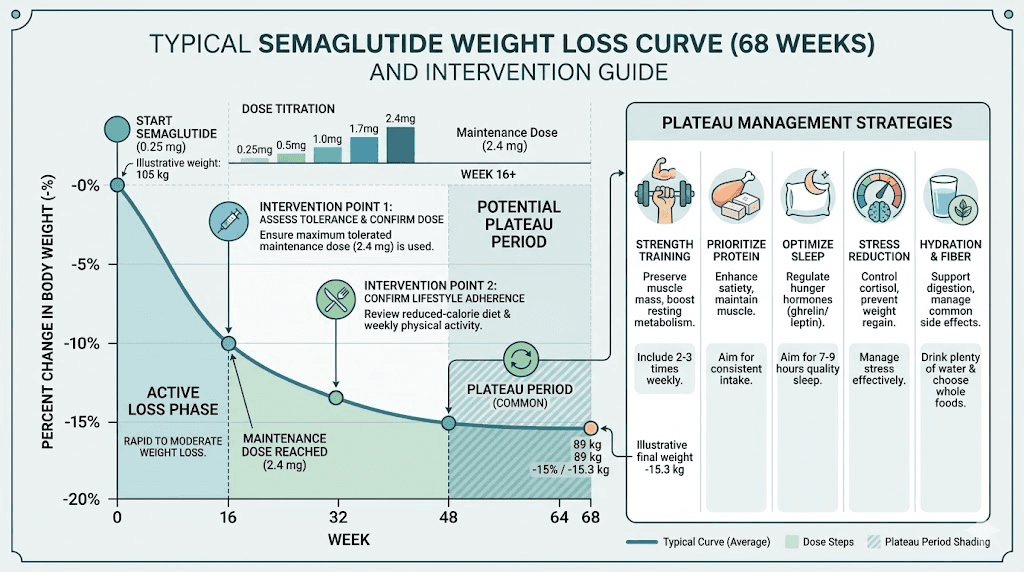
That gap between mediocre and outstanding outcomes often comes down to timing, technique, and tiny daily habits that compound over weeks and months. A single overlooked detail, like injecting into the wrong tissue depth or eating the wrong foods at the wrong time, can undermine weeks of progress. The research backs this up. Clinical trials like STEP 1 showed participants losing an average of 14.9% body weight over 68 weeks, but individual results ranged dramatically based on lifestyle factors that went far beyond the medication itself.
This guide covers every practical tip that separates successful semaglutide users from frustrated ones. From injection site selection and dose timing to dietary strategies and plateau-busting techniques, these are the strategies that actually move the needle. Whether you are in your first week on semaglutide or months into your protocol, there is something here that will improve your results. SeekPeptides members consistently report better outcomes when they follow these evidence-based approaches rather than guessing their way through the process.
Injection tips that make a real difference
The way you handle your injections matters more than most people think. Poor technique does not just cause discomfort. It can actually reduce how well the medication works. Getting this right from the start saves weeks of frustration down the line.
Choose the right injection site
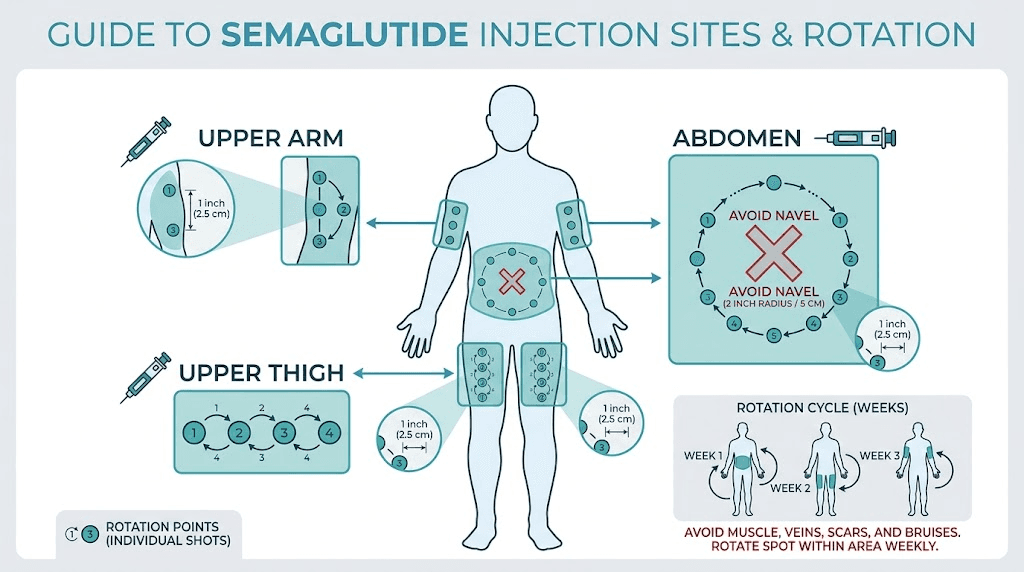
Three areas work for subcutaneous semaglutide injections: the abdomen (at least two inches from the navel), the front of the thighs, and the back of the upper arms. Each site offers a sufficient subcutaneous fat layer for proper absorption. The abdomen tends to be the most popular choice because it is easy to reach and typically has consistent fat distribution. For a detailed breakdown of site selection, see our guide to the best GLP-1 injection sites for weight loss.
But here is what most guides skip. Absorption rates can vary between sites. The abdomen generally provides the fastest and most consistent absorption, while the thighs may absorb slightly slower. This does not make one site better than another, but it does mean you should stay consistent with your preferred region rather than randomly switching between all three every week.
Rotate within your chosen area
Inject in the same general area each week, but never in the exact same spot twice in a row. Move at least one inch from your previous injection point. This prevents lipodystrophy, a condition where the tissue under the skin hardens or develops lumps from repeated trauma to the same location. Over time, lipodystrophy can reduce absorption and make injections more painful.
Some people find it helpful to imagine a clock face on their abdomen, rotating to a new position each week. Others simply alternate between left and right sides. Whatever system you use, make it consistent. And if you ever notice redness, lumps, or unusual firmness at an injection site, avoid that area until it fully heals.
Get the angle and depth right
Insert the needle at a 90-degree angle for most body types. If you are very lean with minimal subcutaneous fat, a 45-degree angle may work better to ensure the medication goes into fat tissue rather than muscle. Injecting into muscle changes how quickly the medication absorbs, potentially causing more side effects and less consistent results. Our guide on what happens when you accidentally inject semaglutide into muscle explains this in detail.
Pinch a fold of skin gently before inserting the needle. Push the plunger slowly and steadily. After injecting, hold the needle in place for five to ten seconds before withdrawing. This ensures the full dose is delivered and prevents medication from leaking back through the injection site.
Temperature matters for comfort
Remove your semaglutide from the refrigerator about 10-15 minutes before injecting. Cold medication stings more upon injection and can cause more redness at the site. Room temperature injections are significantly more comfortable. Just do not leave the vial out for longer than necessary. Compounded semaglutide should not stay unrefrigerated for extended periods, as this degrades the peptide.
Timing your weekly injection
Pick one day each week and stick to it. Consistency matters more than which specific day you choose. Some people prefer injecting on a day when they can rest if side effects appear, while others choose a busy day when they will be too distracted to notice any nausea. There is no scientifically proven best time of day to take semaglutide, so choose whatever fits your schedule.
That said, many experienced users report that evening injections work well because you sleep through the initial period when nausea tends to be strongest. If you forget your dose, take it as soon as you remember, provided there are at least two days before your next scheduled dose. If there are fewer than two days remaining, skip the missed dose and resume your normal schedule.
Diet tips that actually accelerate results
Semaglutide reduces appetite. That is its primary mechanism. But reduced appetite does not automatically mean better nutrition. In fact, eating less can easily become eating worse if you are not intentional about what goes on your plate. The dietary choices you make while on semaglutide determine whether you lose mostly fat or a concerning amount of muscle alongside it.
Eat protein first at every meal
This is the single most important dietary tip for anyone on semaglutide. When your appetite is suppressed, every bite counts more than usual. If you fill up on bread or rice before touching your protein, you may not eat enough to preserve muscle mass.
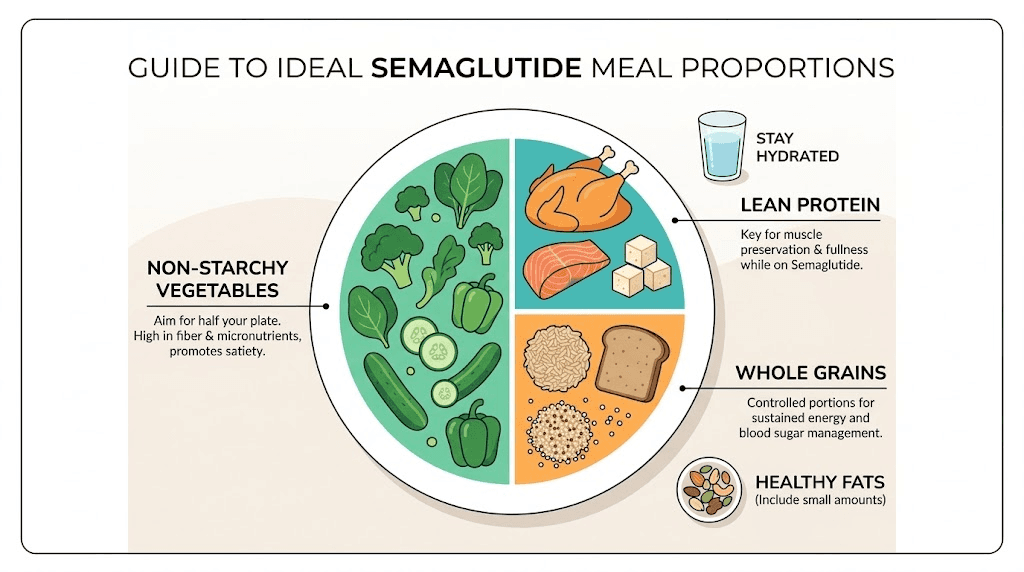
Start every meal with protein. Chicken, fish, eggs, Greek yogurt, cottage cheese, lean beef, tofu, or legumes, get these on your fork before anything else. Research presented at ENDO 2025 confirmed that consuming more protein helps protect against muscle loss in semaglutide users, with a target of 1.2-1.6 grams per kilogram of body weight daily at minimum. For a 180-pound person, that translates to roughly 98-131 grams of protein per day.
Distribute protein evenly across meals. Consuming 25-40 grams per meal across three to four eating occasions provides superior muscle preservation compared to loading all your protein into a single meal. Our guide to the best foods to eat on semaglutide covers this in greater detail with specific meal ideas.
Understand what foods to avoid
Certain foods interact poorly with semaglutide. High-fat fried foods slow digestion even further (semaglutide already slows gastric emptying), which can cause severe nausea, bloating, and discomfort. Sugary beverages add empty calories without triggering any satiety response. Carbonated drinks can worsen bloating and gas.
Spicy foods tend to aggravate the GI tract when it is already sensitized by the medication. Alcohol deserves special attention because it increases the risk of pancreatitis and can cause dangerous blood sugar drops when combined with semaglutide. For a complete breakdown, read our comprehensive list of foods to avoid on semaglutide and our guide on whether you can drink on semaglutide.
Eat smaller, more frequent meals
Large meals and semaglutide do not mix well. The medication slows how quickly food moves through your stomach, so piling in a big meal creates a traffic jam that leads to nausea, bloating, and discomfort. Three smaller meals with one or two snacks spread throughout the day works far better than the traditional three large meals.
Stop eating when you feel satisfied, not stuffed. Semaglutide amplifies fullness signals, so the difference between comfortably satisfied and miserably overfull shrinks dramatically. Pay attention to those signals. Put your fork down between bites. Eat slowly. These habits sound simple but they prevent the most common dietary complaint among semaglutide users.
Build a sustainable meal plan
Structure removes guesswork. A basic semaglutide diet plan built around lean protein, non-starchy vegetables, whole grains, and healthy fats gives you a framework that works without overthinking. Aim for roughly 1,200-1,500 calories daily for most adults during active weight loss, though individual needs vary significantly based on body size, activity level, and metabolic rate.
Some people find meal prepping on weekends eliminates the temptation to grab convenient but nutritionally poor options during busy weekdays. When your appetite is low and you do not feel like cooking, having pre-prepared, protein-rich meals in the refrigerator ensures you eat well even on low-energy days. Our complete food list for semaglutide can help you build a shopping list that supports your goals.
Consider beneficial supplement pairings
Several supplements can support your semaglutide protocol. Vitamin B12 is particularly important because GLP-1 medications can reduce B12 absorption over time, and many compounded formulations now include it for this reason. Our guide on semaglutide with B12 explains the research behind this combination.
Glycine is another compound gaining attention in the semaglutide space. Some compounded versions include glycine for its potential to reduce gastrointestinal side effects and support liver function. Read more about semaglutide with glycine to understand whether this combination makes sense for your protocol.
L-carnitine has shown promise for supporting fat metabolism during weight loss, and some researchers pair it with their semaglutide protocol. Our semaglutide and L-carnitine guide covers the evidence and practical considerations.
Probiotics can help manage the GI side effects that many users experience. A quality probiotic supports gut motility and may reduce constipation, one of the more persistent side effects. See our recommendations for the best probiotic for semaglutide users.
Managing side effects like a pro
Side effects are the number one reason people quit semaglutide before seeing meaningful results. But most side effects are manageable, temporary, and preventable with the right approach. The key is knowing what to expect and having a plan before symptoms appear.
Nausea management strategies
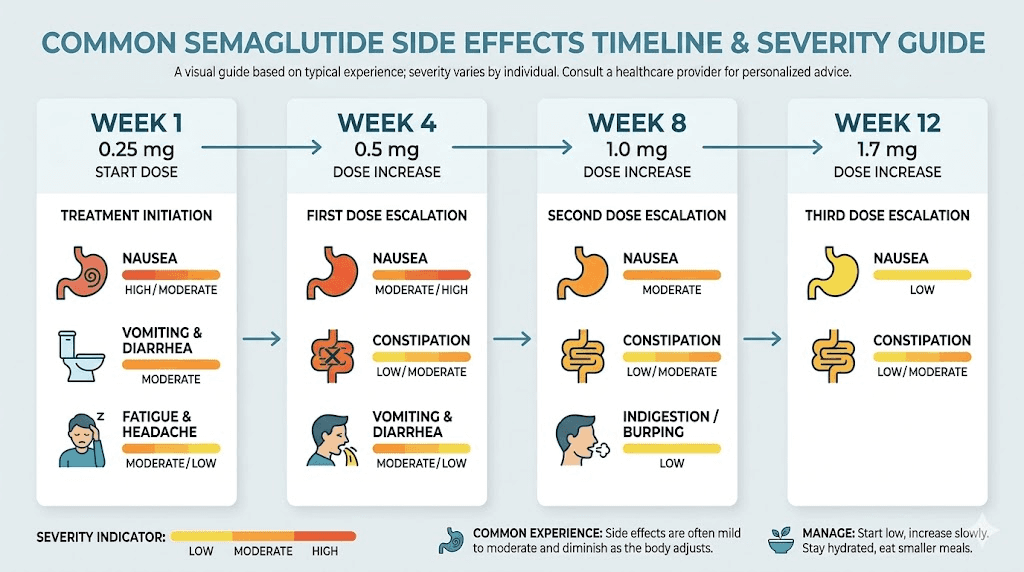
Nausea hits hardest during the first few weeks and after each dose increase. It typically fades as your body adjusts. That adjustment period can last anywhere from a few days to two weeks at each new dose level.
Start with ginger. Ginger tea, ginger chews, or ginger capsules have genuine anti-nausea properties backed by research. Keep these on hand before you even begin your protocol. Peppermint tea and peppermint candies work through a different mechanism and can complement ginger when nausea is particularly stubborn.
Eat bland, easily digestible foods when nausea is active. Crackers, toast, broth-based soups, and bananas are gentle on the stomach. Avoid lying down immediately after eating, as this can worsen nausea.
Instead, take a gentle walk, which helps stimulate digestion and move food through your system.
If over-the-counter remedies are not enough, prescription anti-nausea medications like ondansetron (Zofran) can provide significant relief during the adjustment period. Talk to your prescribing provider about having this on hand, especially when increasing doses. Understanding how long after taking semaglutide side effects appear helps you prepare accordingly.
Tackle constipation before it becomes a problem
Semaglutide slows gastric motility. For some people, this extends beyond the stomach and affects the entire digestive tract, leading to constipation that can become genuinely uncomfortable if ignored.
Prevention beats treatment. Drink at least 80 ounces of water daily. Include fiber-rich vegetables with every meal. Psyllium husk supplements add bulk and promote regular bowel movements without interfering with semaglutide absorption. Magnesium citrate at 200-400mg before bed can help keep things moving.
If constipation develops despite these measures, our dedicated guide on semaglutide constipation treatment covers escalating interventions from dietary changes through to medical options. Do not let this side effect go unaddressed. Chronic constipation affects nutrient absorption, mood, and overall wellbeing, all of which undermine your progress.
Combat fatigue with strategic nutrition
Fatigue on semaglutide usually stems from one of three causes: eating too few calories, dehydration, or nutrient deficiencies that develop gradually over weeks of reduced food intake. Rarely, it signals that your dose is too aggressive for your current intake.
Track your calories for at least one week to ensure you are not accidentally undereating. Many semaglutide users, thrilled by their reduced appetite, eat far less than they should. Below 1,000 calories daily, fatigue is almost guaranteed because your body simply does not have enough fuel to function. Our article on whether semaglutide gives you energy explores the complex relationship between the medication and energy levels.
A daily multivitamin provides baseline coverage for micronutrients you might miss when eating less food. Iron, B vitamins, and vitamin D deserve particular attention. If fatigue persists despite adequate nutrition and hydration, consult your provider about adjusting your dose. The broader picture of GLP-1 fatigue applies across all medications in this class.
Handle other common side effects
Headaches occur frequently during dose titration. Stay hydrated and maintain consistent blood sugar through regular meals. Most semaglutide headaches resolve within the first month. For persistent headaches, our GLP-1 headache guide covers causes and solutions.
Some users experience insomnia, particularly at higher doses. Taking your injection earlier in the day, maintaining a regular sleep schedule, and avoiding eating close to bedtime can help. Our article on whether semaglutide causes insomnia explores this connection in depth.
Hair thinning concerns some users, typically starting three to six months into treatment. This usually relates to the rapid weight loss itself rather than the medication directly, and adequate protein intake is the best preventive measure. The GLP-1 hair loss guide covers this topic thoroughly.
Feeling cold is surprisingly common. As you lose body fat, you lose insulation. This is a sign of progress, not a problem. Layer your clothing and know that your body will gradually adjust to its new composition. Learn more about why semaglutide makes you feel cold.
Exercise tips for preserving muscle and accelerating fat loss
Here is an uncomfortable truth. Up to 40% of the weight lost on semaglutide can come from lean mass, including muscle. That is not an acceptable tradeoff for most people. Muscle drives metabolism, supports joint health, improves insulin sensitivity, and determines how you look after the weight is gone.
Exercise, specifically resistance training, is the most powerful tool you have for shifting that ratio toward fat loss and away from muscle loss.
Prioritize resistance training above everything else
A randomized trial showed that GLP-1 users who performed resistance training preserved 60% more lean mass than those who did not exercise during treatment. That is not a small difference. That is the difference between looking fit and healthy after losing weight versus looking deflated and frail.
Two to three resistance training sessions per week is the minimum effective dose. Full-body workouts hitting all major muscle groups work well for most people. Focus on compound movements: squats, deadlifts, rows, presses, and lunges. These exercises recruit the most muscle fibers and provide the strongest stimulus for preservation.
You do not need a gym membership. Bodyweight exercises, resistance bands, and a set of adjustable dumbbells provide enough stimulus. The key is progressive overload, gradually increasing the challenge over time. If you did ten push-ups last week, try eleven this week. If you squatted with 20 pounds, try 25. Small consistent increases signal your body that it needs to keep its muscle.
Add cardio for cardiovascular health, not just calorie burn
Cardio supports heart health, improves mood, reduces stress, and enhances the cardiovascular benefits that semaglutide already provides. But it should not be your primary exercise focus.
Walking is underrated. Thirty minutes of brisk walking daily provides substantial health benefits without the recovery demands of intense cardio that could interfere with your resistance training. Swimming, cycling, and yoga are excellent complementary options. The question of whether you can lose weight on semaglutide without exercise has a simple answer: yes, but you will lose more muscle and end up with a less favorable body composition.
Do not overdo cardio. Excessive cardio combined with the caloric deficit that semaglutide creates can push your body into an energy-conservation state that actually slows fat loss and accelerates muscle breakdown. Balance matters.
Time your workouts strategically
Some users find that exercising on their injection day triggers more nausea. If this applies to you, schedule intense workouts for days two through five after your injection when side effects have typically subsided. Light walks or stretching on injection day keep you active without triggering GI distress.
Eat a protein-rich snack within two hours of completing resistance training. This maximizes the muscle-building signal from your workout. A protein shake, Greek yogurt, or chicken breast with vegetables works perfectly. Even when appetite is low, this post-workout nutrition window matters significantly for muscle preservation.
Hydration tips most people overlook
Water is not glamorous advice. But dehydration is one of the most common and easily preventable problems on semaglutide. The medication reduces thirst signals alongside hunger signals, so many users simply forget to drink enough.
Aim for at least 80 ounces daily
Eighty ounces is the baseline. Larger individuals, those who exercise regularly, or people living in hot climates need more. Start your day with 16-20 ounces of water before eating anything. Morning hydration counteracts overnight fluid losses and can reduce morning nausea, which many semaglutide users experience.
Carry a water bottle everywhere. Set hourly reminders on your phone if you tend to forget. Add lemon, cucumber, or berries to your water if plain water feels unappealing. Herbal teas count toward your daily total. Coffee and caffeinated beverages count partially, though caffeine has mild diuretic effects.
Separate liquids from meals
Drinking large amounts of liquid during meals can worsen the bloating and fullness that semaglutide causes. Sip small amounts during meals but do most of your hydrating between meals. This simple adjustment can dramatically reduce post-meal discomfort.
If you experience frequent headaches, dizziness, or dark-colored urine, these are dehydration warning signs that need immediate attention. Dehydration also worsens constipation, which is already a common side effect. Staying properly hydrated solves or improves multiple issues simultaneously.
Dosage tips for optimal results
Getting your dose right is a balancing act between maximizing weight loss and minimizing side effects. Too little and you will not see results. Too much and you will feel terrible without necessarily losing more weight. The sweet spot varies from person to person.
Start low and titrate slowly
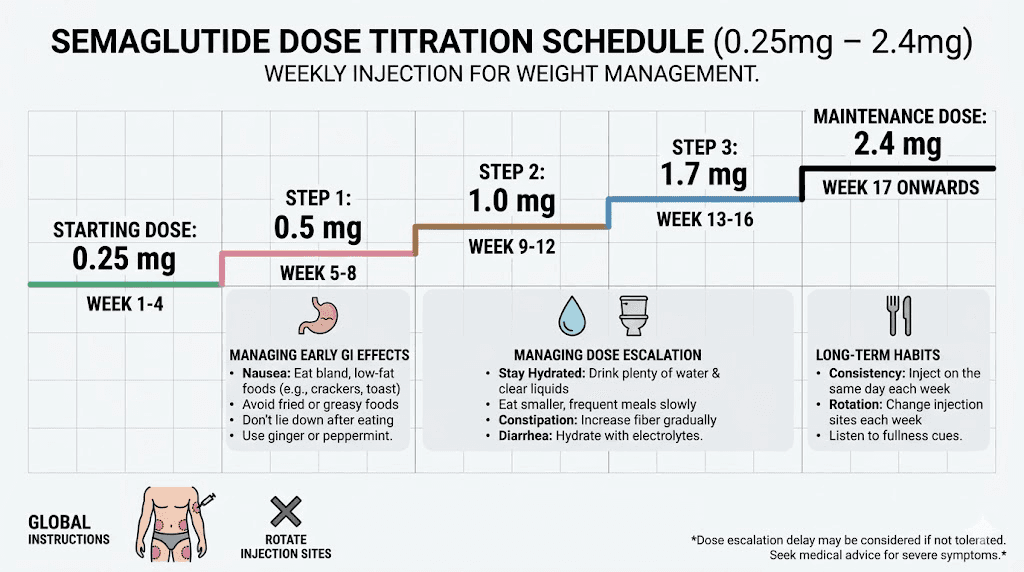
Standard semaglutide protocols begin at 0.25mg weekly for the first four weeks, then increase to 0.5mg, and continue escalating every four weeks until reaching the target dose. This gradual approach exists for a reason. Your GI tract needs time to adapt to the medication. Rushing the titration is the fastest way to experience severe side effects that could make you quit entirely.
Our semaglutide dosage calculator helps you determine exact measurements, especially important for compounded formulations where you are drawing from a vial rather than using a pre-filled pen. Understanding semaglutide dosage in units prevents measurement errors that could mean taking half your intended dose or double it.
Know when your dose needs adjustment
If you have been on the same dose for more than four weeks and your appetite suppression has significantly weakened, it may be time to increase. Conversely, if you are experiencing persistent, debilitating side effects that do not improve with the management strategies above, your dose may be too aggressive.
Some users respond beautifully to moderate doses and never need to reach the maximum 2.4mg weekly. Others need the full dose to achieve meaningful appetite suppression. Both scenarios are normal. What matters is finding YOUR optimal dose, the one that suppresses appetite effectively while keeping side effects manageable. Reference our semaglutide dosage chart in units and conversion chart for precise measurements.
Consider split dosing for better tolerance
Some people find that splitting their semaglutide dose across two injections per week reduces side effects while maintaining efficacy. Instead of one 1mg injection weekly, they might take 0.5mg every 3.5 days. This approach provides more stable blood levels and can smooth out the peaks and valleys that cause nausea spikes.
This is not an officially studied protocol, so discuss it with your provider before trying. But anecdotal reports from experienced users suggest it can be a game-changer for those who struggle with side effects at higher doses.
Storage and reconstitution tips
Improperly stored semaglutide can lose potency without any visible change. You cannot tell by looking at it whether the medication has degraded. Following storage guidelines protects your investment and ensures every injection delivers its full dose.
Refrigerate properly
Store semaglutide between 36-46 degrees Fahrenheit (2-8 degrees Celsius). The middle shelves of your refrigerator typically maintain the most consistent temperature. Avoid the back wall where items can freeze, and avoid the door where temperature fluctuates with each opening.
Pre-filled pens that have been started can typically stay at room temperature (below 86 degrees F) for up to 56 days. Compounded vials generally need continuous refrigeration and have a shorter shelf life after reconstitution, typically 28 days. Our guide on how long compounded semaglutide lasts in the fridge covers specific timeframes, and what happens after 28 days explains degradation concerns.
If you accidentally leave semaglutide out overnight, do not panic. A single night at room temperature usually does not destroy the medication, but repeated or prolonged exposure compromises potency progressively.
Reconstitute compounded semaglutide correctly
If you are using lyophilized (freeze-dried) compounded semaglutide, proper reconstitution is essential. Our detailed semaglutide reconstitution guide walks through the process step by step, including the exact amount of bacteriostatic water for 10mg vials and 5mg vials.
The golden rule: never shake the vial. Swirl it gently until the powder dissolves completely. Shaking creates air bubbles and can denature the peptide, reducing its effectiveness. This applies to all peptide reconstitution, and our general reconstitution guide covers the technique that works across all formulations.
Use bacteriostatic water rather than sterile water when possible. The benzyl alcohol preservative in bacteriostatic water prevents bacterial growth, giving your reconstituted solution a longer shelf life. Store the reconstituted vial upright in the refrigerator and label it with the reconstitution date. The peptide reconstitution calculator on SeekPeptides makes the math simple.
Tips for breaking through weight loss plateaus
Plateaus happen to nearly everyone on semaglutide. They are not a sign of failure. They are a predictable physiological response to sustained weight loss. Your body adapts. Your metabolism adjusts. The caloric deficit that produced steady losses in month two may no longer create any deficit at all in month six.
Studies show that semaglutide users typically plateau around week 60, with the most rapid weight loss occurring in the first six months. But knowing that plateaus are normal does not make them less frustrating. Here is how to push through.
Reassess your caloric intake
As you lose weight, your body requires fewer calories to maintain its new size. The caloric intake that created a deficit at 220 pounds may be maintenance at 185 pounds. Recalculate your needs every 15-20 pounds lost and adjust accordingly. Our guide on what to do after four weeks on semaglutide with no weight loss covers this recalculation process.
But be careful not to cut calories too aggressively. Below a certain threshold (roughly 1,000-1,200 calories for most adults), your metabolism downregulates significantly, and muscle loss accelerates. The goal is a moderate deficit of 500-750 calories below your new maintenance level, not starvation.
Increase exercise intensity or volume
If you have been doing the same workouts for months, your body has adapted. Add an extra set to your resistance training exercises. Increase the weight. Add an additional training day. Swap steady-state cardio for interval training. Any change that challenges your body in a new way can break through adaptation.
Consider tracking your steps. Many successful semaglutide users find that increasing daily step count from 5,000 to 8,000-10,000 breaks through plateaus more effectively than adding formal exercise sessions. This form of non-exercise activity thermogenesis (NEAT) burns significant calories without triggering the hunger response that intense exercise sometimes creates.
Review your dose with your provider
If lifestyle adjustments do not break the plateau and you are not yet at the maximum dose, a dose increase may be appropriate. The jump from 1.7mg to 2.4mg weekly, for example, produces a meaningful increase in appetite suppression for many users. But this decision belongs to your prescribing provider, not the internet.
Some providers also consider temporary medication holidays, short breaks from semaglutide that can reset receptor sensitivity. This is not well-studied but has anecdotal support. Never adjust your dose independently. The article on why you might not be losing weight on semaglutide covers all the potential factors beyond just the dose.
Rule out non-obvious factors
Sleep deprivation raises cortisol and ghrelin, both of which promote fat storage and hunger. Chronic stress does the same. Thyroid dysfunction, hormonal changes, certain medications, and water retention can all mask fat loss on the scale.
Track measurements, not just weight. Waist circumference, hip circumference, and how your clothes fit are often more reliable indicators of progress than the number on the scale. You may be losing fat and gaining muscle simultaneously, which shows no change in weight but represents genuine improvement in body composition.
Tips for your first month on semaglutide
The first four weeks set the tone for your entire protocol. Get them right and everything that follows becomes easier. Get them wrong and you spend months recovering from avoidable mistakes.
Set realistic expectations
You will not lose 20 pounds in your first month. The starting dose of 0.25mg is a sub-therapeutic dose designed purely for GI adjustment. Expect 2-5 pounds of weight loss in month one, primarily from reduced caloric intake and some water weight. Real, significant fat loss begins at higher doses, typically 0.5mg and above.
Appetite suppression at the starting dose varies widely. Some people notice a dramatic reduction in hunger from day one. Others feel almost nothing until they reach 0.5mg or 1.0mg. Both responses are completely normal. Our article on whether semaglutide suppresses appetite immediately explains the biological reasons behind this variability, and our breakdown of how fast semaglutide works provides realistic timelines.
Establish your baseline habits immediately
Do not wait until month three to start exercising or improving your diet. Build your foundational habits now, during the low-dose adjustment period when side effects are mildest. Start resistance training. Establish your protein-first eating pattern. Set up your hydration routine. Create your meal prep system.
These habits compound over time. The person who starts exercising in week one has sixteen more weeks of habit reinforcement by month four compared to someone who waited. That difference in consistency translates directly into better outcomes.
Keep a simple log
Track three things daily: weight (first thing in the morning, after using the bathroom), how you feel (energy, nausea, mood on a 1-10 scale), and what you ate (rough protein estimate is enough). This log becomes invaluable when troubleshooting plateaus or side effects later.
Do not obsess over daily weight fluctuations. They are meaningless. Water retention, meal timing, bowel movements, and sodium intake can swing the scale by 2-5 pounds in a single day. Focus on the weekly trend instead. If the seven-day average is declining, you are on track regardless of any single-day spike.
Long-term success tips
Semaglutide is not a temporary fix. Research shows that patients who discontinue semaglutide after successful weight loss regain approximately two-thirds of the lost weight within one year. This medication works by changing your appetite and metabolic signals, and when you stop, those signals return to baseline.
Plan for the long game
Understanding how long you stay on semaglutide helps set appropriate expectations. Many people need ongoing treatment to maintain their results. This is not a personal failing. It is how the medication works. Obesity is a chronic condition, and semaglutide treats it the way blood pressure medication treats hypertension, by managing the underlying physiology on an ongoing basis.
If you do decide to discontinue, our guide on stopping semaglutide cold turkey explains why a gradual taper is usually preferable, and our article on semaglutide withdrawal symptoms covers what to expect.
Track your results visually
Take progress photos every four weeks under consistent conditions: same time of day, same lighting, same clothing (or lack thereof). Photos capture changes that the scale misses entirely. Many people do not recognize their own transformation because they see themselves in the mirror every day, where gradual changes become invisible.
Our guide on semaglutide before and after results shows what typical transformations look like at various timepoints, and our week-by-week results timeline provides benchmarks for comparison.
Monitor blood work regularly
Request comprehensive blood work every three to six months while on semaglutide. Track metabolic markers (fasting glucose, HbA1c, insulin), liver enzymes, kidney function, thyroid function, B12 levels, and a comprehensive metabolic panel. These tests catch potential issues early and document the metabolic improvements that semaglutide often produces, improvements that go far beyond just weight loss.
Semaglutide does show up in certain blood work panels, so inform your provider about your medication before testing. Estrogen level changes and menstrual cycle effects are also worth monitoring for female users.
Compounded versus branded semaglutide tips
The landscape of semaglutide products has expanded significantly. Understanding the differences between options helps you make informed decisions about your protocol.
Understand compounded semaglutide
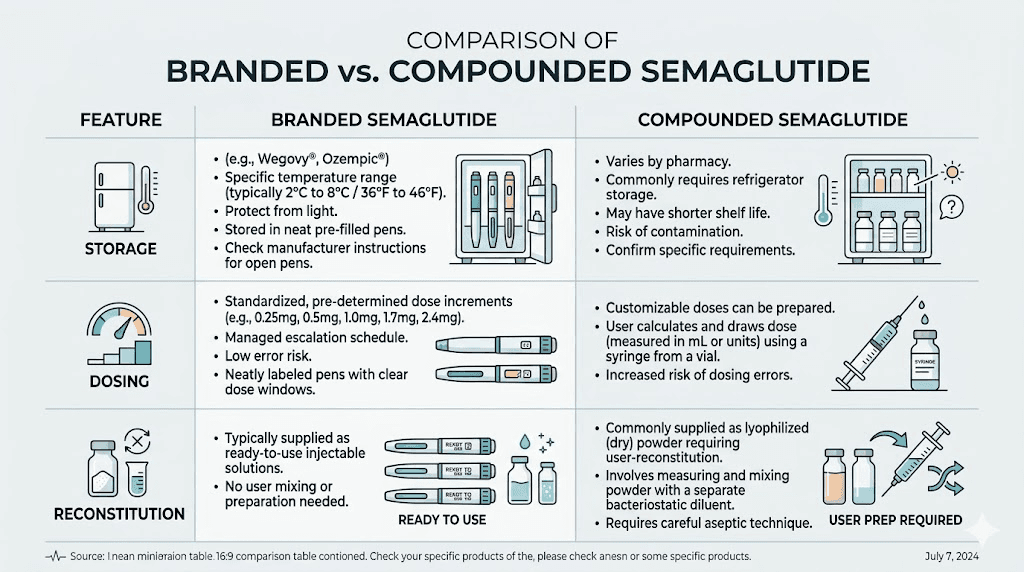
Our complete guide to compounded semaglutide covers the differences in detail. Compounded formulations require reconstitution and more hands-on dosing compared to pre-filled pens. They also come in different concentrations, making the compounded semaglutide dose chart essential for accurate measurement.
Many compounded versions include additional ingredients like B12, glycine, or niacinamide. The semaglutide glycine B12 blend is one popular formulation, and the niacinamide semaglutide combination is another gaining traction. Each additive serves a specific purpose.
Consider oral alternatives
Not everyone tolerates injections. Oral semaglutide drops represent an alternative delivery method that avoids needles entirely. Absorption and bioavailability differ from injectable forms, so dosing is not directly comparable. If needle anxiety is a barrier for you, explore this option with your provider.
Use the right tools for accurate dosing
Dosing errors are the most common avoidable mistake with compounded semaglutide. Use insulin syringes with clear unit markings. Our semaglutide syringe dosage chart shows exactly where to draw for each dose, and the semaglutide dosage calculator on SeekPeptides removes all guesswork from the calculation.
Double-check your math. Know the concentration of your vial (typically 2mg/mL or 5mg/mL for compounded versions). Know how many units correspond to your target dose. Verify against our semaglutide syringe conversion chart before every injection, especially when starting a new vial with a different concentration.
Lifestyle tips that support your protocol
Semaglutide does not work in isolation. It works within the context of your entire life. Sleep, stress, social habits, and daily routines either amplify or undermine its effects.
Prioritize sleep quality
Poor sleep increases ghrelin (hunger hormone) and decreases leptin (satiety hormone), effectively working against everything semaglutide is trying to do. Seven to nine hours of quality sleep per night is not optional if you want optimal results.
Create a consistent sleep schedule. Avoid screens for 30 minutes before bed. Keep your bedroom cool and dark. If semaglutide is causing sleep disruption, injecting earlier in the day and avoiding late meals can help.
Manage stress actively
Chronic stress elevates cortisol, which promotes visceral fat storage and increases cravings for high-calorie comfort foods. Even with semaglutide suppressing appetite, high cortisol can slow fat loss and promote muscle breakdown.
Find what works for you. Walking, meditation, breathing exercises, journaling, or simply spending time outdoors. The specific technique matters less than consistency. Even ten minutes of deliberate stress management daily produces measurable results over weeks.
Build a support system
Weight loss is harder alone. Whether it is a partner, friend, online community, or healthcare team, having people who understand what you are going through makes a significant difference in adherence and outcomes.
SeekPeptides members access a community of researchers and users navigating the same protocols, sharing real experiences, troubleshooting problems, and celebrating progress. Having access to evidence-based protocols, community support, and expert guidance removes much of the uncertainty that derails solo efforts.
Tips when combining semaglutide with other medications
Many semaglutide users take other medications or supplements simultaneously. Some combinations work well together. Others require careful management.
Common supplement combinations
Beyond the B12, glycine, and L-carnitine pairings mentioned earlier, some users explore berberine and semaglutide together for additional blood sugar support. Others consider phentermine and semaglutide for enhanced appetite suppression, though this combination requires careful medical supervision. The comparison between phentermine and semaglutide helps clarify when each approach makes more sense.
Know when to consider switching
If semaglutide is not producing adequate results after reaching the maximum tolerable dose with optimal lifestyle factors in place, tirzepatide may be the next step. Our semaglutide versus tirzepatide comparison breaks down the differences, and the article on whether tirzepatide works when semaglutide does not addresses this specific scenario. The side effect comparison helps you weigh the tradeoffs.
Retatrutide represents an even newer option that targets three receptors instead of one, potentially offering enhanced results for those who have plateaued on existing GLP-1 medications. Explore our retatrutide versus semaglutide comparison for the current research.
Advanced tips for experienced users
If you have been on semaglutide for several months and have the basics dialed in, these advanced strategies can squeeze additional results from your protocol.
Optimize meal timing around injection day
Many experienced users eat lighter on injection day and the day after, when appetite suppression peaks, then consume slightly more on days four through six when appetite begins returning. This natural rhythm of eating matches the medication pharmacokinetics and can feel more intuitive than forcing consistent intake every day.
Track body composition, not just weight
Invest in a body composition scale or regular DEXA scans. These tools differentiate between fat loss and muscle loss, providing actionable data that a regular scale cannot. If your body fat percentage is dropping while lean mass holds steady, you are winning regardless of what the total weight says.
Waist-to-hip ratio is another valuable metric. A decreasing waist-to-hip ratio indicates preferential visceral fat loss, which is the most metabolically dangerous type of fat and the type semaglutide targets most effectively. Clinical data from STEP 1 showed a 27.4% reduction in visceral fat, significantly more than the 19.3% reduction in total fat mass.
Cycle supplement support strategically
Rather than taking every supplement every day, some experienced users cycle their support supplements based on protocol phase. During active dose titration (when side effects are strongest), focus on GI support: ginger, probiotics, magnesium, and digestive enzymes. During stable maintenance phases, shift focus to performance supplements: creatine, vitamin D, omega-3 fatty acids, and protein supplementation.
Our guide on supplements to take with GLP-1 medications applies broadly across the class, including semaglutide.
Frequently asked questions
What is the best time of day to inject semaglutide?
There is no scientifically proven best time. Choose whatever is most convenient and consistent for your schedule. Many users prefer evening injections to sleep through initial nausea, but morning injections work equally well for others. Consistency matters more than specific timing. See our full timing guide for more detail.
How much protein should I eat on semaglutide?
Aim for 1.2-1.6 grams per kilogram of body weight daily as a minimum. For active individuals doing resistance training, 1.6-2.2 grams per kilogram is better. Distribute protein evenly across meals with 25-40 grams per sitting. Always eat protein first when appetite is suppressed.
Can I drink alcohol while taking semaglutide?
Alcohol increases the risk of pancreatitis and can cause dangerous blood sugar drops when combined with semaglutide. If you choose to drink, do so minimally and never on an empty stomach. Our alcohol and semaglutide guide covers safe limits and risks in detail.
What should I do if I miss a dose?
Take the missed dose as soon as you remember if there are at least two days until your next scheduled dose. If fewer than two days remain, skip the missed dose and resume your normal schedule. Do not double up doses to make up for a missed injection.
How do I know if my semaglutide has gone bad?
Check for visible particles, cloudiness, or color changes in the solution. Compounded semaglutide should be clear and colorless. If it has been left at room temperature for extended periods or stored past its expiration date, potency may be compromised even if it looks normal. Our guides on using expired semaglutide and semaglutide shelf life provide specific timeframes.
Why am I not losing weight on semaglutide?
The most common reasons include insufficient dose, inadequate caloric deficit, excessive calorie intake from liquids, hormonal factors, medication interactions, or unrealistic timeline expectations. Our detailed troubleshooting guide walks through every possible factor.
How long does it take to see results?
Most users notice appetite suppression within the first one to two weeks. Visible weight loss typically becomes apparent by week four to eight, depending on the dose and individual response. By month three, clinical studies show average weight loss of 5-10% of body weight. See our complete timeline for detailed milestones.
Should I exercise on semaglutide?
Absolutely. Exercise, especially resistance training, is critical for preserving muscle mass during weight loss. Without it, up to 40% of weight lost may come from lean tissue. Aim for two to three resistance sessions weekly plus daily walking. Even our article on losing weight without exercise emphasizes that outcomes improve significantly with physical activity.
External resources
STEP 1 Clinical Trial Results (New England Journal of Medicine)
Ozempic Face: What It Is and How to Avoid It (Cleveland Clinic)
For researchers serious about optimizing their semaglutide protocols, SeekPeptides offers the most comprehensive resource available, with evidence-based guides, proven protocols, dosage calculators, and a community of thousands who have navigated these exact questions.
In case I do not see you, good afternoon, good evening, and good night. May your doses stay accurate, your side effects stay manageable, and your results stay consistent.