Feb 8, 2026
When you search for affordable tirzepatide options, one name keeps appearing in telehealth forums and weight loss communities. Lavender Sky Health positions itself as a direct access point to both brand-name and compounded tirzepatide, promising transparent pricing and no recurring membership fees. But the landscape of online GLP-1 providers has become crowded with promises of low costs and easy access. Some deliver on those promises. Others do not. This guide examines what Lavender Sky Health actually offers, who it works well for, and where it falls short. You will find specific pricing breakdowns across all ten pharmacy partners, real patient outcomes from Trustpilot reviews, and comparisons to alternative tirzepatide sources. The goal is simple: help you determine whether this platform aligns with your weight loss needs, budget, and expectations. No marketing language, no affiliate bias, just the operational details that matter when choosing a tirzepatide provider.
What is Lavender Sky Health and how does it work
Lavender Sky Health is a telehealth platform founded in 2023 that connects patients to healthcare providers who can prescribe weight loss medications, primarily tirzepatide and semaglutide. The company operates exclusively online through lavenderskyhealth.com, with no physical clinic locations. Three core features define their service model: no monthly membership fees, access to ten different compounding pharmacy partners, and the option to choose between brand-name or compounded formulations.
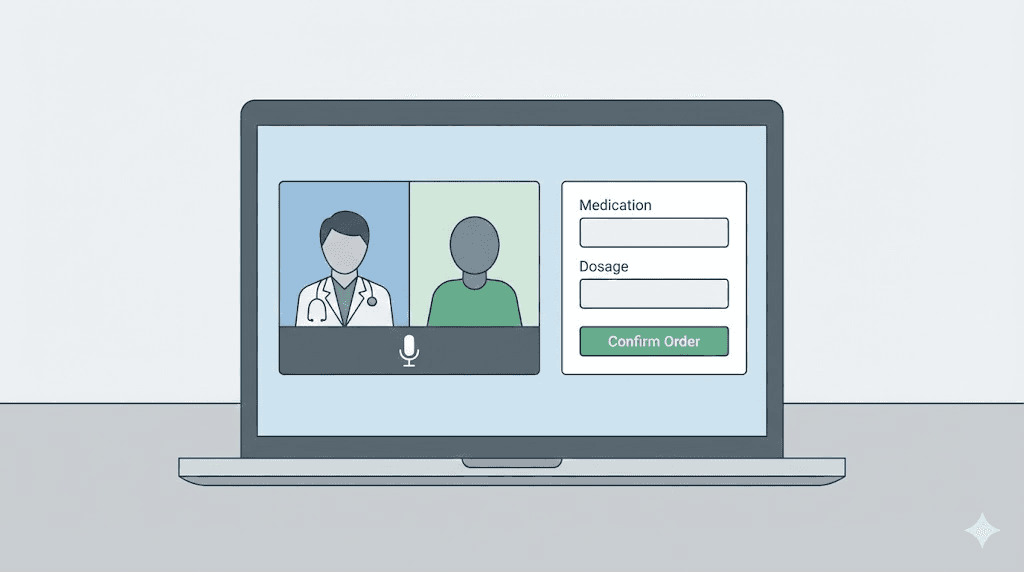
The platform works through a simplified three-step process. First, you create an account and complete a medical intake form that covers your weight history, current medications, cardiovascular health, and weight loss goals. Second, you consult with a licensed healthcare provider, either through an asynchronous e-consult (message-based) or a scheduled phone or video call. Third, if approved, your prescription is sent to one of the pharmacy partners and shipped directly to your home. Processing and shipping typically takes two to seven business days, with refrigerated medications sent via overnight or two-day air in insulated coolers.
Unlike platforms that bundle consultation fees into monthly subscriptions, Lavender Sky charges a one-time $65 new patient consultation fee. You then pay only for the medication itself when you need to reorder. Follow-up consultations are required every six months for active patients, or every nine months if you have reached maintenance dosing. This pay-as-you-go structure appeals to patients who want flexibility rather than recurring charges, though it does mean budgeting for periodic consultation fees on top of medication costs.
The platform handles both compounded tirzepatide and brand-name options like Zepbound and Mounjaro. Compounded formulations typically include additional ingredients such as vitamin B12, niacinamide, or glycine, which can vary by pharmacy partner. This means your actual medication may differ slightly depending on which pharmacy fulfills your prescription. Understanding these formulation differences matters when tracking your response to treatment, since adjunct ingredients may influence side effects or tolerability. SeekPeptides members access detailed formulation comparisons and can track outcomes across different compounding pharmacy products.
State coverage varies significantly by pharmacy partner. While some partners like BPI Pharmacy and OptioRx cover all 50 states plus Washington D.C., others like AbsoluteRx or Hallandale cover only 35 to 40 states. This geographic limitation can restrict your pharmacy options depending on where you live. Before completing the intake form, verify that at least one of Lavender Sky pharmacy partners serves your state. The platform lists coverage details on their website, though you may need to contact customer support for confirmation in certain regions.
Customer service operates through multiple channels including email, phone support, and an active Facebook community where patients share experiences and troubleshooting advice. Reviews note that staff typically respond quickly, even on weekends, though some patients report occasional delays during high-volume periods. The Facebook group has become a de facto support channel where members discuss tirzepatide dosing schedules, compare pharmacy experiences, and share before and after results.
How to get tirzepatide through Lavender Sky Health
Getting started with Lavender Sky Health requires completing their online intake questionnaire, which takes approximately 10 to 15 minutes. The form asks detailed questions about your medical history, including current weight, height, previous weight loss attempts, existing health conditions, medications you currently take, and any history of thyroid issues or pancreatitis. Be thorough here. Incomplete answers often result in follow-up requests that delay approval. You will also need to provide basic insurance information, though Lavender Sky does not bill insurance directly for compounded medications.
After submitting your intake form, you choose your consultation type. The asynchronous e-consult involves messaging back and forth with a provider through the platform, usually resolved within 24 to 48 hours. This works well if you have straightforward health history and prefer not to schedule a live appointment. The alternative is a phone or video consultation, which must be scheduled in advance and allows real-time discussion of your medical situation, goals, and medication options. Most patients opt for the e-consult initially, switching to phone consultations for follow-ups if they have complex questions.
Once approved, your provider writes a prescription and sends it to your chosen pharmacy partner. Here is where the process diverges from traditional pharmacies. You do not pick up medication at a local pharmacy. Instead, the compounding pharmacy ships directly to your address. You can select your preferred pharmacy partner based on price, formulation, state coverage, and availability. Each pharmacy operates independently, with its own pricing tiers, tirzepatide formulations, and customer service practices.
Shipping time varies by pharmacy and your location, but most deliveries arrive within three to seven business days from the time your prescription is processed. Refrigerated medications like tirzepatide ship in insulated coolers with ice packs or dry ice, designed to maintain proper temperature during transit. Open the package immediately upon arrival and transfer the medication to your refrigerator. If the ice packs have completely melted or the medication feels warm to the touch, contact the pharmacy before using it. Proper storage is critical for maintaining medication potency.
For your first refill, Lavender Sky requires a follow-up consultation if you are new to GLP-1 medications. This serves as a safety check to assess your response, side effects, and whether dose adjustments are needed. Established GLP-1 users may bypass this requirement if they have recent documentation of stable dosing. The platform restricts reordering intervals to 21 days for custom GLP-1 prescriptions, preventing patients from stockpiling medication and ensuring appropriate usage monitoring.
Payment happens through either a portal invoice or a PDF invoice sent via email. Credit cards and debit cards are accepted, though some patients report confusion about when charges will process. Unlike subscription models where payments recur automatically, you initiate each payment when ordering medication. This gives more control over spending but requires you to remember to reorder before running out. Missing a dose or running out of medication can disrupt your progress, especially during the initial titration phase when consistent dosing matters most for appetite suppression and weight loss momentum.
Lavender Sky also offers at-home lab testing for patients who want to monitor metabolic markers during treatment. The panel includes 17 biomarkers such as glucose, A1C, liver enzymes, kidney function, and lipid profiles. Results are reviewed by your provider and can inform dose adjustments or identify potential side effects early. This service costs extra but provides valuable data for patients who want a more comprehensive approach to weight loss monitoring. SeekPeptides members access detailed guides on interpreting lab results and adjusting protocols based on biomarker changes.
Lavender Sky Health tirzepatide pricing breakdown
Pricing for compounded tirzepatide through Lavender Sky Health varies significantly by pharmacy partner and dosage tier. The platform divides medication into five tiers based on total milligram content per vial, ranging from Tier 0 (approximately 20mg to 30mg) up to Tier 4 (120mg to 141mg). These tiers correspond roughly to the standard tirzepatide dose escalation schedule, though exact dosing depends on your provider prescription and the concentration your pharmacy dispenses.
Tier 0 represents the starting dose range, typically used during the first four to eight weeks of treatment. Prices across pharmacy partners range from $249 to $360 per vial, with each vial lasting eight to ten weeks depending on your prescribed dose. Hallandale Pharmacy offers the lowest Tier 0 price at $260 per ten-week supply, translating to approximately $104 per month. At the upper end, Red Rock Pharmacy charges $360 for an eight-to-ten-week supply, or roughly $144 to $180 per month. This price difference matters if you plan to stay at lower maintenance doses long-term.
Tier 1 (34mg to 50mg total per vial) costs $299 to $410, spanning the middle escalation phase where most patients begin seeing significant weight loss. Tier 2 (51mg to 75mg) ranges from $335 to $479. Tier 3 (80mg to 102mg) costs $385 to $589. Tier 4 (120mg to 141mg) reaches $429 to $799 depending on the pharmacy. The most expensive option across all tiers is Alchemist Pharmacy at Tier 4, charging $799 per vial. This places it well above competing compounded tirzepatide sources but still far below the $1,000-plus monthly cost of brand-name Mounjaro or Zepbound without insurance coverage.
Each pharmacy partner structures pricing slightly differently. Some charge per vial regardless of tier, while others price by total milligram content. Some include supplies like needles, syringes, and alcohol swabs in the medication cost, while others require separate supply orders. When comparing prices, factor in the cost of injection supplies if not included. A box of 100 insulin syringes typically costs $15 to $25, and you will need approximately eight to twelve syringes per month depending on your dosing frequency.
The $65 consultation fee adds to your first month cost but does not recur monthly like membership fees on other platforms. However, follow-up consultations every six months mean you will pay $65 twice per year for ongoing prescriptions. Over a twelve-month period, this adds $130 to your total medication expense. Compare this to platforms charging $99 to $149 per month in membership fees, which would total $1,188 to $1,788 annually. For patients staying on treatment long-term, the pay-per-consultation model typically costs less overall unless you require frequent provider check-ins.
Brand-name tirzepatide is also available through Lavender Sky, though pricing is substantially higher. Zepbound vials cost $299 to $449, while Zepbound or Mounjaro pens range from $650 to $1,200-plus depending on dose strength and pharmacy.
Most patients opt for compounded formulations unless they specifically want FDA-approved brand-name medication or their insurance covers a portion of the cost. Keep in mind that compounded drugs are not FDA-evaluated for safety or efficacy, though they are regulated by state pharmacy boards. This distinction matters to some patients more than others, particularly those with complex medical histories who prefer medications that have undergone full FDA review.
Hidden fees are minimal but worth noting. Shipping is typically included in the medication price for standard delivery, though expedited shipping may cost extra. Some pharmacies charge restocking fees if you need to return unopened medication, though policies vary. Credit card processing fees do not apply, but declined payments may result in delayed shipments. Late reordering can leave you without medication during critical dosing windows, potentially disrupting appetite suppression timelines and weight loss progress.
When budgeting for tirzepatide through Lavender Sky, calculate total monthly costs including medication, consultation fees (amortized monthly), injection supplies if needed, and potential lab testing. For most patients, total first-month costs range from $314 to $425 depending on pharmacy choice and tier. Subsequent months drop to $249 to $360 until dose escalation requires moving to a higher tier. This pricing structure remains competitive with other compounded tirzepatide providers while offering more pharmacy options than most single-pharmacy platforms. Use the peptide cost calculator to compare total treatment costs across different providers and dosing schedules.
Pharmacy partners and state coverage
Lavender Sky Health contracts with ten compounding pharmacy partners, each operating independently with distinct pricing, formulations, and geographic coverage. This multi-pharmacy approach gives patients flexibility but also introduces complexity when choosing where to fill prescriptions. Understanding the differences between pharmacy partners helps you optimize for cost, convenience, and formulation preferences.
BPI Pharmacy and OptioRx offer the broadest geographic reach, covering all 50 states plus Washington D.C. This makes them default options for patients in states with limited pharmacy access. BPI dispenses tirzepatide with vitamin B6, while OptioRx uses a tirzepatide-niacinamide formulation. Both maintain consistent availability and ship reliably, though customer service experiences vary. BPI tends to process orders faster according to patient reviews, while OptioRx sometimes experiences longer processing times during high-demand periods.
Hallandale Pharmacy consistently offers the lowest pricing across most tiers, making it attractive for budget-conscious patients. Their coverage spans approximately 35 to 40 states, excluding certain states with stricter compounding regulations. Patients report generally positive experiences with Hallandale, though shipping times occasionally stretch to the longer end of the five-to-seven-day window. If cost is your primary concern and you live within their coverage area, Hallandale represents the best value among Lavender Sky partners.
Empower Pharmacy stands out for its established reputation in the peptide and compounding space, having operated for decades with a strong safety and quality track record. They dispense tirzepatide with niacinamide and cover most states. Pricing sits in the mid-range, neither the cheapest nor most expensive. Many patients choose Empower specifically for the brand recognition and perceived quality assurance, despite not offering the lowest prices. This preference reflects broader concerns about compounding pharmacy reliability, since not all compounding facilities maintain equivalent quality control standards.
AbsoluteRx (also labeled AbsoluteRx/Nova in some Lavender Sky materials) offers tirzepatide with vitamin B12 and covers approximately 48 states. Pricing falls in the middle range. Patient feedback highlights responsive customer service and reliable shipping, though formulation options are more limited compared to pharmacies offering multiple adjunct ingredient choices. South Lake Pharmacy similarly dispenses tirzepatide-B12 formulations with comparable state coverage and pricing.
Red Rock Pharmacy uses a tirzepatide-methylcobalamin formulation, providing an alternative B12 variant for patients who prefer methylated B vitamins. Coverage includes about 49 states. Pricing aligns with mid-range partners like Empower and South Lake. Customer reviews mention fewer experiences with Red Rock compared to higher-volume partners, suggesting it may be a newer addition to the network or simply less frequently chosen by patients.
Southend Pharmacy dispenses tirzepatide with vitamin B6 and operates in approximately 35 states with limited availability for specific medications. Pricing is competitive, often falling just above Hallandale but below Alchemist. Patient reports indicate solid reliability without standout features that differentiate it from other mid-tier partners. It serves as a viable alternative when your preferred pharmacy is out of stock or does not cover your state.
Strive Pharmacy offers a unique tirzepatide-glycine-B12 formulation, making it the only partner with glycine included. Glycine is an amino acid that some practitioners believe may support metabolic function and reduce certain GLP-1 side effects, though clinical evidence remains limited. Coverage spans about 43 states with mid-range pricing. Patients interested in formulations beyond standard B vitamin combinations may prefer Strive for this reason. Learn more about B12 combination formulations and their potential benefits.
Alchemist Pharmacy sits at the premium end of Lavender Sky pricing spectrum, with Tier 4 vials reaching $799. They dispense tirzepatide with levocarnitine, an amino acid derivative sometimes used in fat metabolism support. Coverage includes about 35 states. The higher price point does not necessarily indicate superior quality compared to lower-cost partners, since all compounding pharmacies must meet state board standards. Some patients report choosing Alchemist for the levocarnitine formulation specifically, while others avoid it due to cost.
State coverage can change without notice due to regulatory shifts or pharmacy operational decisions. Before committing to Lavender Sky Health, verify that at least two or three pharmacy partners serve your state. This provides backup options if your primary choice experiences stock shortages or delays. SeekPeptides members track pharmacy availability changes and share real-time updates on which partners are fulfilling orders reliably.
Switching pharmacy partners mid-treatment is possible but requires coordination with your provider. Each pharmacy dispenses different formulations and concentrations, so switching may require recalculating your dose in units to maintain consistent weekly milligram intake. If you start with one pharmacy and later want to switch for pricing or availability reasons, discuss concentration differences with your provider to avoid inadvertent under-dosing or over-dosing during the transition.
Compounded tirzepatide formulations explained
Compounded tirzepatide formulations through Lavender Sky Health differ from brand-name Mounjaro or Zepbound in several important ways. Understanding these differences helps set appropriate expectations for efficacy, side effects, and overall treatment experience. The most significant distinction is that compounded medications are not FDA-approved or evaluated for safety and efficacy through the rigorous clinical trial process that brand-name drugs undergo. Instead, they are regulated by state pharmacy boards under Section 503A or 503B of the Federal Food, Drug, and Cosmetic Act.
Each compounding pharmacy adds specific ingredients alongside tirzepatide, primarily B vitamins or amino acids. These adjunct ingredients serve various theoretical purposes, from supporting energy metabolism to potentially reducing GLP-1 side effects. However, clinical evidence supporting these benefits remains limited for most combinations. Vitamin B12, the most common addition, addresses potential B12 deficiency that can occur with rapid weight loss or reduced dietary intake. Methylcobalamin offers a methylated B12 form that some practitioners prefer for patients with MTHFR genetic variants affecting B vitamin metabolism.
Niacinamide, used by OptioRx and Empower, is a form of vitamin B3 that supports cellular energy production and may have mild anti-inflammatory properties. Some patients report better tolerability with niacinamide-containing formulations, though this remains anecdotal rather than clinically proven. Vitamin B6, included in BPI and Southend formulations, plays roles in protein metabolism and neurotransmitter synthesis. Again, direct evidence linking B6 addition to improved tirzepatide outcomes is lacking, but deficiency can occur during caloric restriction.
Glycine, found in Strive Pharmacy formulation, is an amino acid that some practitioners believe may support liver function and reduce certain metabolic side effects. Research on glycine supplementation shows potential benefits for insulin sensitivity and inflammation, though whether these effects extend to glycine-tirzepatide combinations specifically remains unstudied. Patients interested in this formulation should understand they are choosing based on theoretical mechanisms rather than proven clinical outcomes.
Levocarnitine, used by Alchemist Pharmacy, is an amino acid derivative involved in fatty acid transport into mitochondria for energy production.
Supplementation is sometimes recommended during weight loss to theoretically support fat metabolism, though clinical evidence for enhanced weight loss with levocarnitine is mixed at best. The premium pricing for Alchemist levocarnitine formulation does not reflect proven superiority over standard formulations. Compare this to other lipotropic compounds used in weight loss protocols.
Concentration and dosing units vary significantly between pharmacy partners. Some dispense tirzepatide at 5mg/mL, while others use 10mg/mL or even 12.5mg/mL concentrations. This affects injection volume and makes switching between pharmacies more complex. A patient injecting 5mg weekly from a 5mg/mL concentration uses 1mL volume, while the same dose from a 10mg/mL concentration requires only 0.5mL. Converting between concentrations requires careful calculation to avoid dosing errors, which is why provider oversight is essential when changing pharmacy partners. The peptide calculator can help verify dose conversions.
Vial sizing also differs. Some pharmacies provide multi-dose vials containing eight weeks of medication, while others supply ten-week vials. Larger vials typically offer better per-dose value but require longer storage times after first use for pre-mixed formulations. Storage duration matters because potency can degrade over extended periods, particularly if temperature fluctuations occur.
Compounded formulations may exhibit different side effect profiles compared to brand-name tirzepatide, though distinguishing adjunct ingredient effects from tirzepatide effects proves difficult without controlled studies. Some patients report less nausea with certain formulations, but this could reflect dose titration speed, individual variability, or placebo effects rather than formulation differences. Tracking your response carefully during the first few months helps identify whether your specific formulation works well for you.
Quality control standards for compounding pharmacies are less stringent than those for FDA-approved pharmaceutical manufacturing. While reputable compounding pharmacies conduct potency testing and sterility verification, the oversight mechanisms differ from full FDA manufacturing inspections. Choosing established pharmacy partners with long operational histories and good patient feedback reduces risk, but does not eliminate it entirely. This represents one reason some patients prefer brand-name medications despite higher costs. Review peptide legality and regulation updates to understand the current regulatory landscape.
Purity and filler ingredients can vary between compounding pharmacies. Some use pharmaceutical-grade tirzepatide powder sourced from FDA-registered suppliers, while others may use research-grade materials not intended for human use. Lavender Sky pharmacy partners all claim to use pharmaceutical-grade active ingredients, but independent verification is challenging for individual patients. SeekPeptides provides detailed guides on evaluating compounding pharmacy quality and identifying red flags that suggest substandard practices.
Switching from brand-name to compounded tirzepatide, or vice versa, may require dose adjustments. Compounded formulations might have slightly different bioavailability or absorption characteristics, though major differences are unlikely if manufactured properly. Most providers recommend continuing your established dose when switching, then adjusting based on response over the following two to four weeks. Monitoring weight loss velocity, side effects, and appetite suppression effectiveness helps identify whether dose modifications are needed after a formulation change.
Brand-name vs compounded tirzepatide through Lavender Sky
Lavender Sky Health offers both brand-name and compounded tirzepatide, creating a decision point for patients choosing between FDA-approved medications and lower-cost compounded alternatives. The cost difference is substantial. Brand-name Zepbound vials through Lavender Sky cost $299 to $449 per month, while Mounjaro pens range from $650 to $1,200-plus. Compounded options start at $249 for Tier 0 doses and reach $799 at the highest tier through the most expensive pharmacy partner. For most patients without insurance coverage, compounded tirzepatide offers a more accessible entry point.
The primary advantage of brand-name tirzepatide is FDA approval, which means the medication has undergone extensive clinical trials demonstrating safety and efficacy for weight loss in people with obesity or overweight with weight-related conditions. Manufacturing occurs under strict FDA oversight with rigorous quality control, batch testing, and stability verification. Dosing accuracy is guaranteed within tight tolerances. Patients choosing brand-name medications gain confidence that what they inject matches the product studied in clinical trials.
Compounded tirzepatide lacks this FDA approval and clinical trial backing. While the active ingredient is the same molecule used in brand-name formulations, the manufacturing process, quality control, potency verification, and sterility assurance differ significantly. State pharmacy boards regulate compounding facilities, but oversight standards vary by state and are generally less comprehensive than FDA manufacturing inspections. This introduces uncertainty about batch-to-batch consistency and potency accuracy.
For patients with complex medical conditions, taking multiple medications, or having histories of adverse drug reactions, brand-name tirzepatide may provide a safer choice despite higher costs. The predictability and standardization reduce variables that could complicate treatment. For healthier individuals pursuing weight loss without significant comorbidities, compounded options present acceptable risk-benefit trade-offs given the substantial cost savings. Understanding the differences between GLP-1 options helps frame this decision.
Insurance coverage affects this calculation significantly. Some insurance plans cover brand-name Mounjaro or Zepbound with prior authorization, reducing out-of-pocket costs to $25 to $100 per month. In these cases, brand-name clearly wins on value. However, most plans exclude coverage for weight loss medications or impose strict eligibility criteria like BMI above 30 with comorbidities or BMI above 27 with diabetes. Lavender Sky does not bill insurance for compounded medications, so those costs remain fully out-of-pocket regardless of your coverage. Review peptide therapy costs for broader pricing context.
Convenience differs between brand-name pens and compounded vials. Mounjaro and Zepbound pens are single-use, pre-filled devices that require no preparation beyond removing the cap. You twist the dose selector, inject, and discard the pen.
Compounded tirzepatide typically comes in multi-dose vials requiring you to draw each dose with a syringe, track remaining medication volume, and properly dispose of needles. For patients uncomfortable with manual injection preparation, brand-name pens reduce anxiety and simplify the process. Learn about injection pen techniques and injection fundamentals for guidance.
Dose flexibility favors compounded tirzepatide. Brand-name medications come in fixed dose increments: 2.5mg, 5mg, 7.5mg, 10mg, 12.5mg, and 15mg for both Mounjaro and Zepbound. If you want to microdose or adjust in smaller increments based on side effects or response, you cannot with pre-filled pens. Compounded vials allow drawing any dose your provider prescribes, enabling more granular titration and personalized dosing adjustments. This matters most for patients experiencing side effects at standard escalation rates or those who respond exceptionally well at lower doses.
Availability fluctuations impact compounded tirzepatide more than brand-name medications. Compounding pharmacies sometimes experience supply shortages of raw tirzepatide powder, leading to fulfillment delays or temporary unavailability. Brand-name manufacturers like Eli Lilly have faced shortages too, but their production scale and FDA prioritization typically resolve supply issues faster. Having access to ten pharmacy partners through Lavender Sky provides some buffer against individual pharmacy shortages, but does not eliminate supply risk entirely.
For patients prioritizing maximum safety assurance and willing to pay premium prices, brand-name tirzepatide through Lavender Sky offers a pathway to FDA-approved medication without requiring traditional insurance. For cost-conscious patients comfortable with compounded medications and aware of the trade-offs, compounded options provide functional access to the same active ingredient at a fraction of the cost. Neither choice is objectively superior across all contexts. Your medical complexity, budget, risk tolerance, and insurance situation determine which option makes sense for you.
What real patients say about Lavender Sky Health
Lavender Sky Health holds a 4.4 out of 5 star rating on Trustpilot from 89 reviews, placing it in the upper range of telehealth GLP-1 providers. Patient feedback reveals patterns in both strengths and weaknesses that prospective users should understand before committing to the platform. The most frequently praised aspects include responsive customer service, transparent pricing, and the flexibility of choosing between multiple pharmacy partners. Common criticisms center on the $65 consultation fee, occasional delays in prescription processing, and variability in pharmacy experiences.
Weight loss outcomes reported by patients align with what clinical trials of tirzepatide demonstrate. One patient documented losing 100 pounds after starting tirzepatide through Lavender Sky, sustained over several months of consistent use. Another reported dropping 54 pounds in approximately three and a half months, noting significant appetite suppression that made calorie restriction feel effortless. A third patient mentioned losing 40 pounds after signing up in February, highlighting the platform role in providing affordable access to medication that transformed their weight loss trajectory. These results mirror what tirzepatide before and after documentation consistently shows.
Customer service receives consistently positive mentions across reviews. Patients describe staff as compassionate, knowledgeable, and responsive to questions. Several reviews specifically note weekend responsiveness, with customer support answering emails and messages on Saturdays and Sundays when many competing platforms operate only during business hours. This accessibility reduces anxiety for patients experiencing side effects or needing guidance outside traditional working hours.
The active Facebook community functions as an unofficial support channel where members share dosing experiences, compare before and after results, troubleshoot injection technique questions, and provide encouragement during weight loss plateaus. This peer support network adds value beyond what the platform itself provides, creating a sense of community that solo telehealth experiences often lack. New patients report finding the Facebook group helpful for understanding what to expect during the first few weeks of treatment.
Pricing transparency earns frequent praise. Patients appreciate knowing exact costs before committing, without hidden fees or surprise charges appearing after signing up. The ability to compare prices across ten pharmacy partners empowers patients to optimize for their budget constraints. Several reviews contrast Lavender Sky favorably with competitors that lock patients into specific pharmacies or bundle services with mandatory membership fees. The pay-as-you-go model resonates with patients who want control over their healthcare spending.
Criticism of the $65 consultation fee appears regularly in negative or mixed reviews. Some patients consider this amount excessive for what they describe as brief, formulaic consultations that feel scripted rather than personalized. Comparisons to competitors offering free consultations with medication purchase make the fee seem like an unnecessary barrier. However, defenders of the fee structure note that unbundling consultation from medication costs allows patients who need minimal provider interaction to save money long-term compared to platforms charging $99 to $149 monthly memberships.
Processing and shipping delays frustrate some patients, particularly during their first order when expectations are high and urgency to start treatment is greatest. While most orders ship within the promised two-to-seven-day window, outliers report waiting two weeks or more before receiving medication. These delays often stem from pharmacy-side issues rather than Lavender Sky platform problems, but patients understandably blame the service as a whole. Choosing pharmacy partners with strong fulfillment track records reduces this risk, though individual experiences still vary.
Side effect management support receives mixed feedback. Some patients praise their providers for adjusting doses in response to nausea, fatigue, or gastrointestinal issues, citing clear communication and helpful troubleshooting. Others describe feeling dismissed when raising concerns, with providers recommending standard dose escalation despite reported tolerability problems. This inconsistency likely reflects variation in individual provider approaches rather than systematic platform issues, but it means patient experience quality partly depends on which provider you get assigned during your consultation.
How Lavender Sky compares to other tirzepatide providers
The telehealth tirzepatide market has exploded since compounded formulations became widely available, creating dozens of competing platforms with overlapping but distinct service models. Comparing Lavender Sky Health to alternatives helps identify which scenarios favor this platform versus competitors. Key comparison factors include pricing structure, pharmacy partnerships, consultation models, state coverage, and customer support quality.
Pricing-wise, Lavender Sky sits in the middle range for compounded tirzepatide. Platforms like Hims, Ro, and Noom charge $299 to $399 per month for tirzepatide, often bundled with mandatory monthly memberships ranging from $49 to $149. This creates total monthly costs of $348 to $548, significantly higher than Lavender Sky $249 to $360 medication cost with no recurring membership. However, those platforms include nutritionist support, weight loss coaching, and educational resources that Lavender Sky does not provide. For patients wanting comprehensive support, bundled services may justify the premium. For self-directed patients comfortable managing their own diet and exercise, Lavender Sky lean model saves money. Explore online peptide therapy options for broader platform comparisons.
Single-pharmacy telehealth providers partner with only one or two compounding pharmacies, eliminating choice but potentially simplifying the experience. Pricing at these platforms typically falls in the $200 to $350 per month range with consultation fees built in. The lack of pharmacy options means less flexibility if supply issues arise or if you want to optimize for a specific formulation. Lavender Sky ten-pharmacy network provides redundancy and customization that single-pharmacy platforms cannot match, though it introduces decision complexity that some patients find overwhelming.
Local compounding pharmacies that accept prescriptions from your own doctor represent another alternative. If you have an established relationship with a provider willing to prescribe compounded tirzepatide, local pharmacies often charge $150 to $300 per month depending on dose and pharmacy. This potentially undercuts Lavender Sky pricing, especially at higher doses where Tier 3 and Tier 4 vials become expensive. However, finding doctors comfortable prescribing compounded GLP-1s proves difficult in many areas, and local compounding pharmacies may not stock tirzepatide or may have limited availability. Lavender Sky solves the provider access problem for patients whose personal doctors decline to prescribe weight loss medications. See peptide therapy near me for local options or explore city-specific guides like Houston, Austin, Atlanta, Scottsdale, Las Vegas, and Phoenix.
Direct-to-consumer peptide vendors operate in a legally gray area, selling research-grade tirzepatide without prescriptions at deeply discounted prices, sometimes $50 to $100 per month. These sources appeal to budget-conscious patients willing to accept higher risk. However, research peptides are explicitly labeled not for human use and are not manufactured or tested to pharmaceutical standards. Purity, potency, and sterility remain unverified, and purchasing without a prescription bypasses medical oversight that identifies contraindications or monitors for adverse effects. Review peptide legality and research-grade peptide regulations before considering these sources.
For patients prioritizing lowest cost with acceptable quality, Lavender Sky competes well against alternatives, particularly if you optimize pharmacy selection and manage your own nutritional and exercise strategies. For patients wanting comprehensive weight loss support including coaching, meal planning, and behavioral interventions, bundled platforms provide better value despite higher prices. For patients whose insurance covers brand-name medications, traditional pharmacy routes remain superior. The optimal choice depends entirely on your specific circumstances, priorities, and constraints. Compare the full cost landscape of peptide therapy to find the best fit.
Understanding tirzepatide dosing and titration
Tirzepatide dosing follows a structured escalation protocol designed to minimize side effects while building efficacy. Starting at low doses and gradually increasing allows your body to adapt to the medication effects on gastric emptying, insulin secretion, and appetite regulation. Rushing this process by starting at higher doses or escalating too quickly dramatically increases risk of severe nausea, vomiting, diarrhea, and other adverse effects that can derail treatment. Review the complete tirzepatide dose chart for visual reference.
The standard escalation schedule used in clinical trials begins at 2.5mg weekly for the first four weeks. This starting dose establishes tolerance and allows you to assess initial response. Some patients experience noticeable appetite suppression even at 2.5mg, while others notice minimal effects at this introductory level. After four weeks, the dose increases to 5mg weekly for another four weeks. Most patients begin experiencing meaningful appetite reduction and early weight loss during this phase. Understanding how long tirzepatide takes to work at each dose helps set appropriate expectations.
If additional effect is needed after four weeks at 5mg, the dose escalates to 7.5mg weekly for four weeks, then to 10mg weekly, 12.5mg weekly, and finally 15mg weekly if required. Each escalation step occurs at four-week intervals, giving adequate time to assess response and adapt to increased medication exposure. The 15mg weekly dose represents the maximum approved dose for tirzepatide, though some practitioners use off-label higher doses in select cases.
Not all patients need to reach maximum doses. Many achieve their weight loss goals at 7.5mg or 10mg weekly, where they can maintain long-term. Continuing to escalate when you are already losing weight consistently adds unnecessary cost and side effect risk. The goal is finding the minimum effective dose that produces steady weight loss without intolerable side effects, not blindly following the escalation schedule to maximum dosing. This approach aligns with general peptide dosing principles.
Compounded tirzepatide from Lavender Sky may use slightly different escalation schedules depending on vial concentrations and tier structures. Your provider prescribes the specific dosing schedule based on which pharmacy you choose and what concentration they dispense. This requires careful attention to dose calculations in units rather than just milligram amounts, since injection volume changes with concentration. A 5mg dose from a 5mg/mL concentration requires 1mL injection volume, while the same dose from a 10mg/mL concentration requires only 0.5mL. Use the dosage calculator to verify your specific numbers.
Microdosing represents an alternative approach where patients start at even lower doses than the standard 2.5mg, sometimes beginning at 1mg or 1.5mg weekly and increasing in smaller increments. This strategy aims to further reduce side effects for particularly sensitive individuals or those with histories of GI issues. Microdosing schedules extend the ramp-up period, potentially taking three to six months to reach therapeutic doses that would be achieved in eight to twelve weeks on standard protocols. This trade-off makes sense for patients who prioritize tolerability over speed of results.
Missing doses disrupts the escalation schedule and potentially resets tolerance, requiring a step back to lower doses. Tirzepatide has a half-life of approximately five days, meaning it remains in your system for over a week after your last injection. Missing one dose does not eliminate all medication from your body, but missing two consecutive doses can significantly reduce blood levels. If you miss a dose by more than four days, consult your provider before resuming to determine whether continuing at your current dose or temporarily reducing is safer.
Injection timing matters less than consistency. Tirzepatide can be injected at any time of day, with or without food. However, injecting on the same day each week and at roughly the same time helps maintain stable blood levels and makes the routine easier to remember. Some patients prefer injecting in the evening when they can rest if side effects occur, while others inject in the morning to avoid evening injection site reactions interfering with sleep. Choose what works for your schedule and stick with it. For technique guidance, review injection best practices and injectable peptide protocols.
Injection site rotation prevents lipodystrophy, a condition where repeated injections in the same spot cause fat tissue changes, creating lumps or indentations under the skin. Rotate between your abdomen, thighs, and upper arms, avoiding the same injection site for at least four weeks. Mark injection sites on a calendar or body diagram to track rotation patterns systematically. This simple practice reduces injection site reactions and maintains optimal absorption.
Maintenance dosing represents the long-term phase after reaching goal weight or desired body composition. Some patients reduce to lower maintenance doses like 5mg or 7.5mg weekly to sustain results while minimizing cost and side effect exposure. Others continue at their peak dose to maintain maximum appetite suppression and prevent weight regain. Clinical trial data shows that discontinuing tirzepatide typically results in weight regain, so long-term use appears necessary for sustained outcomes. This reality makes cost sustainability and tolerance at maintenance doses crucial considerations when planning treatment. Explore what happens when GLP-1 medications are discontinued for more context.
Side effects and safety considerations
Tirzepatide produces side effects in most patients, though severity and specific symptoms vary widely. Understanding common adverse effects, their typical timelines, and management strategies helps set realistic expectations and prepare for challenges that often arise during the first few months of treatment. The most frequently reported side effects are gastrointestinal, including nausea, vomiting, diarrhea, constipation, abdominal pain, and indigestion. These effects tend to peak during the first few days after dose increases, then diminish as your body adapts.
Nausea affects roughly 20 to 30 percent of patients in clinical trials, though real-world incidence may be higher since study participants often receive more intensive management and monitoring. Mild nausea feels manageable with dietary adjustments and small frequent meals. Moderate nausea interferes with daily activities and may reduce food intake significantly. Severe nausea leads to vomiting, dehydration risk, and inability to maintain nutrition, requiring dose reduction or treatment discontinuation. Most nausea resolves within one to two weeks after dose escalation as gastric adaptation occurs.
Managing nausea involves multiple strategies. Eating smaller, more frequent meals rather than large traditional meals reduces gastric volume and eases digestive burden. Avoiding high-fat, greasy, or heavily spiced foods minimizes triggers that worsen GI distress. Staying hydrated helps, though drinking large volumes during meals can worsen fullness and discomfort. Ginger tea, peppermint, and over-the-counter medications like ondansetron (prescription) or meclizine can provide relief. Some patients find that injecting in the evening allows sleeping through peak side effect periods, reducing daytime disruption.
Diarrhea occurs in approximately 10 to 15 percent of patients, often alternating with constipation as GI motility adjusts to altered gastric emptying rates. Loose stools typically improve with time, though persistent diarrhea warrants provider consultation to rule out other causes. Constipation affects 20 to 25 percent of patients and can become uncomfortable if not addressed. Increasing fiber intake, drinking more water, and using gentle stool softeners like docusate or magnesium citrate usually resolve constipation without needing dose adjustments.
Fatigue and reduced energy levels surprise many patients who expect weight loss medications to increase energy. Tirzepatide can cause tiredness, particularly during initial weeks when your body adjusts to lower caloric intake and metabolic changes. This fatigue usually improves after the first month, but some patients experience ongoing low energy throughout treatment. Ensuring adequate protein intake, managing electrolyte balance, and maintaining light physical activity help counter fatigue. If exhaustion persists or worsens, check thyroid function and other metabolic markers to identify underlying issues. Some patients also report hair thinning during rapid weight loss periods, which typically resolves once weight stabilizes.
Injection site reactions include redness, swelling, itching, or mild pain at the injection location. These reactions are usually minor and resolve within a few days. Proper injection technique reduces risk: inject slowly, allow alcohol to dry completely before inserting the needle, and rotate sites consistently. Rare cases of more severe injection site reactions may indicate allergy or sensitivity, requiring provider evaluation.
Hypoglycemia risk is low with tirzepatide in patients without diabetes, since the medication insulin secretion effects are glucose-dependent. However, patients taking other diabetes medications like sulfonylureas or insulin alongside tirzepatide face increased hypoglycemia risk. Symptoms include shakiness, sweating, confusion, rapid heartbeat, and dizziness. If you use insulin or other glucose-lowering drugs, work with your provider to adjust doses when starting tirzepatide, reducing hypoglycemia likelihood.
Gallbladder complications, including gallstones and cholecystitis, occur at slightly higher rates in patients using GLP-1 receptor agonists, likely related to rapid weight loss rather than direct drug effects. Symptoms include severe upper right abdominal pain, nausea, vomiting, and sometimes fever. If these symptoms develop, seek medical evaluation promptly. Gradual weight loss at moderate rates (one to two pounds per week) appears safer for gallbladder health than extremely rapid loss.
Pancreatitis, while rare, represents a serious potential side effect of tirzepatide and other GLP-1 agonists. Symptoms include severe persistent abdominal pain radiating to the back, nausea, vomiting, and elevated heart rate. If you develop these symptoms, stop tirzepatide immediately and seek emergency medical care. Risk appears highest in patients with prior pancreatitis history or gallbladder disease. These patients should discuss whether tirzepatide is appropriate given their history. Comprehensive peptide safety information covers additional considerations.
Thyroid C-cell tumors occurred in rodent studies of GLP-1 agonists, leading to a black box warning for tirzepatide. Human relevance remains unclear, and no confirmed cases of medullary thyroid carcinoma have been conclusively linked to tirzepatide use. However, the medication is contraindicated in patients with personal or family history of medullary thyroid carcinoma or Multiple Endocrine Neoplasia syndrome type 2. If you have these risk factors, alternative weight loss approaches are necessary. Explore alternative peptides for weight loss or non-GLP-1 fat loss peptides.
Drug interactions with tirzepatide are relatively limited, but delayed gastric emptying can affect absorption of oral medications. Medications requiring rapid absorption or tight timing may be affected. Discuss all medications with your provider to identify potential interactions and adjust timing if needed. Birth control pills may have altered absorption due to delayed gastric emptying, so consider backup contraception or alternative contraceptive methods.
Long-term safety data for tirzepatide remains limited since approval occurred recently. Clinical trials followed patients for up to two years, showing acceptable safety profiles, but effects beyond this timeframe are not well-characterized. Patients planning indefinite use should weigh this uncertainty against the known risks of continued obesity. Regular monitoring with your provider helps catch emerging issues early and guides whether continuing treatment remains appropriate as more long-term data accumulates. Stay informed through peptide regulation updates and common mistakes to avoid.
Storage, handling, and shipping
Proper storage and handling of tirzepatide is critical for maintaining medication potency and ensuring safety. Temperature-sensitive peptides like tirzepatide degrade when exposed to heat, light, or temperature fluctuations, reducing effectiveness and potentially creating degradation byproducts. Understanding storage requirements prevents waste and ensures you get the full therapeutic benefit from your medication.
Tirzepatide must be stored in the refrigerator at 36 to 46 degrees Fahrenheit (2 to 8 degrees Celsius) until use. Store the medication toward the back of the refrigerator where temperature remains most stable, avoiding the door where temperature fluctuates with opening and closing.
Do not freeze tirzepatide. Freezing damages the protein structure, rendering the medication ineffective and potentially unsafe. If medication freezes accidentally, discard it and obtain a replacement rather than attempting to use it after thawing. Learn more about peptide storage after reconstitution for related guidance.
Keep tirzepatide in its original vial or pen, protected from light. Do not transfer medication to other containers unless specifically instructed by your provider or pharmacy. The original packaging provides appropriate light protection and maintains sterility. Exposure to direct sunlight or bright artificial light accelerates degradation, reducing potency over time.
Once opened, multi-dose vials of compounded tirzepatide typically remain stable for 28 to 30 days when refrigerated, though specific duration depends on the compounding pharmacy stability testing and recommendations. Mark the vial with the date you first puncture the rubber stopper. Discard any remaining medication after the recommended timeframe, even if the vial is not empty. Using medication beyond its labeled stability window risks reduced potency and increased contamination risk. Review peptide shelf life guidelines and peptide expiration information for additional context.
During shipping, compounding pharmacies use insulated coolers with ice packs or dry ice to maintain refrigeration temperatures. Packages typically arrive cold to the touch, with ice packs still partially frozen. Open the package immediately upon delivery and check the medication vial for temperature. If the vial feels warm or if ice packs have completely melted into liquid with no remaining chill, contact the pharmacy before using the medication. While peptides tolerate brief temperature excursions, extended warm exposure during shipping can compromise potency.
Travel with tirzepatide requires planning to maintain refrigeration. For short trips of a few hours, an insulated cooler bag with ice packs suffices. For longer travel, consider portable medication coolers designed for refrigerating injectable medications. These electric coolers plug into car outlets or wall power, maintaining stable temperatures for days. When flying, pack tirzepatide in carry-on luggage rather than checked bags to avoid freezing temperatures in cargo holds. TSA allows injectable medications and associated supplies in carry-on bags without quantity restrictions if medically necessary.
Dispose of used needles and syringes in an FDA-approved sharps container. These containers are specifically designed for safe needle disposal and prevent injury to others who might handle household trash. Once the sharps container is three-quarters full, seal it according to the manufacturer instructions and dispose of it according to local regulations. Many pharmacies and health departments offer sharps disposal programs, and some communities allow sealed sharps containers to be placed in regular trash if properly labeled.
Expired tirzepatide should be discarded even if it has been refrigerated properly. The expiration date printed on the vial or pen reflects the manufacturer guarantee of potency and sterility. Using expired medication risks receiving subtherapeutic doses that may not produce expected weight loss effects. Some compounding pharmacies include shorter beyond-use dates compared to brand-name medications due to less extensive stability testing, so check your specific product expiration carefully. For reconstitution-related questions, the reconstitution calculator provides precise measurements.
Frequently asked questions
Does insurance cover tirzepatide through Lavender Sky Health?
Insurance does not cover compounded tirzepatide, which is what most Lavender Sky patients receive. Compounded medications are not FDA-approved and fall outside standard insurance formularies. However, if your provider prescribes brand-name Mounjaro or Zepbound through Lavender Sky, you may be able to submit those costs to insurance for reimbursement, though success rates vary by plan. Most patients pay entirely out-of-pocket for compounded formulations.
How long does it take to see weight loss results with tirzepatide?
Most patients begin noticing appetite reduction within the first week to ten days after starting tirzepatide. Measurable weight loss typically appears in the second to fourth week as reduced caloric intake creates an energy deficit. Timeline to therapeutic effect varies based on starting dose, escalation speed, and individual metabolism. Peak weight loss velocity usually occurs between weeks eight and sixteen as doses escalate into the 7.5mg to 10mg range.
Can I use tirzepatide if I have diabetes?
Yes, tirzepatide is FDA-approved for type 2 diabetes under the brand name Mounjaro. The medication improves glycemic control while promoting weight loss, making it particularly useful for overweight or obese patients with type 2 diabetes. If you take other diabetes medications, especially insulin or sulfonylureas, your provider will likely adjust those doses when starting tirzepatide to prevent hypoglycemia. Patients with type 1 diabetes should not use tirzepatide as a replacement for insulin.
What happens if I miss a dose of tirzepatide?
If you miss a dose by less than four days, take it as soon as you remember, then resume your normal weekly schedule. If you miss by more than four days, skip the missed dose and take your next dose on the regularly scheduled day. Do not double doses to make up for missed injections. Missing two or more consecutive doses may require temporary dose reduction when resuming, so contact your provider for guidance rather than simply continuing at your previous dose.
Can I drink alcohol while taking tirzepatide?
Alcohol is not contraindicated with tirzepatide, but GLP-1 medications can alter alcohol tolerance and gastric emptying. Many patients report feeling effects of alcohol more quickly and intensely while on tirzepatide. Alcohol also adds empty calories that can slow weight loss progress. If you choose to drink, do so in moderation and monitor how your body responds. Excessive alcohol consumption increases risk of pancreatitis, which is already a rare but serious potential side effect of tirzepatide.
Is tirzepatide safe for long-term use?
Clinical trial data supports safety for up to two years of continuous use, though longer-term data remains limited since the medication received FDA approval recently. Discontinuing tirzepatide typically results in weight regain, suggesting long-term or indefinite use may be necessary to maintain results. Ongoing monitoring with your provider helps detect any emerging issues early. As more patients use tirzepatide for extended periods, understanding of long-term safety will improve.
Can I switch between pharmacy partners at Lavender Sky?
Yes, you can switch pharmacy partners, though this requires coordination with your provider since different pharmacies use different formulations and concentrations. Switching mid-treatment may require recalculating your dose in units to maintain consistent weekly milligram intake. If you switch due to cost, availability, or preference for a different formulation, discuss the transition plan with your provider to ensure proper dosing continuity.
What should I do if I experience severe side effects?
Severe side effects like persistent vomiting, severe abdominal pain, signs of pancreatitis, allergic reactions, or suicidal thoughts require immediate medical attention. Stop taking tirzepatide and contact emergency services or your provider immediately. For milder side effects that are manageable but uncomfortable, contact your provider to discuss dose reduction or symptom management strategies. Review the comprehensive safety guide for detailed side effect management protocols.
External resources
For researchers serious about understanding the full landscape of weight loss peptides and optimizing their protocols, SeekPeptides offers comprehensive guides covering how peptides work, peptide safety considerations, and getting started with peptide therapy. Members access detailed protocols, dosing calculators, and community discussions covering peptide stacking strategies, hormone optimization, emerging GLP-1 comparisons, and next-generation weight loss combinations. Whether you choose Lavender Sky or another provider, the knowledge foundation makes the difference between temporary results and lasting transformation.
In case I do not see you, good afternoon, good evening, and good night.