Feb 10, 2026
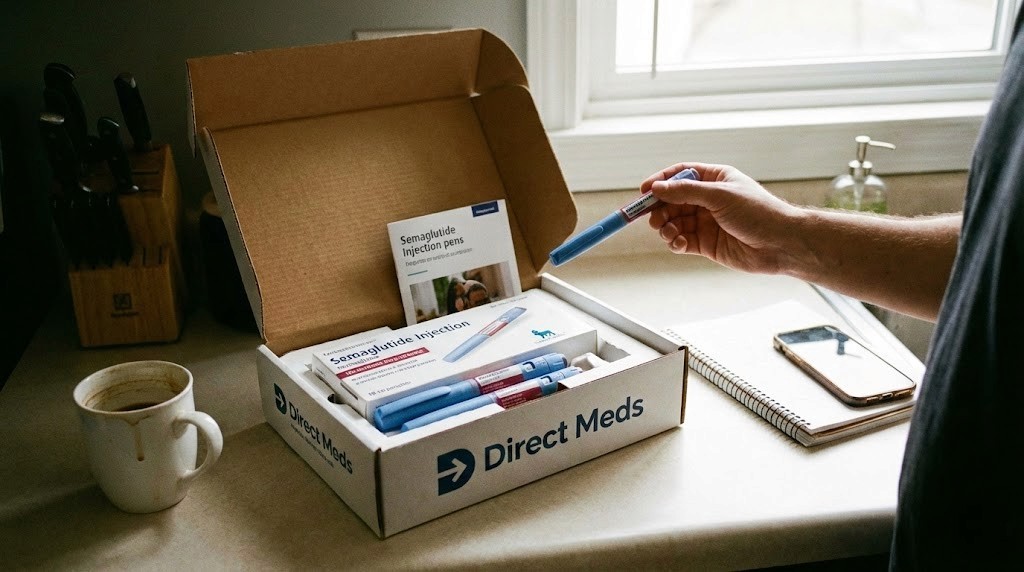
After reviewing dozens of telehealth platforms offering compounded GLP-1 medications, one thing becomes painfully clear. Most people ordering semaglutide through these services have no idea what they are actually buying. They see a price. They see a promise. They click. And then the questions start rolling in. Direct Meds is one of the more visible platforms in this space, advertising compounded semaglutide starting at $249 per month with doctor supervision and home delivery included. But visibility does not equal quality. And marketing copy does not equal clinical outcomes.
The weight loss medication market has exploded. Brand-name semaglutide products like Ozempic and Wegovy carry price tags north of $900 per month without insurance. That gap between what people want and what they can afford has created an entire industry of telehealth platforms promising the same active ingredient at a fraction of the cost. Direct Meds sits squarely in that gap. But before you hand over your credit card, you need to understand exactly what compounded semaglutide is, how Direct Meds operates, what their customers actually say, and what the FDA thinks about all of it. This guide covers every detail you need to make an informed decision, from pricing breakdowns and customer reviews to regulatory red flags and alternative options worth considering.
SeekPeptides tracks these platforms closely because our members frequently ask about them. The questions never stop. Is it legitimate? Is it safe? Is it worth the money? By the end of this guide, you will have clear answers to all three.
What is Direct Meds and how does it work?
Direct Meds is a United States based telehealth platform that connects patients with licensed healthcare providers for prescription weight management treatments. The company does not manufacture medications. It does not operate a pharmacy. What it does is facilitate the connection between you, a prescribing provider, and a compounding pharmacy that fills your prescription and ships it to your door.
That distinction matters more than you think.
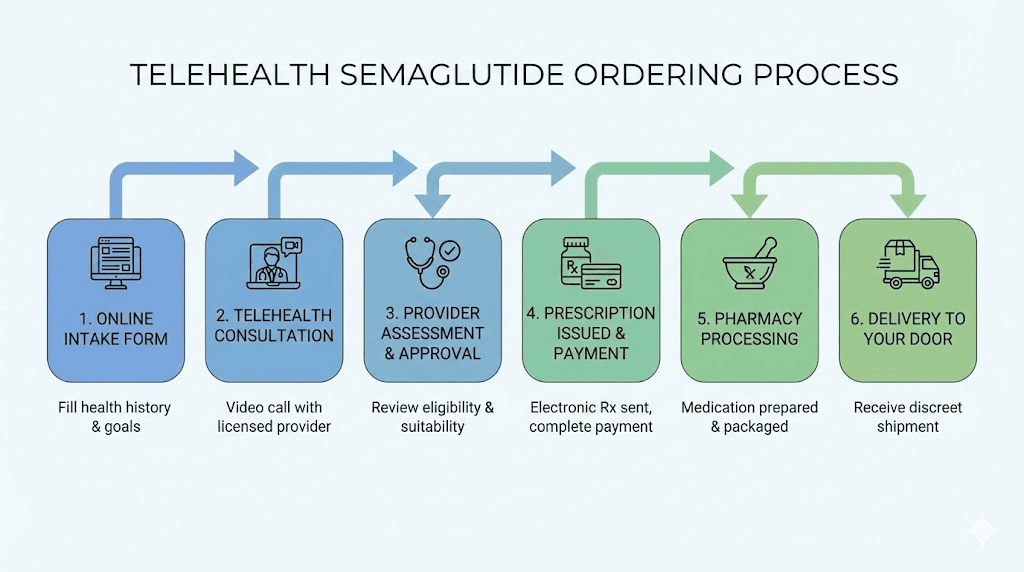
When you visit Direct Meds, you complete an online medical intake form. This is not a brief questionnaire. The form collects your health history, current medications, weight loss goals, and any contraindications that might affect your eligibility. A licensed medical provider then reviews your submission. If approved, your prescription gets sent to a partner compounding pharmacy. The pharmacy prepares your medication, packages it, and ships it directly to your address. Direct Meds claims this process takes as little as one business day from approval to shipment.
The platform offers both sublingual and injectable formulations of compounded semaglutide. They also offer compounded tirzepatide for patients who prefer a dual-agonist approach. The choice between formulations depends on provider discretion and patient eligibility.
Here is the critical point. Direct Meds is not selling Ozempic. They are not selling Wegovy. They are selling compounded versions of semaglutide, which contain the same active ingredient but are prepared by compounding pharmacies rather than manufactured by Novo Nordisk. This distinction carries significant regulatory implications that we will cover in detail later.
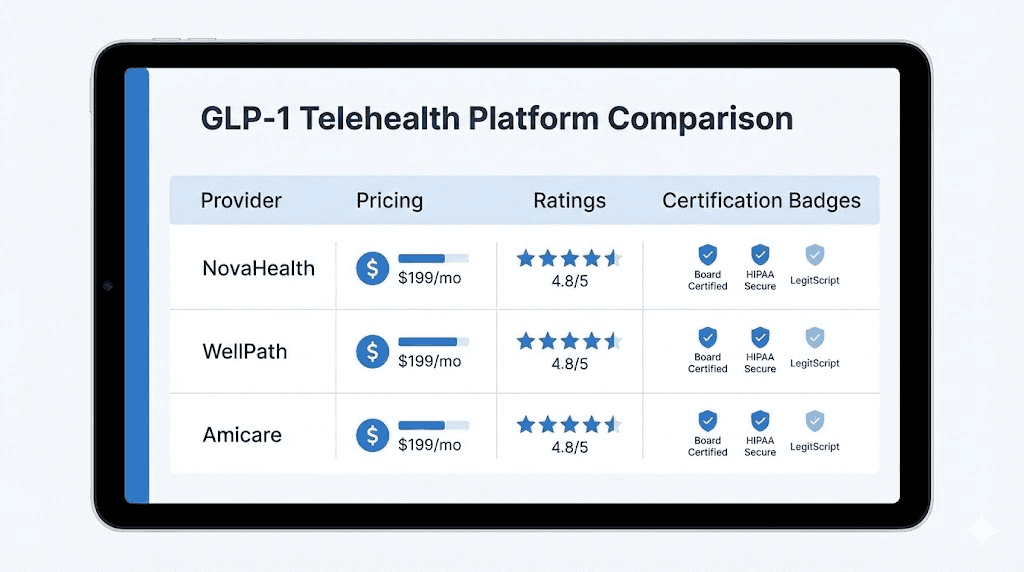
The company operates as Direct Meds, LLC, registered in Draper, Utah. They maintain a Better Business Bureau profile and a LegitScript certification, which verifies that the platform meets certain standards for online healthcare legitimacy. Whether those certifications translate into a quality patient experience is another question entirely.
Direct Meds semaglutide pricing breakdown
Money talks. And in the compounded semaglutide market, it often screams. Here is what Direct Meds actually charges, stripped of marketing language and promotional fine print.
Current pricing structure
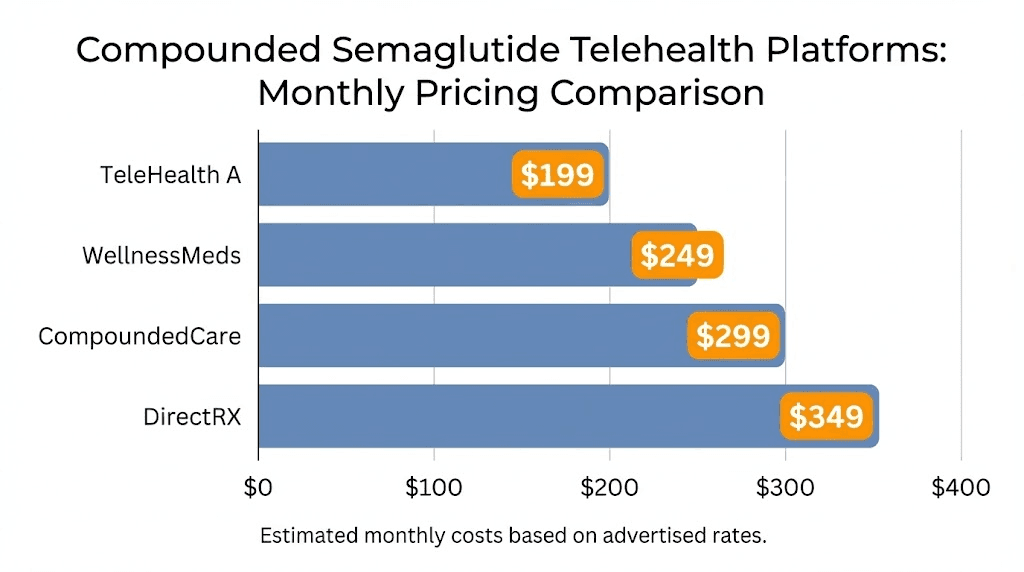
Direct Meds offers several pricing tiers depending on the medication format and commitment length. Their sublingual semaglutide starts at $249 per month. Injectable semaglutide starts at $297 per month. Compounded tirzepatide starts higher, at approximately $397 per month.
These prices are advertised as all-inclusive. That means the medication itself, provider consultations, nurse support, shipping, and digital follow-ups are bundled into one monthly rate. No surprise fees. No hidden consultation charges. At least, that is what the marketing says. Customer reviews tell a slightly different story, which we will get to shortly.
Direct Meds offers discounts for longer commitments. Bulk pricing for six-month or twelve-month plans can reduce the monthly cost. They also accept HSA and FSA payments, which means you can use pre-tax dollars for medically necessary care. That alone can represent a 20 to 30 percent effective discount depending on your tax bracket. If you need documentation for reimbursement, they can provide receipts.
How Direct Meds compares to brand-name pricing
For context, here is what brand-name semaglutide costs without insurance:
Ozempic: approximately $997 per month
Wegovy: approximately $1,349 per month
Rybelsus (oral): approximately $936 per month
Direct Meds compounded semaglutide at $249 to $297 per month represents roughly a 70 to 75 percent cost reduction compared to brand-name options. That is a substantial difference. But cheaper does not automatically mean equivalent. The compounded version has not undergone the same FDA approval process, which means differences in purity, potency, and consistency are possible.
How Direct Meds compares to other telehealth platforms
Direct Meds is not the only player in this space. Here is how their pricing stacks up against competitors offering similar compounded semaglutide services:
Platform | Compounded semaglutide price | Format | Trustpilot rating |
|---|---|---|---|
Direct Meds | $249-$297/month | Sublingual or injectable | 4.6/5 (7,029 reviews) |
GobyMeds | $119/month (3-month bundle) | Injectable | Varies |
SkinnyRx | $199/month | Injectable, sublingual, or tablet | Varies |
MEDVi | $179 month 1, $299 ongoing | Injectable | 4.5/5 (8,400+ reviews) |
Eden Health | Flat monthly rate | Injectable | Varies |
Direct Meds falls in the mid-range for pricing. They are not the cheapest. They are not the most expensive. Their pricing is competitive but not exceptional, especially when platforms like GobyMeds offer entry points well below $200 per month.
What matters more than price alone is what you get for your money. Does the provider actually review your case thoroughly? Is the compounded medication prepared properly? Are dose adjustments handled promptly? Those questions determine value far more than the monthly number on your credit card statement.
Direct Meds customer reviews: what real users say
Numbers are useful. But stories tell you what actually happens when you hand over your money and start injecting medication into your body. Let us look at what Direct Meds customers actually experience.
Trustpilot overview
Direct Meds holds a 4.6 out of 5 rating on Trustpilot based on over 7,000 reviews. That is a solid score. Most telehealth platforms in this space struggle to break 4.0. The volume of reviews also suggests significant traffic and patient volume, which can be both a strength and a weakness.
The positive reviews cluster around a few themes. Customers frequently praise individual customer service representatives by name. They mention responsive staff, helpful guidance, and smooth ordering processes. Several reviewers report noticeable appetite suppression within the first week of treatment and meaningful weight loss within the first month.
Direct Meds claims their customers experience a 10 percent average loss in body weight over six months, a six-inch average reduction in waist size, and that 92 percent of users achieve lasting weight loss. Take those statistics with appropriate skepticism. They are self-reported marketing claims, not independently verified clinical outcomes.
Common complaints and red flags
No platform with 7,000 reviews is perfect. And the negative reviews for Direct Meds reveal patterns worth understanding before you commit.
Shipping delays are the single most frequent complaint. Multiple customers report medications arriving three weeks late with limited or no explanation from customer service. For a medication that requires consistent dosing, a three-week gap is not just inconvenient. It can completely derail your progress and force you to restart your titration schedule.
Billing discrepancies appear repeatedly. One customer reported being charged $399 instead of the advertised $199. Another described an unexpected recurring charge of $399 the following month. These are not isolated incidents. The BBB profile for Direct Meds shows similar patterns, with customers describing charges that do not match what they expected based on the sign-up process.
Cancellation difficulties form the third major complaint category. Several customers describe being unable to reach anyone by phone to cancel their subscription. Others report being told they owe additional payments before cancellation is allowed. One reviewer described feeling trapped in a membership. That language should concern anyone considering a long-term commitment.
Communication gaps round out the complaints. Customers who experience side effects sometimes struggle to reach clinical staff for guidance. For a medical treatment that can cause gastrointestinal side effects in up to 70 percent of users, accessible clinical support is not optional. It is essential.
BBB profile analysis
Direct Meds, LLC has a Better Business Bureau profile based in Draper, Utah. The BBB profile shows multiple customer complaints, with themes matching the Trustpilot patterns. Billing disputes, difficulty canceling, and unresponsive customer service appear most frequently.
One particularly concerning complaint describes a customer being yelled at when trying to resolve a shipping error where medication was sent to the wrong address. The company refused to replace the medication or refund the money. Whether that represents a systemic issue or an isolated incident is impossible to determine from public reviews alone. But the pattern of complaints suggests systemic operational challenges rather than random bad luck.
If you are considering using Direct Meds, document everything. Save screenshots of pricing pages. Keep copies of all email communications. Note the date, time, and content of every phone call. That documentation becomes essential if you need to dispute a charge or escalate a complaint.
Is Direct Meds legitimate?
Legitimacy exists on a spectrum. And for telehealth platforms selling compounded medications, that spectrum matters enormously.
What supports their legitimacy
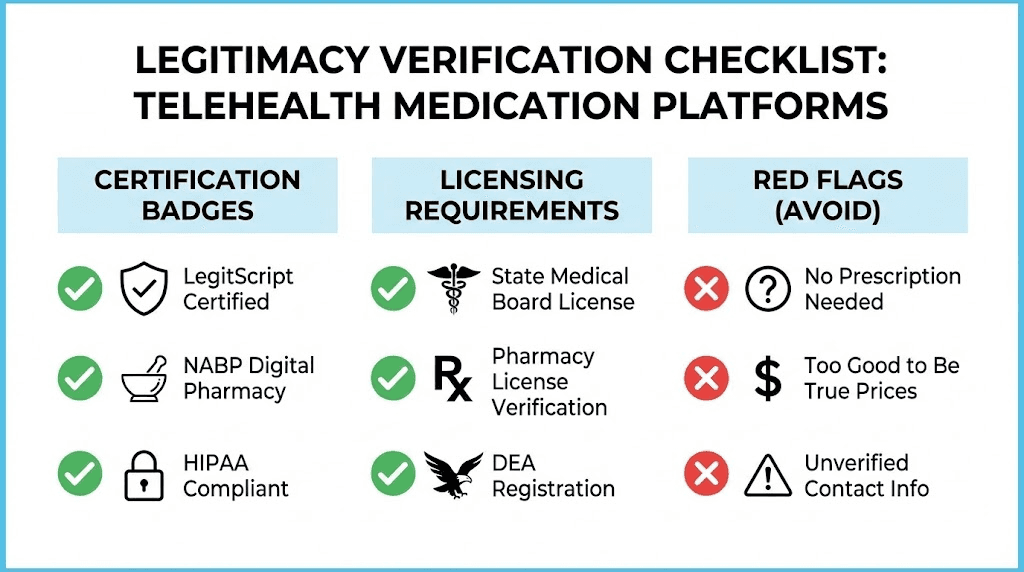
Direct Meds maintains a LegitScript certification. LegitScript is an independent verification service that evaluates online healthcare platforms against standards for licensing, regulatory compliance, and business practices. Maintaining this certification requires ongoing compliance, not just a one-time check. That is a meaningful positive signal.
The company is registered as a legal entity in Utah. They have a physical business address. They operate with licensed healthcare providers who review patient intake forms before prescriptions are written. These are baseline requirements for any legitimate telehealth operation, but not every platform in this space meets them.
Their Trustpilot score of 4.6 out of 5 with over 7,000 reviews suggests a majority of customers have satisfactory experiences. Scam operations rarely accumulate thousands of positive reviews over extended periods.
What raises concerns
Multiple domain names create confusion. A search for Direct Meds returns both directmeds.com and us-directmeds.com, along with direct-meds.com. Having multiple domains is not inherently suspicious, but it complicates verification for consumers trying to ensure they are on the legitimate site.
The BBB complaint patterns suggest operational weaknesses in billing, shipping, and customer service. These are not the hallmarks of a scam, but they are the hallmarks of a rapidly scaling business that has outpaced its operational infrastructure.
The most important legitimacy question is not about Direct Meds as a company. It is about the product they sell. Compounded semaglutide is not FDA-approved. That single fact carries more weight than any certification or review score.
Compounded semaglutide vs FDA-approved semaglutide: what you must understand
This distinction is not academic. It directly affects your safety, your results, and your legal exposure. Everyone considering compounded semaglutide from any platform needs to understand exactly what they are getting.
What compounded semaglutide actually is
Compounded semaglutide contains the same active pharmaceutical ingredient as Ozempic and Wegovy. A licensed compounding pharmacy creates the medication by combining the active ingredient with appropriate excipients and preparing it in the prescribed format, whether that is an injectable solution or a sublingual formulation.
But here is the difference that matters. FDA-approved semaglutide from Novo Nordisk undergoes rigorous manufacturing controls, batch testing, stability studies, and quality assurance processes mandated by the FDA. Every vial meets exact specifications for potency, purity, sterility, and consistency. Those specifications are verified through independent testing before the product reaches patients.
Compounded semaglutide does not undergo that level of scrutiny. The FDA explicitly states that compounded drugs are not reviewed for safety, effectiveness, or quality before they are marketed or dispensed. Compounding pharmacies are regulated, yes. Licensed, yes. But they operate under a fundamentally different regulatory framework than pharmaceutical manufacturers.
That gap creates real risks. Dosing inconsistencies. Contamination possibilities. Stability questions. Potency variations between batches. Are these risks common? Probably not, with reputable compounding pharmacies. Are they possible? Absolutely. And the FDA has received reports of adverse events, including some requiring hospitalization, related to dosing errors with compounded semaglutide. Those errors often stem from measurement confusion between milliliters, milligrams, and units, or from concentration differences between compounded and brand-name formulations.
The FDA shortage status and its impact
Understanding how compounded semaglutide became widely available requires knowing about the FDA drug shortage framework. During a declared drug shortage, compounding pharmacies have broader authority to prepare copies of commercially available medications. When semaglutide was in shortage, that authority allowed compounders to fill the gap.
That shortage is over.
On February 21, 2025, the FDA updated its drug shortage list and labeled the shortage of all doses of injectable semaglutide as resolved. That determination changed the legal landscape for compounded semaglutide dramatically. The FDA granted transition periods. 503A compounding pharmacies could continue compounding semaglutide through April 22, 2025. 503B outsourcing facilities had until May 22, 2025. Those deadlines have passed.
The current legal status of compounded semaglutide is significantly more restrictive. Compounding is generally permitted only in rare, patient-specific cases where an FDA-approved product cannot be used, such as a documented allergy to an inactive ingredient. In those situations, the compounded formulation must be meaningfully different and medically necessary, not simply a cheaper substitute for commercially available products.
What does this mean for Direct Meds and similar platforms? The legal ground they operate on has shifted. Platforms that continue offering compounded semaglutide broadly face potential FDA enforcement action. Whether and when that enforcement materializes remains to be seen, but the regulatory trajectory is clear. If you start a compounded semaglutide program through Direct Meds and the FDA cracks down on compounding, you may need to transition to brand-name options at significantly higher cost or find alternative weight management strategies.
Direct Meds semaglutide: sublingual vs injectable
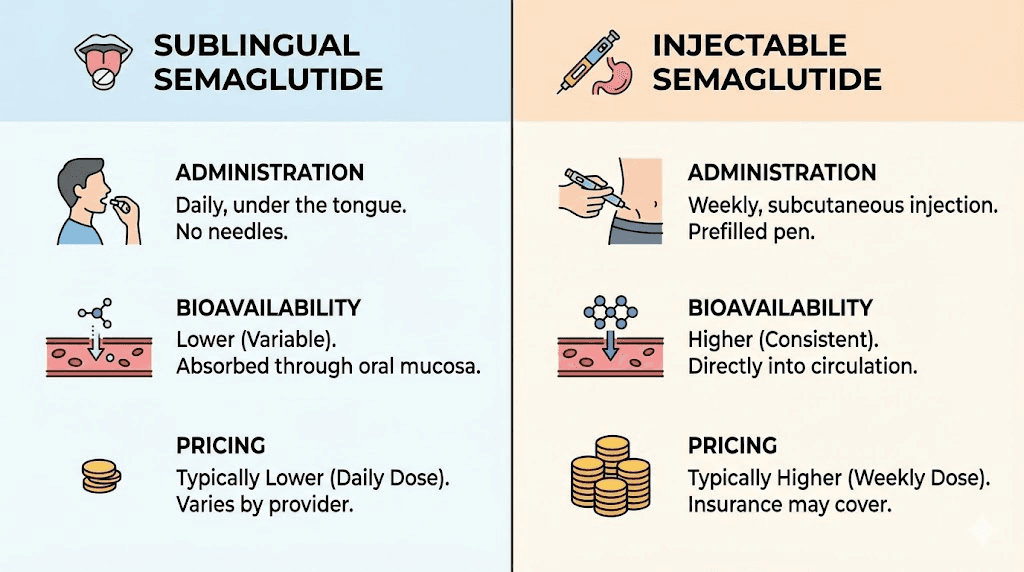
Direct Meds offers both sublingual and injectable formulations of compounded semaglutide. The choice between them is not trivial. Each format comes with distinct advantages, limitations, and clinical considerations.
Injectable semaglutide from Direct Meds
Injectable compounded semaglutide follows the same administration route as brand-name Ozempic and Wegovy. You inject it subcutaneously, typically in the abdomen, thigh, or upper arm, once per week. Direct Meds prices their injectable semaglutide at approximately $297 per month.
Injectables have one significant advantage over other formats: bioavailability. Subcutaneous injection delivers the medication directly into the tissue, bypassing the digestive system entirely. Bioavailability for injectable semaglutide hovers around 89 percent. That means nearly all of the active ingredient reaches your system and does its job.
The downsides are obvious. You are injecting yourself weekly. Some people handle that without a second thought. Others dread it. If you have never self-injected, the learning curve includes proper reconstitution technique, injection site rotation, proper storage, and aseptic technique. These are skills that matter. Errors in any of them can compromise potency or introduce contamination.
Sublingual semaglutide from Direct Meds
Sublingual formulations dissolve under your tongue. No needles. No injection sites. No sharps disposal. Direct Meds prices their sublingual semaglutide at approximately $249 per month, making it their most affordable option.
The appeal is clear. But the science is more complicated.
Sublingual delivery bypasses first-pass metabolism in the liver, which theoretically allows for decent bioavailability. Drugs absorbed through the mucous membranes under the tongue enter the bloodstream directly. However, sublingual semaglutide is not the same as FDA-approved oral semaglutide (Rybelsus), which uses a specialized absorption enhancer called SNAC. Compounded sublingual formulations may use different delivery mechanisms, and their bioavailability has not been established through large-scale clinical trials.
Head-to-head data comparing compounded sublingual semaglutide to injectable semaglutide is limited. Some clinical observations suggest injectable semaglutide produces slightly greater weight loss than oral formulations, likely because higher blood levels translate to better appetite control. But many patients on sublingual formulations report significant appetite suppression and meaningful weight loss.
The honest answer? If maximum potency is your priority, injectable is the safer bet based on established pharmacology. If convenience and needle avoidance matter more to you, sublingual is a reasonable alternative with the understanding that efficacy data is less robust.
What to expect when using semaglutide from Direct Meds
Starting any GLP-1 medication involves a predictable timeline of effects, adjustments, and potential side effects. Whether you get your semaglutide from Direct Meds or any other source, the active ingredient works the same way in your body. Here is what the research and real-world experience show.
Week-by-week timeline
Understanding how fast semaglutide works helps set realistic expectations and prevents premature frustration.
Weeks 1 to 2: Most people begin at the lowest dose (0.25mg weekly for injectables). The primary purpose of this phase is tolerance assessment, not weight loss. You may notice mild appetite changes. Some people report reduced hunger within the first few days. Others notice nothing yet. Gastrointestinal side effects are most likely during this initial period.
Weeks 3 to 4: Appetite suppression typically becomes more noticeable. Food noise, that constant background hum of thinking about food, begins to quiet. Some patients report early weight loss of 2 to 4 pounds, though individual variation is enormous.
Weeks 5 to 8: If your provider follows standard titration, your dose increases during this period. Appetite suppression intensifies. Caloric intake drops naturally because food simply becomes less interesting. Weight loss accelerates. Most people see 3 to 5 percent body weight reduction by the end of month two.
Months 3 to 6: This is where the significant results accumulate. Studies show average body weight reduction of 10 percent over six months. Waist circumference decreases. Energy levels often improve as excess weight comes off. The appetite suppression becomes your new normal.
Beyond 6 months: Weight loss continues at a slower rate. Most people reach a plateau between 12 and 18 months. The question then becomes maintenance, which involves how long to stay on semaglutide and what happens when you stop.
Common side effects and how to manage them
Semaglutide side effects are well documented regardless of the source. Harvard and CDC research confirms that almost 70 percent of reported complaints involve gastrointestinal problems. Nausea tops the list, followed by vomiting, abdominal pain, diarrhea, and constipation. About 6 percent of patients experience allergic reactions.
The good news: a large study estimated fewer than four emergency department visits per 1,000 patients taking semaglutide. Serious side effects are uncommon.
Here are practical management strategies:
For nausea: Eat smaller meals. Avoid greasy, fried, or heavy foods. Stay hydrated. Ginger tea or supplements can help. Most nausea improves within the first few weeks as your body adjusts.
For constipation: Increase fiber intake gradually. Drink more water. Consider magnesium supplementation. Gentle movement like walking can stimulate digestion.
For fatigue: Ensure adequate protein intake (your caloric intake is dropping, and protein often drops with it). Stay hydrated. B12 supplementation may help if levels are low.
For hair thinning: Rapid weight loss, not semaglutide itself, often triggers temporary hair shedding. This is called telogen effluvium and typically resolves within 6 to 12 months. Ensuring adequate protein, biotin, and zinc can help. Read more about GLP-1 and hair loss for detailed guidance.
When semaglutide does not work
Not everyone responds the same way. If you are not losing weight on semaglutide, several factors could be involved. Inadequate dosing is the most common. Some patients need higher doses to achieve meaningful appetite suppression. Dietary factors matter too. Semaglutide reduces appetite, but it does not prevent caloric overconsumption if you eat calorie-dense foods during your reduced eating windows.
With compounded semaglutide specifically, potency variability is another consideration. If your compounded medication is less potent than expected due to preparation inconsistencies, your results will suffer. This is one of the practical risks of using non-FDA-approved formulations that is difficult to detect without lab testing.
The Direct Meds sign-up process step by step
Understanding exactly what happens when you order from Direct Meds helps you evaluate whether their process meets reasonable medical standards.
Step 1: online intake form
You complete a health questionnaire on the Direct Meds website. This form asks about your medical history, current medications, allergies, weight loss goals, and any conditions that might affect eligibility. There is no in-person visit. Everything is handled digitally.
Step 2: provider review
A licensed medical provider reviews your intake form. Direct Meds says this happens within a few business hours. The provider determines whether you are a suitable candidate for semaglutide based on your health profile. If you have contraindications such as a personal or family history of medullary thyroid carcinoma, a history of pancreatitis, or certain other conditions, you should be declined.
The quality of this review matters enormously. A thorough provider will ask follow-up questions, request lab work, and take time to evaluate your case. A cursory review that simply rubber-stamps every application puts patients at risk. Without being a patient yourself, it is impossible to know which type of review Direct Meds provides. Ask questions before committing. If they cannot tell you what medical criteria they evaluate, that is a red flag.
Step 3: prescription and pharmacy
If approved, your prescription goes to a partner compounding pharmacy. Direct Meds works with US-based compounding pharmacies that prepare the medication to the prescribed specifications. The pharmacy compounds your semaglutide, packages it with temperature-appropriate shipping materials, and sends it to your address.
Step 4: ongoing management
Direct Meds offers digital follow-ups and nurse support as part of their all-inclusive pricing. Dose adjustments, side effect management, and progress check-ins are supposed to happen through their platform. Customer reviews suggest the quality of this ongoing support varies significantly, with some patients praising individual staff members and others describing difficulty reaching anyone when they need help.
Seven questions to ask before ordering from Direct Meds
Whether you choose Direct Meds or any other telehealth platform, these seven questions protect you from the most common problems patients encounter. Ask them before you commit. If you do not get satisfactory answers, walk away.
1. Which compounding pharmacy prepares your medication?
You have a right to know which pharmacy is handling your prescription. A legitimate platform will tell you the pharmacy name, location, and licensing credentials. According to Direct Meds, they work with US-based compounding pharmacies. Push for specifics. You can then verify the pharmacy licensing status independently through your state board of pharmacy.
2. What is the exact concentration and formulation?
Compounded semaglutide comes in various concentrations. Knowing the exact concentration is essential for accurate dosing. Concentration differences between compounded and brand-name formulations are a leading cause of dosing errors. The FDA has specifically flagged this issue as a safety concern. Before your first dose, confirm the concentration in milligrams per milliliter and verify how that translates to your prescribed dose in units.
3. What happens if I experience side effects?
Accessible clinical support is non-negotiable. Ask how you can reach a provider if you experience severe nausea, persistent vomiting, signs of pancreatitis, or allergic reactions. Ask about response times. Ask whether you will speak to a licensed provider or a customer service representative. The difference matters when you are experiencing a potential medical emergency.
4. What is your cancellation policy?
Read it carefully. Then read it again. Customer complaints about cancellation difficulty are among the most common for telehealth platforms in this space. Understand exactly what you are committing to. Is it month-to-month? Is there a minimum commitment? What happens if you want to stop? Get this in writing before you provide payment information.
5. How do you handle dose adjustments?
Semaglutide requires titration. Your dose should increase gradually based on your response and tolerance. How does the platform manage this? Do you request an increase through the app? Do you wait for a scheduled check-in? How quickly does a new prescription get filled and shipped? Delays in dose adjustments can stall your progress.
6. What quality testing does the compounding pharmacy perform?
Legitimate compounding pharmacies test their products for potency, sterility, and endotoxins. Ask whether the pharmacy provides certificates of analysis. Ask about their quality control procedures. A pharmacy that cannot or will not answer these questions is not one you want preparing your medication.
7. What is your refund policy for shipping errors?
This question exists because of the Direct Meds customer complaints we reviewed. Shipping errors happen. Medications arrive at wrong addresses. Packages get delayed beyond usability (especially temperature-sensitive compounds). Know what happens in these scenarios before they happen to you.
Direct Meds alternatives worth considering
Direct Meds is not your only option. And depending on your priorities, it may not be your best option. Here are the primary alternatives in the compounded semaglutide space, along with the brand-name pathway.
Other telehealth platforms for compounded semaglutide
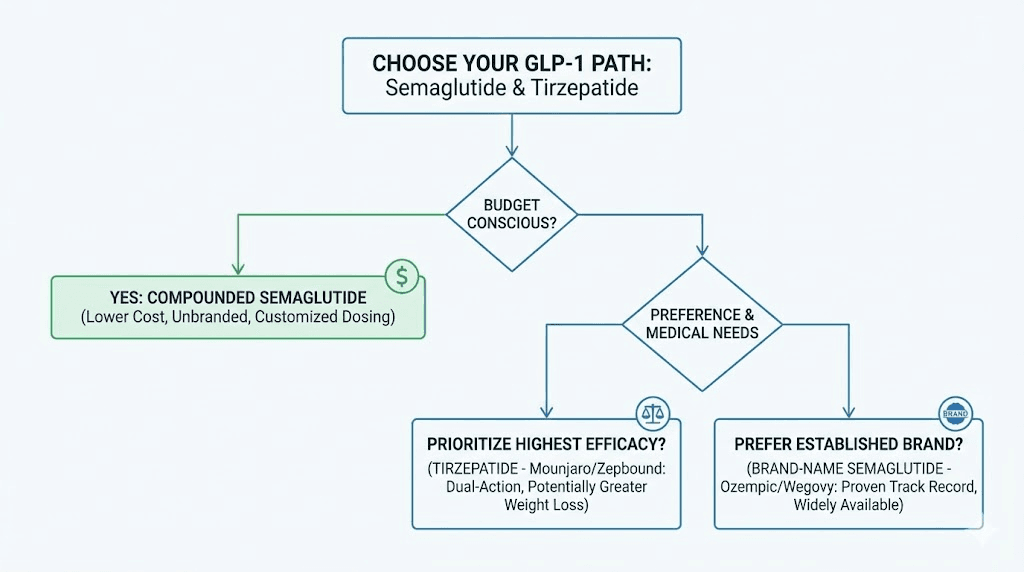
The market for compounded GLP-1 medications has exploded. Dozens of platforms now offer similar services. Key competitors include MEDVi, GobyMeds, SkinnyRx, Eden Health, and numerous others. When comparing platforms, focus on provider quality, pharmacy credentials, customer service responsiveness, and cancellation flexibility rather than price alone.
The cheapest option is rarely the best option when it comes to medications. A $50 per month savings means nothing if the medication is underdosed, arrives late, or comes from a pharmacy cutting corners on quality control.
Brand-name semaglutide through insurance
If you have health insurance that covers weight management medications, brand-name semaglutide may be accessible at a lower cost than you expect. Ozempic and Wegovy both offer manufacturer savings cards that can reduce copays significantly. Some insurance plans cover semaglutide for weight loss (Wegovy) or type 2 diabetes (Ozempic) with prior authorization.
Contact your insurance provider directly. Ask about coverage for semaglutide injection for weight management. Ask about prior authorization requirements. Ask about step therapy requirements (some insurers require you to try other weight loss medications first). The process is more cumbersome than ordering from a telehealth platform, but the medication you receive has full FDA approval, verified potency, and established safety data.
FDA-approved oral semaglutide
The FDA has approved oral semaglutide (Rybelsus) for type 2 diabetes, and in early 2026, oral semaglutide received FDA approval for weight loss as well. This is a significant development. For patients who want oral administration with the backing of FDA approval, this option eliminates the uncertainty of compounded formulations entirely.
The cost is higher than compounded options. But the safety profile is established, the manufacturing quality is verified, and the legal ground is solid.
Tirzepatide as an alternative
Some patients respond better to tirzepatide than semaglutide. Tirzepatide is a dual GIP/GLP-1 receptor agonist, meaning it activates two pathways instead of one. Clinical trials show slightly greater average weight loss with tirzepatide compared to semaglutide, though individual responses vary. Direct Meds offers compounded tirzepatide as well, but the same regulatory concerns apply.
If you are considering switching between these medications, work with a provider who understands both compounds and can guide the transition safely.
Safety considerations for compounded semaglutide from any platform
Safety deserves its own section because the risks of compounded medications are different from the risks of FDA-approved medications. Both carry side effects from the active ingredient itself. But compounded versions carry additional risks that patients need to understand.
Dosing accuracy risks
The FDA has received reports of adverse events requiring hospitalization related to compounded semaglutide. Many of these events trace back to dosing errors. Concentration confusion is the primary culprit. Compounded semaglutide may come in different concentrations than brand-name products. If you measure your dose based on brand-name assumptions but use compounded medication at a different concentration, you could inject significantly more or less than intended.
Before your first dose from any compounded source, verify the concentration. Calculate your dose carefully. If your platform provides a semaglutide dosage calculator, use it. If they do not, use a reputable independent calculator and double-check your math. Better yet, have your prescribing provider walk you through the calculation.
Storage and stability concerns
Compounded medications may have different stability profiles than manufactured products. Brand-name Ozempic pens include specific storage instructions backed by extensive stability testing. Compounded vials may degrade differently depending on the excipients used, the fill conditions, and the storage temperature during shipping and at home.
Always refrigerate compounded semaglutide unless the pharmacy specifically states otherwise. Do not use medication that has been exposed to extreme temperatures during shipping. Check for particulate matter or discoloration before each dose. If anything looks wrong, do not use it. Understanding how long compounded semaglutide lasts in the fridge helps you avoid using degraded medication.
Drug interaction considerations
Semaglutide interactions are the same regardless of the source. The medication slows gastric emptying, which can affect the absorption of other oral medications. Inform your prescribing provider about every medication you take, including over-the-counter drugs and supplements.
Particular caution is warranted with insulin (hypoglycemia risk), sulfonylureas (hypoglycemia risk), blood thinners like warfarin (altered absorption), and oral contraceptives (potentially reduced efficacy). If your telehealth provider does not ask about these interactions, that is a serious quality concern about their clinical process.
When to seek emergency medical attention
Certain symptoms require immediate medical attention regardless of where your semaglutide comes from:
Signs of pancreatitis: Severe, persistent abdominal pain that radiates to the back, accompanied by nausea and vomiting. This is rare but serious.
Signs of allergic reaction: Swelling of the face, lips, tongue, or throat. Difficulty breathing. Severe rash or hives.
Signs of thyroid problems: A lump or swelling in the neck. Difficulty swallowing. Persistent hoarseness.
Severe gastrointestinal symptoms: Inability to keep fluids down for more than 24 hours. Signs of dehydration. Severe abdominal pain.
Do not wait for your telehealth platform to call you back. Go to an emergency room.
Maximizing results on semaglutide regardless of source
Whether you use Direct Meds, another platform, or brand-name semaglutide, your results depend heavily on what you do alongside the medication. Semaglutide is a tool. A powerful one. But tools require skill and strategy to use effectively.
Nutrition strategies that amplify semaglutide results
Semaglutide reduces your appetite. That is its primary mechanism for weight loss. But reduced appetite does not automatically translate to optimal nutrition. In fact, one of the biggest mistakes people make on GLP-1 medications is eating too little protein because they simply do not feel hungry enough to eat adequate meals.
Aim for 0.7 to 1.0 grams of protein per pound of body weight daily. This preserves lean muscle mass during weight loss. Without adequate protein, a significant portion of your weight loss comes from muscle rather than fat. That hurts your metabolism, your strength, and your long-term outcomes.
Prioritize protein at every meal. Lean meats, fish, eggs, dairy, and legumes should form the foundation of your reduced-calorie diet. Use a food tracking app for the first few weeks to ensure you are meeting protein targets even as overall calories drop.
Hydration matters more on semaglutide because the gastrointestinal side effects, particularly vomiting and diarrhea, can cause significant fluid loss. Aim for a minimum of 64 ounces daily. More if you are active or experiencing GI side effects.
Exercise strategies during GLP-1 treatment
Resistance training is the single most important exercise modality during semaglutide treatment. It preserves muscle mass. It supports metabolic rate. It improves body composition beyond what the scale shows. You might lose the same amount of weight with or without exercise, but your body composition will be dramatically different.
Start with two to three resistance training sessions per week. Focus on compound movements: squats, deadlifts, rows, presses. Progressive overload matters. Gradually increase weight or volume over time.
Cardiovascular exercise supports cardiovascular health and can accelerate fat loss, but it should complement resistance training, not replace it. Walking 7,000 to 10,000 steps daily is an excellent baseline that does not require formal gym time.
Monitoring and adjustments
Track your weight weekly, not daily. Daily fluctuations from water, sodium, and digestion are normal and misleading. Weekly averages reveal your true trajectory.
Take measurements. Waist circumference, hip circumference, and how your clothes fit tell you things the scale cannot. You can lose inches while the scale barely moves if you are simultaneously building muscle.
Reassess your progress every four to six weeks. If results have stalled, potential adjustments include dose increases (discuss with your provider), dietary modifications, increased physical activity, or evaluating whether your medication is still potent.
Understanding the long-term picture with semaglutide
Most people focus on starting semaglutide. Few think enough about what happens later. But the long-term questions matter just as much, if not more, than the initial results.
How long should you stay on semaglutide?
Current research suggests that semaglutide works best as an ongoing treatment. Studies consistently show that patients who discontinue semaglutide regain a significant portion of lost weight within 12 months. In the STEP 1 extension trial, participants regained approximately two-thirds of their weight loss after stopping semaglutide.
This creates a practical and financial dilemma. At $249 to $297 per month through Direct Meds, long-term use costs $3,000 to $3,600 per year. Over five years, that exceeds $15,000. Brand-name options cost even more. Insurance coverage can offset this, but coverage for weight loss medications remains inconsistent.
The alternative is using semaglutide as a bridge. Lose the weight. Establish new eating habits and exercise routines during treatment. Then taper off slowly while monitoring for weight regain. This approach requires discipline and a solid lifestyle foundation, but it is financially more sustainable for many people.
What happens when you stop semaglutide?
When you stop semaglutide, your appetite returns. The food noise comes back. Cravings intensify. Your body natural set point mechanisms push you toward weight regain. Understanding semaglutide withdrawal symptoms helps you prepare for this transition.
Gradual tapering produces better outcomes than abrupt discontinuation. Work with your provider to reduce your dose over several weeks rather than stopping suddenly. This gives your appetite regulation systems time to partially readjust.
Semaglutide dosing basics for compounded formulations
Dosing accuracy is arguably the most critical skill for anyone using compounded semaglutide. The standard titration schedule exists for a reason. Follow it.
Standard semaglutide titration schedule
Month 1: 0.25mg once weekly (tolerance assessment)
Month 2: 0.5mg once weekly
Month 3: 1.0mg once weekly
Month 4: 1.7mg once weekly (if needed)
Maintenance: 2.4mg once weekly (maximum dose for weight management)
This schedule exists to minimize gastrointestinal side effects. Jumping to high doses too quickly dramatically increases nausea, vomiting, and other GI symptoms without producing faster weight loss. Patience with titration pays off.
Calculating doses from compounded vials
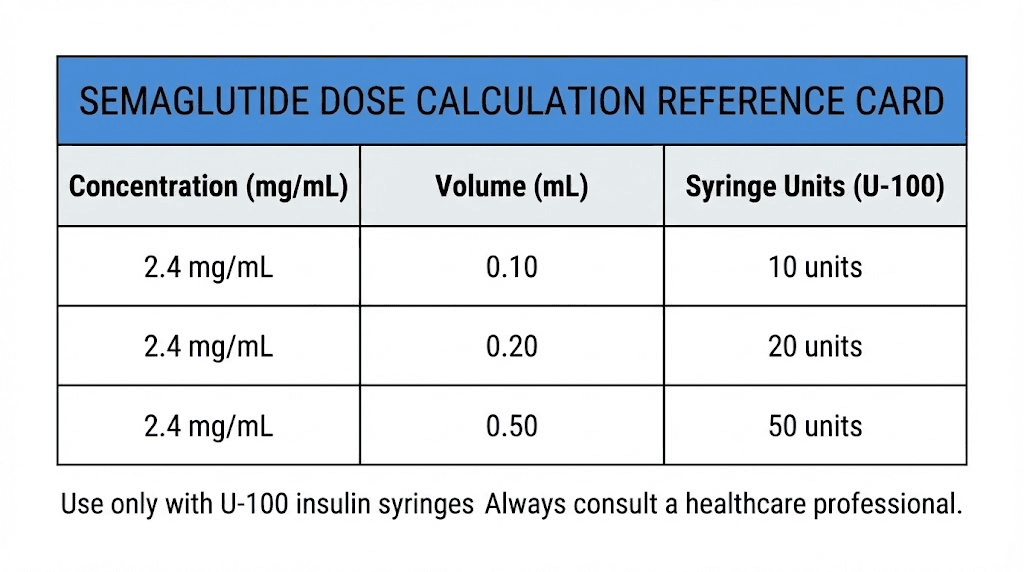
This is where compounded formulations get tricky and where errors are most likely. You need to know the concentration of your compounded semaglutide in milligrams per milliliter. Then calculate how many units on your insulin syringe correspond to your prescribed dose.
For example, if your compounded semaglutide is 5mg per milliliter and you need 0.25mg, you need 0.05ml, which is 5 units on a standard U-100 insulin syringe. Get this calculation wrong and you could inject two, five, or ten times your intended dose. Use a semaglutide dosage calculator to verify every calculation. Understanding the relationship between units and milligrams is essential for safe dosing.
If math is not your strength, ask your provider to write out your dose in both milligrams and syringe units for every step of the titration schedule. Then verify it yourself with a calculator. Then verify it one more time. This is not an area where close enough is acceptable.
Reconstitution for compounded injectable semaglutide
Some compounded semaglutide arrives as a lyophilized (freeze-dried) powder that requires reconstitution with bacteriostatic water. This process requires precision and sterile technique.
Know exactly how much bacteriostatic water to add for your target concentration. Use the right type of water (bacteriostatic, not sterile water for injection, which lacks the preservative). Swirl gently, never shake. Allow the powder to dissolve completely before drawing your dose. Store properly after reconstitution. These steps are covered in detail in our reconstitution guide.
Red flags to watch for with any telehealth semaglutide platform
Direct Meds is one of many platforms in this space. Regardless of which one you choose, these red flags should send you running in the opposite direction.
No medical screening
Any platform that prescribes semaglutide without a meaningful health assessment is dangerous. Semaglutide has real contraindications. Medullary thyroid carcinoma history. Multiple endocrine neoplasia syndrome type 2. History of pancreatitis. Active gallbladder disease. If a platform does not ask about these, they are not practicing responsible medicine.
No provider interaction
A algorithm that approves everyone is not medical care. You should have the opportunity to interact with a licensed provider who reviews your specific case. Automated approvals prioritize revenue over patient safety.
Pressure tactics
Limited time offers, countdown timers, and urgency-based pricing are marketing tactics, not medical recommendations. A legitimate platform does not pressure you into starting a medication by making you feel like you will miss out. Medicine does not work on Black Friday rules.
No information about the pharmacy
If the platform will not tell you which pharmacy prepares your medication, find another platform. You have a right to know who is making the substance you are injecting into your body. Transparency about pharmacy partnerships is a baseline requirement.
No cancellation path
Read the terms of service before you sign up. If the cancellation process is unclear, buried, or seemingly designed to trap you, that tells you everything you need to know about the company priorities.
The bottom line on Direct Meds semaglutide
Direct Meds is a real company with real customers and a real LegitScript certification. Their pricing is competitive. Their Trustpilot rating is solid. They offer both sublingual and injectable compounded semaglutide at prices significantly below brand-name options.
But they are not without problems. Shipping delays, billing discrepancies, cancellation difficulties, and inconsistent customer service are recurring themes in customer reviews. The BBB complaint patterns reinforce these concerns. And the broader regulatory uncertainty around compounded semaglutide applies to Direct Meds as much as any other platform.
If you decide to use Direct Meds, go in with your eyes open. Document everything. Start with a single month if possible rather than committing to a long-term plan. Verify your medication concentration before your first dose. And have a backup plan in case the regulatory landscape shifts and compounded semaglutide becomes less accessible.
For researchers and health-conscious individuals serious about understanding peptide therapies comprehensively, SeekPeptides offers evidence-based guides, dosage calculators, and a community of experienced researchers who have navigated these exact decisions. Making informed choices about peptide administration requires reliable information, and that is what SeekPeptides was built to provide.
Frequently asked questions
Is Direct Meds semaglutide FDA-approved?
No. Direct Meds sells compounded semaglutide, which is not FDA-approved. Compounded medications contain the same active ingredient as FDA-approved products but are prepared by compounding pharmacies under a different regulatory framework. The FDA does not review compounded drugs for safety, effectiveness, or quality before they reach patients.
How much does Direct Meds semaglutide cost per month?
Direct Meds prices sublingual compounded semaglutide at approximately $249 per month and injectable compounded semaglutide at approximately $297 per month. They also offer tirzepatide at approximately $397 per month. Bulk pricing for longer commitments may reduce these rates. HSA and FSA payments are accepted.
Is Direct Meds semaglutide the same as Ozempic?
Not exactly. Both contain semaglutide as the active ingredient. However, Ozempic is manufactured by Novo Nordisk under strict FDA manufacturing standards, while Direct Meds provides compounded semaglutide prepared by partner compounding pharmacies. Differences in excipients, concentration, and manufacturing processes may exist. Learn more about how semaglutide works regardless of the source.
Can I cancel Direct Meds at any time?
Direct Meds offers cancellation, but multiple customer reviews report difficulty completing the process. Some customers describe inability to reach support by phone, while others report being told they owe additional payments before cancellation is processed. Read the terms of service carefully before signing up and save all communications.
Does Direct Meds require a prescription?
Yes. A licensed healthcare provider reviews your medical intake form and determines eligibility. If approved, the provider writes a prescription that is sent to a compounding pharmacy for fulfillment. This process happens entirely online through the Direct Meds platform.
How long does Direct Meds take to ship semaglutide?
Direct Meds advertises shipment within one business day of prescription approval. However, customer reviews frequently report longer wait times, with some patients experiencing delays of up to three weeks. If you are on a titration schedule, delays can significantly impact your treatment continuity.
Is compounded semaglutide still legal?
The legal status has become more restrictive. The FDA declared the semaglutide shortage resolved in February 2025. Transition periods for compounding pharmacies expired by mid-2025. Compounding is now generally limited to patient-specific cases where FDA-approved products cannot be used. The regulatory landscape continues to evolve. Check current peptide regulation updates for the latest information.
Should I choose sublingual or injectable semaglutide from Direct Meds?
Injectable semaglutide offers approximately 89 percent bioavailability, which is higher than sublingual delivery. For maximum potency and the most established pharmacological data, injectable is the stronger choice. Sublingual is more convenient and needle-free, making it preferable for patients who cannot or will not self-inject. Discuss your preferences with the prescribing provider. For more on delivery methods, see our guide to sublingual peptide delivery.
External resources
In case I do not see you, good afternoon, good evening, and good night. May your medications stay potent, your providers stay responsive, and your decisions stay informed.