Feb 14, 2026
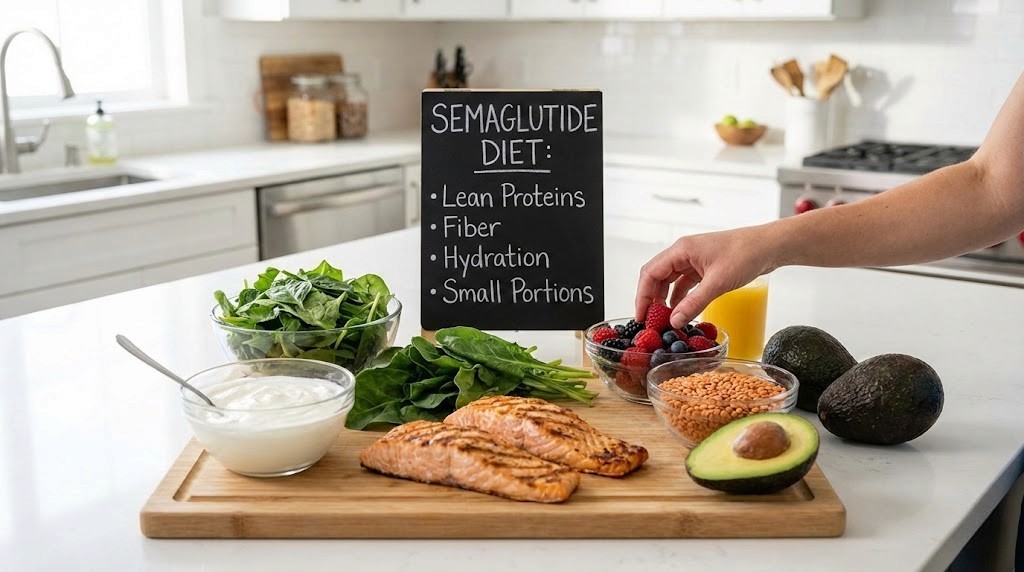
Tired of conflicting information about what to eat on semaglutide? One source says eat more fat. Another says cut it completely. Someone on a forum swears by keto. A clinic website pushes Mediterranean. And somewhere in the middle of all that noise, you are just trying to figure out what to put on your plate tonight without triggering nausea or stalling your progress.
Here is the truth. Semaglutide does not come with a mandatory diet. No pharmaceutical company hands you a grocery list with your prescription. But that does not mean food choices are irrelevant. They are arguably more important on semaglutide than off it, because this medication fundamentally changes how your body processes meals, how quickly food moves through your system, and how much nutrition you absorb from every bite. When you are eating less overall, and most people on semaglutide reduce caloric intake by 16 to 39 percent according to a joint advisory from the American College of Lifestyle Medicine and the Obesity Society, every single food choice carries more weight. A 2026 cross-sectional study published in Frontiers in Nutrition confirmed what clinicians have observed for years: GLP-1 users frequently fall short on protein, fiber, and critical micronutrients without deliberate meal planning.
This guide is not another generic list of "healthy foods." It is a research-backed, practical breakdown of exactly what to eat, why it matters specifically for semaglutide users, and how to structure meals that protect your muscle mass, manage side effects, and accelerate fat loss. Whether you are on your first week at 0.25mg or deep into a maintenance protocol, the foods on this list will help you get more from every dose. SeekPeptides has compiled this guide using the latest clinical research, community feedback, and nutritional science specific to GLP-1 therapy.
Why food choices matter more on semaglutide
Semaglutide is a GLP-1 receptor agonist that mimics a natural hormone your gut produces after eating. It tells your brain you are full. It slows gastric emptying, meaning food sits in your stomach longer. And it reduces the reward signals your brain gets from eating, which is why cravings for sugary and fatty foods diminish so dramatically on this medication.
That combination is powerful for weight loss. But it creates a nutritional challenge most people do not anticipate.
When your appetite drops by a third or more, you simply eat less food. Less food means fewer opportunities to get the protein, vitamins, minerals, and fiber your body needs to function. Research from the STEP 1 clinical trial showed that of the 13.6 kg average weight reduction, approximately 5.3 kg was lean body mass, not fat. That is 38 percent of the total weight lost coming from muscle. Muscle loss affects your metabolism, your strength, your bone density, and your long-term ability to keep weight off.
The foods you choose determine whether you lose mostly fat or a troubling mix of fat and muscle. They determine whether you experience crushing fatigue or steady energy. They determine whether nausea controls your day or stays manageable. Food is not just fuel on semaglutide. It is medicine.
The calorie math problem
Consider the numbers. A person eating 2,000 calories daily before semaglutide might drop to 1,200 to 1,400 calories without even trying. At that intake level, the joint advisory from four major medical organizations warns that micronutrient insufficiency becomes almost inevitable without careful food selection. You cannot afford empty calories when your total intake is that restricted. Every meal needs to deliver protein, fiber, vitamins, and minerals efficiently.
This is why a structured semaglutide diet plan matters. Not a rigid meal schedule. Not calorie counting to the decimal. Just a deliberate approach to choosing foods that deliver maximum nutritional density in smaller volumes. The people who get the best results on semaglutide, the ones who lose fat while preserving muscle and feeling energized, are the ones who treat their reduced appetite as a reason to eat better, not just less.
Protein: the most critical food category on semaglutide
If you remember nothing else from this guide, remember this. Protein is non-negotiable on semaglutide. It is the single most important macronutrient for protecting your muscle mass during weight loss, and muscle preservation should be your top nutritional priority alongside fat loss.
The numbers are clear. The American College of Lifestyle Medicine recommends 1.2 to 1.6 grams of protein per kilogram of body weight daily during active weight loss with GLP-1 medications. For a 180-pound person, that translates to roughly 98 to 131 grams of protein per day. A practical target of 80 to 120 grams daily works for most people and is easier to track than weight-based calculations.
But here is the catch. When your appetite is suppressed, hitting those protein targets feels nearly impossible. You feel full after a few bites. The thought of another chicken breast makes you want to skip dinner entirely. That is normal. And it is exactly why protein needs to come first at every meal.
Best protein sources for semaglutide users
Chicken breast remains the gold standard for lean protein. A 4-ounce serving delivers 26 grams of protein with minimal fat. Bake it, grill it, shred it into soups. It is versatile and easy on a sensitive stomach. If you are managing early weeks on semaglutide when nausea tends to peak, chicken breast in broth-based soups is one of the most tolerable protein options.
Wild-caught salmon gives you a double benefit. You get 22 grams of protein per 4-ounce serving plus omega-3 fatty acids that reduce inflammation and support cardiovascular health. Research shows omega-3s may also help preserve lean mass during caloric restriction. Baked or grilled salmon with lemon and herbs is gentle on the GI system and pairs well with nearly any vegetable on this list.
Eggs are the most nutrient-dense protein source available. Two large eggs deliver 12 grams of protein, choline for brain health, B vitamins, and vitamin D. They are cheap, fast to prepare, and extremely versatile. Hard-boiled eggs make perfect snacks when your appetite window is short. Scrambled eggs with vegetables offer a complete meal in minutes. For people on semaglutide who struggle with low energy, eggs at breakfast provide sustained fuel without heaviness.
Greek yogurt (plain, low-fat) packs 15 to 20 grams of protein per serving depending on the brand. It contains probiotics that support gut health, which matters enormously when semaglutide is altering your digestive patterns. Add berries and a sprinkle of chia seeds for fiber. Avoid flavored varieties loaded with added sugar.
Turkey is leaner than chicken in many cuts and delivers 25 grams of protein per 4-ounce serving. Ground turkey (93% lean or higher) works beautifully in lettuce wraps, stir-fries, and GLP-1 friendly meal preparations. Turkey meatballs in light tomato sauce are a crowd-pleasing option that freezes well for meal prep.
White fish varieties like cod, tilapia, and halibut deserve special attention. They are extremely low in fat, easy to digest, and deliver 20 to 24 grams of protein per serving. For people experiencing GI sensitivity on semaglutide, white fish is often the most tolerable animal protein.
Plant-based protein sources
Not everyone wants to eat animal protein at every meal. And frankly, variety keeps you from burning out on the same three foods.
Lentils deliver 18 grams of protein per cooked cup along with 16 grams of fiber. That fiber-protein combination makes them exceptionally satiating, even in small portions. Lentil soup is a top-tier semaglutide meal: warm, easy to eat slowly, nutritionally dense, and gentle on the stomach.
Chickpeas provide 15 grams of protein per cup plus resistant starch that feeds beneficial gut bacteria. Roasted chickpeas make a crunchy snack. Blended into hummus with olive oil, they create a nutrient-dense dip that pairs with vegetables. Research on combination weight loss approaches consistently supports high-fiber legumes as foundational foods.
Tofu and tempeh offer complete plant protein with all essential amino acids. Firm tofu delivers 10 grams per half cup and absorbs whatever flavors you cook it with. Tempeh provides 16 grams per half cup plus fermented probiotics. Both are low in fat and easy to digest when prepared simply.
Cottage cheese might be the most underrated protein source for semaglutide users. One cup of low-fat cottage cheese contains 28 grams of protein, more than a chicken breast, and the casein protein digests slowly, providing sustained amino acid delivery. Studies show consuming 20 to 40 grams of protein per eating occasion maximally stimulates muscle protein synthesis. Cottage cheese gets you there in a single serving.
Vegetables that support semaglutide weight loss
Vegetables should fill the largest portion of your plate on semaglutide. They provide volume without excessive calories, deliver essential micronutrients your reduced diet might miss, and supply the fiber your digestive system desperately needs when gastric emptying has slowed.
But not all vegetables are created equal for semaglutide users. Some are easier to digest. Some deliver more nutritional bang per bite. And some specifically help manage the GI side effects that affect 25 to 44 percent of users according to clinical data.
Leafy greens
Spinach leads the list. It is one of the most nutrient-dense foods on the planet, delivering iron, folate, vitamin K, vitamin A, and magnesium in every serving. Sauteed spinach wilts down to almost nothing, making it easy to eat even when your appetite is minimal. Add it to eggs, soups, smoothies. A cup of raw spinach has only 7 calories but packs a micronutrient punch that supplements struggle to match.
Kale provides similar benefits with even more vitamin C and calcium. If raw kale feels too tough on your stomach, massage it with a little olive oil and lemon juice, or add it to soups where it softens completely. People managing GLP-1 related fatigue often find that increasing dark leafy greens improves their energy levels, likely because these foods address iron and magnesium gaps.
Swiss chard and arugula round out the leafy green category. Both are rich in nitrates that support cardiovascular health and deliver nutrients that many semaglutide users fall short on.
Cruciferous vegetables
Broccoli. Cauliflower. Brussels sprouts. Cabbage. These vegetables contain compounds called glucosinolates that promote beneficial gut bacteria growth and support detoxification pathways. They are high in fiber, high in vitamin C, and relatively high in protein compared to other vegetables.
Cauliflower is particularly versatile for semaglutide users. Riced cauliflower substitutes for grain-based sides with a fraction of the calories and carbohydrates. Mashed cauliflower replaces potatoes. Cauliflower pizza crust satisfies cravings without the refined flour that can spike blood sugar and worsen weight loss plateaus.
Broccoli delivers 3 grams of fiber per cup plus more vitamin C than an orange. Steam it lightly to preserve nutrients while making it easier to digest. If cruciferous vegetables cause bloating, which can happen especially when your GI system is already working differently on semaglutide, start with small portions and increase gradually over a week or two.
Other essential vegetables
Zucchini is the perfect semaglutide vegetable. It is mostly water, extremely easy to digest, low in calories, and mild enough that even people dealing with significant nausea can tolerate it. Spiralized into "zoodles," it replaces pasta. Sliced and roasted, it becomes a satisfying side. Diced into soups, it adds body without heaviness.
Bell peppers (especially red and yellow) are loaded with vitamin C and antioxidants. Stuffed bell peppers with ground turkey and cauliflower rice make a complete semaglutide-friendly meal that covers protein, vegetables, and micronutrients in one dish.
Cucumbers and tomatoes are hydrating vegetables that help maintain fluid balance. Semaglutide can increase dehydration risk through nausea and reduced fluid intake, so water-rich foods serve double duty as nutrition and hydration. A simple cucumber-tomato salad with olive oil and herbs takes minutes to prepare and pairs with any protein.
Sweet potatoes deserve a measured place on this list. They are technically starchy, but they deliver beta-carotene, potassium, and fiber that many semaglutide users lack. A small baked sweet potato (about half a cup) provides sustained energy without the blood sugar spikes of white potatoes or refined grains. Use them strategically, especially before workouts or on days when energy is particularly low.
Mushrooms often get overlooked. They provide B vitamins, selenium, and vitamin D (especially when exposed to UV light). They add meaty umami flavor to dishes, which helps when you are trying to make smaller meals satisfying. Sauteed mushrooms on eggs or mixed into turkey meatballs add depth without excess calories. For people following a structured semaglutide schedule, mushrooms offer a nutrient-dense food that works at any meal.
Healthy fats that enhance semaglutide results
Fat is not the enemy on semaglutide. But the type and amount matter enormously.
Healthy fats support hormone production, help absorb fat-soluble vitamins (A, D, E, and K), and provide the most calorie-dense macronutrient, which matters when you are eating very little. The key is choosing fats that deliver nutritional benefits beyond just calories, and keeping portions moderate since fat slows digestion further on top of semaglutide already delaying gastric emptying.
Top healthy fat sources
Avocado might be the single best fat source for semaglutide users. Half an avocado delivers 10 grams of monounsaturated fat, 5 grams of fiber, potassium, folate, and vitamin K. The creamy texture is easy on sensitive stomachs. Sliced on eggs, mashed on toast, or blended into smoothies, avocado adds nutrition without triggering the GI distress that heavy, fried fats cause.
Extra virgin olive oil is the foundation of the Mediterranean diet pattern, which research consistently associates with the best outcomes for GLP-1 therapy success. Use it for cooking at medium temperatures, drizzle it on vegetables, mix it into dressings. Two tablespoons daily provides anti-inflammatory polyphenols alongside healthy monounsaturated fats. It is calorie-dense at 240 calories per two tablespoons, so measure rather than pour freely.
Nuts and seeds pack protein, fiber, and healthy fats into small, portable packages. A quarter-cup serving of almonds delivers 7 grams of protein, 4 grams of fiber, and 14 grams of mostly monounsaturated fat. Walnuts add omega-3 fatty acids. Pumpkin seeds provide zinc, which is one of the micronutrients most likely to become deficient during GLP-1 therapy. Chia seeds and flaxseeds deliver omega-3s plus soluble fiber that helps with digestive regularity.
A word of caution. Nuts are extremely calorie-dense. A cup of mixed nuts exceeds 800 calories. When your total daily intake might be 1,200 to 1,400 calories, even a generous handful of nuts represents a significant portion. Measure your portions. Pre-portion into small bags or containers. Enjoy them, but do not eat from the bag.
Fatty fish (salmon, mackerel, sardines) delivers omega-3 fatty acids that no other food category matches. These anti-inflammatory fats support cardiovascular health, brain function, and may help preserve muscle mass during weight loss. Aim for two to three servings of fatty fish per week. Canned sardines and mackerel are budget-friendly options that require zero cooking, which matters on days when appetite suppression makes meal preparation feel pointless.
Fats to limit or avoid
Not all fats work well with semaglutide. Fried foods are the worst offenders. Semaglutide slows gastric emptying, meaning greasy, heavy foods sit in your stomach even longer than normal. The result is often intense nausea, bloating, and discomfort that can last hours. French fries, fried chicken, doughnuts, and fast food should be avoided entirely during the early months of treatment and limited long-term.
Full-fat dairy products like ice cream, heavy cream, and cream-based soups can cause similar issues. The high saturated fat content combined with delayed gastric emptying creates a recipe for GI misery. If you enjoy dairy, stick to low-fat Greek yogurt, cottage cheese, and small amounts of hard cheese.
Fiber-rich foods for digestive health on semaglutide
Constipation affects 17 to 24 percent of semaglutide users. That makes it one of the most common side effects after nausea. And it makes fiber one of the most important dietary components to get right.
Fiber does more than prevent constipation. Soluble fiber feeds beneficial gut bacteria, stabilizes blood sugar, and helps you feel full longer. Insoluble fiber adds bulk to stool and keeps your digestive system moving. You need both types, and most semaglutide users are not getting enough of either.
The target: 25 grams daily for women, 35 grams for men. Increase gradually over one to two weeks to avoid bloating and gas. And always pair increased fiber with adequate water intake, because fiber without water makes constipation worse.
Best fiber sources
Oats are a semaglutide staple. Half a cup of dry oats delivers 4 grams of soluble fiber (beta-glucan) that lowers cholesterol and stabilizes blood sugar. Overnight oats require zero morning effort. Just mix oats with Greek yogurt, chia seeds, and berries the night before. By morning you have a protein and fiber-rich breakfast ready to eat. For people following a structured eating plan, oats provide a reliable anchor meal.
Berries combine fiber with antioxidants in a low-calorie package. One cup of raspberries delivers 8 grams of fiber, more than most vegetables. Blueberries, strawberries, and blackberries all provide 3 to 5 grams per cup. They satisfy sweet cravings without the blood sugar spike of processed sugars. Frozen berries are just as nutritious as fresh and often cheaper.
Chia seeds are fiber powerhouses. Two tablespoons deliver 10 grams of fiber plus 5 grams of omega-3 fatty acids. They absorb liquid and expand, creating a gel-like consistency that moves smoothly through the digestive tract. Chia pudding (chia seeds soaked in almond milk overnight) is one of the best long-term semaglutide snack options.
Lentils and beans deliver massive fiber alongside plant protein. One cup of cooked lentils provides 16 grams of fiber. Black beans deliver 15 grams. Navy beans top the list at 19 grams per cup. These legumes also contain resistant starch that functions as a prebiotic, feeding beneficial gut bacteria that support overall digestive function.
However, start slowly with legumes if your digestive system is adjusting to semaglutide. The combination of increased fiber and altered gastric emptying can cause gas and bloating. Begin with a quarter cup per meal and increase over two weeks.
Flaxseed (ground) adds 3 grams of fiber per tablespoon plus lignans with anti-inflammatory properties. Sprinkle it on yogurt, blend into smoothies, or stir into oatmeal. Ground flaxseed is better absorbed than whole seeds. Store it in the refrigerator to prevent the omega-3 oils from going rancid.
Quinoa serves as a high-fiber, high-protein grain alternative with 5 grams of fiber per cooked cup. It is also a complete protein, meaning it contains all nine essential amino acids. For semaglutide users trying to maximize nutrition in smaller portions, quinoa delivers on every metric. Use it in place of white rice for a significant nutritional upgrade. People researching GLP-1 compatible diets consistently find quinoa among the top recommended grains.
Hydrating foods and drinks
Dehydration is a sneaky problem on semaglutide. You drink less because you eat less and because nausea makes gulping water unappealing. Meanwhile, side effects like diarrhea and vomiting (when they occur) actively deplete your fluid stores.
The recommendation for semaglutide users: 2.7 liters daily for women and 3.7 liters for men from all sources (food and beverages). That includes water from the foods you eat, which can represent 20 to 30 percent of total fluid intake if you choose hydrating foods deliberately.
Hydrating foods
Cucumber is 96 percent water. It adds virtually no calories while contributing to hydration. Slice it into water for flavor. Dice it into salads. Use it as a vehicle for hummus or cottage cheese.
Watermelon is 92 percent water and provides lycopene, vitamin C, and natural sugars that can help when energy dips. A cup of watermelon cubes satisfies sweet cravings while hydrating. Other melon varieties like cantaloupe and honeydew offer similar benefits.
Zucchini (95 percent water) does double duty as a hydrating food and a versatile vegetable. Tomatoes (94 percent water) add flavor and hydration to any meal. Lettuce and celery are also high-water options that work well in wraps and as snack vehicles.
Broth-based soups deserve special attention. They combine hydration, warmth, protein (if made with bone broth or added protein), and easy digestibility. When nausea is at its worst, broth-based soup might be the only food you can tolerate. Chicken and vegetable soup, miso soup, and clear broths are all excellent choices during the first weeks of semaglutide treatment when GI side effects tend to peak.
Hydration strategies
Sip water throughout the day rather than drinking large amounts at meals. Drinking too much water during meals can worsen nausea on semaglutide. Keep a water bottle visible at all times as a reminder. Set hourly alarms if needed. Monitor urine color, which should be pale yellow when you are adequately hydrated.
Herbal teas (especially ginger and peppermint) count toward fluid intake and can simultaneously manage nausea. Ginger tea is one of the most effective natural anti-nausea remedies and works synergistically with your semaglutide protocol. People learning about semaglutide supplement combinations often overlook simple dietary solutions like ginger tea that can significantly improve daily comfort.
Whole grains and complex carbohydrates
Carbohydrates are not off-limits on semaglutide. Your brain runs on glucose. Your muscles need glycogen for exercise. And if you are doing resistance training to preserve muscle mass (which you absolutely should be), carbohydrates fuel those workouts.
The key is choosing complex carbohydrates that digest slowly, provide sustained energy, and deliver fiber and micronutrients alongside their calories. Refined carbohydrates like white bread, pasta, and sugary cereals do the opposite. They spike blood sugar, crash it quickly, and deliver empty calories your reduced diet cannot afford.
Best whole grain choices
Brown rice provides B vitamins, magnesium, and 3.5 grams of fiber per cooked cup. It has a lower glycemic index than white rice, meaning steadier blood sugar and longer-lasting energy. Cook a batch at the start of the week and portion it for multiple meals.
Quinoa (mentioned above for fiber) doubles as the best grain alternative. Complete protein plus fiber plus iron plus magnesium. It cooks in 15 minutes and works hot or cold.
Whole grain bread (look for brands with at least 3 grams of fiber per slice and whole grains as the first ingredient) provides a convenient base for avocado toast, open-faced sandwiches, and quick meals when cooking feels impossible. Toasted whole grain bread with almond butter and sliced banana offers protein, healthy fat, fiber, and natural carbohydrates in one simple meal.
Sweet potatoes (already mentioned in vegetables) bridge the gap between vegetable and complex carbohydrate. They are nutritionally superior to regular potatoes and provide lasting energy. Keep portions moderate, about half a cup at a time.
Steel-cut oats have a lower glycemic index than rolled oats and provide a chewier texture that some people find more satisfying. They take longer to cook (20 to 30 minutes) but can be made in batches. The slow digestion rate makes them ideal for semaglutide users who need sustained energy between meals that may be smaller than they are used to.
Carbohydrates to avoid
White bread, white pasta, white rice, sugary cereals, pastries, cookies, cakes, and candy. These refined carbohydrates spike blood sugar rapidly, provide minimal nutrition, and can worsen nausea and energy crashes on semaglutide. They also contribute to the exact metabolic patterns that stall weight loss even with medication support.
Sugary beverages deserve their own warning. Sodas, fruit juices, sweetened coffee drinks, and energy drinks deliver massive calorie loads with zero satiation. A single 20-ounce soda can represent 15 to 20 percent of your daily caloric intake on semaglutide. That is nutrition space you cannot afford to waste. Stick to water, herbal tea, black coffee, and sparkling water with citrus.
The complete semaglutide food list
Here is your comprehensive reference. Print it. Screenshot it. Tape it to your refrigerator. These are the foods that support your semaglutide protocol, organized by category with the highest-priority items in each group.
Protein (aim for 80 to 120 grams daily)
Prioritize at every meal. Eat protein first.
Chicken breast (grilled, baked, or poached)
Turkey breast (ground 93% lean or whole cuts)
Wild-caught salmon
Cod, tilapia, halibut, and other white fish
Eggs (whole eggs, not just whites)
Greek yogurt (plain, low-fat)
Cottage cheese (low-fat)
Lentils (red, green, or brown)
Chickpeas
Black beans and kidney beans
Tofu (firm or extra-firm)
Tempeh
Edamame
Shrimp and scallops
Lean beef (sirloin, tenderloin, 93% lean ground) in moderation
Vegetables (fill half your plate)
Spinach
Kale
Swiss chard
Arugula
Broccoli
Cauliflower
Brussels sprouts
Zucchini
Bell peppers (red, yellow, green)
Cucumbers
Tomatoes
Mushrooms (button, cremini, shiitake)
Asparagus
Green beans
Cabbage
Celery
Carrots (in moderation, higher sugar)
Sweet potatoes (small portions, 1/2 cup)
Healthy fats (moderate portions)
Avocado (1/2 per day)
Extra virgin olive oil (1 to 2 tablespoons daily)
Almonds (1/4 cup serving)
Walnuts (1/4 cup serving)
Pumpkin seeds
Chia seeds (2 tablespoons daily)
Flaxseed, ground (1 tablespoon daily)
Salmon, mackerel, sardines (omega-3 sources)
Nut butters (almond, peanut, 1 to 2 tablespoons)
Fiber and whole grains
Oats (rolled or steel-cut)
Quinoa
Brown rice
Whole grain bread (3+ grams fiber per slice)
Raspberries
Blueberries
Blackberries
Strawberries
Lentils (also listed under protein)
Black beans (also listed under protein)
Barley
Farro
Hydrating foods
Cucumber
Watermelon
Cantaloupe
Celery
Zucchini
Tomatoes
Lettuce (all varieties)
Broth-based soups
Herbal teas (ginger, peppermint)
Fermented and probiotic foods
Greek yogurt (plain)
Kefir (plain, low-fat)
Sauerkraut (unpasteurized)
Kimchi
Miso
Tempeh
Kombucha (low-sugar varieties)
Foods that help manage semaglutide side effects
Side effects are the price of admission with semaglutide, at least in the early weeks. Nausea hits 25 to 44 percent of users. Diarrhea affects 19 to 30 percent. Constipation troubles 17 to 24 percent. Vomiting occurs in 8 to 24 percent. The good news: strategic food choices can significantly reduce all of these.
Foods for nausea
When nausea strikes, bland is beautiful.
Crackers (whole grain if possible) give your stomach something light to work with. Keep them by your bed for morning nausea. The manufacturer of Wegovy and Ozempic specifically recommends bland, low-fat foods like crackers and toast when nausea occurs.
Ginger in any form: fresh ginger tea, ginger chews, ginger added to soups or stir-fries. Ginger has well-documented anti-nausea properties and is one of the most effective natural remedies for semaglutide-related stomach discomfort.
Bananas are gentle on the stomach, provide potassium (important if vomiting depletes electrolytes), and offer natural sugars for quick energy when eating feels impossible.
Plain rice (white rice is actually better here than brown) sits easily in the stomach. The BRAT diet (bananas, rice, applesauce, toast) remains a solid template for nausea days on semaglutide, though you should return to more nutritious options as soon as nausea passes.
For detailed nausea management strategies beyond food, the appetite suppression timeline guide covers when nausea typically peaks and resolves during dose escalation.
Foods for constipation
Fiber, water, and movement. That is the constipation formula on semaglutide.
Prunes contain both fiber and sorbitol, a natural laxative. Three to four prunes daily can make a meaningful difference. Prune juice works even faster for some people. Clinical evidence supports prunes as one of the most effective food-based constipation remedies.
Kiwi fruit delivers actinidin, an enzyme that promotes digestive motility. Two kiwis daily have been shown in studies to improve bowel frequency and consistency. They also provide vitamin C and fiber.
Ground flaxseed adds gentle bulk and lubricating oils that ease passage. Start with one tablespoon daily in smoothies or on yogurt and increase to two tablespoons if needed.
Increase water intake alongside fiber. Fiber without adequate hydration makes constipation worse, not better. People managing digestive changes on semaglutide should check out the compounded semaglutide guide for additional tips on managing side effects across different formulations.
Foods for diarrhea
When diarrhea occurs, the priorities shift.
Reduce insoluble fiber temporarily. Switch from raw vegetables to cooked ones. Choose bananas, white rice, applesauce, and toast (the BRAT framework). Increase electrolyte intake through broth-based soups and coconut water. Avoid caffeine, which stimulates the colon. Avoid dairy if lactose worsens symptoms.
Diarrhea on semaglutide usually improves within the first few weeks at each dose level. If it persists, consult your prescriber. For those comparing semaglutide versus tirzepatide side effects, diarrhea rates are slightly higher with semaglutide in some studies.
Micronutrients and supplements to watch
Here is something most semaglutide guides skip entirely. When you cut calories by a third, you do not just eat less food. You consume fewer vitamins and minerals. And specific nutrient deficiencies cause symptoms that people mistakenly blame on semaglutide itself.
Fatigue? Could be iron deficiency. Hair loss? Possibly zinc or biotin. Muscle cramps? Magnesium is likely low. Brain fog? Check your B12.
The 2025 joint advisory from four major obesity medicine organizations identified these nutrients as highest risk during GLP-1 therapy:
Critical nutrients to monitor
Vitamin B12 is particularly concerning. Semaglutide delays gastric emptying, which can reduce B12 absorption over time. B12 is essential for red blood cell formation, neurological function, and energy production. Sources: eggs, salmon, chicken, nutritional yeast, and fortified foods. Many clinicians now pair semaglutide with B12 supplementation as standard practice. Some compounded formulations include B12 directly.
Vitamin D matters even more during weight loss because it is stored in fat tissue and released during fat breakdown, but rapid weight loss can still leave levels insufficient. Vitamin D supports calcium absorption, bone health, immune function, and mood regulation. Few foods provide adequate vitamin D, so a supplement of 1,000 to 2,000 IU daily is reasonable for most semaglutide users. Fatty fish, egg yolks, and fortified dairy help but rarely meet full requirements.
Calcium becomes critical because weight loss, particularly rapid weight loss exceeding 14 percent over 3 to 4 months, is associated with decreased bone mineral density. Dairy products, leafy greens, sardines (with bones), and fortified foods contribute. Target 1,000 to 1,200 mg daily from food and supplements combined.
Iron may be affected by GLP-1 medications, with evidence suggesting reduced absorption. Lean red meat, spinach, lentils, and fortified cereals are the best dietary sources. Pair iron-rich foods with vitamin C (bell peppers, citrus, broccoli) to enhance absorption. Avoid consuming iron-rich foods with coffee or tea, which inhibit absorption.
Magnesium supports muscle function, sleep quality, and blood sugar regulation, all of which become more important during semaglutide therapy. Pumpkin seeds, almonds, spinach, and dark chocolate (85 percent or higher) are excellent sources. Muscle cramps and poor sleep are often early signs of magnesium deficiency.
Zinc is involved in immune function, wound healing, and taste perception. Some semaglutide users report changes in taste, which could be related to zinc status. Pumpkin seeds, oysters, beef, and chickpeas provide zinc. A multivitamin-mineral supplement can serve as insurance while you optimize your food intake.
The red flags for nutrient deficiency that the joint advisory highlights: fatigue beyond what you would expect, excessive hair loss, skin flakiness or itching, muscle weakness, poor wound healing, and unusual bruising. If you experience any of these, blood testing is warranted. SeekPeptides members access detailed guides on managing nutritional gaps during peptide and GLP-1 therapy, including specific supplement protocols tailored to individual needs.
Meal structure and timing strategies
How you eat on semaglutide matters almost as much as what you eat. The medication fundamentally changes your relationship with hunger, satiation, and meal size. Adapting your eating patterns to work with these changes rather than against them produces dramatically better results.
The protein-first rule
Start every meal with protein. This is not optional.
When your appetite is suppressed, you fill up fast. If you eat your vegetables first, then your carbohydrates, you may never get to the protein. And protein is the macronutrient your body cannot afford to miss. Research shows that consuming 20 to 40 grams of protein per eating occasion maximizes muscle protein synthesis. Hit that target at breakfast, lunch, and dinner (or two larger meals plus a protein-rich snack) and you meet your daily requirement almost automatically.
Practical application: put the chicken on your plate before the vegetables. Eat the eggs before the toast. Drink the protein smoothie before the salad. Get the protein in while you still have appetite for it.
Smaller, more frequent meals
The standard three-meals-a-day model rarely works on semaglutide. Your stomach is emptying more slowly. Large meals create discomfort, nausea, and bloating. Instead, aim for 4 to 6 smaller meals or snacks spread throughout the day.
A pattern that works for many semaglutide users:
Morning: Greek yogurt with berries and chia seeds (20g protein, 10g fiber)
Mid-morning: Hard-boiled eggs with cucumber slices (12g protein)
Lunch: Grilled chicken salad with olive oil dressing and quinoa (30g protein, 8g fiber)
Afternoon: Cottage cheese with walnuts (20g protein, healthy fats)
Dinner: Baked salmon with roasted broccoli and sweet potato (25g protein, 6g fiber)
Evening (if hungry): Small apple with almond butter (protein and fiber)
That sample day delivers approximately 107 grams of protein, 30+ grams of fiber, healthy fats from multiple sources, and a wide range of micronutrients, all in portions that feel manageable on a suppressed appetite.
Eating speed matters
Slow down. It takes roughly 20 minutes for fullness signals to reach your brain, and on semaglutide those signals are amplified. Eating quickly on this medication often leads to overfilling followed by nausea. Put your fork down between bites. Chew thoroughly. Aim for 20 to 30 minutes per meal minimum.
This is also why liquid meals (smoothies, protein shakes, soups) work well on semaglutide. They bypass chewing fatigue, deliver nutrients efficiently, and are gentler on the stomach than solid foods when nausea is present. A smoothie with Greek yogurt, spinach, frozen berries, ground flaxseed, and a scoop of protein powder can deliver 30+ grams of protein and 10+ grams of fiber in a format that takes 5 minutes to consume. For people exploring how to use the semaglutide dosage calculator to optimize their protocol, meal structure is just as important as getting the medication dose right.
Sample meal ideas by situation
Real life does not follow a textbook. Some days you feel great and can eat normally. Some days nausea makes everything unappealing. Some days you have no time to cook. Here are meal ideas organized by how you actually feel.
When appetite is normal
Breakfast: Two-egg omelet with spinach, mushrooms, and feta cheese. Side of whole grain toast with avocado.
Lunch: Turkey and vegetable stir-fry with cauliflower rice. Sesame ginger dressing. Handful of edamame on the side.
Dinner: Grilled salmon with roasted asparagus and quinoa. Mixed green salad with olive oil and lemon.
Snacks: Cottage cheese with raspberries. Apple slices with almond butter. Roasted chickpeas.
When nausea is present
Breakfast: Plain toast with a thin layer of almond butter. Ginger tea.
Lunch: Chicken broth with small pieces of chicken and soft vegetables. Crackers on the side.
Dinner: Baked white fish (cod or tilapia) with steamed zucchini. Small portion of plain rice.
Snacks: Banana. Applesauce. Rice cakes. Ginger chews.
When you have no time to cook
Breakfast: Protein smoothie (Greek yogurt, frozen berries, spinach, ground flaxseed, water).
Lunch: Pre-made rotisserie chicken with bagged salad greens and pre-cooked quinoa.
Dinner: Canned salmon on whole grain crackers with sliced cucumber and tomato.
Snacks: Hard-boiled eggs (prep a batch Sunday). Individual cottage cheese cups. Pre-portioned nut packets.
When energy is low
Low energy on semaglutide often signals insufficient calories, inadequate protein, or micronutrient gaps. Prioritize calorie-dense but nutritious foods: nut butters, avocado, fatty fish, and whole grains. A sweet potato with almond butter provides sustained energy from complex carbohydrates and healthy fats. Trail mix with nuts, seeds, and a few dark chocolate chips delivers quick energy alongside protein and minerals. If fatigue persists, review the semaglutide fatigue guide for a complete troubleshooting protocol.
The complete foods-to-avoid list on semaglutide
Knowing what to avoid is just as important as knowing what to eat. These foods either worsen side effects, stall weight loss, or waste precious caloric budget that should go toward nutrient-dense options.
Avoid completely during treatment
Fried foods: French fries, fried chicken, doughnuts, onion rings. Heavy fats combined with slowed gastric emptying equals guaranteed nausea.
Sugary beverages: Soda, fruit juice, sweetened tea, energy drinks. Liquid calories provide zero satiation and massive caloric waste.
Alcohol: Irritates the stomach, alters blood sugar, worsens nausea, adds empty calories, and impairs judgment around food choices. If you drink at all, limit to 1 to 2 servings maximum per week and never on an empty stomach.
Fast food: Burgers, pizza, tacos from chains. The combination of refined carbs, unhealthy fats, and excessive sodium triggers the worst of semaglutide side effects while providing minimal nutritional value.
Limit significantly
Refined grains: White bread, white pasta, white rice (except during nausea episodes), sugary cereals.
Added sugars: Candy, cookies, cakes, pastries, ice cream. These spike blood sugar and crash energy.
Full-fat dairy: Ice cream, heavy cream, cream-based soups, full-fat cheese in large quantities. Small amounts of hard cheese are acceptable.
Processed meats: Bacon, sausage, hot dogs, deli meats. High in sodium and saturated fat with minimal protein-to-calorie ratio.
High-sodium foods: Canned soups (check labels), chips, packaged snacks. Sodium increases water retention and can mask real weight loss progress. Look for people comparing their experience to alcohol and semaglutide interactions for more detail on what to limit.
Meal prep strategies for semaglutide success
Meal prep is not just convenient on semaglutide. It is strategic. When your appetite window is unpredictable and your energy for cooking is low, having prepared meals eliminates the biggest barrier to eating well: decision fatigue.
Sunday prep template
Spend 60 to 90 minutes on Sunday preparing the foundations for your entire week:
Proteins: Bake a sheet pan of chicken breasts and salmon fillets. Hard-boil a dozen eggs. Cook a batch of lentils. These cover your protein needs for 4 to 5 days with zero weekday cooking required.
Vegetables: Roast a large tray of mixed vegetables (broccoli, bell peppers, zucchini, sweet potato). Wash and prep salad greens. Slice cucumbers and tomatoes for quick assembly.
Grains: Cook a large batch of quinoa or brown rice. Portion into containers. These serve as bases for bowls, sides for protein, or additions to soups.
Snacks: Pre-portion nuts into small bags. Make overnight oats in individual jars. Prepare chia pudding. Slice fruit and store in containers.
This approach means every meal during the week is assembly, not cooking. Grab a protein, add a vegetable, include a grain or healthy fat, and you have a balanced GLP-1 compatible meal in under 5 minutes.
Freezer-friendly options
For weeks when even Sunday prep feels like too much:
Turkey meatballs (freeze individually on a sheet pan, then bag)
Lentil soup in individual portions
Chicken and vegetable stir-fry components (pre-cut, pre-seasoned)
Smoothie packs (pre-portioned fruit, greens, and seeds in freezer bags, just add liquid and blend)
Meal prep becomes even more important during the early weeks of semaglutide when side effects are most unpredictable and the temptation to skip meals entirely is strongest.
Special dietary considerations
Vegetarian and vegan semaglutide users
Meeting protein targets without animal products requires more planning but is absolutely achievable. Focus on these high-protein plant sources:
Tempeh (16g per 1/2 cup)
Lentils (18g per cup)
Chickpeas (15g per cup)
Edamame (17g per cup)
Tofu (10g per 1/2 cup)
Seitan (25g per 3 ounces)
Quinoa (8g per cup)
Hemp seeds (10g per 3 tablespoons)
Combine multiple sources at each meal to reach the 20 to 40 gram threshold that maximizes muscle protein synthesis. A bowl of lentils with quinoa and roasted chickpeas delivers 35+ grams of plant protein.
Vegan semaglutide users should pay extra attention to B12 (supplement required), iron (pair with vitamin C), calcium (fortified foods or supplements), and omega-3s (algae-based supplements). These nutrients are harder to obtain from plant foods alone and become even more critical when overall intake is reduced. For related nutrition guidance, the weight loss peptide guide covers broader nutritional strategies that support fat loss protocols.
Semaglutide users with diabetes
If you are using semaglutide for type 2 diabetes management alongside weight loss, carbohydrate quality becomes even more critical. Focus on low-glycemic options: leafy greens, most non-starchy vegetables, legumes, steel-cut oats, and quinoa. Monitor blood sugar regularly, especially in the early weeks when reduced food intake can cause hypoglycemia in combination with other diabetes medications.
Pair carbohydrates with protein and fat to slow absorption. Never eat carbohydrates alone. Even a simple combination like apple slices with almond butter produces a dramatically flatter blood sugar curve than an apple eaten by itself.
Semaglutide users over 50
Muscle loss accelerates with age, and semaglutide-related lean mass reduction compounds this risk. Adults over 50 should aim for the higher end of protein recommendations, 1.4 to 1.6 grams per kilogram of body weight, and should prioritize resistance training at least three times weekly. Calcium, vitamin D, and B12 supplementation become particularly important in this age group.
Bone density monitoring is also recommended if weight loss exceeds 10 percent, as the combination of age-related bone loss and weight-loss-associated bone mineral density reduction creates compounding risk. Sardines with bones, dairy products, fortified foods, and weight-bearing exercise form the protective framework.
Putting it all together: your semaglutide nutrition framework
Forget rigid meal plans. They break the moment real life intervenes. Instead, use this simple framework for every meal:
Step 1: Start with protein (20 to 40 grams per meal)
Step 2: Add vegetables (fill half the remaining plate)
Step 3: Include a healthy fat (avocado, olive oil, nuts, or fatty fish)
Step 4: Add a complex carbohydrate if still hungry (quinoa, brown rice, sweet potato, oats)
Step 5: Hydrate between meals (water, herbal tea, broth)
That is it. Five steps. Every meal. Whether you are eating at home, at a restaurant, or grabbing something quick.
The people who see the best results on semaglutide follow this pattern consistently. They are not perfect. They do not count every macronutrient. But they reliably put protein first, choose vegetables over processed sides, use healthy fats instead of saturated ones, and drink enough water. Over weeks and months, those consistent choices compound into dramatically better outcomes than the medication alone could produce.
For researchers serious about optimizing every aspect of their GLP-1 protocol, SeekPeptides provides the most comprehensive resource available, with evidence-based guides, personalized protocol builders, nutritional optimization tools, and a community of thousands who have navigated these exact questions. Members access detailed semaglutide dosage calculators, structured diet plans, and long-term maintenance protocols designed to maximize fat loss while preserving the lean mass, energy, and health that matter most.
Frequently asked questions
What should I eat on the first day after a semaglutide injection?
Focus on light, bland foods for 24 to 48 hours after your injection when nausea risk is highest. Broth-based soups, crackers, bananas, plain rice, and ginger tea are all well-tolerated. Once any nausea passes, return to protein-focused meals with vegetables and healthy fats. The timing guide for semaglutide covers how injection timing affects appetite and digestion patterns.
Can I eat fruit on semaglutide?
Yes, especially berries which are low in sugar and high in fiber and antioxidants. Raspberries, blueberries, and strawberries are excellent choices. Limit high-sugar fruits like grapes, mangoes, and pineapple to small portions. Whole fruits are always better than fruit juice, which removes the fiber and concentrates the sugar.
How much protein do I need daily on semaglutide?
Research supports 1.2 to 1.6 grams per kilogram of body weight or a practical target of 80 to 120 grams per day. Eat protein first at every meal and aim for 20 to 40 grams per eating occasion to maximize muscle protein synthesis. Without adequate protein, you risk losing significant muscle mass alongside fat. Review the semaglutide with B12 guide for information on protein and nutrient absorption.
Is coffee okay on semaglutide?
Black coffee is fine and may even support weight loss through mild thermogenic effects. Avoid adding sugar, flavored syrups, or heavy cream. Be mindful that coffee on an empty stomach can worsen nausea on semaglutide. Drink it alongside or after food, not as a meal replacement.
What if I cannot eat enough on semaglutide?
If your caloric intake drops below 1,200 calories for women or 1,800 for men consistently, focus on calorie-dense nutritious foods: nut butters, avocado, fatty fish, Greek yogurt, and protein smoothies. A protein smoothie with banana, peanut butter, Greek yogurt, and milk can deliver 400+ calories and 30+ grams of protein in a format that is easier to consume than solid food. Discuss persistent extreme appetite suppression with your prescriber, as dose adjustment may be needed. The appetite suppression guide covers what to expect at each dose level.
Should I take vitamins while on semaglutide?
A daily multivitamin-mineral supplement is reasonable insurance during GLP-1 therapy. Priority supplements include vitamin B12, vitamin D (1,000 to 2,000 IU), calcium (if dietary intake is below 1,000mg), and magnesium. Get baseline blood work before starting semaglutide and recheck at 3 to 6 months to identify specific deficiencies that need targeted supplementation.
Can I follow keto on semaglutide?
A strict ketogenic diet is generally not recommended alongside semaglutide. The combination of extreme carbohydrate restriction plus significant appetite suppression can result in dangerously low caloric intake, excessive muscle loss, and micronutrient deficiencies. A moderate-carb, high-protein, whole-foods approach produces better outcomes with fewer risks. If you are considering switching between GLP-1 medications, dietary approach matters even more during transitions.
How do I eat at restaurants on semaglutide?
Order grilled or baked protein with steamed or roasted vegetables. Ask for sauces and dressings on the side. Skip the bread basket. Choose broth-based soups over cream-based ones. Request half portions if available, or plan to take leftovers home. Most restaurants are happy to accommodate these simple modifications.
External resources
Dietary Intake by Patients Taking GLP-1 Receptor Agonists: A Narrative Review
Dietary Recommendations for Management of GI Symptoms in GLP-1 Patients
Consuming More Protein May Protect Patients from Muscle Loss (Endocrine Society)
American Society for Nutrition: GLP-1 Therapy Nutritional Priorities
In case I do not see you, good afternoon, good evening, and good night. May your protein stay plentiful, your vegetables stay fresh, and your semaglutide results stay strong.