Feb 12, 2026
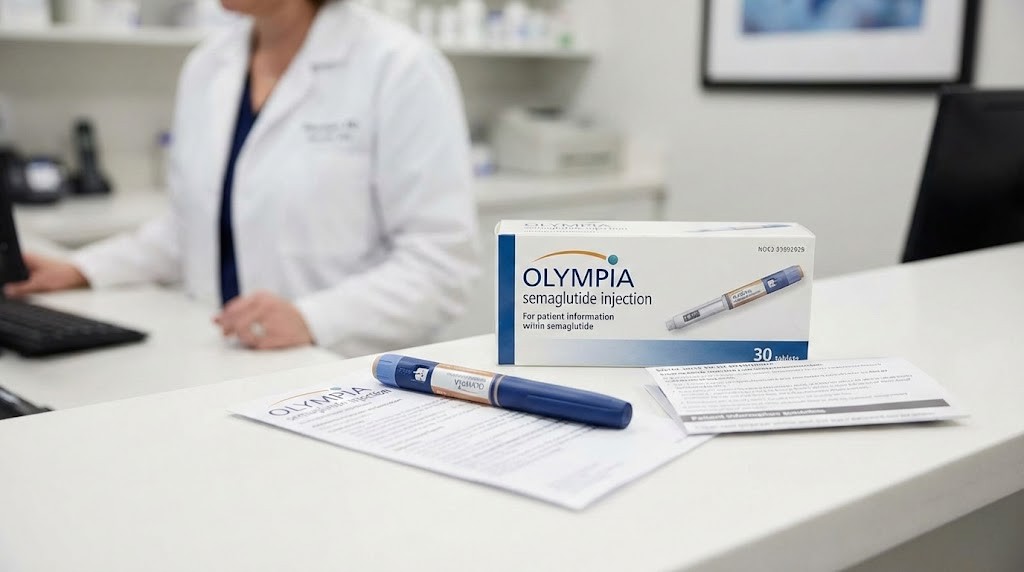
Tired of conflicting information about Olympia Pharmacy and their semaglutide products? You are not alone. The landscape around compounded GLP-1 medications has shifted so dramatically in the past year that what was true six months ago might be completely wrong today. Olympia Pharmaceuticals, one of the largest FDA-registered 503B outsourcing facilities in the United States, built a massive operation around compounded semaglutide and other GLP-1 receptor agonists. Then the FDA changed the rules.
What followed was confusion. Patients scrambling to understand what happened to their prescriptions. Providers trying to figure out what they could still legally prescribe. And Olympia itself pivoting hard toward new formulations and alternative compounds. The result is a tangled web of outdated blog posts, conflicting social media claims, and genuine uncertainty about what Olympia actually offers right now, what their quality standards look like, and whether their products are worth considering.
This guide cuts through all of it. We will walk through exactly what Olympia Pharmaceuticals is, what their compounded semaglutide products looked like when they were available, what happened when the FDA ended the semaglutide shortage declaration, and what alternatives exist today. Whether you are a researcher exploring weight management peptides, a provider evaluating compounding pharmacy options, or someone trying to understand the current state of compounded GLP-1 access, everything you need is here. SeekPeptides has tracked these regulatory changes in real time, and this guide reflects the most current information available.
What is Olympia Pharmaceuticals?
Olympia Pharmaceuticals operates as both an FDA-registered 503B outsourcing facility and a 503A compounding pharmacy out of Orlando, Florida. That dual designation matters more than most people realize. A 503B outsourcing facility operates under fundamentally different rules than a traditional compounding pharmacy. They produce medications in large batches under Current Good Manufacturing Practices, the same cGMP standards that major pharmaceutical manufacturers follow. Every batch gets tested. Every formulation gets verified.
The 503B side of Olympia is located at 6700 Conroy Windermere Rd, Suite 155, Orlando, FL 32835. They hold licenses to ship medications for office use in nearly all 50 states. Their affiliated 503A pharmacy handles prescription fulfillment directly to patients through healthcare providers. This structure allows them to serve both clinics purchasing bulk medications and individual patients with valid prescriptions.
Olympia has been in the compounding business since 2014. That gives them over a decade of experience in sterile compounding, which matters when you are talking about injectable medications like peptide injections and GLP-1 agonists. Their product catalog extends well beyond weight management into hormone therapy, IV nutrition, sexual health, peptide therapy, and dermatological formulations.
503B vs 503A: why it matters for semaglutide quality
Understanding the difference between 503A and 503B facilities is critical when evaluating any compounding pharmacy. A 503A pharmacy compounds medications based on individual patient prescriptions. They follow state pharmacy board regulations and USP 797 standards for sterile compounding. A 503B outsourcing facility follows federal cGMP regulations. Think of it as the difference between a local bakery and a food manufacturing plant. Both make bread. But the manufacturing plant has federal inspectors, mandatory batch testing, and standardized processes that the bakery does not require.
For semaglutide and tirzepatide specifically, this distinction shaped everything about product quality. Olympia's 503B facility performed third-party laboratory testing on every batch for sterility, endotoxins, and potency. Those tests typically take about 14 days to complete. During that testing period, the batch sits in a quarantine area. Nothing ships until the results come back clean. That level of quality control is what separated serious 503B facilities from the flood of lower-quality compounders that entered the market when semaglutide demand exploded.
The 503A side of Olympia, called Olympia Pharmacy, handles direct-to-patient prescriptions. This arm works with individual healthcare providers who prescribe specific formulations for their patients. Both sides operate under the Olympia umbrella, but they serve different functions in the supply chain. When people search for Olympia semaglutide, they might encounter products from either side of the operation, and the quality controls differ between them.
Olympia semaglutide: what they offered
Before the FDA's shortage resolution changed everything, Olympia Pharmaceuticals offered compounded semaglutide as one of their flagship weight management products. Their semaglutide formulations were available through healthcare providers who prescribed them for patients meeting specific criteria, typically those with a BMI of 30 or higher, or 27 and above with weight-related health conditions.
Olympia's semaglutide was an injectable formulation administered subcutaneously, following the same general injection protocols used for branded semaglutide products. The compound worked by activating GLP-1 receptors in the brain and gut, which reduced appetite, slowed gastric emptying, and improved insulin sensitivity. These mechanisms are identical to how branded Ozempic and Wegovy work, because the active ingredient is the same molecule.
Formulations and concentrations
Olympia typically offered semaglutide in concentrations designed for the standard titration schedule. A common configuration was semaglutide 1mg/mL or similar concentrations that allowed providers to prescribe the standard escalation protocol. Some formulations included additional ingredients like B12 (cyanocobalamin) or other supportive compounds. These combination formulations were popular among compounding pharmacies because they offered potential additional benefits, with vitamin B12 supporting energy levels that sometimes dip during significant caloric reduction.
The standard semaglutide dosing protocol from Olympia followed the established titration schedule that most providers use. This meant starting patients at 0.25mg weekly for the first four weeks, then increasing to 0.5mg, and gradually titrating up to maintenance doses that typically ranged from 1mg to 2.4mg weekly depending on the specific treatment goals and patient response.
Olympia also offered their products as part of a broader weight management approach. Their weight management division included lipotropic injections combining methionine, inositol, choline, and cyanocobalamin, as well as weight loss kits featuring multiple complementary compounds. This multi-product approach reflected the clinical reality that semaglutide works best when combined with nutritional support and lifestyle modifications.
How Olympia semaglutide compared to brand-name versions
The core question everyone asked was simple. Is compounded semaglutide from Olympia the same as Ozempic or Wegovy? The answer requires nuance.
The active pharmaceutical ingredient, semaglutide base, is the same molecule. When compounded properly using pharmaceutical-grade semaglutide base, the compound activates the same GLP-1 receptors and produces the same physiological effects. Olympia, as a 503B facility, was required to use semaglutide base, not semaglutide sodium or other salt forms that the FDA flagged as potentially different active ingredients.
But identical molecule does not mean identical product. Brand-name semaglutide from Novo Nordisk comes in pre-filled injection pens with precise dosing mechanisms, undergoes years of clinical trials proving efficacy at specific doses, and includes proprietary formulation elements that affect stability and absorption. Compounded versions typically come in multi-dose vials requiring patients to draw their own doses using insulin syringes. The concentration, stability profile, and excipients can all differ.
For many patients, these differences were acceptable trade-offs given the dramatic cost savings. Brand-name Wegovy carried a list price exceeding $1,000 per month before insurance. Compounded semaglutide from facilities like Olympia often cost a fraction of that amount. Some patients reported being quoted around $325 for a three-month supply through Olympia-affiliated providers, though actual costs varied significantly depending on dosage requirements and the specific prescribing practice.
The FDA shortage resolution: what happened and why it matters
Everything changed in early 2025 when the FDA determined that the semaglutide shortage was officially resolved. To understand why this matters, you need to understand why compounding pharmacies were allowed to produce semaglutide in the first place.
Under federal law, 503B outsourcing facilities can compound copies of commercially available drugs only during declared drug shortages. When Novo Nordisk could not keep up with the explosive demand for Ozempic and Wegovy, the FDA added semaglutide to its drug shortage list. This opened the door for facilities like Olympia to legally compound and distribute semaglutide without individual patient prescriptions on the 503B side.
The demand was staggering. Compounding pharmacies across the country built entire business lines around semaglutide and tirzepatide. Revenue surged. New compounding operations launched specifically to capture this market. And patients who could not afford brand-name GLP-1 medications suddenly had access to the same active ingredient at a fraction of the cost.
Then Novo Nordisk scaled up production. Supply met demand. And the FDA removed semaglutide from the shortage list. The final cutoff for compounded semaglutide came in May 2025. After that date, 503B facilities like Olympia could no longer legally produce standard semaglutide formulations in bulk.
The enforcement wave
The transition was not smooth. In September 2025, the FDA sent warning letters to more than 50 GLP-1 drug compounders and manufacturers. The agency targeted companies that promoted their compounded products as equivalents to FDA-approved drugs, used unauthorized salt forms like semaglutide sodium, or continued production after the shortage resolution.
The FDA also raised serious safety concerns. By mid-2025, the agency had received over 600 adverse event reports associated with compounded semaglutide and over 500 reports linked to compounded tirzepatide. These reports included issues ranging from fatigue and gastrointestinal problems to more serious complications that raised questions about quality control across the compounding industry.
Some of these adverse events were linked to compounders using semaglutide salt forms rather than semaglutide base. The FDA made clear that semaglutide sodium and semaglutide acetate are considered different active ingredients, not generic equivalents. Facilities using these salt forms were operating outside the legal framework for compounding. The agency explicitly stated that there is no evidence these salt forms are chemically or pharmacologically equivalent to the semaglutide base used in approved drugs.
What about clinical need exceptions?
The shortage resolution did not completely eliminate compounded semaglutide access. Under existing pharmacy law, 503A compounding pharmacies can still prepare compounded semaglutide if a licensed prescriber determines that an individual patient has a specific medical need that cannot be met by the commercially available product. This might include patients who need a non-standard dose, a different concentration for specific syringe dosing, or formulations that address allergies to inactive ingredients in the branded products.
But this exception is narrow. It requires a documented clinical need. It cannot be used simply to provide a cheaper alternative to brand-name medications. And the volume of patients who qualify under this provision is a tiny fraction of the millions who were using compounded semaglutide before the shortage resolution.
For most people who were getting their semaglutide from Olympia or similar facilities, the practical reality is that compounded semaglutide access ended. The options narrowed to brand-name products like Ozempic and Wegovy, or transitioning to alternative compounds that remain legally available.
Olympia Pharmaceuticals quality: what the inspections show
Any serious evaluation of a compounding pharmacy requires looking at their regulatory history. Olympia Pharmaceuticals has a documented inspection record with the FDA that includes both strengths and concerns.
The most recent major FDA inspection occurred from May 14 to May 29, 2024. This inspection resulted in a Form 483, which is the document FDA inspectors use to record observations of conditions that may constitute violations of federal regulations. Receiving a 483 does not automatically mean a facility has broken the law, but it does mean inspectors found issues that need addressing.
Key findings from the 2024 inspection
The FDA inspectors identified several specific concerns during their 2024 visit to Olympia's Orlando facility.
First, they found issues with sterilization process validation. Specifically, the firm had not properly validated its sterilization process involving biological indicators within their lyophilizer. A lyophilizer is freeze-drying equipment used to prepare certain pharmaceutical products. Validation ensures that the equipment consistently performs as intended. Without proper validation, there is a risk that products may not be adequately sterilized.
Second, inspectors documented equipment failures. On May 14, 2024, a filling machine faulted during production of Vitamin D3 50,000 IU/mL due to issues with the crimping station. Equipment malfunctions during production runs raise questions about whether other batches may have been affected by similar mechanical issues.
Third, the inspection found that certain drug products were compounded but not reported on required reports from June 2023 and December 2023. Reporting requirements exist specifically so the FDA can track what 503B facilities are producing and identify potential safety issues.
Fourth, and perhaps most concerning, the inspection revealed that Olympia released and distributed a product that failed finished product testing. Specifically, a MICC formulation containing methionine, inositol, choline, and cyanocobalamin showed a low cyanocobalamin assay at 87.4%. This means the product contained less active ingredient than labeled, indicating a potency problem that could affect therapeutic outcomes.
Historical compliance context
The 2024 inspection was not Olympia's first encounter with FDA scrutiny. In 2018, OPS International (doing business as Olympia Pharmacy) received another Form 483. And in 2013, Olympia conducted a multi-state recall of all sterile products compounded between December 2012 and March 2013 due to concerns about sterility assurance.
This history does not mean Olympia products are unsafe. Many large compounding facilities receive 483s during inspections. The question is how the facility responds to these observations and whether the same issues recur. Olympia has continued operating and maintaining their FDA registration, which suggests they have addressed at least some of the concerns raised in previous inspections.
For patients and providers evaluating compounding pharmacies, these inspection records are publicly available on the FDA's website. Reviewing them should be a standard part of due diligence before selecting any compounding pharmacy for injectable medications. The SeekPeptides community regularly discusses these quality indicators to help researchers make informed decisions about sourcing.
Olympia semaglutide dosing protocols
When Olympia semaglutide was available, the dosing followed established clinical protocols that most GLP-1 prescribers use. Understanding these protocols remains relevant because many patients are transitioning to brand-name products or alternatives that use similar titration approaches.
Standard titration schedule
The standard semaglutide titration schedule used with Olympia products typically followed this pattern. Weeks 1 through 4 used 0.25mg per week as the starting dose. This initial phase lets the body adjust to the medication and minimizes gastrointestinal side effects. Weeks 5 through 8 increased to 0.5mg per week. Many patients start noticing meaningful appetite suppression at this level. Weeks 9 through 12 moved to 1.0mg weekly. At this dose, most patients experience significant reduction in food intake and begin seeing measurable weight changes. Weeks 13 through 16 could escalate to 1.7mg weekly for those who tolerated lower doses well. And maintenance doses often settled between 1.0mg and 2.4mg weekly depending on individual response.
The key principle behind titration is simple. Start low, go slow. Jumping to higher doses causes the nausea, vomiting, and other gastrointestinal effects that give GLP-1 medications their reputation for being difficult to tolerate. Gradual escalation gives the body time to adjust. Most patients who follow proper titration experience significantly fewer side effects than those who start at higher doses.
How to measure compounded semaglutide doses
One of the practical challenges with compounded semaglutide from any pharmacy, including Olympia, was accurate dose measurement. Unlike brand-name products that come in pre-filled pens with built-in dose selectors, compounded semaglutide came in multi-dose vials. Patients needed to calculate the correct volume to draw using an insulin syringe based on the concentration of their specific vial.
For a 1mg/mL concentration, measuring 0.25mg meant drawing 0.25mL (or 25 units on a standard insulin syringe). For a 5mg/mL concentration, that same 0.25mg dose meant drawing only 0.05mL (5 units), a much smaller volume that required careful attention. Different concentrations meant different volumes for the same dose, and mixing up concentrations could lead to significant over or underdosing.
This is exactly why tools like the SeekPeptides semaglutide dosage calculator became so valuable. Rather than doing manual math with each injection, patients could input their vial concentration and target dose to get the exact volume needed. For anyone still using compounded medications of any kind, these calculation tools eliminate a major source of dosing errors.
Storage and handling
Olympia's compounded semaglutide required proper refrigeration to maintain potency. The standard recommendation was storage at 36 to 46 degrees Fahrenheit (2 to 8 degrees Celsius). Once removed from refrigeration, the product had a limited window of room-temperature stability, typically around 28 days for most compounded semaglutide formulations.
Proper storage was not optional. Semaglutide is a peptide, and peptides degrade when exposed to heat, light, or temperature fluctuations. A vial left on a counter for too long loses potency. A vial that froze and thawed may have altered protein structure. These are not theoretical concerns. They directly affect whether the medication works as intended. If you are using any compounded GLP-1 product, following storage guidelines is essential for getting the results you expect.
The semaglutide salt form controversy
One of the most important quality issues surrounding compounded semaglutide involves the distinction between semaglutide base and semaglutide salt forms. This is not a minor technical detail. It goes to the core of whether a compounded product is actually equivalent to the branded medication.
FDA-approved semaglutide products like Ozempic and Wegovy use semaglutide base as their active ingredient. Some compounding pharmacies, particularly during the shortage period, sourced semaglutide sodium or semaglutide acetate instead. These salt forms are chemically different from the base form. The FDA's position is unambiguous: there is no evidence that these salts have the same chemical and pharmacological properties as the approved active ingredient. They are considered different active ingredients, not generics or equivalents.
Why did some pharmacies use salt forms? Cost and availability. Research-grade or food-grade semaglutide variants were sometimes cheaper and easier to source than pharmaceutical-grade semaglutide base. Some compounders may not have fully understood the regulatory distinction. Others may have made calculated business decisions to use less expensive starting materials.
Olympia, as a 503B facility, was required to use pharmaceutical-grade semaglutide base and maintain documentation of their API sourcing. Their batch testing requirements included potency verification that should detect incorrect active ingredients. However, the broader industry concern about salt forms is one reason the FDA took such aggressive enforcement action against compounders after the shortage resolution.
For patients who used compounded semaglutide from any source, understanding this distinction helps explain potential differences in efficacy. If a compounded product seemed less effective than expected, the salt form of the active ingredient could be one contributing factor, along with potency variations, storage issues, and individual biological differences.
What Olympia offers now: the pivot to alternatives
With semaglutide compounding largely restricted, Olympia Pharmaceuticals has pivoted their weight management business toward legally available alternatives. Their current product lineup reflects both regulatory realities and evolving clinical approaches to weight management.
Compounded liraglutide
Olympia's most significant pivot has been toward compounded liraglutide. Liraglutide, marketed by Novo Nordisk as Saxenda for weight management and Victoza for diabetes, remained on the FDA's drug shortage list longer than semaglutide. This meant 503B facilities could continue compounding it legally.
Olympia launched their liraglutide formulations in June 2025 with two different formulation options. Liraglutide works through the same GLP-1 receptor agonist mechanism as semaglutide. It activates GLP-1 pathways, stimulates insulin production, slows digestion, and reduces appetite. The key difference is dosing frequency and potency. Liraglutide requires daily injections rather than weekly, and the maximum dose for weight management is 3mg daily compared to semaglutide's 2.4mg weekly.
For patients accustomed to weekly semaglutide injections, the switch to daily liraglutide represents a significant lifestyle change. However, liraglutide has extensive clinical data supporting its efficacy. The SCALE clinical trials showed average weight loss of approximately 8% of body weight over 56 weeks, which is meaningful even if it falls short of the 15-17% averages seen in semaglutide trials.
Sermorelin
Olympia also offers compounded sermorelin acetate as part of their weight management lineup. Sermorelin is a synthetic peptide that stimulates the body's natural production of human growth hormone, which in turn supports insulin-like growth factor 1 production. Sermorelin works through an entirely different mechanism than GLP-1 agonists. Rather than directly suppressing appetite, it supports metabolic function through growth hormone pathways.
The evidence for sermorelin's weight management effects is less robust than for GLP-1 agonists, but it represents a legal compounding option that does not face the same shortage-related restrictions. Some providers use it as part of a multi-compound approach that addresses metabolic function from multiple angles.
Weight management therapy program
Olympia has developed a structured weight management therapy program that combines multiple compounds. The program typically includes low-dose naltrexone oral capsules, sermorelin subcutaneous injectables, and their Lipo-Trim oral sublingual spray. This combination approach targets appetite, metabolism, and fat utilization through different pathways simultaneously.
Low-dose naltrexone has gained attention for its potential effects on inflammation and appetite regulation at doses much lower than those used for opioid addiction treatment. Combined with sermorelin and lipotropic compounds, Olympia positions this program as a comprehensive approach to weight management that does not depend on GLP-1 agonists.
Additionally, Olympia offers lipotropic injection formulations containing methionine, inositol, choline, and B12. These lipotropic compounds support fat metabolism and liver function, though their direct weight loss effects are modest compared to GLP-1 medications. Many providers use them as supportive therapy alongside primary weight management treatments.
How to access Olympia products
Olympia Pharmaceuticals operates through healthcare providers, not directly to consumers. You cannot order products from their website the way you would from an online retailer. The access pathway depends on which side of their operation, 503A or 503B, is fulfilling your medication.
Through your healthcare provider (503B)
On the 503B side, healthcare providers and clinics purchase Olympia products in bulk for office use. This means your doctor, nurse practitioner, or medical weight loss clinic orders the medications from Olympia and then administers or dispenses them during your visits. You would not necessarily know that the compounded medication came from Olympia specifically unless you asked or checked the vial labeling.
Many telehealth weight loss platforms and medical spas source their compounded medications from 503B facilities like Olympia. If you are getting peptide injections or GLP-1 treatments through a provider, asking which 503B facility compounds the medications is a reasonable quality check.
Through a prescription (503A)
On the 503A side, Olympia Pharmacy fills individual prescriptions written by licensed healthcare providers. Your provider writes a prescription specifying the compound, concentration, and quantity. Olympia compounds it specifically for you and ships it to your address or the prescribing office.
This pathway requires a valid patient-prescriber relationship. The provider must evaluate your medical history, determine that a compounded formulation is clinically appropriate, and write a prescription that Olympia can legally fill. For telemedicine consultations, state regulations vary on whether the prescriber needs an in-person visit or can prescribe based on a virtual evaluation.
Geographic availability
Olympia holds licenses in 48 of 50 states, making them one of the most broadly accessible compounding pharmacies in the country. The specific states where they cannot operate may change over time as they pursue additional licensure. If you are working with a provider who wants to order from Olympia, confirming that your state allows Olympia shipments is a quick verification step.
Olympia semaglutide vs other compounding pharmacies
During the period when compounded semaglutide was widely available, patients had choices among dozens of compounding pharmacies. Understanding how Olympia compared helps evaluate their current alternative offerings as well.
Olympia vs Empower Pharmacy
Empower Pharmacy was another major player in the compounded semaglutide market. Both are 503B facilities with extensive quality testing programs. Empower, based in Houston, Texas, was one of the largest compounding pharmacies in the country by volume. The primary differences between the two came down to specific formulations offered, pricing through providers, and geographic coverage.
Both pharmacies offered semaglutide with B12 combination formulations. Both required third-party testing. And both faced the same regulatory restrictions when the FDA resolved the semaglutide shortage. The competitive landscape has shifted to alternative compounds, with each pharmacy emphasizing different products in their post-semaglutide strategies.
Olympia vs smaller compounders
The gap between large 503B facilities like Olympia and smaller compounding operations was significant. Many patients obtained compounded semaglutide from state-licensed 503A pharmacies that did not have the same batch testing requirements. Some sourced from operations that used questionable raw materials, including the semaglutide salt forms discussed earlier.
When evaluating any compounding source, the questions to ask include: Are they a registered 503B facility? Do they perform third-party potency and sterility testing? Can they provide Certificates of Analysis for their products? Do they use semaglutide base (not sodium or acetate salt forms)? What is their FDA inspection history? Olympia answers most of these questions favorably, even with their documented inspection findings. Many smaller compounders could not.
Comparison table: Olympia vs major competitors
Feature | Olympia Pharmaceuticals | Empower Pharmacy | Strive Pharmacy |
|---|---|---|---|
Facility type | 503B and 503A | 503B and 503A | 503A |
Location | Orlando, FL | Houston, TX | Various locations |
State coverage | 48 states | 50 states | Varies by location |
Third-party testing | Yes (503B) | Yes (503B) | Varies |
Semaglutide (current) | Limited (clinical need only) | Limited (clinical need only) | Limited (clinical need only) |
Liraglutide | Yes (launched June 2025) | Available | Available |
FDA inspection history | Multiple 483s (2013, 2018, 2024) | Public record available | State board oversight |
For detailed dosing comparisons between pharmacy-specific formulations, Strive Pharmacy and Empower dosing charts are available as separate references. Each pharmacy uses slightly different concentrations and vial sizes, which affects how you measure your doses.
Cost considerations for Olympia products
Pricing for Olympia's products has always varied significantly depending on the specific medication, the prescribing provider, and whether the patient accesses the product through the 503B (clinic) or 503A (individual prescription) pathway.
Historical semaglutide pricing
When compounded semaglutide was available, patients reported a wide range of costs through Olympia-affiliated providers. Some were quoted approximately $325 for what was described as a three-month supply. However, reports from patients indicated that as doses escalated through the titration schedule, the actual cost per month increased because they used the vial contents faster at higher doses.
This pricing confusion was common across the compounding industry, not unique to Olympia. A vial containing a set amount of semaglutide lasts longer at low starting doses and shorter at maintenance doses. Providers who quoted pricing based on the initial dose without clarifying that costs would increase during titration left patients with unexpected expenses.
Current product pricing
For Olympia's current weight management products like liraglutide, sermorelin, and their combination programs, pricing typically goes through the prescribing provider rather than being publicly listed by Olympia. This means costs vary based on the specific clinic or telehealth platform you work with, their markup, and your insurance situation.
As a general benchmark, compounded liraglutide is typically less expensive than brand-name Saxenda (which carries a list price of around $1,350 per month) but more expensive than compounded semaglutide was during the shortage period. The daily dosing requirement also means patients use more product per month compared to weekly semaglutide injections.
Brand-name alternatives pricing
The cost landscape for brand-name GLP-1 medications has also shifted. Both Novo Nordisk and Eli Lilly now offer their branded products for approximately $500 per month to patients paying out of pocket. This represents a significant reduction from previous list prices exceeding $1,000 monthly. Insurance coverage for weight management GLP-1 medications varies dramatically by plan, with some covering the full cost and others excluding weight loss indications entirely.
For patients comparing options, the calculation involves medication cost, required lab work, provider visit fees, and the practical implications of daily versus weekly dosing. The cheapest option is not always the best option when you factor in convenience, proven efficacy data, and quality assurance.
Side effects and safety considerations
The side effect profile for semaglutide, whether compounded by Olympia or taken as a brand-name product, follows well-established patterns from clinical trials involving tens of thousands of patients.
Common side effects
Gastrointestinal effects are by far the most common. Nausea affects roughly 40-45% of patients, particularly during dose escalation. Vomiting occurs in about 25% of patients. Diarrhea and constipation each affect approximately 20-30% of users. These effects typically peak during the first few weeks at each new dose level and diminish as the body adjusts.
Fatigue is another frequently reported side effect, particularly during the initial weeks of treatment. The mechanism likely involves the significant caloric reduction that semaglutide produces. When your body is suddenly receiving substantially fewer calories, energy levels can temporarily drop. This effect usually resolves within 2-4 weeks as the body adapts to lower caloric intake.
Headaches, dizziness, and injection site reactions are reported less commonly but still affect a meaningful percentage of users. Most of these resolve without intervention. For injection site management, proper injection technique and rotation of injection sites helps minimize local reactions.
Serious but rare risks
More serious risks include pancreatitis, gallbladder problems, and potential thyroid effects. The thyroid concern is based on animal studies showing thyroid C-cell tumors in rodents at high doses. The clinical significance for humans at therapeutic doses remains under study, but semaglutide carries a boxed warning about this risk.
Hair loss has emerged as a concern in the GLP-1 community, though it appears related to rapid weight loss rather than the medication itself. Telogen effluvium, a temporary hair shedding condition triggered by physical stress including significant weight loss, affects some patients during the active weight loss phase.
The specific safety question around compounded products involves additional risks not present with brand-name medications. Sterility issues, potency variations, incorrect active ingredients (salt form problems), and improper storage can all introduce risks that do not exist with FDA-approved products manufactured under rigorous pharmaceutical conditions. These risks are why the quality standards of the compounding facility matter so much.
Managing side effects effectively
For anyone on GLP-1 therapy, whether compounded or brand-name, side effect management follows similar principles. Dietary modifications play a significant role. Eating smaller, more frequent meals reduces nausea. Avoiding high-fat and extremely spicy foods helps prevent gastrointestinal distress. Staying well hydrated counteracts the constipation that many patients experience.
Following the proper titration schedule is the single most effective side effect prevention strategy. Patients who skip dose levels or escalate too quickly experience dramatically worse side effects. If side effects are intolerable at a given dose, staying at the current dose for an additional 4-8 weeks before attempting escalation is preferable to pushing through severe symptoms.
Customer experience and reviews
Real-world feedback about Olympia Pharmaceuticals presents a mixed picture that deserves honest examination.
Positive experiences
Many healthcare providers and clinics have worked with Olympia for years and report consistent product quality, reliable shipping, and responsive customer service on the B2B side. Providers who appreciate Olympia often cite the breadth of their product catalog, the availability of Certificates of Analysis, and the convenience of having both 503A and 503B options from a single supplier.
Patients who received Olympia-sourced medications through their providers often did not interact with Olympia directly. Their experience was filtered through the prescribing practice, which handled ordering, dosing guidance, and follow-up. For these patients, the quality of their experience depended heavily on their provider rather than on Olympia specifically.
Negative experiences
Direct consumer reviews paint a different picture. On platforms like ComplaintsBoard, Olympia Compounding Pharmacy holds an average of approximately 1 star from a small number of reviews. The Better Business Bureau listing for Olympia Pharmaceuticals also shows complaints. Common themes in negative reviews include billing disputes, pricing confusion (particularly around how long a vial lasts at escalating doses), communication gaps about product changes, and shipping delays.
Some of these complaints reflect industry-wide issues rather than Olympia-specific problems. The pricing confusion around compounded semaglutide affected virtually every compounding pharmacy offering the product. Patients were often surprised to learn that a vial lasting 12 weeks at a starting dose might last only 4 weeks at a maintenance dose, dramatically changing their monthly cost.
Interpreting mixed reviews
When evaluating compounding pharmacy reviews, context matters. A 503B facility primarily serves healthcare providers and clinics, not individual consumers. Most of their volume goes through B2B channels where feedback mechanisms differ from consumer review platforms. The relatively small number of consumer reviews may not represent the experience of the broader provider network.
That said, legitimate complaints about billing practices, communication, and product information deserve attention. Any pharmacy that struggles with clear customer communication creates risk for patients who depend on accurate information about their medications.
The broader compounded GLP-1 landscape
Olympia's story is really the story of an entire industry adapting to rapid regulatory change. Understanding where things stand now helps contextualize what Olympia offers and what alternatives exist.
Current legal status of compounded GLP-1s
As of early 2026, the legal landscape for compounded GLP-1 medications is substantially more restricted than it was during the shortage period. Semaglutide and tirzepatide are both off the FDA's shortage list, meaning standard 503B compounding of these drugs is no longer permitted. However, several legal pathways remain.
503A pharmacies can compound semaglutide or tirzepatide for individual patients with documented clinical needs that cannot be met by commercially available products. Some pharmacies have explored non-standard dosage forms or combination products that they argue fall outside the scope of the shortage restriction. And compounds like liraglutide that remain on the shortage list continue to be available from 503B facilities.
The FDA has signaled that it will continue monitoring the compounding market aggressively. Warning letters, enforcement actions, and proposed new rules restricting certain ingredients used in mass-marketed compounded GLP-1 products all indicate that the regulatory environment will likely become stricter, not more permissive.
What this means for patients
For patients who relied on compounded semaglutide for weight management, the path forward involves several options. Brand-name semaglutide (Wegovy for weight loss, Ozempic for diabetes) is the most direct replacement, now available at reduced out-of-pocket prices around $500 monthly. Insurance coverage varies but is expanding as more payers recognize the long-term cost benefits of treating obesity.
Switching between GLP-1 medications is another common strategy. Some patients move from semaglutide to tirzepatide (Mounjaro/Zepbound) or vice versa depending on availability, insurance coverage, and individual response. Conversion between these medications requires careful dose mapping since they are not milligram-equivalent. Our semaglutide to tirzepatide conversion chart provides detailed guidance for this transition.
Compounded liraglutide from facilities like Olympia offers a GLP-1 option that remains legally available through the 503B pathway. While less potent than semaglutide and requiring daily dosing, it provides legitimate GLP-1 receptor activation for patients who cannot access or afford brand-name options.
Non-GLP-1 approaches including naltrexone combinations, sermorelin, and comprehensive metabolic protocols represent another direction. These approaches lack the dramatic efficacy data of GLP-1 agonists but may provide meaningful support as part of a broader weight management strategy.
How to evaluate any compounding pharmacy
Whether you are considering Olympia or any other compounding pharmacy for peptide therapy or GLP-1 treatments, a systematic evaluation protects your health and your investment.
Essential questions to ask
Start with regulatory status. Is the pharmacy a registered 503B outsourcing facility, a 503A pharmacy, or both? 503B status means federal oversight and cGMP requirements. 503A status means state-level regulation. Both can produce quality products, but the oversight mechanisms differ.
Ask about testing protocols. Does the pharmacy perform third-party laboratory testing on finished products? Can they provide Certificates of Analysis showing sterility, endotoxin, and potency results for specific lots? A reputable pharmacy should provide these documents without hesitation.
Investigate their sourcing. Where do they obtain their active pharmaceutical ingredients? For GLP-1 medications specifically, do they use the base form or salt forms? Can they document their API supply chain?
Check their regulatory history. FDA inspection records for 503B facilities are publicly available. State pharmacy board actions are also accessible in most jurisdictions. A clean record is ideal, but what matters most is how a facility responds to identified issues.
Red flags to watch for
Be cautious of any pharmacy that claims their compounded product is equivalent to or the same as an FDA-approved medication. This claim violates FDA guidance and suggests either ignorance of regulations or willingness to mislead patients.
Extremely low prices should raise questions. Pharmaceutical-grade active ingredients, proper sterile compounding equipment, qualified staff, and batch testing all cost money. A price that seems too good to be true usually reflects corners being cut somewhere in the process.
Pharmacies that do not require a prescription or a provider relationship for prescription medications are operating outside legal boundaries. Legitimate compounded medications require a valid prescription from a licensed healthcare provider.
Lack of transparency about sourcing, testing, or regulatory status is a significant red flag. Quality compounding pharmacies are generally proud of their quality systems and willing to discuss them openly. Evasion of these questions suggests there may be something the pharmacy does not want scrutinized.
Verification resources
The FDA maintains a list of registered 503B outsourcing facilities that you can search by name. State pharmacy boards maintain records of licensed pharmacies and any disciplinary actions. The Alliance for Pharmacy Compounding provides educational resources about compounding standards. And communities like SeekPeptides offer peer feedback from researchers who have direct experience with various compounding sources.
Semaglutide dosing calculations: getting it right regardless of source
Whether your semaglutide comes from Olympia, another compounding pharmacy, or a brand-name product, accurate dosing is fundamental to safety and efficacy. The math differs based on the product format.
Pre-filled pens vs compounded vials
Brand-name products like Ozempic and Wegovy come in pre-filled pens where you simply dial your dose. No math required. The pen mechanism ensures accurate delivery every time. This is one of the genuine advantages of brand-name products, especially for patients uncomfortable with the manual dosing process.
Compounded products from Olympia and other pharmacies typically come in multi-dose vials. You need to know your target dose in milligrams, the concentration of your vial (mg/mL), and how to convert that to units on your insulin syringe. The formula is straightforward: dose (mg) divided by concentration (mg/mL) equals volume to inject (mL). Then convert mL to units (1 mL = 100 units on a standard U-100 insulin syringe).
For a practical example, if you have a 5mg per 2mL vial (concentration = 2.5mg/mL) and need 0.5mg, you would calculate: 0.5 divided by 2.5 = 0.2mL = 20 units. For a 10mg per 2mL vial (concentration = 5mg/mL) and the same 0.5mg dose: 0.5 divided by 5 = 0.1mL = 10 units. Same dose, different volume, different number of units. Confusing these concentrations is one of the most common and potentially dangerous mistakes with compounded products.
Using the SeekPeptides calculator
The semaglutide dosage calculator on SeekPeptides handles all of these conversions automatically. Input your vial concentration, your target dose, and the syringe type you are using. The calculator outputs the exact volume and unit count to draw. It eliminates the manual math that leads to dosing errors and provides a verification step even if you prefer to calculate manually.
For patients using reconstituted formulations, the calculator also accounts for the dilution step. If you are mixing a lyophilized (freeze-dried) compound with bacteriostatic water, the amount of water you add determines the final concentration. Getting this step wrong cascades into every subsequent dose measurement. The peptide reconstitution calculator addresses this specific step in the process.
Transitioning from Olympia semaglutide to alternatives
If you previously used compounded semaglutide from Olympia and need to transition, several pathways exist depending on your goals, budget, and medical situation.
Transition to brand-name semaglutide
The most straightforward transition is moving to brand-name Wegovy (for weight management) or Ozempic (for type 2 diabetes with weight management benefit). If you were stable on a compounded dose, your provider can match that dose to the equivalent branded product. The active ingredient is the same, so no titration adjustment is needed. The main barriers are cost and insurance coverage.
Contact your insurance provider to check coverage before assuming you cannot afford brand-name products. Many plans now cover Wegovy, and Novo Nordisk offers savings programs for eligible patients. The out-of-pocket price has dropped to approximately $500 monthly for many patients, which, while still significant, is more accessible than previous pricing.
Transition to tirzepatide
Some patients and providers view the semaglutide transition as an opportunity to try tirzepatide, the dual GIP/GLP-1 agonist available as Mounjaro and Zepbound. Clinical data suggests tirzepatide may produce greater weight loss than semaglutide for some patients due to its dual receptor mechanism. If your provider recommends this switch, careful dose conversion is essential since the medications are not milligram-equivalent.
Transition to compounded liraglutide
For patients who need to stay in the compounded medication space due to cost or access considerations, compounded liraglutide from Olympia or other facilities is the most direct GLP-1 alternative. The transition requires understanding that liraglutide is a daily injection with different dosing than weekly semaglutide, and that the overall weight loss efficacy is somewhat lower. Your provider should guide a specific transition protocol.
Transition to non-GLP-1 approaches
Patients who cannot continue on any GLP-1 medication should work with their provider on alternative weight management strategies. Options include prescription medications like phentermine, naltrexone/bupropion (Contrave), or the metabolic support compounds that Olympia offers through their weight management program. Lifestyle interventions including structured nutrition plans and exercise protocols remain foundational regardless of pharmaceutical support.
Olympia peptide offerings beyond weight management
While semaglutide and weight management drove much of Olympia's recent visibility, their product catalog extends significantly further. Understanding the full scope of their offerings provides context for evaluating them as an ongoing pharmacy relationship.
Peptide therapies
Olympia compounds various peptides for therapeutic applications. Their peptide division includes products for hormone optimization, recovery, immune support, and longevity applications. Specific offerings include growth hormone secretagogues, BPC-157 variants, and other tissue repair peptides.
The regulatory environment for peptides is also evolving, with the FDA taking increased interest in compounded peptide products. Some peptides that were previously available through compounding pharmacies have faced new restrictions. Staying current on which peptides remain legally available through 503B facilities requires ongoing attention to FDA announcements and industry developments.
Hormone therapy
Olympia's hormone therapy division compounds bioidentical hormones for both men and women. This includes testosterone formulations, estrogen compounds, progesterone, and thyroid medications. These products serve a substantial patient population seeking hormone replacement therapy through compounding pharmacies that can customize dosages and delivery methods.
IV nutrition and wellness
Intravenous nutrition formulations represent another significant segment of Olympia's business. Their IV products include vitamin combinations, amino acid blends, and NAD+ formulations used in wellness clinics and medical spas. These products are primarily accessed through the 503B pathway by clinics that offer IV therapy services.
Frequently asked questions
Is Olympia Pharmacy still selling semaglutide?
Olympia's ability to compound semaglutide is extremely limited following the FDA's shortage resolution. Their 503B facility can no longer produce standard semaglutide formulations in bulk. The 503A pharmacy side may compound semaglutide for individual patients only when a prescriber documents a specific clinical need that the commercially available product cannot meet. For most patients, Olympia's semaglutide products are no longer available. They have pivoted to alternative GLP-1 options including compounded liraglutide.
Is compounded semaglutide safe?
Compounded semaglutide from a reputable 503B facility that uses pharmaceutical-grade semaglutide base, performs third-party testing, and follows cGMP standards can be comparable in quality to brand-name products. However, the FDA has documented over 600 adverse event reports linked to compounded semaglutide, some involving facilities that used unauthorized salt forms or had quality control issues. The safety depends entirely on the specific facility's standards. For a comprehensive breakdown, see our compounded semaglutide complete guide.
What is the difference between Olympia's 503A and 503B pharmacy?
Olympia's 503B facility (Olympia Pharmaceuticals) produces medications in large batches under FDA oversight and cGMP standards for sale to healthcare providers and clinics. Their 503A facility (Olympia Pharmacy) compounds individual patient prescriptions under state pharmacy board regulations. The 503B side has more rigorous testing requirements, including mandatory third-party batch testing for sterility, endotoxins, and potency.
How much did Olympia semaglutide cost?
Pricing varied significantly depending on the provider. Some patients reported being quoted approximately $325 for a three-month supply at starting doses. However, as doses escalated through the standard titration schedule, the effective monthly cost increased because higher doses consumed the vial contents faster. Actual costs ranged from roughly $100 to $300+ per month depending on the dose and the specific provider's pricing structure.
What alternatives to Olympia semaglutide exist now?
Current alternatives include brand-name semaglutide (Wegovy or Ozempic at approximately $500 per month out of pocket), brand-name tirzepatide (Mounjaro or Zepbound), compounded liraglutide from Olympia or other 503B facilities, and non-GLP-1 weight management approaches. Your healthcare provider can help determine which option fits your medical needs, budget, and treatment goals. SeekPeptides members access detailed comparison guides and protocol recommendations for each of these pathways.
Did Olympia have FDA violations?
Olympia has received FDA Form 483s (inspectional observations) in 2024, 2018, and earlier years. The 2024 inspection identified issues with sterilization validation, equipment malfunctions, reporting gaps, and one instance of releasing a product that failed potency testing. They also conducted a recall in 2013 over sterility assurance concerns. These findings are publicly documented on the FDA's website. Receiving 483s is not uncommon for large compounding facilities, but the specific findings should inform decisions about using their products.
Can I still get compounded GLP-1 medications legally?
Yes, but with significant restrictions. Compounded liraglutide remains available from 503B facilities because liraglutide is still on the FDA shortage list. Compounded semaglutide or tirzepatide may be available through 503A pharmacies only for patients with documented clinical needs for non-standard formulations. Compounding simply to provide a cheaper alternative to brand-name products is not a legally valid basis.
How do I verify if a compounding pharmacy is legitimate?
Check the FDA's list of registered 503B outsourcing facilities. Verify state pharmacy board licensing. Ask for Certificates of Analysis for specific product lots. Confirm they require a valid prescription. Check their FDA inspection history on the FDA's website. Legitimate pharmacies welcome these inquiries and provide documentation readily. Any pharmacy that resists transparency about their regulatory status or testing practices should be approached with caution.
External resources
For researchers serious about navigating the shifting landscape of compounded GLP-1 medications and peptide therapy, SeekPeptides offers the most comprehensive resource available. Members access evidence-based guides, detailed pharmacy comparison tools, and a community of thousands who have navigated these exact questions about sourcing, quality, and protocol optimization.
In case I do not see you, good afternoon, good evening, and good night. May your compounding sources stay verified, your doses stay accurate, and your health journey stay informed.