Feb 25, 2026
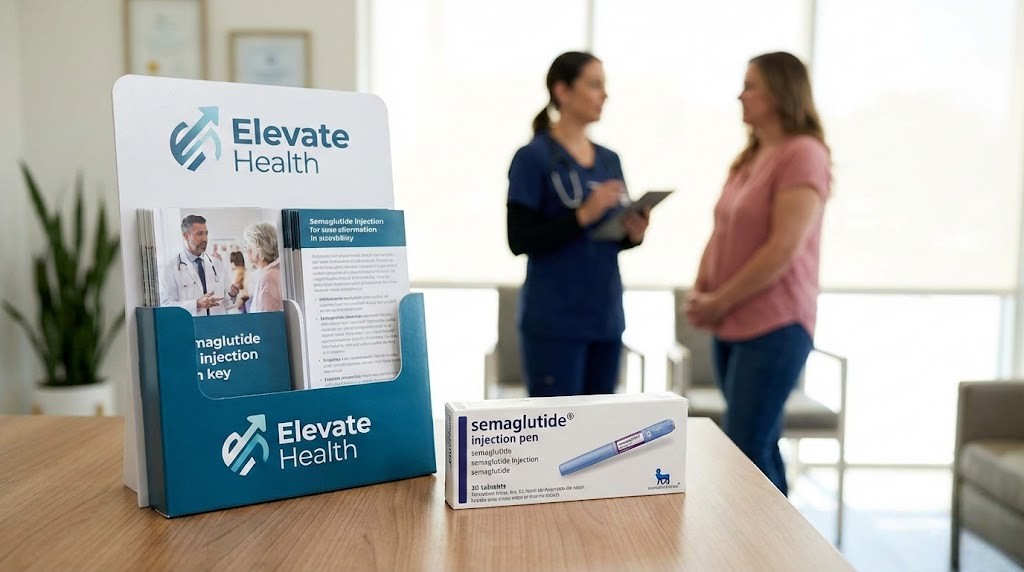
Picking the wrong GLP-1 telehealth provider is not just frustrating. It is expensive. At $300 to $500 per month for compounded medications, a single bad experience means hundreds of dollars gone with nothing to show for it. No weight loss. No appetite suppression. Just regret and a lighter wallet.
Elevate Health, operating through joinelevate.com, has positioned itself as one of the more affordable options in the rapidly expanding telehealth GLP-1 space. With over 35,000 patients served and a 4.7-star rating on Trustpilot, the numbers look impressive at first glance. But the GLP-1 telehealth landscape is complicated, and the gap between marketing promises and reality can be uncomfortably wide.
Compounded semaglutide faces evolving FDA regulations. Multiple telehealth providers have closed their doors in recent months. And not every platform delivers what it promises. Some customers report life-changing weight loss results within weeks, while others describe months of wasted money on medications that produced zero appetite suppression and zero change on the scale.
This guide breaks down everything you need to know about Elevate Health before committing your money and your health. We cover their medication options, real pricing after hidden fees, what actual customers report in verified reviews, and how they compare against competitors like Empower Pharmacy and Olympia Pharmacy. SeekPeptides has analyzed dozens of GLP-1 telehealth providers, and the differences between them are far bigger than most people realize. Here is everything the Elevate Health marketing page will not tell you.
What is Elevate Health?
Elevate Health and Wellness LLC is a direct-to-consumer telehealth platform that connects patients with licensed medical providers who can prescribe GLP-1 receptor agonist medications for weight loss. The company operates through joinelevate.com and was incorporated in New York on September 29, 2023. It is a relatively young company in an industry that has exploded over the past two years.
The platform does not employ its own physicians directly. Instead, Elevate Health provides administrative support to physicians contracted through MDIntegrations and TelegraMD. This is a common model in the telehealth space, but it means the doctor you speak with is not technically an Elevate Health employee. That distinction matters when things go wrong.
Understanding how GLP-1 peptides work is essential before choosing any provider. These medications mimic a natural hormone called glucagon-like peptide 1, which your body produces after eating. The synthetic version signals your brain to feel full, slows stomach emptying, and regulates blood sugar. The result, for many people, is significantly reduced appetite and meaningful weight loss over time.
Elevate Health currently offers three main medication options: compounded semaglutide (marketed as their GLP-1 option), compounded tirzepatide (marketed as their GLP/GIP option), and brand-name Zepbound (FDA-approved tirzepatide). They also provide supplementary add-ons like B12 injections, NAD+, and glutathione. The company claims to have served over 35,000 patients across all 50 US states, though independent verification of that number is not available.
For anyone researching peptides for weight loss, Elevate Health represents one of many telehealth options that have emerged to fill the gap between expensive brand-name medications and the growing demand for affordable GLP-1 medications. Whether it is the right choice depends entirely on what you prioritize: price, safety, customer service, or medication quality.
How the Elevate Health program works
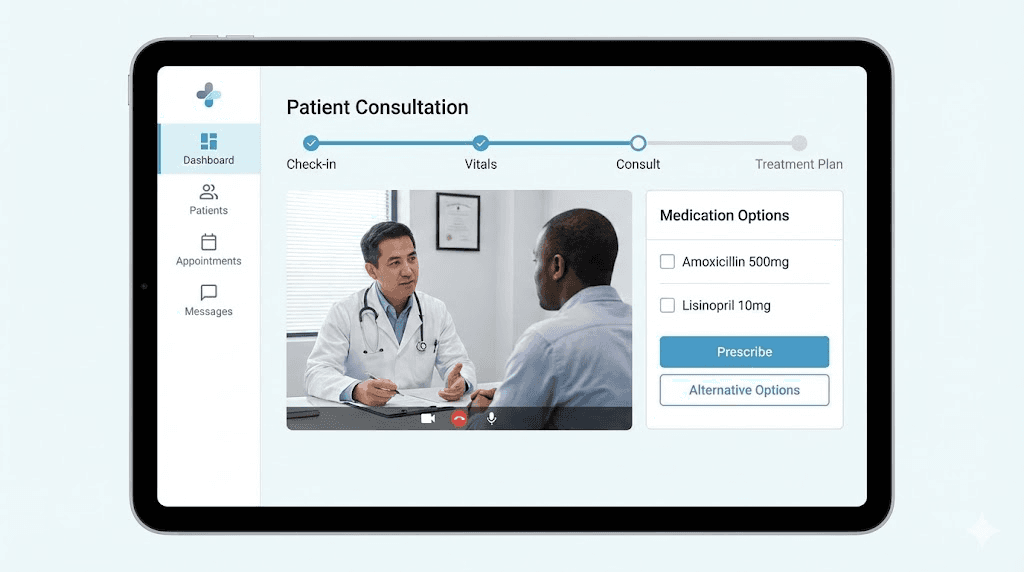
The Elevate Health enrollment process follows a three-step model that has become standard across most GLP-1 telehealth platforms. It is designed to be fast, entirely online, and accessible without insurance. The company advertises no waitlists, no insurance requirements, and no hidden fees, though that last claim deserves closer examination.
Step one: complete the online medical intake
You start by visiting joinelevate.com and filling out a medical history questionnaire. This covers your current weight, height, medical conditions, medications, and weight loss goals. The form is similar to what you would complete at any doctor office, but condensed for the digital format. One notable detail from customer reviews: you are asked to provide credit card information before completing the full intake. Elevate states they do not charge until a provider approves you, but the upfront payment request has made some customers uncomfortable.
Step two: provider review and consultation
A licensed medical provider reviews your intake information. If you meet the BMI requirements for GLP-1 medications, a provider will contact you for a telehealth consultation through a HIPAA-compliant platform. During this consultation, the provider determines which medication is clinically appropriate for your situation. The entire process typically takes a few days from signup to consultation.
Step three: medication delivery
Once approved, your medication ships from a partner pharmacy. Elevate Health uses licensed compounding pharmacies to prepare their compounded semaglutide and tirzepatide formulations. Delivery typically takes 7 to 10 business days after approval, which is longer than some competitors. The medication arrives with all necessary supplies, including multi-dose vials, syringes, alcohol wipes, and anti-nausea medication. Understanding how to properly inject semaglutide with a syringe is important since compounded versions come in vials rather than pre-filled pens.
After your initial shipment, Elevate provides ongoing provider check-ins to adjust dosing as needed. The company states that unlimited support is available seven days per week, though customer experiences with response times vary significantly. Your semaglutide dosage will be gradually increased over time following standard titration protocols.
Medications available through Elevate Health
Elevate Health offers three primary medication categories, plus several supplementary options. Understanding the differences between these medications is critical because the price points, effectiveness profiles, and regulatory statuses vary dramatically.
Compounded semaglutide (GLP-1)
Semaglutide is the active ingredient in FDA-approved medications like Ozempic and Wegovy. Elevate Health offers a compounded version, which means a licensed pharmacy creates the medication using semaglutide as the active pharmaceutical ingredient. The compounded version is not FDA-approved as a finished product, a distinction that carries real implications for quality assurance and consistency.
For patients choosing this option, understanding proper semaglutide reconstitution and dosing in units is essential. Unlike brand-name Ozempic or Wegovy, which come in pre-filled auto-injector pens, compounded semaglutide arrives in multi-dose vials. You draw up your own dose using an insulin syringe. This introduces a margin for error that does not exist with the brand-name products. The semaglutide dosage calculator on SeekPeptides can help you verify your doses are accurate.
Standard titration for compounded semaglutide starts at 0.25 mg per week and gradually increases to a maintenance dose, often reaching higher doses over several months. Most patients begin noticing appetite suppression within the first few weeks, though meaningful weight loss typically takes four to eight weeks to become visible.
Compounded tirzepatide (GLP/GIP)
Tirzepatide is a dual-action medication that targets both GLP-1 and GIP receptors, making it potentially more effective than semaglutide alone. It is the active ingredient in FDA-approved Mounjaro and Zepbound. Elevate Health labels this their GLP/GIP option and markets it as their mid-tier offering.
Clinical data consistently shows that tirzepatide produces greater weight loss than semaglutide in head-to-head comparisons. The dual receptor activity provides stronger appetite suppression and more robust metabolic effects. However, side effects can also be more pronounced, particularly gastrointestinal symptoms like nausea and constipation.
Patients choosing compounded tirzepatide through Elevate Health will need to understand proper reconstitution techniques and accurate dosing in units. The starting dose for compounded tirzepatide follows similar titration principles, beginning low and increasing gradually based on tolerance and response.
Brand-name Zepbound (FDA-approved tirzepatide)
Elevate Health also offers brand-name Zepbound, which is FDA-approved tirzepatide manufactured by Eli Lilly. This is the most expensive option on the platform, but it comes with the full regulatory backing of FDA approval. The medication arrives in pre-filled injection pens, eliminating the dosing accuracy concerns associated with compounded vials.
For patients who can afford it, brand-name Zepbound offers consistency that compounded versions cannot guarantee. Every pen contains precisely the labeled dose, manufactured under strict FDA oversight. The tirzepatide weight loss timeline applies equally to both compounded and brand-name versions, assuming the compounded medication is accurately dosed and properly handled.
Supplementary add-ons
Beyond the core GLP-1 medications, Elevate Health offers several supplementary options. B12 injections are available for $109, which can help address the fatigue that commonly accompanies GLP-1 use. NAD+ is offered at $219 per month, and glutathione at $129 per month. They also offer a phentermine program starting at $258 per month for patients who prefer a non-GLP-1 approach to appetite suppression.
Some Elevate Health customers have also explored tirzepatide compounded with glycine and B12, which combines the GLP-1 medication with supportive ingredients in a single vial. This approach has gained popularity across several telehealth platforms as a way to address common side effects while simplifying the injection routine.
Compounded GLP-1 medications vs FDA-approved versions
This distinction is arguably the most important thing to understand before choosing Elevate Health or any telehealth GLP-1 provider. Compounded medications and FDA-approved medications are not the same thing, even when they contain the same active ingredient.
FDA-approved medications like Ozempic, Wegovy, Mounjaro, and Zepbound undergo rigorous clinical trials proving safety and efficacy. They are manufactured in facilities inspected by the FDA, with strict quality control at every stage. Every batch is tested. Every dose is precise. The companies behind them, Novo Nordisk and Eli Lilly, invest billions in ensuring consistency.
Compounded medications operate under a different framework entirely. Licensed compounding pharmacies create these medications under Sections 503A and 503B of the Food, Drug, and Cosmetic Act. Section 503A pharmacies compound patient-specific prescriptions, while 503B outsourcing facilities can produce larger batches. Both are legal, but neither produces FDA-approved finished products.
The FDA has been clear about the risks. In recent enforcement actions, the agency identified multiple concerns with compounded GLP-1 products: use of incorrect salt forms of semaglutide that have not been studied for safety, dosing errors due to patient-drawn injections from multi-dose vials, improper storage and shipping conditions, and misleading marketing that implies FDA equivalence. The FDA issued approximately 100 cease-and-desist letters to companies with deceptive advertising around compounded GLP-1 medications.
For Elevate Health specifically, this means the compounded semaglutide and tirzepatide they provide have not undergone FDA review as finished products. The active ingredients may be pharmaceutical grade, but the final compounded product, the thing you actually inject, does not carry FDA approval. This is not unique to Elevate Health. Every telehealth provider offering compounded GLP-1 medications operates under the same regulatory framework.
Understanding proper peptide safety protocols becomes especially important with compounded medications. Storage temperature matters more because compounded formulations may lack the stability data that supports brand-name products. Proper refrigeration for compounded semaglutide is critical, and temperature excursions during shipping can degrade the medication before you ever open the package. This is exactly the complaint some Elevate Health customers have raised, receiving shipments with melted ice packs and no way to verify medication integrity.
The regulatory landscape continues to shift. The FDA declared the semaglutide shortage resolved in February 2025, which technically limits when 503A pharmacies can compound semaglutide. However, compounding may still occur when a prescriber determines a specific medical need exists that cannot be met by the commercial product. This evolving situation means the availability of compounded semaglutide through providers like Elevate Health could change at any time.
Elevate Health pricing breakdown
Pricing is where Elevate Health tries to differentiate itself, and where the details get complicated. The company advertises affordability, but the actual monthly cost depends on which medication you choose, your dose level, and whether you factor in the various fees and add-ons.
Based on available information from the Elevate Health website and independent reviews, here is what you can expect to pay:
Medication | Reported monthly cost | Type |
|---|---|---|
Compounded semaglutide (GLP-1) | $129-$399/month | Compounded, not FDA-approved |
Compounded tirzepatide (GLP/GIP) | $263-$499/month | Compounded, not FDA-approved |
Zepbound (brand tirzepatide) | $1,289/month | FDA-approved |
Phentermine program | $258/month | FDA-approved generic |
B12 injections (add-on) | $109/month | Supplement |
NAD+ (add-on) | $219/month | Supplement |
Glutathione (add-on) | $129/month | Supplement |
The price range within each medication category likely reflects different dose levels. Starting doses cost less than maintenance doses. As your semaglutide dosage increases through the titration schedule, your monthly cost may increase as well. This is a pattern seen across most telehealth GLP-1 providers, not just Elevate Health.
Compared to brand-name retail prices, Elevate Health compounded options are significantly cheaper. Wegovy without insurance runs approximately $1,300 per month. Zepbound without insurance costs around $1,060 per month. Even the most expensive compounded tirzepatide through Elevate Health, at $499 per month, represents a fraction of the brand-name cost.
But there are costs beyond the monthly medication price. The $150 early cancellation fee catches many customers off guard. If you sign up, begin the process, and then decide Elevate Health is not right for you, that fee applies once your assessment has started. Orders that have already been sent to fulfillment pharmacies are non-refundable. The only guaranteed refund scenario is if a medical provider determines you are not eligible, in which case Elevate promises a full refund within 24 hours of payment.
Payment flexibility is one genuine advantage. Elevate Health accepts FSA and HSA payments, which effectively makes the medication a pre-tax expense. They also offer payment plans through Affirm, Klarna, and Afterpay, though spreading the cost across installments adds interest in some cases. For people exploring affordable tirzepatide options or budget-friendly compounded tirzepatide, the payment plan option does make Elevate Health more accessible than some competitors.
When evaluating overall peptide therapy costs, always factor in the total program cost over your expected treatment duration. A three-month supply at $399 per month totals $1,197. A six-month course at $499 per month totals $2,994. These numbers add up quickly, and choosing the cheapest option means nothing if the medication does not work.
What your Elevate Health subscription includes
Beyond the medication itself, Elevate Health bundles several services and supplies into the monthly subscription. Understanding what you actually receive helps contextualize the pricing and compare it against other providers.
Every Elevate Health subscription includes the following:
Online medical assessment and initial consultation with a licensed provider
Ongoing provider check-ins to monitor progress and adjust dosing
All injection supplies including multi-dose vials, insulin syringes, and alcohol wipes
Anti-nausea medication to help manage common GLP-1 side effects
Free lab panel (bloodwork) as part of the initial assessment
Unlimited support described as available seven days per week
The inclusion of anti-nausea medication is a thoughtful touch. Nausea is one of the most common side effects of both semaglutide and tirzepatide, particularly during the early weeks and after dose increases. Having anti-nausea medication on hand from day one can make the difference between pushing through the adjustment period and abandoning treatment entirely.
The free lab panel is also notable. Most telehealth GLP-1 providers either require you to provide your own recent lab work or charge extra for bloodwork. Elevate including it in the base price removes one barrier to getting started. Lab work typically checks metabolic markers, thyroid function, and kidney function, all of which are relevant when starting GLP-1 therapy.
However, the "unlimited support" claim deserves scrutiny. Multiple customer reviews describe difficulty reaching support staff when issues arise, particularly around shipping delays and medication concerns. "Unlimited" does not always mean "responsive." If timely communication is important to you, pay close attention to what reviewers say about response times before committing.
One thing Elevate Health does not include: detailed educational resources about managing side effects like semaglutide-related constipation, fatigue, or dizziness. For comprehensive guidance on getting started with peptide medications, platforms like SeekPeptides provide the detailed protocols, side effect management strategies, and dosing guidance that telehealth providers often lack.
Eligibility requirements for Elevate Health
Not everyone qualifies for GLP-1 medications through Elevate Health. The platform follows standard medical criteria for prescribing weight loss medications, and a licensed provider makes the final determination based on your individual health profile.
The primary eligibility requirement is a BMI of 30 or higher. Patients with a BMI of 27 or higher may also qualify if they have weight-related comorbidities such as type 2 diabetes, high blood pressure, high cholesterol, or sleep apnea. This is consistent with FDA guidelines for BMI requirements for GLP-1 medications and matches what other telehealth providers require.
Certain medical conditions may disqualify you. A personal or family history of medullary thyroid carcinoma or Multiple Endocrine Neoplasia syndrome type 2 is a contraindication for all GLP-1 receptor agonists. Active pancreatitis, severe kidney disease, and pregnancy are also disqualifying factors. Patients taking certain medications may need clearance before starting GLP-1 therapy, which is why the medical intake process matters.
If you are not approved, Elevate Health promises a full refund. This is one of the better policies in the telehealth space. Some competitors charge a non-refundable consultation fee regardless of the outcome. Elevate absorbing that risk is genuinely consumer-friendly.
Elevate Health customer reviews and real experiences
Marketing materials tell one story. Customer reviews tell another. And with Elevate Health, the gap between those stories is wider than you might expect.
Trustpilot: the positive side
On Trustpilot, Elevate Health and Wellness LLC holds a 4.7 out of 5 star rating based on 301 reviews. That is a strong score. Roughly 93% of reviews are five stars, with only about 3% falling at one or two stars. The numbers alone suggest most customers are satisfied.
Common themes in positive reviews include praise for specific customer service representatives who were described as professional, attentive, and genuinely caring. Multiple reviewers specifically mention how the staff avoided high-pressure sales tactics and took time to listen to individual concerns. The quick processing and fast shipping, with medication arriving within about a week, was another frequent highlight. And the pricing was consistently described as the most affordable option reviewers had found.
Weight loss results reported by customers vary significantly but include impressive numbers. Individual reports mention losses of 40 pounds, over 50 pounds, and 42 pounds, though the timeframes for these results are not always specified. One reviewer at age 54 reported feeling better than she did in her thirties after using the program. For people who respond well to semaglutide treatment or tirzepatide therapy, these results align with clinical expectations.
BBB profile: the concerning side
The Better Business Bureau tells a more complicated story. Elevate Health and Wellness LLC is not BBB accredited and currently holds no BBB rating. The profile states that "the business is in the process of responding to previously closed complaints." That is not a red flag on its own, as many legitimate telehealth companies lack BBB accreditation. But the complaints themselves deserve attention.
The BBB profile lists multiple customer complaints, several of which describe serious issues. One customer reported being charged over $800 for medications they did not request. Another described medication that produced "zero impact" after eight weeks of use, with no appetite suppression, no satiety changes, and no gastrointestinal effects at all, which raises questions about medication quality or dosing accuracy. Refund requests were reportedly met with delays and, in some cases, no response at all.
These negative experiences do not represent the majority. But they do represent patterns worth monitoring, particularly around medication effectiveness and customer service responsiveness when problems arise. If you experience no weight loss after several weeks on semaglutide or feel that your tirzepatide is not working, having a responsive provider makes all the difference.
Common complaints about Elevate Health
No telehealth provider is perfect. But understanding the specific complaints that Elevate Health customers raise can help you anticipate potential issues and decide whether this platform is worth the risk.
Shipping and temperature concerns
The most detailed negative review on Trustpilot describes a compounded tirzepatide shipment that was delayed four to five days, arriving with melted ice packs. The reviewer expressed legitimate concern about medication integrity, citing FDA guidance that warns against temperature exposure for compounded medications lacking FDA-verified stability data. This is a real risk. Tirzepatide that gets warm during transit may lose potency, and unlike FDA-approved products, compounded versions often lack comprehensive stability testing to determine exactly how much temperature exposure is too much.
Proper refrigeration for tirzepatide and understanding shelf life are not optional. They are fundamental to getting a working product. If your medication arrives with compromised cold chain packaging, contact the provider immediately and document everything.
Medication effectiveness questions
The "zero impact after eight weeks" complaint is particularly concerning because it suggests either a dosing problem, a medication quality issue, or a rare non-responder scenario. Most patients experience at least some appetite suppression within the first few weeks of GLP-1 therapy, even at starting doses. Complete absence of any effect after two months of use warrants serious investigation.
In fairness, non-response to GLP-1 medications does occur. Some individuals metabolize these medications differently, and factors like diet, hydration, and stress levels can significantly impact results. But when a patient reports zero gastrointestinal effects alongside zero appetite changes, the medication potency itself should be questioned.
Customer service and refund issues
Multiple complaints describe difficulty getting refunds and slow response times when issues arise. One customer reported waiting 12 days with no response after requesting a refund. Another described being "ignored" entirely. The pattern suggests that Elevate Health customer service performs well during the sales and onboarding process but may struggle when customers need problem resolution.
The $150 early cancellation fee also appears in complaints. Customers who changed their minds during the assessment process felt blindsided by this charge. While the fee is disclosed in the terms of service, it is not prominently displayed during the sign-up flow, leading to frustration.
One-size-fits-all concerns
A recurring theme in negative reviews is the perception that Elevate Health treats all patients identically. One reviewer described feeling like "cattle" pushed into a single plan regardless of individual needs. Personalized medicine is one of the primary promises of telehealth, so when patients feel their treatment lacks individualization, it undermines the entire value proposition.
This complaint is not unique to Elevate Health. Many telehealth GLP-1 providers follow standardized titration protocols with minimal customization. But for patients who have switched between medications or who have complex medical histories, cookie-cutter approaches can lead to suboptimal outcomes.
How Elevate Health compares to other GLP-1 telehealth providers
Context matters. Evaluating Elevate Health in isolation does not tell you whether it is actually a good choice. You need to see how it stacks up against the alternatives.
Provider | Medications | Price range | Trustpilot rating | BBB accredited | Notable features |
|---|---|---|---|---|---|
Elevate Health | Compounded semaglutide, tirzepatide, Zepbound | $129-$1,289/mo | 4.7/5 (301) | No | Free lab panel, anti-nausea meds included |
Compounded semaglutide, tirzepatide | $250-$500/mo | Varies | Yes | Large established compounder, FDA-registered 503B | |
Compounded semaglutide, tirzepatide | $200-$400/mo | Varies | Yes | Direct-to-provider model, well-established | |
Compounded semaglutide | $200-$350/mo | Varies | Varies | Lower price point | |
Compounded GLP-1 | $200-$400/mo | Varies | Varies | App-based platform | |
Compounded tirzepatide | $250-$450/mo | Varies | Varies | Tirzepatide focused |
Several things stand out in this comparison.
Elevate Health is genuinely among the more affordable options, particularly at the entry-level pricing. The $129 per month starting point for compounded semaglutide undercuts many competitors. But price without quality is meaningless. Empower Pharmacy costs more but operates as an FDA-registered 503B outsourcing facility, which provides a higher level of regulatory oversight than a standard 503A compounding pharmacy.
Empower Pharmacy tirzepatide similarly commands a premium but comes from a facility with demonstrated compliance track records. For patients prioritizing medication quality and safety above all else, the extra cost may be justified.
Among brand review articles, the telehealth GLP-1 market also includes providers like Thrive, Evolv, MMIT, Strive, and LifeVantage, each with different strengths and weaknesses. The right choice depends on your priorities: lowest price, best customer service, most established compounding pharmacy, or most comprehensive medical oversight.
For patients specifically considering tirzepatide, options like Lavender Sky, ProRx, Orderly Meds, Priority Meds, BPI Labs, and Southend Pharmacy all offer compounded tirzepatide with varying price points and service levels. Doing thorough research across multiple providers before committing is always the smart approach.
Safety considerations when using Elevate Health
Safety should be the first consideration when choosing any GLP-1 provider. Not the last. Not an afterthought. The first thing you evaluate before price, before convenience, before anything else.
With compounded medications from Elevate Health, several safety factors require your attention.
Compounding pharmacy quality
Elevate Health does not disclose which compounding pharmacies prepare their medications. This lack of transparency makes it impossible for patients to independently verify the pharmacy credentials, inspection history, or compliance record. Some telehealth providers name their pharmacy partners. Elevate Health does not. If you sign up, consider asking your assigned provider which pharmacy will prepare your medication and whether it operates under a 503A or 503B license.
The difference between 503A and 503B matters significantly. A 503B outsourcing facility is registered with the FDA and subject to periodic FDA inspections and Current Good Manufacturing Practice requirements. A 503A pharmacy operates under state board of pharmacy oversight, which varies dramatically in rigor from state to state. Understanding these distinctions helps you assess grey market peptide risks versus legitimate pharmaceutical channels.
Temperature control during shipping
As noted in customer complaints, shipping temperature control is a real concern. GLP-1 medications require refrigeration. During transit, they are packed with ice packs in insulated containers. But shipping delays, warehouse holds, and delivery mishaps can all compromise the cold chain. Understanding how long compounded tirzepatide can remain unrefrigerated helps you assess whether a delayed shipment is still safe to use.
When your medication arrives, check the ice packs immediately. If they are completely melted and the vial feels warm, document the condition with photos and contact Elevate Health before using the medication. This applies to any provider, not just Elevate Health. Traveling with semaglutide presents similar temperature challenges that require careful planning.
Dosing accuracy with multi-dose vials
Every compounded GLP-1 medication from Elevate Health arrives in multi-dose vials. You draw your own dose using an insulin syringe. This introduces a margin of error that does not exist with pre-filled pens. Drawing the correct number of units for your prescribed dose requires understanding the concentration of your vial and the markings on your syringe.
Common dosing errors include confusing units with milligrams, misreading syringe markings, and not accounting for concentration differences between vials. The semaglutide dosage calculator and compounded tirzepatide dosage calculator on SeekPeptides can help you verify your calculations before every injection. Never guess. Always calculate.
Side effect management
GLP-1 medications carry a well-documented side effect profile. Nausea, vomiting, diarrhea, constipation, and fatigue are common, particularly during the titration phase. GLP-1 fatigue affects roughly 5 to 11 percent of users in clinical trials. Hair loss has also been reported, likely related to rapid weight loss rather than the medication itself. And headaches are common during the adjustment period.
Elevate Health includes anti-nausea medication with every shipment, which helps with the most common complaint. But for other side effects, you will largely need to manage them independently or seek guidance from external resources. Knowing how to treat tirzepatide constipation, manage headaches, and which supplements to take alongside tirzepatide can significantly improve your experience.
Tips for maximizing results on GLP-1 medications from Elevate Health
Getting a prescription is just the beginning. The medication does the heavy lifting on appetite suppression, but your habits determine whether you lose 10 pounds or 50. Here is what the research and real user experiences consistently show makes the biggest difference.
Prioritize protein at every meal
GLP-1 medications reduce appetite dramatically. That is the point. But reduced appetite often leads to reduced protein intake, and protein is the one macronutrient you absolutely cannot afford to cut. Losing muscle along with fat sabotages your metabolism and leaves you weaker, not healthier.
Aim for 0.7 to 1.0 grams of protein per pound of goal body weight every day. This number does not change just because you are eating less overall. If your goal weight is 150 pounds, target 105 to 150 grams of protein daily. Following a structured semaglutide diet plan or tirzepatide diet plan that emphasizes protein can help you maintain muscle mass while still losing fat efficiently.
Stay hydrated and mind your electrolytes
Dehydration is one of the most common and most underappreciated issues with GLP-1 therapy. When you eat significantly less food, you also take in less water from food sources. Add in potential GI side effects like diarrhea, and dehydration can hit hard. Low energy, headaches, dizziness, and even false weight loss plateaus can all trace back to inadequate hydration.
Drink at least 64 ounces of water daily, more if you are active or experiencing GI side effects. Add electrolytes, particularly sodium, potassium, and magnesium. This simple step resolves a surprising number of side effect complaints that people mistakenly attribute to the medication itself.
Know which foods to eat and avoid
Certain foods work better with GLP-1 medications than others. High-fat, greasy meals are more likely to trigger nausea. Sugary foods can cause blood sugar swings that compound the fatigue many users experience. Understanding the best foods to eat on semaglutide and which foods to avoid on tirzepatide can meaningfully improve both your comfort and your results.
Focus on lean proteins, complex carbohydrates, and vegetables. Eat slowly. Stop when you feel satisfied, not when you feel stuffed. The medication makes it easier to stop eating, but you still need to pay attention to your body signals and choose the right foods for your medication.
Time your injections strategically
While there is no universally "best" time to inject, consistency matters more than the specific hour. Pick a day of the week and a time that works for your schedule, then stick with it. Some patients report better tolerance when injecting in the evening, as nausea, if it occurs, happens during sleep. Others prefer morning injections. The best time to take semaglutide and the optimal timing for GLP-1 injections ultimately comes down to personal preference and side effect management.
Proper injection technique matters
With compounded medications from vials, injection technique directly impacts results. Poor technique can lead to underdosing, overdosing, or painful injections that make you dread treatment days. Learn proper GLP-1 injection technique, understand the best injection sites, and rotate locations to prevent tissue hardening. The abdomen, upper thigh, and back of the upper arm are all standard injection sites for subcutaneous GLP-1 medications.
For tirzepatide specifically, stomach injection technique requires pinching the skin properly and inserting the needle at the correct angle. Choosing the best injection site for semaglutide follows the same principles. Proper technique reduces injection site reactions and ensures consistent medication absorption.
Be patient with the titration process
The urge to increase your dose quickly is understandable. You want results. But GLP-1 titration schedules exist for good reason. Starting too high or escalating too fast dramatically increases the severity of side effects, particularly nausea and vomiting. Trust the process. Your body needs time to adjust to each dose level before moving to the next one.
Most patients see meaningful weight loss by month two or three, even at moderate doses. If you are four weeks in with no weight loss, do not panic. Evaluate your protein intake, hydration, and activity levels before assuming the medication has failed. And if you genuinely experience zero appetite change after eight or more weeks of consistent dosing, talk to your provider about whether the medication or dosing needs adjustment.
Track everything
Weigh yourself at the same time each day, preferably first thing in the morning. Track your food intake, even roughly. Note side effects and their severity. This data becomes invaluable during provider check-ins and helps you identify patterns that matter. A GLP-1 progress tracker can help you visualize trends and stay motivated through inevitable fluctuations.
Understanding the Elevate Health cancellation and refund policy
Before signing up for any telehealth GLP-1 program, understanding the cancellation policy is essential. Elevate Health markets itself as "no contracts, cancel anytime," but the details reveal some important caveats.
First, the $150 early cancellation fee. If you begin the assessment process and decide to cancel before receiving medication, this fee applies. It is not prominently displayed during sign-up, which has generated complaints. Once medication has been sent to a fulfillment pharmacy for preparation, the order becomes non-refundable. This means there is a narrow window between signing up and the point of no return.
If you are not medically approved for treatment, you receive a full refund within 24 hours of payment. This is a fair policy. You should not pay for a service you cannot receive.
For ongoing subscribers who want to cancel after receiving medication, the process is straightforward. You can cancel future shipments without penalty. However, payments already processed for upcoming shipments may not be refundable depending on where the order is in the fulfillment pipeline.
The bottom line: read the terms of service carefully before entering your credit card information. Know exactly what you are committing to and at what point your money becomes non-refundable. This advice applies to every GLP-1 telehealth provider that offers payment plans and subscription models.
Who is Elevate Health best suited for?
Not every GLP-1 telehealth provider is right for every patient. Elevate Health has specific strengths and weaknesses that make it better suited for certain profiles than others.
Elevate Health may be a good fit if you:
Prioritize affordability above all other factors
Are comfortable with compounded medications and understand the regulatory differences
Want the option to choose between semaglutide, tirzepatide, or brand-name Zepbound
Appreciate having supplies and anti-nausea medication bundled into the subscription
Need FSA/HSA eligibility or flexible payment plans
Are self-directed and do not need extensive hand-holding from a provider
Elevate Health may not be the best choice if you:
Prioritize maximum safety and regulatory oversight above cost savings
Want full transparency about which compounding pharmacy prepares your medication
Need highly responsive customer service, especially for problem resolution
Prefer a provider with BBB accreditation and a longer track record
Are risk-averse about temperature control during shipping
Want a highly personalized treatment experience with frequent provider interaction
Ultimately, the cost of GLP-1 therapy is just one variable in a decision that should also weigh safety, convenience, provider quality, and your own comfort level with compounded medications. SeekPeptides members access detailed provider comparisons, protocol databases, and community insights from thousands of researchers who have navigated these exact choices.
Alternative approaches to GLP-1 weight loss
Telehealth providers like Elevate Health represent just one path to GLP-1 medications. Understanding all your options ensures you make the most informed decision possible.
Insurance-covered brand-name medications remain the gold standard when accessible. If your insurance covers Wegovy or Zepbound, you get FDA-approved medications at a fraction of the out-of-pocket cost, with full regulatory oversight. Check with your insurer first. Many plans now cover GLP-1 medications for weight management, particularly for patients with obesity-related comorbidities.
Local compounding pharmacies can fill prescriptions from your primary care physician or endocrinologist. This approach keeps your regular doctor in the loop, which means better continuity of care and someone who knows your full medical history managing your treatment. The cost may be comparable to telehealth options, and you gain the ability to inspect the pharmacy in person.
Oral GLP-1 options are expanding. Oral semaglutide drops and tirzepatide drops provide alternatives for people who cannot or prefer not to inject. The comparison between oral and injectable tirzepatide shows trade-offs in absorption, effectiveness, and convenience. Some patients find tablets or sublingual formulations more manageable for long-term adherence.
Non-GLP-1 alternatives like phentermine offer shorter-term appetite suppression at lower cost, though the weight loss mechanism and results differ significantly. Some patients use phentermine as a bridge while waiting for GLP-1 treatment to begin, or as a complement to their protocol.
For those interested in the broader landscape of peptides for fat loss, options extend well beyond GLP-1 receptor agonists. But for most patients seeking significant, sustained weight loss, GLP-1 medications remain the most evidence-backed option available today.
Frequently asked questions
Is Elevate Health legitimate?
Yes. Elevate Health and Wellness LLC is a registered business operating out of New York since September 2023. They use licensed medical providers contracted through MDIntegrations and TelegraMD. The company has a 4.7 out of 5 rating on Trustpilot with over 300 reviews. However, they are not BBB accredited and have received complaints regarding customer service, shipping, and medication effectiveness. Legitimacy does not automatically equal quality, and doing your own research before committing is always the right approach.
Does Elevate Health offer semaglutide or only tirzepatide?
Elevate Health offers both. Their website lists compounded GLP-1 (semaglutide-based), compounded GLP/GIP (tirzepatide-based), and brand-name Zepbound (FDA-approved tirzepatide). Some older reviews and third-party articles state that Elevate only offers tirzepatide, which may reflect a previous period when their medication offerings were more limited. As of the most recent information, both compounded semaglutide and compounded tirzepatide are available.
How much does Elevate Health cost per month?
Monthly costs range from approximately $129 for entry-level compounded semaglutide to $1,289 for brand-name Zepbound. Compounded tirzepatide falls in the $263 to $499 per month range. Exact pricing depends on medication type, dose level, and any supplementary add-ons. The $150 early cancellation fee and non-refundable orders once sent to pharmacy fulfillment are additional costs to factor into your decision. Use the peptide cost calculator to compare long-term costs across providers.
How long does it take for medication to arrive from Elevate Health?
Elevate Health states that medication typically ships within 7 to 10 business days after approval. Some customers report faster delivery, while others have experienced delays, particularly during high-demand periods. Temperature-controlled shipping is used, but complaints about compromised cold chain packaging do exist. Check how long semaglutide remains effective once you receive it and store it properly immediately upon arrival.
Can I use Elevate Health with insurance?
Elevate Health does not accept insurance for their compounded medications. However, their services are FSA and HSA eligible, which allows you to use pre-tax dollars for payment. For brand-name Zepbound, some patients may be able to seek partial insurance reimbursement independently, though Elevate does not facilitate this process directly.
What should I do if my Elevate Health medication is not working?
If you experience no appetite suppression or weight loss after four to six weeks of consistent dosing, contact your Elevate Health provider to discuss dose adjustment. Before assuming the medication is the problem, evaluate your diet, hydration, potential plateau factors, and injection technique. If the medication arrived with compromised cold chain packaging, potency may have been affected, which is a legitimate reason to request a replacement. Some patients also find that switching from semaglutide to tirzepatide produces better results if semaglutide alone is insufficient.
How does Elevate Health compare to getting semaglutide from my doctor?
Getting GLP-1 medications through your personal physician offers several advantages: your doctor knows your complete medical history, can order comprehensive lab work, monitor interactions with other medications, and provide continuity of care. The downside is cost, as brand-name medications without insurance are extremely expensive, and many doctors do not work with compounding pharmacies. Elevate Health fills a gap for patients who want GLP-1 access at lower cost without insurance, but it comes with trade-offs in personalization and medical oversight.
Does Elevate Health store and ship medications safely?
Elevate Health ships medications with ice packs in insulated packaging. Most customers report medications arriving in good condition. However, complaints about delayed shipments with melted ice packs do exist. If you are concerned about semaglutide refrigeration requirements or tirzepatide temperature stability, inspect your shipment immediately upon arrival and document any issues before using the medication.
External resources
Better Business Bureau: Elevate Health and Wellness LLC Profile
PMC: GLP-1 Receptor Agonists for Obesity - Weight Loss Outcomes and Side Effects
For researchers serious about making informed decisions about GLP-1 telehealth providers, SeekPeptides offers the most comprehensive resource available, with evidence-based provider reviews, detailed protocol guides, dosing calculators, and a community of thousands who have navigated these exact questions.
In case I do not see you, good afternoon, good evening, and good night. May your providers stay transparent, your medications stay potent, and your results stay consistent.