Feb 19, 2026
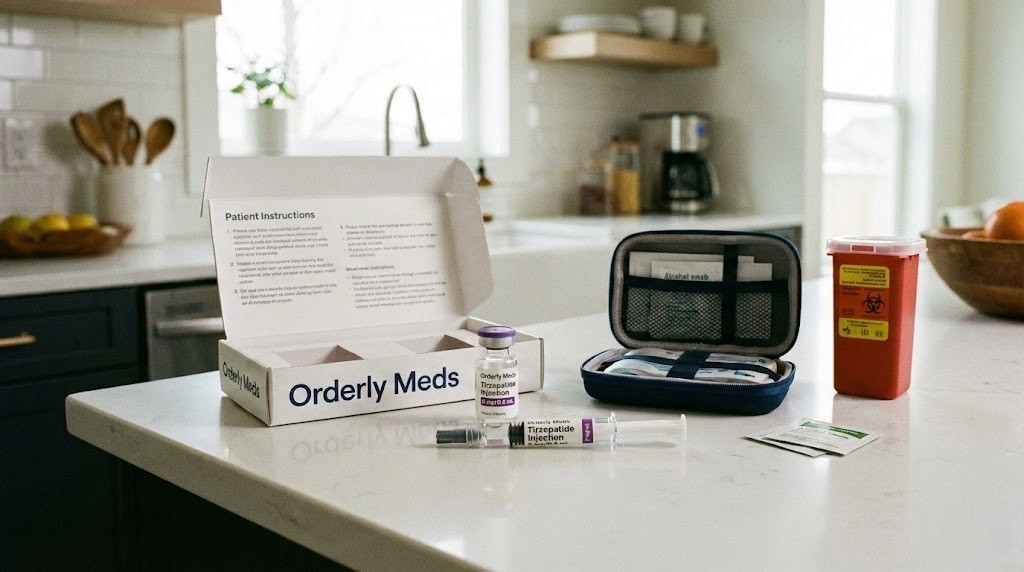
After analyzing hundreds of user reviews, comparing pricing structures across telehealth platforms, and digging through regulatory filings that most people never bother to read, one thing became clear about Orderly Meds and their compounded tirzepatide program. The picture is complicated. Some users report losing 25 to 30 pounds in three months. Others report receiving expired vials and waiting weeks for customer support to respond. The truth, as it usually does, lives somewhere in between those extremes, and understanding the full picture requires more than a surface-level glance at a star rating on Trustpilot.
This matters because compounded tirzepatide has become one of the most sought-after weight loss medications in the telehealth space. The dual GLP-1 and GIP receptor agonist mechanism that tirzepatide offers has shown remarkable results in clinical trials, and the compounded versions promise similar outcomes at a fraction of brand-name pricing. But not every provider delivers the same experience. Not every pharmacy compounds to the same standard. And not every patient knows what questions to ask before handing over their credit card information.
This guide breaks down everything about Orderly Meds tirzepatide, from the sign-up process and dosage protocols to the regulatory challenges they face and the real experiences of actual customers. Whether you are considering Orderly Meds specifically or just trying to understand your options in the compounded tirzepatide dosing landscape, this comprehensive review will give you the information you need to make a genuinely informed decision. For those already researching peptide protocols and weight management compounds, SeekPeptides offers detailed guides and tools that can help you navigate the process with confidence.
What is Orderly Meds
Orderly Meds is a telehealth marketplace that connects patients with licensed medical providers for compounded GLP-1 and GLP-1/GIP weight loss medications. The platform operates as an intermediary. It does not employ the prescribing doctors directly. Instead, it partners with Beluga Health, an independent telehealth provider group whose physicians conduct the virtual consultations and write prescriptions when medically appropriate.
The company positions itself as an affordable alternative to brand-name medications like Zepbound and Mounjaro. That positioning resonates with a lot of people. Brand-name tirzepatide can cost over $1,000 per month without insurance, and many insurance plans still do not cover weight loss medications. Orderly Meds offers its compounded GLP-1/GIP program starting at $166 per month, which includes the medical consultation, medication, syringes, and shipping.
Understanding how peptides work in the body helps contextualize what Orderly Meds is actually providing. Tirzepatide is a synthetic peptide that mimics two incretin hormones, GLP-1 and GIP, which play critical roles in blood sugar regulation and appetite control. The compounded version aims to deliver the same active molecule through specialized compounding pharmacies rather than through Eli Lilly, the manufacturer of the brand-name products.
Orderly Meds operates in all 50 states. There is no long-term commitment required. Patients pay month to month, which gives them flexibility to pause or cancel if the medication is not working or if they experience intolerable side effects. This month-to-month structure is actually one of the more consumer-friendly aspects of the platform, as some competitors lock patients into multi-month commitments.
How the Orderly Meds tirzepatide process works
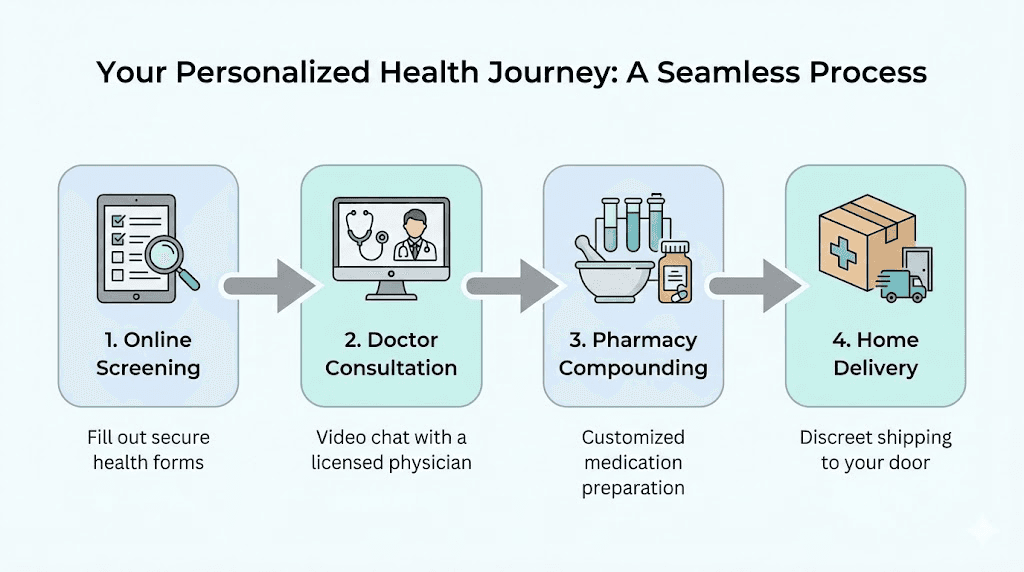
The process begins with an online health screening. This is not a video call or a phone conversation. It is a text-based questionnaire that collects your medical history, current medications, height, weight, and health goals. The screening takes roughly 10 to 15 minutes for most people. If you are exploring peptide therapy online for the first time, understanding how telehealth evaluations work is valuable background knowledge.
Once submitted, the Orderly Meds team reviews your information and forwards it to the prescribing physicians at Beluga Health. These doctors conduct a text-based consultation, which means you will not have a face-to-face interaction unless the physician determines one is necessary. For many patients, this is convenient. For others, it raises questions about the thoroughness of the medical evaluation. If you are exploring getting started with peptides for the first time, understanding what a proper medical evaluation should cover is important context.
Eligibility requirements
Not everyone qualifies. The basic eligibility criteria include being 18 years or older and having a BMI of 27 or higher. Certain medical conditions disqualify you outright. A personal or family history of medullary thyroid carcinoma rules you out. So does a history of multiple endocrine neoplasia syndrome type 2. Active gastroparesis and a history of pancreatitis are also disqualifying conditions. Pregnancy or plans to become pregnant within the treatment period mean you cannot participate.
These restrictions are not arbitrary. They reflect the known contraindications for GLP-1 and GIP receptor agonists based on clinical trial data and FDA labeling for the brand-name equivalents. Any legitimate provider should be screening for these same conditions, and if a telehealth platform does not ask about thyroid cancer history, that is a red flag worth paying attention to. Understanding peptide safety and risks before starting any protocol is essential regardless of which provider you choose.
From prescription to delivery
After the physician approves your prescription, it goes to one of several partner compounding pharmacies. Orderly Meds works with multiple pharmacies including PerfectRx (also called PerfectionRx), ProRx, Casa, Pharmacy Hub, and SmartPharmaRx. Which pharmacy fills your prescription may depend on availability, your location, and the specific formulation prescribed.
The company states that delivery takes 8 to 10 business days from the time of order, though some recent information suggests delivery times as fast as 5 to 6 business days. However, real user experiences vary considerably on this point. Some patients report receiving their medication within a week. Others have waited two to three weeks, sometimes longer. Shipping delays have been one of the most common complaints across review platforms.
Your shipment typically includes the compounded tirzepatide vials, injection syringes, and alcohol swabs. Depending on what the physician prescribes, your formulation may include supplemental ingredients like vitamin B6 or B12. These additions serve a dual purpose. They may provide nutritional support during a caloric deficit, and they also help the compounding pharmacy demonstrate that the formulation is "personalized" rather than a direct copy of the brand-name product. This distinction matters enormously in the current regulatory environment, which we will cover in detail later. For general information about peptide injections and proper administration technique, thorough preparation makes a real difference in outcomes.
Dosage options and what you receive
Orderly Meds structures their tirzepatide program around a 12-week escalating dosage protocol. This is a standard approach that mirrors the dose-titration schedule used in clinical trials for the brand-name product, and you can see similar schedules in the tirzepatide dosing chart in units. The gradual increase helps your body adjust to the medication and minimizes the severity of gastrointestinal side effects that are common in the early weeks.
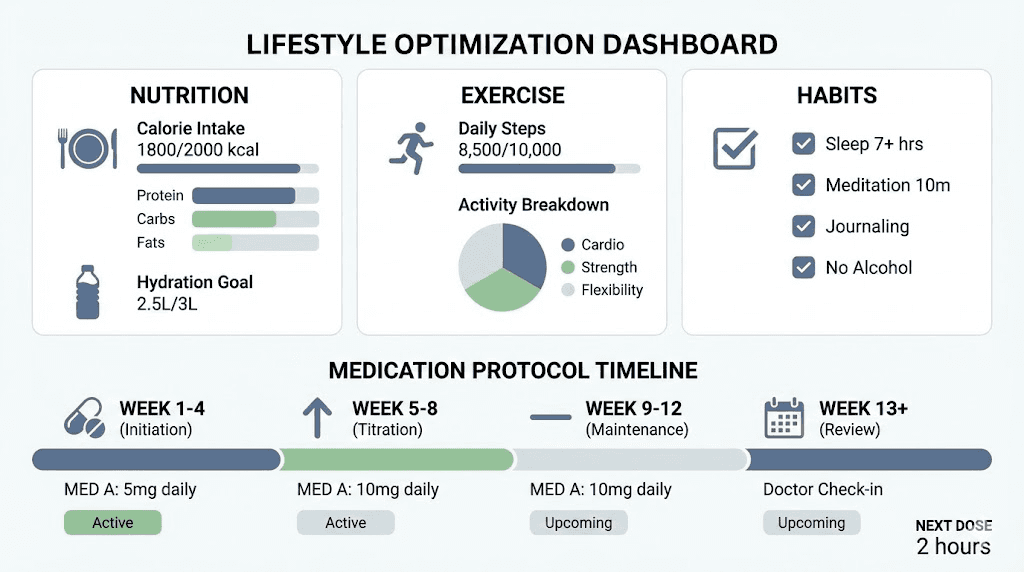
The protocol breaks down as follows. Weeks 1 through 4 use a dosage of 2.5 mg per week. Weeks 5 through 8 increase to 5 mg per week. Weeks 9 through 12 step up to 7.5 mg per week. That gives you 12 total weekly doses across three distinct dosage tiers, with four injections at each level.
This titration schedule is conservative compared to what some providers offer. The brand-name Mounjaro and Zepbound labels include dosage options up to 15 mg per week, with intermediate steps at 10 mg and 12.5 mg. Orderly Meds caps their standard protocol at 7.5 mg, which may be sufficient for many patients but could leave others wanting higher doses that have shown greater efficacy in clinical trials.
Understanding tirzepatide dosing in practical terms
If you are new to injectable medications, the milligram numbers alone do not tell you much about what you are actually drawing up in a syringe. The volume you inject depends on the concentration of your compounded solution. A 10 mg/mL vial requires different draw volumes than a 20 mg/mL vial or a 30 mg/mL vial. Our peptide calculator can help you determine exact volumes based on your specific vial concentration.
For detailed breakdowns of what each dosage looks like in units, several resources can help clarify the math. Understanding how many units equal 2.5 mg of tirzepatide is critical for your first four weeks. As you progress, knowing how many units equal 5 mg and then how many units equal 7.5 mg ensures accurate dosing throughout the protocol.
Precision matters here. Underdosing means reduced efficacy. Overdosing increases side effect risk without proportional benefit. The compounded tirzepatide dosage calculator and the tirzepatide dosage chart in units are practical tools for getting this right. You can also reference the tirzepatide dosage chart in mL if your syringe uses milliliter markings rather than unit markings.
Supplemental ingredients in your formulation
As mentioned, your compounded tirzepatide from Orderly Meds may include B6 and B12. This is not unique to Orderly Meds. Many compounding providers add these supplements to their formulations. The compounded tirzepatide with B12 combination has become increasingly common across the industry.
B12 supplementation during a weight loss protocol has some clinical rationale. Caloric restriction can lead to micronutrient deficiencies, and B12 plays a role in energy metabolism and neurological function. Some patients report that B12-inclusive formulations help with the fatigue that can accompany GLP-1 therapy. Whether the amounts included in compounded formulations are therapeutically significant is a separate question. For a deeper look at this combination, the tirzepatide with B12 complete guide covers the evidence and practical considerations in detail.
Other compounding pharmacies go further with their additive profiles. Some include glycine, niacinamide, or other compounds. The tirzepatide glycine complete guide, the tirzepatide glycine B12 compound guide, and the tirzepatide niacinamide complete guide explore these different formulation approaches and what the research says about each.
Understanding compounded tirzepatide versus the brand name
This is where things get nuanced, and it is worth taking the time to understand the distinction properly.
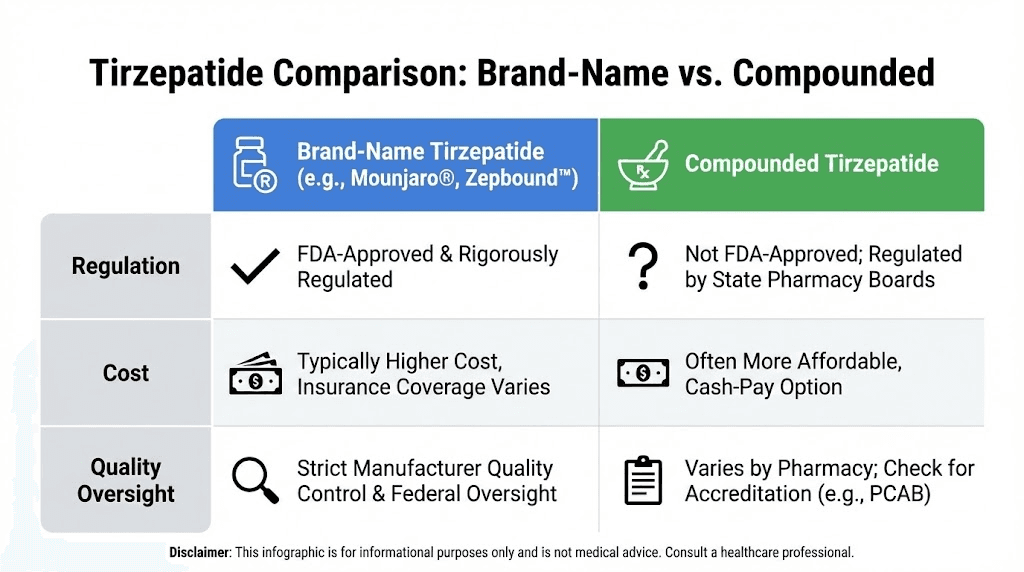
Brand-name tirzepatide is manufactured by Eli Lilly under the trade names Mounjaro (for type 2 diabetes) and Zepbound (for weight management). These products go through the full FDA approval process, including rigorous testing for purity, potency, stability, and sterility. Every batch must meet the same exacting standards.
Compounded tirzepatide is produced by compounding pharmacies, which are regulated differently. Section 503A pharmacies operate under state oversight and fill individual patient prescriptions. Section 503B outsourcing facilities operate under more direct FDA oversight and can produce larger batches without patient-specific prescriptions. Both types of facilities must follow current Good Manufacturing Practices, but the level of oversight and quality assurance can vary significantly between pharmacies.
The fundamental question is whether compounded tirzepatide delivers the same clinical results as the brand name. There is no easy answer. Reputable compounding pharmacies with strong quality controls can produce formulations that are chemically equivalent to the brand-name product. But "can" and "always do" are different things entirely. For a thorough comparison of how these two categories differ, the research versus pharmaceutical peptides comparison page provides essential context.
Why the cost difference exists
Eli Lilly spent billions developing tirzepatide through clinical trials, regulatory submissions, and manufacturing infrastructure. The brand-name price reflects that investment plus profit margins. Compounding pharmacies do not bear those development costs. They purchase raw tirzepatide API (active pharmaceutical ingredient) and compound it into injectable formulations.
This is why Orderly Meds can offer tirzepatide starting at $166 per month while the brand-name version costs over $1,000. The cost difference is real and significant. But it is important to understand that the savings come with trade-offs in regulatory oversight, quality consistency, and legal certainty.
The peptide cost calculator can help you compare the long-term financial implications of different providers and formulations. When you factor in the full cost of a 12-week protocol, even small monthly price differences add up to meaningful amounts.
Orderly Meds pricing breakdown
Transparency on pricing helps you evaluate whether Orderly Meds fits your budget. Here is what you can expect to pay.
The compounded GLP-1/GIP plan, which is their tirzepatide offering, starts at $166 per month. This is their most basic tier. It includes the medical consultation, the compounded medication, injection supplies, and shipping. For patients who want a more hands-on experience, the full-service tier runs $299 per month and includes additional support features.
They also offer a GLP-1 only option at $149 per month, which provides compounded semaglutide rather than tirzepatide. For patients comparing the two medications, the semaglutide versus tirzepatide comparison page breaks down the clinical differences, side effect profiles, and efficacy data to help you decide which is the better fit. Our detailed tirzepatide versus semaglutide dosage chart also shows how the dosing schedules compare between the two medications.
All plans are month to month. No long-term contract. No cancellation fees. This is a genuine advantage over some competitors that require 3-month or 6-month commitments.
How Orderly Meds pricing compares
Provider | Tirzepatide price per month | Consultation included | Contract required | Supplies included |
|---|---|---|---|---|
Orderly Meds | $166 (basic) / $299 (full service) | Yes | No | Yes |
Hims/Hers | $249+ | Yes | Varies | Yes |
Henry Meds | $149-$349 | Yes | No | Yes |
Mochi Health | Varies by state | Yes | No | Yes |
Price alone should not be the deciding factor. Understanding how much peptides cost across the market helps you calibrate expectations. The cheapest option is not necessarily the best value if the medication arrives late, lacks potency, or comes from a pharmacy with questionable quality controls. For broader context on affordable options, the affordable tirzepatide guide and the cheap compounded tirzepatide shots overview can help you weigh cost against quality across the market.
What real users are saying
Numbers tell one story. Actual patient experiences tell another. Both matter.
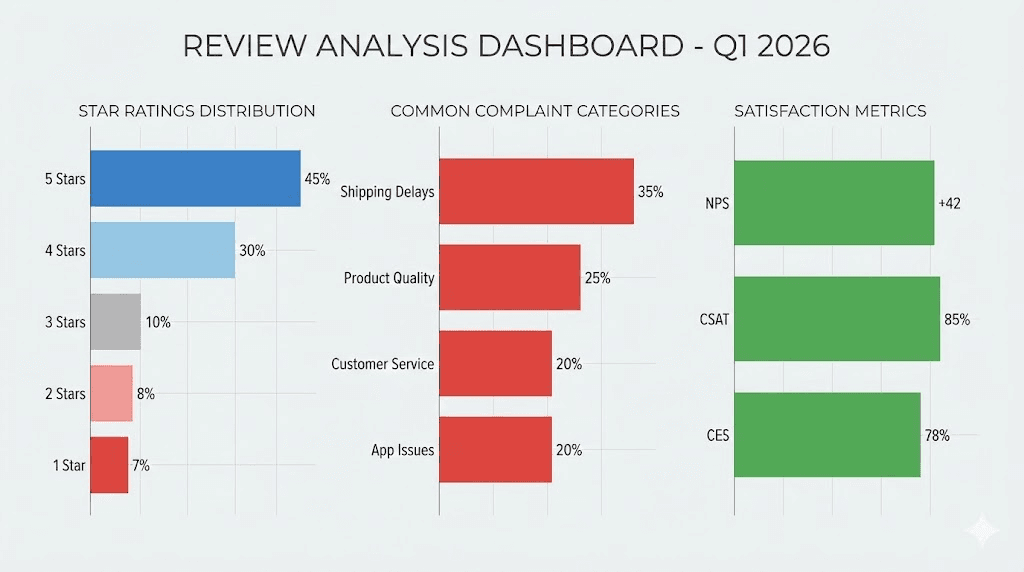
Orderly Meds has a 3.7 out of 5 star rating on Trustpilot based on over 400 reviews at the time of this analysis. That is a middling score. It is not terrible. It is not great. It sits in a range that suggests a mixed bag of experiences, which is exactly what a closer look at individual reviews confirms.
The positive experiences
Many users praise the affordability. For people without insurance coverage for weight loss medications, the $166 per month entry point makes tirzepatide accessible when it otherwise would not be. Some reviewers report significant weight loss results, with several mentioning losses of 25 to 30 pounds within the first three months of treatment.
The convenience factor comes up repeatedly in positive reviews. No office visits. No waiting rooms. No scheduling conflicts. For busy professionals, parents, or anyone who finds traditional medical appointments difficult to manage, the fully remote process is a meaningful benefit. Results like these align with the broader clinical evidence on tirzepatide efficacy. The tirzepatide before and after resource compiles real-world outcomes that provide additional context for what is achievable.
Some users specifically note that Orderly Meds was reliable during periods when other compounding providers were struggling with supply chain issues. One reviewer mentioned that when many companies could not get orders out, Orderly Meds consistently delivered. That kind of operational reliability, when it happens, is worth acknowledging.
The negative experiences
The complaints cluster around three main issues. Shipping delays top the list. Multiple reviewers describe waiting well beyond the stated 8 to 10 business day timeline. One customer reported ordering and not receiving medication for over two weeks despite multiple attempts to contact customer support. When you are dependent on a weekly injection, delays of even a few days can disrupt your protocol and potentially trigger withdrawal-like effects.
The second major complaint involves expired or questionable medication. Several users report receiving vials that were past their beyond-use date. One particularly concerning review described receiving expired GLP-1 vials and only being offered a $25 credit after using the expired medication for three weeks. Expired compounded medication may have reduced potency, meaning you could be injecting a solution that simply does not work as intended. Understanding whether tirzepatide expires and how long tirzepatide lasts in the fridge helps you verify your own supply independently.
Communication problems represent the third cluster of complaints. Slow response times from customer support. Difficulty reaching a real person. Automated responses that do not address the specific concern. When you are dealing with a prescription medication, poor communication is more than an inconvenience. It becomes a legitimate health concern if you cannot get answers about your dosage, side effects, or medication quality.
BBB complaints and patterns
The Better Business Bureau profile for Orderly Meds shows a pattern of complaints that mirrors the Trustpilot feedback. Shipping delays and communication breakdowns are recurring themes. Some complaints have been resolved to the customer satisfaction. Others have not.
It is worth noting that a company receiving complaints on BBB is not automatically a bad company. Volume matters. A company processing thousands of orders per month will inevitably generate some complaints. The relevant question is the ratio of complaints to orders and whether the company demonstrates a pattern of resolving issues promptly. Based on the available data, Orderly Meds falls somewhere in the middle of the spectrum on this metric.
For those researching other providers for comparison, reviews of platforms like Empower tirzepatide, Lavender Sky tirzepatide, and Peptide Sciences tirzepatide provide additional data points for evaluating the broader market.
Common side effects and what to expect
Side effects from compounded tirzepatide are generally consistent with what clinical trials have documented for the brand-name product. The most common are gastrointestinal in nature, and they tend to be most pronounced during the first few weeks and during dose increases. This is not unique to Orderly Meds. These effects are intrinsic to how tirzepatide works in the body, regardless of whether you receive it from a brand-name pen or a compounded vial.
Nausea is the headliner. It affects roughly 20 to 33 percent of patients, depending on the dose level. At the initial 2.5 mg dose, around 13 percent of patients report nausea. By the time you reach higher doses, that number can climb to 24 percent or more. For most people, the nausea is mild to moderate and improves as the body adjusts. For a small percentage, it is severe enough to require dose reduction or discontinuation.
Here is the important context that many guides leave out. The nausea is often dose-dependent and timing-dependent. It tends to peak in the hours after your injection and may last 24 to 72 hours before subsiding. Your first injection is usually the mildest in terms of nausea. The first injection at each new dose level, when you step from 2.5 to 5 mg, or from 5 to 7.5 mg, tends to produce the strongest nausea within that tier. After the second or third injection at a given dose, your body has typically adapted and the nausea diminishes considerably.
Vomiting is less common than nausea but still reported by 5 to 14 percent of patients. If you are experiencing vomiting that persists beyond the first few days at a new dose level, that warrants a conversation with your prescribing physician. Persistent vomiting can lead to dehydration and electrolyte imbalances, which create their own set of problems.
The semaglutide versus tirzepatide side effects comparison is useful here because it shows how the two medications differ in their side effect profiles. Tirzepatide tends to cause slightly less nausea than semaglutide at equivalent efficacy levels, which is one reason some patients prefer it.
Gastrointestinal effects in detail
Beyond nausea, you may experience diarrhea (18 to 23 percent of patients), constipation, abdominal pain, bloating, and acid reflux. These symptoms are not random. They are a direct consequence of how GLP-1 receptor agonists work. The medication slows gastric emptying, which is part of how it reduces appetite and promotes satiety. That slowed digestion is also what causes the GI discomfort.
The tirzepatide constipation treatment guide covers evidence-based approaches to managing one of the more persistent side effects. Diet modifications play a significant role in managing GI symptoms. The tirzepatide foods to avoid guide and the tirzepatide diet plan provide specific nutritional strategies that can meaningfully reduce discomfort. Knowing what to eat on tirzepatide is genuinely one of the most impactful things you can do for your experience on this medication.
Fatigue and energy changes
Some users report feeling unusually tired during the first weeks of treatment. This is partially related to the caloric reduction that naturally occurs when your appetite is suppressed and partially related to the medication mechanism itself. The question of whether tirzepatide makes you tired comes up frequently, and the answer is nuanced.
For most people, the fatigue is temporary. It tends to resolve within two to four weeks as the body adapts. Ensuring adequate protein intake, staying hydrated, and maintaining basic micronutrient levels can all help. The broader GLP-1 fatigue complete guide covers the mechanisms behind this symptom and practical strategies for managing it.
Conversely, some users report increased energy as they lose weight and their metabolic health improves. The question of whether tirzepatide gives you energy has an interesting answer that depends heavily on where you are in your treatment timeline and your overall health status.
Other reported side effects
Headaches are reported by a subset of users, particularly during the initial adjustment period. The tirzepatide headaches guide discusses the potential causes, which range from dehydration to blood sugar fluctuations. Muscle pain is another reported side effect, though less common. The tirzepatide muscle pain side effects resource covers what to watch for and when to be concerned.
Mental health effects deserve mention. A small number of users report anxiety or mood changes while on GLP-1 medications. The tirzepatide and anxiety resource explores the evidence around this less-discussed side effect. Hair thinning is another potential concern during rapid weight loss, though it is more related to the caloric deficit than the medication itself. The GLP-1 hair loss complete guide separates fact from fear on this topic.
Storage and handling of compounded tirzepatide
How you store your medication directly impacts its effectiveness. This is not optional knowledge. It is essential.
Compounded tirzepatide must be refrigerated. Full stop. The standard recommendation is to store vials at 36 to 46 degrees Fahrenheit (2 to 8 degrees Celsius). This is your standard refrigerator temperature. The tirzepatide refrigeration requirements article explains why temperature control matters for peptide stability.
How long compounded tirzepatide remains viable in the refrigerator depends on the specific formulation and the beyond-use date assigned by the compounding pharmacy. Most compounded tirzepatide vials have a beyond-use date of 30 to 90 days from the date of compounding, assuming proper storage. The complete guide to tirzepatide fridge life covers the factors that influence stability.
If your vial is left out of the fridge, it is not necessarily ruined. But the clock starts ticking faster. The how long compounded tirzepatide can be unrefrigerated guide provides specific timeframes based on ambient temperature. Room temperature exposure for brief periods during injection preparation is fine. Extended exposure, like a vial left on the counter overnight or shipped without proper cold packing, is a different story.
Why this matters specifically for Orderly Meds customers
Given the complaints about shipping delays with Orderly Meds, storage during transit becomes a genuine concern. If your medication sits in a warm delivery truck for days longer than expected, the cold chain may be compromised. When you receive your shipment, check the temperature packs inside. If they are warm and the vial feels room temperature, that does not automatically mean the medication is ruined, but it does warrant caution.
Inspect every vial upon arrival. Check the beyond-use date. Look for discoloration, particulate matter, or cloudiness. If anything looks off, contact the pharmacy before using it. Knowing how long peptides last in the fridge and how long peptides last at room temperature gives you specific benchmarks for evaluating your supply. The broader peptide storage guide covers best practices that apply to any compounded injectable, not just tirzepatide from Orderly Meds.
If you are reconstituting your own peptides for other protocols, the peptide reconstitution calculator ensures accurate preparation. Proper handling from the moment medication arrives to the moment you inject it is a chain of custody that you control.
The regulatory landscape
This is the section most reviews skip entirely. It is arguably the most important section in this entire guide.
The regulatory environment surrounding compounded tirzepatide has shifted dramatically, and those shifts directly affect every patient using the medication from any provider, including Orderly Meds. Understanding these changes is not just academic. It has practical implications for whether your supply continues uninterrupted and whether the medication you receive is being produced legally.
The FDA shortage declaration and what it means
During a declared drug shortage, compounding pharmacies have broader legal authority to produce compounded versions of the affected medication under Section 503A and 503B of the Federal Food, Drug, and Cosmetic Act. When tirzepatide was on the FDA shortage list, compounding it was straightforward from a legal standpoint.
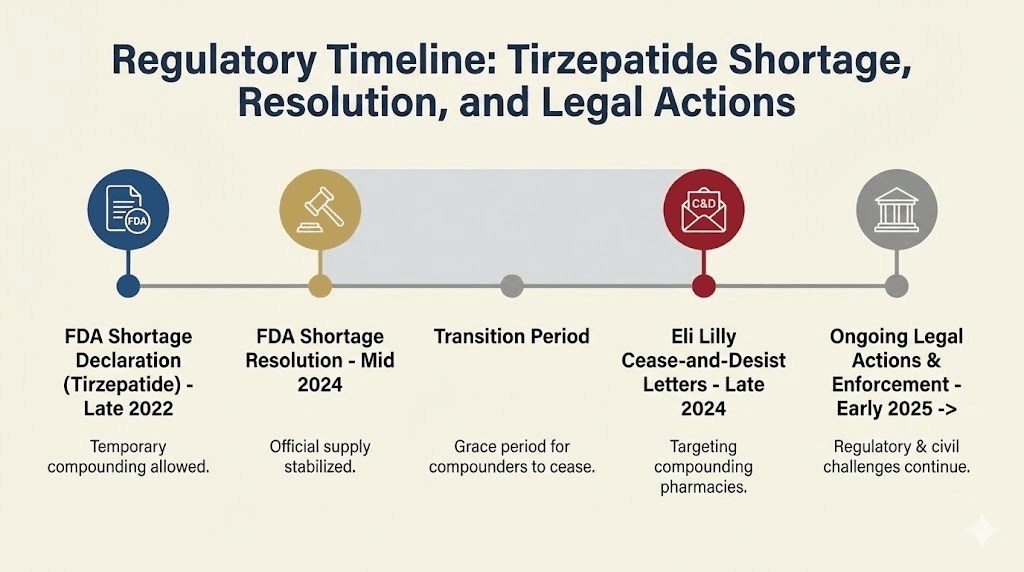
The FDA declared the tirzepatide shortage resolved on October 2, 2024, and issued a formal declaratory order affirming that resolution. This changed everything. Once a shortage is resolved, the legal basis for compounding copies of the brand-name drug narrows significantly.
State-licensed pharmacies operating under Section 503A were given a 60-day transition period that ended in February. Section 503B outsourcing facilities received a 90-day window that ended in March. After those transition periods, compounding pharmacies can no longer produce simple copies of tirzepatide.
The personalization argument
Here is where things get legally interesting. Compounding pharmacies, including those that supply Orderly Meds, argue that they are not making copies. They are creating personalized formulations that include additional ingredients like B6, B12, glycine, or niacinamide. This, they argue, makes their products clinically different from the brand-name product and therefore legally permissible under traditional compounding rules that allow pharmacists to create customized medications for individual patients.
Eli Lilly disagrees. Strongly. The pharmaceutical giant has taken the position that adding supplements to compounded tirzepatide does not constitute genuine personalization. In their view, these additions are cosmetic changes designed to skirt regulatory restrictions. This brings us to the cease-and-desist situation.
The Eli Lilly cease-and-desist letter
In April 2025, Eli Lilly sent Orderly Meds a cease-and-desist letter demanding they stop selling compounded tirzepatide products. Eli Lilly stated that "anyone continuing to sell mass compounded tirzepatide, including by referring to it as personalized, tailored, or something similar, is breaking the law and deceiving patients."
Orderly Meds responded publicly, stating they believed the cease-and-desist was without legal merit and that they intended to continue operations. Their position aligns with several other compounding providers and pharmacy organizations that argue the FDA shortage resolution does not eliminate all compounding rights, particularly for genuinely personalized formulations.
This legal standoff has not been fully resolved. Courts have generally sided with the FDA position that the shortage is resolved, but the specific question of what constitutes legitimate personalization versus a disguised copy remains an evolving legal question. For patients, this creates uncertainty. Your compounded tirzepatide supply could be affected by future legal actions, regulatory enforcement, or changes in how individual pharmacies interpret the rules.
Staying informed about these developments is particularly important if you are relying on compounded tirzepatide for an ongoing weight management protocol. The fundamentals of peptides article provides broader context for understanding where these compounds fit in the regulatory framework. For those interested in how the tirzepatide dosing for weight loss landscape has been affected by these regulatory changes, the implications are worth understanding before committing to any particular provider.
How Orderly Meds compares to alternatives
Context matters. Evaluating Orderly Meds in isolation tells you less than comparing it against the broader landscape of compounded tirzepatide providers. Several competitors offer similar services with different strengths and weaknesses.
Hims and Hers
Hims (and its sister brand Hers) is probably the most recognizable name in the telehealth weight loss space. They offer compounded tirzepatide starting at around $249 per month, with prices potentially increasing at higher doses. The platform has stronger brand recognition, a more polished user interface, and generally faster response times from customer support. The trade-off is price. You are paying a premium for the brand and the smoother experience.
For patients comparing Hims to Orderly Meds, the core question is whether the price difference justifies the experience difference. If shipping reliability and customer support responsiveness are important to you, and they should be, the premium may be worthwhile.
Henry Meds
Henry Meds offers tirzepatide in a range of $149 to $349 per month, depending on the dose and formulation. They were among the first platforms to offer sublingual (under the tongue) versions of both semaglutide and tirzepatide, which may appeal to patients who prefer not to inject. The tirzepatide oral versus injection comparison and the tirzepatide tablets versus injections guide explore the efficacy differences between these delivery methods.
Henry Meds bundles everything into one monthly price with no separate consultation fees or hidden charges. They also have month-to-month billing with no long-term commitment, similar to Orderly Meds.
Mochi Health
Mochi Health is another competitor worth noting, though pricing and availability vary by state. They have built a strong reputation for responsive customer service and consistent medication quality. The Mochi tirzepatide dosage chart shows how their dosing protocols compare to what Orderly Meds offers.
Empower Pharmacy (direct or through providers)
Empower Pharmacy is one of the largest compounding pharmacies in the country and supplies medication to many telehealth platforms. Some patients prefer to go through Empower directly (via a prescribing physician) rather than through a telehealth middleman. The Empower tirzepatide complete guide, the Empower tirzepatide dosage chart, and the Empower tirzepatide dosing chart provide detailed information about their formulations and protocols.
Key comparison factors
When choosing between providers, focus on these factors beyond price. Pharmacy quality and reputation. Average delivery time based on real user reports, not the company stated timeline. Customer support responsiveness. What happens when there is a problem. Medication formulation and concentration. The dosage range available, because if 7.5 mg is the ceiling but you need 10 mg, the platform does not serve your long-term needs.
The tirzepatide dose chart provides a reference point for understanding standard dosing across the industry. For patients considering switching between GLP-1 medications, the switching from semaglutide to tirzepatide dosage chart and the switching from tirzepatide to semaglutide guide cover the conversion protocols you need.
Who is a good candidate for Orderly Meds
Not everyone will have the same experience. Certain profiles align better with what Orderly Meds offers than others.
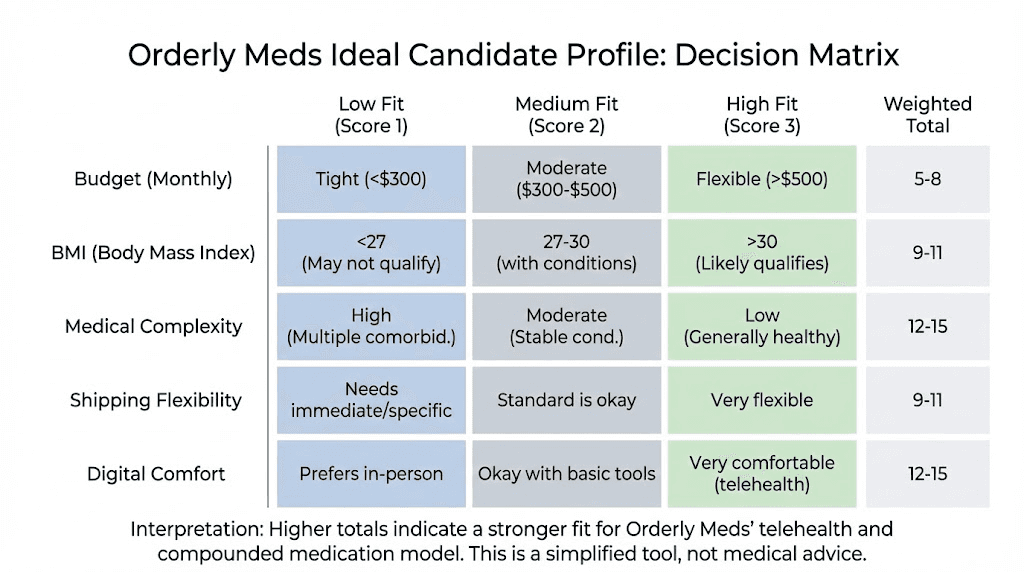
You might be a good fit if you meet the BMI eligibility requirement, you do not have insurance coverage for weight loss medications, and affordability is your primary concern. The $166 per month entry point is genuinely competitive, and for patients on tight budgets, it opens access to a medication that would otherwise be out of reach. If you are comfortable with a fully text-based medical interaction and do not require the reassurance of a video or in-person consultation, the Orderly Meds model works.
You might also be a good fit if you are flexible on timing. If missing a single dose by a few days would significantly stress you out, a provider with faster and more reliable shipping might be the better choice. But if you can build in a buffer, ordering a few days ahead of when you need your next supply, the occasional Orderly Meds delay becomes manageable.
The peptides for weight loss overview can help you understand where tirzepatide fits in the broader landscape of weight management compounds. Similarly, the best peptides for weight loss guide compares different approaches so you can evaluate whether tirzepatide is the right choice for your specific goals, regardless of which provider you ultimately select.
Who should look elsewhere
If you have complex medical conditions that require careful physician oversight, a text-based consultation may not provide adequate medical evaluation. Patients with a history of pancreatitis, thyroid issues, or significant gastrointestinal conditions should strongly consider working with an in-person physician who can conduct a thorough physical examination. A text-based screening does not replace a doctor pressing on your abdomen, checking your thyroid, or reviewing your lab work in real time.
If you are on multiple medications, particularly insulin, sulfonylureas, or other glucose-lowering drugs, the interaction management requires more oversight than a text consultation typically provides. GLP-1 medications can amplify the blood sugar lowering effects of these drugs, creating hypoglycemia risk that needs careful monitoring, especially during the initial dose titration weeks.
If reliability is non-negotiable, meaning you absolutely cannot tolerate any shipping delays, the complaint patterns suggest that Orderly Meds may not meet that standard consistently enough. Consider a provider with a stronger track record on delivery timelines. Missed doses of tirzepatide can set back your protocol, and some patients report increased appetite rebounds during gaps in treatment.
And if you need doses higher than 7.5 mg, Orderly Meds standard protocol may not serve your needs. Some patients require 10 mg, 12.5 mg, or even 15 mg per week to achieve optimal results. The tirzepatide compound dosage chart and the tirzepatide 10 mg dosage chart show what higher-dose protocols look like. For even higher concentrations, the tirzepatide 20 mg/mL dosing chart and tirzepatide 30 mg dosage chart provide the relevant calculations.
Red flags and what to watch for
Whether you choose Orderly Meds or any other compounded tirzepatide provider, knowing what red flags to watch for protects your health and your wallet.
Medication quality indicators
When your medication arrives, inspect it carefully. The solution should be clear and colorless. Any cloudiness, discoloration, or visible particles mean the vial should not be used. Check the beyond-use date on every vial. If it has already passed or is within days of expiring, contact the provider immediately. Do not use expired medication hoping it will still work. The tirzepatide expiration guide explains what happens to peptide integrity after the beyond-use date.
Verify that your vial arrived properly chilled. The packaging should include ice packs or cold inserts. If everything is room temperature upon arrival, the cold chain may have been broken during shipping.
Provider communication red flags
Any legitimate medical provider should respond to medication-related concerns within 24 to 48 hours. If you report a side effect, a quality concern, or a dosing question and receive no response for days, that is unacceptable regardless of the platform.
Watch for generic automated responses that do not address your specific question. A real medical team reviews individual cases. An overwhelmed or understaffed operation sends template replies. The distinction matters when your health is on the line.
Signs your medication may not be working
If you have been on tirzepatide for four or more weeks with absolutely no appetite reduction, no weight change, and no GI effects, something may be wrong. Understanding the common peptide mistakes beginners make can help you identify whether the issue is protocol-related or product-related. Genuine tirzepatide, even at the starting 2.5 mg dose, produces noticeable effects in the vast majority of patients. Complete non-response warrants investigation. The tirzepatide not working anymore troubleshooting guide and the why not losing weight on tirzepatide resource cover the possible explanations, which range from subpotent medication to individual metabolic factors.
Understanding how fast tirzepatide works and how long it takes for tirzepatide to work establishes realistic timelines. Most patients notice appetite suppression within the first one to two weeks. Meaningful weight loss typically becomes apparent by weeks three to four. The timeline for tirzepatide appetite suppression provides specific benchmarks you can use to evaluate whether your medication is performing as expected.
Making the most of your tirzepatide protocol
The medication is only one piece of the puzzle. How you use it, what you eat, how you move, and how you manage the transition all determine your actual results. Patients who treat tirzepatide as a complete solution tend to be disappointed. Patients who treat it as a tool within a broader strategy tend to exceed their own expectations.
This section is arguably the most important in this entire guide, because the choices you make while on tirzepatide determine not just how much weight you lose, but whether you keep it off when you eventually taper or discontinue the medication.
Nutrition strategy during treatment
Tirzepatide reduces appetite, but it does not automatically improve food quality. A 1,200-calorie diet of processed food will produce very different health outcomes than a 1,200-calorie diet of whole foods, even if the scale shows similar numbers. Protein intake becomes particularly important during GLP-1 therapy because rapid weight loss can include muscle mass loss if protein consumption is insufficient.
Aim for 0.7 to 1 gram of protein per pound of body weight daily. This is significantly more than most people consume naturally, especially when appetite is suppressed. High-protein foods include lean meats, eggs, Greek yogurt, cottage cheese, and legumes. The tirzepatide meal plan provides structured daily meal templates designed specifically for patients on GLP-1 therapy. The foods to eat during GLP-1 therapy resource also applies well to tirzepatide patients despite its semaglutide-focused title, because the nutritional principles are the same.
Understanding which supplements to take with tirzepatide can support your overall health during treatment. Micronutrient deficiencies become more likely when caloric intake drops significantly, and proactive supplementation helps prevent common issues like fatigue, hair thinning, and muscle cramps.
Injection technique and timing
Proper injection technique affects both comfort and absorption. The standard injection site is the subcutaneous tissue of the abdomen, thigh, or upper arm. Rotate your injection site each week to prevent lipodystrophy (localized changes in fat tissue from repeated injections in the same spot). For detailed instruction on proper technique, the GLP-1 injection site guide and the GLP-1 injection technique guide cover everything from site selection to angle of insertion.
Timing your injection can also influence your experience. Many patients prefer injecting in the evening so that peak nausea, which tends to occur in the hours after injection, happens while they are sleeping. Others prefer morning injections to align with their daily routine. There is no universally correct answer. Experiment within your first few weeks to find what works best for your body and schedule.
Managing dose transitions
Each step up in dosage, from 2.5 mg to 5 mg, from 5 mg to 7.5 mg, can temporarily increase side effects. Plan for this. Schedule dose increases at a time when you can afford a day or two of reduced productivity if needed. Have anti-nausea strategies ready. Ginger tea, small frequent meals, and staying upright after eating all help.
Some patients find that a more gradual approach works better. Instead of jumping from 2.5 mg directly to 5 mg, they use an intermediate step. The microdosing tirzepatide chart shows how some protocols break the standard escalation into smaller increments. The conversion chart for tirzepatide dosing helps with the math when you are adjusting between dose levels.
For patients using the semaglutide dosage calculator as a reference tool, it is important to remember that semaglutide and tirzepatide use different dosing scales. The two are not directly interchangeable. Our tirzepatide reconstitution chart provides the specific reference data you need for tirzepatide preparation.
What happens if you need to stop
Weight regain after stopping GLP-1 medications is a real concern backed by clinical data. Studies show that patients who discontinue tirzepatide or semaglutide tend to regain a significant portion of lost weight within the first year of cessation. This does not mean the medication was pointless. It means that long-term weight maintenance often requires ongoing intervention, whether that is continued medication, established lifestyle changes, or both.
The semaglutide withdrawal symptoms guide, while focused on semaglutide, describes rebound effects that apply broadly to GLP-1/GIP medications. Understanding what to expect if you discontinue helps you plan a more gradual transition rather than an abrupt stop.
If you are currently on semaglutide and considering switching to tirzepatide through Orderly Meds or another provider, the semaglutide to tirzepatide switching chart provides the dosage equivalencies you need for a safe transition. SeekPeptides members access comprehensive protocol guides for transitions like these, with detailed schedules and monitoring checkpoints that help ensure nothing falls through the cracks.
Building sustainable habits while the medication works
Think of tirzepatide as a window of opportunity, similar to what researchers describe in peptide transformation journeys. The appetite suppression and metabolic benefits create an environment where building healthier habits is dramatically easier. Use that window wisely. Establish exercise routines. Develop cooking skills. Build relationships with nutritious foods you genuinely enjoy. Learn your actual hunger and fullness cues without the noise of constant cravings.
The patients who maintain their results long-term are the ones who use the medication period to fundamentally restructure their relationship with food and movement. The tirzepatide and metabolism resource explains the metabolic changes happening during treatment and how to leverage them for lasting benefit. The peptides for fat loss overview provides additional context for how these compounds fit into a comprehensive body composition strategy.
Tracking your progress effectively
Knowing whether your tirzepatide is working requires more than stepping on a scale. Weight fluctuates daily based on hydration, sodium intake, hormonal cycles, and bowel activity. A single weigh-in can be misleading. Weekly averages paint a clearer picture. The peptides before and after results resource shows how tracking multiple metrics tells a more complete story than any single number.
Track these metrics throughout your protocol. Body weight measured at the same time daily, preferably first thing in the morning after using the bathroom. Waist circumference measured at the navel, recorded weekly. Appetite levels on a subjective 1 to 10 scale. Energy levels throughout the day. Side effect severity and duration. Sleep quality. These data points collectively tell a much richer story than weight alone.
Photographs taken monthly under consistent lighting conditions provide visual evidence that the scale sometimes contradicts. Patients who lose fat while gaining muscle through exercise may see modest scale changes while experiencing dramatic visual transformation. Before-and-after documentation is also helpful if you ever need to demonstrate progress to your prescribing physician for protocol adjustments.
The tirzepatide before and after resource shows what realistic progress looks like at various time points. Setting expectations based on real outcomes, rather than social media highlight reels, prevents discouragement during the normal plateaus and fluctuations that every weight loss journey includes.
Alternative delivery methods to consider
While Orderly Meds primarily offers injectable compounded tirzepatide, the market is expanding to include other delivery methods that some patients may prefer.
Oral tirzepatide has gained attention as a needle-free alternative. The oral tirzepatide complete guide covers the current state of oral formulations, including sublingual drops and tablets. The tirzepatide drops complete guide specifically examines the liquid sublingual format that some compounding pharmacies offer.
How do these alternatives compare to injections? The oral versus injection comparison and the tablets versus injections analysis provide the data you need to make this decision. Generally, injectable delivery offers higher and more consistent bioavailability, but oral options are improving rapidly and may be suitable for patients with needle anxiety.
The tirzepatide sublingual dosage chart shows the adjusted dosing protocols for sublingual delivery, which require different amounts than injectable formulations due to differences in absorption rates. Similarly, the tirzepatide injection dosage chart remains the reference standard for patients using the traditional subcutaneous method.
Other providers and pharmacy comparisons
For thoroughness, here are additional provider and pharmacy resources that can help you compare Orderly Meds against the broader market.
The Olympia tirzepatide dosage chart and the Olympia semaglutide guide cover one of the larger compounding pharmacy suppliers. Southend Pharmacy tirzepatide dosage chart provides reference data for another popular compounding pharmacy. The Direct Meds semaglutide guide reviews another telehealth platform similar in model to Orderly Meds.
For semaglutide-specific providers and pharmacy information, the Empower Pharmacy semaglutide guide and the compounded semaglutide complete guide offer detailed breakdowns. These are useful reference points even if you are focused on tirzepatide, because many providers offer both medications and the pharmacy quality insights transfer.
Emerging competitors also deserve attention. The Onmorlo GLP-1 patches represent an entirely new delivery format that could reshape how patients receive these medications. The retatrutide versus semaglutide and retatrutide dosage chart look at a next-generation triple receptor agonist that may eventually compete with tirzepatide. And the mazdutide versus tirzepatide comparison examines another emerging compound in the GLP-1 space.
For patients exploring combination approaches, the phentermine and semaglutide combination guide and the phentermine versus semaglutide comparison cover options that some physicians prescribe alongside or instead of GLP-1 therapy. The phentermine and GLP-1 classification resource clarifies common confusion about these different medication classes.
Understanding reconstitution if applicable
Depending on the pharmacy that fills your Orderly Meds prescription, your tirzepatide may arrive ready to use or it may require reconstitution. Most compounded tirzepatide from telehealth platforms ships as a pre-mixed solution. However, understanding the reconstitution process is valuable knowledge regardless.
The how to reconstitute tirzepatide guide walks through the process step by step. You need bacteriostatic water, proper syringes, and a sterile technique. Getting the concentration right is critical. Too much diluent and your per-unit dosage drops. Too little and you are working with very small injection volumes that are harder to measure accurately.
The tirzepatide reconstitution chart maps the relationship between powder amount, diluent volume, and resulting concentration. Cross-reference with the 20 units of tirzepatide in mg, 40 units in mg, and 50 units in mg reference guides to verify your calculations. For related medications, the semaglutide reconstitution guide covers the same principles applied to a different peptide.
Our peptide reconstitution calculator takes the guesswork out of this process. Enter your vial size, desired concentration, and the calculator returns the exact diluent volume and per-unit dosing information you need. It is one of the most practical tools available for anyone working with compounded peptides.
Alcohol and lifestyle considerations
A common question from new tirzepatide patients is whether they can drink alcohol during treatment. The short answer is that alcohol is not strictly contraindicated, but it interacts with the medication in ways that deserve careful consideration.
Tirzepatide affects blood sugar regulation. Alcohol also affects blood sugar regulation. The combination can lead to unpredictable blood sugar fluctuations, particularly hypoglycemia. Additionally, the slowed gastric emptying caused by GLP-1 medications means alcohol may hit your system differently than you are accustomed to. Effects can be stronger and more prolonged. The complete guide to drinking on tirzepatide covers the specific risks and offers practical guidelines for those who choose to drink occasionally.
Beyond alcohol, the semaglutide diet plan and best time of day to take GLP-1 medications provide lifestyle optimization strategies that apply equally to tirzepatide patients. How you time your meals, structure your exercise, and manage your sleep all influence how effectively the medication works.
The semaglutide with B12 guide and the semaglutide with glycine resource explore supplement combinations that many patients use alongside GLP-1 therapy. While focused on semaglutide, the nutritional support principles translate directly to tirzepatide protocols.
Long-term considerations and realistic expectations
Tirzepatide is not a magic injection. It is a powerful tool that works best when combined with lifestyle modifications. Setting realistic expectations from the start helps prevent the frustration and disappointment that lead to premature discontinuation.
Typical weight loss with peptide therapy, based on clinical trial data for tirzepatide, ranges from 15 to 25 percent of body weight over 72 weeks at optimal doses. That is substantial. For a 250-pound individual, that could mean losing 37 to 62 pounds. But these are averages. Individual results vary based on starting weight, adherence, diet quality, physical activity, and metabolic factors.
The before and after tirzepatide weight loss results resource and the men before and after tirzepatide compilation show real-world outcomes that can help calibrate your expectations. These are not cherry-picked success stories. They represent a range of outcomes that reflect the diversity of real patient experiences.
How fast should you expect to see changes? The semaglutide speed of results and tirzepatide speed of results guides provide timelines based on clinical data and real user reports. Most patients notice appetite changes within the first week or two. Visible weight loss typically becomes apparent by the end of the first month. Dramatic transformations take three to six months of consistent use.
For those interested in the broader landscape of peptide stacks for weight loss, tirzepatide is often considered the cornerstone of modern weight management protocols. The peptide stack calculator can help you explore how other compounds might complement a tirzepatide protocol for comprehensive body composition goals.
SeekPeptides members get access to detailed protocol libraries, community support from experienced researchers, and personalized guidance that goes far beyond what any single blog post can provide. For anyone serious about optimizing their peptide protocols, the membership offers the kind of comprehensive, evidence-based resource that makes a meaningful difference in outcomes.
Additional resources for tirzepatide patients
The following resources complement this guide by providing deeper coverage of specific aspects of tirzepatide therapy that apply regardless of which provider you use.
For dosing reference, the compound tirzepatide dosage chart, the compound tirzepatide dosing chart, and the tirzepatide compound dosing chart offer multiple formats for cross-referencing your specific protocol. The general peptide dosage chart provides broader context for how tirzepatide dosing compares to other compounds.
For understanding the differences between delivery methods, the injectable versus oral peptides comparison page offers a broad overview that extends beyond tirzepatide specifically. The peptides versus SARMs comparison is useful for patients who are evaluating multiple body composition strategies.
And for those exploring peptides beyond weight loss, resources on peptides for muscle growth, peptides for gut health, and peptides for anti-aging provide entry points into the broader world of peptide research and application. The GLP-1 and Ozempic classification guide clears up common confusion about medication naming and categories.
Tools like the BPC-157 dosage calculator, the TB-500 dosage calculator, and the CJC-1295 dosage calculator serve patients whose protocols include compounds beyond tirzepatide. SeekPeptides offers these calculators for free, and membership unlocks deeper protocol guidance, stacking recommendations, and personalized support.
Semaglutide as an alternative through Orderly Meds
If tirzepatide is not the right fit, whether due to cost, side effect profile, or personal preference, Orderly Meds also offers compounded semaglutide at $149 per month. Semaglutide is a GLP-1 receptor agonist only, without the GIP receptor activation that tirzepatide provides. Clinical data suggests tirzepatide produces slightly greater average weight loss than semaglutide, but the difference is not enormous, and some patients respond better to one medication than the other.
The semaglutide versus tirzepatide comparison provides the most detailed side-by-side analysis available. The semaglutide fatigue guide covers the energy-related side effects specific to that medication. And the side effect comparison between the two medications helps you weigh tolerance factors that might favor one over the other.
For patients considering the switch between medications, understanding the dosing equivalencies is critical. The tirzepatide versus semaglutide dosage chart maps how doses translate between the two drugs, and the switching guide from tirzepatide to semaglutide covers the practical transition protocol.
The bottom line on Orderly Meds tirzepatide
Orderly Meds occupies a specific niche in the compounded tirzepatide market. They offer one of the lower entry prices at $166 per month, month-to-month flexibility, and availability across all 50 states. These are genuine advantages for budget-conscious patients who need access to tirzepatide without insurance coverage.
The trade-offs are documented. Shipping delays have affected a measurable percentage of customers. Expired medication complaints, while not the majority experience, represent a serious quality concern. Customer support responsiveness could improve. And the regulatory uncertainty facing all compounded tirzepatide providers adds a layer of risk that patients should factor into their decision.
Is Orderly Meds the best option? That depends entirely on what you prioritize. If price is the primary driver and you can tolerate occasional logistical hiccups, they are a reasonable choice. If you need consistent reliability, faster shipping, or higher dose options, other providers may serve you better. The most important thing is that you make this decision with complete information rather than marketing claims alone.
Frequently asked questions
Is Orderly Meds legitimate?
Orderly Meds is a real company that connects patients with licensed medical providers through Beluga Health for compounded GLP-1 prescriptions. They operate in all 50 states and have over 400 reviews on Trustpilot with a 3.7-star average. They are not a scam, but they do have documented complaints regarding shipping delays and medication quality that warrant careful consideration. As with any telehealth provider, do your own due diligence before committing.
How long does it take to receive medication from Orderly Meds?
The company states 8 to 10 business days, though some recent communications suggest 5 to 6 business days. Real user experiences vary. Some receive orders within a week. Others report waiting two to three weeks. Building in a buffer by ordering well before you need your next dose is the practical approach. Check the tirzepatide dosing guide for what to do if you miss a dose during a shipping delay.
Can I use Orderly Meds if I am already on semaglutide?
Yes, but switching from semaglutide to tirzepatide requires a dosing transition. Do not simply stop one and start the other at an equivalent dose. The semaglutide to tirzepatide switching chart provides the step-down and step-up protocol. Your prescribing physician through Orderly Meds should guide this transition, but having the dosing knowledge yourself helps you verify their recommendations.
What happens if my compounded tirzepatide arrives expired?
Contact Orderly Meds customer support immediately. Do not use expired medication. Document the beyond-use date with a photograph and request a replacement. If the company is unresponsive, file a complaint with the Better Business Bureau and consider contacting the compounding pharmacy directly. Understanding tirzepatide expiration helps you identify problematic vials upon arrival.
Is compounded tirzepatide from Orderly Meds the same as Zepbound or Mounjaro?
No. Compounded tirzepatide aims to deliver the same active ingredient but is produced by a different type of facility under different regulatory oversight. The formulation may include additional ingredients like B6 or B12. The clinical effectiveness may be comparable when produced by a reputable pharmacy, but it is not identical to the brand-name product. The research versus pharmaceutical peptides page explains these distinctions in detail.
What BMI do I need to qualify for Orderly Meds tirzepatide?
You need a BMI of 27 or higher. You must also be 18 or older and not have disqualifying medical conditions including medullary thyroid carcinoma, MEN2 syndrome, active gastroparesis, or history of pancreatitis. Pregnancy is also a disqualifying factor. These criteria are consistent across most legitimate telehealth providers offering GLP-1 medications.
Can I drink alcohol while taking tirzepatide from Orderly Meds?
Alcohol is not strictly prohibited but interacts with tirzepatide in ways that affect blood sugar regulation and gastric function. The tirzepatide and alcohol guide provides specific recommendations. Most physicians advise moderation and caution, particularly during the first few weeks of treatment when your body is still adjusting.
What should I eat while on tirzepatide?
Focus on protein-rich foods, vegetables, healthy fats, and adequate hydration. Avoid high-fat and high-sugar meals, which can worsen GI side effects. The tirzepatide diet plan and what to eat on tirzepatide guides provide specific meal structures designed to maximize results while minimizing discomfort.
External resources
In case I do not see you, good afternoon, good evening, and good night. May your doses stay accurate, your shipments stay timely, and your results stay consistent.