Mar 21, 2026
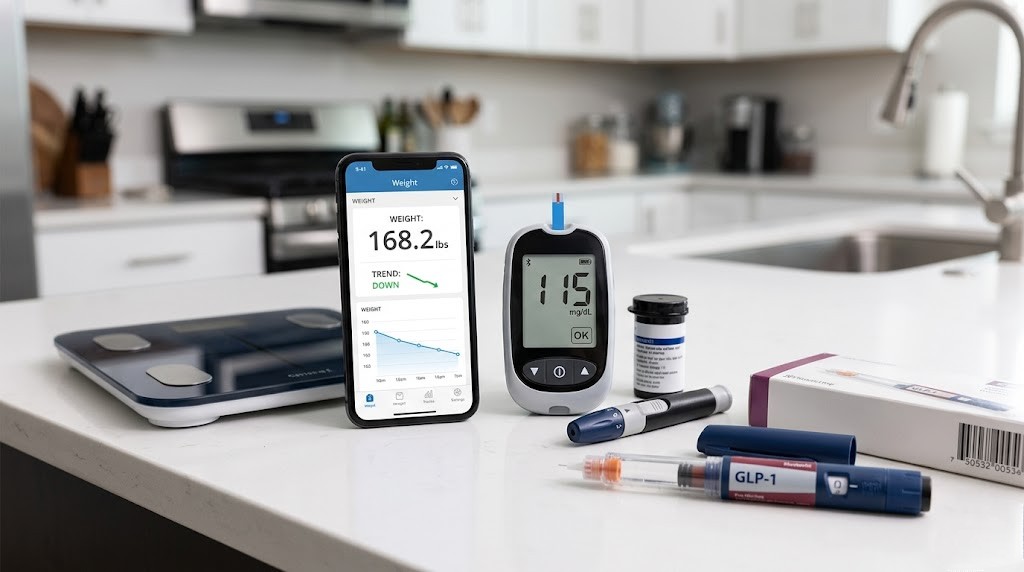
Experienced GLP-1 users know something that beginners almost always overlook. The medication is only half the equation. What separates people who achieve lasting results from those who plateau, regain weight, or develop preventable complications is not their dose, their brand, or their willpower. It is their ability to monitor what is actually happening inside their body while the medication does its work.
And that ability has never been more accessible.
The home monitoring landscape has exploded in the last few years, giving GLP-1 users access to tools that were once confined to clinical settings. Continuous glucose monitors that track blood sugar every five minutes. Smart scales that distinguish between fat loss and muscle loss. At-home blood panels that measure liver enzymes, kidney function, and inflammatory markers without a single clinic visit. Tracking apps built specifically for semaglutide and tirzepatide users. The tools exist. The question is which ones actually matter, which ones are marketing fluff, and how to build a monitoring protocol that gives you genuinely useful data without turning your bathroom into a laboratory. This guide covers every category of home monitoring tool available to GLP-1 users, with specific product recommendations, the biomarkers that actually predict outcomes, and a practical monitoring schedule you can start using today. SeekPeptides has compiled this resource because the gap between people who track their progress intelligently and those who rely on scale weight alone is enormous, and it is completely preventable.
Why monitoring matters more on GLP-1 medications than any other treatment
GLP-1 receptor agonists change your body in ways that a bathroom scale cannot capture. They reduce appetite through central nervous system signaling. They slow gastric emptying. They improve insulin sensitivity. They reduce systemic inflammation. They alter lipid metabolism. They may affect hair growth, menstrual cycles, energy levels, and sleep quality. All of these changes happen simultaneously, and many of them are invisible without the right monitoring tools.
Here is the problem most people face.
They step on a scale once a week. The number goes down. They assume everything is working perfectly. But research shows that up to 40% of weight lost on GLP-1 medications can come from lean muscle mass rather than fat. A person losing 30 pounds might be losing 12 pounds of muscle, which tanks their metabolism, reduces their strength, and sets them up for rapid weight regain the moment they reduce their dose or stop treatment. A simple scale reading cannot distinguish between these outcomes. A body composition analysis can.
The same principle applies to metabolic health. GLP-1 medications typically improve blood sugar, cholesterol, liver enzymes, and inflammatory markers. But typically does not mean always. Some users experience elevated liver enzymes. Others develop nutrient deficiencies from reduced food intake. A small percentage experience thyroid changes. Without monitoring, these issues can progress silently for months before symptoms appear.
Smart monitoring catches problems early, confirms that the medication is working across multiple systems, provides data for dose adjustments, and gives you objective evidence of improvements that the scale cannot show. Whether you are taking compounded semaglutide, brand-name Ozempic or Wegovy, or compounded tirzepatide, monitoring transforms GLP-1 therapy from a hope-based approach into a data-driven protocol.
Continuous glucose monitors: the most revealing tool for GLP-1 users
If you could only buy one monitoring device while on GLP-1 therapy, a continuous glucose monitor would be the strongest choice. Not because blood sugar is the most important metric. But because CGMs reveal more about your body response to food, medication timing, sleep, stress, and exercise than any other single device.
A CGM is a small sensor, typically worn on the back of the upper arm, that measures interstitial glucose every 1 to 5 minutes and transmits readings to your phone. Unlike finger-prick meters that give you a single snapshot, CGMs generate continuous data streams that show patterns invisible to periodic testing.
What CGMs reveal for GLP-1 users specifically
For people taking semaglutide or tirzepatide, a CGM provides several unique insights. First, it shows medication timing effects. GLP-1 medications reduce postprandial glucose spikes, and a CGM lets you see exactly how much reduction you are getting and whether that reduction changes throughout the week as the medication concentration fluctuates. Most injectable GLP-1 medications peak 1 to 3 days after injection and taper toward the end of the weekly cycle. A CGM makes this pattern visible.
Second, CGMs reveal food-specific responses. Research shows that 87% of CGM users change their food choices based on glucose feedback. On GLP-1 therapy, you might discover that certain foods you tolerate well still cause significant glucose spikes, while others that you avoided are actually metabolically neutral for your body. This personalized data is far more valuable than generic diet plans or food avoidance lists.
Third, CGMs track time in range, which is the percentage of time your glucose stays between 70 and 180 mg/dL. This metric correlates more strongly with long-term health outcomes than fasting glucose or even HbA1c. For non-diabetic GLP-1 users focused on fat loss and metabolic health, an optimal time in range above 90% confirms that the medication and your dietary choices are working synergistically.
Best CGM options for GLP-1 users
Three CGM systems dominate the consumer market.
The Dexcom G7 offers the highest accuracy with a mean absolute relative difference (MARD) of 8.2%, meaning its readings are within about 8% of a laboratory blood glucose measurement. It transmits readings every 5 minutes, lasts 10 days per sensor, and integrates with Apple Health, Google Fit, and numerous third-party apps. The sensor is about the size of a quarter and requires no fingerstick calibration.
The Abbott FreeStyle Libre 3 provides continuous readings every minute, making it the highest-frequency consumer CGM available. Each sensor lasts 14 days, reducing cost per day compared to Dexcom. Its MARD of 7.9% is slightly better than Dexcom, though real-world accuracy differences between the two are minimal. Abbott is also developing a next-generation sensor that will simultaneously measure glucose and ketone levels, which would be particularly valuable for GLP-1 users monitoring metabolic shifts during weight loss.
The Stelo by Dexcom is a newer over-the-counter option designed specifically for non-diabetic users interested in metabolic health. It does not require a prescription, which removes a significant barrier for GLP-1 users who want glucose data without additional medical visits.
For most GLP-1 users, including those on microdose protocols or standard dose schedules, the FreeStyle Libre 3 offers the best combination of accuracy, sensor longevity, and cost. However, if real-time alerts matter to you, particularly if you are combining GLP-1 medications with other blood sugar-lowering agents and want hypoglycemia warnings, the Dexcom G7 more robust alert system is worth the premium.
Body composition scales: seeing beyond the number
Scale weight is the most commonly tracked metric on GLP-1 therapy. It is also the most misleading one when used in isolation.
Consider two people who both lose 25 pounds on tirzepatide over 12 weeks. Person A lost 20 pounds of fat and 5 pounds of muscle. Person B lost 15 pounds of fat and 10 pounds of muscle. Both see the same number on the scale. Both feel successful. But Person B has lost twice as much metabolically active tissue, which means a significantly slower resting metabolic rate, increased risk of weight regain, and reduced physical function. Without body composition tracking, Person B would never know they need to adjust their supplementation, protein intake, or exercise routine.
This is not a theoretical concern. Clinical data from the SURMOUNT-1 trial showed that tirzepatide users lost an average of 6.92 kg of lean mass alongside their fat loss. For semaglutide, the STEP 1 trial reported similar lean mass losses. The SEMALEAN study confirmed that semaglutide reduces both fat mass and lean mass, though the ratio varies significantly between individuals based on protein intake and exercise habits.
Smart scale technology: how it works
Body composition scales use bioelectrical impedance analysis (BIA) to estimate the ratio of fat, muscle, water, and bone in your body. They send a tiny, imperceptible electrical current through your body and measure how it travels. Fat tissue impedes electrical current differently than muscle tissue, which contains more water and conducts electricity more efficiently.
The accuracy of BIA varies dramatically between devices. Basic scales with only foot electrodes measure current through your lower body and estimate upper body composition using algorithms. This introduces significant error, especially for people with different fat distribution patterns. More advanced scales with hand electrodes (either built into a handlebar or via handheld attachments) send current through your full body, providing substantially more accurate readings.
Best body composition scales for GLP-1 monitoring
The InBody H20N is the most accurate consumer-grade body composition scale available. It uses eight electrodes, four in the foot platform and four in a handheld bar, to perform full-body segmental analysis. It measures skeletal muscle mass (not just lean mass, but specifically the muscle you build through exercise), body fat mass, body fat percentage, BMI, and basal metabolic rate. At approximately $349, it is significantly more expensive than basic smart scales, but its accuracy approaches clinical-grade InBody devices used in medical offices. For someone investing hundreds or thousands of dollars in GLP-1 medications, the ability to confirm that weight loss is coming from fat rather than muscle justifies the cost.
The Withings Body Smart offers good accuracy at a lower price point, typically around $100. It uses foot-only electrodes, which limits accuracy compared to the InBody, but its integration with the Withings Health Mate app is excellent. It tracks weight, body fat percentage, muscle mass, bone mass, and water percentage. The app displays long-term trends beautifully, making it easy to spot gradual changes that daily measurements obscure.
The Withings Body Scan is Withings premium offering at approximately $400. It includes a handlebar with hand electrodes for segmental analysis, an electrodermal activity sensor, and even a single-lead ECG. For GLP-1 users who also want to monitor cardiovascular health, this combines body composition and heart rhythm monitoring in a single device.
The InBody Dial H30 is the newest InBody consumer scale, offering improved accuracy over the H20N with updated BIA technology. It provides the same full-body segmental analysis with eight electrodes.
For GLP-1 users specifically concerned about muscle preservation, the InBody H20N or H30 are the strongest recommendations. Their skeletal muscle mass metric is the most clinically relevant measurement available outside of a DEXA scan.
How to use body composition data on GLP-1 therapy
Weigh yourself at the same time each day, ideally first thing in the morning after using the bathroom and before eating or drinking. Individual readings will fluctuate based on hydration, sodium intake, and hormonal cycles. The trend over 2 to 4 weeks is what matters.
Track your skeletal muscle mass or lean mass alongside total weight loss. If lean mass is declining faster than 25% of total weight loss, that signals a need for intervention. Increase protein intake to at least 1.0 to 1.2 grams per kilogram of body weight per day. Add creatine supplementation. Incorporate resistance training at least three times per week. These adjustments can significantly shift the fat-to-muscle loss ratio without reducing the medication efficacy.
Monitor basal metabolic rate (BMR) trends. A declining BMR alongside weight loss is normal to some degree, since a smaller body requires fewer calories. But a BMR dropping faster than expected for the weight lost suggests excessive muscle loss. Body composition scales that report BMR give you an early warning system for metabolic slowdown.
Blood pressure monitors: tracking cardiovascular improvements
GLP-1 medications produce meaningful cardiovascular benefits that most users never measure. A 2019 meta-analysis found that GLP-1 receptor agonist use reduced cardiovascular event risk by 12% and all-cause mortality by 12%. These benefits manifest partly through blood pressure reduction, which you can track at home with clinical-grade accuracy for under $50.
The cardiovascular effects of GLP-1 therapy are dose-dependent and progressive. Semaglutide typically reduces systolic blood pressure by 3 to 5 mmHg within the first 12 weeks, with additional reductions as weight loss continues. Tirzepatide shows similar blood pressure improvements. For someone starting with borderline hypertension, these reductions can move them from a high-risk category into a normal range, a change that is both medically significant and deeply motivating when tracked in real time.
Best blood pressure monitors for home use
The OMRON Platinum (BP5450) is the most validated home blood pressure monitor available. It uses TruRead technology, which automatically takes three consecutive readings one minute apart and averages them, eliminating the variability that makes single readings unreliable. It stores 200 readings for two users, connects via Bluetooth to the OMRON Connect app, and is validated by the American Heart Association.
The Withings BPM Connect integrates seamlessly with the Withings ecosystem, so if you already use a Withings scale, your blood pressure and weight data appear in the same app with correlated trend analysis. It is clinically validated and stores data automatically with timestamps.
Any blood pressure monitor listed on the ValidateBP.org database is clinically validated for accuracy. This database, maintained by international hypertension organizations, is the gold standard for determining which devices produce reliable readings.
Monitoring protocol for blood pressure on GLP-1 therapy
Take readings twice daily for the first month of therapy, once in the morning before medication and once in the evening. After establishing a baseline, reduce to twice weekly at consistent times. Record readings in the same app or log where you track weight and body composition.
GLP-1 medications can increase resting heart rate by approximately 3 beats per minute through activation of the autonomic nervous system. This is typically benign, but monitoring helps distinguish medication-related heart rate changes from other causes. Most arm-cuff blood pressure monitors also measure heart rate, giving you both data points simultaneously.
If you notice persistent blood pressure readings above 140/90 mmHg despite weight loss on GLP-1 therapy, this warrants a conversation with your healthcare provider. It may indicate an underlying condition that the medication is not addressing.
At-home blood test kits: laboratory monitoring without the laboratory
One of the most significant advances in home health monitoring is the availability of at-home blood test kits that measure the same biomarkers your doctor orders during routine lab work. For GLP-1 users, these kits can track metabolic improvements, catch potential side effects early, and provide data that informs dose adjustments, all without scheduling a clinic visit, sitting in a waiting room, or dealing with insurance pre-authorizations.
The essential biomarkers for GLP-1 therapy
Not all biomarkers matter equally during GLP-1 treatment. Here are the ones worth tracking and why each one matters.
HbA1c (glycated hemoglobin) reflects your average blood sugar over the past 90 to 120 days. GLP-1 medications are among the most powerful HbA1c-lowering agents available, with semaglutide reducing HbA1c by 1.0 to 1.8 percentage points in clinical trials. Tracking HbA1c every 3 months shows the cumulative metabolic impact of your treatment, not just daily fluctuations.
Fasting glucose gives you a point-in-time measurement of blood sugar regulation. When tracked alongside HbA1c, it helps distinguish between consistent glucose control and a pattern of highs and lows that average out to a misleadingly normal HbA1c.
Lipid panel includes total cholesterol, LDL (bad cholesterol), HDL (good cholesterol), and triglycerides. GLP-1 medications reduce LDL, total cholesterol, and triglycerides while often preserving or slightly improving HDL. These improvements are independent of weight loss, meaning the medication provides cardiovascular benefits beyond what diet and exercise alone would achieve at the same weight.
ALT (alanine aminotransferase) is a liver enzyme that serves as a sensitive marker for liver health. GLP-1 medications typically reduce ALT, with maximum improvement around 30 weeks of treatment. This is particularly relevant for users with non-alcoholic fatty liver disease (NAFLD), which affects approximately 25% of adults and is closely associated with insulin resistance and obesity. Declining ALT on GLP-1 therapy indicates the liver is becoming healthier, while rising ALT warrants investigation.
Creatinine and BUN (blood urea nitrogen) assess kidney function. Most GLP-1 users experience stable or improved kidney markers, but monitoring is important because significant caloric restriction combined with dehydration (a risk when GLP-1 side effects cause nausea or reduced fluid intake) can temporarily stress the kidneys.
TSH (thyroid-stimulating hormone) monitors thyroid function. GLP-1 receptor agonists carry a boxed warning about medullary thyroid carcinoma risk based on rodent studies, though this risk has not been confirmed in humans. Tracking TSH every 6 months provides an additional layer of safety monitoring, especially for users with a family history of thyroid conditions or thyroid nodules.
hsCRP (high-sensitivity C-reactive protein) measures systemic inflammation. GLP-1 medications reduce inflammation independent of weight loss, and declining hsCRP is one of the strongest indicators that the medication is providing cardiovascular protection beyond its weight loss effects.
Best at-home blood test kits for GLP-1 users
Several companies now offer GLP-1-specific blood panels designed around the biomarkers listed above.
SiPhox Health offers comprehensive at-home blood testing with panels that include metabolic markers, inflammatory markers, and hormone levels. Their tests use a simple finger-prick collection method with results processed by CLIA-certified and CAP-accredited laboratories. Results are typically available within 3 to 5 business days through a secure online portal.
myLAB Box provides a dedicated GLP-1 monitoring panel that includes thyroid function (TSH), cholesterol and lipids (total cholesterol, LDL, HDL, triglycerides), kidney function (BUN, creatinine), and liver function (AST, ALT). The test uses a finger-prick blood sample with a prepaid return mailer.
InsideTracker offers the most comprehensive biomarker analysis, with panels that test 12 to 48 biomarkers and provide personalized recommendations based on your results. Their platform calculates composite scores for gut health, inflammation, and metabolic function, which can help GLP-1 users see improvements across multiple health dimensions simultaneously.
Walk-In Lab and Request A Test offer GLP-1 monitoring panels that you order online and complete at a local draw center (Quest Diagnostics or Labcorp). While not technically at-home since you visit a lab location, the process requires no doctor visit or prescription, and results are delivered online. The venous blood draw provides slightly more accurate results than finger-prick methods for certain markers.
Testing schedule on GLP-1 therapy
Before starting GLP-1 medications, establish baseline values for all key biomarkers. This is critical because you need a reference point to measure improvements against.
Test again at 12 weeks after starting treatment. This timing captures the initial metabolic response and coincides with the period when most providers assess whether a 5% weight loss threshold has been reached.
After the initial 12-week check, test every 3 to 6 months during active weight loss. Once weight stabilizes at your maintenance phase, testing frequency can reduce to every 6 to 12 months unless specific markers warrant closer attention.
GLP-1 tracking apps: centralized monitoring for injection, symptoms, and progress
Dedicated GLP-1 tracking apps solve a problem that generic health apps cannot. They understand the weekly injection cycle, the dose titration schedule, the specific side effects associated with GLP-1 medications, and the need to correlate symptoms with injection timing. General fitness apps can track weight and food intake, but they were not designed around the unique rhythms of GLP-1 therapy.
Shotsy
Shotsy is the most feature-complete free GLP-1 tracking app currently available. It supports all major GLP-1 medications including semaglutide (Ozempic, Wegovy), tirzepatide (Mounjaro, Zepbound), and their compounded equivalents. The app tracks injection dates and injection sites with a body map for rotation, dose amounts with flexible custom dosing for compounded medications, side effects with severity ratings and timestamps, weight trends with visual charts, nutrition logging, and water intake. All core features are completely free, which is unusual for health tracking apps of this quality. The app integrates with Apple Health for users who want their GLP-1 data to flow into a broader health dashboard.
Glapp (GLP-1 Tracker)
Glapp focuses specifically on helping users identify patterns between their injection cycle and side effects. It tracks common GLP-1 side effects like nausea, constipation, diarrhea, and fatigue with day-of-week correlation, so you can see whether your side effects peak on injection day, two days later, or toward the end of the cycle. This pattern recognition is valuable for optimizing injection timing. Some users find that switching from morning to evening injections or moving their injection day reduces peak side effects enough to eliminate the need for dose reduction. Glapp supports dose tracking for semaglutide (0.25 mg to 2 mg) and tirzepatide (2.5 mg to 15 mg).
Pep App
Pep App combines injection tracking with AI-powered meal insights and smart reminders. It monitors weight trends, tracks injections with site rotation, and provides nutritional analysis using artificial intelligence to estimate meal composition from photos. For GLP-1 users who struggle with eating enough protein to preserve muscle during weight loss, the meal analysis feature helps identify days where protein intake falls short.
General health apps worth integrating
While dedicated GLP-1 apps handle injection-specific tracking, several general health platforms provide complementary monitoring. Apple Health and Google Fit serve as centralized dashboards that aggregate data from CGMs, smart scales, blood pressure monitors, and fitness trackers into a single timeline. MyFitnessPal and Cronometer provide detailed macronutrient tracking, which is critical for ensuring adequate protein intake during GLP-1-induced caloric restriction. Cronometer is particularly valuable because it tracks micronutrients in addition to macros, helping identify potential vitamin and mineral deficiencies that can develop when food intake drops significantly.
Ketone monitors: tracking metabolic flexibility
Ketone monitoring occupies a niche but valuable role in GLP-1 home monitoring. When caloric intake drops significantly on GLP-1 therapy, which it often does given the appetite suppression, your body may shift toward increased fat oxidation and ketone production. This is generally a positive sign, indicating that your body is efficiently burning stored fat for fuel. But context matters.
For most GLP-1 users, low-level ketone production (0.5 to 1.5 mmol/L) during periods of reduced food intake is normal and healthy. It confirms that the body is accessing fat stores, which is the entire point of treatment. However, ketone levels above 3.0 mmol/L combined with nausea, vomiting, or abdominal pain could indicate a more serious condition, particularly in users who also take SGLT2 inhibitors or have type 1 diabetes. Home ketone monitoring provides a safety net for these scenarios.
Best ketone monitors for home use
The Keto-Mojo GK+ is the most popular dual glucose and ketone meter for home use. It measures both blood glucose and blood ketones from the same finger-prick sample, with glucose results in approximately 5 seconds and ketone results in 10 seconds. The meter connects via Bluetooth to the free MyMojoHealth app, which tracks trends, calculates the Glucose Ketone Index (GKI), and integrates with Apple Health, Cronometer, and Carb Manager. The GKI ratio, calculated by dividing glucose (in mmol/L) by ketones, provides a single metric that reflects overall metabolic status.
The Abbott Precision Xtra is a clinical-grade glucose and ketone meter used in many hospital settings. It is available for home use without a prescription and provides highly accurate ketone readings. It does not have Bluetooth connectivity, so readings must be manually logged, but its accuracy is the highest available in a consumer meter.
Abbott is developing a next-generation continuous ketone and glucose sensor that will measure both analytes simultaneously from a single wearable sensor the size of the current FreeStyle Libre 3. This device received breakthrough device designation from the FDA and will eliminate the need for finger-prick ketone testing entirely once available. For GLP-1 users interested in continuous metabolic monitoring, this will be a significant advancement.
When ketone monitoring matters most on GLP-1 therapy
Ketone monitoring is most valuable during the early titration phase when appetite suppression can be dramatic and caloric intake may drop significantly, during periods of illness or vomiting when dehydration increases ketone production risk, for users following a low-carbohydrate or ketogenic diet alongside GLP-1 therapy, and for users with type 2 diabetes who also take SGLT2 inhibitors. For GLP-1 users without diabetes who maintain moderate carbohydrate intake, routine ketone monitoring is generally unnecessary. A glucose monitor provides more actionable daily data.
Wearable fitness trackers and smartwatches: the passive monitoring layer
Wearable devices provide a continuous, passive monitoring layer that captures data you would never think to manually track. Sleep quality, resting heart rate, heart rate variability (HRV), step count, active minutes, and recovery scores all change on GLP-1 therapy, and these changes tell a story about how your body is adapting to the medication and weight loss.
Key metrics wearables track for GLP-1 users
Resting heart rate (RHR) is one of the simplest and most informative cardiovascular metrics. As you lose weight on GLP-1 therapy, your resting heart rate typically decreases because your heart does not need to work as hard to circulate blood through a smaller body. However, GLP-1 medications themselves increase heart rate by approximately 3 beats per minute through autonomic nervous system effects. A wearable helps you distinguish between these competing influences and confirm that the net effect is cardiovascular improvement.
Heart rate variability (HRV) measures the variation in time between consecutive heartbeats and serves as a proxy for autonomic nervous system health. Higher HRV generally indicates better recovery, lower stress, and greater cardiovascular resilience. Weight loss and improved metabolic health typically increase HRV over time, and tracking this trend on GLP-1 therapy provides evidence of systemic health improvement that no other home tool captures.
Sleep tracking matters because GLP-1 medications can affect sleep quality in both directions. Some users report improved sleep as weight loss reduces sleep apnea symptoms. Others experience insomnia or disrupted sleep, particularly during dose increases. Wearable sleep data helps identify these patterns and correlate them with dose changes, injection timing, or meal timing adjustments.
Step count and active minutes serve as a behavioral accountability layer. GLP-1 medications reduce appetite, but they do not independently increase physical activity. In fact, reduced caloric intake can decrease energy and motivation to exercise, which is counterproductive for muscle preservation. Setting a daily step target (8,000 to 10,000 steps) and tracking active minutes ensures that the weight loss equation includes both reduced intake and maintained activity.
Best wearables for GLP-1 monitoring
The Oura Ring (Generation 3) excels at sleep and recovery tracking. Its form factor as a ring makes it comfortable for 24/7 wear, including during sleep. It measures HRV, resting heart rate, body temperature trends, blood oxygen, and provides a daily readiness score that synthesizes these metrics into a single actionable number. For GLP-1 users, the temperature trend feature is interesting because metabolic changes during weight loss can alter baseline body temperature.
The Apple Watch Series 10 / Ultra 2 provides the most comprehensive health tracking in a smartwatch form factor. It combines optical heart rate monitoring, ECG, blood oxygen, wrist temperature, and integration with the Apple Health ecosystem. For users who already track weight with a Withings scale and glucose with a CGM, the Apple Watch serves as the central hub where all data converges.
The Whoop 4.0 focuses on strain, recovery, and sleep without a display, which eliminates notification distractions while providing excellent passive monitoring. Its recovery score algorithm accounts for HRV, resting heart rate, respiratory rate, and sleep quality, making it popular among fitness-focused GLP-1 users who prioritize training and exercise optimization.
The Garmin Venu 3 offers strong fitness tracking with the best battery life in its class (up to 14 days), plus a Body Battery energy monitoring feature that tracks your energy reserves throughout the day. For GLP-1 users dealing with fatigue as a side effect, seeing energy patterns throughout the day can help optimize activity timing.
Tape measures and manual tracking: the tools that cost nothing
Not every monitoring tool requires batteries, Bluetooth, or a subscription. Some of the most valuable GLP-1 monitoring methods are simple, free, and surprisingly informative.
Waist circumference is one of the strongest predictors of metabolic health risk, independent of total body weight. Research consistently shows that waist circumference correlates more strongly with visceral fat (the metabolically dangerous fat around organs) than BMI or total body weight. Measuring your waist at the navel level once per month provides a simple data point that tracks visceral fat reduction, which is one of the most important health benefits of GLP-1 therapy.
Target waist circumference thresholds are less than 40 inches for men and less than 35 inches for women. Users of retatrutide, which acts on three receptors simultaneously, often report particularly rapid waist circumference reductions due to its enhanced effect on visceral fat. Reductions in waist circumference on GLP-1 therapy often outpace the rate of total weight loss, because these medications preferentially reduce visceral fat. Tracking this metric separately from scale weight can reveal progress during periods when the scale plateaus, a common and frustrating experience known as the semaglutide plateau.
Progress photos taken weekly in consistent lighting, clothing, and positioning capture visual changes that neither scales nor tape measures can quantify. Facial changes, postural improvements, and body shape shifts are often dramatic on GLP-1 therapy but develop gradually enough that daily mirror checks miss them entirely.
A simple symptom journal tracking daily energy levels, appetite (rated 1 to 10), digestive symptoms, mood, and sleep quality creates a subjective dataset that complements the objective numbers from devices. When this journal is compared against injection timing and dose changes, patterns emerge that inform medication optimization.
Building a complete GLP-1 monitoring protocol
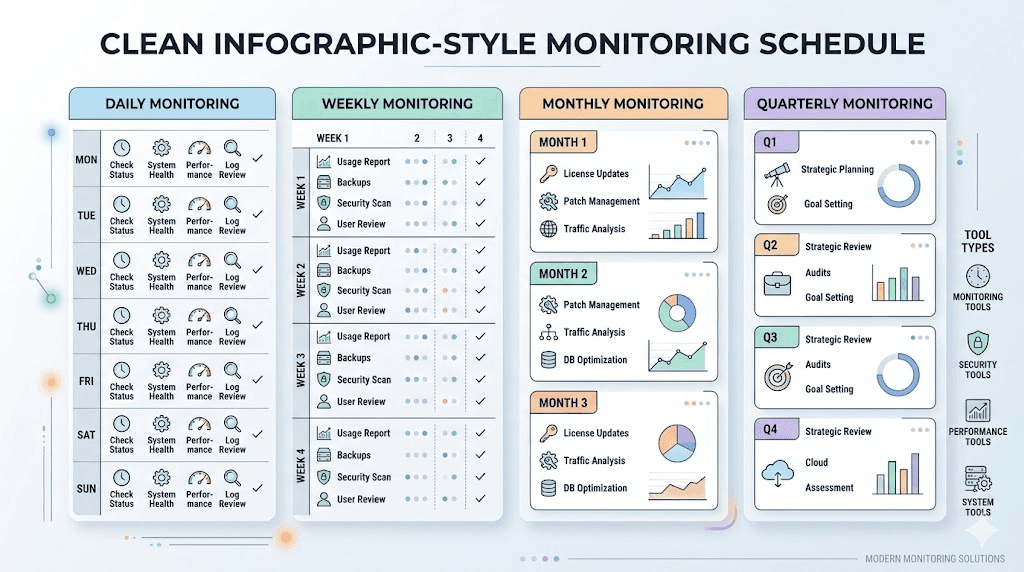
The individual tools described above become exponentially more valuable when combined into a systematic monitoring protocol. Here is a practical framework organized by frequency and complexity.
Daily monitoring (5 minutes)
Step on your body composition scale each morning at the same time, same conditions (after bathroom, before eating). Record the reading or let the smart scale auto-sync to your app. If wearing a CGM, glance at your overnight glucose trend and time in range for the previous 24 hours. Check your wearable for sleep score, resting heart rate, and step goal from the previous day. These three glances take under a minute and give you a daily snapshot of weight, metabolic health, and recovery.
Weekly monitoring (10 minutes)
On injection day, log your dose, injection site, and any immediate side effects in your GLP-1 tracking app. Take blood pressure readings twice, morning and evening, on a consistent day each week. Measure waist circumference once per week, same day each week. Review your weekly weight trend (not individual daily readings, which fluctuate). If using a ketone meter, take a fasting reading on one morning per week.
Monthly monitoring (15 minutes)
Take progress photos in standardized conditions. Review your body composition trends (muscle mass, fat mass, body fat percentage) over the past 30 days. Calculate your average weekly weight loss rate to ensure it stays within the healthy range of 0.5 to 1.5 pounds per week. Review your CGM data for monthly time-in-range trends and average glucose. If tracking blood pressure, review the monthly trend and compare to your baseline.
Quarterly monitoring (1 hour including at-home blood draw)
Complete an at-home blood panel covering HbA1c, lipid panel, liver enzymes (ALT, AST), kidney function (creatinine, BUN), and inflammation (hsCRP). Compare results to your baseline and previous quarter. Review all body composition trends over the 3-month period, specifically the ratio of fat loss to lean mass loss. If this ratio is worse than 75:25 (fat:lean), consider increasing protein intake, adding creatine, or increasing resistance training frequency. Share results with your healthcare provider to inform dose adjustments.
Twice-yearly monitoring
Test thyroid function (TSH) every 6 months. Consider a DEXA scan if available and affordable, as it provides the most accurate body composition measurement and serves as a calibration check for your home scale readings. Review the full 6-month trajectory of all metrics and assess whether the treatment is meeting your goals across all dimensions, not just weight.
Biomarker targets: what your numbers should look like on GLP-1 therapy
Having the right tools is useless without knowing what good numbers look like. Here are the targets GLP-1 users should aim for across key monitored metrics.
Blood glucose targets vary based on diabetes status. For non-diabetic GLP-1 users, fasting glucose should stay between 70 and 100 mg/dL, with CGM time in range (70 to 180 mg/dL) above 90%. For type 2 diabetics on GLP-1 therapy, fasting glucose targets of 80 to 130 mg/dL and time in range above 70% indicate good control, with an ultimate goal of reaching non-diabetic ranges as treatment progresses.
HbA1c should decline from baseline by at least 0.5 percentage points within the first 12 weeks. Optimal targets are below 5.7% for non-diabetics and below 7.0% (ideally below 6.5%) for type 2 diabetics. GLP-1 medications have a self-terminating effect on glucose lowering, meaning they stop reducing blood sugar once normal fasting levels are reached, which significantly reduces hypoglycemia risk compared to insulin or sulfonylureas.
Body composition targets aim for at least 75% of weight lost to come from fat mass, with no more than 25% from lean mass. This ratio is achievable with adequate protein intake (1.0 to 1.6 g/kg/day), resistance training (minimum 2 to 3 sessions per week), and potentially supplementation with creatine and essential amino acids.
Blood pressure should trend toward less than 120/80 mmHg. Most GLP-1 users see reductions of 3 to 7 mmHg systolic within the first 3 months, with additional improvements as weight loss continues.
Lipid panel improvements typically show within 3 to 6 months. Target LDL below 100 mg/dL (or below 70 mg/dL for those with cardiovascular risk factors), triglycerides below 150 mg/dL, and HDL above 40 mg/dL for men or above 50 mg/dL for women.
ALT (liver enzyme) should decline from baseline. If ALT rises above the upper limit of normal (typically 40 to 56 IU/L depending on the lab) during GLP-1 therapy, consult your provider. However, ALT reductions of 20 to 40% from baseline are common with GLP-1 use, reflecting improvement in fatty liver disease.
hsCRP (inflammation) should decline. Levels below 1.0 mg/L indicate low cardiovascular risk, 1.0 to 3.0 mg/L indicates moderate risk, and above 3.0 mg/L indicates elevated risk. GLP-1 medications reduce hsCRP through both direct anti-inflammatory effects and indirect effects of weight loss.
Common monitoring mistakes GLP-1 users make
Even with the right tools, most people make at least one of these monitoring errors that undermines the value of their data.
Weighing at different times or conditions. Body weight fluctuates 2 to 5 pounds within a single day based on hydration, food in the digestive tract, sodium intake, and hormonal cycles. Weighing at inconsistent times introduces noise that makes real trends impossible to identify. Always weigh first thing in the morning, after the bathroom, before eating or drinking, wearing the same amount of clothing.
Overreacting to daily weight fluctuations. A 3-pound increase overnight does not mean GLP-1 therapy is failing. It means you consumed sodium, drank water, or your body is retaining fluid for one of dozens of normal physiological reasons. Focus on the 7-day moving average, not any single reading. Better yet, focus on the 14-day trend.
Ignoring body composition in favor of scale weight. This is the most consequential mistake. Two people at the same weight can have dramatically different health outcomes based on their ratio of muscle to fat. A person who loses 20 pounds but maintains their muscle mass is in a far better metabolic position than someone who loses 25 pounds but sacrifices significant lean tissue.
Testing blood biomarkers too infrequently or not at all. Many GLP-1 users never test their metabolic markers beyond what their prescribing provider orders, which might be a single panel at baseline and one follow-up at 6 months. This misses the dynamic changes that occur during the first 12 weeks and leaves potential issues, like rising liver enzymes or developing nutrient deficiencies, undetected for months.
Tracking injection timing but not side effects. Logging that you injected on Tuesday is less valuable than logging that you injected on Tuesday, experienced moderate nausea Wednesday through Friday, and noticed dizziness Thursday morning. Side effect patterns relative to injection timing inform decisions about when to inject, whether to split doses, and whether the current dose level is appropriate.
Not establishing baselines. Without pre-treatment measurements for weight, body composition, blood pressure, and blood biomarkers, you cannot quantify improvement. If you have already started GLP-1 therapy without baselines, begin tracking now. Your current measurements become the new reference point.
Cost analysis: building your monitoring toolkit on any budget
The complete monitoring setup described in this guide ranges from nearly free to several hundred dollars, depending on which tools you choose. Here are three realistic budget levels.
Essential tier ($0 to $50)
A basic bathroom scale (you may already own one), a measuring tape for waist circumference, a free GLP-1 tracking app (Shotsy), and a symptom journal (phone notes or paper). This costs nothing if you already own a scale. Add a blood pressure monitor for approximately $40 to $50. This tier captures the most important data points: weight trend, waist circumference, injection tracking, side effect patterns, and blood pressure. It misses body composition details and blood biomarkers.
Comprehensive tier ($200 to $500)
A body composition scale like the Withings Body Smart ($100), a validated blood pressure monitor ($40 to $50), a quarterly at-home blood panel ($50 to $100 per test, so $200 to $400 per year), a free GLP-1 tracking app, and a wearable fitness tracker you may already own. This tier adds body composition tracking and blood biomarker monitoring, which dramatically increases the actionable information available to you and your healthcare provider.
Premium tier ($500 to $1,200 per year)
An InBody H20N or H30 body composition scale ($350), a CGM subscription like Stelo or FreeStyle Libre ($75 to $150 per month, though many insurance plans cover this), a premium at-home blood testing service like InsideTracker ($150 to $400 per panel), an Oura Ring or Apple Watch ($300 to $500), and a validated blood pressure monitor ($40 to $50). This tier provides the most complete picture of your health transformation and is recommended for users on high-dose or long-term GLP-1 therapy where the medication cost alone justifies thorough monitoring.
For most GLP-1 users, the comprehensive tier offers the best return on investment. The body composition scale alone is worth its price for the muscle-loss detection it enables, and quarterly blood panels provide the metabolic confirmation that keeps both you and your provider confident in the treatment direction. SeekPeptides members access detailed protocol guides that include monitoring recommendations tailored to specific medications, doses, and health goals, helping you identify exactly which tools provide the most value for your individual situation.
Integrating monitoring data with your healthcare provider
Home monitoring data becomes most powerful when shared with the clinician managing your GLP-1 therapy. Many providers actively welcome patient-generated health data because it fills the gaps between office visits and provides a more complete picture than quarterly lab work alone.
Before appointments, prepare a summary that includes your weight trend (14-day average, not single readings), body composition changes since last visit, any blood test results from at-home panels, blood pressure averages and ranges, side effect patterns with injection timing correlations, and CGM summary data if available (average glucose, time in range, significant patterns). Present this as a printed or digital one-page summary rather than raw data dumps from multiple apps. Providers have limited time, and a concise summary is far more useful than hundreds of unprocessed data points.
If your monitoring reveals concerning trends, like rising ALT, declining muscle mass faster than expected, persistent symptoms, or blood pressure not improving despite weight loss, bring these to your provider proactively rather than waiting for your next scheduled visit. Home monitoring enables earlier intervention, but only if you act on the data.
The role of DEXA scans in GLP-1 monitoring
While not technically a home tool, DEXA (dual-energy X-ray absorptiometry) scans deserve mention because they provide the gold standard for body composition measurement and serve as a calibration reference for home body composition scales.
A DEXA scan uses two X-ray beams at different energy levels to differentiate between fat tissue, lean tissue, and bone. It provides segmental analysis (each limb and trunk separately), visceral fat quantification, bone mineral density, and total body composition with approximately 1 to 2% accuracy for body fat percentage. This accuracy far exceeds any home BIA scale.
For GLP-1 users, the recommended DEXA schedule is one scan before starting treatment (baseline), a follow-up at 3 to 6 months to assess the fat-to-lean loss ratio, and annual scans during ongoing treatment. Comparing your home scale readings to DEXA results also helps you understand the accuracy and bias of your specific scale, so you can mentally adjust home readings accordingly.
DEXA scans typically cost $75 to $200 at dedicated body composition centers like DexaFit and are available without a prescription. For GLP-1 users in the first months of therapy, a single DEXA scan at the 3-month mark can provide critical insight into whether their weight loss composition is on track.
Monitoring for specific GLP-1 side effects
Certain side effects of GLP-1 therapy benefit from targeted monitoring approaches beyond general health tracking.
Gastrointestinal symptoms
Nausea, constipation, sulfur burps, acid reflux, and bloating are the most common GLP-1 side effects. Track these daily in your GLP-1 app with a severity rating (1 to 10) and note what you ate in the preceding 4 to 6 hours. After 2 to 3 injection cycles, clear patterns emerge. Many users discover that high-fat or high-sugar meals on injection day or the following day dramatically worsen GI symptoms, while protein-focused, moderate-portion meals are well tolerated throughout the cycle.
Hair thinning
Hair changes on GLP-1 therapy are typically related to telogen effluvium, a temporary shedding condition triggered by rapid weight loss and caloric restriction rather than the medication itself. Monitor hair loss by collecting fallen hairs from your hairbrush or shower drain weekly and photographing the amount. An increasing trend that persists beyond 3 to 4 months suggests nutritional deficiency (particularly iron, zinc, biotin, or protein) that should be addressed through dietary changes or supplementation.
Fatigue and energy changes
Fatigue is commonly reported during GLP-1 therapy, particularly during dose escalation. Track daily energy levels on a 1 to 10 scale at three time points: morning, afternoon, and evening. Compare this to your caloric intake for the day. Fatigue often correlates with inadequate caloric intake rather than a direct medication effect. If energy levels remain low despite adequate nutrition (at least 1,200 calories per day for women, 1,500 for men), this warrants medical evaluation and possible dose adjustment.
Muscle pain and weakness
Muscle pain and body aches on GLP-1 therapy should be tracked alongside body composition data. If muscle pain coincides with declining lean mass on your body composition scale, it may indicate excessive muscle catabolism from inadequate protein intake during rapid weight loss. If muscle pain occurs without lean mass changes, it is more likely related to electrolyte imbalances, dehydration, or other causes.
Remote patient monitoring programs
A growing number of healthcare providers offer formal remote patient monitoring (RPM) programs for GLP-1 users. These programs provide cellular-connected devices (typically a smart scale and blood pressure monitor) that automatically transmit readings to your provider clinical team without requiring Wi-Fi setup, app downloads, or manual data entry.
RPM programs often include a cellular smart scale that transmits weight readings directly to your electronic health record, a cellular blood pressure monitor with the same automatic transmission, weekly or biweekly check-ins from a clinical team member who reviews your data trends, and alerts that trigger outreach when readings fall outside expected parameters (significant weight gain, blood pressure spikes, or missed weigh-ins).
These programs are typically covered by Medicare and many private insurance plans when prescribed by a physician for GLP-1 therapy management. If your provider does not currently offer RPM, ask whether they participate in a remote monitoring program or can refer you to one. The combination of professional oversight and home convenience makes RPM an ideal middle ground between self-monitoring and frequent office visits.
The monitoring tools that are not worth the hype
Not every health monitoring product provides value for GLP-1 users. Some popular tools deserve a reality check.
Metabolic breath analyzers that claim to measure fat burning through exhaled acetone have not been validated for tracking GLP-1 medication effects. While the science behind breath acetone and fat metabolism is real, consumer devices lack the precision to provide actionable data. Your money is better spent on a body composition scale.
At-home food sensitivity tests (IgG panels) are marketed as tools to optimize your diet on GLP-1 therapy, but the scientific community overwhelmingly considers IgG food sensitivity tests unreliable. They measure exposure, not intolerance, and produce high rates of false positives. A food diary tracking symptoms after meals provides more useful information for free.
Generic metabolism boosting supplements with tracking often come bundled with monitoring apps that track the supplement effects. These are marketing vehicles for supplements, not monitoring tools. Stick with the evidence-based monitoring devices and apps described earlier.
Consumer hormone testing panels that include testosterone, estrogen, and cortisol can be informative but are frequently misinterpreted without clinical context. Hormonal changes during weight loss on GLP-1 therapy are complex and expected. If you suspect hormonal issues, work with an endocrinologist rather than relying on at-home panels without professional interpretation.
Setting up your monitoring ecosystem: a step-by-step guide
If you are starting from scratch, here is the order in which to set up your monitoring tools for maximum impact with minimum friction.
Step 1: Choose a central app. Select either Apple Health, Google Fit, or Withings Health Mate as your data hub where all devices will feed their readings. This prevents data fragmentation across multiple apps and gives you a single place to review trends.
Step 2: Install a GLP-1 tracking app. Download Shotsy or Glapp and log your current dose, injection schedule, and any ongoing side effects. Start tracking from your next injection onward.
Step 3: Get a body composition scale. This is the single most impactful purchase for GLP-1 monitoring. Set it up in a consistent location (uneven floors affect readings), connect it to your central app, and weigh yourself tomorrow morning. This becomes your daily 30-second monitoring habit.
Step 4: Add a blood pressure monitor. Take readings for three consecutive mornings to establish a baseline average. After that, measure twice weekly at consistent times.
Step 5: Schedule your first at-home blood panel. Order a comprehensive metabolic panel that includes HbA1c, lipids, liver enzymes, kidney function, and inflammation markers. Complete it as soon as possible to establish your monitored baseline on GLP-1 therapy.
Step 6: Consider a CGM. If budget allows and you want the deepest insight into how food and medication timing affect your metabolism, add a CGM. A single 14-day sensor can provide enough pattern data to inform lasting dietary changes.
Step 7: Integrate a wearable. If you already own a smartwatch or fitness tracker, ensure it syncs with your central app. If purchasing new, choose based on which metrics matter most to you: sleep quality (Oura Ring), comprehensive health (Apple Watch), or fitness and recovery (Whoop or Garmin).
For researchers and health enthusiasts committed to optimizing every aspect of their GLP-1 protocol, SeekPeptides provides evidence-based guides, comprehensive protocols, and a community of experienced individuals who have navigated these exact monitoring decisions. The platform detailed dosage calculators and protocol resources complement home monitoring by ensuring that the data you collect feeds into informed dosing and lifestyle decisions.
Frequently asked questions
Do I need a CGM if I am not diabetic and taking GLP-1 for weight loss?
You do not need one, but it can be valuable. A CGM reveals how specific foods affect your blood sugar on GLP-1 therapy, helps optimize meal timing, and shows whether the medication is improving your glucose regulation over time. Even a single 14-day sensor can provide actionable insights. Many non-diabetic GLP-1 users find that a one-month CGM trial changes their eating habits permanently, making it worth the temporary investment even without long-term use.
How accurate are home body composition scales compared to DEXA scans?
Home BIA scales are less accurate than DEXA for absolute body fat percentage, often off by 3 to 5 percentage points. However, they are excellent at tracking relative changes over time when used consistently under the same conditions. A home scale that consistently reads 4% high still shows you whether body fat is trending up or down. For GLP-1 users, trend accuracy matters more than absolute accuracy. Use a DEXA scan once every 3 to 6 months as a calibration reference if precision matters to you.
Which blood biomarkers should I test most frequently on GLP-1 medications?
HbA1c and a basic lipid panel every 3 months during active weight loss provide the most actionable data. Add liver enzymes (ALT) if you have a history of fatty liver or if your baseline ALT was elevated. Add kidney function markers (creatinine, BUN) if you experience significant dehydration from GI side effects. TSH every 6 months is recommended for thyroid safety monitoring. Once weight stabilizes on a maintenance dose, testing frequency can reduce to every 6 to 12 months.
Can I use my monitoring data to adjust my GLP-1 dose myself?
No. Home monitoring data informs dose decisions but should not replace medical guidance. Dose adjustments for tirzepatide or semaglutide should always be made in consultation with your prescribing provider. What monitoring does allow is more productive conversations with your provider, backed by data rather than subjective impressions. Bringing body composition trends, blood panel results, and side effect patterns to your appointment gives your provider the information needed to make precise adjustments.
Is a blood pressure monitor necessary if my blood pressure was normal before starting GLP-1 therapy?
It is not strictly necessary, but it is one of the most affordable and easiest monitoring tools to use, and it tracks one of the most meaningful cardiovascular improvements from GLP-1 therapy. Watching your blood pressure improve over months provides tangible evidence of health improvement beyond weight loss, which can be deeply motivating. At $40 to $50, the cost-to-value ratio is among the best of any monitoring tool.
How do I track injection site reactions at home?
Use your GLP-1 tracking app to log the injection site location using the body map feature. Photograph any redness, swelling, or bruising immediately after injection and at 24 and 48 hours. Note pain severity on a 1 to 10 scale. Injection site reactions are typically mild and self-limiting, but tracking them helps you identify sites that react more and rotate to better-tolerated locations. Most apps that support GLP-1 tracking include site rotation recommendations based on your history.
What is the most important single monitoring tool for GLP-1 users on a tight budget?
A body composition scale. If your budget allows only one purchase beyond a basic bathroom scale, a body composition scale that measures fat mass and lean mass separately is the most impactful upgrade. It is the only tool that distinguishes between healthy weight loss (primarily fat) and potentially harmful weight loss (significant muscle). Models like the Withings Body Smart are available for around $100 and provide years of daily monitoring from a single purchase.
Should I monitor my ketone levels while on GLP-1 medications?
For most GLP-1 users eating a standard mixed diet, routine ketone monitoring is unnecessary. It becomes relevant if you follow a ketogenic or very low-carb diet alongside GLP-1 therapy, if you also take SGLT2 inhibitors, or if you experience extended periods of very low food intake (under 800 calories per day for multiple consecutive days). In these situations, a periodic fasting ketone check using a Keto-Mojo or Precision Xtra meter provides a safety check against excessively elevated ketone levels.
External resources
ValidateBP.org - Database of clinically validated blood pressure monitors
StatPearls: GLP-1 Receptor Agonists - Comprehensive medical reference on GLP-1 medications
PMC: Use of CGM in Obesity Research - Scoping review of continuous glucose monitoring applications
FDA Medical Devices - Regulatory information on home health monitoring devices
American Heart Association - Blood pressure monitoring guidelines and resources
For researchers serious about optimizing every metric of their GLP-1 protocol, SeekPeptides offers the most comprehensive resource available, with evidence-based guides, proven protocols, and a community of thousands who have navigated these exact decisions about monitoring, dosing, and long-term medication management.
In case I do not see you, good afternoon, good evening, and good night. May your monitoring stay consistent, your biomarkers stay on target, and your results stay exactly where you want them.