Mar 14, 2026
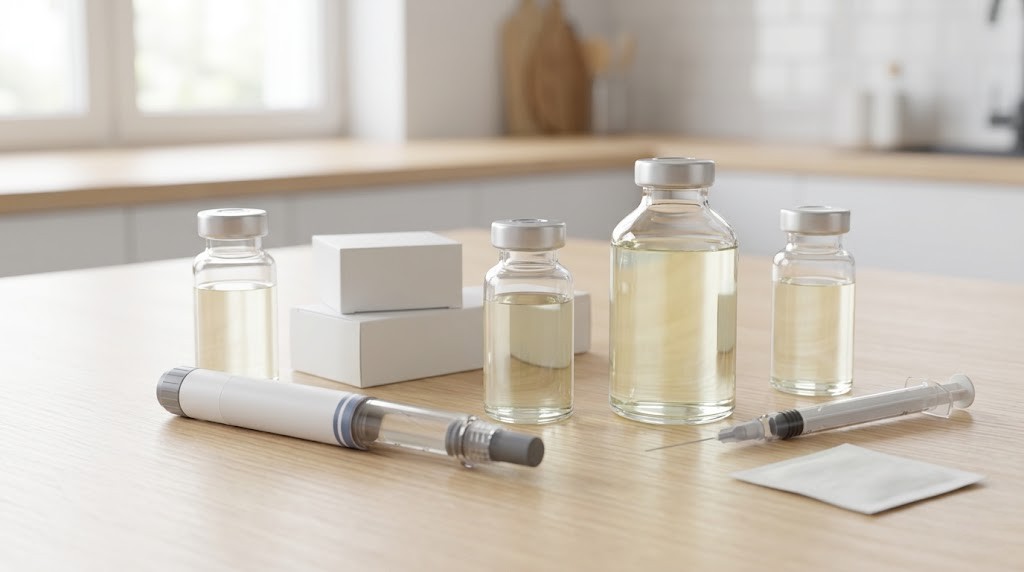
Tired of scrolling through dozens of tirzepatide telehealth providers, only to find the same recycled marketing promises? You are not alone. The weight loss medication market has exploded with online clinics, each claiming to offer the best affordable tirzepatide programs. And Prime Health sits right in the middle of that crowded field. But does it actually deliver?
That is the question nobody seems to answer honestly. Most reviews skim the surface, listing features without digging into the real customer experience, the pricing structure that catches people off guard, and the side effects that telehealth providers rarely emphasize. This guide changes that. We are going to break down every aspect of Prime Health tirzepatide offering, from how the approval process works to what real customers say on Trustpilot, to how it stacks up against competitors like Elevate Health and Brello Health. Whether you are considering Prime Health specifically or just trying to figure out which compounded tirzepatide provider deserves your money, you will walk away with the clarity to make an informed decision.
What is Prime Health and what do they offer
Prime Health, operating at joinprimehealth.com, is a telehealth weight loss clinic that prescribes compounded GLP-1 medications. They offer two primary medications: compounded semaglutide and compounded tirzepatide. The company positions itself as a simplified path to medical weight loss, eliminating the need for in-person doctor visits, long wait times, and insurance headaches.
Here is the basic pitch. You take a short eligibility quiz, a licensed clinician reviews your health information, and if approved, you receive your medication at your doorstep within about a week. No insurance required. No waiting rooms. No pharmacy lines.
Sounds simple. And in many ways, it is.
But simplicity does not always mean the best value. Prime Health operates in an increasingly competitive space where providers like Belle Health, Trava, and Vitastir all compete for the same audience. Understanding what Prime Health does well, and where it falls short, requires looking beyond the marketing. The company sources its compounded medications from FDA-registered U.S. pharmacies, which means the medications contain the same active ingredients as brand-name Mounjaro and Zepbound but are manufactured under GMP standards at compounding facilities rather than by Eli Lilly directly. This is an important distinction that affects both pricing and regulatory considerations, something we will cover in detail later.
Prime Health is available in 49 states. Louisiana is the only exclusion. The service operates on a month-to-month subscription model with no long-term contracts, though as we will see from customer reviews, the cancellation process has generated significant complaints.
How Prime Health tirzepatide works step by step
The onboarding process at Prime Health follows three stages. Each one is designed to move quickly, and Prime Health claims most patients can go from signup to receiving medication in under two weeks.
Step one: the eligibility quiz
Everything starts with a two-minute online quiz. This assessment gathers basic health information including your weight, height, BMI, medical history, and weight loss goals. The quiz determines whether you are a candidate for GLP-1 medication based on standard criteria. Generally, you need a BMI of 30 or higher, or a BMI of 27 or higher with at least one weight-related health condition like type 2 diabetes, high blood pressure, or high cholesterol.
If the quiz determines you do not qualify, Prime Health offers a full refund. This happens within 24 to 48 hours of submission.
Step two: clinician review and prescription
A licensed clinician reviews your health intake questionnaire. Prime Health claims this review happens within 24 hours for most patients. If approved, the clinician writes a prescription for either compounded semaglutide or compounded tirzepatide, depending on your selected plan. The prescription includes a starting dose that follows standard tirzepatide dose chart protocols, typically beginning at 2.5 mg weekly.
One concern worth noting: at least one Trustpilot reviewer reported receiving semaglutide instead of tirzepatide, despite having signed up for the tirzepatide plan. While this appears to be an isolated incident, it highlights the importance of verifying your medication upon arrival.
Step three: delivery and ongoing support
After payment processing, your medication ships within 5 to 7 business days. Each monthly shipment includes a vial of medication containing a four-week supply, along with the necessary syringes and needles for weekly injections. You will need to understand proper injection technique and injection site selection for optimal results.
The plan includes unlimited telehealth visits with licensed clinicians. This is where Prime Health differentiates itself from some budget providers, as ongoing clinical oversight can be valuable for dose titration and managing side effects. However, the quality and frequency of these follow-ups varies based on customer reports.
Prime Health tirzepatide pricing breakdown
Pricing is where things get interesting. And a bit confusing.
According to the official Prime Health website, the current pricing structure is straightforward. Compounded semaglutide costs $299 per month. Compounded tirzepatide costs $399 per month. These are all-inclusive fees covering the medication, clinician consultations, required blood work, and shipping.
One notable advantage: Prime Health does not increase the price as your dosage increases. Many competitors charge more at higher doses because the medication itself costs more to produce at higher concentrations. With Prime Health, whether you are at the starting dose of 2.5 mg or have titrated up to 15 mg, the monthly fee stays at $399 for tirzepatide.
That matters more than you might think.
Consider the math. At many other providers, starting tirzepatide might cost $199 to $249 per month at 2.5 mg, but jump to $399 to $599 at higher doses. If your treatment protocol runs six months and you spend three of those months at higher doses, Prime Health consistent pricing could actually save you money over the total treatment period. Compare this against other options using our peptide cost calculator to see the long-term value.
Prime Health also offers a promotional discount code (BWLM2025) that provides $120 off the first month, bringing the initial tirzepatide cost down to $279. For semaglutide, the first month drops to $179. These promotional codes change periodically, so verify availability before signing up.
How Prime Health pricing compares to the market
To put Prime Health pricing in context, here is how it stacks up against the broader telehealth landscape. Brand-name Mounjaro costs roughly $1,069 per month without insurance. Brand-name Zepbound runs about $1,060 per month. Compounded tirzepatide from various telehealth providers typically ranges from $200 to $500 per month, with some budget options starting as low as $99 for basic plans.
At $399 per month, Prime Health sits in the mid-to-upper range of compounded tirzepatide pricing. You are not getting the cheapest option available, but you are also not paying brand-name prices. The question is whether the included clinical support justifies the premium over budget alternatives.
Feature | Prime Health | Budget Providers | Brand-Name |
|---|---|---|---|
Monthly cost (tirzepatide) | $399 | $99–$249 | $1,060+ |
Dose-based price increases | No | Often yes | N/A |
Clinician consultations | Unlimited | Limited or extra | Included |
Blood work | Included | Often extra | Included |
Shipping | Included | Usually included | Pharmacy pickup |
Price rating | 6/10 | 8/10 | 2/10 |
For a deeper dive into finding the most cost-effective options, check our guides on tirzepatide cost comparisons and cheap compounded tirzepatide shots.
What you actually receive each month
Your monthly Prime Health subscription includes several components. Understanding exactly what you get helps evaluate whether the all-inclusive pricing represents good value.
The medication itself arrives as a compounded tirzepatide vial containing a four-week supply. The vial needs to be refrigerated upon arrival and stored properly to maintain potency. If you are wondering about how long tirzepatide lasts in the fridge or how long it can be out of the fridge, those are important storage considerations that affect medication effectiveness.
Each shipment also includes insulin syringes for weekly self-injection. The injection process is subcutaneous, meaning you inject just under the skin, typically in the abdomen, thigh, or upper arm. If you have never self-injected before, the idea might feel intimidating. It is actually quite straightforward once you learn the proper technique.
The unlimited clinician access is the most significant value-add. You can schedule video consultations to discuss your progress, address side effects, or adjust your dosing protocol. Good providers will proactively reach out to check on your experience, especially during the first few weeks when side effects are most common.
Blood work is also included, though the specifics of what panels are ordered and how frequently they are required vary. Typical panels include metabolic markers, thyroid function, and lipid profiles. This monitoring is important given the potential gallbladder and pancreatic concerns associated with GLP-1 medications.
Prime Health semaglutide versus tirzepatide: which plan to choose
Prime Health offers both semaglutide and tirzepatide, and understanding the difference matters for making the right choice. These are not interchangeable medications. They work differently, produce different results, and come with different side effect profiles.
Semaglutide is a pure GLP-1 receptor agonist. It mimics the glucagon-like peptide-1 hormone, which regulates appetite and blood sugar. Tirzepatide is a dual GIP/GLP-1 receptor agonist, meaning it activates two hormonal pathways instead of one. This dual mechanism is why clinical trials consistently show tirzepatide producing greater weight loss than semaglutide alone. For a detailed comparison, see our semaglutide vs tirzepatide comparison page and our guide on side effect differences between the two.
In the SURMOUNT clinical trials, participants taking tirzepatide at the highest dose (15 mg) lost an average of 20.9% of their body weight over 72 weeks. That is roughly double what semaglutide achieves at its highest approved dose. The STEP trials for semaglutide showed average weight loss of about 14.9% over 68 weeks.
But more is not always better for everyone.
Tirzepatide tends to produce more intense gastrointestinal side effects, especially at higher doses. If you have a sensitive stomach, tirzepatide bloating and nausea can be significant. Some patients who struggle with tirzepatide side effects find semaglutide more tolerable. Others who plateau on semaglutide may benefit from switching between the two or even alternating protocols.
At Prime Health, the price difference between the two plans is $100 per month ($299 for semaglutide versus $399 for tirzepatide). Whether that extra $100 is worth the potentially greater weight loss depends on your individual goals, budget, and tolerance for side effects. If semaglutide has not produced the results you want, switching to tirzepatide through Prime Health or another provider is a reasonable next step.
Real customer reviews and Trustpilot analysis
This is where things get real. Marketing tells you one story. Customers tell another.
Prime Health holds a 3.3 out of 5 rating on Trustpilot based on 38 reviews. What makes this rating particularly telling is the polarization. Roughly 55% of reviews are five stars. About 37% are one star. Almost nothing in between. That pattern, extreme satisfaction or extreme frustration, tells a specific story about a company that works well when everything goes right but handles problems poorly when they do not.
What positive reviewers say
Satisfied customers consistently highlight several strengths. The onboarding process is fast. The clinician consultations feel thorough and personal. The pricing is transparent with no hidden fees. Multiple reviewers specifically praise the one-on-one video visits and the responsiveness of the support team during the initial weeks.
One reviewer described the medical staff as "informative and pleasant," noting that the entire process from quiz to medication delivery took less than 10 days. Another highlighted the value of having scheduled follow-up appointments rather than generic check-in emails.
The weight loss results among positive reviewers are encouraging. Reports of 10 to 15 pounds lost in the first two months are common, aligning with typical tirzepatide results timelines. One customer reported losing 12 pounds in two months without making significant lifestyle changes beyond the medication.
What negative reviewers say
The complaints are more concerning and fall into three main categories.
Billing and subscription issues are the most common complaint. Multiple customers report being charged monthly without realizing they signed up for a recurring subscription. One reviewer described being charged $398.99 every month while only receiving a single vial of medication, stating they were not made aware of the subscription structure. This is a serious concern because the all-inclusive pricing means there is no separate line item for the subscription, making it easy to overlook the recurring nature of the charges.
Cancellation difficulties represent the second major issue. Several customers report ongoing charges even after confirming cancellation. One reviewer described months of trying to cancel, with the company continuing to charge their account despite multiple cancellation confirmations. This led to bank disputes and threats of small claims court. If you are exploring other providers, understanding their cancellation policies is critical. Providers like Belle Health and Simple Peptide may offer more straightforward cancellation processes.
Medication errors are less common but more alarming. At least one customer reported receiving semaglutide instead of the tirzepatide they ordered. They only discovered the error after two to three weeks of use, during which time they gained weight rather than losing it. When they contacted support, the company could not locate the recorded message to validate the complaint.
Prime Health pros and cons
Based on the research, customer feedback, and competitive analysis, here is an honest assessment of what Prime Health does well and where it falls short.
Strengths worth noting
The all-inclusive pricing model eliminates surprises. When providers charge separately for consultations, blood work, and shipping, the total cost can creep well above the advertised medication price. Prime Health bundles everything into one monthly fee, which simplifies budgeting. The fact that dosage increases do not raise your monthly cost is a genuine advantage, especially since most tirzepatide dosing protocols involve titrating up over several months.
Fast onboarding is another genuine strength. The 24-hour clinician review and 5 to 7 day shipping timeline means you can go from curiosity to injection in under two weeks. For people who have struggled with the traditional healthcare system, where getting a GLP-1 prescription can take weeks of appointments and insurance battles, this speed is meaningful.
The unlimited clinician access is valuable. Having a medical professional available to discuss headaches, constipation, fatigue, or other side effects without scheduling a separate appointment or paying extra is a genuine benefit. Good clinical oversight can also help with troubleshooting when tirzepatide stops working.
The 10% body weight guarantee is bold. If you do not lose at least 10% of your body weight in four months, you can request a refund. This shows confidence in the product. However, the fine print matters. Read the terms carefully to understand exactly what qualifies for the guarantee and what documentation is required.
Weaknesses to consider
The billing and cancellation issues documented across multiple review platforms are concerning enough to warrant caution. When a pattern of complaints centers around the same issues, specifically unexpected charges and difficulty canceling, that suggests a systemic problem rather than isolated incidents. Before signing up, take a screenshot of the cancellation policy and keep records of all communications.
The medication error report, while potentially isolated, is alarming. Receiving the wrong medication in a medical context is a serious issue. If you use Prime Health, verify your medication upon receipt by checking the label against your prescription.
At $399 per month for tirzepatide, Prime Health is not the most affordable option. Budget-conscious buyers can find cheaper compounded tirzepatide from other providers, sometimes at half the price. The question is whether Prime Health included services justify the premium.
The Trustpilot rating of 3.3 out of 5 with heavily polarized reviews is a yellow flag. It is not terrible, but it is not reassuring either. For comparison, several competitors maintain ratings above 4.0 with more balanced review distributions.
How Prime Health compares to other tirzepatide providers
No review is complete without context. Here is how Prime Health stacks up against other telehealth providers offering compounded tirzepatide.
Prime Health versus Elevate Health
Elevate Health offers compounded tirzepatide at a similar price point ($279 for tirzepatide). The key difference is in clinical approach. Elevate Health emphasizes scheduled follow-ups and individualized dose titration plans, while Prime Health focuses on speed and streamlined onboarding. If personalized clinical oversight matters more to you than rapid access, Elevate Health may be the stronger choice.
Prime Health versus Empower Pharmacy providers
Empower Pharmacy is one of the largest compounding pharmacies in the United States and supplies medication to numerous telehealth platforms. Providers that source from Empower Pharmacy often benefit from established quality control processes and consistent medication potency. It is worth asking Prime Health which pharmacy supplies their compounded tirzepatide, as the compounding source directly affects quality.
Prime Health versus budget providers
Several providers now offer compounded tirzepatide for under $200 per month. Companies like those reviewed in our Simple Peptide and Trava guides offer lower prices but may include fewer clinical services. The trade-off is real. Cheaper is not always better when medical oversight is part of the equation.
When comparing providers, consider these factors beyond just price. The pharmacy source matters because 503B compounding pharmacies operate under stricter FDA oversight than 503A pharmacies. Clinical support matters because dosing decisions should be made with medical guidance, especially when dealing with muscle pain, anxiety, or other concerning symptoms. And shipping protocols matter because tirzepatide requires cold chain shipping to maintain potency, and providers who cut corners on shipping can compromise your medication before it arrives.
Provider | Tirzepatide Price | Clinical Support | Pharmacy Type | Rating |
|---|---|---|---|---|
Prime Health | $399/month | Unlimited visits | FDA-registered | 3.3/5 |
Elevate Health | $279/month | Scheduled follow-ups | FDA-registered | 4.0+/5 |
Empower-sourced | $249–$399/month | Varies by provider | 503B | Varies |
Budget providers | $99–$199/month | Limited | Often 503A | Varies |
Brand-name (Zepbound) | $1,060/month | Full physician care | FDA-approved | N/A |
For a comprehensive overview of all your options, our tirzepatide alternative guide covers every major provider category. The Lavender Sky, Boothwyn Pharmacy, and WeightCare reviews also provide useful comparison points.
Understanding tirzepatide: how this medication actually works
Before committing to any provider, understanding the medication itself is essential. Tirzepatide is not a magic weight loss pill. It is a sophisticated pharmaceutical compound that alters fundamental metabolic processes, and knowing how it works helps you set realistic expectations.
Tirzepatide belongs to a class called dual GIP/GLP-1 receptor agonists. It simultaneously activates two incretin hormone pathways. The GLP-1 pathway reduces appetite, slows gastric emptying, and improves insulin sensitivity. The GIP pathway enhances fat metabolism and may improve the body response to insulin in ways that GLP-1 alone does not.
This dual action is why tirzepatide consistently outperforms single-pathway medications in clinical trials. The SURMOUNT-1 trial demonstrated weight loss of 15%, 19.5%, and 20.9% at the 5 mg, 10 mg, and 15 mg doses respectively over 72 weeks. These are remarkable numbers that represent a genuine breakthrough in medical weight management.
But the mechanism also explains the side effects. By slowing gastric emptying, tirzepatide can cause nausea, bloating, and constipation. By altering insulin dynamics, it can occasionally cause blood sugar fluctuations. And by affecting appetite so dramatically, it can lead to nutritional deficiencies if you are not careful about what you eat while on tirzepatide.
SeekPeptides members access detailed mechanism guides, dosing calculators, and evidence-based protocols that help researchers understand exactly how peptides like tirzepatide interact with the body. Understanding these mechanisms is not just academic. It directly affects how you optimize your protocol for maximum results.
Side effects you need to know about before starting
Every tirzepatide provider, including Prime Health, should be transparent about side effects. Unfortunately, marketing materials tend to minimize them. Here is what the research actually shows.
Common side effects (affecting more than 10% of users)
Nausea is the most frequently reported side effect, particularly during the first few weeks and after dose increases. It typically improves as your body adjusts, but for some people it persists throughout treatment. Strategic meal timing, eating smaller portions, and following a tirzepatide diet plan can help manage this significantly.
Diarrhea and constipation affect a substantial percentage of users, sometimes alternating. The constipation treatment options range from increased fiber intake to specific supplements. Knowing the foods to avoid on tirzepatide can also reduce gastrointestinal distress.
Injection site reactions are common but usually minor. Redness, slight swelling, or itching at the injection site typically resolves within a day or two. Rotating injection sites helps minimize this.
Less common but important side effects
Headaches affect some users, particularly during the initial adjustment period. These are usually mild and respond to standard headache treatment approaches.
Fatigue is reported by some users, along with a general feeling of GLP-1 related tiredness. This often relates to reduced caloric intake rather than a direct drug effect, and ensuring adequate nutrition can mitigate it.
Anxiety and mood changes have been reported by some users. The relationship between GLP-1 medications and mental health is still being studied, but if you experience significant mood changes, contact your prescribing clinician immediately.
Feeling cold is a less-discussed side effect that some users report. As your body loses weight and metabolic processes shift, temperature regulation can be temporarily affected.
Hair loss is reported by some GLP-1 users, likely related to rapid weight loss and nutritional changes rather than the medication itself. Taking appropriate supplements with tirzepatide can help prevent this.
Serious side effects requiring medical attention
Tirzepatide carries a boxed warning about thyroid C-cell tumors. In animal studies, tirzepatide caused thyroid tumors at clinically relevant doses. While the human relevance has not been established, tirzepatide is contraindicated in patients with a personal or family history of medullary thyroid carcinoma or Multiple Endocrine Neoplasia syndrome type 2.
Pancreatitis is a known risk. In clinical trials, acute pancreatitis occurred at a rate of 0.23 patients per 100 years of exposure for tirzepatide versus 0.11 for comparator treatments. If you experience severe, persistent abdominal pain that radiates to the back, seek emergency medical care immediately.
Gallbladder problems are another concern. Research shows a statistically significant association between tirzepatide and increased risk of gallbladder or biliary diseases, with a relative risk of 1.97 compared to placebo. Rapid weight loss itself increases gallstone risk, and tirzepatide may compound this effect.
Sulfur burps, while not dangerous, are an unpleasant and commonly reported GLP-1 side effect that can significantly affect quality of life.
Who qualifies for Prime Health tirzepatide
Not everyone is a candidate for tirzepatide, whether through Prime Health or any other provider. Understanding the eligibility criteria before you start the signup process saves time and potential frustration.
The standard eligibility criteria follow FDA guidelines for weight management medications. You generally need a BMI of 30 or higher (classified as obesity), or a BMI of 27 or higher with at least one weight-related comorbidity such as type 2 diabetes, hypertension, dyslipidemia, or obstructive sleep apnea.
You should NOT use tirzepatide if you have a personal or family history of medullary thyroid carcinoma or MEN 2 syndrome, a history of pancreatitis, severe gastrointestinal disease, or if you are pregnant, planning to become pregnant, or breastfeeding. The interaction between GLP-1 medications and breastfeeding is not well studied, and most providers will not prescribe during this period.
Drug interactions also matter. If you are taking insulin or sulfonylureas, tirzepatide can increase the risk of hypoglycemia. If you are considering combining tirzepatide with other medications, discuss it with your clinician. Combinations like tirzepatide with metformin are common and generally safe, but other combinations require careful medical oversight. Similarly, understanding interactions with supplements like B12, glycine, and niacinamide can help optimize your protocol.
Prime Health uses the eligibility quiz to screen for these contraindications before a clinician reviews your case. If you are deemed ineligible, you receive a full refund within 24 to 48 hours.
What to expect week by week on Prime Health tirzepatide
Setting realistic expectations is crucial for sticking with any weight loss program. Here is a general timeline based on clinical data and user reports for tirzepatide before and after results.
Week 1 to 2: the adjustment period
Your first injection will be at the lowest dose, typically 2.5 mg. Most people notice appetite suppression within the first few days. Some feel it almost immediately. Others take a full week. Nausea is most common during this period, often peaking 24 to 48 hours after injection.
Weight loss during the first two weeks is typically 2 to 5 pounds, though much of this is water weight and reduced food volume rather than fat loss. Do not get too excited or too disappointed by early numbers.
Week 3 to 4: finding your rhythm
By the end of the first month, most people have adapted to the medication and side effects have diminished. Average weight loss at this point is 3 to 6 pounds of actual fat loss. You are likely eating significantly less than before, and the challenge shifts from managing side effects to ensuring adequate nutrition. This is when a solid tirzepatide meal plan becomes important.
Month 2 to 3: dose titration and acceleration
Your clinician will likely increase your dose to 5 mg at the start of month two, following the standard tirzepatide compound dosage chart. Each dose increase may bring a temporary return of nausea and other side effects, though usually less severe than the initial experience. Weight loss typically accelerates, with most people losing 1 to 2 pounds per week at this stage.
This is also when you start to see the difference between tirzepatide and semaglutide become more apparent. The dual mechanism kicks into higher gear at increased doses, and the benefits beyond weight loss, including improved blood sugar control, reduced inflammation, and better lipid profiles, become more measurable.
Month 4 to 6: the results window
By month four, you should have reached the 10% body weight loss threshold that Prime Health guarantees. If you have not, this is when to contact them about their refund policy. Most users who follow the protocol and manage their nutrition see significant results by this point, with total weight loss of 15 to 30 pounds depending on starting weight.
Some users experience a plateau around this time, where weight loss slows or stalls temporarily. This does not necessarily mean the medication has stopped working. Understanding why you might not be losing weight on tirzepatide and whether persistent hunger on tirzepatide is affecting your progress can help you troubleshoot. Adjustments to dose timing, such as figuring out the best time of day to inject and the best day to take tirzepatide, can also make a difference.
Tips for maximizing your results with Prime Health
Medication alone is rarely enough for optimal results. Here are evidence-based strategies to get the most out of your tirzepatide protocol, regardless of which provider you choose.
Nutrition is not optional. Tirzepatide reduces appetite, but it does not choose what you eat. Following a structured tirzepatide diet plan that prioritizes protein, fiber, and micronutrients ensures you lose fat rather than muscle. Know which foods to avoid and which to emphasize. Protein intake of at least 0.7 grams per pound of body weight helps preserve lean mass during rapid weight loss.
Supplements fill the gaps. When you eat less, you absorb fewer nutrients. Taking the right supplements with tirzepatide prevents deficiencies that can cause hair loss, fatigue, and other problems. At minimum, consider a high-quality multivitamin, vitamin D, omega-3 fatty acids, and a probiotic to support gut health.
Hydration matters more than you think. GLP-1 medications can contribute to dehydration, especially if you experience vomiting or diarrhea. Aim for at least half your body weight in ounces of water daily. Proper hydration also supports the kidney function that processes the medication.
Movement accelerates results. You do not need to run marathons. Regular walking, resistance training, and flexibility work complement the medication effects. Resistance training is particularly important for preserving muscle mass, which directly affects your metabolic rate. The combination of tirzepatide and consistent exercise typically produces results that exceed either approach alone.
Track everything. Weekly weigh-ins at the same time, body measurements, photos, and symptom journals help you and your clinician make informed decisions about dose adjustments. If you experience unexpected weight gain on tirzepatide, a detailed log helps identify the cause more quickly.
Red flags and what to watch out for with any tirzepatide provider
Prime Health is one of dozens of telehealth providers offering compounded tirzepatide. Before committing to any of them, know the warning signs that separate legitimate operations from potentially problematic ones.
No prescription requirement. Any provider selling tirzepatide without a clinician review and prescription is operating illegally. Legitimate providers always require a health assessment before dispensing medication. This is non-negotiable.
No pharmacy disclosure. Reputable providers identify their compounding pharmacy source. If a provider cannot or will not tell you which pharmacy compounds their tirzepatide, that is a major red flag. The pharmacy should be FDA-registered and operating under either a 503A or 503B license.
No cold chain shipping. Tirzepatide is a peptide that degrades at room temperature. If your medication arrives warm or without cold packs, the potency may be compromised. Understanding tirzepatide refrigeration requirements and expiration guidelines helps you assess whether your shipment arrived in good condition.
Unrealistic promises. Any provider guaranteeing specific weight loss numbers beyond general clinical trial data should be viewed skeptically. While Prime Health 10% guarantee is aggressive, it is at least grounded in clinical data showing most tirzepatide users exceed this threshold with consistent use.
Difficulty canceling. As Prime Health own reviews demonstrate, cancellation problems are a common issue across telehealth weight loss platforms. Before signing up with any provider, test their cancellation process. Send a pre-signup email asking about cancellation terms and save the response. If the cancellation policy is not clearly stated on the website, proceed with caution.
For researchers who want to understand the broader peptide landscape beyond telehealth GLP-1 providers, SeekPeptides offers comprehensive guides, evidence-based protocols, and a community of experienced researchers who navigate these decisions with data rather than marketing hype.
The compounded tirzepatide legal landscape
An important context for any Prime Health review is the evolving legal status of compounded tirzepatide. In October 2024, the FDA removed tirzepatide from the drug shortage list, which technically ended the legal basis under which most compounding pharmacies were producing it. However, several legal challenges and temporary court orders have kept compounded tirzepatide available through some providers.
This legal uncertainty affects every provider selling compounded tirzepatide, not just Prime Health. The regulatory landscape could change at any time, potentially affecting medication availability, pricing, and the providers themselves. Before starting a long-term tirzepatide protocol through any compounding provider, understand that the legal framework supporting access to compounded versions may shift.
If compounded tirzepatide becomes unavailable, alternatives include brand-name Zepbound (significantly more expensive), oral tirzepatide formulations currently in development, or tirzepatide drops. Some patients also consider tirzepatide tablets versus injections as the market evolves. Others explore entirely different medications, such as those covered in our phentermine vs tirzepatide comparison.
Dosing and titration at Prime Health
Understanding how Prime Health handles dose titration is important because getting the dosing right directly affects both results and side effects. The standard tirzepatide dosing protocol starts at 2.5 mg weekly and increases in increments over time.
The typical titration schedule looks like this. Weeks 1 through 4: 2.5 mg weekly. Weeks 5 through 8: 5 mg weekly. Weeks 9 through 12: 7.5 mg weekly. Week 13 onward: 10 mg weekly, with potential increase to 12.5 mg or 15 mg based on response and tolerability. For exact unit conversions, reference our guides on how many units is 2.5 mg, 5 mg in units, and 7.5 mg in units.
Prime Health clinicians can adjust this schedule based on your response. If side effects are severe, they may slow the titration. If you tolerate the medication well, they might advance more quickly. This flexibility is one advantage of having unlimited clinician access. Some patients find that microdosing tirzepatide at lower doses works better for them than following the standard escalation protocol.
Compounded tirzepatide from providers like Prime Health typically comes in multi-dose vials rather than pre-filled pens. This means you need to draw the correct dose using an insulin syringe. Accuracy matters here. Drawing too much or too little affects both efficacy and side effects. Use our compounded tirzepatide dosage calculator to verify your measurements, and refer to the detailed tirzepatide dosing in units guide for step-by-step instructions.
The timing of your injection also influences your experience. Research and user reports suggest that timing your tirzepatide shot strategically can minimize side effects. Many users find that injecting in the evening reduces daytime nausea, while others prefer morning injections. Taking tirzepatide at night is a common strategy that works well for some people.
Storage and handling of compounded tirzepatide
Proper storage directly affects whether your medication works as intended. This section is especially relevant for Prime Health customers because compounded tirzepatide has different stability characteristics than brand-name pre-filled pens.
Upon receiving your shipment, immediately place the vial in the refrigerator. The optimal storage temperature is between 36 and 46 degrees Fahrenheit (2 to 8 degrees Celsius). Understanding how long tirzepatide lasts in the fridge helps you plan your usage. Generally, an unopened vial stored correctly maintains potency through its labeled expiration date.
Once punctured for the first injection, the clock starts ticking more rapidly. Most compounded tirzepatide vials should be used within 28 to 30 days of first puncture. If you are concerned about how long a vial lasts, remember that a four-week supply aligns perfectly with this window as long as you start using it promptly upon receipt.
Temperature excursions during shipping can be problematic. If your tirzepatide arrives after being out of the fridge for an extended period, contact Prime Health to discuss whether the medication is still viable. Similarly, do not freeze tirzepatide, as freezing damages the peptide structure and renders it ineffective.
Lifestyle factors that affect your tirzepatide results
Your provider matters, but your habits matter more. The most expensive tirzepatide plan from the best provider will underperform if you do not support the medication with appropriate lifestyle choices.
Alcohol interaction. Many Prime Health customers ask whether they can drink while on tirzepatide. The short answer is that alcohol is not strictly contraindicated, but it does interact with the medication in ways that can increase nausea and reduce effectiveness. Our guide on drinking on tirzepatide covers this in detail, along with information about the best alcohol choices if you do decide to drink.
Meal planning. Structured eating is critical on tirzepatide because reduced appetite often leads to skipping meals entirely, which creates nutritional gaps. A well-designed meal plan that emphasizes protein and micronutrients helps prevent muscle loss and deficiency-related side effects. For meal inspiration, check out GLP-1 breakfast ideas and dinner ideas designed specifically for people on these medications.
Supplement stacking. Some users explore combining tirzepatide with other compounds. Research on combinations like tirzepatide with glycine and B12, tirzepatide with levocarnitine, and NAD with tirzepatide suggests potential synergistic benefits. However, any supplement stacking should be discussed with your prescribing clinician.
Exercise compatibility. Tirzepatide does not impair exercise performance, but reduced caloric intake can affect energy levels during workouts. Some users report feeling weaker during the first few weeks as their body adjusts. This is temporary. Maintaining a consistent exercise routine, even at reduced intensity, preserves muscle mass and improves body composition outcomes beyond what the scale shows.
When Prime Health might not be the right choice
Honest reviews acknowledge when a product is not the right fit. Prime Health tirzepatide may not be ideal in several scenarios.
If budget is your primary concern, cheaper options exist. Providers offering tirzepatide at $99 to $199 per month deliver the same active ingredient, potentially from similar pharmacies. You sacrifice some clinical support, but if you are comfortable self-managing your protocol with resources from SeekPeptides and other educational platforms, the cost savings can be significant over a six-month treatment period.
If you have had negative experiences with subscription-based services, the billing complaints in Prime Health reviews should give you pause. Consider providers that offer pay-per-shipment models or require explicit renewal confirmation rather than auto-charging.
If you prefer brand-name medications with full FDA approval, Prime Health does not offer Mounjaro or Zepbound. Their medications are compounded versions, which, while containing the same active ingredient, have not undergone the same FDA approval process. Understanding the difference between research and pharmaceutical peptides helps clarify this distinction.
If you need in-person medical care, telehealth has limitations. Complex medical histories, multiple medications, or unusual reactions may require the kind of hands-on evaluation that telehealth cannot provide. In these cases, working with a local endocrinologist or bariatric specialist who can prescribe brand-name tirzepatide through insurance might be the better path.
Making your final decision
Prime Health is a legitimate telehealth provider that delivers real medication and real clinical support. It is not a scam. But it is also not the best option for everyone. The pricing sits in the mid-to-upper range without offering demonstrably superior clinical care. The billing and cancellation complaints are a pattern, not an anomaly. And the 3.3 Trustpilot rating with heavy polarization suggests inconsistent customer experiences.
If you decide to use Prime Health, protect yourself by documenting everything, starting with the cancellation policy before you even sign up. Verify your medication upon receipt. Use the unlimited clinician access proactively rather than waiting for problems to develop. And monitor your progress against the 10% body weight loss guarantee timeline so you can act on it if needed.
If you decide Prime Health is not right for you, the alternatives are numerous. Elevate Health offers similar pricing with potentially better clinical follow-up. Empower-sourced providers offer pharmacy quality assurance. And budget options provide the same active ingredient at significantly lower cost.
Whatever you choose, the medication itself is only part of the equation. The real results come from combining tirzepatide with proper nutrition, consistent exercise, adequate sleep, and ongoing medical oversight. SeekPeptides provides the research-backed guides, protocol tools, and community support that help members optimize every aspect of their peptide journey, from selecting a provider to maximizing long-term results.
Frequently asked questions
Is Prime Health a legitimate tirzepatide provider?
Yes. Prime Health operates as a licensed telehealth clinic that prescribes compounded tirzepatide through FDA-registered U.S. pharmacies. The company employs licensed clinicians and operates in 49 states. However, their 3.3 out of 5 Trustpilot rating indicates mixed customer experiences, particularly regarding billing and cancellation processes.
How much does Prime Health tirzepatide cost per month?
Prime Health charges $399 per month for compounded tirzepatide and $299 per month for compounded semaglutide. These fees are all-inclusive, covering medication, clinician visits, blood work, and shipping. Unlike many competitors, the price does not increase with dose escalation. A promotional code (BWLM2025) may provide $120 off the first month. For cost comparisons, check our tirzepatide cost guide.
Does Prime Health tirzepatide actually work for weight loss?
The medication itself, compounded tirzepatide, contains the same active ingredient as brand-name Mounjaro and Zepbound. Clinical trials show tirzepatide produces 15 to 21% body weight loss over 72 weeks. Individual results vary, but Prime Health offers a guarantee of at least 10% body weight loss in four months. Track your progress using our tirzepatide before and after guide.
What are the main complaints about Prime Health?
The most common complaints involve billing issues (unexpected recurring charges), difficulty canceling the subscription, and at least one report of receiving the wrong medication. Positive reviews praise the fast onboarding, transparent pricing, and quality clinician interactions. The review landscape is highly polarized between very satisfied and very dissatisfied customers.
Can I cancel Prime Health at any time?
Prime Health operates on a month-to-month basis with no long-term contracts. Cancellations are supposed to be processed through the user portal. However, multiple customer reviews report difficulty actually completing cancellation and being charged after requesting cancellation. Document all cancellation requests and monitor your payment method for unauthorized charges.
How does Prime Health compare to other tirzepatide providers?
Prime Health sits in the mid-price range for compounded tirzepatide at $399 per month. Budget providers offer similar medication for $99 to $199. Premium providers like Belle Health and Elevate Health may offer better clinical oversight at comparable pricing. Brand-name tirzepatide (Zepbound) costs about $1,060 per month but comes with full FDA approval. Review our tirzepatide alternatives guide for a complete comparison.
Is compounded tirzepatide the same as Mounjaro or Zepbound?
Compounded tirzepatide contains the same active ingredient but is not identical to FDA-approved brand-name products. It is manufactured by compounding pharmacies under GMP standards rather than by Eli Lilly. The FDA has not evaluated compounded versions for safety, quality, or efficacy to the same standard as brand-name medications. Our research vs pharmaceutical guide explains these differences in detail.
What side effects should I expect from Prime Health tirzepatide?
Common side effects include nausea, diarrhea, constipation, injection site reactions, and decreased appetite. Less common effects include headaches, fatigue, and feeling cold. Serious but rare risks include pancreatitis, gallbladder problems, and thyroid concerns. These side effects are related to tirzepatide itself, not specific to Prime Health as a provider.
How long does it take to see results with Prime Health tirzepatide?
Most users notice appetite suppression within the first week. Measurable weight loss typically begins within 2 to 4 weeks. Significant results, defined as 5% or more body weight loss, usually occur within 8 to 12 weeks. The full effect of tirzepatide develops over months as doses are titrated upward. For a detailed timeline, see our guide on how fast tirzepatide works.
Should I choose Prime Health semaglutide or tirzepatide?
Tirzepatide generally produces greater weight loss than semaglutide in clinical trials (20.9% vs 14.9% body weight reduction at maximum doses). However, tirzepatide costs $100 more per month at Prime Health and may produce stronger side effects. If you have not tried GLP-1 medications before, semaglutide at $299 per month is a reasonable starting point. If you want maximum weight loss potential and can tolerate the side effects, tirzepatide at $399 per month is the stronger option. See our dosage comparison chart for more details.
External resources
In case I do not see you, good afternoon, good evening, and good night. May your provider stay transparent, your tirzepatide stay potent, and your weight loss journey stay consistent.