Feb 12, 2026
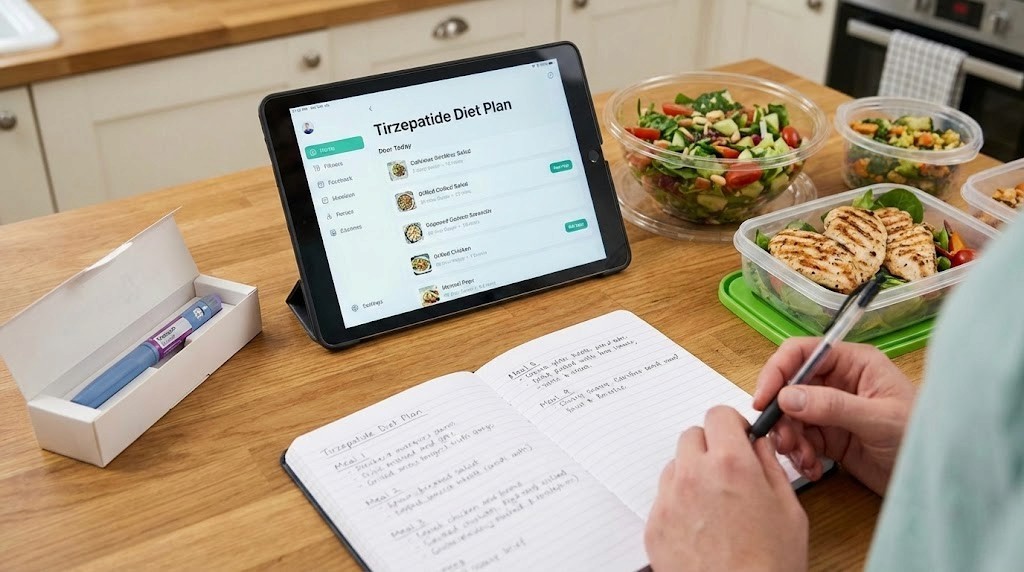
You started tirzepatide expecting the weight to fall off. The appetite suppression kicked in. The scale moved. But somewhere around week three or four, you hit a wall. Maybe the nausea got worse. Maybe the weight loss slowed to a crawl. Maybe you realized that eating 800 calories of processed snacks, just because your appetite dropped, was not actually a strategy.
Here is the uncomfortable truth most people discover too late. Tirzepatide handles the hunger. It slows gastric emptying, activates GIP and GLP-1 receptors, and fundamentally changes how your brain processes satiety signals. But it does not choose your meals. It does not ensure you get enough protein to preserve muscle. It does not prevent the nutrient deficiencies that creep in when your daily intake drops from 2,200 calories to 1,100.
The medication creates the caloric deficit. Your diet determines whether that deficit produces a lean, muscular transformation or a skinny-fat disappointment with tanked energy and thinning hair. Researchers examining the best tirzepatide transformations found one common thread among the strongest responders. Not genetics. Not starting weight. Not even dose level. It was the quality of what they ate during treatment.
This guide provides the complete tirzepatide diet plan, from specific foods and macronutrient targets to sample meal plans, timing strategies around your injection day, and troubleshooting for every common nutritional challenge that arises during treatment. Whether you are in your first week or your sixth month, what follows will help you extract maximum results from every single dose.
Why your diet matters more on tirzepatide than off it
Most people assume that because tirzepatide suppresses appetite so effectively, nutrition becomes secondary. The opposite is true. When you eat less food overall, every calorie you consume carries more weight. Literally.
On a normal 2,000-calorie diet, eating 200 calories of junk food represents 10% of your daily intake. Annoying, but manageable. On tirzepatide, when your daily intake drops to 1,200 or 1,400 calories, those same 200 calories of junk food represent 14-17% of your entire nutritional intake for the day. The margin for error shrinks dramatically.
The muscle preservation problem
Weight loss on tirzepatide does not discriminate perfectly between fat and muscle. Clinical data from the SURMOUNT-1 trial shows that lean mass loss comprised 26-40% of total weight lost in some participants. That means someone who loses 50 pounds might lose 13-20 pounds of muscle along with the fat.
This matters for reasons beyond aesthetics. Muscle burns calories at rest. Every pound of muscle lost reduces your resting metabolic rate by approximately 6-10 calories per day. Lose 15 pounds of muscle and your metabolism drops by 90-150 calories daily. That deficit compounds over months, making weight maintenance after treatment dramatically harder.
The good news? Research published in the Lancet Diabetes and Endocrinology found that adequate protein intake combined with resistance training can reduce lean mass loss to near zero during tirzepatide treatment. Some participants in case series actually gained muscle while losing fat. The difference between preserving muscle and losing it comes down almost entirely to what you eat and whether you lift weights.
The nutrient density imperative
When you eat fewer total calories, you need more nutrients per calorie consumed. A Joint Advisory from the American College of Lifestyle Medicine, the American Society for Nutrition, the Obesity Medicine Association, and the Obesity Society identified specific nutritional priorities for GLP-1 therapy patients. Their findings are clear. Reduced food intake increases risk of deficiencies in vitamin B12, vitamin D, iron, calcium, and several B vitamins.
These are not minor inconveniences. B12 deficiency causes fatigue, brain fog, and nerve damage. Vitamin D insufficiency impairs bone health, immune function, and glucose metabolism. Iron deficiency triggers fatigue that many people blame on the medication when the real culprit is their diet.
Every meal on tirzepatide needs to earn its place. No empty calories. No nutritional dead weight. Every bite should deliver protein, micronutrients, or both.
Macronutrient targets for tirzepatide users
Getting your macronutrient ratios right is the single most impactful dietary change you can make during tirzepatide treatment. The numbers matter. Here is exactly what research supports.
Protein: the non-negotiable foundation
Protein intake determines whether you lose mostly fat or a mix of fat and muscle. The research is unambiguous on this point.
Minimum target: 1.2 grams of protein per kilogram of body weight per day. For a 200-pound person (91 kg), that translates to approximately 109 grams daily. This baseline prevents the worst muscle loss but does not optimize preservation.
Optimal target: 1.4-1.6 grams per kilogram per day. For that same 200-pound person, aim for 127-145 grams daily. This range, combined with resistance training, preserves the most lean mass during weight loss.
For active individuals performing regular strength training: 1.6-2.2 grams per kilogram per day may further enhance muscle preservation and recovery.
The challenge is obvious. When your appetite has collapsed and eating feels like a chore, hitting 130+ grams of protein requires deliberate planning. You cannot wing it. Every meal and snack needs a protein anchor, and you may need to supplement with protein shakes on days when solid food feels impossible.
Distribute protein across all meals rather than concentrating it in one sitting. Research shows that 25-40 grams per meal stimulates muscle protein synthesis more effectively than eating 80 grams at dinner and 15 grams across the rest of the day. Three meals with 35-45 grams each, plus a protein-rich snack, hits most targets.
Carbohydrates: choose wisely, not sparingly
Tirzepatide already improves glucose metabolism. You do not need to eliminate carbohydrates. But the type of carbohydrate matters enormously.
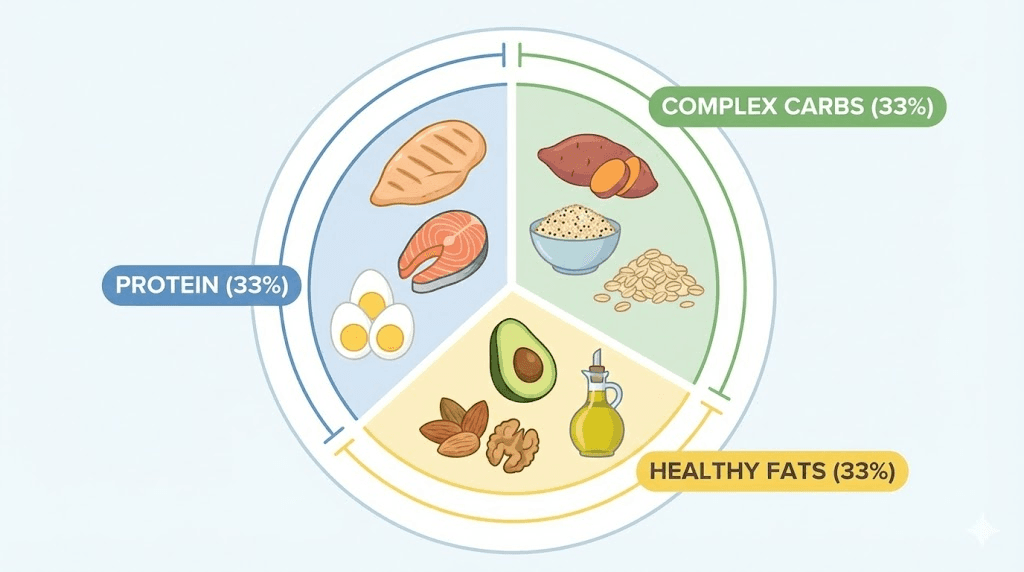
Target: 35-45% of total calories from carbohydrates, prioritizing complex sources. On a 1,400-calorie diet, that means 122-157 grams daily.
Complex carbohydrates with low glycemic index values keep blood sugar stable and provide sustained energy. Think quinoa, sweet potatoes, steel-cut oats, brown rice, and legumes. These sources also deliver fiber, which helps manage gastrointestinal side effects and promotes satiety.
Simple carbohydrates, on the other hand, spike blood sugar, trigger insulin surges, and leave you hungry again within hours. White bread, pastries, candy, soda, and fruit juice fall into this category. On tirzepatide, where you already struggle with nausea and digestive discomfort, adding blood sugar swings on top makes everything worse.
Fiber deserves special attention. Aim for 25-35 grams daily from vegetables, fruits, legumes, and whole grains. Fiber slows digestion (which tirzepatide already does, so start with lower amounts and increase gradually), feeds beneficial gut bacteria, and helps manage constipation, one of the most common side effects during treatment.
Fats: essential but controlled
Target: 25-35% of total calories from fat. On a 1,400-calorie diet, that means 39-54 grams daily.
Fat is essential for hormone production, vitamin absorption, and brain function. Cutting fat too aggressively during tirzepatide treatment leads to hormonal disruption, dry skin, poor recovery, and cognitive issues.
Prioritize unsaturated fats from olive oil, avocados, nuts, seeds, and fatty fish like salmon and sardines. These sources provide anti-inflammatory omega-3 fatty acids that support gut health and cardiovascular function during weight loss.
Limit saturated fats from red meat, full-fat dairy, butter, and coconut oil to less than 10% of daily calories. Eliminate trans fats entirely. Beyond their cardiovascular risks, high-fat meals dramatically worsen tirzepatide nausea because they slow gastric emptying further on top of the medication already delayed emptying.
The best foods to eat on tirzepatide
Not all foods perform equally during tirzepatide treatment. Some maximize nutrient density in minimal volume. Others provide the right texture and digestibility for a stomach that empties slowly. Here are the top performers in each category.
Lean protein sources
Chicken breast remains the gold standard. A 4-ounce serving delivers 26 grams of protein with only 120 calories and minimal fat. It digests relatively easily compared to fattier protein sources, making it ideal when appetite suppression is strong.
Eggs offer remarkable versatility. Two large eggs provide 12 grams of protein plus choline, selenium, and B vitamins. They cook quickly, taste good at any temperature, and work in meals from breakfast through dinner. Scrambled, hard-boiled, or as part of an omelet, eggs deliver consistent protein with excellent bioavailability.
Greek yogurt, the plain variety, packs 15-20 grams of protein per cup depending on the brand. It also provides probiotics that support gut health during a period when your digestive system is under significant stress from delayed gastric emptying. Add berries and chia seeds for fiber and omega-3s.
Fish, particularly salmon, cod, and tilapia, provides high-quality protein with omega-3 fatty acids. A 4-ounce salmon fillet delivers 25 grams of protein plus anti-inflammatory fats. White fish like cod and tilapia offer even leaner options at 20-22 grams of protein per serving with less than 2 grams of fat.
Turkey, both ground and breast cuts, matches chicken for protein density but offers a different flavor profile to prevent meal fatigue. A 4-ounce serving of turkey breast provides 24 grams of protein. Ground turkey (93% lean) works well in meal prep dishes, tacos, and stir-fries.
Cottage cheese deserves more attention than it gets. One cup of low-fat cottage cheese delivers 28 grams of protein, more than a chicken breast, with only 160 calories. The casein protein in cottage cheese digests slowly, providing sustained amino acid delivery that supports muscle preservation between meals.
Complex carbohydrate sources
Sweet potatoes provide complex carbohydrates with beta-carotene, potassium, and fiber. One medium sweet potato contains 27 grams of carbs with a glycemic index of 63, lower than white potatoes. They pair well with lean proteins and can be baked, roasted, or mashed.
Quinoa stands alone among grains because it delivers complete protein alongside its carbohydrates. One cooked cup provides 8 grams of protein and 39 grams of carbs with 5 grams of fiber. It cooks in 15 minutes and stores well for meal prep.
Steel-cut oats outperform instant oats on every metric. They have a lower glycemic index, higher fiber content, and provide more sustained energy. One cooked cup delivers 5 grams of protein and 27 grams of carbs. Overnight preparation makes them grab-and-go for mornings when cooking feels impossible.
Legumes, including black beans, lentils, and chickpeas, combine carbohydrates with plant protein and substantial fiber. One cup of cooked lentils provides 18 grams of protein and 40 grams of carbs with 16 grams of fiber. They support digestive health and provide sustained energy throughout the day.
Brown rice offers a familiar, versatile base for meals. One cooked cup delivers 45 grams of carbs with 4 grams of fiber and a moderate glycemic index. It pairs with virtually any protein and vegetable combination, making it a meal prep staple for tirzepatide weight loss protocols.
Vegetables and fruits
Dark leafy greens, spinach, kale, Swiss chard, and collard greens, provide iron, calcium, folate, and vitamins A, C, and K with negligible calories. Two cups of raw spinach contain only 14 calories but deliver meaningful micronutrient density. These greens also provide fiber that supports digestion.
Cruciferous vegetables like broccoli, cauliflower, and Brussels sprouts offer fiber, vitamin C, and glucosinolates with anti-cancer properties. Roasting them at high heat reduces their volume, making them easier to eat when appetite is suppressed. One cup of roasted broccoli provides 5 grams of fiber with only 55 calories.
Berries rank among the most nutrient-dense fruits available. Raspberries deliver 8 grams of fiber per cup. Blueberries provide antioxidants that support brain function. Strawberries offer vitamin C. All berries have lower glycemic impact than tropical fruits like bananas, pineapple, or mango.
Avocados bridge the gap between healthy fats and produce. Half an avocado provides 10 grams of heart-healthy monounsaturated fat plus 5 grams of fiber. It adds creaminess to meals without the nausea-triggering heaviness of butter or cheese.
Healthy fat sources
Extra virgin olive oil serves as the primary cooking fat for tirzepatide users. One tablespoon delivers 14 grams of monounsaturated fat with anti-inflammatory polyphenols. Use it for sauteing vegetables, dressing salads, and drizzling over cooked grains.
Almonds provide protein, healthy fats, and fiber in a portable format. A one-ounce serving (23 almonds) contains 6 grams of protein, 14 grams of fat, and 3.5 grams of fiber. They make an ideal snack when you need to boost calorie and protein intake without cooking a full meal.
Chia seeds pack omega-3 fatty acids, fiber, and protein into tiny packages. Two tablespoons deliver 4 grams of protein, 11 grams of fiber, and 9 grams of fat. Mix them into Greek yogurt, oatmeal, or smoothies for a nutrient boost that requires zero cooking.
Walnuts offer the highest omega-3 content among tree nuts. One ounce provides 2.5 grams of alpha-linolenic acid (ALA), an essential omega-3 fatty acid. Regular walnut consumption supports brain health and reduces inflammation, both valuable during the physiological stress of rapid weight loss.
Foods to avoid on tirzepatide
Some foods become genuinely problematic during tirzepatide treatment. Not just because they are unhealthy in general, but because they interact poorly with the medication mechanism of slowed gastric emptying.
Fried and high-fat foods
Fried chicken, french fries, mozzarella sticks, and deep-fried anything should be eliminated entirely during treatment. These foods are already slow to digest under normal circumstances. When tirzepatide has already delayed your gastric emptying by 30-50%, adding a meal that takes 4-6 hours to clear your stomach creates a recipe for severe nausea, bloating, and vomiting.
The fat content also packs enormous caloric density into small portions. A serving of french fries contains 365 calories with 17 grams of fat. When your daily target is 1,200-1,500 calories, one side of fries consumes 25-30% of your allowance with minimal protein and no meaningful micronutrients.
Sugary foods and beverages
Soda, fruit juice, candy, pastries, and desserts provide empty calories that spike blood sugar and contribute nothing to protein targets or micronutrient needs. A 20-ounce regular soda contains 65 grams of sugar and 240 calories. That represents 16-20% of a tirzepatide user daily calorie budget for zero nutritional benefit.
Sugar also triggers insulin spikes that promote fat storage, even during weight loss. Tirzepatide improves glucose metabolism, but overwhelming the system with refined sugar undermines this benefit and can cause energy crashes that intensify fatigue.
Ultra-processed foods
Packaged snacks, frozen dinners, instant noodles, and fast food meals typically combine high sodium, added sugars, refined carbohydrates, and artificial additives. These foods promote inflammation, provide poor satiety per calorie, and often worsen gastrointestinal symptoms.
The sodium content deserves particular attention. Many ultra-processed foods contain 800-1,500 mg of sodium per serving. When you are already struggling with digestive changes from tirzepatide, excess sodium causes water retention, bloating, and false weight fluctuations that obscure your actual progress.
Alcohol
Alcohol presents multiple problems during tirzepatide treatment. It provides 7 calories per gram with no nutritional value. It impairs judgment around food choices. It irritates the gastric lining, which is already under stress from slowed emptying. And it dehydrates you during a period when adequate hydration is critical.
Additionally, tirzepatide may increase alcohol sensitivity for some people. Several anecdotal reports suggest that people feel intoxicated faster and experience worse hangovers during treatment. While formal research on this interaction remains limited, the combination of reduced food intake, altered gastric processing, and alcohol creates a potentially problematic mix.
If you choose to drink, limit consumption to 1-2 drinks per week maximum. Avoid beer (high calorie, high carb) and sugary cocktails. Dry wine or spirits with zero-calorie mixers represent the least harmful options. But honestly? Eliminating alcohol entirely during the active weight loss phase yields the best results. Many GLP-1 medication users report naturally reduced alcohol cravings during treatment.
Spicy and acidic foods
Spicy foods and highly acidic items like tomato sauce, citrus juice, and vinegar-based dressings can aggravate nausea and reflux during tirzepatide treatment. The slowed gastric emptying means these irritating compounds sit in your stomach longer, prolonging discomfort.
This does not mean you can never eat spicy food again. Some people tolerate mild spices well. But during dose escalation periods and injection days, keeping meals bland and easy to digest reduces side effect burden significantly.
Meal timing strategies around your injection schedule
When you eat matters almost as much as what you eat during tirzepatide treatment. The medication peaks and troughs follow predictable patterns, and aligning your nutrition around these patterns reduces side effects while maximizing nutrient absorption.
Injection day nutrition
Most people inject tirzepatide once weekly. The 24-48 hours following injection represent the period of highest medication activity and, consequently, the strongest appetite suppression and highest risk of gastrointestinal side effects.
On injection day, eat a moderate meal 2-3 hours before your injection. This ensures your stomach is not completely empty when the medication peaks, which can worsen nausea. Choose easily digestible foods, lean protein with simple carbohydrates. A grilled chicken breast with white rice and steamed vegetables works well.
After injection, plan smaller, more frequent meals for the next 24-48 hours. Three main meals might not work. Instead, try five smaller meals or snacks spaced 3-4 hours apart. Each mini-meal should contain 20-25 grams of protein. Think Greek yogurt with berries, a small portion of salmon with quinoa, or a protein shake with banana.
Mid-week nutrition
By days 3-5 after injection, appetite typically returns partially. This window represents your best opportunity to hit protein and calorie targets. Take advantage of improved tolerance by eating slightly larger meals with higher protein content.
Days 3-5 are ideal for:
Larger protein portions (30-40 grams per meal)
More complex meals that require longer digestion
Foods you might not tolerate on injection day, such as salads with hearty dressings, nut-heavy dishes, or legume-based meals
Meal prep sessions for the upcoming injection day
Pre-injection day
Days 6-7, just before your next injection, represent the period when medication effects are weakest. Appetite may return more fully. Hunger might actually feel normal. This is not the time to panic and overeat.
Instead, maintain your regular meal plan but allow slightly larger portions if genuine hunger returns. Focus on protein-rich meals that feel satisfying. A steak dinner with roasted vegetables, a hearty fish stew, or a protein-loaded grain bowl all work well during this window.
The key is distinguishing between genuine hunger and food noise returning. True hunger builds gradually and responds to any food. Food noise fixates on specific items, especially sugary or fatty foods. If you crave chocolate cake specifically, that is food noise. If you feel genuinely hungry and a grilled chicken breast sounds appealing, eat it.
Sample 7-day tirzepatide meal plan
This meal plan targets 1,400 calories daily with 130 grams of protein, 155 grams of carbohydrates, and 42 grams of fat. Adjust portions up or down based on your body weight, activity level, and current tirzepatide dose.
Day 1 (injection day): lighter meals, gentle on the stomach
Breakfast: Scrambled eggs (3 whites, 1 whole) with spinach and a slice of whole grain toast. 280 calories, 24g protein.
Mid-morning snack: Plain Greek yogurt (3/4 cup) with 1/4 cup blueberries. 140 calories, 16g protein.
Lunch: Baked cod (4 oz) with 1/2 cup white rice and steamed broccoli (1 cup). 320 calories, 28g protein.
Afternoon snack: Protein shake (whey protein, 1 scoop in water). 120 calories, 25g protein.
Dinner: Chicken breast (4 oz) with mashed sweet potato (1/2 cup) and sauteed zucchini. 350 calories, 30g protein.
Daily totals: 1,210 calories, 123g protein. Slightly under target, which is normal for injection day.
Day 2: still managing peak medication effects
Breakfast: Overnight steel-cut oats (1/2 cup dry) with 1 scoop protein powder mixed in, topped with raspberries. 340 calories, 28g protein.
Mid-morning snack: 1 hard-boiled egg plus 10 almonds. 140 calories, 9g protein.
Lunch: Turkey breast (4 oz) over mixed greens with cucumber, cherry tomatoes, 1/4 avocado, and lemon vinaigrette. 320 calories, 28g protein.
Afternoon snack: Cottage cheese (1/2 cup) with 1/4 cup pineapple chunks. 120 calories, 14g protein.
Dinner: Baked salmon (4 oz) with quinoa (1/2 cup cooked) and roasted asparagus. 420 calories, 34g protein.
Daily totals: 1,340 calories, 113g protein.
Day 3: appetite returning, push protein harder
Breakfast: 2-egg omelet with mushrooms, bell peppers, and 1 oz feta cheese. Side of 1 slice whole grain toast. 350 calories, 22g protein.
Mid-morning snack: Greek yogurt (1 cup) with 2 tablespoons chia seeds and sliced strawberries. 220 calories, 22g protein.
Lunch: Chicken breast (5 oz) stir-fry with broccoli, snap peas, and brown rice (1/2 cup cooked) in low-sodium soy sauce. 440 calories, 38g protein.
Afternoon snack: 1/4 cup hummus with cucumber and celery sticks. 100 calories, 4g protein.
Dinner: Ground turkey (4 oz, 93% lean) lettuce wraps with diced tomato, onion, and a squeeze of lime. 320 calories, 28g protein.
Daily totals: 1,430 calories, 114g protein.
Day 4: mid-week, best appetite window
Breakfast: Protein smoothie: 1 scoop whey protein, 1/2 banana, 1 cup spinach, 1 tablespoon almond butter, 1 cup unsweetened almond milk. 310 calories, 30g protein.
Mid-morning snack: 2 hard-boiled eggs. 140 calories, 12g protein.
Lunch: Lentil soup (1.5 cups) with a side of grilled chicken breast (3 oz). 420 calories, 35g protein.
Afternoon snack: Cottage cheese (1/2 cup) with walnuts (7 halves). 180 calories, 16g protein.
Dinner: Tilapia (5 oz) with roasted sweet potato (1 medium) and steamed green beans (1 cup). 400 calories, 32g protein.
Daily totals: 1,450 calories, 125g protein.
Day 5: continued strong eating window
Breakfast: Steel-cut oats (1/2 cup dry) cooked with 1/2 cup egg whites stirred in, topped with 1/4 cup blueberries and cinnamon. 290 calories, 20g protein.
Mid-morning snack: Turkey jerky (1 oz) plus an apple. 170 calories, 10g protein.
Lunch: Shrimp (5 oz) and quinoa bowl with roasted bell peppers, black beans (1/4 cup), and lime-cilantro dressing. 460 calories, 38g protein.
Afternoon snack: Protein bar (look for 20g+ protein, under 250 calories, minimal added sugar). 200 calories, 20g protein.
Dinner: Baked chicken thigh (4 oz, skin removed) with cauliflower rice (1 cup) and roasted Brussels sprouts. 340 calories, 30g protein.
Daily totals: 1,460 calories, 118g protein.
Day 6: pre-injection day, appetite may increase
Breakfast: 2-egg scramble with black beans (1/4 cup), salsa, and 1/4 avocado on a small whole wheat tortilla. 380 calories, 22g protein.
Mid-morning snack: Greek yogurt (3/4 cup) with a drizzle of honey and crushed almonds. 180 calories, 16g protein.
Lunch: Grilled salmon (5 oz) over a bed of mixed greens with quinoa (1/3 cup), cherry tomatoes, and olive oil dressing. 480 calories, 38g protein.
Afternoon snack: Celery with 2 tablespoons almond butter. 200 calories, 7g protein.
Dinner: Lean sirloin steak (4 oz) with roasted sweet potato wedges and steamed broccoli. 420 calories, 34g protein.
Daily totals: 1,660 calories, 117g protein. Slightly higher calorie day is fine before injection.
Day 7: pre-injection day, maintain consistency
Breakfast: Cottage cheese pancakes (1/2 cup cottage cheese, 2 eggs, 1/4 cup oats blended and cooked) topped with mixed berries. 340 calories, 28g protein.
Mid-morning snack: Protein shake (1 scoop whey in water) plus 10 almonds. 190 calories, 27g protein.
Lunch: Chicken breast (4 oz) and vegetable soup with barley. Homemade or low-sodium store-bought. 350 calories, 30g protein.
Afternoon snack: 1/4 cup roasted chickpeas. 120 calories, 6g protein.
Dinner: Baked cod (5 oz) with brown rice (1/2 cup cooked), roasted zucchini, and a side salad with olive oil. 420 calories, 35g protein.
Daily totals: 1,420 calories, 126g protein.
Adjusting your diet plan by dose level
Your nutritional needs shift as your tirzepatide dose changes. The appetite suppression at 2.5mg feels fundamentally different from 10mg or 15mg. Your diet plan needs to adapt accordingly.
Starting dose (2.5mg): building the foundation
At 2.5mg, appetite suppression is mild. You can still eat relatively normally. This phase is about establishing habits that will serve you at higher doses, not about aggressive restriction.
Focus on:
Learning to eat protein first at every meal
Experimenting with meal timing to find your optimal schedule
Identifying which foods you tolerate best
Building a rotation of 10-15 meals that hit your macronutrient targets
Establishing a meal prep routine
Calorie target at 2.5mg: 1,500-1,800 for most people. The deficit comes primarily from the medication effect rather than extreme dietary restriction.
Escalation phase (5mg-7.5mg): managing stronger suppression
As doses increase, appetite drops more dramatically. Many people struggle to eat enough at this stage, which sounds paradoxical but creates real problems. Eating too little (under 1,000 calories consistently) accelerates muscle loss, tanks energy, and can trigger metabolic adaptation that slows weight loss.
Focus on:
Calorie-dense but nutrient-dense foods: nut butters, avocados, protein shakes
Liquid calories when solid food feels impossible: smoothies with protein powder, yogurt, and fruit
Eating by the clock rather than by hunger signals (every 3-4 hours regardless of appetite)
Prioritizing protein at every eating occasion
Calorie target at 5-7.5mg: 1,200-1,500 for most people. Below 1,200 consistently signals a problem that needs addressing, not celebrating.
Maintenance dose (10mg-15mg): maximizing results
At higher doses, appetite suppression becomes intense. The challenge shifts from eating less to eating enough. Your stomach capacity may feel dramatically reduced. The dosing strategy at this level requires the most deliberate nutritional planning.
Focus on:
Maximum nutrient density per calorie consumed
Protein supplementation (shakes, bars) to hit targets when solid food volume is limited
Vitamin and mineral supplementation based on blood work
Meal consistency, eating similar foods on similar schedules to reduce decision fatigue
Regular blood work to check for developing deficiencies
Calorie target at 10-15mg: 1,100-1,400 for most people. Many will naturally eat at the lower end. Ensure protein targets are met even if total calories fall below ideal.
Managing the most common nutritional challenges
Every tirzepatide user encounters specific nutritional obstacles during treatment. Here is how to handle the ones that derail most people.
Challenge 1: hitting protein targets when you have no appetite
This is the number one dietary challenge. You know you need 120-140 grams of protein daily. Your stomach says no to everything. The solution is strategic supplementation and protein-dense food choices.
Protein shakes become essential, not optional. A quality whey protein isolate dissolved in water provides 25 grams of protein in a format that goes down easier than solid food. Drink one between meals or as a meal replacement on bad days. Some people tolerate cold shakes better than warm foods when nausea is present.
Bone broth offers another liquid protein source. One cup of quality bone broth provides 6-10 grams of protein with collagen peptides that support joint and skin health. Sipping warm bone broth throughout the day adds protein without requiring you to eat a full meal.
Cottage cheese and Greek yogurt require minimal chewing and go down more easily than chicken or steak when appetite is suppressed. Keep both stocked at all times. A cup of cottage cheese with some berries takes 5 minutes to eat and delivers 28 grams of protein.
Challenge 2: nausea around meals
Nausea peaks in the 24-48 hours after injection and during dose escalations. It affects 12-33% of tirzepatide users to some degree.
Eat before you feel nauseous, not after. Once nausea sets in, eating becomes much harder. Schedule meals proactively rather than waiting for hunger cues.
Bland, room-temperature or cool foods tend to trigger less nausea than hot, aromatic meals. Cold chicken breast, chilled Greek yogurt, room-temperature protein bars, and cold smoothies often work better than steaming pasta or sizzling stir-fries on injection day.
Ginger provides natural anti-nausea properties. Ginger tea, ginger chews, or fresh ginger added to smoothies can reduce nausea enough to make eating tolerable. Some people find that starting their meal with a small piece of ginger or a few sips of ginger tea settles their stomach enough to eat.
Avoid drinking large amounts of liquid with meals. Fluid fills your already-slow stomach and worsens fullness and nausea. Sip water between meals instead, stopping 30 minutes before eating and waiting 30-60 minutes after.
Challenge 3: constipation
Slowed gastric emptying combined with reduced food volume creates the perfect conditions for constipation. Up to 29% of tirzepatide users experience this side effect.
Fiber helps, but too much fiber too fast makes things worse. Increase fiber intake gradually, adding 5 grams per week until reaching 25-35 grams daily. Prioritize soluble fiber from oats, chia seeds, and legumes, which forms a gel that moves through the digestive tract more smoothly than insoluble fiber.
Hydration is critical. When food moves slowly through your system, water keeps things from hardening and becoming painful. Aim for 64-90 ounces of water daily. More if you exercise or live in a hot climate.
Magnesium citrate, taken at 200-400mg before bed, acts as a gentle osmotic laxative that draws water into the intestines. Many tirzepatide users find this supplement resolves constipation without harsh stimulant laxatives.
Challenge 4: food aversions developing during treatment
Many tirzepatide users develop unexpected food aversions. Foods they previously enjoyed suddenly seem repulsive. Chicken might taste metallic. The smell of cooking meat might trigger nausea. These aversions are real and frustrating.
Work around aversions rather than fighting them. If chicken becomes intolerable, switch to fish or turkey. If all meat triggers nausea, lean on eggs, cottage cheese, Greek yogurt, and protein shakes. If hot food in general becomes problematic, embrace cold meals, salads with canned tuna, cold shrimp over greens, chilled quinoa bowls.
Most food aversions are temporary and resolve within 2-4 weeks of dose stabilization. Keep a rotation of protein sources available so you always have alternatives when one food becomes temporarily intolerable.
Challenge 5: eating too little
Paradoxically, one of the biggest risks on tirzepatide is under-eating. When your appetite disappears and eating feels like a chore, it becomes easy to survive on 600-800 calories daily. This approach backfires badly.
Under-eating accelerates muscle loss. Your body breaks down muscle for energy when caloric intake drops too low. It also triggers metabolic adaptation, where your body reduces its metabolic rate to conserve energy. When you eventually resume normal eating, your metabolism remains suppressed, making weight regain almost inevitable.
Set a caloric floor of 1,000-1,200 calories daily. If you consistently fall below this threshold, you are not succeeding at weight loss. You are setting yourself up for muscle loss, nutrient deficiencies, fatigue, hair loss, and eventual weight regain.
Calorie-dense, protein-rich foods help bridge the gap. A tablespoon of almond butter adds 100 calories and 3.5 grams of protein. Half an avocado adds 120 calories with healthy fats. A protein shake adds 120-250 calories with 25-50 grams of protein. These additions require minimal eating effort but prevent dangerous under-consumption.
Hydration and supplement strategy
Water intake and targeted supplementation become more important during tirzepatide treatment than during normal dietary periods. The combination of reduced food intake, altered digestion, and rapid weight loss creates specific nutritional demands that diet alone may not fully meet.
Hydration requirements
Aim for 64-90 ounces of water daily. Many GLP-1 medication users report reduced thirst during treatment, which increases dehydration risk. You cannot rely on thirst signals to guide water intake. Drink on a schedule instead.
Practical strategies that work:
Keep a 32-ounce water bottle visible at all times
Drink 16 ounces first thing in the morning before eating
Set phone reminders every 2 hours to drink
Add lemon, cucumber, or mint to water if plain water becomes unappealing
Count herbal tea and broth toward your daily fluid goal
Avoid drinking 30 minutes before meals and 30-60 minutes after to prevent worsening fullness
Signs of dehydration to watch for: dark urine, headaches, dizziness, dry mouth, constipation worsening, and fatigue beyond what the medication normally causes. If you experience these symptoms, increase fluid intake immediately.
Essential supplements during tirzepatide treatment
A high-quality daily multivitamin provides baseline coverage for micronutrients that may fall short when food intake decreases. Look for one that includes the full B-complex, vitamin D, iron, zinc, and magnesium.
Beyond the multivitamin, several supplements deserve specific consideration:
Vitamin B12: Reduced food intake, particularly of animal products, increases B12 deficiency risk. A 1,000 mcg sublingual B12 supplement or a tirzepatide formulation with B12 addresses this concern. Watch for fatigue, numbness, and cognitive changes that might signal deficiency.
Vitamin D: Many people entering weight loss treatment already have insufficient vitamin D levels. Testing your baseline level through blood work and supplementing with 2,000-5,000 IU daily (depending on your level) supports bone health, immune function, and glucose metabolism throughout treatment.
Omega-3 fatty acids: If you do not eat fatty fish 2-3 times weekly, a fish oil supplement providing 1,000-2,000 mg of combined EPA and DHA supports cardiovascular health and reduces inflammation during rapid weight loss.
Magnesium: Magnesium deficiency is common during restricted eating and contributes to muscle cramps, poor sleep, and constipation. Magnesium glycinate (200-400 mg before bed) addresses all three concerns while supporting muscle recovery from exercise.
Electrolytes: During the first few weeks of treatment and during dose escalations, when nausea and GI disturbances are most common, electrolyte supplements help prevent dehydration complications. Look for products with sodium, potassium, and magnesium without added sugars.
Exercise and nutrition: the combined approach
Diet and exercise work synergistically during tirzepatide treatment. Neither alone produces optimal results. Together, they create transformations that exceed what either intervention achieves independently.
Pre-workout nutrition on tirzepatide
Training on an empty stomach, which many tirzepatide users default to because eating feels difficult, reduces exercise performance and accelerates muscle breakdown. A small pre-workout snack 60-90 minutes before training makes a measurable difference.
Ideal pre-workout options:
A banana with 1 tablespoon of almond butter (200 calories, quick energy plus sustained fuel)
A small protein bar (150-200 calories)
Greek yogurt with berries (150-180 calories)
A rice cake with turkey breast (120 calories)
Keep pre-workout snacks moderate in size and low in fat to prevent exercise-induced nausea. Fat slows digestion, which is already slowed by the medication. A high-fat pre-workout meal can sit in your stomach for hours, making intense exercise uncomfortable.
Post-workout nutrition for muscle preservation
The post-workout window matters more during tirzepatide treatment than during normal eating periods. Your body is already in a catabolic state from caloric restriction. Without post-workout protein, you extend muscle breakdown unnecessarily.
Consume 25-40 grams of protein within 60 minutes of finishing resistance training. A whey protein shake represents the fastest and most convenient option. If solid food sounds better, grilled chicken with rice or eggs with toast work equally well.
This meal is non-negotiable even on days when eating feels impossible. If you can train, you can drink a protein shake afterward. The 120-200 calories and 25-40 grams of protein in that shake protect more muscle than any other single dietary action you take during treatment.
Resistance training and dietary protein interaction
Research examining lean mass preservation during GLP-1 therapy consistently shows that protein intake and resistance training produce additive effects. High protein alone reduces muscle loss by approximately 30-40% compared to low protein. Resistance training alone reduces it by approximately 40-50%. But high protein combined with resistance training reduces lean mass loss by 60-80% or more.
Some case series have documented actual muscle gains during tirzepatide weight loss, particularly in participants new to strength training. This recomposition effect, losing fat while building muscle simultaneously, represents the ideal outcome and requires both adequate protein (1.4+ g/kg/day) and consistent progressive resistance training (3-4 sessions weekly).
For beginners, a simple program works best. Compound movements like squats, deadlifts, bench press, rows, and overhead press performed 3 times per week for 45-60 minutes preserves significantly more muscle than any amount of walking or cardio alone. Athletic performance improves alongside body composition when training and nutrition align.
Grocery shopping list for tirzepatide users
Having the right foods available at home eliminates the biggest barrier to healthy eating during treatment: the effort of deciding what to eat. Stock these items weekly and you will always have the ingredients for protein-rich, nutrient-dense meals.
Protein staples (buy weekly)
Chicken breast (boneless, skinless), 2-3 pounds
Salmon fillets, 1-1.5 pounds
White fish (cod, tilapia), 1 pound
Ground turkey (93% lean), 1 pound
Eggs, 1-2 dozen
Greek yogurt (plain, nonfat), 32 oz container
Cottage cheese (low-fat), 16 oz container
Whey protein isolate powder, keep one tub on hand
Carbohydrate staples (buy biweekly)
Steel-cut or rolled oats
Quinoa
Brown rice
Sweet potatoes, 3-4
Whole grain bread
Canned black beans and lentils (low-sodium)
Vegetables and fruits (buy weekly)
Spinach or mixed greens, 2-3 bags
Broccoli, 2-3 crowns
Zucchini, 2-3
Bell peppers, 3-4
Asparagus, 1 bunch
Cherry tomatoes, 1 pint
Cucumbers, 2-3
Berries (mixed), 2 containers
Bananas, small bunch
Avocados, 2-3
Fats and extras (buy monthly)
Extra virgin olive oil
Almond butter (natural, no added sugar)
Almonds (raw or dry roasted)
Walnuts
Chia seeds
Hummus
Low-sodium chicken broth or bone broth
Week-by-week nutritional adjustments during dose escalation
Your diet strategy needs to evolve as your tirzepatide protocol progresses through dose escalation. Each increase brings stronger appetite suppression and potentially more GI side effects. Planning your nutritional adjustments in advance prevents reactive scrambling when your appetite disappears overnight.
Weeks 1-4 (2.5mg): establish baseline habits
This is your learning phase. Appetite suppression is mild. Use this window to establish the habits and routines that will carry you through harder phases.
Key actions:
Practice eating protein first at every meal until it becomes automatic
Build a list of 10 meals you enjoy that hit 30+ grams of protein each
Experiment with meal prep, find 3-4 recipes that store and reheat well
Start tracking protein intake (use a free app like MyFitnessPal) to build awareness
Identify your natural eating schedule, when you are hungriest and when eating feels easiest
Most people can hit 1,500-1,800 calories comfortably at this dose while making meaningful dietary improvements over their baseline. Weight loss during this phase is typically 2-4 pounds total.
Weeks 5-8 (5mg): adapt to stronger suppression
The first dose increase often surprises people with its impact on appetite. Meals that felt comfortable at 2.5mg might feel overwhelming at 5mg.
Key actions:
Reduce portion sizes by 20-30% and add an extra small meal or snack
Introduce protein shakes if you are not already using them
Shift more calories to the mid-week window (days 3-5 post-injection)
Keep bland, easy-to-eat foods on hand for injection days (crackers, broth, protein shakes)
Start ginger tea or ginger chews if nausea becomes an issue
Target 1,300-1,500 calories. Weight loss accelerates noticeably at this dose, typically 1-2 pounds per week. Watch for signs of under-eating: extreme fatigue, mood changes, hair thinning, or loss of strength during workouts.
Weeks 9-12 (7.5mg): finding your rhythm
By this point, you know your body tolerance patterns. You know which foods work on injection day and which do not. You know whether you are a morning eater or an evening eater on this medication.
Key actions:
Standardize your injection-day meal plan (same foods, same timing, minimal variation)
Ensure mid-week meals are protein-loaded to compensate for lighter injection-day eating
Get blood work done to check for emerging nutrient deficiencies
Reassess your caloric floor, are you consistently hitting 1,000+ calories daily?
Evaluate whether current protein intake matches your target (weigh and measure if needed)
Target 1,200-1,400 calories. Most people are losing weight consistently at this point and approaching their strongest weight loss phase.
Weeks 13+ (10mg-15mg): maximum suppression, maximum discipline
Higher doses bring the most dramatic weight loss but also the most challenging nutritional terrain. Your appetite may essentially disappear. Eating becomes a deliberate, scheduled activity rather than a response to hunger.
Key actions:
Meal prep becomes mandatory, not optional. Prepare 4-5 days of meals in advance.
Protein supplementation through shakes fills gaps that food cannot
Supplement with a comprehensive multivitamin, vitamin D, B12, omega-3, and magnesium
Monitor body composition, not just weight. A body fat percentage test or DEXA scan at months 3, 6, and 12 reveals whether you are losing fat or muscle
Adjust resistance training volume slightly downward if recovery suffers from caloric restriction
Target 1,100-1,400 calories. Accept that some days will fall below 1,000 calories despite best efforts. Compensate on better days rather than forcing food when severely nauseated.
Special dietary considerations
Not every tirzepatide user fits a single dietary template. Specific conditions, preferences, and situations require modified approaches.
Vegetarian and vegan users
Hitting protein targets without meat requires more planning but is entirely achievable. Plant-based protein sources include:
Tofu (20g protein per cup, firm)
Tempeh (31g protein per cup)
Edamame (17g protein per cup)
Lentils (18g protein per cup, cooked)
Chickpeas (15g protein per cup, cooked)
Pea protein isolate (25g per scoop)
Seitan (25g protein per 3 oz)
The main challenge for plant-based tirzepatide users is volume. Plant proteins are less calorie-dense and require eating larger portions to match the protein content of animal sources. When appetite is severely suppressed, this volume becomes a barrier. Protein supplementation with pea, hemp, or soy protein powder helps bridge the gap.
For vegetarians who eat eggs and dairy, the path is easier. Greek yogurt, cottage cheese, eggs, and whey protein provide high-quality protein in moderate volumes that work well with reduced appetite.
Users with diabetes
Tirzepatide received FDA approval for type 2 diabetes management before its weight loss indication. If you are using it for diabetes, carbohydrate management requires extra attention.
Monitor blood glucose more frequently during the initial weeks of treatment, especially if you take insulin or sulfonylureas alongside tirzepatide. The reduced food intake combined with the medication glucose-lowering effect can cause hypoglycemia.
Distribute carbohydrates evenly across meals to prevent spikes. Pair every carbohydrate-containing food with protein and fat to slow glucose absorption. Choose exclusively complex carbohydrate sources with low glycemic index values. Monitor your medication dosing in coordination with your physician as weight loss may require adjustments to diabetes medications.
Users over 50
Older adults face higher risks of muscle loss and bone density reduction during weight loss. Protein needs increase to 1.4-1.6 grams per kilogram as a minimum. Calcium intake should reach 1,200 mg daily through food and supplementation. Vitamin D supplementation at 2,000-4,000 IU daily supports both bone health and muscle function.
Resistance training becomes even more critical for older tirzepatide users. Sarcopenia (age-related muscle loss) compounds the muscle-wasting effects of caloric restriction. Without deliberate muscle preservation through exercise and protein, older adults risk losing functional strength that affects balance, mobility, and independence.
Consider working with a dietitian familiar with anti-aging and longevity protocols who can tailor your meal plan to your specific needs, medications, and health conditions.
Meal prep strategies that save tirzepatide users
Meal prep eliminates the biggest barrier to healthy eating on tirzepatide: the effort of deciding what to eat and cooking it when you have zero appetite and zero motivation. Spending 2-3 hours on Sunday preparing your week eliminates hundreds of micro-decisions that would otherwise lead to skipped meals or poor choices.
The batch cooking approach
Cook 2-3 proteins in bulk. Five pounds of chicken breast, 2 pounds of salmon, and 1 pound of ground turkey provide protein variety for the entire week. Season each differently (lemon herb chicken, teriyaki salmon, taco-seasoned turkey) to prevent flavor fatigue.
Prepare 2-3 carbohydrate bases. A pot of quinoa, a batch of brown rice, and roasted sweet potatoes cover your complex carbohydrate needs. These store well in the refrigerator for 4-5 days.
Roast a large tray of mixed vegetables. Broccoli, bell peppers, zucchini, and asparagus all roast at 400 degrees for 20-25 minutes. Season with olive oil and garlic. These reheat well and pair with any protein and carbohydrate combination.
The assembly model works perfectly for tirzepatide users. Rather than cooking complete meals, you prepare components and assemble different combinations throughout the week. Monday might be chicken with quinoa and broccoli. Tuesday becomes salmon with sweet potato and asparagus. Same prep session, different meals, zero additional cooking required.
Emergency food supply
Keep these items stocked at all times for days when cooking and even assembling meals feels impossible:
Whey protein powder
Canned tuna or salmon
Pre-cooked chicken strips (refrigerated section)
Greek yogurt
Cottage cheese
Protein bars (20g+ protein, under 250 calories)
Instant oatmeal packets (choose high-protein varieties)
Frozen vegetables (microwave-ready bags)
Bone broth (shelf-stable cartons)
These emergency foods ensure you hit minimum protein and calorie targets even on your worst days. Nobody feels like grilling salmon when they are nauseated. But anyone can open a cup of Greek yogurt or shake up a protein drink.
Tracking and monitoring your nutrition
What gets measured gets managed. Tracking your nutrition during tirzepatide treatment provides data that transforms guesswork into precision.
What to track
At minimum, track daily protein intake. This single metric matters more than total calories, carbohydrate grams, or fat grams for tirzepatide users. If you only track one thing, make it protein.
For more comprehensive tracking, monitor:
Total calories (prevent under-eating)
Protein grams (preserve muscle)
Water intake (prevent dehydration)
Fiber intake (manage constipation)
Body weight (weekly, same day and time)
Body measurements (waist, hips, thighs, monthly)
Energy levels (1-10 scale, daily)
Nausea severity (1-10 scale, daily, correlate with foods eaten)
How to track efficiently
A food tracking app like MyFitnessPal, Cronometer, or Lose It takes 5-10 minutes daily. The barcode scanner eliminates manual entry for packaged foods. Most meals can be logged in under 60 seconds after initial setup.
If full tracking feels overwhelming, use the simplified method. Take a photo of everything you eat. At the end of the day, review photos and estimate total protein. This rough tracking catches major problems (days with less than 60g protein, days with zero vegetables) without requiring precise measurement.
Weekly check-ins matter more than daily fluctuations. Weight varies by 2-4 pounds daily based on water, sodium, and bowel movements. Compare weekly averages rather than daily readings. A consistent downward trend in weekly averages confirms your protocol is working even when individual days show increases.
When to adjust your plan
Adjust your diet plan when you observe:
Weight loss stalling for 3+ weeks despite consistent adherence (review calorie intake, consider a protocol adjustment)
Persistent fatigue beyond normal medication effects (likely under-eating or nutrient deficiency)
Hair thinning or loss (protein deficiency, iron deficiency, or excessive caloric restriction)
Strength declining in workouts (insufficient protein or calories to support recovery)
GI symptoms not improving after 3-4 weeks at a stable dose (dietary triggers need identification)
Use peptide calculators and tracking tools from SeekPeptides to monitor and adjust your protocol alongside your nutritional plan. The combination of proper dosing and proper nutrition produces results that neither achieves alone.
The role of your diet in long-term maintenance
The dietary habits you build during tirzepatide treatment determine whether your results last or evaporate. Research from the SURMOUNT-4 trial showed that participants who stopped tirzepatide without maintaining dietary improvements regained roughly two-thirds of lost weight within 12 months. Those who maintained their nutritional discipline, whether continuing medication or not, preserved significantly more of their results.
Transitioning to maintenance eating
When you reach your goal weight or your maximum weight loss plateau (typically months 9-14), your diet shifts from deficit to maintenance. This transition is gradual, not abrupt.
Increase calories by 100-200 per week until weight stabilizes. Monitor the scale weekly. If weight starts trending upward, reduce slightly. If it continues dropping, add more. Finding your maintenance calorie level takes 4-8 weeks of careful adjustment.
Maintain protein intake at 1.2-1.4 grams per kilogram even during maintenance. Muscle preservation does not stop being important just because active weight loss ends. Your body continues remodeling tissue for months after reaching your goal weight.
Building sustainable eating patterns
The best tirzepatide diet plan is one you can maintain for years, not weeks. Use the treatment period to genuinely learn about nutrition, discover healthy foods you enjoy, and build cooking habits that persist after treatment ends.
If your diet plan relies entirely on willpower and discipline, it will fail eventually. Instead, find genuinely enjoyable meals within your macronutrient framework. A person who loves their grilled salmon and quinoa dinner eats it voluntarily for years. A person who chokes down bland chicken and broccoli because they are supposed to abandons it the moment pressure eases.
Flexibility matters. Rigid adherence to exact macronutrient targets creates an unhealthy relationship with food. Instead, aim for your targets most days while allowing occasional flexibility. An 80/20 approach, eating according to plan 80% of the time while allowing enjoyment 20%, produces sustainable long-term results without the psychological burden of perfection.
Frequently asked questions
How many calories should I eat on tirzepatide?
Most people should target 1,200-1,500 calories daily during active weight loss with tirzepatide, depending on body weight, dose level, and activity. The clinical trials used a 500-calorie daily deficit as their target. Avoid going below 1,000 calories consistently, as this accelerates muscle loss and triggers metabolic adaptation. Higher doses naturally suppress appetite further, so calorie targets may decrease as dosing increases from 2.5mg through 15mg.
What is the most important nutrient on tirzepatide?
Protein. Without question. Aim for 1.2-1.6 grams per kilogram of body weight daily. This preserves muscle mass during weight loss, which protects your metabolic rate and produces better body composition outcomes. For a 180-pound person, that means 98-131 grams of protein daily distributed across all meals.
Can I eat carbs on tirzepatide?
Yes. Carbohydrates provide energy, fiber, and essential micronutrients. The key is choosing complex carbohydrates like sweet potatoes, quinoa, oats, brown rice, and legumes rather than refined carbs like white bread, pastries, and sugary foods. Target 35-45% of calories from carbohydrates, which translates to 105-169 grams on a 1,200-1,500 calorie diet.
Why am I so nauseous after eating on tirzepatide?
Tirzepatide slows gastric emptying by 30-50%, meaning food sits in your stomach much longer than normal. Large meals, fatty foods, and spicy foods worsen this effect. Eat smaller, more frequent meals. Avoid high-fat foods especially on injection day. Try eating before nausea sets in rather than waiting for hunger, and keep meals bland during peak medication activity 24-48 hours post-injection.
Should I drink protein shakes on tirzepatide?
Absolutely, especially on days when eating solid food feels impossible. A whey protein isolate shake provides 25 grams of protein with 120 calories in liquid form that goes down much easier than a chicken breast when appetite is suppressed. Protein shakes are not a luxury supplement during tirzepatide treatment. They are a practical tool for hitting essential protein targets.
How much water should I drink on tirzepatide?
Aim for 64-90 ounces daily (approximately 8-11 cups). Many tirzepatide users experience reduced thirst, so drink on a schedule rather than waiting for thirst cues. Avoid drinking large amounts with meals, as this worsens fullness and nausea. Instead, hydrate between meals, stopping 30 minutes before eating.
What vitamins should I take on tirzepatide?
A daily multivitamin provides baseline coverage. Additionally, consider vitamin B12 (1,000 mcg sublingual), vitamin D (2,000-5,000 IU), omega-3 fatty acids (1,000-2,000 mg EPA/DHA), and magnesium glycinate (200-400 mg). Get blood work done at months 3, 6, and 12 to check for developing deficiencies in iron, B12, and vitamin D specifically.
Is intermittent fasting safe on tirzepatide?
Some people practice time-restricted eating during tirzepatide treatment. A 16:8 or 14:10 eating window can work if you hit your protein and calorie targets within the eating window. However, because tirzepatide already severely limits appetite, adding fasting on top can push calorie intake dangerously low. If intermittent fasting causes you to consistently eat under 1,000 calories, the risks outweigh the benefits.
What happens to my diet when I stop tirzepatide?
Appetite returns gradually over 2-6 weeks after stopping tirzepatide. The dietary habits you built during treatment become your primary defense against weight regain. Continue prioritizing protein, eating nutrient-dense foods, and tracking intake even after the medication appetite suppression fades. Research shows that maintaining dietary discipline after discontinuation preserves significantly more weight loss results than returning to pre-treatment eating patterns.
External resources
NIH - Nutritional Priorities to Support GLP-1 Therapy for Obesity (Joint Advisory)
NIH - Body Composition Changes During Weight Reduction with Tirzepatide in SURMOUNT-1
NIH - Strategies for Minimizing Muscle Loss During Incretin-Mimetic Drug Use for Obesity
Lancet - Tirzepatide and Muscle Composition Changes in SURPASS-3 MRI Study
NIH - Preservation of Lean Soft Tissue During GLP-1 and GIP Receptor Agonist Weight Loss
For researchers serious about maximizing their tirzepatide results, SeekPeptides provides the most comprehensive resource available. From personalized protocols and dosage calculators to evidence-based guides on nutrition, supplementation, and body composition optimization, the platform delivers exactly what you need to transform appetite suppression into a genuine, lasting physical transformation.
In case I do not see you, good afternoon, good evening, and good night. May your protein targets be met, your meal prep be plentiful, and your tirzepatide transformation exceed every expectation you set.