Dec 18, 2025
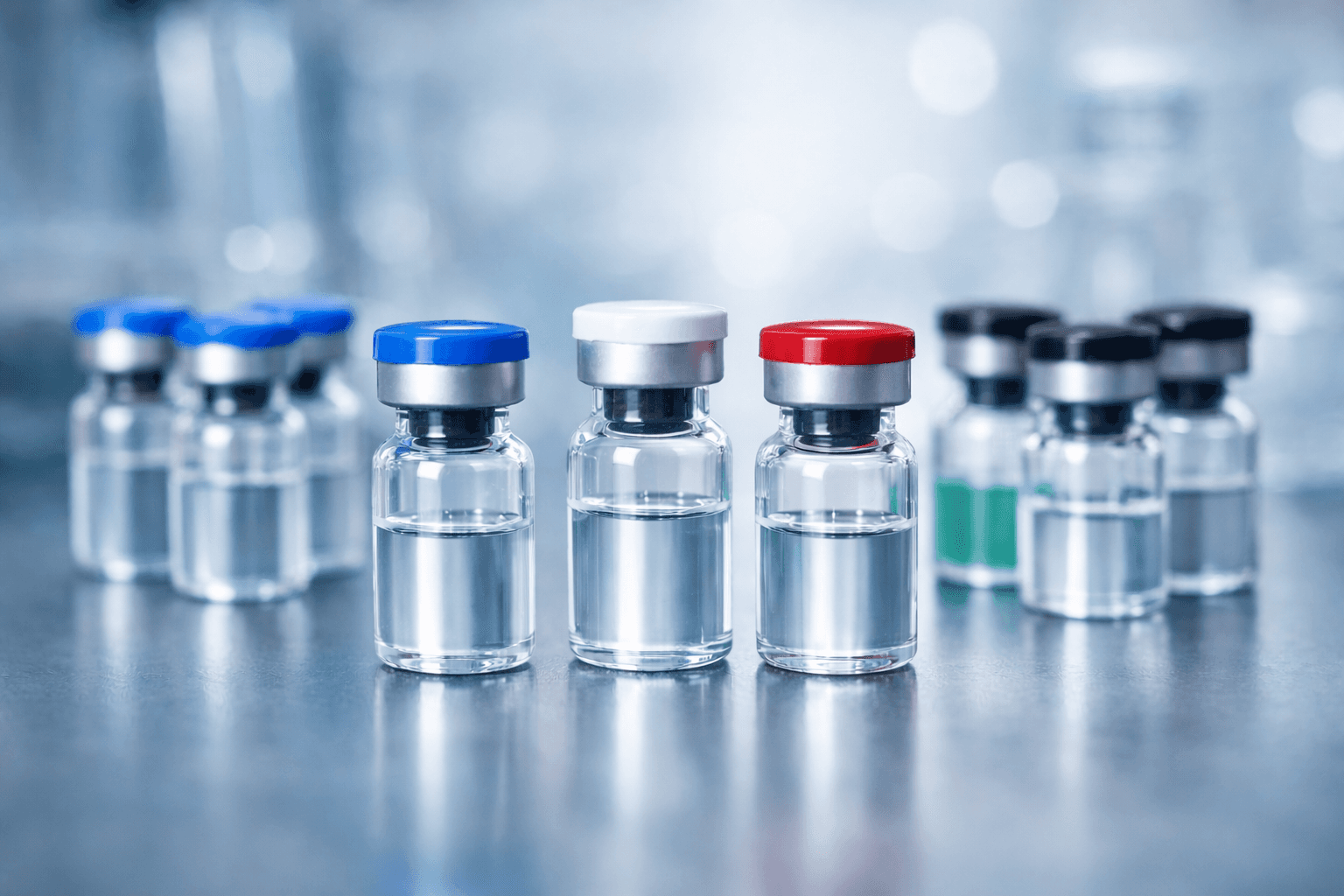
BPC-157 is the most popular healing peptide. But it's not the only option. Several alternatives target tissue repair through different mechanisms. Some work better for specific injuries.
This guide covers five real alternatives to BPC-157 - from other healing peptides to growth hormone secretagogues. We'll talk about effectiveness for different injury types, cost, and which one makes sense for your situation.
Why people search for BPC-157 alternatives
Four main reasons:
Availability: BPC-157 sometimes goes out of stock. Popular peptides sell out from reputable suppliers. You need alternatives.
Specific injury types: Some peptides work better for certain tissues. TB-500 excels at muscle and tendon repair. BPC-157 is broader but less targeted.
Stacking: Many people stack multiple healing peptides for synergistic effects. Understanding alternatives helps optimize your peptide stack.
Cost: Some alternatives cost less while delivering similar results. Budget-conscious users want effective cheaper options.
Good news: multiple excellent alternatives exist. Some match BPC-157 effectiveness. Others exceed it for specific injury types.
Quick comparison: all 5 alternatives
Alternative | Best for | Effectiveness | Monthly cost | Injection frequency |
|---|---|---|---|---|
Muscle, tendons | ⭐⭐⭐⭐⭐ | $120-200 | 2x weekly | |
Overall recovery | ⭐⭐⭐⭐ | $150-250 | Daily/weekly | |
GHK-Cu | Skin, inflammation | ⭐⭐⭐⭐ | $60-100 | Daily |
Sermorelin | Systemic healing | ⭐⭐⭐ | $80-120 | Daily |
Collagen peptides | Joints, connective | ⭐⭐⭐ | $30-50 | Oral daily |
Compare with our injury recovery guide.
Alternative 1: TB-500 (Thymosin Beta-4)
What it is: Synthetic version of thymosin beta-4. The closest alternative to BPC-157 for healing.
Effectiveness: ⭐⭐⭐⭐⭐ (5/5)
Arguably more effective than BPC-157 for muscle and tendon injuries. Often considered the gold standard for serious athletic injuries. Read our complete TB-500 guide.
Cost: $120-200 per month (4-6 week protocol)
TB-500 (5mg): $40-60 per vial
Typical protocol: 2-3 vials weekly for 4 weeks, then maintenance
Use our TB-500 dosage calculator to plan exact costs
How it works:
Promotes cell migration to injury sites
Reduces inflammation
Increases angiogenesis (new blood vessel formation)
Enhances collagen deposition
Accelerates tissue remodeling
Best for:
Muscle tears and strains
Tendon injuries (Achilles, patellar, rotator cuff)
Ligament damage
Deep tissue injuries
Post-surgical recovery
Results:
Significantly faster healing (40-60% reduction in recovery time)
Reduced pain and inflammation
Improved range of motion
Less scar tissue formation
Better tissue quality
Pros:
Most effective for muscle/tendon injuries
Less frequent dosing (2x weekly)
Systemic effects (helps multiple areas)
Well-researched mechanism
Cons:
More expensive than BPC-157
Requires reconstitution and injection
Takes 2-3 weeks to see full effects
Who it's for: Serious muscle or tendon injuries. Athletes needing fast recovery. Those willing to invest in the most effective healing peptide. People who've already tried BPC-157.
Comparison to BPC-157: TB-500 vs BPC-157 - TB-500 is more targeted for muscle/tendon, BPC-157 is more versatile for gut and general healing. Many stack both.
Alternative 2: Ipamorelin + CJC-1295 stack
What it is: Growth hormone secretagogue combination. Promotes healing through increased GH production.
Effectiveness: ⭐⭐⭐⭐ (4/5)
Very effective for overall recovery and healing. Not as targeted as BPC-157 or TB-500 for specific injuries, but excellent for general tissue repair and recovery enhancement.
Cost: $150-250 per month
Ipamorelin (5mg): $30-45 per vial
CJC-1295 (5mg): $40-60 per vial
Calculate your protocol with our peptide cost calculator
How it works:
Stimulates natural GH release
GH promotes protein synthesis
Enhances collagen production
Improves sleep quality (critical for healing)
Reduces inflammation
Accelerates tissue repair
Best for:
General recovery enhancement
Multiple minor injuries
Chronic overuse issues
Soft tissue injuries
Post-training recovery
Anti-aging + healing benefits
Results:
Faster recovery between training sessions
Improved sleep quality
Better overall healing capacity
Reduced chronic inflammation
Enhanced tissue quality
Bonus: muscle growth and fat loss
Pros:
Systemic healing benefits
Also promotes muscle growth
Improves sleep (accelerates healing)
Long-term use safe
Stacks with everything
Cons:
Not as targeted for specific injuries
More expensive than single peptides
Requires multiple daily injections (Ipamorelin)
Takes longer to see injury-specific benefits
Who it's for: Athletes wanting overall recovery optimization. People with multiple minor injuries. Those seeking both healing and performance benefits. Anyone who wants systemic healing support.
Comparison to BPC-157: Less targeted for specific injuries, but better for overall recovery, sleep, and performance. Many use GH peptides alongside healing peptides.
Alternative 3: GHK-Cu (Copper peptide)
What it is: Copper-binding peptide with potent healing and anti-inflammatory properties.
Effectiveness: ⭐⭐⭐⭐ (4/5)
Excellent for skin healing, wound repair, and reducing inflammation. Particularly effective for surface injuries and inflammatory conditions.
Cost: $60-100 per month
How it works:
Stimulates collagen and elastin production
Increases production of decorin (regulates collagen synthesis)
Attracts immune cells to injury sites
Potent anti-inflammatory effects
Promotes angiogenesis
Activates tissue remodeling
Best for:
Skin injuries and wounds
Inflammatory conditions
Scar tissue reduction
Facial aesthetics (bonus)
Surface-level injuries
Post-surgery healing (incisions)
Results:
Faster wound healing
Reduced inflammation
Less visible scarring
Improved skin quality
Better collagen structure
Anti-aging benefits (bonus)
Pros:
Excellent for skin/surface healing
Strong anti-inflammatory
Cosmetic benefits
Can be applied topically or injected
Relatively affordable
Minimal side effects
Cons:
Less effective for deep tissue injuries
Not as powerful for muscle/tendon
Shorter track record than BPC-157
Less research in athletic injuries
Who it's for: Skin injuries or wounds. Inflammatory conditions. Those wanting cosmetic benefits alongside healing. Surface-level injuries that need repair.
Comparison to BPC-157: BPC-157 better for deep tissue and gut healing. GHK-Cu better for skin, inflammation, and surface wounds. Can complement each other.
Alternative 4: Sermorelin
What it is: Growth hormone-releasing hormone (GHRH) analog. FDA-approved compound that stimulates GH production.
Effectiveness: ⭐⭐⭐ (3/5)
Moderate healing benefits through increased GH. Not as targeted as BPC-157 or TB-500, but offers systemic healing support.
Cost: $80-120 per month (research) Compare research vs pharmaceutical options.
How it works:
Stimulates pituitary to release GH
GH promotes tissue repair
Enhances protein synthesis
Improves recovery
Reduces inflammation
Supports immune function
Best for:
General recovery support
Systemic healing
Age-related healing deficits
Multiple minor injuries
Overall health optimization
Results:
Improved overall recovery
Better sleep quality
Enhanced healing capacity
Reduced recovery time
General health benefits
Pros:
FDA-approved compound
Systemic healing benefits
Improves sleep (critical for healing)
Can use long-term safely
Some doctors prescribe
Cons:
Not injury-specific
Less potent than BPC-157/TB-500
Requires daily injection
Pharmaceutical version expensive
Who it's for: Older individuals with reduced natural GH. Those wanting systemic healing support. People who prefer FDA-approved compounds. General recovery optimization.
Comparison to BPC-157: Much less targeted for specific injuries. Better for overall health and recovery optimization. Not a direct replacement for BPC-157.
Alternative 5: Collagen peptides (oral)
What it is: Hydrolyzed collagen taken orally. Not an injectable peptide but provides building blocks for tissue repair.
Effectiveness: ⭐⭐⭐ (3/5)
Modest healing support. Provides raw materials for tissue repair. Not as powerful as injectable peptides but safe and accessible.
Cost: $30-50 per month
How it works:
Provides amino acids for collagen synthesis
Stimulates fibroblast activity
Supports cartilage health
Improves joint function
Enhances skin, hair, nails
Best for:
Joint health maintenance
Connective tissue support
General injury prevention
Mild tendon/ligament issues
Complementing injectable peptides
Results:
Improved joint comfort
Better connective tissue health
Reduced joint pain
Enhanced recovery (modest)
General health benefits
Pros:
Oral administration (no injection)
Very affordable
Safe long-term
Easy to obtain
Additional health benefits
Cons:
Much less effective than injectable peptides
Slow results (months)
Not for acute injuries
Limited clinical evidence for injury healing
Minimal compared to BPC-157
Who it's for: People wanting non-injectable option. Joint health maintenance. Complementing injectable peptides. Prevention rather than treatment.
Comparison to BPC-157: Not in the same league. Collagen peptides are maintenance/prevention. BPC-157 is active treatment. Can use together.
Stacking strategies
Many people stack multiple healing peptides for synergistic effects. Use our peptide stack calculator to plan protocols.
Maximum healing stack (serious injuries):
BPC-157: 250-500mcg twice daily
TB-500: 2-5mg twice weekly
Ipamorelin + CJC-1295: Standard protocol
Cost: $300-450/month
Best results, highest cost
Read our complete BPC-157 vs TB-500 comparison for stacking protocols.
Budget healing stack:
BPC-157: 250mcg twice daily
Collagen peptides: 20g daily
Cost: $100-150/month
Good results, affordable
Recovery optimization stack:
Ipamorelin + CJC-1295: Standard protocol
GHK-Cu: For inflammation
Cost: $200-300/month
Systemic healing + performance
Injury-specific recommendations:
For muscle tears: TB-500 (primary) + BPC-157 (support)
For tendon injuries: TB-500 + BPC-157 (equal importance)
For joint issues: BPC-157 (primary) + Collagen peptides (support)
For inflammatory conditions: GHK-Cu (primary) + BPC-157 (support)
For gut healing: BPC-157 only (most effective)
For overall recovery: Ipamorelin/CJC stack + BPC-157 as needed
Cost comparison: 4-week healing protocol
Alternative | 4-week cost | Per-day cost | Injection frequency |
|---|---|---|---|
$80-120 | $2.85-4.30 | 2x daily | |
$120-200 | $4.30-7.15 | 2x weekly | |
Ipamorelin/CJC | $150-250 | $5.35-8.95 | Daily/weekly |
GHK-Cu | $60-100 | $2.15-3.60 | Daily |
Sermorelin | $80-120 | $2.85-4.30 | Daily |
Collagen peptides | $30-50 | $1.05-1.80 | Oral daily |
$200-320 | $7.15-11.45 | Combined |
Calculate your exact protocol costs with our peptide cost calculator.
Which alternative is right for you?
Choose TB-500 if:
Serious muscle or tendon injury
Want most effective healing peptide
Budget allows $120-200/month
Comfortable with injection
Need faster recovery than BPC-157
Use our TB-500 dosage calculator for protocols.
Choose Ipamorelin/CJC if:
Want systemic healing + performance benefits
Multiple minor injuries
Seeking overall recovery optimization
Want muscle growth alongside healing
Budget allows $150-250/month
Choose GHK-Cu if:
Skin injury or wound
Inflammatory condition
Want cosmetic benefits too
Surface-level healing needed
Budget is $60-100/month
Choose Sermorelin if:
Prefer FDA-approved compound
Want systemic healing support
Older with reduced GH
General health optimization
Budget allows $80-120/month
Choose collagen peptides if:
Cannot inject
Want maintenance/prevention
Joint health support
Very limited budget ($30-50/month)
Complementing injectable peptides
Stack BPC-157 + TB-500 if:
Serious injury requiring maximum healing
Want synergistic effects
Can afford $200-320/month
Committed to optimal recovery
How to get started
Step 1: Identify your injury type
Muscle tear → TB-500 primary
Tendon injury → TB-500 + BPC-157
Joint issue → BPC-157 primary
Inflammatory → GHK-Cu + BPC-157
General recovery → Ipamorelin/CJC
Read our complete injury recovery guide.
Step 2: Research suppliers
Check our best peptide vendors guide
Verify third-party testing
Confirm 97-99%+ purity
Step 3: Calculate protocol
Use our calculators:
Step 4: Learn administration
Understand what water to use
Learn injection techniques
Step 5: Track progress
Document pain levels daily
Track range of motion weekly
Note functional improvements
Monitor inflammation
Adjust protocol as needed
Frequently asked questions
Q: Is TB-500 better than BPC-157?
A: For muscle and tendon injuries, TB-500 is often more effective. For gut healing and general versatility, BPC-157 wins. Many stack both.
Q: Can I stack multiple healing peptides?
A: Yes. BPC-157 + TB-500 is the most common and effective stack. Can also add GH peptides for enhanced recovery. Use our stack calculator.
Q: Are these alternatives as safe as BPC-157?
A: TB-500, Ipamorelin, and CJC-1295 have good safety profiles similar to BPC-157. GHK-Cu is very safe. Always source from reputable suppliers.
Q: Which alternative works fastest?
A: TB-500 typically shows results in 2-3 weeks. BPC-157 is 1-2 weeks. GHK-Cu can be faster for surface injuries. Ipamorelin/CJC takes 3-4 weeks for healing benefits.
Q: Can I use oral alternatives?
A: Collagen peptides are oral but much less effective. For serious healing, injectable peptides are necessary. See our injectable vs oral comparison.
Q: What if I can't find BPC-157 anywhere?
A: Use TB-500 as direct replacement for most injuries. Check our best vendors guide for availability.
Q: How long should I use healing peptides?
A: Typical protocol is 4-6 weeks for acute injuries. Can extend to 8-12 weeks for chronic issues. Read our dosage guide.
Q: Do I need to cycle healing peptides?
A: Not necessary for 4-6 week protocols. For longer use (3+ months), consider cycling. Most people use as-needed for injuries.
Q: Can I get pharmaceutical versions?
A: TB-500 and BPC-157 are research-only. Sermorelin has pharma versions but expensive. Most use research peptides.
Q: What about peptides vs SARMs for recovery?
A: Peptides are specifically for healing. SARMs are for muscle growth and have different mechanisms. Use peptides for injury recovery.
The bottom line
BPC-157 is excellent, but alternatives exist that match or exceed its effectiveness for specific applications.
TB-500 is the closest alternative - arguably more effective for muscle and tendon injuries. Many consider it superior for athletic injuries.
Ipamorelin/CJC offers systemic healing plus performance benefits. Best for overall recovery optimization.
GHK-Cu excels for skin and inflammatory conditions. Excellent complement to BPC-157.
The most effective approach: Stack BPC-157 + TB-500 for maximum healing. This combination provides synergistic benefits targeting multiple healing pathways.
Start planning your protocol with our calculators:
In case I don’t see you, good afternoon, good evening, and good night. Take care of yourself.