Mar 21, 2026
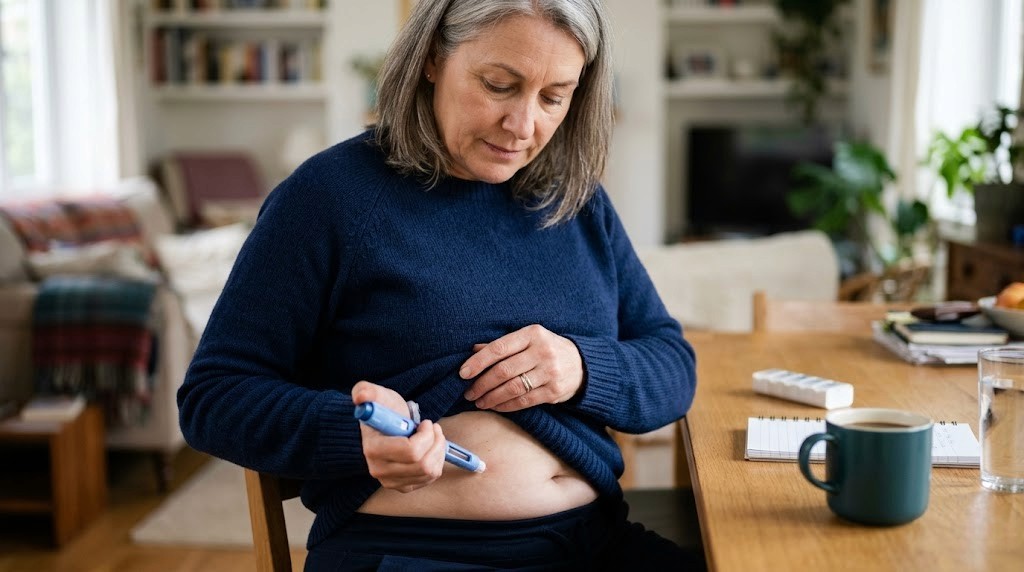
You did everything right. You titrated slowly, pushed through weeks of nausea, restructured your entire relationship with food, and watched the scale drop week after week. Months of discipline. Months of injections. And then someone tells you that most people regain two-thirds of the weight they lost within a single year of stopping their GLP-1 medication.
That is not a scare tactic. It is data from the STEP 1 trial.
The frustration is real and it is widespread. Thousands of people who used semaglutide or tirzepatide to lose significant weight now face an uncomfortable question that nobody prepared them for: what comes next? The answer is not simply "keep taking the same dose forever" and it is certainly not "stop cold turkey and hope for the best." The answer sits somewhere in the middle, in a concept called the GLP-1 maintenance dose, a carefully calibrated reduction in medication that preserves your results while minimizing side effects, reducing costs, and giving your body the support it still needs to maintain a new weight setpoint. Finding the right maintenance dose is arguably more important than the weight loss phase itself, because this is the phase that determines whether your transformation becomes permanent or temporary. SeekPeptides has built an entire library of protocols, calculators, and guides specifically to help people navigate this critical transition, and this guide will walk you through every aspect of GLP-1 maintenance dosing with the specific numbers, timelines, and strategies that actually work.
What is a GLP-1 maintenance dose
A GLP-1 maintenance dose is the steady-state amount of medication you take after completing the initial titration phase and reaching your target weight loss. Think of it as the cruise control setting after the acceleration phase. You are no longer trying to lose weight aggressively. You are trying to hold your position.
This matters more than most people realize.
During the active weight loss phase, your healthcare provider gradually increases your dose following a standard titration schedule. For semaglutide, that means starting at 0.25 mg weekly and climbing through 0.5 mg, 1.0 mg, 1.7 mg, and potentially up to the full 2.4 mg weekly dose. For tirzepatide, the journey moves from 2.5 mg through 5 mg, 7.5 mg, 10 mg, 12.5 mg, and up to 15 mg weekly. The maintenance dose, however, is often lower than the maximum dose you reached during weight loss. It is the minimum effective amount that keeps your appetite regulated, your metabolic changes preserved, and your weight stable without the intensity of side effects that come with higher doses.
Not everyone needs to drop their dose. Some people find that their maximum tolerated dose during weight loss becomes their maintenance dose. But a growing body of evidence suggests that many people can maintain their results on significantly less medication than they needed to achieve those results in the first place. A person who lost weight on semaglutide 2.4 mg might maintain beautifully on 1.0 mg or even 0.5 mg. Someone who reached their goal on tirzepatide 15 mg might find that 5 mg or 10 mg holds their weight just as effectively.
The concept is simple. The execution requires attention.
The difference between maintenance and titration
Titration is about ramping up. Your body needs time to adjust to GLP-1 receptor agonists, and jumping straight to a high dose would cause severe gastrointestinal side effects. The slow increase allows your system to adapt while progressively increasing the weight loss effect. Maintenance dosing flips this approach entirely. Instead of asking "how much more can I tolerate," you are asking "how little do I need to keep my results."
This distinction matters for three practical reasons. First, lower doses mean fewer side effects, and many people on maintenance report that issues like constipation, fatigue, and nausea either disappear entirely or become mild and manageable. Second, lower doses cost less, which matters enormously when you consider that GLP-1 maintenance may be a long-term commitment. Third, lower doses reduce the metabolic stress on your pancreatic beta cells and other systems, which may have benefits for long-term health that researchers are only beginning to understand.
How maintenance dosing differs from simply reducing your dose
Randomly cutting your dose in half is not a maintenance protocol. A true maintenance approach involves systematic dose reduction with careful monitoring of appetite, weight stability, and metabolic markers. You do not just take less and hope it works. You take less, observe for two to four weeks, assess whether your appetite control remains intact, check whether your weight is stable, and then decide whether to reduce further or hold at the current level.
The semaglutide dosage calculator and peptide calculator tools at SeekPeptides can help you map out what a gradual reduction looks like based on your current dose and weight loss history.
Why maintenance dosing matters (the weight regain problem)
The data on weight regain after stopping GLP-1 medications is sobering. It is not opinion. It is not speculation. It is the consistent finding across every major clinical trial that has studied what happens when patients discontinue these drugs.
The STEP 1 extension trial followed participants who lost an average of 17% of their body weight on semaglutide 2.4 mg over 68 weeks. When they stopped the medication, they regained approximately two-thirds of that lost weight within one year. A person who lost 40 pounds regained roughly 27 of them. The appetite came back. The metabolic adaptations reversed. The weight returned, and it returned with a persistence that willpower alone could not fight.
Tirzepatide tells a similar story.
The SURMOUNT trials demonstrated weight loss of 15 to 21% of body weight on tirzepatide. Follow-up data showed significant regain in participants who discontinued treatment. A meta-analysis across multiple GLP-1 studies found that patients regain approximately 50 to 60% of lost weight within the first year after stopping, with weight increasing at an average rate of about 0.4 kg per month. That is nearly a pound per month, month after month, driven by biological mechanisms that have nothing to do with discipline or motivation.
Why the body fights to regain weight
Weight regain after GLP-1 discontinuation is not a failure of character. It is physiology. When you lose significant weight, your body interprets that loss as a potential threat to survival and activates a coordinated set of responses designed to restore your previous weight. Ghrelin levels increase, driving hunger. Leptin levels drop, reducing satiety signals. Your basal metabolic rate decreases, meaning you burn fewer calories at rest than someone who was always at your new weight. These adaptations can persist for years after weight loss, creating a relentless biological pressure to regain.
GLP-1 medications counteract these adaptations directly. They suppress appetite through central and peripheral mechanisms, slow gastric emptying to extend feelings of fullness, and appear to influence the brain reward centers that drive food-seeking behavior. When you stop the medication abruptly, all of these protective effects disappear within a few weeks as the drug clears your system. The half-life of both semaglutide and tirzepatide is approximately one week, meaning the medication is essentially gone from your body within four to five weeks of your last injection.
This is precisely why a maintenance dose matters. It does not need to be high. It just needs to be present.
The cost of regain extends beyond the scale
Weight regain does not just mean returning to a previous number on the scale. Research suggests that weight cycling, the pattern of losing and regaining weight repeatedly, may carry its own health risks. Metabolic markers that improved during weight loss, including blood sugar control, blood pressure, and lipid profiles, can deteriorate during regain. The psychological impact is equally significant, as people who regain weight after a successful loss often experience shame, frustration, and decreased motivation to try again.
Maintenance dosing avoids this cycle entirely.
Semaglutide maintenance dose protocols
Semaglutide offers a wide range of potential maintenance doses, which is actually encouraging news. The FDA-approved maximum dose for weight management is 2.4 mg weekly, but clinical experience and emerging research suggest that effective maintenance can happen at doses far below that ceiling. Here is what the data and clinical practice tell us about specific semaglutide maintenance protocols.
Standard maintenance doses
The most common semaglutide maintenance doses fall into three tiers. The first tier is what clinicians call "full maintenance," which typically means staying on 1.7 mg to 2.4 mg weekly. This approach is most appropriate for people who needed the highest doses to achieve adequate appetite suppression during weight loss, those with significant metabolic comorbidities like type 2 diabetes, and individuals whose weight shows any tendency to creep upward at lower doses. The semaglutide dosage chart can help you understand the unit conversions for these doses.
The second tier is "moderate maintenance" at 0.5 mg to 1.0 mg weekly. This is where a large number of people find their sweet spot. At these doses, appetite suppression remains meaningful but side effects like constipation and burping often resolve significantly. Many clinicians start their patients here when transitioning from active weight loss, monitoring weight and appetite for four to six weeks before deciding whether to adjust.
The third tier is "low-dose maintenance" at 0.25 mg to 0.5 mg weekly. Some individuals maintain their weight loss beautifully on these surprisingly low doses. These are often people who have made substantial lifestyle changes during their weight loss journey, including dietary restructuring and consistent exercise, and who need only a minimal pharmacological nudge to keep their appetite in check.
How to find your semaglutide maintenance dose
Start from your current effective dose and reduce by one step every four weeks. If you are on 2.4 mg, drop to 1.7 mg. Hold for four weeks. Monitor your weight daily and track your appetite on a simple 1-10 scale. If your weight remains stable (within 2 to 3 pounds of fluctuation, which is normal) and your appetite stays manageable, drop to 1.0 mg. Repeat the monitoring process. Continue reducing until you find the lowest dose at which your weight remains stable and your hunger stays controlled.
Some practical guidance from the semaglutide tips that experienced users share:
Weigh yourself at the same time daily, but evaluate trends weekly, not daily
A 2 to 3 pound fluctuation is water weight, not fat regain
If weight increases more than 5 pounds over two consecutive weeks, consider stepping your dose back up
Appetite changes usually precede weight changes by 1 to 2 weeks, so monitor hunger levels closely
Keep a simple food log during the transition period to catch increased calorie intake early
The semaglutide dosage calculator can help you plan each step of your reduction schedule with precise unit measurements for your specific vial concentration.
Compounded semaglutide for maintenance
Compounded semaglutide has become a popular option for maintenance dosing because it offers more flexibility in dose selection. Brand-name Wegovy comes in fixed-dose pens, which limits your ability to fine-tune a maintenance amount between the standard steps. Compounded versions, drawn from multi-dose vials using insulin syringes, allow you to dose in small increments. You can take 0.3 mg or 0.7 mg or any amount that your provider considers appropriate.
This flexibility is particularly valuable during the maintenance phase when precision matters. If 0.5 mg is not quite enough but 1.0 mg causes acid reflux or fatigue, you might find that 0.75 mg is perfect. Compounded formulations also tend to cost significantly less, which matters when you are planning for months or years of maintenance therapy.
Some compounded options include combinations with vitamin B12 or methylcobalamin, which may help with the fatigue that some people experience on GLP-1 medications. The addition of glycine is another compounding option that has gained attention for potential metabolic benefits.
Proper storage remains important regardless of dose. Review guidelines on how long compounded semaglutide lasts in the fridge and whether your formulation needs refrigeration to ensure potency throughout your maintenance period.
Tirzepatide maintenance dose protocols
Tirzepatide operates as a dual GIP/GLP-1 receptor agonist, which gives it a different pharmacological profile than semaglutide and, importantly, a different set of maintenance considerations. The dual mechanism means that tirzepatide dosing during maintenance may not follow the same patterns as semaglutide, even though the general principle of finding the lowest effective dose still applies.
Standard tirzepatide maintenance doses
Tirzepatide comes in three FDA-approved doses for maintenance: 5 mg, 10 mg, and 15 mg weekly. Clinical experience has revealed distinct patterns for each.
The 5 mg maintenance dose works well for people who achieved their weight loss goals at lower tirzepatide doses (7.5 mg to 10 mg) or for those who lost weight on higher doses but have established strong dietary and exercise habits. At 5 mg, most people report minimal side effects while retaining meaningful appetite suppression. The tirzepatide dose chart shows how this translates to specific unit measurements depending on your vial concentration.
The 10 mg maintenance dose is the most commonly used long-term dose in clinical practice. It provides robust appetite control without the intensity of side effects that many people experience at 15 mg. For people who needed 15 mg to reach their weight loss goals, stepping down to 10 mg for maintenance often represents an ideal balance.
The 15 mg maintenance dose is appropriate for people with significant weight to maintain (those who lost 20% or more of their body weight) and for individuals who notice appetite returning even at 10 mg. While side effects like constipation and diarrhea are more common at this dose, many people who have been on 15 mg for months have already adapted and tolerate it well.
Finding your tirzepatide maintenance sweet spot
The step-down approach for tirzepatide follows the same logic as semaglutide but uses tirzepatide-specific dose increments. From 15 mg, reduce to 12.5 mg for four weeks. If stable, try 10 mg. From 10 mg, you might test 7.5 mg. Each step requires patience and honest self-assessment of appetite and weight trends.
One important difference with tirzepatide: the dual GIP/GLP-1 mechanism means that some of the metabolic benefits, particularly those related to insulin sensitivity and metabolic rate, may require a slightly higher maintenance dose to preserve compared to semaglutide. This is still an area of active research, but many clinicians note that tirzepatide patients tend to settle on relatively higher maintenance doses (proportionally speaking) than semaglutide patients.
Use the compounded tirzepatide dosage calculator to map your specific reduction plan if you are working with compounded tirzepatide, which allows for more granular dose adjustments than the brand-name Mounjaro/Zepbound pens.
Compounded tirzepatide maintenance options
Like semaglutide, compounded tirzepatide provides flexibility that brand-name pens simply cannot match during the maintenance phase. You can dose at 6 mg or 8 mg or any increment that your provider prescribes, rather than being locked into the 5-10-15 steps. This granularity is invaluable for finding your minimum effective dose.
Compounded tirzepatide with B12, methylcobalamin, glycine, or niacinamide combinations are available and may provide additional support during the maintenance phase. The glycine-B12 compound has become particularly popular among maintenance patients.
If cost is a factor in your long-term maintenance plan, explore options for affordable tirzepatide and compounded tirzepatide that make sustained therapy financially feasible. Storage guidelines also matter for long-term use, so review how long tirzepatide lasts in the fridge and whether your formulation needs refrigeration.
When to transition to maintenance dosing
Timing the transition from active weight loss to maintenance is as important as choosing the right dose. Move too early and you leave results on the table. Move too late and you spend months on higher doses than you need, dealing with unnecessary side effects and higher costs.
There is no single universal trigger. But there are reliable indicators.
The 70 to 90 percent rule
Most clinicians recommend beginning the transition to maintenance when you have achieved 70 to 90% of your total weight loss goal. If your goal was to lose 50 pounds, that means starting the shift when you have lost 35 to 45 pounds. The reasoning is practical: the last 10 to 30% of weight loss often happens slowly regardless of dose, and attempting to push through on maximum doses exposes you to more side effects without proportional benefit.
This does not mean you stop losing weight the moment you switch to maintenance. Some people continue to lose slowly on their maintenance dose, especially during the first few months. The key difference is that you are no longer optimizing for maximum weight loss speed. You are optimizing for sustainability.
The stable weight signal
If your weight has been stable for four to six consecutive weeks despite maintaining your current dose, your body may be signaling that it has reached a new equilibrium. This plateau is different from the semaglutide plateau that happens mid-treatment (which often responds to dose increases or dietary adjustments). A stable weight near your goal is actually good news. It means your body has accepted a new setpoint, and maintaining that setpoint may require less pharmacological support than achieving it did.
The lifestyle readiness checkpoint
This is the factor that most people overlook, and it might be the most important one. Before transitioning to a lower maintenance dose, honestly assess whether you have established sustainable habits that will support your new weight. Have you been following a structured eating plan for at least six months? Do you exercise regularly? Have you addressed the emotional and behavioral patterns that contributed to weight gain in the first place?
The medication handles the biological component. Habits handle the behavioral component. Both need to be in place for maintenance to succeed.
A practical checklist before beginning dose reduction:
Weight has been stable (within 3 to 5 pounds) for at least 4 weeks
You have reached at least 70% of your weight loss goal
Consistent exercise habit established for 3+ months
Dietary changes maintained independently (not relying solely on appetite suppression)
Sleep, stress, and emotional eating patterns addressed
Healthcare provider has reviewed your metabolic markers and agrees with the transition
Meeting all six criteria makes for the strongest foundation. Meeting four or five is usually workable with closer monitoring.
Reduced frequency dosing (the every-two-weeks strategy)
Here is where maintenance dosing gets truly interesting. Beyond simply lowering the amount of medication per injection, an emerging strategy involves keeping the same dose but injecting less frequently. Instead of weekly injections, some patients maintain their results with injections every two weeks, every three weeks, or even less often.
The data supporting this approach is compelling.
The Scripps study on reduced frequency
A study from Scripps Research followed 30 patients who switched from weekly to less frequent GLP-1 injections. Of these patients, 21 were on tirzepatide and 9 were on semaglutide. The average time on reduced frequency dosing was 36.3 weeks, which is long enough to evaluate real-world effectiveness. The results were encouraging across multiple dimensions.
Some patients injected as infrequently as every six weeks and still maintained their weight loss. Only 4 of the 30 patients needed to return to weekly dosing because of weight regain or appetite return. Metabolic markers including HDL cholesterol, triglycerides, HbA1c, and blood pressure were maintained or actually improved on the reduced schedule. This suggests that for a meaningful subset of patients, the metabolic benefits of GLP-1 therapy persist even with significantly less frequent dosing.
How reduced frequency works pharmacologically
Both semaglutide and tirzepatide have half-lives of approximately one week. This means that one week after your injection, roughly half the medication remains in your system. Two weeks after injection, about 25% remains. While this sounds like rapid decline, the practical effect depends on how much appetite suppression that remaining 25% provides relative to what you need for maintenance.
Consider this analogy. During active weight loss, you needed maximum appetite suppression to create a caloric deficit large enough for meaningful fat loss. During maintenance, you need just enough appetite suppression to prevent overconsumption. The threshold for "enough" is dramatically lower during maintenance, which is exactly why reduced frequency can work.
A person who needed the full peak-to-trough drug levels of weekly 2.4 mg semaglutide to lose weight might maintain perfectly well on the lower, more gradual drug levels produced by biweekly injections. Research suggests that switching from weekly to every-two-week dosing maintains approximately 72% of the total weight loss, which translates to roughly 12% body weight reduction maintained versus 17% at the original weekly schedule. For many people, that 12% represents the difference between a healthy BMI and the health complications of obesity.
Building a reduced frequency protocol
Do not jump straight from weekly to monthly injections. The transition should be gradual.
Start by extending your injection interval from 7 days to 10 days. Maintain that schedule for at least three injection cycles (roughly a month). Monitor your weight and appetite. If stable, extend to every 14 days. Again, hold for at least a month before considering further extension. Some people find that every two weeks is their maintenance frequency. Others can stretch to every three or even four weeks.
The flexible dosing schedule concept applies here. Your body will tell you when you have stretched the interval too far. Increased appetite and cravings are the first signal. If those appear, shorten the interval by a few days and hold there.
Injection technique remains important regardless of frequency. Review the proper methods for where to inject GLP-1, how to inject properly, and the best injection sites for semaglutide to ensure consistent absorption with each injection.
Side effect management on maintenance doses
One of the most welcome benefits of transitioning to a maintenance dose is the significant reduction in side effects. The relationship between dose and side effects is not perfectly linear, but lower doses consistently produce fewer and milder gastrointestinal symptoms across all the clinical trial data.
Side effects that typically improve on lower doses
Nausea is usually the first side effect to improve as you lower your dose. Many people who experienced persistent nausea on 2.4 mg semaglutide or 15 mg tirzepatide find that it disappears completely at maintenance doses of 1.0 mg or 10 mg respectively. Constipation also tends to improve, though it may not resolve entirely since even low-dose GLP-1 medications still slow gastric motility to some degree. The GLP-1 constipation relief guide covers strategies that remain useful during maintenance.
Fatigue is another common complaint that often resolves during maintenance. The reduced caloric intake that drives weight loss can contribute to tiredness, and as you transition to maintenance, your caloric intake typically stabilizes at a higher level than during active weight loss, restoring energy. If fatigue persists, consider whether your medication includes B12 supplementation or explore the role of supplements alongside GLP-1 therapy.
Dizziness, acid reflux, and headaches are dose-dependent symptoms that typically fade as you step down. For people who experienced these issues throughout their weight loss phase, the transition to maintenance dosing can feel like a relief.
Side effects that may persist on maintenance
Some side effects are less responsive to dose reduction. Hair loss, which occurs in a subset of GLP-1 users, is thought to be related more to the rate and magnitude of weight loss than to the medication dose itself. If you experienced hair loss during active weight loss, it typically resolves on its own within three to six months as your weight stabilizes, regardless of your maintenance dose.
Changes in menstrual cycles and period regularity may take time to normalize after significant weight loss. These changes are driven by shifts in body fat percentage and hormonal balance rather than the medication directly, though GLP-1 can influence reproductive hormones at higher doses.
Insomnia and sleep disturbances are reported by some users at all dose levels. If sleep issues persist on your maintenance dose, consider the timing of your injection as a variable. Some people find that injecting in the morning rather than the evening, or vice versa, makes a meaningful difference in sleep quality. The best time to take your GLP-1 shot may differ during maintenance compared to active weight loss.
When side effects increase unexpectedly on maintenance
Occasionally, people who tolerated a dose well during weight loss find that the same or a lower dose causes more side effects during maintenance. This can happen when dietary patterns change, when other medications are added or adjusted, or when stress and sleep patterns shift. It does not necessarily mean the dose needs to change. Sometimes the solution is as simple as reviewing your food choices and foods to avoid, adjusting meal timing, or addressing the external factor that triggered the change.
Diet and lifestyle during maintenance
Maintenance dosing succeeds or fails based on what happens outside the injection. The medication provides a pharmacological foundation, but the structure you build on that foundation determines whether your results last months or decades.
Caloric needs during maintenance
Your caloric needs during maintenance are higher than during active weight loss but lower than before you started GLP-1 therapy. This is because you now weigh less, which means your body requires fewer calories for basic functions, and because some metabolic adaptation from the weight loss phase persists even with medication support. A reasonable starting point is to calculate your total daily energy expenditure at your current weight and aim for caloric intake within 100 to 200 calories of that number.
The semaglutide diet plan and tirzepatide diet plan both include maintenance-phase guidance. The key shift is moving from a caloric deficit mindset to a caloric balance mindset, which requires different food choices and different portion sizes than the active weight loss phase.
Protein becomes even more important
During maintenance, protein intake is arguably more important than during weight loss. Here is why. At lower GLP-1 doses, your appetite may return partially, and the foods that satisfy you most efficiently will determine whether you stay in caloric balance or drift into surplus. Protein is the most satiating macronutrient, and increasing your protein intake during maintenance provides natural appetite control that works alongside your reduced medication dose.
Aim for 0.7 to 1.0 grams of protein per pound of body weight during maintenance. This supports muscle preservation, enhances satiety, and contributes to the thermic effect of food (your body burns more calories digesting protein than carbohydrates or fat). The foods to eat on semaglutide and what to eat on tirzepatide guides both emphasize protein-forward eating strategies.
Exercise as a maintenance multiplier
Exercise during maintenance serves a different purpose than exercise during weight loss. During active weight loss, exercise contributes a relatively small percentage of total caloric deficit (most of the deficit comes from reduced food intake driven by the medication). During maintenance, however, exercise becomes a critical buffer against small increases in caloric intake. A 300-calorie exercise session can offset an occasional extra portion or social meal without triggering weight regain.
Resistance training deserves special emphasis. Maintaining or building muscle mass increases your resting metabolic rate, which directly counteracts the metabolic adaptation that makes weight regain so common after weight loss. People who maintain a consistent resistance training program during GLP-1 maintenance have better long-term outcomes than those who rely on medication alone.
Some people wonder whether their medication affects exercise performance. The guides on whether semaglutide affects energy levels and whether tirzepatide affects energy address this question in detail. For most people on maintenance doses, energy levels are better than during active weight loss, making consistent exercise more feasible.
Meal planning and structure
Structure prevents drift. During maintenance, the appetite suppression from your medication is milder than during active weight loss, which means your food environment and habits play a larger role in determining your caloric intake. A structured meal plan removes decision fatigue and reduces the likelihood of unplanned overeating.
Practical maintenance meal strategies include meal prepping on weekends for the week ahead, keeping a consistent eating schedule (same meal times each day), front-loading calories earlier in the day when appetite suppression from the medication may be strongest, and having planned responses for social eating situations. The comprehensive diet guides at SeekPeptides cover all of these strategies in detail.
Supplements during maintenance
Certain supplements may support your maintenance phase. Fiber supplements help with both satiety and the digestive regularity that GLP-1 medications can disrupt. Creatine supports muscle performance and recovery if you are doing resistance training. Probiotics specifically designed for GLP-1 users may help optimize gut health during long-term therapy. A comprehensive guide to supplements to take with tirzepatide and GLP-1 supplements can help you build a targeted support stack.
What happens if you stop completely
This is the question everyone wants answered but nobody wants to hear the answer to. What happens if you stop GLP-1 medication entirely after reaching your goal weight?
The short answer: most people regain most of the weight.
The longer answer is more nuanced, and understanding the nuance helps you make an informed decision about your long-term approach.
The timeline of weight regain after stopping
Weight regain after stopping GLP-1 medication follows a fairly predictable pattern. During the first one to two weeks, you may not notice significant changes because the medication is still clearing your system. The half-life is approximately one week, so meaningful drug levels persist for three to five half-lives after your last injection.
By weeks three through six, appetite begins returning. Many people describe this as a gradual process rather than a sudden switch. Food starts occupying more mental space. Cravings reappear. Portions begin creeping upward. This is the period when the biological mechanisms of weight defense activate, and they are powerful.
From months two through six, weight regain accelerates. The meta-analysis data suggests weight increases at approximately 0.4 kg (just under one pound) per month, though individual rates vary significantly. Some people regain faster, particularly if lifestyle habits erode alongside the loss of pharmacological appetite control.
By month twelve, the average person has regained 50 to 60% of the weight they lost. By month eighteen to twenty-four, regain often plateaus, but usually at a point well above the lowest weight achieved on medication.
Who succeeds without medication
Not everyone regains. A minority of patients do maintain their weight loss after stopping GLP-1 medication. Research has not yet definitively identified all the factors that predict success, but patterns have emerged. People who lost a moderate amount of weight (10 to 15% of body weight rather than 20%+) tend to maintain better off medication. Those who used the medication period to establish deep, lasting habit changes fare better than those who relied primarily on appetite suppression. People who continue regular exercise, particularly resistance training, have better outcomes. And people who stop medication gradually through a taper protocol rather than abruptly tend to have more successful transitions.
The question of how long to stay on semaglutide is directly connected to this. Longer treatment periods may allow more complete resetting of the body weight setpoint, potentially improving outcomes after discontinuation, though research on this is still ongoing.
The case for lifelong low-dose therapy
Many obesity medicine specialists now view GLP-1 therapy similarly to blood pressure medication or statins. Obesity is a chronic condition driven by biological factors, and expecting pharmacological management to produce permanent results after temporary treatment may be as unrealistic as expecting blood pressure medication to permanently lower blood pressure after six months of use. This perspective supports the concept of long-term, potentially lifelong maintenance dosing at the lowest effective level.
The good news is that maintenance dosing, particularly at reduced doses or reduced frequency, is far less burdensome than active weight loss dosing. Lower doses, fewer side effects, less cost, and a proven track record of weight stability make long-term maintenance a practical and sustainable approach for many people.
Alternative maintenance strategies
GLP-1 medications are not the only option for maintaining weight loss after the initial treatment phase. Several alternative approaches have evidence supporting their use, either as standalone maintenance strategies or as bridges for people who want to reduce or eliminate GLP-1 therapy.
Tapering before discontinuation
If you decide to stop GLP-1 therapy, tapering is strongly preferred over abrupt discontinuation. A taper involves gradually reducing your dose or frequency over several months, giving your body time to adjust to lower levels of pharmacological appetite suppression while you strengthen the behavioral strategies that will support maintenance without medication.
A sample semaglutide taper might look like this: from 1.0 mg weekly to 0.5 mg weekly for four weeks, then to 0.25 mg weekly for four weeks, then to 0.25 mg every two weeks for four weeks, then discontinuation. The entire process takes about three months and gives you multiple checkpoints to assess whether your weight remains stable at each step.
For tirzepatide, a taper from 10 mg might proceed to 7.5 mg for four weeks, then 5 mg for four weeks, then 2.5 mg for four weeks. The compounded tirzepatide starting dose information can actually work in reverse when planning a taper, since the lowest available doses become relevant.
Microdosing as a maintenance strategy
An emerging approach that sits between full maintenance dosing and complete discontinuation is microdosing. This involves taking very small amounts of GLP-1 medication, well below the standard therapeutic range, to maintain a baseline level of appetite suppression. The microdosing tirzepatide chart and microdose tirzepatide schedule provide specific protocols for this approach.
Microdosing GLP-1 has generated interest beyond weight maintenance, with preliminary research exploring benefits for autoimmune conditions and metabolic health at doses far below those used for weight loss. While the evidence base for microdosing as a specific maintenance strategy is still building, the pharmacological rationale is sound: some GLP-1 receptor activation may be sufficient to prevent the complete return of pre-treatment appetite levels.
Pharmaceutical alternatives to GLP-1 maintenance
Several medications can support weight maintenance after GLP-1 therapy, though none match the efficacy of continued GLP-1 treatment.
Metformin is the most commonly used alternative. It provides modest appetite suppression, improves insulin sensitivity, and has a decades-long safety track record. Some clinicians prescribe metformin alongside a reduced GLP-1 dose, finding that the combination allows for lower GLP-1 dosing while maintaining weight stability. Research suggests metformin can support weight maintenance for up to 24 months after primary weight loss.
Phentermine is a stimulant-based appetite suppressant that some providers use for maintenance, though it is typically approved only for short-term use. The question of whether you can take phentermine with semaglutide or phentermine with tirzepatide comes up frequently. While combination use is off-label, some clinicians use low-dose phentermine as a bridge during GLP-1 dose reduction. Understanding whether phentermine is a GLP-1 helps clarify why these are fundamentally different medications that work through different pathways.
Topiramate and bupropion are other options that have shown ability to support weight maintenance for up to 24 months, though side effect profiles differ significantly from GLP-1 medications.
Combination and rotation strategies
Some forward-thinking clinicians use rotation strategies, alternating between GLP-1 therapy and alternative medications. For example, a patient might use semaglutide for six months, switch to metformin plus phentermine for three months, then return to semaglutide at a lower dose. The theory is that this prevents receptor desensitization and may provide more sustainable long-term appetite control than any single agent used continuously.
Another approach involves using GLP-1 medication only during high-risk periods. Some patients inject weekly during the winter holidays, during vacation periods, or during stressful times when they know their eating patterns are likely to be disrupted, while using behavioral strategies and potentially lighter medications during more stable periods.
Switching between GLP-1 medications for maintenance
Some people find that their maintenance needs are better served by switching from one GLP-1 medication to another. Switching from tirzepatide to semaglutide is one common transition, often motivated by cost considerations since semaglutide may be more accessible in compounded form. The conversion chart between semaglutide and tirzepatide and the comparative dosage chart are essential references for this type of switch.
Understanding the differences between semaglutide and tirzepatide, including their side effect profiles, helps inform which medication might serve better as a long-term maintenance option. Newer agents like retatrutide, mazdutide, and survodutide are also in development and may offer additional maintenance options in the future.
Alternative delivery methods
The maintenance phase is a good time to explore delivery methods that improve convenience and adherence. Oral semaglutide drops and tirzepatide drops offer needle-free options that some people prefer for long-term use. Oral tirzepatide and the comparison of oral versus injectable tirzepatide are worth reviewing if injection fatigue is a concern during maintenance. Orally disintegrating tablets and tablet formulations represent additional options. Even GLP-1 patches are being developed as a potential maintenance delivery system.
Troubleshooting common maintenance problems
The transition to maintenance is not always smooth. Here are the most common problems and their solutions.
Weight creeping up on maintenance dose
If your weight increases by more than 5 pounds over a two-week period while on your maintenance dose, do not panic, but do act promptly. First, rule out water retention, which can be caused by increased sodium intake, hormonal fluctuations, new medications, or changes in exercise. If the gain appears to be genuine fat regain, you have several options.
Increase your dose by one step for four to six weeks while reinforcing dietary habits. Once weight stabilizes again, attempt a slower reduction. Some people find that they need to settle on a slightly higher maintenance dose than they initially hoped. This is normal and not a failure. The goal is the lowest effective dose, and "effective" is what actually works for your body, not what you wish worked.
Review whether any lifestyle changes coincided with the weight gain. New job, stress, holiday season, reduced exercise, or sleep changes can all shift the equation. The troubleshooting guide for semaglutide and the tirzepatide troubleshooting guide cover many of these factors in detail.
Appetite returning despite adequate dose
Increased appetite on a previously effective maintenance dose can signal several things. Your body may have adapted to the current dose (though true pharmacological tolerance to GLP-1 medications is debated). Your stress levels, sleep quality, or hormone levels may have changed. Or your dietary composition may have shifted in ways that promote hunger, such as eating more refined carbohydrates and less protein.
Before increasing your dose, try these adjustments for two weeks: increase protein to 30% or more of total calories, eliminate liquid calories, ensure seven to eight hours of sleep nightly, and check whether any new medications might be affecting appetite. The appetite suppression timeline and how long appetite suppression takes provide context for what to expect with dose changes. Similarly, tirzepatide appetite suppression timing follows its own patterns.
Side effects worsening during maintenance
If side effects increase on a dose that you previously tolerated, investigate before adjusting. Muscle pain, body aches, headaches, and anxiety can emerge or worsen due to factors unrelated to dose, including dehydration, nutritional deficiencies, stress, and medication interactions.
Common maintenance-phase side effect solutions:
For persistent constipation: increase fiber and water intake, consider a fiber supplement, and ensure adequate physical activity
For fatigue or tiredness: check B12 levels, review caloric intake (eating too little on maintenance causes fatigue), and ensure adequate iron and vitamin D
For injection site reactions: rotate injection sites more frequently, review injection technique, and consider switching to a different body area
For excessive burping: eat more slowly, reduce carbonated beverages, and avoid eating within two hours of lying down
Compounded medication not working as well
Some people who switch to compounded semaglutide or compounded tirzepatide for cost savings during maintenance find that it does not seem as effective. This can relate to several factors: different salt forms of the medication, variable quality between compounding pharmacies, storage or handling issues, or simply the nocebo effect of expecting a cheaper product to work less well. If your compounded semaglutide does not seem to be working, the troubleshooting guide covers specific steps to identify and address the issue.
Verify that your compounded medication is stored properly. Check how long semaglutide remains good and whether your vial has expired. The same applies for tirzepatide, where you should verify the expiration status and ensure proper storage. Proper reconstitution of lyophilized medications is also critical for potency.
Missing doses during maintenance
Life happens. You will occasionally miss a dose during long-term maintenance. The good news is that a single missed dose on maintenance is far less impactful than a missed dose during active weight loss. Because you are at a stable weight and not relying on aggressive appetite suppression, one missed week typically does not cause meaningful weight change.
If you miss one dose, simply take your next scheduled dose as normal. Do not double up. If you miss two consecutive doses, you may notice appetite returning, and it is reasonable to take your dose as soon as you remember rather than waiting for the next scheduled day. Missing three or more consecutive doses essentially returns you to baseline, and you may want to briefly increase your dose before stepping back down to maintenance level.
For people who travel frequently, planning medication transport and injection schedules around travel dates prevents unintended gaps in therapy.
Comparing semaglutide and tirzepatide for maintenance
The choice between semaglutide and tirzepatide for long-term maintenance deserves its own consideration, separate from the choice during active weight loss. Different factors matter when you are maintaining versus losing.
Semaglutide versus tirzepatide for maintenance comes down to several practical considerations. Semaglutide has a longer track record, with more data on long-term use at various doses. It is available in more formulations, including oral options. Compounded semaglutide is widely available and often less expensive than compounded tirzepatide. For many people, lower maintenance doses of semaglutide (0.25 to 1.0 mg) are sufficient and well-tolerated.
Tirzepatide, with its dual GIP/GLP-1 mechanism, may offer superior metabolic benefits during maintenance, particularly for people with insulin resistance or type 2 diabetes. Some patients report better appetite control on tirzepatide at equivalent dose levels. The side effect comparison shows different profiles that may favor one medication over the other for a given individual during long-term use.
Neither is universally better for maintenance. The best choice depends on your individual response, side effect profile, cost considerations, and healthcare provider recommendations.
The role of monitoring tools during maintenance
Long-term maintenance works best with systematic monitoring. The GLP-1 plotter tool allows you to track your dose, weight, and symptoms over time, creating a visual record that helps you and your provider identify trends and make data-driven dose adjustments. The GLP-1 companion guide provides a comprehensive framework for managing all aspects of your GLP-1 journey, including the maintenance phase.
Tracking the following metrics weekly helps catch problems early: morning fasting weight (same conditions each day), appetite level (1-10 scale), energy level, any side effects and their severity, exercise frequency and type, and general mood. Changes in any of these metrics over two or more weeks may signal the need to adjust your maintenance protocol.
Understanding your BMI targets for maintenance
Your BMI plays a role in determining appropriate maintenance goals. The target is not a specific number but a range that represents meaningful health improvement compared to your pre-treatment baseline. For many people, maintaining a BMI below 30 (the threshold for obesity) represents a significant health achievement, even if their BMI does not reach the "normal" range of 18.5 to 24.9. Others may aim for more aggressive targets.
The important point is that maintenance dosing should be calibrated to maintain a weight that is clinically meaningful for your health, not to achieve a number that looks good on paper but requires unsustainably high medication doses to maintain.
Results people achieve on maintenance doses
Real-world results from maintenance dosing tell a story of sustainable transformation. The semaglutide before and after results, tirzepatide before and after results, and GLP-1 before and after transformations documented by real users show that maintaining results long-term is absolutely possible with the right protocol.
Tirzepatide weight loss results during the first year are often dramatic, but the more impressive stories come from people who are two or three years into their maintenance phase and have kept the weight off. Men on tirzepatide show similar maintenance success rates to women, though initial weight loss patterns may differ. The first month of tirzepatide gets the most attention, but the real victory is measured in years of sustained health improvement.
Special considerations for long-term use
Maintenance dosing raises questions about long-term medication safety that deserve honest discussion. GLP-1 receptor agonists have been used for type 2 diabetes for over 15 years, providing a substantial safety record. The weight management doses are higher than diabetes doses, but the mechanism is the same, and the safety profile at these higher doses has been studied in trials lasting 68 weeks and longer.
Thyroid concerns are the most frequently cited long-term worry. In rodent studies, GLP-1 medications caused thyroid C-cell tumors, but this finding has not been replicated in humans, and the relevance of rodent thyroid data to human risk is debated by endocrinologists. Standard practice is to avoid GLP-1 medications in people with a personal or family history of medullary thyroid carcinoma or multiple endocrine neoplasia type 2.
Pancreatitis risk is another consideration. While acute pancreatitis has been reported in GLP-1 users, large-scale studies have not established a clear causal link, and the background rate of pancreatitis in the obese population is already elevated. Most clinicians view the benefits of sustained weight loss as outweighing the small theoretical pancreatitis risk, but ongoing monitoring with periodic lipase levels is reasonable.
Gallbladder issues, including gallstones, are associated with rapid weight loss rather than the medication itself. Risk is highest during the active weight loss phase and decreases during maintenance when weight is stable.
The emerging class of next-generation medications, including cagrilintide and CagriSema, may eventually offer alternatives with different long-term safety and efficacy profiles for maintenance.
Working with your healthcare provider on maintenance
Maintenance dosing should be a collaborative process between you and your healthcare provider. A suggested schedule for provider check-ins during the maintenance phase includes visits at one month, three months, six months, and then every six months thereafter. Each visit should include weight measurement, blood pressure, and a review of any side effects. Lab work including HbA1c, lipid panel, liver function, and kidney function should be done at the three-month and twelve-month marks and annually after that.
Bring your tracking data to appointments. A provider who can see your weight trend, dose history, and symptom log can make far more informed recommendations than one working from a single data point at each visit.
If your current provider is unfamiliar with maintenance dosing strategies, including reduced frequency protocols, SeekPeptides maintains educational resources that you can share with your healthcare team. The goal is informed decision-making based on the latest research and clinical experience.
Alcohol and lifestyle considerations during maintenance
Questions about alcohol come up frequently during the maintenance phase, especially as people settle into a long-term routine. The guides on whether you can drink on semaglutide and whether you can drink on tirzepatide cover this topic in depth. The short version: moderate alcohol consumption is not contraindicated on GLP-1 maintenance doses, but alcohol provides empty calories and can lower inhibitions around food, both of which work against weight maintenance. Many people on GLP-1 medications naturally find that their desire for alcohol decreases, which is a beneficial side effect during maintenance.
Planning for surgery is another consideration for long-term GLP-1 users. If you need a medical procedure, understanding when to resume semaglutide after surgery helps prevent unnecessary gaps in maintenance therapy. Most surgeons recommend stopping GLP-1 medications one to two weeks before procedures due to delayed gastric emptying, but resumption can typically happen within a week after recovery.
Preparing for the future of maintenance therapy
The GLP-1 maintenance landscape is evolving rapidly. Alternatives to current medications are in development, including oral formulations that could make daily microdosing more practical than weekly or biweekly injections. Triple-agonist medications like retatrutide (which targets GLP-1, GIP, and glucagon receptors simultaneously) may offer maintenance at even lower relative doses.
Understanding the cost landscape of these emerging options helps with long-term planning. The grey market is another reality that maintenance patients sometimes encounter when trying to reduce costs, and understanding the risks is important.
The most important takeaway for future planning: commit to maintenance as a long-term strategy, not a short-term bridge. Whether that means low-dose GLP-1 therapy, reduced frequency injections, alternative medications, or some combination, the evidence is clear that ongoing pharmacological support produces dramatically better long-term outcomes than relying on willpower alone after stopping treatment.
Frequently asked questions
What is the lowest effective maintenance dose of semaglutide
The lowest effective maintenance dose varies by individual. Some people maintain their weight loss on as little as 0.25 mg weekly, while others need 1.0 mg or higher. The key is systematic dose reduction with monitoring. Start from your current dose, reduce by one step every four weeks, and track weight and appetite at each level. The lowest dose at which your weight remains stable and your hunger stays manageable is your maintenance dose. Clinical data shows that many patients maintain effectively on 0.5 mg to 1.0 mg weekly, which is significantly below the 2.4 mg maximum weight loss dose. Use the semaglutide dosage calculator to plan your step-down schedule with precise unit measurements.
Can I take GLP-1 maintenance doses every two weeks instead of weekly
Yes, reduced frequency dosing is an emerging and evidence-supported maintenance strategy. The Scripps study demonstrated that many patients maintained weight loss on injection intervals of every two weeks to every six weeks. Approximately 87% of patients in that study (26 of 30) successfully maintained their weight on reduced frequency without needing to return to weekly dosing. Start by extending your interval to 10 days, then 14 days, monitoring weight and appetite at each step. The half-life of both semaglutide and tirzepatide is approximately one week, meaning meaningful drug levels persist for up to two weeks after injection.
How long do I need to stay on a GLP-1 maintenance dose
Current evidence suggests that GLP-1 maintenance may be a long-term or indefinite commitment for most people who want to maintain significant weight loss. The STEP 1 trial showed that two-thirds of lost weight was regained within one year of stopping semaglutide. Most obesity medicine specialists now view GLP-1 therapy as ongoing treatment for a chronic condition, similar to blood pressure medication. However, "long-term" does not mean "high-dose forever." Many people maintain on low doses or reduced frequency schedules that minimize cost, inconvenience, and side effects. The guide on how long to stay on semaglutide provides additional perspective.
Will I gain weight if I reduce my GLP-1 dose for maintenance
Not necessarily. Weight regain occurs when appetite support drops below the level needed to maintain caloric balance at your new weight. Many people can reduce their dose significantly without weight gain because the maintenance threshold for appetite suppression is lower than the weight loss threshold. The key is gradual reduction with monitoring. If weight begins trending upward, simply step your dose back up before significant regain occurs. Most people find a stable maintenance dose within two to three dose reduction cycles.
Is tirzepatide or semaglutide better for long-term maintenance
Neither is definitively better for all patients. Semaglutide has a longer track record and more formulation options (including oral versions). Tirzepatide may offer superior metabolic benefits through its dual GIP/GLP-1 mechanism. Cost, availability, individual side effect profile, and provider familiarity all influence the best choice. Some people even switch between medications during maintenance. The comprehensive comparison of both medications can help inform your decision. The practical answer is that the best maintenance medication is the one that keeps your weight stable with the fewest side effects at the lowest cost.
What supplements should I take during GLP-1 maintenance
Key supplements during maintenance include a quality multivitamin (to address any micronutrient gaps from the weight loss phase), protein supplements if you struggle to meet protein targets through food alone, fiber supplements for digestive regularity, and vitamin B12 if your formulation does not already include it. Creatine supports muscle maintenance if you do resistance training. GLP-1 specific probiotics may support gut health during long-term therapy. Always discuss supplements with your healthcare provider, as some can interact with medications or affect absorption.
Can I use oral GLP-1 formulations for maintenance instead of injections
Oral formulations are increasingly available and may be preferable for long-term maintenance. Oral semaglutide in tablet form (Rybelsus) is FDA-approved, though primarily for diabetes. Oral tirzepatide is in development. Compounded sublingual drops for both medications are available through some compounding pharmacies. The oral versus injection comparison is worth reviewing, as bioavailability differs and doses may need adjustment when switching delivery methods.
How do I handle GLP-1 maintenance during travel
Travel during maintenance requires planning but is manageable. The travel guide covers transportation, storage, and timing logistics. For reduced frequency dosing, plan your injection schedule so that a dose falls before travel rather than during it. Carry your medication in a temperature-controlled case. Keep a written prescription. And remember that one missed dose during maintenance is far less consequential than during active weight loss. If you are on a biweekly or less frequent schedule, you may be able to time your injections so they do not overlap with travel at all.
External resources
STEP 1 Trial - New England Journal of Medicine - Landmark semaglutide weight loss trial with long-term follow-up data on weight regain after discontinuation
SURMOUNT-1 Trial - New England Journal of Medicine - Pivotal tirzepatide weight loss trial demonstrating 15-21% body weight reduction
The Obesity Society - Professional organization providing evidence-based guidelines on obesity management including pharmacotherapy maintenance
NIDDK Weight Management Information - National Institute of Diabetes and Digestive and Kidney Diseases resource on long-term weight management strategies
Diabetes, Obesity and Metabolism Journal - Peer-reviewed journal publishing ongoing research on GLP-1 maintenance dosing protocols and outcomes
The GLP-1 maintenance dose is not an afterthought. It is not the boring sequel to the exciting weight loss story. It is the chapter that determines whether the entire story has a lasting impact or fades into a footnote. Finding your minimum effective dose, whether through dose reduction, frequency reduction, or a combination of both, is the single most important step you can take after reaching your weight loss goal. SeekPeptides members access detailed maintenance protocols, dosage calculators, and provider-ready guides that make this transition systematic rather than guesswork. The tools exist. The research supports them. And the difference between maintaining your results and watching them slip away often comes down to a simple question: did you plan your maintenance as carefully as you planned your weight loss?
And in case nobody told you today, you have already done the hardest part.
The weight loss phase demanded maximum effort, maximum medication, maximum willpower. Maintenance is lighter. Gentler. More sustainable. It is the phase where your new body becomes your normal body, where healthy habits stop feeling like discipline and start feeling like routine. That is the transformation nobody photographs but everyone benefits from.
And in case no one satisfies you today, go out there and get it yourself.