Feb 23, 2026
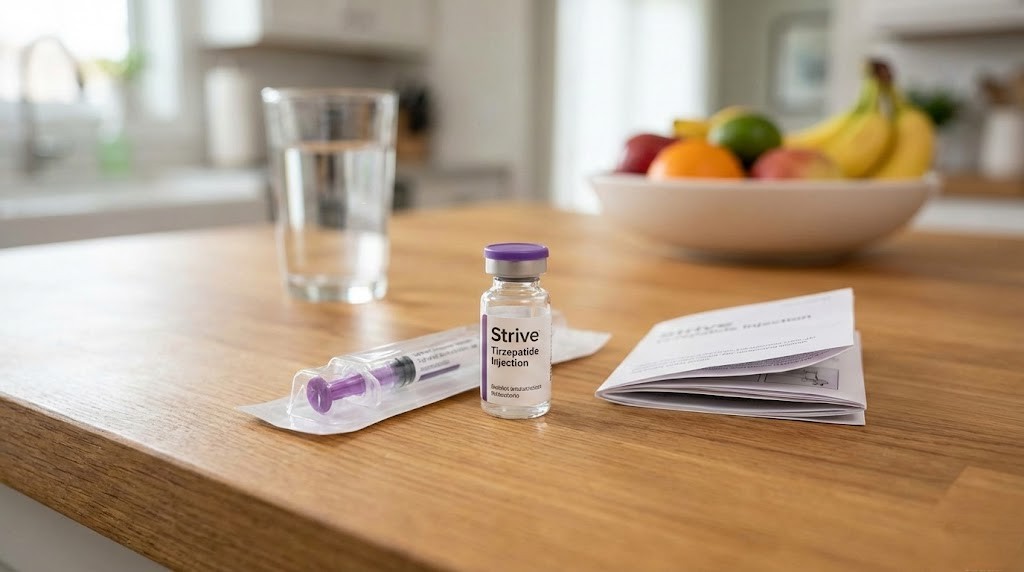
Tired of sorting through conflicting information about compounded tirzepatide? You are not alone. The compounding pharmacy landscape has shifted dramatically over the past year, and Strive Pharmacy sits right at the center of it all. Between FDA rulings on drug shortages, Eli Lilly lawsuits targeting compounders, and a flood of new formulations hitting the market, knowing what you are actually getting when you order compounded tirzepatide has never been more confusing. Or more important.
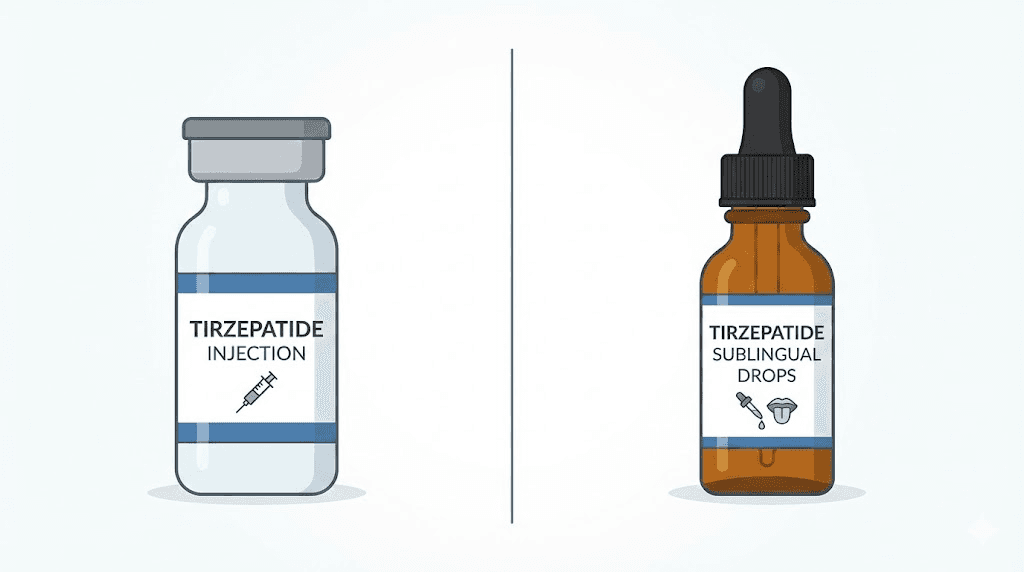
Strive Pharmacy, headquartered in Gilbert, Arizona, has grown from a single location into one of the largest compounding pharmacies in the United States, with nine 503A pharmacy locations and licensure in all 50 states. They offer two distinct tirzepatide formulations: an injectable tirzepatide/glycine/B12 combination and a sublingual drop called SubMagna. Both promise the same active ingredient found in brand-name Mounjaro and Zepbound, but with added compounds designed to reduce side effects and improve the overall experience.
This guide covers everything you need to know about Strive Pharmacy tirzepatide. From their specific formulations and dosing schedules to the regulatory battles that could affect availability, from real user experiences to how their products stack up against other compounding pharmacies. Whether you are already using Strive tirzepatide, considering switching from another source, or starting your compounded tirzepatide journey for the first time, this is the reference you will want to bookmark. SeekPeptides has analyzed the data, the reviews, and the regulatory landscape so you do not have to piece it together yourself.
What is Strive Pharmacy?
Strive Pharmacy is a specialty compounding pharmacy that creates customized medications tailored to individual patient needs. Originally founded as La Vita Compounding Pharmacy, the company rebranded to Strive Pharmacy and has expanded rapidly. They now operate nine 503A pharmacy locations across the United States, with their headquarters in Gilbert, Arizona.
The pharmacy holds accreditations from the National Association of Boards of Pharmacy (NABP) and the Pharmacy Compounding Accreditation Board (PCAB). These are voluntary accreditations. Most compounding pharmacies do not pursue them, which makes Strive one of the more transparent operations in the compounding space. They also hold LegitScript certification, another voluntary compliance measure that signals a commitment to operating within regulatory guidelines.
What sets Strive apart from many compounding pharmacies is their scale. They are not a small corner pharmacy mixing a few prescriptions. They are a major operation with multiple locations, standardized processes, and a dedicated focus on compounded GLP-1 medications alongside other therapeutic categories. Their weight management division compounds both semaglutide formulations and tirzepatide formulations, making them one of the few pharmacies offering the full spectrum of GLP-1 receptor agonist compounds.
Licensed in all 50 states. That detail matters more than you might think.
Many compounding pharmacies can only ship to a handful of states due to licensing restrictions. Strive has invested in obtaining licenses everywhere, which means regardless of where you live in the United States, you can potentially access their tirzepatide formulations through a prescribing provider. This nationwide reach, combined with their accreditations and growing provider network, has positioned them as one of the go-to sources for compounded tirzepatide.
Strive Pharmacy accreditations and certifications
Understanding pharmacy accreditations helps you evaluate legitimacy. Here is what Strive holds and what each means for you as a patient.
PCAB accreditation is the gold standard for compounding pharmacies. The Pharmacy Compounding Accreditation Board evaluates everything from ingredient sourcing to final product testing. Pharmacies that earn PCAB accreditation undergo rigorous inspections that go well beyond state board requirements. They must demonstrate consistent quality control, proper equipment calibration, and adherence to United States Pharmacopeia (USP) standards for compounding. Not every pharmacy that applies for PCAB accreditation receives it.
NABP accreditation covers broader pharmacy operations including proper record-keeping, pharmacist qualifications, prescription verification processes, and patient counseling standards. Think of it as the general operational seal of approval, while PCAB focuses specifically on the compounding side.
LegitScript certification verifies that the pharmacy operates legally and follows applicable regulations. This certification is particularly relevant for pharmacies that work with telehealth providers and online prescription services, as it signals to partner platforms that the pharmacy meets compliance standards. For patients researching affordable compounded tirzepatide options, these certifications provide a baseline of trust.
Strive Pharmacy tirzepatide formulations explained
Strive offers two distinct tirzepatide products. Each serves a different patient preference, and understanding the differences between them is critical for making the right choice with your prescriber.
Tirzepatide/glycine/B12 injectable
The flagship tirzepatide product from Strive is their injectable tirzepatide with B12 and glycine combination. This is administered as a subcutaneous injection once per week, just like brand-name Mounjaro and Zepbound.
The formulation includes three active components. Tirzepatide is the primary compound, a dual GIP/GLP-1 receptor agonist that works on two separate incretin pathways to regulate blood sugar, suppress appetite, and promote weight loss. Glycine is an amino acid added specifically to support muscle preservation during periods of rapid weight loss, addressing one of the most common concerns among tirzepatide users. Cyanocobalamin, which is vitamin B12, is included to help reduce nausea, the single most reported side effect during the initial titration period.
This combination is not unique to Strive. Many compounding pharmacies offer similar tirzepatide/glycine formulations. But Strive has standardized their process across multiple locations, which theoretically provides more consistency batch to batch compared to a single-location pharmacy.
The concentration is typically 10mg/5mg/500mcg per mL. That translates to 10mg of tirzepatide, 5mg of glycine, and 500mcg of cyanocobalamin per milliliter of solution. Vials commonly come in 2mL (20mg total tirzepatide) or 4mL (40mg total tirzepatide) sizes, depending on the prescription and dosing needs.
Tirzepatide SubMagna sublingual drops
The second option is Strive Pharmacy SubMagna tirzepatide sublingual drops. This is an oral tirzepatide formulation administered under the tongue rather than through injection.
SubMagna is a delivery technology, not a Strive invention. It was developed by PCCA (Professional Compounding Centers of America) as a sublingual base that forms an emulsion when exposed to saliva. The technology uses mucoadhesive properties to keep the active ingredient in contact with the sublingual tissue longer than a standard liquid drop would. This prolonged contact time is designed to improve absorption through the mucous membranes.
For patients who have needle phobia or simply prefer not to inject, sublingual drops represent an alternative delivery method. However, there is an important caveat. The bioavailability of sublingual tirzepatide has not been established through large-scale clinical trials in the same way injectable tirzepatide has. The absorption rate through sublingual tissue may differ significantly from subcutaneous injection, which could affect both the timing and magnitude of therapeutic effects.
The oral versus injection debate for tirzepatide is ongoing. Some patients report comparable results with sublingual drops. Others find that injectable formulations produce more consistent appetite suppression and weight loss outcomes. Your prescriber can help determine which route makes the most sense based on your specific situation, tolerance for injections, and treatment goals.
How tirzepatide works in the body
Before diving into Strive-specific dosing schedules and protocols, understanding the mechanism behind tirzepatide helps explain why this particular peptide has generated so much attention in the weight management space.
Tirzepatide is a dual-action molecule. It activates both GIP (glucose-dependent insulinotropic polypeptide) receptors and GLP-1 (glucagon-like peptide-1) receptors. This dual activation is what distinguishes tirzepatide from single-action GLP-1 medications like semaglutide.
When tirzepatide binds to GLP-1 receptors, it enhances glucose-dependent insulin secretion. Your pancreas releases more insulin, but only when blood sugar is elevated. This glucose-dependent mechanism is important because it reduces the risk of hypoglycemia compared to older diabetes medications that stimulate insulin release regardless of blood sugar levels. The GLP-1 pathway also suppresses glucagon, slows gastric emptying, and acts on appetite-regulating centers in the brain to reduce hunger and food intake.
The GIP receptor activation adds another layer. GIP receptors are found throughout the body, including in adipose tissue, bone, and the central nervous system. The combined activation of both pathways appears to produce greater weight loss than GLP-1 activation alone, which is why tirzepatide has shown superior weight loss results compared to semaglutide in head-to-head trials.
The SURMOUNT-1 trial demonstrated that tirzepatide at the highest dose (15mg) produced an average weight loss of 22.5% of body weight over 72 weeks. That is significantly more than the roughly 15% achieved with semaglutide at its highest dose in comparable trials. These numbers matter when evaluating whether the additional complexity and cost of tirzepatide over semaglutide makes sense for your situation.
Gastric emptying slows substantially on tirzepatide. Food stays in the stomach longer, which contributes to feelings of fullness and reduced caloric intake. This is also why certain foods should be avoided while on tirzepatide, and why gastrointestinal side effects are the most commonly reported complaints during the titration phase.
Why dual-action matters for weight loss
Single-action GLP-1 medications work well. Semaglutide has proven that beyond any doubt. But the addition of GIP receptor activation in tirzepatide creates what researchers describe as a synergistic effect. The two pathways do not simply add together. They amplify each other.
GIP receptor activation in adipose tissue appears to improve fat metabolism directly, helping the body mobilize and burn stored fat more efficiently. Combined with the appetite suppression from the GLP-1 pathway, this dual mechanism produces faster and more substantial weight loss for many patients. Clinical trial data consistently shows that tirzepatide before and after results tend to be more dramatic than those seen with semaglutide alone.
This is relevant to the Strive Pharmacy conversation because the compounded tirzepatide they produce should, in theory, activate both of these pathways identically to brand-name Mounjaro. The tirzepatide molecule itself is the same. What differs is the manufacturing process, the additional compounds (glycine, B12), and the delivery systems available.
Strive Pharmacy tirzepatide dosing schedule
Dosing compounded tirzepatide from Strive follows a specific titration schedule designed to minimize side effects while gradually building up to a therapeutic dose. The schedule Strive recommends for their tirzepatide/glycine/B12 injectable is measured in units rather than milligrams, since the concentration is standardized at 10mg per mL.
Standard injectable titration protocol
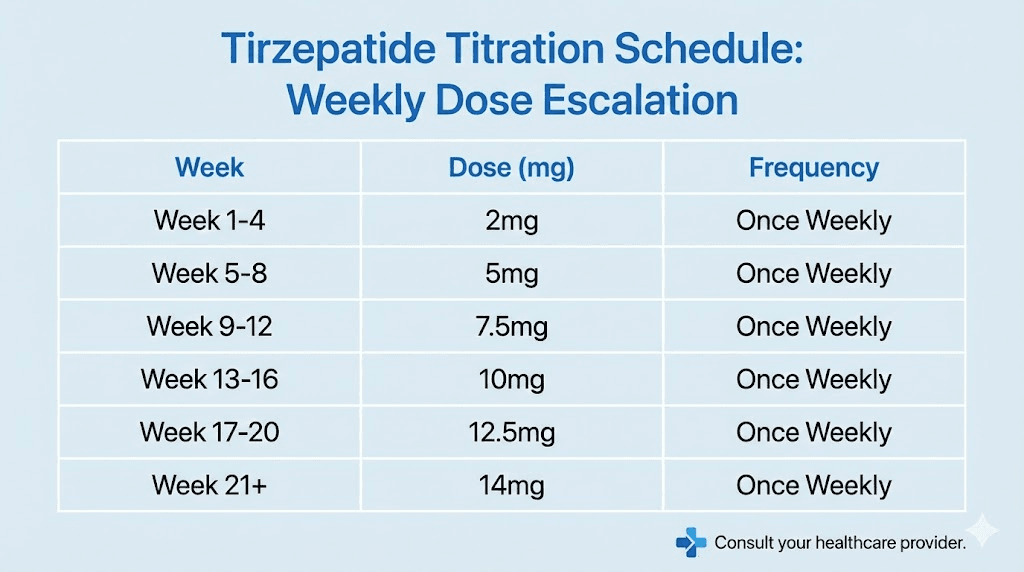
Understanding tirzepatide dosing in units is essential when using compounded formulations. Here is the standard Strive Pharmacy titration schedule:
Timeframe | Dose in Units | Dose in mL | Approximate mg |
|---|---|---|---|
Weeks 1-4 | 20 units | 0.2 mL | 2.0 mg |
Weeks 5-8 | 40 units | 0.4 mL | 4.0 mg |
Weeks 9-12 | 70 units | 0.7 mL | 7.0 mg |
Weeks 13-16 | 90 units | 0.9 mL | 9.0 mg |
Weeks 17-20 | 120 units | 1.2 mL | 12.0 mg |
Week 21+ | 140 units | 1.4 mL | 14.0 mg |
This schedule differs slightly from the brand-name Mounjaro titration, which uses fixed dose pens at 2.5mg, 5mg, 7.5mg, 10mg, 12.5mg, and 15mg. The compounded version allows for more granular dose adjustments, which is one of the arguments compounding pharmacies make for their products. Instead of jumping from 5mg to 7.5mg, your prescriber can dial in a dose anywhere along the spectrum.
Each injection is administered subcutaneously once per week. The injection site should rotate between the abdomen, thigh, and upper arm to reduce the risk of injection site reactions and lipodystrophy. Consistency in timing matters. Pick a day and approximate time each week and stick with it.
Converting between units and milligrams
Confusion between units and milligrams is one of the most common issues with compounded tirzepatide. With Strive formulation at 10mg/mL concentration, the conversion is straightforward. But it helps to understand the math.
An insulin syringe measures in units, where 100 units equals 1 mL. So if the concentration is 10mg per mL, then every 10 units (0.1 mL) equals 1mg of tirzepatide. Understanding conversions like how many mg is 20 units of tirzepatide or how many mg is 40 units becomes essential when tracking your dose against clinical trial data or comparing with brand-name dosing.
Here is a quick reference for Strive formulation at 10mg/mL:
Units | mL | Tirzepatide (mg) |
|---|---|---|
10 units | 0.1 mL | 1.0 mg |
20 units | 0.2 mL | 2.0 mg |
30 units | 0.3 mL | 3.0 mg |
40 units | 0.4 mL | 4.0 mg |
50 units | 0.5 mL | 5.0 mg |
70 units | 0.7 mL | 7.0 mg |
90 units | 0.9 mL | 9.0 mg |
100 units | 1.0 mL | 10.0 mg |
120 units | 1.2 mL | 12.0 mg |
140 units | 1.4 mL | 14.0 mg |
If you need help calculating exact doses based on your specific prescription concentration, use a compounded tirzepatide dosage calculator or the SeekPeptides peptide calculator to verify your numbers. Getting the dose right matters enormously, and small errors compound over weeks and months of treatment.
Microdosing considerations
Some prescribers recommend starting below the standard 20-unit (2mg) dose, particularly for patients who are sensitive to GLP-1 medications or who have experienced significant side effects with semaglutide or other GLP-1 drugs in the past. A microdosing approach to tirzepatide might start at 10 units (1mg) for the first two weeks before moving to 15 units (1.5mg) and then 20 units (2mg).
The advantage of compounded tirzepatide over brand-name for microdosing is flexibility. Mounjaro pens come in fixed doses. With a compounded vial and insulin syringe, you can draw up exactly the amount your prescriber recommends, down to individual unit increments. This granularity is particularly valuable during the initial titration period when finding the right dose often requires fine-tuning.
The glycine and B12 advantage
The addition of glycine and B12 to Strive Pharmacy tirzepatide is not just marketing. Both compounds serve specific therapeutic purposes that address real concerns patients have during GLP-1 treatment.
Why glycine matters during weight loss
Rapid weight loss, the kind tirzepatide can produce, does not discriminate between fat and muscle. Studies on GLP-1 medications show that approximately 25-40% of weight lost can come from lean mass rather than fat mass. That is a significant concern, especially for patients who are already at risk of sarcopenia or who want to maintain functional strength during their weight loss journey.
Glycine in tirzepatide formulations helps address this concern. Glycine is one of the most abundant amino acids in the body and plays a crucial role in collagen synthesis, creatine production, and glutathione formation. During periods of caloric restriction and weight loss, supplemental glycine supports muscle protein synthesis and may help preserve lean mass.
Glycine also has anti-inflammatory properties and supports connective tissue health. For patients losing significant weight, maintaining connective tissue integrity becomes important as the body adapts to its changing composition. The typical dose of 5mg of glycine per mL in the Strive formulation provides a consistent daily dose with each weekly injection.
How B12 reduces nausea
Nausea is the number one complaint during the initial weeks of tirzepatide treatment. Some patients experience mild queasiness that resolves within hours. Others deal with persistent nausea that makes eating difficult and can lead to dehydration if not managed properly.
Cyanocobalamin (vitamin B12) at the 500mcg dose included in Strive formulation has been associated with reduced nausea severity in some patients. The mechanism is not entirely clear, but B12 plays a role in nervous system function and neurotransmitter synthesis, which may help modulate the nausea response triggered by GLP-1 receptor activation in the brainstem.
Tirzepatide with B12 has become one of the most popular compounded formulations specifically because of this anti-nausea benefit. Beyond nausea management, B12 supplementation addresses a practical concern. GLP-1 medications slow gastric emptying and reduce food intake, which can lead to reduced absorption of certain vitamins and minerals. Having B12 delivered directly via injection ensures adequate levels regardless of dietary changes. Patients dealing with GLP-1 fatigue may also benefit from the energy-supporting properties of B12.
Tirzepatide compound comparisons
Not all compounded tirzepatide formulations include the same additives. Here is how common formulations compare:
Formulation | Nausea Support | Muscle Preservation | Availability |
|---|---|---|---|
Tirzepatide/Glycine/B12 | Yes (B12) | Yes (Glycine) | Strive, Empower, others |
Tirzepatide/B12 only | Yes (B12) | No | Multiple pharmacies |
Partial | No | Select pharmacies | |
Tirzepatide standalone | No | No | Most compounders |
Yes | Yes | Premium compounders |
The Strive Pharmacy formulation with glycine and B12 hits the two most requested additions. If you are comparing pharmacy options, the formulation matters just as much as the pharmacy itself. Patients interested in the broader comparison between semaglutide with B12 and tirzepatide with B12 should consider that both benefit from the added vitamin, but the underlying mechanism of tirzepatide (dual receptor activation) provides a different therapeutic profile.
Side effects and how to manage them
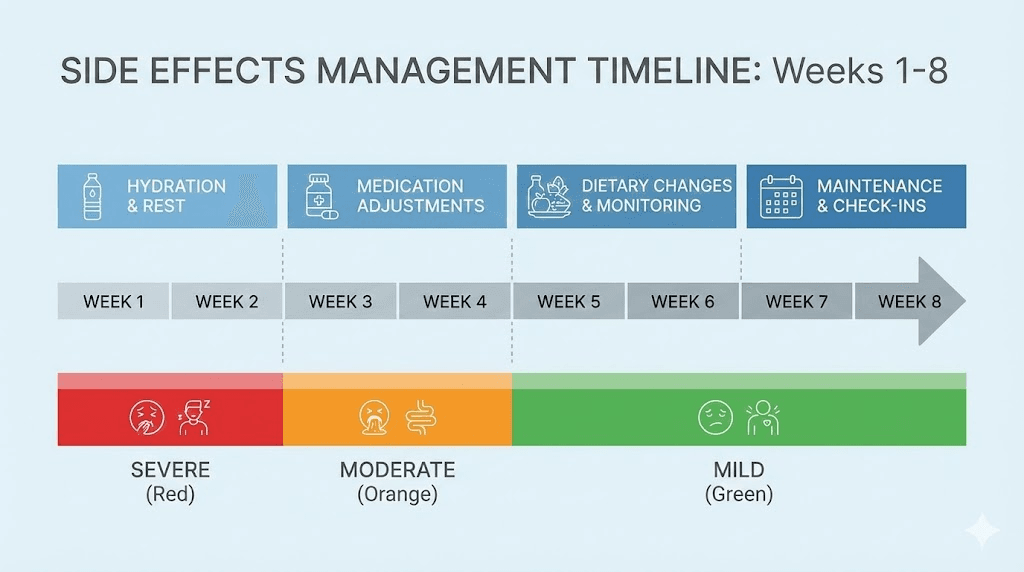
Every tirzepatide formulation, whether brand-name or compounded, comes with a predictable set of side effects. The good news is that most are manageable, temporary, and tend to diminish as the body adjusts. The bad news is that the first few weeks can be rough.
Common side effects
The most frequently reported side effects with Strive Pharmacy tirzepatide mirror those seen in clinical trials for brand-name Mounjaro:
Nausea affects the majority of patients during the first 4-8 weeks and after each dose increase. The B12 in Strive formulation may help reduce severity, but it does not eliminate it entirely. Eating smaller, more frequent meals and avoiding high-fat foods helps significantly. Injecting in the evening near bedtime allows some patients to sleep through the worst of it.
Constipation develops because tirzepatide slows gastric motility throughout the entire digestive tract, not just the stomach. Adequate hydration (aim for at least 64 ounces of water daily) and fiber supplementation are first-line management strategies. For persistent constipation, your provider may recommend osmotic laxatives. Our guide on tirzepatide constipation treatment covers evidence-based strategies in detail.
Diarrhea can occur, sometimes alternating with constipation during the adjustment period. This typically resolves within the first month at each dose level.
Acid reflux results from slowed gastric emptying combined with changes in stomach acid production. Eating smaller portions, avoiding lying down after meals, and elevating the head of the bed can help. Some patients benefit from proton pump inhibitors during the initial titration phase.
Injection site reactions range from mild redness and itching to small lumps at the injection site. Rotating injection locations between abdomen, thigh, and upper arm reduces the frequency. Ensuring the medication has reached room temperature before injecting also helps. If you are experiencing persistent reactions, our guide on tirzepatide and headaches and other side effect management may be helpful.
Fatigue is common in the first weeks, often related to reduced caloric intake as appetite suppression takes effect. Making sure you are still eating adequate protein (at least 0.8-1g per pound of target body weight) and maintaining proper supplementation while on tirzepatide helps combat this. Some patients ask whether tirzepatide makes you tired directly, and the answer is nuanced, involving both the medication itself and the caloric changes it produces.
Serious side effects and contraindications
While most side effects are mild and temporary, there are serious considerations that apply to all tirzepatide products, including Strive formulations.
Pancreatitis risk: Tirzepatide carries a warning about potential pancreatitis. Symptoms include severe abdominal pain that radiates to the back, nausea, and vomiting. If you experience these symptoms, stop the medication and contact your healthcare provider immediately.
Medullary thyroid carcinoma (MTC): Tirzepatide carries a boxed warning about thyroid C-cell tumors observed in rodent studies. Patients with a personal or family history of MTC or Multiple Endocrine Neoplasia syndrome type 2 (MEN 2) should not use tirzepatide.
Gallbladder problems: Rapid weight loss from any cause increases gallstone risk. Tirzepatide users should be aware of symptoms like sudden right upper abdominal pain, fever, and jaundice.
Kidney issues: Dehydration from nausea, vomiting, or diarrhea can worsen kidney function. Staying hydrated is not just advice. It is a medical necessity while on tirzepatide.
Mental health considerations: Some reports have noted changes in mood, including anxiety and, rarely, suicidal ideation. If you are wondering whether tirzepatide can cause anxiety, the answer is that while uncommon, it has been reported. Any changes in mental health should be discussed with your prescriber immediately.
Pregnancy: Tirzepatide should be discontinued at least two months before planned pregnancy and should not be used during pregnancy or breastfeeding. For more on this topic, see our guide on GLP-1 medications and breastfeeding.
Managing the first month
The first four weeks on Strive tirzepatide are typically the hardest. Your body is adjusting to a new medication that fundamentally changes how your digestive system operates. Here is a practical approach to getting through it.
Start with bland, easily digestible foods. Crackers, toast, bananas, rice, and broth are your friends during the first two weeks. Gradually reintroduce other foods as your tolerance improves. Refer to our comprehensive guide on what to eat on tirzepatide for specific meal ideas.
Stay hydrated aggressively. Nausea makes drinking water less appealing, but dehydration makes nausea worse, creating a vicious cycle. Sipping small amounts frequently works better than trying to drink large volumes at once. Electrolyte solutions can help if you are struggling with plain water.
Time your injection strategically. Many Strive patients find that injecting on Friday evening works well because any nausea or fatigue from the injection falls over the weekend rather than during work days. Others prefer injecting at bedtime to sleep through the initial wave of side effects.
Do not skip meals entirely. Even though your appetite may be dramatically reduced, eating something is important for maintaining energy, preventing muscle loss, and ensuring adequate nutrient intake. Following a structured tirzepatide diet plan or meal plan helps ensure you are getting enough nutrition even when appetite is minimal.
Storage and handling for Strive Pharmacy tirzepatide
Proper storage is not optional. It directly affects the potency and safety of your compounded tirzepatide.
Refrigeration requirements
Strive Pharmacy tirzepatide should be stored in the refrigerator at 36-46 degrees Fahrenheit (2-8 degrees Celsius). This applies to both unopened and opened vials. Unlike some brand-name medications that have specific room temperature windows after opening, compounded tirzepatide generally should return to the refrigerator immediately after drawing each dose.
The question of whether tirzepatide needs to be refrigerated comes up frequently. The short answer is yes, always. Compounded formulations may not have the same stability-enhancing excipients that brand-name products contain, making them potentially more sensitive to temperature fluctuations.
Tirzepatide shelf life in the fridge varies by pharmacy and formulation but is typically 30-90 days for compounded products. Check the expiration date on your specific vial and do not use medication past that date. Understanding tirzepatide expiration is crucial for maintaining efficacy.
What to do if tirzepatide is left out
If your Strive tirzepatide is accidentally left out of the refrigerator, the timeline matters. Brief exposures of a few hours at controlled room temperature (below 77 degrees Fahrenheit) are generally not problematic. Extended exposure to room temperature or exposure to heat or direct sunlight may compromise the medication. For detailed guidance, see our article on how long compounded tirzepatide can be out of the fridge.
When in doubt, contact Strive Pharmacy directly. They can advise whether a specific exposure scenario likely affected your medication. It is always better to ask than to inject potentially degraded medication.
Shipping and receiving tips
Strive ships tirzepatide with cold packs to maintain temperature during transit. When your package arrives, move it to the refrigerator immediately. If the cold packs are completely warm upon arrival or the outer packaging feels hot, contact Strive before using the medication. They should replace compromised shipments.
For patients in warmer climates, requesting expedited shipping during summer months is worth the additional cost. A package sitting on a hot porch for hours in Arizona or Texas heat could easily exceed safe temperature ranges.
The regulatory landscape around compounded tirzepatide
This section matters more than you might think. The regulatory environment directly affects whether compounded tirzepatide from Strive or any other pharmacy will remain available.
The FDA shortage declaration and its aftermath
Compounding pharmacies were able to produce tirzepatide products because the FDA had declared a shortage of Mounjaro and Zepbound. Under federal law, when an FDA-approved drug is in shortage, compounding pharmacies may produce copies to help fill the gap. This is a well-established exception to the general rule that compounders cannot copy commercially available drugs.
In late 2024, the FDA determined that the tirzepatide shortage had ended. This declaration meant that, technically, compounding pharmacies should have stopped producing tirzepatide products. However, many pharmacies, including Strive, continued compounding by modifying their formulations, adding ingredients like glycine, B12, or niacinamide to differentiate their products from the brand-name versions.
The argument is straightforward. A medication containing tirzepatide plus glycine plus B12 is not the same as a medication containing tirzepatide alone. Therefore, it is not a copy of Mounjaro or Zepbound. It is a different, customized compound. This argument has legal merit but remains untested in many jurisdictions. The grey market for tirzepatide exists partly because of these regulatory ambiguities.
The Eli Lilly lawsuits
In early 2025, Eli Lilly, the manufacturer of Mounjaro and Zepbound, filed lawsuits against both Strive Pharmacy and Empower Pharmacy, two of the largest tirzepatide compounders in the country. Lilly alleged that these pharmacies were falsely marketing their products as personalized versions of FDA-approved tirzepatide when they were actually mass-producing standardized formulations.
The key allegations included deceptive trade practices, false advertising, and misleading consumers about the nature and testing of compounded products. Lilly argued that the added ingredients (B12, glycine) were cosmetic differentiators rather than meaningful clinical modifications, and that the pharmacies were essentially circumventing the end of the shortage declaration.
Strive responded publicly, calling the lawsuit "a classic example of Big Pharma overstepping legitimate regulations to prioritize its own interests." They stated they would vigorously defend their position and their right to compound medications that differ from commercially available products.
A federal judge in Delaware later dismissed the case against Strive Pharmacy. This was a significant legal victory for the compounding industry, but it does not mean the battle is over. Eli Lilly has indicated plans to pursue additional legal action and has sent cease-and-desist letters to approximately fifty other compounders and telehealth companies.
What does this mean for patients currently using Strive tirzepatide? In the short term, Strive continues to compound and ship tirzepatide products. In the longer term, the legal landscape remains uncertain. Patients should be prepared for the possibility that compounded tirzepatide availability could change with future court rulings or FDA actions. Having a backup plan, whether that is switching to semaglutide or transitioning to brand-name tirzepatide, is prudent.
503A vs 503B pharmacy classification
Understanding pharmacy classification helps explain Strive operations. Strive operates 503A pharmacies, which compound medications based on individual prescriptions. This is different from 503B outsourcing facilities, which can compound larger batches without patient-specific prescriptions but face stricter FDA oversight.
503A pharmacies are regulated primarily by state boards of pharmacy. They must have a prescription before compounding and are limited in how much they can compound in anticipation of future prescriptions. The PCAB and NABP accreditations Strive holds provide an additional layer of quality assurance beyond state board requirements, but the oversight framework is fundamentally different from FDA-regulated pharmaceutical manufacturing.
This distinction matters for quality assurance. Brand-name Mounjaro goes through extensive stability testing, batch-by-batch potency verification, and multi-year shelf life studies. Compounded products from 503A pharmacies, while held to USP compounding standards, do not undergo the same level of testing. This does not mean compounded products are unsafe. It means the quality assurance framework operates on a different model.
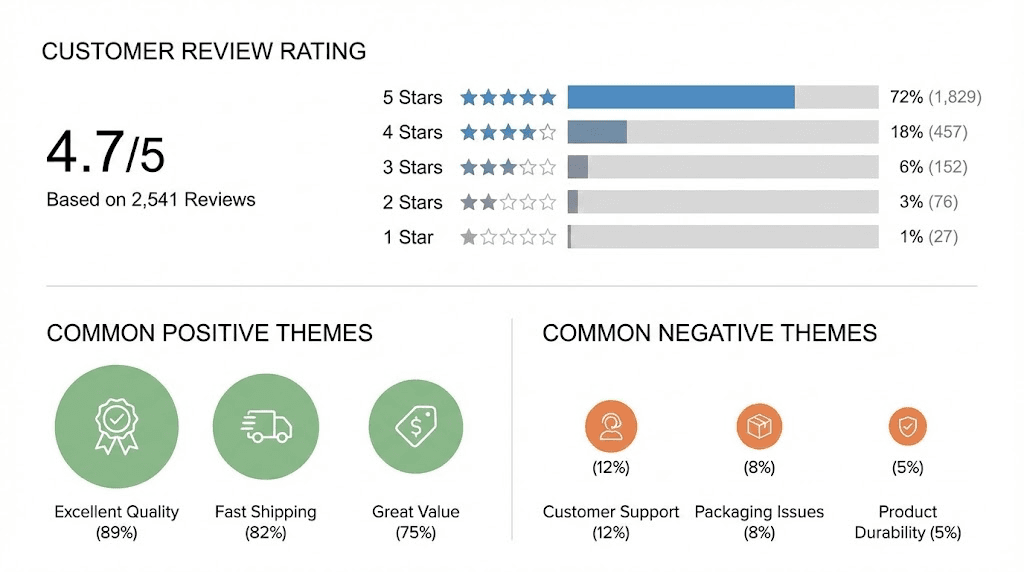
Strive Pharmacy reviews and reputation
Real-world feedback from Strive patients provides valuable insight beyond what marketing materials and accreditations can tell you.
Overall ratings
Strive Compounding Pharmacy holds a 4.5-star rating on Birdeye with over 1,370 reviews. On Yelp, their Gilbert, Arizona headquarters has over 100 reviews. These numbers suggest a generally positive patient experience, though as with any pharmacy, individual experiences vary.
What patients like
Positive reviews consistently highlight several themes. Patients appreciate the quality of the tirzepatide formulation itself, with multiple reviewers noting that Strive compounded tirzepatide "felt different" from formulations they had received from other compounding pharmacies. Whether this reflects actual quality differences or placebo effect is impossible to determine from anecdotal reports, but the consistency of this feedback across multiple reviewers is notable.
Turnaround time receives frequent praise. Strive appears to ship orders relatively quickly compared to some competitors, with many patients reporting receipt within 3-5 business days of prescription verification. For patients eager to start or continue treatment without gaps, this matters.
The provider network also draws positive feedback. Strive works with a large number of prescribers and telehealth platforms, making it relatively easy for patients to find a provider who can prescribe through Strive. This accessibility is particularly valuable for patients in areas where local providers may not offer compounded GLP-1 medications.
Common complaints
No pharmacy is perfect, and Strive has its share of negative reviews. Communication issues appear most frequently in negative feedback. Patients report difficulty reaching customer service during busy periods, delayed responses to emails, and occasional confusion about order status. For a pharmacy that has grown as rapidly as Strive, these growing pains are not surprising but are still frustrating for affected patients.
Delivery timing inconsistencies are another common complaint. While many patients receive orders quickly, others report delays, particularly during periods of high demand or regulatory uncertainty. These delays can be especially problematic for patients who need their next injection on schedule and did not order with enough lead time.
Price concerns appear in some reviews, though pricing for compounded tirzepatide varies significantly based on dose, formulation, and whether the patient is accessing through a provider or telehealth platform. The Strive website lists their tirzepatide/glycine/B12 starting at $100 per package, but actual patient costs may differ based on the specific prescription and provider markup.
Healthcare provider perspective
Some healthcare providers who prescribe through Strive have publicly noted positive experiences, with one provider stating that tirzepatide from Strive showed "a significant positive difference" compared to other compounding pharmacies. While individual provider opinions do not constitute clinical evidence, they do suggest that at least some prescribers view Strive favorably relative to competitors.
Strive tirzepatide vs other compounding pharmacies
Strive is not the only option for compounded tirzepatide. Understanding how they compare to other major players helps you make an informed decision.
Strive vs Empower Pharmacy
Empower Pharmacy is often mentioned alongside Strive as one of the two largest tirzepatide compounders in the United States. Both faced Eli Lilly lawsuits, and both offer similar glycine/B12 formulations. Key differences include pharmacy classification (Empower operates as both 503A and 503B), geographic footprint, and the specific telehealth platforms each works with.
Empower tends to work with a broader range of telehealth startups, while Strive has focused on building its own provider network. Both hold PCAB and NABP accreditations. Patient reviews for both are generally positive but with similar complaints about communication during peak demand periods. For a detailed comparison of Empower pharmacy products including their semaglutide offerings, we have a separate guide.
Strive vs Olympia Pharmacy
Olympia Pharmacy is another major compounding player, particularly known for their semaglutide products. They also offer tirzepatide compounds, though their market share in tirzepatide is smaller than Strive or Empower. Olympia has a strong reputation for quality and consistency, and their semaglutide products are widely prescribed through various telehealth platforms.
Strive vs smaller compounding pharmacies
Smaller, local compounding pharmacies may also offer tirzepatide formulations. The advantages of smaller pharmacies include more personalized service, faster communication, and sometimes the ability to customize formulations beyond standard offerings. The disadvantages include potentially less rigorous quality controls (fewer accreditations), limited shipping capabilities, and less standardized processes.
For patients comparing options, our guide on affordable compounded tirzepatide covers pricing and accessibility across multiple sources. The cheapest option is not always the best option when it comes to compounded medications, but understanding the pricing landscape helps you evaluate whether what you are paying is reasonable.
Factor | Strive | Empower | Olympia | Local Compounders |
|---|---|---|---|---|
PCAB Accredited | Yes | Yes | Varies | Rarely |
NABP Accredited | Yes | Yes | Varies | Varies |
503A/503B | 503A | Both | 503B | 503A |
50-State Licensure | Yes | Yes | Limited | Limited |
Glycine/B12 Option | Yes | Yes | Limited | Varies |
Sublingual Option | Yes (SubMagna) | Yes | No | Rarely |
Average Reviews | 4.5/5 | 4.0/5 | 4.3/5 | Varies |
Who is a good candidate for Strive compounded tirzepatide?
Compounded tirzepatide is not for everyone. Understanding who benefits most from this option helps set realistic expectations.
Ideal candidates
Patients who benefit most from Strive compounded tirzepatide typically share several characteristics. They have been unable to obtain brand-name Mounjaro or Zepbound due to insurance denial, supply issues, or cost prohibitions. They have a BMI above 27 with at least one weight-related comorbidity, or a BMI above 30 regardless of comorbidities. They want the flexibility of customized dosing that compounded formulations allow. They prefer the added benefits of glycine and B12 in their formulation.
Some patients switch to compounded tirzepatide after experiencing side effects with brand-name versions, hoping that the added glycine and B12 will improve tolerability. Others are transitioning from semaglutide to tirzepatide and want to try the compounded version before committing to brand-name pricing.
For patients who are considering tirzepatide for the first time, understanding whether you meet the clinical criteria is the first step. Check our guide on BMI requirements for GLP-1 medications to see if you fall within the typical prescribing parameters.
Who should avoid compounded tirzepatide
Certain patients should not use compounded tirzepatide from any source, including Strive. This includes individuals with a personal or family history of medullary thyroid carcinoma, those with Multiple Endocrine Neoplasia syndrome type 2, patients with type 1 diabetes or diabetic ketoacidosis, anyone currently taking another GLP-1 receptor agonist medication, pregnant or breastfeeding individuals, and patients with active pancreatitis.
Patients with severe kidney disease, a history of severe gastrointestinal disease, or significant liver impairment should discuss the risks carefully with their prescriber before starting any tirzepatide product. The decision to use compounded versus brand-name medication should always be made in consultation with a qualified healthcare provider.
How to get started with Strive Pharmacy tirzepatide
The process for obtaining tirzepatide from Strive Pharmacy involves several steps. Understanding them in advance helps avoid delays and confusion.
Step 1: Find a prescriber
Strive Pharmacy requires a valid prescription from a licensed healthcare provider. You can either use your existing doctor, find a provider through Strive network, or use a telehealth platform that works with Strive. The Strive website offers a "Find a Provider" tool that connects patients with prescribers in their area or online.
When choosing a prescriber, look for someone experienced with GLP-1 medications and compounded formulations specifically. A provider who understands the nuances of compounded tirzepatide dosing will be better equipped to manage your titration and handle any issues that arise during treatment.
Step 2: Get your prescription
Your provider will evaluate whether tirzepatide is appropriate for you based on your medical history, current medications, BMI, and treatment goals. If approved, they will write a prescription specifying the formulation (tirzepatide/glycine/B12 or SubMagna sublingual), concentration, quantity, and refill schedule.
The prescription must include a clinical justification for compounded tirzepatide over the commercially available product. This could be a documented clinical difference (such as the need for glycine for muscle preservation or a specific dose not available in brand-name pens) or documented inability to obtain the brand-name product.
Step 3: Pharmacy verification and fulfillment
Once Strive receives your prescription, they verify it with the prescriber, process payment, compound the medication, and ship it with appropriate cold chain packaging. The typical turnaround from prescription receipt to delivery is 3-7 business days, though this can vary during peak demand periods.
Step 4: Learn proper injection technique
If you are new to subcutaneous injections, proper technique matters. Understanding how to inject GLP-1 medications correctly reduces the risk of injection site reactions, improves absorption consistency, and makes the experience less intimidating. Key points include injecting at a 90-degree angle into a pinched fold of skin, rotating injection sites, and allowing the medication to warm slightly before injecting.
For the injectable formulation, you will need insulin syringes to draw from the vial. Your provider or Strive Pharmacy can recommend the appropriate syringe size based on your dose. Most patients use 1mL insulin syringes with half-unit markings for maximum dose accuracy. The best injection sites for GLP-1 medications include the abdomen (at least two inches from the navel), the front of the thigh, and the back of the upper arm.
Step 5: Follow the titration schedule
Resist the temptation to increase doses faster than the prescribed schedule. The titration exists to give your body time to adjust. Jumping to higher doses too quickly dramatically increases the risk of severe nausea, vomiting, and other gastrointestinal side effects. If you are not losing weight on tirzepatide at your current dose, discuss options with your provider rather than self-adjusting.
Patience during the first 8-12 weeks is critical. Many patients do not see significant weight loss until they reach the 5-7mg dose range. The initial lower doses are primarily about allowing your body to adjust to the medication. The weight loss acceleration typically comes in the middle and higher dose ranges.
Diet and lifestyle while on Strive tirzepatide
Tirzepatide is not a magic shot. It is a powerful tool that works best when combined with appropriate dietary and lifestyle modifications.
Nutrition priorities
Protein is the single most important dietary priority while on tirzepatide. With reduced appetite and caloric intake, the body is at risk of breaking down muscle for energy if protein intake is inadequate. Aim for a minimum of 0.8 grams of protein per pound of target body weight daily. For a person targeting 160 pounds, that means at least 128 grams of protein per day.
This can be challenging when your appetite is dramatically suppressed. Protein shakes, Greek yogurt, eggs, and lean meats become dietary staples for many tirzepatide users. Our detailed tirzepatide diet plan provides meal-by-meal guidance for maintaining adequate nutrition while on reduced caloric intake.
Hydration cannot be overemphasized. Tirzepatide slows gastric emptying, which can make drinking fluids feel uncomfortable. But dehydration worsens nearly every side effect, from nausea to constipation to fatigue. Sipping water throughout the day rather than drinking large amounts at once works better for most patients.
Certain foods are best avoided, especially during the early titration phase. High-fat meals exacerbate nausea and acid reflux. Extremely spicy foods can worsen gastrointestinal discomfort. Large, heavy meals are difficult to digest with slowed gastric emptying. Refer to our comprehensive guide on foods to avoid on tirzepatide for specific recommendations. And for positive meal ideas, our guide on what to eat while on GLP-1 medications offers practical suggestions.
Exercise considerations
Exercise during tirzepatide treatment serves two critical functions. It helps preserve lean muscle mass during weight loss, and it improves overall metabolic health independent of the medication effects.
Resistance training is particularly important. The combination of caloric restriction and GLP-1 medication can accelerate muscle loss if not countered with strength training stimulus. Even two to three sessions per week of basic resistance exercises significantly reduces lean mass loss compared to tirzepatide treatment without exercise.
Cardiovascular exercise supports overall health but should be moderated based on energy levels, especially during the initial titration phase. Some patients find that high-intensity exercise worsens nausea during the first few weeks. Starting with moderate-intensity activities like walking, swimming, or cycling and progressing as tolerance allows is a reasonable approach.
Alcohol considerations
The question of whether you can drink alcohol on tirzepatide comes up frequently. Tirzepatide slows gastric emptying, which can affect how alcohol is absorbed and metabolized. Many patients report increased sensitivity to alcohol, meaning fewer drinks produce stronger effects. Moderation is important, and many prescribers recommend minimizing or avoiding alcohol during the initial months of treatment.
Supplementation
With reduced food intake comes reduced nutrient intake. A comprehensive supplementation plan while on tirzepatide helps prevent deficiencies that can develop over months of reduced eating. Common recommendations include a high-quality multivitamin, additional vitamin D, magnesium, omega-3 fatty acids, and a fiber supplement.
The B12 in the Strive formulation helps address one common deficiency, but it does not cover everything. Working with your provider to monitor nutrient levels periodically during treatment is a smart approach, particularly for patients on tirzepatide for extended periods.
Monitoring progress and knowing when to adjust
Effective tirzepatide treatment requires ongoing monitoring and willingness to adjust the approach based on results.
What to track
Weight is the obvious metric, but it should not be the only one. Body composition matters more than the number on the scale. Patients who exercise and prioritize protein may see slower scale movement but better overall results in terms of body composition, energy, and health markers.
Track these additional metrics throughout your Strive tirzepatide treatment. Waist circumference, which often decreases faster than weight. Energy levels throughout the day. Sleep quality, since GLP-1 medications can affect sleep patterns. Blood sugar levels if you have diabetes or prediabetes. Blood pressure, which often improves with weight loss. Appetite and hunger patterns, which help your provider optimize dosing.
Using a tool like the GLP-1 plotter can help visualize your progress over time and identify trends that might not be obvious from week-to-week measurements.
When results stall
Weight loss plateaus are normal and expected during tirzepatide treatment. The body adapts to caloric restriction and metabolic changes, sometimes resulting in weeks where the scale does not move. This does not necessarily mean the medication has stopped working.
However, if you have been at the same weight for more than 4-6 weeks with good adherence to diet and exercise, it may be time to discuss a dose adjustment with your provider. Our comprehensive guide on what to do when tirzepatide stops working covers strategies for breaking through plateaus.
Common causes of stalled progress include insufficient protein intake leading to metabolic slowdown, inadequate hydration affecting metabolism, missed or inconsistent injection timing, stress and sleep deprivation interfering with hormonal balance, and reaching a dose ceiling where higher doses no longer produce proportional benefits. For a broader look at troubleshooting, our guide on managing stalled weight loss on GLP-1 medications provides additional strategies.
Lab work and medical monitoring
Regular lab work during tirzepatide treatment helps catch potential issues early. Your provider should order baseline labs before starting treatment and follow-up labs at regular intervals. Key markers to monitor include fasting blood glucose and HbA1c (especially for diabetic or prediabetic patients), lipid panel (cholesterol often improves with weight loss), liver function tests, kidney function (creatinine and BUN), thyroid function, and complete blood count.
Some providers also monitor amylase and lipase levels periodically to screen for early signs of pancreatitis. The frequency of lab monitoring varies by provider but is typically every 3-6 months during active treatment.
Strive Pharmacy SubMagna sublingual drops in detail
While the injectable formulation is the more popular option, the SubMagna sublingual drops deserve detailed attention for patients who prefer a needle-free approach.
How SubMagna technology works
SubMagna is a proprietary sublingual base developed by PCCA (Professional Compounding Centers of America). When placed under the tongue, the formulation interacts with saliva to form an emulsion. This emulsion has two key properties. First, it increases the solubility and dispersibility of the active ingredient (tirzepatide). Second, its mucoadhesive properties help the emulsion stick to the sublingual tissue, prolonging contact time and potentially improving absorption.
Traditional sublingual drops often slide off the tissue quickly, resulting in the medication being swallowed rather than absorbed through the mucous membranes. SubMagna attempts to solve this problem by creating a sticky, slow-releasing layer that maintains contact with the thin, vascular tissue under the tongue for longer periods.
The tablets versus injection debate for tirzepatide extends to sublingual drops as well. Each delivery method has trade-offs in terms of convenience, bioavailability, and consistency of results.
Bioavailability considerations
The major unknown with sublingual tirzepatide is exact bioavailability. Injectable tirzepatide administered subcutaneously has well-established pharmacokinetic parameters from extensive clinical trials. Sublingual delivery has not been studied with the same rigor for tirzepatide specifically.
Peptides are generally challenging to deliver orally or sublingually because they are large molecules that do not easily cross mucous membranes and are susceptible to enzymatic degradation in the mouth and GI tract. SubMagna technology attempts to address these challenges, but the degree to which it succeeds varies by molecule and individual patient factors.
Patients using SubMagna sublingual tirzepatide should work closely with their prescriber to monitor results and adjust dosing as needed. If results with sublingual drops do not match expectations, switching to the injectable formulation may be appropriate. Understanding the broader context of oral versus injectable tirzepatide delivery helps set realistic expectations.
Administration technique for sublingual drops
Proper administration technique maximizes the chance of adequate absorption. Place the prescribed number of drops under the tongue. Do not swallow for at least 2-3 minutes. Avoid eating or drinking for 15-30 minutes after administration. Do not talk or move the tongue excessively during the absorption period.
The sublingual area has a dense network of blood vessels that allow medication to enter the bloodstream directly, bypassing first-pass liver metabolism. However, any medication that is swallowed rather than absorbed sublingually will enter the digestive system, where peptides are typically broken down by enzymes before they can reach therapeutic targets.
Comparing Strive tirzepatide to brand-name Mounjaro and Zepbound
Patients often want a direct comparison between compounded tirzepatide from Strive and the brand-name products. Here is an honest assessment of the similarities and differences.
Active ingredient
The tirzepatide molecule in Strive compounded formulations should be chemically identical to the tirzepatide in Mounjaro and Zepbound. Compounding pharmacies source tirzepatide active pharmaceutical ingredient (API) from suppliers who produce it to pharmaceutical-grade standards. However, the manufacturing process, purity testing, and quality controls differ between a compounding pharmacy and a major pharmaceutical manufacturer.
Formulation differences
Brand-name Mounjaro and Zepbound contain tirzepatide in a specific buffer solution with excipients designed for stability and optimal subcutaneous absorption. The exact formulation is proprietary and has undergone years of development and testing. Strive compounded formulations use different excipients plus the added glycine and B12, which means the pharmacokinetic profile, while expected to be similar, has not been verified through the same level of clinical testing.
Quality assurance differences
This is where the most significant differences lie. Brand-name tirzepatide is manufactured under FDA-regulated Current Good Manufacturing Practices (cGMP) with extensive testing at every stage. Each batch undergoes potency verification, sterility testing, endotoxin testing, and stability analysis. The results of these tests are documented and submitted to the FDA.
Compounded tirzepatide from a PCAB-accredited pharmacy like Strive follows USP compounding standards, which include testing requirements but at a different scale and rigor than cGMP pharmaceutical manufacturing. Strive accreditations indicate they exceed minimum compounding standards, but the testing framework is inherently different from FDA-regulated manufacturing.
Cost comparison
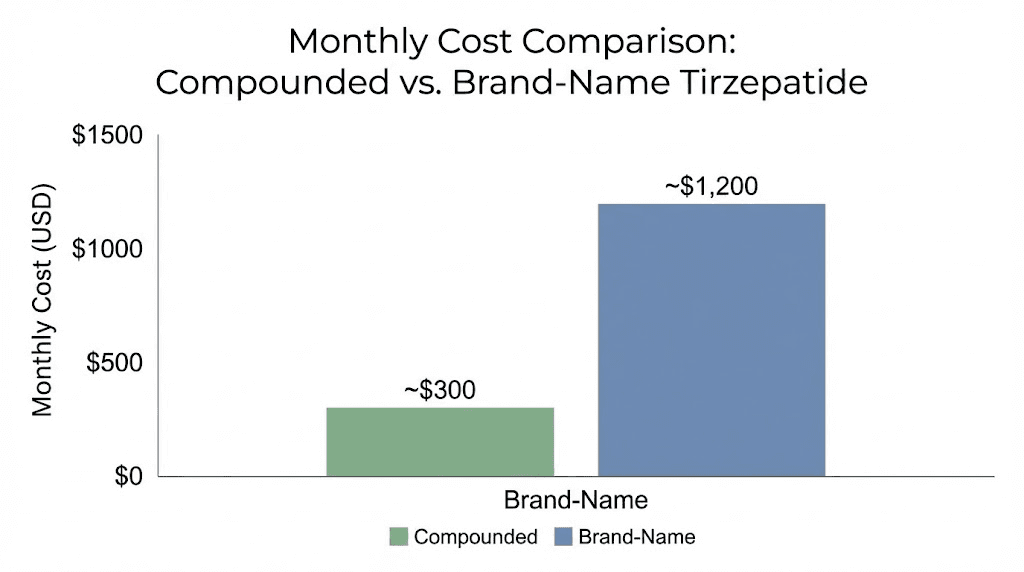
The most dramatic difference is cost. Brand-name Mounjaro carries a list price exceeding $1,000 per month without insurance. Zepbound is similarly priced. Insurance coverage varies dramatically. Some plans cover these medications fully. Others do not cover them at all.
Strive Pharmacy lists tirzepatide/glycine/B12 starting at $100 per package, and the SubMagna sublingual starting at $150. Actual patient costs depend on dosage, vial size, and whether the patient is accessing through a telehealth platform that adds its own fees. Even at the higher end, compounded tirzepatide from Strive typically costs a fraction of brand-name pricing. For patients comparing costs across all options, our guide on affordable tirzepatide options provides a comprehensive pricing overview.
Factor | Strive Compounded | Brand-Name Mounjaro/Zepbound |
|---|---|---|
Active Ingredient | Tirzepatide (compounded) | Tirzepatide (FDA-manufactured) |
Additional Compounds | Glycine, B12 | None (proprietary excipients) |
Delivery Methods | Injectable, Sublingual | Pre-filled auto-injector pen |
Clinical Trial Data | No (compounded) | Yes (extensive) |
FDA Approved | No | Yes |
Dose Flexibility | Any dose in 1-unit increments | Fixed doses (2.5-15mg) |
Cost (Monthly) | $100-400+ | $1,000+ without insurance |
Requires Prescription | Yes | Yes |
Long-term considerations for Strive tirzepatide users
Starting tirzepatide is one decision. Planning for the long term is another entirely.
How long to stay on tirzepatide
Clinical trial data shows that weight regain is common after discontinuing tirzepatide. The SURMOUNT-1 extension study found that participants who stopped tirzepatide regained approximately two-thirds of their lost weight within one year. This suggests that for many patients, tirzepatide is not a short-term treatment but a longer-term management strategy.
For patients using compounded tirzepatide from Strive, the long-term picture involves regulatory uncertainty. If future court rulings or FDA actions restrict compounded tirzepatide availability, patients may need to transition to brand-name products or alternative medications. Having a conversation with your prescriber about long-term planning is important. Understanding how long patients typically stay on GLP-1 medications provides useful context for this discussion.
Maintenance dosing strategies
Once you reach your target weight, your provider may recommend reducing the dose to a maintenance level rather than continuing at the full therapeutic dose. This approach can reduce side effects, lower costs, and still provide enough medication to prevent significant weight regain.
The flexibility of compounded tirzepatide dosing from Strive actually makes this easier than with brand-name products. Instead of choosing between fixed-dose pens, you can work with your provider to find the exact maintenance dose that keeps your weight stable with minimal side effects. Some patients maintain successfully on doses as low as 2.5-5mg per week after reaching their goal.
Hair loss and other long-term side effects
One concern that surfaces with extended tirzepatide use is hair loss. This is typically telogen effluvium, a temporary condition triggered by rapid weight loss rather than the medication itself. The body responds to significant caloric deficit and weight change by shifting hair follicles into a resting phase, which leads to increased shedding 2-4 months after the weight loss begins. For more detail, see our guide on GLP-1 medications and hair loss.
Other long-term considerations include gastrointestinal adaptation (most patients find side effects diminish significantly after the first 3-6 months), nutritional deficiencies that can develop with prolonged reduced caloric intake, and the psychological adjustment of maintaining a dramatically different body weight and relationship with food.
Alternative GLP-1 options if Strive is not right for you
If Strive Pharmacy does not meet your needs, or if you want to explore other options, several alternatives exist in the compounded GLP-1 space.
Other compounding pharmacies
Besides Strive and Empower Pharmacy, several other compounders offer tirzepatide formulations. Direct Meds, Olympia Pharmacy, and Lavender Sky are among the options patients explore. Each has its own strengths and limitations in terms of formulations available, pricing, shipping speed, and geographic coverage.
Semaglutide as an alternative
If tirzepatide specifically is not working for you, compounded semaglutide offers a single-action GLP-1 alternative that may be better tolerated by some patients. Semaglutide activates only GLP-1 receptors (not GIP), which produces slightly less dramatic weight loss on average but may come with fewer side effects for certain individuals.
Understanding the dosing differences between tirzepatide and semaglutide is important if you are considering a switch. The two medications are not interchangeable on a milligram-per-milligram basis, and transitioning between them requires careful dose mapping with your prescriber. Semaglutide formulations are also available with B12 and glycine additions from many of the same compounding pharmacies, including Strive, which offers compounded semaglutide products alongside their tirzepatide offerings. Options like semaglutide with B12 or semaglutide with glycine follow similar logic to the tirzepatide compounds.
Emerging alternatives
The GLP-1 medication space is evolving rapidly. Retatrutide, a triple-action peptide (GIP/GLP-1/glucagon receptor agonist), is in late-stage clinical trials and has shown even more dramatic weight loss results than tirzepatide. CagriSema, the combination of cagrilintide and semaglutide, is another promising option in development. Mazdutide is yet another dual-action molecule being studied for weight management.
The GLP-1 patch technology is also emerging as a potential future delivery method that could eventually replace both injections and sublingual drops. While these options are not yet available as compounded products, they represent the direction the field is heading.
For researchers serious about staying informed on the latest developments in peptide protocols and GLP-1 medications, SeekPeptides provides comprehensive, regularly updated guides covering every major compound in the space.
Reconstitution and preparation for injectable formulation
Unlike some compounded peptides that arrive as lyophilized (freeze-dried) powder requiring reconstitution, Strive Pharmacy tirzepatide typically arrives as a ready-to-use liquid in a vial. However, understanding the basics of medication preparation helps you use the product correctly.
Drawing from a multi-dose vial
Strive tirzepatide comes in multi-dose vials, meaning you will draw multiple injections from the same vial over several weeks. Proper vial handling technique is essential for maintaining sterility throughout the use period.
Always clean the vial stopper with an alcohol swab before each use. Draw air into the syringe equal to your dose volume, inject the air into the vial (this prevents a vacuum from forming), then invert the vial and draw your dose. Check for air bubbles, tap the syringe to move them to the top, and push them out before injecting. For a detailed walkthrough of this process with any compounded peptide, our tirzepatide preparation guide covers the fundamentals.
For those who are new to working with peptide vials in general, the peptide reconstitution calculator on SeekPeptides can help you verify concentrations and volumes for any formulation.
Syringe selection
For Strive tirzepatide at 10mg/mL concentration, most patients use a standard 1mL insulin syringe with 100-unit markings. For doses above 100 units (1mL), you may need a larger syringe or split the dose into two injections.
Syringe needle gauge also matters for comfort. Most insulin syringes come with 29-31 gauge needles, which are thin enough to minimize pain but adequate for subcutaneous injection. Some patients prefer 30 or 31 gauge for maximum comfort, accepting the slightly slower draw time from the vial.
Understanding compounded tirzepatide testing and quality
Quality concerns are legitimate with any compounded medication. Here is what you should know about how Strive and other pharmacies ensure their products meet standards.
USP standards for compounding
The United States Pharmacopeia (USP) publishes chapters that establish standards for compounding practices. USP Chapter 797 covers sterile compounding, which applies to injectable tirzepatide. These standards address personnel training and competency, facility design and environmental monitoring, equipment calibration and maintenance, component selection and handling, and beyond-use dating (expiration) for compounded products.
PCAB-accredited pharmacies like Strive must demonstrate compliance with USP standards as part of their accreditation process. This includes regular environmental monitoring (air quality testing in clean rooms), personnel competency testing, and documentation of compounding procedures.
Potency and sterility testing
Quality-focused compounding pharmacies test finished products for potency (does the vial contain the labeled amount of tirzepatide?) and sterility (is the product free from microbial contamination?). The frequency and rigor of this testing varies by pharmacy.
When evaluating any compounding pharmacy, including Strive, reasonable questions to ask include how often they conduct potency testing on finished compounds, whether they perform sterility testing on each batch or representative samples, what their beyond-use dating is based on (stability testing data vs. USP default dating), and whether they can provide certificates of analysis for the tirzepatide API they use.
PCAB accreditation indicates that Strive meets or exceeds standard testing requirements, but asking specific questions about your medication is always within your rights as a patient.
Frequently asked questions
Is Strive Pharmacy a legitimate compounding pharmacy?
Yes. Strive Pharmacy holds PCAB accreditation, NABP accreditation, and LegitScript certification. They are licensed in all 50 states and operate nine pharmacy locations. While they have faced litigation from Eli Lilly, the case against them was dismissed by a federal judge in Delaware. Their voluntary accreditations exceed what most compounding pharmacies pursue.
How much does Strive Pharmacy tirzepatide cost?
Strive lists tirzepatide/glycine/B12 starting at $100 per package and SubMagna sublingual drops starting at $150. Actual costs vary based on dosage, vial size, and provider fees. This is significantly less than brand-name Mounjaro or Zepbound, which exceed $1,000 per month without insurance. For a broader pricing comparison, see our guide on affordable tirzepatide options.
Can I switch from Mounjaro to Strive compounded tirzepatide?
Yes, with your prescriber guidance. The active ingredient is the same, so transitioning is relatively straightforward. Your provider will need to write a new prescription for the compounded formulation and may need to document a clinical justification. The main adjustment is learning to draw doses from a vial using an insulin syringe instead of using a pre-filled pen. Review the tirzepatide dose chart to ensure your dose translates accurately.
Does Strive ship nationwide?
Yes. Strive Pharmacy is licensed in all 50 states, allowing them to ship compounded tirzepatide anywhere in the United States. Orders ship with cold chain packaging to maintain temperature during transit. Delivery typically takes 3-7 business days after prescription verification.
What is the difference between injectable and sublingual tirzepatide from Strive?
The injectable formulation (tirzepatide/glycine/B12) is administered as a weekly subcutaneous injection and has more predictable bioavailability based on the extensive clinical trial data for injectable tirzepatide. The SubMagna sublingual drops are placed under the tongue and absorbed through the mucous membranes, offering a needle-free option but with less established pharmacokinetic data. For a deeper comparison, read our guide on tirzepatide oral vs injection delivery.
How should I store my Strive tirzepatide?
Store in the refrigerator at 36-46 degrees Fahrenheit (2-8 degrees Celsius). Return the vial to the fridge immediately after drawing each dose. Do not freeze. Do not expose to direct sunlight or heat. Check the tirzepatide refrigeration requirements for detailed guidance and what to do if the medication is accidentally left out.
Can I use Strive tirzepatide if I am already on semaglutide?
You should not use tirzepatide and semaglutide simultaneously. Both are GLP-1 receptor agonists, and combining them increases the risk of severe side effects. If you want to switch between the two medications, your prescriber will guide you through a safe transition protocol that typically involves stopping one before starting the other.
How fast will I see results with Strive tirzepatide?
Most patients notice appetite suppression within the first 1-2 weeks. Visible weight loss typically begins within 4-8 weeks, with significant results accumulating over 3-6 months. Individual results vary based on starting weight, dose, diet, exercise, and genetics. Understanding how fast tirzepatide works helps set realistic expectations and milestones for your journey.
External resources
For researchers committed to understanding every aspect of their peptide protocols, SeekPeptides offers comprehensive, evidence-based guides covering formulations, dosing strategies, safety profiles, and the latest regulatory updates. Members get access to detailed protocols, comparison tools, and a community of experienced researchers who have navigated these exact questions.
In case I do not see you, good afternoon, good evening, and good night. May your formulations stay potent, your titrations stay smooth, and your results stay consistent.