Feb 13, 2026
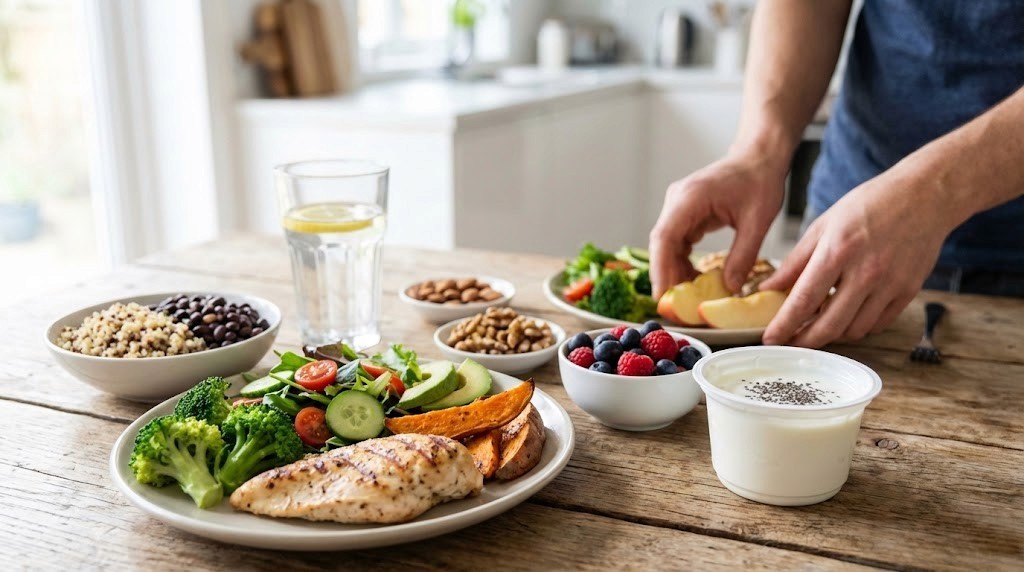
Your appetite has changed. Dramatically. Foods you used to crave barely register now, and the meals you do manage to eat feel like they sit in your stomach for hours. This is tirzepatide doing exactly what it was designed to do. But here is the problem most people do not talk about: eating less does not automatically mean eating right. And the difference between those two things determines whether you lose mostly fat, preserve your muscle, feel energized through the process, or end up exhausted, nutrient-depleted, and frustrated with side effects that never needed to happen.
The SURMOUNT-1 clinical trial showed participants losing up to 22.5% of their body weight on tirzepatide. That is remarkable. But buried in that data is a critical detail. Approximately 75% of the weight lost came from fat mass and 25% from lean mass. What you eat directly influences which side of that ratio you land on. Get your nutrition wrong, and you lose more muscle than necessary. Get it right, and you protect the metabolic engine that keeps weight off long-term.
This guide covers everything. The specific foods that work best with tirzepatide, the ones that make side effects worse, exact protein targets backed by research, meal ideas for every time of day, and strategies for the days when eating anything at all feels like a challenge. Whether you are on your first week or six months into treatment, the nutrition principles here apply.
SeekPeptides has compiled the latest research, clinical guidelines, and practical strategies into one comprehensive resource so you do not have to piece together advice from dozens of sources.
Why nutrition matters more on tirzepatide than any other time
Tirzepatide works through dual GIP and GLP-1 receptor activation. It slows gastric emptying, reduces appetite signals in the brain, and improves insulin sensitivity. All of this means you eat less. Significantly less. Research shows caloric reductions of 16-39% in people using GLP-1 and GIP agonists. That is a massive drop.
Think about what that means practically.
If you were eating 2,200 calories daily and now consume 1,400, you have eliminated 800 calories. Those missing calories contained protein, vitamins, minerals, fiber, and essential fats your body still needs. Your cells do not care that your appetite disappeared. They still require the same building blocks for muscle maintenance, immune function, bone density, hormone production, and basic energy metabolism.
A joint advisory from the American College of Lifestyle Medicine, the American Society for Nutrition, the Obesity Medicine Association, and the Obesity Society put it bluntly. When caloric intake drops below 1,200 for women or 1,800 for men, the risk of nutrient insufficiency climbs sharply. And many people on tirzepatide fall well below those thresholds, especially during the dose escalation phase when appetite suppression hits hardest.
This is not about dieting harder. It is about eating smarter within a smaller window. Every bite counts more than it ever has.
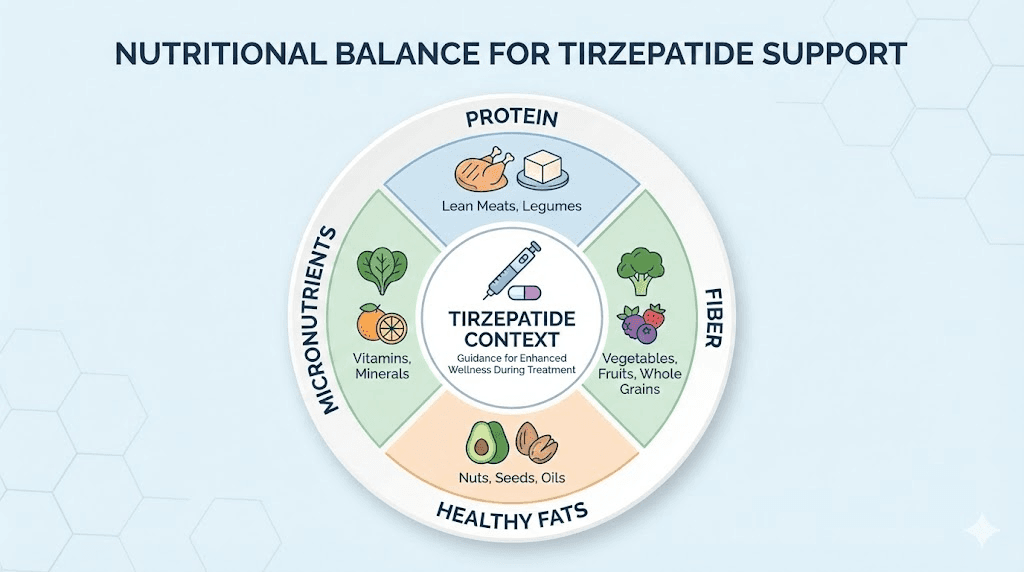
The protein priority: protecting muscle while losing fat
Let us start with the most important macronutrient. Protein. Not because the others do not matter, but because inadequate protein intake on tirzepatide creates a problem that is very difficult to reverse.
Why protein needs increase during weight loss
When your body is in a caloric deficit, it does not exclusively burn fat for fuel. It also breaks down muscle tissue. This is a normal physiological response. Your body views muscle as metabolically expensive tissue, burning 6-7 calories per pound per day at rest, compared to fat which burns only 2 calories per pound. In an energy shortage, your body looks at muscle the way a company looks at its highest-paid employees during budget cuts.
Protein counteracts this process. Consuming adequate protein provides amino acids that signal your body to preserve existing muscle while still burning fat. The research on this is clear and consistent across dozens of studies examining weight loss with tirzepatide and similar medications.
How much protein you actually need
The standard dietary recommendation of 0.8 grams per kilogram of body weight is not enough. Not even close. That number was designed for sedentary individuals maintaining their weight. You are doing the opposite.
Clinical guidelines for people on tirzepatide therapy recommend 1.2 to 1.6 grams of protein per kilogram of ideal body weight daily. Some obesity medicine physicians push this even higher, recommending 100 grams of protein minimum per day regardless of body weight. For perspective, here is what those numbers look like for different body sizes:
Ideal body weight | Minimum protein (1.2g/kg) | Optimal protein (1.6g/kg) | Practical daily target |
|---|---|---|---|
120 lbs (54 kg) | 65g | 87g | 80-100g |
140 lbs (64 kg) | 77g | 102g | 90-110g |
160 lbs (73 kg) | 88g | 117g | 100-120g |
180 lbs (82 kg) | 98g | 131g | 110-130g |
200 lbs (91 kg) | 109g | 146g | 120-150g |
Notice the gap between what most people eat on tirzepatide and what they need. When your appetite is suppressed and you are eating 1,200-1,500 calories daily, hitting 100+ grams of protein requires intentional planning. It does not happen by accident. You have to build your meals around protein first and fill in the rest afterward.
Best protein sources for tirzepatide users
Not all protein is created equal when your stomach is sensitive and your appetite is minimal. The best sources are those that pack maximum protein into small volumes and are easy to digest. Heavy, greasy protein sources like fried chicken or fatty ground beef will sit in your stomach like concrete because tirzepatide already slows gastric emptying significantly.
Here are the top protein sources ranked by protein density and digestibility on tirzepatide:
Tier 1: Best tolerated, highest protein density
Greek yogurt (plain, unsweetened): 15-20g protein per cup, smooth texture, easy to eat even with nausea
Eggs: 6g protein each, incredibly versatile, gentle on the stomach when scrambled or soft-boiled
Cottage cheese: 24-28g protein per cup, one of the most protein-dense foods available
White fish (cod, tilapia, sole): 20-25g protein per 4oz, light and easily digestible
Bone broth: 10-15g protein per cup, soothing for nausea, provides hydration simultaneously
Tier 2: Excellent sources, slightly heavier
Grilled chicken breast: 26g protein per 4oz, the classic lean protein, works best when sliced thin
Turkey breast: 24g protein per 4oz, leaner than chicken, easy to prepare in batches
Salmon: 23g protein per 4oz, plus omega-3 fatty acids that support overall health
Shrimp: 20g protein per 4oz, extremely low calorie, quick to prepare
Tofu (firm): 10g protein per half cup, plant-based option, absorbs flavors well
Tier 3: Supplemental protein sources
Whey protein isolate: 25-30g per scoop, useful when solid food feels impossible
Collagen peptides: 10-18g per scoop, dissolves in hot or cold beverages, supports skin and joint health
Edamame: 17g per cup, plant-based, also provides fiber
Lentils: 18g per cup (cooked), protein plus fiber, warming and satisfying
The trick is starting every meal with protein. Before you touch the vegetables, the grains, the fruit. Protein first. Always. This ensures you hit your target even on days when you can only manage a few bites before feeling full.
Fiber: your most important ally against side effects
Constipation affects roughly 17-24% of people taking tirzepatide in clinical trials. It is the second most commonly reported side effect after nausea. And fiber, when used correctly, is the most effective dietary tool for managing it.
How much fiber and why it matters
The target is 25-30 grams of fiber daily. But here is the critical part most guides miss: you cannot go from 10 grams to 30 grams overnight. Dumping a massive amount of fiber into a digestive system already slowed by tirzepatide will make everything worse. Bloating. Gas. Cramping. The very symptoms you are trying to avoid.
Increase by 3-5 grams per week. That is it. Slow and steady. Your gut microbiome needs time to adapt to processing more fiber, and your already-slowed digestive system needs even more time than usual.
Best fiber sources that do not aggravate side effects
Soluble fiber dissolves in water and forms a gel. It is gentler on the stomach than insoluble fiber (the rough, scratchy kind found in wheat bran and raw vegetables). For tirzepatide users, soluble fiber sources should make up the majority of your fiber intake, especially in the first few months.
Top soluble fiber sources:
Oats: 4g fiber per cup (cooked), the gold standard for gentle, effective fiber
Chia seeds: 10g fiber per ounce, soak in liquid to form a gel that moves through the digestive tract smoothly
Ground flaxseeds: 3g fiber per tablespoon, add to yogurt or smoothies
Avocado: 10g fiber per avocado, plus healthy fats that aid absorption of fat-soluble vitamins
Sweet potatoes: 4g fiber per medium potato, gentle and easy to digest when baked
Berries: 3-4g fiber per cup, low glycemic, packed with antioxidants
Beans and lentils: 6-8g fiber per half cup, introduce gradually
Specific foods with natural laxative properties:
Kiwi fruit: 1-2 daily has been shown in clinical studies to improve constipation, contains actinidin enzyme that aids digestion
Prunes: 3-4 daily, contain sorbitol which draws water into the intestines
Pears: High in sorbitol and fiber, gentle on the stomach
One study-backed tip that many people on tirzepatide find helpful: start each morning with a glass of warm water followed by two kiwi fruits. The combination of hydration, fiber, and digestive enzymes primes the gut for the day ahead. Simple. Inexpensive. Remarkably effective.
Healthy fats: essential but easy to overdo
Fat is the most calorie-dense macronutrient at 9 calories per gram, compared to 4 calories per gram for protein and carbohydrates. When you are working with a much smaller caloric budget on tirzepatide, fat calories add up fast. But cutting fat too aggressively creates its own problems.
Why you still need fat
Fat is not the enemy. Your body requires dietary fat for absorbing vitamins A, D, E, and K. These are all fat-soluble, meaning they literally cannot enter your cells without fat present. People on tirzepatide who cut fat too drastically often develop deficiency symptoms within weeks: dry skin, brittle nails, poor wound healing, and unexplained fatigue that goes beyond the normal adjustment period.
Fat also slows the absorption of nutrients from your food. When you are eating less overall, you want maximum absorption from everything you consume. A completely fat-free meal moves through your system too quickly for optimal nutrient extraction.
The right fats in the right amounts
Aim for 30-35% of your total calories from fat. On a 1,400-calorie day, that translates to roughly 47-54 grams. Choose sources that provide additional nutritional benefits beyond just calories:
Avocado: Healthy monounsaturated fats plus fiber plus potassium, one of the most nutrient-dense foods available
Olive oil: 1-2 tablespoons daily for cooking or drizzling, rich in anti-inflammatory polyphenols
Nuts (almonds, walnuts, pistachios): Protein plus fat plus fiber in one package, great for snacking
Seeds (pumpkin, sunflower, hemp): Mineral-rich, especially zinc and magnesium which many tirzepatide users become deficient in
Fatty fish (salmon, sardines, mackerel): Omega-3 fatty acids reduce inflammation and support hormonal balance
Eggs (whole, with yolks): Choline, B12, and fat-soluble vitamins all in one convenient package
The fats to avoid are the ones that slow digestion even further. Fried foods, heavy cream sauces, fatty cuts of red meat, and processed snacks high in trans fats will compound the gastrointestinal side effects that tirzepatide already produces. Your stomach is emptying slower than normal. Adding a greasy burger on top of that is asking for trouble.
Carbohydrates: quality over quantity
Carbohydrates get a bad reputation in weight loss circles. But on tirzepatide, the question is not whether to eat carbs. It is which carbs to eat and when.
Complex carbohydrates that support your goals
Tirzepatide improves insulin sensitivity and reduces blood sugar spikes. You want carbohydrates that work with this mechanism rather than against it. Complex carbohydrates release glucose slowly, providing steady energy without the crash that comes from refined sugars.
The best choices:
Quinoa: 8g protein per cup (cooked) plus complex carbs, one of the few plant foods containing all essential amino acids
Brown rice: Gentle on the stomach, versatile base for meals, provides B vitamins
Sweet potatoes: Lower glycemic index than white potatoes, rich in beta-carotene and fiber
Oats: Steel-cut or rolled, not instant, providing sustained energy plus the soluble fiber discussed above
Whole grain bread: In moderation, 1-2 slices maximum, choose varieties with at least 3g fiber per slice
Barley: One of the highest-fiber grains available, supports gut health
Notice what is not on this list. White bread. White rice. Pasta. Sugary cereals. These are not off-limits forever, but when you are eating 1,200-1,500 calories daily, every food choice needs to earn its place. A bowl of sugary cereal provides 200 calories and virtually no satiety, protein, or fiber. That is 15% of your daily budget wasted. A bowl of oats with collagen peptides and berries provides the same calories with 20g protein, 8g fiber, and sustained energy for hours.
Fruits: nature's nutrient-dense carbohydrates
Fruit is one of the best carbohydrate sources for tirzepatide users. The natural sugars come packaged with fiber, vitamins, minerals, and antioxidants. Fruit also has high water content, which helps with hydration, a persistent challenge on this medication.
Prioritize low-glycemic fruits:
Berries (blueberries, strawberries, raspberries): Highest antioxidant content per calorie of any food group
Apples: Portable, filling, 4g fiber each
Pears: Even more fiber than apples, gentle on digestion
Oranges and citrus: Vitamin C supports immune function during weight loss
Kiwi: Digestive enzyme benefits discussed above
Bananas: Potassium-rich, important because tirzepatide can affect electrolyte balance
Hydration: the overlooked foundation
Water deserves its own section because dehydration on tirzepatide is more common and more consequential than most people realize.
Why hydration becomes harder
Three factors converge. First, tirzepatide suppresses appetite, and many people do not realize that thirst signals get suppressed alongside hunger signals. Your brain conflates the two. Second, reduced food intake means reduced water intake from food, which normally accounts for about 20% of total daily water consumption. Third, nausea, a side effect affecting roughly 25-30% of users, makes drinking large volumes of water uncomfortable.
The result is a gradual slide into mild dehydration that manifests as headaches, fatigue, persistent tiredness, constipation, dizziness, and poor concentration. Many people attribute these symptoms to tirzepatide itself when they are actually symptoms of not drinking enough water.
How much and what to drink
Aim for 60-90 ounces of fluid daily, roughly 8-11 cups. That sounds like a lot, but you can spread it throughout the day using these strategies:
Glass of water with every dose: 8-10 ounces when you take your weekly tirzepatide injection
Glass of water with every meal: Sip throughout rather than gulping, which can worsen nausea
Herbal tea: Counts toward your fluid total, ginger tea is particularly helpful for nausea management
Broth-based soups: Hydration plus protein plus sodium, triple benefit
Water-rich foods: Cucumber, watermelon, celery, oranges all contribute to hydration
A practical tip. Keep a water bottle visible at all times. Not in a bag. Not in the fridge. On your desk, on the counter, next to your bed. Visibility drives behavior. When you see it, you drink it.
Avoid or limit caffeine and alcohol. Both are diuretics that increase water loss. One cup of coffee in the morning is fine. Four cups throughout the day will work against your hydration goals. And alcohol on tirzepatide deserves extra caution because the medication affects how your body processes it, potentially intensifying effects and increasing dehydration risks.
The micronutrient gap: vitamins and minerals you are probably missing
This section might be the most important one in this entire guide. And it is the one most tirzepatide nutrition articles completely ignore.
Which deficiencies develop and why
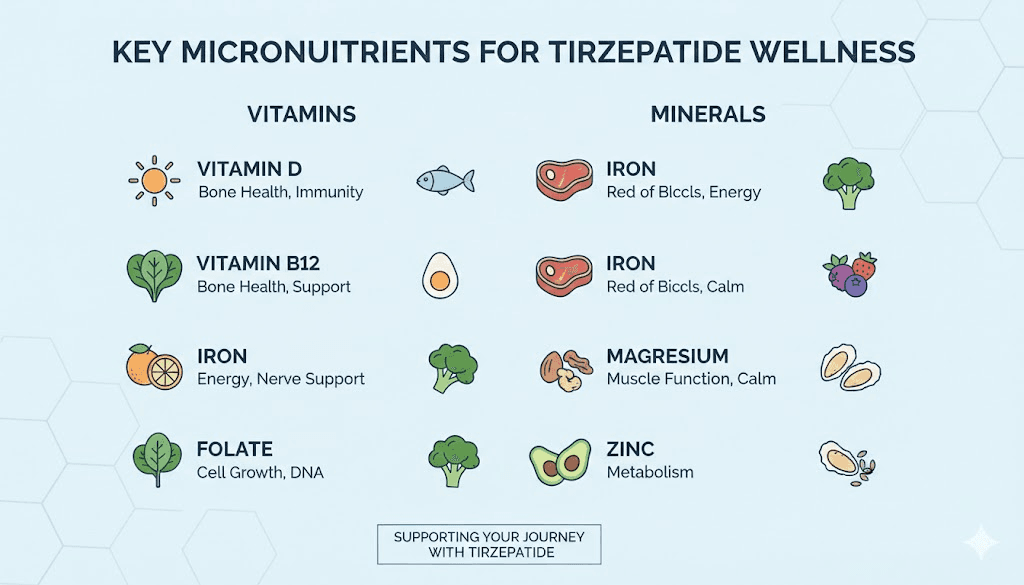
When you eat 30-40% fewer calories, you consume 30-40% fewer vitamins and minerals. Simple math. But the consequences are not simple at all. A joint advisory from four major medical organizations identified specific nutrients of concern for people on GLP-1 and GIP receptor agonists:
Vitamin D: Already deficient in roughly 40% of adults before starting tirzepatide, critical for bone density, immune function, and mood regulation
Vitamin B12: Essential for nerve function and red blood cell production, deficiency causes fatigue and cognitive fog
Iron: Particularly concerning for menstruating women, deficiency leads to anemia and severe fatigue
Calcium: Bone density protection becomes critical during rapid weight loss
Magnesium: Involved in over 300 enzymatic processes, deficiency causes muscle cramps, poor sleep, and muscle pain
Zinc: Supports immune function, wound healing, and hair health, deficiency contributes to hair loss on GLP-1 medications
Potassium: Electrolyte balance, especially important if you experience vomiting or diarrhea
Choline: Liver health and brain function, found primarily in eggs and liver
Signs you are becoming deficient
Watch for these warning signs. They often develop gradually, which makes them easy to dismiss or attribute to the medication itself:
Fatigue beyond what you expected. Unusual exhaustion that does not improve with rest. Excessive hair loss beyond normal shedding. Skin that becomes flaky, dry, or itchy without explanation. Muscle weakness or cramps, especially at night. Poor wound healing. Bruising easily. Mood changes, particularly increased irritability or low mood.
If you experience multiple symptoms from this list, talk to your healthcare provider about blood work to check specific nutrient levels.
Food-first approach to filling gaps
Before reaching for supplements, maximize nutrient density in every meal:
Nutrient | Best food sources | Daily target |
|---|---|---|
Vitamin D | Salmon, sardines, egg yolks, fortified dairy | 600-1000 IU |
Vitamin B12 | Eggs, fish, poultry, fortified nutritional yeast | 2.4 mcg |
Iron | Spinach, lentils, lean red meat (1-2x/week), beans | 8-18 mg |
Calcium | Greek yogurt, cheese, sardines with bones, broccoli | 1000-1200 mg |
Magnesium | Pumpkin seeds, almonds, spinach, dark chocolate | 310-420 mg |
Zinc | Pumpkin seeds, beef, chickpeas, cashews | 8-11 mg |
Potassium | Bananas, sweet potatoes, avocado, white beans | 2600-3400 mg |
Choline | Eggs (2 large = 300mg), liver, salmon | 425-550 mg |
Given the challenge of meeting all these targets on reduced calories, most clinicians now recommend a daily multivitamin for anyone on tirzepatide. Not as a replacement for food. As insurance against the gaps that inevitably develop when you are eating 30-40% less than your body needs.
Meal ideas for every situation
Theory is useful. But what does this actually look like on a plate? Here are specific meal ideas organized by time of day, each designed to maximize nutrition within the constraints tirzepatide creates.
Breakfast options (25-35g protein each)
Breakfast is often the easiest meal on tirzepatide because appetite suppression tends to be lowest in the morning, especially if you take your weekly injection on a different day. Use this window to front-load protein.
Option 1: Greek yogurt power bowl
Plain Greek yogurt (1 cup, 20g protein) topped with 1/4 cup granola, 1 tablespoon ground flaxseed, and a handful of blueberries. Total: approximately 28g protein, 8g fiber, 350 calories.
Option 2: Egg and vegetable scramble
Three eggs scrambled with spinach, mushrooms, and a sprinkle of feta cheese. One slice whole grain toast with almond butter. Total: approximately 27g protein, 4g fiber, 400 calories. The eggs provide choline, B12, and fat-soluble vitamins while being gentle on the stomach.
Option 3: Overnight oats with collagen
Half cup rolled oats soaked overnight in almond milk with one scoop collagen peptides (15g protein), topped with sliced banana and chia seeds. Total: approximately 25g protein, 10g fiber, 380 calories. Prepare the night before. Zero morning effort required.
Option 4: Cottage cheese and fruit plate
One cup cottage cheese (28g protein) with sliced peaches or berries and a tablespoon of pumpkin seeds. Total: approximately 32g protein, 3g fiber, 280 calories. Possibly the highest protein-to-calorie ratio breakfast on this list.
Option 5: Smoothie (for days when solid food is hard)
One scoop whey protein isolate, one cup spinach, half a banana, one tablespoon almond butter, one cup unsweetened almond milk. Total: approximately 30g protein, 4g fiber, 300 calories. Blend until smooth. Sip slowly over 30 minutes. This is your rescue breakfast for high-nausea days.
Lunch options (25-35g protein each)
Lunch on tirzepatide often collides with peak appetite suppression. Keep portions smaller and nutrient density high. If you cannot finish a full lunch, that is okay. Just make sure what you do eat is protein-forward.
Option 1: Salmon and quinoa bowl
Four ounces baked salmon over half cup quinoa with roasted vegetables (broccoli, bell peppers, zucchini) and a drizzle of olive oil and lemon. Total: approximately 35g protein, 6g fiber, 450 calories.
Option 2: Turkey and avocado wrap
Whole grain tortilla with 4 ounces sliced turkey breast, half an avocado, spinach, tomato, and mustard. Total: approximately 30g protein, 8g fiber, 380 calories. Portable. Works for office lunches.
Option 3: Lentil and chicken soup
Homemade or quality store-bought lentil soup with shredded chicken breast added. One cup soup plus 3 ounces chicken. Total: approximately 32g protein, 10g fiber, 350 calories. Warm, comforting, and one of the best lunch options for managing nausea because broth-based meals are easier to tolerate.
Option 4: Tuna salad on greens
One can tuna (drained) mixed with Greek yogurt (instead of mayo), diced celery, and lemon juice, served over a bed of mixed greens with cherry tomatoes and cucumber. Total: approximately 35g protein, 3g fiber, 300 calories.
Option 5: Poke bowl
Four ounces raw salmon or tuna over brown rice with edamame, cucumber, carrot, seaweed, and a light soy-ginger dressing. Total: approximately 33g protein, 5g fiber, 420 calories. A nutrient powerhouse that packs omega-3 fatty acids, complete protein, and fiber into one bowl.
Dinner options (25-35g protein each)
Dinner is tricky. Some people on tirzepatide have zero appetite by evening. Others find dinner is their largest meal because morning nausea fades. Work with your body, not against it. If dinner is hard, make it lighter. If it is your strongest meal, make it count.
Option 1: Herb-crusted white fish with roasted vegetables
Five ounces cod or tilapia with a light herb and lemon crust, served with roasted sweet potato and steamed broccoli. Total: approximately 30g protein, 7g fiber, 380 calories. White fish is one of the gentlest proteins for sensitive stomachs.
Option 2: Chicken stir-fry
Four ounces sliced chicken breast stir-fried with bell peppers, snap peas, broccoli, and garlic in a tablespoon of sesame oil. Served over half cup brown rice. Total: approximately 32g protein, 5g fiber, 420 calories.
Option 3: Turkey meatballs with marinara and zucchini noodles
Four to five turkey meatballs over spiralized zucchini with homemade or low-sugar marinara sauce, topped with a tablespoon of parmesan. Total: approximately 28g protein, 4g fiber, 350 calories. Feels like comfort food. Functions like a protein delivery system.
Option 4: Black bean and chicken burrito bowl
Three ounces grilled chicken, half cup black beans, quarter cup brown rice, salsa, a tablespoon of Greek yogurt (instead of sour cream), and diced avocado. Total: approximately 35g protein, 10g fiber, 450 calories.
Option 5: Baked tofu with sesame vegetables
Six ounces firm tofu baked until crispy, served with stir-fried bok choy, mushrooms, and edamame in a light teriyaki glaze. Total: approximately 25g protein, 6g fiber, 350 calories. Excellent plant-based option.
Snack options (10-15g protein each)
Snacks on tirzepatide serve a specific purpose. They are not about hunger. They are about hitting your protein and nutrient targets when full meals feel impossible. Think of snacks as nutritional insurance, small deposits throughout the day that add up to a complete nutritional picture.
Hard-boiled eggs (2): 12g protein, 140 calories, prepare a batch for the week
String cheese + almonds (1 stick + 12 almonds): 10g protein, 200 calories, portable and shelf-stable
Cottage cheese with berries (half cup): 14g protein, 120 calories
Turkey roll-ups (3-4 slices rolled around cucumber): 12g protein, 80 calories
Hummus with vegetables (quarter cup + raw veggies): 5g protein, 150 calories, provides fiber too
Protein shake (half scoop in water): 12-15g protein, 60-75 calories, for days when chewing feels like too much effort
Edamame (half cup shelled): 9g protein, 95 calories, can be eaten warm or cold
Banana with almond butter (1 tablespoon): 5g protein, 200 calories, potassium plus healthy fats
Managing nausea through food choices
Nausea is the most common side effect of tirzepatide, affecting roughly 25-30% of people in clinical trials. For some, it is mild and temporary. For others, it is the dominant challenge of the entire treatment period. What and how you eat makes an enormous difference.
Foods that help reduce nausea
Some foods have natural anti-nausea properties. Others are simply easier for a queasy stomach to process. Build your meals around these on days when nausea hits hard:
Ginger: The most evidence-backed natural anti-nausea food. Fresh ginger tea, ginger chews, or grated ginger added to meals. Multiple studies confirm its effectiveness against GI distress. Keep ginger tea bags at your desk, in your bag, everywhere.
Crackers and dry toast: Not nutritionally dense, but they absorb stomach acid and settle nausea. Keep plain crackers beside your bed for morning queasiness. Eat 2-3 before getting up.
Bone broth: Warm, soothing, provides protein and electrolytes without requiring chewing. Sip throughout the day.
Bananas: Bland, easy to digest, replace potassium lost if you have been vomiting
Rice: Plain white rice is one of the most easily tolerated foods during nausea episodes
Applesauce: Gentle pectin fiber, slight sweetness, easy to eat in small amounts
Peppermint: Peppermint tea or sucking on a peppermint can relax the smooth muscle of the GI tract
Eating strategies that minimize nausea
How you eat matters almost as much as what you eat. These strategies come directly from clinical guidance and real-world experience from thousands of tirzepatide users:
Eat smaller, more frequent meals. Five to six small meals instead of three large ones. Your stomach is emptying slower than normal. Putting a large volume of food into a stomach that cannot process it quickly is the fastest route to nausea. Aim for 250-350 calories per mini-meal.
Eat slowly. Chew thoroughly. Put your fork down between bites. A meal should take at least 20 minutes. Rushing through food overwhelms a digestive system that is already operating in slow motion.
Avoid lying down after eating. Stay upright for at least 30 minutes post-meal. Gravity helps food move through your system. Lying down traps food in your stomach and increases reflux.
Skip very hot and very cold foods during nausea episodes. Room temperature or slightly warm foods are easiest to tolerate. Extreme temperatures stimulate the vagus nerve, which can trigger or worsen nausea.
Separate liquids from solids. Drink most of your fluids between meals rather than with them. Liquids take up stomach volume that food needs. Sip water 30 minutes before or 30 minutes after eating.
Plan your hardest meals away from injection day. Nausea tends to peak 24-48 hours after your weekly tirzepatide injection. If you inject on Fridays, plan lighter meals for Saturday and Sunday. Front-load your protein-heavy meals earlier in the week when you feel better.
The nausea survival plan
For really bad nausea days, here is a simplified eating plan that still provides adequate nutrition:
Morning: 2-3 plain crackers + ginger tea. Wait 30 minutes. Then a small protein shake (half scoop whey in water, sipped slowly over an hour).
Mid-morning: Half cup bone broth with a few bites of soft scrambled egg.
Lunch: Quarter cup cottage cheese with a small handful of blueberries. More ginger tea if needed.
Afternoon: Half a banana with a tablespoon of nut butter.
Dinner: Small bowl of chicken and rice soup, emphasis on the broth.
Evening: Small cup of Greek yogurt.
Total: approximately 60-70g protein, 1,000-1,100 calories. Not ideal. But far better than eating nothing, which many people default to on bad nausea days. Something is always better than nothing when it comes to maintaining nutrition on tirzepatide.
Sample weekly meal plan
Here is what a full week of eating on tirzepatide might look like. This plan assumes a daily target of 1,400-1,500 calories, 100-120g protein, 25-30g fiber, and adequate micronutrients. Adjust portions up or down based on your specific caloric needs and appetite levels.
Monday
Breakfast: Greek yogurt power bowl (28g protein)
Snack: Hard-boiled egg + apple slices (8g protein)
Lunch: Tuna salad on greens (35g protein)
Snack: String cheese + handful of almonds (10g protein)
Dinner: Herb-crusted cod with roasted sweet potato and broccoli (30g protein)
Daily total: approximately 111g protein, 1,420 calories
Tuesday
Breakfast: Egg and vegetable scramble with toast (27g protein)
Snack: Cottage cheese with berries (14g protein)
Lunch: Turkey and avocado wrap (30g protein)
Snack: Edamame (9g protein)
Dinner: Chicken stir-fry with brown rice (32g protein)
Daily total: approximately 112g protein, 1,480 calories
Wednesday
Breakfast: Overnight oats with collagen (25g protein)
Snack: Turkey roll-ups with cucumber (12g protein)
Lunch: Salmon and quinoa bowl (35g protein)
Snack: Banana with almond butter (5g protein)
Dinner: Turkey meatballs with zucchini noodles (28g protein)
Daily total: approximately 105g protein, 1,460 calories
Thursday
Breakfast: Cottage cheese and fruit plate (32g protein)
Snack: Protein shake, half scoop (15g protein)
Lunch: Lentil and chicken soup (32g protein)
Snack: Hummus with vegetables (5g protein)
Dinner: Black bean and chicken burrito bowl (35g protein)
Daily total: approximately 119g protein, 1,500 calories
Friday (injection day, lighter meals)
Breakfast: Smoothie with protein powder and spinach (30g protein)
Snack: Hard-boiled egg (6g protein)
Lunch: Poke bowl with salmon (33g protein)
Snack: Greek yogurt, half cup (10g protein)
Dinner: Baked white fish with steamed vegetables (25g protein)
Daily total: approximately 104g protein, 1,380 calories
Saturday (post-injection, nausea-friendly)
Breakfast: Plain crackers + ginger tea, then scrambled egg (6g protein)
Snack: Bone broth, 1 cup (12g protein)
Lunch: Cottage cheese with berries (14g protein)
Snack: Half banana with nut butter (4g protein)
Dinner: Chicken and rice soup (20g protein)
Evening: Small Greek yogurt (10g protein)
Daily total: approximately 66g protein, 1,050 calories (lower, but prioritizing tolerance)
Sunday (recovery day)
Breakfast: Two eggs with half avocado and whole grain toast (18g protein)
Snack: String cheese (7g protein)
Lunch: Grilled chicken salad with mixed greens, chickpeas, feta, and olive oil dressing (32g protein)
Snack: Edamame (9g protein)
Dinner: Baked tofu with sesame vegetables (25g protein)
Daily total: approximately 91g protein, 1,350 calories
Notice how the plan adapts to the injection cycle. Heavier protein days early in the week when appetite is stronger. Lighter, nausea-friendly meals around injection day. This is not rigid. Swap meals between days based on how you feel. The key is maintaining protein intake as consistently as possible across the week, even if individual days vary significantly.
The macronutrient ratio that works best
If numbers help you plan, here is the ideal macronutrient split for tirzepatide users based on clinical recommendations:
Macronutrient | Percentage of calories | On 1,400 cal/day | Why this amount |
|---|---|---|---|
Protein | 25-35% | 88-123g | Muscle preservation, satiety |
Fat | 30-35% | 47-54g | Vitamin absorption, hormones |
Carbohydrates | 35-40% | 123-140g | Energy, fiber, micronutrients |
These are not rigid rules. They are guardrails. Some days you will eat more protein and less carbs. Other days the reverse. What matters is the weekly average, not any single meal or day. The body does not reset at midnight. It works on rolling averages.
One important note. These ratios assume you are not doing intensive exercise. If you are doing resistance training, which is strongly recommended for preserving muscle on tirzepatide, bump protein toward the higher end of the range (1.4-1.6g per kg of ideal body weight) and increase calories accordingly.
Foods that make tirzepatide side effects worse
Understanding what to eat is half the equation. Understanding what to avoid is the other half. These foods do not need to be eliminated permanently, but reducing or avoiding them, especially during the dose escalation phase, will make your experience significantly more comfortable.
Foods that worsen nausea
Fried foods: French fries, fried chicken, onion rings, anything deep-fried. These are already hard to digest. Add slowed gastric emptying and the combination is miserable.
Rich, creamy sauces: Alfredo, heavy cream-based soups, cheese sauces. The high fat content delays stomach emptying even further.
Very spicy foods: Capsaicin irritates the stomach lining. Some spice is fine once you are adjusted, but during the first few weeks, keep it mild.
Large portions of red meat: Steak, burgers, and pork chops take significantly longer to digest than poultry or fish. This does not mean avoiding red meat entirely, but portions should be smaller (3-4 ounces maximum).
Foods that worsen constipation
Processed foods low in fiber: White bread, chips, crackers, processed cheese. These provide calories without the fiber your digestive system desperately needs.
Excessive dairy: While Greek yogurt and cottage cheese are excellent protein sources, too much cheese and full-fat dairy can slow things down further.
Bananas (unripe): Ripe bananas are fine and beneficial. Unripe, green bananas contain resistant starch that can worsen constipation.
Foods that worsen bloating
Carbonated beverages: Sparkling water, soda, beer. The carbon dioxide adds gas to a system that is already processing food slowly.
Sugar alcohols: Found in many "sugar-free" products, sugar alcohols like sorbitol, mannitol, and xylitol are poorly absorbed and ferment in the gut, producing gas.
Cruciferous vegetables in large quantities: Broccoli, cauliflower, Brussels sprouts, and cabbage are nutritious but produce gas during digestion. Eat them cooked rather than raw, and in moderate portions.
Beans (introduced too quickly): Beans are excellent for fiber and protein, but jumping from zero to a full cup will cause significant bloating. Introduce gradually over weeks.
The pattern here is simple. Foods that are hard to digest, slow to move through the system, or produce gas during digestion will compound the effects of a medication that already slows your entire digestive process. Choose foods that work with tirzepatide, not against it.
Grocery shopping list for tirzepatide users
Print this. Keep it on your phone. Use it every week. Having the right foods in your kitchen eliminates the decision fatigue that leads to poor choices when appetite is low and energy is limited.
Proteins (buy weekly)
Boneless, skinless chicken breasts or thighs
Ground turkey (93% lean or higher)
Salmon fillets or canned salmon
White fish (cod, tilapia, or sole)
Eggs (buy 18-pack, you will use them)
Plain Greek yogurt (large tub, 0% or 2% fat)
Cottage cheese
Firm tofu (if plant-based meals are preferred)
Deli turkey breast (low sodium)
Canned tuna in water
Vegetables (buy weekly)
Spinach (fresh and frozen for convenience)
Broccoli
Zucchini
Bell peppers (all colors)
Sweet potatoes
Cucumbers
Cherry tomatoes
Mixed salad greens
Mushrooms
Carrots
Fruits (buy weekly)
Blueberries and strawberries (fresh or frozen)
Bananas (ripe)
Apples
Kiwi fruit (buy 7-14 for the week)
Lemons (for water flavoring and cooking)
Avocados (2-3 per week)
Pantry staples (buy monthly)
Rolled oats (not instant)
Quinoa
Brown rice
Canned black beans (low sodium)
Canned lentils
Chia seeds
Ground flaxseed
Almonds and walnuts
Pumpkin seeds
Almond or peanut butter (natural, no added sugar)
Olive oil (extra virgin)
Whole grain bread or tortillas
Low-sodium chicken or bone broth
Whey protein isolate or collagen peptides powder
Ginger tea bags
Plain crackers (for nausea days)
This list supports every meal and snack in the plans above. With these ingredients on hand, you can assemble nutrient-dense meals in minutes without having to think too hard about what to cook. And when appetite is low, having easy-to-grab options like hard-boiled eggs, yogurt, and string cheese means you never default to skipping meals entirely.
Eating strategies by treatment phase
Your relationship with food changes as you progress through tirzepatide treatment. What works in month one may not apply in month six. Here is how to adapt your eating strategy to each phase.
Weeks 1-4: the adjustment phase
Your body is getting used to the medication. Nausea is most common during this period. Appetite changes can feel dramatic and disorienting.
Strategy: Focus on tolerance over optimization. Eat whatever protein sources you can stomach, even if your meals are not perfectly balanced. Prioritize hydration above everything else. Do not try to hit perfect macros. Just eat protein at every meal and drink water between meals.
Common mistake: Trying to eat your normal diet. Your portions need to be half or less of what they were. Eat until you feel 70% full. Not 100%. The remaining food will still be in your stomach hours later.
Weeks 5-12: the optimization phase
Your body has adjusted to the initial dose. Side effects have often lessened. You know which foods your body handles well and which ones cause problems. Now is the time to dial in your nutrition.
Strategy: Start tracking protein intake. Aim for your target of 1.2-1.6g per kg of ideal body weight. Introduce more fiber-rich foods gradually. Establish a consistent meal prep routine. This is when most people find their rhythm with tirzepatide nutrition.
Common mistake: Getting comfortable eating very little. Yes, you are losing weight rapidly. But eating under 1,000 calories consistently will accelerate muscle loss and nutrient deficiency. More is not always better, but less is not always better either.
Months 3-6: the maintenance optimization phase
Weight loss is steady. You may have gone through one or more dose increases. Your food preferences may have changed significantly from when you started. Many people report losing interest in sugary and processed foods entirely.
Strategy: Focus on nutrient density and sustainability. Can you maintain this eating pattern long-term? If your current diet feels restrictive or unsustainable, adjust it. Add variety. Experiment with new recipes. This is also when you should get blood work done to check for any developing deficiencies, particularly vitamin B12, vitamin D, and iron.
Common mistake: Neglecting resistance training. By this point, you have lost significant weight. Without strength training, a disproportionate amount of that weight came from muscle. Start a resistance training program if you have not already, and support it with adequate protein.
Beyond 6 months: the long game
You are either approaching your goal weight or maintaining a lower dose for continued management. The nutrition principles remain the same, but the emphasis shifts from weight loss to body composition optimization and long-term health.
Strategy: Gradually increase calories as weight stabilizes. Continue high protein intake. Diversify your diet as much as possible to cover all micronutrient bases. Think of this phase as building the eating habits that will serve you for the rest of your life, with or without medication.
Common nutrition mistakes on tirzepatide
SeekPeptides members frequently report these mistakes. Learning from others saves you weeks of trial and error.
Mistake 1: not eating because you are not hungry
This is the biggest one. Tirzepatide can suppress appetite so effectively that some people eat 500-800 calories daily without realizing it. They feel fine in the short term. But within weeks, they develop fatigue, brain fog, hair shedding, muscle weakness, and irritability. The weight loss looks great on the scale, but the body is cannibalizing muscle and depleting nutrient stores.
You must eat. Even when you are not hungry. Think of meals as medication doses, something you take at scheduled times regardless of how you feel. Aim for at least three meals daily, even if they are small.
Mistake 2: drinking calories instead of eating them
Protein shakes and smoothies are useful tools. They should not become your entire diet. Liquid calories move through the stomach faster than solid foods, which means less satiety and often less nutrient absorption. They also do not engage the chewing process that triggers important digestive enzymes and satiety hormones.
Use shakes as supplements to meals, not replacements. Eat solid food as your primary nutrition source whenever possible.
Mistake 3: ignoring electrolytes
Reduced food intake means reduced electrolyte intake. Sodium, potassium, and magnesium all decrease when you eat less. Symptoms of electrolyte imbalance, dizziness, muscle cramps, heart palpitations, and weakness, overlap with tirzepatide side effects, making them easy to miss.
Solution: add a pinch of sea salt to your water. Eat potassium-rich foods (bananas, avocados, sweet potatoes). Consider a magnesium supplement if you experience nighttime leg cramps or poor sleep. These simple additions address a problem that affects far more tirzepatide users than most realize.
Mistake 4: eating the same three meals on repeat
When appetite is limited, people default to whatever feels safe and easy. Chicken, rice, and broccoli every single day. The problem is not the food itself, it is the lack of variety. Different foods provide different micronutrients. Eating the same meals repeatedly virtually guarantees you are over-consuming some nutrients and under-consuming others.
Even small variations help. Swap chicken for fish twice a week. Replace rice with quinoa. Use different vegetables each week. Rotate your fruit choices. Variety does not have to mean complexity. It just means changing one or two elements each day.
Mistake 5: eating too fast
Time-pressured meals are a recipe for nausea on tirzepatide. Your stomach is processing food at roughly half its normal speed. Eating a meal in five minutes floods a system that needs 20-30 minutes to handle the same volume. The result is nausea, bloating, discomfort, and often regret.
Set a timer. Seriously. Twenty minutes minimum for any meal. Put your fork down between bites. Chew thoroughly. Your future self will thank your present self for this simple habit.
Supplements worth considering
While whole foods should be your primary nutrient source, the reality of eating significantly less means supplementation becomes practical insurance against deficiency. Here is what the evidence supports:
Daily multivitamin: The baseline recommendation from multiple medical organizations for anyone on GLP-1 or GIP agonists. Choose one without excessive iron unless you know you are deficient.
Vitamin D3: 1,000-2,000 IU daily if not getting regular sun exposure, especially important for bone health during rapid weight loss
Vitamin B12: 500-1,000 mcg daily, particularly important if you have reduced meat intake
Magnesium glycinate: 200-400 mg at bedtime, helps with muscle cramps and sleep quality
Omega-3 fish oil: 1,000-2,000 mg daily if you do not eat fatty fish at least twice weekly
Fiber supplement: Psyllium husk (Metamucil) or acacia fiber if dietary fiber intake consistently falls below 20g daily, start with half doses and increase gradually
Collagen peptides: 10-15g daily to support skin elasticity during rapid weight loss and provide supplemental protein
Talk to your healthcare provider before starting any supplement regimen. Blood work can identify specific deficiencies rather than having you guess. Targeted supplementation based on actual levels is always more effective than blanket coverage.
Meal prep tips for low-energy days
When tirzepatide makes you tired or nauseous, the last thing you want to do is cook a complex meal. Meal prep is not about being a gourmet chef. It is about having nutritious food available when you have zero motivation to cook.
Sunday prep session (60-90 minutes):
Hard-boil 12 eggs (protein for the week)
Bake 2 lbs chicken breast (slice and portion into containers)
Cook a batch of quinoa or brown rice (stores 5 days)
Wash and chop vegetables (store in containers with damp paper towels)
Portion Greek yogurt into small containers with berries
Make overnight oats for Monday-Wednesday
Zero-effort meals from prepped ingredients:
Sliced chicken + pre-chopped veggies + quinoa + olive oil = 2-minute lunch
Two hard-boiled eggs + avocado + toast = 3-minute breakfast
Greek yogurt + berries (already portioned) = grab-and-go snack
Chicken + broth + frozen vegetables = 10-minute soup
The investment of 90 minutes on Sunday saves hours of decision-making and cooking throughout the week. And on the bad days, the days when nausea hits and energy disappears, having ready-to-eat protein in the fridge means the difference between eating adequately and eating nothing.
Frequently asked questions
Can I eat whatever I want on tirzepatide and still lose weight?
Technically, yes. Tirzepatide creates a caloric deficit through appetite suppression regardless of food quality. But eating poor-quality food means more muscle loss, more nutrient deficiency, worse side effects, and less sustainable results. The goal is not just weight loss. It is healthy weight loss that you can maintain. What you eat determines the quality of your results, not just the quantity of pounds lost. Read our tirzepatide before and after results guide to understand the difference nutrition makes.
How many calories should I eat on tirzepatide?
There is no universal number, but most clinicians recommend women aim for at least 1,200 calories and men at least 1,500 calories daily. Going below these thresholds significantly increases the risk of nutrient deficiency and excessive muscle loss. Your specific target depends on your starting weight, activity level, and current tirzepatide dose. Work with your healthcare provider to establish an appropriate caloric range.
Should I eat before or after my tirzepatide injection?
Have a light meal 1-2 hours before your injection. An empty stomach at injection time tends to make nausea worse. Avoid heavy or fatty meals immediately after injecting. The day of injection and the day after are typically when appetite suppression and nausea are strongest, so plan lighter meals accordingly.
Is it safe to do intermittent fasting on tirzepatide?
It can be, but it is generally not recommended unless supervised by a healthcare provider. Tirzepatide already significantly reduces caloric intake. Adding a fasting window on top of that can push daily calories dangerously low, making it nearly impossible to hit protein and micronutrient targets. If you want to practice intermittent fasting, use a 12-hour window (e.g., 8am-8pm) rather than a restrictive 16:8 or OMAD approach.
What if I genuinely cannot eat anything due to nausea?
On rare days when solid food is completely impossible, focus on liquids: bone broth, protein shakes sipped very slowly, ginger tea, and clear fluids. Do not push yourself to eat large meals. Even small amounts, a few bites of crackers, a few sips of broth, are better than nothing. If severe nausea persists for more than 48 hours or you cannot keep any fluids down, contact your healthcare provider. This may indicate a need for dose adjustment.
Do I need a different diet on higher doses of tirzepatide?
The nutritional principles remain the same at every dose. However, higher doses typically produce stronger appetite suppression, meaning you need to be more intentional about eating. At higher doses, meal planning becomes more important because the margin for error shrinks. When you can only eat 1,000-1,200 calories comfortably, every bite needs to count.
Can I drink alcohol on tirzepatide?
Alcohol is not strictly prohibited, but it comes with significant caveats. Tirzepatide slows gastric emptying, which can intensify and prolong the effects of alcohol. Many users report feeling intoxicated faster and experiencing worse hangovers. Alcohol also provides empty calories (7 calories per gram), dehydrates you, and can worsen nausea. If you choose to drink, limit intake to 1-2 drinks maximum, choose lower-calorie options, and drink extra water. Read our detailed guide on alcohol and GLP-1 medications.
How do I know if I am eating enough protein?
Track it for one week using a free app. Most people who think they are eating enough protein are actually falling 30-40% short of their target. If tracking feels overwhelming, use this simple test: does every meal and snack contain a visible, identifiable protein source? If you can look at your plate and the protein is the first thing you notice, you are probably in the right range. If you have to search for the protein, you need more.
External resources
American College of Lifestyle Medicine Joint Advisory on Nutritional Priorities for GLP-1 Therapy
Strategies for Minimizing Muscle Loss During Incretin-Mimetic Drug Use (PMC)
Frontiers in Nutrition: Nutrient Intake During GLP-1 Receptor Agonist Use
Ohio State University: Nutrition Plan When on GLP-1 Medication
For researchers serious about optimizing their tirzepatide protocols, SeekPeptides offers the most comprehensive resource available. Members access evidence-based nutrition guides, personalized protocol builders, and a community of thousands who have navigated these exact questions about tirzepatide nutrition and treatment optimization.
In case I do not see you, good afternoon, good evening, and good night. May your protein stay high, your hydration stay consistent, and your meals stay nourishing.