Feb 21, 2026
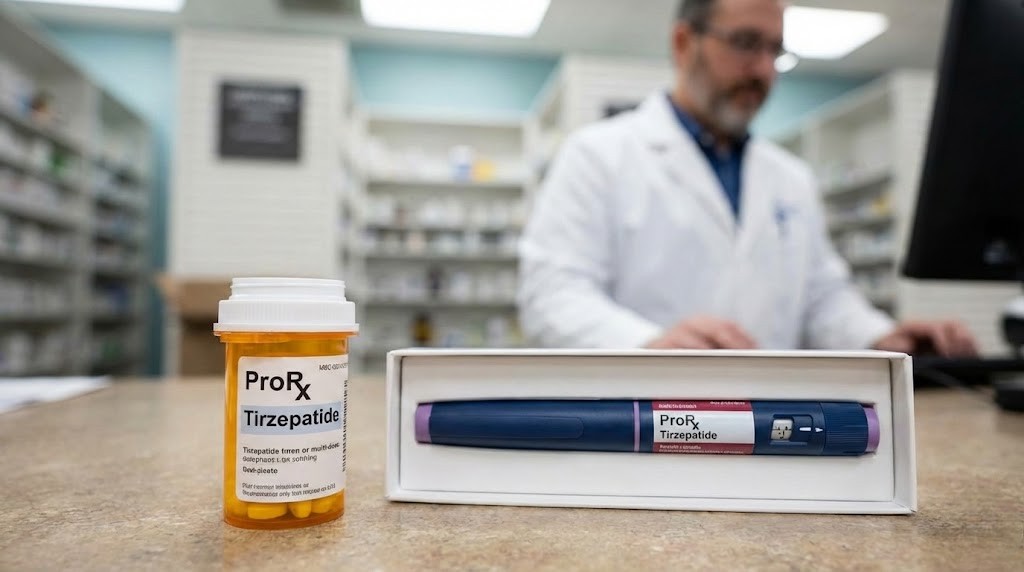
Before you inject another dose of compounded tirzepatide, check who made it. This is not a scare tactic. It is a practical safety measure that thousands of patients have had to take seriously after ProRx Pharma, an FDA-registered 503B outsourcing facility based in Exton, Pennsylvania, recalled nearly 55,000 vials of compounded semaglutide and tirzepatide across two separate events. The recalls were triggered by a lack of assurance of sterility. Not confirmed contamination. But something potentially worse in its ambiguity, because it means the facility could not reliably demonstrate that the injectable medications leaving its production lines were safe to put into your body.
The situation with ProRx touches on something bigger than one pharmacy. It exposes the gaps in how compounded GLP-1 medications reach patients, who oversees that process, and what happens when oversight fails. If your compounded tirzepatide came from a telehealth provider like Orderly Meds, which lists ProRx among its pharmacy partners, this information is directly relevant to you. If you use any compounded tirzepatide from any source, the lessons here still apply.
This guide covers every documented detail about the ProRx situation. The FDA inspection findings. The warning letter. Both recalls. What the violations actually mean for patient safety. How to check whether your medication was affected. And how to evaluate any compounding pharmacy, not just ProRx, before trusting it with your health. SeekPeptides compiles this kind of critical safety information because peptide research requires accurate, current data, not marketing spin.
What is ProRx Pharma
ProRx Pharma is an FDA-registered 503B outsourcing facility located at 619 Jeffers Circle in Exton, Pennsylvania. That designation matters. A 503B facility operates under a different regulatory framework than your neighborhood pharmacy. Understanding that framework is essential to understanding what went wrong and why it affects patients who may never have heard the name ProRx before.
Here is the key distinction. A 503B outsourcing facility compounds medications in bulk without requiring individual patient prescriptions. It supplies those medications to medical institutions, physician offices, and Section 503A pharmacies, which then dispense them to patients. ProRx does not sell directly to you. You will never place an order on their website. But the tirzepatide in your refrigerator right now may have been compounded in their facility before reaching you through a telehealth platform or medical practice.
The company describes itself as specializing in compounded sterile and non-sterile pharmaceutical preparations, with a mission of providing precision compounding and elevated outcomes. They claim over 70 years of cumulative industry experience across their team. They emphasize rigorous batch testing, meticulous documentation, and a commitment to patient safety. Those claims stand in stark contrast to what FDA inspectors actually found when they visited the facility.
Understanding the difference between research-grade and pharmaceutical-grade peptides provides important context here. Brand-name tirzepatide from Eli Lilly goes through the full FDA approval process with extensive quality controls at every step. Compounded tirzepatide from a 503B facility like ProRx operates under less stringent oversight, which is precisely why the quality of any individual facility matters so much.
The 503B regulatory framework
Section 503B of the Federal Food, Drug, and Cosmetic Act created outsourcing facilities as a response to compounding pharmacy disasters, most notably the 2012 New England Compounding Center meningitis outbreak that killed 64 people. The idea was simple. Large-scale compounders would register with the FDA, submit to inspections, follow current Good Manufacturing Practices, and operate under federal oversight rather than purely state-level regulation.
In practice, the system has gaps. FDA inspections of 503B facilities do not happen as frequently as inspections of traditional pharmaceutical manufacturers. Some 503B facilities have gone years without a comprehensive FDA inspection. When inspections do occur and violations are found, the enforcement process can be slow. A facility can continue operating while responding to warning letters, negotiating corrective actions, and disputing findings.
ProRx represents exactly the kind of scenario the 503B framework was designed to prevent. A facility compounding injectable medications at scale, supplying them through networks that reach thousands of patients, with sterility controls that the FDA determined were inadequate. The safety risks inherent in peptide products become exponentially greater when the manufacturing process itself is compromised.
Important distinction: ProRx Pharma versus other similarly named companies
Before going further, a critical clarification. ProRx Pharma, the 503B outsourcing facility in Exton, Pennsylvania, is a completely separate entity from ProRx Pharmacy Network (www.prorx.us), which is a compounding pharmacy network offering different services. It is also unrelated to RxPros, a telehealth provider with thousands of reviews on Trustpilot. These are three different companies with similar names. When reading reviews or searching online, make sure you are looking at the right one. Confusion between these entities has led to incorrect assumptions in both directions.
The FDA inspection: what inspectors found
In the summer of 2024, FDA inspectors conducted a thorough inspection of the ProRx facility. What they documented was a series of failures that strike at the most fundamental requirements for producing sterile injectable medications. These were not minor paperwork issues or administrative oversights. They were failures in the physical processes meant to keep bacteria, fungi, and other contaminants out of the medications that patients inject into their bodies.
Sterility failures in the cleanroom
The cleanroom is the heart of any sterile compounding operation. It is a controlled environment designed to minimize airborne particles, microorganisms, and any source of contamination. Everything about a cleanroom, the air pressure differentials, the HEPA filtration, the personnel gowning procedures, the cleaning protocols, exists to create conditions where sterile products can be produced safely.
FDA inspectors observed ProRx employees blocking critical airflow zones during compounding operations. In a cleanroom, laminar airflow creates a curtain of clean, filtered air over the work surface where medications are being prepared. When personnel position themselves in ways that disrupt that airflow, the sterile field is compromised. Contaminants from the person, their clothing, their movements can reach the medication being compounded.
They also documented the Pharmacist in Charge kneeling on the floor in a sterile area. This is significant because the floor of a cleanroom, even a well-maintained one, carries a higher microbial load than the work surfaces. Contact with the floor and then return to the compounding workspace creates a contamination pathway. When the person responsible for overseeing sterility practices is the one violating them, it signals a fundamental cultural problem within the facility.
Perhaps most alarming, inspectors found a flying insect in a sterile compounding area. The presence of insects in a cleanroom represents a catastrophic breach of environmental controls. Insects carry microorganisms. Their presence means the facility barriers, the air pressure differentials, the sealed access points, the HEPA filtration, have failed at some point. One insect suggests a systemic vulnerability in contamination prevention.
Inadequate gowning and personnel procedures
Sterile compounding requires specific gowning procedures. Personnel typically must wear sterile gowns, gloves, face masks, head covers, and shoe covers. Each layer serves a purpose, containing the constant shower of skin cells, hair, and microorganisms that every human body naturally sheds. FDA inspectors found inadequate gowning procedures at ProRx, including instances of employees failing to wear gloves during operations and using non-sterile wipes in aseptic processing areas.
Non-sterile wipes in an aseptic area defeat the purpose of the aseptic area. Every surface, every tool, every material that enters the compounding zone must be sterile or sterilized upon entry. Introducing non-sterile materials creates exactly the kind of contamination risk that the controlled environment is designed to eliminate.
Environmental monitoring failures
A properly run 503B facility conducts regular environmental monitoring. This includes air sampling, surface sampling, and personnel monitoring to detect microbial contamination before it reaches the finished product. FDA inspectors found insufficient environmental monitoring at ProRx, along with a lack of documented protocols to prevent microbial contamination.
Without adequate monitoring, a facility has no way to detect contamination events in real time. Problems may go unnoticed for days, weeks, or entire production runs. Every vial produced during an undetected contamination event carries risk. This is precisely why the recalls covered such large numbers of vials, because without reliable monitoring data, the facility could not confirm which specific batches were safe and which were not.
Labeling and adverse event reporting
Beyond the sterility issues, the FDA inspection revealed labeling deficiencies. Vials were missing critical details including active ingredient disclosures, dosage instructions, and adverse event reporting information. The facility also admitted to failing to establish a reliable process for tracking serious drug reactions.
This matters for two reasons. First, patients and providers need accurate labeling to administer medications safely. Understanding the correct tirzepatide dosing for weight loss requires knowing exactly what concentration you have. A mislabeled vial means potentially wrong doses. Second, the inability to track adverse events means that if their products were causing harm, the facility had no systematic way to detect or report that pattern. Patient safety depends on this feedback loop.
The recall timeline: two events, 55,000 vials
The FDA inspection findings led to two separate voluntary recalls. Understanding the timeline helps contextualize the severity and the ongoing nature of the quality concerns.
First recall: August 2024
In August 2024, ProRx initiated a voluntary recall of more than 15,000 vials of compounded semaglutide and tirzepatide products. The stated reason was lack of assurance of sterility. This was classified as a Class II recall, which the FDA defines as a situation where use of the product could cause temporary or medically reversible adverse health effects, but the probability of serious injury is considered remote.
That Class II designation is worth understanding precisely. It does not mean the products were confirmed to be contaminated. It means the manufacturing conditions could not reliably assure that they were sterile. The difference is important but should not be comforting. For an injectable medication that bypasses all of the body natural barriers against infection, lack of sterility assurance is a serious concern even if no contamination is confirmed.
The recall was voluntary. ProRx initiated it themselves rather than waiting for the FDA to force a mandatory recall. Some see this as responsible behavior. Others see it as damage control after the inspection made the problems impossible to ignore.
Second recall: October 2025
More than a year later, ProRx issued a second voluntary recall, this time covering approximately 38,761 vials. The breakdown included nearly 36,000 multidose vials of compounded semaglutide (1 to 5 mL) and 2,761 three-milliliter vials of compounded tirzepatide. Again, the reason was lack of assurance of sterility. Again, Class II classification.
The fact that a second recall occurred after the FDA had already inspected the facility, documented violations, and issued a warning letter raises questions about the effectiveness of corrective actions. Between the first and second recalls, ProRx reportedly ceased sterile drug production in August before signaling intent to resume operations in November. The second recall suggests that the underlying quality assurance problems were not fully resolved.
The affected products from the second recall were initially distributed to Texas and Utah, though officials noted that further distribution through online resale could mean additional states were impacted. For patients trying to determine whether their specific medication was affected, this geographic information provides a starting point but not a definitive answer.
The warning letter
On December 20, 2024, the FDA issued a formal warning letter to ProRx documenting the observed deficiencies. An amended version followed on March 4, 2025. Warning letters are not casual communications. They represent the FDA officially putting a company on notice that significant violations were found and that failure to correct them could result in further regulatory action, including injunctions, seizures, or criminal proceedings.
The warning letter focused heavily on sterility assurance for injectable drug products, including GLP-1 medications used for weight loss. It enumerated the specific violations documented during the inspection and demanded corrective actions with documented evidence of implementation. Understanding what peptides are and why sterile handling matters for injectable compounds helps frame why these violations carry such weight.
What the violations mean for patient safety
Theoretical risk and actual risk are different things. No confirmed cases of infection or contamination from ProRx products have been publicly reported at the time of this writing. But that does not mean the risk was zero. It means the risk was unquantified, which is a distinct and arguably more unsettling category.
What happens when sterile products are not sterile
Injectable medications bypass the body first line of defense, the skin. When you inject tirzepatide subcutaneously, the liquid enters tissue directly. If that liquid contains bacteria, fungi, or endotoxins, the body must fight that contamination without the benefit of the skin barrier that normally keeps pathogens out.
The consequences of injecting contaminated products range from localized infection at the injection site to systemic sepsis. Localized reactions might include redness, swelling, pain, or abscess formation. Systemic infections can be life-threatening, particularly in immunocompromised individuals. The 2012 NECC meningitis outbreak, which killed 64 people and sickened hundreds more, was caused by contaminated injectable steroids from a compounding pharmacy with inadequate sterility controls. The parallel is not hypothetical.
For patients managing their tirzepatide side effects, distinguishing between expected medication effects and signs of contamination-related infection requires vigilance. Pain and redness at the injection site that worsens rather than improves over days, fever, chills, or unusual warmth at the injection site are not typical tirzepatide side effects and should prompt immediate medical attention.
The problem with unquantified risk
When a recall states lack of assurance of sterility rather than confirmed contamination, it means testing was insufficient to verify safety. The products might be perfectly fine. Or they might not. Without adequate environmental monitoring, without reliable documentation, without proper sterility testing, no one can say definitively either way. This uncertainty is the core problem.
Patients who received ProRx-compounded tirzepatide during the affected periods were, in essence, participating in an uncontrolled experiment. They had no way to know whether their specific vial was sterile. They had no way to test it themselves. They trusted the supply chain, and the supply chain had documented failures at a critical link.
The subcutaneous injection context
Tirzepatide is administered subcutaneously, typically in the abdomen, thigh, or upper arm. Understanding how to inject tirzepatide properly includes understanding that technique alone cannot compensate for a compromised product. You can follow perfect GLP-1 injection site protocols, use proper injection technique, and still face risk if the medication itself was not compounded under sterile conditions.
This is why the manufacturing quality of compounded tirzepatide is not a secondary concern. It is the primary concern. The best dosing protocol in the world does not help if the product is compromised before it reaches your syringe. Resources like the compounded tirzepatide dosage calculator help you get the dose right. But getting the dose right assumes the medication itself is what it claims to be.
Which providers use ProRx
This is the question that matters most to individual patients. You did not choose ProRx. You chose a telehealth provider, a medical practice, or a pharmacy. ProRx was somewhere in the background, compounding the medication that eventually reached your refrigerator.
Known connections
Orderly Meds has publicly listed ProRx (also referred to as PerfectRx or PerfectionRx in some contexts) among its network of compounding pharmacy partners. Orderly Meds uses multiple pharmacies including ProRx, Casa, Pharmacy Hub, and SmartPharmaRx. Which pharmacy fills a specific patient order may depend on availability, geographic location, and the specific formulation prescribed. This multi-pharmacy model means not every Orderly Meds customer received ProRx-compounded products, but some did.
Beyond Orderly Meds, ProRx as a 503B facility supplies medications to medical institutions, physician offices, and 503A pharmacies across the country. These downstream entities then dispense to patients. Tracing the supply chain backward from a specific patient vial to a specific compounding facility is not always straightforward, which is part of the transparency problem in compounded medications.
How to check your own medication
If you are currently using compounded tirzepatide, take these steps. Check the vial label for the pharmacy name. It should indicate where the product was compounded. If it says ProRx, ProRx LLC, or lists an Exton, Pennsylvania address, your medication came from this facility.
If the label is unclear, contact your prescribing provider or the telehealth platform through which you ordered. Ask specifically which compounding pharmacy filled your prescription. You have a right to this information. A provider that refuses to identify the compounding source should be treated with skepticism.
If your medication was indeed compounded by ProRx, check the lot number against the recall notices. The FDA maintains recall databases where specific lot numbers are listed. Not all ProRx products were recalled, only specific lots from specific production periods. But even for non-recalled lots, the documented facility conditions raise broader concerns about quality assurance during the affected periods.
For patients using tirzepatide from other providers, the same due diligence applies. Whether your medication comes from Empower Pharmacy, BPI Labs, Peptide Sciences, or any other source, knowing who actually compounded your tirzepatide is essential safety information.
How to evaluate any compounding pharmacy
The ProRx situation offers a practical education in what to look for, and what to watch out for, when evaluating the safety of compounded medications. These criteria apply regardless of which pharmacy your tirzepatide comes from.
Regulatory status and inspection history
Every 503B outsourcing facility must register with the FDA. You can verify registration status through the FDA online database. But registration alone does not mean a facility is in good standing. Check whether the FDA has issued warning letters, conducted recent inspections, or initiated enforcement actions against the facility.
The FDA Establishment Registration and Device Listing database, along with the FDA warning letters database and the FDA recall database, are publicly accessible resources. Spending 15 minutes searching these databases before committing to a compounded medication provider is a reasonable investment in your own safety.
PCAB accreditation and USP standards
The Pharmacy Compounding Accreditation Board (PCAB) provides voluntary accreditation for compounding pharmacies. PCAB accreditation involves third-party assessment of quality practices, facility conditions, and operational procedures. It is not required by law, but pharmacies that seek and maintain PCAB accreditation demonstrate a higher commitment to quality standards than the legal minimum.
USP Chapter 797 establishes standards for sterile compounding. Any pharmacy compounding injectable medications like tirzepatide should follow USP 797 protocols, which cover personnel training, environmental controls, process validation, and quality testing. Ask your provider whether their compounding pharmacy follows USP 797 and has documentation to prove it.
Third-party testing
Reputable compounding pharmacies conduct or commission third-party testing of their products. This includes sterility testing, endotoxin testing, potency verification, and identity confirmation. Not all pharmacies do this for every batch, but the best ones do. Ask whether test results are available. Some pharmacies publish certificates of analysis (COAs) that you can review.
This matters because the difference between a compounding pharmacy that tests rigorously and one that does not can be the difference between a safe product and a dangerous one. Understanding the principles of proper peptide storage is important. But storage conditions are irrelevant if the product was never properly made in the first place.
Transparency about supply chain
A provider that willingly identifies which compounding pharmacy produces its medications is more trustworthy than one that treats this as proprietary information. You are injecting this product into your body. You have a right to know where it came from, who made it, and what quality controls were applied during production.
Some telehealth platforms use multiple pharmacies and may not always know in advance which one will fill a specific order. That operational reality is understandable. But upon request, they should be able to tell you which pharmacy filled your specific prescription after the fact. If they cannot or will not, consider that a red flag.
The broader compounded tirzepatide landscape
ProRx is one facility in a large and complicated ecosystem. Understanding that ecosystem helps you make better decisions about your own care.
The FDA shortage resolution and its consequences
The FDA declared the tirzepatide shortage resolved on October 2, 2024. This declaration changed the legal landscape for compounding. During a declared shortage, compounding pharmacies have broader authority to produce compounded versions of the affected medication. Once the shortage is resolved, that authority narrows significantly.
State-licensed pharmacies operating under Section 503A had a 60-day transition period that ended in early 2025. Section 503B outsourcing facilities like ProRx received a 90-day window that ended in March 2025. After those periods, compounding pharmacies can no longer legally produce simple copies of tirzepatide. The tirzepatide dosing landscape shifted dramatically as a result of these regulatory changes.
Many compounding pharmacies, including those supplying medications through platforms that patients rely on for affordable tirzepatide, have responded by adding supplemental ingredients like vitamin B6, B12, glycine, or niacinamide to their formulations. The argument is that these additions make the product a personalized formulation rather than a copy, which would allow continued compounding under traditional pharmacy practice laws.
Eli Lilly disagrees with this interpretation and has taken legal action against several providers. The legal question of what constitutes genuine personalization versus a regulatory workaround remains unresolved. For patients, this creates uncertainty about the long-term availability of compounded tirzepatide from any source. The compounded tirzepatide with B12 combination and the tirzepatide with glycine formulation both exist partly as a response to this regulatory environment.
503B versus 503A: what is the difference for patients
Section 503A pharmacies are traditional compounding pharmacies that fill individual patient prescriptions under state oversight. Each prescription must be for a specific patient, written by a licensed prescriber, based on a practitioner-patient relationship. These pharmacies typically operate on a smaller scale.
Section 503B outsourcing facilities, like ProRx, can compound in bulk without patient-specific prescriptions. They ship to hospitals, clinics, and pharmacies. They register with the FDA and must follow current Good Manufacturing Practices. The trade-off is supposed to be scale in exchange for federal oversight.
For patients, the practical difference is visibility. When you get a prescription filled at a 503A pharmacy, you typically know which pharmacy made your medication. When your medication comes from a 503B facility through a telehealth platform, you may not know the compounder identity without asking. The ProRx situation illustrates why that visibility matters.
Comparing compounding pharmacy options
The market includes numerous compounding pharmacies producing tirzepatide, each with different quality profiles, accreditations, and track records. Empower Pharmacy is one of the largest 503B facilities in the country, with a generally stronger public reputation than ProRx, though no facility is immune to problems. The Empower Pharmacy semaglutide guide and Empower tirzepatide dosage chart provide details on their specific products.
BPI Labs is another option that patients encounter through various telehealth providers. The BPI Labs semaglutide guide covers their operations for patients interested in either medication. Olympia Pharmacy, covered in the Olympia semaglutide complete guide, represents another significant player in the 503B space.
When comparing these options, focus on inspection history, recall history, accreditation status, and transparency about testing. A facility with no recalls and clean inspection reports over multiple years presents a fundamentally different risk profile than one with documented sterility failures. The cheapest compounded tirzepatide is not automatically the riskiest, and the most expensive is not automatically the safest. But quality assurance costs money, and extreme price undercutting sometimes signals corners being cut somewhere in the process.
Storage, handling, and verifying your supply
Even medications compounded under perfect conditions can be compromised by improper storage and handling after they leave the pharmacy. For ProRx customers and anyone using compounded tirzepatide, understanding storage requirements and visual inspection protocols adds a layer of protection.
Temperature requirements
Compounded tirzepatide must be refrigerated at 36 to 46 degrees Fahrenheit (2 to 8 degrees Celsius). This is standard refrigerator temperature. The tirzepatide refrigeration requirements exist because the peptide molecule degrades at higher temperatures, losing potency and potentially forming degradation products.
How long does it last? The complete guide to tirzepatide fridge life covers this in detail. Most compounded tirzepatide has a beyond-use date of 30 to 90 days from compounding when properly refrigerated. Check the date on every vial you receive. If it has already passed or is approaching, contact your provider before using it.
What about temperature excursions during shipping? The guide to unrefrigerated tirzepatide timeframes provides specific benchmarks. Brief room temperature exposure during injection preparation is fine. Extended exposure during delayed shipping is a different matter. If your package arrives warm, with melted ice packs and a room-temperature vial, document the condition and contact your provider before injecting.
These concerns become especially relevant given the shipping delay complaints documented for some ProRx-supplied providers. Delayed shipments sitting in warm delivery vehicles represent a dual risk: both the manufacturing quality (if the vial came from a facility with sterility issues) and the cold chain integrity (if the vial spent too long at inappropriate temperatures).
Visual inspection protocol
Every time you handle a compounded tirzepatide vial, inspect it. The solution should be clear and colorless. Any of the following should prevent you from using that vial:
Cloudiness or haziness
Visible particles or fibers floating in the solution
Discoloration (yellow, pink, or any color change)
Damage to the vial or stopper
Missing or illegible labeling
Beyond-use date already passed
These inspection steps cannot detect all forms of contamination. Bacteria and endotoxins are invisible to the naked eye. But visible anomalies are a minimum threshold. If your medication fails visual inspection, it should not enter your body under any circumstances. Understanding when tirzepatide expires and what degradation looks like helps you make these assessments confidently.
Reconstitution considerations
If your compounded tirzepatide arrives as a lyophilized powder requiring reconstitution rather than a pre-mixed solution, additional quality concerns apply. The how to reconstitute tirzepatide guide covers the process in detail. You need bacteriostatic water, proper syringes, and sterile technique.
The reconstitution process introduces another potential contamination point. Even if the compounded product was sterile when it left the pharmacy, improper reconstitution can compromise it. Use the peptide reconstitution calculator to determine exact dilution volumes and use the tirzepatide reconstitution chart to verify your concentration calculations.
Our peptide calculator handles the math for any concentration and vial size. Getting this right matters for both safety and efficacy. An incorrectly reconstituted vial means inaccurate dosing, which can mean either ineffective treatment or unnecessarily amplified side effects like constipation, headaches, or fatigue.
Understanding tirzepatide dosing when switching providers
If the ProRx situation prompts you to switch providers, maintaining consistent dosing during the transition is critical. Gaps in treatment or abrupt dose changes can trigger rebound appetite increases, weight regain, and amplified side effects when you resume.
Standard dosing protocols
The standard tirzepatide escalation protocol starts at 2.5 mg per week for four weeks, then increases to 5 mg, 7.5 mg, 10 mg, 12.5 mg, and potentially 15 mg in four-week intervals. The tirzepatide dose chart shows the complete escalation schedule. The tirzepatide dosage in units guide converts milligrams to syringe units based on different vial concentrations.
When switching between providers, your new prescription should continue at whatever dose you were taking, not restart from the beginning. If you were stable at 7.5 mg, your new provider should prescribe 7.5 mg. Going back to 2.5 mg and re-escalating wastes time and money. Share your current dose, how long you have been at that level, and your titration history with the new provider.
For those who need help calculating doses with a new vial concentration from a different pharmacy, the compounded tirzepatide dosage calculator handles the conversion. Different pharmacies may use different concentrations (5 mg/mL, 10 mg/mL, 20 mg/mL, 30 mg/mL), and the number of units you draw up will change accordingly. Understanding how many units equal 2.5 mg, 5 mg, 7.5 mg, or 10 mg of tirzepatide at your specific concentration prevents dosing errors during the transition.
Handling gaps in treatment
If you need to pause tirzepatide while finding a new provider, understand what to expect. The medication half-life means it stays active in your system for about five days. Appetite suppression may persist for a week or more after your last injection. Beyond that, appetite typically returns gradually.
The GLP-1 withdrawal experience describes what patients commonly report when stopping or pausing treatment. Weight regain during gaps is possible but not inevitable if you maintain the dietary habits established during treatment. The tirzepatide diet plan and nutrition guide for tirzepatide patients provide eating frameworks that help maintain results even during treatment gaps.
When resuming after a gap, your provider may recommend restarting at a lower dose and re-escalating rather than jumping back to your previous level. This reduces the severity of rebound side effects, particularly nausea. The compounded tirzepatide starting dose guide covers how to approach this restart safely.
Alternative delivery methods
The ProRx recalls specifically involved injectable compounded tirzepatide. Sterility is primarily a concern for injectable products because they bypass the body natural defenses. Alternative delivery methods carry different, though not zero, risk profiles.
Oral and sublingual options
Oral tirzepatide formulations have gained attention as alternatives to injections. Tirzepatide drops administered sublingually do not carry the same sterility requirements as injectable products because they are not entering the body through a needle. The oral versus injection comparison and tablets versus injections analysis cover the efficacy trade-offs between these delivery methods.
Generally, injectable delivery offers higher and more consistent bioavailability than oral delivery. You may need a higher oral dose to achieve the same blood levels as a lower injectable dose. The tirzepatide sublingual dosage chart shows adjusted dosing for sublingual delivery. But for patients whose primary concern is contamination risk in injectable products, the oral route eliminates the most dangerous pathway for that specific risk.
Brand-name alternatives
Brand-name tirzepatide (Mounjaro for diabetes, Zepbound for weight management) eliminates compounding quality concerns entirely. These products are manufactured by Eli Lilly under the full FDA-approved manufacturing process, with rigorous quality controls at every stage. The trade-off is cost. Brand-name tirzepatide can exceed $1,000 per month without insurance coverage.
For patients with insurance that covers weight loss medications, brand-name tirzepatide may be accessible. For those without coverage, the affordable tirzepatide guide maps every pathway to lower cost treatment. Manufacturer assistance programs, specialty pharmacy discounts, and therapeutic alternatives all deserve evaluation before defaulting to the cheapest compounded option with unknown quality controls.
Semaglutide as an alternative
If tirzepatide specifically is not available or if you are uncomfortable with your compounded tirzepatide source, compounded semaglutide remains more widely available because the FDA has maintained compounding discretion for semaglutide even after ending it for tirzepatide. The semaglutide versus tirzepatide comparison shows how the two medications differ in efficacy, side effects, and mechanism.
The side effect comparison between the two medications helps you weigh tolerance factors. Tirzepatide generally produces slightly greater average weight loss, but semaglutide is effective for most patients and has a longer track record. The switching from tirzepatide to semaglutide guide covers the transition protocol if you decide to make this change.
Telehealth provider evaluation in light of ProRx
The ProRx situation exposes a vulnerability in the telehealth model for weight loss medications. Patients choose a provider based on price, convenience, and marketing. They rarely choose, or even know, which compounding pharmacy will fill their prescription. This disconnect means your evaluation of a telehealth provider must include questions about their pharmacy partnerships.
Questions to ask any telehealth provider
Before committing to a telehealth platform for compounded tirzepatide, ask these questions. Which compounding pharmacies do you use? Are they 503A or 503B? Have any of your pharmacy partners received FDA warning letters or had recalls? What quality testing do they perform on each batch? Can I see a certificate of analysis for my specific lot? Will you tell me which pharmacy filled my specific prescription?
A provider that answers these questions openly and completely is demonstrating transparency. A provider that deflects, gives vague answers, or claims the information is proprietary is prioritizing something other than your safety. You deserve to know who made the medication you are injecting.
Comparing telehealth provider pharmacy partnerships
Different telehealth providers work with different pharmacies, and those partnerships can change over time. Orderly Meds used ProRx among others. Priority Meds has its own pharmacy network. Direct Meds works with yet another set of compounding partners. Lavender Sky, Willow, and MEDVi each have their own arrangements.
No provider using multiple pharmacies can guarantee that every single order goes through the safest possible facility. But providers that vet their partners carefully, maintain quality agreements, and respond quickly when problems arise offer meaningfully better protection than those that do not. The peptide therapy online guide covers the broader evaluation framework for telehealth platforms providing peptide medications.
Red flags in telehealth providers
Certain patterns should raise concern. Prices dramatically below market average may indicate cost cutting on pharmacy quality. Extremely fast turnaround times may suggest insufficient quality checks. Inability to identify pharmacy partners suggests either a lack of oversight or deliberate opacity. Failure to communicate proactively about recalls that affect their supply chain shows either ignorance of the problem or unwillingness to share it.
The common mistakes beginners make with peptide protocols often include trusting the cheapest option without investigating the supply chain. In the context of compounded tirzepatide, this mistake can have health consequences beyond just wasted money.
What happens next: the regulatory outlook
The ProRx situation is not happening in a vacuum. It is part of a larger regulatory reckoning with the compounded GLP-1 medication market that affects every patient using these products.
Increasing FDA enforcement
The FDA has signaled increased scrutiny of compounding pharmacies producing GLP-1 medications. More inspections, more warning letters, and more enforcement actions are likely. For patients, this is a double-edged sword. Stronger enforcement should improve safety by pushing out bad actors. But it may also reduce the number of compounding pharmacies willing or able to produce these medications, potentially increasing costs and reducing access.
The FDA ended compounding discretion for tirzepatide in March 2025, maintaining discretion for semaglutide. This means that the legal pathway for compounding tirzepatide is narrower than for semaglutide, and pharmacies still compounding tirzepatide are operating under legal theories that have not been definitively tested in court. The regulatory uncertainty adds a layer of risk beyond the physical safety of the product itself.
Eli Lilly legal actions
Eli Lilly has actively pursued legal action against both compounding pharmacies and telehealth providers that continue to offer compounded tirzepatide. Cease-and-desist letters have been sent to multiple providers, including Orderly Meds. Whether these actions ultimately succeed in court will shape the future availability of compounded tirzepatide.
For patients currently using compounded tirzepatide, the practical implication is that supply could be disrupted at any time by legal action against your specific provider or their compounding pharmacy. Having a backup plan, whether that is an alternative provider, an alternative medication, or a brand-name pathway, is prudent.
Quality standards may improve
One potential positive outcome of the current scrutiny is industry-wide improvement in quality standards. The publicity around ProRx recalls and other compounding pharmacy issues has put pressure on the entire industry to demonstrate higher quality. Patients asking more pointed questions about pharmacy quality are raising the floor of acceptable practice.
The emergence of PCAB accreditation and third-party testing services as differentiators in the market suggests a trend toward greater quality transparency. Pharmacies that invest in these certifications and testing protocols are effectively betting that quality will become a competitive advantage, which is good for patients even as it may increase costs slightly.
Optimizing your protocol regardless of source
Whatever tirzepatide source you ultimately use, optimizing your protocol maximizes results and helps you detect potential product quality issues early.
Nutrition and lifestyle foundations
The medication is one component of a comprehensive approach. The tirzepatide diet plan provides structured guidance for nutrition during treatment. The tirzepatide meal plan includes specific meal templates and grocery lists. Understanding which foods to avoid minimizes gastrointestinal side effects, while knowing what to eat on tirzepatide maximizes both comfort and results.
Protein intake deserves special attention. During caloric restriction and weight loss, adequate protein protects muscle mass. The protein shakes for GLP-1 patients guide covers how to meet protein targets when appetite suppression makes eating challenging. The supplements to take with tirzepatide guide addresses micronutrient needs during caloric restriction.
Tracking and monitoring
Systematic tracking helps you detect product quality issues early. If your tirzepatide has been working consistently and suddenly stops, the tirzepatide not working anymore troubleshooting guide covers the full range of possible explanations, including product quality as a factor.
Track appetite suppression, weight changes, and side effects weekly. The expected speed of tirzepatide results and timeline for tirzepatide to take effect provide benchmarks against which you can measure your own response. Meaningful deviation from expected outcomes, either complete non-response or dramatically different side effect profiles between batches, may indicate a product quality issue rather than a personal protocol issue.
The tirzepatide before and after results resource shows what realistic progress looks like at various time points. Using these benchmarks to calibrate your expectations helps distinguish between normal variation and potentially compromised medication.
Side effect management
Effective side effect management improves both your experience and your ability to detect abnormal reactions. Standard side effects include nausea, which is covered in the side effect comparison guide. Constipation, addressed in the tirzepatide constipation treatment guide. Fatigue, explored in the GLP-1 fatigue guide. And headaches, covered in the tirzepatide headache guide.
What is not standard: fever after injection, increasing redness or warmth at the injection site beyond a few hours, unusual pain or swelling, or systemic symptoms like chills. These could indicate an infection from a contaminated product and require immediate medical attention. Do not attribute these symptoms to normal side effects and wait them out. Understanding tirzepatide and anxiety, tirzepatide and sleep issues, and tirzepatide and body aches helps you categorize what you experience and determine when professional evaluation is warranted.
SeekPeptides members access comprehensive side effect management guides, interaction databases, and community support from experienced researchers who have navigated these situations firsthand. When questions arise about unusual reactions, having access to evidence-based resources can make the difference between appropriate concern and unnecessary panic.
Understanding tirzepatide pharmacology: why quality matters at a molecular level
Tirzepatide is a 39-amino-acid synthetic peptide that acts as a dual agonist of the GLP-1 and GIP receptors. Its pharmacological activity depends on the precise amino acid sequence, proper folding, and correct post-translational modifications. Understanding why peptides work the way they do at a molecular level illuminates why manufacturing quality is so critical.
A peptide that is degraded, oxidized, aggregated, or contaminated with degradation products may not bind to its target receptors with the same affinity as the intact molecule. This can result in reduced efficacy, meaning you inject what you think is 5 mg but get the biological activity of substantially less. The tirzepatide dosing guide assumes the product you are using has full potency. If it does not, the dosing recommendations become meaningless.
Temperature excursions, light exposure, and contamination with microorganisms can all degrade peptide quality after compounding. The peptide storage guide covers the environmental factors that affect peptide stability. For compounded tirzepatide specifically, the fridge life of peptides and the room temperature stability of peptides provide the benchmarks you need to evaluate whether your supply remains viable.
The broader peptide therapy guide covers the general principles of working with therapeutic peptides. For those interested in how the body mechanisms of different weight loss compounds compare, the tirzepatide and metabolism resource explains the metabolic effects of the GLP-1/GIP dual agonist mechanism. The peptides for fat loss overview provides broader context for how tirzepatide fits into the landscape of body composition research.
Lessons from the ProRx situation
Whether or not your specific medication was affected by the ProRx recalls, the situation offers broader lessons applicable to anyone using compounded peptides.
First, know your supply chain. The name on your telehealth platform is not the name on your vial. Learn who actually compounds your medication and evaluate their quality record independently.
Second, trust but verify. Visual inspection of every vial, checking beyond-use dates, monitoring cold chain integrity during shipping, and tracking your clinical response all provide data points that can flag problems early.
Third, have a backup plan. If your current compounding source experiences a recall, a regulatory action, or a supply disruption, knowing your alternatives in advance saves time and prevents treatment gaps. The peptides for weight loss overview and the best peptides for weight loss guide help you understand the full range of options available.
Fourth, advocate for transparency. Ask questions about pharmacy quality. Share information about recalls and safety issues with other patients. The compounded medication market improves when patients demand better and worse actors face consequences for cutting corners.
And fifth, invest in education. Understanding the basics of peptide research, learning proper injection technique, and knowing the safety landscape makes you a more informed consumer who is harder to exploit and better equipped to protect your own health. SeekPeptides exists to provide exactly this kind of comprehensive, evidence-based education for the peptide research community.
The cost versus safety trade-off
Compounded tirzepatide exists because brand-name tirzepatide is expensive. The entire compounded GLP-1 market is driven by patients who need or want tirzepatide but cannot afford over $1,000 per month for brand-name products. This economic reality creates pressure throughout the supply chain. Patients want low prices. Telehealth platforms want competitive pricing. Compounding pharmacies face margin pressure to produce at the lowest possible cost.
Somewhere in that chain of cost pressure, quality can suffer. Not always. Not necessarily. But the incentive structure creates the conditions under which it can. ProRx is not the only 503B facility to receive a warning letter or issue a recall. The FDA has flagged multiple compounding facilities for similar issues. The problem is systemic, not isolated.
Our peptide cost calculator helps you compare long-term costs across different providers and formulations. But the tool calculates financial cost. The full cost calculation must also include safety risk, reliability, and the potential expense of dealing with complications from a compromised product.
The how much peptides cost guide provides market-wide pricing context. When a provider price is dramatically below the market average, it is worth asking how they achieve that pricing. Is it superior operational efficiency? Lower marketing costs? Or lower quality controls? The answer matters more than the price.
Frequently asked questions
Is ProRx Pharma the same as ProRx Pharmacy Network or RxPros?
No. These are three completely separate companies. ProRx Pharma is a 503B outsourcing facility in Exton, Pennsylvania, that compounds medications for institutions and pharmacies. ProRx Pharmacy Network (www.prorx.us) is a different compounding pharmacy service. RxPros is a telehealth provider with its own separate operations. The recall and FDA warning letter apply only to ProRx Pharma (ProRx LLC) in Exton, Pennsylvania.
How do I know if my compounded tirzepatide came from ProRx?
Check the label on your medication vial for the pharmacy name and address. If it indicates ProRx, ProRx LLC, or an Exton, Pennsylvania address, your medication was compounded at this facility. If the label is unclear, contact your prescribing telehealth provider and ask which compounding pharmacy filled your specific prescription. You can also reference the peptide injections guide for information on what proper labeling should include.
Were all ProRx tirzepatide products recalled?
No. The recalls covered specific lot numbers from specific production periods. The first recall in August 2024 affected approximately 15,000 vials. The second recall in October 2025 covered approximately 40,000 vials, including about 2,761 vials of tirzepatide. You can check specific lot numbers against FDA recall databases to determine whether your vial was in an affected batch.
What should I do if I have been using ProRx tirzepatide?
Check your vial lot number against FDA recall databases. If your lot is on the recall list, stop using it and contact your prescribing provider for a replacement from a different pharmacy. If your lot is not on the recall list, the immediate risk is lower, but consider requesting that future prescriptions be filled by a different compounding pharmacy. Monitor yourself for any unusual symptoms at injection sites, including persistent redness, warmth, swelling, or fever, and seek medical attention if any occur.
Is compounded tirzepatide still safe to use?
Compounded tirzepatide from a reputable, properly operated pharmacy can be as effective as brand-name tirzepatide. The ProRx recalls reflect problems at one specific facility, not a universal problem with all compounded tirzepatide. However, the situation underscores the importance of verifying the quality credentials of whatever pharmacy compounds your medication. The research versus pharmaceutical peptides comparison provides the framework for understanding these quality distinctions.
Does Orderly Meds still use ProRx?
Orderly Meds has listed ProRx among its pharmacy network partners. Whether they continue to use ProRx for current orders or have shifted to alternative pharmacies in response to the recalls has not been publicly confirmed at the time of writing. Contact Orderly Meds directly and ask which pharmacy will fill your specific prescription before placing an order. The Orderly Meds tirzepatide guide covers the broader evaluation of this provider.
What is the safest way to get compounded tirzepatide?
Choose a provider that uses PCAB-accredited or state-licensed pharmacies following USP 797 sterile compounding protocols. Ask for third-party testing results or certificates of analysis. Verify that the compounding pharmacy has no recent FDA warning letters or recalls. Inspect every vial visually upon receipt. And maintain proper storage as outlined in the tirzepatide refrigeration guide.
Can I switch to semaglutide if I am concerned about compounded tirzepatide sources?
Yes. Compounded semaglutide remains more widely available because the FDA has maintained compounding discretion for semaglutide. The switching from tirzepatide to semaglutide guide covers the dosing transition protocol. The semaglutide versus tirzepatide comparison helps you understand the efficacy differences between the two medications.
External resources
SeekPeptides members access the most comprehensive peptide safety database available, with real-time updates on recalls, regulatory changes, and quality alerts that help protect your research. For anyone navigating the compounded tirzepatide landscape, the membership provides the depth of information and community support that separates informed decisions from risky guesses.
In case I do not see you, good afternoon, good evening, and good night. May your compounding pharmacies stay compliant, your vials stay sterile, and your research stay safe.