Feb 12, 2026
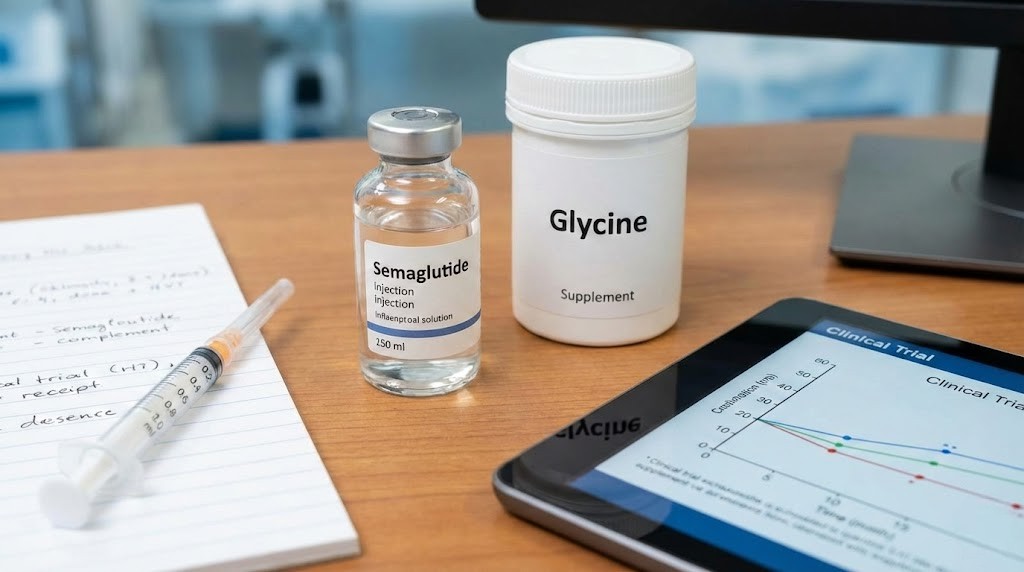
Your prescription reads semaglutide with glycine. Three words you did not expect. You were prepared for the semaglutide part. The weight loss peptide. The GLP-1 receptor agonist that everyone from your doctor to your coworker has mentioned at least once this year. But glycine? That threw you.
And you are not alone. Thousands of patients receive compounded semaglutide formulations every month that include glycine as an added ingredient, and most have no idea why it is there, what it does, or whether it actually matters. Some assume it is filler. Others think it is a marketing gimmick. A few worry it might interfere with the medication itself.
None of those assumptions are correct.
Glycine is there for specific, research-backed reasons that directly affect how well your semaglutide works, how your body responds to rapid weight loss, and whether you keep the muscle you have spent years building. The amino acid serves double duty in compounded formulations, functioning both as a pharmaceutical stabilizer that protects the peptide structure and as a bioactive compound that addresses one of the biggest concerns with GLP-1 therapy: the loss of lean muscle mass. Understanding what glycine does, and why compounding pharmacies add it, puts you in a fundamentally better position to evaluate your treatment options and get the most from your protocol. SeekPeptides has analyzed hundreds of compounded formulations, and the glycine question comes up more than almost any other.
This guide covers everything. The science behind glycine as a stabilizer. Its role in muscle preservation. How it compares to other popular additives like B12 and niacinamide. What the research actually says versus what marketing materials claim. And the practical details you need, from storage to side effects to dosing considerations, to make informed decisions about your compounded semaglutide protocol.
What is semaglutide with glycine?
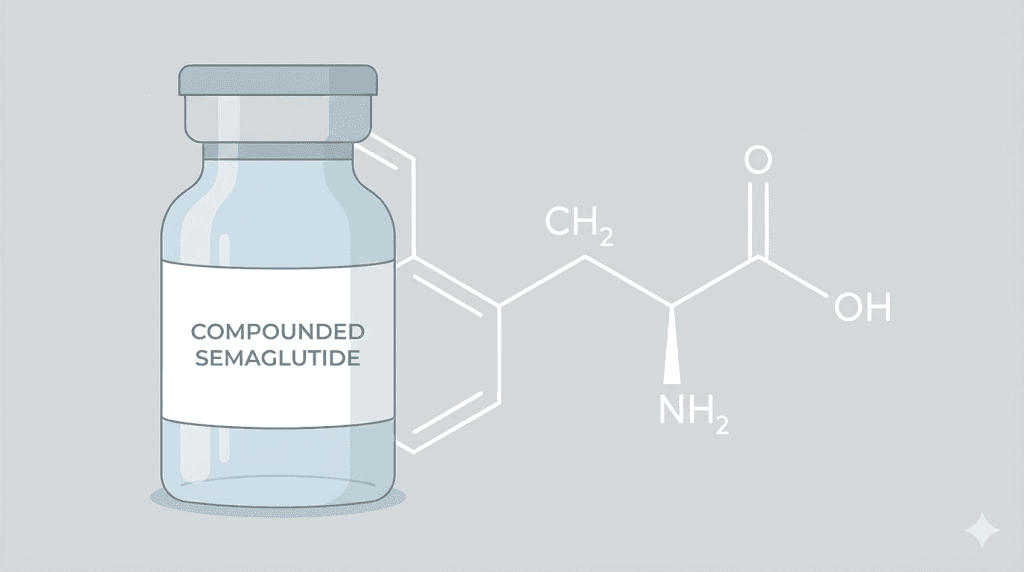
Semaglutide with glycine is a compounded medication that combines the GLP-1 receptor agonist semaglutide with the amino acid glycine. Compounding pharmacies create this formulation by adding glycine to semaglutide during the preparation process, producing a customized injectable that differs from brand-name products like Ozempic and Wegovy.
The distinction matters. Brand-name semaglutide products are manufactured by Novo Nordisk and contain specific inactive ingredients chosen during the drug development process. Compounded versions are prepared by licensed pharmacies that can add complementary ingredients, adjust concentrations, and tailor formulations to individual patient needs. Glycine is one of the most common additions to these compounded preparations.
But calling glycine just an additive undersells what it actually does.
Glycine is the simplest amino acid in the human body. Its chemical structure is remarkably small, just a hydrogen atom where other amino acids have complex side chains. That simplicity is precisely what makes it useful in pharmaceutical formulations. It dissolves easily. It plays well with other molecules. It does not interfere with the active peptide. And it brings its own therapeutic properties to the table, properties that happen to address several concerns specific to weight loss therapy.
In compounded semaglutide, glycine serves two distinct roles that most resources lump together or ignore entirely. The first is pharmaceutical: glycine acts as a buffering agent and stabilizer that helps maintain the semaglutide peptide structure during storage and use. The second is therapeutic: glycine delivers bioactive benefits including anti-inflammatory effects, muscle preservation support, sleep improvement, and metabolic optimization.
These are not the same thing, and understanding the difference changes how you evaluate the formulation.
The pharmaceutical role of glycine
Every injectable peptide faces a stability challenge. Peptides are fragile molecules that can degrade, aggregate, or lose their three-dimensional structure when exposed to pH fluctuations, temperature changes, light, or even the simple act of sitting in a vial for weeks at a time. When a peptide loses its structure, it loses its function. A degraded semaglutide molecule cannot bind to GLP-1 receptors properly, which means reduced efficacy or no efficacy at all.
Glycine helps prevent this.
In pharmaceutical science, glycine is classified as an excipient, a substance that does not provide direct therapeutic action but serves an important role in the drug formulation. Specifically, glycine functions as a buffering agent that maintains pH within a narrow optimal range. It also acts as a cryoprotectant during the freeze-drying process that many compounded formulations undergo, protecting the peptide structure from freezing-related damage.
Research published in the International Journal of Pharmaceutics demonstrates that amino acids like glycine stabilize protein-based drugs through two mechanisms. At low concentrations, glycine interacts directly with charged side chains and the peptide backbone of the protein. At higher concentrations, it competes with the unfolding protein for water molecules, increasing the energy required for the protein to unfold and thereby keeping it in its active configuration. This dual mechanism makes glycine one of the most reliable stabilizing agents in peptide compounding.
The practical translation is straightforward. When your compounded semaglutide sits in your refrigerator between weekly injections, glycine is working to keep the active molecule intact and functional. Without a stabilizer, the peptide could degrade faster, potentially reducing the potency of later doses from the same vial.
The therapeutic role of glycine
Here is where things get interesting for patients.
Glycine is not just a passive stabilizer sitting quietly in the background. It is a conditionally essential amino acid that the body uses in hundreds of biochemical reactions. Your body produces glycine naturally, but research suggests that most people do not produce enough to meet all of their metabolic needs, especially during periods of caloric restriction, stress, or rapid weight change.
People taking semaglutide for weight loss fall into every single one of those categories.
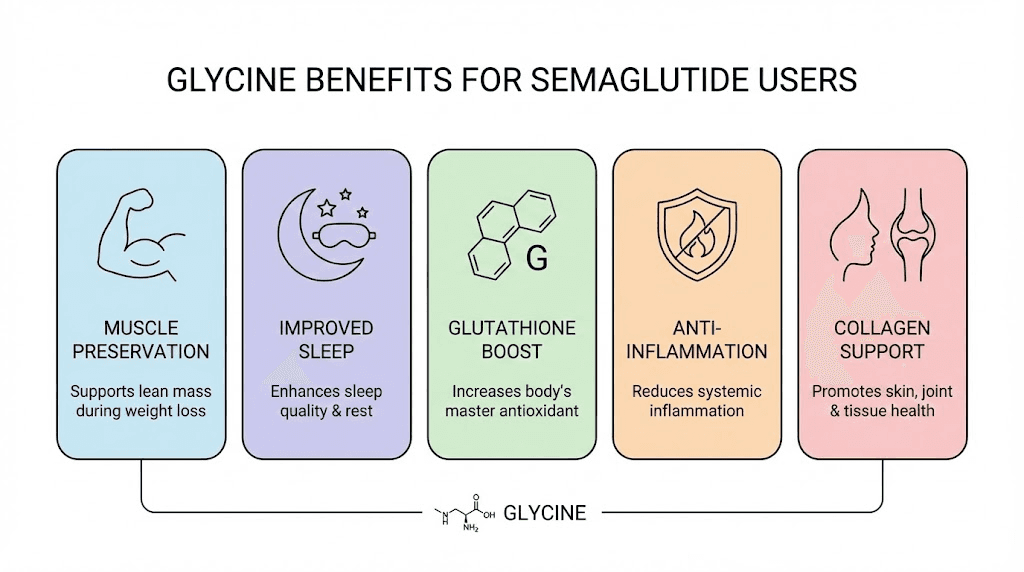
The therapeutic benefits of glycine that matter most for semaglutide users include muscle preservation during caloric deficit, improved sleep quality, enhanced glutathione production for antioxidant protection, anti-inflammatory effects, support for collagen synthesis, and improved insulin sensitivity. Each of these addresses a specific concern that patients on GLP-1 therapy commonly experience.
We will break down every one of these benefits with the research to support them. But first, it helps to understand why muscle loss during semaglutide therapy is such a significant issue.
The muscle loss problem with GLP-1 therapy
This is the conversation that does not get enough attention.
When you lose weight on semaglutide, you do not just lose fat. You lose muscle too. Clinical data consistently shows that lean mass accounts for approximately 25 to 40 percent of total weight lost during GLP-1 receptor agonist therapy. That means for every 10 pounds you lose, somewhere between 2.5 and 4 pounds of that is lean tissue, not just fat.
That ratio matters more than most people realize.
Muscle is metabolically active tissue. It burns calories at rest. It supports joint stability, bone density, and functional movement. It regulates blood sugar by serving as a glucose disposal site. Losing too much muscle during weight loss creates a cascade of problems that can undermine the very goals that prompted someone to start semaglutide therapy in the first place.
The metabolic consequences are measurable. Less muscle means a lower basal metabolic rate, which means your body burns fewer calories at rest after weight loss than it did before. This creates the conditions for weight regain, the frustrating cycle where patients lose weight on medication and gain it back when they stop. The weight loss stalling that many patients experience during semaglutide therapy can also be partially attributed to declining lean mass and the metabolic slowdown it causes.
A case series published in SAGE Open Medical Case Reports examined lean soft tissue changes during GLP-1 and GLP-1/GIP receptor agonist therapy. Researchers found that combining high protein intake of 1.2 to 1.6 grams per kilogram per day with resistance training 3 to 5 days per week produced the best outcomes for preserving lean mass. Some participants actually gained lean tissue while losing fat on their GLP-1 medication.
But here is the catch. Not everyone can commit to that level of exercise and dietary precision. Not everyone has access to a trainer or the knowledge to design an effective resistance program. And the appetite suppression from semaglutide itself can make eating enough protein genuinely difficult when you barely want to eat at all.
This is where glycine enters the equation.
How glycine protects muscle during weight loss
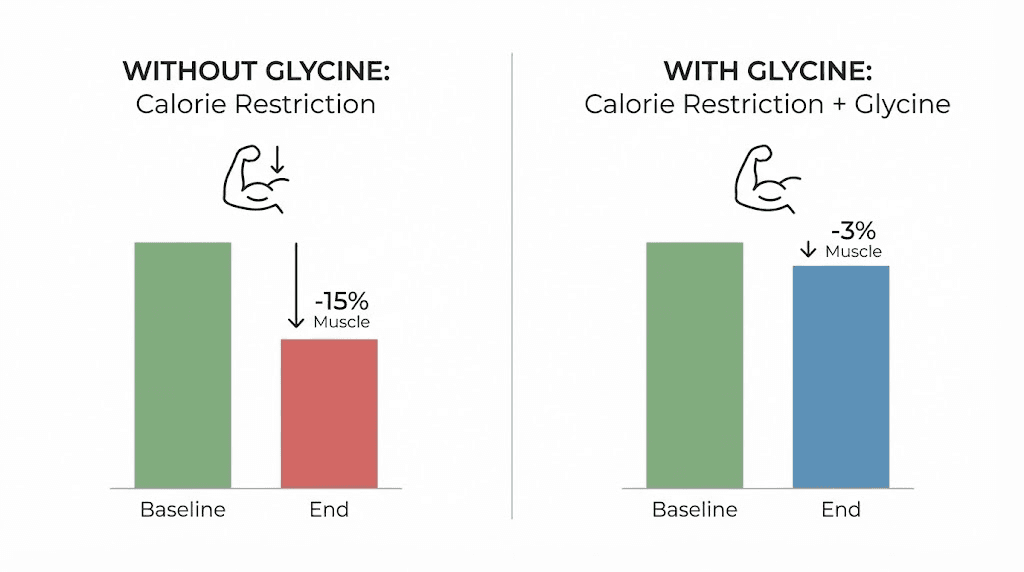
A study from the University of Melbourne published in Clinical Nutrition examined glycine supplementation during calorie restriction in obese mice. The results were striking. The glycine-supplemented group lost 49 percent of whole-body fat compared to 41 percent in the control group. At the same time, the glycine group lost 27 percent less lean mass and had better preserved quadriceps muscle mass by 4 percent compared to controls.
More fat lost. Less muscle lost. From the same caloric deficit.
The mechanism involves multiple pathways. Glycine activates the mTOR signaling pathway, which is the primary regulator of muscle protein synthesis. When mTOR is active, your body builds and maintains muscle tissue. When it is suppressed, as it typically is during caloric restriction, muscle breakdown accelerates. Glycine helps keep this pathway active even when calories are reduced.
Additionally, glycine inhibits proteolytic gene expression, which is a technical way of saying it reduces the signals that tell your body to break down muscle proteins for energy. During a caloric deficit, your body looks for fuel wherever it can find it. Muscle protein is one source. Glycine helps redirect that search toward fat stores instead.
Research in Frontiers in Physiology further confirmed that glycine protects muscle cells from wasting in vitro via mTOR signaling. The study demonstrated that glycine supplementation enhanced anabolic pathways while simultaneously reducing catabolic pathways, creating a favorable environment for muscle preservation even under conditions of metabolic stress.
For semaglutide users, this translates to a practical benefit. The glycine in your compounded formulation may help offset some of the lean mass loss that accompanies GLP-1-mediated weight loss. It is not a replacement for resistance training and adequate protein intake, but it adds another layer of protection for your muscle tissue during a period when it is particularly vulnerable.
Glycine benefits beyond muscle preservation
Muscle protection is the headline benefit, but glycine does considerably more. Each of the following benefits has direct relevance to people taking semaglutide for weight loss.
Sleep quality improvement
Sleep problems are one of the most underreported side effects of weight loss in general and GLP-1 therapy specifically. Caloric restriction disrupts sleep architecture. Hormonal changes during rapid weight loss affect melatonin and cortisol rhythms. And the gastrointestinal side effects of semaglutide, particularly nausea and acid reflux, can make restful sleep difficult.
Glycine has been studied extensively for its effects on sleep quality.
A study published in Sleep and Biological Rhythms found that 3 grams of glycine taken before bedtime significantly improved subjective sleep quality in volunteers who had difficulty sleeping. Polysomnographic data confirmed the subjective reports: glycine shortened the time to fall asleep, shortened the latency to slow wave sleep, and improved sleep efficiency without altering normal sleep architecture. That last point is important. Unlike pharmaceutical sleep aids that force your brain into artificial sleep patterns, glycine optimizes your natural sleep processes.
The mechanism involves glycine acting on NMDA receptors in the suprachiasmatic nucleus, the brain region that controls your circadian clock. By activating these receptors, glycine helps lower core body temperature, a physiological signal that initiates sleep onset. Research published in Neuropsychopharmacology confirmed this pathway, demonstrating that the sleep-promoting effects of glycine are mediated specifically through these receptors.
A follow-up study in the same journal examined daytime performance in partially sleep-restricted volunteers who received glycine supplementation. Participants showed significant reductions in fatigue, improvements in feelings of liveliness, and enhanced cognitive performance measured by psychomotor vigilance testing.
For semaglutide users, better sleep means better adherence to the lifestyle changes that maximize weight loss results. It means more energy for the exercise that preserves muscle. And it means improved hormone regulation, since growth hormone, which is critical for body composition, is released primarily during deep sleep.
Glutathione production and antioxidant protection
Glycine is one of three amino acids required for glutathione synthesis. Glutathione is often called the body master antioxidant, and for good reason. It neutralizes free radicals, supports detoxification pathways, protects cellular DNA from oxidative damage, and plays a role in immune function.
Research published in Oxidative Medicine and Cellular Longevity established that glycine is the rate-limiting factor in glutathione production for many people. That means even if you have adequate levels of the other two precursors, cysteine and glutamic acid, insufficient glycine will bottleneck your glutathione output. The study found that tissue glycine levels in many individuals fall below the Michaelis constant for the enzyme glutathione synthase, meaning the enzyme cannot operate at full capacity.
Why does this matter for semaglutide users? Rapid weight loss mobilizes stored toxins from fat tissue. Environmental toxins, heavy metals, and lipophilic compounds that were safely sequestered in adipose tissue get released into the bloodstream as that fat breaks down. Adequate glutathione levels help your body process and eliminate these compounds safely. Without sufficient glutathione, the detoxification burden can manifest as fatigue, headaches, brain fog, and the general malaise that some patients attribute to the medication itself.
The glycine in compounded semaglutide supports this detoxification pathway at precisely the time when your body needs it most.
Anti-inflammatory effects
Chronic low-grade inflammation is both a cause and consequence of obesity. Excess adipose tissue produces inflammatory cytokines, which promote insulin resistance, which promotes further fat storage, which produces more cytokines. Breaking this cycle is one of the goals of weight loss therapy.
Glycine has documented anti-inflammatory properties that work through specific, well-understood mechanisms. Research shows that glycine inhibits the production of key pro-inflammatory cytokines including tumor necrosis factor-alpha (TNF-alpha) and interleukin-6 (IL-6), while simultaneously increasing production of the anti-inflammatory cytokine IL-10. The mechanism involves glycine exerting a hyperpolarizing effect on macrophages and other immune cells, inhibiting calcium influx through voltage-sensitive channels and thereby dampening their inflammatory activity.
For patients using semaglutide for fat loss, this anti-inflammatory action complements the weight loss itself. As you lose fat tissue, you reduce the source of inflammatory signaling. Glycine helps accelerate the resolution of existing inflammation while preventing new inflammatory cascades. The combined effect may contribute to faster improvements in metabolic markers like insulin sensitivity, blood pressure, and lipid profiles.
Collagen synthesis support
Glycine is the most abundant amino acid in collagen, accounting for approximately one-third of its amino acid composition. Every third residue in the collagen triple helix is a glycine molecule. Without adequate glycine, collagen production slows.
This has direct implications for semaglutide users concerned about skin elasticity during weight loss. Rapid fat loss can outpace the skin ability to contract, leading to loose or sagging skin. While no supplement can completely prevent this, supporting collagen synthesis through adequate glycine availability gives your skin the building blocks it needs to remodel as your body composition changes.
Research in Amino Acids demonstrated that high glycine concentrations increased collagen synthesis by articular chondrocytes in vitro. The researchers proposed that chronic glycine deficiency could be an important contributor to conditions like osteoarthritis, highlighting how even modest glycine supplementation can have meaningful effects on connective tissue health.
For patients on longer semaglutide protocols, the collagen support from glycine may contribute to better skin outcomes, healthier joints, and stronger connective tissues throughout the weight loss process.
Insulin sensitivity enhancement
Glycine appears to improve insulin sensitivity through multiple pathways. Research has established correlations between low glycine levels and insulin resistance, with people who have obesity, prediabetes, and non-alcoholic fatty liver disease consistently showing lower circulating glycine concentrations compared to metabolically healthy individuals.
The relationship may be causal. Glycine participates in gluconeogenesis regulation, bile acid conjugation, and hepatic glucose metabolism. By supporting these pathways, glycine supplementation may enhance the metabolic improvements that semaglutide itself produces through its effects on insulin secretion and glucose control.
This creates a potentially synergistic relationship. Semaglutide increases insulin secretion and improves glucose handling through GLP-1 receptor activation. Glycine supports insulin sensitivity through complementary mechanisms. Together, they may produce metabolic improvements that exceed what either compound achieves alone.
How semaglutide with glycine compares to other formulations
Glycine is not the only additive that compounding pharmacies include in semaglutide preparations. Vitamin B12, niacinamide, L-carnitine, and even NAD+ are common additions. Understanding how glycine stacks up against these alternatives helps you evaluate which formulation best matches your needs.
Semaglutide with glycine vs. semaglutide with B12
Vitamin B12 (cyanocobalamin or methylcobalamin) is probably the most common additive in compounded semaglutide. B12 is added primarily to combat fatigue and support energy metabolism during caloric restriction. Many patients on semaglutide develop B12 deficiency over time because reduced food intake means reduced B12 absorption from dietary sources.
The comparison breaks down like this. B12 addresses energy and fatigue concerns directly. It supports red blood cell production, nerve function, and DNA synthesis. These are important benefits, especially for patients who notice declining energy levels as their caloric intake drops. Some pharmacies compound semaglutide with B12 at specific ratios designed to maintain adequate levels throughout treatment.
Glycine addresses a broader range of concerns. Muscle preservation, sleep quality, anti-inflammatory effects, and collagen synthesis are all benefits that B12 does not provide. However, glycine does not directly address B12 deficiency, which is a real risk during prolonged GLP-1 therapy.
The ideal scenario for many patients is a formulation that includes both. Some compounding pharmacies offer semaglutide with glycine and B12 combined, providing the stabilizing and therapeutic benefits of glycine alongside the energy and nutritional support of B12. If your pharmacy offers this combination, it addresses the widest range of patient concerns in a single injection.
Semaglutide with glycine vs. semaglutide with niacinamide
Niacinamide, also known as nicotinamide or vitamin B3, is another popular additive in compounded GLP-1 formulations. Like glycine, niacinamide serves as a stabilizer for the peptide structure. But its therapeutic benefits differ.
Niacinamide supports cellular energy production through its role in NAD+ metabolism. NAD+ is a coenzyme involved in hundreds of metabolic reactions, and its levels decline with age and metabolic stress. Niacinamide supplementation helps maintain NAD+ levels, which supports mitochondrial function, DNA repair, and overall metabolic efficiency.
Niacinamide also has benefits for skin health. It supports the skin barrier function, reduces inflammation, and may help with hyperpigmentation, concerns that some weight loss patients prioritize.
The key difference comes down to priorities. If your primary concerns are muscle preservation, sleep quality, and anti-inflammatory support, glycine is the stronger choice. If you are more focused on cellular energy production, skin health, and NAD+ support, niacinamide may be more appropriate. For patients interested in how niacinamide works in GLP-1 formulations, we have covered that topic in depth separately.
Comparison table: semaglutide additives
Additive | Primary benefit | Muscle support | Sleep benefit | Best for |
|---|---|---|---|---|
Glycine | Muscle preservation and stability | Strong | Yes | Patients concerned about lean mass loss |
B12 | Energy and fatigue reduction | Minimal | No | Patients with low energy or B12 deficiency risk |
Niacinamide | Cellular energy and skin health | Minimal | No | Patients focused on metabolic efficiency and skin |
L-Carnitine | Fat metabolism support | Moderate | No | Patients wanting enhanced fat burning |
Glycine + B12 | Comprehensive support | Strong | Yes | Patients wanting broadest benefit coverage |
No single additive is universally best. Your specific health profile, concerns, and goals should guide the choice. Discuss options with your prescribing provider who can evaluate your individual needs.
The science of how glycine stabilizes semaglutide
Understanding the pharmaceutical science behind glycine stabilization helps you appreciate why it is not just marketing.
Semaglutide is a 31-amino acid peptide with a molecular weight of approximately 4,113.58 daltons. It includes a C-18 fatty acid chain attached to the peptide backbone that enables it to bind to albumin in the blood, extending its half-life to approximately one week. This is what allows weekly dosing instead of daily injections.
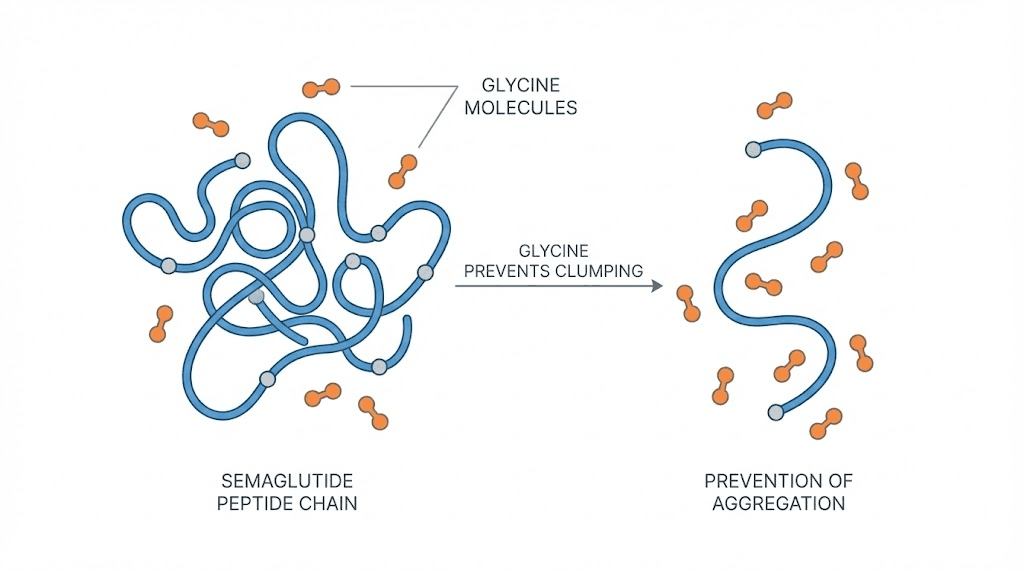
That fatty acid chain is both a feature and a vulnerability. It makes the molecule more prone to aggregation, the process where peptide molecules clump together and lose their individual functionality. Think of it like proteins in milk curdling. The individual molecules are fine, but once they aggregate, they cannot function properly.
Glycine addresses this through several mechanisms that have been documented in pharmaceutical research.
First, glycine maintains pH stability. Peptide solutions are sensitive to pH changes, and even small shifts can trigger conformational changes that reduce potency. Glycine is an amphoteric molecule, meaning it can act as both an acid and a base, making it an effective buffer that resists pH changes during storage.
Second, glycine prevents aggregation by interacting with exposed hydrophobic regions on the peptide surface. When semaglutide molecules begin to unfold slightly, their hydrophobic regions become exposed to the aqueous environment. These regions are attracted to each other, promoting aggregation. Glycine molecules occupy these interaction sites, preventing the peptide molecules from sticking together.
Third, during freeze-drying processes, glycine acts as a cryoprotectant. It forms a crystalline matrix that physically separates peptide molecules, preventing the ice crystal formation that can mechanically damage delicate peptide structures. Research shows that glycine produces a strong, porous, and stable cake structure in lyophilized products, which is the ideal physical form for reconstitution and subsequent use.
The practical implication is that compounded semaglutide with glycine may maintain its potency longer and more consistently than formulations without a dedicated stabilizer. This matters when you are drawing multiple doses from a single vial over the course of several weeks. The last dose should be as effective as the first, and glycine helps make that happen.
Dosing and administration
Semaglutide with glycine follows the same general dosing protocol as standard compounded semaglutide. The glycine component does not change the semaglutide dosing schedule or the titration approach.
Standard semaglutide titration with glycine formulations
Most providers follow a titration schedule that starts low and increases gradually to minimize gastrointestinal side effects. A typical protocol looks like this.
Weeks 1 through 4: 0.25 mg semaglutide per week. This initial dose establishes baseline tolerance. The glycine in the formulation is present from the first injection, beginning its stabilizing and therapeutic work immediately. Most patients experience mild or no side effects at this dose.
Weeks 5 through 8: 0.5 mg semaglutide per week. The first dose increase. Appetite suppression typically becomes more noticeable at this level. Some patients report appetite changes within the first few days of this dose.
Weeks 9 through 12: 1.0 mg semaglutide per week. The therapeutic dose range begins here for most patients. Significant weight loss is typically observable by this point. The muscle-preserving effects of glycine become increasingly relevant as cumulative weight loss increases.
Weeks 13 through 16: 1.7 mg semaglutide per week if tolerated. Higher doses produce greater appetite suppression but also increase the likelihood of gastrointestinal side effects.
Week 17 onward: 2.4 mg semaglutide per week, the maximum therapeutic dose used in clinical trials. Not all patients require this dose. Some achieve their goals at lower levels.
The exact concentration of glycine varies between compounding pharmacies. Most use glycine at concentrations that serve the dual purpose of stabilization and therapeutic benefit without adding significant volume to the injection. Your pharmacy can provide specific information about the glycine concentration in your formulation.
Injection technique and sites
Semaglutide with glycine is administered via subcutaneous injection, typically in the abdomen, thigh, or upper arm. The glycine does not change injection technique or site selection.
Rotate injection sites with each dose to prevent lipodystrophy, the formation of lumps or depressions at overused injection sites. A simple rotation pattern, moving clockwise around the abdomen for example, ensures consistent absorption and reduces injection site reactions.
For detailed guidance on injection technique, our complete peptide injection guide covers everything from drawing the correct dose to proper site preparation. If you are new to self-injection, understanding the basics before your first dose reduces anxiety and improves technique from day one.
Using a dosage calculator
Getting the right dose from your compounded vial requires understanding the concentration your pharmacy provides. Compounded semaglutide comes in various concentrations, and the number of units you draw depends on the specific concentration of your vial.
Our semaglutide dosage calculator handles these conversions for you. Input your prescribed dose in milligrams, your vial concentration, and the calculator shows exactly how many units to draw on your insulin syringe. This eliminates the mental math that leads to dosing errors, especially when switching between vials of different concentrations.
Understanding the relationship between milligrams, units, and milliliters is fundamental to accurate dosing. We have covered specific conversions in detail:
Storage and stability of semaglutide with glycine
Proper storage directly affects how well your medication works. The glycine in your formulation helps with stability, but it cannot overcome fundamentally poor storage practices.
Refrigeration requirements
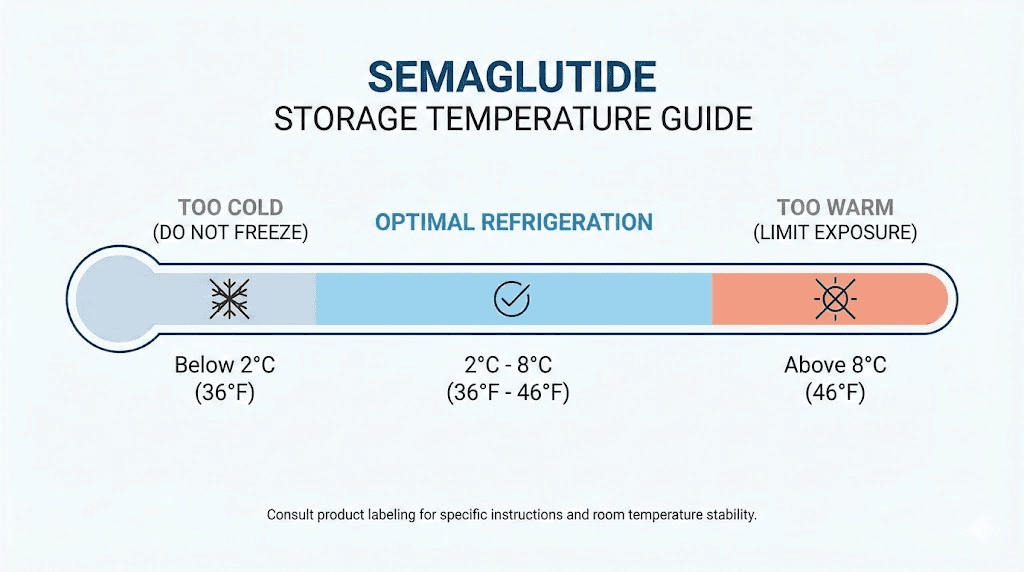
Compounded semaglutide with glycine should be refrigerated at 36 to 46 degrees Fahrenheit (2 to 8 degrees Celsius). This is the standard refrigerator temperature range. Do not freeze the medication. Freezing can damage the peptide structure despite glycine cryoprotective properties in controlled pharmaceutical settings. Home freezers do not provide the controlled conditions of pharmaceutical freeze-drying.
Once you begin using a vial, keep it refrigerated between doses. Most compounded semaglutide formulations remain stable for 28 to 90 days in the refrigerator after first use, depending on the pharmacy specific formulation and preservative system. The glycine component contributes to extending this stability window by maintaining pH and preventing aggregation throughout the use period.
If your medication is left at room temperature briefly, such as during preparation for injection, that is fine. Short exposures of 30 to 60 minutes at room temperature will not significantly impact potency. However, do not leave your vial out on the counter for extended periods. Heat accelerates peptide degradation regardless of what stabilizers are present.
For comprehensive storage guidance that applies to all peptide formulations, our peptide storage guide covers temperature requirements, light exposure considerations, and signs of degradation to watch for. Understanding how long peptides last in the fridge helps you plan your refill schedule and avoid using degraded medication.
Signs of degradation
Even with glycine stabilization, compounded semaglutide can degrade under poor conditions. Watch for these signs.
Cloudiness or particulate matter in the solution indicates aggregation. The peptide molecules have clumped together and the medication should not be used. Clear, colorless solution is what you want to see every time you draw a dose.
Color changes from clear to yellow, amber, or any other tint suggest chemical degradation. Discard the vial.
Changes in viscosity, either thickening or unusual thinning, indicate formulation instability. Again, discard the vial.
If you are uncertain whether your medication is still good, our guide on expired semaglutide covers how to evaluate your medication and when to replace it.
Side effects and safety considerations
The side effect profile of semaglutide with glycine is primarily driven by the semaglutide component. Glycine at the concentrations used in compounded formulations is extremely well tolerated and adds minimal, if any, additional side effect risk.
Common side effects from semaglutide
The most frequently reported side effects of semaglutide are gastrointestinal in nature. Nausea is the most common, affecting roughly 20 to 44 percent of patients in clinical trials depending on the dose. It is typically most pronounced during dose escalation and tends to improve over time as the body adjusts.
Other common side effects include diarrhea, constipation, abdominal pain, vomiting, and decreased appetite. These side effects are related to semaglutide mechanism of action. By slowing gastric emptying and altering gut signaling, the medication produces these effects as a predictable consequence of its therapeutic action.
Fatigue is another commonly reported effect, particularly during the early weeks of treatment. This may be related to reduced caloric intake, hormonal adjustments, or the metabolic changes that accompany GLP-1 receptor activation. Understanding what to expect during the adjustment period helps patients distinguish normal adaptation from concerning symptoms.
Less common but more serious potential side effects include pancreatitis, gallbladder problems, and changes in kidney function. These require immediate medical attention. Managing specific side effects like constipation often involves simple dietary and lifestyle adjustments that your provider can recommend.
Glycine safety profile
Glycine has an excellent safety record. Studies have used doses up to 90 grams per day over several weeks without serious adverse effects. The amounts used in compounded semaglutide formulations are substantially lower than what research has tested for safety, typically in the range of milligrams to low grams per injection.
At supplemental doses of 3 to 5 grams per day, which is the range studied for sleep and metabolic benefits, glycine is generally recognized as safe. The most commonly reported side effect is mild gastrointestinal discomfort, which is difficult to separate from the gastrointestinal effects of semaglutide itself.
One consideration worth noting: glycine may interact with certain medications, particularly clozapine and some diabetes medications. If you are taking multiple prescriptions, discuss the glycine component of your compounded semaglutide with your prescribing provider to ensure there are no interactions specific to your medication regimen.
Who should consider semaglutide with glycine
The glycine formulation may be particularly beneficial for specific patient populations.
Patients concerned about muscle loss during weight loss are the most obvious candidates. If you are active, lift weights, or rely on muscle mass for your livelihood or quality of life, the muscle-preserving properties of glycine align directly with your priorities.
Patients with sleep disruption during GLP-1 therapy may benefit from glycine documented effects on sleep quality. If your semaglutide protocol is interfering with restful sleep, the glycine component provides a small but meaningful boost to sleep architecture.
Patients with inflammatory conditions may appreciate glycine anti-inflammatory effects. Obesity-related inflammation, joint pain, and metabolic syndrome all involve inflammatory pathways that glycine helps modulate.
Patients who prioritize connective tissue health during weight loss, particularly those concerned about skin elasticity, may benefit from glycine role in collagen synthesis.
The FDA, compounding, and regulatory context
Understanding the regulatory landscape around compounded semaglutide with glycine helps you make informed decisions about your treatment.
Compounded vs. brand-name semaglutide
Brand-name semaglutide products, Ozempic for type 2 diabetes and Wegovy for weight management, are manufactured by Novo Nordisk under strict FDA oversight. They undergo rigorous testing for safety, efficacy, and manufacturing consistency. Each batch is tested to meet specific standards before release.
Compounded semaglutide, including formulations with glycine, is prepared by licensed compounding pharmacies under different regulatory frameworks. Section 503A pharmacies compound individual prescriptions for specific patients. Section 503B outsourcing facilities compound in larger quantities without patient-specific prescriptions but under additional FDA oversight.
Neither type of compounded formulation undergoes FDA approval for safety and efficacy the way brand-name drugs do. This does not mean they are unsafe. It means the regulatory framework is different, and the quality assurance burden falls more heavily on the compounding pharmacy and the prescribing provider.
The shortage and its aftermath
Compounded semaglutide became widely available during a period when brand-name products were in shortage. High demand for Ozempic and Wegovy outstripped manufacturing capacity, creating supply gaps that compounding pharmacies were legally permitted to fill under federal law. During a drug shortage, compounding pharmacies can prepare copies of commercially available medications that they normally could not produce.
In February 2025, the FDA declared the semaglutide shortage resolved. This triggered enforcement deadlines for compounding pharmacies to stop producing semaglutide copies. Section 503A pharmacies had until April 2025, and Section 503B facilities had until May 2025 to comply. Legal challenges to these deadlines were filed, and the regulatory landscape continues to evolve.
What does this mean for patients currently using compounded semaglutide with glycine? The answer depends on your specific situation, your provider, and the regulatory status at the time you are reading this. Work with your prescribing provider to understand your options, which may include transitioning to brand-name products or continuing with compounded formulations if they remain legally available through the medical necessity exemption or other regulatory pathways.
Quality considerations for compounded formulations
If you are using compounded semaglutide with glycine, the quality of your formulation depends entirely on the pharmacy that produces it. Here is what to look for.
Third-party testing results should be available. Reputable compounding pharmacies test their formulations for potency, sterility, and endotoxin levels. Ask your pharmacy if they can provide certificates of analysis for their semaglutide products.
Proper licensing is non-negotiable. Your pharmacy should hold appropriate state and federal licenses for compounding sterile injectable medications. 503B outsourcing facilities are subject to FDA inspection and must comply with current Good Manufacturing Practice requirements.
Beyond-use dating should be clearly stated. This tells you how long your medication remains stable after compounding. Longer beyond-use dates generally indicate more sophisticated formulation and testing protocols. The glycine in your formulation contributes to stability, but the beyond-use date reflects the complete formulation system, not just one ingredient.
Practical strategies to maximize benefits
Getting the most from semaglutide with glycine requires more than just injecting it weekly. The glycine supports your body during weight loss, but your lifestyle choices determine how much benefit you actually receive.
Protein intake optimization
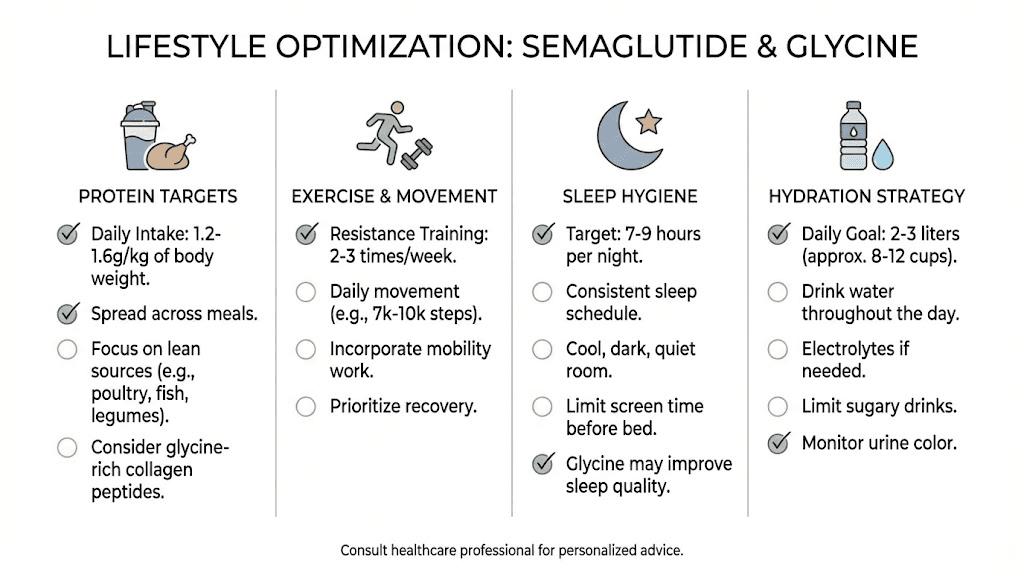
The research is clear: adequate protein intake is the single most important dietary factor for preserving lean mass during GLP-1-mediated weight loss. Target 1.2 to 1.6 grams of protein per kilogram of body weight per day. For a 200-pound person, that translates to approximately 109 to 145 grams of protein daily.
This is challenging when semaglutide suppresses your appetite. Many patients struggle to eat enough food in general, let alone enough protein specifically. Strategies that help include front-loading protein at each meal, eating protein before carbohydrates and fats, using protein shakes or high-protein snacks when whole food intake is limited, and spreading protein intake across all meals rather than concentrating it in one sitting.
For detailed guidance on eating while on GLP-1 therapy, our semaglutide diet plan provides meal planning frameworks that account for reduced appetite while meeting protein targets.
Resistance training
Glycine activates mTOR pathways that support muscle preservation, but those pathways are most effective when paired with the mechanical stimulus of resistance training. You do not need to become a bodybuilder. Two to four sessions per week focusing on compound movements like squats, deadlifts, presses, and rows provide sufficient stimulus to signal your body that muscle tissue is needed and should not be broken down for energy.
The combination of glycine supplementation through your compounded formulation, adequate protein intake, and consistent resistance training creates a powerful defense against lean mass loss. The case series published in SAGE Open Medical Case Reports showed that patients who maintained exercise protocols of 3 to 5 resistance training sessions per week while on GLP-1 therapy preserved lean mass successfully, with some even gaining muscle while losing fat.
Sleep hygiene
Glycine improves sleep quality, but it works best when combined with good sleep hygiene practices. Maintain a consistent sleep schedule. Keep your bedroom cool, which aligns with glycine mechanism of lowering core body temperature to initiate sleep. Limit screen exposure before bed. And if you are taking your semaglutide injection, consider timing it earlier in the day if evening dosing seems to affect your sleep.
Hydration
Both semaglutide and glycine metabolism require adequate hydration. Dehydration can worsen gastrointestinal side effects, impair detoxification pathways that glycine supports, and reduce exercise performance that drives muscle preservation. Aim for at least half your body weight in ounces of water daily, and more on exercise days.
Common questions about semaglutide with glycine
The following questions come up repeatedly in SeekPeptides community discussions and reflect the practical concerns of patients evaluating or currently using this formulation.
Can you switch from regular compounded semaglutide to semaglutide with glycine?
Yes. The semaglutide component is the same active ingredient. Switching between formulations does not require a new titration if you are switching at the same dose. Simply continue your current dose with the new formulation. Inform your provider about the switch so they can update your records.
Does glycine change how quickly semaglutide works?
No. Glycine does not accelerate or delay semaglutide onset of action. The GLP-1 receptor agonist component works on the same timeline regardless of whether glycine is present in the formulation. Most patients notice appetite suppression within the first 1 to 2 weeks and measurable weight loss within 4 to 8 weeks.
Is semaglutide with glycine more effective for weight loss than plain semaglutide?
There are no head-to-head clinical trials comparing weight loss outcomes between semaglutide with glycine and semaglutide alone. The theoretical benefits of glycine, including muscle preservation and metabolic support, could contribute to better long-term body composition outcomes, but this has not been confirmed in controlled studies specific to this combination. The semaglutide component drives the primary weight loss effect.
Can you take additional glycine supplements alongside semaglutide with glycine?
Oral glycine supplementation is generally considered safe alongside compounded semaglutide containing glycine. The amounts are complementary rather than duplicative. Many patients take 3 grams of glycine before bed for sleep benefits in addition to their compounded injection. Discuss supplementation with your provider, particularly if you take other medications that might interact.
Does semaglutide with glycine need to be refrigerated differently?
No. The storage requirements are the same as standard compounded semaglutide: refrigerate at 36 to 46 degrees Fahrenheit, protect from light, do not freeze. The glycine may contribute to slightly better stability during storage, but the fundamental requirements do not change. Follow the beyond-use dating provided by your pharmacy.
Is semaglutide with glycine available as an oral formulation?
Currently, compounded semaglutide with glycine is available primarily as an injectable formulation. Oral semaglutide formulations exist but use different absorption enhancers (specifically SNAC, or sodium N-[8-(2-hydroxybenzoyl) amino] caprylate) to enable gastrointestinal absorption. The compounding landscape for oral GLP-1 formulations continues to evolve, and glycine inclusion in oral formulations may emerge as formulation science advances.
How does semaglutide with glycine compare to tirzepatide with glycine?
Both semaglutide and tirzepatide can be compounded with glycine, and the glycine serves the same stabilizing and therapeutic functions in both formulations. The difference lies in the active peptide. Tirzepatide is a dual GIP/GLP-1 receptor agonist that generally produces greater weight loss than semaglutide in head-to-head trials. If you are interested in tirzepatide dosing protocols or have questions about dosage comparisons between the two, those guides cover the specifics.
What happens if glycine is not included in my compounded semaglutide?
Semaglutide without glycine still works. The active peptide is the same regardless of excipients. You lose the potential therapeutic benefits of glycine, specifically the muscle preservation support, sleep quality improvement, and anti-inflammatory effects, and the formulation may have slightly reduced stability compared to one with a dedicated buffering agent. But the core weight loss mechanism is unaffected. If your pharmacy does not offer glycine as an additive, you can discuss oral glycine supplementation with your provider as an alternative way to access these benefits.
Frequently asked questions
What is glycine and why is it in my semaglutide?
Glycine is the simplest amino acid that your body naturally produces. In compounded semaglutide, it serves as both a stabilizer that protects the peptide structure during storage and a therapeutic compound that supports muscle preservation, gut health, sleep quality, and metabolic function during weight loss.
Does semaglutide with glycine cost more than regular compounded semaglutide?
Pricing varies between compounding pharmacies. Glycine is an inexpensive ingredient, so the addition typically does not significantly increase the cost of the compounded medication. Some pharmacies include it at no additional charge as part of their standard formulation. Check with your specific pharmacy for pricing details.
Can semaglutide with glycine help with nausea?
Glycine has gastrointestinal protective properties and may contribute to reduced nausea compared to formulations without it. Some providers specifically choose glycine-containing formulations for patients who report significant nausea with GLP-1 therapy. However, nausea is primarily a semaglutide side effect, and glycine moderating influence, while helpful, may not eliminate it entirely.
Is semaglutide with glycine FDA approved?
No. Compounded semaglutide with glycine is not FDA approved. This specific combination has not undergone the clinical trial process required for FDA approval. The semaglutide component is based on an FDA-approved molecule, but the compounded formulation itself is not individually approved. This is standard for all compounded medications and does not necessarily indicate a safety concern.
How long should you take semaglutide with glycine?
Treatment duration depends on your individual goals, response to therapy, and your provider assessment. Some patients use semaglutide for defined periods to achieve target weights, then taper or discontinue. Others use it long-term for weight maintenance. The glycine component does not change these considerations. Work with your provider to determine the appropriate treatment timeline for your situation.
Can you drink alcohol while taking semaglutide with glycine?
The glycine does not create additional alcohol restrictions. However, alcohol and semaglutide interact in ways that can worsen side effects and slow progress. Semaglutide slows gastric emptying, which means alcohol stays in your stomach longer and can cause more intense effects from smaller amounts. Many patients find their alcohol tolerance decreases significantly on GLP-1 therapy.
External resources
Dietary Glycine Is Rate-Limiting for Glutathione Synthesis (PMC)
Glycine Supplementation During Calorie Restriction Accelerates Fat Loss (PubMed)
Glycine Protects Muscle Cells From Wasting via mTORC1 Signaling (PMC)
Sleep-Promoting Effects of Glycine Mediated by NMDA Receptors (PMC)
For researchers serious about optimizing their GLP-1 protocols, SeekPeptides provides the most comprehensive resource available, with evidence-based guides, dosage calculators, protocol databases, and a community of thousands who have navigated these exact questions. SeekPeptides members access detailed compounding formulation comparisons, additive analysis guides, and expert-reviewed protocols that account for the individual factors most resources overlook.
In case I do not see you, good afternoon, good evening, and good night. May your formulations stay stable, your muscle stay preserved, and your protocols stay optimized.