Feb 12, 2026
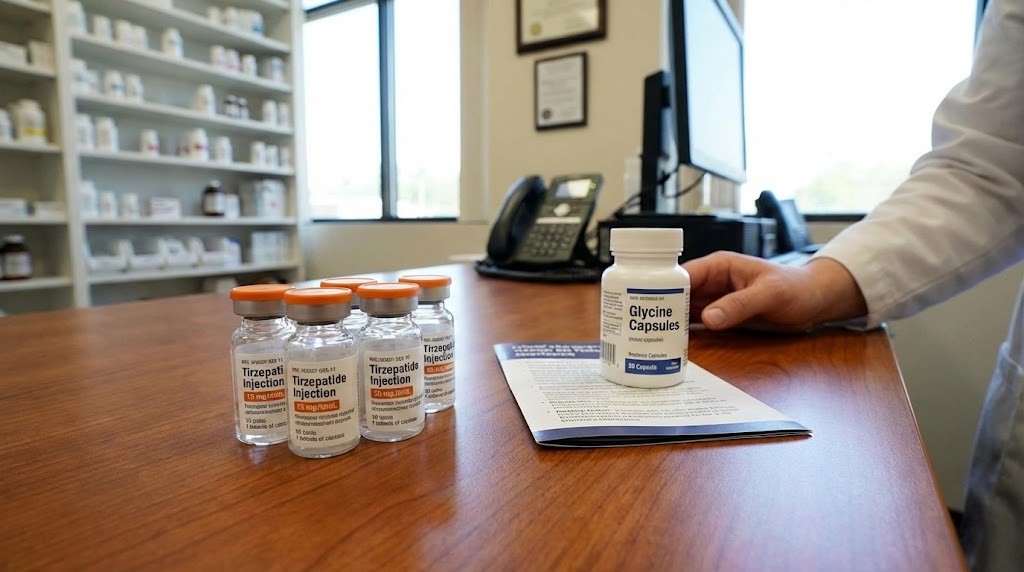
Experienced researchers know something about compounded tirzepatide that most clinic websites will never mention. The active peptide is only part of the equation. What surrounds it, what stabilizes it, what the compounding pharmacy adds to the vial, that changes everything about how your body responds to treatment. And right now, one specific formulation is generating serious attention among practitioners who understand the science of body composition during rapid weight loss.
Tirzepatide compounded with glycine represents a deliberate pharmaceutical decision, not a marketing gimmick, not a filler ingredient, but a targeted addition rooted in published research on muscle preservation, inflammation modulation, and cellular signaling pathways that most patients never hear about. The conversation around GLP-1 receptor agonists has focused almost entirely on the scale. How many pounds. How fast. What percentage of body weight. But experienced clinicians are asking a different question: what kind of weight are you losing? Because 25% of the weight lost on tirzepatide can come from lean muscle mass, and that number should concern anyone thinking beyond the next weigh-in. This guide breaks down the full science behind the tirzepatide glycine formulation.
You will learn exactly how glycine activates the mTOR pathway to protect skeletal muscle, why it matters for long-term weight loss success, how it supports glutathione production and sleep quality, and what the dosing protocols actually look like in practice.
SeekPeptides has compiled the research, the clinical data, and the practical protocols into one comprehensive resource so you can make informed decisions about which compounded formulation actually serves your goals.
What tirzepatide glycine actually is (and why it matters)
Tirzepatide glycine is a compounded medication that combines the dual GIP/GLP-1 receptor agonist tirzepatide with the amino acid glycine, typically prepared by 503A or 503B compounding pharmacies. Some formulations also include cyanocobalamin (vitamin B12). This is not a brand-name product. It is not manufactured by Eli Lilly. It exists in the compounding space, where pharmacies create customized formulations based on prescriber specifications.
The distinction matters.
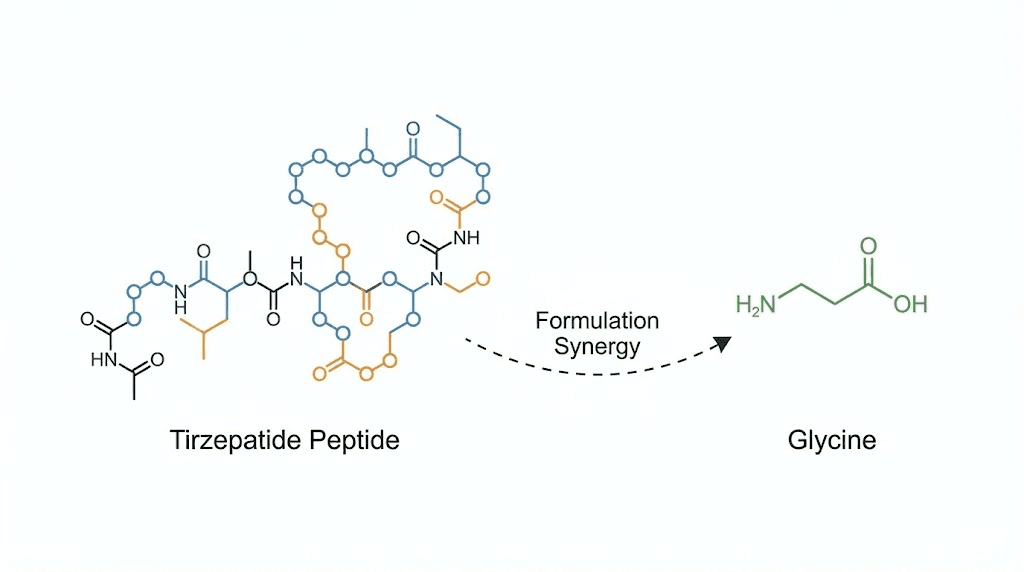
Brand-name Mounjaro contains tirzepatide alone. Compounded versions can include additional ingredients selected for specific clinical benefits, and glycine is one of the most scientifically supported additions available. When a compounding pharmacy adds glycine to tirzepatide, they are addressing a well-documented problem with GLP-1 therapy: the loss of lean body mass during rapid weight reduction. Glycine is not a random supplement thrown in for marketing purposes. It is the smallest amino acid in the human body, a direct activator of the mTOR signaling pathway responsible for muscle protein synthesis, a rate-limiting precursor for glutathione production, and a modulator of inflammatory pathways through the NF-kB system. Each of these functions addresses a specific challenge that arises during aggressive weight loss protocols.
The compounded formulation typically comes as an injectable solution for subcutaneous administration, matching the same weekly dosing schedule as brand-name tirzepatide. Concentrations vary by pharmacy. Some clinics also offer sublingual or troche formulations, though the injectable route remains the clinical standard for consistent bioavailability and predictable dosing. Understanding the reconstitution process and proper handling is essential for anyone considering this formulation.
Why does glycine specifically get paired with tirzepatide rather than other amino acids? Three reasons. First, the research on glycine and mTOR activation in muscle cells is robust and specific, showing up to 20% larger myotubes compared to control amino acids. Second, glycine does not interfere with tirzepatide stability or mechanism of action when compounded together. Third, glycine addresses multiple pathways simultaneously, from muscle preservation to sleep improvement to antioxidant defense, making it one of the most efficient single additions a compounder can make to a weight loss peptide formulation.
How tirzepatide works as a dual receptor agonist
Tirzepatide is fundamentally different from semaglutide and other GLP-1 receptor agonists. It activates two receptors simultaneously. That dual mechanism is why practitioners refer to it as a "twincretin" and why the clinical data consistently shows greater weight loss compared to GLP-1-only medications.
The first receptor is GLP-1. Glucagon-like peptide-1. When tirzepatide binds this receptor, it triggers a cascade of metabolic effects. Insulin secretion increases in a glucose-dependent manner, meaning your pancreas produces more insulin only when blood sugar is elevated. Glucagon secretion decreases, reducing the liver output of glucose into the bloodstream. Gastric emptying slows significantly, keeping food in the stomach longer and producing a sustained feeling of fullness that suppresses appetite for hours after a meal. This is the same mechanism that semaglutide uses, and it accounts for much of the appetite reduction patients experience.
The second receptor is GIP. Glucose-dependent insulinotropic polypeptide. This is where tirzepatide separates itself from the competition. GIP receptor activation enhances fat oxidation, improves lipid metabolism, and appears to have direct effects on adipose tissue distribution. Research from the SURMOUNT clinical trials showed that tirzepatide patients lost significantly more visceral fat compared to placebo groups, a finding that correlates with the GIP receptor activity. GIP also works synergistically with GLP-1, amplifying the insulin-sensitizing effects beyond what either receptor achieves alone.
The practical result is dramatic.
Clinical trials demonstrated that participants on the highest dose of tirzepatide (15 mg weekly) lost an average of 22.5% of their body weight over 72 weeks. That is roughly double what semaglutide achieves at equivalent time points. HbA1c levels dropped by 2.0 to 2.4 percentage points in participants with type 2 diabetes, often bringing them below the diagnostic threshold entirely. These numbers explain why tirzepatide has generated extraordinary demand and why the dosing protocols follow such a careful titration schedule: you start at 2.5 mg weekly for four weeks, increase to 5 mg, then continue stepping up through 7.5 mg, 10 mg, 12.5 mg, and potentially 15 mg depending on clinical response and tolerability.
But here is the part that demands attention. When you lose 20% or more of your total body weight, not all of that weight comes from fat. Studies using dual-energy X-ray absorptiometry (DEXA) scans show that approximately 25% of the total weight lost on tirzepatide consists of lean body mass. For someone who loses 50 pounds, that translates to roughly 12.5 pounds of muscle tissue. This ratio is consistent with what researchers observe during diet-induced weight loss generally, but the sheer magnitude of weight loss with tirzepatide amplifies the absolute amount of muscle lost. Use our dosage calculator to understand conversion between different concentration formulations, and review our dosage chart in milliliters for accurate measurements.
That muscle loss is not just a cosmetic concern. It lowers basal metabolic rate, reduces functional capacity, increases fall risk in older adults, and creates a metabolic environment that favors weight regain once treatment ends. This is precisely why glycine was added to compounded formulations, and why understanding the dosing protocol in units alongside the glycine component matters.
The science behind glycine and muscle preservation
Glycine is the simplest amino acid in nature. Its chemical structure contains just a hydrogen atom as its side chain, making it the smallest building block in the protein-making toolkit. But simplicity does not mean insignificance. Glycine participates in more biochemical reactions than almost any other amino acid, and its role in muscle preservation is supported by rigorous cellular and animal research that directly applies to the muscle loss concern during GLP-1 therapy.
mTOR pathway activation
The mechanistic target of rapamycin, known as mTOR, is the master regulator of muscle protein synthesis. When mTOR is active, muscle cells build new proteins. When it is suppressed, muscle cells enter a catabolic state where protein breakdown exceeds protein creation. During caloric deficit, which tirzepatide creates through profound appetite suppression, mTOR signaling naturally decreases. This is the fundamental cellular reason why weight loss leads to muscle loss.
Glycine directly activates the mTORC1 complex.
A landmark study published in Frontiers in Nutrition (2019) demonstrated that glycine-treated muscle cells (myotubes) were up to 20% larger compared to cells treated with the control amino acid L-alanine. This was not a marginal finding. Twenty percent represents a substantial protective effect against muscle wasting. The researchers confirmed the mechanism by adding rapamycin, a known mTORC1 inhibitor. When rapamycin was present, glycine lost its protective effect entirely. This proved that glycine protective action against muscle wasting operates specifically through the mTORC1 signaling pathway, not through some other non-specific mechanism.
For anyone on tirzepatide injections, this finding has direct relevance. The medication creates exactly the kind of caloric deficit that suppresses mTOR and triggers muscle catabolism. Adding glycine to the formulation provides a direct molecular countermeasure, maintaining mTORC1 activity even during the energy deficit that drives fat loss.
Protein synthesis and anti-wasting effects
Beyond mTOR activation, glycine inhibits two specific genes responsible for muscle protein degradation: MuRF1 and Atrogin-1. These genes encode E3 ubiquitin ligases, enzymes that tag muscle proteins for destruction by the proteasome. When MuRF1 and Atrogin-1 expression increases, muscle breakdown accelerates. During weight loss, caloric restriction, and reduced physical activity (common during the adjustment period of GLP-1 therapy when patients feel fatigued), these genes become more active.
Glycine suppresses their expression.
Research on C2C12 myoblasts (a standard muscle cell line used in laboratory studies) showed that glycine treatment significantly reduced MuRF1 and Atrogin-1 mRNA levels while simultaneously increasing markers of protein synthesis. The effect was dose-dependent, meaning higher glycine concentrations produced greater protective effects up to a saturation point. This dual action, boosting synthesis while blocking degradation, makes glycine particularly effective for muscle preservation during rapid weight loss. The research aligns with broader findings on peptide-based approaches to performance and recovery.
Akt-mTOR-FOXO1 signaling explained
The full signaling cascade that glycine activates deserves a closer look because it reveals just how comprehensive the muscle-protective effect actually is. Akt (also called protein kinase B) sits upstream of mTOR in the signaling chain. When glycine activates Akt, two things happen simultaneously. First, Akt phosphorylates and activates mTORC1, turning on protein synthesis. Second, Akt phosphorylates and inactivates FOXO1, a transcription factor that would otherwise enter the cell nucleus and turn on MuRF1 and Atrogin-1 gene expression.
Think of it as a single switch that both accelerates the engine and releases the brake at the same time. Akt activation through glycine provides anabolic signaling (mTOR goes up) and simultaneously removes catabolic signaling (FOXO1 goes down). This is why glycine shows such a pronounced effect in muscle wasting models compared to other amino acids that might only affect one arm of this pathway.
The pathway also intersects with inflammatory signaling. Glycine suppresses TLR4 and NOD2 pathways, both of which are innate immune receptors that drive inflammatory muscle wasting when chronically activated. During weight loss, systemic inflammation can paradoxically increase as adipose tissue releases inflammatory cytokines during lipolysis. By simultaneously addressing the inflammation component, glycine provides a multi-layered defense against the muscle loss that accompanies aggressive fat loss protocols. Researchers exploring peptide stacking strategies often consider these overlapping pathways when designing comprehensive protocols.
Why muscle loss during GLP-1 therapy is a real concern
The weight loss numbers from tirzepatide clinical trials are remarkable. But remarkable weight loss means remarkable amounts of everything being lost, including tissue you want to keep. A systematic review published examining tirzepatide effects on skeletal muscle mass found that approximately 25% of total weight lost consisted of lean body mass. The remaining 75% was fat mass. These proportions mirror what happens with diet-induced weight loss, but the absolute numbers are far larger because tirzepatide produces far more total weight loss.
Do the math on a real scenario.
A 220-pound person loses 22% of their body weight on tirzepatide over 72 weeks. That is 48.4 pounds total. If 25% is lean mass, they have lost 12.1 pounds of muscle. At a starting lean mass of roughly 140 pounds (for a typical male at that weight), losing 12 pounds represents an 8.6% reduction in total lean mass. For a female with lower starting lean mass, the percentage impact is even larger. These are not trivial numbers. They translate to measurable reductions in strength, metabolic rate, and functional capacity.
Why does this matter beyond aesthetics? Three critical reasons.
First, basal metabolic rate drops proportionally with lean mass loss. Every pound of muscle burns approximately 6-7 calories per day at rest. Lose 12 pounds of muscle and your daily caloric expenditure drops by roughly 72-84 calories. Over a year, that deficit compounds. It creates an environment where the caloric intake that maintained your new weight is now slightly too high, pushing toward gradual weight regain. Studies on patients who stopped tirzepatide showed significant weight regain within 12 months, and reduced metabolic rate from muscle loss likely contributes to that pattern.
Second, sarcopenia risk increases. Sarcopenia, the age-related loss of skeletal muscle mass and function, already affects approximately 10% of adults over 60. Adding GLP-1-induced muscle loss on top of natural age-related decline pushes vulnerable patients closer to functional thresholds below which independence becomes compromised. Falls, fractures, hospitalization, the downstream consequences of severe muscle loss are well documented in geriatric medicine. This is why understanding the full picture of peptide therapy for women over 40 and peptide therapy for men requires attention to lean mass preservation.
Third, insulin sensitivity depends partly on muscle mass. Skeletal muscle is the largest insulin-sensitive tissue in the body, responsible for roughly 80% of glucose disposal after a meal. Losing significant muscle mass can partially offset the insulin-sensitizing benefits of weight loss and tirzepatide therapy itself. This creates a paradox where a medication designed to improve metabolic health may undermine one of the mechanisms through which metabolic health is maintained.
Glycine addresses all three concerns through the mTOR pathway activation and anti-catabolic gene suppression described above. It does not eliminate muscle loss entirely, no intervention does during significant caloric deficit, but the published cellular data suggests it provides meaningful protection. Combined with adequate protein intake and resistance training, glycine in a compounded tirzepatide formulation represents a rational approach to improving the quality of weight lost.
Glycine beyond muscle protection
Muscle preservation is the headline benefit of adding glycine to tirzepatide. But glycine does far more than protect muscle cells. It participates in at least four additional biological systems that are directly relevant to anyone undergoing aggressive weight loss therapy. Each of these systems faces increased demand or disruption during rapid weight reduction, making glycine uniquely well-suited as a compounding addition.
Glutathione production and antioxidant defense
Glutathione is the body primary endogenous antioxidant. It exists in virtually every cell, neutralizing reactive oxygen species that would otherwise damage DNA, proteins, and cell membranes. The molecule consists of three amino acids: glutamate, cysteine, and glycine. For decades, researchers assumed cysteine was the rate-limiting amino acid for glutathione synthesis. That assumption was wrong.
A pivotal paper published in the Ochsner Journal demonstrated that dietary glycine is actually rate-limiting for glutathione synthesis in many individuals. The evidence comes from a biochemical observation: tissue glycine levels are often lower than the glutathione synthase Michaelis constant (Km) for glycine. When glycine availability falls below this threshold, the rate of glutathione synthesis decreases regardless of how much cysteine or glutamate is available. The body literally cannot make enough of its most important antioxidant because it does not have enough glycine.
During weight loss, oxidative stress increases. Lipolysis (fat breakdown) releases stored toxins and generates reactive oxygen species. The metabolic shift from glucose-based to fat-based energy production increases mitochondrial free radical production. Meanwhile, reduced food intake may decrease dietary glycine supply. The result is a perfect storm: increased antioxidant demand colliding with decreased antioxidant production capacity. Supplemental glycine in the tirzepatide formulation directly addresses this bottleneck, ensuring glutathione synthesis can keep pace with the elevated oxidative demands of rapid fat loss.
Research on elderly subjects showed that glycine and cysteine supplementation led to a 94.6% higher glutathione concentration, a 78.8% higher fractional synthesis rate, and a 230.9% higher absolute synthesis rate compared to unsupplemented controls. Those are not subtle improvements. They represent a fundamental restoration of antioxidant defense capacity. For someone on anti-aging protocols alongside weight loss therapy, this glutathione connection makes glycine doubly valuable.
Anti-inflammatory effects via NF-kB modulation
Inflammation and weight loss have a complicated relationship. Losing excess body fat generally reduces chronic systemic inflammation over the long term. But during active weight loss, inflammatory markers can temporarily spike as adipose tissue undergoes rapid remodeling. Fat cells release stored inflammatory cytokines as they shrink. Macrophages infiltrate adipose tissue in response to cellular stress. The result is a transient inflammatory state that can cause joint pain, fatigue, and general malaise during the active weight loss phase.
Glycine is classified as "the smallest anti-inflammatory micronutrient" in the published literature, and the title is earned through a specific molecular mechanism. Glycine modulates the nuclear factor kappa B (NF-kB) signaling pathway, the master switch for inflammatory gene expression in immune cells. When NF-kB is active, cells produce tumor necrosis factor alpha (TNF-alpha), interleukin-6 (IL-6), interleukin-1 beta (IL-1B), and other proinflammatory cytokines. Glycine inhibits NF-kB activation, reducing the production of these cytokines across multiple cell types including macrophages, neutrophils, and T lymphocytes.
The mechanism involves the glycine receptor (GlyR), a ligand-gated chloride ion channel expressed on immune cells. When glycine binds to GlyR at concentrations between 1 and 3 millimolar, the channel opens and allows chloride ions to flow into the cell. This influx causes membrane hyperpolarization, which reduces intracellular calcium concentrations. Since calcium signaling is required for many pro-inflammatory cascades, this hyperpolarization effectively puts the brakes on inflammatory cytokine production. The pathway operates independently of the mTOR system, meaning glycine provides anti-inflammatory protection through an entirely separate mechanism from its muscle-preserving effects.
For individuals experiencing the inflammatory side effects of rapid weight loss, or those with pre-existing inflammatory conditions being treated with tirzepatide for metabolic improvement, this anti-inflammatory action provides measurable clinical benefit. It also contributes to tissue repair processes and overall recovery during the metabolic stress of significant weight reduction. Understanding how peptides and amino acids work at the cellular level helps explain why this formulation synergy is more than theoretical.
Collagen synthesis support
Here is a concern that rarely appears in weight loss marketing materials but matters enormously to patients: skin laxity. Rapid weight loss, particularly the kind produced by tirzepatide, often leaves patients with significant excess skin. Collagen, the structural protein responsible for skin elasticity, depends heavily on glycine for its synthesis. Approximately 33% of all amino acids in collagen are glycine. It occupies every third position in the collagen triple helix, forming the repeating glycine-X-Y pattern that gives collagen its structural integrity.
Research on articular chondrocytes (cartilage-producing cells) demonstrated that increasing glycine concentration to 1.0 millimolar increased collagen synthesis by 60-75% more than equivalent increases in proline or lysine, the other two amino acids critical for collagen production. The study concluded that glycine deficiency, rather than proline or lysine deficiency, represents the primary bottleneck for collagen production in human tissues. A 70-kilogram adult faces an estimated glycine deficit of approximately 10 grams daily for adequate collagen synthesis, a deficit that worsens during caloric restriction when dietary protein intake often decreases.
During rapid weight loss, collagen synthesis becomes critical for skin remodeling. The skin must contract and tighten as underlying fat deposits shrink. Without adequate collagen turnover, the result is sagging, loose skin that may eventually require surgical intervention. While glycine alone cannot prevent all skin laxity from massive weight loss, maintaining adequate glycine levels supports the collagen remodeling process and gives the skin its best chance of adapting to the new body contours. This benefit connects directly to broader interest in collagen peptides for skin health and anti-aging peptide protocols.
Sleep quality improvement
Sleep disruption is a frequently reported side effect during GLP-1 therapy. Gastrointestinal discomfort, changes in eating patterns, and metabolic shifts can all interfere with sleep quality. Poor sleep, in turn, increases cortisol levels, impairs insulin sensitivity, reduces growth hormone secretion, and accelerates muscle catabolism. It creates a vicious cycle where the medication intended to improve metabolic health inadvertently undermines recovery through sleep disruption.
Glycine has demonstrated clinically significant sleep-promoting effects. A study by Yamadera and colleagues (2007) showed that 3 grams of glycine taken before bed improved subjective sleep quality in participants with sleep complaints. Polysomnographic measurements confirmed shortened sleep onset latency, meaning participants fell asleep faster. But the benefits extended beyond the night. Daytime alertness and cognitive performance also improved, suggesting that glycine enhanced actual sleep quality rather than simply acting as a sedative.
The mechanism is elegant and specific. Glycine activates NMDA receptors in the suprachiasmatic nucleus (SCN), the brain region that serves as the master circadian clock. This activation triggers peripheral vasodilation, meaning blood vessels in the extremities dilate and release heat. Core body temperature drops. This temperature decrease is the normal physiological signal that initiates sleep onset. Research confirmed this pathway by showing that suprachiasmatic nucleus ablation completely abolished the sleep-promoting effects of glycine, proving the SCN is essential for this mechanism.
For patients on tirzepatide experiencing sleep disruption, the glycine component of the compounded formulation may provide meaningful sleep support through a pathway entirely distinct from traditional sleep aids. Better sleep means better recovery, higher growth hormone output, improved insulin sensitivity, and reduced cortisol-driven muscle catabolism. It connects back to muscle preservation, making glycine sleep effects doubly relevant for anyone concerned about energy, focus, and recovery during weight loss therapy.
Tirzepatide glycine dosing protocols
Dosing compounded tirzepatide with glycine follows the same fundamental titration principles as brand-name tirzepatide, with the glycine component typically maintained at a consistent level throughout the dosing schedule. The tirzepatide component escalates. The glycine component stays steady. Understanding both elements of the dosing protocol is essential for safe and effective use.
Standard tirzepatide titration schedule
The titration schedule for the tirzepatide component mirrors the FDA-approved dosing for brand-name Mounjaro, adjusted for the concentration specific to each compounding pharmacy formulation. The standard progression follows a well-established pattern designed to minimize gastrointestinal side effects while gradually achieving therapeutic levels.
Weeks 1 through 4 begin at 2.5 mg administered once weekly via subcutaneous injection. This initial dose allows the body to adjust to GLP-1 and GIP receptor activation. Most patients experience minimal appetite suppression at this stage. Mild nausea may occur but typically resolves within the first week or two. Use the unit conversion for 2.5 mg to ensure accurate injection volume.
Weeks 5 through 8 increase to 5 mg weekly. This is the first dose at which most patients notice significant appetite reduction. Gastric emptying slows noticeably. Meal portions decrease naturally. The 5 mg unit conversion guide helps ensure you are drawing the correct amount from your compounded vial.
From week 9 onward, the dose can increase by 2.5 mg increments every four weeks based on clinical response and tolerability. The progression moves through 7.5 mg, then 10 mg, then 12.5 mg, and potentially up to 15 mg. Not every patient requires the maximum dose. Many find their optimal balance at 7.5 or 10 mg, where appetite suppression is sufficient for steady weight loss without intolerable side effects. Review the complete tirzepatide dose chart for the full titration framework, and consult our peptide calculator for precise volume calculations based on your pharmacy concentration.
Glycine dosing in compounded formulations
Glycine dosing in compounded tirzepatide formulations typically ranges from 10 mg to 30 mg per injection, though some pharmacies use higher concentrations. The glycine dose does not titrate upward with the tirzepatide component. It remains constant throughout the treatment course. The rationale is straightforward: glycine protective and supportive effects operate at consistent baseline levels, and the research supporting mTOR activation and anti-inflammatory effects shows efficacy across a range of concentrations without requiring dose escalation.
For oral glycine supplementation taken alongside injectable tirzepatide (without glycine compounded in), research studies have used doses of 3 to 5 grams daily with beneficial effects on sleep, collagen synthesis, and glutathione production. Some practitioners recommend even higher oral doses of 10 to 15 grams daily for patients specifically targeting collagen synthesis during rapid weight loss, addressing the estimated 10-gram daily glycine deficit for a 70-kilogram adult. The injectable compounded form provides a smaller, more targeted dose directly into systemic circulation, bypassing first-pass metabolism and gastrointestinal absorption variables.
Protocol comparison table
Week | Tirzepatide dose | Glycine (compounded) | Expected appetite reduction | Common side effects |
|---|---|---|---|---|
1-4 | 2.5 mg weekly | 15-30 mg per injection | Mild (10-20%) | Mild nausea, injection site redness |
5-8 | 5 mg weekly | 15-30 mg per injection | Moderate (30-50%) | Nausea, reduced appetite, mild constipation |
9-12 | 7.5 mg weekly | 15-30 mg per injection | Significant (50-70%) | Decreased appetite, possible GI effects |
13-16 | 10 mg weekly | 15-30 mg per injection | Strong (60-80%) | Strong appetite suppression, GI adaptation |
17-20 | 12.5 mg weekly | 15-30 mg per injection | Very strong (70-85%) | Most GI side effects have resolved |
21+ | 15 mg weekly (if needed) | 15-30 mg per injection | Maximum (80-90%) | Typically well-tolerated at this stage |
The table above represents a general framework. Individual responses vary significantly. Some patients achieve their weight loss goals at 7.5 mg and never need to increase further. Others require the full 15 mg dose. The key principle is titrating to the lowest effective dose that produces consistent, sustainable weight loss of 1-2 pounds per week, while the glycine component provides its protective benefits at a steady state throughout. For pharmacy-specific guidance, review our compounded tirzepatide dosage charts and dosing references for the most common pharmacy formulations.
The role of B12 in compounded tirzepatide formulations
Most compounded tirzepatide glycine formulations also include cyanocobalamin, which is vitamin B12. This three-component combination, tirzepatide plus glycine plus B12, has become the standard compounded formulation offered by many 503A pharmacies. B12 serves a different purpose than glycine, addressing a separate set of challenges that arise during GLP-1 therapy.
The primary reason for B12 inclusion is nausea management. Nausea is the most commonly reported side effect of tirzepatide, affecting 12-18% of patients in clinical trials at lower doses and up to 24% at higher doses. Vitamin B12 has demonstrated anti-emetic properties in clinical settings. Its mechanism involves supporting methylation reactions in the central nervous system that regulate the chemoreceptor trigger zone, the brain region responsible for generating the nausea signal. Patients receiving compounded tirzepatide with B12 frequently report reduced nausea compared to those receiving tirzepatide alone, though randomized controlled trial data comparing the two directly remains limited. For a deeper exploration of this combination, review our tirzepatide with B12 complete guide.
B12 also supports energy metabolism during the caloric deficit created by tirzepatide. Vitamin B12 is a cofactor for two essential enzymatic reactions. The first converts methylmalonyl-CoA to succinyl-CoA, a critical step in the citric acid cycle for energy production from fats and proteins. The second converts homocysteine to methionine, maintaining the methylation cycle that regulates DNA expression, neurotransmitter production, and cellular repair. During significant caloric restriction, both of these pathways face increased demand. Adequate B12 ensures they function optimally.
Energy levels are a particular concern for tirzepatide patients. The medication dramatically reduces food intake, and patients who do not carefully manage their macronutrient composition can develop functional B12 insufficiency even with normal serum levels. The compounded B12 provides insurance against this deficit, supporting sustained energy levels throughout the weight loss phase. Patients who report feeling tired on tirzepatide may find partial relief from the B12 component in compounded formulations.
Together, glycine and B12 address complementary challenges. Glycine protects muscle mass, supports antioxidant defense, reduces inflammation, and improves sleep. B12 reduces nausea, supports energy metabolism, and maintains neurological function. The combination creates a more comprehensive therapeutic profile than tirzepatide alone.
Administration methods compared
Compounded tirzepatide with glycine is available in several administration forms. Each has distinct advantages, limitations, and bioavailability profiles. The choice between them depends on patient preference, clinical goals, and the specific compounding pharmacy relationship. Understanding the differences helps you make an informed decision that aligns with your treatment plan.
Subcutaneous injection
The injectable form remains the gold standard for tirzepatide glycine administration. It matches the route used in all clinical trials that established tirzepatide efficacy and safety data. Subcutaneous injection provides the most predictable bioavailability, meaning the percentage of the administered dose that reaches systemic circulation is consistent from injection to injection.
Injection technique for compounded tirzepatide follows standard subcutaneous injection protocols. The preferred injection sites are the abdomen (at least two inches from the navel), the front of the thigh, or the back of the upper arm. Rotate sites weekly to prevent lipodystrophy. Use a 29-31 gauge insulin syringe with a half-inch needle. Pinch the skin, insert at a 45-90 degree angle depending on subcutaneous tissue depth, inject slowly, and hold for 5-10 seconds before withdrawing.
Most compounded tirzepatide glycine formulations arrive pre-mixed in multi-dose vials at specific concentrations (commonly 10 mg/mL, 20 mg/mL, or 30 mg/mL). Patients draw their prescribed dose using an insulin syringe, referencing their pharmacy-specific dosage chart in units. The reconstitution chart matters particularly if you receive lyophilized formulations that require mixing with bacteriostatic water before use. Our reconstitution calculator simplifies this process significantly.
Sublingual drops
Sublingual tirzepatide glycine formulations are placed under the tongue and absorbed through the oral mucosa directly into the bloodstream. This route bypasses first-pass liver metabolism, theoretically providing higher bioavailability than oral ingestion. However, sublingual bioavailability for peptides is inherently lower than subcutaneous injection because the oral mucosa presents a significant absorption barrier for large molecules.
The sublingual dosage chart typically shows higher nominal doses compared to injectable forms to compensate for lower bioavailability. Where an injectable dose might be 5 mg, the sublingual equivalent could be significantly higher. The glycine component absorbs efficiently through the sublingual route due to its small molecular size, which is an advantage of this administration method. Patients who prefer sublingual administration should review our comprehensive guide to oral tirzepatide for detailed protocols and expectations.
Advantages include needle-free administration and ease of use. Disadvantages include less predictable absorption, potential variability between doses, and the need for strict technique (holding the drops under the tongue for 60-90 seconds without swallowing). Some patients report a slight taste that disappears within minutes.
Troches
Troches are compounded dissolvable tablets placed between the cheek and gum (buccal administration) or under the tongue. They dissolve slowly over 15-30 minutes, providing extended contact time with the oral mucosa for absorption. The glycine component in troches often serves a dual purpose, acting as both the therapeutic addition and a flavoring agent that improves palatability.
Troches offer the most discreet administration method and require no syringes, vials, or alcohol swabs. They are portable and easy to store. However, bioavailability remains lower than injectable administration, and absorption can vary based on salivary flow, oral pH, and whether the patient inadvertently swallows portions of the dissolving troche before full mucosal absorption occurs. For a complete comparison of injectable versus oral peptide delivery, our dedicated analysis covers the bioavailability data in detail.
Side effects and what to expect
Understanding the side effect profile of compounded tirzepatide glycine requires separating the effects of the tirzepatide component from the effects of glycine. The tirzepatide side effects are well-characterized from clinical trials involving tens of thousands of participants. Glycine side effects are minimal and well-documented from decades of supplementation research. Together, the combination tends to be better tolerated than tirzepatide alone, largely because glycine anti-inflammatory and anti-nausea properties partially counteract common tirzepatide side effects.
The most common side effects come from tirzepatide. Nausea affects approximately 12-24% of patients depending on dose, typically peaking during the first two weeks of each dose escalation and then resolving. Diarrhea occurs in 12-17% of patients. Constipation affects 6-11%. Decreased appetite is technically a side effect (reported by 5-9%) though most patients consider it the desired therapeutic effect. Injection site reactions including redness, itching, or mild swelling occur in approximately 3-5% of patients and typically resolve within 24 hours.
Less common but clinically significant side effects include anxiety, fatigue, dizziness, and abdominal pain. Hair loss has been reported by some patients on GLP-1 therapy, though whether this results from the medication or from the nutritional stress of rapid weight loss remains debated. Any patient experiencing persistent or severe side effects should consult their prescribing provider immediately.
Glycine side effects are remarkably mild. At the doses used in compounded formulations, side effects are essentially nonexistent. Even at much higher oral supplementation doses (15-30 grams daily), the most commonly reported adverse effects are mild gastrointestinal discomfort and a slightly sweet taste. Glycine has an excellent safety profile established across thousands of research participants. It does not cause sedation at clinical doses, does not interact with tirzepatide mechanism of action, and does not accumulate to toxic levels under normal renal function.
What patients should actually expect week by week follows a predictable pattern. Weeks 1-2 on a new dose typically bring the most noticeable GI effects. Weeks 3-4 show adaptation as the body adjusts to the new receptor activation level. The glycine component provides its benefits continuously from the first injection, though the muscle-protective effects accumulate over time as consistent mTOR signaling support compounds. Patients tracking their progress with before and after documentation should take body composition measurements (not just scale weight) to capture the glycine protective effect on lean mass.
A critical note on safety considerations: compounded medications are not FDA-approved. The FDA has not verified the safety or efficacy of compounded tirzepatide glycine formulations specifically. Patients should obtain compounded medications only through licensed pharmacies with established quality assurance protocols and should always work with a licensed prescribing provider who monitors their progress regularly.
Storage and handling
Proper storage of compounded tirzepatide glycine is not optional. It is critical for maintaining both the potency of the tirzepatide peptide and the stability of the glycine component. Incorrect storage leads to peptide degradation, reduced efficacy, and potentially the formation of breakdown products that may cause adverse reactions.
Compounded tirzepatide glycine should be refrigerated at 36-46 degrees Fahrenheit (2-8 degrees Celsius) from the moment it arrives. Do not freeze. Freezing causes ice crystal formation that can physically damage the peptide structure, creating aggregates that reduce bioavailability and may trigger injection site reactions. Our guide on tirzepatide refrigeration requirements explains the temperature parameters in detail.
How long does compounded tirzepatide glycine last in the fridge? Most compounding pharmacies assign a beyond-use date (BUD) of 30 to 90 days for refrigerated liquid formulations, depending on their stability testing data. This is significantly shorter than the shelf life of brand-name Mounjaro because compounded preparations lack the proprietary preservative systems used in manufactured pharmaceuticals. Always check the BUD on your specific vial and do not use it beyond that date. For more detail, review how long tirzepatide lasts refrigerated.
Can compounded tirzepatide glycine be left out of the fridge? Brief excursions at room temperature (up to 77 degrees Fahrenheit / 25 degrees Celsius) for up to 30 minutes during preparation and injection are acceptable. Extended time at room temperature degrades the tirzepatide peptide progressively. If a vial has been left unrefrigerated for more than 24 hours, consult your pharmacy before using it. Our complete analysis of room temperature stability provides specific guidance for various time and temperature scenarios.
Beyond temperature, protect the vial from direct light. UV radiation accelerates peptide oxidation. Store in the original packaging or wrapped in foil if the packaging is transparent. Keep the vial upright to prevent the rubber stopper from prolonged contact with the solution. Use proper aseptic technique when withdrawing doses, cleaning the stopper with an alcohol swab before each puncture and using a new sterile syringe for every injection. These handling principles apply broadly to all peptide storage and post-reconstitution storage situations.
Tirzepatide glycine vs other compounded formulations
Compounded tirzepatide is available in several formulation variants beyond the glycine version. Understanding how they compare helps you and your prescribing provider select the formulation best aligned with your specific clinical needs and health goals. The three most common compounded variations are tirzepatide with glycine, tirzepatide with niacinamide, and tirzepatide with B12 only.
Feature | Tirzepatide + Glycine + B12 | Tirzepatide + Niacinamide | Tirzepatide + B12 Only |
|---|---|---|---|
Primary benefit | Muscle preservation via mTOR | Cellular repair via NAD+ | Nausea reduction + energy |
Muscle protection | Strong (mTOR, Akt, FOXO1) | Moderate (indirect) | None |
Anti-inflammatory | Strong (NF-kB, GlyR) | Moderate (NAD+ pathways) | Minimal |
Antioxidant support | Strong (glutathione synthesis) | Moderate (PARP repair) | Minimal |
Sleep benefit | Yes (NMDA/SCN mechanism) | No | No |
Nausea reduction | Moderate (via B12 component) | Mild | Strong |
Collagen support | Strong (33% of collagen) | None | None |
Energy support | Moderate (via B12 component) | Moderate (via NAD+) | Strong |
Best for | Patients prioritizing body composition | Patients focused on cellular health | Patients with significant nausea |
Research depth | Extensive (mTOR, glutathione, sleep) | Growing (NAD+ field) | Established (B12 supplementation) |
The glycine formulation stands out for patients whose primary concern is body composition quality, meaning they want to maximize fat loss while minimizing muscle loss. The breadth of glycine additional benefits (sleep, collagen, antioxidant, anti-inflammatory) makes it the most versatile compounding addition. For a detailed examination of the niacinamide alternative, review our tirzepatide niacinamide guide.
The niacinamide formulation appeals to patients interested in NAD+ support and cellular repair, particularly those with longevity-focused health goals beyond weight loss. It is a strong option for patients already supplementing with glycine orally who want a different compounding addition in their injection. For broader context on longevity-focused peptide approaches, our dedicated guide covers the landscape.
The B12-only formulation is the simplest and least expensive option, ideal for patients whose main concern is tolerating the medication without nausea and maintaining energy levels during caloric restriction. It does not provide the muscle-protective or collagen-supporting benefits of glycine. Our tirzepatide B12 complete guide covers this formulation in depth.
Some patients and practitioners opt for a combination approach: compounded tirzepatide with glycine and B12 in the injection, plus oral niacinamide supplementation separately. This strategy captures benefits from all three additions without creating an overly complex compounded formulation. Discuss options with your prescribing provider and compounding pharmacy to determine which formulation aligns with your health goals. The cost considerations for compounded tirzepatide may also factor into your decision.
Real world results and timelines
Setting realistic expectations matters more than almost any other factor in successful tirzepatide glycine therapy. The clinical trial data provides averages, but individual responses vary enormously based on starting weight, metabolic health, adherence, dietary choices, physical activity, and genetic factors. Here is what the evidence and clinical experience suggest for typical timelines.
Weeks 1 through 4 at 2.5 mg represent the introduction phase. Weight loss during this period averages 2-5 pounds, primarily from reduced caloric intake and initial water loss. Some patients lose nothing. Others lose 8 pounds. Both responses are normal. Glycine benefits during this phase are foundational, establishing mTOR support and beginning glutathione optimization. Appetite changes are usually subtle, described as eating slightly smaller portions or feeling satisfied sooner. For realistic expectations during this phase, our guide on tirzepatide onset provides detailed timelines.
Weeks 5 through 12 at 5-7.5 mg is where significant changes typically begin. Average weight loss accelerates to 1-2 pounds per week. Appetite suppression becomes noticeable and consistent. Most patients report that food preoccupation diminishes, cravings decrease, and portion sizes naturally shrink to 50-60% of baseline. Body composition changes may not be visible yet on the outside, but DEXA scans would show preferential fat loss if the glycine component is supporting lean mass preservation as the cellular data suggests. Understanding the full timeline helps maintain patience during this building phase.
Weeks 13 through 24 at 7.5-12.5 mg represent the peak weight loss phase for most patients. Weekly losses of 1.5-2.5 pounds are common. Clothing sizes change dramatically. Energy levels often improve paradoxically despite lower caloric intake, likely because metabolic efficiency improves as visceral fat decreases and insulin sensitivity recovers. The glycine anti-inflammatory benefits become particularly relevant during this phase as large amounts of adipose tissue undergo remodeling. Patients losing 15% or more of their body weight during this period should pay special attention to protein intake protocols and resistance training to complement the glycine mTOR support.
Weeks 25 through 52 and beyond transition into maintenance weight loss and body composition refinement. The rate of loss typically slows as the body approaches a new equilibrium. Some patients remain on their current dose long-term for weight maintenance. Others taper down. The glycine component continues supporting muscle preservation, collagen remodeling (particularly important as skin adapts to new contours), and antioxidant defense throughout this extended phase. Results documented in male patient outcomes and broader before and after comparisons reflect these long-term trajectory patterns.
A critical factor throughout: diet quality matters more on tirzepatide than many patients realize. When you are eating 800-1200 calories per day (common at higher tirzepatide doses), every calorie counts. Prioritizing protein (minimum 0.7 grams per pound of target body weight daily), consuming adequate fiber, and maintaining micronutrient intake become essential. The glycine in your compounded formulation provides one piece of the muscle preservation puzzle, but it cannot compensate for a protein-deficient diet. For patients struggling with weight loss plateaus, our analysis of why tirzepatide might not be working addresses the most common obstacles.
Who benefits most from the glycine formulation
While any patient on tirzepatide can benefit from glycine addition, certain populations stand to gain the most significant advantages based on their specific clinical profiles and health goals. Identifying which category applies to you helps justify the typically modest cost difference between glycine-containing and glycine-free compounded formulations.
Patients over 50 represent the highest-priority group for glycine-containing tirzepatide. Age-related muscle loss (sarcopenia) is already occurring naturally at a rate of 3-8% per decade after age 30, accelerating after 50. Adding GLP-1-induced muscle loss on top of this natural decline can push lean mass below critical functional thresholds faster than expected. The mTOR-activating properties of glycine become especially valuable in this population, where maintaining muscle mass is directly linked to independence, fall prevention, and metabolic health. SeekPeptides members in this age range consistently prioritize body composition quality over scale weight alone, and the glycine formulation aligns with that approach. Understanding peptide considerations for women over 40 and age-related factors in perimenopause or menopause adds additional context for this population.
Athletes and physically active individuals benefit from glycine support for multiple reasons beyond muscle preservation. The collagen synthesis support protects joints during the exercise that accompanies proper weight loss protocols. The anti-inflammatory effects via NF-kB modulation help manage the increased inflammatory load from both training and fat tissue remodeling. The sleep improvement supports recovery and growth hormone secretion. And the glutathione production maintains antioxidant capacity during the elevated oxidative stress of combined exercise and caloric restriction. For active individuals exploring peptides for athletic performance, the glycine formulation covers multiple performance-relevant pathways simultaneously.
Patients with significant weight to lose (50+ pounds) face the largest absolute muscle mass losses during treatment. As discussed earlier, losing 25% of a larger total weight loss translates to more pounds of lean mass in absolute terms. The glycine protective effect becomes proportionally more important as total expected weight loss increases. These patients often undergo the most dramatic body transformation and face the greatest collagen remodeling challenge as skin adapts to their new frame.
Individuals with poor sleep quality or existing sleep disturbances gain a unique advantage from the glycine formulation. Since tirzepatide can disrupt sleep through gastrointestinal effects and metabolic changes, and since poor sleep independently accelerates muscle catabolism and promotes weight regain, the glycine NMDA receptor mechanism that improves sleep creates a positive feedback loop. Better sleep leads to better recovery, more effective training, improved insulin sensitivity, and ultimately better weight loss outcomes.
Patients concerned about skin laxity represent another priority group. Anyone losing more than 30-40 pounds rapidly faces potential excess skin issues. The glycine collagen synthesis support, while not a guarantee against loose skin, provides the biochemical building blocks necessary for maximum collagen turnover during the remodeling period. Combined with adequate hydration, vitamin C intake (which also supports collagen synthesis), and patience, glycine gives the skin its best opportunity to adapt.
Frequently asked questions
What is the difference between compounded tirzepatide glycine and brand-name Mounjaro?
Brand-name Mounjaro, manufactured by Eli Lilly, contains tirzepatide as the sole active ingredient in pre-filled auto-injector pens at fixed doses. Compounded tirzepatide glycine is prepared by licensed compounding pharmacies and includes the addition of glycine (and often B12) to the tirzepatide formulation. The compounded version comes in multi-dose vials requiring manual syringe preparation. The tirzepatide component functions identically in both versions, but the glycine adds muscle-protective, anti-inflammatory, and antioxidant benefits not present in the brand-name product. Review the tirzepatide dosing guide for protocol details that apply to both formulations.
How much glycine is in compounded tirzepatide?
Glycine concentrations in compounded tirzepatide formulations vary by pharmacy, typically ranging from 10 mg to 30 mg per injection dose. This is substantially less than the 3-15 grams used in oral supplementation studies, but the injectable route provides direct systemic delivery that bypasses gastrointestinal absorption losses. The compounded glycine dose is designed to complement, not replace, dietary glycine intake. Patients focused on maximizing glycine benefits may also take oral glycine supplements (3-5 grams at bedtime) alongside their compounded injection.
Can I add glycine separately to tirzepatide that does not contain it?
No. Never add any substance to a pharmaceutical preparation yourself. This is unsafe, potentially contaminating, and may alter the stability and efficacy of the tirzepatide. If you want glycine in your formulation, request it from your compounding pharmacy or supplement with oral glycine separately. A common approach is to use a standard tirzepatide B12 formulation and take 3-5 grams of oral glycine powder dissolved in water before bed, capturing both the injectable tirzepatide benefits and the glycine sleep and muscle benefits through the oral route.
Does glycine cause any drug interactions with tirzepatide?
There are no known clinically significant interactions between glycine and tirzepatide. Glycine is an endogenous amino acid that the body produces and metabolizes through well-established pathways. It does not interfere with GLP-1 or GIP receptor binding, does not alter tirzepatide pharmacokinetics, and does not compete for the same metabolic enzymes. This compatibility is one reason compounding pharmacies selected glycine over other potential additions. For broader peptide safety information, our comprehensive guide covers interaction considerations.
How long does it take to see results from tirzepatide glycine?
Weight loss results from the tirzepatide component typically become noticeable within 4-8 weeks, with significant results accumulating over 6-12 months. The glycine benefits operate on different timelines: mTOR-mediated muscle protection begins immediately at the cellular level, glutathione synthesis improvement occurs within days, anti-inflammatory effects manifest within 1-2 weeks, and sleep quality improvements (if glycine is also taken orally) often appear within the first week. Body composition advantages from muscle preservation become most apparent after 3-6 months when total weight loss is substantial enough for the lean mass preservation to show on DEXA scans. Track your progress using metrics beyond scale weight, and review how fast tirzepatide works for detailed timelines.
Is compounded tirzepatide glycine FDA-approved?
No. Compounded medications are not FDA-approved. The FDA has approved tirzepatide (brand name Mounjaro) manufactured by Eli Lilly for type 2 diabetes and (as Zepbound) for weight management. Compounded versions, including those with glycine, are prepared by pharmacies under their own quality standards and are legal when prepared by licensed pharmacies with valid prescriptions. They do not undergo the same clinical trial process as manufactured pharmaceuticals. Patients should discuss the regulatory implications with their prescribing provider and ensure they obtain compounded medications from reputable, licensed pharmacies.
Can I switch from semaglutide to tirzepatide glycine?
Yes, with proper medical supervision. Switching from semaglutide to tirzepatide requires a dose conversion to avoid either under-treatment or excessive initial dosing. The semaglutide to tirzepatide switching chart provides general conversion guidelines, and our conversion chart offers specific dose equivalency references. Most practitioners restart tirzepatide at a lower dose than the equivalent semaglutide dose to allow GIP receptor adaptation, then titrate upward based on response. The semaglutide versus tirzepatide comparison covers the key differences between the two medications.
What should I eat while on tirzepatide glycine?
Prioritize protein above all other macronutrients. At minimum, consume 0.7 grams of protein per pound of your target body weight daily. This supports the muscle-preserving effects of glycine by ensuring adequate amino acid availability for protein synthesis. Distribute protein intake across all meals. Include dietary glycine sources (bone broth, gelatin, collagen protein, chicken skin, pork skin) to complement the compounded glycine dose. Maintain adequate fiber (25-30 grams daily) to manage the constipation that tirzepatide can cause. Stay well-hydrated (minimum 64 ounces daily). Consider a comprehensive multivitamin to cover micronutrient gaps created by reduced food intake. For more detail on nutrition alongside weight loss peptides, explore our guides on peptides for weight loss in women and fat-burning approaches for men.
External resources
Dietary Glycine Is Rate-Limiting for Glutathione Synthesis (Ochsner Journal, PMC)
Sleep-Promoting and Hypothermic Effects of Glycine via NMDA Receptors in the SCN (PMC)
High Glycine Concentration Increases Collagen Synthesis by Articular Chondrocytes (PMC)
For researchers serious about optimizing their weight loss protocols while preserving muscle mass, SeekPeptides provides the most comprehensive resource available, with evidence-based guides, body composition protocols, and a community of thousands who have navigated these exact questions about compounded tirzepatide formulations and getting started with peptides safely.
In case I do not see you, good afternoon, good evening, and good night. May your muscle mass stay preserved, your formulations stay potent, and your body composition stay on track.