Mar 18, 2026
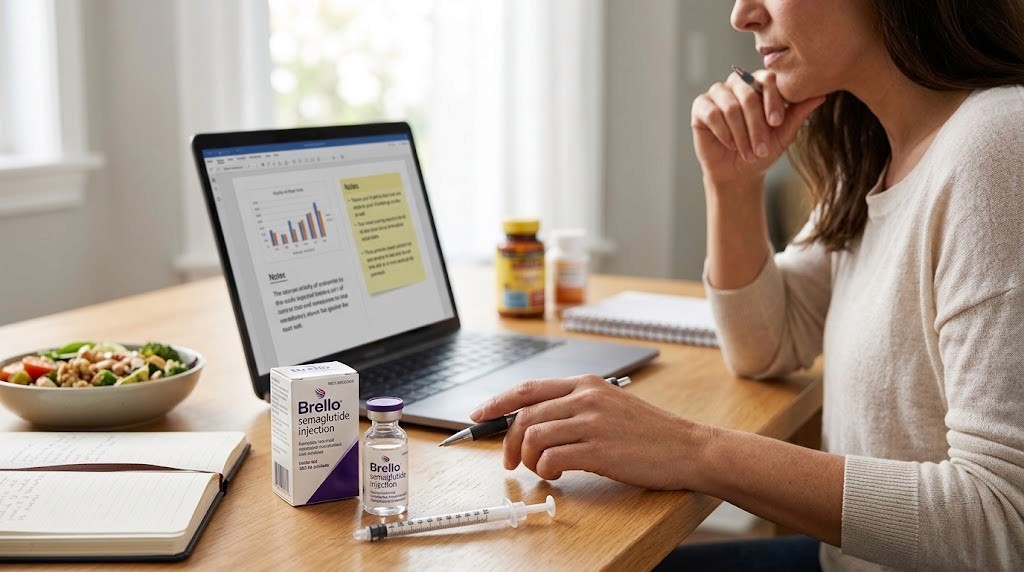
After analyzing dozens of GLP-1 telehealth providers, a clear pattern emerges. The ones with the lowest price tags often have the highest volume of complaints. The ones with the most polished branding sometimes lack transparency about what they are actually shipping to your door. And somewhere in the middle sits a small group of providers that offer real value without pretending to be something they are not. Brello Health falls into that middle category, but barely. The platform has genuine strengths, some serious structural weaknesses, and a reputation that has shifted meaningfully in recent months based on real user feedback. Before you hand over your credit card for a 3-month subscription, you need the full picture.
Brello Health is a Houston-based telehealth company offering compounded semaglutide with B6 (pyridoxine) at a price point that undercuts most competitors by a meaningful margin. On paper, it looks attractive. The intake process is fast, the pricing is transparent, and the included extras like virtual fitness classes and a private community seem to add value beyond just the medication itself. In practice, the experience is more complicated. Shipping delays that stretch to 4-6 weeks or longer, customer service that is difficult to reach, and a persistent lack of transparency about which compounding pharmacy fulfills the orders have raised legitimate concerns among a segment of users.
This review covers everything you need to know. How Brello Health works, what the semaglutide with B6 formulation actually contains and why B6 is included, how the pricing breaks down over time, what real users say on verified platforms, and how it compares to alternatives in the compounded GLP-1 market.
If you are trying to decide whether Brello is the right fit for your situation, or whether a different provider would serve you better, this guide gives you the honest analysis to make that call.
What is Brello Health?
Brello Health is a direct-to-consumer telehealth platform based in Houston, Texas. The company focuses specifically on compounded GLP-1 medications, primarily compounded semaglutide with B6 and compounded tirzepatide with B6. Unlike large telehealth platforms that offer a broad range of services, Brello is narrowly focused on weight management through GLP-1 receptor agonists. That focus is both a strength and a limitation depending on what you need from a provider.
The company operates through a standard telehealth model. You complete an online intake form, a licensed provider reviews your health information, and if approved, the medication ships directly from a compounding pharmacy to your door. The entire process is designed to remove barriers. There is no in-person appointment, no insurance navigation, no waiting room. That convenience is the core of the Brello value proposition.
Brello positions itself alongside other compounded GLP-1 providers in a market that expanded significantly after semaglutide became one of the most sought-after medications in recent memory. Understanding how compounded semaglutide works is important context here, because Brello is not prescribing brand-name Ozempic or Wegovy. It is providing a compounded formulation made by a compounding pharmacy, which carries different regulatory considerations that every potential user should understand before signing up.
The company has been operating for several years and has accumulated over 3,100 verified reviews on Trustpilot, which gives us a reasonably robust data set to analyze. That volume of reviews tells a real story, one that is more nuanced than the headline rating of 3.9 out of 5 suggests. We will get to the full review breakdown in a later section.
At SeekPeptides, we have reviewed dozens of GLP-1 providers across the compounded market to help users make informed decisions. Brello sits in the same category as providers like Empower Pharmacy, Olympia Pharmacy, and platforms like Levity and PeterMD. Each has its own pricing model, support structure, and fulfillment system. Knowing where Brello sits relative to those alternatives is key to making the right decision.
How Brello semaglutide works: the signup to injection process
The Brello Health process is straightforward by design. The company has built its intake funnel to minimize friction, which means you can go from first visit to approval in a matter of hours in most cases. Here is a detailed walkthrough of what actually happens.
The online intake form
You begin at brellohealth.com and complete an online health questionnaire. The form collects basic information including your height, weight, medical history, current medications, and weight loss goals. The screening is relatively light compared to some providers. Brello does not conduct video consultations as a standard part of the intake process, which speeds things up but also means less personalized guidance at the outset. For people who already understand how to qualify for semaglutide and what to expect, this streamlined process is a feature. For people who need detailed initial counseling, it can feel insufficient.
The form captures enough information for a licensed provider to make a prescribing decision. Brello uses licensed physicians and nurse practitioners to review submissions. These providers assess whether compounded semaglutide is appropriate for your situation based on your submitted information. The approval process is described as fast, and most users report receiving confirmation within 24-48 hours.
Provider review and approval
Once your intake form is submitted, a Brello-affiliated licensed provider reviews your health information and makes a prescribing decision. This review happens asynchronously, meaning you do not speak to the provider in real time. The provider either approves the prescription or follows up with questions if something in your intake requires clarification.
Approval rates at Brello appear to be high, consistent with the platform positioning as an accessible, low-barrier provider. This is worth noting for people who have been declined by other platforms or who have conditions that make traditional prescribing more complex. Understanding the general eligibility requirements for semaglutide helps you assess whether your health profile is likely to result in approval. It is also worth noting that light screening can mean less personalized dosing guidance, which we will discuss in more detail in the dosing section.
Pharmacy fulfillment and shipping
After approval, the prescription is sent to a compounding pharmacy. Here is one of the most significant transparency gaps in Brello's model: the company does not clearly disclose the name of the compounding pharmacy on its website. For users trying to verify that their medication is coming from an accredited facility, this lack of disclosure is genuinely frustrating. Reputable compounding pharmacies are typically 503A or 503B registered facilities, and knowing which pharmacy is filling your order matters for quality assurance.
Shipping is where Brello has received some of its most significant criticism. The standard expectation is 2-3 weeks from approval to delivery, but many users report 4-6 weeks or longer, particularly during periods of high demand or facility transitions. For someone who has just been approved and is eager to begin a protocol, waiting six weeks for a first shipment is a real problem. Understanding what to do if your semaglutide arrives compromised is also worth knowing before your order ships, since temperature excursions during transit are a real concern. The good news is that the medication comes with syringes, needles, and injection instructions, so once it arrives, you have everything needed to begin.
Brello semaglutide pricing breakdown
Pricing is one of Brello's strongest selling points, and it is worth examining in detail because the cost structure has a specific pattern that affects how you should think about the long-term commitment.
Initial 3-month supply
Brello charges $399 for the first 3-month supply of compounded semaglutide with B6. That works out to approximately $133 per month for the initial subscription period. This is competitive with many other compounded providers and significantly less expensive than brand-name alternatives. For context, brand-name Ozempic and Wegovy have list prices in the hundreds of dollars per month without insurance coverage, making compounded options appealing for the large segment of patients who either lack coverage or do not qualify for assistance programs.
The $399 initial price includes the medication itself, provider health review, syringes, needles, and injection instructions. It also includes access to virtual fitness and nutrition classes, a private Facebook community, and progress tracking via the Brello mobile app. Whether those extras add meaningful value depends on how much you engage with them. For self-directed users who already have a fitness and nutrition plan, the extras are nice-to-have. For people looking for genuine support and guidance, virtual group classes delivered through an app may feel thin compared to working with a dedicated health coach or registered dietitian.
Renewal pricing
Here is where the pricing structure shifts. After the initial 3-month supply, renewal is priced at $399 every 10 weeks rather than every 12 weeks. That change is easy to miss in the marketing materials but it meaningfully affects the monthly cost. At $399 every 10 weeks, the monthly equivalent is approximately $171. That is a 28% increase over the initial monthly rate.
For people comparing providers on a monthly cost basis, this is important context. The advertised low price is for the initial period only. Ongoing costs are higher. That said, $171 per month is still competitive in the compounded GLP-1 market, particularly compared to providers charging $200-300 per month for equivalent formulations.
Brello also offers compounded tirzepatide with B6 at $499 for the initial 3-month supply. For users who are interested in the comparison between these two GLP-1 agents, our dedicated Brello Health tirzepatide review covers the tirzepatide offering in detail. The broader question of which agent is right for which user is covered extensively in our semaglutide vs tirzepatide comparison.
Commitment structure
Brello requires a 3-month minimum commitment on the initial purchase. There is no month-to-month option. This is not unusual in the compounded GLP-1 space, but it is a meaningful consideration for users who are not yet certain whether semaglutide is right for them, or who want the flexibility to switch providers after evaluating their first month of results. If you are the type of person who wants to try a product for 30 days before committing further, Brello is not structured to accommodate that preference.
Payment is processed as a single charge for the 3-month supply rather than monthly billing. For budget planning purposes, this means a $399 lump sum charge rather than three $133 monthly charges. Brello does offer Afterpay financing, which spreads the cost into installments. If payment flexibility is a priority, our guide to semaglutide Afterpay options covers how that works in practice.
What is included in the Brello plan
Breaking down what you actually receive for your money helps clarify whether Brello is delivering fair value at its price point. The plan includes several components beyond the medication itself.
The medication
The primary product is compounded semaglutide with B6 (pyridoxine). Each order includes the injectable medication in vial form, along with the syringes and needles required for subcutaneous injection. Injection instructions are provided to walk you through the process. For users new to self-injection, these instructions serve as the primary educational resource for technique, since there is no provider call or pharmacist consultation built into the standard Brello process. Our guide on how to give a semaglutide injection with a syringe provides a detailed supplement to whatever instructions Brello ships with the medication.
The medication concentration follows what is standard in the compounded semaglutide market. Understanding how to interpret your dosing instructions requires knowing how to work with units and milligrams, particularly since compounded semaglutide can come in different concentrations depending on the pharmacy. Whether your vial is 5mg or 10mg, the semaglutide mixing chart and the 5mg dosage chart provide quick reference for correct draw volumes. Our semaglutide dosage in units guide and the semaglutide dosage calculator are useful tools for verifying that you are drawing the correct volume for your prescribed dose.
Virtual fitness and nutrition classes
Brello includes access to virtual fitness and nutrition classes as part of the membership. These are delivered through the Brello app and are designed to support lifestyle changes alongside the medication. The classes are group-format rather than individualized, which limits how tailored the guidance can be to your specific situation. Users who benefit most from this component are those looking for structure and accountability rather than personalized nutrition planning.
The nutrition guidance is relevant because what you eat while on semaglutide directly affects both your results and your experience of side effects. Our guide to the best diet on semaglutide and the foods to avoid on semaglutide provide evidence-based guidance that complements whatever Brello's virtual classes offer. For specific meal ideas, our list of foods to eat while on semaglutide is a practical starting point.
Private Facebook community
Access to a private Facebook community is included with the Brello membership. Community support is genuinely valuable for GLP-1 users, particularly for navigating the psychological and practical challenges of the early weeks. Hearing from others who have experienced the same side effects or plateaus you are experiencing can be reassuring and informative. The limitation is that Facebook communities are only as good as their moderation and engagement levels. If the community is active and well-maintained, this is a real benefit. If it has become stale or is poorly managed, it adds little value.
Progress tracking via the Brello app
The Brello app provides a platform for tracking your weight loss progress. Progress tracking is psychologically important during GLP-1 protocols because results often feel slower than expected in the early weeks. Understanding the semaglutide week-by-week results timeline helps set realistic expectations. The app gives you a visual record of your progress that can be motivating during periods where the scale is not moving as quickly as you hoped.
The semaglutide with B6 formulation: what B6 adds
Brello's semaglutide is formulated with pyridoxine, which is vitamin B6. This combination is becoming more common in the compounded GLP-1 market, and understanding what B6 actually does in this context is important for evaluating whether the formulation offers real benefit or is primarily a differentiator.
What is pyridoxine?
Pyridoxine (B6) is a water-soluble vitamin that plays a central role in numerous metabolic processes. It is involved in amino acid metabolism, neurotransmitter synthesis, and energy production from carbohydrates and fats. The human body requires B6 for the production of serotonin, dopamine, and GABA, neurotransmitters that regulate mood, motivation, and appetite. It is also involved in the synthesis of hemoglobin and the function of the immune system.
Our dedicated guide to semaglutide with pyridoxine covers the full pharmacology of this combination. The short version is that B6 has been studied in the context of nausea management, which makes it a logical companion to semaglutide since nausea is one of the most commonly reported side effects during GLP-1 initiation.
B6 and nausea reduction
The rationale for combining B6 with semaglutide centers primarily on nausea management. Nausea during the first weeks of semaglutide use is one of the top reasons people discontinue the medication before seeing meaningful results. B6 has documented antiemetic properties, and it is used clinically in the management of nausea during pregnancy (morning sickness) at doses that overlap with what is typically included in these compounded formulations.
The nausea mechanism with semaglutide involves delayed gastric emptying and central GLP-1 receptor activation in the brainstem. B6 does not directly counteract these mechanisms, but its antiemetic effects may reduce the intensity of nausea symptoms during the titration phase, which is when users are most vulnerable to discontinuing. Our guide on semaglutide bloating and resources on semaglutide burping and sulfur burps on GLP-1 are also relevant for managing the GI side effect profile during early treatment.
B6 and energy
The second proposed benefit of B6 in this context is energy support. Many semaglutide users report fatigue, particularly in the early weeks when caloric intake drops significantly due to appetite suppression. B6 plays a role in energy metabolism and in the synthesis of neurotransmitters that regulate motivation and alertness. Whether the dose of B6 included in a compounded semaglutide formulation is sufficient to meaningfully address fatigue is unclear, but the theoretical basis is reasonable.
For users experiencing fatigue on semaglutide, our guide on semaglutide fatigue covers management strategies in depth. The question of whether semaglutide itself provides energy benefits is covered in our article on whether semaglutide gives you energy.
How this compares to other formulations
The compounded semaglutide market offers formulations with various additives beyond pyridoxine. Common combinations include semaglutide with B12 (methylcobalamin or cyanocobalamin), semaglutide with niacinamide, and semaglutide with L-carnitine, among others. Our comprehensive guides to semaglutide with B12, semaglutide with methylcobalamin, semaglutide with niacinamide, and semaglutide with L-carnitine allow for direct comparison between these formulation choices.
The B6 formulation is neither better nor worse than alternatives in any clinically proven sense. It reflects the compounding pharmacy's formulation preferences and the prescribing provider's clinical judgment. What matters most is the semaglutide itself, its concentration, its sterility, and the quality controls in place at the pharmacy producing it.
Dosing and administration with Brello
Understanding dosing before you begin any semaglutide protocol is critical. Compounded semaglutide is administered as a subcutaneous injection once weekly, mimicking the dosing schedule of brand-name Ozempic. The titration schedule matters enormously because starting too high increases the risk of severe nausea, while titrating too slowly can delay results unnecessarily.
Standard titration protocol
The standard approach for compounded semaglutide follows a gradual titration similar to the brand-name protocol. Most providers recommend beginning at 0.25mg per week for the first 4 weeks to allow the body to adjust to the medication. After that initial period, the dose typically increases to 0.5mg per week, then 1mg, and potentially higher depending on individual response and tolerance. Brello provides dosing instructions with your medication, but these are general guidelines rather than individualized protocols tailored to your specific response.
A significant limitation of Brello's model, noted by multiple users in reviews, is the lack of support for microdosing or custom titration schedules. Users who want to start at lower doses than the standard protocol, or who want to hold at a given dose level longer before increasing, may find it difficult to get guidance from Brello. This is not a flaw unique to Brello, but it is a tradeoff of the lower-cost, lighter-touch model.
This is where the SeekPeptides educational resources become especially valuable. For detailed dosing reference material, our semaglutide dosage chart in units and compounded semaglutide dose chart are invaluable resources. The semaglutide dosage calculator allows you to input your vial concentration and prescribed dose to determine exactly how many units to draw.
Injection technique
Semaglutide is administered as a subcutaneous injection, meaning it goes into the fatty tissue just beneath the skin rather than into muscle. Common injection sites include the abdomen, upper thigh, and upper arm. Our detailed guides on the best injection site for semaglutide and how to give a semaglutide injection with a syringe walk through proper technique in detail. Getting the injection right matters for both comfort and absorption.
For users new to injectable medications, the learning curve can be significant. The fact that Brello ships physical needles and syringes rather than pre-filled pens means users need to draw the correct volume themselves. This requires understanding your vial concentration. If your vial is labeled 5mg/mL and your dose is 0.25mg, you need to draw 5 units on a standard insulin syringe. Our resources on semaglutide 5mg/mL dosage chart and the semaglutide syringe dosage chart make this calculation straightforward.
Injection timing
Semaglutide is injected once weekly, and timing consistency matters. Taking it at the same time each week reduces the variability in plasma levels that can affect both efficacy and side effects. Our guide on the best time of day to take semaglutide covers the practical considerations around timing, including whether to take it in the morning or evening and how to time it relative to meals.
For users wondering about splitting doses or adjusting the frequency, our articles on splitting semaglutide dose twice a week address whether this approach has any merit and what the evidence suggests.
Storage and handling
Compounded semaglutide requires refrigeration after reconstitution. Understanding proper storage is essential for maintaining potency and safety. Our guides cover all the practical questions, including how long semaglutide lasts in the fridge, whether compounded semaglutide needs refrigeration, and how long compounded semaglutide can be out of the fridge.
Storage is especially relevant for Brello users because shipping delays mean your medication may be in transit for longer than ideal periods. Knowing what to look for when your package arrives, including what it means if your semaglutide looks red and what color semaglutide should be, helps you assess whether your shipment arrived in acceptable condition.
Brello semaglutide vs competitors: head-to-head comparison
Putting Brello in context requires comparing it directly to other providers in the compounded GLP-1 space. The comparison reveals where Brello genuinely excels and where it falls short relative to alternatives.
Provider | Price (monthly approx.) | Formulation | Pharmacy disclosed | Shipping timeline | Support quality | Best for |
|---|---|---|---|---|---|---|
Brello Health | $133 initial / $171 renewal | Semaglutide + B6 | No | 4-6+ weeks reported | Limited (known issues) | Budget-conscious, self-managers |
$200-250 | Semaglutide (various) | Yes | 1-2 weeks typical | Pharmacy direct | Quality assurance priority | |
$200+ | Semaglutide + B12 | Yes | 1-3 weeks | Good | Support-focused users | |
$200+ | Semaglutide + B12 | Yes | 2-3 weeks | Strong | Clinical support priority | |
$180-220 | Semaglutide | Yes | 2-3 weeks | Moderate | Mid-tier balance | |
$160-200 | Semaglutide | Partial | 2-4 weeks | Moderate | Price vs support balance | |
$150-180 | Semaglutide | Partial | 2-4 weeks | Limited | Budget alternative |
The table above reflects general market positioning and should be verified against current provider pricing, as the compounded GLP-1 market shifts frequently. The key takeaway is that Brello offers among the lowest price points in the market, but that price comes with meaningful tradeoffs in transparency, shipping reliability, and support quality. Providers at higher price points tend to offer shorter shipping timelines and clearer pharmacy disclosure, which matters both for quality assurance and peace of mind.
For users considering tirzepatide instead of semaglutide, the comparison between these two agents is covered extensively in our semaglutide vs tirzepatide side effects comparison and the broader semaglutide vs tirzepatide guide. Brello also offers tirzepatide, which is reviewed separately in our Brello tirzepatide review.
What real users say: Trustpilot review analysis
Brello Health has accumulated over 3,164 reviews on Trustpilot with an overall rating of 3.9 out of 5 stars. This is a meaningful data set, and digging into the distribution tells a more nuanced story than the headline number.
Review distribution breakdown
The rating distribution shows a classic bimodal pattern, heavy at the top and heavy at the bottom with relatively less in the middle. Sixty-two percent of reviews are 5 stars, 10% are 4 stars, 5% are 3 stars, 5% are 2 stars, and 18% are 1 star. That 18% one-star rate is notable. It means nearly 1 in 5 reviewers had a genuinely poor experience, which is above the threshold where it can be dismissed as statistical noise.
The bimodal distribution is common among providers in industries where the product itself (the medication) works well for the majority of users, but operational failures create a vocal minority of extremely unhappy customers. In Brello's case, the 5-star reviewers are largely happy with their results, citing significant weight loss and positive experiences with the medication. The 1-star reviewers are overwhelmingly unhappy with the operational side, specifically shipping delays and customer service responsiveness.
What the positive reviews say
The most compelling positive reviews include specific results. One user reported losing 112 pounds over the course of their Brello subscription, which is a remarkable outcome. Multiple other users report losing 20-50 pounds over 3-6 months, consistent with what clinical data on semaglutide predicts for motivated users who maintain dietary changes alongside the medication. Understanding what semaglutide results look like week by week helps contextualize these testimonials.
Positive reviewers frequently cite the affordability as a primary reason for choosing Brello and express satisfaction that a low price translated to real results. Several mention the ease of the signup process and the straightforward injection instructions. A smaller subset of positive reviewers mention the Facebook community as a source of support and motivation.
The before and after semaglutide results that users report on the Brello platform are consistent with what we see across the compounded semaglutide market generally, suggesting the formulation is effective for users who receive their medication and follow the protocol consistently.
What the negative reviews say
The negative reviews cluster around a small set of recurring issues. Shipping delays are the single most common complaint, with many users reporting waits of 4, 5, 6, or even more weeks for their first shipment.
Some users report being charged for a renewal order while still waiting for their original order to arrive. This is particularly frustrating because the 10-week billing cycle means a 6-week shipping delay consumes more than half of the paid subscription period before the medication is even in hand.
Customer service responsiveness is the second major complaint. Multiple reviews describe difficulty reaching anyone at Brello when shipping problems arise. Responses to tickets are described as slow, unhelpful, or non-existent in some cases. For users experiencing shipping problems who need answers, poor customer service compounds the frustration significantly.
A third recurring theme is pharmacy transition issues. Brello appears to have moved between compounding pharmacies at some point, and this transition created supply chain disruptions that affected a significant number of users. The fact that the compounding pharmacy is not named on the website makes it difficult for users to understand or verify what is happening on the fulfillment side.
Some reviews also mention that certain states have experienced pauses in service availability, likely due to regulatory or supply issues at the fulfillment pharmacy. This is not unique to Brello, as the compounded GLP-1 market has faced regulatory scrutiny that has affected multiple providers, but it is worth knowing before you commit.
Recent trend in reviews
Looking at the trajectory of Brello reviews, there is a noticeable increase in negative feedback in more recent periods, suggesting that the customer service and shipping issues are not legacy problems that have been resolved, but ongoing challenges. This context matters for anyone considering signing up today rather than evaluating historical data in isolation.
Common concerns and red flags
Beyond the review analysis, there are several structural concerns about Brello Health that potential users should evaluate carefully before committing to a 3-month purchase.
Pharmacy transparency
The most significant structural concern is the lack of pharmacy disclosure. When you purchase compounded semaglutide, you are relying on the quality of the compounding pharmacy's processes, equipment, sterility protocols, and quality control systems. Knowing which pharmacy is producing your medication allows you to verify its accreditation status with organizations like PCAB (the Pharmacy Compounding Accreditation Board) or to confirm its 503A or 503B registration status with the FDA.
Brello does not provide this information publicly on its website. This means users cannot independently verify the quality of the facility producing their medication. For a product that is injected directly into the body, this is not a trivial concern. It is worth asking Brello directly which pharmacy fulfills your prescription before placing your first order.
This is one area where providers like Empower Pharmacy and Belmar Pharmacy set a higher standard. They operate as the pharmacy directly, so there is no ambiguity about where the product is coming from.
Compounded medications are not FDA-approved
This is a critical disclosure that applies to every provider in this category, including Brello. Compounded semaglutide is not FDA-approved. The FDA approves the active pharmaceutical ingredient (semaglutide) for use in specific brand-name products (Ozempic, Wegovy, Rybelsus), but the compounded formulations produced by compounding pharmacies for individual prescriptions operate under a different regulatory framework.
Compounding is legal and regulated, but it operates under different oversight than mass-produced pharmaceuticals. This does not mean compounded semaglutide is unsafe, but it does mean the safety profile is dependent on the quality of the individual compounding pharmacy rather than the uniform manufacturing standards that govern FDA-approved drugs. Understanding this distinction is foundational to making an informed decision. Our compounded semaglutide complete guide covers this regulatory landscape in detail.
Light screening process
Brello's asynchronous, light-touch screening process is efficient, but it means the prescribing provider has less information about your health status than would be available in a traditional clinical encounter. People with complex medical histories, those taking multiple medications with potential interactions, and those with conditions that may be contraindications to semaglutide use should be especially careful about ensuring their submitted health information is comprehensive and accurate.
Semaglutide has known contraindications and interactions that require clinical assessment. The light screening model puts more responsibility on the user to disclose relevant health information accurately and completely.
No microdosing support
Several user reviews note that Brello does not readily support custom or micro-titration protocols. The standard dosing schedule is what ships with your medication, and getting individualized adjustments is difficult given the limited access to providers through the platform. For users who are particularly sensitive to GLP-1 side effects, or who have had previous negative experiences with semaglutide at standard doses, this lack of personalized titration support is a meaningful limitation.
Resources like our semaglutide tips guide can help you manage the titration phase independently, but having access to a provider who will adjust your protocol based on your response is always preferable to self-managing without clinical support.
Who Brello semaglutide is best for
Despite its limitations, Brello Health serves a genuine need in the market. There is a specific user profile for whom Brello is likely the best available option.
The cost-conscious, self-directed user
The ideal Brello user is someone who has done their research. They understand how semaglutide peptides work, they know the standard titration protocols, they are comfortable with self-injection, and they are primarily looking for affordable access to compounded semaglutide without paying a premium for services they do not need. This person has the knowledge base to manage their own protocol, troubleshoot side effects independently using resources like the extensive guides on semaglutide constipation, semaglutide dizziness, and semaglutide acid reflux, and does not require frequent provider access for reassurance or protocol adjustments.
People who have already been on semaglutide
Brello is well-suited for users who have been on semaglutide through another provider and are looking to reduce their costs for maintenance or continuation. Someone who has already completed the titration phase, knows their effective dose, and is continuing at a stable level does not need the same level of provider support as someone starting for the first time. For this user, Brello's lower price point and bundled supplies represent real value. Our guide on restarting semaglutide after a gap is relevant for users transitioning between providers.
Users in supported states without pauses
Brello availability varies by state, and some states have experienced service pauses. Confirming availability in your state before committing is a necessary first step. For users in states where Brello has demonstrated reliable service, the value proposition is stronger than for users in areas where the platform has had fulfillment challenges.
People comfortable with delayed starts
If you are planning ahead and not in a rush to start, the 4-6 week shipping window becomes less problematic. Someone who signs up knowing they will wait 4-6 weeks and plans their lifestyle accordingly is in a different position than someone who expects their first injection within 2 weeks of ordering.
Who should look elsewhere
Brello is not the right fit for everyone. For the following user profiles, a different provider is likely to produce a better experience.
People who need extensive guidance and support
If you are new to GLP-1 medications, have limited experience with self-injection, are uncertain about dosing, or want regular check-ins with a provider to discuss your progress, Brello is not equipped to provide that level of support. The platform is designed for self-managers. Providers who offer regular video consultations, dedicated health coaches, or more responsive patient support will serve this user better, even at a higher price point.
People with complex medical histories
Users with complex medication regimens, relevant comorbidities, or conditions that require careful monitoring alongside semaglutide use should seek out providers who offer more comprehensive clinical oversight. The asynchronous light-screening model at Brello is not designed for complex clinical management. A provider with access to your full medical records and the ability to order lab monitoring offers a safer environment for users in this category. Our resource on semaglutide and blood work is relevant for understanding the monitoring that should accompany GLP-1 use.
People who want month-to-month flexibility
The 3-month minimum commitment is a hard requirement at Brello. If you want to try semaglutide for one month before deciding to continue, or if you anticipate needing to pause for surgery, travel, or other reasons shortly after starting, providers offering more flexible subscription structures are a better fit. Our guide on when to resume semaglutide after surgery covers the timing considerations for users who anticipate a treatment pause.
People who want to microdose or use custom titration
Compounded semaglutide's biggest advantage over brand-name alternatives is the ability to customize dosing. Microdosing protocols, which involve very gradual dose increases over a longer period, are popular among users who experience significant side effects at standard doses. If you want this level of customization with active provider support, a platform with more engaged clinical oversight will serve you better than Brello.
People prioritizing fastest delivery
Simply put, if getting your first shipment quickly is a priority, Brello is not the right choice given the reported shipping timelines. Providers who work with pharmacies that have shorter fulfillment windows will get medication to your door faster.
Tips for getting the most from Brello semaglutide
If you decide to proceed with Brello, the following strategies will help you maximize your experience and minimize the impact of the platform's known limitations.
Order early and plan for delays
The most actionable tip for Brello users is to order well before you want to start. If you are hoping to begin your protocol in 4 weeks, order today. The reported 4-6 week shipping timelines mean planning ahead is essential. Do not order expecting 2-week delivery and end up frustrated when it arrives in week 5. Set realistic expectations from the start.
Learn the dosing math before your medication arrives
Use the time between ordering and receiving your medication productively. Learn how to interpret your vial label, how to calculate your correct draw volume, and how to self-inject correctly. Our semaglutide units guide, the online semaglutide dosage calculator, and our guide on how to give the injection are all free resources you can study ahead of time.
Knowing whether 20 units is too much for your starting dose, what 40 units converts to in mg, and how to use our semaglutide units to mg conversion chart means you are prepared to dose correctly from your very first injection.
Set up your storage correctly before arrival
Make sure you have appropriate refrigerator space dedicated to your medication before it arrives. Understand the storage requirements, including temperature range, light exposure, and shelf life. Our comprehensive guides on how long compounded semaglutide lasts in the fridge and whether compounded semaglutide expires answer the common storage questions. Knowing what to do if you accidentally left semaglutide out overnight is also worth reading before you need it.
Optimize your diet and lifestyle before starting
Semaglutide works best when combined with dietary changes that support the appetite suppression the medication creates. The semaglutide diet plan covers meal planning strategies. Our best foods to eat on semaglutide guide and the resource on foods to avoid on semaglutide give you practical meal guidance. Understanding what GLP-1 breakfast ideas and GLP-1 dinner ideas look like in practice helps you plan before you start.
Document your results
Take baseline measurements before starting. Weight, waist circumference, and photos provide reference points that help you evaluate whether you are progressing as expected. Our guide on semaglutide results week by week gives you a timeline of typical progression to compare against. If your first week on semaglutide produces no appetite suppression, our guide on whether semaglutide suppresses appetite immediately will help you understand what to expect.
Use customer service proactively
Given the known issues with Brello customer service responsiveness, do not wait until you have a problem that needs urgent resolution. After placing your order, follow up proactively for tracking information and expected delivery dates. If your shipment is approaching the expected delivery window without arrival, contact support immediately rather than waiting another week to see if it arrives. Users who engage proactively tend to get faster resolution than those who wait until a problem becomes critical.
Be prepared for potential side effects
Read up on the side effects you are likely to encounter, particularly in the first 4 weeks. Nausea, fatigue, and GI discomfort are common during initiation. Knowing how to manage semaglutide fatigue, semaglutide bloating, and semaglutide constipation before they occur means you handle them calmly rather than reactively. Our guide on the best probiotics for semaglutide and information on which supplements to take with GLP-1 can help you support your GI system during the adjustment phase.
Understanding the full picture of how semaglutide makes you feel and what the one-month results typically look like grounds your expectations in reality. If you are not losing weight as expected, our troubleshooting resources on why you are not losing weight on semaglutide and 4 weeks with no weight loss address the most common reasons. Our before and after semaglutide gallery also provides realistic visual references for what different timeframes of treatment can produce.
What to expect week by week on Brello semaglutide
Setting realistic expectations is one of the most important things you can do before starting any semaglutide protocol. Brello does not provide detailed week-by-week guidance, so understanding the typical timeline helps you avoid both premature disappointment and unrealistic optimism. Our comprehensive semaglutide results week by week guide covers this in depth, but here is the condensed version relevant to Brello users.
Weeks 1-2: the adjustment phase
Most users experience mild to moderate nausea during the first two weeks at 0.25mg. Appetite suppression may begin as early as the first injection for some users, while others notice minimal effect until they reach higher doses. The B6 in the Brello formulation may help moderate the nausea during this critical period. Weight loss during weeks 1-2 is variable and often includes water weight shifts that can look more dramatic than they actually are. Our guide on the first week on semaglutide helps you understand what is normal and what warrants attention.
Some users wonder whether semaglutide works right away. The honest answer is that it depends. Some people feel appetite suppression within 24-48 hours. Others need 2-3 weeks before they notice a meaningful change. Neither experience is abnormal.
Weeks 3-4: finding your rhythm
By week 3, most users have adapted to the initial dose and side effects typically begin to diminish. This is when you start establishing your injection routine and meal patterns. The timeline for appetite suppression varies, but most users report consistent appetite reduction by the end of week 4. If you are approaching the end of the first month and still not feeling any appetite changes, our guide on 4 weeks on semaglutide with no weight loss covers the troubleshooting steps.
Month 2 and beyond: dose escalation
As you increase from 0.25mg to 0.5mg and eventually higher, the appetite suppression becomes more pronounced and weight loss typically accelerates. This is also when some users encounter side effects like insomnia, dizziness, or acid reflux that were not present at lower doses. Managing these side effects proactively, rather than just tolerating them, is key to long-term adherence. The semaglutide tips guide consolidates the most effective strategies for optimizing your experience.
Understanding how semaglutide performs at different dose levels helps set expectations. Our unit conversion resources, including guides on how many units is 0.25mg, how many units is 0.5mg, and how many units is 1mg, help you verify the correct draw volume at each titration step. For users on Brello specifically, the 3-month initial supply period aligns roughly with the time it takes to titrate through the lower doses and establish a therapeutic dose level. By the time your renewal comes due, you should have enough data on your own response to decide whether to continue with Brello or explore alternatives.
Understanding semaglutide costs across the market
Brello pricing does not exist in a vacuum. Understanding the broader cost landscape helps you evaluate whether the tradeoffs at this price point make sense for your situation. The peptide cost calculator is a useful tool for comparing total cost of ownership across different providers and durations.
Brand-name semaglutide products like Ozempic and Wegovy carry list prices that exceed $1,000 per month without insurance. With insurance coverage or manufacturer assistance programs, many patients pay significantly less, but coverage is not universal and many plans exclude weight management indications. This pricing gap is what drives the compounded semaglutide market.
Compounded providers generally fall into three pricing tiers. Budget providers like Brello charge $130-170 per month and typically offer less personalized support in exchange for the lower price. Mid-tier providers charge $180-250 per month and generally offer better customer service, faster shipping, and more pharmacy transparency. Premium providers charge $250-400+ per month and typically include personalized coaching, detailed lab monitoring, and individualized dosing protocols. The question is not simply which is cheapest, but which level of support matches your needs and your ability to self-manage.
For users specifically interested in how different providers handle semaglutide, our reviews of BPI Labs, Amino USA, Amino Asylum, Elevate Health, and Belmar Pharmacy provide detailed breakdowns of pricing, formulations, and user experiences at each provider. Reading several of these comparisons side by side gives you the clearest picture of where Brello fits relative to the competition.
Semaglutide safety considerations every Brello user should understand
Safety is not something you can outsource entirely to your provider, especially with a lighter-touch platform like Brello. Taking responsibility for understanding the safety profile of semaglutide is essential for protecting your health and getting the most from your protocol. SeekPeptides provides comprehensive safety resources for every GLP-1 medication, and these guides are especially important for users on platforms with limited clinical support.
Common side effects and management
The GI side effect cluster, nausea, bloating, constipation, and diarrhea, affects the majority of semaglutide users to some degree. These effects are generally dose-dependent and tend to improve over time as the body adapts. The GLP-1 fatigue guide addresses one of the most commonly reported non-GI side effects. Some users also report headaches on GLP-1, particularly during the first week at a new dose level. Injection site reactions are another possibility, though they tend to be mild and self-resolving for most users.
Hair thinning is another concern that users frequently raise. While not directly caused by semaglutide itself, rapid weight loss from any cause can trigger telogen effluvium, a temporary shedding phase. Our GLP-1 hair loss guide explains the mechanism, the timeline, and what you can do to minimize the impact.
Less common but important concerns
Understanding whether semaglutide affects your period is relevant for female users, as hormonal shifts during rapid weight loss can alter menstrual patterns. Some users report changes in estrogen levels, and understanding these shifts helps you contextualize symptoms that might otherwise be concerning. Our guides on whether semaglutide affects liver enzymes and whether it shows up in blood work are also worth reading before your next routine lab panel.
The question of what happens if you need to stop taking semaglutide is also important. Whether you are restarting semaglutide after a break or deciding to stop cold turkey, understanding the withdrawal symptom profile helps you plan an exit strategy if needed.
Drug interactions to know about
Brello's light screening process means you need to take responsibility for understanding potential interactions. Semaglutide can interact with other medications, particularly those that affect blood sugar or gastric motility. Users frequently ask about combining semaglutide with other weight loss agents. Our guides on whether you can take phentermine and semaglutide together and the comparison of phentermine vs semaglutide address two of the most common combination questions. The broader question of how alcohol interacts with semaglutide is also worth understanding before you start.
Long-term considerations for Brello users
Choosing a GLP-1 provider is not just a 3-month decision. It is a choice that affects your health trajectory for potentially a year or more. Understanding the long-term implications of your provider choice helps you plan beyond the initial subscription.
One common question is how long you should stay on semaglutide. Our guide on how long you stay on semaglutide for weight loss covers the clinical perspective. Most protocols suggest continuing until you reach your target weight and then gradually tapering under medical guidance. With Brello's 10-week renewal cycle, you are essentially committing to ongoing treatment in 10-week increments after the initial 3-month period.
What happens if you hit a plateau? Semaglutide plateaus are common and do not necessarily mean the medication has stopped working. Our semaglutide plateau guide covers the most common causes and solutions. The challenge with Brello specifically is that getting dosing adjustments or clinical guidance during a plateau may require more proactive effort on your part, since the support structure is lighter than at higher-touch providers.
For some users, the journey does not end with semaglutide. If semaglutide is not producing adequate results, switching to tirzepatide is a common next step. The semaglutide to tirzepatide conversion chart helps with the dosing transition. Others explore alternating between semaglutide and tirzepatide as a strategy for overcoming resistance. Understanding these options before you need them puts you in a stronger position to make informed decisions about your care.
The broader context: compounded semaglutide and what you should know
Choosing a provider is only one part of the decision. Understanding the compounded semaglutide landscape more broadly helps you make better decisions regardless of which provider you ultimately choose.
Is compounded semaglutide safe?
Compounded semaglutide, when produced by a high-quality accredited compounding pharmacy, can be a safe and effective alternative to brand-name products for many users. The key qualifier is "high-quality accredited pharmacy." Not all compounding pharmacies operate at the same standard, and the regulatory oversight structure for compounders is less stringent than for FDA-approved manufacturers.
The FDA has taken action against some compounding pharmacies producing GLP-1 medications that failed to meet quality standards, and there have been cases of adulteration, incorrect dosing, and sterility issues at facilities that did not meet minimum quality requirements. This underscores the importance of knowing which pharmacy is producing your medication, the gap in Brello's transparency that we flagged earlier.
Oral vs injectable options
For users who are hesitant about self-injection, it is worth knowing that compounded semaglutide is available in non-injectable forms from some providers, including sublingual (under-the-tongue) drops and troches (lozenges). Our guides to sublingual semaglutide, oral semaglutide drops, and semaglutide troches cover these alternatives. However, Brello currently offers injectable-only options, so if non-injectable administration is a priority, a different provider is necessary.
The broader comparison between injectable vs oral peptides covers the bioavailability and practical differences between these routes of administration. For those who want a complete look at the best peptides for fat loss, that resource maps the full landscape beyond just GLP-1 agents.
Semaglutide vs tirzepatide: the choice question
A meaningful proportion of users considering Brello are deciding between semaglutide and tirzepatide. Tirzepatide, which acts on both GLP-1 and GIP receptors, generally produces greater weight loss in clinical trials compared to semaglutide alone. The tradeoff is typically a higher price and a somewhat different side effect profile. Our resources on semaglutide vs tirzepatide side effects, what to do if semaglutide does not work, and how to navigate switching between the two agents help users who are weighing this decision.
The importance of lifestyle alongside medication
Semaglutide is a tool, not a complete solution. The most successful users, including many of the Brello positive reviewers, report combining the medication with meaningful dietary and lifestyle changes. The appetite suppression that semaglutide creates provides a window for establishing better eating habits, reducing ultra-processed food intake, and creating a sustainable caloric deficit. Users who rely solely on the medication without making underlying lifestyle changes often experience weight regain when they discontinue or taper.
Our guide on whether you can lose weight on semaglutide without exercise addresses a common question. The short answer is yes, but results are better with some activity. What how fast you can lose weight on semaglutide explores the timeline and the factors that accelerate or slow progress.
Frequently asked questions
Is Brello Health legitimate?
Yes, Brello Health is a legitimate telehealth company with licensed providers issuing prescriptions through legal channels. The platform has over 3,100 verified Trustpilot reviews and is based in Houston, Texas. However, legitimate does not mean perfect. Brello has documented operational issues with shipping delays and customer service that users should factor into their decision. The compounded medications are produced by a compounding pharmacy operating under applicable regulations, though Brello does not publicly disclose the pharmacy name, which limits independent verification. Our compounded semaglutide guide provides context on how compounding pharmacies are regulated.
How long does it take to get semaglutide from Brello?
Based on user reviews, you should expect 4-6 weeks from order placement to delivery, though some users have reported shorter waits and some longer. The shipping timeline has been a significant source of complaints and appears to be linked to pharmacy capacity and demand fluctuations. Brello has experienced at least one pharmacy transition that caused extended delays for a subset of users. Plan your order timing accordingly and do not expect 2-week delivery.
What is B6 added to semaglutide for?
Pyridoxine (vitamin B6) is included in the Brello semaglutide formulation primarily for its potential to reduce nausea and support energy metabolism. B6 has documented antiemetic properties and is used clinically in nausea management. During the semaglutide titration phase, nausea is one of the most common reasons for discontinuation, and B6 may help reduce its intensity. Our comprehensive semaglutide with pyridoxine guide covers the full rationale and what the evidence suggests about this combination.
Can I cancel my Brello subscription?
Brello requires a 3-month minimum commitment. Canceling before the initial period is completed may not result in a refund, depending on the stage of fulfillment. Review Brello's current cancellation policy directly on their website before purchasing, as policies in this market segment change periodically. There is no month-to-month option at the time of this review.
Is the semaglutide from Brello real semaglutide?
Brello prescribes compounded semaglutide made by a licensed compounding pharmacy. The active ingredient is semaglutide, the same GLP-1 receptor agonist in brand-name Ozempic and Wegovy. The difference is that it is compounded (formulated individually) by a pharmacy rather than manufactured at scale by a pharmaceutical company. Compounded semaglutide is not FDA-approved as a product, though the active ingredient itself has established regulatory approval. Quality varies by pharmacy, which is why pharmacy transparency matters.
What happens if I miss a Brello injection?
If you miss a weekly semaglutide injection by a few days, you can typically take it as soon as you remember, then resume your regular weekly schedule. If you miss it entirely and your next scheduled dose is approaching, skip the missed dose and continue with your regular schedule. Do not double dose. Our resources on semaglutide withdrawal symptoms and what happens when you stop semaglutide cold turkey cover longer gaps in treatment.
Does Brello semaglutide work as well as Ozempic?
The active ingredient is the same, so theoretically yes. Our comparison of GLP-1 vs Ozempic clarifies this relationship. However, differences in excipients, concentration, and compounding quality can affect how a formulation performs. Clinical trial data for brand-name semaglutide shows robust weight loss outcomes. Compounded semaglutide users report similar outcomes in real-world settings, but there are fewer formal studies directly comparing compounded to brand-name formulations. The results reported by satisfied Brello users, including one user reporting 112 pounds of weight loss, suggest effective outcomes are achievable.
Can I use Brello semaglutide while traveling?
Yes, but traveling with injectable medications requires some planning. Our complete guide to traveling with semaglutide covers airport security, temperature management during travel, and how to keep your medication properly stored when away from home. This is especially relevant for Brello users on the 10-week billing cycle who may be managing their supply across multiple destinations.
How does Brello compare to buying semaglutide directly?
Brello bundles the prescription, medication, supplies, and supplementary services into a single purchase. Alternatives include obtaining a prescription through a traditional physician and ordering from a compounding pharmacy directly, or through platforms like Empower Pharmacy or Olympia. Direct pharmacy routes can sometimes offer more transparency and quality assurance but may require more coordination on the user's part. Our guide to buying semaglutide peptide covers the landscape of legitimate acquisition routes.
External resources
National Institutes of Health: GLP-1 receptor agonists in obesity management
FDA Consumer Update: What you need to know about compounded medicines
Making an informed decision about a GLP-1 provider requires comparing cost, transparency, support quality, and the operational realities of how each platform delivers its product. Brello Health offers a compelling price point and has helped many users achieve meaningful weight loss. The operational challenges around shipping delays and customer service are real, documented, and ongoing. For the right user, specifically someone who is cost-conscious, self-directed, and willing to plan ahead for a delayed start, Brello represents legitimate value in a crowded market.
For researchers who want to go deeper on any aspect of semaglutide use, from dosing calculations to side effect management to comparing formulations, SeekPeptides offers the most comprehensive educational resource available for GLP-1 protocols. Members access detailed guides covering everything from the first injection to long-term maintenance, along with calculators, protocol databases, and a community of experienced users who have navigated every challenge the GLP-1 journey presents. Whether you choose Brello or another provider, having access to that depth of evidence-based information makes the entire process safer and more effective.
In case I do not see you, good afternoon, good evening, and good night. May your semaglutide stay potent, your provider stay reliable, and your results stay consistent.