Mar 18, 2026
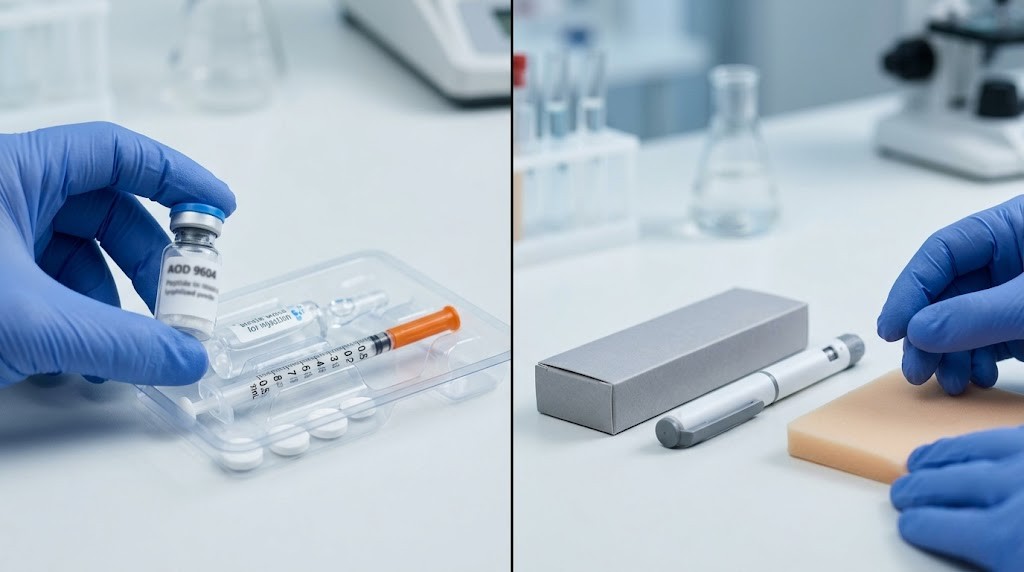
On paper, AOD 9604 and tirzepatide both target body fat. They both involve subcutaneous injections. They both show up in conversations about peptide-based weight loss. But the similarities end there, and the differences matter more than most people realize.
AOD 9604 is a 16-amino acid fragment of human growth hormone. It works directly on fat cells. Tirzepatide is a dual-receptor agonist that rewires appetite signaling from the gut to the brain. One operates quietly at the tissue level, nudging fat cells to release their stored energy. The other overhauls how your entire body processes food, hunger, and satiety. The clinical data behind these two compounds tells dramatically different stories, and choosing between them without understanding those stories is a mistake that costs people months of wasted effort and misplaced expectations.
Here is what most comparison articles will not tell you. AOD 9604 went through rigorous clinical trials and then development was terminated. Tirzepatide went through rigorous clinical trials and became one of the most successful GLP-1 fat loss treatments in pharmaceutical history. That does not mean AOD 9604 is worthless. It means the context behind each compound matters as much as the mechanism. This guide breaks down everything, from molecular mechanisms to real-world results, so you can make an informed decision about which approach fits your goals, your body, and your tolerance for side effects. We will examine the clinical evidence honestly, compare dosing protocols side by side, and address the practical questions that matter most when you are standing at this particular crossroads. By the end, you will know exactly which compound aligns with your situation, and you will understand why the answer is not as simple as picking whichever one sounds more impressive on paper.
How AOD 9604 works at the molecular level
AOD 9604 is not a full peptide in the traditional sense. It is a fragment. Specifically, it consists of amino acid residues 176 through 191 of the human growth hormone sequence, with a tyrosine substitution at the terminal end. That substitution is important because it gives the fragment its fat-targeting properties without activating the broader growth hormone receptor pathways that cause problems like insulin resistance and abnormal tissue growth.
The mechanism centers on beta-3 adrenergic receptors in adipose tissue. When AOD 9604 binds to fat cells, it upregulates lipolysis, the process of breaking stored triglycerides into free fatty acids and glycerol that the body can then use for energy. Think of it as flipping a switch on fat cells that tells them to release their contents. The compound does not care about muscle tissue. It does not interact with glucose metabolism. It does not suppress appetite. It works externally on fat deposits and fat deposits alone.
This selectivity is the defining feature of AOD 9604. Full human growth hormone stimulates the production of IGF-1 (insulin-like growth factor 1), which drives cell proliferation throughout the body. That is useful for some applications but dangerous for others, particularly in people with cancer risk factors or metabolic disorders. AOD 9604 does not stimulate IGF-1 production. Multiple AOD 9604 research studies have confirmed this distinction, and it remains one of the primary reasons researchers originally pursued this fragment as a standalone therapeutic agent. The SeekPeptides resource library covers this distinction in depth for anyone who wants to understand exactly how AOD 9604 differs from full-length growth hormone at the receptor level.
The practical implication is straightforward. AOD 9604 targets fat without the systemic effects of growth hormone therapy. It does not change how hungry you feel. It does not alter insulin sensitivity. It does not affect blood sugar levels. For people who want a targeted approach to lipolysis without broader hormonal disruption, this specificity has obvious appeal. But specificity comes with a tradeoff: limited magnitude of effect, which we will examine when we get to the clinical data.
Understanding the HGH fragment 176-191 dosing is essential for anyone considering this peptide. The fragment works best when administered in a fasted state, as insulin can blunt its lipolytic activity. This timing requirement adds a layer of complexity to the protocol that newer compounds simply do not have. Researchers who have studied AOD 9604 dosage protocols generally recommend morning administration before food intake for this reason.
The beta-3 adrenergic pathway in detail
To appreciate why AOD 9604 works the way it does, you need to understand beta-3 adrenergic receptors. These receptors sit on the surface of adipocytes (fat cells), and when activated, they trigger a cascade of intracellular signals that ultimately activate hormone-sensitive lipase. This enzyme is the gatekeeper of fat storage. When hormone-sensitive lipase is active, it cleaves the bonds holding triglycerides together, releasing fatty acids into the bloodstream where they can be oxidized for energy.
What makes AOD 9604 interesting is its selectivity. The human body has three types of beta-adrenergic receptors. Beta-1 receptors primarily affect heart rate and cardiac output. Beta-2 receptors influence smooth muscle relaxation and bronchodilation. Beta-3 receptors are concentrated in adipose tissue and play a primary role in thermogenesis and lipolysis. AOD 9604 preferential activity at the beta-3 receptor means it promotes fat breakdown without significantly affecting cardiovascular function or respiratory dynamics.
This selectivity also explains why AOD 9604 does not cause the jitteriness, elevated heart rate, or anxiety that many other fat-loss compounds produce. Stimulants like ephedrine and clenbuterol activate multiple adrenergic receptor subtypes, which is why they work for fat loss but also cause tremors, insomnia, and cardiovascular stress. AOD 9604 avoids these issues entirely. The AOD 9604 side effect profile reflects this selectivity, with clinical trials showing remarkably few adverse events.
There is another dimension worth understanding that sets AOD 9604 apart from other fat loss peptides. AOD 9604 also appears to inhibit lipogenesis, the process by which the body converts excess calories into stored fat. This dual action, promoting the breakdown of existing fat while simultaneously slowing the creation of new fat, makes the theoretical mechanism appealing. The challenge, as we will see in the clinical evidence section, is translating that theoretical appeal into measurable real-world results at a magnitude that matters.
How tirzepatide works at the molecular level
Tirzepatide operates on an entirely different principle. Where AOD 9604 targets fat cells directly, tirzepatide works through the incretin system, a network of hormones that regulate appetite, digestion, and insulin secretion from the gut level upward.
Specifically, tirzepatide is a dual GIP/GLP-1 receptor agonist. GLP-1 (glucagon-like peptide-1) and GIP (glucose-dependent insulinotropic polypeptide) are both incretin hormones that your body produces naturally after eating. They signal the pancreas to release insulin, slow the rate at which food leaves the stomach, and communicate with the brain to create feelings of fullness. Tirzepatide activates both of these receptor pathways simultaneously, which is why researchers and clinicians often describe it as a "twincretin."
The appetite suppression effect is profound. People on tirzepatide genuinely do not feel as hungry. They eat less because their brain receives stronger satiety signals, and food moves through their digestive system more slowly, extending the feeling of fullness after meals. This is not willpower. This is biochemistry. The speed at which tirzepatide works surprises many users, with appetite changes often noticeable within the first week or two of treatment. The detailed tirzepatide onset timeline covers what to expect week by week during the initial adjustment period.
Beyond appetite, tirzepatide improves insulin sensitivity. For people with type 2 diabetes or prediabetic metabolic profiles, this dual action addresses both the weight and the underlying metabolic dysfunction simultaneously. The FDA approved tirzepatide under two brand names: Mounjaro for type 2 diabetes and Zepbound for obesity. That dual approval reflects the compound mechanism of action, which treats weight and metabolic health as interconnected problems rather than separate issues.
The first dose experience varies considerably from person to person. Some people notice reduced appetite almost immediately. Others experience gastrointestinal adjustment symptoms first and appetite changes later. The tirzepatide dose chart reflects this variability, with a structured escalation protocol that starts at 2.5mg and increases gradually to minimize side effects while maximizing the therapeutic window.
One critical distinction worth understanding is the difference between how tirzepatide and older GLP-1 agonists like semaglutide work. The addition of GIP receptor activation appears to provide superior weight loss outcomes and potentially better tolerability in some patients. The comparison between semaglutide and tirzepatide side effects shows important differences that influence which compound suits a given individual. For a broader view of how these newer agents compare, the semaglutide vs tirzepatide comparison page offers a useful starting point.
The dual incretin advantage explained
Why does activating two receptor types matter? Because GIP and GLP-1 do overlapping but distinct things in the body, and the combination produces effects that neither achieves alone.
GLP-1 receptor activation slows gastric emptying (making food stay in the stomach longer, which extends satiety), reduces glucagon secretion (lowering blood sugar), and acts on hypothalamic neurons to reduce hunger drive. These are powerful effects. Semaglutide, which activates only the GLP-1 receptor, produces impressive weight loss based on these mechanisms alone.
GIP receptor activation adds something different. GIP enhances insulin secretion in a glucose-dependent manner, meaning it boosts insulin release when blood sugar is elevated but does not push insulin levels dangerously low when blood sugar is normal. GIP also appears to have direct effects on adipose tissue, potentially improving the way fat cells respond to metabolic signals. And emerging research suggests GIP may have protective effects on brain function and bone density, areas where pure GLP-1 agonists have raised some concerns.
The combination of both pathways creates a synergistic effect. Clinical data from the SURMOUNT trials confirms that tirzepatide dual mechanism produces greater weight loss than semaglutide GLP-1-only approach. Understanding the relationship between GLP-1 and specific brand names helps clarify the terminology that can confuse newcomers to this space.
This dual mechanism also influences the side effect profile in subtle ways. Some researchers believe that GIP receptor activation partially offsets the nausea caused by GLP-1 stimulation, which could explain why some patients tolerate tirzepatide better than pure GLP-1 agonists despite receiving more potent appetite suppression. This is still being studied, but the clinical experience to date is consistent with this hypothesis. Resources on SeekPeptides cover the evolving research on dual versus single incretin receptor targeting for anyone who wants to follow the science as it develops.
Clinical evidence compared
Clinical data separates hype from reality. Both AOD 9604 and tirzepatide have been through human trials, but the depth and outcome of those trials could not be more different.
AOD 9604 trial history
The most promising AOD 9604 data came from a Phase 2b trial involving 300 obese participants over 12 weeks. The study used oral dosing at several different levels. The 1mg group lost an average of 2.8 kilograms compared to 0.8 kilograms in the placebo group. That is roughly triple the placebo response, which sounds impressive until you consider the absolute numbers. We are talking about approximately 6 pounds of additional fat loss over three months.
The safety profile was excellent. No significant adverse effects were reported at any dose level tested, including the highest 1mg daily oral dose. Glucose metabolism remained unaffected. Insulin levels stayed stable. The compound did exactly what it was designed to do: selectively promote lipolysis without systemic side effects.
Then came the OPTIONS study. This larger trial enrolled 536 subjects and ran for 24 weeks. It was designed to confirm the Phase 2b results and advance AOD 9604 toward regulatory approval. It failed. The compound did not demonstrate statistically significant weight loss compared to placebo over the longer treatment period. Development was terminated, and no pharmaceutical company has pursued AOD 9604 through Phase 3 trials since. For those researching AOD 9604 side effects, the clinical record remains reassuringly clean, even if the efficacy data disappointed.
This does not mean AOD 9604 has zero effect. The Phase 2b data was real. But the inability to replicate meaningful results in a larger, longer trial raises legitimate questions about the magnitude and reliability of the fat loss effect. Several explanations have been proposed for the discrepancy between the two trials. The longer duration may have allowed compensatory mechanisms to develop. The study population may have differed in meaningful ways. Or the Phase 2b result may have been partially driven by chance variation in a relatively small sample. Whatever the reason, the clinical development program ended.
The peptide research community continues to explore AOD 9604 for specific applications, and the compound remains popular in certain protocols. Some practitioners use it as part of combination approaches where its gentle mechanism complements more aggressive interventions. The broader landscape of peptides for fat loss includes several other options that have emerged since AOD 9604 initial development period, giving researchers and users more tools to work with.
Tirzepatide trial history
The tirzepatide clinical program is, by any measure, one of the most successful in obesity pharmacotherapy history. The SURMOUNT-1 trial enrolled over 2,500 participants and tested three dose levels against placebo over 72 weeks.
The results were staggering. Participants on the 5mg dose lost an average of 16.0% of their body weight. The 10mg group lost 21.4%. The 15mg group lost 22.5%. The placebo group lost 2.4%. To put those numbers in human terms, a 220-pound person on the highest dose would lose approximately 50 pounds over the treatment period. A 180-pound person would lose roughly 40 pounds. These are life-changing magnitudes of weight reduction.
The consistency of response was equally remarkable. Between 89% and 91% of participants on the 10mg and 15mg doses achieved at least 5% weight loss. This is important because 5% body weight loss is the threshold at which clinically meaningful health improvements typically begin, including reduced blood pressure, improved cholesterol profiles, and better glycemic control. Between 50% and 57% of those on the highest dose achieved 20% or greater weight loss. These are not cherry-picked responders. These are population-level results across a large, diverse trial cohort.
SURMOUNT-5 added another critical data point by directly comparing tirzepatide to semaglutide, which was previously considered the gold standard among GLP-1 agonists. Tirzepatide demonstrated superior weight loss outcomes. For those wondering about the differences between semaglutide, tirzepatide, and retatrutide, the data shows a clear hierarchy of efficacy forming among incretin-based therapies.
The SURMOUNT program also generated important data on metabolic health improvements beyond weight loss. Participants showed significant improvements in waist circumference, blood pressure, triglycerides, and markers of insulin resistance. For people with type 2 diabetes, the SURPASS trial series demonstrated exceptional glycemic control alongside weight loss, which is why the compound received its first approval for diabetes before the obesity indication followed.
The tirzepatide weight loss timeline typically shows progressive results over the first 40 to 72 weeks of treatment, with the rate of loss gradually slowing as patients approach their new equilibrium weight. Many users document their journeys, and tirzepatide before and after results consistently show transformative changes when the compound is combined with appropriate dietary and exercise modifications.
Weight loss results head to head
Numbers do not lie, but they do need context. Comparing AOD 9604 and tirzepatide weight loss outcomes requires acknowledging that these compounds were tested under different conditions, for different durations, and with different outcome measures. Still, the comparison is instructive.
AOD 9604 best result: 2.8kg average weight loss over 12 weeks in the 1mg oral dosing group, versus 0.8kg for placebo. That is a net effect of approximately 2kg (4.4 pounds) over three months.
Tirzepatide best result: 22.5% body weight loss over 72 weeks on the 15mg dose, versus 2.4% for placebo. For a 100kg person, that translates to approximately 22.5kg (49.5 pounds) over 18 months.
Even adjusting for the different trial durations, the magnitude of difference is enormous. If you extrapolate the AOD 9604 rate linearly (which is generous, given that the OPTIONS study showed diminishing returns over time), you might expect roughly 8 to 10 kilograms over 18 months. Tirzepatide delivered more than double that in its mid-range dose and nearly triple it at the highest dose.
The responder rate comparison is equally telling. In the tirzepatide trials, nearly 9 out of 10 participants on the higher doses achieved clinically meaningful weight loss. The AOD 9604 trials did not report responder rates in the same way, but the modest average effect suggests a much lower percentage of participants experienced noticeable changes. When a compound average effect is only 2 kilograms over 12 weeks, many individual participants likely saw minimal to no change, while a smaller subset may have responded more strongly, pulling the average up. For context on what realistic expectations look like with incretin therapy, the weight loss timeline data provides month-by-month benchmarks that users can compare against their own progress.
The real-world implications are significant. People who are looking at before and after tirzepatide weight loss results are seeing dramatic physical transformations. Results from men using tirzepatide show similar magnitude of change. These are outcomes that change health trajectories, reduce comorbidity risks, and fundamentally alter quality of life.
AOD 9604, by contrast, operates in a much more modest range. The fat loss it produces may be measurable in clinical settings but is unlikely to produce the kind of visible, health-altering transformation that tirzepatide delivers. This is not a criticism of AOD 9604 as a molecule. It is simply an honest assessment of the clinical evidence. Some users report better subjective results with subcutaneous AOD 9604 than the oral formulation used in trials, but controlled data supporting those anecdotal reports does not exist at a level that would change the fundamental comparison.
For people considering whether the timeline for tirzepatide to work fits their goals, the answer is usually encouraging. Most people notice appetite changes within the first two weeks and measurable weight loss within the first month. The question of why some people do not lose weight on tirzepatide usually comes down to dosage optimization, dietary factors, or metabolic considerations that can be addressed with protocol adjustments rather than compound switching.
Body composition differences
Weight loss is not just about the scale number. Where the weight comes from matters enormously for long-term health and appearance. This is an area where the two compounds differ in important ways.
AOD 9604, because it works specifically on adipose tissue through lipolytic pathways, theoretically targets fat preferentially. It does not suppress appetite, so muscle-preserving caloric intake can be maintained. It does not alter protein metabolism. For someone who is already lean and wants to reduce stubborn fat deposits without losing muscle mass, this selectivity is attractive.
Tirzepatide produces more total weight loss, but a meaningful percentage of that loss comes from lean mass, which is why the peptides for muscle growth category has become increasingly relevant to people on aggressive weight loss protocols. This is a concern that applies to all significant weight loss interventions, not just tirzepatide, but it becomes more relevant as the magnitude of weight loss increases. Losing 50 pounds means losing some muscle along with the fat, especially if protein intake is inadequate during the weight loss period. The peptides for muscle growth guide covers compounds that some users add to their protocols specifically to counteract this lean mass loss during aggressive weight reduction.
Resistance training and high protein intake become non-negotiable when using tirzepatide for substantial weight loss. The tirzepatide diet plan emphasizes protein intake for exactly this reason. Without deliberate effort to preserve muscle, the resulting body composition after major weight loss can be disappointing despite excellent scale results.
Dosing protocols and administration
How you take a compound matters almost as much as what the compound does. The dosing protocols for AOD 9604 and tirzepatide differ in frequency, route of administration, titration requirements, and practical convenience. These differences have real implications for adherence, lifestyle impact, and results.
AOD 9604 dosing
The typical research protocol for AOD 9604 involves daily subcutaneous injections at doses ranging from 250mcg to 500mcg. Some protocols use divided doses (morning and evening), while others consolidate into a single morning injection on an empty stomach. The fasted administration requirement exists because insulin interferes with AOD 9604 lipolytic activity. Eating before injection can significantly blunt the effect.
Reconstitution is required. AOD 9604 typically comes as a lyophilized powder that must be mixed with bacteriostatic water before injection. The peptide reconstitution calculator simplifies this process, and the peptide dosage calculator helps users determine the correct draw volume based on their reconstitution ratio. These tools eliminate the math errors that can lead to incorrect dosing, which is particularly important for compounds like AOD 9604 where precise microgram-level accuracy matters.
Cycle length varies. Most research protocols run 8 to 12 weeks, followed by a break period of 4 to 6 weeks. Some users cycle AOD 9604 with other fat loss peptides to maintain results during off periods. Storage requirements are standard for peptides: refrigerated after reconstitution, protected from light, and used within a reasonable timeframe to maintain potency.
The injection technique is standard subcutaneous. Abdomen, thigh, and upper arm are common sites. The volume per injection is small, typically less than 0.5ml, making the process quick and relatively painless for most users. Some practitioners recommend rotating the injection site between the abdomen region overlying different fat deposits, based on the theory that local AOD 9604 concentrations may enhance lipolysis in the targeted area. This has not been proven in controlled studies, but the practice persists in certain communities.
A typical AOD 9604 daily schedule might look like this: wake up, inject 300mcg subcutaneously in the abdominal area, wait 20 to 30 minutes before eating, then proceed with normal daily activities. The simplicity of the protocol is appealing, but the daily commitment and fasting requirement make it more demanding than a once-weekly injection. For context on how this compares to other peptide administration schedules, the fat loss peptide overview covers dosing frequency across multiple compounds.
Tirzepatide dosing
Tirzepatide uses a once-weekly subcutaneous injection. The protocol begins at 2.5mg per week for four weeks, then escalates based on tolerability and response. Standard titration moves from 2.5mg to 5mg, then to 7.5mg, 10mg, 12.5mg, and finally 15mg, with each step lasting at least four weeks. The tirzepatide compound dosage chart lays out this progression clearly.
For compounded tirzepatide, the compounded tirzepatide dosage calculator is invaluable. Compounded formulations come in different concentrations, and calculating the correct injection volume requires knowing your vial concentration and target dose. Questions like how many units equal 2.5mg of tirzepatide or how many milligrams are in 40 units depend entirely on the concentration of your specific vial. Getting this wrong means getting either too little compound (wasting time) or too much (unnecessary side effects).
Understanding the compounded tirzepatide starting dose is particularly important for new users. Starting too high is the single most common mistake, and it leads to unnecessary gastrointestinal distress that could have been avoided with proper titration. Many people are eager to see results quickly and skip the lower doses, but the microdosing and titration data shows that gradual escalation produces better long-term outcomes. Skipping steps almost always backfires. The body needs time to adjust to incretin-based therapy, and rushing that adjustment period does not accelerate long-term results. The tirzepatide dosage in units guide helps translate between milligrams and insulin syringe units, which is a frequent source of confusion for new users working with compounded formulations.
Injection technique for tirzepatide follows standard subcutaneous protocols. The guide to injecting tirzepatide in the stomach covers the most popular injection site, though other injection sites work equally well. Rotating sites helps prevent lipodystrophy and injection site reactions. The upper thigh and back of the upper arm are viable alternatives for people who find abdominal injection uncomfortable or inconvenient.
Some users explore alternative delivery methods. Oral tirzepatide versus injection comparisons are becoming more relevant as oral tirzepatide formulations enter development. Tirzepatide drops and tablet formulations represent the future of delivery convenience, though injectable remains the standard for now and delivers the most reliable bioavailability.
Reconstitution for compounded tirzepatide requires the same care as any peptide. The tirzepatide reconstitution guide walks through the process step by step, from adding bacteriostatic water to gently swirling (never shaking) the vial. Storage matters too. Understanding refrigeration requirements, how long tirzepatide lasts in the fridge, and expiration considerations prevents waste and ensures consistent potency. The tirzepatide shelf life depends on formulation type and storage conditions, and exceeding recommended storage times can result in degraded peptide that does not perform as expected.
Some compounded formulations include additional ingredients designed to enhance stability, absorption, or complementary effects. Tirzepatide with glycine, tirzepatide with niacinamide, and tirzepatide with B12 are popular combinations. The tirzepatide glycine B12 compound guide explains the rationale behind these blends. Other combinations include tirzepatide with B6 and tirzepatide with levocarnitine, each targeting specific complementary mechanisms that may enhance the overall weight loss and wellness outcome.
The convenience factor
AOD 9604 requires daily injections on an empty stomach. Tirzepatide requires one injection per week at any time. For most people, the weekly convenience of tirzepatide is a significant practical advantage that directly translates to better adherence over months of treatment.
Daily injection protocols demand more discipline, more planning around meals, and more supplies over time. They also create more opportunities for missed doses. Life gets busy. Mornings get disrupted. Travel complicates fasting schedules. Each missed dose represents a gap in the protocol that may reduce cumulative results. Compliance matters for outcomes, and simpler protocols generally produce better adherence.
There is a psychological component too. Daily injections can feel burdensome, especially when results are modest. Weekly injections, particularly when accompanied by noticeable appetite changes and visible progress on the scale, create a positive feedback loop that reinforces continued use. The tirzepatide dosing guide helps users maintain consistency with their weekly protocol. For those comparing delivery formats, the tirzepatide glycine formulations offer additional convenience through improved stability that may extend time between preparation sessions. The semaglutide dosage calculator provides a useful reference point for people comparing injection volumes across different GLP-1 compounds.
Side effects and safety profiles
Safety is where AOD 9604 has its clearest advantage. And this matters more than many people initially appreciate.
AOD 9604 safety profile
Across all completed human trials, AOD 9604 demonstrated an excellent safety profile. No significant adverse effects were reported at doses up to 1mg per day over 24 weeks. The compound does not affect glucose metabolism. It does not change insulin levels. It does not impact IGF-1 production. It does not cause gastrointestinal symptoms. It does not elevate heart rate or blood pressure.
This is a genuinely clean side effect profile. The complete AOD 9604 side effect guide covers the minor issues that some users report, including mild injection site irritation and occasional headaches, but nothing in the clinical literature suggests serious safety concerns at standard research doses. For a peptide that targets fat metabolism, this degree of systemic safety is notable.
The absence of metabolic disruption deserves emphasis. Many fat-loss compounds alter thyroid function, cortisol production, or sex hormone balance. AOD 9604 does none of these things. It does not cause the hormonal cascading effects that make compounds like DNP, T3, or high-dose growth hormone risky for long-term use. For people who are sensitive to medications, have complex medical histories, or simply prioritize avoiding side effects above all else, AOD 9604 tolerability profile is its strongest selling point. When compared to the broader category of peptides versus SARMs, AOD 9604 sits firmly on the safer end of the spectrum.
Tirzepatide safety profile
Tirzepatide is a different story entirely. The compound is effective precisely because it produces significant physiological changes, and those changes come with a well-documented side effect profile that every potential user should understand thoroughly before starting.
Gastrointestinal symptoms dominate the side effect landscape. Nausea is the most common complaint, affecting a substantial percentage of users, particularly during dose escalation phases. The nausea typically peaks in the first few days after a dose increase and gradually subsides as the body adjusts. But for some people, it persists. Vomiting, diarrhea, and constipation also occur with meaningful frequency. The tirzepatide constipation treatment guide and information on how long tirzepatide diarrhea lasts address the two most bothersome GI symptoms. Bloating on tirzepatide is another common complaint that usually improves with dietary adjustments, particularly reducing fatty and highly processed foods that the slowed digestive system struggles to process efficiently.
Beyond the gut, tirzepatide can cause a range of systemic side effects. The question of whether tirzepatide makes you tired is one of the most frequently asked, and the answer is yes for many users, especially in the early weeks. Headaches on tirzepatide tend to be most common in the first month and often relate to dehydration or caloric adjustment. Body aches and muscle pain affect some users, while others report joint pain that may be related to rapid weight loss and the biomechanical adjustments that come with it rather than the compound itself.
Anxiety on tirzepatide is reported by some users, though the relationship between the compound and mood changes is not fully understood. The gut-brain axis is complex, and altering gut hormone signaling can have downstream effects on neurotransmitter systems that influence mood and emotional regulation. Insomnia and dry mouth round out the less common but notable side effects. Some users even ask whether tirzepatide makes you feel cold, which can occur as metabolism adjusts to lower caloric intake and reduced body fat insulation.
The injection site reactions deserve mention too. Redness, itching, and mild swelling at the injection location affect a small percentage of users. These reactions are usually mild and self-limiting, but they can be concerning for people who are new to injectable medications. The tirzepatide color guide helps users identify whether visual changes in their solution indicate a problem with the product itself versus a normal variation.
Dietary management becomes essential on tirzepatide, not optional. The foods to avoid on tirzepatide list helps minimize GI distress, and the tirzepatide diet plan provides structure for eating well on reduced appetite. Understanding what to eat on tirzepatide ensures you get adequate nutrition despite consuming fewer calories, which is critical for avoiding nutrient deficiencies during rapid weight loss. Some users supplement strategically, and the guide to supplements to take with tirzepatide covers the most evidence-based options for supporting health during treatment.
Alcohol is another consideration that catches many users off guard. The question of whether you can drink on tirzepatide comes up frequently. The short answer is that alcohol tolerance often decreases significantly, and the combination can worsen GI symptoms. Alcohol also provides empty calories that work against the weight loss goal, and the impaired judgment from intoxication can lead to dietary decisions that undermine the protocol. Women may also wonder about tirzepatide effects on menstrual cycles, as rapid weight loss can temporarily affect hormonal patterns and cycle regularity.
The GLP-1 fatigue guide and the GLP-1 headache guide provide broader context for these side effects across the entire class of incretin-based therapies, not just tirzepatide specifically. Understanding that these are class effects rather than tirzepatide-specific problems helps users anticipate what to expect regardless of which GLP-1 compound they choose.
Cost and accessibility considerations
Without discussing specific prices, the accessibility landscape for these two compounds differs significantly in ways that affect real-world decision making. Availability, regulatory status, and supply chain reliability all play into the practical calculus of choosing between them.
AOD 9604 is available through peptide research suppliers. It is not FDA-approved for any indication, which means it exists in a regulatory gray area in many jurisdictions. It does not require a prescription in most contexts where it is sold for research purposes. Availability is generally consistent, and supply chain disruptions are less common than with pharmaceutical-grade compounds. The relative simplicity of the molecule (a 16-amino acid fragment) makes it straightforward to synthesize, which contributes to reliable supply.
Tirzepatide has FDA approval under two brand names. Zepbound is approved for chronic weight management in adults with obesity or overweight with at least one weight-related comorbidity. Mounjaro is approved for type 2 diabetes. Obtaining brand-name tirzepatide requires a prescription and, in many cases, insurance authorization that may or may not be granted depending on the specific indication, the patient BMI and health profile, and the insurer specific coverage policies. Supply shortages have been a recurring issue since the compound gained popularity, though manufacturing has been scaling to meet demand. This supply situation has driven interest in tirzepatide alternatives and in compounded formulations that may offer more reliable availability.
Compounded tirzepatide offers an alternative pathway that has become increasingly popular. The compounded tirzepatide starting dose guide covers what to expect from these formulations. Compounded versions may be more accessible, though they are not identical to the brand-name product and quality can vary between compounding pharmacies. The tirzepatide dosing for weight loss in units guide helps users navigate the conversion between different formulations and concentrations. For a broader look at compounded options in the GLP-1 space, the compounded semaglutide guide covers similar territory for the related GLP-1 agonist.
The peptide cost calculator helps users compare the per-dose economics of different compounds and suppliers, which is useful for budgeting a multi-month protocol regardless of which compound you choose. Given that both AOD 9604 and tirzepatide protocols typically run for months, the cumulative investment is a practical consideration that should factor into the decision.
Both AOD 9604 and tirzepatide have alternatives worth considering. For those exploring the full range of tirzepatide alternatives, newer compounds like retatrutide, survodutide, mazdutide, and CagriSema are in various stages of development and may offer additional options in the future. The tirzepatide alternative overview helps users understand what else is available or coming to market.
Who should consider each peptide
The right choice depends on your starting point, your goals, your tolerance for side effects, and your overall health picture. These are not interchangeable tools. They are fundamentally different approaches to a shared objective, and the person who benefits most from AOD 9604 looks very different from the person who benefits most from tirzepatide.
AOD 9604 may be better suited for people who
Want a targeted lipolytic agent without systemic hormonal effects
Have a relatively small amount of fat to lose (stubborn deposits, the last 5 to 10 pounds)
Cannot tolerate gastrointestinal side effects from GLP-1 class compounds
Are already lean and want incremental fat reduction without appetite suppression
Have contraindications to incretin-based therapies (pancreatitis history, medullary thyroid carcinoma risk)
Want to avoid the metabolic and appetite changes that come with tirzepatide
Are using fat loss peptides as part of a broader stack with other compounds targeting muscle growth or anti-aging
Prefer a compound with a demonstrated track record of minimal side effects, even at the cost of less dramatic results
Tirzepatide may be better suited for people who
Need to lose a significant amount of body weight (20 or more pounds)
Have metabolic dysfunction, insulin resistance, or type 2 diabetes alongside obesity
Struggle with appetite control and food-related behavior patterns that have undermined previous weight loss attempts
Want an FDA-approved compound with extensive clinical validation and ongoing safety monitoring
Are willing to manage GI side effects in exchange for substantial, life-changing results
Need the structured dose escalation that a weekly protocol provides
Want documented benefits beyond weight loss including metabolic health improvements, cardiovascular risk reduction, and improved glycemic control
Have tried and failed with diet and exercise alone and need pharmacological support to achieve meaningful weight reduction
For people who fall between these categories or who wonder whether they qualify for pharmacological weight loss support, the BMI guidelines for GLP-1 therapy provide a useful framework for determining whether incretin-based treatment is appropriate. The qualification criteria for GLP-1 compounds also apply broadly to tirzepatide and can help clarify whether you fall within the recommended treatment population.
Neither compound replaces the fundamentals. Diet, exercise, sleep, and stress management remain the foundation of any sustainable weight management strategy. These peptides are tools that can accelerate results when the foundation is solid. Without that foundation, even tirzepatide remarkable efficacy will be compromised by poor dietary choices, sedentary behavior, or chronic sleep deprivation. The semaglutide diet plan and food recommendations for GLP-1 users translate directly to tirzepatide dietary guidance and provide practical starting points for building the nutritional foundation that supports pharmacological intervention.
Can you combine AOD 9604 and tirzepatide
This is one of the most common questions in the peptide community, and the answer requires more nuance than a simple yes or no.
The AOD 9604 with tirzepatide combination guide covers this topic in detail, but the core logic is worth examining here. These two compounds work through entirely different mechanisms. AOD 9604 targets fat cells directly through beta-3 adrenergic receptor activation. Tirzepatide works through the incretin system to reduce appetite and improve metabolic signaling. In theory, there is no direct pharmacological conflict between these pathways. They operate on different cell types, through different receptor systems, affecting different physiological processes.
Some researchers and users hypothesize that combining them could produce additive effects: tirzepatide reducing caloric intake and improving metabolic health from the top down, while AOD 9604 enhances lipolysis at the tissue level from the bottom up. The logic is appealing. One compound reduces how much energy comes in. The other encourages stored energy to go out. On paper, the combination addresses both sides of the energy balance equation through complementary mechanisms.
The evidence, however, is not there yet. No controlled human trials have studied the combination. We do not know whether the effects are truly additive, partially redundant, or potentially counterproductive in some way. The safety data for each compound individually is reassuring, but combination safety requires its own evaluation because pharmacological interactions can produce unexpected results even when each agent is well-characterized on its own. Users exploring combinations like semaglutide and tirzepatide together or phentermine and tirzepatide together face similar evidence gaps.
What we do know is that tirzepatide already produces substantial fat loss on its own. The marginal benefit of adding AOD 9604 to a protocol that is already delivering 20%+ body weight reduction is questionable. The additional daily injections, timing requirements (fasted administration for AOD 9604), and cost may not justify whatever incremental benefit exists. When a compound is already producing 50 pounds of weight loss, adding a second compound that might produce an additional 4 to 5 pounds over a similar period starts to look like complexity for minimal gain.
There is a scenario where the combination makes more sense: someone who has completed a tirzepatide protocol, achieved their primary weight loss goal, and is transitioning off the compound. During that transition period, AOD 9604 could theoretically help maintain lipolytic activity while the appetite-suppressing effects of tirzepatide fade. This is speculative, but it represents a more logical use case than running both compounds simultaneously at full dose.
For people who are on tirzepatide and have hit a plateau, the tirzepatide not working anymore guide covers more evidence-based approaches to restarting progress. Dose optimization, dietary adjustments, and exercise modifications typically produce better results than adding unvalidated combination protocols. The weight maintenance after tirzepatide guide addresses the related question of sustaining results during and after the transition off active treatment.
Long-term maintenance and sustainability
Losing weight is one challenge. Keeping it off is another entirely. The sustainability profiles of AOD 9604 and tirzepatide diverge significantly, and this divergence matters more than most people initially appreciate when choosing between them.
AOD 9604 does not create dependence or withdrawal effects. You can stop taking it without experiencing rebound hunger, metabolic compensation, or the rapid weight regain that characterizes some pharmacological interventions. However, any fat loss achieved with AOD 9604 will reverse if the underlying caloric balance has not changed. The compound does not teach your body new metabolic habits. It simply enhances lipolysis while you are using it. Stop the compound, and you are back to your baseline metabolic rate and fat storage patterns.
Tirzepatide presents a more complex sustainability picture that has generated significant debate in the medical and research communities. The weight loss it produces is maintained while on treatment. But discontinuation studies show significant weight regain in most patients who stop the medication. This raises an important question about long-term use that does not have a clean answer yet.
The guide to maintaining weight loss after tirzepatide addresses strategies for transitioning off the compound while preserving as much of the results as possible. Weaning off tirzepatide gradually, rather than stopping abruptly, appears to help some people maintain a larger portion of their weight loss. The theory is that gradual dose reduction gives the body time to recalibrate appetite and metabolic signaling, rather than experiencing a sudden return to pre-treatment hunger levels.
Some clinicians recommend microdosing tirzepatide as a maintenance strategy after achieving target weight. The idea is to use the lowest effective dose to prevent regain without the side effects associated with higher therapeutic doses. This approach makes intuitive sense because the amount of incretin stimulation needed to maintain a lower weight is probably less than the amount needed to achieve that lower weight in the first place. Long-term data on microdosing maintenance protocols remains limited, but the clinical logic is sound and an increasing number of practitioners are adopting this approach.
The behavioral component cannot be overstated. Tirzepatide gives people a window of reduced appetite during which they can establish healthier eating patterns, develop exercise habits, and restructure their relationship with food. If that window is used productively, the habits formed during treatment may partially sustain the weight loss even after the compound is discontinued. If the window is wasted, if the person relies entirely on the appetite suppression without changing their food environment, cooking skills, or activity level, regain after discontinuation is nearly inevitable. Understanding how GLP-1 compounds affect hormonal cycles is also relevant for women planning long-term use.
The question of whether these compounds should be used indefinitely parallels the conversation about blood pressure medications and statins. Obesity has a strong biological basis involving hormonal signaling, genetic predisposition, and metabolic setpoints that resist change. If the underlying physiology creates a persistent tendency toward weight gain, ongoing pharmaceutical support may be the most effective strategy, just as ongoing antihypertensive therapy is the most effective strategy for people with essential hypertension. That is a decision that involves weighing effectiveness against commitment, monitoring, and long-term safety data.
For users who are switching from tirzepatide to semaglutide or vice versa, the conversion chart helps navigate the transition smoothly. Some people find that one compound suits their long-term tolerability profile better than the other, and switching can restart progress that has stalled. The semaglutide plateau guide and information on early non-response to semaglutide provide additional context for people evaluating their options across the GLP-1 class.
The broader weight loss peptide landscape
AOD 9604 and tirzepatide do not exist in isolation. Understanding how they fit into the broader landscape of weight loss compounds helps contextualize their relative strengths and weaknesses. The field is evolving rapidly, and what was cutting-edge five years ago may be outdated by the time newer compounds complete their clinical programs.
Semaglutide, the GLP-1 agonist behind Ozempic and Wegovy, is the most direct comparator to tirzepatide. The semaglutide versus tirzepatide side effect comparison shows that tirzepatide generally produces greater weight loss with a broadly similar side effect profile, though individual response varies. Understanding how fast semaglutide works and the timeline for semaglutide results provides useful benchmarks against which to compare tirzepatide timelines. People wondering whether GLP-1 is the same as Ozempic should understand that Ozempic is one specific GLP-1 agonist among several, each with its own pharmacological profile and clinical data.
Retatrutide represents the next evolution beyond tirzepatide. As a triple agonist targeting GIP, GLP-1, and glucagon receptors simultaneously, it may surpass even tirzepatide for weight loss based on early clinical data. The retatrutide versus semaglutide comparison and the Ozempic versus retatrutide analysis cover the emerging data on this next-generation compound. The addition of glucagon receptor activation introduces direct thermogenic and lipolytic effects that neither GLP-1 nor GIP agonism provides alone, creating a mechanism that, in some ways, bridges the gap between the direct fat-targeting approach of AOD 9604 and the systemic metabolic reprogramming of tirzepatide. The retatrutide versus tirzepatide comparison examines whether this triple mechanism translates to meaningfully better outcomes in clinical practice.
Phentermine, one of the oldest weight loss drugs still in clinical use, still has its advocates. The phentermine versus semaglutide comparison and the phentermine versus GLP-1 analysis explain why incretin-based therapies have largely superseded older appetite suppressants in clinical practice. People often ask whether phentermine is a GLP-1, and the answer illustrates just how different these drug classes are in both mechanism and safety profile.
Some users explore combination strategies with complementary compounds. The semaglutide with L-carnitine guide and the semaglutide with B12 combination cover popular stacks that may apply conceptually to tirzepatide users as well. The phentermine and semaglutide combination question comes up frequently in clinical settings, reflecting the desire to layer multiple mechanisms for greater effect.
For people exploring the GLP-1 class more broadly, practical considerations like the best time to take a GLP-1 shot, how to inject GLP-1 compounds, and where to inject them apply across all compounds in this class. Hair loss on GLP-1 therapy is a concern that affects some users regardless of which specific compound they choose, and the GLP-1 injection site reaction guide covers management strategies that apply broadly. The injection site selection guide and injection location overview both provide practical techniques for minimizing discomfort across all GLP-1 compounds.
Practical tips for getting the most from either compound
Regardless of which compound you choose, certain principles maximize results and minimize problems. These apply whether you are on AOD 9604, tirzepatide, or any other weight loss intervention.
Start low and titrate slowly. This applies to both compounds, but it is especially critical for tirzepatide where dose escalation directly impacts GI tolerability. The dose escalation chart exists for a reason. Do not skip steps. Do not increase faster than recommended. Patience at the beginning pays dividends in adherence and comfort throughout the entire protocol.
Track your results systematically. Weight alone tells an incomplete story. Waist circumference, body composition (if accessible through DEXA scans or reliable calipers), and subjective measures like energy levels, hunger intensity, and mood all provide valuable data points that help you assess whether the protocol is working and adjust when needed. The before and after documentation that people share publicly almost always comes from users who tracked consistently rather than relying on subjective impressions.
Prioritize protein intake above all other dietary considerations. This matters more than most people realize. Rapid weight loss without adequate protein leads to muscle loss, which slows metabolism and creates the "skinny fat" outcome where the scale looks good but body composition tells a disappointing story. The tirzepatide diet plan emphasizes protein-forward meals for exactly this reason. For those interested in preserving or building muscle during a weight loss protocol, the peptides for muscle growth guide covers complementary approaches that can be layered alongside either AOD 9604 or tirzepatide.
Hydration matters more than most people realize during fat loss protocols. Both GLP-1 agonists and subcutaneous peptide protocols work better in a well-hydrated body. Dehydration worsens headaches, constipation, and fatigue, all of which are common complaints during weight loss protocols. Aim for consistent water intake throughout the day rather than trying to drink large volumes at once.
Injection technique matters too. Whether you are using the recommended injection sites for GLP-1 compounds or the standard subcutaneous sites for AOD 9604, consistent technique prevents complications and ensures reliable absorption. Rotating sites prevents localized tissue changes. Proper needle gauge selection minimizes discomfort. The GLP-1 drops administration guide covers alternative delivery methods for those who prefer non-injection routes.
Energy levels are another common topic that users want to understand. Many people want to know whether tirzepatide gives you energy, whether it increases metabolism, and whether semaglutide provides energy. The honest answer is that energy changes are variable. Some people feel more energetic as they lose weight and their metabolic health improves. Others experience fatigue, especially early in treatment when their caloric intake drops significantly. The how semaglutide makes you feel guide and first week on semaglutide account provide useful subjective reference points that translate to the tirzepatide experience as well.
The best time of day for GLP-1 injections is a matter of some debate, but consistency matters more than the specific hour. Pick a time that works for your schedule and stick with it. For AOD 9604, the fasted morning window is more strictly important due to the insulin interaction that can blunt the lipolytic effect.
Manage expectations realistically. The timeline for initial weight loss varies between individuals, and the same applies to tirzepatide. Some people see rapid early results. Others experience a slower start followed by steady progress. Both patterns are normal. The question of immediate appetite suppression has a variable answer because individual biochemistry differs, and realistic expectations prevent the frustration that leads people to abandon effective protocols prematurely.
Side effect management during GLP-1 therapy can make or break the experience. Understanding constipation management, bloating solutions, dizziness, and fatigue on GLP-1 compounds gives you practical tools to push through the adjustment period without abandoning the protocol. Understanding GLP-1 withdrawal symptoms provides insight into what happens when discontinuing therapy, which is relevant for anyone planning an exit strategy from the beginning. Knowing why weight loss sometimes stalls on GLP-1 therapy helps tirzepatide users troubleshoot similar issues when they arise.
Breakfast on a GLP-1 agonist looks different than breakfast without one. Reduced appetite means smaller portions, and reduced volume means every bite needs to count nutritionally. The GLP-1 breakfast ideas guide provides practical meal options that work with reduced appetite and the need for nutrient density in smaller volumes. Protein-forward, fiber-rich breakfasts tend to work best, providing sustained energy without overwhelming a digestive system that is processing food more slowly than usual.
Reconstitution and storage protocols protect your investment in either compound. The semaglutide reconstitution guide and semaglutide dosage chart cover related but compound-specific protocols. The bacteriostatic water mixing guide addresses one of the most common reconstitution questions and applies broadly to any peptide that requires reconstitution before use.
Storage protocols also matter. Knowing how long reconstituted peptides last in the fridge, understanding shelf life considerations, and being able to identify whether the color of your solution indicates a problem all help users maintain product integrity throughout their protocol. Users considering sublingual options might find the semaglutide sublingual guide informative for understanding alternative absorption pathways that avoid injection entirely. The cold sensitivity on GLP-1 compounds is another commonly reported experience that resolves as the body adapts to new weight and metabolic patterns.
The verdict: which peptide actually wins for weight loss
If the question is purely about weight loss magnitude, the answer is unambiguous. Tirzepatide wins. It wins by a large margin. The clinical evidence is not close.
Tirzepatide produces 10 to 15 times more weight loss than AOD 9604 demonstrated in its best clinical trial. It has FDA approval. It has reproducible results across multiple large-scale trials. It has a well-understood mechanism with a growing body of long-term safety data. It addresses both the caloric intake side and the metabolic health side of the obesity equation simultaneously.
But "which peptide wins for weight loss" is not always the right question. If the question is "which peptide has fewer side effects," AOD 9604 wins convincingly. If the question is "which peptide is easier to access without a prescription," AOD 9604 wins again. If the question is "which peptide can I add to my existing stack without significant systemic disruption," AOD 9604 is the answer.
The honest comparison comes down to this: tirzepatide is a powerful, clinically validated obesity treatment with transformative potential and real side effects. AOD 9604 is a gentle, well-tolerated compound with modest fat-loss properties and a discontinued development program. They serve different needs, different populations, and different goals.
For someone who needs to lose 30, 50, or 100 pounds, recommending AOD 9604 over tirzepatide would be irresponsible. The magnitude of benefit is not comparable. For someone who is already at a healthy weight and wants to reduce a few pounds of stubborn subcutaneous fat without any systemic effects, tirzepatide is probably more tool than the job requires, and AOD 9604 gentle approach may be all that is needed. The alcohol considerations during GLP-1 therapy and the hormonal considerations for women add further nuance to this decision for specific populations.
Know your starting point. Define your goals clearly. Understand the tradeoffs. Then choose the tool that matches your specific situation rather than the one that generates the most impressive headlines.
Frequently asked questions
Is AOD 9604 as effective as tirzepatide for weight loss?
No. The clinical evidence shows a dramatic difference in efficacy. Tirzepatide produces average weight loss of 16% to 22.5% of body weight over 72 weeks in clinical trials. AOD 9604 best clinical result was approximately 2.8kg of additional fat loss over 12 weeks, and the larger confirmatory trial (OPTIONS study, 536 subjects, 24 weeks) failed to show statistically significant weight loss compared to placebo. For people who need meaningful weight reduction, tirzepatide is the far more effective compound by a large margin.
Is AOD 9604 safer than tirzepatide?
In terms of side effect profile, yes. AOD 9604 demonstrated virtually no significant adverse effects across all human trials at doses up to 1mg per day. Tirzepatide causes gastrointestinal symptoms including nausea, vomiting, diarrhea, and constipation in a substantial percentage of users, particularly during dose escalation phases. However, "safer" and "better" are not the same thing. A compound that does nothing harmful but also does very little beneficial is not necessarily a superior choice for someone who needs significant weight loss.
Can I use AOD 9604 and tirzepatide together?
There is no controlled research on this combination. The mechanisms are different and do not directly conflict, but absence of conflict is not the same as evidence of benefit. The AOD 9604 with tirzepatide guide explores this topic in more depth. Most clinicians would recommend maximizing results with a single agent before adding complexity, particularly given that tirzepatide already produces substantial fat loss on its own.
Why was AOD 9604 development discontinued?
The Phase 3 OPTIONS study (536 subjects, 24 weeks) failed to show statistically significant weight loss compared to placebo. Despite promising Phase 2 results and an excellent safety profile, the compound could not demonstrate sufficient efficacy in the larger confirmatory trial to justify the investment required for continued pharmaceutical development toward regulatory approval. The research community continues to study AOD 9604 for various applications, and the compound remains available through peptide research suppliers.
How quickly does tirzepatide produce noticeable results?
Most users report reduced appetite within the first one to two weeks of treatment. Measurable weight loss typically begins within the first month. The tirzepatide weight loss timeline shows progressive results over the first 40 to 72 weeks, with the most rapid loss often occurring in the middle months of treatment as the dose reaches therapeutic levels. Individual variation is significant, and some people respond faster than others. Checking the dosage unit calculations and the 50-unit conversion can help verify correct dosing if results seem delayed.
Does AOD 9604 affect appetite or hunger levels?
No. AOD 9604 works exclusively on fat tissue through beta-3 adrenergic receptor activation. It does not interact with the hunger and satiety signaling pathways that tirzepatide and other GLP-1 agonists target. This means any caloric deficit must come from conscious dietary decisions rather than reduced appetite. For some people, this is a significant disadvantage because appetite control is their primary challenge. For others who do not want their appetite altered and prefer to maintain full control over their eating patterns, it is actually a feature.
What happens when you stop taking tirzepatide?
Weight regain is common after discontinuation. Studies show that most patients regain a significant portion of lost weight within months of stopping treatment as appetite returns to pre-treatment levels and metabolic signaling reverts. Strategies for maintaining weight loss after tirzepatide include gradual tapering rather than abrupt cessation, establishing strong dietary and exercise habits during treatment, and potentially continuing on a reduced maintenance dose. The tirzepatide weaning protocol covers the tapering approach in detail and may help preserve more of the achieved weight loss.
Are there newer alternatives to both AOD 9604 and tirzepatide?
Yes. The weight loss peptide landscape is evolving rapidly with several promising compounds in advanced clinical development. Retatrutide (a triple GIP/GLP-1/glucagon receptor agonist), survodutide, mazdutide, and CagriSema represent the next generation of anti-obesity compounds that may offer even greater efficacy or better tolerability profiles. The three-way comparison of semaglutide, tirzepatide, and retatrutide provides a current overview of the leading candidates. For a broader view of peptide-based fat loss options beyond the GLP-1 class, the peptides for fat loss page covers the full range of available and emerging compounds.
External resources
PubMed - Search for "AOD 9604" or "tirzepatide" to access original research papers, systematic reviews, and clinical trial data from peer-reviewed journals
ClinicalTrials.gov - Official registry of all ongoing and completed tirzepatide clinical trials including the full SURMOUNT and SURPASS programs
FDA Drug Safety and Availability - Official safety communications, prescribing information, and regulatory updates for Mounjaro and Zepbound (tirzepatide)
New England Journal of Medicine - Published the primary SURMOUNT-1 trial results and other landmark tirzepatide studies
The Obesity Society - Evidence-based clinical guidelines and educational resources on pharmacological approaches to obesity management
SeekPeptides provides calculators, protocol guides, and comparison tools that help users work through exactly these kinds of decisions with data rather than guesswork. Choosing between AOD 9604 and tirzepatide is not really a close contest when you look purely at the clinical evidence for weight loss. Tirzepatide delivers dramatically more weight loss, has FDA approval, and continues to accumulate positive long-term data across multiple large-scale trials. AOD 9604 offers a gentler, side-effect-free approach but with far more modest results and a discontinued development program. The right choice depends on what you value most: maximum efficacy with managed side effects, or minimal disruption with limited outcomes.
SeekPeptides members get access to detailed protocol guides, dosage calculators, and comparison tools that make navigating these decisions simpler and more evidence-based. Whether you are researching AOD 9604, tirzepatide, or any of the newer compounds entering the weight loss space, having structured resources removes the guesswork from your protocol planning. The SeekPeptides platform was built for exactly this kind of decision, giving you the data, the tools, and the context to choose with confidence rather than confusion.
In case I do not see you, good afternoon, good evening, and good night. May your protocols stay effective, your fat cells stay cooperative, and your results stay consistent.