Jan 24, 2026

That AOD 9604 is dangerous. The problem is that most resources either dismiss side effects entirely or exaggerate them into something terrifying. Neither approach helps you make informed decisions about your research.
What you actually need is context. You need to understand what the clinical trials found, what real users experience, what separates normal adjustment from genuine concern, and what you can do to minimize unwanted effects. That is exactly what this guide provides. Not hype. Not fear. Just the complete picture of AOD 9604 side effects based on published research, clinical data, and thousands of documented user experiences.
SeekPeptides has analyzed the available safety literature and community reports to give you the most comprehensive resource on this topic. Because knowing what to expect, and what to do when the unexpected happens, is the difference between abandoning a promising protocol and optimizing it for your goals.
Understanding AOD 9604 and its safety profile
Before diving into specific side effects, you need to understand what makes AOD 9604 different from other fat loss peptides and why its safety profile matters. This context shapes everything that follows.
AOD 9604 is a synthetic peptide derived from the C-terminus of human growth hormone. Specifically, it consists of amino acids 176-191 from the growth hormone molecule, plus an additional tyrosine residue at the N-terminus. This 16-amino-acid sequence was designed to capture the fat metabolizing properties of growth hormone without triggering the broader hormonal effects that make full-length GH problematic for many users.
That design choice is crucial. Full-length growth hormone affects blood sugar regulation, stimulates IGF-1 production, causes fluid retention, and can lead to joint pain and carpal tunnel syndrome. AOD 9604 was specifically engineered to avoid these effects. The clinical data suggests this engineering was successful.
What the clinical trials actually found
Six randomized, double-blind, placebo-controlled trials involving over 900 participants have evaluated AOD 9604 in humans. These trials provide the most reliable data we have on the peptide safety profile.
The findings are remarkably consistent across studies. No serious adverse events were attributed to AOD 9604 in any trial. No participants withdrew due to side effects related to the peptide. The adverse event profile was statistically indistinguishable from placebo.
Researchers specifically looked for the problems associated with human growth hormone treatment. They monitored IGF-1 levels, tracked insulin sensitivity, and conducted oral glucose tolerance tests. AOD 9604 had no effect on serum IGF-1 levels at any dose tested. It showed no negative impact on carbohydrate metabolism. It did not cause the water retention or joint issues that plague growth hormone users.
Perhaps most telling, researchers tested for anti-AOD 9604 antibodies at multiple timepoints throughout the trials. None were detected in any subject. This matters because antibody formation can indicate immune reactions and potentially reduce peptide effectiveness over time.
Why clinical trial data has limitations
Clinical trials provide valuable data, but they do not tell the complete story. Trial durations were relatively short, typically 12 weeks maximum. Long-term effects beyond this window remain largely unknown. The controlled conditions of clinical research also differ from real-world use.
Trial participants received pharmaceutical-grade AOD 9604 with verified purity. They were monitored by medical professionals. Their doses were carefully controlled. These conditions do not always reflect how the peptide is used in practice.
Additionally, the trials focused on specific outcomes like weight loss efficacy. They may have underreported minor discomforts that did not meet thresholds for adverse event classification. A mild headache that resolves in an hour might not appear in trial data but could still concern someone using the peptide at home.
This is why combining clinical trial data with user experience reports provides a more complete picture. Neither source is perfect alone. Together, they offer a realistic view of what to expect.
Common side effects and what they mean
Most people who use AOD 9604 experience either no side effects or very mild, transient effects that resolve without intervention. Understanding what falls within the normal range helps you distinguish between expected adjustment and genuine concern.
Injection site reactions
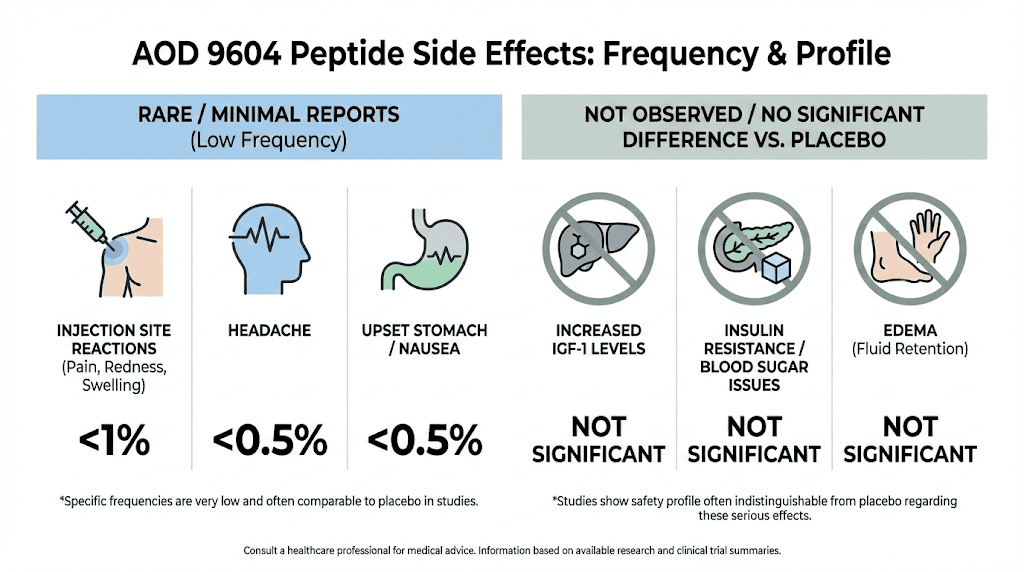
The most frequently reported side effect involves the injection site itself. Redness, mild swelling, tenderness, or slight bruising can occur where the peptide is administered. These reactions typically appear within hours of injection and resolve within 24-48 hours.
Injection site reactions are not unique to AOD 9604. They occur with virtually any subcutaneous peptide injection. The needle creates minor tissue trauma. The body responds with localized inflammation. This is normal healing, not an adverse reaction to the peptide itself.
Several factors influence injection site reactions. Needle gauge matters. Larger needles cause more tissue displacement and tend to produce more discomfort. Using 29-31 gauge insulin syringes minimizes this issue. Reconstitution technique also plays a role. Peptides dissolved in bacteriostatic water tend to cause less irritation than those mixed with other solutions.
Injection depth affects outcomes too. AOD 9604 is meant for subcutaneous injection, not intramuscular. Injecting too deeply can increase discomfort. Pinching a fold of skin and inserting the needle at a 45-degree angle ensures proper placement.
Rotating injection sites prevents accumulated irritation. The abdomen offers the most surface area for rotation, but the thighs and upper arms also work well. Avoid injecting into the same spot repeatedly.
Headaches during initial use
Headaches represent the second most commonly reported side effect. Clinical trial data recorded headache as the most frequent adverse event, occurring in a small percentage of participants. User reports consistently mention mild headaches, particularly during the first week or two of use.
The headaches associated with AOD 9604 are typically described as mild and non-specific. They do not resemble migraines with aura or severe tension headaches. Users often compare them to the kind of headache you get when slightly dehydrated or when adjusting to a new routine.
Several theories explain why headaches occur. Some researchers suggest metabolic shifts as the body adjusts to altered fat metabolism could trigger them. Others point to dehydration, since increased lipolysis generates metabolic water demands. Still others note that any change in routine, including injection stress, can produce psychosomatic headaches.
The good news is that headaches typically resolve on their own within one to two weeks. Staying well hydrated helps. Ensuring adequate electrolyte intake matters too, since peptide protocols sometimes coincide with dietary changes that affect mineral balance.
If headaches persist beyond two weeks or become severe, this warrants attention. Persistent headaches are not typical and could indicate issues with peptide purity, dosing errors, or unrelated medical conditions that coincidentally appeared during use.
Mild nausea and digestive discomfort
Some users report mild nausea, particularly when injecting on an empty stomach first thing in the morning. This typically manifests as a queasy feeling rather than actual vomiting. It tends to pass within 30-60 minutes.
The morning injection timing that optimizes fat burning, which involves dosing 30-60 minutes before breakfast, may contribute to this effect. An empty stomach combined with any subcutaneous injection can produce temporary queasiness in some individuals.
Unlike GLP-1 peptides like semaglutide, which frequently cause significant nausea as part of their mechanism of action, AOD 9604 does not suppress appetite or slow gastric emptying. Any nausea tends to be mild and transient rather than a persistent feature of use.
Strategies that help include having a small amount of water before injection, waiting 15-20 minutes after injection before engaging in strenuous activity, and gradually adjusting to the morning fasting window if this is new to your routine.
Dizziness and lightheadedness
Occasional dizziness appears in both clinical trial data and user reports. Like headaches, this tends to occur early in use and resolve as the body adjusts. Episodes are typically brief, lasting seconds to minutes rather than hours.
The dizziness associated with AOD 9604 is usually postural. It occurs when standing up quickly or changing positions. This suggests a temporary effect on blood pressure regulation or hydration status rather than a direct neurological impact.
Staying hydrated and avoiding rapid position changes helps manage this effect. If dizziness persists, becomes severe, or is accompanied by other symptoms like rapid heartbeat or difficulty breathing, this requires medical evaluation rather than continuing use.
Fatigue and lethargy
Clinical trials recorded fatigue as an occasional adverse event. User reports are mixed on this point. Some report increased energy as fat mobilization improves metabolic efficiency. Others note temporary tiredness during the initial adjustment period.
When fatigue occurs, it typically resolves within the first few weeks. The body is undergoing metabolic shifts as fat oxidation increases. Some temporary tiredness during this transition makes physiological sense.
However, persistent or severe fatigue is not expected. If you experience significant energy decreases that do not improve, consider whether other factors might be involved. Diet changes often accompany peptide use, and inadequate caloric intake can certainly cause fatigue. Sleep disruption, stress, and overtraining also contribute.
Ruling out peptide-related causes versus lifestyle factors requires paying attention to timing and patterns. Does fatigue correlate with injection timing? Does it improve on rest days from your protocol? These observations help identify the actual source.
What AOD 9604 does not cause
Understanding what side effects do not occur with AOD 9604 is just as important as knowing what might. This helps you identify when symptoms are unrelated to the peptide and need investigation elsewhere.
No impact on blood sugar or insulin sensitivity
One of the primary concerns with growth hormone use is its diabetogenic effect. GH increases blood glucose and can cause insulin resistance with chronic use. This is why growth hormone therapy requires monitoring blood sugar and sometimes necessitates diabetes medication adjustments.
AOD 9604 does not share this effect. Multiple clinical trials specifically evaluated glucose metabolism. Oral glucose tolerance tests showed no impairment. Fasting glucose levels remained stable. HbA1c markers did not change.
The peptide was specifically designed to avoid the glucose dysregulation associated with full-length growth hormone. The amino acid sequence that mediates fat metabolism appears to be separable from the sequence that affects carbohydrate metabolism. This is why AOD 9604 can target fat without disrupting blood sugar.
If you experience symptoms suggesting blood sugar issues, such as excessive thirst, frequent urination, blurred vision, or unexplained weight changes, these are unlikely to be caused by AOD 9604 and warrant independent medical evaluation.
No elevation of IGF-1
Growth hormone works partly through stimulating insulin-like growth factor 1 (IGF-1) production in the liver. Elevated IGF-1 drives many of GH effects, both beneficial and problematic. Concerns about IGF-1 include potential effects on cancer risk, acromegalic changes with chronic elevation, and metabolic disruption.
AOD 9604 does not increase IGF-1 levels. This was confirmed across multiple studies measuring serum IGF-1 at baseline and throughout treatment. The peptide simply does not interact with the receptors and pathways that stimulate IGF-1 production.
This means concerns about long-term IGF-1 elevation do not apply to AOD 9604. The mechanism through which it promotes fat loss, primarily beta-3 adrenergic receptor activation, is completely separate from IGF-1 signaling.
No fluid retention or edema
Growth hormone commonly causes water retention, leading to bloating, swelling in extremities, and a puffy appearance. Some users of GH actually mistake this fluid accumulation for lean tissue gains. The fluid retention can also increase blood pressure and stress the cardiovascular system.
AOD 9604 does not cause fluid retention. Users do not report bloating or edema. Blood pressure changes were not observed in clinical trials. This makes the peptide more suitable for those concerned about cardiovascular health or those who found GH fluid retention problematic.
If you experience swelling while using AOD 9604, consider other causes. Diet changes, particularly increased sodium intake, commonly cause water retention. Some medications produce edema. Vascular issues unrelated to peptide use can cause localized swelling. Do not assume the peptide is responsible without investigating alternatives.
No joint pain or carpal tunnel
Growth hormone users frequently report joint pain and carpal tunnel syndrome. These effects relate to tissue growth and fluid changes in connective structures. Carpal tunnel specifically involves swelling in the wrist that compresses the median nerve.
These effects have not been reported with AOD 9604. The peptide does not stimulate the tissue growth pathways that cause joint and tendon issues. Users do not report the hand numbness, tingling, or grip weakness associated with carpal tunnel.
In fact, some research suggests AOD 9604 may have cartilage-supportive properties. Early animal studies indicated potential benefits for osteoarthritis. While this research is preliminary, it further distinguishes AOD 9604 from full-length growth hormone in terms of joint effects.
No antibody formation
When the immune system recognizes a foreign protein and produces antibodies against it, this can reduce the compound effectiveness over time and potentially cause allergic reactions. Antibody formation is a concern with any peptide therapy.
Clinical trials tested for anti-AOD 9604 antibodies throughout study periods. None were detected. The peptide sequence, derived from human growth hormone, appears sufficiently similar to native proteins that the immune system does not mount a response against it.
This means AOD 9604 can be used for extended periods without diminishing returns from antibody-mediated inactivation. It also means allergic reactions are unlikely, though not impossible, since any foreign substance can theoretically trigger sensitivity in susceptible individuals.
Factors that increase side effect risk
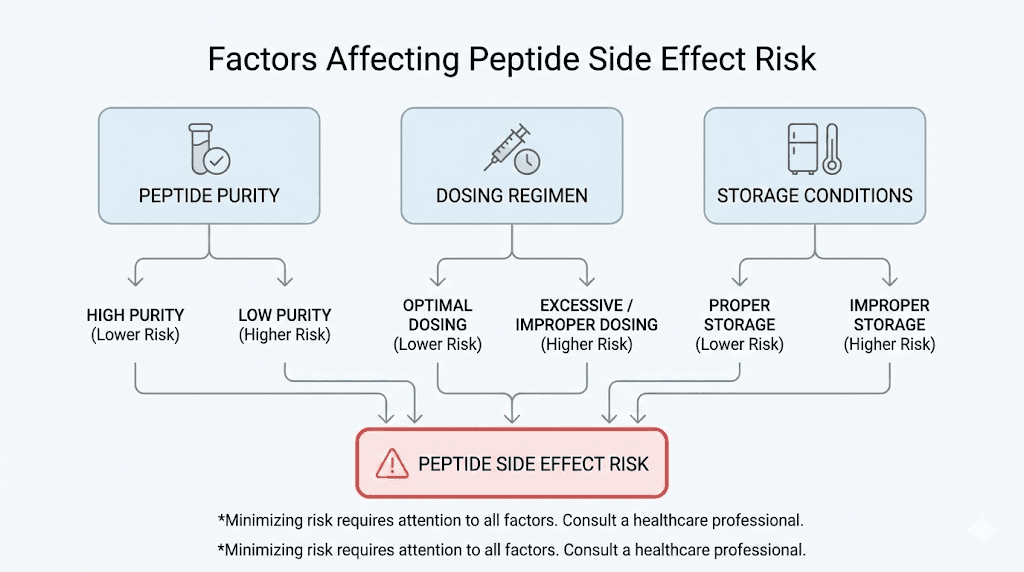
While AOD 9604 has a favorable safety profile, certain factors can increase the likelihood or severity of unwanted effects. Addressing these factors proactively helps ensure the smoothest possible experience.
Peptide purity and source quality
Perhaps no factor matters more than what is actually in the vial. The research peptide market includes suppliers with varying commitment to quality. Impure products can contain:
Incomplete synthesis fragments that may cause immune reactions
Bacterial endotoxins from contaminated manufacturing
Heavy metals from poor quality synthesis reagents
Misidentified or substituted peptides entirely
Degradation products from improper storage before sale
Users who experience unusual or severe side effects should consider source quality as a potential cause. Legitimate suppliers provide certificates of analysis from third-party testing labs. They use HPLC purity verification and mass spectrometry for identity confirmation.
The difference between a 98% pure peptide and an 85% pure one might seem minor, but that 13% impurity can include problematic compounds. And some products on the market test far below 85% purity. A few contain no active peptide at all.
If you suspect a quality issue, discontinue use and consider sourcing from a more reputable peptide supplier. Do not assume side effects are inevitable if they only appeared with a particular batch or source.
Dosing errors and excessive doses
More is not better with peptides. Clinical trials tested doses up to 1mg daily without significant adverse effects, but this does not mean higher doses produce better results or that exceeding researched doses is safe.
The standard research protocol involves 300-500mcg daily. Going beyond this range has not been shown to improve fat loss outcomes. It may, however, increase the likelihood of side effects.
Dosing errors commonly occur with peptide reconstitution. Miscalculating the concentration after adding bacteriostatic water leads to injecting more or less than intended. Using the peptide reconstitution calculator helps prevent mathematical mistakes.
Another common error involves confusion between units. Insulin syringes are marked in units (IU), but peptide doses are typically expressed in micrograms (mcg) or milligrams (mg). Mixing up these measurements can lead to ten-fold dosing errors.
If you experience unexpected effects, double-check your reconstitution math. Verify you are using the correct syringe markings. Consider reducing dose to see if effects diminish.
Improper reconstitution and storage
Peptides are fragile molecules. Improper handling degrades them, potentially creating breakdown products that differ in effect from the intact peptide. Proper reconstitution with bacteriostatic water and appropriate storage are essential.
Key handling errors that can cause problems include:
Shaking the vial vigorously during reconstitution, which denatures the peptide
Using sterile water instead of bacteriostatic water, which lacks preservatives and allows bacterial growth
Storing reconstituted peptide at room temperature instead of refrigerated
Leaving the vial exposed to light, which degrades photosensitive amino acids
Using reconstituted peptide beyond its stability window, typically 3-4 weeks
Properly handled AOD 9604 should be clear and colorless in solution. Cloudiness, particles, or unusual color suggests degradation or contamination. Do not use compromised product.
Understanding peptide storage requirements prevents degradation-related issues. Lyophilized (freeze-dried) peptide remains stable for extended periods at room temperature or longer when refrigerated. Once reconstituted, refrigeration is mandatory and use within 4 weeks is advisable.
Drug interactions and concurrent medications
While AOD 9604 has not been shown to interact significantly with most medications, the research on drug interactions remains limited. Caution is warranted when using the peptide alongside other compounds, particularly those affecting metabolism or cardiovascular function.
Thyroid medications deserve particular attention. Thyroid hormones significantly affect metabolic rate and fat metabolism. Adding AOD 9604 while thyroid levels are unstable or while adjusting thyroid medication doses introduces confounding variables. Ideally, thyroid status should be stable before beginning peptide research.
Diabetes medications require awareness. Although AOD 9604 does not affect blood sugar, people actively managing diabetes with medication should monitor more carefully when adding any new compound to their regimen. Changes in body composition can affect insulin sensitivity independently.
Stimulants and fat burners that work through sympathetic nervous system activation might theoretically have additive effects with AOD 9604 beta-adrenergic receptor activity. While clinical interactions have not been documented, combining multiple compounds that affect similar pathways increases unpredictability.
Consulting a knowledgeable healthcare provider about your complete medication and supplement list is advisable before beginning any peptide protocol. SeekPeptides members access comprehensive guides on peptide interactions and contraindications.
Minimizing and managing side effects
Proactive strategies reduce the likelihood of side effects and help manage any that occur. These approaches apply regardless of which specific effects you want to prevent.
Starting with lower doses
Beginning at the lower end of the effective dose range allows your body to adjust gradually. Rather than starting at 500mcg, consider beginning at 200-250mcg for the first week. If no problems occur, gradually increase to your target dose.
This titration approach helps identify your personal tolerance. Some individuals do fine at standard doses immediately. Others benefit from a slower introduction. There is no way to know which category you fall into without trying.
Lower starting doses also help distinguish peptide effects from coincidental events. If you start at full dose and develop a headache, you cannot tell if the peptide caused it or if you would have had that headache anyway. Starting low and increasing provides more signal.
A reasonable titration schedule might look like this:
Week 1: 200mcg once daily
Week 2: 300mcg once daily
Week 3 onward: 300-500mcg based on response and tolerance
Optimizing injection technique
Poor injection technique contributes to injection site reactions and potentially to other effects like nausea from anxiety around the process. Mastering proper technique minimizes these issues.
Use appropriately sized needles. 29-31 gauge insulin syringes minimize tissue trauma while remaining practical for peptide viscosity. Shorter needles (6mm or 8mm) work well for subcutaneous injection in most body types.
Rotate injection sites systematically. The abdomen offers ample area for rotation. Divide it into quadrants and rotate through them. Alternatively, alternate between abdomen and thigh. Keep a simple log of injection sites to ensure adequate rotation.
Allow alcohol to dry completely before injecting. Wet alcohol pushed under the skin causes stinging and irritation. Wait 10-15 seconds after swabbing before inserting the needle.
Inject slowly. Rapid injection can cause discomfort and may contribute to localized reactions. Take 3-5 seconds to complete the injection rather than pushing quickly.
Do not rub the injection site afterward. While it seems intuitive to massage the area, rubbing can increase bruising and irritation. Let the peptide disperse naturally.
Timing considerations
Injection timing affects both efficacy and side effects. The commonly recommended timing, morning on an empty stomach 30-60 minutes before eating, maximizes fat oxidation effects but may increase nausea in sensitive individuals.
If morning nausea is problematic, consider alternatives. Having a small glass of water before injection sometimes helps. Waiting 15-20 minutes before any activity allows the queasiness to pass. If nausea persists, trying pre-bed dosing is an option, though this may slightly reduce efficacy by separating the peptide from morning cortisol elevation.
For those experiencing dizziness, paying attention to hydration before morning injection helps. Overnight dehydration combined with fasting can contribute to orthostatic effects. Drinking water upon waking, waiting 15-20 minutes, then injecting may reduce dizziness.
Timing relative to exercise also matters. Some users prefer injecting before fasted cardio to enhance fat oxidation. Others find this increases lightheadedness or nausea. Experiment to find what works for your body. There is no single correct approach.
Supporting overall health
Peptide effects do not occur in isolation. Your overall health status influences how you respond to AOD 9604. Optimizing foundational factors reduces side effect risk.
Hydration stands out as particularly important. Increased lipolysis places metabolic demands on the body that adequate water intake helps meet. Dehydration exacerbates headaches, dizziness, and fatigue. Aim for adequate water intake throughout the day, with particular attention to morning hydration before fasting injection.
Electrolyte balance matters alongside hydration. If your diet has changed alongside peptide use, particularly if you reduced carbohydrates, electrolyte needs may have shifted. Sodium, potassium, and magnesium support normal function and prevent symptoms that might be mistaken for peptide side effects.
Sleep quality affects everything. Poor sleep worsens fatigue, headaches, and stress tolerance. If you are not sleeping well, addressing this may resolve symptoms you attributed to the peptide.
Stress management plays a role too. High stress increases physical symptoms of all kinds. It also increases subjective perception of discomfort. Managing stress through whatever methods work for you creates better conditions for peptide use.
Knowing when to reduce dose or discontinue
Not every side effect requires discontinuation, but some warrant reducing dose or stopping use. Understanding this distinction helps you respond appropriately.
Mild, transient effects during the first two weeks typically do not require intervention beyond patience. Headaches that resolve within an hour, brief dizziness when standing, or minor injection site redness fall into this category. These often resolve without any protocol changes.
Persistent effects beyond two weeks suggest considering dose reduction. If headaches continue after the initial adjustment period, dropping from 500mcg to 300mcg might help. If effects continue at reduced doses, the peptide may not be right for you.
Severe effects warrant immediate discontinuation. Significant allergic reactions, though rare, require stopping use and potentially seeking medical attention. Severe persistent headaches, unusual symptoms not typically associated with AOD 9604, or anything that significantly impairs daily function should prompt stopping.
Listen to your body. If something feels wrong, it probably is. The potential benefits of any peptide do not justify ignoring signals from your body that something is amiss.
Special populations and considerations
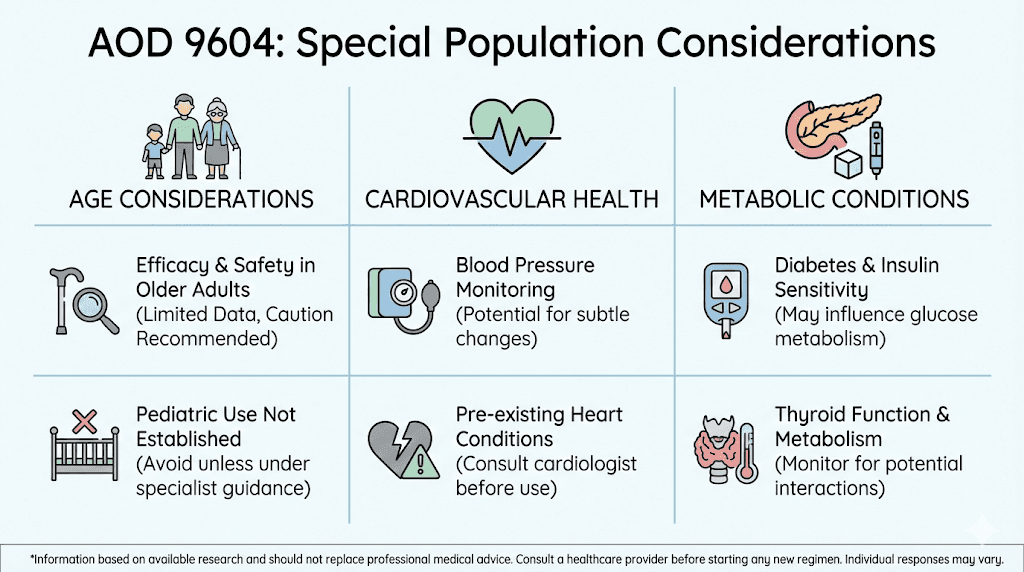
Certain groups face unique considerations regarding AOD 9604 side effects. Understanding these helps determine whether the peptide is appropriate for specific situations.
Age-related considerations
Clinical trials included adults across a range of ages, but specific data on elderly populations is limited. Older individuals may have different pharmacokinetics, meaning the peptide might be processed differently by the body.
Older adults are more likely to be on multiple medications, increasing the potential for interactions. They may also have subclinical conditions that could be affected by metabolic changes. More cautious dosing and closer self-monitoring make sense for older users.
That said, the favorable safety profile in trials suggests AOD 9604 does not pose age-specific risks. The absence of cardiovascular effects, blood sugar impacts, or hormonal disruption means many concerns relevant to older adults are not applicable here.
Cardiovascular health
People with existing cardiovascular conditions should approach any new compound cautiously. However, AOD 9604 clinical data is reassuring in this regard.
The peptide does not affect blood pressure, heart rate, or cardiovascular parameters in studies. It does not cause the fluid retention that strains the cardiovascular system. It does not affect cholesterol profiles negatively.
Still, anyone with significant heart disease, uncontrolled hypertension, or history of cardiac events should consult their cardiologist before using any research compound. The individual risk-benefit calculation depends on specific health status.
Metabolic conditions
People with diabetes or prediabetes can note that AOD 9604 does not impair glucose metabolism. This is a significant advantage over full-length growth hormone, which worsens insulin resistance.
However, body composition changes from successful fat loss can affect insulin sensitivity independently. People actively managing blood sugar with medication should monitor more frequently during peptide use and communicate with their healthcare provider about any changes.
Thyroid conditions add complexity to any weight management approach. If your thyroid status is unstable or you are adjusting medication, this is not the ideal time to add peptides. Wait until thyroid levels stabilize.
Pregnancy and breastfeeding
No data exists on AOD 9604 use during pregnancy or breastfeeding. As with virtually all research peptides, use during these periods is not recommended.
Pregnancy involves complex hormonal changes. Introducing synthetic peptides adds unpredictable variables. Breastfeeding could theoretically transfer peptides or metabolites to the infant. Until safety data exists, avoiding use during these periods is the only prudent approach.
Women planning pregnancy should discontinue peptide use before conception. A washout period of at least several weeks is advisable, though specific recommendations cannot be made given limited data.
Athletic testing considerations
AOD 9604 appears on the World Anti-Doping Agency (WADA) prohibited list. Athletes subject to drug testing should be aware that use could result in positive tests and associated consequences.
The peptide is detectable in urine samples using mass spectrometry methods. Detection windows are not publicly established with precision, but peptide metabolites can persist for days to weeks depending on testing sensitivity.
This is not a health side effect per se, but it is a consequence of use that certain populations must consider. Competitive athletes in tested sports face career implications that must be weighed against any potential benefits.
Comparing AOD 9604 side effects to alternatives
Context helps. Understanding how AOD 9604 side effects compare to other fat loss approaches puts the information in perspective. Every intervention has trade-offs.
Versus full-length growth hormone
Full-length human growth hormone causes numerous side effects that AOD 9604 specifically avoids:
Blood sugar disruption: GH impairs insulin sensitivity and can precipitate diabetes in susceptible individuals. AOD 9604 has no effect on glucose metabolism.
IGF-1 elevation: Chronic IGF-1 increase raises theoretical cancer risks and causes acromegalic changes. AOD 9604 does not affect IGF-1.
Fluid retention: GH causes water retention, bloating, and blood pressure increases. AOD 9604 does not.
Joint pain and carpal tunnel: Common GH side effects that do not occur with AOD 9604.
Cost: Pharmaceutical GH costs thousands monthly. AOD 9604 is far more economical.
For those specifically interested in fat loss rather than muscle growth, AOD 9604 offers the relevant benefits without the problematic side effects of full-length growth hormone.
Versus GLP-1 peptides
GLP-1 receptor agonists like semaglutide and tirzepatide have become popular for weight loss. Their side effect profile differs substantially from AOD 9604.
GLP-1 peptides commonly cause:
Significant nausea: Often severe enough to require dose titration over months. AOD 9604 causes mild, transient nausea at most.
Vomiting: Occurs frequently with GLP-1s, rarely if ever with AOD 9604.
Diarrhea or constipation: Gastrointestinal effects are central to GLP-1 mechanisms. AOD 9604 does not affect digestion.
Gallbladder issues: Increased gallstone risk with rapid weight loss from GLP-1s.
Potential muscle loss: GLP-1s can cause lean mass loss alongside fat loss.
The mechanisms differ entirely. GLP-1 peptides work primarily through appetite suppression and slowed gastric emptying. AOD 9604 works through direct fat mobilization. This explains the different side effect profiles.
For those who cannot tolerate GLP-1 gastrointestinal effects, AOD 9604 represents an alternative approach with different trade-offs.
Versus stimulant-based fat burners
Many over-the-counter fat burners rely on stimulants like caffeine, synephrine, or more concerning compounds. Their side effects include:
Cardiovascular stress: Increased heart rate and blood pressure.
Anxiety and jitters: Common with stimulant use.
Sleep disruption: Stimulants impair sleep quality.
Tolerance development: Effects diminish over time, requiring higher doses.
Crash and dependence: Energy crashes when effects wear off.
AOD 9604 causes none of these effects. It does not act as a stimulant. It does not affect the nervous system in ways that produce anxiety or sleep problems. Tolerance has not been observed in clinical use.
For those sensitive to stimulants or concerned about cardiovascular effects, AOD 9604 offers stimulant-free fat mobilization.
Versus other fat loss peptides
The peptide landscape for fat loss includes several options beyond AOD 9604. Each has distinct profiles:
HGH Fragment 176-191 is chemically similar to AOD 9604, being the same sequence without the added tyrosine. Side effects are comparable, though AOD 9604 has more clinical data supporting its safety profile.
MOTS-c affects mitochondrial function and metabolism differently than AOD 9604. Its side effect profile is less well characterized due to limited human research.
Tesamorelin stimulates growth hormone release and has FDA approval for HIV-associated lipodystrophy. Its side effects more closely resemble those of growth hormone since it works by increasing GH levels.
5-Amino-1MQ inhibits an enzyme involved in fat metabolism. It works differently than AOD 9604 and has limited human safety data.
Among fat loss peptides specifically, AOD 9604 stands out for having the most extensive human safety data from controlled trials. This does not make it the most effective, which remains debated, but it does make it among the best characterized for safety.
Long-term considerations
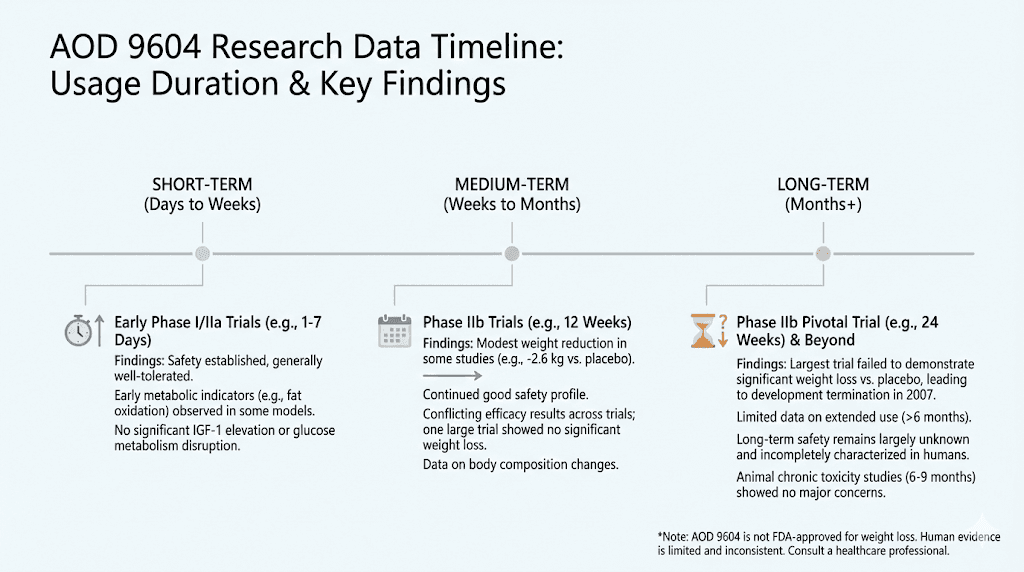
Most safety data on AOD 9604 comes from studies lasting 12 weeks or less. Understanding the limitations of this data helps set realistic expectations about long-term use.
What we know about extended use
The longest controlled human trials ran for 12 weeks. During this period, no adverse effects emerged with continued use. Side effects that appeared early typically resolved rather than worsening. No concerning trends developed over time.
Animal toxicology studies extended longer. Rats received AOD 9604 daily for 6 months and cynomolgus monkeys for 9 months. These studies found no evidence of toxicity, organ damage, or concerning changes with chronic administration.
Anecdotal reports from long-term users in research communities suggest the peptide remains well-tolerated over extended periods. No pattern of delayed side effects has emerged in community use spanning years.
What remains unknown
Despite encouraging data, genuine unknowns exist:
Effects beyond 6-9 months of continuous use have not been formally studied in animals or humans. While no mechanism suggests delayed toxicity, this cannot be completely ruled out without long-term controlled studies.
Potential effects on reproductive health with chronic use are unstudied. This matters for those planning families or concerned about hormonal effects over time.
Interactions with aging processes remain unknown. Whether chronic use affects normal age-related changes in metabolism, body composition, or health cannot be determined from current data.
Rare side effects that occur in less than 1% of users might not appear in trials of 900 participants. Larger population studies would be needed to identify uncommon reactions.
Cycling and breaks
Given the unknowns about long-term continuous use, many researchers implement cycling protocols. Common approaches include:
12 weeks on, 4 weeks off
16 weeks on, 6-8 weeks off
Use only during specific fat loss phases, then discontinue
Cycling provides periodic breaks that may allow the body to normalize. It also provides comparison periods to evaluate whether the peptide is actually contributing to your results.
Whether cycling is necessary from a safety perspective remains unknown. It represents a precautionary approach given limited long-term data rather than a response to documented concerns.
Monitoring recommendations
For those using AOD 9604 for extended periods, periodic health monitoring makes sense. Reasonable approaches include:
Regular blood work every 3-6 months checking metabolic markers, liver function, kidney function, and lipid profiles. This establishes baselines and identifies any changes that might warrant attention.
Monitoring body composition objectively rather than relying only on scale weight or mirror assessment. DEXA scans or quality body composition scales track fat versus lean tissue changes.
Keeping logs of any symptoms, their timing, and their resolution. Patterns become visible in logs that might be missed otherwise.
Staying connected with a healthcare provider who knows you are using research peptides. This provides backup if questions or concerns arise.
When side effects indicate problems
Most AOD 9604 side effects are benign and self-limiting. However, certain signs warrant immediate attention. Recognizing these helps ensure appropriate responses.
Signs of allergic reaction
Allergic reactions to peptides are uncommon but possible. Signs include:
Hives or widespread rash beyond the injection site
Swelling of face, lips, tongue, or throat
Difficulty breathing or wheezing
Rapid heartbeat
Feeling faint or losing consciousness
These symptoms require immediate medical attention. Severe allergic reactions (anaphylaxis) are medical emergencies. Do not attempt to manage them at home.
More minor allergic signs, like itching spreading beyond the injection site or mild rash, warrant discontinuing use and monitoring. If symptoms progress, seek medical care. If they resolve, the peptide may simply not be right for you.
Signs of contaminated product
Contaminated or degraded peptides can cause effects unrelated to AOD 9604 itself:
Fever or chills following injection, suggesting possible bacterial contamination
Severe injection site reactions with significant swelling, heat, or spreading redness
Systemic illness symptoms that seem disproportionate to what the peptide should cause
Effects that seem completely different from expected AOD 9604 effects
If contamination is suspected, stop using that vial immediately. Seek medical attention if symptoms are concerning. Report the issue to the supplier if possible, as this helps protect others.
Signs of unrelated medical issues
Sometimes symptoms that appear during peptide use are coincidental. The peptide did not cause them, but they happened to appear during use. Consider whether symptoms might indicate:
Underlying conditions being unmasked or worsening
Effects of other supplements or medications
Lifestyle factors like inadequate sleep, poor nutrition, or excessive stress
Infections or illnesses unrelated to peptide use
If symptoms do not match the expected AOD 9604 profile, persist after discontinuation, or are accompanied by other concerning signs, investigate independently rather than assuming the peptide is responsible.
When to seek medical attention
Seek immediate medical care for:
Any signs of severe allergic reaction
Fever with injection site infection signs
Chest pain or significant cardiovascular symptoms
Severe or persistent neurological symptoms
Any symptom that feels like a medical emergency
Seek prompt (but not emergency) medical attention for:
Symptoms that persist beyond two weeks without improvement
Symptoms that progressively worsen rather than improve
New symptoms that appear after initial adjustment period
Any symptom that significantly impairs daily function
Do not let concern about discussing peptide use prevent you from seeking appropriate care. Healthcare providers are there to help, not judge. Many are familiar with research peptides. Your health takes priority over any awkwardness.
Frequently asked questions
How long do AOD 9604 side effects typically last?
Most side effects resolve within the first one to two weeks of use. Injection site reactions typically clear within 24-48 hours. Headaches, nausea, and dizziness that occur early in use usually diminish as the body adjusts. If effects persist beyond two weeks, consider reducing dose or consulting a healthcare provider. Persistent side effects are not typical and may indicate individual sensitivity, peptide quality issues, or unrelated causes.
Can AOD 9604 cause weight gain?
AOD 9604 does not cause weight gain through its mechanism of action. The peptide stimulates fat breakdown and inhibits fat storage. However, body weight is affected by many factors beyond peptide use. If weight increases during use, examine caloric intake, activity levels, and other variables. Some users mistake water fluctuations for tissue changes. The peptide does not cause fluid retention that would register as weight gain.
Does AOD 9604 affect sleep?
Clinical trials did not identify sleep disruption as an AOD 9604 side effect. The peptide does not act as a stimulant or affect the central nervous system in ways that impair sleep. If sleep problems develop during use, consider other factors such as stress, caffeine intake, exercise timing, or the psychological effects of any new health regimen. Unlike sleep-promoting peptides like DSIP, AOD 9604 is neutral regarding sleep.
Is it safe to combine AOD 9604 with other peptides?
Many researchers use AOD 9604 as part of multi-peptide protocols. Common combinations include stacking with ipamorelin or CJC-1295 for synergistic effects on body composition. No specific interactions have been documented that make these combinations dangerous. However, each additional compound adds variables. Starting peptides individually before combining helps identify which causes any effects experienced. Peptide stacking requires careful planning.
Can I drink alcohol while using AOD 9604?
No specific interaction between AOD 9604 and alcohol has been identified. The peptide does not affect liver metabolism in ways that would interact with alcohol processing. That said, alcohol can impair judgment about injection technique, interfere with sleep and recovery, add empty calories that work against fat loss goals, and contribute to dehydration that may worsen side effects like headaches. Moderate alcohol use is unlikely to pose safety risks but may undermine the goals that led you to use the peptide.
Does AOD 9604 cause hair loss?
Hair loss is not associated with AOD 9604 use. The peptide does not affect DHT levels, thyroid function, or other factors commonly linked to hair loss. If hair changes occur during use, investigate other causes. Rapid weight loss from any method can temporarily increase hair shedding. Nutritional deficiencies, stress, and hormonal changes unrelated to the peptide can all affect hair. For those interested in hair health, peptides like GHK-Cu have actually shown hair-supportive properties.
What should I do if I miss a dose?
Missing a single dose of AOD 9604 is unlikely to cause problems or require any compensatory action. Simply resume your normal schedule with the next planned dose. Do not double up to make up for missed doses, as this increases side effect risk without improving outcomes. The peptide effects depend on consistent use over time rather than any single dose. Missing occasional doses should not significantly impact results.
Can I use AOD 9604 while fasting?
AOD 9604 is typically used during fasted states and is compatible with intermittent fasting protocols. The recommended timing involves injection 30-60 minutes before the first meal, which naturally places it during the fasting window. Some researchers combine AOD 9604 with extended fasting protocols. The main consideration is ensuring adequate hydration and electrolytes, as fasting plus peptide use may increase demands on both.
Practical decision framework
Navigating AOD 9604 side effects requires balancing information against practical reality. This framework helps structure your thinking.
Before starting
Ask yourself whether the potential benefits justify the commitment. AOD 9604 is not a magic solution. It helps mobilize fat but still requires appropriate nutrition and activity. If your fundamentals are not in place, no peptide will compensate.
Assess your risk tolerance. Are you comfortable using a compound without FDA approval? Can you accept the unknowns about long-term effects? Do you have the resources to source quality product and the discipline to handle it properly?
Establish baselines. Get bloodwork before starting. Document your current body composition. Note any existing symptoms that might later be confused with peptide effects. This baseline data helps interpret any changes.
Have a plan for monitoring and response. Know what side effects you consider acceptable and what would prompt you to stop. Decide in advance rather than making decisions under the influence of sunk costs or wishful thinking.
During use
Track everything for at least the first month. Keep simple logs of injection timing, sites, doses, and any effects noticed. This data proves invaluable for identifying patterns and making adjustments.
Give the adjustment period time before concluding the peptide does not work for you. Two weeks of mild headaches is normal. Two months is not. Distinguish between adjustment and genuine problems.
Maintain the supporting factors that affect outcomes. Hydration, nutrition, sleep, and stress management all influence both results and side effects. Do not neglect these fundamentals while focusing on the peptide.
Communicate with your healthcare provider if you have one who is aware of your research. Their outside perspective can catch things you might miss or dismiss.
Making adjustments
If side effects occur, work through potential causes systematically. Is the dose too high? Is the source quality questionable? Is injection technique optimal? Are other factors contributing?
Make one change at a time when troubleshooting. If you simultaneously reduce dose, change injection timing, and switch sources, you will not know which change helped.
Consider temporary breaks to assess baseline. If uncertain whether symptoms are peptide-related, stopping for two weeks provides clarity. Do symptoms resolve? They were probably related. Do they persist? Look elsewhere for causes.
Know when to quit. Some individuals simply do not tolerate certain compounds well. There is no shame in determining that AOD 9604 is not right for you. Other approaches to fat loss exist.
Assessing results versus side effects
The fundamental question is whether benefits justify any discomfort experienced. This requires honest self-assessment.
Are you actually seeing the results you hoped for? AOD 9604 efficacy in clinical trials was modest at best. If you are experiencing side effects without clear benefits, the trade-off does not make sense.
Are the side effects you experience tolerable given the results? Mild headaches for a week might be acceptable. Persistent nausea that impairs daily life is not, regardless of results.
Would you be better served by a different approach? If AOD 9604 is not working well for you, this is valuable information. It points you toward trying alternatives rather than persisting with something that does not fit.
For researchers serious about optimizing their peptide protocols, SeekPeptides offers the most comprehensive resource available. Members access evidence-based guides, proven protocols, safety information databases, and a community of thousands who have navigated these exact questions about side effects, dosing, and optimization.
In case I do not see you, good afternoon, good evening, and good night.