Feb 23, 2026

Some people swear by injectable GLP-1 medications for appetite control and metabolic health. Others want nothing to do with needles, prescriptions, or the gastrointestinal side effects that come with pharmaceutical doses. And then there is a third group, one that is growing fast, that wants to know whether a probiotic capsule can actually nudge the body into producing more GLP-1 on its own.
That is the promise behind Pendulum GLP-1 Probiotic Pro.
The product has generated serious buzz in the gut health and peptide and GLP-1 research community. It claims to use three targeted bacterial strains to stimulate natural GLP-1 secretion from intestinal L cells, without synthetic drugs, without injections, and without the nausea that sends so many people searching for alternatives. But does the science hold up? Is the evidence strong enough to justify the price tag? And how does a probiotic capsule actually compare to pharmaceutical GLP-1 receptor agonists that have dominated headlines for the past two years?
This guide breaks down everything. The strains, the mechanisms, the clinical data, the limitations, and the practical details that most reviews skip entirely. Whether you are currently using a GLP-1 medication, considering one, or looking for a natural complement to your existing protocol, this is the resource that answers all of it.
What is Pendulum GLP-1 Probiotic Pro?
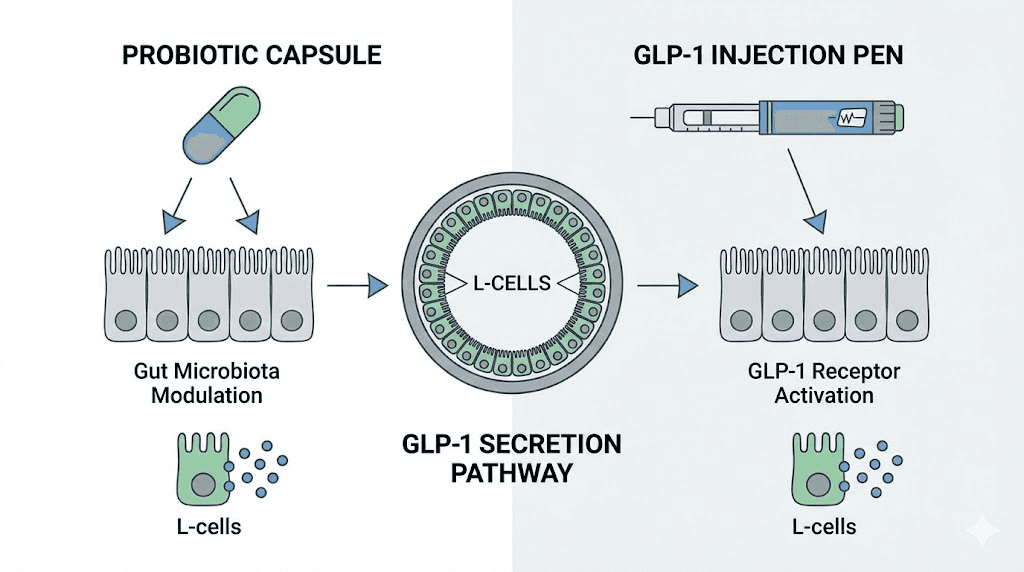
Pendulum GLP-1 Probiotic Pro is a multi-strain probiotic supplement manufactured by Pendulum Therapeutics, a San Francisco-based biotech company that has built its entire platform around the gut microbiome. Unlike generic probiotics that contain common Lactobacillus or Bifidobacterium strains and make vague claims about digestive comfort, Pendulum focuses on specific bacterial strains that are directly linked to metabolic signaling pathways.
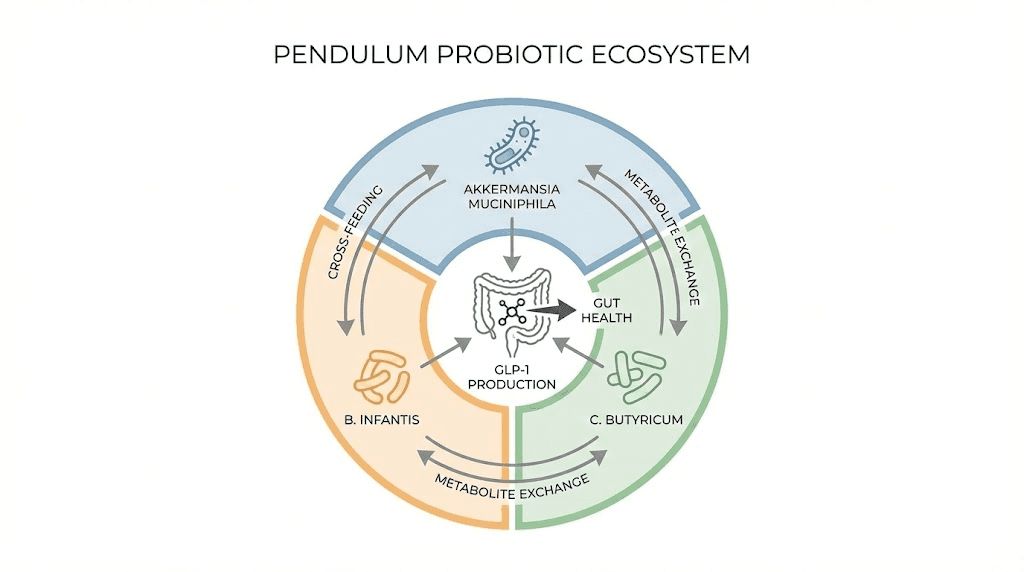
The product contains three bacterial strains. Each one plays a distinct role in what Pendulum calls a "GLP-1 production ecosystem" within the gut. The strains work together to generate postbiotic metabolites, including butyrate and a protein called P9, that stimulate intestinal L cells to secrete glucagon-like peptide-1.
This is important to understand right away. Pendulum GLP-1 Probiotic Pro does not contain GLP-1. It does not contain a GLP-1 receptor agonist. It is not a drug. It is a dietary supplement designed to support the body in producing more of its own GLP-1 naturally, using the gut microbiome as the mechanism.
Each capsule delivers 500 million active fluorescent units (AFU) of the probiotic blend, along with 174 mg of chicory inulin as a prebiotic. The recommended dose is one capsule daily, taken with food. Most users report needing 30 to 90 days before noticing significant effects, though some experience reduced appetite and cravings within the first two to four weeks.
The "Pro" designation matters. Pendulum offers a consumer-facing GLP-1 Probiotic and a practitioner-grade GLP-1 Probiotic Pro. The Pro version is typically distributed through healthcare providers and specialty pharmacies, and it shares the same core formulation but is positioned for clinical recommendations. Both versions target the same mechanism, and both contain the same three strains.
Understanding what this product is, and equally what it is not, sets the foundation for everything that follows. This is not a replacement for compounded semaglutide or tirzepatide. It is a microbiome-based approach to supporting one of the body most studied metabolic hormones.
The three probiotic strains explained
Everything about Pendulum GLP-1 Probiotic Pro comes down to three bacterial strains. Each one is selected for a specific metabolic function, and the three are designed to work synergistically. Remove one, and the ecosystem breaks down. This is not a kitchen-sink probiotic with 15 strains and a prayer. It is a targeted, three-organism system.
Akkermansia muciniphila (WB-STR-0001)
Akkermansia muciniphila is the star of this formulation, and arguably the most researched next-generation probiotic strain in the world right now. It lives in the mucus layer of the intestinal lining, where it feeds on mucin, the glycoprotein that forms the protective barrier between gut bacteria and intestinal cells. This feeding behavior actually strengthens the gut lining, because it signals the body to produce more mucin in response.
But the real reason Akkermansia matters for this product is a protein it secretes called P9. Research published in Cell Metabolism identified P9 as an 84 kilodalton protein that directly binds to intercellular adhesion molecule 2 (ICAM-2) on the surface of intestinal L cells. When P9 binds to ICAM-2, it triggers a signaling cascade that results in GLP-1 secretion. This is not theoretical. The mechanism has been demonstrated in cell culture, in animal models, and through heterologous expression experiments.
People interested in gut health and peptide research should understand that Akkermansia also produces propionate, a short-chain fatty acid that contributes to metabolic regulation. Healthy individuals typically have Akkermansia making up 1 to 4 percent of their total gut bacteria. Many people with metabolic conditions have significantly depleted Akkermansia populations, which creates a direct rationale for supplementation.
The strain used in Pendulum products is specifically designated WB-STR-0001 and has been manufactured under controlled conditions to maintain viability through the digestive tract.
Clostridium butyricum (WB-STR-0006)
Do not let the name fool you. While the genus Clostridium includes some pathogenic species, Clostridium butyricum is a well-studied beneficial bacterium that has been used in probiotic formulations in Japan for decades. Its primary function in the Pendulum formulation is butyrate production.
Butyrate is the preferred energy source for colonocytes, the cells lining the colon. But beyond gut barrier support, butyrate has a direct connection to GLP-1 secretion. When butyrate binds to free fatty acid receptor 2 (FFAR2) and free fatty acid receptor 3 (FFAR3) on intestinal L cells, it stimulates GLP-1 release. This is a well-established mechanism in the scientific literature, with multiple independent studies confirming the butyrate-to-GLP-1 signaling pathway.
For anyone tracking their GLP-1 related energy levels and metabolic markers, butyrate production is one of the most important metrics of gut health that rarely gets discussed outside of specialized research circles. The typical Western diet, low in fiber and high in processed foods, dramatically reduces butyrate-producing bacteria. Supplementing with Clostridium butyricum directly addresses this deficit.
Bifidobacterium infantis
The third strain functions as the ecosystem support player. Bifidobacterium infantis produces acetate and lactate, two metabolites that serve as fuel for both Akkermansia muciniphila and Clostridium butyricum. Think of it as the supply chain. Without B. infantis producing these substrates, the other two strains cannot thrive and produce their GLP-1-stimulating metabolites at optimal levels.
This cross-feeding relationship is called syntrophy, and it is one of the reasons that single-strain probiotics often underperform compared to carefully designed multi-strain formulations. You cannot simply take Akkermansia alone and expect the same results. The ecosystem matters. The relationships between organisms matter. And Pendulum has designed this three-strain blend specifically to create a self-sustaining metabolic loop within the gut.
B. infantis also contributes to digestive regularity and has been studied for its role in reducing inflammation in the gastrointestinal tract. It is one of the dominant species in the infant gut microbiome and tends to decline with age, antibiotic use, and poor dietary patterns.
How natural GLP-1 production works in the gut
To understand why Pendulum GLP-1 Probiotic Pro might work, you need to understand the biology behind natural GLP-1 production. This is where the product either stands on solid ground or falls apart, depending on the evidence.
GLP-1, or glucagon-like peptide-1, is an incretin hormone produced primarily by enteroendocrine L cells in the small intestine and colon. When you eat a meal, nutrients in the gut trigger L cells to release GLP-1 into the bloodstream. This hormone then signals the pancreas to release insulin, slows gastric emptying, reduces appetite, and communicates with the brain to create feelings of satiety.
Pharmaceutical GLP-1 receptor agonists like semaglutide work by mimicking this hormone at much higher concentrations than the body produces naturally. They bind to the same receptors but resist the enzymatic breakdown (by DPP-4) that rapidly degrades natural GLP-1. This is why injectable GLP-1 medications produce such dramatic effects on appetite and weight.
Natural GLP-1 has a half-life of about two minutes. That is not a typo. Two minutes. The body produces it in bursts after meals, and it is quickly degraded. This short half-life is why the probiotic approach and the pharmaceutical approach produce fundamentally different results. A probiotic that modestly increases natural GLP-1 production is operating within the body normal physiological range. A pharmaceutical GLP-1 agonist is operating far above it.
The P9 protein pathway
The most compelling mechanism connecting gut bacteria to GLP-1 production is the P9 protein secreted by Akkermansia muciniphila. Research from Yoon and colleagues, published in Nature Medicine, demonstrated that P9 binds to ICAM-2 receptors on L cells and directly stimulates GLP-1 secretion. In mouse models, administration of purified P9 protein improved glucose homeostasis and reduced metabolic disease markers.
The signaling pathway works through interleukin-6 (IL-6) induction. P9 strongly induces IL-6 expression, which in turn dose-dependently increases GLP-1 secretion from L cells. This creates a two-pronged stimulation, direct receptor binding plus cytokine-mediated amplification.
For researchers following the GLP-1 and immune system connection, this IL-6 link is particularly interesting. It suggests that the anti-inflammatory properties of GLP-1 medications may be partially mediated through similar microbiome pathways that Pendulum is targeting.
The butyrate pathway
Butyrate, produced by Clostridium butyricum, stimulates GLP-1 through a different mechanism. It activates G-protein coupled receptors FFAR2 and FFAR3 on L cells, triggering calcium influx and subsequent GLP-1 vesicle release. This pathway has been confirmed in multiple in vitro studies and in animal models.
The butyrate pathway is particularly relevant because it can be supported not just through probiotic supplementation but also through dietary fiber intake. When fiber-fermenting bacteria produce butyrate in the colon, the same L cell stimulation occurs. This is one reason why high-fiber diets are associated with better metabolic health, a connection that has been documented in countless epidemiological studies.
People following a structured eating plan alongside GLP-1 support should prioritize prebiotic fiber sources to amplify this pathway naturally.
The NF-kB connection
GLP-1 receptor activation, whether by natural GLP-1 or pharmaceutical agonists, inhibits the nuclear factor kappa-B (NF-kB) inflammatory pathway. This suppresses production of pro-inflammatory cytokines including TNF-alpha, IL-1beta, and IL-6 (the same IL-6 that paradoxically stimulates GLP-1 production in a feedback loop).
This anti-inflammatory mechanism is why GLP-1 medications are being explored for conditions far beyond diabetes and weight loss. Rheumatoid arthritis, cardiovascular disease, neurodegeneration, and even hair loss are all being investigated in the context of GLP-1 receptor signaling. If Pendulum GLP-1 Probiotic Pro can meaningfully increase natural GLP-1 production, the downstream anti-inflammatory benefits could extend well beyond appetite control.
Pendulum GLP-1 Probiotic Pro vs injectable GLP-1 medications
This is the comparison everyone wants to see. And it requires complete honesty.
Pendulum GLP-1 Probiotic Pro and injectable GLP-1 receptor agonists like semaglutide or tirzepatide are not the same thing. They are not even close to the same thing. Comparing them directly is like comparing a gentle breeze to a hurricane. Both involve air movement. One will move your hair. The other will move your house.
That said, the comparison has real value for people making informed decisions about their health approach.
Mechanism of action
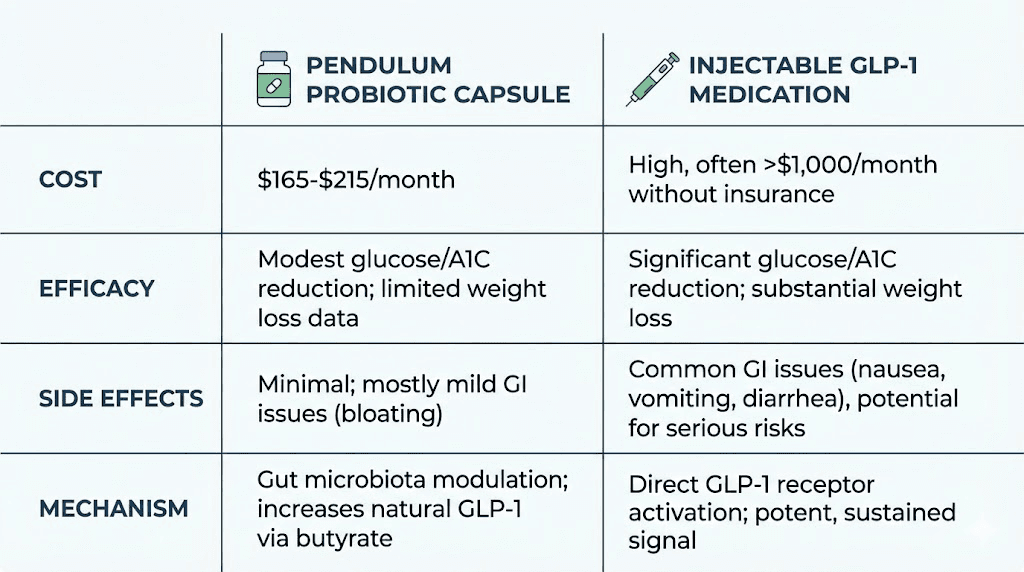
Injectable GLP-1 receptor agonists are synthetic molecules that directly bind to and activate GLP-1 receptors throughout the body. They resist DPP-4 degradation, creating sustained receptor activation that lasts days (semaglutide has a half-life of approximately 168 hours). The GLP-1 receptor activation is supraphysiological, meaning it far exceeds what the body would ever produce naturally.
Pendulum GLP-1 Probiotic Pro works upstream. It does not activate GLP-1 receptors directly. Instead, it provides bacterial strains that generate metabolites (P9 protein, butyrate) which stimulate the body own L cells to produce and release natural GLP-1. This natural GLP-1 has a half-life of about two minutes and operates within normal physiological ranges.
Efficacy comparison
Clinical trials of semaglutide show average weight loss of 15 to 17 percent of body weight over 68 weeks. Tirzepatide trials show even more, up to 22.5 percent in some cohorts. These are pharmaceutical-grade results backed by massive randomized controlled trials involving thousands of participants.
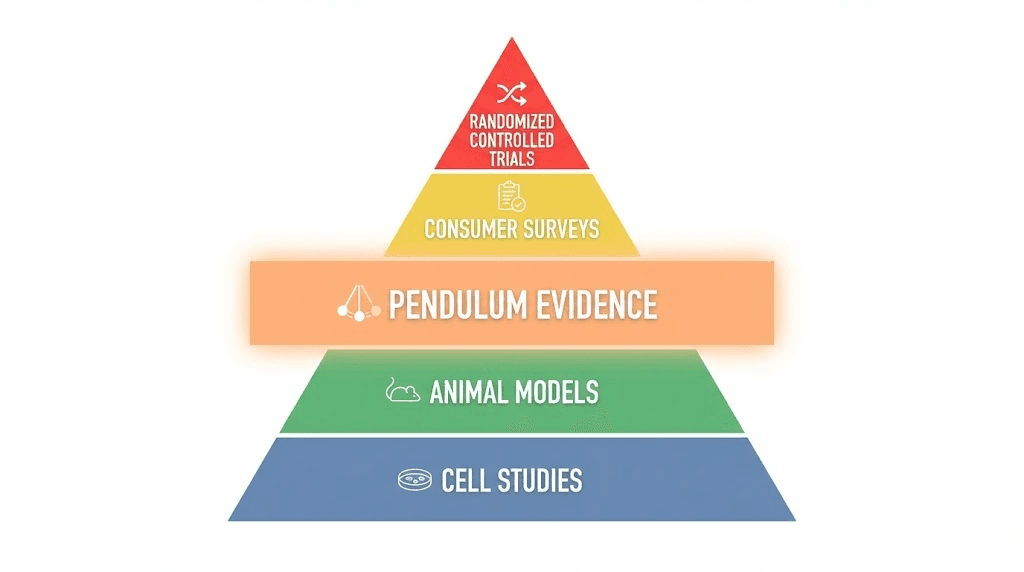
Pendulum GLP-1 Probiotic Pro has no comparable weight loss data from randomized controlled trials. A consumer study of 274 people taking the GLP-1 Probiotic for six weeks reported that 91 percent experienced reduced food cravings. That is encouraging, but a consumer survey is not a clinical trial. There is no placebo control, no blinding, and no standardized weight measurement protocol.
The most relevant clinical data comes from Pendulum Glucose Control product (a related five-strain formulation), which demonstrated modest improvements in A1C and postprandial glucose in a small proof-of-concept trial with 76 type 2 diabetes patients. But this is a different product targeting different endpoints.
Side effects comparison
Factor | Pendulum GLP-1 Probiotic Pro | Injectable GLP-1 medications |
|---|---|---|
Nausea | Mild, first 1-2 weeks | Common, often significant |
Vomiting | Rare | Common at higher doses |
Diarrhea | Possible initially | Common |
Constipation | Uncommon | Very common |
Injection site reactions | None (oral capsule) | Possible |
Pancreatitis risk | Not documented | Rare but documented |
Muscle loss | Not documented | Documented concern |
GI adjustment period | 1-2 weeks | 4-8 weeks typical |
The side effect profile is dramatically different. Most people taking Pendulum GLP-1 Probiotic Pro experience mild gastrointestinal adjustment symptoms (gas, bloating) that resolve within two weeks. Compare that to the nausea and GI distress commonly reported with pharmaceutical GLP-1 medications, particularly during dose escalation.
For individuals who cannot tolerate the side effects of injectable GLP-1 drugs or who experience persistent body aches, sleep disruption, or gastrointestinal issues, a probiotic approach offers a fundamentally gentler path.
Cost comparison
Pendulum GLP-1 Probiotic Pro costs approximately $65 per month for a 30-capsule supply. Branded semaglutide (Ozempic, Wegovy) can cost over $1,000 per month without insurance. Compounded versions of tirzepatide range from $150 to $500 per month depending on the source and dose. Even with cost savings from compounding pharmacies like Empower Pharmacy, the monthly expense of pharmaceutical GLP-1 medications significantly exceeds what Pendulum charges.
Cost alone does not determine value, though. If the pharmaceutical option produces 15 percent weight loss and the probiotic produces marginal cravings reduction, the math changes completely. Value depends on outcomes, and the outcomes data for Pendulum is simply not yet comparable to what exists for pharmaceutical GLP-1 drugs.
The full Pendulum product lineup compared
Pendulum offers several probiotic products, and the naming conventions can be confusing. Understanding the differences helps you make the right choice.
Pendulum GLP-1 Probiotic (consumer version)
This is the standard retail version available on Amazon, iHerb, and the Pendulum website. It contains the same three-strain formulation as the Pro version: Akkermansia muciniphila, Clostridium butyricum, and Bifidobacterium infantis. The primary purpose is appetite and craving management through natural GLP-1 support.
Pendulum GLP-1 Probiotic Pro (practitioner version)
Same formulation as the consumer version, but distributed through healthcare practitioners and specialty pharmacies. The "Pro" label signals that a healthcare provider is involved in the recommendation, which adds a layer of clinical oversight. Formulation-wise, the products are functionally identical.
Pendulum Akkermansia
This is a single-strain product containing only Akkermansia muciniphila. It is designed for people who want to support gut barrier integrity and general gut health rather than specifically targeting GLP-1 production. Without the Clostridium butyricum and Bifidobacterium infantis supporting strains, the GLP-1 stimulating effects are reduced, because the synergistic butyrate production pathway is missing.
Pendulum Glucose Control
This is the product with the most clinical evidence. It contains five strains: Akkermansia muciniphila, Clostridium butyricum, Clostridium beijerinckii, Anaerobutyricum hallii, and Bifidobacterium infantis. It was specifically developed for the dietary management of type 2 diabetes and has a proof-of-concept randomized controlled trial supporting its A1C and glucose-lowering claims.
Product | Strains | Primary purpose | Clinical trial data |
|---|---|---|---|
GLP-1 Probiotic | 3 strains | Appetite and craving support | Consumer survey only |
GLP-1 Probiotic Pro | 3 strains | Appetite and craving support (practitioner) | Consumer survey only |
Akkermansia | 1 strain | Gut barrier health | Strain-level research |
Glucose Control | 5 strains | Type 2 diabetes management | Small RCT (n=76) |
If you are deciding between these products, the choice depends on your primary goal. For metabolic health and appetite management, the GLP-1 Probiotic or Pro version makes the most sense. For comprehensive gut health, Akkermansia alone may suffice. For blood sugar management, Glucose Control has the strongest evidence base.
What the research actually says
This section matters more than any other in this guide. The gap between marketing claims and published evidence is where supplements either earn credibility or lose it entirely.
The Akkermansia muciniphila evidence
Akkermansia muciniphila is one of the most studied probiotic organisms in modern microbiome research. A landmark human trial published in Nature Medicine by Depommier and colleagues (2019) showed that pasteurized Akkermansia supplementation improved insulin sensitivity, reduced total cholesterol, and decreased body weight slightly in overweight and obese individuals over a three-month period.
The P9 protein mechanism was elucidated in research published in Nature Medicine (Yoon et al., 2021), demonstrating direct GLP-1 induction through ICAM-2 receptor binding in both cell culture and mouse models. A subsequent study confirmed that heterologous expression of P9 increases GLP-1 secretion from intestinal L cells in a dose-dependent manner.
These are genuine, peer-reviewed findings from reputable journals. The science behind Akkermansia and GLP-1 is not made up. But there is a critical nuance that most product reviews ignore.
The translation gap
Most of the mechanistic data comes from cell culture experiments and mouse models. Demonstrating that a purified protein stimulates GLP-1 release in isolated L cells is not the same as demonstrating that an oral probiotic capsule, after surviving stomach acid and reaching the colon, will colonize effectively and produce enough P9 to meaningfully increase systemic GLP-1 levels in a human being.
This translation gap is the honest assessment. The mechanisms are plausible. The individual strain-level evidence is encouraging. But the finished product has not been tested in a rigorous clinical trial designed to measure GLP-1 levels, appetite changes, or weight outcomes against a placebo.
The consumer survey data
Pendulum cites a consumer study of 274 people taking GLP-1 Probiotic for six weeks, with 91 percent reporting reduced food cravings. This is a survey, not a clinical trial. There is no placebo group. There is no blinding. There is no objective measurement of GLP-1 levels or body composition changes. The placebo effect alone can account for significant self-reported improvements in appetite and cravings.
This does not mean the product does not work. It means we do not have the quality of evidence needed to make confident claims about efficacy.
The ClinicalTrials.gov registration
A study titled "Effectiveness of Microdosed GLP-1 in Improving Health" (NCT07092605) is registered on ClinicalTrials.gov, suggesting that formal clinical investigation into microdosed GLP-1 approaches is underway. However, this registration alone does not provide results, and it is unclear whether it specifically evaluates the Pendulum probiotic formulation.
For researchers accustomed to the rigorous data supporting tirzepatide weight loss timelines or semaglutide before and after results, the evidence base for Pendulum GLP-1 Probiotic Pro will feel thin. And it is. That is the honest assessment. The product is based on solid mechanistic science, but it lacks the clinical trial validation that pharmaceutical GLP-1 medications have in abundance.
How to take Pendulum GLP-1 Probiotic Pro
If you decide to try this product, getting the dosage and timing right matters. Probiotics are sensitive to environmental conditions, and how you take them can influence whether the bacteria survive transit through the stomach and actually colonize the gut.
Standard dosage protocol
The recommended dose is one capsule daily. That is it. No complex titration schedules, no dose escalation protocols, no starting dose calculations required. One capsule per day, consistently.
Take it with food. This is important for two reasons. First, food buffers stomach acid, increasing the likelihood that the probiotic bacteria survive the gastric environment and reach the small intestine and colon alive. Second, the chicory inulin prebiotic included in the formulation works best when consumed alongside other dietary fiber and nutrients that support fermentation.
Timing considerations
Take the capsule with your largest meal of the day if possible. The higher food volume creates a more favorable pH environment in the stomach and provides more substrate for the bacteria to work with once they reach the lower gut. Morning or evening does not appear to matter significantly, though consistency in timing helps establish a routine.
Unlike many GLP-1 medications that have optimal injection timing, the probiotic is more forgiving. The bacteria need to colonize over time, and a single missed dose will not derail the process. That said, daily consistency is what drives colonization and sustained metabolite production.
Timeline for results
Expectation management is critical here. Do not expect anything dramatic in the first week.
Weeks 1-2 represent the adjustment period. The new bacterial strains are establishing themselves in your gut ecosystem. You may experience mild gas or bloating as the microbiome shifts. Some people notice improved digestive regularity during this phase.
Weeks 3-4 is when early adopters sometimes report subtle changes in appetite or food noise. These effects are typically mild and inconsistent at this stage.
Months 2-3 is the window where Pendulum suggests microbiome changes become more established. If the product is going to work for you, this is typically when users report more noticeable effects on cravings and appetite. The 90-day mark is generally considered the minimum evaluation period for any microbiome-based intervention.
This timeline is dramatically different from pharmaceutical GLP-1 medications, where appetite suppression often begins within the first one to two weeks.
Storage requirements
Pendulum GLP-1 Probiotic Pro should be stored in a cool, dry place. Some probiotic products require refrigeration, but Pendulum formulations use delayed-release capsules and specific manufacturing processes designed to maintain stability at room temperature. Check the specific product packaging for storage instructions, as formulations can vary.
People who are already navigating medication storage requirements for their GLP-1 drugs will appreciate the simplicity of storing a probiotic capsule at room temperature.
Side effects and safety considerations
One of the genuine advantages of Pendulum GLP-1 Probiotic Pro over pharmaceutical GLP-1 medications is its side effect profile. The difference is not subtle.
Common initial effects
During the first one to two weeks, some users report:
Increased gas and flatulence
Mild bloating
Slight changes in stool consistency
Occasional mild nausea
These symptoms are typical of any probiotic introduction and reflect the microbiome adjusting to new bacterial populations. They are generally mild and self-limiting. Most users report complete resolution within 14 days.
Compare this to the side effect profile of pharmaceutical GLP-1 medications, where nausea affects 40 to 50 percent of users, vomiting occurs in 20 to 30 percent, and constipation is reported by a significant proportion of people throughout treatment. The headaches, anxiety, and muscle pain reported with injectable GLP-1 drugs are largely absent from probiotic use.
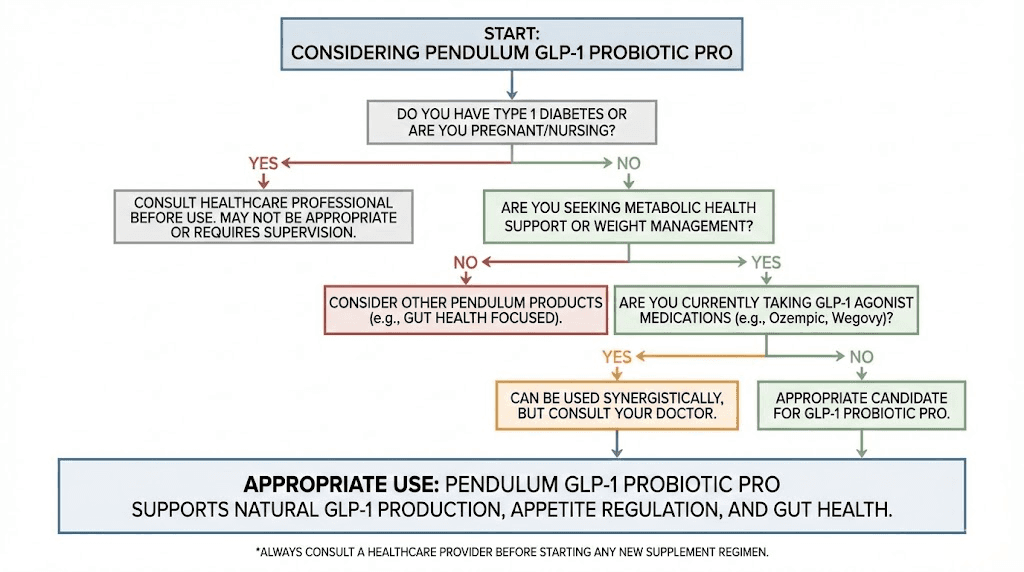
Who should avoid it
Pendulum GLP-1 Probiotic Pro is generally considered safe for most adults. However, certain populations should exercise caution or avoid the product:
Immunocompromised individuals: Any live probiotic carries theoretical risk in severely immunocompromised patients. Consult an immunologist before starting.
People with active inflammatory bowel disease: While probiotics can sometimes help IBD, introducing new strains during an active flare requires medical supervision.
Those with short bowel syndrome: Altered gut anatomy can affect probiotic colonization and safety.
Pregnant or nursing women: Insufficient safety data exists for this specific formulation during pregnancy. Those exploring GLP-1 use during breastfeeding should consult their physician for any supplement decisions.
Drug interactions
No significant drug interactions have been documented for Pendulum GLP-1 Probiotic Pro. However, antibiotics can kill the probiotic bacteria and negate the benefit of supplementation. If you are taking a course of antibiotics, it is generally recommended to separate probiotic intake by at least two hours, or to restart probiotic supplementation after completing the antibiotic course.
People using supplements alongside their GLP-1 medications can typically add a probiotic without concern, but should inform their healthcare provider about all supplements they are taking.
Who should consider Pendulum GLP-1 Probiotic Pro
This product is not for everyone. But for certain groups, it makes a lot of sense.
Good candidates
People who want a natural, non-pharmaceutical approach. Not everyone wants to use injectable medications. Whether the concern is needles, side effects, cost, or simply a preference for natural interventions, Pendulum offers a microbiome-based alternative that does not require a prescription.
Those who cannot tolerate GLP-1 medications. A meaningful percentage of people starting semaglutide or tirzepatide discontinue due to side effects. If fatigue, medication tolerance, or persistent GI distress has made pharmaceutical GLP-1 drugs unworkable, a probiotic approach offers a fundamentally different mechanism with a much milder side effect profile.
People looking to complement their existing GLP-1 protocol. Some practitioners recommend Pendulum GLP-1 Probiotic Pro as a companion to pharmaceutical GLP-1 medications. The theory is that supporting the body natural GLP-1 production while also using a pharmaceutical agonist could provide complementary benefits, particularly for gut health and microbiome diversity. GLP-1 companion products are an emerging category in this space.
Individuals with mild metabolic concerns. For people who do not meet the BMI threshold for GLP-1 medication prescriptions but still want metabolic support, a probiotic approach offers a lower-barrier option.
Those focused on gut health fundamentals. If your primary interest is restoring a depleted microbiome, strengthening gut barrier integrity, and supporting butyrate production, Pendulum GLP-1 Probiotic Pro addresses all three through its strain selection. The GLP-1 benefits become a secondary advantage of a healthier gut ecosystem.
Not the right fit for
People expecting weight loss results comparable to pharmaceutical GLP-1 drugs. If you need to lose 15 to 20 percent of your body weight, Pendulum GLP-1 Probiotic Pro is not going to get you there alone. The evidence for significant weight loss from probiotic supplementation simply does not exist at this scale.
Those with type 2 diabetes seeking glycemic control. While Pendulum Glucose Control has some clinical data for this purpose, the GLP-1 Probiotic Pro is not designed or validated for diabetes management. Pharmaceutical options like semaglutide have extensive evidence for glycemic control at specific doses.
Anyone looking for fast results. If you want appetite suppression within a week, pharmaceutical GLP-1 medications deliver that. Pendulum requires months of consistent use before meaningful effects are typically reported.
Maximizing results with diet and lifestyle strategies
Taking Pendulum GLP-1 Probiotic Pro without supporting the microbiome through diet is like planting seeds in concrete. The bacteria need the right environment to thrive. Here is how to create that environment.
Prebiotic fiber is essential
Prebiotics are the food that feeds probiotic bacteria. The chicory inulin included in the Pendulum formulation is a start, but 174 mg is a modest amount. Most prebiotic research uses doses of 5 to 15 grams daily. Supplementing your diet with additional prebiotic fiber sources dramatically increases the likelihood that the probiotic strains will colonize effectively and produce meaningful amounts of metabolites.
The best prebiotic food sources for supporting Akkermansia and butyrate-producing bacteria include:
Jerusalem artichokes (one of the richest natural inulin sources)
Garlic and onions (contain fructooligosaccharides)
Leeks (excellent inulin source)
Asparagus (contains inulin and FOS)
Bananas (especially slightly green, contain resistant starch)
Oats (contain beta-glucan fiber)
Flaxseeds (contain mucilage fiber)
People following a GLP-1 optimized eating plan should already be incorporating many of these foods. If not, adding them is one of the highest-impact changes you can make for both probiotic efficacy and overall metabolic health.
Polyphenol-rich foods amplify Akkermansia
Research shows that polyphenols, the antioxidant compounds found in colorful fruits and vegetables, specifically support Akkermansia muciniphila growth. Pomegranate, cranberries, grape seed, green tea, and dark chocolate are all documented Akkermansia promoters. Including these foods regularly creates a more hospitable environment for the keystone strain in the Pendulum formulation.
A daily cup of green tea or a handful of pomegranate seeds is not just a health habit. It is a targeted intervention that directly supports the primary mechanism of this probiotic.
Avoid microbiome disruptors
Certain dietary and lifestyle factors actively harm the bacteria you are trying to establish:
Artificial sweeteners (sucralose and saccharin have been shown to negatively affect gut bacteria composition)
Excessive alcohol (disrupts gut barrier integrity and kills beneficial bacteria)
Highly processed foods (low in fiber, high in additives that harm microbial diversity)
Unnecessary antibiotics (the single biggest destroyer of probiotic colonization)
Chronic stress (documented effects on gut microbiome composition through the gut-brain axis)
People who are working to optimize their metabolic health, whether through dietary modifications alongside GLP-1 medications or through natural approaches, should prioritize removing these disruptors alongside adding beneficial interventions.
Exercise supports GLP-1 production independently
Physical activity, particularly moderate-intensity aerobic exercise, has been shown to independently increase Akkermansia muciniphila populations and improve GLP-1 sensitivity. A combination of Pendulum GLP-1 Probiotic Pro, prebiotic-rich nutrition, and regular exercise creates a three-pronged approach to natural GLP-1 support that exceeds what any single intervention can achieve alone.
Even individuals exploring whether they can achieve results without exercise should understand that physical activity amplifies probiotic benefits significantly.
Common mistakes when using GLP-1 probiotics
Most people who report disappointing results with Pendulum GLP-1 Probiotic Pro are making at least one of these mistakes. Some are making all of them.
Quitting too early
This is the number one mistake. Microbiome changes take time. If you evaluate a probiotic after two weeks, you are not measuring the product effectiveness. You are measuring your impatience. The minimum evaluation period is 90 days of consistent daily use. Anything less is insufficient for colonization and metabolite production to reach meaningful levels.
Expecting pharmaceutical-grade results
If your benchmark is the appetite suppression and weight loss produced by tirzepatide or semaglutide, you will be disappointed by any probiotic. These are different categories of intervention with fundamentally different levels of biological impact. Adjust expectations accordingly.
Ignoring diet quality
Taking a probiotic while eating a diet devoid of fiber and rich in processed foods is self-defeating. The bacteria need substrate. Without prebiotic fiber, without polyphenol-rich foods, without adequate dietary diversity, the probiotic strains cannot thrive or produce the metabolites that drive GLP-1 production. Diet is not optional. It is foundational.
Taking it on an empty stomach
The instructions say to take it with food for a reason. Stomach acid kills bacteria. Food buffers acid. Taking the capsule on an empty stomach reduces the survival rate of the probiotic organisms and undermines the entire point of supplementation.
Using antibiotics without a replenishment plan
If you take a course of antibiotics while using Pendulum GLP-1 Probiotic Pro, the antibiotics will likely kill the probiotic bacteria along with whatever infection you are treating. Plan to restart the probiotic after completing antibiotics, understanding that colonization will need to begin again from scratch. This means resetting the 90-day evaluation timeline.
Comparing to the wrong products
Pendulum GLP-1 Probiotic Pro is not comparable to generic drugstore probiotics, and it is not comparable to pharmaceutical GLP-1 drugs. It occupies a specific middle ground, a targeted, research-backed microbiome intervention designed to support one specific metabolic pathway. Evaluate it on those terms, not against products in entirely different categories.
Pendulum GLP-1 Probiotic Pro as a companion to pharmaceutical GLP-1 medications
An increasingly common use case that deserves its own discussion. Some practitioners recommend using Pendulum GLP-1 Probiotic Pro alongside injectable GLP-1 medications rather than as a replacement. The rationale has multiple layers.
Supporting gut health during GLP-1 medication use
Pharmaceutical GLP-1 medications significantly alter gastrointestinal function. They slow gastric emptying, change bile acid composition, and affect the gut microbiome. Supplementing with targeted probiotic strains may help maintain microbiome diversity and gut barrier integrity during treatment.
People experiencing constipation on semaglutide or constipation on tirzepatide may find that butyrate-producing bacteria like Clostridium butyricum support bowel regularity through improved colonocyte function and motility.
Preparing for medication discontinuation
One of the biggest concerns with pharmaceutical GLP-1 medications is what happens when you stop. Weight regain and appetite rebound are well-documented. Some practitioners theorize that establishing robust GLP-1-supporting gut bacteria before discontinuing medication could provide a partial buffer against rebound effects, maintaining some degree of natural GLP-1 production even after the pharmaceutical support is removed.
This is theoretical. No clinical trial has tested this specific scenario. But the biological plausibility is sound, and some clinicians are incorporating this strategy into their long-term GLP-1 treatment plans.
Complementing with B12 and other nutrients
Many compounded GLP-1 formulations include additional nutrients like vitamin B12, glycine, or niacinamide. Adding a targeted probiotic to this stack creates a more comprehensive approach to metabolic health that addresses the gut microbiome alongside pharmaceutical intervention and nutritional support.
SeekPeptides members exploring combination approaches can access detailed protocol guides that cover stacking strategies for both pharmaceutical and natural GLP-1 support methods.
How Pendulum compares to other GLP-1 probiotic and supplement alternatives
Pendulum is not the only company making GLP-1 probiotic claims. The market has exploded with competitors. Understanding the landscape helps you evaluate whether Pendulum GLP-1 Probiotic Pro justifies its premium price point.
Generic Akkermansia supplements
Several companies now sell Akkermansia muciniphila as a standalone supplement at lower price points than Pendulum. The key difference is strain specificity and manufacturing quality. Pendulum uses a proprietary strain (WB-STR-0001) that has been specifically studied for P9 production. Generic Akkermansia products may use different strains with uncharacterized metabolite profiles. You may or may not get the same GLP-1-stimulating effects.
GLP-1 gummies and capsules from other brands
The supplement market is flooded with products labeled "GLP-1 support" that contain berberine, cinnamon extract, green tea extract, and other ingredients with loose connections to glucose metabolism or GLP-1 signaling. These are fundamentally different from a probiotic approach. They do not contain live bacteria, they do not colonize the gut, and they do not produce postbiotic metabolites like P9 or butyrate.
Some of these products may have independent benefits for metabolic health, but comparing them to Pendulum GLP-1 Probiotic Pro is not appropriate. The mechanisms are entirely different.
Other GLP-1 related products
The GLP-1 space now includes everything from transdermal patches to oral drops to sublingual formulations. Various companies have created their own GLP-1 support products, including brands like Thrive, LifeVantage, and Willow. Each approaches GLP-1 support differently, and understanding these alternatives helps contextualize where Pendulum sits in the broader market.
What sets Pendulum apart is the specificity of its approach. Rather than using general metabolic support ingredients, it targets the microbiome-to-GLP-1 pathway with characterized bacterial strains that have demonstrated mechanisms in published research. Whether that specificity translates to superior clinical outcomes remains to be proven through rigorous trials.
Troubleshooting: what to do if Pendulum GLP-1 Probiotic Pro is not working
You have been taking it for three months. Nothing has changed. No reduction in cravings. No improvement in appetite. The bloating subsided after two weeks but that is the only noticeable effect. What now?
First, confirm the basics. Are you taking the capsule daily with food? Have you been consistent, or have there been gaps of several days? Consistency over 90 continuous days is the minimum before evaluating. If you have missed more than a week total in those three months, the colonization timeline resets.
Second, assess your diet honestly. If you are eating a low-fiber, highly processed diet, the probiotic bacteria do not have the substrate they need to produce meaningful amounts of butyrate and P9. A diet assessment might reveal the bottleneck. Add 10 grams of fiber daily for two weeks and reassess. Try incorporating polyphenol-rich foods specifically to support Akkermansia populations.
Third, consider whether antibiotics, excessive alcohol, or other microbiome disruptors have been a factor during your supplementation period. Any of these can undermine colonization and force a restart.
Fourth, evaluate whether the product is the wrong tool for your goal. If you need significant weight loss results comparable to what tirzepatide before and after outcomes deliver, a probiotic is not going to provide that level of impact. The honest answer may be that you need pharmaceutical intervention, and there is nothing wrong with that decision. Understanding your eligibility for GLP-1 medication might be a more productive next step.
Fifth, consider stacking. Adding the probiotic to a broader metabolic support protocol that includes targeted nutrition changes, regular exercise, and adequate sleep may be necessary to create the cumulative effect that the probiotic alone cannot deliver. Not every intervention works in isolation. The gut microbiome responds to total environmental input, not just one capsule per day.
Some people genuinely do not respond well to probiotic supplementation due to individual variation in gut ecology, immune response, and baseline microbiome composition. This is not a failure. It is biology. If three to four months of consistent, well-supported supplementation produces no noticeable effects, it is reasonable to discontinue and redirect that $65 per month toward other evidence-based interventions like peptide-based approaches to fat loss or structured meal planning.
The future of GLP-1 probiotics and microbiome-based metabolic medicine
Pendulum GLP-1 Probiotic Pro represents an early entry in what many researchers believe will become a major category of metabolic therapeutics. The microbiome-to-hormone signaling pathway is real. The question is whether we can harness it reliably and predictably through commercial products.
Several developments are worth watching.
Engineered probiotics are on the horizon. Researchers are developing genetically modified bacteria that can produce GLP-1 directly in the gut, bypassing the need for indirect stimulation through P9 or butyrate. A proof-of-concept study published in 2023 demonstrated an oral delivery system of modified GLP-1 using probiotic bacteria in animal models. If this technology matures, it could bridge the gap between the modest effects of current probiotics and the potent effects of pharmaceutical GLP-1 agonists.
Personalized microbiome interventions are becoming more practical as sequencing costs decrease. In the future, you might receive a gut microbiome analysis that identifies exactly which GLP-1-supporting strains you are deficient in, followed by a personalized probiotic formulation targeting your specific gaps. This would be dramatically more effective than the one-size-fits-all approach that current products, including Pendulum, use.
Postbiotics, the metabolic byproducts of bacteria rather than the bacteria themselves, are emerging as an alternative approach. Instead of relying on live bacteria to colonize and produce metabolites in the gut, postbiotic products deliver purified butyrate, P9, or other GLP-1-stimulating compounds directly. This eliminates the colonization uncertainty that plagues probiotic supplementation. Companies like those developing GLP-1 companion products are exploring various approaches in this space.
The next-generation GLP-1 drugs pipeline is also relevant context. Medications like orforglipron (an oral, non-peptide GLP-1 agonist), survodutide (a dual glucagon/GLP-1 agonist), and CagriSema (combining cagrilintide with semaglutide) are advancing through clinical trials. As the pharmaceutical options expand and potentially become more accessible, the competitive landscape for natural GLP-1 support products will shift. Pendulum will need to produce stronger clinical evidence to maintain relevance as orally available pharmaceutical alternatives emerge.
The broader trend is clear. The gut microbiome is no longer a niche research interest. It is becoming central to our understanding of metabolic health, immune function, neurological health, and aging. Products like Pendulum GLP-1 Probiotic Pro are the first commercial applications of this science. They will not be the last, and they will likely not remain the most effective. But they represent a genuine shift toward understanding health as an ecosystem rather than a series of isolated biochemical targets.
SeekPeptides continues to track and analyze these developments, providing members with updated protocol guides as new research emerges and new products enter the market.
The honest bottom line on Pendulum GLP-1 Probiotic Pro
After reviewing the science, the evidence, the user reports, and the competitive landscape, here is the straightforward assessment.
What is genuinely impressive: The mechanistic science behind the three-strain formulation is sound. Akkermansia muciniphila and its P9 protein have demonstrated GLP-1-stimulating effects in published research. Clostridium butyricum butyrate production and its connection to L cell stimulation via FFAR2/FFAR3 is well-established. The synergistic design with Bifidobacterium infantis shows thoughtful formulation rather than random strain selection.
What is lacking: Clinical trial data on the finished product. The gap between demonstrating a mechanism in cell culture and demonstrating meaningful health outcomes from an oral supplement is enormous. Until Pendulum publishes results from randomized, placebo-controlled trials measuring GLP-1 levels, appetite changes, and weight outcomes in humans taking the GLP-1 Probiotic Pro, the product remains in the "plausible but unproven" category.
Who benefits most: People seeking a gentle, natural, non-pharmaceutical approach to supporting metabolic health and appetite regulation. Those who cannot tolerate injectable GLP-1 medications. Individuals who want to support their gut microbiome while also potentially gaining modest appetite benefits. People using pharmaceutical GLP-1 drugs who want microbiome support alongside their medication.
Who should look elsewhere: Anyone needing significant weight loss. Anyone seeking fast-acting appetite suppression. Those who want evidence-based certainty before spending money on supplements.
For researchers serious about understanding and optimizing their metabolic health through both pharmaceutical and natural approaches, SeekPeptides offers comprehensive protocol guides, evidence-based research summaries, and a community of experienced practitioners who have navigated these exact decisions about pharmaceutical and natural GLP-1 approaches.
Natural strategies to boost GLP-1 production without supplements
Whether or not you use Pendulum GLP-1 Probiotic Pro, understanding how to naturally support GLP-1 production gives you more tools in the metabolic health toolbox. These strategies work independently and synergistically with probiotic supplementation.
High-protein meals stimulate GLP-1 release
Protein is the strongest dietary stimulus for GLP-1 secretion. When amino acids reach the small intestine, they directly trigger L cells to release GLP-1 through nutrient-sensing mechanisms involving the calcium-sensing receptor (CaSR) and peptide transporter 1 (PEPT1). Research consistently shows that high-protein meals produce significantly greater GLP-1 responses than high-carbohydrate or high-fat meals.
Practical application is straightforward. Front-load protein at each meal. Aim for 25 to 40 grams of protein per meal, starting with protein before carbohydrates. This meal sequencing strategy, eating protein first, has been shown to improve postprandial GLP-1 response and glucose control in multiple studies. People following a structured meal plan alongside GLP-1 support should make protein prioritization a non-negotiable habit.
Protein shakes designed for GLP-1 users offer a convenient way to hit protein targets, especially during periods of reduced appetite.
Fiber fermentation drives butyrate production
Dietary fiber is the primary fuel for butyrate-producing bacteria in the colon. When soluble fiber reaches the large intestine undigested, gut bacteria ferment it into short-chain fatty acids, primarily butyrate, propionate, and acetate. As discussed earlier, butyrate directly stimulates GLP-1 release from L cells through FFAR2 and FFAR3 activation.
The average American consumes about 15 grams of fiber daily. The recommended intake is 25 to 38 grams. Closing this gap is one of the single most impactful changes for metabolic health. Target a mix of soluble fiber (oats, beans, lentils, avocado) and insoluble fiber (whole grains, vegetables, nuts) for optimal gut microbiome support.
Resistant starch deserves special mention. Found in cooled potatoes, green bananas, and legumes, resistant starch behaves like fiber in the gut and is one of the most potent stimulators of butyrate production. Adding cooled potato salad or overnight oats to your regular diet provides a reliable resistant starch source that directly supports the same butyrate pathway targeted by Clostridium butyricum in the Pendulum formulation.
Bitter foods and compounds activate GLP-1 pathways
Bitter taste receptors (T2Rs) exist not just on the tongue but throughout the gastrointestinal tract, including on L cells. When bitter compounds activate these receptors in the gut, they stimulate GLP-1 secretion. This is why traditional medicine systems that incorporate bitter herbs before meals may have stumbled onto something biochemically meaningful.
Foods and compounds with documented bitter receptor activation include:
Berberine (found in goldenseal and Oregon grape, also a popular supplement for blood sugar support)
Green tea catechins (EGCG specifically activates gut T2Rs)
Bitter melon (used in Ayurvedic and Chinese medicine for metabolic health)
Arugula and dandelion greens (common bitter salad greens)
Dark chocolate (85 percent cacao or higher)
Incorporating bitter foods into your regular diet provides continuous, low-level GLP-1 stimulation through a pathway entirely separate from the probiotic mechanism. Stacking multiple GLP-1-supporting strategies creates a more robust metabolic environment than any single approach.
Sleep quality affects GLP-1 sensitivity
Poor sleep directly impairs GLP-1 sensitivity and secretion. Research shows that even partial sleep deprivation (restricting sleep to four to five hours) reduces next-day GLP-1 response to meals by a measurable margin. Chronic sleep disruption is associated with lower Akkermansia muciniphila populations in the gut microbiome, which creates a double hit, reduced GLP-1 sensitivity plus reduced microbial GLP-1 stimulation.
Individuals experiencing sleep disturbances on GLP-1 medications should prioritize sleep hygiene aggressively. Seven to nine hours of quality sleep is not a luxury. It is a metabolic intervention. Poor sleep undermines every other strategy discussed in this guide, from probiotic colonization to dietary GLP-1 stimulation.
Cold exposure and exercise timing
Brief cold exposure (cold showers, cold water immersion) has been shown to activate brown adipose tissue and increase GLP-1 secretion in several human studies. The mechanism involves sympathetic nervous system activation and direct stimulation of gut hormone release. While the effect is modest and transient, it represents another natural lever for supporting GLP-1 levels.
Exercise timing also matters. Moderate aerobic exercise performed 30 to 60 minutes after a meal enhances postprandial GLP-1 response compared to sedentary behavior. Walking after meals is one of the simplest and most effective metabolic health interventions available, and it costs nothing. Combining post-meal walks with optimized meal composition creates a synergistic effect on GLP-1 signaling.
Understanding the gut-brain axis and GLP-1 signaling
The connection between gut bacteria and brain-mediated appetite control is one of the most exciting areas of research in modern medicine. Pendulum GLP-1 Probiotic Pro sits at the intersection of this science, and understanding the gut-brain axis explains why a probiotic could theoretically affect appetite and cravings.
The vagus nerve highway
GLP-1 produced by intestinal L cells communicates with the brain primarily through two pathways. The first is endocrine, where GLP-1 enters the bloodstream and reaches the hypothalamus through the area postrema, a region of the brainstem that lacks a complete blood-brain barrier. The second is neural, where GLP-1 activates vagal nerve afferents in the gut wall that transmit satiety signals directly to the nucleus tractus solitarius (NTS) in the brainstem.
This neural pathway is particularly relevant for probiotics. Even if the amount of GLP-1 produced from probiotic-stimulated L cells is modest in terms of systemic blood levels, local activation of vagal afferents in the gut could still transmit meaningful satiety signals to the brain. The vagus nerve is extraordinarily sensitive to local gut hormone concentrations, and it does not require supraphysiological levels to fire.
This is speculative but biologically plausible. It may explain why some users report reduced "food noise" and cravings from Pendulum GLP-1 Probiotic Pro despite the modest nature of the GLP-1 increase. The effect may be mediated more through local neural signaling than through systemic hormone levels.
Microbial metabolites and brain signaling
Beyond GLP-1 itself, the metabolites produced by the three Pendulum strains have independent effects on brain-gut communication. Butyrate crosses the blood-brain barrier and has documented effects on appetite regulation, neuroinflammation, and mood. Propionate, produced by Akkermansia, has been shown to reduce activity in brain reward centers associated with high-calorie food cravings in human functional MRI studies.
This means the probiotic may affect appetite through multiple channels simultaneously, direct GLP-1 stimulation, vagal nerve activation, and postbiotic metabolite effects on the brain. The total effect could exceed what any single mechanism would predict, which is consistent with the user reports of reduced cravings that seem disproportionate to the modest GLP-1 increase expected from probiotic supplementation.
For anyone researching the broader connections between GLP-1 and energy levels, metabolic function, and metabolic rate, the gut-brain axis provides a framework for understanding how gut-level interventions can produce brain-level effects.
Long-term considerations and sustainability
One advantage that Pendulum GLP-1 Probiotic Pro holds over pharmaceutical GLP-1 medications is the question of long-term sustainability and what happens when you stop.
Colonization versus dependency
When you stop taking a pharmaceutical GLP-1 medication, the drug clears your system within one to two weeks (depending on the specific medication half-life), and the effects disappear. Appetite returns. Weight tends to rebound. This dependency concern is one of the primary criticisms of pharmaceutical GLP-1 treatment, and it drives many people to explore alternatives.
Probiotics work differently. If the bacterial strains successfully colonize your gut, the effects could theoretically persist even after you stop taking the supplement, provided the dietary and lifestyle conditions that support those bacteria remain in place. Akkermansia muciniphila is a natural human gut commensal. It belongs in your microbiome. If you successfully re-establish populations through supplementation and then maintain those populations through a fiber-rich, polyphenol-containing diet, you may not need to take the supplement indefinitely.
The key word is "theoretically." Probiotic colonization is notoriously unreliable. Many probiotic strains pass through the gut without establishing permanent residence. Whether the specific Pendulum strains achieve lasting colonization depends on individual gut ecology, diet, and numerous other factors that vary widely between people.
Cost over time
At $65 per month, Pendulum GLP-1 Probiotic Pro costs $780 per year. That is less than two months of branded semaglutide and roughly comparable to a few months of affordable compounded tirzepatide. But if the probiotic needs to be taken indefinitely (as is the case with most probiotics that do not achieve permanent colonization), the lifetime cost adds up.
The most cost-effective approach may be a combination strategy. Use the probiotic for three to six months while simultaneously optimizing diet and lifestyle to support the target bacteria naturally. Then taper the supplement and monitor whether the effects persist through dietary maintenance alone. If cravings return or digestive benefits fade, resume supplementation.
Compare this to the indefinite treatment paradigm of pharmaceutical GLP-1 medications, where the expectation is continuous use and discontinuation typically leads to rebound. The probiotic approach at least offers the possibility of a defined supplementation period followed by dietary maintenance.
Stacking with other metabolic support strategies
Viewing Pendulum GLP-1 Probiotic Pro as one component of a comprehensive metabolic health strategy rather than a standalone solution produces the most realistic expectations and the best outcomes. A reasonable comprehensive stack might include:
Pendulum GLP-1 Probiotic Pro (microbiome-based GLP-1 support)
High-protein, high-fiber diet (direct L cell stimulation and butyrate production)
Regular moderate exercise (increases Akkermansia populations and GLP-1 sensitivity)
Adequate sleep (preserves GLP-1 sensitivity and microbiome diversity)
Polyphenol-rich foods (specifically supports Akkermansia growth)
Stress management (chronic stress degrades microbiome composition)
Each component reinforces the others. Together, they create an environment where natural GLP-1 production is maximally supported through multiple independent pathways. SeekPeptides members access detailed stacking guides and protocol databases that help integrate natural and pharmaceutical approaches based on individual goals and circumstances.
Frequently asked questions
Does Pendulum GLP-1 Probiotic Pro actually increase GLP-1 levels?
The individual bacterial strains in the formulation have demonstrated GLP-1-stimulating mechanisms in laboratory and animal studies. Akkermansia muciniphila secretes P9 protein, which directly stimulates GLP-1 production from intestinal L cells. However, no published clinical trial has confirmed that taking the finished product as an oral capsule results in measurably increased GLP-1 levels in humans.
Can I take Pendulum GLP-1 Probiotic Pro with semaglutide or tirzepatide?
No known interactions exist between this probiotic and pharmaceutical GLP-1 medications. Some practitioners actively recommend combining them, with the probiotic supporting gut health while the medication provides direct GLP-1 receptor activation. Always inform your healthcare provider about all supplements you are taking.
How long does it take to see results from Pendulum GLP-1 Probiotic Pro?
Most users require 30 to 90 days of consistent daily use before noticing significant effects. Some report subtle improvements in bloating and digestive comfort within the first two weeks. For appetite and craving changes, the 60 to 90 day window is more realistic. This is significantly slower than the appetite suppression timeline seen with pharmaceutical GLP-1 drugs.
Is Pendulum GLP-1 Probiotic Pro FDA approved?
No. As a dietary supplement, it does not require FDA approval before sale. The FDA does not evaluate dietary supplements for safety and efficacy the way it evaluates pharmaceutical drugs. Pendulum GLP-1 Probiotic Pro is manufactured in GMP-certified facilities and is third-party tested, but it does not carry FDA approval as a treatment for any condition.
What is the difference between Pendulum GLP-1 Probiotic and GLP-1 Probiotic Pro?
The formulations are functionally identical. Both contain the same three bacterial strains (Akkermansia muciniphila, Clostridium butyricum, and Bifidobacterium infantis) at the same AFU count. The "Pro" designation indicates a practitioner-distributed version, typically recommended through healthcare providers rather than purchased directly by consumers. Pricing and packaging may differ, but the probiotic blend is the same.
Will Pendulum GLP-1 Probiotic Pro help me lose weight?
There is no clinical trial data demonstrating significant weight loss from Pendulum GLP-1 Probiotic Pro. The consumer survey data shows that 91 percent of 274 users reported reduced food cravings after six weeks. Reduced cravings could theoretically contribute to lower caloric intake and gradual weight loss, but this has not been measured in a controlled trial. If weight loss is your primary goal, pharmaceutical GLP-1 medications have far stronger evidence, and using our peptide calculator can help determine appropriate dosing for research purposes.
Can Pendulum GLP-1 Probiotic Pro replace my GLP-1 medication?
No. This is important. Pendulum GLP-1 Probiotic Pro is a dietary supplement that may modestly support natural GLP-1 production. It is not a replacement for prescribed GLP-1 receptor agonists. People who have experienced a plateau on their GLP-1 medication or who are considering switching between medications should work with their healthcare provider rather than substituting a supplement for a pharmaceutical.
Does Pendulum GLP-1 Probiotic Pro need to be refrigerated?
Most Pendulum formulations are designed for room temperature storage using delayed-release capsule technology. Check the specific product label for storage instructions, as formulations can vary. Unlike many GLP-1 medications that require refrigeration, the probiotic format is generally more convenient for travel and daily use.
External resources
GLP-1 as a multi-faceted anti-inflammatory agent (Frontiers in Immunology)
Microdosed GLP-1 clinical trial registration (ClinicalTrials.gov)
GLP-1 receptor agonists in immune cell biology (Cell and Bioscience)
For researchers committed to evidence-based metabolic health optimization, SeekPeptides provides the most comprehensive resource available, with detailed protocol guides, cost analysis tools, and a community of thousands who have navigated these exact questions about pharmaceutical and natural GLP-1 approaches.
In case I do not see you, good afternoon, good evening, and good night. May your gut bacteria stay diverse, your GLP-1 levels stay optimized, and your metabolic health stay strong.