Feb 17, 2026
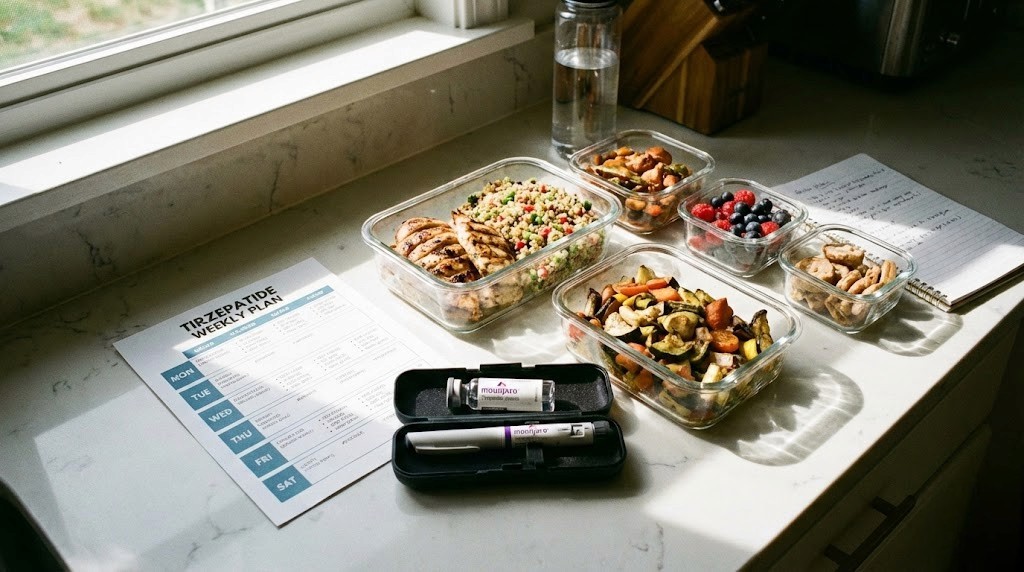
After reviewing hundreds of tirzepatide protocols and the nutrition habits that accompany them, one pattern stands out above everything else. The people who get the best results are not the ones eating perfectly. They are the ones who plan ahead. They batch their proteins on Sunday. They keep a grocery list on the fridge. They know exactly what Tuesday lunch looks like before Tuesday arrives.
And the people who struggle? They wing it.
That is the uncomfortable truth about tirzepatide and nutrition. The medication does its job brilliantly, suppressing appetite through dual GLP-1 and GIP receptor activation, slowing gastric emptying, and reducing the constant food noise that made previous weight loss attempts feel impossible. But appetite suppression without nutritional strategy creates a dangerous situation. You eat less, sure. But you also eat worse. Protein drops. Micronutrients vanish. Muscle mass starts disappearing alongside the fat. And three months later, you have lost weight on the scale but your body composition tells a completely different story.
This guide exists because a vague list of "good foods" is not a meal plan. You need structure. You need specific meals with specific macros that account for the unique digestive challenges tirzepatide creates. You need breakfast ideas that do not make you nauseous, lunch options you can prep in advance, dinners that hit your protein targets without overwhelming a stomach that empties slower than it used to, and snacks that bridge the gaps without triggering the GI side effects that send so many people searching for answers.
What follows is everything. Complete 7-day meal plans for three different calorie targets. Grocery lists organized by store section. Meal prep schedules that take two hours on Sunday and set you up for the entire week. Macro breakdowns for every single meal. And specific modifications for each phase of your tirzepatide dosing schedule, because what works at 2.5mg looks very different from what works at 10mg or 15mg. SeekPeptides members have been requesting this resource for months, and here it is.
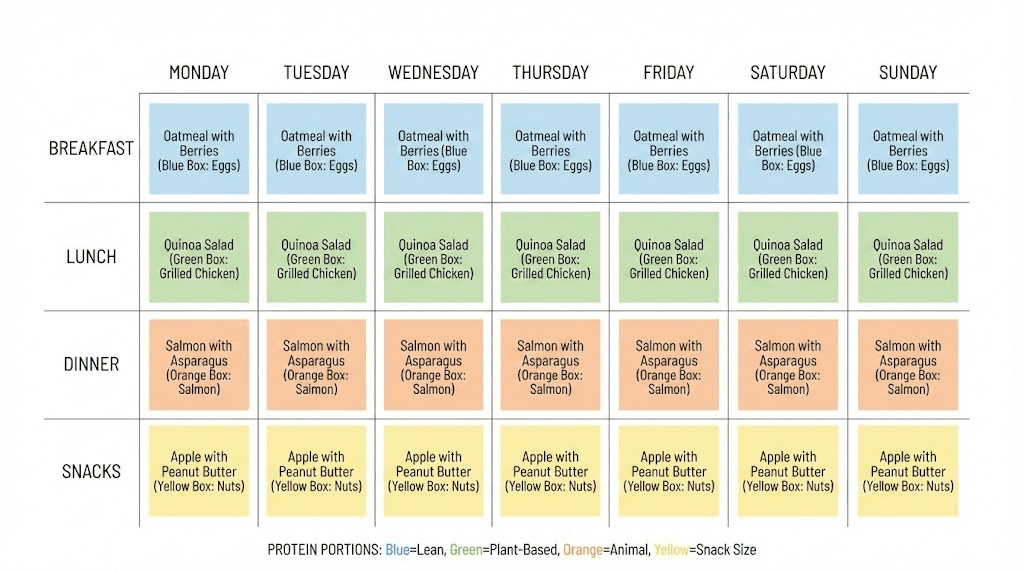
Why tirzepatide demands a different approach to meal planning
Standard meal plans do not work for people on tirzepatide. Not because the food recommendations are wrong, but because they ignore the pharmacological reality of what this medication does to your digestive system and appetite signals.
Tirzepatide is a dual GIP/GLP-1 receptor agonist. That means it activates two separate incretin pathways simultaneously, something semaglutide does not do. The result is more profound appetite suppression, more significant gastric emptying delay, and more dramatic caloric reduction. Clinical data from the SURMOUNT trials shows participants experienced caloric reductions of 16% to 39% compared to baseline. That is not a small adjustment. That is eating roughly one-third less food than your body is accustomed to processing.
Here is where the problem starts.
When you eat significantly less food, every meal carries more nutritional weight. A 2,000-calorie day has room for a mediocre lunch. A 1,300-calorie day does not. Every bite needs to deliver protein, micronutrients, and fiber in the right proportions, or you will develop deficiencies that create bigger problems than the weight you are trying to lose.
The joint advisory published by the American College of Lifestyle Medicine, the American Society for Nutrition, the Obesity Medicine Association, and The Obesity Society identified specific nutrients at risk during GLP-1 therapy: iron, calcium, magnesium, zinc, and vitamins A, D, E, K, B1, B12, and C. Warning signs of deficiency include fatigue beyond expected levels, excessive hair loss, skin flakiness, muscle weakness, poor wound healing, and unusual bruising.
Then there is the muscle issue.
Data from the STEP 1 trial revealed that of 13.6 kg lost, 8.3 kg (62%) was fat mass and 5.3 kg (38%) was lean body mass. Modeling suggests lean mass loss varies by sex, with men potentially losing 20% to 25% of total weight as muscle and women losing 10% to 15%. Without adequate protein intake and resistance training, you are not just losing weight. You are losing the metabolically active tissue that determines your resting metabolic rate, your functional strength, and your long-term ability to maintain results after discontinuing the medication.
A proper tirzepatide meal plan accounts for all of this. It prioritizes protein at every meal. It distributes micronutrient-dense foods across the day. It respects the digestive limitations created by delayed gastric emptying. And it adapts as your dose increases and your appetite decreases further. That is what separates a meal plan from a food list, and it is exactly what we are going to build.
Understanding your calorie and macro targets on tirzepatide
Before looking at specific meals, you need to understand the numbers. Not because counting calories is the only path to success, but because eating too little is just as dangerous as eating too much when you are on this medication.
Daily calorie ranges by goal
General clinical guidance recommends a calorie deficit of 500 to 750 calories per day below your total daily energy expenditure. For most people on tirzepatide, this translates to roughly 1,200 to 1,500 calories daily for women and 1,500 to 1,800 calories daily for men during active weight loss. However, these are starting points, not absolutes.
The nutritional advisory specifically warns that deficiency risk increases at intakes below 1,200 calories per day for females and below 1,800 calories per day for males. If you find yourself consistently eating below these thresholds, that is not dedication. That is a problem. Your fatigue, brain fog, and constant cold hands are not "side effects of the medication." They are signs you are not eating enough.
Protein: the non-negotiable macro
The recommended protein intake during GLP-1 therapy ranges from 1.2 to 1.6 grams per kilogram of body weight per day. For a 180-pound person, that translates to roughly 98 to 131 grams of protein daily. In practical terms, aim for an absolute intake of 80 to 120 grams per day as a minimum, or distribute 20 to 30 grams of high-quality protein across each meal.
This is not optional. This is the single most important nutritional variable for preserving lean mass during tirzepatide weight loss. Research shows that inadequate protein intake below 0.8 grams per kilogram per day accelerates muscle breakdown, while intakes at the 1.2 to 1.6 range, combined with resistance training, help preserve lean tissue even during significant caloric restriction.
For individuals performing regular resistance or strength training, higher protein intakes of 1.6 to 2.2 grams per kilogram per day may further enhance muscle preservation. However, avoid prolonged intake at or above 2 grams per kilogram per day without medical supervision.
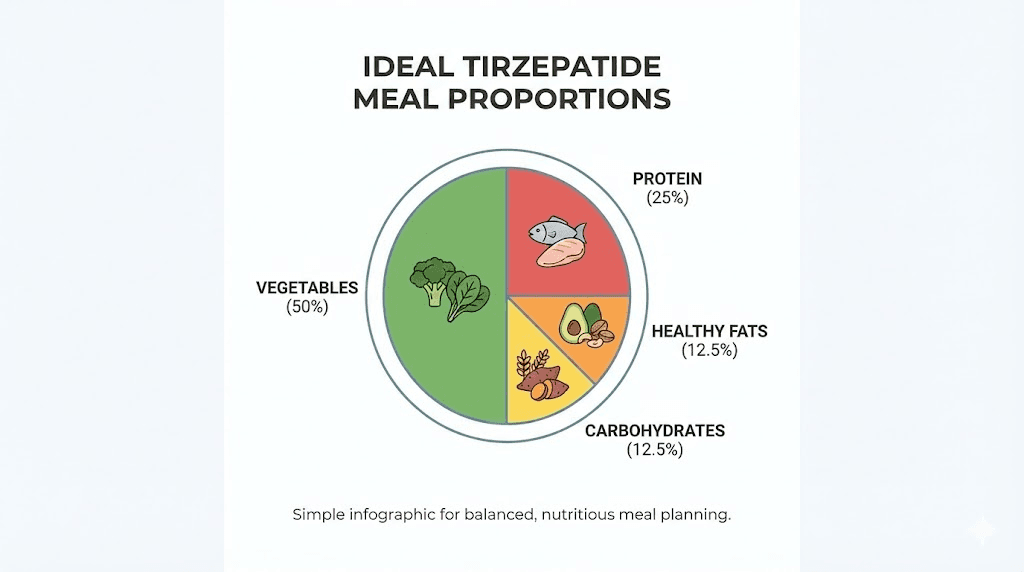
The plate method simplified
If tracking macros feels overwhelming, use this visual approach for every meal:
Half your plate: non-starchy vegetables (broccoli, spinach, peppers, zucchini, cauliflower)
One quarter: lean protein, approximately palm-sized (chicken, fish, eggs, tofu, Greek yogurt)
One quarter: complex carbohydrates, approximately half a cup (brown rice, quinoa, sweet potato, whole grain bread)
A thumb-sized portion: healthy fats (olive oil, avocado, nuts)
This method naturally creates meals in the 350 to 500 calorie range with 25 to 35 grams of protein, which is exactly where you want to be for most tirzepatide-compatible meals.
7-day tirzepatide meal plan: 1,400 calorie target
This plan is designed for women in the active weight loss phase or men on lower doses who find their appetite significantly reduced. Every day hits approximately 1,400 calories with 100+ grams of protein, adequate fiber, and balanced micronutrients. Adjust portions up or down based on your individual targets.
Day 1: Monday
Breakfast (350 cal, 28g protein): Two scrambled eggs with one cup sauteed spinach and half a cup of diced bell peppers, cooked in one teaspoon olive oil. One slice whole grain toast. Half a cup of mixed berries on the side.
Mid-morning snack (130 cal, 15g protein): Three-quarters cup plain Greek yogurt with one tablespoon ground flaxseed.
Lunch (400 cal, 35g protein): Four ounces grilled chicken breast over two cups mixed greens with half a cup of quinoa, cherry tomatoes, cucumber slices, and one tablespoon balsamic vinaigrette.
Afternoon snack (120 cal, 4g protein): One medium apple with one tablespoon natural almond butter.
Dinner (400 cal, 32g protein): Four ounces baked salmon with one cup roasted broccoli and cauliflower, drizzled with lemon juice. Half a cup brown rice.
Daily totals: ~1,400 calories | 114g protein | 42g fiber | Balanced micronutrients from diverse food sources.
Day 2: Tuesday
Breakfast (320 cal, 30g protein): Overnight oats made with half a cup rolled oats, one scoop vanilla protein powder, three-quarters cup unsweetened almond milk, and one tablespoon chia seeds. Top with half a sliced banana.
Mid-morning snack (150 cal, 14g protein): Half a cup cottage cheese with a quarter cup of pineapple chunks.
Lunch (380 cal, 33g protein): Turkey and hummus wrap using one whole wheat tortilla, four ounces sliced turkey breast, two tablespoons hummus, shredded lettuce, sliced tomato, and cucumber. Side of baby carrots.
Afternoon snack (100 cal, 6g protein): One hard-boiled egg with a small handful of cherry tomatoes.
Dinner (450 cal, 30g protein): Lean ground turkey stir-fry with one cup broccoli, snap peas, and bell peppers in two teaspoons low-sodium soy sauce and ginger. Served over half a cup of brown rice.
Daily totals: ~1,400 calories | 113g protein | 38g fiber.
Day 3: Wednesday
Breakfast (340 cal, 26g protein): Smoothie made with one scoop protein powder, one cup unsweetened almond milk, half a frozen banana, one cup fresh spinach, and one tablespoon natural peanut butter.
Mid-morning snack (140 cal, 10g protein): Quarter cup mixed nuts (almonds, walnuts, cashews).
Lunch (420 cal, 36g protein): Tuna salad made with four ounces canned tuna (in water), one tablespoon light mayo, diced celery and red onion. Served over two cups mixed greens with half a sliced avocado and whole grain crackers.
Afternoon snack (110 cal, 12g protein): Three-quarters cup plain Greek yogurt with a drizzle of honey.
Dinner (390 cal, 30g protein): Four ounces baked cod with roasted asparagus (one cup) and half a medium sweet potato. Season with lemon, garlic, and fresh dill.
Daily totals: ~1,400 calories | 114g protein | 36g fiber.
Day 4: Thursday
Breakfast (330 cal, 32g protein): Three-egg white omelet with one whole egg, mushrooms, diced tomatoes, and a quarter cup shredded part-skim mozzarella. Side of one cup sliced strawberries.
Mid-morning snack (120 cal, 3g protein): One medium pear with ten walnut halves.
Lunch (400 cal, 34g protein): Chicken and black bean bowl with four ounces shredded chicken, half a cup of black beans, salsa, two tablespoons plain Greek yogurt (as sour cream substitute), and shredded lettuce over half a cup of brown rice.
Afternoon snack (130 cal, 14g protein): Protein bar (look for options with 14+ grams protein and under 200 calories).
Dinner (420 cal, 32g protein): Four ounces grilled shrimp with two cups roasted Mediterranean vegetables (zucchini, eggplant, red pepper, red onion) drizzled with one tablespoon olive oil and balsamic glaze. Half a cup of couscous.
Daily totals: ~1,400 calories | 115g protein | 40g fiber.
Day 5: Friday
Breakfast (350 cal, 25g protein): Two whole grain waffles topped with two tablespoons natural almond butter, half a sliced banana, and a drizzle of sugar-free maple syrup. One cup of berries on the side.
Mid-morning snack (140 cal, 18g protein): One cup plain Greek yogurt with a quarter cup of low-sugar granola.
Lunch (380 cal, 32g protein): Lentil soup (one and a half cups) made with lentils, carrots, celery, tomatoes, and spinach. Side of two ounces crusty whole grain bread.
Afternoon snack (100 cal, 7g protein): Celery sticks with two tablespoons hummus and a hard-boiled egg.
Dinner (430 cal, 34g protein): Four ounces grilled chicken thigh (skinless) with one cup roasted Brussels sprouts, half a cup of farro, and a lemon-herb dressing.
Daily totals: ~1,400 calories | 116g protein | 44g fiber.
Day 6: Saturday
Breakfast (360 cal, 30g protein): Savory breakfast bowl with half a cup cooked quinoa, two poached eggs, half a sliced avocado, sauteed cherry tomatoes, and a sprinkle of everything bagel seasoning.
Mid-morning snack (100 cal, 2g protein): One medium orange and a small handful of almonds (eight to ten).
Lunch (410 cal, 35g protein): Grilled chicken Caesar salad with four ounces chicken breast, two cups romaine lettuce, two tablespoons light Caesar dressing, one tablespoon shaved parmesan, and whole grain croutons.
Afternoon snack (130 cal, 14g protein): Half a cup of cottage cheese with sliced cucumber and a pinch of black pepper.
Dinner (400 cal, 30g protein): Turkey meatballs (four ounces lean ground turkey) in marinara sauce, served over one cup of zucchini noodles with a side of mixed green salad.
Daily totals: ~1,400 calories | 111g protein | 35g fiber.
Day 7: Sunday
Breakfast (340 cal, 28g protein): Veggie and cheese frittata made with two eggs, one egg white, diced zucchini, bell peppers, onions, and two tablespoons crumbled feta cheese. Side of one cup of mixed fruit.
Mid-morning snack (120 cal, 15g protein): Protein smoothie made with one scoop protein powder, one cup water, and half a cup frozen berries.
Lunch (400 cal, 33g protein): Four ounces grilled salmon fillet over a bed of mixed greens with roasted sweet potato cubes, dried cranberries, and a light lemon-tahini dressing.
Afternoon snack (140 cal, 8g protein): Rice cakes (two) topped with one tablespoon natural peanut butter and thin banana slices.
Dinner (400 cal, 30g protein): Slow cooker chicken and vegetable soup with four ounces chicken, carrots, celery, green beans, and diced tomatoes in a light broth. One slice whole grain bread on the side.
Daily totals: ~1,400 calories | 114g protein | 38g fiber.
7-day tirzepatide meal plan: 1,700 calorie target
This plan works well for men during active weight loss, women who are more active, or anyone on lower tirzepatide doses who still maintain a reasonable appetite. The additional 300 calories per day compared to the 1,400 plan come primarily from increased protein portions and an extra snack or larger carbohydrate servings.
Day 1: Monday
Breakfast (420 cal, 35g protein): Three-egg omelet with spinach, mushrooms, and one-quarter cup shredded cheddar cheese. One slice whole grain toast with half a mashed avocado. One cup mixed berries.
Mid-morning snack (180 cal, 20g protein): One cup plain Greek yogurt with one tablespoon honey and two tablespoons sliced almonds.
Lunch (450 cal, 38g protein): Five ounces grilled chicken breast over a power bowl with half a cup brown rice, roasted sweet potato cubes, steamed broccoli, shredded carrots, and two tablespoons tahini dressing.
Afternoon snack (150 cal, 10g protein): One apple with two tablespoons natural peanut butter.
Dinner (500 cal, 38g protein): Five ounces pan-seared salmon with lemon and dill, one cup roasted asparagus, and three-quarters cup of quinoa. Side salad with mixed greens and light vinaigrette.
Daily totals: ~1,700 calories | 141g protein | 45g fiber.
Day 2: Tuesday
Breakfast (400 cal, 32g protein): Protein pancakes made with one cup oat flour, one scoop vanilla protein powder, two egg whites, and half a cup of unsweetened almond milk. Top with fresh berries and a drizzle of pure maple syrup.
Mid-morning snack (160 cal, 14g protein): Half a cup cottage cheese topped with a quarter cup of fresh pineapple and a sprinkle of cinnamon.
Lunch (480 cal, 40g protein): Mediterranean chicken wrap with five ounces sliced chicken, hummus, cucumber, tomato, red onion, and feta cheese in a whole wheat wrap. Side of baby carrots and celery.
Afternoon snack (130 cal, 8g protein): Two rice cakes with one tablespoon almond butter and thin banana slices.
Dinner (530 cal, 40g protein): Five ounces lean beef sirloin stir-fry with broccoli, snap peas, bell peppers, and water chestnuts in garlic-ginger sauce. Served over three-quarters cup brown rice.
Daily totals: ~1,700 calories | 134g protein | 40g fiber.
Day 3: Wednesday
Breakfast (380 cal, 30g protein): Overnight oats with half a cup rolled oats, one scoop chocolate protein powder, one cup unsweetened almond milk, one tablespoon chia seeds, and one tablespoon cocoa powder. Top with sliced strawberries.
Mid-morning snack (170 cal, 12g protein): Trail mix with one-quarter cup almonds, one tablespoon dark chocolate chips, and two tablespoons dried cranberries.
Lunch (460 cal, 36g protein): Black bean and chicken burrito bowl with five ounces shredded chicken, half a cup black beans, salsa, two tablespoons guacamole, shredded lettuce, and half a cup of cilantro-lime rice.
Afternoon snack (140 cal, 16g protein): One cup plain Greek yogurt with a drizzle of honey.
Dinner (550 cal, 38g protein): Baked chicken parmesan using five ounces chicken breast, light breading, marinara sauce, and one-quarter cup part-skim mozzarella. Served with one cup roasted zucchini and a side salad.
Daily totals: ~1,700 calories | 132g protein | 42g fiber.
Days 4 through 7: structure and variation
Follow the same framework for the remaining four days. Each day should include:
Three main meals at 380 to 530 calories each
Two snacks at 100 to 180 calories each
Minimum 30 grams of protein at each main meal
10 to 15 grams of protein at each snack
At least two cups of vegetables per main meal
One serving of complex carbohydrates per main meal
Rotate through these protein sources throughout the week to ensure micronutrient variety: chicken breast, salmon, cod, shrimp, lean ground turkey, eggs, Greek yogurt, cottage cheese, lentils, tofu, and lean beef. Avoid having the same protein source more than twice in a week.
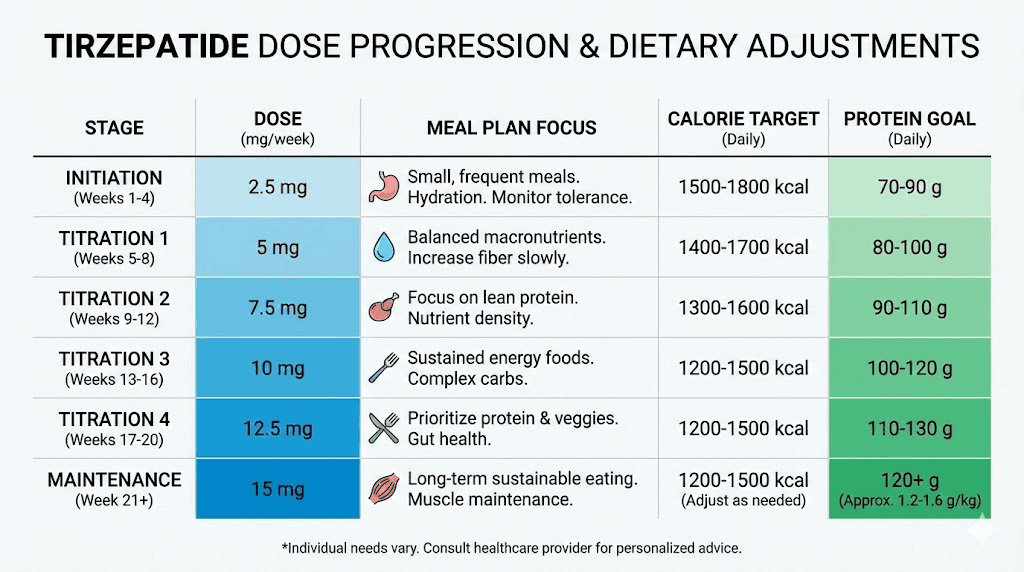
Adapting your meal plan to your tirzepatide dose
Your relationship with food changes dramatically as your tirzepatide dose increases. The meals that felt comfortable at 2.5mg may become impossible at 10mg. Understanding these phases helps you plan ahead instead of reacting to problems after they appear.
Phase 1: initiation dose (2.5mg, weeks 1 through 4)
At this stage, appetite suppression is mild to moderate. Most people can still eat relatively normal portions. Use this phase to establish your meal prep habits and protein-forward eating patterns before they become necessary for survival.
Meal plan approach: Follow the 1,700-calorie plan. Eat three full meals and two snacks. Focus on building the habit of hitting 100+ grams of protein daily. Start meal prepping if you have not already. This is your foundation phase, and the habits you build now will carry you through the harder months ahead.
Common mistake at this dose: assuming the medication is not working because you still feel hungry. The full appetite suppression takes time to develop. Do not reduce your food intake prematurely.
Phase 2: titration doses (5mg and 7.5mg, weeks 5 through 12)
This is where most people notice significant appetite changes. Meals feel bigger. Portions that were comfortable now feel like too much. Nausea may appear, especially after dose increases.
Meal plan approach: Transition to a modified plan. Drop to four or five smaller meals instead of three main meals plus snacks. Target 1,400 to 1,600 calories, but prioritize protein density over total volume. Consider switching from solid breakfasts to protein smoothies if morning nausea is an issue.
Key adjustments at this phase:
Reduce portion sizes by 20% to 30% across all meals
Add a sixth small meal if you cannot finish larger ones
Move heavy carbohydrates to earlier in the day when digestion is strongest
Switch to softer, easier-to-digest proteins (fish, eggs, Greek yogurt) on dose increase days
Keep hydration consistent at 8 to 10 glasses per day, sipped throughout rather than gulped at meals
Phase 3: therapeutic doses (10mg, 12.5mg, 15mg, weeks 13+)
At higher doses, some people find eating enough to be the challenge, not eating too little. Appetite can drop so significantly that hitting calorie and protein minimums requires deliberate effort.
Meal plan approach: Use the 1,200 to 1,400-calorie plan but fortify every meal with protein-dense additions. Add protein powder to oatmeal. Use Greek yogurt as a base for dressings and dips. Choose nutrient-dense snacks over volume. Consider a daily multivitamin to cover any micronutrient gaps.
Critical rules for high-dose phases:
Never skip a meal, even if you are not hungry
Front-load protein at breakfast (aim for 30+ grams)
Use liquid calories strategically (protein shakes, bone broth, smoothies)
Eat your last meal at least two to three hours before bedtime
Track protein intake daily until hitting targets becomes automatic
Report persistent inability to eat to your healthcare provider
The complete tirzepatide grocery list
Organized by store section so you can shop efficiently. This list covers everything you need for both the 1,400 and 1,700 calorie meal plans, plus substitution options. Print this out or save it to your phone.
Produce section
Vegetables (buy weekly): Fresh spinach (two bags), mixed salad greens (two containers), broccoli (two heads or one large bag of florets), cauliflower (one head), bell peppers in assorted colors (four to five), zucchini (three to four), asparagus (one bunch), Brussels sprouts (one pound), cherry tomatoes (two pints), cucumber (two), celery (one bunch), carrots (one bag of baby carrots plus two whole), mushrooms (one container), red onion (two), yellow onion (two), snap peas (one bag), green beans (one bag), sweet potatoes (three), and fresh garlic (one bulb).
Fruits (buy weekly): Mixed berries, fresh or frozen (two cups worth), bananas (four, slightly green to last the week), apples (three to four), oranges (two to three), lemons (three to four for cooking and water), avocados (three to four, at varying ripeness), and one pear.
Fresh herbs: Fresh dill, cilantro, and flat-leaf parsley. These elevate meals dramatically without adding calories. Buy what the week's plan calls for.
Protein section
Refrigerated proteins: Chicken breast, boneless skinless (two pounds for the week), salmon fillets (one pound, wild-caught if budget allows), cod fillets (half a pound), raw shrimp (half a pound), lean ground turkey (one pound), sliced turkey breast for deli sandwiches (half a pound), eggs (one dozen), and extra-lean ground beef (half a pound for the 1,700 plan).
Dairy and dairy alternatives: Plain Greek yogurt, nonfat or 2% (one large 32-ounce container), cottage cheese, low-fat (one 16-ounce container), part-skim mozzarella cheese (one small block or shredded bag), feta cheese (one small container), shaved parmesan (small container), and unsweetened almond milk (one half-gallon).
Plant proteins (optional swaps): Firm tofu (one block), canned black beans (two cans), canned lentils or dried lentils (one bag), canned tuna in water (two cans), and hummus (one container).
Pantry staples
Grains and carbohydrates: Brown rice (one bag), quinoa (one bag), rolled oats (one container), whole grain bread (one loaf), whole wheat tortillas (one package), farro or couscous (one bag), whole grain crackers (one box), and rice cakes (one package).
Nuts, seeds, and nut butters: Natural almond butter (one jar), natural peanut butter (one jar), raw almonds (one bag), walnuts (one bag), chia seeds (one bag), and ground flaxseed (one bag).
Oils, vinegars, and dressings: Extra virgin olive oil, balsamic vinegar, low-sodium soy sauce, light balsamic vinaigrette, light Caesar dressing, lemon-tahini dressing (or tahini paste to make your own), Dijon mustard, and light mayonnaise.
Spices and seasonings: Garlic powder, onion powder, cumin, paprika, black pepper, sea salt, Italian seasoning, everything bagel seasoning, fresh ginger root, and a quality cinnamon.
Supplements and additions: Vanilla or chocolate protein powder (whey or plant-based, 20+ grams protein per scoop), low-sugar granola (one bag), sugar-free maple syrup (optional), honey (one small jar), cocoa powder (unsweetened), and a daily multivitamin.
Shopping tips for tirzepatide users
Buy proteins in bulk and freeze individual portions in labeled bags. Cook once on Sunday and portion everything into meal prep containers. Wash and chop vegetables as soon as you get home so they are ready when you need them. Keep frozen vegetables as backup for weeks when fresh produce runs out. And never shop hungry, especially on this medication, because the rebound hunger after a particularly low-appetite day can lead to impulse buying that undermines your entire plan.
Meal prep strategy: the Sunday system
Meal prepping on tirzepatide is not about being organized for fun. It is about survival. When your appetite drops, the last thing you want to do is cook from scratch. Having ready-made, protein-rich meals in the fridge eliminates the two most common failure points: skipping meals entirely and grabbing whatever is fastest (which is usually the least nutritious option).
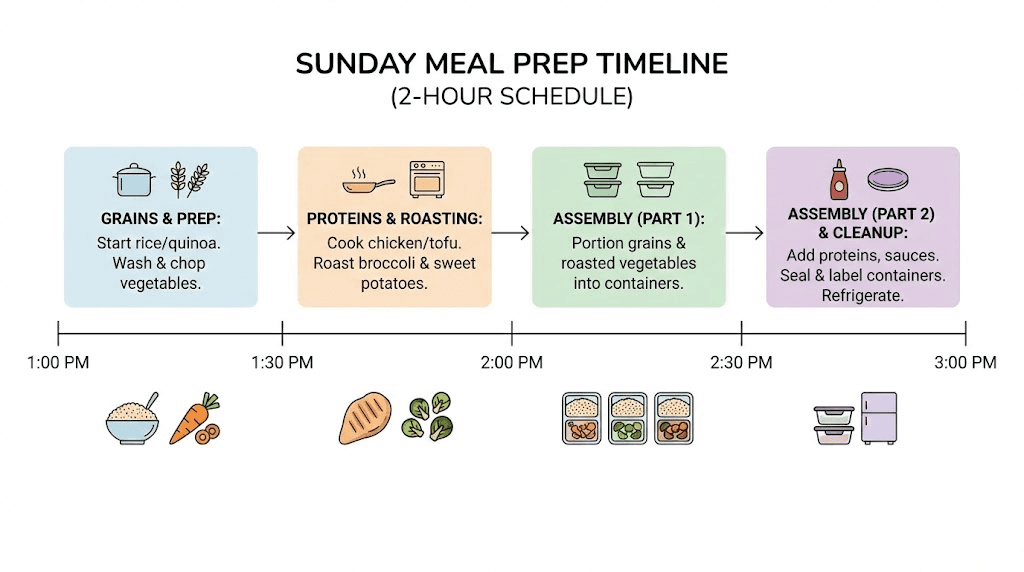
The two-hour Sunday prep
Set aside two hours on Sunday afternoon. Here is the exact sequence that gets everything done efficiently.
Hour one: proteins and grains.
Start by seasoning and cooking your proteins simultaneously. Place two pounds of chicken breast on a sheet pan with olive oil, salt, pepper, and garlic powder. Put it in the oven at 400 degrees for 25 minutes. While the chicken cooks, start one cup of brown rice and one cup of quinoa on the stovetop. Brown one pound of lean ground turkey in a skillet with onion and garlic. Hard-boil six to eight eggs.
By the end of hour one, you should have cooked chicken, ground turkey, brown rice, quinoa, and hard-boiled eggs all ready to portion.
Hour two: vegetables and assembly.
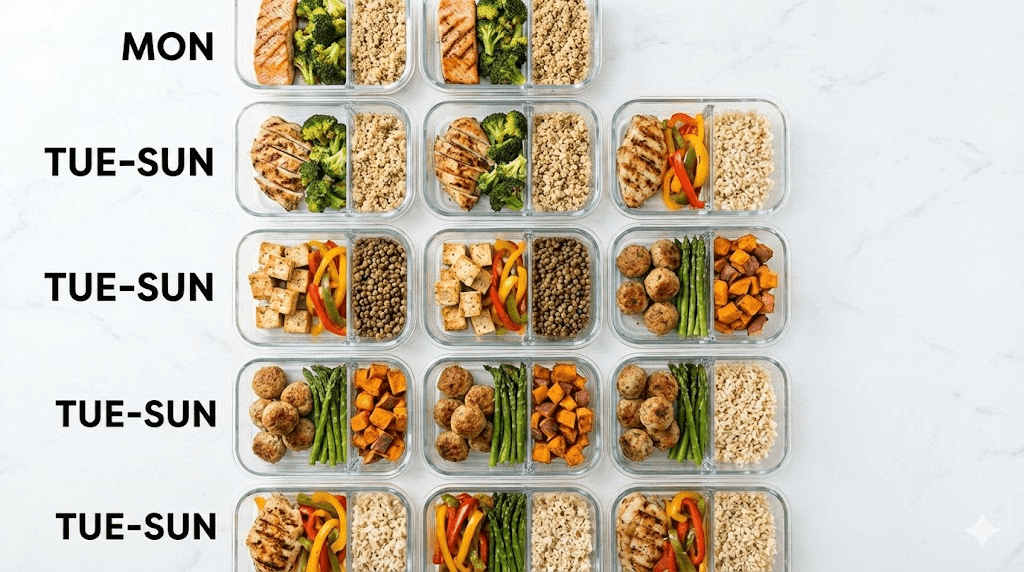
Wash and chop all your vegetables for the week. Roast two sheet pans of mixed vegetables (broccoli, cauliflower, Brussels sprouts, bell peppers, zucchini) at 425 degrees for 20 minutes. While those roast, prep your salad bases in mason jars or containers with dressing on the bottom. Portion everything into labeled containers for each day.
Assembly system:
Five lunch containers: each gets four to five ounces of protein, three-quarters cup of grain, and one cup of roasted or raw vegetables
Five breakfast containers: overnight oats (three days) and egg-based meals (two days)
Snack bags: pre-portioned nuts, cut vegetables with hummus cups, and yogurt containers with toppings separated
Label each container with the day. Stack them in the fridge in order. Monday on top, Friday on the bottom. This system takes the thinking out of eating, which is exactly what you need when tirzepatide makes food feel like a chore rather than a pleasure.
Meals that reheat well versus meals that do not
Prep-friendly proteins: Grilled chicken, ground turkey, hard-boiled eggs, baked salmon (reheat gently), and lentils. These maintain texture and flavor for four to five days in the fridge.
Prep-friendly sides: Brown rice, quinoa, roasted root vegetables, roasted broccoli and cauliflower, and bean-based dishes. These actually improve in flavor after a day or two.
Make fresh daily: Smoothies, avocado-based items (they brown quickly), leafy green salads (prep the base but add greens day-of), fish other than salmon (texture deteriorates), and eggs beyond hard-boiled (scrambled and fried eggs do not reheat well).
Managing GI side effects through food choices
Gastrointestinal side effects are the most common complaint on tirzepatide, and your food choices can either make them manageable or unbearable. Understanding which foods trigger problems and which foods help is essential for sticking with your meal plan long enough to see results.
Nausea management through nutrition
Nausea on tirzepatide peaks during the first few weeks of each dose increase and typically improves within two to six weeks if you manage it properly. Food-based strategies that help:
Start the day bland and protein-forward. If morning nausea is your challenge, skip the elaborate breakfast. Plain Greek yogurt, a simple protein smoothie, or scrambled eggs without heavy seasoning tend to be well-tolerated. Delay raw vegetables, salads, and high-fat foods until later in the day when your stomach has settled.
Ginger helps. This is not folk medicine. Ginger has demonstrated antiemetic properties in multiple clinical contexts. Grate fresh ginger into hot water for tea, add it to smoothies, or keep crystallized ginger on hand for acute nausea episodes. Peppermint tea works similarly for some people.
Separate fluids from food. Drinking large amounts of liquid with meals when your stomach is already emptying slowly creates a "too full" sensation that triggers nausea. Drink water between meals, not during. Aim for 30 to 60 minutes separation between significant fluid intake and eating.
Small bites, slow eating. It takes your brain roughly 20 minutes to register fullness. When gastric emptying is already delayed, eating quickly almost guarantees you will overshoot your comfortable capacity. Put your fork down between bites. Chew thoroughly. Eat a meal over 20 to 30 minutes instead of 10.
Constipation solutions
Constipation affects a significant percentage of tirzepatide users because delayed gastric emptying slows the entire digestive tract. Your meal plan should proactively address this:
Fiber targets: Aim for 25 to 35 grams of fiber daily from food sources. The meal plans above are designed to hit this range, but pay attention to your actual intake. Good sources that do not exacerbate bloating include cooked vegetables (broccoli, carrots, green beans), berries, oatmeal, lentils, and chia seeds.
Hydration is non-negotiable. Eight to ten glasses of water daily. Fiber without adequate water makes constipation worse, not better. Warm liquids in the morning (herbal tea, warm water with lemon) can stimulate bowel activity.
Foods to emphasize: Prunes or prune juice (start with a quarter cup daily), kiwi fruit (two per day has shown effectiveness in clinical studies), ground flaxseed (one to two tablespoons daily added to yogurt or oatmeal), and fermented foods like plain kefir or sauerkraut for probiotic support.
Foods that commonly trigger problems
When your stomach empties at half its normal speed, certain foods become significantly more problematic than they would be otherwise. Based on patient reports and clinical guidance, the most common triggers include:
High-fat foods: Fried items, heavy cream sauces, fatty cuts of meat, and large amounts of cheese. Fat slows digestion further on top of the medication-induced delay, creating a compounding effect that leads to nausea, bloating, and discomfort. This does not mean avoiding all fat. It means choosing healthy fats in moderate amounts (olive oil, avocado, nuts) rather than saturated or trans fats in large portions.
Very spicy foods: Capsaicin and heavy spices can irritate an already sensitive digestive system. Mild seasoning is fine. Ghost pepper hot sauce is not.
Carbonated beverages: The gas adds to the bloating that delayed emptying already creates. Still water, herbal tea, and flat beverages are better choices.
Large portions of raw vegetables: Surprising, but true. While cooked vegetables are excellent, large raw salads can sit in a slow-emptying stomach and ferment, causing gas and discomfort. Steam, roast, or saute your vegetables, especially during dose increases.
Refined carbohydrates and sugar: White bread, pastries, candy, and sugary drinks spike blood sugar and can worsen the reactive hypoglycemia that some tirzepatide users experience. Stick to complex carbohydrates with fiber.
Protein-focused recipes for each meal
These recipes are specifically designed for tirzepatide users. They prioritize protein density, digestibility, and simplicity. None of them require more than 20 minutes of active cooking time.
Breakfast recipes
High-protein overnight oats (350 cal, 30g protein). Combine half a cup of rolled oats, one scoop of vanilla protein powder, one tablespoon of chia seeds, and three-quarters cup of unsweetened almond milk in a jar. Stir well, cover, and refrigerate overnight. In the morning, top with half a cup of mixed berries and a drizzle of honey. This recipe preps in two minutes and delivers 30 grams of protein before you even turn on the stove.
Spinach and feta egg cups (280 cal, 26g protein, makes 6). Spray a muffin tin with cooking spray. Divide one cup of chopped spinach and two tablespoons of crumbled feta across six cups. Beat six eggs with salt and pepper, pour evenly into cups, and bake at 350 degrees for 20 minutes. Store in the fridge for up to four days. Reheat in the microwave for 45 seconds. Two cups equal one serving.
Banana-berry protein smoothie (300 cal, 28g protein). Blend one scoop of protein powder, one cup of unsweetened almond milk, half a frozen banana, half a cup of frozen mixed berries, one cup of fresh spinach, and one tablespoon of natural peanut butter. This is the go-to breakfast for high-nausea days because liquids are generally better tolerated than solid food when gastric emptying is significantly slowed.
Lunch recipes
Greek chicken power bowl (420 cal, 38g protein). Layer half a cup of cooked quinoa in a container. Add four ounces of sliced grilled chicken, half a cup of diced cucumber, a quarter cup of cherry tomatoes, two tablespoons of hummus, a sprinkle of crumbled feta, and a few kalamata olives. Drizzle with one tablespoon of lemon-olive oil dressing. This meal preps beautifully and tastes better on day two than day one.
Turkey and vegetable lettuce wraps (350 cal, 32g protein). Brown four ounces of lean ground turkey with garlic, ginger, and low-sodium soy sauce. Add shredded carrots, diced water chestnuts, and sliced green onions. Spoon into four large butter lettuce leaves. Lighter than a traditional wrap but still satisfying, and easier on the stomach during dose adjustment periods.
Lentil and vegetable soup (380 cal, 22g protein per serving). In a large pot, saute diced onion, carrots, and celery in one tablespoon of olive oil. Add one cup of dried red lentils, one can of diced tomatoes, four cups of low-sodium chicken or vegetable broth, and spices (cumin, paprika, garlic powder). Simmer for 25 minutes. Add two cups of fresh spinach in the last five minutes. Makes four servings. Freezes well for two months. Pair with two ounces of whole grain bread for additional protein and carbohydrates.
Dinner recipes
One-pan lemon herb salmon with vegetables (450 cal, 35g protein). Place four ounces of salmon fillet on a sheet pan lined with parchment. Surround with one cup of broccoli florets, half a cup of cherry tomatoes, and half a sliced zucchini. Drizzle everything with one tablespoon of olive oil, lemon juice, minced garlic, and fresh dill. Bake at 400 degrees for 18 to 20 minutes. Serve with half a cup of brown rice. One pan, one dish, minimal cleanup.
Slow cooker chicken and sweet potato stew (400 cal, 32g protein). Place one pound of chicken thighs (skinless) in a slow cooker with two diced sweet potatoes, one can of diced tomatoes, one can of black beans (drained), one diced onion, two cloves of garlic, and spices (cumin, chili powder, smoked paprika). Cook on low for six to eight hours. Makes four servings. The slow cooking makes the chicken incredibly tender and easy to digest, which matters when your stomach is being picky.
Turkey meatballs in marinara (430 cal, 34g protein). Mix one pound of lean ground turkey with one egg, a quarter cup of oat flour, Italian seasoning, and minced garlic. Form into 16 meatballs. Bake at 400 degrees for 15 minutes. Simmer in two cups of marinara sauce for 10 minutes. Serve four meatballs over one cup of zucchini noodles or half a cup of whole grain pasta. Freeze extra meatballs in sauce for a future no-effort dinner.
Snack recipes
Protein energy bites (120 cal, 10g protein per two bites). Mix one cup of rolled oats, half a cup of natural peanut butter, one-third cup of honey, one scoop of vanilla protein powder, and two tablespoons of mini dark chocolate chips. Roll into 20 balls and refrigerate. Grab two when you need a quick protein boost between meals. These keep for a week in the fridge.
Cucumber and turkey roll-ups (100 cal, 14g protein). Spread one tablespoon of cream cheese on three slices of deli turkey breast. Place a cucumber spear in each and roll up. Secure with a toothpick if needed. Light, refreshing, and high in protein without any heaviness.
Edamame with sea salt (130 cal, 12g protein). Steam or microwave one cup of frozen shelled edamame. Sprinkle with sea salt and a squeeze of lemon. This is one of the most protein-dense snacks available and requires essentially zero preparation. Keep frozen bags on hand at all times.
Micronutrient strategy: what tirzepatide users commonly miss
Eating less means absorbing less. And when caloric reductions reach 16% to 39% as they commonly do on tirzepatide, micronutrient deficiencies become a real concern, not a hypothetical one.
The nutrients most commonly depleted during GLP-1 therapy are iron, calcium, magnesium, zinc, and vitamins A, D, E, K, B1, B12, and C. The meal plans above are designed to address most of these through whole food sources, but supplementation may still be necessary.
Key nutrients and their best food sources
Iron: Lean red meat (once per week), lentils, spinach, fortified cereals, and pumpkin seeds. Pair iron-rich foods with vitamin C sources (citrus, bell peppers) to enhance absorption.
Calcium: Greek yogurt, cottage cheese, fortified almond milk, sardines (with bones), kale, and broccoli. Aim for 1,000 to 1,200mg daily, which the meal plans achieve through consistent dairy inclusion.
Vitamin D: Salmon, egg yolks, fortified milk, and sunlight exposure. Most people on tirzepatide benefit from a vitamin D supplement (1,000 to 2,000 IU daily), especially during winter months.
B12: Animal proteins (which the meal plans include daily), fortified cereals, and nutritional yeast. B12 deficiency causes fatigue, brain fog, and nerve issues that can mimic tirzepatide side effects, making it easy to miss.
Magnesium: Almonds, spinach, pumpkin seeds, black beans, dark chocolate (one ounce of 70%+ dark chocolate provides 65mg of magnesium). Magnesium also helps with the constipation that plagues many tirzepatide users.
Supplement recommendations
At minimum, consider a daily multivitamin that covers the basics. Beyond that, targeted supplementation based on your specific needs:
Daily multivitamin: Choose one with iron, B-vitamins, and vitamin D
Vitamin D3: 1,000 to 2,000 IU daily if blood levels are below optimal
Magnesium glycinate: 200 to 400mg at bedtime (helps with sleep and constipation)
Protein powder: One to two scoops daily to help meet protein targets
Fiber supplement: If food sources are not providing 25 to 35 grams daily
Probiotics: For GI regularity and gut health support
Always discuss supplementation with your healthcare provider, especially if you are taking other medications. Some supplements interact with medications or are unnecessary based on bloodwork.
Hydration protocol for tirzepatide users
Water is not glamorous. Nobody searches for "tirzepatide hydration strategy" with excitement. But dehydration is one of the most common and most preventable problems on this medication, and it makes every other side effect worse.
How much water you actually need
Aim for eight to ten glasses daily, which translates to 64 to 80 ounces. If you are active or live in a warm climate, push toward the higher end. If you are experiencing diarrhea (less common than constipation but it happens), increase even further.
The key is consistency. Sipping water throughout the day is dramatically better than chugging large amounts at once. Large boluses of water on top of a slow-emptying stomach creates discomfort and nausea. Keep a water bottle with you and take small sips every 15 to 20 minutes.
Timing matters
Separate significant fluid intake from meals by 30 to 60 minutes. Drink freely between meals but minimize liquid during eating. This prevents the "too full" sensation that triggers nausea and allows food to digest more efficiently in an already compromised digestive environment.
Warm beverages in the morning can help with both hydration and bowel regularity. Herbal tea (ginger, peppermint, chamomile), warm water with lemon, or bone broth all serve double duty.
Signs you are not drinking enough
Dark yellow urine (aim for pale straw color), headaches that worsen in the afternoon, dry skin and cracked lips, increased constipation, dizziness when standing, and fatigue that does not improve with rest. Many people attribute these symptoms to tirzepatide when the actual cause is inadequate fluid intake. Fix the hydration first before blaming the medication.
Special considerations and modifications
Vegetarian and vegan modifications
Meeting protein targets on a plant-based diet while taking tirzepatide is challenging but possible. Replace animal proteins with these combinations to hit 20 to 30 grams per meal:
One cup of lentils (18g protein) plus half a cup of quinoa (4g protein) = 22g total
Half a block of extra-firm tofu (20g protein) plus one cup of edamame (17g protein) = 37g total
One cup of black beans (15g protein) plus one cup of brown rice (5g protein) plus two tablespoons of hemp seeds (6g protein) = 26g total
Plant-based protein powder (20 to 25g protein per scoop) in smoothies
Vegan tirzepatide users should pay extra attention to B12, iron, calcium, and zinc supplementation, as these are harder to obtain from plant sources even without the reduced appetite complication.
Dairy-free modifications
Replace Greek yogurt with coconut yogurt fortified with protein (check labels, many are low in protein), or blend silken tofu with fruit for a similar consistency. Use fortified oat milk or soy milk in place of regular dairy. Nutritional yeast adds B-vitamins and a savory, cheese-like flavor to dishes. Protein powder made from pea, hemp, or rice sources replaces whey effectively.
Budget-friendly swaps
Eating protein-rich meals on tirzepatide does not require a premium grocery budget. Smart swaps that maintain nutrition while reducing cost:
Canned tuna and salmon instead of fresh fillets (similar protein, significantly cheaper)
Frozen vegetables instead of fresh (nutritionally equivalent, less waste, lower cost)
Dried lentils and beans instead of canned (one-third the cost per serving)
Chicken thighs instead of breast (more flavor, cheaper, slightly higher fat)
Eggs as a primary protein source (one of the cheapest complete proteins available)
Store-brand Greek yogurt (identical nutrition to premium brands)
Buying whole chickens and breaking them down yourself
In-season produce over imported or out-of-season options
A week of meals following the 1,400-calorie plan costs approximately 50 to 70 dollars for one person when using these budget strategies. The 1,700-calorie plan runs approximately 60 to 85 dollars per week.
Eating out on tirzepatide
Restaurant meals are not off-limits, but they require strategy. Most restaurant portions are designed for people eating 2,000+ calories per day, which is significantly more than what your tirzepatide-adjusted appetite can handle.
Rules for eating out:
Order a protein-focused entree and ask for half the portion boxed before it arrives. Choose grilled, baked, or steamed preparations over fried. Request dressings and sauces on the side. Start with a salad or broth-based soup to gauge your appetite before the main course arrives. Skip the bread basket. And do not feel guilty about not finishing your meal. Your body is telling you it has had enough, and that is the medication doing its job.
Alcohol deserves special mention. Tirzepatide users consistently report that alcohol hits harder and faster on this medication. If you choose to drink, do so with food in your stomach, limit yourself to one drink, and be aware that alcohol provides empty calories that displace the nutrient-dense foods your body actually needs.
Tracking your progress and adjusting the plan
A meal plan is a starting point, not a permanent fixture. Your body, your appetite, and your nutritional needs will change as your tirzepatide dose escalates and your weight decreases. Building in regular assessment points prevents plateaus and catches problems early.
Weekly check-in questions
Every Sunday, before your meal prep session, answer these honestly:
Am I hitting my protein target most days? If not, where are the gaps? Which meals consistently fall short? Am I eating enough total calories, or am I regularly falling below minimums? How is my energy level? Persistent fatigue may indicate inadequate intake or micronutrient deficiency. How are my GI symptoms? Are certain meals consistently causing problems? Am I experiencing unusual hair shedding, skin changes, or muscle weakness that might signal nutritional deficiency?
Based on your answers, adjust the following week's plan. Swap out meals that cause GI issues. Increase protein portions if you are consistently falling short. Add a snack if your total calories are too low. Remove or modify meals that you find yourself skipping.
When to recalculate your targets
Recalculate your calorie and protein targets after every 10 pounds of weight loss or every dose increase, whichever comes first. As your body mass decreases, your caloric needs decrease proportionally. And as your dose increases, your appetite decreases further. Failing to recalculate is how people end up eating 800 calories a day without realizing it, which is dangerous territory that leads to muscle wasting, metabolic adaptation, and the very problems that make maintaining weight loss after stopping the medication so difficult.
Red flags that mean "see your doctor"
Certain symptoms indicate your nutrition plan needs professional intervention, not just self-adjustment:
Persistent inability to eat more than 800 calories per day despite trying
Significant hair loss (more than normal shedding)
Extreme fatigue that does not improve with rest and adequate food
Persistent nausea beyond six weeks after a dose increase
Unexplained muscle weakness or cramping
Dizziness or fainting episodes
Severe constipation lasting more than a week despite dietary interventions
These could indicate nutritional deficiency, medication dosage issues, or other medical concerns that require bloodwork and professional assessment.
The exercise connection: why your meal plan needs to account for activity
The joint nutritional advisory recommends at least 150 minutes of moderate-intensity aerobic exercise weekly plus regular strength training at least three times per week to preserve lean mass during GLP-1 therapy. Some research supports up to 360 minutes per week with emphasis on strength exercises for optimal body composition outcomes.
If you are exercising consistently, your meal plan needs to reflect that. Add 200 to 400 calories on training days, primarily from protein and complex carbohydrates. Have a protein-rich snack within 30 to 60 minutes after strength training (a protein shake, Greek yogurt with fruit, or a handful of almonds with a banana). Do not exercise fasted if you are already struggling to meet calorie minimums.
The combination of adequate protein intake (1.2 to 1.6 grams per kilogram per day), resistance training, and tirzepatide creates the ideal scenario for body recomposition: losing fat while preserving (or even building) lean muscle mass. But all three components are necessary. Skipping any one of them compromises the results of the other two.
Common meal planning mistakes on tirzepatide
Mistake 1: eating too little and calling it discipline
The appetite suppression is real. But undereating creates cascading problems. Your body perceives severe caloric restriction as famine and responds by slowing your metabolism, increasing cortisol, breaking down muscle for energy, and making you more efficient at storing fat once intake increases. This is the opposite of what you want.
If you are consistently eating below 1,000 calories per day, you are not in a healthy deficit. You are in a nutritional emergency. Protein shakes, smoothies, and calorie-dense but nutrient-rich foods (nut butters, avocado, olive oil drizzled on vegetables) can help bridge the gap when solid food feels impossible.
Mistake 2: ignoring protein because everything sounds unappealing
When appetite is suppressed, bland carbohydrates (crackers, toast, rice) tend to be the most appealing foods. But defaulting to carbohydrates at every meal means your protein intake plummets, and your body composition suffers for it. Make protein the first thing you eat at every meal. If you can only manage a few bites, make those bites count.
Mistake 3: skipping meals entirely
"I am just not hungry" is the most common justification. But your body still needs nutrients, even when your brain says otherwise. Set alarms for meal times if necessary. Treat eating as a medication adherence task, not an appetite-driven decision. You would not skip your tirzepatide injection because you did not feel like taking it. Apply the same discipline to your meals.
Mistake 4: no meal prep, relying on willpower
When appetite is low and energy is limited, cooking from scratch every day is unrealistic. The people who succeed on tirzepatide are the ones who spend two hours on Sunday preparing the week's meals so that eating well requires zero decision-making during the week. The Sunday prep system above exists because willpower fails. Systems do not.
Mistake 5: same meals every single day
Variety is not just about preventing boredom. Different foods provide different micronutrients, and eating the same five meals on rotation guarantees you will develop gaps. Rotate your protein sources, vary your vegetables, and alternate between different whole grains throughout the week. The meal plans above are designed with this variety built in.
Frequently asked questions
How many calories should I eat on tirzepatide?
Most clinical guidance suggests 1,200 to 1,500 calories daily for women and 1,500 to 1,800 for men during active weight loss. Never go below 1,200 for women or 1,800 for men without medical supervision. A deficit of 500 to 750 calories below your total daily energy expenditure is the standard recommendation. Use the SeekPeptides calculator tools to help determine your specific targets based on body weight and activity level.
Can I intermittent fast while on tirzepatide?
Intermittent fasting is generally not recommended during tirzepatide therapy. Your appetite is already significantly reduced, and restricting your eating window further makes it nearly impossible to consume adequate protein and micronutrients. Spreading intake across the full day with smaller, frequent meals is the more effective approach for preserving muscle mass and meeting nutritional targets.
What if I cannot eat enough protein?
This is extremely common, especially at higher doses. Use protein powder in smoothies, oatmeal, and even mixed into soups. Choose protein-dense snacks (Greek yogurt, cottage cheese, edamame, hard-boiled eggs). Start every meal with the protein portion first. Liquid protein (shakes, bone broth) is generally easier to consume than solid protein when appetite is severely suppressed. If you consistently cannot reach 80 grams per day despite these strategies, discuss this with your healthcare provider.
Should I take a multivitamin on tirzepatide?
Yes. The joint advisory from four leading nutrition and obesity organizations recommends multivitamin supplementation for people on GLP-1 medications. Reduced caloric intake increases the risk of deficiency in iron, calcium, magnesium, zinc, and vitamins A, D, E, K, B1, B12, and C. A comprehensive daily multivitamin provides a safety net, though it should supplement whole food intake, not replace it.
Is this meal plan safe for people with type 2 diabetes?
The meal plans above follow standard nutritional guidelines that are compatible with diabetes management (high protein, complex carbohydrates, adequate fiber). However, people with type 2 diabetes should work with their healthcare provider or a registered dietitian to ensure the meal plan aligns with their medication regimen and blood sugar targets. Tirzepatide affects blood glucose levels, and your carbohydrate distribution may need individualized adjustment.
How do I handle social eating situations?
Eat a small protein-rich snack before social events so you are not arriving famished. At restaurants, order grilled protein with vegetables. Avoid mentioning the medication if that feels uncomfortable. Simply eat what you can, take the rest home, and do not apologize for smaller portions. Social eating is about the company, not the quantity of food consumed. If friends pressure you about eating less, a simple "I am working with my doctor on nutrition" ends most conversations.
What should I eat on injection day?
Some people experience heightened nausea on the day of their injection and the day after. On these days, choose easily digestible meals: protein smoothies, scrambled eggs, plain Greek yogurt, bone broth with shredded chicken, and steamed vegetables. Avoid heavy, fatty, or spicy foods. If you inject in the evening, eat your main meals earlier in the day when your stomach is most cooperative.
Can I meal plan while also on semaglutide?
The nutritional principles are nearly identical for all GLP-1 medications. The meal plans above work for semaglutide users as well, with the same protein targets, calorie ranges, and GI management strategies. The main difference is that tirzepatide tends to produce more significant appetite suppression due to its dual-receptor mechanism, so semaglutide users may find they can tolerate slightly larger portions.
External resources
Nutritional Priorities to Support GLP-1 Therapy for Obesity - Joint Advisory (PMC)
Strategies for Minimizing Muscle Loss During Incretin-Mimetic Drug Use (PMC)
Tirzepatide Reduces Appetite, Energy Intake, and Fat Mass - Diabetes Care
For researchers serious about optimizing their peptide protocols, SeekPeptides offers the most comprehensive resource available, with evidence-based guides, proven protocols, and a community of thousands who have navigated these exact questions. SeekPeptides members access detailed tirzepatide protocols, nutrition tracking tools, and expert guidance tailored to every phase of the weight loss journey.
In case I do not see you, good afternoon, good evening, and good night. May your meal prep stay consistent, your protein targets stay met, and your results stay lasting.