Mar 11, 2026
What is Peak Wellness and why are people searching for it?
You have seen the ads. You have heard the promises. Another telehealth clinic offering GLP-1 medications at a fraction of the brand-name cost, and you are wondering whether Peak Wellness is the real deal or just another company riding the weight loss medication wave. That question matters more than most people realize, because choosing the wrong provider does not just waste money. It wastes time, delays results, and in some cases puts your health at risk.
Peak Wellness, found at trypeak.com, is an online weight loss clinic that specializes exclusively in GLP-1 medications. The company offers compounded semaglutide and compounded tirzepatide through a streamlined telehealth model that prioritizes speed, cost transparency, and physician oversight. No in-person visits. No insurance headaches. No complicated onboarding process that takes weeks before you receive your first shipment.
But speed and low prices do not automatically mean quality.
This guide breaks down everything about Peak Wellness, from their exact pricing structure and medication options to the safety considerations you need to understand before signing up. Whether you are comparing Peak to other online GLP-1 providers or trying to figure out if compounded medications are right for you, this is the complete resource you need. SeekPeptides has analyzed the available information so you can make an informed decision about your weight loss journey without the marketing noise.
How Peak Wellness works from signup to delivery
The process is surprisingly simple. Almost suspiciously simple, depending on your perspective. Peak Wellness operates through a four-step system designed to get medication to your door as fast as possible, and they have stripped away nearly every barrier that traditional weight loss clinics put in front of patients.
Step one: the online health assessment
Everything starts with an online intake form that takes roughly five minutes. You answer questions about your medical history, current medications, health goals, and body metrics like height and weight. The platform uses this information to determine whether you qualify for semaglutide or tirzepatide treatment. Pre-approval typically comes within 90 seconds of completing the questionnaire, which gives you a preliminary indication of whether you are likely to be prescribed medication.
No video call required. No phone consultation. Everything happens through their online portal.
Step two: physician review
A board-certified physician personally reviews your profile, usually within one to four hours. This is where Peak Wellness differs from some competitors who quote 24 to 48 hours for the same step. The physician evaluates your medical history, checks for contraindications, and determines the appropriate medication and starting dose. If you are not a good candidate, you are not charged. You only pay if the physician actually writes a prescription.
That said, there are some concerns about the depth of this review. No lab work is required by default, and the company reports that labs are requested in fewer than 1 in 1,000 cases. For a medication that affects metabolic function, blood sugar regulation, and gastrointestinal health, some medical professionals argue that baseline blood work should be standard. A comprehensive metabolic panel, thyroid function test, and kidney function assessment can identify potential risks before treatment begins. If you are considering Peak Wellness, getting your own labs done through your primary care physician before starting is a smart move regardless of whether the platform requires it.
Step three: prescription and shipment
Once approved, your medication ships within 48 to 72 hours with free two-day shipping. The package arrives in temperature-controlled packaging with ice packs to maintain medication integrity, which matters significantly for peptide stability. Injection supplies including syringes and alcohol swabs come included, along with clear dosing and injection instructions.
Step four: ongoing support and check-ins
Peak Wellness includes monthly check-ins, dose adjustments, and provider portal access as part of your subscription. Communication is text-based through their platform. There are no scheduled video visits or phone calls with your physician, which is a trade-off between convenience and depth of medical oversight that you should weigh carefully.
The entire process, from filling out the intake form to receiving medication at your door, typically takes four to seven days. Compared to traditional weight management clinics where you might wait weeks for an initial appointment and additional weeks for insurance authorization, that timeline is remarkably fast.
Peak Wellness pricing breakdown
Cost transparency is one of Peak Wellness's strongest selling points, and their pricing structure is genuinely more straightforward than most competitors in the space. No dose-based increases. No hidden consultation fees. No surprise charges three months into treatment.
Compounded semaglutide pricing
The monthly plan for compounded semaglutide runs $249 per month with no commitment required. If you commit to a six-month plan, the price drops to $165 per month, which works out to $990 total. The twelve-month plan brings it down further to $149 per month billed annually. Every new patient gets $100 to $120 off their first month regardless of which plan they choose.
These prices include the medication itself, physician review, injection supplies, and free shipping. There are no add-on fees for dose adjustments or provider messaging.
Compounded tirzepatide pricing
Tirzepatide costs more, starting at $349 per month on the monthly plan. The six-month commitment drops that to $233 per month, and the annual plan brings it to $229 per month. The same first-month discount applies.
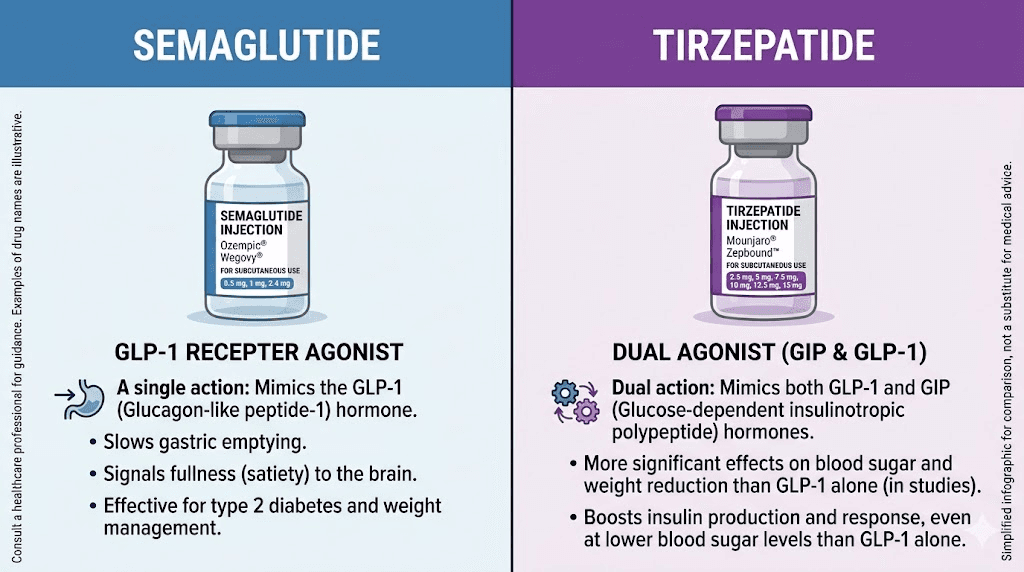
If you are trying to decide between the two medications, understanding the differences in how they work is essential. Semaglutide and tirzepatide have different side effect profiles, and tirzepatide acts on both GIP and GLP-1 receptors while semaglutide targets GLP-1 alone. Clinical trials show tirzepatide producing slightly greater average weight loss, with participants losing 15 to 21 percent of body weight compared to 15 to 17 percent with semaglutide. Whether that difference justifies the price increase depends on your individual response and goals.
How Peak compares on price
The telehealth weight loss market is crowded, and pricing varies dramatically. Here is how Peak Wellness stacks up against other popular providers for compounded semaglutide:
MEDVi starts at $179 for the first month, increasing to $299 for subsequent months
Empower Pharmacy providers vary by clinic but typically run $200 to $350 per month
Willow offers programs starting around $199 per month
ShedRx ranges from $139 to $499 depending on medication and dose
Brand-name Wegovy runs $1,000 to $1,400 per month without insurance
Peak Wellness lands in the middle of the pack for compounded options. Their monthly rate is higher than some competitors, but their long-term plans offer competitive pricing, especially the annual semaglutide plan at $149 per month. The flat pricing model, where your cost does not increase as your dose increases, is a legitimate advantage. Some providers charge more at higher doses, which means your costs escalate precisely when you need the most medication.
Peak Wellness does not accept insurance. You pay cash, though HSA and FSA funds are accepted. If you have insurance that covers GLP-1 medications, you may save significantly by going through a traditional provider, even with higher consultation fees.
Medications offered through Peak Wellness
Peak Wellness keeps their medication menu intentionally narrow. Two options. That is it.
Compounded injectable semaglutide
This is the same active ingredient found in Ozempic and Wegovy, produced by a compounding pharmacy rather than Novo Nordisk. Compounded semaglutide works by mimicking the GLP-1 hormone your body naturally produces after eating. It slows gastric emptying, reduces appetite, and helps regulate blood sugar levels. The medication is administered as a weekly subcutaneous injection.
Typical starting doses range from 0.25 mg per week, gradually increasing over several weeks to a maintenance dose. Peak Wellness physicians handle dose adjustments through their platform based on your response and tolerance. If you are curious about what those first weeks feel like, the initial experience on semaglutide varies considerably from person to person, though most people notice appetite suppression within the first one to two weeks.
Understanding your dosing in practical terms matters. If you are wondering how many units equals 0.25 mg or trying to convert between units and milligrams, these calculations depend on the concentration of your specific compounded vial. The SeekPeptides peptide calculator can help you determine exact dosing based on your vial concentration and prescribed dose.
Compounded injectable tirzepatide
The second option is compounded tirzepatide, which contains the same active ingredient as Mounjaro and Zepbound. Tirzepatide is a dual-action medication that targets both GLP-1 and GIP receptors, which is why clinical trials have shown it producing greater average weight loss than semaglutide alone. The weight loss timeline with tirzepatide typically shows noticeable results within the first four to six weeks, with significant changes accumulating over three to six months.
Starting doses for tirzepatide are typically 2.5 mg per week, administered as a subcutaneous injection. The dose escalates gradually based on tolerance and response. If you need help understanding syringe dosing for tirzepatide or want to know how many units equals 2.5 mg, getting these calculations right is critical for both safety and effectiveness.
What Peak Wellness does not offer is worth noting. No oral semaglutide or tirzepatide tablets. No tirzepatide drops or oral semaglutide drops. No brand-name medications. No non-GLP-1 weight loss drugs like phentermine. If you want or need something beyond compounded injectable semaglutide or tirzepatide, you will need to look elsewhere.
The compounded medication question: what you need to know
This is where the conversation gets serious. Every medication Peak Wellness provides is compounded, meaning it is produced by a compounding pharmacy rather than the original manufacturer. Compounded semaglutide is not FDA-approved Wegovy. Compounded tirzepatide is not FDA-approved Zepbound. They contain the same active drug molecules, but the final products can differ in formulation, concentration, and quality.
That distinction matters.
What compounded means in practice
Compounding pharmacies create custom medication formulations based on a physician prescription. In the case of GLP-1 medications, they source the active pharmaceutical ingredient (semaglutide or tirzepatide) and formulate it into injectable solutions. The pharmacies Peak Wellness works with include names like Emerald Compounding Pharmacy in Florida, Southend Pharmacy in Texas, AbsoluteRx in Florida, and Epiq Scripts in Texas.
These are 503A compounding pharmacies, which means they produce medications for individual patients based on specific prescriptions. They are state-licensed and subject to state board of pharmacy regulations, but they do not undergo the same level of federal oversight as 503B outsourcing facilities or the original drug manufacturers.
FDA safety concerns
The FDA has been vocal about safety concerns regarding compounded GLP-1 medications. As of mid-2025, the FDA documented 605 adverse event reports specifically related to compounded semaglutide. These reports included issues with dosing errors, storage problems during shipping, potential contamination, and the use of unauthorized salt forms with unknown pharmacological properties.
Does this mean compounded semaglutide is dangerous? Not necessarily. But it does mean the risk profile is different from FDA-approved versions. Brand-name Wegovy and Zepbound undergo rigorous testing for purity, potency, sterility, and stability before reaching patients. Compounded versions rely on the quality controls of individual pharmacies, which can vary.
If you decide to go the compounded route through Peak Wellness or any other provider, understanding proper storage and shelf life becomes your responsibility. Knowing what your medication should look like helps you identify potential quality issues. And tracking your results week by week helps you and your provider determine whether the compounded version is working as expected.
The cost versus safety trade-off
Here is the reality. Brand-name Wegovy costs $1,000 to $1,400 per month without insurance. Peak Wellness offers compounded semaglutide starting at $149 per month on their annual plan. That is a 90 percent price reduction. For many people, especially those without insurance coverage for weight loss medications, brand-name drugs are simply not accessible.
Compounded medications exist in a gray area. They fill a genuine need for affordability and access. But they come with trade-offs in regulatory oversight and quality standardization that you should understand before making a decision.
Side effects and what to expect on treatment
Whether you take compounded or brand-name GLP-1 medications, the side effect profile is largely the same because the active ingredients are identical. What varies is individual tolerance, and that varies enormously.
Common side effects
The most frequently reported side effects with both semaglutide and tirzepatide involve the gastrointestinal system. Nausea tops the list, affecting up to 40 percent of patients during the dose escalation phase. This typically improves as your body adjusts over two to four weeks at each dose level.
Constipation affects a significant portion of users and can range from mild to severe. Strategies for management include increasing fiber and water intake, staying physically active, and in some cases adding a stool softener. Tirzepatide constipation tends to follow similar patterns and responds to the same interventions.
Other common side effects include:
Dizziness and lightheadedness, particularly during the first few weeks
Fatigue and low energy, often related to reduced caloric intake
Headaches, which typically resolve within the first month
Sulfur burps, a distinctive and common complaint
Diarrhea, which usually resolves as the body adjusts
Injection site reactions including redness and mild swelling
Less common but important considerations
Some patients experience hair loss on GLP-1 medications. This is typically related to rapid weight loss and nutritional changes rather than a direct drug effect. Ensuring adequate protein intake and taking appropriate supplements can help minimize this risk.
Sleep disturbances and insomnia have been reported by some users. Anxiety and mood changes can occur, particularly during rapid weight loss phases. Muscle pain and body aches sometimes appear, especially at higher doses. And gallbladder issues are a known risk with rapid weight loss from any cause, not just GLP-1 medications.
The key to managing side effects is proper dose escalation. Starting low and increasing gradually gives your body time to adapt. If you experience severe or persistent side effects, your Peak Wellness provider can adjust your dose through the platform. However, since communication is text-based only, urgent medical concerns should always be directed to your primary care physician or emergency services rather than the telehealth portal.
Nutrition and lifestyle while using Peak Wellness medications
One of the legitimate criticisms of Peak Wellness is the lack of structured nutritional coaching. They prescribe the medication. They monitor your dosing. But they do not provide meal plans, dietary guidance, or behavioral coaching as part of their service. That gap matters because GLP-1 medications work best when combined with intentional dietary changes.
What to eat while on treatment
Your appetite will decrease significantly on GLP-1 medications. That is the whole point. But eating less does not automatically mean eating well. When you are consuming fewer calories, every meal needs to count nutritionally.
Protein becomes the priority. Aim for 0.7 to 1.0 grams per pound of body weight daily to preserve muscle mass during weight loss. Without adequate protein, you lose muscle along with fat, which slows your metabolism and makes weight regain more likely after stopping medication. If you are on semaglutide, our guide on foods to eat while on semaglutide provides specific recommendations. For tirzepatide users, dietary guidance for tirzepatide covers the same ground with medication-specific considerations.
There are also foods that tend to trigger worse side effects. Certain foods to avoid on tirzepatide include high-fat meals, greasy foods, and large portions that overwhelm your slowed digestive system. The same applies to semaglutide. Foods to avoid on semaglutide overlap significantly, with fried foods, carbonated beverages, and very spicy meals topping the list.
For structured meal planning, a semaglutide diet plan or tirzepatide diet plan can provide the framework that Peak Wellness does not include in their service. Protein shakes formulated for GLP-1 users can help you hit your protein targets when whole food meals feel overwhelming due to reduced appetite.
Alcohol considerations
A common question for anyone starting GLP-1 treatment is whether you can drink alcohol on semaglutide or tirzepatide. The short answer is that alcohol tolerance often decreases significantly on these medications. Many users report feeling the effects of alcohol faster and more intensely. Combining alcohol with the gastrointestinal side effects of GLP-1 medications can amplify nausea and discomfort. Moderation is the minimum recommendation, and many users choose to reduce or eliminate alcohol during treatment.
Supplements to consider
Since Peak Wellness does not provide nutritional guidance, supplementing appropriately becomes your responsibility. Key supplements for anyone on GLP-1 therapy include a high-quality multivitamin, vitamin B12 (especially important since some compounded formulations include B12 for this reason), vitamin D, and a fiber supplement if constipation is an issue.
Some compounded formulations actually include supplementary ingredients like glycine, niacinamide, or L-carnitine. Peak Wellness does not specify which additional ingredients their compounded formulations contain, so asking your provider about the exact formulation is worthwhile.
Injection guidance for Peak Wellness patients
Since Peak Wellness provides injectable medications without in-person instruction, knowing how to self-inject properly is essential. The company includes written instructions with your shipment, but having a deeper understanding of injection technique improves both comfort and effectiveness.
Where to inject
The best injection sites for GLP-1 medications include the abdomen (at least two inches from the navel), the front of the thighs, and the back of the upper arms. Rotating injection sites prevents lipodystrophy and ensures consistent absorption.
For tirzepatide specifically, many users prefer the thigh as an injection site or the stomach area. Both work well. The key is rotating between sites and not injecting into the same spot repeatedly. If you experience redness or itching at the injection site, that is usually a normal reaction that resolves within a day or two. Persistent or worsening reactions should be reported to your provider.
Timing your injections
Both medications are administered once weekly. The best time to take semaglutide varies by individual, but consistency matters more than the specific time of day. Pick a day and a time that you can maintain every week. Tirzepatide timing follows the same principle. Many users find that injecting in the evening minimizes daytime nausea since the worst side effects occur in the first 12 to 24 hours after injection.
Proper technique
Clean the injection site with an alcohol swab. Pinch the skin. Insert the needle at a 45 to 90 degree angle depending on the needle length and your body composition. Inject slowly. Hold for 5 to 10 seconds before withdrawing. Our detailed guide on injecting tirzepatide with a syringe walks through the complete process step by step, and the same technique applies to semaglutide.
If you accidentally inject into muscle rather than subcutaneous tissue, the medication will still be absorbed. Intramuscular injection of semaglutide may cause more soreness at the site but does not reduce effectiveness.
Storage and handling of Peak Wellness medications
Proper storage directly affects how well your medication works. This is especially important with compounded medications, which may have different stability profiles than their brand-name counterparts.
Refrigeration requirements
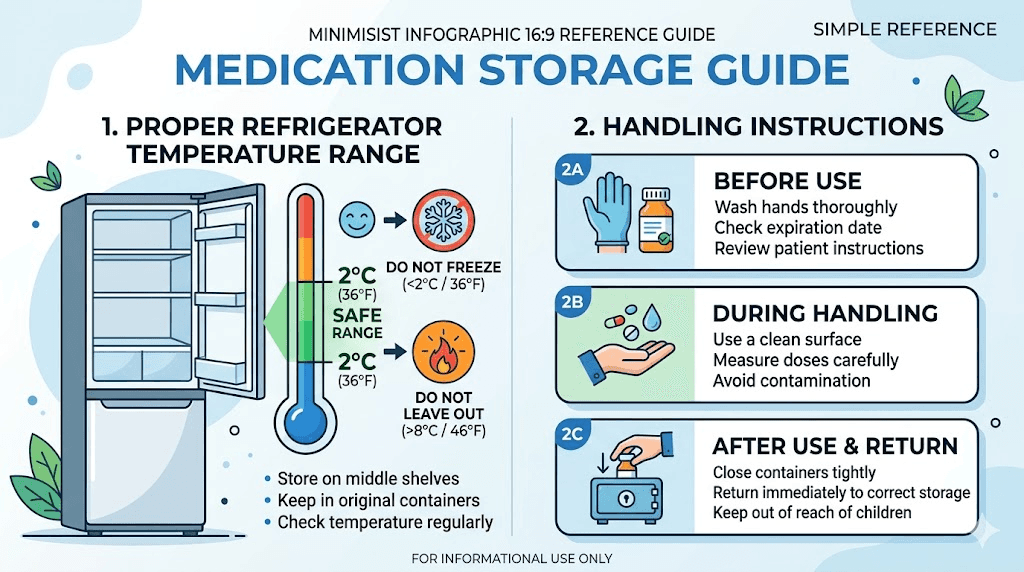
Both compounded semaglutide and tirzepatide should be stored in the refrigerator at 36 to 46 degrees Fahrenheit. Refrigeration is essential for maintaining potency and preventing degradation. Tirzepatide requires the same cold storage.
If your medication arrives warm or if it gets warm during transit, contact Peak Wellness immediately. Temperature excursions can degrade the active ingredient, potentially reducing effectiveness. Receiving warm semaglutide is a legitimate concern, and most reputable providers will replace compromised shipments.
Shelf life and expiration
Compounded medications typically have shorter shelf lives than brand-name versions. Compounded semaglutide expiration varies by pharmacy but is usually 30 to 90 days from the compounding date when stored properly. Tirzepatide expiration dates follow similar ranges.
Using expired medication is not recommended. The active ingredient degrades over time, meaning you could be injecting a lower effective dose than intended. If you are unsure whether your medication is still good, checking semaglutide shelf life guidelines or tirzepatide shelf life information can help you make an informed decision.
Travel considerations
If you need to travel with semaglutide or travel with tirzepatide, keeping the medication cool is the primary challenge. Insulated travel cases with cold packs work well for short trips. For air travel, carry your medication in your carry-on luggage, never in checked bags where temperature control is unpredictable. Keep your prescription documentation handy in case security has questions about syringes and vials.
Peak Wellness versus other telehealth GLP-1 providers
The telehealth GLP-1 market has exploded. Dozens of providers now offer similar services with varying levels of medical oversight, pricing structures, and medication options. Understanding where Peak Wellness fits helps you determine whether it is the right choice for your situation.
Peak Wellness versus MEDVi
MEDVi is one of the most well-known telehealth GLP-1 providers, with over 10,000 reviews on Trustpilot and an established track record. MEDVi starts at $179 for the first month of compounded semaglutide but increases to $299 for subsequent months. Their tirzepatide pricing starts at $279 and rises to $399.
Peak Wellness is more expensive on the monthly plan ($249 versus MEDVi's $299 ongoing) but potentially cheaper long-term with their annual plan at $149 per month. Peak also offers faster physician review times, typically under four hours versus MEDVi's 24-hour window. MEDVi includes 24/7 messaging support and has more extensive customer reviews to evaluate. Peak Wellness is newer with fewer reviews available.
Peak Wellness versus Ro
Ro operates on a different model entirely. They charge a monthly membership fee of around $145 for the platform and provider access, but medication costs are separate and can be paid through insurance. If you have insurance coverage for GLP-1 medications, Ro could be significantly cheaper. If you do not have coverage, Ro's total out-of-pocket costs can exceed Peak Wellness considerably.
Ro also offers both compounded and FDA-approved brand-name options (Wegovy), giving patients a choice that Peak Wellness does not provide.
Peak Wellness versus Hims and Hers
Hims and Hers have entered the GLP-1 market aggressively, with some oral formulations advertised as low as $49 to $199 per month. However, their lower-priced options may require multi-month upfront commitments. Hims offers both oral and injectable options, while Peak Wellness is injectable only.
The structured coaching and app-based features that Hims and Hers provide are a genuine advantage for patients who need lifestyle support alongside medication. Peak Wellness intentionally strips those features away to keep costs lower and the process simpler.
Which provider is right for you?
Choose Peak Wellness if you want flat, transparent pricing without dose-based increases, fast approval and delivery, and you are comfortable self-managing your diet and lifestyle changes. Choose a competitor if you need insurance billing, brand-name medication options, structured coaching, or more established patient reviews to evaluate.
No single provider is best for everyone. The right choice depends on your insurance situation, budget, need for lifestyle support, preference for brand-name versus compounded medications, and how much hand-holding you want from your provider.
Real results: what weight loss to expect
Peak Wellness does not publish their own clinical data, which is typical for telehealth providers prescribing compounded medications. Results estimates come from clinical trials of brand-name semaglutide and tirzepatide, which used the same active ingredients.
Semaglutide results
The STEP clinical trial program showed that patients on semaglutide 2.4 mg weekly lost an average of 15 to 17 percent of their body weight over 68 weeks. For a 200-pound person, that translates to 30 to 34 pounds. Individual results varied significantly, with some participants losing over 20 percent and others losing less than 10 percent.
Early results are typically visible within the first month. Our guide on semaglutide one-month results shows what most people can realistically expect in those initial weeks. The speed of weight loss on semaglutide depends heavily on starting weight, diet adherence, physical activity, and individual metabolic factors.
If you are four weeks in with no weight loss, that does not necessarily mean the medication is not working. Dose escalation takes time, and many patients do not see significant movement until reaching their therapeutic dose. If semaglutide truly is not producing results, some patients find that switching to tirzepatide makes a difference.
Tirzepatide results
The SURMOUNT trials demonstrated average weight loss of 15 to 21 percent with tirzepatide over 72 weeks. That 200-pound person could expect to lose 30 to 42 pounds on average. Before and after tirzepatide results from real users generally align with these trial findings, though individual variation remains significant.
The tirzepatide weight loss timeline typically shows the most rapid weight loss during months two through six as patients reach their optimal dose. The first dose experience varies, but most people notice appetite changes within the first week.
For those who have been on medication long-term and notice a slowdown, a semaglutide plateau or tirzepatide losing effectiveness can occur. Strategies for breaking through include adjusting meal timing, increasing physical activity, and discussing dose modifications with your provider.
Who should and should not use Peak Wellness
Peak Wellness is not for everyone. Understanding who benefits most and who should look elsewhere saves you time, money, and potential frustration.
Ideal candidates
Peak Wellness works best for people who meet several criteria. You should be comfortable with self-administered injections, since there is no in-person training. You should be self-motivated enough to manage your own diet and exercise without structured coaching. You need to be comfortable with compounded medications and understand the trade-offs versus brand-name options. And you should either lack insurance coverage for GLP-1 medications or prefer the simplicity of a cash-pay model.
The service particularly suits patients who value speed and do not want to wait weeks for appointments and insurance authorizations. If you already have experience with GLP-1 injections and know what to expect from the medication, Peak Wellness's streamlined approach removes unnecessary friction.
Who should look elsewhere
If you have complex medical conditions, particularly diabetes, thyroid disorders, kidney disease, or a history of pancreatitis, you need more comprehensive medical oversight than a text-based telehealth platform provides. Peak Wellness does not require lab work, which means potential contraindications could go undetected.
If you need behavioral coaching, meal planning assistance, or a structured weight loss program that addresses the psychological and lifestyle components of weight management, Peak Wellness does not offer those features. Providers like Ro, Noom, or WeightWatchers GLP-1 programs include more comprehensive support structures.
If you prefer brand-name, FDA-approved medications, Peak Wellness is not the right fit. They only offer compounded versions. If you are breastfeeding, pregnant, or planning to become pregnant, GLP-1 medications are contraindicated regardless of the provider.
And if you want established reviews and a long track record to evaluate, Peak Wellness is still relatively new. Providers like MEDVi with thousands of verified reviews offer more data points for evaluating patient experiences.
Maintaining weight loss after stopping treatment
One question that too few telehealth providers address upfront is what happens when you stop taking the medication. This is critically important because GLP-1 medications do not cure obesity. They manage it. And when you stop, the biological drivers of weight gain, including increased appetite and reduced metabolic rate, return.
The weight regain reality
Clinical data shows that patients who discontinue semaglutide regain approximately two-thirds of their lost weight within one year. Tirzepatide discontinuation data shows similar patterns. This does not mean the medication was a failure. It means that sustainable results require either long-term medication use or significant lifestyle changes during treatment that persist after stopping.
Maintaining weight loss after tirzepatide requires deliberate strategies: established exercise habits, protein-prioritized nutrition, and in some cases, transitioning to a lower maintenance dose rather than stopping completely. Weaning off tirzepatide gradually rather than stopping abruptly may help your body adjust more smoothly.
How long you should stay on semaglutide depends on your goals, your ability to maintain lifestyle changes, and your provider's recommendations. Some patients use GLP-1 medications indefinitely as a chronic disease management tool. Others use them for a defined period to reach a target weight, then transition off with close monitoring.
Peak Wellness does not appear to offer specific protocols for medication discontinuation or maintenance planning. If you are planning to eventually stop treatment, discussing an exit strategy with your provider early, ideally before you even start, is wise.
Drug interactions and safety considerations
GLP-1 medications interact with several common drugs and supplements. Since Peak Wellness relies on your self-reported medication list without required lab work, being thorough and accurate in your intake form is essential for safety.
Medications that may interact
If you take insulin or other diabetes medications, GLP-1 agonists can increase the risk of hypoglycemia. Your diabetes medication doses may need adjustment. Combining phentermine with semaglutide or tirzepatide is sometimes done but requires careful monitoring. Metformin and tirzepatide can be used together but may amplify gastrointestinal side effects.
Oral medications of any kind may be affected by GLP-1 therapy because these drugs slow gastric emptying. This means oral medications may be absorbed more slowly or differently. If you take time-sensitive medications like thyroid hormones or oral contraceptives, discuss timing adjustments with your prescriber.
Supplement interactions
Some patients combine GLP-1 medications with other compounds for enhanced results. Berberine and semaglutide is a popular combination that may have additive effects on blood sugar regulation but can also increase gastrointestinal side effects. NAD+ and tirzepatide is another combination some users explore for energy and metabolic support.
Switching between medications or providers
If you start on one GLP-1 medication and want to switch, or if you are transitioning to Peak Wellness from another provider, understanding the process helps avoid gaps in treatment or dosing errors.
Switching from semaglutide to tirzepatide
Switching between GLP-1 medications requires careful dose conversion. The medications are not interchangeable milligram-for-milligram. A conversion chart can help you understand equivalent doses, but your provider should guide this transition. Generally, you start tirzepatide at the lowest dose regardless of your semaglutide dose, then escalate based on response.
Switching providers
Moving from another telehealth clinic to Peak Wellness is straightforward. Complete their intake form, provide your medication history, and their physician will determine your starting point. There is no need for a formal transfer of records, though knowing your current dose and any side effects you have experienced helps the new provider make informed decisions.
If you are considering switching from Peak Wellness to another provider, alternating between medications or trying a different compounded formulation from another pharmacy may produce different results since compounding quality varies between pharmacies.
Peak Wellness pros and cons summary
After analyzing everything about the service, here is a clear-eyed assessment of where Peak Wellness excels and where it falls short.
Strengths
The flat pricing model is genuinely consumer-friendly. You know exactly what you will pay regardless of your dose, and that eliminates the unpleasant surprise of increasing costs as your treatment progresses. The speed of their process, from intake to medication delivery in four to seven days, is among the fastest in the industry.
The fact that you are only charged if prescribed removes the risk of paying for a consultation that goes nowhere.
Their money-back guarantee adds a layer of confidence, though reading the specific terms and conditions before relying on it is important. Free two-day shipping and included injection supplies mean no hidden costs beyond your monthly subscription. And their availability in all 50 states makes them accessible regardless of location.
Weaknesses
The lack of required baseline lab work is concerning from a medical safety perspective. The absence of lifestyle coaching means patients must be self-directed in their nutrition and exercise. Text-based communication only limits the depth of medical interaction. The relatively new presence means limited patient reviews and track record compared to established competitors. And the exclusive focus on compounded injectables means no brand-name options, no oral formulations, and no alternative weight loss medications.
For researchers interested in understanding how GLP-1 medications work at a fundamental level, SeekPeptides provides comprehensive educational resources covering how semaglutide affects the body, appetite suppression mechanisms, and metabolic effects of tirzepatide. Understanding the science behind your medication helps you make better decisions about your treatment.
Dosing calculators and tools for Peak Wellness patients
Since Peak Wellness provides compounded medications in multi-dose vials, you need to calculate individual doses using a syringe. This is different from brand-name pens that deliver pre-measured doses with each click.
The semaglutide dosage calculator helps you determine exactly how many units to draw based on your vial concentration and prescribed dose. For tirzepatide, our compounded tirzepatide dosage calculator handles the same conversion. If you need to understand how much bacteriostatic water to mix with your semaglutide or tirzepatide, these calculations are critical for accurate dosing.
Getting dosing wrong, even slightly, compounds over time. Overdosing increases side effects without proportional benefit. Underdosing means you are paying for medication that cannot reach therapeutic levels. Use a calculator, double-check your math, and when in doubt, start with less rather than more.
The peptide reconstitution calculator is another essential tool for anyone working with compounded vials. It handles the dilution math so you can focus on proper injection technique rather than struggling with unit conversions. The peptide cost calculator can also help you compare the true per-dose cost of different providers and concentrations.
Comparing compounded versus brand-name GLP-1 options
This decision affects everything from cost to safety to convenience. Understanding the full picture helps you decide whether Peak Wellness's compounded-only model works for your situation.
Brand-name advantages
FDA-approved medications like Wegovy and Zepbound undergo extensive testing for purity, potency, sterility, and stability. Every batch is identical. Quality is guaranteed by federal regulation and manufacturer reputation. Brand-name pens deliver pre-measured doses, eliminating dosing errors. And if something goes wrong, there is a clear regulatory pathway for accountability.
Compounded advantages
The price difference is enormous. Brand-name Wegovy at $1,000 to $1,400 per month versus Peak Wellness at $149 per month on the annual plan means many patients simply cannot access brand-name versions. Compounded medications fill an access gap that the healthcare system has created. For patients without insurance coverage, compounded GLP-1 medications may be the only financially viable option.
Compounded formulations can also include additional ingredients like B12, glycine, or niacinamide that the brand-name versions do not contain. Whether these additions provide meaningful benefit is debatable, but some patients report improved energy and reduced side effects with enhanced formulations. Our guides on semaglutide with glycine and B12 and tirzepatide glycine B12 compounds explore these combinations in detail.
The bottom line on this debate
If you can access and afford brand-name GLP-1 medications through insurance, they are the safer choice from a regulatory standpoint. If brand-name is not an option, reputable compounding through a licensed provider like Peak Wellness offers a pragmatic alternative, with the understanding that you are accepting a different risk profile.
The comparison between semaglutide and tirzepatide matters regardless of whether you choose brand-name or compounded. Understanding the dosage differences between the two helps you make an informed choice about which medication to request from your Peak Wellness provider. And knowing how these medications compare to emerging options like retatrutide gives you context for the evolving treatment landscape.
Frequently asked questions
Is Peak Wellness legitimate?
Yes. Peak Wellness operates with licensed physicians and partners with registered compounding pharmacies. They are a legitimate telehealth provider, though they are relatively new compared to more established competitors like MEDVi or Empower Pharmacy providers. Their medications are compounded, not FDA-approved, which is standard for this category of provider.
Does Peak Wellness accept insurance?
No. Peak Wellness operates on a cash-pay model only. They do accept HSA and FSA funds. If you have insurance coverage for GLP-1 medications, exploring providers who bill insurance may save you money.
What is the cheapest plan at Peak Wellness?
The most affordable option is the annual compounded semaglutide plan at $149 per month, with an additional discount on the first month. This includes medication, provider review, supplies, and shipping with no additional fees.
Can I switch from semaglutide to tirzepatide through Peak Wellness?
Yes. Discuss this with your Peak Wellness provider through the platform. They will adjust your prescription and send the new medication. Be aware that switching between medications typically means starting the new one at a low dose regardless of where you were on the previous medication.
Do I need lab work before starting?
Peak Wellness does not require lab work in most cases. However, medical professionals generally recommend baseline metabolic panels, thyroid function tests, and kidney function assessments before starting GLP-1 therapy. Getting labs through your primary care physician before starting is a good practice.
How long does shipping take?
Peak Wellness offers free two-day shipping after your prescription is filled. The total time from intake form to medication delivery is typically four to seven days including physician review and pharmacy processing.
What if the medication does not work for me?
Peak Wellness offers a money-back guarantee, though specific terms and conditions apply. If semaglutide is not producing results, your provider may recommend increasing the dose, switching to tirzepatide, or evaluating other factors like diet and exercise adherence.
Can I take other medications while on Peak Wellness treatment?
Many medications can be taken alongside GLP-1 therapy, but interactions exist. Be thorough and honest on your intake form about all current medications and supplements. Common combinations like metformin with tirzepatide are generally safe but should be monitored.
External resources
For researchers serious about understanding GLP-1 medications and optimizing their protocols, SeekPeptides offers the most comprehensive resource available, with evidence-based guides, dosing calculators, and detailed medication comparisons that help you navigate the weight loss medication landscape with confidence.
In case I do not see you, good afternoon, good evening, and good night. May your provider stay transparent, your doses stay accurate, and your results stay consistent.