Mar 24, 2026
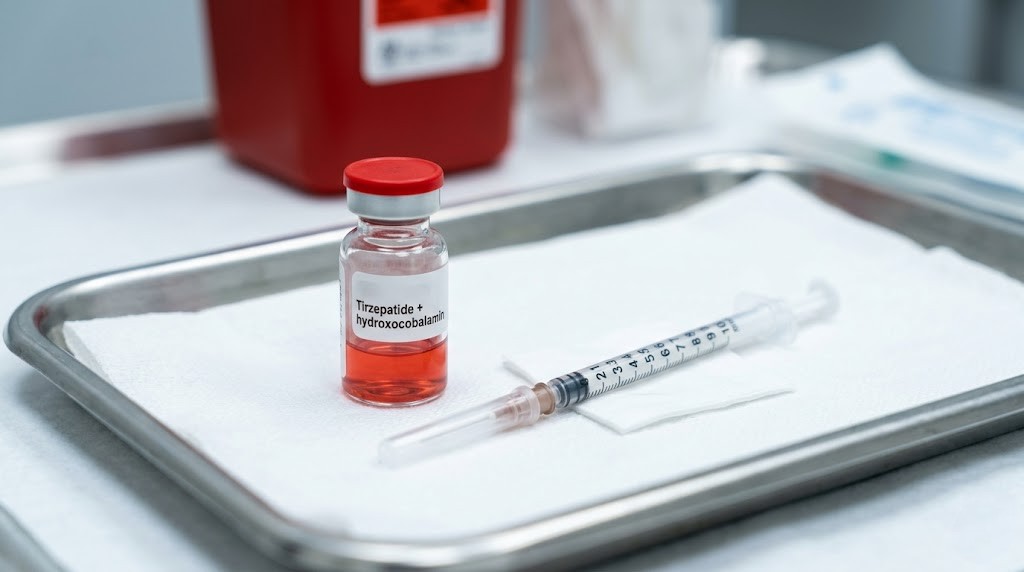
Experienced researchers know something that beginners often miss about tirzepatide compounds. The peptide itself is only half the equation. What gets combined with it, and how that combination behaves at the molecular level, can change everything from absorption rates to safety profiles. Hydroxocobalamin, a natural form of vitamin B12, has become one of the more popular additions in compounded tirzepatide formulations. And for good reason. It stays in the body longer than other B12 forms. It builds higher blood levels. It may help offset the fatigue that so many people report during their tirzepatide weight loss journey.
But here is the part that most compound guides skip over entirely.
Eli Lilly, the manufacturer of the branded tirzepatide product, released testing data showing a chemical reaction between tirzepatide and B12 that creates significant impurity levels. This applies to all three B12 forms, including hydroxocobalamin. That is not a minor footnote. It is a finding that anyone considering this compound needs to understand thoroughly before making decisions about their protocol. This guide covers everything: what hydroxocobalamin actually is, how it interacts with tirzepatide, what the safety data shows, and how it compares to the methylcobalamin and cyanocobalamin alternatives. Whether you are already using a tirzepatide B12 compound or just researching your options, you will find the specific protocols, data points, and practical guidance that most sources leave out.
What is hydroxocobalamin (and why it matters for tirzepatide compounds)
Hydroxocobalamin is not some synthetic laboratory creation. It is a naturally occurring form of vitamin B12 that the human body already recognizes and uses. When bacteria in the gut produce B12, hydroxocobalamin is one of the primary forms they generate. This matters because the body does not need to strip away synthetic components or convert unfamiliar molecules before putting it to work.
Think of it as B12 in its most natural injectable form.
Once hydroxocobalamin enters the bloodstream, it serves as a precursor to the two active coenzyme forms of B12: methylcobalamin and adenosylcobalamin. The body converts it into whichever form it needs at any given moment, which gives hydroxocobalamin a flexibility that the other forms simply do not offer. Methylcobalamin handles methionine synthesis and homocysteine metabolism. Adenosylcobalamin works inside the mitochondria on energy production pathways. Hydroxocobalamin feeds both of these pathways without forcing the body to rely on just one.
The functions that B12 supports are not trivial. DNA synthesis depends on adequate B12 levels. So does amino acid metabolism. Fatty acid processing requires it. Nerve maintenance cannot happen without it. Red blood cell formation falls apart when B12 drops too low, which is exactly why deficiency leads to megaloblastic anemia, a condition where the bone marrow produces abnormally large, dysfunctional red blood cells that cannot carry oxygen efficiently.
Why hydroxocobalamin specifically
Several characteristics set hydroxocobalamin apart from the other B12 forms used in tirzepatide compound formulations. First, bioavailability. Hydroxocobalamin demonstrates superior bioavailability compared to cyanocobalamin, meaning the body absorbs and uses a higher percentage of each dose. Second, retention time. After injection, hydroxocobalamin absorbs more slowly from the injection site and eliminates more slowly from the body. This creates higher and longer-lasting blood levels of B12, which is particularly relevant for people who only inject their tirzepatide compound once per week.
European medical systems recognized these advantages decades ago. Hydroxocobalamin is the preferred form for treating B12 deficiency in most European countries, where the standard protocol involves 1mg doses given every other day for a loading phase, followed by maintenance injections every three months. Compare that to cyanocobalamin, which often requires more frequent dosing to maintain the same blood levels.
There is no known toxicity threshold for hydroxocobalamin. The body excretes what it does not need through the kidneys, turning urine a distinctive reddish-pink color that sometimes alarms people who are not expecting it. This is harmless and temporary.
The B12 connection to GLP-1 medications
Here is where the hydroxocobalamin story connects directly to tirzepatide use. GLP-1 receptor agonists, including tirzepatide which acts on both GIP and GLP-1 receptors, can affect nutrient absorption in the gastrointestinal tract. The mechanism is straightforward. These medications slow gastric emptying, alter gut motility, and change the environment in which nutrients get absorbed. Over time, this can lead to reduced B12 absorption from food sources. People who were previously maintaining adequate B12 levels through diet alone may find their levels dropping during prolonged tirzepatide treatment.
Low B12 creates problems that can look like tirzepatide side effects. Fatigue. Brain fog. Tingling in the extremities. Weakness. If someone attributes these symptoms to their medication rather than a developing B12 deficiency, they might adjust their dose or discontinue treatment when the real solution is B12 supplementation. This is one reason why compounding pharmacies began adding hydroxocobalamin to their tirzepatide formulations in the first place.
How tirzepatide hydroxocobalamin compounds work
Understanding how this compound works requires understanding both components separately and then examining what happens when they share the same vial.
Tirzepatide is a dual GIP/GLP-1 receptor agonist. That dual action is what separates it from semaglutide and other GLP-1-only medications. By activating both glucose-dependent insulinotropic polypeptide (GIP) receptors and glucagon-like peptide-1 (GLP-1) receptors simultaneously, tirzepatide produces effects on appetite regulation, gastric emptying, insulin sensitivity, and fat metabolism that neither pathway could achieve alone. Clinical trials demonstrated weight loss results that exceeded what previous GLP-1 medications had achieved, which is why interest in both branded and compounded tirzepatide options has grown so rapidly.
The hydroxocobalamin component serves a supportive role. It does not directly contribute to weight loss. It does not activate GIP or GLP-1 receptors. What it does is provide a form of B12 that the body can store and convert as needed, helping to prevent the nutrient depletion that long-term GLP-1 therapy can cause and potentially offsetting the fatigue that tirzepatide sometimes triggers.
The compounding process
Compounding pharmacies create these formulations by combining tirzepatide with hydroxocobalamin in a single injectable solution. The idea is simple: one injection delivers both the active peptide and the B12 supplement, eliminating the need for separate injections. For people who already dislike the injection process, reducing the number of weekly shots from two to one is a meaningful quality-of-life improvement.
The typical compound arrives as either a ready-to-inject solution or a lyophilized powder that requires reconstitution before use. Lyophilized versions generally offer longer shelf life but add a preparation step. Liquid versions are more convenient but may have shorter stability windows. Both formats should be stored according to the pharmacy instructions, which usually means refrigeration between 36 and 46 degrees Fahrenheit.
The administration method does not change from standard tirzepatide. Subcutaneous injection, once weekly. Same rotation of injection sites. Same technique. The only visible difference may be the color of the solution, since hydroxocobalamin gives liquid a reddish or amber tint that standard tirzepatide does not have. If you have ever wondered what color tirzepatide with B12 should be, this is normal and expected.
Mechanism of the dual benefit
When injected subcutaneously, both components enter the bloodstream through the subcutaneous tissue. Tirzepatide begins activating its target receptors within hours. Hydroxocobalamin binds to transcobalamin transport proteins in the blood, which carry it to the liver for storage and to cells throughout the body for immediate use. The liver can store several years worth of B12, which is why deficiency develops slowly and why the long-lasting nature of hydroxocobalamin is particularly valuable.
Some practitioners and patients report that the B12 addition reduces injection site irritation, though this has not been confirmed in controlled studies. The theory suggests that hydroxocobalamin buffering properties may slightly alter the pH of the injection solution, making it less irritating to subcutaneous tissue. Whether this effect is real or placebo remains unclear, but injection site reactions are common enough with tirzepatide that any reduction would be welcome.
Hydroxocobalamin vs methylcobalamin vs cyanocobalamin in tirzepatide blends
Not all B12 is created equal. This is not marketing language. The three forms used in tirzepatide compounds have genuinely different properties that affect everything from how well they work to how long they remain stable in solution.
Hydroxocobalamin: the natural middle ground
Hydroxocobalamin sits in a unique position. It is a natural form of B12, which means the body recognizes it immediately. But unlike methylcobalamin, it is not already in its final active form. The body must convert it before using it. This sounds like a disadvantage until you realize that the conversion process is what makes hydroxocobalamin so flexible. The body converts it into whichever active form it needs most at that moment, whether that is methylcobalamin for homocysteine metabolism or adenosylcobalamin for mitochondrial energy production.
Stability is another major advantage. Hydroxocobalamin is more stable in solution than methylcobalamin, which matters enormously when it sits in a vial with tirzepatide for days or weeks before use. The shelf life of your tirzepatide vial depends partly on the stability of every ingredient in it. An unstable B12 form that degrades over time could create unpredictable dosing and potentially harmful breakdown products.
The retention advantage is significant. After injection, hydroxocobalamin maintains higher serum B12 levels for longer periods compared to cyanocobalamin. For a once-weekly injection protocol like tirzepatide, this extended retention means B12 levels stay more consistent between doses rather than spiking and crashing.
Methylcobalamin: the active form
Methylcobalamin is the form that gets the most attention in health and wellness circles. It is already in its active coenzyme form, meaning the body can use it immediately without conversion. For people with genetic variations that impair B12 conversion, such as MTHFR mutations, methylcobalamin compounds may offer theoretical advantages because they bypass the conversion step entirely.
But methylcobalamin has a significant weakness. Stability.
It is the least stable of the three B12 forms. It degrades when exposed to light. It can break down in solution over time. When combined with tirzepatide in a compounded formulation, this instability becomes a practical concern. How much active methylcobalamin remains by the time you draw your third or fourth dose from a multi-use vial? The answer depends on storage conditions, light exposure, and how long the vial has been reconstituted. Proper refrigeration and storage become even more critical with methylcobalamin formulations.
Cyanocobalamin: the synthetic standard
Cyanocobalamin is the most commonly used form of B12 in the United States. It is synthetic, meaning it does not occur naturally in food or the human body. The name tells you what makes it different: it contains a cyanide group attached to the cobalt center of the B12 molecule. Before the body can use cyanocobalamin, it must first remove that cyanide group, a process that releases trace amounts of cyanide into the system.
These trace amounts are genuinely tiny. For most people, they present no health concern whatsoever. The body detoxifies small amounts of cyanide efficiently. However, for people with impaired detoxification pathways, smokers who already have elevated cyanide levels, or those with certain kidney conditions, even trace cyanide may not be ideal.
The main advantage of cyanocobalamin is cost and availability. It is the cheapest B12 form to produce and the most widely available. Many affordable tirzepatide compounds use cyanocobalamin for this reason.
Head-to-head comparison table
Property | Hydroxocobalamin | Methylcobalamin | Cyanocobalamin |
|---|---|---|---|
Source | Natural | Natural (active form) | Synthetic |
Conversion needed | Yes (to methyl or adenosyl) | No (already active) | Yes (remove cyanide first) |
Stability in solution | High | Low (light-sensitive) | Highest |
Bioavailability | Superior | Good | Standard |
Retention time | Longest | Moderate | Shortest |
Contains cyanide | No | No | Yes (trace) |
Preferred region | Europe | Functional medicine | United States |
Cost | Moderate | Highest | Lowest |
Dosing frequency (standalone) | Every 3 months (maintenance) | Weekly or biweekly | Monthly |
For tirzepatide compounds specifically, the choice between these three forms involves weighing stability against bioactivity against cost. Hydroxocobalamin offers arguably the best balance for a once-weekly injection protocol, which is why many compounding pharmacies have gravitated toward it. However, the Eli Lilly safety findings apply to all three forms equally, which brings us to the most important section of this guide.
The Eli Lilly safety warning (what you need to know)
This is the section that most compound guides either skip entirely or bury in a disclaimer. It should not be buried. The findings from Eli Lilly testing deserve careful, honest examination.
Eli Lilly conducted testing on compounded tirzepatide products that contained B12 additives. What they found was not subtle. The testing revealed significant levels of chemical impurity resulting from a reaction between the tirzepatide molecule and the B12 component. This was not a minor trace finding. The impurity levels were described as significant.
Here is what makes this particularly concerning. The reaction was not specific to one B12 form. It affected hydroxocobalamin. It affected methylcobalamin. It affected cyanocobalamin. All three forms produced impurities when combined with tirzepatide. If you were hoping that switching from one B12 form to another would solve the problem, the data suggests otherwise.
What we do not know
The unknown aspects of this finding are arguably more alarming than the finding itself. Specifically, the effects of these impurities remain uncharacterized in several critical areas:
Toxicity: No one has studied whether these reaction products are toxic to human tissue, organs, or systems
Immune reactions: Unknown whether the impurities could trigger allergic responses, autoimmune reactions, or other immune-mediated events
Receptor interactions: Unclear whether the impurities interfere with GIP or GLP-1 receptor binding, potentially reducing the effectiveness of the tirzepatide component
Absorption: No data on whether the impurities change how either component absorbs from the injection site
That is a lot of unknowns for a product people are injecting weekly.
Additional findings from Lilly testing
The B12 reaction was not the only concern. Lilly testing also found bacterial contamination and high endotoxin levels in some compounded tirzepatide products. Endotoxins are fragments of bacterial cell walls that can trigger inflammatory responses, fever, and in severe cases, sepsis. High endotoxin levels in an injectable product represent a serious quality control failure that goes beyond the B12 question entirely.
Lilly also stated that additives commonly included in compounded tirzepatide, including glycine, pyridoxine, niacinamide, and carnitine, have "no proven clinical benefit" when combined with tirzepatide. This is worth considering for anyone looking at compounds that include glycine, pyridoxine (B6), niacinamide, or levocarnitine alongside their tirzepatide.
Lilly notified the FDA about these findings and recommended that patients contact their physicians to discuss alternatives.
Putting this in context
It is important to acknowledge several things simultaneously. First, Eli Lilly has a clear financial interest in discouraging the use of compounded tirzepatide products that compete with their branded version. This does not mean their findings are fabricated, but it does mean the motivation behind publicizing them should be part of the conversation. Second, compounded tirzepatide products are not FDA-approved, which means they have not undergone the same rigorous testing that branded products receive. Third, the compounding pharmacy industry has its own quality spectrum, ranging from 503B outsourcing facilities with strict quality controls to smaller operations with less oversight.
What should you do with this information? Discuss it with your prescribing physician. Ask your compounding pharmacy about their testing protocols. Consider whether the convenience of a combined product outweighs the current uncertainty about impurity profiles. And understand that the science on this question is still evolving.
Dosing protocols for tirzepatide hydroxocobalamin compounds
The tirzepatide component of these compounds follows the same escalation protocol as standard tirzepatide. The hydroxocobalamin dosing piggybacks on this schedule, delivered in the same injection. Understanding both components helps you have more informed conversations with your healthcare provider about starting doses and escalation timelines.
Standard tirzepatide escalation
The established protocol starts at 2.5mg of tirzepatide per week. This is the initiation dose. It is intentionally low. The goal is not weight loss at this stage. The goal is letting the gastrointestinal system adjust to the medication mechanism. Many people experience their most intense side effects during the first few weeks, including nausea, bloating, and changes in appetite that feel more dramatic than expected.
After four weeks at 2.5mg, the dose increases to 5mg per week. This is where most people begin to notice meaningful appetite suppression and early weight loss effects. The initial adjustment period is largely complete by this point, though some side effects may briefly return with the dose increase.
From there, escalation continues in 2.5mg increments every four weeks: 7.5mg, then 10mg, then 12.5mg, and potentially up to 15mg. Not everyone needs to reach the highest dose. Some people achieve their goals at 5mg or 7.5mg and maintain there. Others need the full 15mg to see continued progress. Your physician should guide this decision based on your response, tolerance, and goals.
Hydroxocobalamin dosing within the compound
The B12 component is typically standardized within the compound formulation. Most compounding pharmacies use a fixed concentration of hydroxocobalamin per milliliter, so the B12 dose scales with the injection volume. This means that as your tirzepatide dose increases and your injection volume grows, your hydroxocobalamin dose may also increase slightly.
Common hydroxocobalamin concentrations in tirzepatide compounds range from 1mg to 2mg per injection. For reference, the standard hydroxocobalamin dose for treating B12 deficiency is 1mg per injection, given as a loading series of 5 to 10 doses every other day, followed by maintenance doses every three months. At 1mg per weekly injection, the B12 dose in a tirzepatide compound exceeds what most people would need for maintenance, which provides a comfortable margin for people who may be experiencing reduced B12 absorption due to the GLP-1 effects on their gut.
There is no established toxicity threshold for hydroxocobalamin. Excess is excreted through the kidneys. Weekly dosing at these levels is not expected to cause adverse effects from the B12 component alone.
Practical dosing considerations
Understanding your dosage in units matters when drawing from a multi-dose vial. The compound concentration determines how many units you draw for each dose level. A compound dosage chart specific to your formulation concentration is essential. Do not guess. Do not use a chart from a different concentration. SeekPeptides provides detailed dosing references for various compound concentrations that can help you double-check your calculations. The consequences of dosing errors with tirzepatide can include severe gastrointestinal distress or, at very high accidental doses, dangerous drops in blood glucose.
Some people choose to microdose tirzepatide during the initiation phase or when experiencing significant side effects. A microdosing chart can help with this approach, but it should always be discussed with a healthcare provider first. Microdosing changes the hydroxocobalamin dose as well, which is generally fine given the wide safety margin of B12.
Timing matters too. Research on the best time of day to inject tirzepatide suggests that consistency matters more than specific timing, though many people prefer morning injections to manage any nausea during waking hours rather than while sleeping. The optimal timing is the time you can maintain consistently week after week.
Potential benefits of the hydroxocobalamin addition
Why would someone choose a tirzepatide hydroxocobalamin compound over standard tirzepatide? Several potential benefits drive this decision, though it is important to distinguish between established B12 benefits, theoretical compound benefits, and marketing claims that lack strong evidence.
Energy support during weight loss
This is the primary reason most people seek out B12-enhanced tirzepatide compounds. Fatigue is one of the more common complaints during GLP-1 therapy. The fatigue associated with GLP-1 medications has multiple causes: caloric restriction, metabolic adjustment, potential nutrient depletion, and the general physiological stress of rapid body composition changes. Hydroxocobalamin addresses one piece of this puzzle by ensuring adequate B12 levels for red blood cell formation and mitochondrial energy production.
B12 is essential for converting food into cellular energy. Without adequate levels, the electron transport chain in mitochondria cannot function efficiently, leading to fatigue that no amount of sleep or caffeine can fix. For someone already eating fewer calories due to tirzepatide appetite suppression, having compromised energy metabolism on top of reduced caloric intake creates a double hit that can make daily life genuinely difficult.
Does hydroxocobalamin fix all tirzepatide fatigue? No. But if B12 deficiency is contributing to the problem, it directly addresses that specific cause. And since GLP-1 medications can impair B12 absorption over time, prevention through supplementation makes physiological sense even for people who are not yet experiencing symptoms.
Longer-lasting B12 levels
This is where hydroxocobalamin specifically outperforms the alternatives for a weekly injection protocol. Because hydroxocobalamin absorbs slowly from the injection site and eliminates slowly from the body, it maintains more consistent B12 levels between weekly tirzepatide doses. With cyanocobalamin, blood levels spike after injection and then drop relatively quickly. With hydroxocobalamin, the curve is flatter and more sustained.
Consistency matters for cellular processes that depend on B12 availability. DNA synthesis does not happen in bursts that align with your injection schedule. Nerve maintenance is an ongoing process. Red blood cell production in the bone marrow runs continuously. Having B12 levels that remain adequate throughout the entire week, rather than peaking and dropping, theoretically supports these processes more effectively.
Reduced injection burden
One injection instead of two. It sounds simple because it is simple. But adherence to injection protocols is a real challenge for many people. Research on medication adherence consistently shows that complexity reduces compliance. Every additional step, every additional injection, every additional thing to remember creates another opportunity to skip a dose or discontinue treatment entirely. People who have been considering supplements to take alongside tirzepatide may find that a compound formulation simplifies their overall protocol.
Potential injection site benefits
Some anecdotal reports suggest that hydroxocobalamin-containing compounds cause less irritation at the injection site. The proposed mechanism involves hydroxocobalamin slightly altering the solution pH or buffering capacity. This has not been validated in controlled studies, but injection site reactions are among the most common complaints with tirzepatide, so even a modest improvement would be meaningful. People who experience persistent redness, swelling, or itching at injection sites might find the hydroxocobalamin compound worth trying, though rotating injection sites and using proper injection technique should be the first interventions.
Neurological protection
This benefit extends beyond weight loss. B12 plays a critical role in maintaining the myelin sheath, the protective coating around nerve fibers. Prolonged B12 deficiency causes neurological damage that can become irreversible if not caught early. Symptoms include numbness and tingling in the hands and feet, difficulty with balance, memory problems, and cognitive changes that can mimic early dementia.
For someone on long-term GLP-1 therapy that may impair B12 absorption, proactive supplementation through a hydroxocobalamin compound provides neurological insurance. This is especially relevant for older adults, who already face higher baseline risks of B12 deficiency due to reduced intrinsic factor production and changes in gastric acid levels.
Side effects and safety considerations
Separating the side effects of tirzepatide from the effects of hydroxocobalamin requires understanding that the two components have vastly different safety profiles. Tirzepatide comes with a well-documented list of potential adverse effects. Hydroxocobalamin, by contrast, has almost no side effects when used at standard doses. The combination, however, introduces the impurity concern discussed earlier.
Tirzepatide side effects
The gastrointestinal effects dominate. Nausea is the most common, affecting a significant percentage of users especially during dose escalation. Constipation and diarrhea can occur, sometimes alternating. Bloating and abdominal discomfort are common during the first few weeks. These effects typically improve as the body adjusts, particularly if dose escalation follows the recommended four-week intervals.
Beyond the gut, tirzepatide can cause headaches. It can cause dry mouth. Some people report feeling unusually cold or excessively thirsty. Anxiety and insomnia appear in some users. Body aches, muscle pain, and joint pain have been reported. There are concerns about bone density effects with prolonged use. Gallbladder issues have occurred in clinical trials. And hair loss remains a topic of discussion among GLP-1 users, though it may be related to rapid weight loss and caloric restriction rather than the medication directly.
For a detailed comparison with the other major GLP-1 medication, see our guide on semaglutide vs tirzepatide side effects.
Hydroxocobalamin side effects
Hydroxocobalamin itself is remarkably well tolerated.
The most notable effect is chromaturia, the reddish-pink discoloration of urine as excess B12 is excreted. This is harmless but can be alarming if unexpected. Some people notice their skin takes on a slight pinkish hue temporarily after injection. Injection site pain or redness can occur, though this is common with any subcutaneous injection and not specific to hydroxocobalamin.
Allergic reactions to hydroxocobalamin are extremely rare. Serious adverse effects are essentially absent in the medical literature at standard supplementation doses. The European experience with hydroxocobalamin injections spanning decades confirms its favorable safety profile.
Compound-specific safety concerns
The safety concerns unique to the tirzepatide hydroxocobalamin compound fall into two categories. First, the chemical reaction between tirzepatide and B12 identified by Eli Lilly, which produces impurities of unknown toxicity. Second, the general quality and sterility concerns that apply to all compounded injectable products.
Quality varies dramatically between compounding pharmacies. A 503B outsourcing facility operates under stricter FDA oversight, including current good manufacturing practice (cGMP) requirements and regular inspections. These facilities test for potency, sterility, endotoxin levels, and particulate matter. Smaller 503A pharmacies compound individual prescriptions and face less regulatory scrutiny, though many still maintain high quality standards voluntarily.
Signs that a compound may have quality issues include unusual color changes beyond what is expected from the B12 component, visible particles, cloudiness in a solution that should be clear, or color that does not match what the pharmacy described. If anything looks wrong, do not use it. Contact the pharmacy.
Drug interactions
Tirzepatide interacts with several medication categories. It slows gastric emptying, which can affect the absorption of oral medications. People taking metformin, phentermine, wellbutrin, or other oral medications should discuss timing with their physician. Berberine, NAD supplements, and creatine are among the supplements that people commonly ask about using alongside tirzepatide.
Hydroxocobalamin has very few drug interactions. However, certain medications can reduce B12 absorption or increase B12 requirements, including proton pump inhibitors, metformin, and some antibiotics. If you are taking any of these alongside your tirzepatide hydroxocobalamin compound, the B12 component becomes even more important.
Alcohol use during tirzepatide therapy deserves mention here as well. Alcohol can worsen gastrointestinal side effects, impair B12 absorption, and interfere with weight loss progress. The combination of tirzepatide reduced appetite with alcohol can also lead to faster intoxication and increased risk of hypoglycemia.
Storage and handling requirements
Proper storage of tirzepatide hydroxocobalamin compounds is not a suggestion. It is a requirement for safety and efficacy. Both components are sensitive to environmental conditions, and improper storage can degrade the tirzepatide, the hydroxocobalamin, or both, potentially creating the very impurities and degradation products that the Eli Lilly findings warned about.
Temperature requirements
Refrigeration is standard. Most compounded tirzepatide formulations should be stored between 36 and 46 degrees Fahrenheit (2 to 8 degrees Celsius). This is standard refrigerator temperature. Not the freezer. Not the door shelf where temperatures fluctuate every time you open the fridge. The main body of the refrigerator, away from the back wall where frost can form, is ideal. For detailed guidance on refrigeration requirements, including what happens during temperature excursions, we have a comprehensive guide available.
What happens if your compound gets warm? Temperature excursions are a real concern, especially during shipping or travel. Brief exposure to room temperature, meaning an hour or two, is generally tolerable. Extended exposure to temperatures above 77 degrees Fahrenheit (25 degrees Celsius) can accelerate degradation. If you are wondering what happens if tirzepatide gets warm, the answer depends on how warm and for how long. Visible changes like increased cloudiness, color changes, or precipitation suggest the product may be compromised.
Freezing is generally not recommended for reconstituted solutions. Ice crystal formation can damage peptide structure and alter the compound characteristics. Lyophilized (freeze-dried) powder before reconstitution may tolerate freezing better, but always follow the specific guidance from your compounding pharmacy.
Light sensitivity
Hydroxocobalamin is light-sensitive. This is one of its few handling vulnerabilities. Exposure to direct sunlight or strong artificial light can degrade the B12 component over time. Most compounding pharmacies dispense these products in amber vials that filter light, but additional precautions are still wise. Store the vial in its original box or in a dark area of the refrigerator. Do not leave it on the counter during preparation for longer than necessary.
This light sensitivity is less dramatic than methylcobalamin, which degrades noticeably faster under light exposure. But it is still a factor worth managing, especially for multi-dose vials that will be opened and accessed repeatedly over days or weeks.
Shelf life and expiration
Compounded medications have different expiration timelines than commercially manufactured drugs. A compounded tirzepatide expiration date is typically much shorter than a branded product, often ranging from 30 to 90 days for reconstituted solutions depending on the formulation and storage conditions. Lyophilized formulations before reconstitution generally last longer, sometimes six months or more when properly stored.
Once reconstituted, the clock starts ticking. How long your reconstituted compound remains good depends on the specific formulation, storage temperature, sterility of your technique when drawing doses, and the stability of the additives including hydroxocobalamin. Using the product beyond its assigned expiration date is not recommended, as both potency and safety cannot be guaranteed.
Understanding tirzepatide shelf life helps with ordering and planning. If you are on a lower dose that uses less volume per injection, a multi-dose vial may last longer than someone on a higher dose. Plan accordingly to avoid waste while also avoiding the use of expired product. If you are unsure about whether your tirzepatide has expired or if it is still safe to use, contact your pharmacy rather than guessing.
Who should consider tirzepatide with hydroxocobalamin
Not everyone needs B12 added to their tirzepatide compound. For some people, it provides genuine value. For others, it adds cost and introduces the impurity concern without meaningful benefit. Identifying which category you fall into requires looking at several factors.
People with existing or risk factors for B12 deficiency
If you have a documented B12 deficiency or borderline levels, adding hydroxocobalamin to your tirzepatide compound makes clear physiological sense. Similarly, if you have risk factors for deficiency, proactive supplementation prevents a problem rather than reacting to one.
Risk factors for B12 deficiency include age over 50, vegetarian or vegan diet, history of gastrointestinal surgery especially bariatric surgery, celiac disease or Crohn disease, prolonged use of proton pump inhibitors or metformin, and heavy alcohol use. If any of these apply to you, your baseline B12 status may already be compromised before you start tirzepatide, and the medication effects on gut absorption could push you into deficiency more quickly.
People experiencing GLP-1 related fatigue
If you have been using tirzepatide and experiencing persistent fatigue that does not improve with adequate sleep, nutrition, and time, B12 deficiency is worth investigating. Get your levels tested. If they are low or trending downward, a hydroxocobalamin compound addresses the issue directly. If your levels are normal, the fatigue likely has other causes. Check out our guide on GLP-1 fatigue for a comprehensive look at all the potential contributors and solutions.
Similarly, if you experience persistent headaches on GLP-1 therapy, B12 deficiency is one of many potential causes worth ruling out. A simple blood test can determine whether B12 is a factor.
People who prefer simplified protocols
If you are already planning to take B12 injections alongside tirzepatide, combining them into a single compound reduces your injection burden. This is a practical convenience rather than a medical necessity, but adherence and quality of life matter in long-term treatment success. People who struggle with the injection process are less likely to stay consistent over months of treatment, so anything that simplifies the routine supports better outcomes.
People who might not need it
If your B12 levels are normal, you eat a diet rich in animal products (which contain abundant B12), you are young with no gastrointestinal conditions, and you are not experiencing fatigue on tirzepatide, the hydroxocobalamin addition may not provide meaningful benefit. In this case, standard tirzepatide without B12 avoids the impurity concern entirely while still delivering the weight management benefits you are seeking.
Blood work is the answer. Regular blood work during tirzepatide treatment should include B12 levels alongside standard metabolic panels. This lets you and your physician make data-driven decisions about whether B12 supplementation, in compound form or otherwise, is appropriate for your situation.
Common misconceptions about B12 in tirzepatide compounds
Misinformation about B12 and tirzepatide compounds circulates widely on social media, forums, and even some clinic websites. Clearing up the most common misconceptions helps people make better decisions.
Misconception: B12 makes tirzepatide work better for weight loss
It does not. Hydroxocobalamin does not enhance the GIP or GLP-1 receptor activation that drives tirzepatide weight loss effects. It does not increase fat burning. It does not improve appetite suppression. What it can do is help maintain energy levels and prevent deficiency-related fatigue that might interfere with physical activity and daily function. But the weight loss comes from tirzepatide. The B12 is supportive, not synergistic.
If you feel like your tirzepatide is not working anymore, adding B12 is unlikely to restart weight loss. The issue is more likely related to dose tolerance, dietary changes, or metabolic adaptation. Our guide on why you might not be losing weight on tirzepatide covers the real reasons plateaus happen.
Misconception: more B12 means more energy
B12 follows a threshold model. Below adequate levels, you feel terrible. At adequate levels, you feel normal. Above adequate levels, there is no additional benefit. Taking massive doses of B12 when your levels are already normal does not create super-energy or enhanced performance. It creates expensive urine as your kidneys excrete the excess.
The exception is the initial correction of a deficiency, where restoring adequate levels can produce a dramatic improvement in energy that feels like a boost. This is not extra energy. It is the restoration of energy that deficiency was stealing from you.
Misconception: hydroxocobalamin is always better than other B12 forms
Hydroxocobalamin has advantages in bioavailability and retention time, but "better" depends on context. For someone with MTHFR gene mutations that impair B12 conversion, methylcobalamin might be more appropriate because it bypasses the conversion step. For someone prioritizing stability and cost, cyanocobalamin might be the practical choice. And given the Eli Lilly finding that all B12 forms react with tirzepatide to produce impurities, the choice between B12 forms may be less important than the decision of whether to include B12 at all.
Misconception: compounded tirzepatide with B12 is the same as the branded product plus a B12 shot
These are fundamentally different approaches. Separate administration means tirzepatide and B12 never share the same vial, eliminating the impurity concern from chemical interaction. The compounded combination puts both molecules in close contact in solution, where they have days or weeks to react with each other. The convenience of one injection versus two comes with this trade-off.
For people concerned about the impurity issue but who still want B12 supplementation during tirzepatide therapy, separate administration is the most cautious approach. You can use a standard hydroxocobalamin injection from a pharmacy alongside your tirzepatide, just at a different injection site and potentially on a different day of the week.
Misconception: all compounding pharmacies produce the same quality
This is dangerously wrong. Quality varies enormously across compounding pharmacies. 503B outsourcing facilities that operate under cGMP conditions produce a different product, from a quality perspective, than pharmacies that compound in smaller batches with less testing. Ask about potency testing. Ask about sterility testing. Ask about endotoxin testing. Ask whether the pharmacy has received any FDA warning letters. The compound may look the same in the vial, but what you cannot see, impurities, contaminants, potency variation, matters enormously for something you are injecting into your body.
Misconception: you do not need to monitor B12 levels if you are already getting it in your compound
You do. The B12 in your compound provides supplementation, but absorption and utilization can vary based on individual factors. Monitoring confirms that the supplementation is actually working and that your levels are in the appropriate range. Periodic blood work is part of responsible tirzepatide use regardless of whether your compound contains B12.
How to maximize results with tirzepatide hydroxocobalamin
The compound itself is just one piece of a much larger protocol. People who get the best results from tirzepatide, with or without hydroxocobalamin, share certain habits and approaches that amplify the medication effects.
Nutrition strategy
Tirzepatide suppresses appetite. This is its primary mechanism for weight loss. But eating too little creates its own problems: muscle loss, metabolic slowdown, nutrient deficiency, and fatigue that compounds the GLP-1 fatigue issue. A deliberate diet plan for tirzepatide use focuses on nutrient density rather than caloric restriction alone.
Protein is non-negotiable. Aim for adequate protein intake to preserve lean mass during weight loss. What you eat on tirzepatide matters as much as how much you eat. Focus on foods that deliver maximum nutrition per calorie: lean proteins, vegetables, whole grains, and healthy fats. Knowing which foods to avoid helps prevent unnecessary gastrointestinal distress. Greasy, fried, and heavily processed foods tend to worsen nausea and bloating during tirzepatide use.
Understanding caloric targets during tirzepatide therapy helps prevent both under-eating and overeating. Too few calories accelerate muscle loss and metabolic adaptation. Too many calories overcome the appetite suppression and stall progress. A structured meal plan removes guesswork from daily nutrition decisions.
Injection technique and rotation
Proper injection technique maximizes absorption and minimizes site reactions. Injection site selection matters. The abdomen, thighs, and upper arms are the standard subcutaneous injection sites. Rotating between sites prevents lipodystrophy, the lumpy tissue changes that can occur with repeated injections in the same location.
Understanding syringe dosage markings and dosing in units prevents measurement errors. If you are using a dosing chart, match it to your specific compound concentration. A 5mg/ml compound requires a different volume draw than a 10mg/ml or 20mg/ml compound for the same tirzepatide dose.
Monitoring and adjustment
Track your response. Weight changes, appetite patterns, side effects, energy levels, and how you feel overall should all be logged. This data helps your physician make informed decisions about dose adjustments. People who expect fast results sometimes get discouraged during the first few weeks when the low initiation dose produces minimal weight loss. Understanding the typical timeline for results sets realistic expectations.
Metabolic effects extend beyond simple appetite suppression. Tirzepatide influences insulin sensitivity, fat metabolism, and potentially even direct fat burning pathways. These effects take time to develop fully. Patience during the dose escalation phase pays dividends in sustained results.
When to consider switching or stopping
If you reach a sustained plateau, experience persistent side effects that reduce quality of life, or achieve your goals, the next steps require thoughtful planning. Weaning off tirzepatide gradually, rather than stopping abruptly, helps prevent the appetite rebound that leads to weight regain. Maintaining weight loss after tirzepatide requires establishing the habits, nutrition patterns, and activity levels that sustain results without medication support.
Some people explore switching to semaglutide or alternative approaches if tirzepatide does not produce the expected results or causes intolerable side effects. A conversion chart can help with the transition if your physician recommends a switch.
Comparing tirzepatide hydroxocobalamin to other compound formulations
Hydroxocobalamin is just one of many additives used in compounded tirzepatide. Understanding how it compares to the alternatives helps you make an informed choice, or at least have a more productive conversation with your prescribing physician about which formulation suits your needs.
Tirzepatide with glycine and B12
The glycine B12 compound adds an amino acid alongside the vitamin. Glycine serves as a stabilizer that may help maintain tirzepatide integrity in solution. Some researchers believe glycine also supports collagen synthesis, which could theoretically help with skin elasticity during significant weight loss. The glycine addition is generally well tolerated, though the Eli Lilly statement questioned the clinical benefit of glycine as an additive.
Tirzepatide with levocarnitine
The levocarnitine blend takes a different approach. Levocarnitine plays a role in fatty acid transport into mitochondria for energy production. The theory is that adding it to tirzepatide supports fat metabolism at the cellular level. However, like the B12 forms, levocarnitine in tirzepatide compounds falls under Lilly general statement that these additives lack proven clinical benefit when combined with tirzepatide.
Tirzepatide with niacinamide
Niacinamide (vitamin B3) compounds add another B vitamin with its own metabolic roles. Niacinamide supports NAD+ production, DNA repair, and cellular energy metabolism. The same questions about chemical interaction and impurity formation that apply to B12 have not been separately studied for niacinamide, though Lilly included it in their list of additives with unproven benefit.
Tirzepatide with pyridoxine (B6)
Pyridoxine is vitamin B6. The B6 compound targets energy metabolism and neurotransmitter synthesis. Like hydroxocobalamin, pyridoxine addresses a potential nutrient gap that GLP-1 therapy might create. And like all the other additives, it lacks specific study data confirming benefit when combined with tirzepatide in a single formulation.
Semaglutide compound alternatives
For people considering a GLP-1 medication without the GIP component, similar compound options exist with semaglutide. The semaglutide B12 compound parallels the tirzepatide version. Semaglutide methylcobalamin and semaglutide glycine B12 blends are also available. Semaglutide niacinamide, semaglutide pyridoxine, and semaglutide L-carnitine formulations round out the options. The same impurity and quality concerns apply to semaglutide compounds. For a comprehensive overview of compounded semaglutide, including glycine formulations, we have detailed guides available.
Non-injectable alternatives
Not everyone wants injections. Oral tirzepatide is in development. Comparing oral vs injectable tirzepatide involves trade-offs in bioavailability, convenience, and cost. Tirzepatide drops and orally disintegrating tablet (ODT) formulations represent other approaches to avoiding injections. These alternatives typically do not include B12, which means separate supplementation would be needed if B12 support is a priority.
Special populations and considerations
Certain groups need additional thought before starting a tirzepatide hydroxocobalamin compound.
Hormonal considerations
Tirzepatide can affect hormonal balance in ways that interact differently based on sex and existing hormonal status. Research on tirzepatide and testosterone shows complex effects. Weight loss itself can increase testosterone in men with obesity-related hypogonadism, while the medication direct effects on hormonal pathways are still being studied. Questions about erectile dysfunction and menstrual cycle changes come up frequently among users.
For women of reproductive age, the pregnancy concern is significant. Tirzepatide can improve fertility in women with PCOS-related anovulation by promoting weight loss and improving insulin sensitivity. Unplanned pregnancies have been reported. Breastfeeding safety has not been established, and most providers recommend discontinuing tirzepatide before planned conception.
People with metabolic conditions
Tirzepatide was originally developed for type 2 diabetes management. Its effects on blood glucose, insulin sensitivity, and metabolic markers extend beyond weight loss. The benefits beyond weight loss include improved glycemic control, reduced cardiovascular risk markers, and potential improvements in non-alcoholic fatty liver disease.
Hydroxocobalamin adds value here because B12 deficiency independently worsens some of these metabolic parameters. Adequate B12 supports homocysteine metabolism, and elevated homocysteine is an independent cardiovascular risk factor. By maintaining optimal B12 levels, the hydroxocobalamin component may support the broader metabolic benefits of tirzepatide therapy, though this synergy has not been specifically studied in clinical trials.
Long-term users
The longer you use tirzepatide, the more relevant B12 supplementation becomes. Short-term use of a few weeks is unlikely to produce clinically significant B12 depletion. But months to years of GLP-1 therapy creates cumulative risk. The extended retention of hydroxocobalamin, compared to other B12 forms, becomes increasingly valuable over long treatment courses because it helps maintain consistent levels with less frequent dosing.
Practical tips for getting the most from your compound
Beyond the science, practical execution determines whether your tirzepatide hydroxocobalamin compound delivers what it promises.
Choosing a compounding pharmacy
Start with verification. Is the pharmacy licensed in your state? Is it a 503A or 503B facility? Has it received FDA warning letters? What testing do they perform on their finished products? Potency testing confirms the tirzepatide content matches the label. Sterility testing confirms no microbial contamination. Endotoxin testing checks for bacterial cell wall fragments that cause inflammatory reactions.
Ask about their tirzepatide source. Where do they obtain the active pharmaceutical ingredient? Do they test the raw material before compounding? Supply chain integrity matters because counterfeit or degraded starting materials produce a compromised final product regardless of how carefully the pharmacy compounds it. The difference between cheap compounded tirzepatide and quality compounded tirzepatide often comes down to these behind-the-scenes factors. Understanding how much compounded tirzepatide costs helps set realistic expectations.
Storage at home
Dedicate a spot in your refrigerator for your compound. The same spot every time. Not the door. Not next to items that get moved frequently. A consistent location reduces the chance of accidental temperature exposure, damage, or forgetting where you put it.
If you travel, plan ahead. Traveling with tirzepatide requires a cooler bag with ice packs or a medical-grade travel cooler that maintains refrigerator temperatures. Airport security allows injectable medications with proper documentation. Hotel refrigerators work for short trips. Extended travel may require more creative solutions.
Track your usage. Know how long your compound has been out of the fridge at any given time. Keep a log if needed. This information becomes important if you ever need to assess whether a temperature excursion compromised your product.
Monitoring your response
Baseline blood work before starting tirzepatide should include B12 levels, complete blood count, comprehensive metabolic panel, and thyroid function. Repeat testing at 3 months, 6 months, and annually thereafter gives you trend data that spot developing issues early.
Pay attention to neurological symptoms. Tingling, numbness, balance changes, or cognitive changes could indicate B12 deficiency progressing despite supplementation, or they could indicate other issues entirely. Either way, they warrant prompt medical attention.
Track energy levels specifically. If you started the hydroxocobalamin compound to address fatigue, document whether it actually helps. Subjective improvement within the first few weeks suggests B12 was indeed a contributing factor. No improvement suggests the fatigue has other causes that need investigation.
Frequently asked questions
What color should tirzepatide with hydroxocobalamin be?
Tirzepatide hydroxocobalamin compounds typically appear reddish, amber, or pink due to the natural color of hydroxocobalamin. The exact shade depends on the concentration of B12 in the formulation. Clear, colorless solution would suggest the B12 is missing or has degraded. Unusual colors beyond the expected reddish-amber spectrum could indicate contamination or degradation. For more details on expected appearances, see our guide on what color tirzepatide with B12 should be.
Can I take separate B12 supplements instead of using a compound?
Yes. Taking hydroxocobalamin as a separate injection or using oral/sublingual B12 supplements alongside standard tirzepatide avoids the chemical interaction concern identified by Eli Lilly. Separate injection is the most cautious approach. Oral supplementation is the most convenient but may be less reliable for people whose GLP-1 therapy has reduced gut absorption. Sublingual B12 bypasses the gut entirely and may offer a middle ground. Check our guide on supplements to take with tirzepatide for more options.
Does hydroxocobalamin in the compound affect tirzepatide effectiveness?
The Eli Lilly findings showed chemical interaction producing impurities, but whether those impurities reduce tirzepatide effectiveness, increase it, or have no effect on receptor activation is unknown. No clinical trials have compared weight loss outcomes between plain tirzepatide and tirzepatide with hydroxocobalamin.
How do I know if I need B12 supplementation?
A serum B12 blood test is the starting point. Levels below 200 pg/mL indicate deficiency. Levels between 200 and 300 pg/mL are borderline. Levels above 300 pg/mL are generally adequate. Methylmalonic acid and homocysteine levels provide additional functional markers of B12 status when serum levels are borderline. Your physician can order these tests as part of routine blood work during tirzepatide therapy.
Will hydroxocobalamin make my urine change color?
Yes, potentially. Excess hydroxocobalamin is excreted through the kidneys and can turn urine a reddish-pink color. This is harmless and temporary. It typically occurs within hours of injection and resolves within a day or two. If you see this color change, it actually confirms that the B12 in your compound is being absorbed and processed.
Can I use a tirzepatide hydroxocobalamin compound if I have kidney disease?
Kidney disease affects how both components are handled. Tirzepatide dose adjustments may be needed depending on kidney function. Hydroxocobalamin excess is primarily excreted through the kidneys, so impaired kidney function could lead to higher-than-expected B12 accumulation. Discuss this with your nephrologist and prescribing physician before starting. The compound may still be appropriate with proper monitoring, but it requires individualized medical guidance.
Is the compounded version as effective as branded tirzepatide?
Compounded tirzepatide is not FDA-approved, and no head-to-head clinical trials compare compounded formulations to the branded product. Potency depends entirely on the compounding pharmacy quality. A well-compounded product from a reputable 503B facility using verified ingredients should deliver the expected tirzepatide dose. A poorly compounded product might be under-potent, over-potent, or contaminated. For more on the compounding landscape, see our guide on 503B compounding pharmacies.
How long does it take for the B12 component to start working?
If you are B12 deficient, improvements in energy and well-being can begin within the first few weeks of adequate supplementation. Red blood cell production normalizes over two to three months. Neurological symptoms may take longer to resolve, sometimes six months or more, and severe neurological damage from prolonged deficiency may not fully reverse. If you are not deficient, you will likely not notice any specific effect from the B12 component.
Should I use a tirzepatide hydroxocobalamin compound or semaglutide with B12?
This depends on which base medication is more appropriate for your situation. Tirzepatide and semaglutide have different mechanisms (dual GIP/GLP-1 vs GLP-1 only), different side effect profiles, and different dose escalation schedules. The B12 component is the same regardless of which medication it accompanies. Choose the base medication first based on clinical factors, then decide on the B12 formulation. Our semaglutide vs tirzepatide comparison can help with this decision.
Can I switch from a methylcobalamin compound to a hydroxocobalamin compound?
Yes. Switching between B12 forms does not require a washout period or special transition protocol. Your body will begin utilizing the new form immediately. The main practical consideration is ensuring your dosing remains accurate when changing pharmacy or formulation, as concentration may differ between products.
External resources
National Library of Medicine: Hydroxocobalamin - Comprehensive pharmacology and clinical use reference
NIH Office of Dietary Supplements: Vitamin B12 Fact Sheet for Health Professionals - Detailed B12 science and deficiency information
FDA: Compounding and the FDA - Understanding the regulatory framework for compounded medications
FDA Prescribing Information for Tirzepatide - Official prescribing information for the branded product
NABP Verified Pharmacy Program - Verify compounding pharmacy credentials and accreditation
The decision to use a tirzepatide hydroxocobalamin compound is not a simple one. It involves weighing the established benefits of B12 supplementation against the uncharacterized risks of chemical interaction, all within the context of an unregulated compounding landscape where quality varies dramatically. SeekPeptides exists to help you navigate exactly these kinds of decisions with comprehensive, honest information rather than marketing hype.
Hydroxocobalamin brings real advantages to the table. Longer retention. Superior bioavailability. Natural origin. No cyanide. These are not marketing claims. They are pharmacological facts supported by decades of European clinical use. But combining it with tirzepatide in a single vial introduces questions that have not been fully answered, and pretending those questions do not exist would be dishonest.
What matters most is that you make this decision with your physician, based on your blood work, your health status, and your individual risk tolerance. Not based on what a clinic ad promises or what someone on a forum swears by. Get your B12 tested. Understand your baseline. Choose a reputable pharmacy if you go the compound route. And monitor your response over time with regular lab work.
SeekPeptides members access detailed compound comparison guides, pharmacy verification checklists, dosing protocols, and the kind of specific, practical information that helps you have better conversations with your healthcare provider. If you are serious about understanding what you are putting into your body, not just following trends, membership gives you the depth of information that free resources cannot match. Explore what SeekPeptides offers and take control of your research with tools like our peptide calculator, semaglutide dosage calculator, peptide reconstitution calculator, and peptide cost calculator.
In case I do not see you, good afternoon, good evening, and good night. May your compounds stay pure, your B12 levels stay optimal, and your protocols stay informed.