Mar 24, 2026
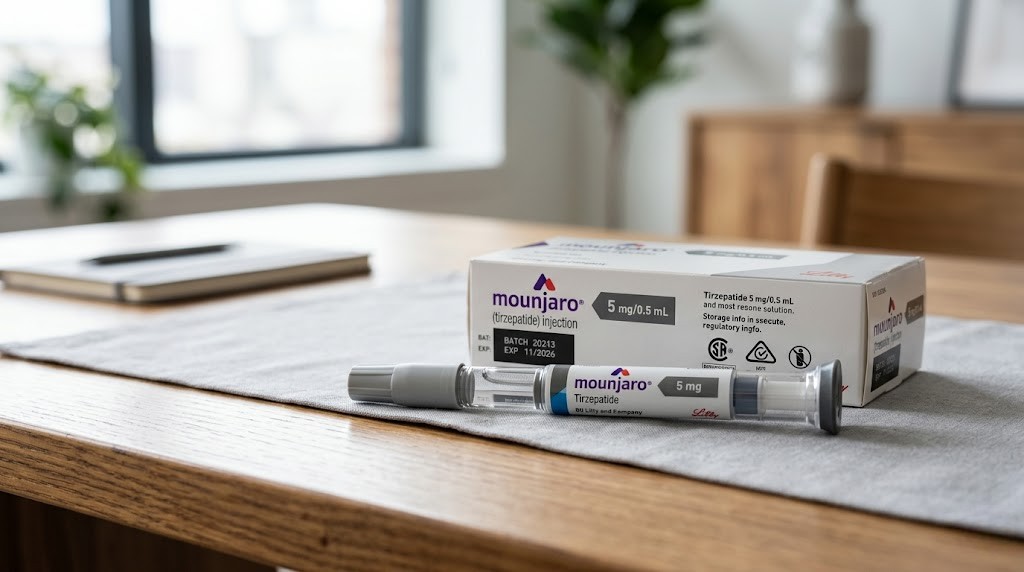
That number stopped researchers in their tracks. A Kinsey Institute survey of 2,000 single adults in the United States found that 52% of GLP-1 receptor agonist users reported the medication had impacted their sexual experiences. Not a small subset. Not an outlier group. More than half.
And the effects cut both ways. Eighteen percent reported increased sexual desire while 16% experienced a noticeable decline. Sixteen percent said their sexual function improved. Twelve percent said it worsened. Some users found their benefits from tirzepatide extended well beyond the scale, into the bedroom, into their confidence, into their relationships. Others encountered sexual challenges they never anticipated when they filled that first prescription.
Tirzepatide is one of the most prescribed GLP-1 medications for weight management and metabolic health. Millions of people inject it weekly, track their tirzepatide weight loss timeline, celebrate their before and after results, and share progress photos online. But the conversations about what happens in the bedroom remain whispered, if they happen at all. That same Kinsey survey revealed that 60% of men on GLP-1 medications feared being judged for using them, creating a wall of silence around side effects that people genuinely need to discuss openly and without shame.
This is your comprehensive guide to understanding how tirzepatide can affect sexual function, desire, and satisfaction. We will walk through the published research, examine the biological mechanisms at play, look at the differences between men and women, and provide evidence-based strategies for managing any changes you experience. Whether you are just starting your first dose of tirzepatide or months into treatment and noticing changes you did not expect, this information matters. Because weight loss should not come at the cost of your intimate life, and in many cases, it does not have to.
How tirzepatide affects sexual function
Understanding the relationship between tirzepatide and sexual health requires looking beneath the surface. The medication does not target sexual organs directly. It does not alter reproductive hormones through any primary mechanism. Instead, tirzepatide creates a cascade of metabolic and neurological changes that ripple outward into nearly every system in the body, including those responsible for desire, arousal, and sexual performance.
The mechanisms are multiple, overlapping, and sometimes contradictory. Some push sexual function down. Others lift it up. The net effect depends on the individual, the dose, the duration of treatment, and a host of lifestyle factors that you can actively influence. Understanding each mechanism gives you power over the outcome. And if you are preparing to start treatment and want to understand the full landscape of what to expect, including proper reconstitution technique and dose progression, having that foundation makes navigating any side effects, sexual or otherwise, much more manageable.
Many of the same factors that influence sexual side effects also drive other common experiences on tirzepatide. Dizziness, headaches across GLP-1 medications, gallbladder concerns, and injection site reactions share overlapping physiological roots with the sexual changes discussed here. The body is responding to a powerful metabolic intervention on multiple fronts simultaneously, and understanding the full side effect landscape helps put sexual changes in proper context.
The dopamine connection
Tirzepatide acts on both GLP-1 and GIP receptors. This dual action is what makes it so effective for increasing metabolism and driving weight loss that often surpasses what semaglutide alone can achieve. But these same receptors exist in the brain, particularly in areas that regulate reward and pleasure.
GLP-1 receptor activation reduces dopamine signaling in the mesolimbic pathway. This is the same pathway responsible for the rewarding sensation of food, alcohol, and yes, sexual activity. When dopamine signaling decreases, the brain experiences less drive toward reward-seeking behaviors across the board. Food cravings diminish. That is the therapeutic goal. But sexual desire can diminish alongside them, collateral damage in the war against appetite.
This explains why some users on tirzepatide report feeling generally less interested in pleasurable activities. Not depressed, necessarily. Not sad. Just less driven. The internal motivational push that once sparked desire may feel quieter, more distant, harder to access. It is a neurochemical shift, not a personal failing, and recognizing this distinction matters enormously for people who experience it.
The dopamine reduction also helps explain why tirzepatide has shown promise in reducing alcohol cravings, gambling urges, and compulsive shopping behaviors. The same circuit governs all of these reward-seeking drives. When you turn down the volume on one, you turn it down on all of them to some degree. Some users barely notice the change in sexual motivation. Others find it pronounced. Individual variation in baseline dopamine activity, receptor density, and sensitivity accounts for much of this difference. Users who also notice reduced interest in alcohol on tirzepatide may be especially likely to experience the dopamine-related sexual effects, as both reflect the same underlying neurochemical shift.
Serotonin receptor changes
The story does not end with dopamine.
GLP-1 receptor agonists also enhance serotonin receptor activity in specific brain regions. Serotonin and sexual function have a well-documented inverse relationship, which is why SSRI antidepressants so commonly cause sexual side effects. Higher serotonin activity tends to blunt sexual desire and delay orgasm. It raises the threshold for arousal, making the biological ignition sequence of sexual response harder to initiate and complete.
Tirzepatide is not an SSRI. The mechanism is different. But the downstream effect on serotonin receptors can produce similar outcomes in some users, including reduced libido, difficulty achieving orgasm, and decreased genital sensitivity. These effects vary significantly from person to person, which is why the Kinsey data shows such a wide spread of experiences. Users who are already taking SSRIs or other serotonergic medications may be more susceptible to this effect, as the serotonin-enhancing actions can stack. If you are managing anxiety on tirzepatide and considering additional medication, this interaction deserves attention during conversations with your prescriber.
Caloric restriction and hormones
There is another piece to this puzzle that many people overlook. Tirzepatide works partly by dramatically reducing appetite. Users eat significantly less. And when caloric intake drops too low, the body begins to prioritize survival over reproduction.
Sex hormone production requires adequate nutrition. Cholesterol is the precursor to testosterone, estrogen, and progesterone. When the body senses severe caloric restriction, it downregulates the hypothalamic-pituitary-gonadal axis. Testosterone drops. Estrogen fluctuates. The biological machinery that supports sexual function receives fewer resources because the body redirects energy toward keeping vital organs functioning.
This is not unique to tirzepatide. It happens with any form of significant caloric deficit, from crash diets to bariatric surgery to extended fasting protocols. But because tirzepatide can suppress appetite so effectively, users sometimes eat far less than they realize. If you have been wondering about hunger on tirzepatide, you know the medication can profoundly change your relationship with food. Some users report forgetting to eat entirely. Others struggle to finish even small meals. The flip side of this powerful appetite suppression is that eating too little creates its own cascade of hormonal consequences, and sexual function is often the first system to show the effects.
Monitoring caloric intake becomes critical. Users who track their food and ensure they are eating at least 1,200 calories daily, and ideally more, tend to experience fewer hormonal disruptions than those who let appetite suppression drive their intake to dangerously low levels. A structured tirzepatide diet plan can make the difference between preserving sexual function and losing it to inadequate nutrition.
Gastrointestinal side effects and desire
Let us be direct about something. It is difficult to feel sexually interested when you are nauseous.
Tirzepatide commonly causes gastrointestinal side effects, especially during dose escalation. Bloating, constipation, diarrhea, and nausea can all reduce sexual desire through simple physical discomfort. When your stomach is churning, intimacy is not on your mind. These effects tend to be most pronounced in the early weeks of treatment and during each dose increase, which aligns with what many users report about temporary dips in sexual interest that coincide with their tirzepatide dosing schedule.
The good news is that GI side effects typically improve with time. As your body adjusts to each dose level, the nausea and digestive disruption usually subside, and any sexually dampening effect they caused tends to resolve as well. Understanding what to eat on tirzepatide and which foods to avoid can accelerate this GI adjustment and indirectly support sexual comfort. Users of semaglutide experience similar GI patterns, with semaglutide bloating and semaglutide constipation following comparable timelines of onset and resolution.
Fatigue and energy redistribution
Tiredness on tirzepatide is another factor that quietly undermines sexual interest. When your body is processing rapid metabolic changes, losing significant weight, and adapting to new hormonal landscapes, fatigue is a natural consequence. Sexual activity requires energy, both physical and mental. The desire for sex competes with the desire for sleep, and during the adjustment period, sleep often wins.
Users who feel chronically drained during the early months of treatment often report that sexual desire returns as their energy stabilizes. Some eventually find that tirzepatide actually gives them more energy as weight comes off and metabolic health improves. The transition from fatigue to increased vitality is not linear, but it is common enough to give genuine hope to anyone struggling with exhaustion-related libido loss in the early months.
GLP-1 fatigue affects users of all medications in this class, not just tirzepatide. Semaglutide fatigue follows similar patterns, with the most intense exhaustion occurring during dose titration and gradually improving as the body adapts. Comparing semaglutide and tirzepatide side effects reveals that both medications share this fatigue profile, though individual responses vary.
Body temperature and circulation changes
Some users report feeling unusually cold on tirzepatide, a side effect that connects to sexual function in ways most people would not immediately recognize. Feeling cold on tirzepatide reflects changes in metabolic rate and peripheral blood flow. Reduced circulation to extremities and surface tissues can extend to genital tissues, potentially affecting arousal and sensation. When the body is conserving heat and redirecting blood flow to core organs, the genital vasodilation that supports sexual arousal may be diminished.
The testosterone connection
Here is where the conversation takes a turn that surprises most people. While tirzepatide can temporarily dampen sexual function through the mechanisms described above, it may also dramatically improve the hormonal foundation that supports healthy sexual performance. And the evidence is not just encouraging. It is striking.
Pilot study results that challenged expectations
A pilot study of 83 men with metabolic hypogonadism, a condition where excess body fat suppresses testosterone production, compared tirzepatide head-to-head against testosterone replacement therapy. The results after just two months were remarkable enough to make researchers reconsider their assumptions about the best approach to obesity-related low testosterone.
Men in the tirzepatide group saw their testosterone levels rise from 186.5 ng/dL to 424.0 ng/dL. That is a 128.5% increase. In two months. Without any exogenous testosterone. Their fat mass decreased by 42.3%. Their total body weight dropped by 8.1%. Estradiol, the form of estrogen that increases when men carry excess weight, plummeted by 60%. Luteinizing hormone climbed 80%, and follicle-stimulating hormone increased by 72.2%, indicating that the entire hypothalamic-pituitary-gonadal axis was reactivating naturally, waking up from the suppression caused by excess adipose tissue.
Now compare that to the TRT group. Those men saw testosterone rise from 186 to just 272 ng/dL, a 46.2% increase. Their weight decreased by only 3%. And their estradiol actually increased by 21.2%, a common and frustrating side effect of exogenous testosterone that gets converted to estrogen via the very aromatase enzyme that excess body fat produces.
The control group showed similar modest gains to TRT, with testosterone rising from 192 to 266 ng/dL and weight dropping just 2.4%.
Read those numbers again. Tirzepatide produced nearly three times the testosterone improvement compared to actual testosterone replacement therapy. And it did so while improving body composition, reducing estrogen, and restarting the natural production pathway rather than suppressing it. For men whose tirzepatide and testosterone concerns center on long-term hormonal health, this data is profoundly encouraging. It suggests that for a significant population of men, the best testosterone therapy might not be testosterone at all.
How weight loss restores testosterone naturally
The mechanism behind this testosterone surge is straightforward once you understand the biology. Adipose tissue, body fat, contains aromatase enzyme. Aromatase converts testosterone into estradiol. The more fat a man carries, the more testosterone gets converted to estrogen, creating a vicious cycle that accelerates with each pound gained. Low testosterone makes it harder to build muscle and lose fat. Excess weight further suppresses testosterone by increasing aromatase activity. The cycle feeds itself until testosterone levels fall into hypogonadal ranges.
Tirzepatide breaks this cycle aggressively. By producing substantial fat loss, particularly visceral fat loss around the organs where aromatase activity is highest, it reduces the total conversion capacity in the body. Less conversion means more testosterone remains in circulation. The pituitary gland detects improving hormonal balance and responds by increasing LH and FSH output, which signals the testes to produce more testosterone. The entire system begins to normalize, often reaching levels the man has not experienced in years or even decades.
This is why men who start tirzepatide with very low testosterone often experience an initial dip in sexual function followed by significant improvement as the weight comes off. The early weeks involve neurochemical adjustment and caloric restriction effects. The later months bring hormonal restoration that can dramatically improve every aspect of sexual health, from desire to performance to satisfaction. Understanding this timeline prevents premature discouragement. The time it takes for tirzepatide to work extends beyond just weight loss, and hormonal recovery follows its own schedule that often lags behind the scale by several weeks or months. Tracking your tirzepatide before and after progress holistically, including energy levels, mood, and sexual function alongside weight, gives a more complete picture of your trajectory.
Erectile function improvements
That same pilot study found something else worth noting. Men in the tirzepatide group showed better erectile function scores than those receiving TRT. Better. Than testosterone replacement. For erectile function specifically.
This makes physiological sense when you consider the multiple pathways involved. Erectile function depends on vascular health, nitric oxide production, testosterone levels, neurological signaling, and psychological confidence. Tirzepatide improves cardiovascular parameters, reduces systemic inflammation, lowers blood pressure, improves insulin sensitivity, and produces visible body changes that boost self-image. TRT addresses only the hormonal component, and when it increases estradiol as a side effect, it can actually worsen some aspects of sexual function while improving others.
For a deeper look at erectile concerns specifically, our guide on tirzepatide and erectile dysfunction covers the topic with the depth it deserves. The before and after transformations that many men share underscore the total-body improvement that ultimately supports sexual function from multiple angles. But the takeaway from this research is unmistakable. For men with obesity-related low testosterone, tirzepatide may ultimately be more beneficial for sexual function than the conventional treatment designed specifically to address it.
Sexual side effects in women
Women experience tirzepatide-related sexual changes differently than men, and the research illustrates why these differences matter clinically. While the Kinsey survey found that men experienced twice the magnitude of both positive and negative sexual effects, women face unique challenges related to hormonal sensitivity, genital physiology, and the psychological dimensions of desire that deserve separate, careful analysis.
A revealing case report
One of the most detailed published accounts of tirzepatide-related sexual dysfunction in women comes from a case report that followed a 36-year-old woman through multiple phases of treatment, discontinuation, and retreatment. She began tirzepatide with a BMI of 49.9, weighing 123 kilograms. Over the course of one year, she escalated from 5 mg per week to 12.5 mg per week and achieved extraordinary weight loss, reaching 76 kilograms.
The weight loss was remarkable. The sexual consequences were distressing.
She reported three distinct symptoms. Decreased sexual drive. Genital dryness. And failure to achieve orgasm. Her Female Sexual Function Index score, a validated clinical measure used worldwide in sexual medicine research, dropped to 12.7. For context, a score below 26.55 indicates sexual dysfunction. Her score was roughly half that threshold, indicating severe impairment across multiple domains of sexual function.
What happened next makes this case particularly valuable for understanding the mechanism. When she stopped tirzepatide for two months, her FSFI score improved dramatically to 28.7, well above the dysfunction threshold. Her symptoms resolved completely. She could experience desire, arousal, lubrication, and orgasm normally again. But she gained 7 kilograms during those two months off the medication, demonstrating the difficult tradeoff many users face.
When she restarted tirzepatide at the lower dose of 5 mg per week, the sexual dysfunction recurred within two months. Her FSFI score dropped to 14.7. And critically, all her hormonal labs remained normal throughout. Estrogen, testosterone, thyroid hormones, prolactin, all within reference ranges. This finding was significant because it indicated that the sexual side effects were not caused by hormonal disruption but rather by the direct neurochemical effects of GLP-1 receptor activation on brain pathways governing desire and arousal.
Specific symptoms women may experience
Based on published reports and clinical observations, women on tirzepatide may encounter several sexual health changes that range from subtle to significant.
Decreased libido is the most commonly reported symptom, manifesting as reduced spontaneous sexual thoughts, less interest in initiating intimacy, and diminished responsiveness to sexual stimuli that would previously have been arousing. This is not simply being tired or distracted. It is a neurochemical reduction in the brain signal that generates sexual motivation. Women describe it as feeling neutral about sex rather than averse to it, a quieting of internal desire rather than an active repulsion.
Vaginal dryness represents another significant concern that affects both comfort and pleasure. While this can occur due to estrogen changes associated with rapid weight loss, the case report above showed it occurring even with normal estrogen levels, suggesting a neurovascular mechanism related to GLP-1 receptor activity. Reduced blood flow to genital tissues decreases natural lubrication and overall sensation, making penetrative sex uncomfortable and reducing the arousal response that normally precedes and accompanies it.
Difficulty achieving orgasm, sometimes called anorgasmia, appeared prominently in the published case report and in online user communities. This aligns with the serotonin-enhancing effects of GLP-1 receptor agonists, as increased serotonergic activity is the primary mechanism behind SSRI-related anorgasmia as well. The sensation threshold increases, meaning more stimulation is needed for a longer duration to reach climax, and some women find they cannot reach orgasm at all during certain periods of treatment.
Some women also report changes in menstrual patterns while on tirzepatide, which can further complicate the sexual health picture. Irregular periods may create anxiety about fertility, hormonal balance, and overall reproductive health, all of which can psychologically dampen desire. Similarly, changes in menstrual cycles on GLP-1 medications are widely discussed among users of all GLP-1 receptor agonists, and these cycle disruptions can affect the natural fluctuation of desire that many women experience throughout their menstrual cycle. The experience of semaglutide effects on sex drive in women follows similar patterns, suggesting these are class-wide effects rather than specific to tirzepatide.
Hair loss on GLP-1 medications is another side effect that, while not directly sexual, can profoundly impact body image and sexual confidence in women. Feeling less attractive due to thinning hair compounds the challenge of maintaining sexual interest and willingness to be intimate.
Treatment approaches that showed results
The case report did not end with dysfunction. The clinical team implemented a multi-pronged treatment strategy that produced measurable improvement, proving that these side effects are manageable when addressed systematically.
They prescribed bupropion SR, starting at 150 mg and escalating to 400 mg. Bupropion works on dopamine and norepinephrine, directly counteracting the dopamine-reducing effects of GLP-1 receptor activation. This pharmacological choice was logical and targeted, addressing the presumed neurochemical cause rather than just the symptoms. Users interested in this combination can learn more about Wellbutrin and tirzepatide together.
Beyond medication, the patient engaged in psychosexual therapy to address the psychological dimensions of her changing relationship with her body and her sexuality. Rapid weight loss transforms how a person sees themselves, and that transformation can be disorienting even when it is welcome. Therapy provided a space to process these changes and develop new frameworks for sexual identity and expression.
Pelvic floor exercises were added to improve muscular tone and blood flow to the genital region. And topical lubricants were recommended for the dryness component, providing immediate symptomatic relief while the other interventions addressed root causes. The patient also maintained her nutritional intake and supplement regimen throughout, ensuring that caloric restriction was not compounding the neurochemical effects.
After one month of this combined intervention, her FSFI score improved from 14.7 to 24. That is a clinically meaningful improvement, nearly reaching the normal threshold, while she continued tirzepatide treatment and maintained her weight loss progress. The message is important. Sexual side effects on tirzepatide do not have to be accepted as inevitable permanent costs. Targeted, multi-modal interventions can help significantly, and the research proves it.
Sexual side effects in men
The Kinsey Institute data revealed something striking about men and GLP-1 medications. Men experienced approximately twice the magnitude of sexual effects compared to women, in both directions. Those who benefited saw larger improvements. Those who suffered experienced more pronounced dysfunction. This amplification likely reflects the stronger relationship between body weight, testosterone levels, and male sexual function, a relationship that makes the stakes feel higher and the experience more intense.
Erectile changes
Erectile function is sensitive to multiple factors that tirzepatide influences simultaneously. In the short term, some men report softer erections, particularly during dose escalation phases when the body is adjusting to increased GLP-1 receptor activation. The causes are multifactorial and interconnected. Reduced dopamine signaling decreases the psychological component of arousal. Caloric restriction may temporarily lower testosterone. Fatigue reduces the energy available for sexual performance. And anxiety about changes can create a self-reinforcing cycle of erectile difficulty where fear of failure produces the very failure that was feared.
But the longer-term picture often looks very different.
As weight decreases, vascular function improves. Blood pressure drops. Inflammatory markers decrease. The endothelium, the lining of blood vessels responsible for producing nitric oxide, becomes healthier and more responsive. And nitric oxide is the molecule directly responsible for initiating and maintaining erections, the same molecule that medications like sildenafil target pharmaceutically. Tirzepatide improves this system naturally through metabolic restoration. Add in the testosterone surge documented in the pilot study, a 128.5% increase in just two months, and many men find their erectile function at six months or a year significantly surpasses where it was before starting treatment, even surpassing levels they experienced years earlier.
For men experiencing erectile concerns on tirzepatide, understanding this timeline is essential. Early difficulties do not predict permanent dysfunction. They often represent a transitional phase while the body recalibrates its neurochemistry, hormonal production, and vascular function simultaneously. The timeline for tirzepatide to produce full effects extends well beyond the first few weeks, and erectile improvement often follows weight loss by several weeks as the downstream hormonal changes catch up to the metabolic ones.
Libido fluctuations
Male libido depends heavily on testosterone, dopamine, and overall energy. Tirzepatide affects all three. During the initial months of treatment, many men report decreased interest in sex. The thought simply does not arise as often. Stimuli that previously triggered desire may produce a muted response. Partners may notice the change before the user does.
This can be alarming.
Particularly for men who have always had strong libido, the sudden quieting of sexual drive can feel disorienting, even threatening to identity. Masculinity and sexual desire are deeply intertwined in cultural narratives, and experiencing reduced drive can trigger psychological responses that compound the biological ones. The fear factor is real. The Kinsey survey found that 60% of men feared judgment for using GLP-1 medications, and this anxiety extends into the bedroom, where performance pressure meets pharmaceutical uncertainty in an uncomfortable collision.
The biological reality is more nuanced than the initial experience suggests. As testosterone levels rise from weight loss and metabolic improvement, and as the metabolic benefits compound, libido typically recovers. Some men report libido levels higher than they experienced in years, particularly those who started treatment with significant obesity and corresponding hormonal suppression. The key variable is time. Quick biochemical suppression of dopamine creates an immediate, noticeable effect on desire. The slower, more gradual hormonal restoration unfolds over months, building momentum as fat mass decreases and testosterone production increases. During that gap between quick suppression and gradual restoration, patience and understanding from both the individual and their partner make an enormous difference.
Users who find that their tirzepatide seems to have stopped working or who are not losing weight on tirzepatide may experience prolonged libido challenges because the hormonal benefits depend on continued weight loss. Addressing weight loss plateaus can have downstream effects on sexual function as well.
Ejaculatory changes
Less commonly discussed but worth addressing honestly, some men report changes in ejaculation while on tirzepatide. These can include delayed ejaculation, reduced ejaculatory volume, or less intense orgasmic sensation. Like orgasmic difficulties in women, these effects likely stem from altered serotonergic activity in brain regions that regulate ejaculatory reflexes. They are typically dose-dependent and may improve with time or dose adjustment.
Men who experience these changes alongside other side effects like body aches, insomnia, or headaches should consider whether multiple factors are compounding to affect their overall quality of life. Sometimes a microdosing approach or temporary dose reduction can relieve the combined burden enough to allow the body to adjust more comfortably. The microdosing guide explains how smaller doses can maintain weight loss benefits while reducing the intensity of side effects across the board.
The male body image paradox
The Kinsey survey found that 59% of GLP-1 users reported changes in their dating behaviors. For men, this often involves a complex emotional landscape that creates what amounts to a paradox.
On one hand, weight loss brings increased confidence, improved attractiveness, and greater willingness to pursue romantic and sexual connections. The men before and after tirzepatide transformations speak for themselves. Clothes fit better. Energy improves. Social confidence rises. The desire to be seen and to connect grows stronger with each pound lost.
On the other hand, the medication itself can temporarily reduce the sexual capacity that men want to bring to those new opportunities. It is a frustrating paradox. You finally feel confident enough to pursue intimacy, but your body is not fully cooperating yet. The libido has not caught up to the confidence. The erections have not caught up to the desire. Recognizing this as a temporary, manageable phase rather than a permanent condition helps men navigate through it without abandoning treatment prematurely. The gap closes. It just takes time.
Positive sexual effects of tirzepatide
Not everything about tirzepatide and sexual function is challenging. The Kinsey data showed that 18% of users experienced increased desire, and 16% reported improved function. For many people, particularly those starting from a place of obesity-related sexual dysfunction, tirzepatide ultimately improves their sex lives substantially. The positive effects deserve as much attention as the challenges.
Weight loss and physical performance
Excess weight directly impairs sexual performance in ways that are both obvious and subtle. Cardiovascular fitness, stamina, flexibility, and physical comfort during sex all improve with weight loss. Breathing becomes easier. Joint stress decreases. Positions that were previously uncomfortable, painful, or physically impossible become available and enjoyable. The simple biomechanics of sex improve dramatically when carrying less body weight, and tirzepatide weight loss results can be significant enough to transform physical intimacy entirely.
Consider the practical realities. A person who has lost 40 or 50 pounds has fundamentally different physical capabilities during sex. Core strength is less burdened. Cardiovascular endurance improves. Skin-to-skin contact changes. Range of motion expands. These are not minor adjustments. For people who have lived with obesity-related physical limitations in the bedroom, these changes can feel revolutionary. The transformations men experience on tirzepatide and the documented weight loss results reflect physical changes that translate directly into improved sexual capability and confidence.
Hormonal restoration
We covered the testosterone data in detail above, but the magnitude bears repeating. For men, the 128.5% testosterone increase documented in the pilot study represents a potentially life-changing improvement in sexual function. A man going from 186 to 424 ng/dL crosses from clearly hypogonadal into the normal range, bringing with him increased desire, improved erections, better orgasmic intensity, and higher overall sexual satisfaction.
For women, reduced excess estrogen and improved hormonal balance from weight loss can alleviate conditions like polycystic ovary syndrome that impair both desire and function. Changes in menstrual regularity on tirzepatide often signal hormonal normalization that supports improved sexual function as well. Weight loss also reduces systemic inflammation that can disrupt the delicate hormonal interplay governing the female sexual response cycle.
The hormonal benefits extend beyond sex hormones. Insulin resistance improves. Cortisol levels normalize. Thyroid function may improve. These systemic hormonal improvements create a healthier foundation for sexual health, even if they take months to fully manifest. The body is an interconnected system, and metabolic restoration ripples through every aspect of physical function, including sexual function.
Body confidence and psychological well-being
This might be the most powerful positive effect, and it is one that clinical studies struggle to quantify because it lives in the subjective realm of how people feel about themselves.
Feeling good in your body changes everything about sexual confidence. The willingness to be seen. The comfort with vulnerability. The freedom to focus on pleasure rather than self-consciousness about appearance. For people who have spent years avoiding intimacy because of body shame, the physical transformation from tirzepatide can unlock a sexual life they thought was permanently behind them.
The Kinsey survey data showing 59% of users reporting dating behavior changes reflects this psychological shift beautifully. The tirzepatide weight loss journey is not just a physical transformation. People who feel better about their appearance pursue connections more actively. They communicate more openly about desires and boundaries. They show up differently in intimate moments, present rather than distracted by self-criticism. These changes matter as much as any hormonal metric, perhaps more, and they tend to compound over time as confidence builds upon itself and successful intimate experiences reinforce the positive self-image.
Reduced inflammation and improved blood flow
Chronic low-grade inflammation, common in metabolic syndrome and obesity, impairs vascular function throughout the body, including in genital tissues. Tirzepatide reduces systemic inflammation, improves endothelial function, and enhances blood flow to all organs and tissues.
For men, improved vascular function translates to stronger, more reliable erections because erection is fundamentally a vascular event, dependent on rapid blood flow into penile tissues and the ability of smooth muscle to relax and accommodate that flow. For women, improved genital blood flow supports natural lubrication, clitoral sensitivity, and overall arousal response. These vascular improvements often become noticeable several months into treatment and continue to develop as metabolic health improves, creating a progressively better foundation for sexual function.
SeekPeptides provides members with detailed guides on tracking these improvements alongside metabolic markers, helping users understand the full spectrum of changes occurring in their bodies during GLP-1 therapy, including the sexual health improvements that often go unmonitored.
When sexual changes typically appear
Timing matters enormously. Knowing when to expect changes, and when to expect improvement, prevents unnecessary anxiety and premature treatment abandonment. The trajectory of sexual function on tirzepatide follows a pattern that most users can anticipate, even though individual timelines vary.
Weeks one through four
The first weeks on tirzepatide bring the most dramatic adjustment period. GI side effects peak. Appetite drops sharply. The body begins adapting to GLP-1 receptor activation across multiple organ systems, including the brain. During this period, sexual changes are primarily driven by physical discomfort and neurochemical adjustment. Nausea, headaches, fatigue, bloating, and general malaise all compete for attention, leaving little room for sexual interest. The experience parallels what users of semaglutide describe during their first week on treatment. Body aches and feeling cold further diminish the physical comfort needed for sexual interest during this adjustment window.
Most users report the strongest dip in desire during these early weeks. It is typically not a deep concern yet because the overall adjustment to the medication dominates the experience. Sexual function takes a back seat to more immediate concerns about nausea, appetite changes, and learning the practical mechanics of weekly injections. Knowing how to inject tirzepatide properly and managing injection site reactions occupy more mental space than bedroom performance during this phase.
Months one through three
As doses escalate according to the tirzepatide dose chart and unit-based dosing protocol, the neurochemical effects deepen. Dopamine suppression becomes more established. Serotonin receptor changes stabilize at new levels. If sexual dysfunction is going to be a significant issue, this is usually when it becomes apparent and concerning. Users are past the acute GI adjustment but may not yet have lost enough weight to see the compensatory hormonal benefits that come with substantial fat loss.
This is the window where the case report patient experienced her symptoms most acutely. It is also when men may notice the most pronounced erectile or libido changes. For many users, this represents the low point of sexual function during treatment, the valley between the initial disruption and the eventual improvement. Understanding that this valley is normal, documented, and temporary for most people is essential for maintaining the psychological resilience needed to continue treatment.
Months three through six
A turning point often emerges during this period. Significant weight loss has occurred. Testosterone levels in men begin their upward trajectory, potentially rising dramatically as described in the pilot study data. Body confidence improves visibly. GI side effects have largely stabilized. The body has adapted to the neurochemical environment created by consistent GLP-1 receptor activation.
Many users report that sexual function begins returning during this window. Sometimes the improvement is gradual, a slowly rising tide of desire and function that builds week over week. Sometimes it arrives in noticeable jumps that correlate with particular weight milestones, dose stabilization, or lifestyle adjustments. Partners often notice the change before the user does, commenting on increased affection, more frequent initiation, or improved performance.
Six months and beyond
Long-term tirzepatide users who have achieved substantial weight loss frequently report sexual function that exceeds their pre-treatment baseline. The pilot study data showing massive testosterone improvements at just two months suggests that by six months, the hormonal environment may be substantially different than at baseline, potentially better than it has been in years.
Combined with improved cardiovascular fitness, reduced inflammation, better body image, and stabilized neurochemistry, the picture at six months is often vastly different from the picture at six weeks. Users who experienced constipation, diarrhea, or dry mouth in earlier months find those symptoms resolved, removing indirect barriers to sexual comfort. Those considering weaning off tirzepatide or thinking about maintaining weight loss after tirzepatide should factor in that sexual function improvements are among the benefits that persist after treatment if weight loss is maintained.
Not everyone follows this trajectory. Some users experience persistent sexual dysfunction that requires intervention. Others find that their experience matches the week-by-week pattern described for semaglutide in terms of gradual adjustment and improvement. But the general pattern of initial decline followed by gradual and then substantial improvement is the most common narrative in both clinical reports and user accounts across all GLP-1 medications. It is not a guarantee, but it is a well-supported expectation that should provide reassurance during the difficult early months.
Managing sexual side effects while on tirzepatide
You do not have to choose between weight loss and sexual health. Evidence-based strategies exist that can preserve or restore sexual function while continuing tirzepatide treatment. The case report demonstrated that targeted interventions improved FSFI scores from 14.7 to 24 within one month, even as the patient continued the medication. That improvement is not subtle. It represents a meaningful restoration of sexual function through addressable, practical interventions.
Nutrition and caloric adequacy
This is the single most actionable step most people can take immediately. And it costs nothing.
Eating too little undermines sexual function through hormonal suppression. When caloric intake drops below approximately 1,200 calories daily, the body begins rationing resources, and reproductive function is among the first systems to be deprioritized. The biological logic is straightforward. If the body perceives a famine, making new humans becomes a low priority. The hypothalamic-pituitary-gonadal axis downregulates. Testosterone drops. Ovulation may cease. Desire fades. Many tirzepatide users, riding the wave of profoundly suppressed appetite, unintentionally eat far less than this threshold for days or weeks at a time without realizing it.
Following a structured tirzepatide diet plan that ensures adequate caloric intake is not just about weight loss optimization. It is about preserving your hormonal health and, by extension, your sexual function. Focus on nutrient-dense foods that support hormonal production. Healthy fats from avocados, olive oil, nuts, and fatty fish provide the cholesterol precursors needed for sex hormone synthesis. Knowing what to eat on tirzepatide helps you make every calorie count when appetite is limited and every meal feels like a negotiation with a stomach that does not want food.
Protein intake deserves special attention. Aim for at least 0.7 grams per pound of body weight daily. Protein supports muscle preservation, which is critical for maintaining metabolic rate and testosterone production. It also provides amino acids like tyrosine, a dopamine precursor that can partially offset the dopamine-reducing effects of GLP-1 activation, and tryptophan, which supports healthy serotonin balance rather than the excessive serotonergic activity that impairs sexual function. Our resource on foods to avoid on tirzepatide can help you eliminate items that worsen GI side effects without sacrificing the nutritional quality that your hormonal system needs.
Exercise for sexual health
Physical activity is a powerful natural intervention for sexual function, and it works through multiple mechanisms simultaneously. The research on exercise and sexual health is robust, consistent, and encouraging.
Aim for at least 150 minutes of moderate-intensity exercise per week. This improves cardiovascular fitness and blood flow to all tissues, including genital regions. Resistance training specifically supports testosterone production and preservation of lean muscle mass, both of which are critical during weight loss when the body might otherwise catabolize muscle along with fat. High-intensity interval training has been shown to acutely boost growth hormone and testosterone levels in both men and women. Even walking, the simplest and most accessible form of exercise, improves vascular function and mood, both of which support sexual health.
Exercise also directly counteracts the dopamine-suppressing effects of GLP-1 medications. Physical activity stimulates dopamine release through pathways that are separate from the reward circuits affected by tirzepatide. This means exercise can partially restore the neurochemical drive for pleasure and desire that the medication may dampen. A vigorous workout followed by a shower can prime the brain for desire in ways that sitting on the couch cannot. It is not a perfect substitute for normal dopamine signaling, but it makes a measurable difference that compounds over time.
Users dealing with muscle pain on tirzepatide or joint pain should work with a physical therapist to find exercise modalities that are comfortable and sustainable. Swimming, cycling, and yoga can provide excellent cardiovascular and strength benefits while being gentler on joints than running or heavy weightlifting. The goal is consistent movement, not extreme exertion.
Strategic supplementation
Certain supplements taken alongside tirzepatide may support sexual health through multiple pathways. Zinc plays a critical role in testosterone production and is commonly depleted during caloric restriction, making supplementation particularly important for tirzepatide users who are eating less. Vitamin D supports hormonal balance across multiple axes, and deficiency is common in overweight and obese populations. Magnesium contributes to healthy testosterone levels, nervous system function, and muscle relaxation. Omega-3 fatty acids reduce inflammation and support vascular health, directly benefiting the blood flow that drives sexual arousal.
Vitamin B12 supplementation deserves specific mention because GLP-1 medications can reduce B12 absorption over time by altering gastric acid production and gut motility. B12 deficiency causes fatigue, mood changes, cognitive fog, and neurological symptoms that can all compound sexual dysfunction. Regular monitoring and supplementation can prevent this easily avoidable contributor to sexual health problems.
Glycine and niacinamide are additional supplements that some practitioners recommend alongside tirzepatide for their metabolic support properties. While not directly studied for sexual function in the context of GLP-1 therapy, their roles in cellular energy production, repair, and mitochondrial function may contribute to overall vitality and stamina that indirectly support sexual health. The peptide calculator and other tools at SeekPeptides can help you understand dosing for various supplements and peptides that complement your treatment.
Dose timing and adjustment
The timing and magnitude of your tirzepatide dose can influence the severity of side effects, including sexual ones. Some users find that the neurochemical effects are most pronounced in the 24 to 72 hours following injection, creating a predictable pattern of side effect intensity throughout the week. If this pattern applies to you, scheduling your injection strategically around your intimate life is a practical, if unconventional, strategy worth trying.
Choosing the best time to take your tirzepatide shot involves balancing multiple factors including GI tolerance, work schedule, and exercise routine. Sexual function can reasonably be added to that list. If you find that desire and function improve later in the week after your injection, scheduling intimacy for those better days is a simple adjustment. Some users time their injections for Monday so that weekend intimacy falls at the point of minimal side effect intensity.
For those experiencing significant sexual side effects, discussing a slower dose escalation with your healthcare provider may be appropriate. Microdosing tirzepatide is an approach that some practitioners use to minimize side effects while maintaining weight loss benefits, and the microdosing chart can help you understand what lower doses look like in practice. The compounded tirzepatide dosage calculator is another resource for understanding precise dosing when working with compounded formulations. Any dose changes should be made under medical supervision, but advocating for a pace that preserves quality of life is entirely appropriate.
Users interested in alternative delivery methods might also explore information about oral tirzepatide, though availability and sexual side effect profiles for oral formulations are still being studied.
Bupropion as an adjunctive treatment
The case report used bupropion SR as a pharmacological intervention for tirzepatide-related sexual dysfunction, and the results were encouraging enough to suggest a viable treatment pathway for others experiencing similar challenges. Bupropion works by inhibiting the reuptake of dopamine and norepinephrine, directly addressing the neurochemical mechanism believed to cause GLP-1-related sexual side effects.
Bupropion has a well-established track record of improving sexual function in the context of SSRI-related dysfunction, where it is sometimes added specifically to counteract sexual side effects while allowing the patient to continue their antidepressant. Its application for GLP-1-related sexual issues represents an emerging but biologically logical extension of this use. The dopamine-enhancing mechanism directly opposes the dopamine-reducing effect of GLP-1 receptor activation, creating a pharmacological balance that can restore sexual motivation and function.
The case report patient was started at 150 mg and increased to 400 mg, with improvement noted within one month of the combined intervention. The rapid response suggests that when the mechanism is correctly targeted, improvement can be swift and meaningful.
This medication is not right for everyone. It carries its own side effect profile, including potential for insomnia, anxiety, and dry mouth. It also interacts with certain other medications and is contraindicated in some conditions. But for users whose sexual dysfunction is significantly affecting quality of life and relationship satisfaction, it represents a targeted, evidence-based option worth discussing with a prescriber. The combination of Wellbutrin and tirzepatide is increasingly discussed in clinical practice for exactly this reason, and some clinicians are beginning to proactively offer it to patients who report sexual side effects. Users considering phentermine alongside tirzepatide should note that phentermine also has stimulant properties that may affect sexual function differently.
Pelvic floor exercises
For women, pelvic floor exercises were part of the successful treatment protocol in the published case report, contributing to the improvement in FSFI scores. These exercises strengthen the muscles that support sexual function, improve blood flow to the genital region, and can enhance sensation and orgasmic capacity. Kegel exercises represent the most well-known form, but a comprehensive pelvic floor program includes stretching, relaxation, and coordination exercises as well. Many women benefit from working with a pelvic floor physical therapist who can assess muscle tone and create a targeted program.
Men also benefit from pelvic floor training, though it is discussed far less frequently. Strong pelvic floor muscles support erectile rigidity, ejaculatory control, and orgasmic intensity. The ischiocavernosus and bulbospongiosus muscles, both part of the pelvic floor, are directly involved in maintaining erection firmness and powering ejaculation. While less commonly discussed in the context of GLP-1 medications, pelvic floor rehabilitation is an underutilized tool for men experiencing sexual side effects from any cause.
Communication with partners
This is not a biological intervention, but it may be the most important strategy on this entire list.
Sexual dysfunction creates shame. Shame creates silence. Silence creates distance. And distance compounds the original problem, layering relationship strain on top of physiological challenges until the whole picture feels overwhelming. Breaking this cycle requires honest conversation with your partner about what you are experiencing, why it is happening, and that it is not a reflection of diminished attraction or desire for them specifically.
Explain that tirzepatide affects brain chemistry in ways that can temporarily alter sexual response. Share that this is a documented, researched phenomenon affecting more than half of GLP-1 users. Frame it as a temporary challenge within the larger goal of improving health and longevity. And most importantly, discuss what forms of intimacy still feel good and available, because sexual connection extends far beyond any single act or any single measure of performance.
Couples who navigate this challenge together often report that the experience actually deepens their intimacy. The vulnerability required to discuss sexual difficulties can build emotional connection in ways that routine, unchallenged sex does not. This is a silver lining that many couples discover on the other side of the conversation they were afraid to have. Resources like our tirzepatide weight loss timeline and dosing guide can help both partners understand what to expect at each stage of treatment, reducing uncertainty and supporting informed, collaborative decision-making.
Alcohol and substance considerations
Alcohol is a sexual double-edged sword even without medication. In small amounts, it may reduce inhibition and increase subjective arousal. In larger amounts, it impairs sexual function significantly, delays orgasm, causes erectile difficulties, and reduces genital sensitivity. On tirzepatide, these effects are amplified because GLP-1 medications alter alcohol absorption and metabolism. Many users find they become intoxicated faster and experience more pronounced effects from smaller quantities.
Drinking on tirzepatide requires careful moderation under any circumstances, and excessive consumption is likely to worsen any existing sexual side effects by compounding the neurochemical and vascular impairments already present from the medication. If you are experiencing sexual challenges on tirzepatide, reducing or eliminating alcohol is one of the simplest interventions you can make with the highest likelihood of positive impact.
Sleep optimization
Poor sleep devastates sexual function through multiple pathways. Testosterone production occurs primarily during deep sleep, so disrupted sleep patterns directly reduce the hormonal support for sexual health. Growth hormone release, another sleep-dependent process, supports tissue repair and metabolic function that contribute to sexual vitality. And sleep deprivation increases cortisol, the stress hormone that actively suppresses reproductive function.
Insomnia on tirzepatide is a reported side effect that, when present, can create a compounding negative effect on sexual function. The GLP-1 fatigue guide and the semaglutide insomnia guide discuss sleep disruption across GLP-1 medications in detail. Prioritizing sleep hygiene, maintaining consistent sleep and wake times, avoiding stimulants after noon, and creating a dark, cool sleeping environment can improve both sleep quality and sexual health simultaneously. These are not minor lifestyle adjustments. For many users, fixing sleep is the single most impactful change they can make for their sexual health on tirzepatide. Choosing the right injection timing can also help minimize sleep disruption by avoiding the most active GI side effect window during nighttime hours.
Stress management and mental health
Chronic stress suppresses sexual function independently of any medication. When cortisol remains elevated, the body deprioritizes reproductive function in favor of survival responses. Tirzepatide does not cause stress, but the experience of managing a new medication, coping with side effects, navigating body changes, and dealing with the social dynamics of weight loss can all increase baseline stress levels.
Meditation, therapy, mindfulness practices, and adequate leisure time all support sexual function by lowering cortisol and improving the neurochemical environment for desire. Users managing anxiety on tirzepatide should consider that anxiety treatment may have beneficial downstream effects on sexual function as well. Understanding how GLP-1 medications affect overall well-being can help normalize the adjustment experience and reduce anxiety about the process itself. If stress is contributing to stalled weight loss on tirzepatide, addressing it serves double duty by improving both metabolic outcomes and sexual function simultaneously.
Tirzepatide and oral contraceptives
Women using hormonal birth control while on tirzepatide need to know about an important interaction that directly affects reproductive and sexual health decisions. This is not a sexual side effect per se, but it is critical information for sexually active women on this medication.
Tirzepatide delays gastric emptying. This is part of how it works. Food stays in the stomach longer, creating fullness and reducing appetite. But oral medications also stay in the stomach longer, and their absorption can be reduced, delayed, or made inconsistent as a result.
Oral contraceptives rely on consistent, predictable absorption to maintain effective hormone levels throughout the cycle. When tirzepatide delays gastric emptying, the absorption of birth control pills can become unpredictable. The hormones may be absorbed more slowly, in different amounts, or at different times than expected, potentially reducing contraceptive efficacy during critical windows of the menstrual cycle.
Clinical guidance recommends using additional forms of contraception, such as condoms or other barrier methods, for four weeks after initiating tirzepatide and for four weeks after each dose increase. These are the periods when gastric emptying changes are most pronounced as the body adjusts to new medication levels. After the body adjusts to a stable dose, the interaction may be less clinically significant, but discussing this with your prescriber is essential. Not optional. Essential.
This interaction is particularly important given that tirzepatide may increase fertility in some women. Weight loss can restore ovulatory function in women with obesity-related anovulation, and the benefits of tirzepatide beyond weight loss include metabolic improvements that support reproductive health, meaning that women who previously could not get pregnant may suddenly be able to. Some women have experienced unplanned pregnancy on tirzepatide, sometimes to their surprise and sometimes to their delight, but always requiring medical attention and planning. If you are not planning pregnancy, taking this contraceptive interaction seriously is critical. Our guide on tirzepatide while breastfeeding addresses another dimension of this reproductive health conversation for women who are already in the postnatal period.
Women who use other forms of hormonal contraception, such as patches, rings, injections, implants, or IUDs, are generally not affected by this interaction because those delivery methods bypass the gastrointestinal tract entirely. If you are starting tirzepatide and currently use oral contraception, discussing a switch to a non-oral method with your gynecologist is a straightforward way to eliminate this concern. For women who travel frequently and need to maintain their medication schedule reliably, our guide on traveling with tirzepatide covers the practical logistics of keeping both your GLP-1 medication and your contraception on track while away from home.
When to talk to your doctor
Not every sexual change during tirzepatide treatment requires medical intervention. Mild, temporary dips in desire during the first few weeks of treatment or during dose increases are common and usually self-resolving. But certain situations warrant a conversation with your healthcare provider, and waiting too long to have that conversation can allow manageable problems to become entrenched ones.
Persistent dysfunction lasting more than three months
If sexual dysfunction persists beyond the initial adjustment period, it is time to investigate more thoroughly. Your provider can check hormone levels, including total and free testosterone, estradiol, DHEA-S, thyroid hormones, and prolactin. While the case report showed normal labs in the context of GLP-1-related dysfunction, hormonal issues can coexist with medication effects and require separate treatment. Metabolic panels, vitamin levels, and inflammatory markers can also reveal contributing factors that are independently treatable. If you are also experiencing hair loss, muscle pain, persistent fatigue, or joint pain alongside sexual dysfunction, the combined picture may point toward nutritional deficiencies or hormonal issues that a comprehensive lab panel can identify. The reconstitution process and storage of your medication should also be verified to ensure you are receiving the correct dose, as improper preparation can affect both efficacy and side effect patterns.
Dysfunction causing significant relationship distress
When sexual changes begin damaging your relationship, early intervention is better than waiting and hoping the problem resolves on its own. Couples who address sexual health challenges proactively, with honesty and professional guidance, have much better outcomes than those who let resentment, frustration, and distance build over time. Your doctor can refer you to a sexual health specialist, urologist, gynecologist, or couples therapist who understands the medication context and can provide targeted help.
Complete loss of desire or function
A complete absence of sexual desire or total inability to function sexually is more concerning than a partial decrease and warrants prompt evaluation. This may indicate a dose that is too aggressive for your body, a nutritional deficiency that needs correction, an underlying condition that the medication is unmasking, or severe caloric restriction similar to what causes paradoxical weight gain through metabolic adaptation. Dose adjustment using the tirzepatide dosage calculator for precision, temporary medication holiday, or adjunctive treatment may be appropriate, but these decisions require clinical judgment based on your complete picture. Understanding dosing flexibility and medication management logistics helps you make informed decisions during these discussions.
New onset of genital pain or discomfort
Pain during sex is never normal and always warrants evaluation regardless of what medication you are taking. While vaginal dryness from tirzepatide can cause friction-related discomfort, and while general body aches on tirzepatide may extend to pelvic regions, pain during sex can also indicate infections, structural issues, hormonal conditions, or other problems that require diagnosis and treatment. Do not assume all genital symptoms are medication-related. Get evaluated.
Mood changes accompanying sexual dysfunction
If decreased sexual function comes alongside depression, persistent anxiety, emotional numbness, or loss of interest in activities beyond sex, the picture may be broader than isolated sexual side effects. The neurochemical changes from GLP-1 medications can affect mood through the same dopamine and serotonin pathways that affect sexuality, and some users develop depressive symptoms that encompass but extend beyond sexual function. Your provider needs to see the full picture to make appropriate recommendations, which may include adjusting your tirzepatide dose, adding supportive medication, or referring to mental health services.
At SeekPeptides, we believe that informed patients have better outcomes across every dimension of health. Understanding when to seek help, and feeling empowered to advocate for your sexual health alongside your weight management goals, is part of the comprehensive approach to GLP-1 therapy that leads to the best overall quality of life. Your doctor should be a partner in this journey, not someone you feel embarrassed to speak with honestly. Gathering information about your current dose, your supplement regimen, and your nutritional approach before the appointment helps make the conversation more productive and efficient.
Comparing tirzepatide to semaglutide for sexual side effects
If you are weighing your options between GLP-1 medications, sexual side effects may factor into your decision alongside efficacy, cost, and tolerability. Both tirzepatide and semaglutide act on GLP-1 receptors and therefore share similar potential for sexual function changes through the dopamine and serotonin mechanisms described throughout this guide.
However, tirzepatide has a potential advantage worth considering. Its additional GIP receptor activation produces faster, more substantial weight loss, which means the compensatory hormonal improvements, particularly the dramatic testosterone increases documented in men, may arrive sooner. The pilot study data showing a 128.5% testosterone increase with tirzepatide over just two months suggests that the medication may ultimately produce better sexual health outcomes than semaglutide, even if the initial adjustment period is similar or slightly more pronounced due to the dual receptor activation.
The speed of weight loss also means that the body image improvements, the vascular benefits, the metabolic boost, and the overall restoration all occur on a faster timeline. For users whose sexual dysfunction is primarily driven by obesity-related factors rather than direct neurochemical effects, faster weight loss means faster sexual recovery. The tradeoff is potentially more intense initial side effects, including more pronounced GI challenges and fatigue, but a shorter total duration of those effects.
Our detailed semaglutide vs tirzepatide comparison examines the differences between these medications across multiple dimensions including efficacy, cost, and tolerability. For women interested in how semaglutide specifically affects sexual health, our guide on semaglutide and sex drive in women provides focused analysis based on available research and user reports. The side effect comparison between semaglutide and tirzepatide can help you understand the broader differences in tolerability, including GI effects, fatigue patterns, and other side effects that indirectly influence sexual function.
Users considering a switch between medications should read our guide on switching from tirzepatide to semaglutide for practical guidance on how to transition safely while minimizing disruption to both weight loss progress and sexual function. Understanding the week-by-week results on semaglutide versus the tirzepatide timeline can help set realistic expectations for how quickly sexual improvements might follow the metabolic improvements on either medication.
The role of body composition beyond the scale
Weight loss alone does not tell the full story of how tirzepatide affects sexual function. Body composition, the ratio of fat to lean mass, matters as much as or more than total weight. Two people can weigh the same but have vastly different hormonal profiles, cardiovascular fitness levels, and sexual function depending on how much of their weight is fat versus muscle.
Tirzepatide produces significant fat loss, but it can also lead to muscle loss if nutrition and exercise are not optimized. Muscle tissue is metabolically active and supports testosterone production. Losing muscle along with fat can blunt the hormonal improvements that would otherwise support sexual function. This is why resistance training and adequate protein intake are not optional accessories to tirzepatide treatment. They are essential components that determine whether the sexual side effect story ends with net improvement or net decline. Understanding the connection between tirzepatide and testosterone helps reinforce why body composition matters so much more than the number on the scale when it comes to sexual health outcomes.
Users tracking their tirzepatide transformation should consider monitoring body composition rather than just weight. Body fat percentage, waist circumference, and muscle measurements can reveal whether the weight loss is the healthy, testosterone-boosting kind that supports sexual function or the muscle-wasting kind that undermines it. For users who are gaining weight on tirzepatide, the situation may actually reflect muscle gain alongside fat loss, which is metabolically and sexually favorable even though the scale moves in an unexpected direction.
The peptides for fat loss resource at SeekPeptides discusses how various peptide therapies target fat loss while preserving lean mass, a distinction that has direct implications for sexual health outcomes during weight management. The semaglutide dosage calculator and compounded tirzepatide calculator are also useful tools for ensuring your dose supports optimal body composition changes rather than excessive muscle loss.
Practical daily habits that protect sexual function on tirzepatide
Beyond the major strategies discussed above, small daily habits can accumulate into significant protection for your sexual health during treatment. These are the practical, unglamorous choices that make a real difference over weeks and months.
Morning routine adjustments
Start each day with a protein-rich breakfast even when appetite is minimal. A protein shake, Greek yogurt with nuts, or eggs can provide the amino acid foundation your hormonal system needs without requiring a large volume of food. This single habit addresses the caloric restriction mechanism more effectively than any supplement. Following a structured eating plan that front-loads protein in the morning helps overcome the appetite suppression that worsens as the day progresses for many tirzepatide users.
Morning exercise, even a 20-minute walk, stimulates dopamine production and cortisol clearance that set the neurochemical stage for better sexual function throughout the day. Users who have found increased energy on tirzepatide often attribute it partly to consistent morning movement that became possible as weight decreased.
Hydration and vascular support
Dehydration impairs vascular function and blood flow, directly undermining the physiological prerequisites for sexual arousal in both men and women. Tirzepatide users are often undertaking significant caloric restriction simultaneously, which reduces the water obtained from food. Combined with potential diarrhea or increased perspiration from exercise, dehydration can develop quickly and subtly. Aim for at least 64 ounces of water daily, and more during exercise or warm weather. Some users find that adequate hydration also reduces headaches and dizziness that can compound the discomfort undermining sexual interest.
Evening wind-down for better sleep and intimacy
Creating a consistent evening routine that promotes both sleep quality and emotional connection with your partner serves multiple purposes. Reducing screen exposure an hour before bed improves melatonin production and sleep onset. Spending that hour in conversation, physical affection, or shared relaxation activities builds the emotional intimacy that supports sexual desire. Users struggling with insomnia often find that a structured wind-down routine improves both their sleep and their intimate life, addressing two tirzepatide side effects with one behavioral change.
Tracking patterns to identify your best days
Keeping a simple journal of energy levels, mood, GI symptoms, and sexual interest throughout the week can reveal patterns related to your injection schedule. Some users discover that days three through five after injection are their best window for sexual activity, while days one and two bring the most intense bloating, fatigue, and nausea. Identifying your personal pattern allows strategic planning that works with your body rather than against it. Adjusting when you take your weekly shot based on these patterns is a simple optimization that many users overlook.
Supplement timing for maximum benefit
If you are taking supplements alongside tirzepatide, timing matters for absorption. Zinc and magnesium taken before bed can support overnight testosterone production and improve sleep quality simultaneously. B12 supplements taken in the morning support energy levels throughout the day. Omega-3 fatty acids taken with your largest meal improve absorption and support the anti-inflammatory benefits that help vascular function. Niacinamide taken consistently supports cellular energy production that contributes to overall vitality. Using the peptide calculator to optimize your overall supplement protocol ensures nothing is working at cross-purposes with your tirzepatide treatment.
Knowing when to adjust your approach
If you have been on a stable dose for more than three months, have implemented nutritional and lifestyle changes, and still experience significant sexual dysfunction, it may be time for a different approach. This could mean consulting about adding bupropion, exploring microdosing strategies, requesting comprehensive hormone testing, or discussing whether switching to semaglutide might produce a different side effect profile for your individual biochemistry. Sometimes the oral formulation of tirzepatide produces different patterns of absorption and side effects that may be worth exploring if injectable tirzepatide has been problematic. The semaglutide dosage calculator can help you understand equivalent dosing if a medication switch is under consideration.
The goal is never to simply endure side effects indefinitely. It is to find the approach that gives you the metabolic benefits you need while preserving the quality of life, including sexual quality of life, that makes those health improvements worthwhile.
Frequently asked questions
Does tirzepatide cause sexual side effects?
Yes, tirzepatide can cause sexual side effects in some users. The Kinsey Institute survey found that 52% of GLP-1 users reported the medication impacted their sex lives. These effects include both decreases and increases in sexual desire and function. The mechanism involves reduced dopamine signaling, enhanced serotonin activity, potential hormonal changes from caloric restriction, and physical side effects like nausea and fatigue that indirectly affect sexual interest. However, the effects vary widely between individuals, and many users experience improvement in sexual function over time as weight loss improves hormonal balance and metabolic health. The pilot study showing 128.5% testosterone increases in men suggests that long-term sexual outcomes may be very positive for many users.
Can tirzepatide increase testosterone?
Research suggests it can, and significantly. A pilot study of men with metabolic hypogonadism found that tirzepatide increased testosterone by 128.5% over two months, outperforming testosterone replacement therapy, which produced only a 46.2% increase. This effect occurs primarily through weight loss reducing aromatase activity, which lowers the conversion of testosterone to estrogen. Fat mass decreased by 42.3% in the tirzepatide group while estradiol dropped 60%, indicating a fundamental shift in hormonal balance. For men with obesity-related low testosterone, tirzepatide may restore natural hormone production more effectively than direct testosterone supplementation. Our full guide on tirzepatide and testosterone explores this relationship comprehensively.
How long do sexual side effects last on tirzepatide?
The duration varies by individual and by the specific nature of the effect. Acute sexual dysfunction from GI discomfort and initial neurochemical adjustment typically improves within the first four to eight weeks of treatment as the body adapts. More persistent effects related to dopamine and serotonin receptor changes may last through the first three to six months. However, many users report that sexual function improves significantly after substantial weight loss occurs, particularly as testosterone levels rise in men and overall hormonal balance improves in women. The case report demonstrated that adjunctive treatments like bupropion can accelerate improvement within one month, even while continuing tirzepatide. Users who adjust their dosing schedule sometimes find that timing changes affect the duration and intensity of side effects as well.
Will my sex drive come back after stopping tirzepatide?
Based on available evidence, yes. The case report showed that when the patient stopped tirzepatide for two months, her FSFI score improved from 12.7 to 28.7, indicating full resolution of sexual dysfunction. This supports the understanding that the sexual effects are pharmacologically mediated rather than permanent structural changes. However, discontinuation also led to weight regain of 7 kg in that two-month period, and regaining weight can reintroduce the obesity-related sexual dysfunction that existed before treatment. If you are considering stopping tirzepatide due to sexual side effects, discuss how to wean off tirzepatide with your provider, and explore maintaining weight loss after tirzepatide to protect both your weight loss progress and the hormonal improvements that came with it.
Does tirzepatide cause erectile dysfunction?
Tirzepatide can temporarily affect erectile function through multiple mechanisms, including reduced dopamine signaling, caloric restriction effects on testosterone, fatigue, and psychological stress. However, the longer-term picture is often more positive than the initial experience suggests. The pilot study found that tirzepatide actually produced better erectile function outcomes than testosterone replacement therapy in men with metabolic hypogonadism, demonstrating that the weight loss and metabolic improvements eventually outweigh the neurochemical suppression for most men. Weight loss also reduces the risk of gallbladder issues and other obesity-related conditions that can indirectly affect overall vitality and sexual health. Our comprehensive guide on tirzepatide and erectile dysfunction covers this topic extensively with additional research and practical management strategies.
Can I take Wellbutrin with tirzepatide for sexual side effects?
Published case reports support bupropion (Wellbutrin) as an adjunctive treatment for tirzepatide-related sexual dysfunction. Bupropion works on dopamine and norepinephrine pathways, directly counteracting the dopamine suppression caused by GLP-1 receptor activation that appears to drive sexual side effects. In the documented case, bupropion SR at 150 to 400 mg, combined with pelvic floor exercises, psychosexual therapy, and topical lubricants, improved the patient FSFI score from 14.7 to 24 within one month while she continued tirzepatide. This combination should only be used under medical supervision, and your prescriber needs to evaluate whether bupropion is appropriate given your complete medical history and any other medications you may be taking, such as phentermine or B12 injections. Our guide on Wellbutrin and tirzepatide discusses the combination, its evidence base, and practical considerations in detail.
Does tirzepatide affect birth control effectiveness?
Yes. Tirzepatide delays gastric emptying, which can reduce or alter the absorption of oral contraceptives. Clinical recommendations advise using additional contraception methods, such as barrier methods, for four weeks after starting tirzepatide and for four weeks after each dose increase. Non-oral forms of contraception like IUDs, implants, patches, rings, and injections are not affected because they bypass the gastrointestinal tract. This is especially important to consider given that weight loss from tirzepatide can restore fertility in women with obesity-related anovulation, sometimes unexpectedly. Some women have become pregnant on tirzepatide without planning to, in part because they did not know about this interaction or did not use backup contraception during dose changes.
Are sexual side effects different for men and women on tirzepatide?
Yes, meaningfully so. The Kinsey Institute survey found that men experienced approximately twice the magnitude of both positive and negative sexual effects compared to women. Men tend to experience changes primarily in erectile function, libido intensity, and ejaculatory patterns, with the potential for dramatic hormonal improvement as weight loss restores testosterone production. Women more commonly report changes in desire, vaginal lubrication, and orgasmic capacity, with the mechanism appearing to be more neurochemical than hormonal based on the case report showing normal hormone levels during dysfunction. Both genders can benefit from adequate nutrition, exercise, strategic supplementation, and adjunctive medications when needed, but the specific interventions may differ. Men benefit particularly from resistance training and testosterone-supporting nutrition, while women may benefit more from pelvic floor exercises, topical lubricants, and psychosexual therapy.
External resources
Kinsey Institute Research on Sexual Health - Academic research on human sexuality and reproductive health from Indiana University
PubMed - Search engine for biomedical literature, including studies on GLP-1 receptor agonists and sexual function
Endocrine Society - Professional organization providing clinical guidelines on hormonal health, testosterone, and metabolic disorders
American Association of Sexuality Educators, Counselors, and Therapists - Directory for finding certified sex therapists who can help with medication-related sexual dysfunction
International Society for Sexual Medicine - Global organization dedicated to research and education in sexual medicine
Making informed decisions about tirzepatide and your sexual health
The relationship between tirzepatide and sexual function is more complex, more nuanced, and ultimately more hopeful than most online discussions suggest. Yes, more than half of GLP-1 users report some sexual impact. But the direction of that impact varies enormously, the timeline of effects matters greatly, and evidence-based interventions exist for those who experience challenges along the way.
The data tells a story of short-term disruption followed by long-term potential improvement. Testosterone levels can rise by more than 128% in men with metabolic hypogonadism. Cardiovascular and vascular health improvements support better erectile and arousal function in both genders. Body confidence transforms intimate relationships in ways that no medication can replicate. And targeted treatments like bupropion, pelvic floor exercises, nutritional optimization, and strategic supplementation can bridge the gap between early side effects and lasting benefits.
What matters most is that you do not suffer in silence. Talk to your partner honestly. Talk to your doctor openly. Advocate for your quality of life across all dimensions, not just the number on the scale. Weight loss that costs you intimacy, connection, and sexual satisfaction is not the complete picture of health, and with the right approach, information, and support, you should not have to choose between these goals.
Members of SeekPeptides access comprehensive protocols, dosing guides, and expert resources that address the full spectrum of GLP-1 therapy, including the side effects that rarely make it into the marketing brochures but profoundly affect daily life. If you want to approach your tirzepatide journey with complete information and evidence-based strategies for every challenge that may arise, membership gives you the tools, the knowledge, and the community to navigate this path with confidence rather than confusion.
And in case nobody satisfactorily explained this part of the journey to you before today, now you know. You have the research numbers. You have the mechanisms. You have the strategies. You have the understanding that these effects are real, documented, manageable, and often temporary.
That is not a small thing. In the uncharted territory of GLP-1 therapy and sexual health, reliable information is the most valuable thing you can carry with you. And in case I do not see you, good afternoon, good evening, and good night.