Dec 20, 2025
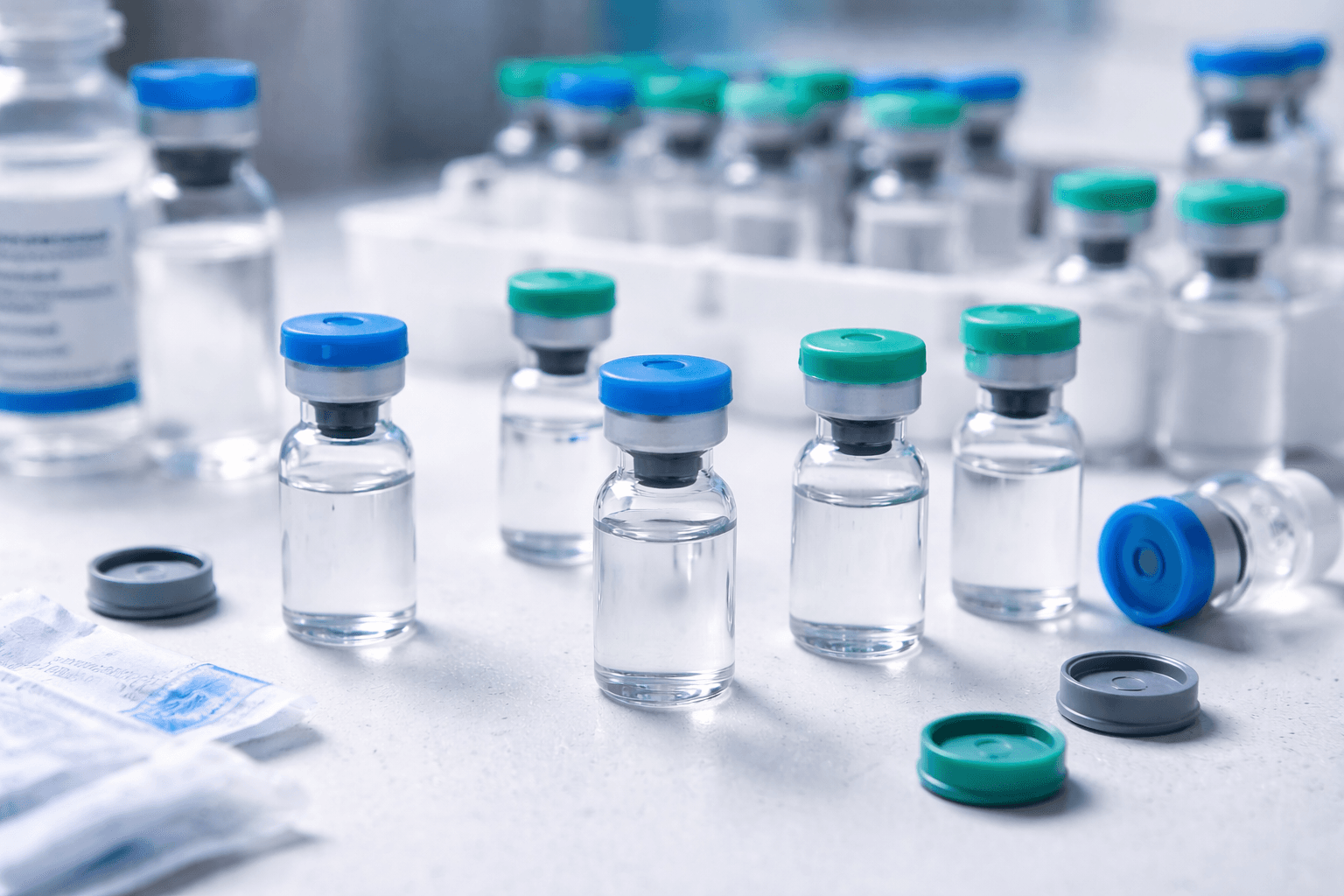
Peptides represent one of the most exciting and powerful frontiers in personal health and recovery. They are short chains of amino acids that act as signaling molecules, instructing your body to perform specific functions like healing, burning fat, or boosting growth hormone. For many, they offer a path to recovery and performance that traditional supplements simply cannot match.
But here is the hard truth: peptides for beginners mistakes are incredibly common, and they are costly.
Starting a peptide protocol is not like taking a multivitamin. It involves precise measurements, specific storage conditions, and a commitment to a protocol. A single, simple error can completely negate your results, waste hundreds of dollars, and leave you frustrated, convinced that peptides are nothing more than hype. You are about to invest your time, your money, and your hope into this process. You deserve to get the results you are looking for.
This comprehensive guide is designed to be your shield against those costly errors. We will walk you through the common peptide mistakes that trip up nearly every first-time user, providing you with the exact, actionable steps you need to take to avoid them. By understanding these pitfalls—from sourcing to storage to dosing—you can ensure your journey with peptides is safe, effective, and delivers the powerful results you expect.
Mistake #1: buying from untested suppliers
This is the single most critical error you can make. It is the foundation upon which all other mistakes are built. You cannot expect to see results if the product you are using is not what it claims to be. The market is flooded with low-quality, mislabeled, or outright fake peptides, and a beginner's mistake is trusting the wrong source.
Why this is harmful
When you buy from an untested supplier, you are playing a game of chance with your health and your wallet.
The peptide you receive might be heavily diluted, contain impurities, or be an entirely different, cheaper compound.
You might be injecting a product that is only 50% pure, or worse, one that contains harmful contaminants.
This leads to zero results, or even adverse effects, and you will have wasted your money on a useless product. The financial loss is significant, but the loss of faith in the protocol is often more damaging. You will believe that peptides do not work, when in reality, you were simply using a bad product.
How to avoid this
The solution is simple but non-negotiable: only purchase from vendors who provide recent, verifiable, third-party testing.
This testing should be specific to the batch you are receiving and should confirm the purity (ideally 98% or higher) and identity of the compound. Look for a certificate of analysis (COA) from an independent, accredited laboratory.
If a vendor does not openly display their COAs, or if the COAs are old or from an unverified lab, you should walk away immediately. This is the first and most important step in getting started with peptides successfully. You can find a detailed breakdown of what to look for in a reputable source in our best peptide vendors guide.
Real example
Imagine a beginner who decides to try BPC-157 for a nagging knee injury. They find a vendor selling a 5mg vial for an unbelievably low price of $30.
They buy it, reconstitute it, and inject it daily for six weeks. At the end of the cycle, they feel no change. They assume BPC-157 is ineffective.
The reality?
A third-party test later revealed the vial contained only 1.5mg of BPC-157 and 3.5mg of filler, meaning they were only getting 30% of the intended dose.
They wasted six weeks and $30 on a product that was destined to fail.
This is a classic peptide beginner error that costs both time and money.
Mistake #2: using sterile water instead of bacteriostatic water
Once you have a high-quality, lyophilized (freeze-dried) peptide, the next step is reconstitution. This is where many beginners make a critical error by choosing the wrong diluent. They often grab sterile water, thinking it is the safest and purest option. This is a major peptide protocol mistake.
Why this is harmful
Lyophilized peptides are incredibly stable and can last for years in the freezer. However, once you add water—a process called reconstitution—the clock starts ticking. Peptides are fragile organic molecules, and once in a liquid solution, they begin to degrade. Sterile water contains no preservative, meaning the peptide solution will only remain viable for about 1 to 3 days before degradation accelerates significantly. If you reconstitute a 30-day supply with sterile water, you will be injecting a rapidly decaying, ineffective solution for the vast majority of your cycle. This is a guaranteed way to ensure inadequate dosing and zero results.
How to avoid this
You must use bacteriostatic water (BW). Bacteriostatic water is sterile water that contains 0.9% benzyl alcohol. This small amount of alcohol acts as a preservative, inhibiting the growth of bacteria and significantly slowing the degradation of the peptide. When properly refrigerated, a peptide reconstituted with BW can remain potent for up to 28 days. This is the standard shelf life for most protocols. Our bacteriostatic water guide explains the science behind this in detail. To ensure you are using the correct amount of BW for your vial size, always consult a peptide reconstitution calculator before mixing.
Real example
A user purchases a 10mg vial of TB-500, planning a 4-week cycle. They reconstitute it with 2ml of sterile water. By day 5, the solution has lost a significant amount of its potency, and by day 10, it is practically useless. They are injecting what is essentially expensive water for the last three weeks of their cycle. Had they used bacteriostatic water, the full 28-day supply would have remained potent, ensuring they received the full therapeutic benefit of the TB-500 complete guide protocol.
Mistake #3: inadequate dosing (too low)
Peptides are dose-dependent. This means there is a minimum effective threshold (MET) below which the peptide simply will not trigger the desired biological response. One of the most common peptide beginner errors is being overly cautious and using a dose that is too low to be effective.
Why this is harmful
Using a dose below the MET is functionally the same as not using the peptide at all. You are still going through the process of reconstitution and injection, but you are not providing your body with enough of the signaling molecule to initiate the healing or growth process. This results in a complete waste of your product and your time. For example, a common BPC-157 protocol might require 250mcg twice daily. If you only inject 50mcg once a day, you are not even close to the required therapeutic level. This is a classic peptide dosing mistake that leads to frustration and the belief that the peptide is ineffective.
How to avoid this
You must research and adhere to established, effective dosing protocols. These protocols are based on clinical research and anecdotal evidence from thousands of users. Never guess your dose. Start by identifying the established range for your chosen peptide and your specific goal. For example, a typical BPC-157 complete guide protocol for localized injury is 250mcg twice daily for 6-8 weeks. Once you have the dose, you must accurately calculate the volume to draw into your syringe. This is where a BPC-157 dosage calculator or a TB-500 dosage calculator becomes indispensable. For weight loss peptides, a Semaglutide dosage calculator is essential for the necessary titration schedule. For general use, a general peptide calculator can help you convert milligrams to micrograms and determine the correct volume.
Real example
A beginner wants to use TB-500 for tendon repair. They read that the loading phase is 5mg per week, but they decide to split their 5mg vial into 20 tiny, 250mcg doses, injecting once a day for 20 days. This is a classic misunderstanding of the protocol. TB-500 is typically dosed at 2.5mg twice a week during the loading phase. By spreading the dose too thin, they never achieve the necessary systemic concentration to trigger the repair process. They feel no benefit and conclude that best peptides for tendon repair are a myth. The mistake was not using the correct peptide cost calculator to understand the value, but rather failing to use the correct how to calculate peptide dosages guide.
Mistake #4: stopping protocol too early
You start a peptide cycle for an injury. Within two weeks, the pain is 80% gone. You feel fantastic, so you stop injecting. This is a major what not to do with peptides error that almost guarantees a relapse.
Why this is harmful
Peptides like BPC-157 and TB-500 work by promoting true tissue regeneration and healing, not just masking pain. While the pain relief can be rapid, the underlying tissue—the tendon, ligament, or muscle—is not yet fully restored to its pre-injury strength. If you stop the protocol prematurely, you are leaving the tissue in a vulnerable, partially healed state. The initial improvement was a sign that the peptide was working, but the full cycle is required to consolidate that healing and prevent the injury from returning the moment you put stress on it. Feeling better does not equal fully healed.
How to avoid this
Commit to the full, established cycle length for your goal. For most healing protocols, this means a minimum of 6 to 8 weeks, and often 12 weeks for chronic or severe injuries. Think of it like a course of antibiotics: you finish the full prescription, even if you feel better after a few days. The best peptides for injury recovery require patience and commitment. Our getting started with peptides guide emphasizes the importance of commitment to the full protocol. If you are stacking peptides, ensure you understand the cycle length for each one using a peptide stack calculator.
Real example
A runner uses BPC-157 and TB-500 for a persistent hamstring strain. After three weeks, they are pain-free and resume their full running schedule, stopping the injections. Two weeks later, the hamstring strain returns, often worse than before. They failed to realize that the pain relief outpaced the actual tissue repair. A full 8-week cycle would have given the tissue the necessary time to fully remodel and strengthen. This is a classic example of a beginner mistaking symptom relief for a complete cure.
Mistake #5: poor storage (not refrigerating)
You have successfully sourced a pure peptide and reconstituted it with bacteriostatic water. The next hurdle is maintaining its potency. A common peptide beginner error is a failure to understand the fragility of the reconstituted solution, leading to a major peptide storage mistake.
Why this is harmful
Once a lyophilized peptide is reconstituted, it becomes a delicate solution. Exposure to heat, light, and even room-temperature air will cause the peptide bonds to break down, a process called degradation. Peptides are essentially chains of amino acids, and heat acts as a catalyst, speeding up the breakdown of these chains. Storing your reconstituted vial on a bathroom counter or in a gym bag, even for a few hours, can dramatically reduce its effectiveness. This is why the 28-day shelf life with bacteriostatic water is only valid when the solution is kept cold. Room temperature storage means rapid degradation, and you will be injecting a rapidly decaying, ineffective compound.
How to avoid this
All reconstituted peptides must be stored in the refrigerator, ideally between 2°C and 8°C (36°F and 46°F). The best practice is to keep the vial in its original box or a dark, sealed container to protect it from light. Even before reconstitution, the lyophilized powder should be stored in a cool, dark place, such as a freezer, to maximize its shelf life. Never leave a reconstituted vial out for more than a few minutes. If you are traveling, you must use a small cooler or insulated bag with an ice pack. Our comprehensive peptide storage guide provides detailed instructions for both powder and liquid forms. Remember, proper storage is just as important as proper dosing for maximizing the benefits of BPC-157 complete guide or any other protocol.
Real example
A new user of Ipamorelin, a growth hormone-releasing peptide, is meticulous about their nightly injection. However, they keep their reconstituted vial in a small cabinet in their bedroom. The room temperature averages 22°C (72°F). After two weeks, they notice their sleep quality and recovery benefits have significantly diminished. The peptide, which should have lasted 28 days, degraded rapidly due to the constant exposure to room temperature. They essentially wasted half of their product and experienced a premature end to their cycle. They should have consulted the peptide reconstitution calculator to ensure they only mixed what they could use within the proper storage window.
Mistake #6: starting with multiple peptides
The world of peptides is exciting, and it is easy to get carried away. You read about the healing power of BPC-157, the muscle-building potential of Ipamorelin, and the fat-loss effects of Semaglutide. A common common peptide mistake is to start a "stack" of three or four different peptides at the same time.
Why this is harmful
When you introduce multiple compounds simultaneously, you lose the ability to isolate the effects of any single one. If you experience a positive result—better sleep, faster healing, or increased energy—you will not know which peptide is responsible. More importantly, if you experience a negative side effect, such as a headache, nausea, or injection site irritation, you will have no way to pinpoint the culprit. This makes troubleshooting impossible. You will be forced to stop the entire protocol, wasting all the products and potentially missing out on the benefits of the one peptide that was working. This is a classic peptide stack calculator error that can be easily avoided.
How to avoid this
Start with a single peptide for a single, clearly defined goal. Run a full cycle (typically 6-8 weeks) and carefully track your results. Once you understand how your body responds to that specific compound, you can consider adding a second one. This methodical approach allows you to build a personal profile of what works for you. If you are considering a stack, use a peptide stack calculator to ensure compatibility and proper dosing. For example, a common and well-understood stack is BPC-157 vs TB-500 for injury recovery, but even this should be approached after you have experience with a single compound. Our getting started with peptides guide strongly recommends a slow, deliberate approach.
Real example
A beginner decides to stack Ipamorelin, CJC-1295, and a small dose of Semaglutide vs tirzepatide for a body recomposition goal.
They start all three on the same day.
Within a week, they feel extremely fatigued and have persistent nausea.
They cannot determine if the fatigue is from the growth hormone-releasing peptides (Ipamorelin/CJC-1295) or the GLP-1 agonist (Semaglutide).
They panic, stop everything, and conclude that peptides are too complicated. Had they started with just Ipamorelin, they would have likely only experienced better sleep and could have slowly introduced the other compounds. This is a perfect example of a beginner making a complex peptide protocol mistake.
Mistake #7: inconsistent dosing schedule
Peptides are signaling molecules that work best when they maintain a relatively consistent level in your system. A common common peptide mistake is treating the dosing schedule casually, skipping doses, or injecting at wildly irregular times.
Why this is harmful
Many peptides have a relatively short half-life, meaning they are cleared from your system quickly. For example, some growth hormone-releasing peptides need to be dosed multiple times a day to maintain a steady, pulsatile release of GH. Skipping a dose or injecting at 8 AM one day and 10 PM the next disrupts the intended biological signal. This inconsistency prevents the peptide from achieving the necessary therapeutic concentration in your blood, which is essential for triggering the desired long-term effects like tissue repair or sustained fat loss. Inconsistent dosing is a form of inadequate dosing that sabotages your results.
How to avoid this
Establish a strict, consistent dosing schedule and stick to it. Use alarms on your phone or a dedicated tracking app. If a peptide requires twice-daily dosing, aim for 10-12 hours apart (e.g., 8 AM and 8 PM). If it is a once-daily dose, take it at the same time every day. For peptides like Semaglutide dosage calculator protocols, which are often once-weekly, the day of the week must be consistent. Consistency is the key to success in any peptide protocol mistakes avoidance strategy. Our how to calculate peptide dosages guide stresses that the when is just as important as the how much.
Real example
A user is on a cycle of TB-500 complete guide for a shoulder injury, which requires twice-weekly injections. They are diligent for the first two weeks, injecting every Monday and Thursday. In the third week, they forget their Thursday dose and take it on Saturday instead.
The following week, they are busy and take it on Tuesday and Friday.
This erratic schedule means the systemic concentration of TB-500 is constantly fluctuating, never reaching the optimal level to drive tissue repair. They experience slow, disappointing results and blame the peptide, when the true issue was a failure to maintain a consistent peptide dosing mistake schedule.
Mistake #8: shaking vials vigorously
This is a simple, yet devastating, peptide beginner error that can destroy the integrity of your product during the reconstitution process.
Why this is harmful
Peptides are delicate protein structures. When you reconstitute a lyophilized powder, you are adding a liquid (bacteriostatic water) to a solid. The natural instinct is to shake the vial vigorously to speed up the mixing process. However, shaking creates foam and introduces shear forces that can physically damage the fragile peptide molecules. This process, known as denaturation, causes the peptide to unravel and lose its biological activity. You are essentially destroying the very thing you paid for. A vial that has been vigorously shaken is a vial of denatured, ineffective amino acid fragments.
How to avoid this
Reconstitution must be a gentle process. After injecting the bacteriostatic water into the vial (aiming the stream at the side of the glass, not directly onto the powder), you should gently swirl the vial. Do not shake it. You can also let the vial sit in the refrigerator for 15-30 minutes, allowing the powder to dissolve naturally. If the powder is stubborn, a very gentle, slow swirling motion is all that is required. Patience is key. Our how to reconstitute peptides guide provides a step-by-step visual demonstration of the correct, gentle technique. This simple act of patience can save you hundreds of dollars and ensure the full potency of your product.
Real example
A beginner buys a 5mg vial of BPC-157 complete guide. They are in a hurry to start their cycle, so they add the water and shake the vial hard for 30 seconds until the powder is completely dissolved. They have successfully dissolved the powder, but they have also denatured a significant portion of the peptide. They proceed with their cycle and experience minimal results. They then read about the proper technique, buy a new vial, and gently swirl it. The second cycle yields the powerful healing effects they were expecting. The first cycle was a complete waste due to a simple, avoidable peptide protocol mistake.
Mistake #9: no progress tracking
You are investing significant time and money into your peptide protocol. Yet, a surprising number of beginners commit the peptide beginner error of failing to track their progress in any meaningful way. They rely on vague feelings or memory, which is a recipe for disappointment.
Why this is harmful
Without objective data, you cannot accurately assess the effectiveness of your protocol. You might be making slow, steady progress that you fail to notice because you are focused on a single, dramatic outcome. Conversely, you might be wasting time and money on a protocol that is not working, but you continue because you feel like you should be improving. No progress tracking makes it impossible to troubleshoot your protocol. If you are using a stack, like Ipamorelin vs CJC-1295, and you experience a side effect, a detailed log is the only way to determine which compound or dose change caused the issue. You cannot optimize what you do not measure.
How to avoid this
Keep a detailed logbook or journal. This should be a non-negotiable part of your getting started with peptides routine. Track the following:
1.Dose and Time: The exact dose (in mcg or mg) and time of every injection.
2.Injection Site: Where you injected (e.g., left quad, abdominal fat).
3.Subjective Feelings: Energy levels, sleep quality, mood, and appetite.
4.Objective Metrics: For injury recovery, track pain levels (1-10) and range of motion. For weight loss, track weight, waist circumference, and body fat percentage. For muscle growth, track lift numbers and body measurements.
This log is your most valuable tool. It allows you to make data-driven decisions, ensuring you are not making a peptide dosing mistake or a peptide protocol mistake.
Real example
A beginner starts a cycle of BPC-157 benefits for gut health. They feel a little better after a week, but then they have a bad day and assume the peptide is not working. They almost quit. However, they look back at their log and see that their average daily pain score has dropped from 7 to 3 over the last 10 days, and their frequency of flare-ups has halved. The log provides the objective proof that the protocol is working, preventing them from making the mistake of stopping too early.
Mistake #10: buying pre-mixed liquid peptides
The convenience of a pre-mixed, ready-to-inject vial is highly appealing to a beginner. However, this is a massive red flag and one of the most critical peptide sourcing mistakes you can make.
Why this is harmful
As discussed in Mistake #2, reconstituted peptides are highly unstable and have a short shelf life of about 28 days, even when refrigerated with bacteriostatic water. If a vendor is selling a pre-mixed liquid peptide, it means they reconstituted it weeks or months ago. By the time it reaches you, it is highly likely to be significantly degraded and virtually useless. Furthermore, the act of shipping a liquid peptide, which is exposed to temperature fluctuations outside of a controlled cold chain, accelerates this degradation. A vendor selling pre-mixed liquid peptides is either ignorant of basic peptide chemistry or, more likely, knowingly selling an inferior, degraded product. This is a huge indicator of a low-quality source and a major what not to do with peptides warning.
How to avoid this
Always purchase peptides in their lyophilized (freeze-dried) powder form. This is the most stable form and ensures maximum potency upon arrival. You should be the one to reconstitute the peptide immediately before your cycle begins. If a vendor only offers liquid peptides, or if their primary offering is liquid, you should immediately look elsewhere. Our lyophilized vs liquid peptides comparison guide explains the chemical reasons why the powder form is superior. Stick to vendors who adhere to the highest standards, as outlined in our best peptide vendors guide.
Real example
A beginner, eager to start their cycle of best peptides for muscle growth, orders a pre-mixed vial of an IGF-1 variant. It arrives at room temperature in a small plastic bag. They inject it for a month and see no change in strength or recovery. They later learn that the peptide has a half-life of only a few days in liquid form at room temperature. They wasted $200 on a vial of degraded amino acids. Had they purchased the lyophilized powder and followed the proper peptide storage guide, they would have seen the expected results.
Mistake #11: reconstituting too many vials at once
This mistake is a direct consequence of ignoring the short shelf life of reconstituted peptides and is a common peptide protocol mistake that leads to unnecessary waste.
Why this is harmful
Even with bacteriostatic water and perfect refrigeration, the 28-day rule is a firm limit for most peptides. Reconstituting multiple vials at once, perhaps to save time or to have a full cycle ready, means that any vial not used within that 28-day window will begin to lose potency rapidly. If you are running a 12-week cycle, and you reconstitute all three vials on day one, the second and third vials will be significantly degraded by the time you get to them. You are essentially throwing away a portion of your investment. This is a classic peptide cost calculator error, as you are unnecessarily increasing the cost of your protocol.
How to avoid this
Only reconstitute the amount of peptide you can realistically use within a 28-day period. For a standard 8-week cycle, you would reconstitute the first vial, use it for 4 weeks, and then reconstitute the second vial for the remaining 4 weeks. This ensures that you are always injecting a fresh, potent solution. Before you begin, use a peptide reconstitution calculator to determine the exact volume of bacteriostatic water needed for your vial size and desired concentration. Then, use the peptide cost calculator to plan your purchases and reconstitution schedule efficiently.
Real example
A user is running a cycle of TB-500 complete guide and has three 5mg vials. They reconstitute all three at once, thinking they are being efficient. They use the first vial in 4 weeks. When they start the second vial, they notice the solution is slightly cloudy and their results stall. By the time they get to the third vial, it is nearly useless. They wasted two-thirds of their product. A simple plan to reconstitute one vial at a time would have saved them hundreds of dollars and ensured a successful cycle.
Mistake #12: unrealistic expectations
This is a psychological common peptide mistake that can be just as damaging as a physical one. Many beginners enter the world of peptides expecting steroid-like results or a magic bullet cure for chronic conditions.
Why this is harmful
Peptides are powerful, but they are not anabolic steroids. They work by optimizing and enhancing your body's natural signaling pathways. They are modulators, not blunt instruments. Expecting to gain 15 pounds of muscle in a month from a growth hormone-releasing peptide, or to have a 10-year-old injury vanish in a week from BPC-157, will lead to inevitable disappointment. This disappointment can cause you to abandon a perfectly effective protocol prematurely, or, worse, to increase your dose to dangerous levels in a desperate attempt to force the results you want. This is a failure to understand how peptides work.
How to avoid this
Ground your expectations in reality and the available scientific literature. Peptides are best viewed as tools to optimize recovery, enhance natural processes, and accelerate healing. They work best when combined with a solid foundation of diet, exercise, and sleep. For example, best peptides for weight loss like Semaglutide work by regulating appetite and blood sugar, not by magically melting fat. Our peptide research and studies section provides a wealth of information on what is scientifically plausible. Understand that results are often subtle and cumulative. Track your progress (Mistake #9) to see the objective, incremental improvements.
Real example
A user starts a cycle of a growth hormone secretagogue, hoping to look like a bodybuilder in six weeks. They are disappointed when they only notice better sleep and slightly faster recovery from workouts. They stop the cycle, convinced it was a waste. They failed to realize that better sleep and faster recovery are the actual primary benefits of these peptides, which, over a longer period (6-12 months), lead to significant body composition changes. They made the mistake of comparing peptides vs SARMs or steroids, which is an unfair and inaccurate comparison.
Quick reference checklist: your peptide success blueprint
To ensure you avoid the common peptide mistakes outlined above, use this checklist before you start your protocol and throughout your cycle. This is your essential guide to getting the most out of your investment.
•Sourcing: Did you buy lyophilized powder from a vendor with recent, third-party COAs? If not, check our best peptide vendors guide.
•Diluent: Are you using bacteriostatic water for reconstitution? Never use sterile water. Consult the bacteriostatic water guide.
•Reconstitution: Did you gently swirl the vial? Did you use the peptide reconstitution calculator to get the right concentration?
•Dosing: Are you following an established protocol? Did you use the BPC-157 dosage calculator or Semaglutide dosage calculator to confirm your volume?
•Storage: Is your reconstituted peptide in the refrigerator (2°C-8°C)? Review the peptide storage guide.
•Stacking: Are you only using one peptide, or a well-researched stack? If stacking, did you use the peptide stack calculator?
•Consistency: Are you committed to injecting at the same time every day? Read the how to calculate peptide dosages guide for scheduling tips.
•Duration: Are you committed to the full cycle length (e.g., 6-8 weeks)? Don't stop early just because you feel better.
•Tracking: Are you keeping a detailed log of your dose, time, and progress? This is vital for assessing BPC-157 benefits.
•Expectations: Are your expectations realistic? Peptides are modulators, not magic. Check the peptide research and studies for context.
Frequently asked questions
Even after avoiding the major common peptide mistakes, beginners often have lingering questions about the practical application of their protocol. Here are answers to the most common ones.
1. what is the difference between research and pharmaceutical peptides?
The primary difference lies in regulation and intended use. Research vs pharmaceutical peptides are sold for in vitro (test tube) or in vivo (animal) research purposes only. They are not approved by the FDA for human use. Pharmaceutical peptides, like prescription insulin or certain growth hormone therapies, are FDA-approved and manufactured under strict Good Manufacturing Practice (GMP) guidelines for human use. Research peptides are generally more accessible but require the user to take full responsibility for their use and sourcing.
2. how do i know if my peptide has gone bad?
The most common signs of degradation are cloudiness, discoloration, or the presence of particles in the solution. If your reconstituted peptide is not perfectly clear, it is likely degraded and should be discarded. A change in smell is also a sign. If you are unsure, it is always safer to discard and reconstitute a fresh vial, especially considering the cost of a full protocol. This is why proper peptide storage guide adherence is so important.
3. can i use a different needle size for my injections?
Yes, but you must be precise. Most users prefer a 29-31 gauge, 1/2-inch insulin syringe for subcutaneous injections. The key is to ensure the syringe has clear markings that allow you to accurately measure the volume determined by your general peptide calculator. Using a syringe with poor or inaccurate markings is a form of peptide dosing mistake.
4. is it better to inject locally or systemically?
It depends on the peptide and the goal. For localized injury repair with peptides like BPC-157 and TB-500, many users prefer to inject subcutaneously as close to the injury site as possible. For systemic effects, such as fat loss with Semaglutide vs tirzepatide or growth hormone release with Ipamorelin vs CJC-1295, the injection site (e.g., abdominal fat) is less critical, as the peptide will circulate throughout the body.
5. what is the best way to dispose of used needles and vials?
Never throw used needles in the regular trash. This is a serious safety hazard. You must use an FDA-cleared sharps disposal container (a hard plastic container with a tight-fitting lid). Once full, contact your local waste management or health department for proper disposal instructions.
6. what is the difference between bpc-157 and tb-500?
They are often stacked because they work synergistically, but they have different mechanisms. BPC-157 vs TB-500 shows that BPC-157 is a partial sequence of a human stomach protein that promotes healing in the gut, tendons, and ligaments. TB-500 is a synthetic version of Thymosin Beta-4, which promotes cell migration and blood vessel formation (angiogenesis), leading to systemic healing. BPC-157 is more localized; TB-500 is more systemic.
7. how long does it take to see results?
Results vary widely based on the peptide, the goal, and the individual. For acute injury repair with BPC-157 complete guide, some users report noticeable pain reduction within the first week. For body composition changes, such as those from best peptides for muscle growth, it can take 6-8 weeks to see significant, measurable results. Patience and consistency are key to avoiding the unrealistic expectations mistake.
8. can i take peptides orally instead of injecting?
While some peptides, like an oral form of BPC-157, are available, most peptides are broken down by stomach acid before they can be absorbed. Therefore, most protocols require subcutaneous injection for maximum bioavailability and effectiveness. Our injectable vs oral peptides comparison details the pros and cons of each delivery method.
Conclusion: your path to peptide success
The world of peptides is a powerful one, but it demands respect and precision. The difference between a successful, life-changing protocol and a costly, frustrating failure often comes down to avoiding the peptides for beginners mistakes detailed in this guide.
You now have the knowledge to navigate the most common pitfalls: you know to prioritize sourcing from vendors with third-party testing, to always use bacteriostatic water for reconstitution, and to commit to the full, established dosing schedule. You understand that consistency, proper storage, and realistic expectations are the pillars of your success.
Peptides are not a magic bullet, but they are a powerful tool when used correctly. By treating your protocol with the diligence it deserves, you will maximize your investment, minimize your risk, and finally achieve the results you are looking for. Start slow, track everything, and use the resources provided to ensure every injection moves you closer to your goal.
In case I don’t see you, good afternoon, good evening, and good night. Take care of yourself. Cheers.