Feb 11, 2026
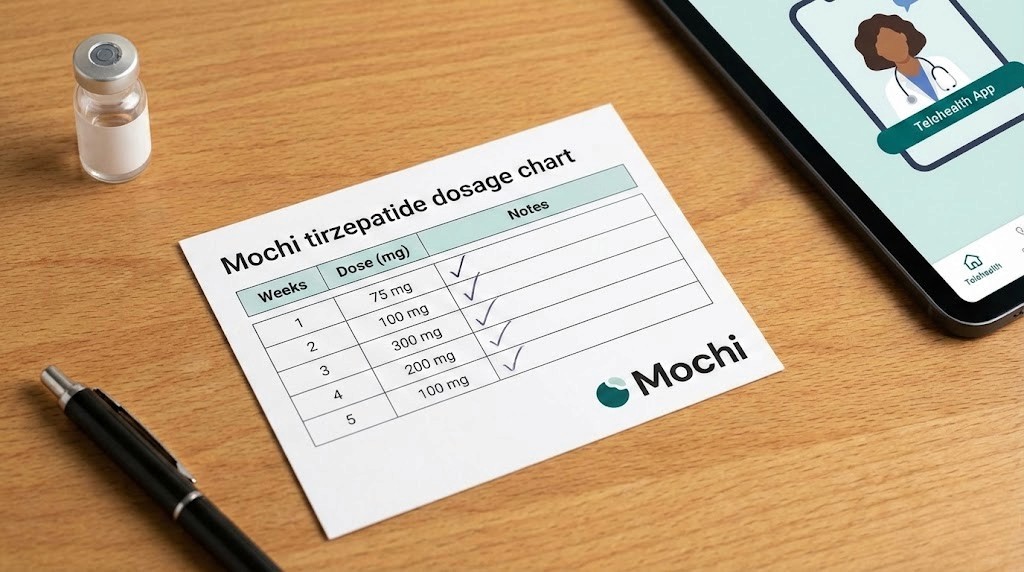
You just received your Mochi Health shipment. The vial is in your hand. And the label says something completely different from what you expected.
Maybe it reads 10mg/mL. Maybe 20mg/mL. Maybe the units your provider listed in the portal do not match the numbers on the syringe you are holding. This is the exact moment where most Mochi patients freeze, because the gap between what they thought they understood and what they are actually looking at feels enormous.
You are not alone. Thousands of Mochi Health patients face this identical confusion every single week, and the consequences of getting it wrong range from wasted medication to ineffective dosing to potential side effects from taking too much. The problem is not your intelligence or your attention to detail. The problem is that compounded tirzepatide dosing works differently from brand-name medications, and the conversion between milligrams, milliliters, and syringe units changes depending on which pharmacy compounded your vial.
This guide breaks down every Mochi Health tirzepatide concentration, every unit conversion, every dose escalation step, and every practical detail you need to inject with confidence. Whether you are on your first week at 2.5mg or titrating up toward 15mg, this is the reference you will keep coming back to. SeekPeptides built this resource specifically because accurate dosing information should not require a pharmacy degree to understand.
What Mochi Health actually prescribes and why concentrations vary
Mochi Health is a telehealth platform specializing in obesity medicine. They connect patients with board-certified providers who prescribe GLP-1 medications, including compounded tirzepatide, for weight management. The platform handles everything from the initial consultation to ongoing dose adjustments, and they ship medication directly to patients through partner compounding pharmacies.
Here is where the confusion starts.
Mochi does not manufacture tirzepatide themselves. They work with compounding pharmacies like Aequita and others that prepare the medication according to prescriber specifications. Different pharmacies use different concentrations, different vial sizes, and sometimes different additives. That means two Mochi patients on the exact same milligram dose might receive vials that look completely different, with completely different unit instructions on their labels.
The brand-name versions of tirzepatide, Mounjaro and Zepbound, come in pre-filled pens. You click a button and get your exact dose. No math required. Compounded tirzepatide from Mochi works differently. It arrives in a multi-dose vial, and you draw up the correct amount using an insulin syringe. The amount you draw depends entirely on the concentration of your specific vial.
Understanding tirzepatide concentration conversions is not optional when using compounded formulations. It is the single most important skill you need to dose accurately and safely.
Understanding tirzepatide concentrations from Mochi pharmacies
Concentration tells you how much tirzepatide is dissolved in each milliliter of liquid. Think of it like the strength of a solution. A 10mg/mL vial contains 10 milligrams of tirzepatide in every milliliter of liquid. A 20mg/mL vial packs twice as much medication into the same volume.
This matters more than most patients realize.
If you previously used a 10mg/mL vial and your pharmacy switches you to 20mg/mL, the same dose now requires half the volume. Draw up the same number of units you used before, and you have just doubled your dose. That mistake sends patients to urgent care. It causes severe nausea, vomiting, and gastrointestinal distress that can last for days.
Common Mochi tirzepatide concentrations
Mochi Health partner pharmacies typically supply tirzepatide in several concentrations. The most common ones patients encounter include 5mg/mL, 10mg/mL, and 20mg/mL formulations. Each concentration requires different unit amounts for the same milligram dose, and this is where the math becomes critical.
At 5mg/mL, the medication is the most dilute. You draw up larger volumes. At 20mg/mL, the medication is highly concentrated. You draw up very small volumes. Both deliver the exact same amount of active tirzepatide, just in different liquid volumes.
Some Mochi patients also receive vials with total contents like 30mg in 3mL (which works out to 10mg/mL) or 60mg in 3mL (which is 20mg/mL). The math is straightforward once you understand the relationship between total content, total volume, and concentration. Divide the total milligrams by the total milliliters, and you have your concentration.
The unit conversion formula every Mochi patient needs
Here is the formula that governs every single dose calculation for tirzepatide dosing in units:
(Desired dose in mg / Concentration in mg per mL) x 100 = Units on insulin syringe
That is it. One formula. Every dose, every concentration, every vial.
For example, if you want 2.5mg from a 10mg/mL vial: (2.5 / 10) x 100 = 25 units. If you want 2.5mg from a 20mg/mL vial: (2.5 / 20) x 100 = 12.5 units. Same dose. Different volumes. Completely different markings on the syringe.
The reason this formula works is simple. An insulin syringe marks 100 units per milliliter. So when you calculate (dose / concentration), you get the volume in milliliters, and multiplying by 100 converts that to syringe units. The SeekPeptides peptide calculator can verify these conversions instantly if you want to double-check your math before injecting.
Complete Mochi tirzepatide dosage chart by concentration
This is the chart Mochi patients actually need. Every standard dose, at every common concentration, converted to exact syringe units. Print this out. Tape it to your fridge. Reference it every single injection until the numbers become automatic.
Tirzepatide dosage chart at 5mg/mL concentration
Dose (mg) | Volume (mL) | Syringe Units | Typical Phase |
|---|---|---|---|
2.5mg | 0.50 mL | 50 units | Starting dose (weeks 1-4) |
5.0mg | 1.00 mL | 100 units | First maintenance (weeks 5-8) |
7.5mg | 1.50 mL | 150 units | Second escalation (weeks 9-12) |
10.0mg | 2.00 mL | 200 units | Third escalation (weeks 13-16) |
Notice that at 5mg/mL, doses above 5mg require more than 1mL per injection. A standard 1mL insulin syringe holds 100 units maximum, so doses at 7.5mg and above would need either a larger syringe or split into two injections. This is one reason many compounded tirzepatide providers prefer higher concentrations.
Tirzepatide dosage chart at 10mg/mL concentration
Dose (mg) | Volume (mL) | Syringe Units | Typical Phase |
|---|---|---|---|
2.5mg | 0.25 mL | 25 units | Starting dose (weeks 1-4) |
5.0mg | 0.50 mL | 50 units | First maintenance (weeks 5-8) |
7.5mg | 0.75 mL | 75 units | Second escalation (weeks 9-12) |
10.0mg | 1.00 mL | 100 units | Third escalation (weeks 13-16) |
12.5mg | 1.25 mL | 125 units | Fourth escalation (weeks 17-20) |
15.0mg | 1.50 mL | 150 units | Maximum dose (week 21+) |
The 10mg/mL concentration is arguably the most practical for most patients. At the starting dose of 2.5mg, you draw just 25 units, which is easily measurable on a standard insulin syringe. The math stays clean throughout the escalation schedule. Most doses fit within a single 1mL syringe, though 12.5mg and 15mg require a larger syringe or split injections.
If your Mochi provider prescribed tirzepatide at 10mg/mL, this is your primary reference. Each 2.5mg increment adds exactly 25 units on the syringe, making dose tracking straightforward.
Tirzepatide dosage chart at 20mg/mL concentration
Dose (mg) | Volume (mL) | Syringe Units | Typical Phase |
|---|---|---|---|
2.5mg | 0.125 mL | 12.5 units | Starting dose (weeks 1-4) |
5.0mg | 0.25 mL | 25 units | First maintenance (weeks 5-8) |
7.5mg | 0.375 mL | 37.5 units | Second escalation (weeks 9-12) |
10.0mg | 0.50 mL | 50 units | Third escalation (weeks 13-16) |
12.5mg | 0.625 mL | 62.5 units | Fourth escalation (weeks 17-20) |
15.0mg | 0.75 mL | 75 units | Maximum dose (week 21+) |
The 20mg/mL concentration is the most concentrated option. Every dose fits within a standard 1mL insulin syringe, which is the biggest practical advantage. Even the maximum 15mg dose only requires 75 units. However, the smaller volumes at lower doses (12.5 units for 2.5mg) demand extreme precision. A small error at this concentration translates to a large milligram difference.
Half-unit markings on your syringe become critical here. If your syringe only marks whole units, hitting exactly 12.5 units is difficult. Consider requesting a syringe with half-unit markings, or discuss with your Mochi provider whether a 20mg/mL dosing protocol is practical for your starting dose.
The FDA-approved tirzepatide dose escalation schedule
Before diving into Mochi-specific protocols, you need to understand the foundation. The FDA approved tirzepatide (sold as Mounjaro for type 2 diabetes and Zepbound for weight management) with a specific dose escalation schedule that forms the basis for every legitimate prescribing protocol, including what Mochi providers follow.
The schedule moves in 2.5mg increments every four weeks minimum.
Start at 2.5mg once weekly. Stay there for four full weeks. This is not a therapeutic dose for weight loss. It exists solely to let your body adjust to the medication and minimize gastrointestinal side effects. Think of it as training wheels for your GI system.
Move to 5mg once weekly. This is the first dose considered therapeutic for tirzepatide weight loss dosing. Stay here for at least four weeks. Many patients see meaningful appetite suppression and early weight loss at this level. The SURMOUNT-1 clinical trial showed an average of 16% body weight reduction at the 5mg dose over 72 weeks.
Then 7.5mg. Then 10mg. Then 12.5mg. Then 15mg. Each step lasts a minimum of four weeks.
Not everyone needs to reach 15mg. Some patients achieve their goals at 5mg or 7.5mg. Others need the full escalation. The right dose is the lowest dose that produces consistent, meaningful weight loss without intolerable side effects.
Why slow escalation matters for Mochi patients
Tirzepatide works as a dual GIP and GLP-1 receptor agonist. It activates two separate hormone pathways that regulate appetite, blood sugar, and gastric emptying. That dual mechanism is what makes it more effective than semaglutide in head-to-head trials, but it also means the gastrointestinal adaptation period can be significant.
Rushing the escalation is the single most common mistake patients make. And with compounded tirzepatide, where you control the injection manually, the temptation to increase faster is real. Resist it.
Approximately 20% of tirzepatide patients experience nausea during the dose escalation period. Most of that nausea is mild to moderate and resolves within a few days to two weeks at each new dose level. But patients who jump doses, who go from 2.5mg straight to 7.5mg, or who escalate every two weeks instead of every four, report significantly worse GI symptoms that sometimes require medical intervention.
Your Mochi provider sets the escalation schedule. Follow it. If you are tolerating your current dose well and want to move up faster, discuss the timeline with your provider first.
Week-by-week Mochi tirzepatide dosing protocol
Here is the standard dose escalation schedule that most Mochi Health providers follow, mapped out week by week with unit conversions for the most common concentrations. Your provider may modify this based on your tolerance, response, and individual health factors.
Weeks 1 through 4: the starting phase
Dose: 2.5mg once weekly
Concentration | Draw Up |
|---|---|
5mg/mL | 50 units |
10mg/mL | 25 units |
20mg/mL | 12.5 units |
Your body is meeting tirzepatide for the first time. Expect mild appetite reduction within the first few days. Some patients notice nothing at all during this phase, and that is completely normal. The 2.5mg dose is primarily about tolerability, not results. For an exact conversion reference at this starting dose, the 2.5mg tirzepatide unit conversion guide covers every possible concentration you might encounter.
Common experiences during this phase include slight nausea after meals, reduced hunger in the afternoon and evening, mild constipation or changes in bowel habits, and occasional injection site reactions. These are the same patterns reported in early tirzepatide tolerance research, and they typically resolve without intervention.
Weeks 5 through 8: first therapeutic dose
Dose: 5mg once weekly
Concentration | Draw Up |
|---|---|
5mg/mL | 100 units |
10mg/mL | 50 units |
20mg/mL | 25 units |
This is where things get real. The 5mg dose is the first FDA-recognized maintenance dose for weight management. Appetite suppression becomes noticeably stronger. Food noise, that constant background chatter about what to eat and when, often drops significantly.
Weight loss typically begins in earnest during this phase. Most patients report losing 2 to 5 pounds during these four weeks, though individual results vary widely based on starting weight, diet, and activity level. The clinical data from tirzepatide weight loss trials showed an average of 16% body weight reduction at 5mg over 72 weeks. You can verify your 5mg unit calculations at any concentration using the 5mg tirzepatide unit conversion reference.
If you are tolerating 5mg well and losing weight consistently, your Mochi provider may recommend staying at this dose rather than escalating further. More is not always better with GLP-1 medications.
Weeks 9 through 12: second escalation
Dose: 7.5mg once weekly
Concentration | Draw Up |
|---|---|
5mg/mL | 150 units (requires larger syringe or split injection) |
10mg/mL | 75 units |
20mg/mL | 37.5 units |
The jump from 5mg to 7.5mg is where many patients experience a second wave of GI adjustment. Nausea may return for a few days. Appetite suppression deepens further. Some patients describe feeling full after a few bites at meals, which can be both welcome and slightly alarming the first time it happens.
If nausea becomes problematic at this dose, discuss management strategies with your provider. Common approaches include eating smaller and more frequent meals, avoiding high-fat and greasy foods, staying hydrated throughout the day, and using ginger-based products for mild nausea relief. Your provider might also suggest staying at 7.5mg for six to eight weeks instead of the minimum four before considering further escalation. Patients taking compounded formulations with additional ingredients can reference the tirzepatide niacinamide formulation guide to understand whether additives affect tolerability at higher doses.
Weeks 13 through 16: third escalation
Dose: 10mg once weekly
Concentration | Draw Up |
|---|---|
10mg/mL | 100 units |
20mg/mL | 50 units |
The 10mg dose is one of two recommended maintenance doses per the FDA prescribing information. The SURMOUNT-1 trial showed 21.4% average body weight reduction at this dose level. That translates to roughly 50 pounds for someone starting at 230 pounds, a transformation that fundamentally changes health outcomes.
At 10mg, most patients have fully adapted to the medication. GI side effects from previous escalations have typically resolved. Tirzepatide results at this dose are consistently strong across both clinical trials and real-world patient experiences.
Many Mochi providers recommend evaluating whether 10mg is your optimal maintenance dose before continuing escalation. If weight loss is progressing well and side effects are manageable, staying here may be the right choice. Patients curious about how the 10mg dose maps across different vial types and syringe configurations can use the complete 10mg tirzepatide dosage reference for additional detail. The weight loss dosing in units guide also provides context on how clinical trials determined optimal therapeutic ranges.
Weeks 17 through 20: fourth escalation
Dose: 12.5mg once weekly
Concentration | Draw Up |
|---|---|
10mg/mL | 125 units (requires larger syringe or split injection) |
20mg/mL | 62.5 units |
Not all patients reach this dose. Your Mochi provider will assess whether escalation beyond 10mg is appropriate based on your weight loss trajectory, side effect profile, and remaining weight loss goals. The 12.5mg dose is an intermediate step toward the maximum, and it provides an additional boost in GLP-1 and GIP receptor activation for patients who have plateaued at lower doses. For the full range of conversion tables at this and every other dose, the tirzepatide dosage chart in units provides a universal reference. The compound tirzepatide dosing chart maps the week-by-week schedule from first injection through maintenance.
Weeks 21 and beyond: maximum dose
Dose: 15mg once weekly
Concentration | Draw Up |
|---|---|
10mg/mL | 150 units (requires larger syringe or split injection) |
20mg/mL | 75 units |
The maximum FDA-approved dose. The SURMOUNT-1 trial showed 22.5% average body weight reduction at 15mg, with over half of participants losing more than 20% of their body weight. The SURMOUNT-4 trial demonstrated 25.3% total body weight loss over 88 weeks in the treatment continuation group. Patients prescribed high-concentration vials at this dose level can find additional reference material in the 30mg tirzepatide vial dosage chart, which covers larger vial sizes that accommodate extended dosing periods at maximum strength.
At 15mg, the 20mg/mL concentration becomes particularly practical because the entire dose fits within 75 units on a standard syringe. Patients using 10mg/mL would need 150 units, which requires either a 1.5mL syringe or splitting the dose into two separate injections. Ask your Mochi provider which approach they recommend if you are at this dose level with a lower concentration vial.
How to read your Mochi tirzepatide vial label
Your vial label contains critical information. Misreading it is one of the most common sources of dosing errors with compounded medications. Here is exactly what to look for and what each element means.
Key information on the label
The total content tells you how much tirzepatide is in the entire vial. This might read 30mg/3mL or 60mg/3mL or 20mg/2mL. The first number is total milligrams of medication. The second is total liquid volume.
The concentration is usually listed separately or can be calculated by dividing total milligrams by total milliliters. A vial reading 30mg/3mL has a concentration of 10mg/mL. A vial reading 60mg/3mL has a concentration of 20mg/mL.
The beyond use date (BUD) tells you when the medication expires after being prepared by the pharmacy. Compounded medications have shorter shelf lives than brand-name products. Once you receive your vial, store it in the refrigerator at 36 to 46 degrees Fahrenheit (2 to 8 degrees Celsius) and discard it after the BUD, even if medication remains.
The prescription units listed in your Mochi patient portal should match the calculated units based on your dose and vial concentration. If they do not match, contact your Mochi provider before injecting. Better to delay one dose than to inject the wrong amount.
For more detail on tirzepatide vial handling and preparation, the reconstitution process for compounded vials follows standard protocols that apply across all providers.
When your vial looks different from last time
Mochi patients sometimes receive vials that look different from their previous shipment. The liquid might have a slight color tint. The vial might be a different size or shape. You might receive two smaller vials instead of one larger one.
These variations are usually normal and result from the compounding pharmacy using different base solutions, different vial sizes, or adjusting the formulation based on availability. What matters is the concentration and the total content, not the appearance.
However, if the concentration listed on your new vial differs from your previous one, you must recalculate your units. Going from a 10mg/mL vial to a 20mg/mL vial without adjusting your syringe draw is a guaranteed double dose. Verify the concentration every time you open a new vial. If your Mochi shipment also includes tirzepatide with B12 or other additives, make sure you understand how those additions affect the total vial contents.
Mochi tirzepatide versus brand-name Zepbound and Mounjaro
Patients often wonder whether compounded tirzepatide from Mochi works the same as brand-name Zepbound or Mounjaro. The active ingredient is the same molecule. The delivery method is different.
Brand-name tirzepatide comes in single-dose pre-filled pens at fixed strengths: 2.5mg, 5mg, 7.5mg, 10mg, 12.5mg, and 15mg. Each pen delivers exactly 0.5mL. You press a button. The pen does the rest. No math, no syringe, no concentration calculations.
Compounded tirzepatide from Mochi comes in multi-dose vials. You use a syringe to draw up the correct volume based on your prescribed dose and vial concentration. The medication itself contains the same active compound, but compounded formulations are prepared by individual pharmacies rather than manufactured by Eli Lilly under FDA oversight.
This distinction matters for several practical reasons. Compounded versions cost significantly less. Mochi Health offers compounded tirzepatide at approximately $275 per month, compared to the list price of brand-name Zepbound which can exceed $1,000 per month without insurance. But compounded formulations require more patient involvement in accurate dosing, proper storage, and understanding concentration differences. Patients looking for other affordable compounded options can explore the affordable compounded tirzepatide guide for pricing comparisons across multiple providers.
For a deeper dive into how different providers compare, our tirzepatide versus semaglutide comparison covers the dosing differences between the two major GLP-1 medications, while the semaglutide versus tirzepatide page examines mechanisms, efficacy, and side effect profiles in detail.
Syringe selection and injection technique for Mochi tirzepatide
The syringe you use affects your dosing accuracy more than most patients realize. Choosing the wrong syringe for your concentration can mean the difference between a precise dose and a significant over- or under-dose.
Choosing the right syringe size
Insulin syringes come in three standard sizes: 0.3mL (30 units), 0.5mL (50 units), and 1.0mL (100 units). Each syringe has different markings and different precision levels.
For 20mg/mL concentrations where your doses are small volumes, a 0.5mL syringe with half-unit markings gives the best precision. At the starting dose of 12.5 units, each mark on a 0.5mL syringe represents 1 unit, making accurate measurement much easier than on a full 1mL syringe where marks are spaced more closely together.
For 10mg/mL concentrations where doses range from 25 to 100 units, a 1.0mL syringe works well for most dose levels. At higher doses (12.5mg = 125 units, 15mg = 150 units), you may need a 1.5mL or 3mL syringe, or your provider may recommend splitting the injection into two separate draws.
Always use the smallest syringe that can accommodate your full dose. Smaller syringes have larger, more readable markings and offer better precision for measuring exact volumes.
Injection site rotation and technique
Tirzepatide is administered subcutaneously, meaning the needle goes into the fat layer just beneath the skin. Approved injection sites include the abdomen (at least two inches from the navel), the front of the thigh, and the upper arm.
Rotate your injection site each week. If you injected into your left abdomen last week, try your right thigh this week, and your left thigh the week after. Consistent injection in the same spot can cause lipodystrophy, where the fat tissue at the injection site becomes lumpy or hardened, which can affect medication absorption. Patients interested in non-injectable delivery methods may want to explore emerging alternatives like sublingual peptide administration or the tirzepatide sublingual dosage chart, though these formats remain less common for GLP-1 medications.
Before injecting, clean the injection site with an alcohol swab and let it air dry. Pinch the skin, insert the needle at a 90-degree angle (or 45 degrees if you have very lean body composition), push the plunger slowly and steadily, hold for 5 to 10 seconds after the plunger is fully depressed, then withdraw and dispose of the syringe properly.
For additional details on injection techniques that apply across all compounded tirzepatide formulations, proper technique remains the same regardless of which telehealth provider prescribed your medication.
Managing side effects during dose escalation on Mochi
Side effects are part of the tirzepatide experience. Understanding what to expect, when to worry, and how to manage symptoms keeps you on track instead of abandoning your protocol out of frustration or fear.
Gastrointestinal side effects: the most common challenge
Nausea affects roughly 20% of patients. Diarrhea affects about 12 to 15%. Constipation affects roughly 6 to 8%. Vomiting is less common but occurs in about 6% of patients, primarily during dose escalation.
These numbers come from the SURMOUNT clinical trials where patients received brand-name tirzepatide. Compounded formulations from Mochi may produce similar or slightly different side effect profiles depending on the specific formulation and additives used.
The pattern is predictable. GI symptoms peak during the first one to two weeks at each new dose level, then gradually improve as your body adjusts. The transition from 2.5mg to 5mg and from 5mg to 7.5mg tend to produce the most noticeable adjustment periods. Anxiety is another side effect some patients report, though it is less commonly discussed. The tirzepatide and anxiety research explores the clinical evidence behind this connection.
Practical nausea management strategies
Eat smaller, more frequent meals throughout the day instead of two or three large ones. Tirzepatide slows gastric emptying, meaning food sits in your stomach longer. Large meals plus slow emptying equals nausea. Small meals make digestion manageable.
Limit fatty and greasy foods, especially during the first week at a new dose. Fried foods, heavy sauces, and rich desserts are the most common nausea triggers. Lean proteins, plain grains, and mild vegetables are your friends during escalation phases.
Stay hydrated, but avoid drinking large amounts of liquid with meals. Sip water throughout the day. Some patients find that carbonated water helps with nausea, while others find it makes bloating worse. Experiment to find what works for your body.
Ginger tea, ginger chews, and peppermint can provide mild nausea relief without medication. If these are insufficient, ask your Mochi provider about anti-nausea medication like ondansetron (Zofran), which can be taken as needed during the escalation period.
Patients who also experience fatigue during dose escalation can find practical guidance in our article on tirzepatide and fatigue, which covers why it happens and what helps.
When to contact your Mochi provider
Most side effects are manageable at home. Some are not. Contact your Mochi provider or seek medical attention if you experience severe or persistent vomiting that lasts more than 48 hours, signs of dehydration (dark urine, dizziness, rapid heartbeat), severe abdominal pain that does not resolve, symptoms of pancreatitis (severe upper abdominal pain radiating to the back), or any allergic reaction symptoms (difficulty breathing, swelling, rash).
Your Mochi provider may recommend pausing the escalation, dropping back to a previous dose, or extending the time at your current dose before trying to increase again. This is normal and not a failure. It is your provider adjusting the protocol to your individual response.
Storage requirements for Mochi compounded tirzepatide
Proper storage directly affects your medication potency. Compounded tirzepatide is less stable than brand-name formulations because it lacks certain proprietary stabilizers used in pharmaceutical manufacturing. Treat storage requirements as non-negotiable.
Refrigeration is mandatory
Store your Mochi tirzepatide vial in the refrigerator at 36 to 46 degrees Fahrenheit (2 to 8 degrees Celsius). Do not freeze it. Freezing can damage the peptide structure and render the medication less effective or completely inactive. Do not store it in the refrigerator door where temperature fluctuates with opening and closing. Place it on a middle shelf toward the back where temperature stays most consistent. The same storage principles apply to compounded semaglutide refrigeration and semaglutide fridge shelf life for patients using both medications.
The question of whether tirzepatide needs refrigeration has a simple answer: yes, always, especially compounded formulations. Brand-name Mounjaro pens have more flexibility for temporary room temperature storage, but compounded vials should stay cold.
Beyond use dates matter
Your vial label includes a beyond use date (BUD). This is not a suggestion. Compounded medications degrade over time, and the BUD represents the last date the pharmacy guarantees the medication meets potency and sterility standards. Using medication past the BUD means you might be injecting a degraded product that delivers less than the intended dose.
Track your BUD. Write it on your calendar. If you have medication remaining after the BUD passes, discard it and contact Mochi for your next shipment. Detailed guidance on tirzepatide refrigerator shelf life covers what affects stability and how to maximize your medication lifespan. The broader question of using expired GLP-1 medications applies the same principles and is worth understanding for anyone storing compounded peptides at home.
Traveling with compounded tirzepatide
If you need to travel with your Mochi medication, use an insulated cooler bag with ice packs. Keep the medication cool but not frozen. Avoid leaving it in a hot car, in direct sunlight, or in checked luggage where temperature cannot be controlled. For air travel, carry it in your carry-on bag with a copy of your prescription for security purposes.
Short periods at room temperature (under 30 minutes during injection preparation) are fine. Extended room temperature exposure degrades the medication. Our guide on how long compounded tirzepatide can be out of the fridge provides specific timeframes and temperature thresholds.
Mochi tirzepatide microdosing: what the data says
Some Mochi patients ask about microdosing tirzepatide, which involves taking doses lower than the standard 2.5mg starting dose or using smaller incremental escalations. This approach has gained traction in online communities, particularly among patients with high sensitivity to GLP-1 medications.
Microdosing protocols typically start at 1mg or even 0.5mg weekly, escalating by 0.5mg to 1mg increments over longer periods. The goal is to achieve therapeutic appetite suppression while minimizing GI side effects. Some patients report that microdosing allows them to reach effective doses with virtually no nausea or digestive disruption.
Our comprehensive microdosing tirzepatide chart covers the specific protocols, unit calculations at sub-standard doses, and the evidence (and limitations) behind this approach. It is worth noting that microdosing is an off-label strategy that some providers support and others do not. Discuss it with your Mochi provider before modifying your prescribed escalation schedule.
Microdosing requires precise measurement. At a 10mg/mL concentration, a 1mg dose equals just 10 units, and a 0.5mg dose equals 5 units. At 20mg/mL, those volumes are halved again: 5 units and 2.5 units respectively. The margin for error at these volumes is extremely tight. A high-quality syringe with fine markings is essential if pursuing this approach.
Switching from semaglutide to tirzepatide on Mochi
Many Mochi patients start on semaglutide (the active ingredient in Ozempic and Wegovy) and later switch to tirzepatide for stronger results. The switch requires careful dose conversion to avoid both under-dosing and a sudden increase in side effects.
Tirzepatide and semaglutide are not milligram-equivalent. You cannot simply take the same number of milligrams of tirzepatide that you were taking of semaglutide. The dose equivalence is approximate, based on clinical trial outcomes and provider experience rather than a direct pharmacological conversion.
General switching guidelines suggest that patients on semaglutide 0.25 to 0.5mg typically transition to tirzepatide 2.5mg. Patients on semaglutide 1mg often start tirzepatide at 2.5mg or 5mg depending on tolerance. Those on semaglutide 1.7mg to 2.4mg might begin tirzepatide at 5mg or 7.5mg.
Your Mochi provider will determine the exact starting dose based on your history. Our switching from semaglutide to tirzepatide dosage chart provides detailed conversion tables, while the semaglutide to tirzepatide dose conversion chart breaks down the equivalences at every dose level.
The reverse transition is also possible. If tirzepatide is not working well for you or becomes unavailable, switching from tirzepatide to semaglutide follows its own conversion logic.
Weight loss expectations on Mochi tirzepatide by dose
Knowing what to realistically expect at each dose level helps you set appropriate goals and avoid discouragement during the early weeks when changes feel slow.
Clinical trial data by dose
The SURMOUNT-1 trial, the landmark study that led to Zepbound FDA approval, enrolled 2,539 adults with obesity or overweight with at least one weight-related condition. Over 72 weeks, average body weight reductions were 16.0% at 5mg, 21.4% at 10mg, and 22.5% at 15mg. The placebo group lost 2.4%.
To put those percentages in real numbers: a 220-pound patient would lose approximately 35 pounds at 5mg, 47 pounds at 10mg, and 49.5 pounds at 15mg on average. Individual results varied widely, with some patients losing significantly more and others losing less.
The SURMOUNT-5 trial, which directly compared tirzepatide to semaglutide, showed tirzepatide producing 20.2% average weight loss versus 13.7% for semaglutide at 72 weeks. That 6.5 percentage point difference is clinically significant and represents one reason many patients and providers prefer tirzepatide.
Real-world Mochi patient expectations
Clinical trial results represent average outcomes under controlled conditions. Real-world results with compounded tirzepatide from Mochi may differ for several reasons. Adherence varies. Diet and activity levels vary. Compounded formulations may have slightly different bioavailability than brand-name products. Stress, sleep, hormones, and dozens of other factors influence individual outcomes.
A reasonable expectation for most Mochi patients: 1 to 2 pounds of weight loss per week once reaching a therapeutic dose (5mg or higher). Some weeks you lose more. Some weeks the scale does not move. What matters is the long-term trend, not any individual week.
Patients who plateau before reaching their goal should discuss why weight loss stalls on tirzepatide with their provider. Common causes include inadequate caloric deficit despite appetite suppression, insufficient protein intake leading to muscle loss, fluid retention masking fat loss, or the need for dose escalation.
For visual reference of what results look like at different timelines, the tirzepatide before and after transformations page shows realistic outcomes across different starting weights and dose levels.
How Mochi tirzepatide compares to other compounding pharmacy protocols
Mochi Health is one of several telehealth platforms offering compounded tirzepatide. Understanding how their protocols compare helps you evaluate whether Mochi is the right fit or whether alternative providers might better serve your needs.
Mochi versus Empower pharmacy protocols
Empower Pharmacy is one of the largest 503B compounding pharmacies supplying tirzepatide. Many telehealth providers, including some that compete with Mochi, source from Empower. The dosing principles are identical because the underlying medication is the same. Concentrations may differ, and Empower offers several formulations including vials with B12 or other additives.
Our Empower tirzepatide dosage chart provides concentration-specific conversions for Empower formulations. If you are comparing Mochi to an Empower-sourced provider, the main differences will be in pricing, provider communication, and patient support rather than the medication itself.
Mochi versus Olympia pharmacy protocols
Olympia Pharmacy is another major compounding source. Like Empower, they prepare tirzepatide at various concentrations. The Olympia tirzepatide dosage chart shows their specific concentration offerings and unit conversions. Mochi has used multiple pharmacy partners over time, and some patients report receiving medication from different pharmacies across shipments.
Mochi versus Lavender Sky protocols
Lavender Sky is a newer entrant in the compounded GLP-1 space. Their formulations and pricing structure differ from Mochi. The Lavender Sky tirzepatide guide covers their specific offerings for patients considering alternatives.
Universal truth across all providers
Regardless of which telehealth platform or compounding pharmacy you use, the dose escalation schedule, the conversion math, and the side effect management strategies remain the same. Tirzepatide is tirzepatide. The delivery vehicle and the provider experience differ, but the pharmacology does not.
For a broader look at all compounded tirzepatide dosing across providers, the comprehensive compound tirzepatide dosage chart serves as a universal reference regardless of your provider.
Understanding units versus milligrams versus milliliters: the complete breakdown
This is where most confusion lives. Three different measurement systems intersect every time you prepare a tirzepatide injection, and conflating any two of them leads to dosing errors. Let us separate them permanently.
Milligrams (mg): the dose
Milligrams measure the amount of active tirzepatide medication. When your Mochi provider says take 5mg weekly, they are specifying 5 milligrams of the drug compound. This number does not change based on concentration, vial size, or syringe type. Five milligrams is five milligrams.
Milliliters (mL): the volume
Milliliters measure how much liquid you draw into the syringe. This number changes based on concentration. Five milligrams from a 10mg/mL vial is 0.5mL of liquid. Five milligrams from a 20mg/mL vial is 0.25mL of liquid. Same dose, different volumes.
Units: the syringe markings
Units on an insulin syringe are a measurement of volume, not medication strength. One hundred units equals one milliliter. This is a universal conversion for insulin syringes. So 50 units = 0.5mL, 25 units = 0.25mL, and 12.5 units = 0.125mL.
The confusion arises because people talk about taking 25 units of tirzepatide as if units describe the dose. They do not. Twenty-five units from a 10mg/mL vial delivers 2.5mg of tirzepatide. Twenty-five units from a 20mg/mL vial delivers 5mg. Same syringe reading, double the medication. This is why concentration awareness is absolutely critical.
For detailed reference tables covering how many units equal 5mg of tirzepatide at every concentration, or how many units equal 2.5mg, those guides provide instant lookup tables for the most common scenarios. Additional conversion references cover 20 units of tirzepatide in milligrams and 40 units of tirzepatide in milligrams across standard concentrations.
Mochi tirzepatide with B12 and other additives
Some compounded tirzepatide formulations include additional ingredients like vitamin B12 (cyanocobalamin), niacinamide, or other compounds. Mochi may occasionally send formulations with these additives depending on the pharmacy and prescriber preferences.
Tirzepatide with B12
B12 is added to some compounded tirzepatide formulations based on the theory that GLP-1 medications may reduce B12 absorption over time (an effect documented primarily with metformin, another diabetes medication). The addition of B12 to the injection provides a direct supplement that bypasses oral absorption entirely.
The tirzepatide with B12 complete guide covers the rationale, the evidence, and whether B12 inclusion makes a meaningful clinical difference. In practical terms, B12 does not significantly change the dosing math. Your milligram dose of tirzepatide remains the same. The B12 is an addition to the formulation, not a replacement for any of the active ingredient.
Tirzepatide with niacinamide
Niacinamide (a form of vitamin B3) appears in some compounded tirzepatide formulations as a stabilizer that may improve shelf life and reduce injection site irritation. The tirzepatide niacinamide combination guide explains the science behind this addition and what patients should know about these formulations.
If your Mochi vial contains additives, the vial label will list them. The concentration of tirzepatide per milliliter remains the key number for dosing calculations. Additives do not change the conversion formula.
Comparing Mochi tirzepatide to other GLP-1 medications
Tirzepatide is not the only option in the GLP-1 medication landscape. Understanding how it stacks up against alternatives helps you make an informed decision and understand where your medication fits in the broader treatment picture.
Tirzepatide versus semaglutide: the core difference
Semaglutide (Ozempic, Wegovy, and compounded versions) targets GLP-1 receptors only. Tirzepatide hits both GLP-1 and GIP receptors simultaneously. This dual-agonist mechanism produces stronger appetite suppression and greater weight loss in clinical comparisons. The SURMOUNT-5 head-to-head trial demonstrated a clear advantage for tirzepatide, with 20.2% average body weight reduction versus 13.7% for semaglutide over 72 weeks.
Both medications share similar side effect profiles, predominantly gastrointestinal symptoms during dose escalation. Semaglutide has been available longer and has a more extensive real-world safety dataset. Tirzepatide produces greater weight loss on average but costs more in brand-name form. The tirzepatide to semaglutide conversion chart provides exact dose equivalences for patients considering switching between the two medications. Further comparisons covering different patient scenarios are in the semaglutide to tirzepatide conversion chart and the semaglutide versus tirzepatide dosage chart.
For patients who want to understand the nuances beyond just dosing, our detailed retatrutide versus tirzepatide dosage comparison covers the emerging triple-agonist medication that may eventually become another option. Retatrutide adds a third receptor (glucagon), and early trial data suggests even greater weight loss potential, though it is not yet FDA-approved.
Understanding the GLP-1 medication timeline
Whether you choose Mochi tirzepatide or another GLP-1 medication, the timeline follows predictable patterns. Most patients notice appetite changes within the first week. Meaningful weight loss begins around weeks 4 to 8. Peak efficacy arrives between months 6 and 12. Weight loss gradually plateaus as the body reaches a new equilibrium. Our guides on semaglutide timelines and tirzepatide timelines map out what to expect week by week for each medication.
The speed of semaglutide results compared to tirzepatide result timelines shows comparable onset but different magnitude. Tirzepatide patients typically see slightly faster initial weight loss and greater total weight reduction at comparable treatment durations.
Emerging alternatives and the future of GLP-1 therapy
The GLP-1 medication space is evolving rapidly. Mazdutide is another dual-agonist in development. Cagrilintide works through amylin receptor pathways. Oral tirzepatide formulations are in clinical trials that could eventually eliminate the need for injections entirely. And newer delivery methods like GLP-1 patches are being explored.
For Mochi patients, these developments are worth monitoring but should not delay current treatment decisions. The available data for injectable tirzepatide is robust and well-established. Future options may offer advantages, but the current standard of care produces meaningful, life-changing results for the majority of patients. The broader landscape of peptides for fat loss continues to expand, and SeekPeptides tracks every major development in this space for members who want to stay informed about emerging treatment options.
Nutrition and lifestyle optimization while on Mochi tirzepatide
Tirzepatide is not a magic bullet. It is a powerful tool that works best when paired with intentional nutrition and lifestyle habits. Patients who combine medication with strategic dietary changes consistently outperform those who rely on appetite suppression alone.
Protein intake: the non-negotiable priority
When you eat less (which tirzepatide ensures you do), the body does not exclusively burn fat. It also breaks down muscle tissue for energy, especially if protein intake is inadequate. Losing muscle reduces your metabolic rate, making long-term weight maintenance harder and increasing the risk of regain.
Aim for 0.7 to 1.0 grams of protein per pound of target body weight daily. If your goal weight is 160 pounds, target 112 to 160 grams of protein per day. This is challenging when appetite is suppressed, so prioritize protein at every meal. Lean meats, fish, eggs, Greek yogurt, cottage cheese, and protein supplements become staple foods during GLP-1 therapy.
Hydration becomes critical
Tirzepatide slows gastric emptying and can reduce your natural thirst signals. Many patients become mildly dehydrated without realizing it, which contributes to constipation, headaches, and fatigue. Aim for at least 64 ounces of water daily, more if you are active or live in a warm climate.
Dehydration also affects how your body metabolizes fat. Adequate water intake supports liver and kidney function, which are essential for processing the fatty acids released during weight loss. Alcohol consumption while on GLP-1 medications further complicates hydration and is worth understanding before making choices about drinking.
Exercise during GLP-1 therapy
Resistance training is the single most important exercise modality while on tirzepatide. It preserves muscle mass during caloric restriction, maintains metabolic rate, and improves body composition beyond what the scale shows. Two to three sessions per week of full-body resistance training provides meaningful protection against muscle loss.
Cardiovascular exercise supports heart health and creates additional caloric deficit, but it should complement resistance training, not replace it. Walking 7,000 to 10,000 steps daily is an achievable, sustainable cardiovascular goal for most patients. High-intensity cardio is fine if you tolerate it, but the caloric burn from walking accumulates significantly over weeks and months.
Monitoring your progress effectively
The scale is one metric. It is not the only metric, and often not the most important one. Body measurements (waist, hips, chest, thighs) often show progress when the scale stalls. Progress photos taken in consistent lighting at consistent intervals reveal changes invisible in the mirror day to day. How your clothes fit provides qualitative but meaningful feedback.
Weigh yourself at the same time each day (morning, after bathroom, before eating) and track the weekly average rather than any single reading. Day-to-day fluctuations of 2 to 5 pounds are normal and reflect water retention, food volume, and hormonal cycles rather than actual fat gain or loss. If your weekly average trends downward over a four-week period, your protocol is working, regardless of what any individual day shows.
The role of compounding pharmacies in Mochi tirzepatide supply
Understanding how compounding pharmacies work helps explain why your Mochi medication varies between shipments and why concentration differences exist in the first place.
503A versus 503B compounding pharmacies
Federal law recognizes two categories of compounding pharmacies. Section 503A pharmacies prepare medications based on individual patient prescriptions. Section 503B pharmacies operate more like manufacturers, producing larger batches under stricter FDA oversight. Mochi partner pharmacies may include both types.
The distinction matters because 503B pharmacies undergo more rigorous quality testing, including potency verification and sterility testing for each batch. If you want to know which type of pharmacy prepared your medication, the vial label typically includes the pharmacy name and license information.
Why concentrations vary between pharmacies
Different compounding pharmacies offer different tirzepatide concentrations based on their equipment, expertise, and client needs. A pharmacy that primarily serves clinics doing in-office injections might favor higher concentrations (20mg/mL) to minimize injection volume. A pharmacy focused on patient self-administration might favor moderate concentrations (10mg/mL) for easier dosing precision.
Mochi may switch between pharmacy partners based on availability, pricing, or quality considerations. When this happens, patients sometimes receive vials with different concentrations than their previous shipment. This is the primary reason why checking your vial concentration before every injection is so critically important.
For patients navigating the broader compounding pharmacy landscape, our guides on Empower pharmacy tirzepatide dosing, Empower tirzepatide dosing chart, Olympia pharmacy tirzepatide dosing, and Strive pharmacy semaglutide dosing provide pharmacy-specific reference charts. The Peptide Sciences tirzepatide overview covers research-grade options for those in the scientific community. Semaglutide-specific compounded dosing references are available in the compounded semaglutide dose chart and Direct Meds semaglutide guide.
Reconstitution basics for lyophilized Mochi tirzepatide
Some Mochi shipments may include lyophilized (freeze-dried) tirzepatide that requires reconstitution before injection. This is less common than receiving pre-mixed liquid vials, but it does happen, and knowing the process ensures you do not waste an expensive vial.
The reconstitution process
Lyophilized tirzepatide arrives as a dry powder or cake in a sealed vial. You add bacteriostatic water (BAC water) to dissolve the powder, creating a liquid solution at a specific concentration based on how much water you add.
The amount of BAC water you add determines the final concentration. Adding 1mL of water to a 10mg vial creates a 10mg/mL solution. Adding 2mL creates 5mg/mL. Adding 0.5mL creates 20mg/mL. The tirzepatide reconstitution chart maps out every common scenario with exact volumes and resulting concentrations.
Always add the BAC water slowly, letting it run down the inside wall of the vial rather than spraying directly onto the powder. Gently swirl the vial until the powder dissolves completely. Never shake the vial vigorously, as this can damage the peptide structure and reduce potency. The reconstitution process for tirzepatide follows the same principles outlined in our complete tirzepatide reconstitution guide.
Once reconstituted, the solution must be refrigerated and used within the beyond use date specified by the pharmacy. Our reconstitution calculator helps you determine exactly what concentration you will achieve based on your vial contents and water volume.
Bacteriostatic water versus sterile water
Bacteriostatic water contains a small amount of benzyl alcohol (typically 0.9%) that inhibits bacterial growth. This allows multi-dose vials to remain sterile for up to 28 days after reconstitution. Sterile water lacks this preservative and should only be used for single-dose applications.
For Mochi tirzepatide vials that will be drawn from multiple times over several weeks, bacteriostatic water is the appropriate choice. Using sterile water in a multi-dose vial creates a contamination risk after the first needle puncture. The bacteriostatic water mixing guide covers the principles that apply across all reconstituted peptide medications.
Tirzepatide and hair loss: what Mochi patients should know
Hair loss is a concern that surfaces frequently in GLP-1 patient communities. Some patients report increased hair shedding during tirzepatide therapy, and understanding the mechanism helps manage expectations and take preventive action.
The hair loss associated with GLP-1 medications is typically telogen effluvium, a temporary shedding condition triggered by rapid weight loss, caloric restriction, and nutritional changes rather than the medication itself. Any intervention that causes significant weight loss in a short period can trigger this response, including bariatric surgery, very low calorie diets, and GLP-1 therapy.
The shedding usually begins 2 to 4 months after significant weight loss starts and resolves on its own over 6 to 12 months as the body adjusts to its new weight. Adequate protein intake, a quality multivitamin, biotin supplementation, and managing stress all support hair health during this transition period.
Our comprehensive GLP-1 hair loss guide covers the full science behind this phenomenon and specific strategies for minimizing shedding. For patients on retatrutide who notice similar concerns, the retatrutide and hair loss guide addresses that specific medication.
Common Mochi tirzepatide dosing mistakes and how to avoid them
After reviewing thousands of patient questions across forums, support groups, and clinical discussions, the same mistakes come up repeatedly. Here are the most common errors and exactly how to prevent them.
Mistake 1: not checking concentration when receiving a new vial
This is the number one error. Patients receive a new shipment, assume the concentration is the same as last time, draw up the same number of units, and inject either half or double their intended dose. Always, always, always check the concentration printed on your vial label before drawing medication. Make it a ritual. Pick up vial. Read concentration. Calculate units. Then draw.
Mistake 2: confusing the dose in your portal with syringe units
Your Mochi patient portal lists your prescribed dose in milligrams. It may also list the syringe units based on your specific vial concentration. If the portal says 2.5mg (25 units) and you later receive a vial with a different concentration, those 25 units might now equal a different milligram dose. Always verify that the portal units match the calculation for your current vial concentration.
Mistake 3: using the wrong syringe
Not all syringes have the same unit markings. Standard insulin syringes mark 100 units per mL, but tuberculin (TB) syringes mark in milliliters, and some specialty syringes have different calibrations. Using a non-insulin syringe for a dose calculated in insulin units can cause significant errors. Stick with standard insulin syringes unless your provider specifically instructs otherwise.
Mistake 4: escalating dose without provider approval
Some patients, impatient with their weight loss progress, increase their dose on their own by drawing more units than prescribed. This is dangerous. Higher doses cause more side effects, and the dose escalation schedule exists specifically to give your body time to adjust. If you want to increase faster, ask your Mochi provider. They can adjust the schedule based on your response.
Mistake 5: storing medication improperly
Leaving your tirzepatide on the counter, in a warm room, or in a car destroys the active compound. Degraded tirzepatide loses potency silently, meaning you might be injecting what you think is 5mg but is actually delivering far less. Always refrigerate immediately after use. The detailed tirzepatide refrigeration requirements apply to every compounded formulation.
Mochi tirzepatide for different patient populations
Tirzepatide affects different populations in different ways. Understanding how your specific situation may influence dosing, side effects, and outcomes helps set realistic expectations.
Men on Mochi tirzepatide
Men typically experience slightly faster initial weight loss on tirzepatide compared to women, largely due to higher baseline metabolic rates and lean body mass. The dose escalation schedule remains the same regardless of sex. Clinical trials enrolled both men and women and showed significant weight loss across both groups.
Men-specific considerations include higher caloric needs even while on appetite suppression, the importance of maintaining protein intake to preserve muscle mass, and potential interactions with testosterone replacement therapy. Our guide on men before and after tirzepatide shows real results specific to male patients.
Patients with higher starting BMIs
Patients starting at higher BMIs (40+) often need to progress through the full dose escalation to 10mg, 12.5mg, or 15mg for optimal results. The percentage of body weight lost may be similar to lower-BMI patients, but the absolute number of pounds is typically higher. A 20% reduction at 300 pounds is 60 pounds. The same percentage at 200 pounds is 40 pounds.
Higher starting weights do not require higher starting doses. Everyone begins at 2.5mg regardless of size. The escalation pace may vary, but the starting point is universal. Patients in this weight range may also benefit from exploring the retatrutide dosage chart for weight loss as an emerging alternative that shows promise for higher BMI individuals, though it is not yet FDA-approved. Our retatrutide versus semaglutide comparison provides context on the next generation of weight loss medications.
Patients switching from other GLP-1 medications
If you are coming to Mochi from another GLP-1 medication like semaglutide, liraglutide, or even brand-name tirzepatide, your provider will account for your existing tolerance when setting your starting dose. The semaglutide to tirzepatide conversion chart covers the standard equivalences that providers use for these transitions.
Patients who have previously used semaglutide for weight loss and are transitioning to tirzepatide through Mochi should expect a brief GI adjustment period even if they were tolerating semaglutide well. Tirzepatide activates an additional receptor (GIP) that semaglutide does not, which means your body needs time to adapt to the dual-agonist mechanism. Patients experiencing semaglutide appetite suppression timelines that differ from what they experience on tirzepatide should discuss these differences with their Mochi provider, as the two medications affect satiety through partially different pathways. Some patients also report withdrawal-like symptoms when stopping semaglutide before starting tirzepatide, though a direct switch typically avoids this issue.
Tirzepatide dose optimization: finding your maintenance level on Mochi
The goal of tirzepatide therapy is not to reach the highest possible dose. It is to find the lowest dose that produces consistent, meaningful results with manageable side effects. This concept, sometimes called the lowest effective dose, is central to how good Mochi providers practice.
Signs you have found your maintenance dose
You are losing 1 to 2 pounds per week consistently. Appetite suppression feels comfortable, not extreme. Side effects have resolved or are minimal. You can maintain normal daily activities, eat balanced meals (just smaller ones), and maintain adequate hydration and nutrition.
If all these criteria are met at 5mg, there is no reason to escalate to 7.5mg just because the schedule allows it. Higher doses carry higher side effect risks. The SURMOUNT trial data shows diminishing returns between 10mg and 15mg, with the jump from 21.4% to 22.5% weight loss representing just 1.1 percentage points for a 50% dose increase.
Signs you may need a higher dose
Weight loss has stalled for more than three to four weeks despite consistent diet and exercise. Appetite suppression has noticeably weakened compared to earlier weeks at this dose. You have significant remaining weight to lose and the current rate of loss would take an unreasonable amount of time.
Discuss these observations with your Mochi provider. They will evaluate whether dose escalation or other interventions (dietary changes, activity modifications, or adding complementary approaches) are appropriate.
For a broader view of why weight loss might stall, our guide on troubleshooting tirzepatide weight loss plateaus covers every common cause and solution.
Tirzepatide versus semaglutide on Mochi: which one should you choose?
Mochi Health offers both compounded semaglutide and compounded tirzepatide. Many patients wonder which to choose or whether switching from one to the other makes sense.
Key differences between the two medications
Semaglutide is a single-agonist GLP-1 receptor medication. It activates one hormone pathway. Tirzepatide is a dual-agonist that activates both GLP-1 and GIP receptors. The dual mechanism is what gives tirzepatide its edge in weight loss efficacy.
Head-to-head data from the SURMOUNT-5 trial showed tirzepatide producing 20.2% weight loss compared to 13.7% for semaglutide at 72 weeks. That is a substantial difference, roughly 6.5 percentage points, which translates to 10 to 15 additional pounds of weight loss for many patients.
However, semaglutide has a longer track record, more extensive safety data, and works extremely well for many patients. Some patients tolerate semaglutide better than tirzepatide. Others respond better to the dual-agonist mechanism. There is no universally better option, only the one that works best for you.
Our detailed semaglutide versus tirzepatide comparison page covers every dimension of this decision, from mechanism to side effects to cost. For dose-specific comparisons, the tirzepatide versus semaglutide dosage chart maps equivalent doses across both medications.
Frequently asked questions about Mochi tirzepatide dosing
What concentration of tirzepatide does Mochi Health use?
Mochi Health partner pharmacies supply tirzepatide in multiple concentrations, commonly 10mg/mL and 20mg/mL. The specific concentration you receive may vary between shipments depending on pharmacy availability. Always check your vial label before each injection and verify the units match your prescribed dose using the tirzepatide conversion chart.
How many units of Mochi tirzepatide do I inject for 2.5mg?
At 10mg/mL: draw 25 units. At 20mg/mL: draw 12.5 units. At 5mg/mL: draw 50 units. The number of units depends entirely on your vial concentration. Use the formula (dose in mg divided by concentration in mg per mL) times 100 to calculate units for any concentration. Our 2.5mg tirzepatide unit conversion guide provides complete reference tables.
Can I adjust my Mochi tirzepatide dose on my own?
No. Always follow the dose prescribed by your Mochi provider. Increasing or decreasing your dose without provider guidance can lead to inadequate treatment, increased side effects, or safety concerns. If you feel your dose needs adjustment, schedule a follow-up with your provider through the Mochi platform.
What should I do if my Mochi tirzepatide vial concentration changed?
Recalculate your syringe units using the conversion formula. For example, if you were drawing 50 units from a 10mg/mL vial (5mg dose) and your new vial is 20mg/mL, you now need only 25 units for the same 5mg dose. If you are unsure, contact Mochi support or your provider before your next injection.
How long does it take to see weight loss results on Mochi tirzepatide?
Most patients notice appetite changes within the first week, with measurable weight loss beginning during weeks 4 to 8 as the dose reaches therapeutic levels. Significant results typically appear by 12 to 16 weeks. The SURMOUNT trials measured outcomes at 72 weeks, showing substantial weight loss that continued throughout the treatment period. Our tirzepatide timeline guide breaks down what to expect week by week.
Is compounded tirzepatide from Mochi as effective as brand-name Zepbound?
The active ingredient is the same molecule. Compounded tirzepatide has not undergone the same FDA approval process as Zepbound, and individual compounding pharmacy quality may vary. However, many patients report comparable results with compounded formulations at significantly lower cost. Discuss with your provider if you have concerns about compounded medication efficacy.
What happens if I miss a dose of Mochi tirzepatide?
If you miss a dose and it has been less than four days since the missed injection, take it as soon as possible. If more than four days have passed, skip the missed dose and take your next dose on the regular schedule. Do not double up on doses. Consistent weekly dosing produces the best results.
Can I use Mochi tirzepatide with other weight loss medications?
Combining tirzepatide with other GLP-1 medications (semaglutide, liraglutide) is not recommended. Combining with other weight loss strategies (diet modification, exercise, behavioral therapy) is encouraged. Always disclose all medications and supplements to your Mochi provider to avoid interactions. The peptide stacking calculator can help evaluate potential combinations for those exploring research applications.
What is the difference between Mochi tirzepatide and other telehealth GLP-1 providers?
The medication itself is similar across providers since compounding pharmacies prepare the same active ingredient. Differences typically include pricing, provider responsiveness, pharmacy partners, available concentrations, and additional services. The Thrive GLP-1 guide, Evolv GLP-1 guide, and MMIT GLP-1 guide cover other platforms for comparison.
How do I store my Mochi tirzepatide when traveling?
Use an insulated cooler bag with ice packs to maintain refrigerator temperature (36 to 46 degrees Fahrenheit). Never leave the medication in a hot car or direct sunlight. For air travel, carry medication in your carry-on with a copy of your prescription. Short room-temperature exposure during injection preparation (under 30 minutes) is acceptable. For extended travel guidance, reference our compounded tirzepatide temperature stability guide.
Semaglutide dosing references for Mochi patients considering a switch
Some Mochi patients start on tirzepatide and later consider switching to semaglutide, or they want to understand both medications before committing to one. Having semaglutide dosing references available makes the comparison process more informed.
Semaglutide follows its own dose escalation schedule. The semaglutide 5mg/mL dosage chart covers the most common compounded concentration, while the semaglutide dosage chart in mL provides volume-based conversions for patients more comfortable thinking in milliliters. Unit-based references are available in the semaglutide dosing chart in units and the conversion chart for semaglutide dosage in units.
For patients on semaglutide who receive formulations with B12, the semaglutide B12 dosage chart and the compounded semaglutide with B12 dosage chart cover those specific formulations. Mixing and reconstitution for semaglutide vials is detailed in the semaglutide mixing chart and concentration-specific guides like the semaglutide mixing chart for 10mg vials.
The syringe conversion process for semaglutide follows identical principles to tirzepatide. The same formula applies: dose divided by concentration, multiplied by 100, equals syringe units. Our semaglutide syringe dosage chart provides the same type of ready reference that the tirzepatide charts in this article offer. For patients who need to understand exact milligram conversions, resources like how many mg is 50 units of semaglutide, 20 units of semaglutide in mg, and 40 units of semaglutide in mg provide instant answers to the most common conversion questions.
Using calculators and tools for Mochi tirzepatide dosing
Manual math works for dose calculations, but tools eliminate the risk of arithmetic errors. Several resources can verify your calculations before each injection.
The SeekPeptides peptide calculator allows you to input your vial concentration and desired dose, then instantly returns the exact volume and syringe units needed. This is the fastest way to double-check your math, especially when switching between concentrations.
For reconstitution-specific calculations (if you receive lyophilized tirzepatide that needs to be mixed with bacteriostatic water), the peptide reconstitution calculator handles the additional math of determining concentration based on how much water you add to the vial.
The peptide cost calculator helps you compare the per-dose cost of different concentrations and vial sizes, which is useful when evaluating whether Mochi pricing aligns with other options.
SeekPeptides members gain access to comprehensive protocol builders that go beyond simple dose calculations. These tools factor in your specific dose schedule, vial size, concentration, and injection frequency to generate complete dosing calendars and cost projections for your entire treatment timeline.
What to do when Mochi tirzepatide is not working
Not everyone responds to tirzepatide the same way. If you are several weeks into your protocol and not seeing expected results, a systematic troubleshooting approach can identify the issue.
Check the basics first
Are you actually injecting the correct dose? Recalculate your units based on your current vial concentration. A surprising number of non-responders turn out to be under-dosing due to concentration confusion.
Is your medication properly stored? Tirzepatide that has been exposed to heat or is past its beyond use date may have degraded significantly. If you suspect storage compromise, discard the vial and use a fresh one.
Are you injecting consistently on the same day each week? Missed doses and inconsistent timing reduce the steady-state concentration of medication in your body, decreasing effectiveness. Patients also taking semaglutide who experience similar plateaus can find parallel troubleshooting guidance in our semaglutide weight loss troubleshooting guide.
Evaluate your habits
Tirzepatide reduces appetite. It does not eliminate the need for a caloric deficit. Some patients report that while their appetite is suppressed, they compensate by choosing calorie-dense foods during the smaller number of meals they eat. If you are eating 800 calories of cake instead of 1,500 calories of balanced nutrition, the scale may not move despite genuine appetite reduction.
Track your food intake for one week, honestly and completely. Compare your actual caloric intake to your estimated maintenance calories. The gap between what people think they eat and what they actually eat is often the entire explanation for stalled weight loss.
Detailed troubleshooting guidance is available in our comprehensive article on why tirzepatide is not producing weight loss and what to do about it.
Consider dose escalation timing
If you have been at your current dose for four or more weeks and weight loss has genuinely stalled (not just a temporary plateau), discuss escalation with your Mochi provider. The standard protocol allows for increases every four weeks, and many patients need to progress through multiple dose levels before finding their optimal therapeutic dose.
Long-term considerations for Mochi tirzepatide patients
Tirzepatide is not a short-term intervention. The clinical data is clear: patients who stop tirzepatide regain a significant portion of lost weight. The SURMOUNT-4 trial showed that patients switched to placebo after initial weight loss regained about two-thirds of the weight they had lost within 36 weeks of stopping.
This means that for most patients, tirzepatide is a long-term or ongoing treatment. Your Mochi subscription and medication costs are recurring expenses that should factor into your financial planning. At $275 per month, annual costs exceed $3,000. Weigh this against the health benefits, reduced medication costs for weight-related conditions, and improved quality of life.
Long-term use also means long-term monitoring. Regular check-ins with your Mochi provider, periodic blood work, and ongoing assessment of side effects are all part of responsible treatment. GLP-1 medications have been used at scale for less than a decade, and while the safety profile is reassuring, continued medical oversight is important. Understanding the broader context of how long GLP-1 therapy typically continues helps set expectations for treatment duration.
For patients considering what happens after treatment, the GLP-1 medication withdrawal and discontinuation guide covers what to expect if you stop treatment, though the article focuses on semaglutide specifically.
For researchers serious about understanding every dimension of their dosing protocol, SeekPeptides provides the most comprehensive resource available, with evidence-based guides, verified protocols, active calculators, and a community of thousands who have navigated these exact questions.
External resources
In case I do not see you, good afternoon, good evening, and good night. May your vial concentrations stay clear, your syringe markings stay precise, and your weekly injections stay consistent.