Dec 21, 2025
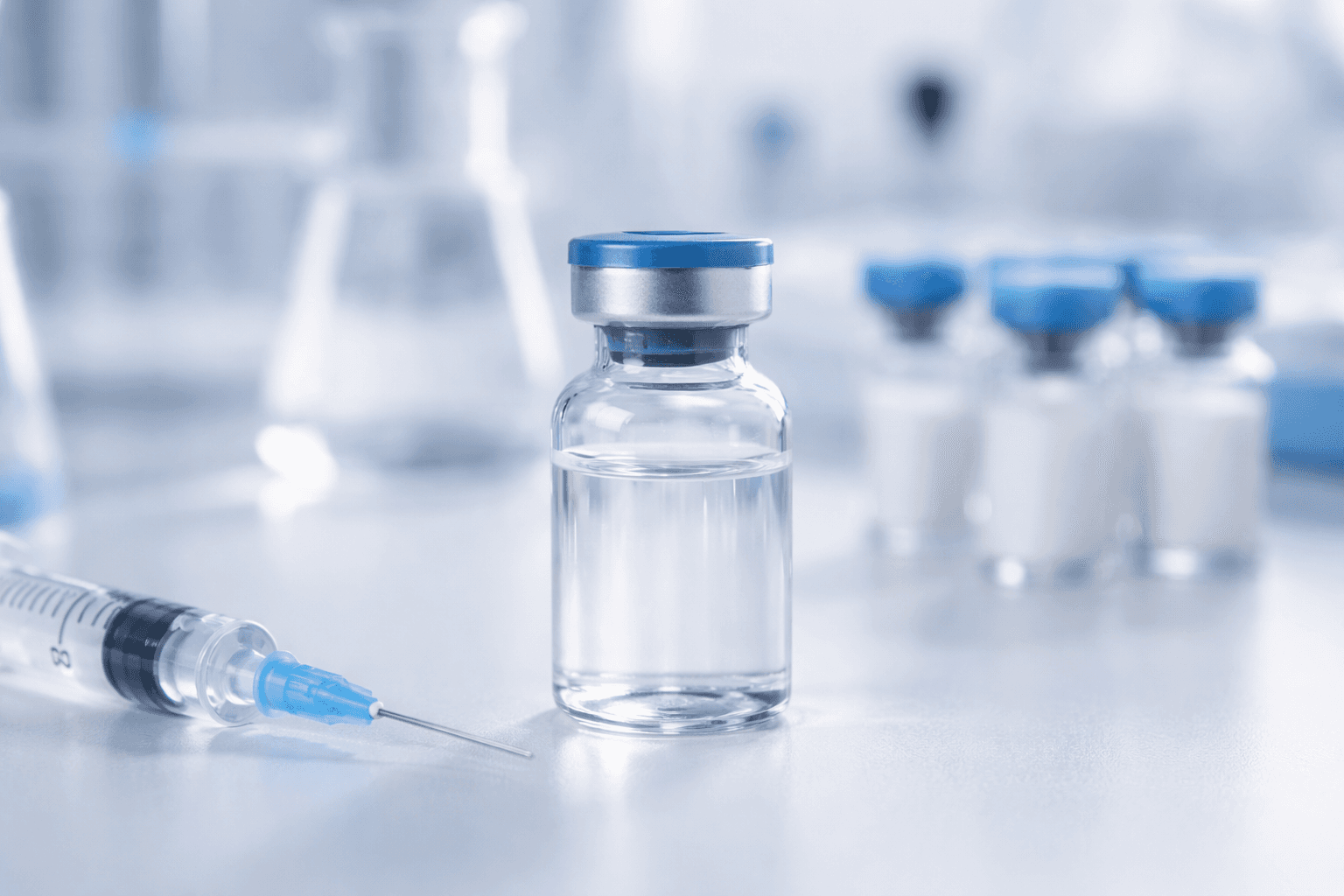
Bacteriostatic water is the standard reconstitution solution for peptide powders - it contains 0.9% benzyl alcohol as a preservative, allowing reconstituted peptides to remain stable for 28 days when refrigerated.
Understanding what it is, where to buy it, and when to use alternatives ensures your peptides remain potent and safe.
This guide covers what bacteriostatic water is, how it differs from sterile water, where to purchase pharmaceutical-grade bac water, proper storage and handling, alternative reconstitution solutions, and troubleshooting common issues.
What is bacteriostatic water?
Bacteriostatic water (bac water) = Sterile water + 0.9% benzyl alcohol
The benzyl alcohol acts as a preservative that inhibits bacterial growth in the solution.
This allows you to:
Store reconstituted peptides for 28 days (vs 72 hours with plain sterile water)
Use multiple doses from the same vial safely
Reduce contamination risk with repeated needle insertions
Without preservative: Sterile water supports bacterial growth once exposed to air or needles. Must use within 24-72 hours.
With bacteriostatic water: Benzyl alcohol prevents bacterial multiplication. Safe for 28 days refrigerated.
Read our how to reconstitute peptides guide for step-by-step instructions.
Bacteriostatic water vs sterile water
Bacteriostatic water (with benzyl alcohol)
Pros:
28-day shelf life after opening
Multiple doses safe from same vial
Standard for peptide reconstitution
Inhibits bacterial growth
Convenient for multi-week protocols
Cons:
Contains benzyl alcohol (some people sensitive)
Cannot use for certain injections (spinal, eye)
Slightly more expensive than sterile water
Must still refrigerate
Best for: Standard peptide protocols where you'll use vial over multiple days/weeks
Sterile water (no preservative)
Pros:
No additives or preservatives
Safe for all injection routes
Hypoallergenic
Slightly cheaper
Cons:
Must use within 24-72 hours of opening
Higher contamination risk with multiple uses
Wasteful if using small doses over time
Not practical for most peptide protocols
Best for: Single-use applications, people with benzyl alcohol sensitivity, peptides that degrade quickly
Sodium chloride 0.9% (saline)
Pros:
Isotonic (matches body salt concentration)
Available everywhere
Some peptides more stable in saline
Cons:
Without benzyl alcohol: 24-72 hour use window
With benzyl alcohol: Same as bac water
Not necessary for most peptides (water works fine)
Best for: Specific peptides that benefit from isotonic solution (manufacturer specifies)
Bottom line: Bacteriostatic water is standard for 95% of peptide users. Only use alternatives for specific reasons.
Where to buy bacteriostatic water
Pharmaceutical-grade suppliers (best option)
What to look for:
USP (United States Pharmacopeia) grade
0.9% benzyl alcohol concentration
Sterile manufacturing
Individual sealed vials
Clear lot numbers and expiration dates
Lab testing documentation
Price range: $5-15 per 30ml vial
Common brands:
Hospira (pharmaceutical brand, gold standard)
Pfizer (pharmaceutical grade)
Various compounding pharmacies
Where to buy:
Medical supply companies online
Research peptide suppliers (often sell alongside peptides)
Compounding pharmacies (with prescription in some states)
Medical supply distributors
Research chemical suppliers
Pros:
Convenient (buy with peptides)
No prescription needed
Reliable quality from established vendors
Good pricing ($8-15 per 30ml)
Cons:
Not pharmaceutical grade (but functionally identical)
Less regulatory oversight
Verify supplier reputation
Recommendation: Use same supplier where you buy peptides if they have good reviews
See our best peptide vendors guide for vetted suppliers.
Making your own (not recommended)
Can you make bacteriostatic water?
Technically yes (sterile water + benzyl alcohol)
Practically: Don't do it
Why not:
Sterility difficult to achieve at home
Benzyl alcohol concentration must be exact (0.9%)
Contamination risk high
Cost savings minimal ($10 vs $8 commercial)
Not worth the risk to expensive peptides
Verdict: Always buy pharmaceutical or research-grade bac water. Don't DIY.
How to use bacteriostatic water with peptides
Basic reconstitution process
Step 1: Calculate how much bac water to add
Common: 2ml bac water per 5mg peptide vial
Adjust based on desired concentration
Step 2: Clean vial tops
Wipe both peptide and bac water vial tops with alcohol swab
Let dry 30 seconds
Step 3: Draw bac water into syringe
Use insulin syringe (1ml) or larger syringe
Draw desired amount of bac water
Step 4: Inject into peptide vial
Inject slowly down the side of vial (not directly onto powder)
Powder should dissolve gently without foaming
Swirl gently if needed, don't shake
Step 5: Store properly
Refrigerate immediately
Protect from light
Label with reconstitution date
Use within 28 days
Read our complete reconstitution guide for detailed instructions with photos.
How much bacteriostatic water to use
General guidelines:
5mg peptide vial: 1-2ml bac water
1ml = 5mg/ml concentration (higher concentration)
2ml = 2.5mg/ml concentration (lower concentration, easier to measure small doses)
10mg peptide vial: 2-4ml bac water
2ml = 5mg/ml
3ml = 3.33mg/ml
4ml = 2.5mg/ml
Why concentration matters:
Higher concentration: Less injection volume (good)
Lower concentration: Easier to measure precise small doses (good for low doses)
Balance: Choose concentration that makes your target dose easy to measure with insulin syringe
Example: Want 250mcg BPC-157 from 5mg vial
With 2ml bac water (2.5mg/ml): 250mcg = 0.1ml (easy to measure)
With 1ml bac water (5mg/ml): 250mcg = 0.05ml (harder to measure accurately)
Use our BPC-157 calculator and other peptide calculators for automatic calculations.
Storage and shelf life
Unopened bacteriostatic water
Storage: Room temperature or refrigerate Shelf life: 2-3 years (check expiration date) Notes: Keep sealed and away from light
Opened bacteriostatic water vial
Storage: Must refrigerate after first use Shelf life: 28 days maximum Notes:
Label with opening date
Discard after 28 days even if solution looks clear
Each needle insertion increases contamination risk
Reconstituted peptides (with bac water)
Storage: Refrigerate immediately, 2-8°C (36-46°F) Shelf life: Up to 28 days (varies by peptide) Notes:
Some peptides degrade faster (BPC-157, TB-500 stable)
GH peptides may lose potency after 14-21 days
Protect from light
Label with reconstitution date
Freezing reconstituted peptides: Generally not recommended (can damage protein structure). Freeze only if absolutely necessary and thaw slowly in refrigerator.
See our peptide storage guide for comprehensive information.
Alternatives to bacteriostatic water
When to use alternatives
Benzyl alcohol sensitivity:
Some people react to benzyl alcohol (rare)
Symptoms: injection site burning, redness, irritation
Solution: Use sterile water, use peptide same day
Specific peptides:
Some manufacturers specify alternative reconstitution solution
Follow manufacturer guidance
Example: Some GH peptides work better with sodium chloride
Single-use applications:
If using entire vial in one injection
Sterile water perfectly fine
No need for preservative
Can't source bac water:
Sterile water works (just shorter shelf life)
Must use reconstituted peptide within 24-72 hours
Sterile water for injection (SWFI)
When to use: Benzyl alcohol sensitivity, single-use, can't get bac water
Pros:
No preservatives
Safe for all injection routes
Widely available
Cons:
24-72 hour shelf life after reconstitution
Must use quickly
Wasteful for small daily doses
Where to buy: Pharmacies, medical suppliers, same places as bac water
Price: $5-12 per 30ml vial
Bacteriostatic sodium chloride 0.9%
What it is: Saline (0.9% sodium chloride) + 0.9% benzyl alcohol
When to use:
Peptides that prefer isotonic solution
Same benefits as bac water
When manufacturer specifies
Pros:
28-day shelf life (has benzyl alcohol)
Isotonic (may reduce injection discomfort slightly)
Some peptides more stable
Cons:
Not necessary for most peptides
Slightly more expensive
Can be harder to find
Where to buy: Same suppliers as bac water
Price: $8-15 per 30ml vial
Sterile saline (without benzyl alcohol)
When to use: Benzyl alcohol sensitivity + want isotonic solution
Pros:
No preservatives
Isotonic
Available at pharmacies
Cons:
24-72 hour shelf life after opening
Must use quickly
Common use: Single-use flush solutions (not ideal for peptide reconstitution)
Common issues and troubleshooting
Issue: Peptide won't dissolve completely
Possible causes:
Injected bac water too forcefully (damaged protein)
Peptide degraded before reconstitution
Wrong reconstitution solution
Temperature too cold
Solutions:
Add bac water slowly down vial side, not directly onto powder
Gently swirl (don't shake)
Let sit at room temp 5-10 minutes
If still cloudy/undissolved after 30 minutes, peptide likely degraded (don't use)
Issue: Solution looks cloudy or has particles
Possible causes:
Contamination
Peptide aggregation (damaged protein)
Bacterial growth
Solutions:
Don't use if persistently cloudy
Clear solution should stay clear
Slight foaming immediately after reconstitution is okay (dissipates)
Any cloudiness after peptide fully dissolved = contaminated or damaged (discard)
Issue: Injection site burning or irritation
Possible causes:
Benzyl alcohol sensitivity (rare)
Concentration too high
Contaminated solution
Injecting too quickly
Solutions:
Try different injection site
Dilute peptide more (lower concentration)
Inject more slowly
If persistent, switch to sterile water (use within 24 hours)
Issue: Ran out of bacteriostatic water
Short-term solutions:
Use sterile water (must use peptide within 24-72 hours)
Order more bac water (arrives 2-5 days typically)
Can reconstitute with less bac water (higher concentration) to buy time
Prevention:
Order 2-3 vials bac water per peptide protocol
Buy when ordering peptides
Issue: Forgot to refrigerate after reconstitution
Time unrefrigerated:
1-2 hours: Probably fine, refrigerate immediately
4-6 hours: May have lost some potency
8+ hours: Significant degradation likely
24+ hours: Discard, not worth risking
Prevention: Refrigerate immediately after reconstitution, set phone reminder
How much bacteriostatic water to order
Calculate your needs
Example protocol: BPC-157 for 12 weeks
Dose: 500mcg daily
Total peptide needed: 42mg (42,000mcg)
Vials needed: 9x 5mg vials
Bac water per vial: 2ml
Total bac water: 18ml minimum
Order: 1x 30ml vial ($10) covers entire protocol
General guidelines
Short protocol (4-8 weeks, single peptide):
1x 30ml vial bac water sufficient
Standard protocol (12-16 weeks, single peptide):
1-2x 30ml vials
Long protocol (6+ months, multiple peptides):
3-4x 30ml vials
Recommendation: Buy extra vial as backup. Bac water has 2-3 year shelf life unopened, costs $10, prevents protocol interruption if you run out.
Use our peptide cost calculator to estimate total supply needs.
Cost comparison
Bacteriostatic water
30ml vial: $8-15 Cost per peptide reconstitution (2ml used): $0.53-1.00
Annual cost (active peptide user, 4 protocols):
2-3 vials used = $16-45 annually
Sterile water
30ml vial: $5-12 Cost per peptide reconstitution (2ml used): $0.33-0.80
But: Must use peptide within 24-72 hours (wasteful)
Annual cost: Higher due to waste from short shelf life
Bottom line
Bacteriostatic water costs $3-5 more per vial than sterile water but saves money by preventing waste. The preservative is worth the small extra cost.
Don't cheap out: $10 bac water protects $50-500 worth of peptides
Safety and precautions
Sterility is critical
Always:
Use sealed, unopened bac water vials
Wipe vial tops with alcohol before each use
Use new, sterile needle each time
Never reuse needles
Keep vials refrigerated after opening
Never:
Share bac water between people
Use expired bac water
Use cloudy or discolored solution
Touch needle tip to any surface
Reuse syringes
Benzyl alcohol concerns
Safe for subcutaneous injection at 0.9% concentration:
Used in millions of injections annually
FDA-approved for multi-dose vials
Minimal side effects at this concentration
Not safe for:
Neonates (premature babies)
Spinal injections
Eye injections
IV push (high doses)
For peptide use: Completely safe, FDA-approved, standard practice
Disposal
Empty bac water vials:
Can discard in regular trash (glass recycling)
No hazardous waste designation
Syringes used with bac water:
Must use sharps container
Never throw in regular trash
Frequently asked questions
Can I use bacteriostatic saline instead of bacteriostatic water?
Yes, functionally equivalent for most peptides. Saline (0.9% sodium chloride) + benzyl alcohol works same as bac water. Some peptides may be slightly more stable in saline. Either is fine unless manufacturer specifies.
Does bacteriostatic water need to be refrigerated before opening?
No, unopened bac water stable at room temperature for 2-3 years. Only refrigerate after first use. Refrigeration after opening extends the 28-day use window and maintains sterility.
Can I freeze bacteriostatic water?
Not recommended. Freezing may damage sterility of container seal. If accidentally frozen, thaw slowly and inspect for cracks. Better to store at room temp (unopened) or refrigerate (opened).
What if my bac water is cloudy?
Don't use it. Bacteriostatic water should be crystal clear. Cloudiness indicates contamination or degradation. Discard and use new vial. Never risk contaminated solution with expensive peptides.
Can I use bac water that's been open for 30+ days?
No. Benzyl alcohol preservative maintains sterility for 28 days. After that, bacterial growth possible even with preservative. Mark opening date on vial, discard after 28 days.
Does the brand of bacteriostatic water matter?
Somewhat. Pharmaceutical brands (Hospira, Pfizer) have strictest quality control. Research grade from reputable peptide suppliers works fine. Avoid unknown brands or suspiciously cheap options. $8-15 per vial is reasonable range.
Can I mix different peptides in the same vial of bac water?
Don't mix peptides in same vial. Each peptide should be reconstituted separately in its own vial. You can use same bac water vial to reconstitute multiple separate peptide vials, just use clean needle each time.
What's the shelf life of unopened bacteriostatic water?
2-3 years typically. Check expiration date printed on vial. Store at room temperature or refrigerate. Protect from extreme heat or freezing. Properly stored, bac water stable for years.
Can I use leftover bac water from previous protocol?
Yes, if unopened and not expired. No, if opened more than 28 days ago. If opened within 28 days and refrigerated, yes. Always mark opening date to track.
Is bacteriostatic water the same as sterile water?
No. Bac water = sterile water + 0.9% benzyl alcohol. Benzyl alcohol preserves sterility for 28 days. Plain sterile water supports bacterial growth once opened (24-72 hour use window). Bac water is preferred for peptide reconstitution.
The bottom line
Bacteriostatic water is the standard reconstitution solution for research peptides - sterile water containing 0.9% benzyl alcohol preservative for 28-day shelf life.
Key points:
Buy pharmaceutical or research-grade bac water ($8-15 per 30ml)
Refrigerate after opening, use within 28 days
2ml bac water per 5mg peptide vial typical
Prevents bacterial growth in reconstituted peptides
Allows multiple doses from same vial safely
When to use alternatives:
Benzyl alcohol sensitivity: Use sterile water (24-72 hour use)
Manufacturer specifies: Follow their recommendation
Single-use: Sterile water works fine
Storage:
Unopened: Room temp, 2-3 years
Opened: Refrigerate, 28 days maximum
Reconstituted peptides: Refrigerate, up to 28 days (varies by peptide)
Where to buy:
Medical supply companies
Research peptide suppliers
Compounding pharmacies
Cost: $8-15 per vial, minimal expense protecting $50-500 peptides
Use our reconstitution calculator to calculate exact amounts needed.
Related resources
In case I don’t see you, good afternoon, good evening, and good night. Take care of yourself.