Apr 4, 2026
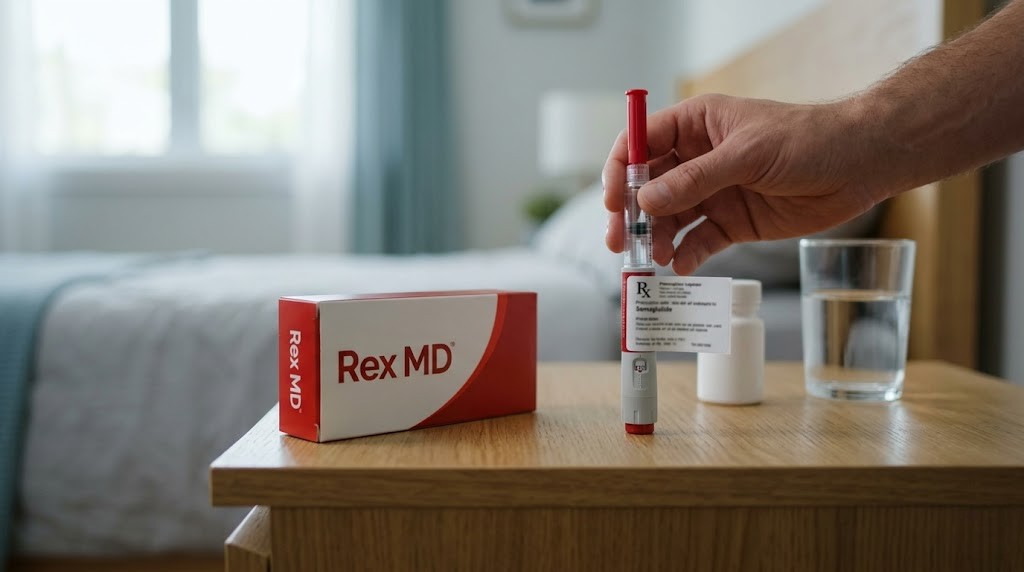
Tired of reading conflicting information about telehealth weight loss programs? One site says Rex MD is the best thing since sliced bread. Another warns you to stay away. Reddit threads contradict Trustpilot reviews. And somewhere in the middle, you just want a straight answer. Does Rex MD actually deliver on its semaglutide program, or is it another telehealth platform with polished marketing and mediocre follow-through?
That question matters more than most people realize. Choosing a telehealth provider for semaglutide is not just about finding the cheapest option or the fastest shipping. It is about finding a provider that pairs you with a licensed clinician, prescribes the right medication for your situation, and actually supports you through the process. The wrong choice costs more than money. It costs time, momentum, and sometimes your confidence in the entire GLP-1 treatment approach.
This guide breaks down everything about Rex MD and its semaglutide weight loss program. We will cover how the program works step by step, what it costs, what real patients report, how it compares to competitors like Hims and Ro, and whether it deserves your trust. If you have been considering Rex MD for semaglutide weight loss, you will have a clear picture by the end of this page. No fluff. No affiliate bias. Just the information you need to make an informed decision.
What is Rex MD?
Rex MD is a telehealth platform that connects patients with licensed healthcare providers for prescription medications. The company originally launched as a men's health service focused on erectile dysfunction treatments. Over the past few years, Rex MD expanded into weight management, offering FDA-approved GLP-1 receptor agonist medications through its online platform. The company operates out of New York and partners with US-licensed, board-certified physicians to evaluate and treat patients remotely.
What sets Rex MD apart from some competitors is its focus on brand-name medications. While many telehealth platforms have leaned heavily into compounded semaglutide, Rex MD prescribes FDA-approved brand-name versions. This means patients receive Wegovy (semaglutide), Zepbound (tirzepatide), or Saxenda (liraglutide) rather than compounded alternatives from specialty pharmacies. For people who want the assurance of FDA-approved formulations with standardized manufacturing, this distinction matters significantly.
The platform has served over 475,000 patients across its various treatment programs.
That is a substantial patient base, and it gives Rex MD an operational scale that newer telehealth startups cannot match. Their weight management program is relatively newer compared to their original men's health offerings, but the infrastructure, licensing, and physician network were already in place when they expanded.
Rex MD requires patients to verify their identity with government-issued documentation. Every prescription goes through a licensed healthcare provider who reviews the patient's medical history, current medications, and health goals before approving treatment. This is standard for legitimate telehealth operations, but worth noting because not every online platform maintains these safeguards with the same rigor. If you are exploring other provider options, our guide to top-rated digital health providers for semaglutide covers the broader landscape.
How the Rex MD semaglutide program works
The Rex MD weight management program follows a straightforward process. Understanding each step helps you know exactly what to expect before you sign up, and eliminates the surprises that cause frustration with telehealth services.
Step 1: Complete the online medical intake
Everything starts with an online questionnaire. Rex MD asks about your medical history, current medications, weight loss goals, previous weight management attempts, and any relevant health conditions. This is not a brief checkbox exercise. The intake form is designed to give the reviewing physician enough clinical context to make a safe prescribing decision. They need to know about conditions like cardiovascular concerns, thyroid issues, and kidney function before prescribing any GLP-1 medication.
The intake form also covers your BMI and weight history. Semaglutide prescriptions for weight management typically require a BMI of 30 or higher, or a BMI of 27 or higher with at least one weight-related health condition like type 2 diabetes, high blood pressure, or high cholesterol. If you are unsure whether you qualify, our guide on how to qualify for semaglutide walks through the eligibility criteria in detail.
Step 2: Physician review and consultation
A licensed healthcare provider reviews your intake form. This is not an automated approval system. An actual physician evaluates your information and determines whether semaglutide (or another GLP-1 medication) is appropriate for your situation. If the doctor needs additional information or has concerns, they will reach out through the platform's messaging system.
Rex MD offers chat support and consultation directly through their platform. Patients report that responses come relatively quickly, though experiences vary. Some users praise the speed and thoroughness of their consultations. Others mention delays, particularly during high-volume periods. The consultation is included in the program cost, so there is no separate charge for the physician evaluation.
Step 3: Prescription and medication delivery
Once approved, Rex MD processes the prescription and ships the medication directly to you. They offer free overnight shipping, which is a genuine advantage over providers that charge extra for expedited delivery or use standard shipping that takes a week. Your package arrives in discreet packaging and includes the medication, syringes, and basic usage instructions.
Because Rex MD prescribes brand-name medications, the product you receive comes directly from the pharmaceutical manufacturer's supply chain. This eliminates concerns about semaglutide color variations or potency questions that sometimes arise with compounded versions. The trade-off is cost, which we will cover in detail below.
Step 4: Ongoing monitoring and dose adjustments
Semaglutide treatment follows a dose escalation schedule. You start at a lower dose and gradually increase over several months. Rex MD's healthcare providers manage this process through the platform, adjusting your prescription as you progress through the standard dosing schedule. Monthly check-ins allow the provider to assess your response, manage any side effects, and determine when to increase your dose.
This ongoing relationship is where telehealth programs either shine or fall short. A program that prescribes and disappears provides little value beyond the initial prescription. Rex MD's program includes continued access to your healthcare provider, which is essential when navigating the first weeks on semaglutide and the adjustment period that follows each dose increase.
Rex MD semaglutide cost and pricing breakdown
Cost is the question everyone asks first. And with Rex MD, the answer requires some context because their pricing structure has layers that the headline number does not fully convey.
Program subscription cost
Rex MD's Weight Management Program subscription starts at $75 per month. This base price includes the medical intake form, doctor consultations, prescribed medication and syringes, and overnight shipping. However, the actual monthly cost can reach $199 depending on the specific medication prescribed and the dosage level. Promotional pricing frequently appears on the Rex MD website, so the entry point varies depending on when you sign up.
The $199 monthly rate is the more commonly cited figure for the complete program with brand-name semaglutide. This puts Rex MD in a competitive range compared to other telehealth platforms, though the final cost depends heavily on which medication gets prescribed and whether you qualify for any manufacturer savings programs.
Medication cost considerations
Here is where it gets complicated. Because Rex MD prescribes brand-name Wegovy rather than compounded semaglutide, the medication cost follows pharmaceutical pricing. Wegovy's cash-pay price through NovoCare (Novo Nordisk's patient savings program) runs approximately $499 per month for uninsured patients or those whose insurance does not cover weight management medications. With insurance coverage, out-of-pocket costs drop significantly.
Rex MD offers insurance assistance to help patients navigate coverage options. This is genuinely valuable because GLP-1 insurance coverage varies dramatically between plans. Some insurers cover Wegovy fully. Others exclude weight management medications entirely. And many fall somewhere in between with prior authorization requirements, step therapy mandates, or high copays. Understanding your specific insurance coverage for GLP-1 medications before committing to any program saves significant frustration down the line.
For comparison, compounded semaglutide from other telehealth platforms typically costs between $150 and $400 per month depending on the provider and dosage. The price difference between compounded and brand-name is substantial, but so are the regulatory assurances. If you are deciding between approaches, you might also want to explore whether your HSA covers GLP-1 medication or whether FSA funds can offset semaglutide costs.
Pricing comparison table
Provider | Monthly cost | Medication type | Includes consultation | Shipping |
|---|---|---|---|---|
Rex MD | $75 to $199+ | Brand-name (Wegovy) | Yes | Free overnight |
$199 to $399 | Brand-name and compounded | Yes | Varies | |
Hims | $199 to $399 | Compounded and brand-name | Yes | Free standard |
Ro | $145 to $349 | Compounded and brand-name | $99 consult fee | Free standard |
$150 to $300 | Compounded | Separate provider needed | Varies |
These numbers shift frequently as providers adjust pricing, run promotions, and respond to market changes. The table above reflects general ranges as of early spring this year. Always verify current pricing directly with the provider before committing.
What medications does Rex MD prescribe?
Rex MD's weight management program offers three FDA-approved GLP-1 medications. Each works through similar mechanisms but with meaningful differences in dosing, administration, and clinical profile.
Wegovy (semaglutide)
Wegovy is the brand-name semaglutide injection approved specifically for chronic weight management. It works as a GLP-1 receptor agonist that mimics a natural hormone involved in appetite regulation and blood sugar control. Patients inject it once weekly, following a dose escalation schedule that starts at 0.25 mg and gradually increases to the maintenance dose of 2.4 mg over approximately 16 to 20 weeks.
Clinical trials demonstrated average weight loss of 15% to 17% of body weight over 68 weeks with Wegovy. Real-world results vary based on adherence, diet, exercise, and individual metabolism. Many patients wonder when weight loss begins on semaglutide, and the answer typically falls within the first two to four weeks, with more noticeable results appearing by weeks six through eight. Our detailed semaglutide results week by week breakdown tracks the typical timeline.
The most common side effects include nausea, diarrhea, constipation, and vomiting, particularly during dose escalation phases. These effects typically diminish as the body adjusts to each new dose level. Understanding what to expect during the first week on semaglutide helps set realistic expectations and prevents unnecessary panic when gastrointestinal symptoms appear.
Zepbound (tirzepatide)
Rex MD also prescribes Zepbound, the brand-name tirzepatide approved for weight management. Tirzepatide is a dual GIP/GLP-1 receptor agonist, meaning it targets two hormonal pathways rather than just one. Clinical data suggests slightly higher average weight loss compared to semaglutide alone, though individual responses vary considerably.
The choice between semaglutide and tirzepatide depends on several factors including your medical history, insurance coverage, and how your body responds to treatment. Our comprehensive semaglutide vs tirzepatide comparison explores these differences in depth, including side effect profiles and dosage equivalencies.
Saxenda (liraglutide)
The third option is Saxenda, a daily injectable liraglutide formulation. Liraglutide was the first GLP-1 receptor agonist approved for weight management, predating both semaglutide and tirzepatide. It requires daily injections rather than weekly, and clinical trials show more modest weight loss compared to newer options, typically averaging 5% to 8% of body weight.
Saxenda may be prescribed when semaglutide or tirzepatide are not appropriate due to contraindications, insurance restrictions, or patient preference. Some providers start with liraglutide as a first-line treatment for patients new to GLP-1 therapy, allowing them to gauge tolerance before potentially transitioning to more potent weekly options. Understanding whether liraglutide and semaglutide are truly interchangeable helps clarify why one might be recommended over the other.
Rex MD reviews: what real patients say
Reading reviews for any telehealth platform requires context. People who have terrible experiences are far more motivated to leave reviews than people who have perfectly fine experiences. That said, patterns in feedback reveal genuine strengths and weaknesses that matter for your decision.
Trustpilot and third-party review sites
Rex MD averages 4.6 stars on Trustpilot from over 1,600 reviews. That is a strong rating for any telehealth platform. Positive reviews consistently highlight three themes. First, the convenience of the online process. Second, the speed of medication delivery with overnight shipping. Third, the professionalism of the healthcare providers.
One verified review from early this year captures the typical positive experience: the patient described losing 20 pounds on the program and feeling the process was the easiest health intervention they had ever undertaken. Multiple reviewers praise the chat support feature for providing quick answers to medication questions.
The negative reviews cluster around two main issues. Subscription management problems top the list. Several patients report difficulty canceling their subscriptions or being charged for months they did not authorize. This is a common complaint across subscription-based telehealth platforms, but it appears frequently enough in Rex MD reviews to warrant attention. The second common complaint involves customer service response times, with some patients reporting slow or difficult communication when trying to resolve billing issues.
BBB rating and complaints
Rex MD's Better Business Bureau profile shows mixed signals. The company (listed as Rex Medical Group, Inc.) has received a B+ rating from the BBB, though some sources report a lower rating reflecting periods of elevated complaint volume. The most common BBB complaints involve unauthorized recurring charges, difficulty reaching customer support, and delayed refund processing.
Context matters here. Rex MD has processed hundreds of thousands of patient interactions. Even a small percentage of negative outcomes generates a visible volume of complaints. The company does respond to BBB complaints and has resolved many cases. Still, the subscription-related complaints suggest you should pay close attention to the terms of service before enrolling and document any cancellation requests in writing.
Reddit and community feedback
Discussions on Reddit communities like r/Semaglutide and r/GLP1Agonists mention Rex MD with mixed perspectives. Experienced users often compare Rex MD's brand-name approach against compounded semaglutide providers, debating whether the price premium for FDA-approved formulations justifies the cost. Community consensus generally favors Rex MD for patients who prioritize brand-name medication quality and are willing to pay more for it.
Some Reddit users report excellent experiences with Rex MD's physician consultations and medication management. Others note that the platform works best for straightforward cases and may not provide the depth of ongoing support that patients with complex medical histories need. This aligns with the broader telehealth limitation, which is that remote care works well for routine management but has inherent constraints for complicated clinical scenarios.
Pros and cons of Rex MD semaglutide
Every telehealth platform has trade-offs. Understanding the genuine advantages and limitations of Rex MD helps you make a decision based on your specific priorities rather than marketing promises.
Advantages
Brand-name medications only. Rex MD prescribes FDA-approved formulations from established pharmaceutical manufacturers. This eliminates concerns about compounding quality, potency variations, or regulatory uncertainty that sometimes affect compounded medications. For patients who want the exact medication studied in clinical trials, this is a significant advantage.
Free overnight shipping. Most telehealth competitors charge extra for expedited shipping or use standard delivery that takes five to seven days. Receiving medication the next day means less time waiting and fewer gaps in treatment. Proper semaglutide storage and handling during shipping matters too, and overnight delivery minimizes temperature exposure during transit.
Included physician consultations. The program fee covers all medical consultations, so there is no separate charge for the initial evaluation or ongoing check-ins. Some competitors charge $99 or more for the initial consultation on top of monthly medication costs. Rex MD bundles everything into one price.
Insurance assistance. Rex MD helps patients navigate insurance coverage for brand-name GLP-1 medications. Since insurance coverage for GLP-1s varies widely, having a team that understands prior authorization processes and manufacturer savings programs can save hundreds of dollars monthly.
Established patient base. With over 475,000 patients served, Rex MD has the operational infrastructure to handle high volumes. Newer telehealth startups sometimes struggle with scaling, leading to delayed shipments, limited provider availability, or inconsistent service quality.
Limitations
No compounded options. If your insurance does not cover brand-name semaglutide and you cannot afford the cash-pay price, Rex MD does not offer a lower-cost compounded alternative. Platforms like Brightmeds, Brello, or Olympia Pharmacy may serve budget-conscious patients better by offering compounded semaglutide at lower price points.
Subscription model complaints. The recurring billing structure has generated a disproportionate share of negative reviews. While subscription-based healthcare programs are standard across the industry, the cancellation friction reported by some Rex MD patients is worth noting. Always confirm cancellation policies in writing before enrolling.
Limited customer support channels. Some patients report difficulty reaching customer service, particularly for billing disputes. The platform primarily relies on chat support and email, which can mean longer resolution times for complex issues compared to providers that offer phone support.
Originally a men's health platform. Rex MD built its reputation on men's health treatments, primarily erectile dysfunction medications. The weight management program is a newer addition. While the medical infrastructure is sound, the weight management-specific expertise and community resources may not be as developed as platforms that were built specifically for weight loss from the start.
Higher cost ceiling. Brand-name medications cost more than compounded versions. If insurance does not cover your prescription, the monthly expense can exceed what you would pay through a compounded semaglutide provider. Our peptide cost calculator can help you compare total treatment costs across different approaches.
Rex MD vs other telehealth semaglutide providers
Comparing telehealth platforms requires looking beyond the monthly price tag. The right provider depends on your priorities, whether that is cost, medication quality, support depth, or specific features that match your situation.
Rex MD vs Hims
Hims offers both compounded and brand-name GLP-1 medications, giving patients more pricing flexibility than Rex MD. Hims also provides oral weight loss medication options and supplementary products like meal replacement bars, which Rex MD does not offer. However, Hims uses a written questionnaire-based prescribing model that some critics argue lacks the clinical depth of a real-time consultation. Rex MD's chat-based consultations are not dramatically different, but the service does offer live doctor interaction when needed.
Hims prices semaglutide at approximately $199 per month for compounded versions and higher for brand-name. Their broader product ecosystem, which includes oral medications, supplements, and meal plans, appeals to patients who want a comprehensive weight management approach beyond just the injection.
Rex MD vs Ro
Ro distinguishes itself with a Metabolic Health test that evaluates blood sugar, cholesterol, and hormones to create a more personalized treatment plan. This data-driven approach gives Ro a clinical edge for patients with complex metabolic profiles. Ro also accepts some insurance plans for consultations, though medication costs remain mostly out-of-pocket.
Ro charges a $99 upfront consultation fee, which Rex MD does not. Monthly medication costs range from $145 to $349 through Ro, making it potentially cheaper for compounded semaglutide but comparable or more expensive once consultation fees are factored in. Ro's insurance acceptance is a meaningful advantage for patients whose plans cover telehealth weight management visits.
Rex MD vs compounding pharmacies
Dedicated compounding pharmacies like Empower Pharmacy, Belmar Pharmacy, and Southend Pharmacy offer compounded semaglutide at lower price points but require patients to have their own prescribing provider. This adds a layer of complexity that all-in-one platforms like Rex MD eliminate. If you already have a physician willing to prescribe semaglutide, working directly with a compounding pharmacy often saves money. If you need the prescription process handled for you, a platform like Rex MD provides a more streamlined experience.
The landscape of semaglutide telehealth providers continues to evolve rapidly. New platforms launch regularly, existing ones adjust pricing, and regulatory changes affect compounding availability. Whatever provider you choose, the most important factor is consistent access to a qualified healthcare professional who can monitor your progress and adjust treatment as needed.
Understanding semaglutide: how it works in your body
Whether you get semaglutide through Rex MD or any other provider, understanding the mechanism helps you use it effectively and manage expectations. Semaglutide is not a magic injection. It is a pharmaceutical tool that works with specific biological systems to reduce appetite and improve metabolic function.
The GLP-1 mechanism
Semaglutide mimics glucagon-like peptide-1, a hormone naturally produced in the gut after eating. GLP-1 does several things simultaneously. It slows gastric emptying, which means food stays in your stomach longer and you feel full for extended periods. It acts on appetite centers in the brain to reduce hunger signals. And it improves insulin sensitivity, helping your body regulate blood sugar more effectively.
The natural GLP-1 hormone has a half-life of about two minutes. Semaglutide is engineered to last much longer, approximately seven days, which is why weekly injections maintain steady therapeutic levels. This extended duration is what makes semaglutide's appetite suppression so effective compared to older weight loss medications that required multiple daily doses.
Understanding how semaglutide works also explains why dose escalation matters. Starting at a low dose allows your gastrointestinal system to adapt to the slower gastric emptying and reduced appetite signals. Jumping straight to a high dose overwhelms the system and causes more severe nausea and digestive discomfort. The gradual increase protocol exists for good clinical reasons, not just conservative prescribing habits.
What to expect at each dose level
Wegovy follows a five-step dose escalation schedule. Each step lasts four weeks, with the full escalation period spanning 16 to 20 weeks before reaching the maintenance dose of 2.4 mg weekly.
Weeks 1 through 4 (0.25 mg): Most patients notice mild appetite reduction. Results at this stage are subtle. Some patients lose a few pounds from reduced caloric intake. Others notice no significant changes yet. Gastrointestinal side effects are usually mild or absent.
Weeks 5 through 8 (0.5 mg): Appetite suppression becomes more noticeable. Many patients report their first significant reduction in food intake and early weight loss. Nausea may appear or increase during the first few days after the dose increase, then typically subsides. This is when tracking your caloric intake on semaglutide becomes important to ensure adequate nutrition despite reduced appetite.
Weeks 9 through 12 (1.0 mg): Weight loss accelerates for most patients. The appetite-suppressing effects are well established, and many people find it significantly easier to maintain a caloric deficit. Side effects from earlier dose increases have usually resolved, though the jump to 1.0 mg may cause temporary gastrointestinal symptoms again.
Weeks 13 through 16 (1.7 mg): This dose level represents a meaningful jump from 1.0 mg. Patients often experience renewed nausea that resolves within a week or two. Weight loss continues at a steady pace. By this point, most patients have established new eating patterns and portion sizes that align with their reduced appetite.
Weeks 17 and beyond (2.4 mg maintenance): The full therapeutic dose. Average weight loss from clinical trials at this dose is approximately 15% of starting body weight over the course of treatment. Real-world results vary, but our GLP-1 average weight loss per month guide provides realistic benchmarks based on aggregate patient data.
Managing semaglutide side effects
Side effect management is arguably more important than the medication itself. The majority of patients who discontinue semaglutide do so because of side effects, not because the medication was ineffective. Rex MD's ongoing physician access is designed to help you navigate these challenges, but understanding what to expect empowers you to manage symptoms proactively.
Gastrointestinal effects
Nausea is the most common side effect, affecting roughly 40% to 45% of patients at some point during treatment. It tends to peak during the first week after each dose increase and then gradually improves. Eating smaller, more frequent meals helps significantly. Avoiding high-fat and greasy foods reduces the severity. Staying hydrated is essential. And choosing the right foods while on semaglutide makes a measurable difference in how you feel day to day.
Constipation affects approximately 20% to 25% of patients. The slowed gastric emptying that reduces appetite also slows overall digestive transit. A quality fiber supplement, adequate water intake, and regular physical activity help maintain digestive regularity. Severe constipation that does not respond to over-the-counter remedies warrants a conversation with your Rex MD physician about possible interventions.
Diarrhea, bloating, and acid reflux round out the common gastrointestinal effects. Most patients experience some combination of these, particularly in the early weeks and after dose increases. Keeping a food diary helps identify specific triggers. Some patients find that probiotics support gut health during treatment.
Sulfur burps are a less commonly discussed but surprisingly prevalent side effect. The delayed gastric emptying allows food to ferment longer in the stomach, producing hydrogen sulfide gas. This is unpleasant but harmless. Eating slowly, avoiding carbonated beverages, and limiting sulfur-rich foods (eggs, broccoli, garlic) can reduce the frequency.
Fatigue and energy changes
Fatigue on semaglutide is more common than many providers acknowledge. The reduced caloric intake combined with metabolic adjustments can leave patients feeling tired, especially in the first few weeks of treatment. Ensuring adequate protein intake is critical. Many patients undereat protein when their appetite drops, leading to muscle loss and persistent fatigue. Our guide on protein requirements while on semaglutide provides specific targets based on body weight and activity level.
Paradoxically, some patients report increased energy on semaglutide once the initial adjustment period passes. Better blood sugar regulation, weight loss, and improved sleep quality all contribute to this effect. The transition from fatigue to improved energy typically happens around weeks four through six, once your body has adapted to the new caloric intake level.
Other notable side effects
Hair loss is a concern that surfaces frequently in GLP-1 communities. It is more accurately described as hair thinning associated with rapid weight loss rather than a direct medication side effect. Telogen effluvium, the medical term for this type of temporary hair shedding, can occur with any significant caloric deficit. Adequate nutrition, particularly protein and iron, helps minimize this risk.
Dizziness occasionally occurs, especially during the early treatment phase. Staying hydrated, maintaining electrolyte balance, and avoiding standing up too quickly help manage this symptom. If dizziness persists or is accompanied by other concerning symptoms like lightheadedness or rapid heartbeat, contact your healthcare provider promptly.
Less common but important to monitor are sleep disruptions, menstrual changes, and muscle cramps. These effects do not affect every patient, but being aware of them helps you recognize and address issues early rather than wondering whether they are related to your medication.
Who qualifies for Rex MD semaglutide?
Not everyone who wants semaglutide will qualify for a prescription. Rex MD follows standard prescribing guidelines, which means their physicians evaluate eligibility based on established medical criteria.
BMI requirements
The primary qualification is body mass index. Semaglutide for weight management is FDA-approved for adults with a BMI of 30 or higher (obesity) or a BMI of 27 or higher (overweight) when accompanied by at least one weight-related health condition. Those conditions include type 2 diabetes, hypertension, dyslipidemia (high cholesterol), and obstructive sleep apnea.
If your BMI falls below 27, you will generally not qualify for semaglutide through Rex MD or any legitimate telehealth provider. Some compounded semaglutide providers have looser qualification criteria, but prescribing outside FDA-approved indications carries both legal and clinical risks. Understanding the BMI requirements for GLP-1 medications helps you determine whether this treatment pathway is appropriate for your situation.
Medical contraindications
Certain medical conditions disqualify patients from semaglutide treatment. A personal or family history of medullary thyroid carcinoma (MTC) or Multiple Endocrine Neoplasia syndrome type 2 (MEN 2) is an absolute contraindication. Active pancreatitis, severe renal impairment, and known hypersensitivity to semaglutide also preclude treatment.
Relative contraindications require careful physician evaluation. These include a history of gallbladder disease (semaglutide can increase kidney stone risk and gallbladder complications), diabetic retinopathy, and concurrent use of other diabetes medications that increase hypoglycemia risk. Your Rex MD physician will assess these factors during the intake evaluation.
Pregnancy and breastfeeding are contraindications for semaglutide use. Women of childbearing age should use reliable contraception during treatment and for at least two months after discontinuation. If you are trying to conceive while on semaglutide, discuss the timeline and discontinuation plan with your provider well in advance.
Medication interactions
Rex MD physicians review your current medication list as part of the intake process. Semaglutide interacts with several common medications, particularly oral medications affected by delayed gastric emptying. Oral contraceptives, thyroid medications, and some antibiotics may have altered absorption when taken alongside semaglutide.
Common questions include whether you can combine semaglutide with phentermine, metformin, or berberine. The answers depend on your specific medical situation, which is exactly why physician oversight through a platform like Rex MD matters. Self-prescribing combinations without professional guidance introduces unnecessary risk.
Tips for maximizing results on Rex MD semaglutide
Getting the prescription is just the starting point. How you use semaglutide, what you eat, how you move, and how you manage the adjustment period all influence your outcomes. These practical strategies help you get the most from your Rex MD treatment.
Nutrition fundamentals
Semaglutide reduces appetite, but it does not eliminate the need for thoughtful nutrition. In fact, nutrition becomes more important because you are eating less total food. Every meal needs to deliver maximum nutritional value. Protein is the non-negotiable priority. Aim for 0.7 to 1.0 grams of protein per pound of target body weight daily. This prevents muscle loss, supports satiety, and maintains metabolic rate during weight loss.
Planning your meals in advance helps enormously when your appetite is suppressed. Many patients skip meals because nothing sounds appealing, then realize they have gone all day on 500 calories. That level of underfeeding triggers metabolic adaptation, muscle loss, and rebound hunger that undermines long-term results. Our semaglutide diet plan provides structured meal frameworks, and the complete food list for semaglutide identifies the most nutrient-dense options.
Certain foods make side effects worse. Foods to avoid on semaglutide include high-fat fried foods, excessively sugary items, carbonated beverages, and very large portions. On the positive side, GLP-1 friendly meals emphasize lean proteins, non-starchy vegetables, and moderate amounts of complex carbohydrates. Breakfast can be especially challenging when morning appetite disappears. Our GLP-1 breakfast ideas and smoothie recipes offer practical solutions for getting adequate nutrition early in the day.
Exercise and movement
Can you lose weight on semaglutide without exercise? Technically, yes. The appetite suppression alone creates a caloric deficit that drives weight loss. But exercise dramatically improves the quality of your results. Resistance training preserves and builds muscle mass, which maintains metabolic rate and gives you a better body composition outcome than diet alone. You can absolutely build muscle while on a GLP-1, provided you eat enough protein and train with progressive overload.
Cardiovascular exercise supports heart health, insulin sensitivity, and caloric expenditure. Even moderate walking provides meaningful benefits. The key is consistency rather than intensity. Combining semaglutide with exercise produces better health outcomes across nearly every measurable marker compared to medication alone.
Injection technique and timing
Proper injection technique ensures you get the full dose and minimizes injection site discomfort. Wegovy comes in pre-filled pens that make the process straightforward, but understanding injection site selection still matters. Rotating between the abdomen, thigh, and upper arm prevents tissue irritation from repeated injections in the same area.
Choosing the best time of day for your semaglutide injection can influence side effect severity. Many patients find that injecting in the evening allows them to sleep through the initial hours when nausea is most likely to occur. Others prefer morning injections so the appetite-suppressing effects align with their daytime eating patterns. There is no medically superior time. Personal preference and lifestyle determine the optimal injection schedule.
Consistency matters more than timing. Pick the same day each week and a time you will reliably remember. Setting a recurring reminder helps maintain the weekly cadence that keeps semaglutide levels stable in your system. Tracking your injections with an app or simple calendar prevents missed doses and helps you correlate any side effects with your injection schedule.
Supplement support
Reduced food intake can create nutritional gaps that targeted supplements help address. A quality multivitamin covers baseline micronutrient needs. Electrolyte supplementation prevents the headaches, fatigue, and cramps that accompany reduced food and fluid intake. Magnesium supports sleep quality and muscle function. And omega-3 fatty acids provide anti-inflammatory benefits that support overall metabolic health.
Some patients also benefit from probiotics to support gut health during the gastrointestinal adjustment period. Digestive enzymes can help with the bloating and discomfort that slowed gastric emptying sometimes causes. These are supportive measures, not replacements for proper medical care, but they can meaningfully improve your quality of life during treatment.
Insurance, payment, and affordability strategies
The financial aspect of semaglutide treatment through Rex MD deserves its own section because the cost landscape is genuinely complex. Brand-name GLP-1 medications are expensive, and navigating the payment options can save or cost you hundreds of dollars each month.
Insurance coverage
Rex MD does not accept insurance directly, but they provide insurance assistance to help you determine whether your plan covers Wegovy or other prescribed GLP-1 medications. If your insurance covers the medication, you fill the prescription through your insurance pharmacy and pay only the copay. Rex MD's program fee covers the consultations and management separately.
Insurance coverage for weight management medications has expanded significantly in recent years. Blue Cross Blue Shield, Anthem, UnitedHealthcare, and many other major insurers now include GLP-1 coverage in at least some of their plans, though coverage varies by state, plan tier, and employer. Calling your insurance company directly and asking about Wegovy coverage, prior authorization requirements, and any step therapy mandates gives you the clearest picture of your specific situation.
Manufacturer savings programs
Novo Nordisk offers savings programs for eligible Wegovy patients. The NovoCare Patient Assistance Program provides medication at reduced cost or free for qualifying low-income patients. Commercial insurance copay cards can reduce out-of-pocket costs for patients with private insurance that covers Wegovy. Rex MD's insurance assistance team can help you navigate these programs, which is a genuinely useful service given the complexity of pharmaceutical savings programs.
HSA and FSA eligibility
Semaglutide prescribed for a medical condition (obesity with a qualifying BMI) is typically eligible for HSA reimbursement. FSA funds can also cover GLP-1 medications when prescribed by a licensed physician for a qualifying condition. Using pre-tax health savings accounts effectively reduces the after-tax cost of treatment by 20% to 35% depending on your tax bracket.
Payment plans and financing
Some patients explore financing options through third-party medical financing companies. CareCredit and Prosper Healthcare Lending offer credit lines specifically for medical expenses. While financing adds interest costs, it can make brand-name semaglutide accessible to patients who cannot afford the full monthly expense upfront. Some patients also look into whether providers offer Afterpay or similar payment splitting options.
What happens when you stop semaglutide?
An honest review of any semaglutide provider must address what happens after treatment ends. This is the conversation many telehealth platforms avoid because the answer is not always comfortable to hear.
Research consistently shows that most patients regain some weight after discontinuing semaglutide. Studies indicate that approximately two-thirds of lost weight is regained within one to two years of stopping treatment. This is not a failure of the medication or the patient. It reflects the biological reality that obesity involves persistent changes in appetite-regulating hormones that the medication was counteracting.
Understanding semaglutide withdrawal symptoms helps you plan for discontinuation rather than being surprised by it. Many patients experience a return of appetite, sometimes described as a rebound hunger that feels more intense than baseline hunger before treatment. This is temporary but can be psychologically challenging.
The best strategy for maintaining results involves establishing healthy habits while on the medication rather than relying solely on appetite suppression. Building consistent exercise routines, learning appropriate portion sizes, developing nutrient-dense meal patterns, and addressing underlying behavioral patterns around food all contribute to better long-term outcomes. Some patients transition to a lower maintenance dose rather than stopping entirely, which can help preserve results while reducing medication costs.
Others explore whether stopping semaglutide cold turkey versus gradual tapering produces different outcomes. The answer varies by individual, but most physicians recommend gradual dose reduction when possible. Getting off GLP-1 medications thoughtfully, with a plan for continued weight management, produces better results than abrupt discontinuation.
If you experience a weight loss plateau on semaglutide or feel the medication is no longer working, discuss options with your Rex MD provider before making changes independently. Dose adjustments, medication switches, or complementary interventions may restart progress without requiring treatment discontinuation.
Long-term considerations with Rex MD
Choosing Rex MD is not just a monthly subscription decision. It is a commitment to a treatment relationship that may span months or years. Several long-term factors deserve consideration before you start.
Treatment duration expectations
Most clinical guidelines recommend continuing semaglutide for as long as it remains effective and well-tolerated. There is no predetermined stopping point. Some patients use it for six months to reach their goal weight and then taper off. Others maintain treatment for years. Understanding how long you stay on semaglutide helps set realistic expectations for both the treatment timeline and the total financial commitment.
Medication storage and travel
Semaglutide requires refrigeration at 36 to 46 degrees Fahrenheit before first use. Once in use, Wegovy pens can be stored at room temperature (up to 86 degrees Fahrenheit) for up to 28 days. Understanding the shelf life and storage requirements prevents medication waste. If your medication arrives warm or is accidentally left out, knowing what to do when semaglutide gets warm saves you from discarding viable medication or using compromised product.
Travel with semaglutide requires some planning. A quality travel case keeps medication at the right temperature during transit. Our complete guide to traveling with semaglutide covers TSA regulations, international travel considerations, and practical tips for maintaining your injection schedule on the road.
Switching medications
If semaglutide through Rex MD is not producing adequate results or side effects are not manageable, your provider may recommend switching medications. The transition between GLP-1 medications involves specific considerations. Our guides on converting from semaglutide to tirzepatide and switching between these medications provide detailed protocol information for these transitions. Some patients also ask whether tirzepatide works when semaglutide does not, and the evidence suggests that a meaningful percentage of semaglutide non-responders do respond to tirzepatide.
Monitoring your health
Regular health monitoring during GLP-1 treatment catches potential issues early. Rex MD's ongoing consultations provide a baseline of medical oversight, but you should also maintain regular check-ups with your primary care physician. Blood work at least every three to six months helps track liver function, kidney function, blood sugar, and other metabolic markers that may change during weight loss treatment.
Understanding whether semaglutide appears in routine blood work is a common question. The medication itself does not show up on standard blood panels, but the metabolic changes it produces, such as improved blood sugar levels and cholesterol profiles, will be visible in your lab results.
Alternatives if Rex MD is not the right fit
Not every provider suits every patient. If Rex MD does not align with your needs, budget, or preferences, several alternatives deserve consideration.
For patients who want compounded semaglutide at lower cost, providers like WeightCare, Direct Meds, and Levity offer compounded versions through their own telehealth programs. Compounded semaglutide typically costs less than brand-name but comes with different regulatory oversight and quality considerations.
For patients who want more comprehensive metabolic testing, Ro's program includes baseline metabolic health panels that Rex MD does not offer. This additional data helps physicians make more informed prescribing decisions and provides measurable health markers to track progress beyond just weight.
For patients who prefer oral medications over injections, some platforms now offer oral semaglutide options or alternative medications like phentermine that come in pill form. Oral options may have different efficacy profiles than injectable semaglutide, but they eliminate the injection requirement that some patients find uncomfortable or inconvenient.
For patients interested in combination approaches, some providers offer semaglutide formulated with additional compounds like vitamin B12, glycine, L-carnitine, or niacinamide. These combination formulations are only available through compounding pharmacies, not through Rex MD's brand-name program.
Exploring the full range of telehealth semaglutide providers helps you find the best match for your specific situation. No single platform is universally best. The right choice depends on your budget, medication preferences, insurance situation, and the level of clinical support you need.
SeekPeptides members access detailed provider comparisons, protocol guidance, and community insights that help navigate these decisions with confidence. The platform provides evidence-based resources for every stage of the GLP-1 treatment journey, from initial research through long-term maintenance.
Frequently asked questions
Is Rex MD semaglutide legitimate?
Yes. Rex MD is a registered telehealth platform that partners with US-licensed, board-certified physicians. They prescribe FDA-approved brand-name medications (Wegovy, Zepbound, Saxenda) through verified pharmaceutical supply chains. The company has served over 475,000 patients and maintains a 4.6-star Trustpilot rating from over 1,600 reviews. While some customers report billing and subscription management issues, the medical services and prescriptions are legitimate.
How much does Rex MD semaglutide cost per month?
The Rex MD Weight Management Program starts at $75 per month, with most patients paying around $199 monthly. This includes consultations, medication management, and overnight shipping. The actual medication cost depends on insurance coverage. Without insurance, Wegovy costs approximately $499 per month through manufacturer savings programs. With insurance coverage, copays vary widely. Rex MD provides insurance assistance to help determine your out-of-pocket costs.
Does Rex MD prescribe compounded semaglutide?
No. Rex MD exclusively prescribes FDA-approved brand-name medications. For semaglutide, this means Wegovy (the weight management formulation) rather than compounded versions. If you want compounded semaglutide at a lower price point, you will need to use a different provider like Empower Pharmacy or one of the other telehealth platforms that offer compounded options.
Can women use Rex MD for semaglutide?
Yes. While Rex MD originally launched as a men's health platform focused on erectile dysfunction treatments, their weight management program is available to both men and women who meet the medical eligibility criteria. The physician evaluation process is the same regardless of gender.
How quickly does Rex MD ship semaglutide?
Rex MD offers free overnight shipping for all weight management prescriptions. Once your prescription is approved and processed, you typically receive the medication the next business day. This is faster than many competitors who use standard shipping with five to seven day delivery windows.
What happens if I want to cancel Rex MD?
Rex MD operates on a monthly subscription model. You can cancel at any time, though some customer reviews report difficulty with the cancellation process. Best practice is to cancel in writing through the platform's messaging system and save confirmation of your cancellation request. Review the terms of service carefully before enrolling so you understand the cancellation and refund policies.
Does Rex MD accept insurance?
Rex MD does not accept insurance for their program fee, but they offer insurance assistance to help you determine whether your insurance covers the prescribed medication. If your insurance covers Wegovy, the medication cost may be partially or fully covered through your pharmacy benefit, even though the Rex MD program fee itself is out-of-pocket.
How fast will I lose weight on Rex MD semaglutide?
Weight loss timelines vary by individual, but most patients begin noticing weight loss within the first two to four weeks. Clinically significant results typically appear by month two or three. The average monthly weight loss on GLP-1 medications ranges from four to eight pounds during the active dose escalation phase, with the rate moderating as patients approach their target weight.
External resources
For researchers serious about optimizing their weight management protocols, SeekPeptides offers the most comprehensive resource available, with evidence-based guides, proven protocols, and a community of thousands who have navigated these exact decisions. Whether you choose Rex MD or another provider, having access to unbiased information and experienced perspectives makes the entire process more effective and less stressful.
In case I do not see you, good afternoon, good evening, and good night. May your provider stay trustworthy, your prescriptions stay consistent, and your progress stay steady.