Feb 21, 2026
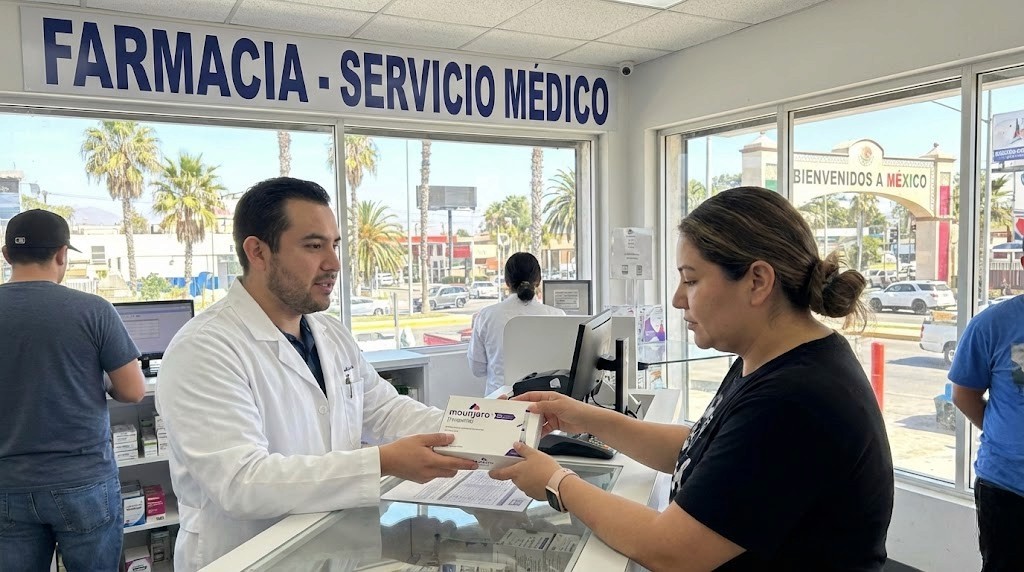
You are paying over a thousand dollars a month for tirzepatide in the United States. Maybe more. And just across the border, the same medication sits on pharmacy shelves for roughly eighty-nine dollars. That is not a typo. Not a promotional gimmick. It is the actual retail price at licensed Mexican pharmacies for a single vial of Mounjaro. The math is brutal. Every month you fill that prescription domestically, you could be saving anywhere from 70 to 80 percent by looking south. But savings mean nothing if the medication is counterfeit, if you can not legally bring it back across the border, or if improper storage during your trip destroys the compound before you ever inject it.
That is exactly what this guide addresses. Not just whether you can buy affordable tirzepatide in Mexico, but whether you should, how to do it safely, what the legal framework looks like on both sides of the border, and how to tell the difference between a legitimate product and a dangerous counterfeit. Because the weight loss peptide market in Mexico is booming. And where demand spikes, so do fakes.
Whether you are already on a tirzepatide dosing protocol and exploring cheaper options, or you are just starting to research GLP-1 agonists and want to understand your access points, this guide covers everything. Availability. Pricing. Pharmacy verification. Prescription requirements. Customs rules. Storage logistics. Counterfeit detection. Alternatives if the Mexico route does not work for you. All of it, in one place, based on current regulatory data and real pharmacy pricing.
SeekPeptides built this guide because peptide access should not require guesswork. And navigating international medication purchases definitely should not.
What is tirzepatide and why are people looking to Mexico
Tirzepatide is a dual GIP and GLP-1 receptor agonist. That means it activates two different incretin pathways simultaneously, something no other approved weight loss medication does. The GLP-1 component suppresses appetite, slows gastric emptying, and improves insulin sensitivity. The GIP component adds a second layer of metabolic regulation that enhances fat oxidation and energy expenditure. Together, they produce weight loss results that clinical trials have measured at 15 to 22.5 percent of total body weight over 72 weeks.
Those numbers are staggering.
No other pharmaceutical intervention, short of bariatric surgery, comes close. And the tirzepatide before and after results reported by real users consistently reflect what the clinical data predicts. People are losing 40, 60, 80 pounds. Some more. The medication works, and it works well, which is precisely why demand has exploded globally.
In the United States, tirzepatide is sold under two brand names. Mounjaro targets type 2 diabetes. Zepbound targets chronic weight management. Both contain identical tirzepatide as the active ingredient. The only difference is the indication on the label and, sometimes, the insurance coverage pathway. Understanding how fast tirzepatide works and how long it takes to see results helps explain why so many people are willing to cross international borders for it.
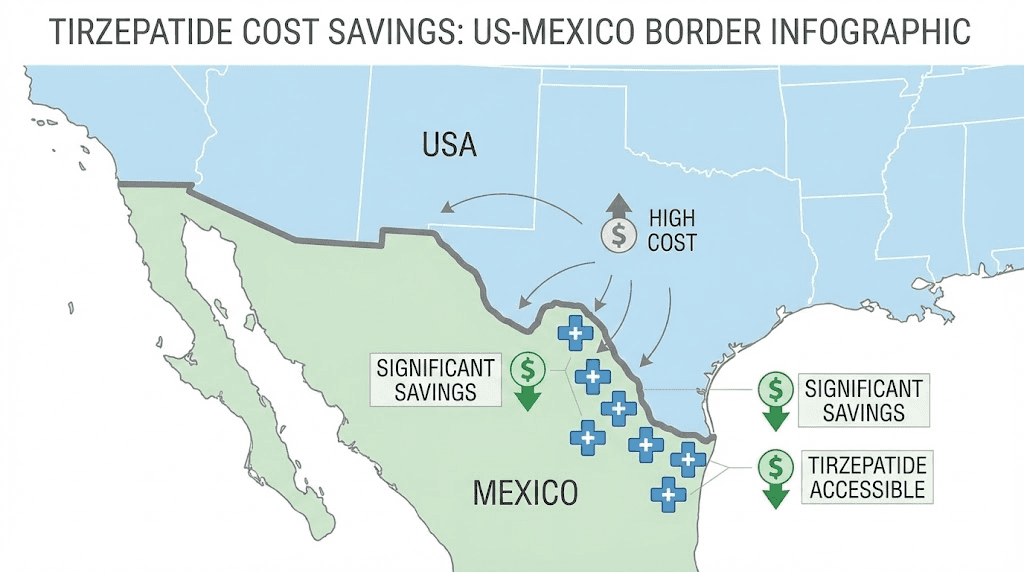
The problem is cost. Without insurance, a monthly supply of brand-name tirzepatide in the US runs anywhere from $800 to over $1,200. Even with insurance, copays can be steep, and many plans do not cover weight loss indications at all. That leaves millions of people who know the medication works, who may have already seen documented weight loss results from others, but who simply can not afford domestic pricing.
Mexico offers an alternative. A significantly cheaper one. And that is driving a wave of medical tourism that shows no signs of slowing down.
Is tirzepatide available in Mexico
Yes, but with important caveats that every buyer needs to understand before making the trip.
COFEPRIS approval status
COFEPRIS is the Comision Federal para la Proteccion contra Riesgos Sanitarios, the Mexican equivalent of the FDA. In November 2024, COFEPRIS approved Mounjaro (tirzepatide) for the treatment of type 2 diabetes in Mexico. This means the medication is legally available through licensed pharmacies with a valid prescription from a Mexican physician.
However, and this is a critical distinction, Zepbound has not been approved by COFEPRIS. In Mexico, tirzepatide is officially indicated only for diabetes management, not for weight loss. Some physicians prescribe it off-label for weight management, which is legal in Mexico just as off-label prescribing is legal in the United States. But the official regulatory framework covers only the diabetes indication at this time.
Eli Lilly has announced plans to expand the tirzepatide launch across Mexico, along with other markets including China, India, and Brazil. The company has indicated wider distribution will roll out through late 2025 and into 2026, though specific weight management approval timelines remain subject to COFEPRIS review. Understanding the current peptide regulatory landscape helps contextualize these timelines, as regulatory agencies worldwide are moving at different speeds on GLP-1 approvals.
Mounjaro vs Zepbound in Mexico
Since only Mounjaro carries COFEPRIS approval, Zepbound is not officially available in Mexico. You will not find Zepbound on pharmacy shelves. What you will find is Mounjaro in various dose strengths, prescribed for diabetes but functionally identical to Zepbound in terms of the active compound.
This matters because the prescribing physician will need to write the prescription for Mounjaro specifically. If you are currently taking Zepbound in the United States, you are taking the same tirzepatide molecule. The tirzepatide dosage in units translates directly between the two brand names. A 5mg dose of Zepbound is identical to a 5mg dose of Mounjaro.
For anyone comparing GLP-1 options, the semaglutide vs tirzepatide comparison page provides a detailed breakdown of how tirzepatide stacks against semaglutide-based medications like Ozempic and Wegovy, which are also available in Mexico and often at reduced prices.
Which pharmacies stock tirzepatide
Major pharmacy chains in Mexico carry Mounjaro, though availability can vary by location and current stock levels. The two largest chains where tirzepatide has been consistently documented include Farmacia San Pablo and Farmacia del Ahorro. Both operate hundreds of locations across Mexico, with particularly strong presence in major cities and tourist areas.
Border town pharmacies in cities like Tijuana, Nogales, and Ciudad Juarez also stock Mounjaro, catering specifically to the growing medical tourism market. These pharmacies along Avenida Revolucion in Tijuana, for example, often have English-speaking staff and are accustomed to serving American customers seeking cheaper tirzepatide options.
Smaller independent pharmacies may also carry the medication, but the risk of encountering counterfeit products increases significantly outside major chains. Sticking with established pharmacy networks is one of the most important safety measures you can take, and it parallels the guidance in our best peptide vendors guide about verifying supplier legitimacy.
How much does tirzepatide cost in Mexico compared to the United States
The price difference is not marginal. It is dramatic.
Price comparison by dose
At major Mexican pharmacies, a single vial of Mounjaro at the 2.5mg or 5mg dose level runs approximately $89 USD. That is the per-vial price, which represents roughly a one-month supply at the starting dose. Higher dose vials may cost slightly more, but pricing generally stays within the $85 to $160 USD range depending on the specific dose strength and pharmacy location.
In the United States, the same medication without insurance costs between $800 and $1,200 per month. Even with manufacturer coupons or savings cards, out-of-pocket costs frequently exceed $500 monthly. The peptide cost calculator on our site can help you model long-term spending under different scenarios.
Here is how the numbers break down:
Dose | Mexico price (approx) | US price (no insurance) | Savings |
|---|---|---|---|
2.5mg starter | $85-$89 USD | $800-$1,000 | ~89-91% |
5mg | $89-$110 USD | $900-$1,100 | ~88-90% |
7.5mg | $100-$130 USD | $950-$1,150 | ~87-89% |
10mg | $110-$150 USD | $1,000-$1,200 | ~85-88% |
12.5mg | $120-$160 USD | $1,050-$1,250 | ~85-87% |
15mg | $130-$160 USD | $1,100-$1,300 | ~85-88% |
Even factoring in travel costs, the savings for a single trip where you purchase two or three months of supply are substantial. For someone on the standard tirzepatide dose escalation schedule, purchasing several months in advance at the lower escalation doses can save thousands of dollars over the course of treatment.
Where the savings really come from
Mexico pharmaceutical pricing operates under a different economic model than the United States. Drug pricing in Mexico is regulated more directly by the government, and the lack of the complex PBM (pharmacy benefit manager) middleman system that inflates US prices means medications reach consumers at prices much closer to actual production costs.
This is not unique to tirzepatide. Virtually every brand-name pharmaceutical costs significantly less in Mexico. But the gap is especially pronounced for newer GLP-1 medications because US pricing for these drugs reflects both pharmaceutical company profit margins and the enormous demand that has outpaced supply. Understanding how much peptides cost globally reveals that the US market is consistently the most expensive for nearly every injectable medication.
Hidden costs to factor in
The pharmacy price is not the only expense. If you are traveling to Mexico specifically to purchase tirzepatide, you need to budget for several additional costs that can reduce your net savings.
Travel expenses are the obvious one. Gas, flights, or bus fare to a border city. If you drive to Tijuana from San Diego, the cost is minimal, maybe twenty dollars in gas plus bridge tolls. If you are flying from the Midwest, that is a different calculation entirely.
You also need a Mexican prescription. A consultation with a licensed Mexican physician typically costs between $30 and $80 USD, depending on whether you visit a clinic, a pharmacy with an attached doctor, or a medical tourism facility. Some border pharmacies have affiliated physicians who can see patients quickly, sometimes the same day.
Medication cooling supplies for the return trip add a small cost. An insulated travel case with gel packs typically runs $15 to $40. Our guide on tirzepatide refrigeration requirements explains exactly what temperature range you need to maintain and for how long.
Even after adding all these costs, most people still save 50 to 70 percent compared to US retail pricing if they purchase at least two months of supply per trip. The peptide therapy cost guide provides additional context on budgeting for ongoing peptide protocols.
How to get a prescription for tirzepatide in Mexico
This is where many people make their first mistake. They assume they can walk into a Mexican pharmacy, hand over cash, and walk out with Mounjaro. Legally, that is not how it works.
Mexican prescription requirements
Tirzepatide is classified as a prescription medication in Mexico. COFEPRIS regulations require a valid prescription from a licensed Mexican physician. Your US prescription does not transfer. It is not recognized. Even if you carry your American prescription bottle and documentation from your US physician, Mexican pharmacies are legally required to have a Mexican prescription on file.
In practice, enforcement varies. Some pharmacies in tourist areas and border towns have been reported to sell tirzepatide without a prescription. This is illegal, and COFEPRIS has announced sanctions against pharmacies engaged in this practice. More importantly, buying without a prescription removes one layer of medical oversight that could catch dosing errors, contraindications, or drug interactions.
Getting a prescription is not difficult or expensive. It is worth doing correctly. Understanding proper tirzepatide dosing guidance before your appointment helps you have an informed conversation with the prescribing physician.
Finding a licensed physician
Several pathways exist for obtaining a Mexican tirzepatide prescription.
Border town medical offices are the most accessible option for day-trippers. Cities like Tijuana, Nogales, and Nuevo Laredo have dozens of medical clinics specifically set up to serve American patients. Many advertise English-speaking doctors and can see walk-in patients within an hour. A consultation typically costs $30 to $60 USD and takes 15 to 30 minutes.
Pharmacy-affiliated physicians represent another common pathway. Some of the larger pharmacy chains have medical offices attached or nearby, where a doctor can evaluate you and write a prescription that you fill at the adjacent pharmacy. This streamlines the process considerably.
Telehealth options within Mexico are also emerging, where Mexican-licensed physicians can evaluate patients remotely and issue prescriptions that can be filled at participating pharmacies. This is newer and less established, but worth exploring if you plan repeat purchases.
Before your consultation, gather your medical records, including your current medication list, any relevant lab work (A1C levels, metabolic panel), and your weight management history. This helps the Mexican physician make an informed prescribing decision. If you are new to GLP-1 medications, reading our getting started with peptides guide and the common peptide mistakes guide will prepare you for productive conversations with any prescriber.
Medical tourism clinics
A growing number of medical tourism clinics in Mexico now specifically cater to patients seeking weight loss medications. These facilities offer a more comprehensive experience than a quick pharmacy visit. They typically include an initial medical evaluation, blood work, body composition analysis, prescription writing, medication dispensing, and follow-up care coordination.
Clinics in Tijuana and other border cities charge between $150 and $350 for this full-service package, which includes the physician consultation, prescription, and sometimes the first month of medication. While more expensive than a standalone doctor visit, these clinics provide added safety through more thorough medical screening.
The key advantage of medical tourism clinics is their familiarity with treating American patients. Staff members speak English. They understand US medication histories. And they can coordinate with your American healthcare provider if needed. For people exploring broader peptide therapy options, these clinics sometimes offer additional GLP-1 medications and complementary treatments as well.

Buying tirzepatide at Mexican pharmacies
Once you have a valid prescription, the actual purchase process is straightforward. But not all pharmacies offer the same experience, and knowing what to expect prevents costly mistakes.
Major pharmacy chains
Farmacia San Pablo is one of the most recommended options. With hundreds of locations across Mexico, they maintain robust supply chain relationships with Eli Lilly and stock authentic Mounjaro consistently. Pricing at San Pablo for the 5mg dose has been documented at approximately 1,798 MXN, which translates to roughly $89 USD depending on the exchange rate.
Farmacia del Ahorro operates an even larger network and offers competitive pricing. Their 2.5mg and 5mg vials have been priced at approximately 1,792 MXN (around $89 USD). Both chains offer the advantage of verifiable licensing, proper cold storage infrastructure, and traceable supply chains.
Other established chains worth considering include Farmacia Guadalajara and Farmacia Benavides, though tirzepatide stock levels may vary more at these locations depending on the region. If one pharmacy is out of stock, checking a second major chain is often the solution.
Border town pharmacies
For Americans making day trips, border town pharmacies are the most accessible option. Tijuana, directly across from San Diego, has the highest concentration of pharmacies catering to American customers. Avenida Revolucion alone has dozens of pharmacies, many with English-speaking staff who are accustomed to helping US visitors navigate the medication purchase process.
Nogales (across from Nogales, Arizona), Ciudad Juarez (across from El Paso), and Nuevo Laredo (across from Laredo, Texas) also have well-established pharmacy districts that serve cross-border medication shoppers. Each of these cities has been part of the broader grey market peptide landscape for years, though brand-name Mounjaro from legitimate pharmacies is distinct from grey market products.
A word of caution on border pharmacies. The convenience comes with elevated counterfeit risk compared to pharmacies in interior Mexican cities. Stick with established chains or pharmacies that can provide batch numbers and manufacturer verification. We will cover counterfeit detection in detail shortly.
What to look for when buying
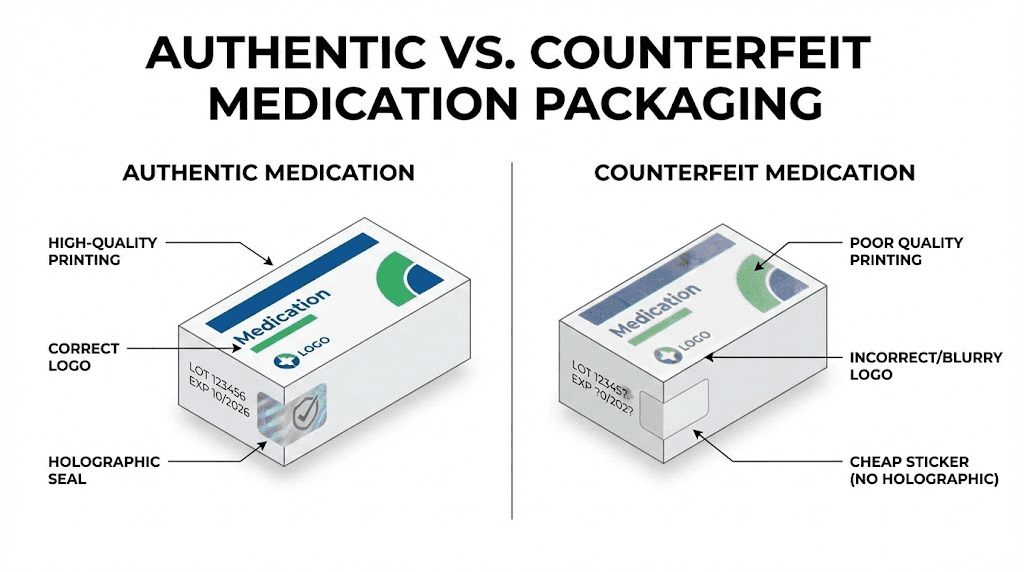
Every legitimate Mounjaro purchase should include several verifiable elements. The packaging should match Eli Lilly official branding with no spelling errors, discoloration, or inconsistencies in the print quality. The lot number and expiration date should be clearly printed and match across the outer packaging, the vial, and any included documentation.
Ask the pharmacist to show you the medication before you pay. Inspect the seal. A broken or tampered seal is an immediate red flag. The liquid inside should be clear and colorless. Any cloudiness, particles, or unusual coloration means the product is either counterfeit or has been compromised.
Request a receipt that includes the pharmacy name, address, the medication name, dose, lot number, and price. This documentation serves multiple purposes. It helps at US customs. It provides recourse if you discover a problem later. And it confirms you purchased from a licensed establishment. When evaluating any peptide purchase, whether tirzepatide or other compounds, the principles in our peptide safety and risks guide always apply.
Counterfeit and safety risks you need to understand
This section is not optional reading. It might be the most important part of this entire guide.
The counterfeit tirzepatide problem is real, it is growing, and it is dangerous. As demand for GLP-1 medications has surged globally, criminal operations have ramped up production of fake versions designed to look identical to legitimate products. Mexico is not immune to this, and buyers who skip due diligence put themselves at genuine medical risk.
How to spot fake tirzepatide
Eli Lilly has issued multiple public warnings about counterfeit Mounjaro and Zepbound products. Their testing of seized counterfeit products revealed alarming findings. Some contained no active ingredient at all, meaning the fake product was nothing more than sugar alcohol. Others contained the wrong chemical compound entirely. Some were contaminated with bacteria. And several contained wildly inaccurate amounts of tirzepatide, either far too little to be effective or dangerously too much.
Here are the red flags to watch for.
Packaging inconsistencies. Legitimate Eli Lilly packaging has precise typography, consistent coloring, and specific security features. Counterfeits often have subtle differences, slightly off-brand colors, blurry text, incorrect font weights, or missing regulatory markings. If the packaging looks even slightly different from verified reference images on the Lilly website, do not purchase it.
Price that seems too good to be true. Mexican pharmacy pricing for legitimate Mounjaro falls in the $85 to $160 USD range per vial depending on dose. If someone offers it for $30 or $40, that is almost certainly a counterfeit. The production cost of real tirzepatide makes pricing below a certain floor impossible for legitimate products.
Loose or repackaged vials. Authentic Mounjaro comes in sealed manufacturer packaging. If a pharmacy offers you a vial that has been removed from its original packaging, or if the packaging appears to have been opened and resealed, walk away. This also applies to expired tirzepatide products that may have been relabeled with new expiration dates.
No verifiable lot number. Every legitimate vial has a traceable lot number. You can contact Eli Lilly directly at 1-800-LillyRx (1-800-545-5979) to verify any lot number before injecting. If the pharmacy can not provide a lot number, or if the number comes back as unverified, do not use the product.
Eli Lilly warnings about counterfeits
Lilly has been increasingly vocal about the counterfeit problem. In formal communications, the company has warned that compounded and counterfeit versions of tirzepatide are proliferating in markets worldwide. Their analysis of seized products found bacterial contamination, incorrect chemical structures, and impurity levels that could cause serious adverse reactions.
Between August 2021 and mid-2024, the FDA reviewed 108 reports of adverse reactions specifically linked to compounded tirzepatide products, some requiring hospitalization. While these reports primarily involved US-based compounded products rather than Mexican pharmacy products specifically, they illustrate the broader risks of non-verified tirzepatide from any source.
The peptide expiration guide covers related concerns about medication degradation that can produce similar adverse effects as counterfeit products, making it important to verify both authenticity and proper storage throughout the supply chain.
Verification steps before purchasing
Follow this verification protocol every time you purchase tirzepatide in Mexico.
First, confirm the pharmacy licensing. COFEPRIS-licensed pharmacies should have their license number displayed. Major chains like Farmacia San Pablo and Farmacia del Ahorro are consistently licensed and subject to regular inspections.
Second, inspect the product packaging before paying. Compare it against reference images from Eli Lilly official product pages. Check the lot number, expiration date, and security features. Any discrepancy means you walk away.
Third, verify the lot number. Call Lilly directly or check their online verification system if available. This takes five minutes and could prevent a serious medical emergency.
Fourth, check the vial contents visually. Tirzepatide solution should be clear and colorless. Cloudiness, particles, unusual viscosity, or any coloration is a disqualifying finding.
Fifth, keep all documentation. Receipt, prescription, packaging, lot number. Store these separately from the medication itself. If you experience any adverse reaction, this documentation enables proper medical follow-up and reporting.
Bringing tirzepatide back to the United States
You have a valid Mexican prescription. You have purchased verified, authentic Mounjaro from a licensed pharmacy. Now you need to get it back across the border without legal issues or medication damage. Both are achievable with proper preparation.
FDA personal importation rules
The FDA maintains what is informally known as the personal importation policy. While technically it is illegal to import prescription medications into the United States, the FDA exercises enforcement discretion for personal-use quantities of FDA-approved medications. Tirzepatide is FDA-approved (as both Mounjaro and Zepbound), which places it in a more favorable category than unapproved compounds.
The practical guidelines allow individuals to bring back up to a 90-day supply of medication for personal use. This is not a formal legal right, it is an enforcement discretion policy, meaning customs officers have some latitude in how they apply it. Having proper documentation significantly reduces the likelihood of any issues.
For context, understanding how peptide legality works across borders provides useful background on the regulatory frameworks that govern international medication transport.
Customs declaration requirements
When crossing back into the United States, you should declare your medication to Customs and Border Protection (CBP). Being upfront about what you are carrying prevents complications. CBP officers deal with medication declarations routinely, and transparent declarations almost always result in smooth processing.
Carry these documents with you. Your Mexican prescription from the licensed physician. The pharmacy receipt showing the medication name, dose, lot number, and purchase date. Your US medical records or a letter from your American physician documenting that you take tirzepatide for a valid medical condition. And keep the medication in its original manufacturer packaging with visible labeling.
The value threshold for customs declaration is $800. Since tirzepatide purchases in Mexico almost always fall below this amount, no duty applies. But declare it regardless. Undeclared medications, even legal ones, create unnecessary complications if discovered during a search.
How much can you bring back
The 90-day supply guideline is the practical limit. For tirzepatide, which is typically dosed once weekly, a 90-day supply equals approximately 12 to 13 vials or pre-filled pens. Most people purchasing in Mexico buy one to three months of supply per trip, which falls well within acceptable limits.
Do not attempt to bring back quantities that suggest commercial resale. Large quantities trigger scrutiny, and reselling prescription medication is a federal offense regardless of where it was purchased. The personal-use exception exists specifically for individuals managing their own health conditions.
Proper storage during the return trip is critical, and we cover that in the next section. If you are driving across a land border, the trip might take 30 minutes or several hours depending on wait times. If you are flying, you might have the medication unrefrigerated for 6 to 12 hours during transit. Both scenarios are manageable with proper preparation, as our tirzepatide out of fridge guide explains.
Storing tirzepatide during travel
Tirzepatide is a biologic medication. It is a protein. And proteins degrade when exposed to improper temperatures. All the savings in the world mean nothing if your medication loses potency before you can use it. Getting the cold chain right is non-negotiable.
Temperature requirements
Tirzepatide must be stored at 2 to 8 degrees Celsius (36 to 46 degrees Fahrenheit) for long-term storage. This is standard refrigerator temperature. Once removed from refrigeration, the manufacturer specifies that tirzepatide remains stable at room temperature for up to 21 days, provided the temperature does not exceed 30 degrees Celsius (86 degrees Fahrenheit).
That 21-day window gives you considerable flexibility for travel. A day trip to a border town and back? No problem. A weekend in Mexico City? Also fine. Even a week-long vacation where you purchase medication on day one and refrigerate it at your hotel until your return flight works within this window.
What you absolutely must avoid is heat exposure above 86 degrees Fahrenheit. A car trunk in summer. A checked bag in an airplane cargo hold. Direct sunlight on the dashboard. Any of these scenarios can push temperatures well above the stability threshold and render the medication useless, or worse, potentially harmful. For comprehensive storage guidance, the tirzepatide fridge storage guide covers every scenario in detail.
Travel cooling solutions
Insulated medication travel cases are the standard solution. These typically cost between $15 and $40 and consist of an insulated pouch with reusable gel packs that maintain the 2 to 8 degree Celsius range for 8 to 24 hours depending on the product and ambient temperature.
Critical rule: never place the medication directly against a frozen gel pack. Direct contact with frozen material can cause localized freezing of the tirzepatide solution, which destroys the protein structure permanently. Frozen tirzepatide should be discarded. Always place a buffer layer (cloth, foam, or the included separators) between the gel pack and the vial.
For air travel, keep the medication in your carry-on bag. Never check it. Cargo holds can reach temperatures that damage biologics, and lost luggage means lost medication. TSA allows injectable medications in carry-on bags with proper documentation (your prescription). Insulin and similar injectable medications are explicitly permitted, and tirzepatide falls under the same guidelines.
The peptide storage guide provides additional context on maintaining biologics during transport, including strategies for multi-day trips and international travel scenarios.
What to do if tirzepatide gets too warm
If your tirzepatide has been exposed to temperatures above 30 degrees Celsius (86 degrees Fahrenheit), even briefly, you face a judgment call. Brief exposure of a few minutes, such as transferring from a refrigerator to a cooler, is generally not a concern. But extended exposure of an hour or more at high temperatures compromises potency.
If you can not confirm that the medication stayed below 86 degrees Fahrenheit throughout transport, the safest approach is to not use it. The risk of injecting degraded tirzepatide includes reduced efficacy (it simply does not work) and potential injection site reactions or other adverse effects from degraded protein fragments.
For reference on how temperature affects these medications, the peptides at room temperature guide and the peptides in fridge shelf life guide cover the science behind biologic medication stability in accessible detail.
Alternatives to buying tirzepatide in Mexico
Mexico is not the only pathway to more affordable tirzepatide. Depending on your situation, one of these alternatives might be more practical, safer, or even cheaper when you factor in total costs.
Compounded tirzepatide in the US
Compounding pharmacies in the United States have been producing tirzepatide formulations, though the regulatory landscape for compounded tirzepatide has been shifting rapidly. The FDA and Eli Lilly have both taken actions against certain compounders, and availability depends on current shortage designations and legal proceedings.
When available, compounded GLP-1 medications typically cost between $150 and $500 per month, depending on the pharmacy and formulation. Some compounders offer tirzepatide with additional compounds like tirzepatide with B12, tirzepatide with glycine and B12, or tirzepatide with niacinamide, which may provide complementary benefits.
Established compounding pharmacies that have been widely discussed in the community include Empower Pharmacy, which produces various tirzepatide formulations. Our guides cover multiple compounding sources including Priority Meds, Orderly Meds, BPI Labs, Southend Pharmacy, and ProRx.
The compounded tirzepatide dosage calculator helps users who work with compounded formulations calculate accurate doses based on their specific vial concentration and target milligram dosage.
Insurance coverage options
If you have not exhausted all insurance pathways, it is worth another attempt. Tirzepatide coverage varies dramatically between insurers, plan types, and even between the diabetes (Mounjaro) and weight management (Zepbound) indications.
Step therapy requirements mean some insurers require you to try (and fail on) semaglutide before approving tirzepatide. Prior authorization paperwork, submitted by your physician, can sometimes unlock coverage that was initially denied. And some plans cover Mounjaro for diabetes but not Zepbound for weight loss, which means getting a diabetes-related prescription (if medically appropriate) could change the coverage equation.
Check if your plan covers the medication through specialty pharmacies, which sometimes have different formulary rules than retail pharmacies. And ask your physician about peer-to-peer review, where they can speak directly with the insurance company medical director to argue for coverage based on your specific clinical situation.
Patient assistance programs
Eli Lilly offers the Mounjaro Savings Card and the Zepbound Savings Program for eligible patients. These programs can reduce out-of-pocket costs to as low as $25 per fill for commercially insured patients. Eligibility requirements exist, and the programs do not cover patients on government insurance (Medicare, Medicaid, Tricare).
For uninsured patients, Lilly Solutions offers financial assistance that can significantly reduce the cost of brand-name tirzepatide. Qualification is based on income, and the application process requires financial documentation.
If you are comparing multiple GLP-1 options on cost alone, the semaglutide vs tirzepatide side effects comparison and tirzepatide vs semaglutide dosage chart can help you evaluate whether semaglutide (which is sometimes cheaper and more widely available) might be a viable alternative.
Alternative GLP-1 medications
If tirzepatide specifically is not accessible, other GLP-1 receptor agonists provide meaningful weight loss and metabolic benefits, though the dual-agonist mechanism of tirzepatide gives it an edge in clinical data.
Semaglutide, available as Ozempic (for diabetes) and Wegovy (for weight loss), is more widely distributed and often easier to access, both in the US and internationally. Our guide on Ozempic alternatives covers the full landscape of GLP-1 options available.
Emerging options include survodutide, orforglipron (an oral GLP-1 in late-stage trials), and mazdutide. The retatrutide pricing guide also covers an upcoming triple-agonist that may eventually compete with tirzepatide on both efficacy and price.
For those exploring oral alternatives, oral tirzepatide and tirzepatide drops are formulations gaining traction, and the tablets vs injections comparison breaks down the bioavailability differences between delivery methods.
Complete step-by-step guide for buying tirzepatide in Mexico
Here is the practical, step-by-step process distilled into a clear sequence. Follow every step.
Step 1: Prepare your medical documentation. Before traveling, gather your current medication list, any relevant lab results (A1C, metabolic panel, BMI documentation), and a letter from your US physician confirming your tirzepatide prescription if you have one. Understand your target dose by reviewing the tirzepatide dosage chart in units and the tirzepatide dosage chart in ml so you know exactly what to request.
Step 2: Plan your travel logistics. Choose a border city or Mexican destination. Tijuana (from San Diego) offers the most established pharmacy infrastructure for American buyers. Budget for gas or airfare, parking, border crossing time (which can exceed 2 hours on busy days), and an insulated medication travel case with gel packs.
Step 3: Obtain a Mexican prescription. Visit a licensed physician in Mexico. Border town clinics see American patients daily and typically offer same-day appointments. Expect to pay $30 to $80 for the consultation. Bring your medical documentation. The physician will evaluate you and write a prescription for Mounjaro at the appropriate dose.
Step 4: Purchase from a licensed pharmacy chain. Go to Farmacia San Pablo, Farmacia del Ahorro, or another established chain. Present your prescription. Inspect the medication before paying. Verify the lot number, expiration date, packaging integrity, and that the solution is clear and colorless. Request a detailed receipt.
Step 5: Verify authenticity. Before leaving the pharmacy, note the lot number. If possible, call Eli Lilly at 1-800-LillyRx to verify it. Photograph the packaging, lot number, and receipt. This creates a verification trail that protects you at customs and in case of any future issues.
Step 6: Secure proper storage for the return trip. Place the medication in your insulated travel case with gel packs. Do not place vials directly against frozen packs. The peptide storage after reconstitution guide contains additional cold chain management principles that apply to all biologic medications during transport.
Step 7: Cross the border with proper documentation. Declare your medication at customs. Have your Mexican prescription, pharmacy receipt, and any US medical documentation accessible. Keep the medication in original manufacturer packaging. Cooperate with CBP officers if they have questions. The process is typically straightforward when you are transparent.
Step 8: Refrigerate immediately upon arrival home. Place the medication back in your refrigerator (2 to 8 degrees Celsius) as soon as you arrive. If you purchased multiple months of supply, all unused vials should remain refrigerated until their weekly use date. Following the proper tirzepatide starting dose protocol ensures you begin your treatment safely.
Dosing tirzepatide purchased in Mexico
The tirzepatide you buy in Mexico is the same compound manufactured by Eli Lilly that you would receive from a US pharmacy. The dosing protocol does not change based on where you purchased it. But understanding the dosing specifics is essential, particularly if you are self-managing your protocol between physician visits.
The standard escalation starts at 2.5mg weekly for the first four weeks. This is the acclimatization phase where your body adjusts to the GLP-1 and GIP receptor activation. Side effects like nausea, reduced appetite, and mild gastrointestinal discomfort are most common during this period and at each subsequent dose increase.
After four weeks, the dose increases to 5mg weekly. From there, further escalation follows a pattern of four-week intervals at each dose level: 7.5mg, 10mg, 12.5mg, and 15mg. Not everyone escalates to the maximum dose. The goal is finding the dose where weight loss is meaningful and side effects are manageable.
Our tirzepatide dosing for weight loss in units guide breaks down exactly how many units correspond to each milligram dose depending on the vial concentration. This is critical when using vials rather than pre-filled pens, because you are drawing the dose yourself with a syringe.
For unit conversions at each dose level, these resources provide precise calculations: 2.5mg in units, 5mg in units, 7.5mg in units, and 10mg in units. If you are working with the reverse calculation, start with how many mg is 20 units, 30 units, 40 units, or 50 units.
If you are new to self-injection, learning how to inject tirzepatide in the stomach is one of the most common starting points, though the thigh and upper arm are also valid injection sites. The peptide injections guide covers subcutaneous injection technique in full detail. Rotating injection sites prevents lipohypertrophy and improves absorption consistency.
Managing side effects after starting tirzepatide
Side effects are part of the tirzepatide experience for most users, especially during dose escalation. Knowing what to expect, and when to be concerned, makes the difference between a manageable adjustment period and an unnecessarily stressful one.
Gastrointestinal effects dominate the side effect profile. Nausea is the most commonly reported, affecting roughly 20 to 30 percent of users at each dose increase. It typically peaks in the first two to three days after injection and fades over the following week. Eating smaller, more frequent meals and avoiding high-fat foods during the first few days after each injection helps considerably. Our tirzepatide foods to avoid guide and what to eat on tirzepatide guide provide specific dietary strategies.
Constipation and diarrhea can both occur, sometimes alternating. The tirzepatide constipation treatment guide and tirzepatide diarrhea guide offer practical management strategies for each.
Fatigue is another common report. The does tirzepatide make you tired guide explores the mechanisms behind GLP-1 related fatigue and strategies for managing it. Some users also report headaches, body aches, muscle pain, or insomnia during dose adjustments.
Less commonly, some users experience anxiety symptoms or joint pain. These tend to be dose-dependent and often improve with time or a slight dose reduction.
Supplementation can help mitigate some side effects. The supplements to take with tirzepatide guide covers evidence-backed options including B12, electrolytes, and fiber supplementation that support the body during GLP-1 therapy.
If side effects become intolerable or if you experience any sign of a serious adverse reaction, including severe abdominal pain, persistent vomiting, signs of pancreatitis, or allergic reactions, seek immediate medical attention. This is not the time to self-manage. A physician who understands GLP-1 medications needs to evaluate you.
What to do if tirzepatide purchased in Mexico is not working
You made the trip. You bought the medication. You started injecting. And nothing is happening. No appetite reduction. No weight loss. No change at all.
Before concluding the medication is fake, consider several other possibilities. Counterfeit product is one explanation, but it is not the only one.
First, patience. The 2.5mg starting dose is subtherapeutic for weight loss in many people. It is designed for gastrointestinal acclimatization, not dramatic results. Meaningful weight loss typically begins at the 5mg dose level and accelerates at higher doses. Review the timeline for tirzepatide results to calibrate realistic expectations.
Second, storage compromise. If the medication was exposed to excessive heat during transport and you did not catch it, you might be injecting degraded tirzepatide that has lost potency. There is no visual indicator for heat-degraded tirzepatide unless the solution becomes cloudy or discolored.
Third, individual response variation. Some people are low responders to GLP-1 medications. This is not a Mexico-specific issue. Our guide on why you are not losing weight on tirzepatide covers the full range of factors that can blunt response, from metabolic adaptation to medication interactions to dietary patterns that counteract the appetite suppression effects.
Fourth, the tirzepatide not working anymore guide addresses what happens when initial results plateau or stop, which can occur regardless of medication source. Dose adjustment, timing changes, or complementary protocols may be needed.
If you genuinely suspect the product was counterfeit, contact Eli Lilly with the lot number for verification. Report the pharmacy to COFEPRIS if you can confirm the product was fake. And consult your US physician about next steps for your weight management protocol.
Optimizing your tirzepatide protocol
Whether your tirzepatide comes from Mexico, a US pharmacy, or a compounding pharmacy, optimization follows the same principles. The medication creates a powerful foundation. Your daily habits determine how much of that foundation translates into actual results.
Diet matters enormously. Tirzepatide suppresses appetite, but it does not make food choices for you. The tirzepatide diet plan and tirzepatide meal plan provide structured approaches to eating that maximize the medication effects. Protein intake becomes especially important because rapid weight loss without adequate protein leads to excessive muscle loss, which tanks your metabolic rate and makes long-term weight maintenance harder.
Combining tirzepatide with complementary compounds is something many advanced users explore. Tirzepatide with glycine has gained attention for potential GLP-1 enhancement effects. Compounded formulations with B12 address the vitamin B12 depletion that can occur with long-term GLP-1 therapy. And some users combine GLP-1 medications with other peptides, though this should only be done under medical supervision. The phentermine and tirzepatide combination guide and the AOD-9604 with tirzepatide guide cover two of the more commonly discussed combinations.
Alcohol consumption is another factor. The drinking on tirzepatide guide explains how alcohol interacts with GLP-1 receptor agonists and why many users find their alcohol tolerance drops significantly on the medication.
Injection timing also matters. Some users report better results injecting in the morning. Others prefer evening injections to manage nausea during sleep rather than during active hours. The taking tirzepatide a day early guide addresses scheduling flexibility and what happens if your weekly injection day shifts.
SeekPeptides members access comprehensive protocol optimization tools, including personalized dosing adjustments, progress tracking, and community insights from thousands of researchers who have navigated these exact questions. The platform provides structured guidance that goes well beyond what any single blog post can cover.
Semaglutide in Mexico as an alternative
While this guide focuses on tirzepatide, semaglutide is the other major GLP-1 medication that drives medical tourism to Mexico. In many cases, semaglutide is easier to find and carries less counterfeit risk simply because it has been on the market longer and distribution infrastructure is more established.
Ozempic (semaglutide for diabetes) is widely available at Mexican pharmacies at prices that reflect similar savings to tirzepatide. Many of the same pharmacies that stock Mounjaro also carry Ozempic, and the prescription process is identical.
For people who have not yet started GLP-1 therapy and are deciding between the two medications, the semaglutide vs tirzepatide comparison page provides a detailed head-to-head analysis. Clinical data consistently shows tirzepatide produces greater average weight loss (15 to 22.5 percent vs 10 to 15 percent for semaglutide), but semaglutide is a proven, effective option with a longer track record and more global availability.
If you are currently on semaglutide and considering switching to tirzepatide (which many Mexico shoppers contemplate given the pricing), the switching guide and conversion chart provide dose equivalency information that helps make the transition smoother.
Understanding how semaglutide works, including how fast semaglutide works and how long semaglutide takes to show results, provides useful comparison data for people weighing their options. The semaglutide dosage calculator on our site helps with dose planning for semaglutide protocols specifically.
Reconstitution and preparation if buying vials
In Mexico, tirzepatide may be available as single-dose vials rather than the pre-filled pens common in US pharmacies. Vials require you to draw the medication into a syringe yourself, which involves a few additional steps compared to clicking a pen.
If you are purchasing vials, you will need insulin syringes with appropriate unit markings. The tirzepatide reconstitution chart and downloadable PDF version provide the reference tables you need for accurate dose drawing.
Note that brand-name Mounjaro vials come pre-mixed. You do not need to reconstitute them with bacteriostatic water the way you would with lyophilized peptides. The solution is ready to inject. Simply clean the vial top with an alcohol swab, insert the needle, draw the correct number of units for your target dose, remove air bubbles, and inject subcutaneously.
For anyone unfamiliar with the injection process, the complete peptide injection guide walks through technique step by step. Proper injection technique prevents bruising, ensures accurate dosing, and reduces the already low risk of infection at the injection site. The GLP-1 injection site guide covers optimal placement for both absorption and comfort.
If you need to reconstitute compounded tirzepatide (not brand-name Mounjaro), the tirzepatide reconstitution guide and the bacteriostatic water mixing guide for 10mg tirzepatide provide the precise ratios needed. General peptide mixing principles are covered in the bacteriostatic water for peptides overview and the peptide mixing guide.
Long-term considerations for cross-border tirzepatide access
Buying tirzepatide in Mexico is not a one-time event for most people. Weight management with GLP-1 medications is a long-term commitment. Treatment durations of 12 months or longer are common, and many people use these medications indefinitely. That means you need a sustainable access strategy, not just a single successful border run.
Consider frequency and logistics. If you live within driving distance of a border city, monthly or bimonthly trips might be feasible. If you need to fly, purchasing a larger supply (closer to the 90-day personal import limit) on fewer trips makes more financial sense.
Prescription renewals will be needed. Establish a relationship with a Mexican physician who can renew prescriptions without requiring a full initial evaluation each time. Some medical tourism clinics offer follow-up consultations at reduced rates for returning patients.
The regulatory landscape could change. COFEPRIS may adjust its policies. US import enforcement may tighten or relax. Eli Lilly pricing in Mexico may shift as distribution expands. Stay informed and have a backup plan. Our peptide regulation news page tracks significant regulatory developments that could affect cross-border medication access.
Consider what happens if you need to stop traveling to Mexico. Whether due to personal circumstances, regulatory changes, or simply fatigue from repeated border crossings, having a domestic alternative ready ensures treatment continuity. The semaglutide withdrawal symptoms guide illustrates what can happen when GLP-1 therapy is discontinued abruptly, and the same rebound risks apply to tirzepatide.
SeekPeptides provides ongoing protocol guidance, access tracking tools, and community support that helps members navigate the evolving landscape of GLP-1 medication access. For researchers serious about long-term metabolic optimization, having a comprehensive resource prevents the gaps in care that derail progress.
Frequently asked questions
Can you buy tirzepatide over the counter in Mexico?
Legally, no. Tirzepatide requires a prescription from a licensed Mexican physician. COFEPRIS regulations classify it as a prescription-only medication. Some pharmacies, particularly in tourist areas, may sell it without requiring a prescription, but this practice violates Mexican pharmaceutical law and exposes you to elevated counterfeit risk. Get the prescription. It costs $30 to $80 and adds a layer of safety to your purchase.
Is the tirzepatide sold in Mexico the same as in the United States?
When purchasing brand-name Mounjaro from a licensed pharmacy, yes. The medication is manufactured by Eli Lilly and contains identical tirzepatide regardless of the country of sale. The packaging may have Spanish-language labeling, but the active compound, concentration, and formulation are the same. The risk of receiving a different product comes only from counterfeit sources, which is why pharmacy verification matters.
How many vials of tirzepatide can I bring back to the US?
The FDA personal importation policy allows up to a 90-day supply for personal use. For a once-weekly injection, that equates to approximately 12 to 13 doses. Most travelers bring one to three months of supply per trip. Declare the medication at customs and keep it in original packaging with your prescription documentation.
Do I need a prescription from my US doctor to buy tirzepatide in Mexico?
You do not need a US prescription to purchase in Mexico, but having documentation from your American physician strengthens your customs declaration and demonstrates medical necessity. You will need a Mexican prescription, which you obtain from a licensed Mexican doctor during your visit.
What if my tirzepatide gets warm during the drive back?
Tirzepatide remains stable at temperatures up to 30 degrees Celsius (86 degrees Fahrenheit) for up to 21 days. For a typical border crossing drive of a few hours, use an insulated travel case with gel packs and the medication will be fine. Avoid leaving it in a hot car. If the interior temperature exceeded 86 degrees Fahrenheit for an extended period, the medication may have degraded. Our tirzepatide storage guide covers temperature management in detail.
Is it cheaper to buy compounded tirzepatide in the US or brand-name in Mexico?
It depends on current availability and pricing for compounded formulations, which fluctuate based on FDA enforcement actions and shortage designations. Generally, brand-name Mounjaro from a Mexican pharmacy at $89 to $160 per vial is comparable to or cheaper than US compounded tirzepatide at $150 to $500 per month. The Mexico option has the advantage of being a verified brand-name product rather than a compounded formulation. Compare using our peptide cost calculator.
Can I use the tirzepatide vials from Mexico with US syringes?
Yes. Standard insulin syringes available in the US work with Mexican-purchased Mounjaro vials. Use U-100 insulin syringes for accurate dose measurement. The tirzepatide dosing chart in units and the dosage calculator help you translate your milligram target dose into syringe units based on the vial concentration.
What other weight loss peptides are available in Mexico?
Beyond tirzepatide and semaglutide, Mexico pharmacies may carry other GLP-1 medications and weight loss compounds. The broader best peptides for weight loss guide and best peptide stack for weight loss guide cover the full landscape of compounds used for metabolic optimization and fat loss.
External resources
For researchers serious about optimizing their GLP-1 protocols, SeekPeptides offers the most comprehensive resource available, with evidence-based guides, proven protocols, dosing calculators, and a community of thousands who have navigated these exact questions about access, affordability, and effective peptide use.
In case I do not see you, good afternoon, good evening, and good night. May your tirzepatide stay authentic, your savings stay substantial, and your results stay consistent.