Feb 19, 2026
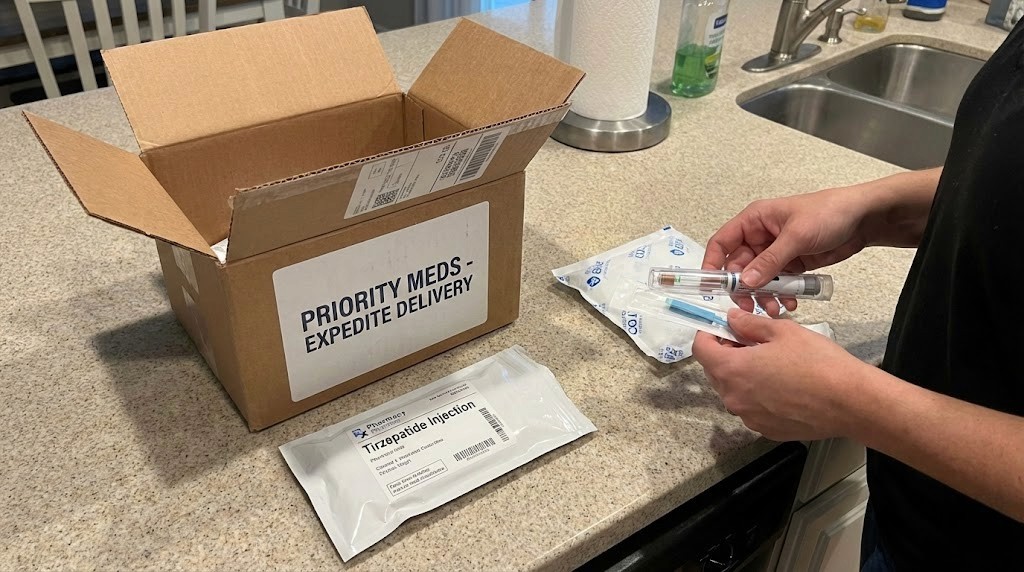
Before you enter your credit card information on Priority Meds, read this. All of it. Because the story behind this telehealth company is not what their polished homepage wants you to believe. With 206 complaints filed through the Better Business Bureau, a Trustpilot rating that was removed entirely for breaching review guidelines, and a pattern of billing disputes that stretches across hundreds of customer accounts, this is a company that demands careful scrutiny before you commit a single dollar. And if you are considering their tirzepatide program for weight loss, the stakes are even higher, because you are not just risking money. You are risking your health.
This guide covers everything. The pricing structure, the customer complaints, the FDA regulatory landscape surrounding compounded tirzepatide, and what you should actually look for in a legitimate telehealth weight loss provider. Whether you have already placed an order or you are still on the fence, the information here will help you make a fully informed decision.
Transparency matters. Especially when it involves injectable medications, recurring charges, and your long-term metabolic health. So let us look at every angle of the Priority Meds tirzepatide program, the good and the bad, and let the facts speak for themselves. Platforms like SeekPeptides exist specifically to help people navigate this kind of decision with evidence-based information rather than marketing hype.
What is Priority Meds?
Priority Meds is an online marketplace headquartered in Clearwater, Florida. The company connects patients with independent licensed healthcare providers who can prescribe weight loss medications, including compounded tirzepatide and compounded semaglutide. They are not a pharmacy. They are not a medical practice. They position themselves as the middleman between you, a prescriber, and a compounding pharmacy.
That distinction matters more than you might think.
When a company operates as a marketplace rather than a direct healthcare provider, accountability gets murky. If something goes wrong with your prescription, your billing, or your medication quality, the question of who is responsible becomes complicated. Is it Priority Meds? The independent prescriber? The compounding pharmacy? This layered structure is common in the telehealth weight loss space, but it creates real challenges for consumers seeking resolution when problems arise. Understanding what peptide-based medications actually are and how they should be prescribed can help you spot potential issues before they become expensive mistakes.
Priority Meds is not affiliated with Eli Lilly, the manufacturer of brand-name Mounjaro and Zepbound. They are not affiliated with Novo Nordisk either. The tirzepatide they offer is a compounded version, which means it is produced by a compounding pharmacy rather than manufactured by the original drug maker. This is an important distinction that carries significant regulatory, safety, and legal implications we will explore throughout this guide.
The company basics
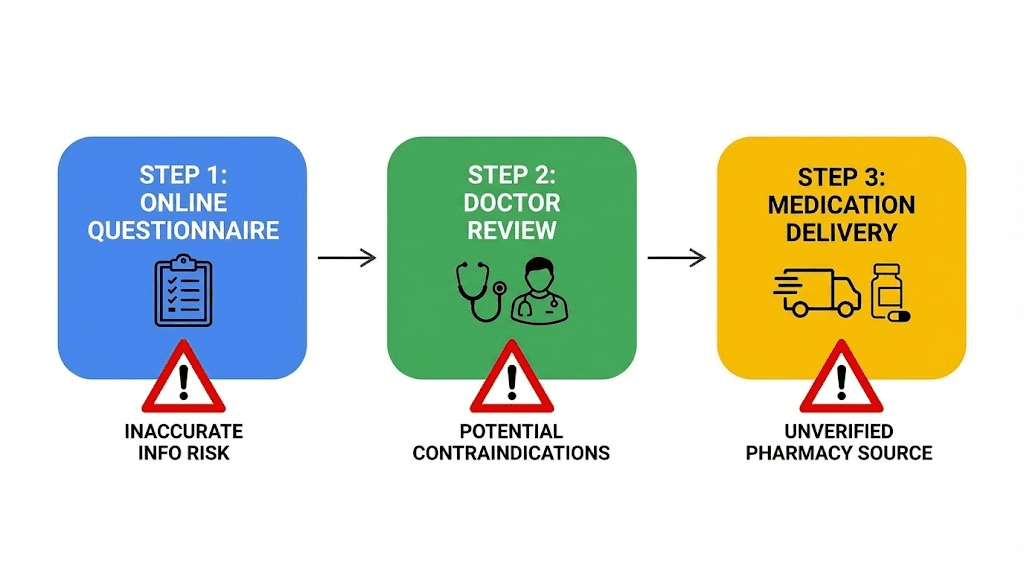
Here is what we know about Priority Meds from publicly available information. The company operates primarily through its website and a phone line at 844-764-0646. They advertise a straightforward three-step process for obtaining tirzepatide for weight loss. First, you complete a free health questionnaire online. Second, a licensed provider reviews your information. Third, if approved, your medication ships with free overnight cold shipping within three to five business days.
Simple enough on paper.
But the reality, according to hundreds of customer accounts, tells a different story. The ease of the sign-up process has been a consistent praise point in the few positive reviews the company has received. However, the post-purchase experience, particularly around billing, cancellation, and customer service, is where the overwhelming majority of complaints originate. Before diving deeper into those complaints, let us examine exactly what they are selling and at what price.
How the Priority Meds tirzepatide program works
Priority Meds offers compounded tirzepatide combined with vitamin B6 (pyridoxine) at a listed starting price of $170.99 per month. They also offer semaglutide combined with vitamin B12 at $98.99 per month. The process is marketed as simple and accessible, removing the traditional barriers of in-person doctor visits and insurance pre-authorizations that many people face when trying to access GLP-1 receptor agonist medications.
Step one: the health questionnaire
You begin by filling out an online questionnaire about your medical history, current medications, weight loss goals, and general health status. This is standard practice across most telehealth weight loss platforms. The questionnaire is free, which lowers the barrier to entry and gets you into the sales funnel quickly. No credit card is required at this stage.
The questions cover basic metabolic health indicators, prior weight loss attempts, and contraindications that might disqualify you from tirzepatide therapy. If you have a history of medullary thyroid carcinoma, pancreatitis, or certain other conditions, you would typically be flagged. However, multiple customer complaints suggest that the screening process may not be as rigorous as it should be, with some reviewers alleging they received approval within minutes without meaningful medical evaluation.
Step two: provider review
A licensed healthcare provider, independent from Priority Meds, reviews your questionnaire. This is where the marketplace model becomes relevant. The provider is not employed by Priority Meds. They operate independently. This means the standard of care, the thoroughness of the review, and the ongoing medical oversight can vary significantly from one provider to the next. Some patients report receiving a brief telehealth consultation. Others say they were approved without any direct conversation at all.
The quality of this step is crucial. Proper tirzepatide dosing requires understanding your metabolic baseline, your current medications, your kidney and liver function, and your individual response patterns. A rubber-stamp approval process, if that is what is happening in some cases, puts patients at unnecessary risk. For context on how thorough dosing should actually be, the standard tirzepatide dose titration chart involves careful escalation over several months.
Step three: delivery
Once approved, Priority Meds states that your compounded tirzepatide with B6 ships within three to five business days with free overnight cold shipping. Cold chain shipping is important for temperature-sensitive medications like tirzepatide, which require refrigeration to maintain potency and safety.
The medication comes from 503A state board regulated compounding pharmacies. We will discuss what that regulatory designation means, and why it matters enormously in the current legal landscape, later in this guide. For now, understand that 503A pharmacies are held to different standards than the large-scale 503B outsourcing facilities, and the distinction has become a major point of contention in the compounded tirzepatide market.
Priority Meds pricing breakdown
Price is one of the most contentious aspects of Priority Meds. The advertised pricing looks competitive at first glance. But the actual cost experience reported by customers paints a dramatically different picture.
Advertised pricing
The company lists compounded tirzepatide with B6 at $170.99 per month. That is significantly less than brand-name Mounjaro, which runs approximately $1,069 per month without insurance, or Zepbound at roughly $1,060 per month. Compared to other affordable tirzepatide options on the market, this price point falls within the lower range of what compounded versions typically cost, which runs from about $200 to $500 per month through most telehealth platforms.
Their semaglutide with B12 offering at $98.99 per month is also positioned as budget-friendly compared to brand-name Ozempic and Wegovy, which can exceed $1,000 monthly. For anyone comparing options, understanding the full semaglutide versus tirzepatide dosage and pricing landscape is essential.
What customers actually report paying
Here is where things get complicated. Multiple customer complaints describe a bait-and-switch pricing structure. The initial charge may be around $177. But subsequent months? Customers report being charged $349 or more without clear notification of the price increase. The jump from roughly $170 to nearly $350 represents a price doubling that catches many people off guard.
This is not a minor complaint from one or two disgruntled customers. It appears repeatedly across BBB complaints and online reviews. The pattern suggests either deceptive initial pricing designed to lock customers in, or at minimum, a serious failure in communicating how and when pricing changes occur. When you are evaluating the true cost of peptide therapy, understanding the total commitment, not just the introductory price, is critical.
The cancellation fee problem
Perhaps the most alarming pricing complaint involves a $100 cancellation fee. Customers report being charged this fee when attempting to cancel their subscription, sometimes even before receiving their first shipment. A cancellation fee for a healthcare service is unusual and raises immediate red flags. Most legitimate telehealth platforms allow cancellation without penalty, understanding that medical decisions should not be held hostage by financial penalties.
The combination of escalating monthly charges and cancellation fees creates a situation where customers feel trapped. They signed up expecting one price. They got another. And leaving costs them even more. This pattern has drawn significant attention from consumer protection advocates and is a recurring theme in the BBB complaint data. Anyone considering compounded tirzepatide from any provider should always read the full terms of service before entering payment information.
Pricing comparison table
Provider type | Tirzepatide monthly cost | Cancellation fee | Price consistency |
|---|---|---|---|
Brand-name Mounjaro | ~$1,069 | None | Consistent |
Brand-name Zepbound | ~$1,060 | None | Consistent |
Priority Meds (advertised) | $170.99 | $100 | Reports of increases to $349 |
Typical compounded telehealth | $200-$500 | Usually none | Varies by provider |
Premium telehealth platforms | $500-$1,400 | Usually none | Generally consistent |
This table illustrates why the Priority Meds initial pricing looks attractive. But attractiveness disappears when the actual customer experience involves hidden price increases and punitive cancellation fees. Always verify the total cost commitment and read the fine print before enrolling in any weight loss peptide program. Using a peptide cost calculator can help you understand what you should realistically expect to pay.
Priority Meds customer reviews and complaints
The customer review landscape for Priority Meds is, to put it plainly, alarming. This is not a case of a company with a few unhappy customers mixed in with a largely satisfied base. The ratio of negative to positive feedback is extreme, and the specific nature of the complaints follows patterns that consumer protection experts consider serious warning signs.
Trustpilot review analysis
Priority Meds has 172 reviews on Trustpilot. But here is the critical detail that most people miss. Trustpilot has removed the company rating entirely due to a "breach of guidelines." This means Trustpilot identified enough fraudulent or manipulated reviews to take the unusual step of stripping the company of its rating altogether. Trustpilot does not do this lightly. It requires evidence of systematic review manipulation.
The breakdown of the remaining reviews tells its own story. A full 61% are one-star reviews. Only 26% are five-star reviews. The middle ground is virtually empty, with just 4% at four stars, 4% at three stars, and 5% at two stars. This bimodal distribution, heavily skewed toward extreme dissatisfaction, is a classic marker of a company with significant operational problems.
When you see a review profile where the majority of ratings cluster at one star with a smaller cluster at five stars and almost nothing in between, it often indicates that the five-star reviews may not be organic. The removal of the Trustpilot rating for guideline violations reinforces this interpretation. For anyone researching the best peptide and medication vendors, review authenticity should be a primary evaluation criterion.
Common positive themes
To be fair, some customers have reported positive experiences. The common themes in favorable reviews include competitive pricing, fast delivery, and an easy sign-up process. Some users praise the convenience of getting tirzepatide without insurance hassles. A few report genuine weight loss results from the medication itself.
These positive experiences should not be dismissed. Tirzepatide is a clinically proven medication for weight management. When patients receive legitimate product at appropriate doses and maintain proper medical oversight, it can produce significant results. The question with Priority Meds is not whether tirzepatide works. It is whether the company delivers what it promises and treats its customers fairly.
Common negative themes
The negative reviews are extensive and follow several distinct patterns.
Unauthorized recurring charges. This is the single most common complaint. Customers report being charged for months they did not authorize, charged after cancellation, or charged at amounts different from what they agreed to. Some describe discovering multiple charges on their credit card statements that they never approved. Understanding how to safely get started with any peptide program should always include verifying the billing structure before committing.
Deceptive pricing. As detailed above, the gap between advertised pricing and actual charges is a persistent complaint. The introductory rate draws people in. The subsequent charges push them away. But by then, they have already provided their payment information.
Refund denials. Customers who request refunds, even for unauthorized charges, report being denied or given the runaround. Some describe being told their refund is "processing" only to never receive it. Others report being directed to call a phone number that goes unanswered.
Aggressive telemarketing. Multiple customers report receiving persistent sales calls and messages after providing their information through the initial questionnaire, even if they decided not to proceed with the purchase.
Allegations of research-grade ingredients. Some reviewers have raised concerns about the quality and grade of ingredients used in the compounded formulations. While these allegations are difficult to verify independently, they contribute to the overall pattern of consumer distrust. Understanding the difference between research-grade and pharmaceutical-grade compounds is essential for anyone evaluating telehealth medication providers.
BBB complaints and Trustpilot analysis
The Better Business Bureau data provides the most structured and comprehensive view of customer complaints against Priority Meds. The numbers are significant.
BBB complaint overview
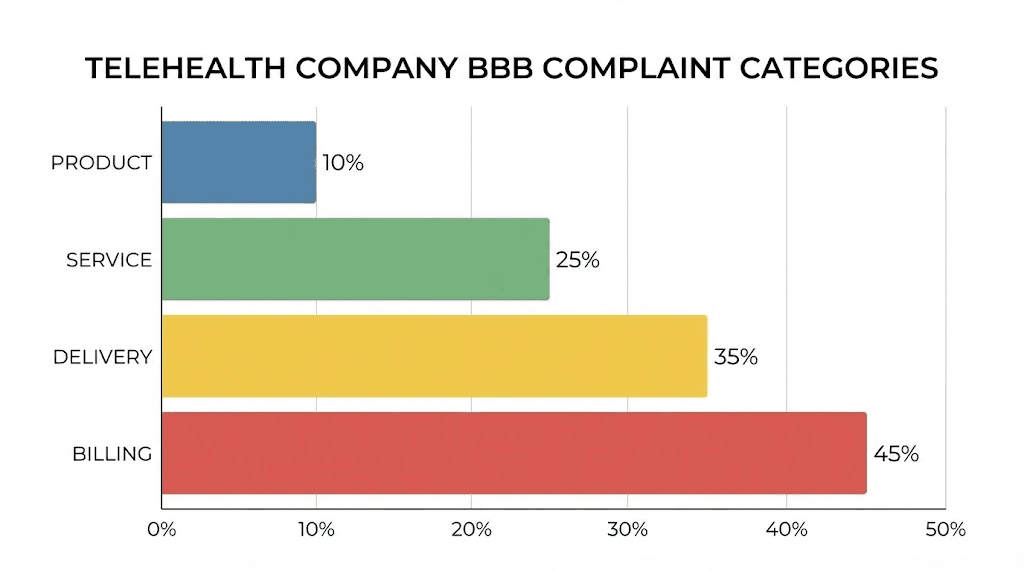
Priority Meds is not accredited by the Better Business Bureau. The company has accumulated 206 complaints over the last three years. For a telehealth marketplace of this size, that volume of complaints is substantial. More telling than the raw number is the breakdown by category.
Product complaints: 60 (issues with what was received)
Service complaints: 50 (issues with customer service and support)
Delivery complaints: 36 (shipping delays, missing packages, cold chain failures)
Billing complaints: 23 (unauthorized charges, pricing disputes, refund issues)
Product complaints leading the pack is notable. For a company selling compounded injectable medications, product quality concerns are the most serious category. These complaints can range from receiving the wrong dose to concerns about medication appearance, consistency, or effectiveness. When dealing with injectable tirzepatide, product quality is literally a matter of patient safety.
The 50 service complaints suggest systemic customer support failures. When combined with the billing complaints, a picture emerges of a company that is better at acquiring customers than supporting them. This is a pattern common among companies that prioritize growth and sales volume over customer retention and satisfaction.
Delivery concerns
The 36 delivery complaints are particularly concerning given that tirzepatide requires cold chain shipping. If tirzepatide is not stored and shipped at proper temperatures, its efficacy and safety can be compromised. A delivery failure with a shelf-stable product is inconvenient. A delivery failure with a temperature-sensitive injectable medication is potentially dangerous.
Customers report delayed shipments, packages arriving warm, and situations where medications sat in distribution facilities for extended periods. For anyone who has experienced delivery issues and is wondering about medication viability, our guide on how long compounded tirzepatide can be out of the fridge provides important safety thresholds.
What the BBB non-accreditation means
BBB accreditation is not mandatory. Many legitimate businesses are not BBB accredited. However, accreditation typically indicates a willingness to engage with the complaint resolution process and maintain certain business standards. Non-accreditation combined with a high complaint volume suggests either an unwillingness to participate in third-party dispute resolution or an inability to meet BBB standards.
For consumers, BBB non-accreditation should be one factor among many in evaluating a company. It should not be the sole deciding factor, but when combined with removed Trustpilot ratings, hundreds of complaints, and consistent patterns of billing disputes, it adds to a concerning overall picture.
The FDA and compounded tirzepatide legal landscape
Understanding the regulatory context surrounding compounded tirzepatide is essential for evaluating any provider, not just Priority Meds. The legal landscape has shifted dramatically, and the implications for consumers are significant.
What happened with the FDA shortage list
The FDA maintained tirzepatide on its drug shortage list for an extended period while Eli Lilly worked to scale production of Mounjaro and Zepbound. During this shortage period, compounding pharmacies were permitted to produce copies of tirzepatide under specific regulatory provisions. This is standard practice. When a drug is in shortage, compounding pharmacies can legally produce alternatives to ensure patient access.
Then the landscape changed.
On October 2 of the prior year, tirzepatide was removed from the FDA shortage list. This single administrative action triggered a cascade of regulatory consequences that continue to reshape the entire compounded tirzepatide market.
What the shortage removal means for compounding
Once tirzepatide left the shortage list, the legal basis for routine compounding of tirzepatide copies evaporated. The FDA established specific timelines for compounding pharmacies to wind down production. 503A pharmacies, which are the type Priority Meds partners with, had until February 18 of the following year to cease routine compounding. 503B outsourcing facilities had until March 19.
This is not a gray area. Routine compounding of tirzepatide copies is no longer permitted. Period.
There is one narrow exception. If a prescriber documents a specific medical need for a patient, such as an allergy to an inactive ingredient in the brand-name product, compounding may still be permissible on a case-by-case basis. But this exception is narrow, requires genuine medical justification, and cannot be used as a blanket loophole to continue mass-producing compounded tirzepatide for weight loss. Anyone currently using or considering any form of compounded tirzepatide needs to understand this regulatory reality.
Court rulings and enforcement
The FDA position has been backed by court rulings. Legal challenges to the compounding restrictions have failed, with courts supporting the FDA interpretation that once a drug is no longer in shortage, the compounding exemptions no longer apply. This means companies that continue to offer compounded tirzepatide may be operating in legally questionable territory unless they can demonstrate legitimate patient-specific medical necessity for each prescription.
For consumers, this creates a troubling dynamic. If you order compounded tirzepatide from a provider today, what exactly are you receiving? Is it legally compounded under the medical necessity exception? Is the provider documenting genuine clinical justification? Or are they continuing to sell compounded versions without proper legal basis? These are questions that every tirzepatide consumer should be asking their provider directly.
Impact on providers like Priority Meds
Priority Meds has not made public statements, as far as publicly available information shows, about how these regulatory changes affect their tirzepatide offerings. The company claims to partner with 503A state board regulated compounding pharmacies. But 503A pharmacies are precisely the category that faced the earliest compliance deadline.
If Priority Meds continues to offer compounded tirzepatide, consumers have a right to ask pointed questions. Under what legal authority is this being compounded? What specific medical necessity is being documented for each patient? How is the prescribing provider determining that compounding is medically required rather than merely financially convenient? These questions are not adversarial. They are protective. And any legitimate provider should welcome them. Understanding the broader landscape of peptide safety and regulatory considerations helps you ask the right questions.
Understanding tirzepatide with B6 (pyridoxine)
One distinctive aspect of the Priority Meds tirzepatide offering is the inclusion of vitamin B6, also known as pyridoxine, in their compounded formulation. This combination raises questions worth examining.
Why B6 is added
The stated rationale for adding pyridoxine to compounded tirzepatide is to reduce gastrointestinal side effects. Nausea is one of the most common side effects of tirzepatide therapy, particularly during the early weeks and during dose escalations. It can be significant enough to cause some patients to discontinue treatment entirely. For a comprehensive overview of what to expect during tirzepatide treatment including GI side effects, understanding the full spectrum of potential digestive impacts is important.
Vitamin B6 does have established anti-nausea properties. It has been used for decades to manage nausea in various clinical contexts, most notably pregnancy-related nausea. The mechanism involves B6 role in neurotransmitter synthesis, particularly serotonin production, which influences the signaling pathways between the gut and the brain that trigger the nausea response.
The evidence for B6 and nausea
The research supporting B6 for nausea is genuine but nuanced. In the context of pregnancy nausea, B6 has shown benefit in several randomized controlled trials. At therapeutic doses, typically 10 to 25 milligrams taken three times daily, it is generally well-tolerated and effective for mild to moderate nausea. The American College of Obstetricians and Gynecologists recommends it as a first-line treatment for pregnancy-related nausea.
However, the evidence specifically for B6 reducing GLP-1 medication-induced nausea is less robust. There are no large-scale randomized controlled trials examining B6 specifically as an adjunct to tirzepatide for nausea reduction. The rationale is extrapolated from its general anti-nausea properties rather than demonstrated in this specific context. This does not mean it is ineffective. It means the evidence is preliminary rather than definitive.
Compared to other compounding additions like tirzepatide with B12, tirzepatide with niacinamide, or tirzepatide with glycine, the B6 addition has a reasonable theoretical basis. Each of these combinations attempts to address different aspects of the tirzepatide treatment experience, from nausea reduction to metabolic support.
Safety considerations with B6
At appropriate therapeutic doses, B6 is very safe. It is a water-soluble vitamin, which means excess amounts are typically excreted through urine rather than accumulating in the body. The tolerable upper intake level established by the Institute of Medicine is 100 milligrams per day for adults.
But there is a caveat. Excessive long-term use of B6, particularly at doses above 200 milligrams daily sustained over months, can cause sensory neuropathy. This presents as numbness, tingling, or pain in the hands and feet. The condition is typically reversible when B6 intake is reduced, but it can be significant enough to interfere with daily activities.
If you are using a compounded tirzepatide with B6 formulation, you should know exactly how much B6 is included per dose. You should also account for any B6 you are getting from other supplements or your diet. The compounding pharmacy should be able to provide a Certificate of Analysis detailing the exact composition. If they cannot or will not, that is a red flag. Understanding proper peptide and medication dosing includes knowing every active ingredient in your formulation.
How tirzepatide actually works for weight loss
Regardless of where you obtain it, understanding how tirzepatide works is essential for making informed decisions about your weight management approach. The science behind this medication is genuinely impressive, which is exactly why the quality and legitimacy of your source matters so much.
The dual-action mechanism
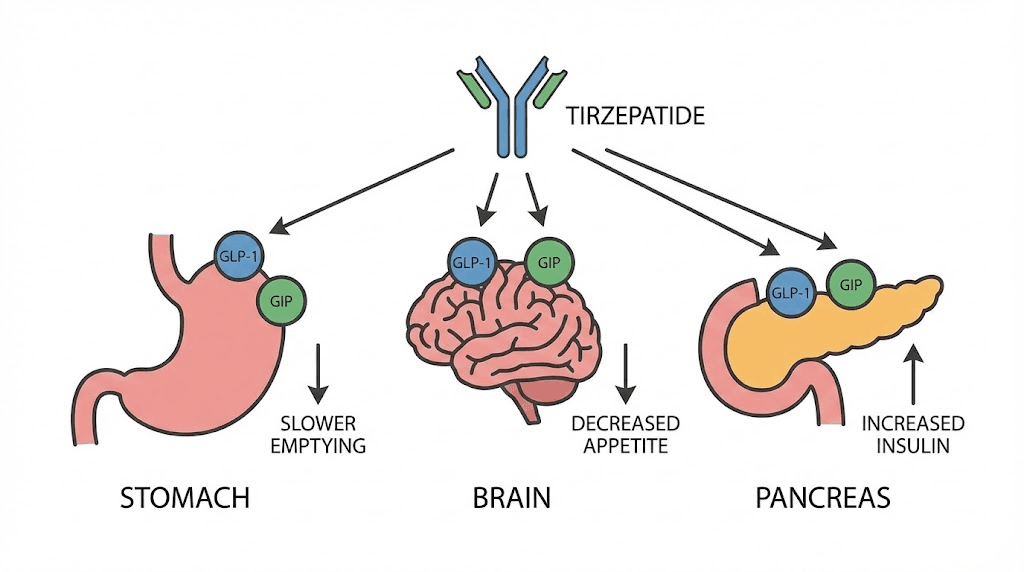
Tirzepatide is unique among weight loss medications because it activates two distinct receptor systems simultaneously. It is both a GLP-1 (glucagon-like peptide-1) receptor agonist and a GIP (glucose-dependent insulinotropic polypeptide) receptor agonist. No other approved weight loss medication does both. For a deeper understanding of this mechanism, our semaglutide versus tirzepatide comparison explains how this dual action differs from single-receptor medications.
GLP-1 receptor activation does several things. It slows gastric emptying, so food stays in your stomach longer and you feel full faster. It signals the brain to reduce appetite through hypothalamic pathways. And it enhances insulin secretion in a glucose-dependent manner, meaning it helps regulate blood sugar without causing dangerous hypoglycemia in most patients.
GIP receptor activation adds another dimension. GIP is involved in nutrient sensing, fat metabolism, and additional insulinotropic effects. When both pathways are activated together, the weight loss effects appear to be additive or even synergistic, which is why tirzepatide has demonstrated superior weight loss outcomes compared to semaglutide alone in head-to-head comparisons.
Clinical trial results
The SURMOUNT clinical trial program demonstrated remarkable weight loss with tirzepatide. At the highest studied dose of 15 milligrams weekly, participants lost an average of 20.9% of their body weight over 72 weeks. That is substantial. For a person weighing 250 pounds, that represents roughly 52 pounds of weight loss.
Even at lower doses, the results were impressive. The 5 milligram weekly dose produced an average of 15% body weight loss. The 10 milligram dose produced approximately 19.5%. These results surpassed what had been seen with any prior weight loss medication in clinical trials. Looking at real-world tirzepatide before and after results can give you a sense of what actual patients experience outside of controlled trial settings.
Why the source matters
These clinical trial results were achieved with pharmaceutical-grade tirzepatide manufactured by Eli Lilly under strict FDA-regulated conditions. Compounded versions of tirzepatide have not undergone the same rigorous testing for bioequivalence, stability, potency, or purity. This does not automatically mean compounded versions are ineffective or unsafe. Many compounding pharmacies produce high-quality products. But it means there is inherently more variability and uncertainty with compounded versions.
This is why the choice of provider matters. A reputable compounding pharmacy with strong quality controls, proper testing protocols, and transparent documentation can produce a reliable compounded product. A pharmacy with lax standards cannot. And the consumer, the patient, often has limited ability to independently verify which category their specific pharmacy falls into. Learning about how peptides and peptide-based medications work gives you the knowledge foundation to ask better questions of any provider.
Tirzepatide dosing protocols and what to expect
Whether you are getting tirzepatide from Priority Meds or any other source, understanding proper dosing is non-negotiable. Getting this wrong can mean inadequate results at best and serious side effects at worst.
Standard dose escalation
The FDA-approved dosing protocol for tirzepatide starts at 2.5 milligrams once weekly for the first four weeks. This initial period is not intended for weight loss. It is a tolerability phase, allowing your body to adjust to the medication and minimize gastrointestinal side effects. After four weeks, the dose increases to 5 milligrams weekly, which is the first therapeutic dose.
From there, the dose can be increased in 2.5 milligram increments every four weeks based on individual response and tolerability. The maximum dose is 15 milligrams weekly. This gradual escalation is critical. Jumping to higher doses too quickly dramatically increases the risk of severe nausea, vomiting, and other GI side effects. Our detailed tirzepatide injection dosage chart walks through each escalation step.
Compounded tirzepatide dosing considerations
When dealing with compounded tirzepatide, dosing becomes more complex. Compounded formulations may come at different concentrations than the brand-name product. You might receive a vial with 10 milligrams per milliliter, or 5 milligrams per milliliter, or some other concentration entirely. This means you need to calculate your dose in units rather than simply using a pre-filled pen.
The math matters. Getting it wrong can mean administering double or half the intended dose. Our compounded tirzepatide dosage calculator exists specifically to help with these calculations. If you are unclear on how to convert between milligrams and units, review our guides on how many units equal 2.5 mg of tirzepatide or how many units equal 5 mg.
For other common dose conversions, these resources cover the full range of typical prescriptions:
What to expect during the first weeks
The first four weeks at 2.5 milligrams are typically the adjustment period. Most people experience some degree of nausea, which usually peaks in the first few days after each injection and gradually diminishes. Some people feel minimal effects. Others experience significant GI discomfort. The variation is wide and individual.
Appetite suppression often begins within the first week or two, even at the starting dose. Some patients describe it as simply not thinking about food as much. Others notice that their usual portions feel excessive. For a detailed timeline, our guide on how long tirzepatide takes to suppress appetite provides week-by-week expectations.
Weight loss itself typically becomes measurable by weeks three to six for most people. The rate varies. Some lose rapidly. Others see gradual, steady decline. Factors like starting weight, diet, activity level, metabolic health, and dose all influence the trajectory. If you are curious about typical timelines, our article on how fast tirzepatide works breaks down the expectations.
Microdosing considerations
Some patients and providers explore microdosing protocols, using doses lower than the standard 2.5 milligram starting dose or using non-standard escalation patterns. The microdosing tirzepatide chart is one of the most searched topics among tirzepatide users, suggesting significant interest in more gradual approaches.
Microdosing is not FDA-approved. But some clinicians use it for patients who are particularly sensitive to GI side effects or who want to minimize side effects at the cost of slower initial progress. If you are exploring this approach, doing so under direct medical supervision is essential. Self-adjusting doses of compounded tirzepatide without medical guidance introduces unnecessary risk.
Side effects and safety considerations
Tirzepatide side effects are real, predictable, and manageable, but only when you know what to watch for and how to respond. This section covers what you need to know regardless of your source.
Common gastrointestinal side effects
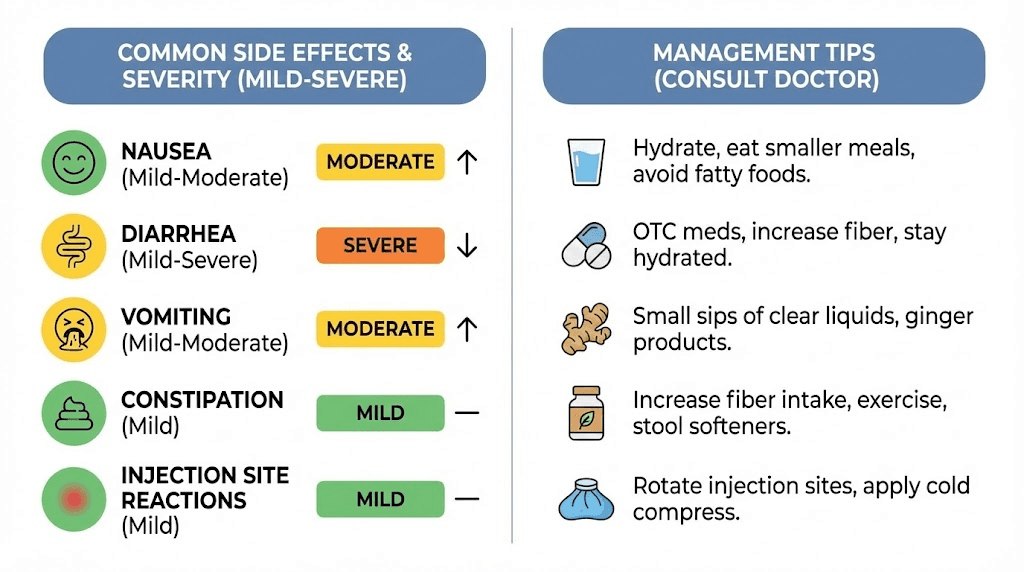
Nausea tops the list. In clinical trials, approximately 20-30% of participants reported nausea, though the incidence varied by dose. Most nausea is mild to moderate and improves over time as the body adjusts. Eating smaller, more frequent meals, avoiding high-fat and greasy foods, and staying hydrated all help. For dietary guidance during treatment, our tirzepatide foods to avoid guide covers what to eat and what to skip.
Constipation is the second most common complaint. The slowed gastric emptying that helps with appetite suppression also slows the entire digestive tract. Adequate fiber intake, hydration, and in some cases gentle over-the-counter remedies can help. Our dedicated guide on tirzepatide constipation treatment offers a comprehensive management approach.
Diarrhea, abdominal pain, and decreased appetite (beyond what is therapeutic) round out the most frequently reported GI effects. Most of these are dose-dependent, meaning they are more likely at higher doses and often improve with continued use.
Less common but important side effects
Some patients report fatigue on tirzepatide. This can stem from the caloric deficit itself, from the metabolic adjustments the body is making, or from dehydration if fluid intake has not increased to compensate for the dietary changes. Fatigue that is persistent or severe warrants medical evaluation.
Headaches on tirzepatide are another commonly reported side effect. They are most frequent during the first few weeks and during dose escalations. Adequate hydration and consistent eating patterns, even when appetite is reduced, usually help.
Muscle pain is reported by some users, particularly those who are losing weight rapidly. Our article on tirzepatide side effects including muscle pain explores potential causes including protein insufficiency during rapid weight loss, electrolyte imbalances, and the effects of significant caloric restriction on muscle tissue.
Questions about whether tirzepatide causes anxiety come up frequently as well. The relationship between GLP-1 medications and mood is complex and not fully understood. Some patients report improved mood as weight decreases. Others describe anxiety or mood changes, particularly early in treatment. Monitoring your mental health during any weight loss medication treatment is important.
The energy and metabolism question
Interestingly, some patients report increased energy on tirzepatide. This seems counterintuitive given that you are eating less. But as insulin sensitivity improves and metabolic function normalizes, many people describe feeling more energetic overall. Our exploration of whether tirzepatide gives you energy examines this phenomenon in detail, while our guide on whether tirzepatide increases metabolism addresses the metabolic effects.
Injection technique matters
With compounded tirzepatide from Priority Meds or any provider, you are typically administering the injection yourself. Proper technique reduces pain, bruising, and the risk of infection. Our guide on how to inject tirzepatide in the stomach provides detailed instructions, and our broader peptide injection guide covers general best practices.
For anyone using compounded formulations that require reconstitution, our guide on reconstituting tirzepatide is essential reading. Improper reconstitution can affect the potency and safety of your medication. Using the correct bacteriostatic water and following proper procedures is non-negotiable.
Storage requirements
Tirzepatide, whether brand-name or compounded, requires proper storage. Refrigeration is necessary to maintain the medication stability and efficacy. Understanding tirzepatide expiration timelines and proper peptide storage protocols helps ensure you are getting the full benefit of your medication.
Comparing Priority Meds to other tirzepatide providers
Priority Meds does not exist in a vacuum. The telehealth weight loss market has exploded with providers offering compounded tirzepatide and compounded semaglutide. Understanding how they compare helps put the Priority Meds experience in context.
The competitive landscape
Dozens of telehealth platforms now offer compounded GLP-1 medications. Some operate with high transparency, clear pricing, and genuine medical oversight. Others prioritize volume and profit over patient safety. The range in quality, pricing, and customer experience is enormous.
Providers like Empower Pharmacy have built reputations for quality compounding, though they come at different price points. The Empower tirzepatide dosage chart is one of the most referenced in the compounding space. Other providers like Lavender Sky, Peptide Sciences, and Orderly Meds each have their own profiles, strengths, and weaknesses.
What sets legitimate providers apart
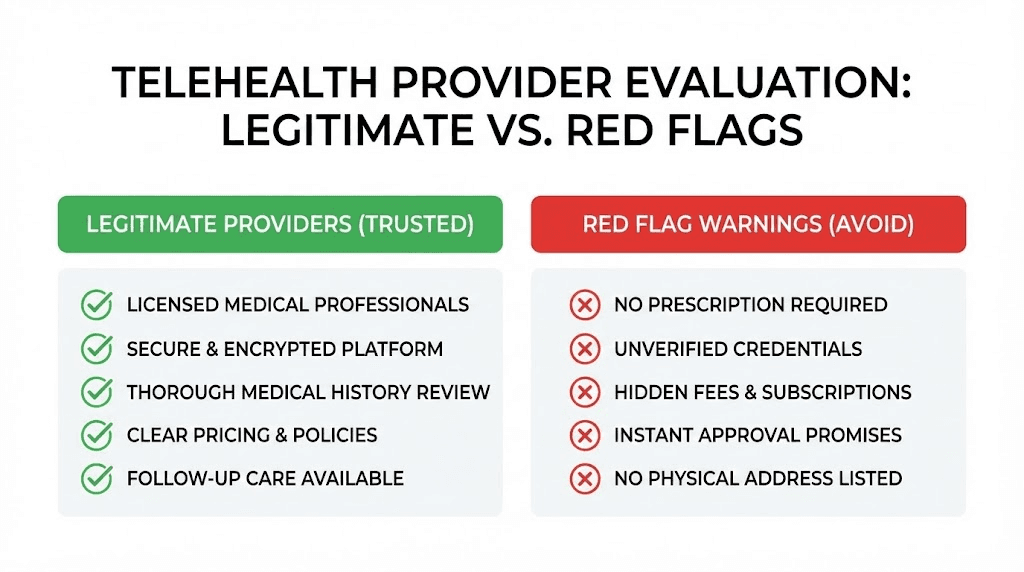
Legitimate telehealth weight loss providers typically share several characteristics that distinguish them from problematic ones. Transparent pricing without hidden fees or sudden increases after enrollment. Clear cancellation policies without punitive fees. Genuine medical oversight that goes beyond rubber-stamp approvals. Direct communication channels that actually work when you need help. Partnership with reputable compounding pharmacies that provide documentation of their quality testing.
None of these characteristics guarantee a perfect experience. But their absence is a strong predictor of problems. When evaluating any provider, including Priority Meds, measuring them against these criteria provides a practical framework for assessment.
Provider comparison table
Factor | Priority Meds | Typical reputable telehealth | Brand-name (Mounjaro/Zepbound) |
|---|---|---|---|
Monthly cost | $170.99 (advertised), reports of $349 | $200-$500 | $1,000-$1,069 |
Cancellation fee | $100 reported | None typical | N/A |
BBB complaints | 206 in 3 years | Varies, typically lower | N/A (manufacturer level) |
Review authenticity | Trustpilot rating removed | Varies, generally verifiable | N/A |
Medical oversight | Independent providers (variable) | Employed or contracted (varies) | Prescriber-dependent |
Pharmacy type | 503A | 503A or 503B | FDA-approved manufacturing |
Formulation | Tirzepatide + B6 | Varies (tirzepatide +/- additives) | Pure tirzepatide |
Shipping | Free overnight cold | Varies, most offer cold shipping | Pharmacy pickup or delivery |
This comparison reveals the fundamental tradeoff. Lower initial pricing comes with significant risk when the provider has a track record of billing issues, product complaints, and regulatory questions. The cheapest option is rarely the best option when it comes to injectable medications that directly affect your metabolic health. For more alternatives, our guide on finding affordable compounded tirzepatide evaluates multiple options.
Alternative weight loss medications
If the regulatory uncertainty around compounded tirzepatide concerns you, it is worth knowing about other options in the weight management space. Semaglutide remains a powerful option, and the compounded semaglutide market has its own regulatory dynamics. Newer medications like retatrutide are emerging in clinical trials with even more impressive weight loss data. And oral options like orforglipron are in development and may eventually offer an alternative to injectable therapy.
The emerging oral tirzepatide formulations represent another potential shift in the market. As these become available, the compounding question may become less relevant for many patients. Until then, understanding your options, including the differences between oral and injectable tirzepatide, helps you make the best decision for your situation.
Red flags to watch for with any online tirzepatide provider
The issues with Priority Meds are instructive not just as a company-specific case study but as a template for what to watch out for across the entire telehealth weight loss industry. These red flags apply universally.
Pricing red flags
Introductory pricing that seems too good to be true usually is. If a provider offers tirzepatide at a price significantly below the market average, ask yourself how they are sustaining that. Are they using lower-quality ingredients? Are they planning to increase your price after the first month? Is the low price a hook designed to capture your payment information before revealing the true cost?
Any provider that charges cancellation fees for a medical service should be viewed with skepticism. Healthcare is not a gym membership. You should have the right to discontinue a medical treatment at any time without financial penalty. This is a fundamental principle of patient autonomy.
Watch for automatic enrollment in recurring billing. Many telehealth platforms default to monthly recurring charges. Make sure you understand exactly what you are agreeing to, how much you will be charged, and when. Get these details in writing before providing payment information.
Medical oversight red flags
Approval within minutes of submitting a questionnaire should raise concerns. A thorough medical evaluation for tirzepatide prescription should involve review of your medical history, current medications, relevant lab work, and ideally a synchronous consultation where you can ask questions and the provider can assess you directly. Instant approval suggests the medical review is perfunctory at best.
If you never speak to or video-call with a healthcare provider before receiving a prescription for an injectable medication, question the quality of care. Proper tirzepatide dosing should be individualized, not templated.
Ask about ongoing monitoring. Legitimate programs include follow-up appointments to assess your response, adjust dosing, manage side effects, and evaluate whether the medication is appropriate for continued use. A provider that prescribes and disappears is not providing adequate medical care. If you are not losing weight as expected, having medical support to troubleshoot is crucial. Our guide on why you might not be losing weight on tirzepatide covers common reasons, but provider involvement is often necessary.
Regulatory red flags
Given the FDA regulatory changes around compounded tirzepatide, any provider that does not openly address how their program complies with current regulations should be questioned. Legitimate providers will be transparent about their legal basis for offering compounded tirzepatide. They will explain the medical necessity framework. They will welcome questions about compliance.
Ask the provider specifically: "Under what legal authority is this tirzepatide being compounded?" If they cannot give you a clear answer, or if they dismiss the question, that is a significant warning sign. The legal landscape around peptides and compounded medications is evolving rapidly, and any legitimate provider should be fully informed and willing to discuss it.
Review and reputation red flags
A company whose Trustpilot rating has been removed for guideline violations has been caught manipulating reviews. That is not an opinion. It is a factual consequence of Trustpilot investigation findings. When evaluating any provider, look beyond the star rating. Read the actual reviews. Look for patterns. Check multiple platforms. Verify that reviews are from real customers.
High BBB complaint volumes relative to the company size and age are concerning. But more important than the volume is the pattern. Recurring complaints about the same issues, billing disputes, refund denials, and product quality, suggest systemic problems rather than isolated incidents.
How to evaluate any telehealth weight loss program
Rather than simply telling you to avoid Priority Meds, this guide aims to equip you with the framework to evaluate any telehealth weight loss provider. The goal is informed decision-making, not fear-based avoidance.
The provider evaluation checklist
Pricing transparency. Before entering any payment information, you should know the exact monthly cost, how and when that cost might change, what the cancellation policy is, and whether there are any additional fees. Get this in writing. Screenshot it. If the terms are buried in fine print or require a phone call to discover, that is a warning sign.
Medical credibility. Who are the prescribing providers? Are they board-certified? In what specialty? Can you verify their licensure through your state medical board? Legitimate telehealth platforms will identify their medical team or at minimum connect you with a named, verifiable provider before prescribing. Using tools like peptide calculators and dosage calculators is helpful, but they should supplement, not replace, professional medical guidance.
Pharmacy verification. Which compounding pharmacy fills the prescriptions? Is it a 503A or 503B facility? Can you verify its state board licensure and inspection history? Does it provide Certificates of Analysis for its compounded products? These are not unreasonable questions. Any legitimate pharmacy will have this information readily available.
Ongoing care structure. What does the post-prescription experience look like? Are follow-up appointments included? How do you report side effects or concerns? Is there a mechanism for dose adjustments based on your response? A prescription without follow-up care is incomplete medical care.
Customer support accessibility. Before you need help, test the support channels. Call the phone number. Send an email. Submit a support ticket. How long does it take to reach a real person? The quality of customer support before you have a problem is a good predictor of what you will experience if a problem arises.
Questions to ask before enrolling
Arm yourself with these specific questions before committing to any telehealth weight loss program.
What is the total cost for the first six months, including all fees?
How and when can pricing change, and will I be notified before any increase?
What is the cancellation process and are there any cancellation fees?
Who is the prescribing provider, and what are their credentials?
Which compounding pharmacy fills the prescriptions, and can I verify their licensure?
What is the legal basis for compounding tirzepatide given current FDA regulations?
What follow-up care is included in the program?
How do I report side effects or medical concerns?
What is the refund policy if I experience adverse effects and need to discontinue?
Can I receive a Certificate of Analysis for my specific medication batch?
Any provider that balks at these questions, deflects, or gives vague answers is not operating with the transparency that patient safety demands. Legitimate providers welcome informed patients. They view these questions as evidence that you are taking your health seriously. If asking these questions makes a provider uncomfortable, that tells you everything you need to know.
Protecting your payment information
If you do decide to proceed with any telehealth weight loss provider, take precautions with your payment information. Consider using a virtual credit card number if your card issuer offers this feature. Set up transaction alerts so you are immediately notified of any charges. Review your statements monthly. And if unauthorized charges appear, dispute them immediately with your credit card company, which typically has stronger consumer protections than debit card transactions.
The pattern of unauthorized charges reported in Priority Meds complaints underscores the importance of payment vigilance. Even with reputable providers, monitoring your charges is a smart practice. Understanding the full cost structure of peptide therapy before committing financially protects both your wallet and your health.
What to do if you have already ordered from Priority Meds
If you have already placed an order with Priority Meds, or if you are currently enrolled in their program, here is practical guidance based on the patterns found in customer complaints.
If your experience has been positive
Some customers do report satisfactory experiences with Priority Meds. If your medication arrived on time, your charges match what you agreed to, and your treatment is going well, continue monitoring your experience. Verify that each monthly charge matches the agreed amount. Keep records of your communications. And stay informed about the proper tirzepatide dosing protocols so you can verify that your treatment plan is appropriate.
Set calendar reminders to check your statements around your billing date. Document your weight loss progress with regular measurements. If you have questions about your treatment, do not rely solely on Priority Meds support. Consult with an independent healthcare provider who can offer objective medical advice. Using a structured tirzepatide diet plan and meal planning approach can also help maximize your results regardless of provider.
If you are experiencing billing issues
Document everything. Screenshot every charge, every communication, every promise made. Contact Priority Meds directly through their customer service channels, including the phone number at 844-764-0646. Follow up in writing, whether email or their website support system, so you have a documented trail.
If internal resolution fails, you have several escalation options. File a complaint with the Better Business Bureau. File a complaint with the Florida Attorney General consumer protection division, since Priority Meds is based in Clearwater, Florida. Contact your credit card company to dispute unauthorized charges. And consider filing a complaint with the Federal Trade Commission if you believe deceptive billing practices are involved.
Credit card chargebacks are often the most effective remedy for unauthorized charges. Your card issuer has obligations under federal law to investigate disputed charges. Provide them with documentation of what you authorized versus what was charged, and most credit card companies will reverse unauthorized transactions.
If you are concerned about medication quality
If you have concerns about the quality of medication you received from Priority Meds, do not simply throw it away and wonder. Examine the packaging. Is there a lot number? An expiration date? A pharmacy name and address? A Certificate of Analysis? Legitimate compounded medications should have all of this information.
If the medication looks, smells, or behaves differently from what you expected, do not inject it. Contact the compounding pharmacy directly if you can identify which one filled your prescription. You can also report medication quality concerns to the FDA through their MedWatch program. Our guide on tirzepatide expiration can help you determine whether your medication may have degraded.
If you want to switch providers
Switching from Priority Meds to another tirzepatide provider is straightforward in theory. Cancel your Priority Meds subscription, understanding that you may face a cancellation fee. Then enroll with a new provider, providing your medical history and current dosing information so they can continue your treatment without interruption.
Do not abruptly stop tirzepatide without a plan. While there is no physical dependence, sudden discontinuation can lead to rapid weight regain and metabolic rebound. Our guide on what to do when tirzepatide stops working addresses these transition considerations. If you are considering switching to a different medication entirely, our comparison of switching from tirzepatide to semaglutide covers what you need to know.
Building a safe and effective weight loss medication strategy
Regardless of what you decide about Priority Meds, the bigger picture matters more. How do you approach weight loss medication safely and effectively? The answer requires thinking beyond any single provider.
Start with proper medical evaluation
Before pursuing any GLP-1 medication, get a genuine medical evaluation. This means bloodwork including metabolic panel, thyroid function, kidney function, and A1C. It means discussing your complete medical history, current medications, and family history. It means having a real conversation with a qualified healthcare provider about whether medication is appropriate for you and which medication is the best fit.
This evaluation can happen through telehealth. Many excellent telehealth platforms provide thorough medical evaluations. The format is not the issue. The thoroughness is. Whether your consultation happens in person or over video, it should feel comprehensive, not perfunctory. Platforms like SeekPeptides provide educational resources that help you prepare for these conversations and understand what a proper evaluation should include.
Understand the medication fully
Do not rely solely on your provider for education about your medication. Read the prescribing information. Understand the mechanism of action, the expected timeline, the potential side effects, and the contraindications. Use resources like the tirzepatide dosing guide, the dose chart, and the timeline expectations guide to become a knowledgeable patient.
Knowledge is protection. The more you understand about your medication, the better equipped you are to identify if something is wrong, whether that is with the medication itself, the dosing, or the provider. An informed patient is a safer patient.
Support your medication with lifestyle
Tirzepatide is not a standalone solution. The best outcomes in clinical trials occurred when medication was combined with reduced-calorie diet and increased physical activity. A structured tirzepatide diet plan helps you maximize the appetite suppression effects of the medication while ensuring adequate nutrition.
Protein intake is particularly important during GLP-1 medication-assisted weight loss. Adequate protein helps preserve lean muscle mass, which is essential for maintaining metabolic rate. Aim for at least 0.7 to 1.0 grams of protein per pound of ideal body weight daily. This becomes even more important as you lose significant weight, since the body can break down muscle tissue along with fat if protein intake is insufficient.
Understanding the interaction between alcohol and tirzepatide is also important. Alcohol tolerance often decreases on GLP-1 medications, and the caloric impact of alcohol can undermine weight loss progress. Many patients find that they naturally desire less alcohol during treatment, which can be a welcome side effect.
Plan for the long term
Weight regain after discontinuing GLP-1 medications is common and well-documented. Before starting tirzepatide, have a plan for what comes next. Will you continue the medication indefinitely? Will you taper off? What lifestyle habits will you establish during treatment that will sustain your weight loss if and when you stop the medication?
For those curious about how long treatment typically lasts, our guide on treatment duration for GLP-1 medications provides evidence-based perspectives. The emerging data on next-generation weight loss medications like mazdutide may also influence long-term treatment planning as the field evolves.
Consider the broader peptide landscape
GLP-1 medications represent one category within a much larger landscape of peptide-based therapies being explored for various health applications. While weight loss medications dominate current consumer attention, the broader world of injectable peptides includes compounds being studied for injury recovery, gut health, anti-aging, and more.
If your interest extends beyond weight management, SeekPeptides provides comprehensive educational resources across the full spectrum of peptide research. From peptides for fat loss to peptides for muscle growth, anti-aging applications, and gut health support, understanding the full picture helps you make more informed decisions about your health optimization strategy. Even topics like fast injury healing and athletic performance enhancement fall within this expanding field.
The bigger picture: telehealth weight loss accountability
Priority Meds is one company within a rapidly growing industry that has, in many ways, outpaced the regulatory frameworks designed to protect consumers. The explosion of telehealth weight loss platforms has created unprecedented access to medications that were previously difficult to obtain. That is genuinely positive. Access matters.
But access without accountability creates risk.
The telehealth weight loss industry needs better consumer protections. It needs clearer pricing regulations. It needs stronger oversight of the medical evaluation process. It needs transparent pharmacy sourcing. And it needs mechanisms for holding bad actors accountable when they harm patients financially or medically.
Until those systemic improvements arrive, the burden falls on consumers to protect themselves. Read the reviews. Check the BBB. Verify the pharmacy. Question the pricing. Demand transparency. And walk away from any provider that makes these reasonable inquiries difficult. Your health and your financial security are worth the extra due diligence.
Resources like the best peptide vendors guide, the peptide safety resource, and the comparison tools available through SeekPeptides exist to help you navigate these decisions with evidence rather than marketing. The foundational guides on peptides provide the knowledge base you need, while specific tools like the peptide reconstitution calculator and the peptide stack calculator offer practical utility.
Other GLP-1 provider reviews worth reading
If you are researching tirzepatide providers, comparing multiple options is the smartest approach. Our detailed reviews of other telehealth weight loss platforms can help you evaluate the competitive landscape and find a provider that better aligns with your expectations for transparency, pricing, and medical quality.
Each of these guides follows the same honest, evidence-based approach used here, examining real customer reviews, BBB data, regulatory compliance, and value for money. Because no single review should be your only data point. Compare. Contrast. Then decide.
Understanding the nuances between injectable versus oral peptide formulations and the differences between lyophilized and liquid peptides also helps you evaluate what different providers are actually offering. The more you know, the better questions you ask, and the less likely you are to fall into problematic pricing structures or receive substandard products.
Frequently asked questions
Is Priority Meds legitimate?
Priority Meds is a registered business operating from Clearwater, Florida. However, legitimacy in a legal sense does not equate to quality or trustworthiness. The company has 206 BBB complaints, a Trustpilot rating that was removed for guideline violations, and a pattern of billing disputes that raises serious consumer protection concerns. It partners with independent prescribers and 503A compounding pharmacies, but the quality of these partnerships varies. Evaluate the evidence presented in this guide and make your own informed assessment. For additional context on evaluating providers, our best peptide vendors guide provides a broader framework.
How much does Priority Meds tirzepatide actually cost?
The advertised price is $170.99 per month for compounded tirzepatide with B6. However, multiple customer complaints report subsequent charges of $349 per month without clear notification of the price increase. Additionally, customers report a $100 cancellation fee if they try to leave the program. The true cost over six months could be significantly higher than initial expectations suggest. Always use a peptide cost calculator to understand total treatment expenses before committing.
Is compounded tirzepatide still legal?
The regulatory landscape has changed significantly. Tirzepatide was removed from the FDA shortage list, and the compounding exemptions that allowed routine production of tirzepatide copies have largely expired. 503A pharmacies had until February 18 to cease routine compounding, and 503B facilities had until March 19. Compounding is still permitted for documented patient-specific medical needs, such as allergies to inactive ingredients, but mass-market compounding is no longer routine. Our guide on peptide legality covers the broader regulatory framework.
What are the side effects of tirzepatide with B6?
The side effects are primarily those associated with tirzepatide itself: nausea, constipation, diarrhea, decreased appetite, and injection site reactions. The B6 addition is intended to reduce nausea. At appropriate therapeutic doses, B6 carries minimal additional risk. However, excessive long-term B6 intake above 200 milligrams daily can cause sensory neuropathy. Ask your compounding pharmacy exactly how much B6 is in each dose. For a comprehensive side effect overview, see our tirzepatide side effects guide.
Can I get a refund from Priority Meds?
Based on customer reports, obtaining refunds from Priority Meds has proven difficult for many complainants. Multiple BBB complaints describe refund denials, unfulfilled refund promises, and difficulty reaching customer service. If you are seeking a refund for unauthorized charges, your most effective route may be filing a chargeback dispute directly with your credit card company. Document all charges, communications, and discrepancies before initiating the dispute.
How does Priority Meds compare to getting brand-name Mounjaro?
Brand-name Mounjaro (tirzepatide) manufactured by Eli Lilly costs approximately $1,069 per month without insurance, compared to the Priority Meds advertised price of $170.99. However, brand-name Mounjaro has been through rigorous FDA testing for potency, purity, and bioequivalence. It comes in standardized pre-filled pens. And it does not carry the regulatory uncertainty of compounded versions. Some insurance plans cover Mounjaro, which can dramatically reduce the cost. Our semaglutide versus tirzepatide comparison page examines how different medications compare in cost and effectiveness.
Should I switch from Priority Meds to another provider?
This is a personal decision based on your individual experience. If you are experiencing billing issues, poor customer service, medication quality concerns, or if you are uncomfortable with the regulatory uncertainty, switching to a more established provider may be wise. Before switching, document your current dose and treatment timeline so a new provider can continue your care seamlessly. Abrupt discontinuation is not recommended. Our guide on switching medications covers transition considerations.
What should I look for in a tirzepatide provider instead?
Look for transparent pricing with no hidden fees. Verify the provider has a clean BBB record and authentic positive reviews. Confirm that the prescribing provider is board-certified and available for follow-up consultations. Ask about the compounding pharmacy credentials and request Certificates of Analysis. Ensure there is no cancellation fee and that the terms of service are clearly spelled out before you provide payment. SeekPeptides provides tools, calculators, and evidence-based guides to help you navigate these decisions confidently.
External resources
For researchers and patients serious about making informed decisions about peptide-based weight loss therapies, SeekPeptides offers the most comprehensive independent resource available. From evidence-based dosing guides and reconstitution calculators to honest provider reviews and a community of knowledgeable members, it is the platform designed to help you navigate exactly these kinds of complex decisions, with data rather than marketing, and with your safety as the first priority.
In case I do not see you, good afternoon, good evening, and good night. May your providers stay transparent, your medications stay legitimate, and your weight loss journey stay safe.