Apr 4, 2026
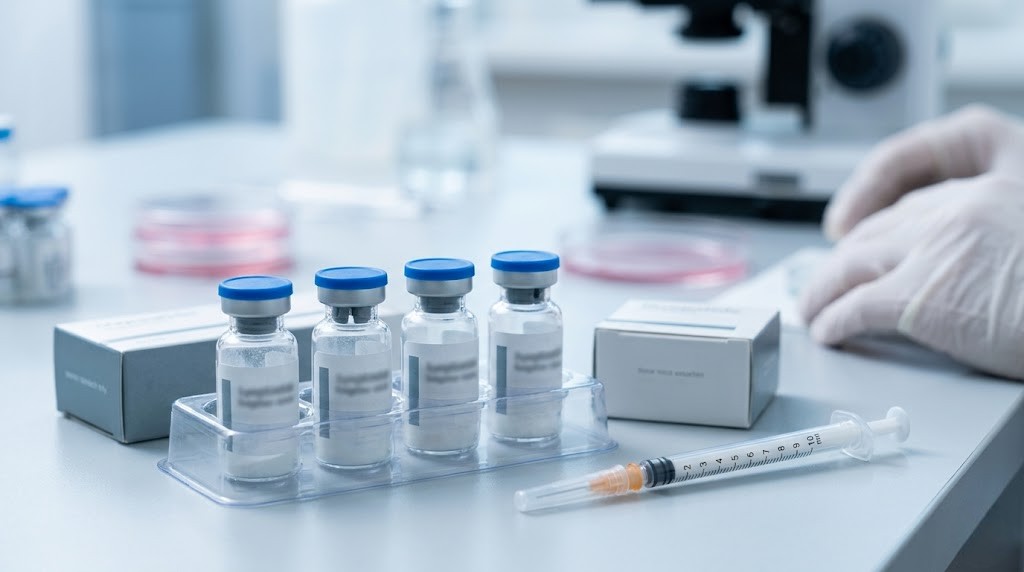
Some vendors deliver exactly what their labels promise. Others fall short by margins that compromise an entire research protocol. And the difference between these two outcomes is not always obvious from a product page, a flashy website, or even a handful of positive reviews.
Polaris Peptides has earned an A rating from Finnrick for their tirzepatide, placing them among a small group of vendors whose independent lab results consistently demonstrate both high purity and accurate weight measurements. That is a meaningful distinction in a market where many vendors score C or D on the same tests. But a rating on one product does not tell the full story, and researchers who want to make informed decisions need to understand what those numbers actually mean, how they were generated, and where the limitations exist.
This guide breaks down every piece of available data on Polaris Peptides tirzepatide. Independent lab results across 15 tested samples. Purity ranges from 99.35% to 99.99%. Weight accuracy variations that range from near-perfect to slightly over-filled. Customer experiences that split sharply between enthusiastic repeat buyers and frustrated one-time purchasers. The full picture is more nuanced than any single rating suggests, and understanding that nuance is what separates researchers who get consistent results from those who waste time and money troubleshooting problems that started at the vendor level.
SeekPeptides tracks vendor quality data across the peptide market to help researchers make evidence-based decisions. This analysis covers everything from ordering logistics to post-delivery handling, so you have a complete reference before placing an order.
What is Polaris Peptides?
Polaris Peptides is a domestic United States peptide vendor that sells research-grade compounds across seven product categories. Their catalog includes weight loss and metabolic research peptides like semaglutide and tirzepatide, healing peptides like BPC-157 and TB-500, growth hormone secretagogues like CJC-1295 and Ipamorelin, and several anti-aging and cognitive compounds.
The company positions itself as a premium-tier vendor. Every batch undergoes third-party analytical testing through HPLC and mass spectrometry, with products advertised at greater than 99% purity. Products ship in lyophilized powder format with vacuum-sealed packaging designed to maintain stability during transit.
For researchers focused specifically on tirzepatide dosing protocols, the relevant question is not whether Polaris Peptides is a good company in general. It is whether their tirzepatide specifically meets the quality standards that produce reliable, reproducible results. And on that specific question, the independent data tells a clear story.
Independent lab test results: the Finnrick data
Finnrick Analytics provides independent, third-party testing for peptide vendors. They purchase products anonymously, test them through commercial laboratories, and publish results publicly. This removes the bias that comes from vendor-submitted certificates of analysis, which only show what the vendor wants you to see.
For Polaris Peptides tirzepatide specifically, Finnrick tested 15 samples between December 2024 and January 2026. The overall rating is A, which Finnrick defines as "Great." To earn this rating, test scores must average above 7 out of 10, no individual score can fall below 6, and there must be at least 6 tests to establish confidence.
The numbers break down like this.
Overall test statistics
Average score across all 15 samples: 8.8 out of 10. The minimum score was 6.5, recorded on a single sample from August 2025. The maximum score was a perfect 10.0. Purity ranged from 99.35% to 99.99% across all tested samples, which means every vial contained genuine tirzepatide with minimal contamination or degradation.
These are strong numbers. For context, researchers who use the peptide calculator to plan their protocols need confidence that the compound in the vial matches the label. A purity range above 99% means dose calculations based on the labeled amount will be accurate, assuming weight accuracy is also within range.
Results by vial size
Polaris Peptides sells tirzepatide in multiple vial sizes, and the test results vary slightly by format. Understanding these differences matters for researchers choosing between options.
5mg vials (POL-T5-5): Six independent tests returned scores ranging from 8.3 to 10.0. Weight measurements showed variance between -0.8% and +10.4% compared to the labeled amount. That upper range means some 5mg vials actually contained closer to 5.5mg, which is generous but introduces a variable that researchers should account for in their tirzepatide dosage calculations.
10mg vials (POL-T10-8/9): Nine tests produced scores between 8.7 and 9.6. Weight variance ranged from -2.5% to +8.7%. This is the most extensively tested format and shows the most consistent performance. Researchers working with 10mg tirzepatide conversions can rely on these vials with reasonable confidence.
30-40mg vials: Only two tests exist for larger formats, scoring 8.7 and 6.5 respectively. The 6.5 represents the lowest score in the entire dataset and suggests greater variability at higher quantities. Researchers using large-format vials should consider this limited sample size before assuming the same consistency as the 10mg format.
What the weight variance means in practice
A vial labeled 10mg that actually contains 10.87mg (the +8.7% upper range) will deliver slightly more compound per unit drawn. This matters. If you are following a compounded tirzepatide starting dose protocol, an extra 8.7% means your 2.5mg intended dose is actually closer to 2.72mg.
Is that dangerous? No. But is it worth knowing? Absolutely.
Overfilled vials are generally preferable to underfilled ones. A vendor that consistently delivers more than labeled demonstrates that their fill process errs on the side of generosity rather than shortchanging. Researchers who track their tirzepatide results over time and notice slightly stronger effects than expected should factor weight variance into their analysis rather than assuming they are simply responding well.
How Polaris tirzepatide compares to other vendors
An A rating means nothing in isolation. It only matters relative to what other vendors achieve on the same tests, using the same methodology, from the same independent laboratory.
Finnrick rates tirzepatide from multiple vendors. Polaris Peptides matches the A-tier alongside Aavant Research, Shanghai JinBei Chemical Technology, and Paradigm Peptides. These four vendors represent the top tier for independently verified tirzepatide quality. Other vendors that have been tested for tirzepatide received C ratings, indicating adequate but inconsistent performance.
How does this compare to other vendors that SeekPeptides has reviewed?
Peptide Sciences tirzepatide has built a strong reputation in the research community but uses different testing frameworks. Empower Pharmacy tirzepatide operates as a licensed compounding pharmacy with FDA-registered facilities, which is a fundamentally different category than research peptide vendors. BPI Labs tirzepatide and ProRx tirzepatide each have their own testing profiles and community feedback patterns.
The key differentiator for Polaris is the volume of independent testing. With 15 samples tested over more than a year, the data set is large enough to establish patterns rather than relying on a handful of lucky or unlucky results. Vendors with only two or three tested samples can look fantastic or terrible based on small-sample variance alone.
Vendor comparison table
Vendor | Finnrick Rating | Samples Tested | Avg Score | Purity Range | Best For |
|---|---|---|---|---|---|
Polaris Peptides | A (Great) | 15 | 8.8 | 99.35-99.99% | Consistent tirzepatide quality |
Aavant Research | A (Great) | Varies | Similar | 99%+ | Alternative A-rated option |
Paradigm Peptides | A (Great) | Varies | Similar | 99%+ | Established brand reputation |
Mid-tier vendors | C (Okay) | Varies | Lower | Variable | Budget-conscious researchers |
Researchers who want to compare tirzepatide to other GLP-1 options should also review our semaglutide vs tirzepatide comparison and tirzepatide vs semaglutide dosage chart for protocol-level differences between these compounds.
Available tirzepatide products and vial sizes
Polaris Peptides offers tirzepatide in lyophilized powder format across multiple vial sizes. This is standard for research peptide vendors. The lyophilized format provides superior stability compared to pre-reconstituted liquid formulations, which begin degrading once bacteriostatic water is added.
Available sizes typically include 5mg, 10mg, and larger bulk vials (30-40mg). The 10mg format has the most extensive independent testing data and shows the most consistent quality based on Finnrick results. Researchers planning longer protocols may find the 10mg vials offer the best balance of per-unit cost and verified reliability.
For researchers who need to calculate exact amounts after reconstitution, our compounded tirzepatide dosage calculator handles the math for any vial size and reconstitution volume. You can also reference specific conversion guides for common amounts like 2.5mg in units, 5mg in units, 7.5mg in units, or 15mg in units.
Lyophilized vs liquid: why format matters
Tirzepatide in lyophilized form is a dry, white powder that remains stable at room temperature during shipping and can last months when stored properly in a refrigerator. Once reconstituted with bacteriostatic water, the clock starts ticking. Understanding how long tirzepatide lasts in the fridge after reconstitution is critical for maintaining potency throughout a protocol.
Polaris ships all tirzepatide as lyophilized powder in vacuum-sealed vials. This means products arrive stable regardless of transit time or temperature fluctuations during shipping. For researchers who have dealt with tirzepatide temperature excursions from other vendors, this format eliminates a major source of quality degradation before the product even reaches the lab.
If you are comparing injectable and non-injectable options, our guides on tirzepatide oral vs injection, tirzepatide drops, and tirzepatide tablets vs injections cover the available formats and their respective advantages.
Ordering from Polaris Peptides: the full experience
The practical experience of ordering matters almost as much as product quality. A vendor with excellent lab results but terrible shipping practices can still deliver degraded product.
Shipping and delivery
Polaris Peptides operates as a domestic US vendor. Orders are processed within 24 hours, and tracking numbers are typically provided the same day. Delivery takes 3-4 business days for most domestic locations.
Free shipping is available on orders over $100, which most tirzepatide purchases will exceed. International shipping is offered to most countries with a 1-3 week timeframe and a minimum order of 10 vials per peptide. For domestic researchers, the 3-4 day window is competitive with most vendors in the space.
Packaging and cold chain
Products arrive vacuum-sealed in lyophilized format. Because the powder is dry and stable, cold chain shipping is not strictly necessary for transit periods under a week. This is an advantage over vendors who ship pre-reconstituted or liquid peptides that require temperature-controlled logistics.
Researchers who receive their orders should still move vials to refrigerated storage promptly. Our peptide storage guide covers long-term storage best practices, and for tirzepatide specifically, understanding whether tirzepatide needs refrigeration depends on whether it has been reconstituted.
Payment methods
Polaris Peptides accepts standard payment methods. They offer a money-back guarantee under specific terms and conditions, though the details of that guarantee should be reviewed before ordering. Their refund policy requires reporting shipping issues before 7 days have passed from confirmed delivery.
For researchers comparing costs across vendors, our cheap compounded tirzepatide guide and affordable tirzepatide options provide pricing context across the market. The peptide cost calculator can help estimate per-dose costs based on different vial sizes and reconstitution volumes.
Customer reviews and community feedback
Independent lab results tell you about the product. Customer reviews tell you about the experience. Both matter, and for Polaris Peptides, the customer feedback reveals a polarized pattern that researchers should understand.
Trustpilot breakdown
Polaris Peptides holds a 4.2 out of 5 TrustScore on Trustpilot based on 30 reviews. But averages are misleading here. The actual distribution reveals something more interesting.
Seventy-four percent of reviews are 5 stars. Zero percent are 4 stars or 3 stars. Three percent are 2 stars. And twenty-three percent are 1 star. This is a classic polarized distribution where customers either love the company or have a terrible experience, with almost nobody landing in the middle.
What does the positive feedback emphasize? Exceptional customer service, rapid response times, effective products, and fast shipping. Several reviewers describe themselves as long-term repeat customers who have been purchasing for over two years. When problems occur, like broken vials or transit damage, the company reportedly replaces items promptly after photo evidence is provided.
What drives the negative feedback? Product quality inconsistencies top the list. Some vials arrived cloudy and difficult to reconstitute. At least one customer reported pressure buildup in vials that made reconstitution problematic. Another customer described the response to their complaint as dismissive. And one reviewer reported never receiving a promised replacement shipment.
Community sentiment patterns
Beyond Trustpilot, broader community discussions about Polaris Peptides follow similar themes. Researchers who find a working batch tend to become loyal repeat customers. Those who encounter a problem often switch vendors entirely rather than working through the issue.
This pattern is not unique to Polaris. It mirrors what we see across the research peptide market, where quality consistency varies between batches even from top-rated vendors. The difference with Polaris is that their tirzepatide specifically performs better than their other products based on independent testing, which suggests the batch variation problem may be product-specific rather than company-wide.
For a broader assessment of the company across all products, our Polaris Peptides general review covers the full vendor profile. For comparison shopping, reviews of Lavender Sky tirzepatide, Planet Peptide tirzepatide, Peter MD tirzepatide, and Orderly Meds tirzepatide provide additional data points across different suppliers.
Other peptides from Polaris: quality varies significantly
This is where the story gets complicated. Polaris Peptides earns an A for tirzepatide, but their performance across other products ranges from excellent to poor. Researchers who plan to order multiple compounds from a single vendor need this context.
Finnrick tested 97 samples across 9 products from Polaris Peptides. Here is the full picture.
Product | Rating | Samples | Avg Score | Score Range |
|---|---|---|---|---|
Tirzepatide | A (Great) | 15 | 8.8 | 6.5-10.0 |
GHK-Cu | A (Great) | 3 | 8.0 | 6.5-9.0 |
PT-141 | A (Great) | 6 | 7.4 | 6.7-9.0 |
Survodutide | B (Good) | 5 | 7.3 | 5.9-8.8 |
Mazdutide | B (Good) | 3 | 6.1 | 5.7-6.5 |
Semaglutide | C (Okay) | 16 | 6.9 | 4.7-8.7 |
BPC-157 | C (Okay) | 11 | 6.2 | 4.5-7.9 |
CJC-1295 | C (Okay) | 4 | 6.5 | 4.1-7.4 |
Retatrutide | D (Poor) | 26 | 7.3 | 3.9-9.0 |
Three things stand out from this data.
First, tirzepatide is clearly the strongest product in the Polaris lineup. The 8.8 average and tight score range (6.5-10.0) demonstrate consistency that no other Polaris product matches. If you are ordering specifically for tirzepatide research, the data supports that decision.
Second, semaglutide from Polaris scores significantly lower (C rating, 6.9 average) despite being a similar compound class. Researchers who might consider ordering both semaglutide and tirzepatide for comparison studies should note this quality gap. For semaglutide specifically, vendors like Empower Pharmacy or Olympia Pharmacy may offer more consistent quality.
Third, retatrutide received a D rating despite having the most samples tested (26). The score range of 3.9 to 9.0 is enormous, suggesting batch-to-batch variability that makes reliable research difficult. Some batches showed weight discrepancies of up to -32.4%, meaning a vial labeled 10mg might contain as little as 6.76mg. Researchers interested in retatrutide should reference our retatrutide buying guide for alternative vendors with more consistent testing profiles.
What to check before ordering tirzepatide from any vendor
Whether you choose Polaris Peptides or another supplier, certain quality indicators separate reliable vendors from risky ones. Here is what experienced researchers verify before placing an order.
Third-party testing verification
Vendor-provided certificates of analysis are a starting point, not a finish line. Any vendor can produce a CoA that shows perfect results. Independent testing through platforms like Finnrick, Janoshik, or similar services provides unbiased verification that removes the vendor from the equation entirely.
Ask whether the vendor has independent test data available. If they only provide their own CoAs, that is not necessarily a red flag, but it does mean you are trusting their quality control rather than verifying it independently. Our best peptide vendors guide covers how to evaluate vendor credibility across multiple dimensions.
Purity versus potency
These are different measurements that both matter. Purity tells you what percentage of the compound is actually tirzepatide versus contaminants or degradation products. Potency (or weight accuracy) tells you whether the amount in the vial matches the label.
A vial can be 99.99% pure but contain only 7mg instead of the labeled 10mg. That is high purity but low potency. Polaris Peptides shows high purity (99.35-99.99%) and acceptable to generous weight accuracy (-2.5% to +10.4%), which is a strong combination.
Storage during transit
Lyophilized peptides are more forgiving during shipping than reconstituted solutions. If a vendor ships pre-mixed tirzepatide, ask about their cold chain protocols. For lyophilized format like Polaris uses, standard shipping is acceptable for transit periods under a week. Understanding tirzepatide expiration and temperature stability helps you assess whether your product arrived in viable condition.
Community reputation
Look beyond the vendor website. Check independent review platforms, peptide-focused forums, and third-party testing databases. A vendor with 5 reviews is not the same as one with 500. Volume of feedback matters almost as much as the sentiment, because it reveals consistency over time rather than a snapshot of one or two good batches.
The grey market tirzepatide guide covers the broader landscape of non-prescription tirzepatide sources and the quality considerations that apply to each category.
Reconstitution guide for Polaris tirzepatide
Once your Polaris Peptides tirzepatide arrives, proper reconstitution is the single most important step for maintaining the quality you paid for. Sloppy reconstitution can destroy a perfectly good vial in seconds.
What you need
Bacteriostatic water (not sterile water, which lacks the preservative needed for multi-dose use). Insulin syringes for both reconstitution and dosing. Alcohol swabs for sterilizing vial tops. Our complete tirzepatide reconstitution guide covers the full process with step-by-step instructions.
Reconstitution volumes and concentrations
The amount of bacteriostatic water you add determines your concentration, which determines how many units you draw for each dose. This is where calculation errors happen most frequently.
For a 10mg vial, adding 2ml of bacteriostatic water creates a concentration of 5mg/ml. Adding 1ml creates 10mg/ml. The choice depends on your dosing needs and syringe accuracy. Our bacteriostatic water for 10mg tirzepatide guide walks through the specific calculations.
The reconstitution process itself should be gentle. Direct the stream of bacteriostatic water against the side of the vial, not directly onto the lyophilized cake. Then swirl gently. Do not shake. Aggressive mixing can denature the peptide and reduce potency. The solution should be clear and colorless when fully dissolved. Cloudiness, particles, or unusual color indicate a problem. Do not use a vial that does not reconstitute cleanly.
For general peptide reconstitution principles that apply across all vendors, our complete reconstitution guide covers the fundamentals. The peptide reconstitution calculator handles concentration math for any vial size and water volume combination.
Post-reconstitution storage
Reconstituted tirzepatide should go into the refrigerator immediately. Do not freeze it. Do not leave it at room temperature for extended periods. The bacteriostatic water preservative slows bacterial growth but does not prevent peptide degradation from temperature exposure.
Most reconstituted tirzepatide maintains acceptable potency for 28-30 days when refrigerated. Plan your reconstitution timing so that each vial is used within this window. If you are on a lower dose that means a single vial lasts longer than 30 days, consider using a smaller reconstitution volume to create fewer total doses per vial.
Dosing protocols and unit conversions
Getting the dose right is non-negotiable. Too little wastes your time. Too much increases side effect risk without proportional benefit. And converting between milligrams and syringe units is where most calculation errors occur.
Standard tirzepatide dose escalation
Research protocols typically start at 2.5mg weekly and escalate every four weeks. The standard progression looks like this.
Weeks 1-4: 2.5mg once weekly
Weeks 5-8: 5mg once weekly
Weeks 9-12: 7.5mg once weekly
Weeks 13-16: 10mg once weekly
Weeks 17+: 12.5-15mg once weekly (if tolerated and needed)
This gradual escalation allows GI tolerance to develop, which significantly reduces the nausea, constipation, and other digestive side effects that make early tirzepatide use uncomfortable. Researchers who jump to higher doses too quickly often experience side effects severe enough to abandon the protocol entirely.
For detailed dose charts broken down by protocol goals, our tirzepatide dose chart and tirzepatide dosage in units guides provide comprehensive reference tables. The microdosing tirzepatide chart covers sub-standard protocols for researchers exploring lower-dose approaches.
Unit conversion reference
The relationship between milligrams and units depends entirely on your reconstitution concentration. There is no universal conversion because it changes based on how much water you added to the vial.
With a standard 10mg vial reconstituted with 1ml of bacteriostatic water (creating 10mg/ml), here are common conversions.
Desired Dose | Units to Draw (10mg/ml) | Units to Draw (5mg/ml) |
|---|---|---|
2.5mg | 25 units | 50 units |
5mg | 50 units | 100 units |
7.5mg | 75 units | N/A (exceeds syringe) |
10mg | 100 units | N/A |
For specific conversion questions, our dedicated guides cover every common amount: 20 units in mg, 25 units in mg, 30 units in mg, 40 units in mg, and 50 units in mg. The tirzepatide syringe dosage guide explains how to read syringe markings accurately.
Accounting for Polaris weight variance
Remember the Finnrick data showing +8.7% weight variance on some 10mg vials. If your vial actually contains 10.87mg but you reconstitute assuming exactly 10mg, your actual concentration will be 10.87mg/ml instead of 10mg/ml. That means each 25-unit draw delivers approximately 2.72mg instead of 2.5mg.
For most research purposes, this 8-9% overage is not clinically significant. But researchers running precise comparative studies or those who are sensitive to dose adjustments should be aware of it. The compounded tirzepatide dosage calculator lets you input actual vial contents for more precise calculations.
Injection technique and site selection
Proper injection technique affects both comfort and absorption consistency. Subcutaneous injection is the standard route for tirzepatide, and the technique is straightforward once you understand the basics.
The abdomen is the most common injection site, specifically the area at least two inches away from the navel. Our tirzepatide stomach injection guide covers optimal positioning and technique. Rotating injection sites between left and right abdomen, upper thighs, and upper arms prevents lipodystrophy and injection site reactions.
Some researchers experience injection site reactions including redness, swelling, or itching at the injection location. These are typically mild and resolve within 24-48 hours. Persistent or severe reactions warrant reassessment of technique and possibly the product itself.
For general GLP-1 injection guidance that applies across all tirzepatide sources, our where to inject GLP-1 and how to inject GLP-1 guides provide comprehensive instruction. The best injection site guide covers principles that apply to both semaglutide and tirzepatide protocols.
Common side effects and management strategies
Side effects from tirzepatide are not vendor-specific. They are compound-specific. Genuine, high-purity tirzepatide from Polaris Peptides will produce the same side effect profile as genuine tirzepatide from any other quality vendor. What varies is severity, which is primarily dose-dependent.
Gastrointestinal effects
Nausea is the most reported side effect, particularly during the first few weeks and after dose escalations. This is the GLP-1 mechanism working as intended, slowing gastric emptying to promote satiety. The problem is that this same mechanism can cause discomfort before the body adapts.
Management strategies include eating smaller, more frequent meals, avoiding high-fat foods that slow digestion further, and ensuring adequate hydration. Our tirzepatide foods to avoid guide identifies specific triggers, and the tirzepatide diet plan provides meal frameworks designed to minimize GI distress.
Constipation affects a significant percentage of tirzepatide users. Fiber supplementation, adequate water intake (minimum 64oz daily), and gentle physical activity help. For persistent cases, osmotic laxatives like MiraLAX are generally considered safe to use alongside GLP-1 protocols.
Diarrhea can occur as well, sometimes alternating with constipation as the body adjusts. This typically resolves within 2-3 weeks at each dose level.
Fatigue and energy changes
Fatigue on tirzepatide is common, especially during the initial weeks when caloric intake drops significantly. The body is adjusting to lower energy input, and tiredness is a natural response. Ensuring adequate protein intake (minimum 0.7g per pound of body weight) and maintaining activity levels helps counteract this effect.
Interestingly, some researchers report the opposite effect. Increased energy can develop once the body adapts to the new metabolic state, typically after 4-6 weeks. Whether tirzepatide increases metabolism directly or whether the energy boost comes from reduced inflammatory burden and improved metabolic markers is still being studied.
Musculoskeletal effects
Muscle pain, body aches, and joint pain are reported at varying frequencies. These can result from the rapid weight loss that tirzepatide promotes, which places different mechanical stresses on the musculoskeletal system. Adequate protein intake and resistance training help preserve lean mass during weight loss protocols.
Neurological and psychological effects
Headaches are common early in treatment and usually resolve as the body adapts. Insomnia and anxiety are less common but documented. These effects may relate to the hormonal and metabolic changes that tirzepatide triggers rather than the compound itself.
For a complete side effect comparison between the two most popular GLP-1 compounds, our semaglutide vs tirzepatide side effects guide covers how the dual GIP/GLP-1 mechanism of tirzepatide produces a different side effect profile than GLP-1-only compounds.
What to expect: timelines and realistic results
Researchers beginning a tirzepatide protocol want to know when results become apparent. The timeline depends on dose, individual metabolism, dietary compliance, and activity level, but general patterns emerge from the research literature and community experiences.
Week-by-week expectations
Weeks 1-2: Appetite suppression is typically the first noticeable effect. Most researchers report reduced hunger within the first 3-5 days. Actual weight change during this period is modest, often 1-3 pounds, and includes water loss from reduced carbohydrate intake.
Weeks 3-4: Consistent appetite reduction and the beginning of measurable body composition changes. This is where the speed of tirzepatide response starts to become apparent for most users.
Weeks 5-8: Dose escalation to 5mg typically amplifies effects. This is often the period where researchers see the most dramatic changes and begin to establish the eating patterns that support long-term success.
Weeks 9-16: Continued progression with further dose escalation as tolerated. The tirzepatide weight loss timeline provides detailed benchmarks for this phase.
For visual references, our collection of tirzepatide before and after results and detailed weight loss results documents outcomes across different protocols and timelines. Male-specific results are also available for researchers interested in gender-specific outcomes.
When it stops working
Plateaus happen. They are a normal part of any weight management protocol. When tirzepatide stops working as expected, the cause is usually one of several common factors: dose tolerance requiring escalation, dietary drift, metabolic adaptation, or inadequate protein intake leading to lean mass loss.
Our guide on why you are not losing weight on tirzepatide provides a systematic troubleshooting framework. Before assuming the product is the problem, work through behavioral and protocol factors first. Genuine, quality tirzepatide from a vendor like Polaris does not simply "stop working" without an identifiable reason.
Nutrition and lifestyle optimization
Tirzepatide creates an opportunity. Reduced appetite makes caloric restriction easier than it would be naturally. But the compound does not make nutritional decisions for you, and researchers who pair tirzepatide with poor dietary choices see significantly worse outcomes than those who optimize their nutrition alongside the protocol.
Protein priority
Protein intake is the single most important nutritional variable during tirzepatide use. The reduced appetite means total caloric intake drops, and without deliberate protein prioritization, muscle loss accelerates. Aim for 0.7-1.0g of protein per pound of goal body weight daily. The supplements guide for tirzepatide users covers protein supplementation and other supportive nutrients.
Meal planning
Structured meal plans help ensure nutritional targets are met even when appetite is significantly suppressed. Our tirzepatide meal plan and what to eat on tirzepatide guides provide frameworks that maximize nutrition within reduced caloric windows.
Specific foods can worsen or improve GI side effects. The tirzepatide diet plan accounts for these interactions and provides meal timing recommendations that align with the pharmacokinetic profile of the compound.
Alcohol and tirzepatide
Alcohol tolerance changes on tirzepatide. Most researchers report significantly reduced tolerance, faster intoxication, and worse hangover effects. The mechanisms involve altered gastric emptying and potentially modified hepatic metabolism. Our alcohol and tirzepatide guide covers the specific interactions and risk mitigation strategies.
Compound variations and enhanced formulations
Polaris Peptides sells standard tirzepatide as a standalone compound. But the broader market includes compounded formulations that combine tirzepatide with other ingredients designed to enhance results or reduce side effects. Understanding these options helps researchers make informed decisions about whether standard tirzepatide meets their needs or whether a compound blend might be worth exploring from a different vendor.
Tirzepatide with niacinamide is one popular combination offered by compounding pharmacies. Niacinamide may help mitigate some of the inflammatory side effects and support metabolic function. Tirzepatide with glycine targets improved absorption and reduced GI side effects. The tirzepatide glycine B12 compound adds methylcobalamin for energy support and neurological function.
Tirzepatide with B12 specifically addresses the fatigue and energy issues that many researchers experience during the initial adjustment period. Tirzepatide with methylcobalamin uses the bioactive form of B12 for potentially better absorption.
These compound formulations are typically only available through compounding pharmacies rather than research peptide vendors like Polaris. The trade-off is higher cost but potentially more complete formulations tailored to specific research goals.
Alternative delivery methods
While Polaris Peptides sells injectable lyophilized tirzepatide, the market has expanded to include alternative delivery methods. Researchers should understand these options even if they plan to use injectable format.
Oral tirzepatide is an emerging area of research with clinical trials showing promising bioavailability. Tirzepatide drops offer sublingual absorption that bypasses first-pass liver metabolism. Orally disintegrating tablets (ODT) represent another non-injection option.
For researchers comparing all available formats, our tirzepatide oral vs injection comparison and tablets vs injections analysis evaluate bioavailability, convenience, cost, and efficacy differences between delivery methods.
Switching between vendors and compounds
Researchers sometimes need to switch vendors mid-protocol or transition between different GLP-1 compounds. Both scenarios require careful handling to maintain protocol continuity.
When switching from one tirzepatide vendor to another, the primary concern is potency consistency. If Polaris Peptides vials have been running slightly over-label (as the Finnrick data suggests), switching to a vendor that delivers exactly at label or slightly under will effectively reduce your dose. Monitor for reduced efficacy in the first 1-2 weeks after switching and adjust if needed.
For researchers considering a transition to or from semaglutide, the semaglutide to tirzepatide conversion chart and switching from tirzepatide to semaglutide guide cover equivalent dosing and transition protocols. The semaglutide vs tirzepatide comparison helps researchers evaluate which compound better suits their specific research goals.
Newer GLP-1 compounds are also entering the market. Mazdutide vs tirzepatide and survodutide vs tirzepatide comparisons provide data on next-generation options that may become alternatives as more research data accumulates.
Special considerations for specific populations
Certain research contexts require additional caution regardless of vendor quality.
Reproductive considerations: Tirzepatide can affect fertility and is not recommended during pregnancy or breastfeeding. Our guides on pregnancy during tirzepatide use and tirzepatide while breastfeeding cover the specific risks and recommended washout periods.
Menstrual effects: GLP-1 receptor agonists can affect menstrual cycles, likely through weight-mediated hormonal changes rather than direct effects on reproductive hormones. These changes are typically temporary and normalize as weight stabilizes.
Combination with other medications: Researchers combining tirzepatide with phentermine should review our phentermine and tirzepatide combination guide. Interactions are possible and should be evaluated on a case-by-case basis.
Timing flexibility: For researchers whose schedules require flexibility, our guide on taking tirzepatide a day early covers the pharmacokinetic window that allows reasonable dose timing adjustments.
The bottom line on Polaris Peptides tirzepatide
The data paints a clear picture. Polaris Peptides tirzepatide is their strongest product by a significant margin. An A rating from Finnrick, 15 independently tested samples, purity consistently above 99.35%, and weight accuracy that tends toward generous rather than short. For researchers specifically seeking tirzepatide, the independent verification supports Polaris as a credible choice.
The caveats matter too. Customer experiences are polarized, with a sharp split between enthusiastic repeat buyers and frustrated first-time purchasers. Weight variance up to +10.4% means actual doses may exceed calculated amounts slightly. And the quality advantage does not extend to all Polaris products, with semaglutide scoring a C and retatrutide a D on the same testing platform.
For researchers making this decision, the approach should be data-driven rather than emotion-driven. Verify independent testing data. Calculate doses accounting for potential weight variance. Start with a small order to evaluate your specific experience before committing to bulk purchases. And store, reconstitute, and dose properly regardless of which vendor you choose, because no amount of vendor quality compensates for poor handling after delivery.
SeekPeptides provides comprehensive vendor comparisons, dosing protocols, and research tools that help researchers navigate these decisions with confidence. Members access detailed protocol builders, dosing calculators, and evidence-based guides that account for the variables most resources overlook.
Frequently asked questions
Is Polaris Peptides tirzepatide legitimate?
Independent testing through Finnrick Analytics confirms Polaris Peptides tirzepatide achieves an A rating across 15 samples, with purity ranging from 99.35% to 99.99%. This places them among the top-rated tirzepatide vendors on the platform alongside Aavant Research and Paradigm Peptides.
What is the purity of Polaris tirzepatide?
Tested purity ranges from 99.35% to 99.99% across all 15 independently tested samples. This consistently high purity indicates minimal contamination or degradation products. For proper handling after purchase, follow our peptide storage guide to maintain this quality.
How does Polaris tirzepatide compare to Peptide Sciences?
Peptide Sciences tirzepatide uses different testing frameworks, making direct numerical comparison difficult. Both vendors have strong reputations for tirzepatide quality specifically. The decision often comes down to pricing, shipping speed, and individual experience with each vendor.
Are Polaris Peptides vials accurately weighted?
Weight accuracy varies by vial size. The 10mg format shows -2.5% to +8.7% variance, meaning vials typically contain the labeled amount or slightly more. The 5mg format shows -0.8% to +10.4% variance. These ranges are within acceptable limits for research purposes, and the tendency toward overfill is preferable to underfill.
How should I store Polaris tirzepatide after delivery?
Unreconstituted lyophilized vials should be refrigerated for long-term storage. They are stable at room temperature for short periods during shipping. Once reconstituted, store in the refrigerator and use within 28-30 days. Never freeze reconstituted tirzepatide.
What dose should I start with from Polaris tirzepatide?
Standard protocols start at 2.5mg weekly regardless of vendor. Use our compounded tirzepatide starting dose guide for detailed escalation protocols. Account for potential weight variance by using the tirzepatide dosage calculator to dial in exact amounts based on your reconstitution volume.
Does Polaris offer international shipping?
Yes, Polaris Peptides ships internationally to most countries with a 1-3 week delivery window and a minimum order of 10 vials per peptide for international orders. Domestic US orders typically arrive within 3-4 business days with free shipping on orders over $100.
Should I order other peptides from Polaris besides tirzepatide?
The quality data varies significantly by product. Tirzepatide (A rating), GHK-Cu (A), and PT-141 (A) show strong results. However, semaglutide (C), BPC-157 (C), and especially retatrutide (D) show inconsistent quality. Research each specific product independently rather than assuming tirzepatide quality extends across the catalog. Our best peptide vendors guide can help identify the strongest vendor for each specific compound.
External resources
In case I do not see you, good afternoon, good evening, and good night. May your vials stay potent, your reconstitutions stay sterile, and your vendor choices stay data-driven.