Mar 25, 2026
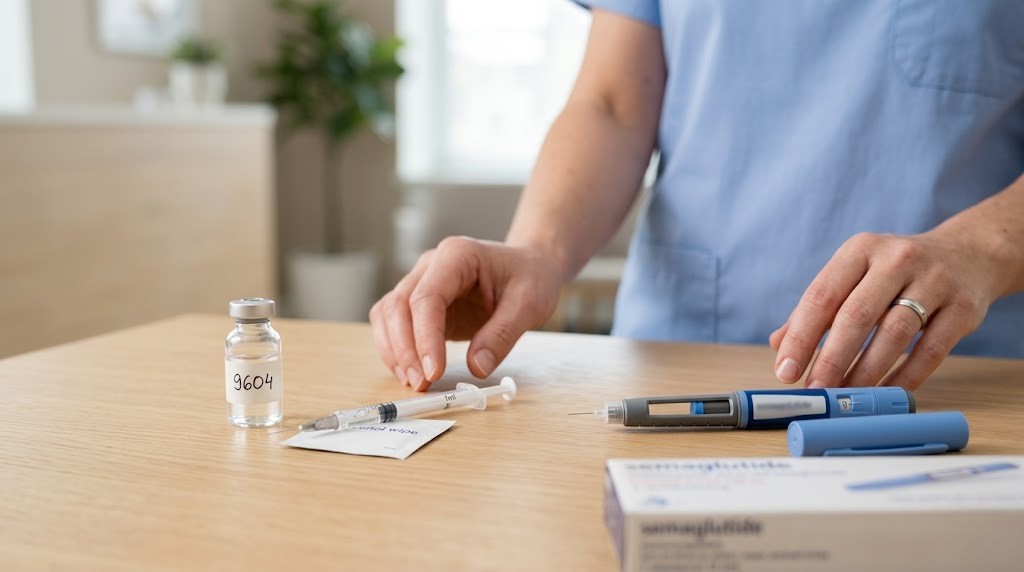
One peptide fragment promises targeted fat burning with almost no side effects. The other has become the most talked-about weight loss drug in modern medicine. Both claim to help people lose body fat, but they could not be more different in how they work, what the science says, and what you should realistically expect. If you have spent any time researching peptides for fat loss, you have almost certainly encountered AOD 9604 and semaglutide sitting at opposite ends of the conversation. AOD 9604 is a 16-amino acid fragment derived from human growth hormone that targets fat cells directly. Semaglutide is a GLP-1 receptor agonist that reshapes appetite and metabolism from the brain down. The contrast is striking.
One works locally on adipose tissue. The other rewires how your entire body processes hunger, satiety, and blood sugar. One sailed through safety trials but stumbled on efficacy. The other delivered jaw-dropping weight loss numbers but carries a meaningful side effect profile that every user needs to understand. Choosing between them is not as simple as picking the one with better results on paper. Your goals, your health status, your tolerance for side effects, and your budget all factor into the decision. This guide breaks down everything you need to know about AOD 9604 and semaglutide, placing them side by side across every category that matters: mechanism, clinical evidence, safety, dosing, cost, and practical use. By the end, you will have the clarity to decide which approach, if either, aligns with your fat loss strategy.
What is AOD 9604 and how does it work?
AOD 9604 stands for Advanced Obesity Drug 9604. It is a synthetic peptide fragment consisting of 16 amino acids taken from the C-terminal end of human growth hormone, specifically residues 177 through 191. Researchers originally developed it because they noticed that this particular region of growth hormone seemed responsible for its fat-metabolizing properties, without the growth-promoting or blood sugar effects that make full-length growth hormone problematic for weight management.
The mechanism is elegant in its specificity. AOD 9604 stimulates lipolysis, which is the breakdown of stored triglycerides in fat cells into free fatty acids. At the same time, it inhibits lipogenesis, the process by which your body creates and stores new fat. This dual action targets adipose tissue directly through the beta-3 adrenergic receptor pathway. If you want a deeper understanding of how this peptide fragment interacts with growth hormone pathways, the IGF-1 LR3 guide provides helpful context on growth hormone signaling.
Here is what makes AOD 9604 fundamentally different from growth hormone itself. It does not bind to growth hormone receptors. That single distinction matters enormously. Because it avoids those receptors, AOD 9604 does not elevate IGF-1 levels, does not affect blood sugar regulation, and does not carry the risks associated with exogenous growth hormone use. You get the fat-targeting properties without the metabolic baggage. For anyone exploring the broader category of the best peptides for fat loss, this selectivity is one of the reasons AOD 9604 appears on nearly every list.
The peptide was originally developed by Metabolic Pharmaceuticals in Australia. Early animal studies showed promising results, with obese mice losing significant body fat without changes in food intake or lean muscle mass. Those early results generated considerable excitement. The idea of a growth hormone fragment that could reduce body fat without the downsides of full GH therapy seemed almost too good to be true. As we will discuss in the clinical evidence section, the story becomes more complicated when you move from animal models to human trials. But the mechanism itself, targeting fat cells directly through a specific receptor pathway, remains scientifically sound and well-characterized. Understanding the relationship between AOD 9604 and its parent molecule is easier when you explore the HGH fragment 176-191 calculator, which covers dosing for this same peptide region.
What is semaglutide and how does it work?
Semaglutide is a GLP-1 receptor agonist. GLP-1 stands for glucagon-like peptide-1, a hormone your gut naturally produces after eating. Semaglutide mimics this hormone but lasts far longer in your body, which is why it only requires a once-weekly injection compared to the daily dosing most peptides demand. The FDA has approved semaglutide under two brand names: Ozempic for type 2 diabetes management and Wegovy for chronic weight management. If you are curious about the practical details of using this medication, the guide on how fast semaglutide works covers the timeline comprehensively.
The mechanism operates on multiple levels simultaneously. First, semaglutide activates GLP-1 receptors in the brain, particularly in the hypothalamus, which reduces appetite and changes how you experience hunger. People on semaglutide consistently report that food simply becomes less interesting. The constant mental chatter about what to eat next quiets down. Second, it slows gastric emptying, meaning food stays in your stomach longer and you feel full for extended periods after smaller meals. Third, it improves insulin sensitivity and helps regulate blood sugar, which is why it was originally developed for diabetes. For practical guidance on managing appetite changes, this article on appetite suppression timelines is worth reading.
The weight loss results from semaglutide clinical trials have been extraordinary by pharmaceutical standards. The STEP trial program, which included thousands of participants, demonstrated average body weight reductions of 15 to 17 percent over 68 weeks. Some participants lost even more. A study with over 2,000 subjects showed weight loss reaching 15 to 20 percent of total body weight. These are numbers that no other single medication had achieved before semaglutide entered the market. To put that in perspective, a 200-pound person could expect to lose 30 to 40 pounds. That is transformative for many people struggling with obesity.
But semaglutide is not a free lunch. The side effect profile is real. Nausea, vomiting, diarrhea, and constipation are common, especially in the early weeks of treatment. Most users find these gastrointestinal effects subside over time as the body adjusts, but some people cannot tolerate the medication at all. If you are dealing with digestive issues on this medication, the semaglutide constipation treatment guide and the semaglutide bloating article offer practical solutions. There are also questions about semaglutide and fatigue, dizziness, and other systemic effects that users should understand before starting.
Mechanism of action: a head-to-head comparison
Understanding how these two compounds work at the cellular level reveals why they produce such different outcomes. The comparison is not just academic. It directly affects what kind of results you can expect, how quickly you will see them, and what trade-offs you will face.
AOD 9604 targets fat cells directly
AOD 9604 works at the level of the adipocyte, the fat cell itself. It activates the beta-3 adrenergic receptors on fat cells, which triggers the release of stored fat through lipolysis. Simultaneously, it blocks the enzymatic pathways responsible for creating new fat. Think of it as a localized intervention. The peptide goes to the fat tissue, tells it to release its stored energy, and prevents it from restocking. It does not significantly alter your appetite, your blood sugar, your mood, or your energy levels. It just works on fat.
This specificity is both the greatest strength and the most significant limitation of AOD 9604. Because it does not affect appetite, you will not experience the dramatic reduction in food cravings that semaglutide users describe. You still need to manage your caloric intake through willpower, habit, and dietary strategy. The peptide handles the biochemistry of fat metabolism. You handle everything else. For people looking at comprehensive stacking strategies, the best peptide stacks for weight loss guide explains how AOD 9604 can be combined with other compounds to address multiple pathways simultaneously.
Semaglutide rewires appetite from the brain down
Semaglutide takes the opposite approach. Rather than working at the fat cell, it works at the command center. By activating GLP-1 receptors in the brain, it fundamentally changes the hormonal signals that drive hunger and satiety. The result is a top-down intervention that affects your entire relationship with food.
When semaglutide slows gastric emptying, your stomach stays full longer. When it modulates brain signaling, you simply want less food. When it improves insulin sensitivity, your body handles the calories you do consume more efficiently. These combined effects create a metabolic environment where weight loss becomes, for many people, almost inevitable. The caloric deficit happens naturally because you are genuinely less hungry. That is a powerful mechanism. For people wondering about the immediate effects, this article on whether semaglutide works right away explains the realistic onset timeline, and this piece on immediate appetite suppression addresses one of the most common questions new users ask.
The fundamental difference
AOD 9604 is a scalpel. Semaglutide is a systemic overhaul. One targets a single process in a single tissue type. The other affects appetite, digestion, insulin signaling, and potentially even cardiovascular health. Neither approach is inherently better. They serve different situations, different tolerances for side effects, and different magnitudes of weight loss goals. Comparing them across categories like peptides for weight loss and pharmaceutical GLP-1 agonists helps frame the decision more clearly.
Clinical evidence: what the research actually shows
This is where the comparison becomes uncomfortable for AOD 9604 enthusiasts. The clinical evidence gap between these two compounds is enormous. Not just in quantity, but in quality and conclusiveness.
AOD 9604 clinical trials
The early data looked promising. A 12-week trial showed that subjects receiving 1 mg per day of AOD 9604 lost an average of 2.6 kilograms compared to 0.8 kilograms in the placebo group. That is a statistically significant difference, but the magnitude of weight loss is modest by any standard. Still, it suggested the mechanism was working in humans, not just mice.
Then came the larger trial. A 24-week study with 536 subjects was designed to confirm and extend those early findings. It failed. The trial did not demonstrate significant weight loss compared to placebo. This was not a minor setback. It was a pivotal trial, the kind of study that determines whether a drug moves forward toward regulatory approval. The failure led Metabolic Pharmaceuticals to effectively terminate development of AOD 9604 as a weight loss drug. The development was abandoned after this result.
In total, AOD 9604 failed to show meaningful weight loss in six clinical trials. Six. That is not a single unlucky study or a flawed trial design. That is a consistent pattern of failure to demonstrate the primary endpoint: significant fat reduction in humans. For the full picture of what this peptide can and cannot do, the complete AOD 9604 guide covers the evidence in detail, including the specific trial data.
The one bright spot in the clinical data is safety. Across all trials, the side effect profile of AOD 9604 was described as indistinguishable from placebo. That is a remarkable safety record. It means the peptide is well-tolerated, does not produce meaningful adverse effects, and carries minimal risk for most users. You can read more about the safety profile in the AOD 9604 side effects article. The peptide is safe. The question is whether it works well enough to justify using it.
Semaglutide clinical trials
The contrast could not be sharper. Semaglutide has one of the most robust clinical evidence bases of any weight loss medication ever developed. The STEP trial program alone included multiple large-scale, randomized, double-blind, placebo-controlled trials with thousands of participants.
STEP 1 enrolled over 1,900 adults without diabetes and showed an average weight loss of 14.9 percent of body weight over 68 weeks. STEP 2 focused on patients with type 2 diabetes and demonstrated 9.6 percent weight loss. STEP 3 combined semaglutide with intensive behavioral therapy and achieved 16 percent weight loss. STEP 4 showed that discontinuing semaglutide led to significant weight regain, confirming that the drug actively maintains weight loss while being used. The data from studies with over 2,000 subjects has shown weight loss reaching 15 to 20 percent of total body weight. For a week-by-week breakdown of what real users experience, the semaglutide results timeline provides a detailed look at the progression.
These numbers are not modest. They represent a genuine paradigm shift in obesity treatment. Before GLP-1 agonists, most weight loss medications produced 5 to 10 percent body weight reduction at best. Semaglutide nearly doubled that ceiling. And the evidence keeps growing. New studies continue to explore cardiovascular benefits, effects on fatty liver disease, and potential applications beyond weight loss. The GLP-1 fat loss treatment guide covers the broader class of medications and their expanding evidence base.
Putting the evidence side by side
Here is the blunt comparison:
AOD 9604: 2.6 kg weight loss in 12 weeks (best result), failed six clinical trials, development terminated
Semaglutide: 15 to 17 percent body weight loss over 68 weeks, FDA approved, thousands of study participants, consistent results across multiple trials
There is no way to frame this comparison that puts AOD 9604 on equal footing with semaglutide when it comes to clinical evidence. The gap is not close. It is a canyon. However, clinical trial results are not the only factor that matters in real-world decision-making. Safety, tolerability, access, cost, and individual response all play important roles. The best peptides for weight loss overview helps contextualize where each compound fits within the broader landscape of options.
Side effects and safety profile
If clinical efficacy is where semaglutide dominates, safety is where AOD 9604 makes its strongest case. The side effect profiles of these two compounds are dramatically different, and for some people, that difference tips the scale.
AOD 9604 side effects
Remarkably few. Across all clinical trials, the side effect profile was consistently described as indistinguishable from placebo. Some users report mild injection site reactions, occasional headaches, or minor gastrointestinal discomfort, but these are uncommon and generally mild. There are no reports of significant hormonal disruption, no blood sugar effects, and no serious adverse events attributable to the peptide.
This makes sense given the mechanism. AOD 9604 does not interact with growth hormone receptors, does not affect insulin signaling, and does not cross into the central nervous system to alter appetite or mood. Its action is confined to fat tissue. When a compound has such a narrow target, the potential for off-target side effects is inherently limited. The detailed breakdown in the AOD 9604 side effects guide covers everything reported in clinical and anecdotal settings. For those wondering about proper administration to minimize any discomfort, understanding how to reconstitute peptides and the role of bacteriostatic water is essential for safe use.
Semaglutide side effects
The side effect profile here is substantial. Gastrointestinal effects are the most common and include nausea, vomiting, diarrhea, and constipation. In clinical trials, nausea affected roughly 20 percent of participants in the early weeks. Most people find these effects diminish over time as the body adapts, but the initial adjustment period can be genuinely unpleasant.
Beyond the GI tract, semaglutide has been associated with fatigue, dizziness, headaches, and changes in taste perception. Some users report insomnia or disrupted sleep patterns. Others experience feeling unusually cold, likely related to reduced caloric intake and metabolic changes. Women have reported changes in menstrual cycles, though the exact relationship is still being studied. There are also questions about more serious risks, including blood clot concerns and pancreatic issues, though these remain rare.
The gastrointestinal side effects deserve special attention because they are not just inconvenient. For some people, they are debilitating enough to require dose reduction or discontinuation. If you experience persistent nausea, the dose escalation protocol matters enormously. Starting low and titrating slowly gives your body time to adjust. The semaglutide dosage guide and the 5mg/mL dosage chart provide the specifics on proper titration schedules. Some users also find that combining semaglutide with B12 or pairing it with glycine helps manage certain side effects.
There is also the issue of muscle loss. Rapid weight loss from any intervention tends to include some lean mass reduction, and semaglutide is no exception. Without adequate protein intake and resistance training, a meaningful portion of the weight lost on semaglutide may come from muscle rather than fat. This is a legitimate concern that requires proactive management. The semaglutide diet plan and foods to eat while on semaglutide address nutrition strategies specifically designed to preserve lean mass during treatment.
Safety comparison summary
AOD 9604 is one of the safest peptides ever studied. Its side effect profile is essentially invisible. Semaglutide works dramatically better for weight loss but comes with a real cost in terms of tolerability, especially in the early weeks. For people who cannot tolerate GI side effects or who have medical conditions that make GLP-1 agonists risky, this safety differential is not a minor footnote. It might be the deciding factor. For a broader look at safety across the peptide landscape, the benefits and risks of peptides guide provides valuable context.
Dosage protocols compared
How you take these compounds differs significantly, and the practical implications of dosing affect daily life more than most people realize before starting.
AOD 9604 dosing
The standard dosage for AOD 9604 is 250 to 500 micrograms per day, administered via subcutaneous injection, typically into the abdominal fat layer. Some protocols recommend taking it on an empty stomach, first thing in the morning, to maximize absorption and align with the natural fasting state when lipolysis is already elevated. Daily injection is the standard protocol. That means 7 injections per week, 30 per month, approximately 84 over a 12-week cycle. The complete AOD 9604 dosage guide breaks down the specific protocols, including how to adjust based on body weight and goals.
Reconstitution is required since AOD 9604 typically comes as a lyophilized powder that must be mixed with bacteriostatic water before injection. Understanding how much bacteriostatic water to add is critical for accurate dosing. Once reconstituted, proper storage becomes essential. The peptide storage guide and the article on how long reconstituted peptides last cover everything you need to know about maintaining potency.
Semaglutide dosing
Semaglutide requires only one injection per week. That alone is a major practical advantage. The standard protocol begins at 0.25 mg per week for the first four weeks, then escalates to 0.5 mg, then 1.0 mg, with some protocols going up to 2.4 mg per week for weight management. This titration schedule exists specifically to minimize gastrointestinal side effects. Rushing the dose escalation is one of the most common mistakes new users make. For those using compounded versions, the semaglutide reconstitution guide and the bacteriostatic water mixing guide for 5mg semaglutide are essential reading.
Injection technique matters for both compounds but is especially important for semaglutide because the dose must be precise. The best injection site for semaglutide article covers optimal locations, while the step-by-step injection guide walks through proper technique. Timing also matters. The best time of day to take semaglutide can affect how well you tolerate the medication.
For people interested in non-injectable options, sublingual semaglutide represents an emerging alternative, though the evidence base is less established than for injectable forms. Compounded semaglutide has also become a significant topic as access and cost concerns drive interest in alternatives to brand-name products.
Dosing convenience comparison
Semaglutide wins on frequency: once weekly versus daily. AOD 9604 wins on simplicity: no titration required, stable dose from day one. Both require subcutaneous injection. Both require proper reconstitution and storage if using research-grade or compounded forms. The peptide calculator can help with dosing math for both compounds, and the semaglutide dosage calculator handles the specific titration schedule for GLP-1 therapy.
Weight loss results: realistic expectations
Numbers matter. Promises are cheap. Clinical data is not. Let us look at what each compound actually delivers in terms of measurable fat loss.
What to expect from AOD 9604
Based on the available clinical data, AOD 9604 produces modest weight loss at best. The best clinical result was 2.6 kilograms over 12 weeks, roughly 5.7 pounds. That works out to less than half a pound per week. And remember, this result came from the shorter trial. The larger, longer trial failed to show significant results at all.
Anecdotal reports from the peptide community are more positive than the clinical data suggests, with some users claiming noticeable reductions in stubborn body fat, particularly in the abdominal area. However, anecdotal evidence is inherently unreliable because users who take AOD 9604 are typically also dieting, exercising, and sometimes stacking it with other compounds. Isolating the effect of AOD 9604 from these confounding factors is impossible outside of controlled trials. If you are considering where AOD 9604 fits in a broader protocol, the guide on peptides for weight loss and muscle gain provides context on multi-compound approaches.
The honest assessment: AOD 9604 may provide a small additional edge for fat loss when combined with proper diet and exercise. It is not going to transform your body composition on its own. If you are 50 pounds overweight and looking for a solution, AOD 9604 alone is not it. If you are relatively lean and trying to shed the last few pounds of stubborn fat, the marginal benefit might be noticeable, though still unproven in rigorous clinical settings.
What to expect from semaglutide
The numbers speak clearly. Average weight loss of 15 to 17 percent of body weight over 68 weeks. For a 220-pound person, that is 33 to 37 pounds. Some people lose even more. The semaglutide before and after results show the range of outcomes real users experience, while the first week on semaglutide article sets appropriate expectations for the early stages.
Weight loss typically follows a predictable curve. The first few weeks produce modest changes as the dose titrates up. Significant appetite suppression usually kicks in between weeks 4 and 8. Peak weight loss occurs around weeks 30 to 50, after which the rate slows and eventually plateaus. Speaking of plateaus, the semaglutide plateau guide addresses what to do when progress stalls, and this article on no weight loss after 4 weeks covers the frustrating early period some users experience. For those who have not seen results yet, understanding why you might not be losing weight on this medication is important.
The critical caveat with semaglutide: weight regain after discontinuation is significant. The STEP 4 trial showed that stopping semaglutide leads to regaining approximately two-thirds of the lost weight within a year. This raises important questions about how long treatment should continue. How long you should stay on semaglutide is a question every user needs to discuss with their healthcare provider. Related concerns about semaglutide withdrawal symptoms, stopping cold turkey, and restarting after a break are all worth understanding before you begin treatment.
Exercise is not strictly required for weight loss on semaglutide, and some people do lose weight without it, but combining semaglutide with resistance training dramatically improves body composition outcomes. The average GLP-1 weight loss per month article provides realistic monthly benchmarks.
Cost and accessibility
The financial reality of these treatments is something most comparison articles gloss over. It should not be ignored because cost directly affects who can actually use these compounds long-term.
AOD 9604 cost
AOD 9604 is generally less expensive than semaglutide. Research-grade peptides are available from various vendors, typically costing between $30 and $80 for a 5mg vial. At a standard dose of 300 micrograms per day, a 5mg vial lasts approximately 16 days. That translates to roughly $60 to $150 per month, depending on the source and dosage. However, AOD 9604 faces a significant regulatory challenge. The FDA has classified it as a Category 2 bulk drug substance, which restricts compounding pharmacies from producing it. This has impacted availability through legitimate medical channels. For guidance on finding quality peptides, the best peptide vendors guide covers what to look for in a reputable source.
AOD 9604 is not FDA-approved for any medical use. It is banned by WADA for competitive athletes. It does not require a prescription in the traditional sense, but obtaining it through proper channels has become more difficult with the Category 2 classification. The peptide cost calculator can help estimate your actual monthly expense based on your specific protocol.
Semaglutide cost
Brand-name semaglutide is expensive. Wegovy, the weight loss formulation, can cost $1,000 to $1,600 per month without insurance. Ozempic is similarly priced. Insurance coverage varies widely, and many plans do not cover weight loss medications. This creates a massive barrier to access for millions of people who could benefit from the drug. Compounded semaglutide has emerged as a more affordable alternative, typically ranging from $150 to $500 per month depending on the pharmacy and dosage. The compounded semaglutide guide explains the differences between brand-name and compounded versions.
Semaglutide requires a prescription regardless of the source. A healthcare provider must evaluate your medical history, current medications, and weight loss goals before prescribing it. This adds an additional layer of cost and complexity but also provides a safety net that self-administered peptides lack.
The cost reality
AOD 9604 is cheaper per month but produces far less measurable weight loss. When you calculate cost per pound of fat lost, semaglutide may actually represent better value despite the higher sticker price, at least based on clinical trial data. That said, individual responses vary, and some people report meaningful results from AOD 9604 that exceed what the clinical trials showed.
Who should consider AOD 9604?
Despite the weak clinical evidence, there are scenarios where AOD 9604 might make sense as part of a fat loss strategy. Not everyone needs or wants the powerful systemic effects of a GLP-1 agonist.
AOD 9604 may be appropriate for people who are already relatively lean and want a marginal edge in targeting stubborn fat deposits. If you are at 18 percent body fat and trying to get to 14, the calculus is different than if you are at 35 percent and need to lose 50 pounds. The peptide may also suit people who have tried semaglutide or other GLP-1 agonists and cannot tolerate the gastrointestinal side effects. Some people simply cannot function normally while dealing with persistent nausea and digestive disruption.
It is also worth considering for people who want to avoid systemic hormonal changes. AOD 9604 does not affect appetite, blood sugar, or hormone levels in any meaningful way. For someone who wants a minimally invasive addition to their existing diet and exercise program, the risk-to-reward ratio is very low because the risks are essentially zero. The peptides for weight loss in women and safest peptides for women articles discuss how AOD 9604 fits into female-specific protocols, where hormonal sensitivity is often a primary concern.
Stacking AOD 9604 with other peptides is common in the research community. Combining it with CJC-1295 and ipamorelin addresses growth hormone pathways from a different angle. Adding MOTS-C targets mitochondrial function and metabolic efficiency. 5-amino-1MQ addresses fat metabolism through yet another pathway. The peptide stacks guide and peptide stack calculator can help design a protocol that addresses multiple mechanisms. Some users also combine AOD 9604 with BPC-157 for its recovery and gut health benefits.
Who should consider semaglutide?
Semaglutide is best suited for people with significant weight to lose, typically those with a BMI of 30 or higher, or 27 or higher with weight-related health conditions. This is not a vanity drug for losing 5 pounds. It is a serious pharmaceutical intervention designed for clinical obesity.
The ideal candidate for semaglutide has tried dietary and lifestyle interventions and not achieved sufficient weight loss. They have realistic expectations about the side effect profile and are willing to tolerate gastrointestinal discomfort in the early weeks. They understand that the medication works best as part of a comprehensive approach that includes nutrition, exercise, and behavioral changes. The semaglutide diet plan, best foods to eat on semaglutide, and foods to avoid articles provide the nutritional framework for maximizing results.
People with type 2 diabetes have an additional reason to consider semaglutide because it addresses both weight and blood sugar control simultaneously. The dual benefit makes it particularly valuable for the large overlap population of people who are both overweight and insulin resistant. Some users find that adding L-carnitine to their semaglutide protocol supports energy levels and fat metabolism, while niacinamide may help with metabolic support. The best probiotic for semaglutide users can help manage the gut microbiome changes that come with GLP-1 therapy, and GLP-1 recipes for weight loss make meal planning easier during treatment.
It is worth noting that semaglutide is not the only GLP-1 option available. Tirzepatide is a dual GIP/GLP-1 agonist that has shown even greater weight loss in clinical trials. Retatrutide is a triple agonist in development that may surpass both. Comparing the options through resources like the semaglutide vs tirzepatide side effects comparison and the retatrutide vs semaglutide comparison helps put all available options in perspective. Some people even consider using semaglutide and tirzepatide together, though this approach requires careful medical supervision.
AOD 9604 vs semaglutide: the complete comparison table
Sometimes you need the key facts in one place. This table captures the critical differences across every major category.
Drug class: AOD 9604 is a peptide fragment of human growth hormone. Semaglutide is a GLP-1 receptor agonist.
Mechanism: AOD 9604 stimulates lipolysis and inhibits lipogenesis in fat cells via beta-3 adrenergic receptors. Semaglutide reduces appetite via brain GLP-1 receptors, slows gastric emptying, and improves insulin sensitivity.
FDA approval: AOD 9604 is not approved for any indication. Semaglutide is FDA-approved for type 2 diabetes and weight management.
Best clinical weight loss: AOD 9604 showed 2.6 kg in 12 weeks. Semaglutide showed 15 to 17 percent of body weight over 68 weeks.
Injection frequency: AOD 9604 requires daily injection. Semaglutide requires weekly injection.
Common side effects: AOD 9604 has essentially none (indistinguishable from placebo). Semaglutide commonly causes nausea, vomiting, diarrhea, and constipation.
Prescription required: AOD 9604 does not require one (but access is restricted). Semaglutide requires a prescription.
Monthly cost: AOD 9604 costs approximately $60 to $150. Brand-name semaglutide costs $1,000 to $1,600, while compounded versions range from $150 to $500.
Appetite suppression: AOD 9604 provides none. Semaglutide provides significant appetite reduction.
Muscle preservation: AOD 9604 does not affect muscle. Semaglutide may contribute to lean mass loss without proper protein intake and resistance training.
Clinical evidence strength: AOD 9604 is weak, having failed six trials. Semaglutide has an extensive base of large-scale RCTs.
This comparison is intentionally honest. AOD 9604 does not compete with semaglutide on measurable weight loss outcomes. It competes on safety, simplicity, and niche use cases. For those exploring alternative compounds to semaglutide, the phentermine vs semaglutide, sermorelin vs semaglutide, and tesofensine vs semaglutide comparisons provide additional perspectives. The AOD 9604 vs tirzepatide comparison is also relevant for those weighing all their fat loss options, as is the AOD 9604 with tirzepatide stacking guide for those considering combination protocols.
Can you use AOD 9604 and semaglutide together?
This is a question that comes up frequently, and it deserves a nuanced answer. Technically, there is no known pharmacological interaction between AOD 9604 and semaglutide. They work through completely different receptor systems and metabolic pathways. AOD 9604 targets beta-3 adrenergic receptors on fat cells. Semaglutide activates GLP-1 receptors in the brain and gut. The mechanisms do not overlap or interfere with each other.
In theory, combining them could offer complementary benefits. Semaglutide handles the appetite suppression and systemic metabolic improvements. AOD 9604 provides direct fat cell targeting. The combination addresses fat loss from both directions: reduced caloric intake via appetite control and enhanced fat breakdown at the cellular level.
However, there are no clinical studies examining this combination. No one has tested whether the effects are additive, synergistic, or negligible when combined. The safety of long-term concurrent use has not been evaluated. Any decision to combine these compounds should involve a healthcare provider who understands both mechanisms and can monitor for unexpected interactions.
Some practitioners in the peptide community do recommend stacking AOD 9604 with GLP-1 agonists, particularly for patients who want to maximize fat loss while minimizing muscle loss. The rationale is that AOD 9604 preferentially targets adipose tissue, which might help shift the composition of weight loss more toward fat and away from lean mass. This is theoretically sound but clinically unproven. The peptide stack for weight loss guide discusses combination strategies in detail, and the stack calculator helps plan multi-peptide protocols. For understanding how AOD 9604 compares when stacked alongside other fat loss options, the tirzepatide fat burning vs appetite suppression article provides relevant mechanistic context.
Regulatory status and legal considerations
The legal landscape for these compounds is quite different, and understanding the regulatory environment matters for practical decision-making.
AOD 9604 regulatory status
AOD 9604 is not FDA-approved for any medical indication. It was previously available through compounding pharmacies as a bulk drug substance, but the FDA reclassified it as a Category 2 substance, which effectively restricts compounding pharmacies from producing it. This reclassification has significantly impacted access through legitimate medical channels.
It is also banned by the World Anti-Doping Agency, meaning competitive athletes cannot use it without risking a positive drug test and sanctions. For recreational fitness enthusiasts who are not subject to drug testing, this restriction does not apply, but it is worth knowing.
The peptide remains available through research chemical suppliers, though the quality, purity, and reliability of these sources varies enormously. If you choose to source AOD 9604, understanding how to evaluate vendors is critical. The best peptide vendors guide covers the key criteria for identifying trustworthy sources, and the peptide formula guide helps you understand what you are actually purchasing.
Semaglutide regulatory status
Semaglutide is FDA-approved under two brand names. Ozempic is approved for type 2 diabetes management. Wegovy is approved for chronic weight management in adults with obesity or overweight with at least one weight-related comorbidity. This FDA approval means the drug has undergone extensive safety and efficacy testing, meets pharmaceutical manufacturing standards, and is available through regulated channels.
A prescription is required for both brand-name and compounded semaglutide. The compounded market has grown significantly due to the high cost and periodic shortages of brand-name products. However, the regulatory status of compounded semaglutide is evolving, and future restrictions are possible. Staying informed about these changes through resources like the compounded semaglutide guide is important for anyone relying on compounded formulations.
Long-term considerations
Short-term results are one thing. What happens over months and years of use matters far more for lasting health outcomes.
AOD 9604 long-term outlook
The long-term safety data for AOD 9604 is limited because the clinical development program was terminated. The 24-week trial is the longest controlled human study. Beyond that, the safety data comes from anecdotal reports in the peptide community. Given the benign mechanism of action and the excellent safety profile observed in trials, serious long-term risks seem unlikely. But unlikely is not the same as impossible, and the absence of evidence is not evidence of absence.
Long-term efficacy is even more uncertain. If the 24-week trial could not demonstrate significant weight loss, there is no reason to believe that longer use would produce dramatically different results. The mechanism does not involve receptor downregulation or tolerance in any known way, but the signal-to-noise ratio is simply too low based on available evidence.
Semaglutide long-term outlook
Semaglutide has more long-term data, though the timeframes are still relatively short by pharmaceutical standards. The STEP trial extension data covers up to 2 years, showing maintained weight loss as long as treatment continues. The SELECT cardiovascular outcomes trial demonstrated a 20 percent reduction in major cardiovascular events, suggesting benefits beyond weight loss that may justify long-term use even after weight goals are achieved.
The biggest long-term concern with semaglutide is what happens when you stop. Weight regain is substantial and well-documented. This creates a dependency dynamic where continued use is necessary to maintain results. Whether indefinite use of a GLP-1 agonist is safe and appropriate is still being debated. The duration guide addresses this question, while maintaining weight loss after GLP-1 therapy discusses strategies for the post-treatment period. Understanding the transition between different GLP-1 agonists is also relevant for long-term planning.
There are also emerging concerns about the quality of weight loss. Losing 15 percent of body weight sounds impressive until you realize that a significant portion might be muscle mass. Sarcopenia, the loss of muscle tissue, is a serious concern with rapid weight loss from any cause, and GLP-1 agonists are no exception. Proactive strategies involving adequate protein intake, resistance training, and possibly creatine supplementation alongside GLP-1 therapy are increasingly recommended. The broader discussion of peptides for muscle growth and safe peptides for muscle preservation becomes relevant here for anyone concerned about body composition beyond just the number on the scale.
Stacking strategies for enhanced fat loss
Neither AOD 9604 nor semaglutide exists in a vacuum. Many people incorporate these compounds into broader protocols that target fat loss through multiple mechanisms simultaneously.
AOD 9604 stacking options
The most common stack combines AOD 9604 with growth hormone secretagogues like CJC-1295 and ipamorelin. This combination addresses growth hormone optimization from multiple angles. CJC-1295 extends the natural growth hormone release pulse, ipamorelin stimulates additional release, and AOD 9604 provides the direct fat-metabolizing fragment. Together, they create a more comprehensive GH-pathway approach than any single compound alone. The sermorelin and GHRP-6 articles cover alternative secretagogues that some protocols include.
Adding MOTS-C to an AOD 9604 stack targets mitochondrial function and cellular energy metabolism. This is a different pathway entirely, addressing the efficiency with which cells produce and use energy rather than directly targeting fat stores. 5-amino-1MQ offers yet another mechanism, inhibiting the NNMT enzyme that plays a role in fat cell metabolism. The tesofensine article covers a compound that approaches weight loss through neurotransmitter modulation, providing appetite suppression through a completely different mechanism than GLP-1 agonists.
Some users also add BPC-157 or BPC-157 with TB-500 to their stacks, not for direct fat loss but for gut health support and recovery enhancement. A healthy gut supports better nutrient absorption and metabolic function, which indirectly benefits fat loss efforts. For joint support during exercise programs that complement peptide protocols, peptides for joint pain and peptides for tendon repair are worth reviewing.
Semaglutide combination approaches
Semaglutide is typically used as a standalone treatment, but complementary compounds are gaining interest. B12 supplementation is one of the most common additions, addressing the potential for micronutrient deficiency when caloric intake drops significantly. L-carnitine supports fatty acid transport into mitochondria for energy production, potentially enhancing the fat-burning component of weight loss. Niacinamide may support cellular energy metabolism during the metabolic changes GLP-1 therapy induces.
The comparison with other pharmaceutical options is also relevant. Phentermine is sometimes used in combination with or as a precursor to GLP-1 therapy. Tirzepatide represents the next generation of incretin therapy with potentially even greater efficacy, and retatrutide may push the boundaries further still. Understanding how tirzepatide affects metabolism and how cagrilintide contributes to weight loss provides a more complete picture of the evolving landscape. Even approaches like retatrutide vs Mounjaro help contextualize where semaglutide stands among its competitors.
Diet and lifestyle factors that affect results
Neither compound works in isolation. What you eat, how you train, and how you live your life will dramatically influence the results you get from either AOD 9604 or semaglutide.
Nutrition considerations
With AOD 9604, your diet is the primary driver of results because the peptide does not affect appetite. You need to maintain a caloric deficit through conscious food choices. High-protein diets tend to work best because protein preserves lean mass while supporting fat loss. The peptide may help mobilize stored fat more efficiently, but only if your overall energy balance creates the conditions for fat to be used as fuel. For those using calculators to dial in their protocol, the peptide calculator for weight loss can help with the math.
With semaglutide, the dietary challenge is different. Appetite suppression means you naturally eat less, but the quality of what you eat becomes more important, not less. When total food intake drops by 25 to 40 percent, every calorie needs to count. Prioritizing protein, micronutrient-dense vegetables, and healthy fats over processed foods becomes critical. The semaglutide diet plan provides a structured approach, while the food list and foods to avoid guide offer practical everyday guidance. GLP-1 specific recipes can make meal planning easier when your appetite is drastically reduced.
Exercise and training
Resistance training is non-negotiable with either compound if you care about body composition rather than just the number on the scale. For AOD 9604 users, exercise creates the energy demand that allows mobilized fat to actually be burned for fuel. Without adequate activity, the freed fatty acids may simply be re-esterified and stored again. For semaglutide users, resistance training is the primary defense against muscle loss during rapid weight reduction. The fat burning peptides for men guide discusses training considerations specific to male physiology and peptide use, while peptides for weight loss in women addresses female-specific training and protocol considerations.
Cardiovascular exercise supports both compounds by increasing total energy expenditure and improving metabolic flexibility. The combination of resistance training and moderate cardio creates the optimal metabolic environment for either AOD 9604 or semaglutide to produce their best results. If you want to understand more about how peptides can support athletic performance alongside fat loss, the athletic performance peptides page covers this intersection.
Sleep and stress management
Cortisol, the primary stress hormone, directly promotes fat storage, particularly visceral fat. Poor sleep elevates cortisol, reduces growth hormone output, impairs insulin sensitivity, and increases appetite. No peptide or medication can fully overcome the metabolic headwinds created by chronic sleep deprivation and unmanaged stress. For those specifically targeting visceral fat, the best peptide for visceral fat loss guide discusses how different compounds address this particularly dangerous fat depot. The semaglutide and energy article is worth reading if you are concerned about how caloric restriction during treatment affects daily vitality, and the insomnia article addresses sleep disruption specifically.
The honest verdict
Let me be direct. This is not a close comparison on clinical evidence.
Semaglutide works. The evidence is overwhelming, consistent, and reproduced across thousands of subjects in multiple rigorous trials. It produces 15 to 17 percent body weight loss. It has FDA approval. It has cardiovascular benefits beyond weight loss. It is a genuine breakthrough in obesity treatment.
AOD 9604 has a compelling mechanism and an outstanding safety profile. But it failed to demonstrate significant weight loss in six clinical trials, and its development was terminated because of those failures. The best result was a modest 2.6 kilograms in a short trial, and that result did not hold up in the larger, longer study designed to confirm it.
Does that mean AOD 9604 is worthless? No. The mechanism is real. The safety profile is excellent. Anecdotal reports from informed users suggest some benefit, particularly for targeting stubborn fat in people who are already reasonably lean. It may work better in practice than the clinical trials showed, especially when combined with disciplined nutrition, intense training, and complementary peptides. But the honest assessment is that the clinical evidence does not support AOD 9604 as an effective standalone weight loss intervention.
If you have significant weight to lose, semaglutide is the evidence-based choice. If you cannot tolerate GLP-1 agonists, have only modest fat loss goals, or want to add a well-tolerated compound to an existing protocol, AOD 9604 might have a place. The decision depends on your specific situation, your tolerance for uncertainty, and your willingness to use a compound whose clinical track record is, frankly, disappointing despite its theoretical promise.
For the most comprehensive understanding of all available options, exploring the full range of precision peptides for weight loss and understanding how peptides compare to other performance compounds provides the broadest possible context for making an informed decision. The fat loss peptides resource page and anti-aging peptides page also offer useful starting points for exploring related compounds that may complement either approach. SeekPeptides has built one of the most comprehensive peptide education libraries available, covering everything from immune system support to inflammation management to muscle growth optimization.
Frequently asked questions
Is AOD 9604 as effective as semaglutide for weight loss?
No. Based on clinical trial data, semaglutide is dramatically more effective than AOD 9604 for weight loss. Semaglutide produces average weight loss of 15 to 17 percent of body weight over 68 weeks. AOD 9604 showed only 2.6 kilograms of weight loss in its best trial result and failed to demonstrate significant weight loss in six clinical trials overall. The efficacy gap is substantial and well-documented. For more detailed dosage information on each, see the AOD 9604 dosage guide and the semaglutide dosage guide.
Can I take AOD 9604 and semaglutide at the same time?
There is no known pharmacological interaction between AOD 9604 and semaglutide because they work through completely different receptor systems. Some practitioners combine them to address fat loss through multiple pathways. However, no clinical studies have evaluated this combination for safety or efficacy. Consult a healthcare provider before combining these compounds. The peptide stacking guide covers general principles of combining multiple compounds.
Which has fewer side effects, AOD 9604 or semaglutide?
AOD 9604 has significantly fewer side effects. Its clinical trial safety profile was described as indistinguishable from placebo. Semaglutide commonly causes nausea, vomiting, diarrhea, and constipation, especially during the early weeks of treatment. For detailed information on managing semaglutide side effects, see the constipation treatment guide and the bloating management article.
Is AOD 9604 FDA approved?
No. AOD 9604 is not FDA approved for any medical indication. It is classified as a Category 2 bulk drug substance by the FDA, which restricts its availability through compounding pharmacies. Semaglutide, by contrast, is FDA-approved under the brand names Ozempic (for diabetes) and Wegovy (for weight management). Learn more about regulatory considerations in the complete AOD 9604 guide.
How long does it take to see results from each?
AOD 9604 users who report positive results typically notice changes after 4 to 8 weeks of daily use, primarily in stubborn fat areas. Semaglutide users usually begin experiencing appetite suppression within the first 1 to 2 weeks, with meaningful weight loss becoming visible by weeks 4 to 8 and continuing to progress over the following months. The semaglutide timeline article and week-by-week results guide provide detailed progression information.
What happens when you stop taking each compound?
Stopping AOD 9604 has minimal documented effects because the compound does not alter appetite, hormones, or metabolic signaling. Stopping semaglutide, however, leads to significant weight regain. The STEP 4 trial showed that discontinuing semaglutide results in regaining approximately two-thirds of lost weight within a year. For more on this topic, read about semaglutide withdrawal symptoms and whether you can stop cold turkey.
Which is cheaper, AOD 9604 or semaglutide?
AOD 9604 is significantly cheaper on a monthly basis, typically costing $60 to $150 per month. Brand-name semaglutide costs $1,000 to $1,600 per month without insurance, while compounded semaglutide ranges from $150 to $500 per month. Use the peptide cost calculator to estimate your specific monthly costs.
Is AOD 9604 safe for women?
Based on available data, AOD 9604 appears safe for women. Its mechanism does not involve hormonal disruption, and clinical trials showed no sex-specific adverse effects. The safest peptides for women guide discusses AOD 9604 alongside other compounds suitable for female users, and the women-specific weight loss peptides article provides additional context.
Can AOD 9604 help with stubborn belly fat specifically?
AOD 9604 is typically injected into the subcutaneous fat of the abdomen, and some users report targeted fat reduction in that area. However, the concept of localized fat loss from injection site proximity is not well-supported by science. The peptide works systemically through the bloodstream once injected, affecting fat cells throughout the body. For more comprehensive approaches to abdominal fat, the visceral fat loss peptide guide covers multiple strategies.
Are there better alternatives to both AOD 9604 and semaglutide?
Tirzepatide, a dual GIP/GLP-1 agonist, has shown even greater weight loss than semaglutide in clinical trials. The semaglutide vs tirzepatide comparison covers the differences in detail. For those looking at peptide alternatives, tesofensine and 5-amino-1MQ offer different mechanisms of action. The best peptides for weight loss article provides a comprehensive overview of all available options.
External resources
PubMed: AOD 9604 lipolytic activity study - Research on AOD 9604 mechanism of action in adipose tissue
New England Journal of Medicine: STEP 1 Trial - Landmark semaglutide weight loss trial with 1,961 participants
FDA: Semaglutide safety information - Official FDA information on approved semaglutide formulations
WADA Prohibited List - Current prohibited substances list including growth hormone fragments
ClinicalTrials.gov: Semaglutide trials - Registry of ongoing and completed semaglutide clinical trials
Choosing between AOD 9604 and semaglutide is ultimately a decision that depends on your individual circumstances, health status, and weight loss goals. The clinical evidence overwhelmingly favors semaglutide for meaningful fat reduction, but the nearly nonexistent side effect profile of AOD 9604 gives it a unique position for specific use cases. Whatever path you choose, having access to accurate, research-backed information makes all the difference.
SeekPeptides members gain access to detailed protocols, dosage guides, stacking strategies, and the kind of in-depth peptide education that turns uncertainty into confidence. When the science is this nuanced, having a trusted resource behind every decision matters more than most people realize.
In case I do not see you, good afternoon, good evening, and good night.