Jan 24, 2026

You have tried everything. The calorie counting. The cardio sessions that drag on forever. The restrictive diets that leave you exhausted and irritable. And yet the stubborn fat remains. Your metabolism feels broken, your energy levels have tanked, and you are starting to wonder if your body simply refuses to cooperate with your goals.
Here is what nobody told you. The problem might not be your willpower, your workout routine, or even your diet. It might be an enzyme you have never heard of, one that is actively working against your fat loss efforts at the cellular level.
That enzyme is NNMT, nicotinamide N-methyltransferase. And 5-amino-1mq is the compound that researchers have developed specifically to shut it down.
This guide covers everything researchers need to know about 5-amino-1mq, from its unique mechanism of action to practical dosing protocols, stacking strategies, and what the science actually shows. Whether you are exploring peptides for fat loss, looking to preserve muscle during a cut, or wanting to understand how NAD+ and cellular energy relate to body composition, this comprehensive breakdown will give you the information you need to make informed decisions.
SeekPeptides has compiled this evidence-based resource to help researchers navigate the complex landscape of metabolic optimization compounds.
What is 5-amino-1mq?
5-amino-1mq, or 5-amino-1-methylquinolinium, is a synthetic small molecule compound that targets a specific enzyme involved in metabolic regulation. Unlike traditional peptides, which are chains of amino acids, 5-amino-1mq is a small molecule derivative of methylquinolinium. This distinction matters because it affects how the compound is absorbed, distributed, and utilized by the body.
Researchers at the University of Texas Medical Branch first characterized 5-amino-1mq in 2017 while searching for ways to inhibit NNMT, an enzyme they had identified as a key regulator of fat cell metabolism. Their work, published in peer-reviewed journals, demonstrated that blocking this enzyme could produce significant changes in body composition without affecting food intake.
The compound belongs to a class known as NNMT inhibitors. These molecules are designed to be membrane-permeable, meaning they can cross cell membranes and access their target enzyme inside cells. This property is essential for the compound to exert its metabolic effects.
Key characteristics of 5-amino-1mq
Several features distinguish 5-amino-1mq from other fat burning compounds. First, it works through a completely different mechanism than stimulants, thermogenics, or GLP-1 based peptides. There are no jitters, no appetite suppression through hormonal signaling, and no dependency concerns that come with stimulant-based approaches.
Second, 5-amino-1mq appears to be highly selective. In laboratory testing, it did not inhibit related SAM-dependent methyltransferases or interfere with other enzymes in NAD+ salvage pathways. This selectivity is important because it suggests the compound affects only its intended target rather than causing widespread metabolic disruption.
Third, the compound has shown a favorable safety profile in preclinical studies. Mice tolerated doses several times higher than the effective dose with no observable adverse effects. While this does not guarantee human safety, it provides encouraging preliminary data.
How NNMT controls your metabolism
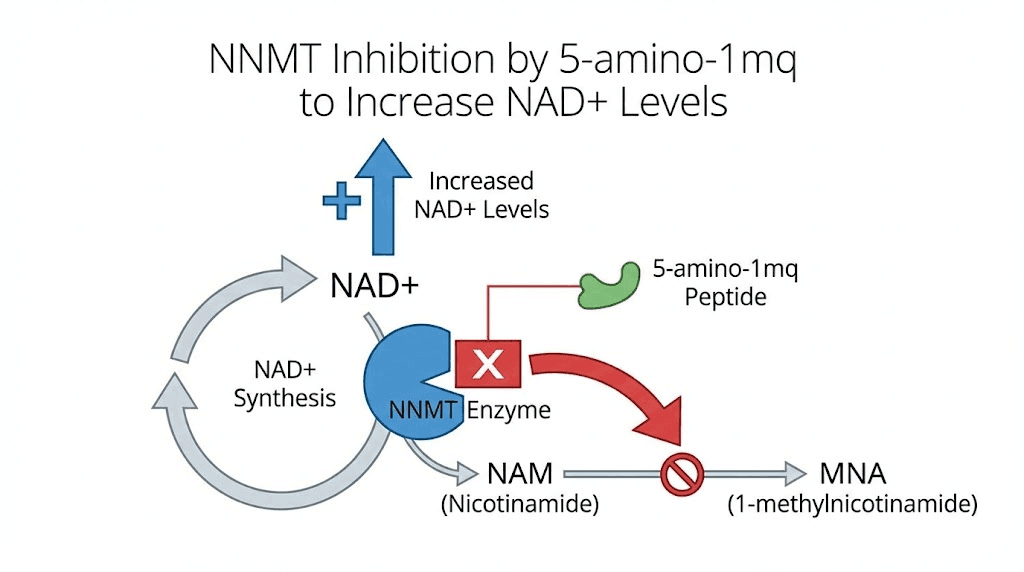
To understand why 5-amino-1mq works, you need to understand the enzyme it targets. NNMT, nicotinamide N-methyltransferase, is found throughout the body but is particularly active in fat tissue. Its primary function is to transfer a methyl group to nicotinamide, a form of vitamin B3.
This might sound like a minor biochemical reaction. It is not.
When NNMT methylates nicotinamide, it creates a compound called 1-methylnicotinamide. This process consumes cellular methyl donors and, critically, prevents nicotinamide from being recycled into NAD+. The implications cascade through multiple metabolic pathways.
The NAD+ connection
NAD+, nicotinamide adenine dinucleotide, is one of the most important molecules in your cells. It participates in over 500 enzymatic reactions and is essential for energy production, DNA repair, and cellular signaling. When NAD+ levels drop, mitochondrial function suffers, energy production declines, and metabolism slows.
Here is the problem. NNMT activity increases with age, obesity, and metabolic dysfunction. Higher NNMT activity means more nicotinamide gets shunted away from NAD+ production. The result is a vicious cycle where declining NAD+ leads to worse metabolic function, which can lead to weight gain, which increases NNMT activity further.
Studies have found that NNMT expression is significantly elevated in the fat tissue of obese individuals compared to lean controls. This suggests the enzyme plays an active role in maintaining obesity, not just responding to it.
Fat storage versus fat burning
NNMT does not just affect NAD+ levels. It also influences gene expression patterns that control whether cells store or burn fat. When NNMT activity is high, fat cells become more efficient at lipogenesis, the process of creating and storing fat. The cells also become more resistant to lipolysis, the breakdown of stored fat for energy.
Research has shown that blocking NNMT can reduce lipogenesis by 50 to 70 percent in adipocytes compared to untreated controls. This is a substantial shift in cellular behavior that directly affects body composition.
Additionally, NNMT inhibition appears to increase expression of GLUT4 transporters, which move glucose from the bloodstream into cells. Improved glucose uptake means better blood sugar regulation and less excess glucose available to be converted into fat.
The science behind 5-amino-1mq
The research on 5-amino-1mq comes primarily from preclinical studies, meaning experiments conducted in cell cultures and animal models. While human clinical trials have not yet been completed, the existing data provides valuable insight into how the compound works and what effects it produces.
Cell culture studies
In laboratory studies using 3T3-L1 adipocytes, a commonly used fat cell line, researchers found that 5-amino-1mq significantly reduced intracellular levels of 1-methylnicotinamide, confirming that it was successfully inhibiting NNMT. Simultaneously, NAD+ levels increased by 1.2 to 1.6 fold compared to untreated cells.
The treated cells showed markedly reduced lipogenesis. Fat droplet formation decreased, and the cells accumulated less fat even when exposed to conditions that normally promote fat storage. Importantly, cell viability was not affected, meaning the compound did not simply kill fat cells but changed their metabolic behavior.
Animal studies on obesity
The most compelling data comes from studies in diet-induced obese mice. These animals are fed a high-fat diet until they become obese, then randomized to receive either 5-amino-1mq or a control treatment.
In one study, mice treated with 20mg/kg of 5-amino-1mq three times daily for 11 days experienced a 5.1% reduction in body weight from baseline. Control mice, by comparison, gained 1.4% over the same period. This difference was achieved without any change in food intake, suggesting the weight loss came from metabolic changes rather than appetite suppression.
The treated mice showed several other improvements. Adipocyte, or fat cell, size decreased by over 30%. Adipocyte volume dropped by over 40%. Total cholesterol levels fell by approximately 30%. White adipose tissue mass, the fat tissue associated with obesity and metabolic dysfunction, was significantly reduced.
Perhaps most notably, the researchers observed no adverse effects even at high doses. Mice tolerated the treatment well throughout the study period.
Muscle and aging research
More recent research has explored how NNMT inhibition affects muscle function, particularly in the context of aging. This work has significant implications for understanding muscle preservation during fat loss.
In aged mice, treatment with 5-amino-1mq combined with exercise produced remarkable results. Grip strength increased by approximately 60% when the compound was combined with rigorous exercise training, compared to about 25% improvement from either exercise or treatment alone. This additive effect suggests the compound enhances the benefits of physical training.
The researchers also found that treated mice showed improved muscle recovery, requiring less time to return to baseline performance after intense exercise. This finding has obvious relevance for athletes and anyone engaged in regular resistance training.
In studies examining muscle regeneration following injury, NNMT inhibition promoted stem cell activation and improved healing outcomes. Treated mice experienced a two-fold increase in myofiber size and 70% stronger contractile force in healed tissue compared to controls.
Benefits of 5-amino-1mq
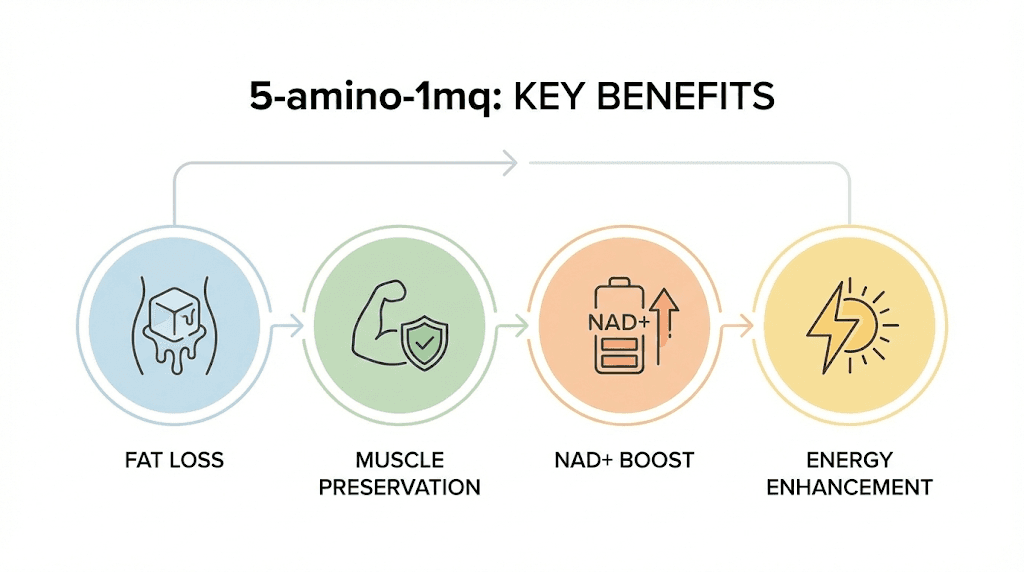
Based on the available research, 5-amino-1mq offers several potential benefits that make it attractive to researchers interested in metabolic optimization. These benefits span fat loss, muscle preservation, energy metabolism, and longevity pathways.
Enhanced fat metabolism
The primary benefit of 5-amino-1mq is its effect on fat metabolism. By inhibiting NNMT, the compound shifts cellular metabolism away from fat storage and toward fat burning. This occurs through multiple mechanisms.
First, NAD+ levels increase, which enhances mitochondrial function and energy production. Cells with higher NAD+ are more metabolically active and burn more calories at rest. Second, lipogenesis decreases, meaning less dietary energy gets converted to stored fat. Third, lipolysis becomes more efficient, allowing stored fat to be mobilized and used for energy.
The animal data suggests these effects can produce measurable weight loss without requiring reduced food intake. This distinguishes 5-amino-1mq from compounds like cagrilintide or tirzepatide that work primarily through appetite suppression.
Muscle preservation during fat loss
One of the most significant concerns with any fat loss protocol is muscle loss. Many approaches to weight loss, including severe caloric restriction and even some GLP-1 medications, can lead to substantial loss of lean tissue along with fat. This is problematic because muscle mass contributes to metabolic rate, functional capacity, and long-term health.
5-amino-1mq appears to have muscle-sparing properties. Research shows that NNMT inhibition promotes oxidative muscle fibers and preserves lean mass during weight loss. Some studies have found 10 to 15% less muscle loss in treated subjects compared to controls losing similar amounts of total weight.
The mechanism likely involves improved mitochondrial function within muscle cells, enhanced stem cell activation, and better recovery capacity. For researchers interested in body recomposition rather than just weight loss, these properties are particularly valuable.
Improved glucose regulation
NNMT inhibition improves glucose handling through multiple pathways. Increased GLUT4 transporter expression means more glucose can move from the bloodstream into muscle cells, where it can be used for energy or stored as glycogen. This reduces blood sugar levels and decreases the amount of glucose available for conversion to fat.
Better NAD+ levels also support healthy insulin signaling. Cells with adequate NAD+ respond more effectively to insulin, improving glucose uptake and reducing the likelihood of insulin resistance developing or worsening.
For researchers exploring metabolic health, these glucose-regulating effects complement the fat loss benefits and suggest 5-amino-1mq could be valuable in protocols targeting metabolic dysfunction.
Increased cellular energy
Higher NAD+ levels translate directly to improved cellular energy production. NAD+ is essential for the electron transport chain in mitochondria, where the majority of cellular ATP is produced. When NAD+ is depleted, ATP production suffers and fatigue results.
By preventing NNMT from draining the nicotinamide pool, 5-amino-1mq helps maintain NAD+ at levels that support optimal energy production. Users often report improved stamina, reduced fatigue, and better physical performance, though these subjective reports have not been validated in controlled human trials.
Unlike stimulants that artificially boost energy through sympathetic nervous system activation, the energy improvements from NNMT inhibition come from enhanced cellular metabolism. There is no crash, no jitters, and no dependency.
Longevity pathway activation
NAD+ plays a crucial role in activating sirtuins, a family of proteins involved in cellular repair, stress response, and aging. SIRT1, sometimes called the longevity gene, is particularly important. When NAD+ levels are adequate, SIRT1 activity increases, promoting DNA repair, reducing inflammation, and enhancing stress resistance.
By boosting NAD+ levels, 5-amino-1mq indirectly supports sirtuin activation and the cellular processes they regulate. While the anti-aging implications have not been studied directly in humans, the mechanistic pathway is well-established and suggests potential benefits for anti-aging applications.
5-amino-1mq dosage protocols
Establishing precise dosing for 5-amino-1mq is challenging because human clinical trials have not been completed. The protocols in use come from extrapolation of animal data, pharmacokinetic studies, and clinical experience from practitioners who have incorporated the compound into their practice. Researchers should approach dosing with appropriate caution and ideally work with knowledgeable healthcare providers.
Standard dosing approach
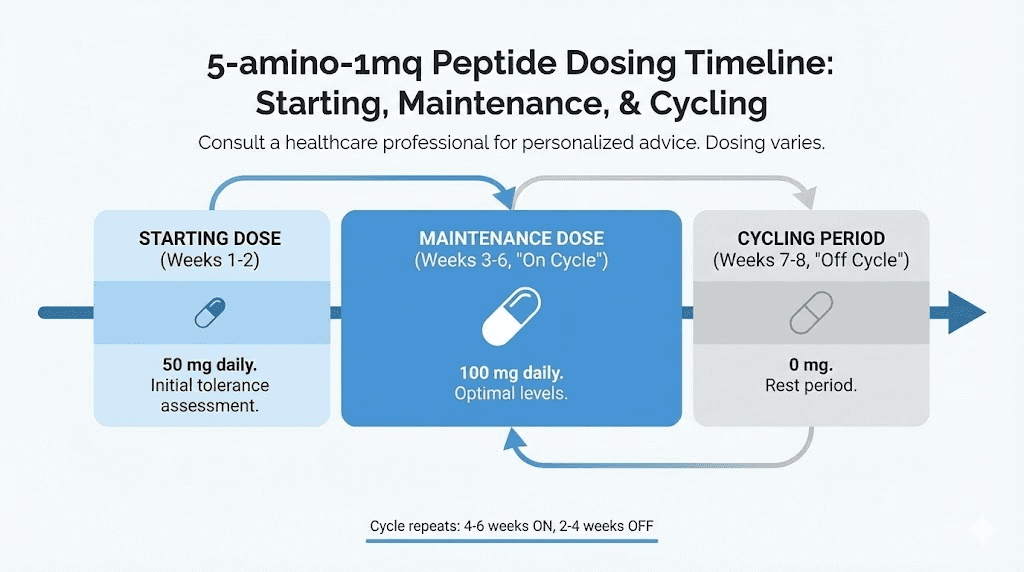
The most commonly cited dosing range is 50 to 150mg per day, typically divided into one to three doses. Starting at the lower end allows assessment of individual tolerance before increasing if needed.
A typical beginner protocol might look like this. Start with 50mg daily for the first week to assess how your body responds. If tolerance is good and no adverse effects occur, increase to 75mg daily, often split into two doses of approximately 37.5mg each. Some researchers eventually use up to 100mg daily for enhanced effects, though this should be approached gradually.
The compound is most often taken with meals, as this may improve absorption and reduce the likelihood of gastrointestinal discomfort. Morning dosing is generally preferred to align with natural metabolic patterns, though this has not been rigorously studied.
Weight-based dosing considerations
Some protocols adjust dosing based on body weight. General guidelines suggest individuals under 150 pounds may start with 50-75mg daily, those between 150 and 200 pounds typically use 75mg daily as a standard protocol, and individuals over 200 pounds may need 75-100mg daily for optimal effects.
Obese individuals may require doses at the higher end of the range, though this should be done under medical supervision. The relationship between body weight and optimal dosing has not been established through controlled trials.
Timing and administration
5-amino-1mq is typically available in capsule form for oral administration or as a powder for reconstitution. The oral bioavailability question remains somewhat controversial. Some sources suggest the compound is well-absorbed orally based on rat pharmacokinetic data, while others argue that subcutaneous injection provides more reliable absorption.
A pharmacokinetic study in rats found that oral administration produced substantial plasma concentrations, with a maximum concentration of 2252 ng/mL and an elimination half-life of approximately 6.9 hours. These findings suggest oral administration can be effective, at least in rodent models.
For researchers using oral capsules, taking the compound 30 to 60 minutes before meals in a fasted state may enhance fat oxidation effects, though this recommendation is based on theoretical considerations rather than controlled studies.
Cycling protocols
Most practitioners recommend cycling 5-amino-1mq rather than using it continuously. This approach theoretically prevents tolerance development and allows natural NNMT function to reset periodically.
Common cycling patterns include standard cycles of 8 weeks on followed by 4 weeks off, extended cycles of 12 weeks on followed by 6 weeks off for more aggressive protocols, and conservative cycles of 6 weeks on followed by 3 weeks off for those preferring a cautious approach.
Some protocols call for a one-month break every two months of use. The optimal cycling pattern has not been determined through research, and individual responses may vary.
Comparison to other compound dosing
For context, the dosing requirements of 5-amino-1mq differ significantly from traditional peptides. Where compounds like BPC-157 or TB-500 are dosed in micrograms, 5-amino-1mq is dosed in milligrams. This reflects its different chemical nature as a small molecule rather than a peptide.
The peptide calculator available at SeekPeptides can help with dosing calculations for traditional peptides, though 5-amino-1mq requires different calculation approaches given its distinct properties.
Side effects and safety considerations
One of the notable aspects of 5-amino-1mq is its relatively favorable safety profile in preclinical research. However, the lack of human clinical trials means long-term safety in people remains unknown. Researchers should understand both the available data and its limitations.
Preclinical safety data
In mouse studies, 5-amino-1mq was well-tolerated even at doses several times higher than those producing metabolic effects. Doses up to 60mg/kg per day produced no observable toxicity. For reference, this is substantially higher than the equivalent human doses typically used.
Genotoxicity testing, which evaluates whether a compound can damage DNA, found no evidence that 5-amino-1mq causes genetic damage. Tests in bacteria, cells, and mice all came back negative, suggesting the compound does not pose carcinogenic risk through DNA damage mechanisms.
The compound did not appear to affect food intake, behavior, or general health status in treated animals. Body weight changes came from metabolic shifts rather than illness or reduced eating.
Reported side effects in humans
Clinical experience and user reports suggest that side effects, when they occur, are generally mild. Commonly reported issues include mild gastrointestinal discomfort, particularly when starting the compound, and temporary headaches during the adjustment period.
Some users report initial fatigue or drowsiness as the body adapts to metabolic changes. Occasional nausea has been reported, especially when taking the compound without food. These effects typically resolve within the first week or two of use.
Serious adverse events have not been widely reported, but this may reflect the relatively small number of people who have used the compound and the limited reporting mechanisms available. The absence of reported serious effects does not guarantee safety.
Potential concerns and unknowns
Several important unknowns remain regarding 5-amino-1mq safety. Long-term effects have not been studied in humans or even in animals beyond short-term protocols. The consequences of NNMT inhibition over months or years are unknown.
Effects on reproduction, pregnancy, and fetal development have not been evaluated. Women who are or may become pregnant should avoid the compound entirely. Similarly, effects on children and adolescents are unknown, and use in these populations cannot be recommended.
Potential drug interactions have not been systematically studied. The compound could theoretically interact with medications affecting NAD+ metabolism, energy pathways, or the enzymes responsible for its clearance from the body.
Contraindications
Given the limited safety data, conservative contraindications would include pregnancy or plans to become pregnant, breastfeeding, age under 18, severe liver or kidney disease, and any condition requiring medications with unknown interaction potential.
Individuals with metabolic disorders, diabetes, or other chronic conditions should consult qualified healthcare providers before considering 5-amino-1mq. The metabolic effects of the compound could potentially interact with disease processes or medications in unpredictable ways.
Stacking 5-amino-1mq with other compounds
Many researchers explore combining 5-amino-1mq with other compounds to enhance specific outcomes. Understanding which combinations make mechanistic sense and which should be avoided is important for safe and effective protocols.
Complementary mechanisms with GLP-1 peptides
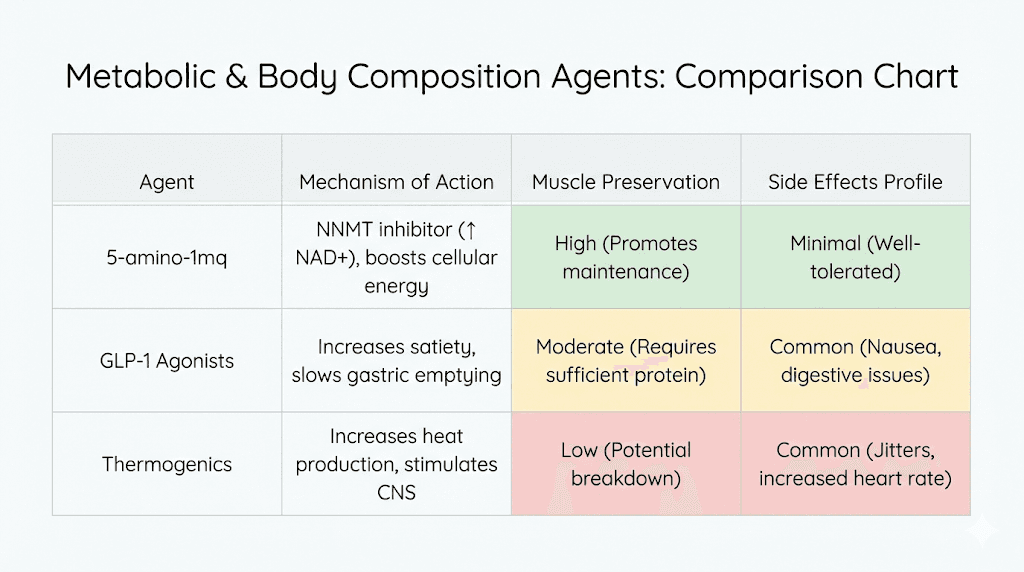
5-amino-1mq works through a completely different pathway than GLP-1 receptor agonists like semaglutide, tirzepatide, or retatrutide. GLP-1 compounds primarily reduce appetite and slow gastric emptying, while 5-amino-1mq targets cellular metabolism directly.
These complementary mechanisms suggest potential synergy. Someone using a GLP-1 agonist for appetite control might add 5-amino-1mq to enhance fat metabolism and preserve muscle mass. The GLP-1 handles the behavioral aspect of eating less while 5-amino-1mq optimizes what happens metabolically with the reduced caloric intake.
However, this combination has not been formally studied. Researchers combining these compounds should start with conservative doses of each and monitor closely for unexpected effects.
Fat loss stacking protocols
Several stacking approaches have emerged in clinical practice. A non-GLP-1 weight loss stack might combine 5-amino-1mq at 50mg daily with AOD-9604 and ipamorelin or tesamorelin. This approach targets fat loss through multiple mechanisms without relying on appetite suppression.
The rationale behind this stack is that 5-amino-1mq enhances cellular fat metabolism, AOD-9604 promotes lipolysis through growth hormone receptor activation, and the secretagogue compound stimulates natural growth hormone release. Together, these compounds theoretically produce additive or synergistic fat loss effects.
A more aggressive approach might include retatrutide alongside 5-amino-1mq for those who want both appetite control and metabolic enhancement. This combination appears in some clinical protocols but requires careful monitoring given the potency of retatrutide.
NAD+ and longevity stacks
Given that 5-amino-1mq works by preserving NAD+ levels, combining it with direct NAD+ precursors like NMN or NR makes mechanistic sense. The precursor provides raw material for NAD+ synthesis while 5-amino-1mq prevents NNMT from draining the nicotinamide pool.
Some longevity-focused protocols combine 5-amino-1mq with growth hormone support for anti-aging effects. These stacks often include peptides like sermorelin or CJC-1295 alongside the NNMT inhibitor.
For comprehensive longevity protocols, researchers might explore combining 5-amino-1mq with compounds targeting other aging pathways. The epitalon peptide, for instance, works through telomerase activation, while 5-amino-1mq supports NAD+ and sirtuin pathways. Thymus-supporting compounds like thymalin address immune aging.
Muscle preservation and performance stacks
For researchers prioritizing muscle preservation during fat loss, combining 5-amino-1mq with healing and recovery peptides makes sense. The BPC-157 and TB-500 combination supports tissue repair and recovery, while 5-amino-1mq provides the metabolic environment for maintaining lean mass.
A comprehensive body recomposition stack might include 5-amino-1mq for metabolic support, a growth hormone secretagogue like ipamorelin for anabolic signaling, and healing peptides for recovery optimization. Such stacks require careful planning and monitoring but represent an integrated approach to changing body composition.
What to avoid
Certain combinations should be avoided or approached with extreme caution. Stacking multiple GLP-1 agonists together, such as semaglutide and tirzepatide, is generally not recommended due to overlapping mechanisms and increased side effect risk.
Combining 5-amino-1mq with powerful stimulants may produce unpredictable effects on heart rate, blood pressure, and nervous system function. While 5-amino-1mq itself is not a stimulant, the enhanced energy production it supports could amplify stimulant effects.
Any stack involving multiple experimental compounds increases the unknowns around safety and interactions. Researchers should add one compound at a time, assess tolerance, and avoid the temptation to implement complex protocols immediately.
5-amino-1mq versus other fat loss approaches
Understanding how 5-amino-1mq compares to other fat loss compounds helps researchers choose the most appropriate approach for their specific goals. Each option has distinct mechanisms, benefits, and limitations.
Compared to GLP-1 agonists
GLP-1 receptor agonists like semaglutide and tirzepatide have become extremely popular for weight loss. These compounds work by mimicking hormones that regulate appetite and glucose metabolism, producing significant weight loss primarily through reduced food intake.
The advantages of GLP-1 agonists include substantial clinical trial data supporting their efficacy and safety, FDA approval for weight management in certain populations, proven results with many users losing 15-20% or more of body weight, and effects on appetite that make caloric restriction feel natural.
However, GLP-1 agonists have limitations. They can cause significant muscle loss along with fat loss, which some research suggests may be as high as 30-40% of total weight lost. Side effects like nausea, vomiting, and gastrointestinal discomfort are common. The compounds require injection, and access can be limited due to cost and shortages.
5-amino-1mq offers a different profile. It does not require injection if oral bioavailability is adequate. It appears to preserve muscle better during fat loss. It does not work through appetite suppression, so eating behavior remains normal. However, it lacks the clinical trial data and regulatory approval of GLP-1 agonists, and its effects may be more modest.
Compared to AOD-9604
AOD-9604 is a modified fragment of human growth hormone that promotes fat breakdown without the full effects of growth hormone itself. Like 5-amino-1mq, it targets fat metabolism directly rather than working through appetite suppression.
AOD-9604 has some clinical trial data, though it has not achieved widespread regulatory approval for weight loss. It promotes lipolysis through growth hormone receptor pathways, which differs from the NNMT inhibition mechanism of 5-amino-1mq.
The compounds could potentially be combined, as their mechanisms do not overlap. Someone seeking enhanced fat loss might use both, with 5-amino-1mq handling the cellular metabolism side while AOD-9604 promotes direct fat breakdown.
Compared to thermogenics and stimulants
Traditional thermogenic compounds like caffeine, synephrine, or more potent stimulants increase metabolic rate through sympathetic nervous system activation. They can be effective for short-term fat loss but come with significant limitations.
Stimulants cause tolerance development, meaning increasing doses are needed for the same effect. They can disrupt sleep, increase anxiety, and stress the cardiovascular system. They do not address underlying metabolic dysfunction and stop working when discontinued.
5-amino-1mq works through a completely different mechanism that does not involve nervous system stimulation. There is no crash, no jitters, and no sleep disruption from the compound itself. The metabolic changes come from cellular-level effects rather than artificially elevated sympathetic tone.
Compared to other peptides for fat loss
The peptide landscape for fat loss includes several options beyond GLP-1 agonists. Lipo-C compounds combine lipotropic agents for fat metabolism support. Tesofensine works through neurotransmitter reuptake inhibition. MOTS-C is a mitochondrial-derived peptide that influences energy metabolism.
Each of these options has its own mechanism, evidence base, and risk profile. 5-amino-1mq is unique in its NNMT inhibition approach. For researchers exploring multiple options, understanding these differences helps in designing rational protocols.
Practical implementation
For researchers who decide to explore 5-amino-1mq, practical implementation details matter. Understanding how to source quality products, what to expect during use, and how to evaluate results helps ensure a productive experience.
Sourcing considerations
5-amino-1mq is available from various peptide and research chemical suppliers. Quality varies significantly between sources, and independent testing for purity and potency is not consistently available. This uncertainty is one of the challenges with using compounds that lack regulatory approval.
When evaluating suppliers, researchers should look for third-party testing certificates showing purity of 98% or higher, clear documentation of the compound identity, established reputation in the research community, and responsive customer service that can answer technical questions.
Working with reputable peptide vendors who have a track record of quality is especially important for compounds like 5-amino-1mq where purity directly affects both safety and efficacy. Understanding how to evaluate peptide testing helps in making informed sourcing decisions.
Storage and handling
Proper storage helps maintain compound integrity. 5-amino-1mq should typically be stored in a cool, dry place away from light. Some sources recommend refrigeration, while others suggest room temperature storage is adequate for reasonable periods.
The powder form is generally more stable than reconstituted solutions. If using a powder product that requires reconstitution, prepare only what will be used within a reasonable timeframe. Understanding how long compounds last once reconstituted helps prevent using degraded material.
Keep the compound in its original container or a suitable alternative that protects against moisture and light exposure. Avoid touching the powder directly and use clean implements for handling.
Expectations and timeline
Users typically report initial effects within the first two weeks of use. Increased energy is often the first noticeable change, followed by gradual improvements in body composition over subsequent weeks.
Substantial weight loss usually becomes apparent after 8 to 12 weeks of consistent use. The rate of fat loss depends on many factors including diet, exercise, starting body composition, and individual metabolic response to the compound.
5-amino-1mq is not a magic bullet that produces dramatic overnight results. It is a tool that supports metabolic function and, when combined with appropriate diet and exercise, can enhance fat loss outcomes. Expecting reasonable, gradual progress rather than immediate transformation leads to better adherence and more sustainable results.
Monitoring and assessment
Tracking progress helps evaluate whether the compound is producing desired effects. Useful metrics include body weight measured at consistent times, ideally morning after waking. Waist circumference and other body measurements can be tracked. Progress photos taken under consistent lighting conditions help visualize changes.
Energy levels and workout performance should be noted subjectively. Any side effects or unusual symptoms should be documented. Blood glucose monitoring, if equipment is available, can track metabolic changes.
For more detailed assessment, periodic blood work including metabolic panels, lipid profiles, and inflammatory markers can provide objective data on how the compound affects health parameters.
Combining 5-amino-1mq with lifestyle factors
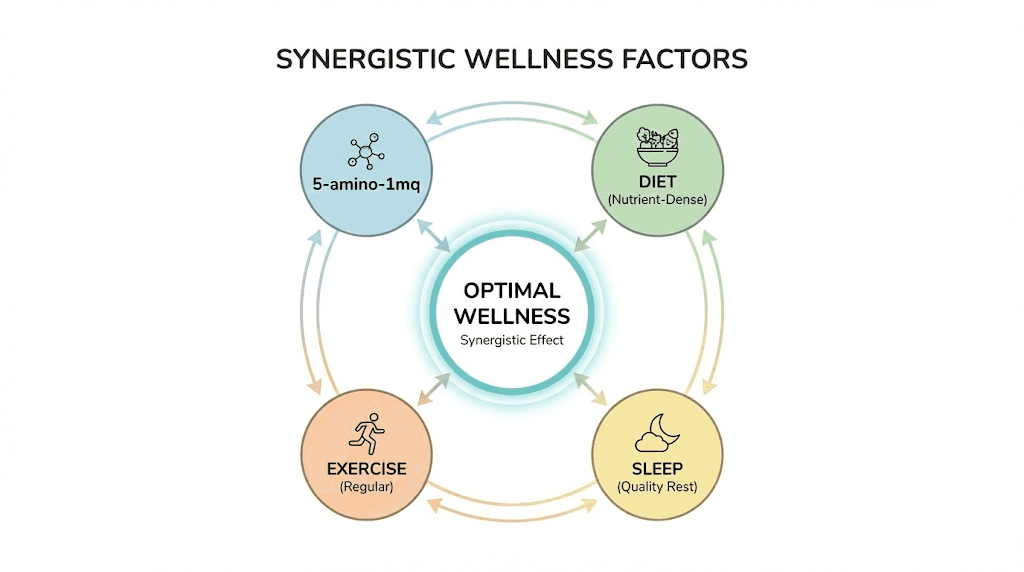
5-amino-1mq enhances metabolic function but does not replace the fundamentals of body composition management. Researchers achieve the best results when the compound supplements rather than substitutes for appropriate diet and exercise.
Dietary considerations
The compound does not suppress appetite, so dietary discipline remains necessary for creating the caloric deficit needed for fat loss. However, the metabolic enhancement 5-amino-1mq provides may make a given caloric deficit more effective, meaning faster results without more extreme restriction.
Protein intake is particularly important when using 5-amino-1mq for fat loss. Adequate protein supports the muscle preservation effects of the compound and provides substrate for maintaining lean tissue. Most recommendations suggest consuming at least 0.7 to 1 gram of protein per pound of body weight daily.
Timing of food intake around compound dosing should be considered. Taking 5-amino-1mq in a fasted state may enhance fat oxidation, but taking it with food may reduce gastrointestinal discomfort. Researchers can experiment to find what works best for their situation.
Exercise optimization
The research on 5-amino-1mq and exercise shows additive benefits when the compound is combined with training. Specifically, the combination of NNMT inhibition with rigorous exercise produced better strength gains and faster recovery than either intervention alone.
Resistance training becomes especially valuable when using 5-amino-1mq for fat loss. The muscle-preserving effects of the compound complement the muscle-building stimulus of weight training. Together, they support body recomposition, meaning fat loss with muscle maintenance or even gain.
Cardiovascular exercise can be incorporated but is not necessarily superior to resistance training for fat loss purposes. The metabolic enhancement from 5-amino-1mq means the body is already burning fat more efficiently at rest, reducing the need for excessive cardio.
Sleep and recovery
Sleep quality significantly affects metabolic function and body composition. Poor sleep can increase NNMT expression and reduce NAD+ levels, potentially counteracting some benefits of 5-amino-1mq. Prioritizing 7 to 9 hours of quality sleep supports the compound's effects.
Recovery practices like stress management, adequate rest between workouts, and appropriate training intensity all influence outcomes. The compound supports recovery at the cellular level by maintaining NAD+ levels, but it cannot overcome chronic overtraining or sleep deprivation.
For researchers interested in optimizing recovery further, compounds like BPC-157 and TB-500 can be explored. These tissue repair peptides support healing and recovery through different mechanisms than 5-amino-1mq.
Frequently asked questions
Is 5-amino-1mq a peptide?
No. Despite often being discussed alongside peptides, 5-amino-1mq is technically a small molecule compound rather than a peptide. Peptides are chains of amino acids, while 5-amino-1mq is a synthetic derivative of methylquinolinium. This distinction affects how the compound is absorbed, metabolized, and utilized in the body.
How quickly does 5-amino-1mq work?
Most users report initial effects like increased energy within the first one to two weeks. Measurable changes in body composition typically become noticeable after 8 to 12 weeks of consistent use. The timeline varies based on individual factors including starting point, dosing, diet, and exercise habits.
Can 5-amino-1mq be taken orally?
5-amino-1mq is commonly available in oral capsule form and appears to have reasonable oral bioavailability based on rat pharmacokinetic studies. Some sources suggest subcutaneous injection provides more reliable absorption. The optimal administration route in humans has not been definitively established through clinical trials.
Does 5-amino-1mq cause muscle loss?
Research suggests the opposite. 5-amino-1mq appears to preserve muscle during fat loss, with studies showing treated subjects losing 10 to 15% less muscle than controls. This muscle-sparing effect distinguishes it from many other fat loss approaches including some GLP-1 medications and severe caloric restriction.
Can I stack 5-amino-1mq with semaglutide?
The mechanisms are complementary, making this combination theoretically rational. Semaglutide reduces appetite while 5-amino-1mq enhances cellular fat metabolism and preserves muscle. However, this specific combination has not been formally studied. Researchers considering this stack should start with conservative doses of each compound and monitor carefully for unexpected effects.
How long should I cycle 5-amino-1mq?
Common protocols suggest 6 to 12 weeks on the compound followed by a break period of roughly half that duration. For example, 8 weeks on followed by 4 weeks off, or 12 weeks on followed by 6 weeks off. Cycling theoretically prevents tolerance and allows natural enzyme function to reset.
Is 5-amino-1mq FDA approved?
No. 5-amino-1mq has not undergone human clinical trials and is not FDA approved for any medical use. It remains a research compound that some clinics and individuals have begun using despite the lack of regulatory approval. Researchers should understand this status and its implications for safety and legality.
What are the main side effects of 5-amino-1mq?
Reported side effects are generally mild and include temporary gastrointestinal discomfort, headaches during initial use, occasional fatigue as the body adjusts, and rare nausea, especially when taken without food. Serious adverse effects have not been widely reported, but long-term safety data in humans is lacking.
Does 5-amino-1mq affect appetite?
Unlike GLP-1 agonists, 5-amino-1mq does not work through appetite suppression. Food intake in animal studies remained unchanged despite the compound producing significant fat loss. Users should not expect the appetite reduction that comes with compounds like semaglutide or tirzepatide.
Can women use 5-amino-1mq?
The compound can be used by women, though effects specific to female physiology have not been specifically studied. Women who are pregnant, planning pregnancy, or breastfeeding should avoid the compound entirely due to unknown effects on fetal and infant development. Peptides for women resources may provide additional context on female-specific considerations.
The current state of research
Understanding where 5-amino-1mq stands in terms of scientific evidence helps researchers set appropriate expectations. The compound shows promise but remains in early stages of investigation.
What we know from preclinical studies
The existing research demonstrates several things with reasonable confidence. NNMT inhibition produces metabolic effects including increased NAD+ levels and reduced lipogenesis. 5-amino-1mq successfully inhibits NNMT in cell cultures and animal models. Treated animals show significant improvements in body composition without changes in food intake. The compound appears well-tolerated in animals at doses well above those producing metabolic effects. Muscle function and recovery appear to be enhanced, at least in aged mice.
These findings establish the mechanistic basis for the compound and provide proof of concept for its metabolic effects. The preclinical data is generally consistent and encouraging.
What we do not yet know
Critical gaps remain in the evidence base. Human clinical trials have not been completed, meaning efficacy and safety in people is not established through rigorous research. Long-term effects, even in animals, have not been studied. The optimal dosing, administration route, and cycling protocol for humans remain uncertain.
Effects on specific populations including the elderly, those with metabolic disease, and women have not been specifically investigated. Drug interactions have not been systematically evaluated. The relationship between dose and response in humans is unknown.
The path forward
For 5-amino-1mq to move from research compound to established therapy, human clinical trials are needed. These trials would evaluate safety, establish effective dosing, and measure fat loss and other outcomes under controlled conditions.
Until such trials are completed, the compound remains experimental. Researchers and clinicians using it do so based on extrapolation from animal data and accumulating clinical experience rather than proven efficacy in humans.
This uncertainty does not mean the compound is ineffective or dangerous. It means that anyone using it should understand they are in largely uncharted territory and proceed with appropriate caution and monitoring.
How 5-amino-1mq fits the broader peptide landscape
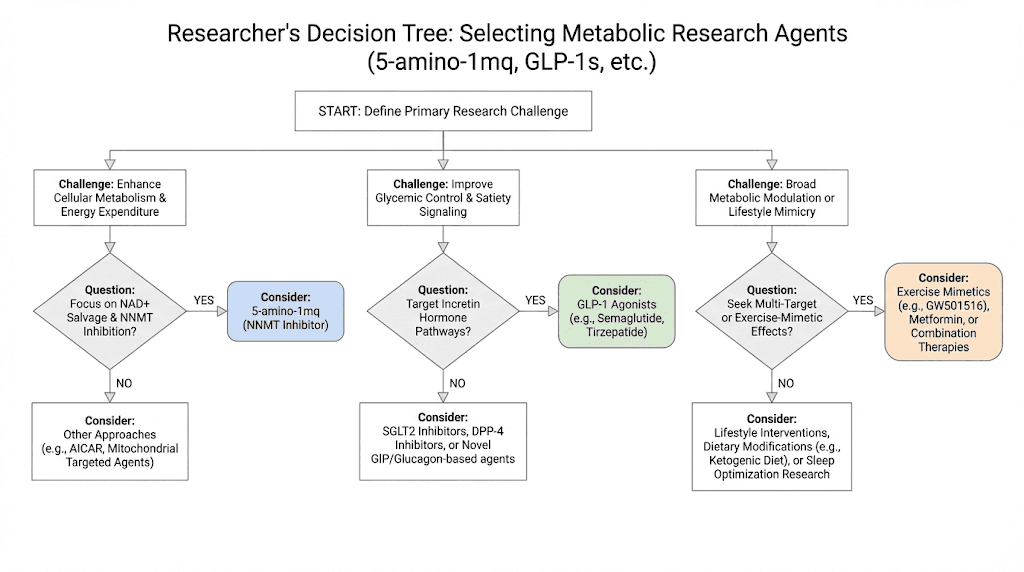
The metabolic optimization space includes numerous compounds with various mechanisms. Understanding how 5-amino-1mq fits this landscape helps researchers develop coherent protocols that address their specific goals.
The cellular metabolism approach
5-amino-1mq represents a cellular metabolism approach to body composition. Rather than manipulating hormones, suppressing appetite, or artificially stimulating the nervous system, it works at the level of basic cellular energy production and storage.
This approach has philosophical appeal for those seeking to optimize underlying biology rather than override it. The goal is not to force the body into losing fat through external manipulation but to restore metabolic function that allows healthy body composition to occur naturally.
Other compounds share this cellular-level approach. MOTS-C, for example, is a mitochondrial-derived peptide that influences energy metabolism. SS-31 targets mitochondrial function directly. These compounds could potentially complement 5-amino-1mq in protocols focused on metabolic health.
Integration with growth hormone pathways
Many body composition protocols incorporate growth hormone secretagogues or fragments. Compounds like ipamorelin, CJC-1295, and sermorelin stimulate natural growth hormone release, which has anabolic and fat-mobilizing effects.
5-amino-1mq could theoretically enhance the benefits of growth hormone support by ensuring the cellular environment can effectively utilize the growth hormone signal. Higher NAD+ levels and better mitochondrial function mean cells can respond more robustly to anabolic signals.
The recovery and healing dimension
For researchers pursuing body recomposition, the healing and recovery aspects of any protocol matter significantly. Intense training creates muscle damage that must be repaired for adaptation to occur.
Compounds like BPC-157 and TB-500 support tissue repair through different mechanisms than 5-amino-1mq. Where the NNMT inhibitor supports cellular energy and metabolic health, these healing peptides promote specific repair processes.
An integrated protocol might use 5-amino-1mq for metabolic support, a growth hormone secretagogue for anabolic signaling, and healing peptides for recovery. Such comprehensive approaches require careful planning but address body composition goals from multiple angles.
The appetite and behavior dimension
5-amino-1mq does not address the behavioral aspects of fat loss. It does not make eating less feel easier, does not reduce cravings, and does not change food preferences. For individuals whose primary challenge is overeating, this represents a significant limitation.
GLP-1 agonists excel at the appetite dimension, which is why they have become so popular for weight loss. Someone who struggles with hunger and cravings may find compounds like cagrilintide or semaglutide more helpful than 5-amino-1mq alone.
The ideal approach depends on individual circumstances. Someone who can maintain a reasonable diet but plateaus despite consistent effort might benefit most from the metabolic support 5-amino-1mq provides. Someone who cannot control food intake despite genuine effort might need appetite-targeting compounds first.
Advanced considerations
For researchers with experience in metabolic optimization, several advanced considerations may be relevant. These topics require more nuanced understanding and should not be the starting point for those new to the space.
Methylation and methyl donor status
NNMT consumes methyl donors as part of its enzymatic function. When NNMT activity is inhibited, these methyl donors become available for other methylation reactions in the body. This could theoretically affect DNA methylation, gene expression, and other processes dependent on methylation.
The implications of this effect are not well understood. Individuals with methylation issues, such as those with MTHFR variants, might respond differently to NNMT inhibition. Whether this represents a benefit or a concern is unclear without more research.
Individual variation in NNMT expression
NNMT expression varies significantly between individuals. Those with naturally high NNMT activity might respond more dramatically to inhibition, while those with lower baseline activity might see more modest effects.
Currently, there is no practical way to measure individual NNMT activity to predict response. Researchers must rely on trial and observation to determine how well they respond to the compound.
Potential for resistance or adaptation
Whether the body adapts to NNMT inhibition over time is unknown. It is possible that compensatory mechanisms could develop that reduce efficacy with prolonged use. The cycling protocols commonly recommended are partly based on this theoretical concern, though actual tolerance development has not been documented.
Interaction with fasting and ketosis
Both fasting and ketogenic diets increase NAD+ levels through various mechanisms. Combining these approaches with 5-amino-1mq could theoretically produce enhanced effects on cellular energy and fat metabolism.
However, the interactions have not been studied. It is possible that the effects are additive, that they are redundant, or that combining approaches produces unexpected outcomes. Researchers exploring these combinations should proceed cautiously.
Putting it all together
5-amino-1mq represents an innovative approach to metabolic optimization that differs fundamentally from traditional fat loss compounds. By targeting NNMT and supporting NAD+ levels, it addresses cellular energy metabolism rather than manipulating appetite or stimulating the nervous system.
The preclinical evidence is encouraging. Animal studies show significant improvements in body composition, metabolic markers, and muscle function with minimal adverse effects. The mechanism of action is well-characterized and makes biological sense.
However, important limitations remain. Human clinical trials have not been completed. Long-term safety is unknown. Optimal dosing protocols are based on extrapolation rather than controlled human research. Anyone considering the compound should understand these realities.
For researchers seeking alternatives to GLP-1 agonists or stimulants, 5-amino-1mq offers an interesting option. Its muscle-sparing properties are particularly valuable for those pursuing body recomposition rather than just weight loss. Its cellular-level mechanism appeals to those wanting to optimize metabolic function rather than override it.
Success with 5-amino-1mq, like any metabolic intervention, depends on integration with appropriate diet, exercise, sleep, and stress management. The compound enhances the body's metabolic capacity but cannot compensate for fundamentally poor lifestyle practices.
SeekPeptides provides comprehensive resources on peptide dosing, stacking, and safety to help researchers navigate this complex space. Members gain access to detailed protocols, interactive calculators like the reconstitution calculator and cost calculator, and a community of experienced researchers who can share practical insights.
For those serious about understanding metabolic optimization at the deepest level, the cellular approach represented by 5-amino-1mq offers a compelling framework. It addresses why metabolism slows, not just how to force fat loss despite a struggling metabolism. That conceptual shift may be as valuable as the compound itself.
External resources
Roles of Nicotinamide N-Methyltransferase in Obesity and Type 2 Diabetes
Reduced calorie diet combined with NNMT inhibition establishes a distinct microbiome
In case I do not see you, good afternoon, good evening, and good night. May your NAD+ levels stay elevated, your metabolism stay optimized, and your body composition goals stay within reach. Join us.