Jan 21, 2026
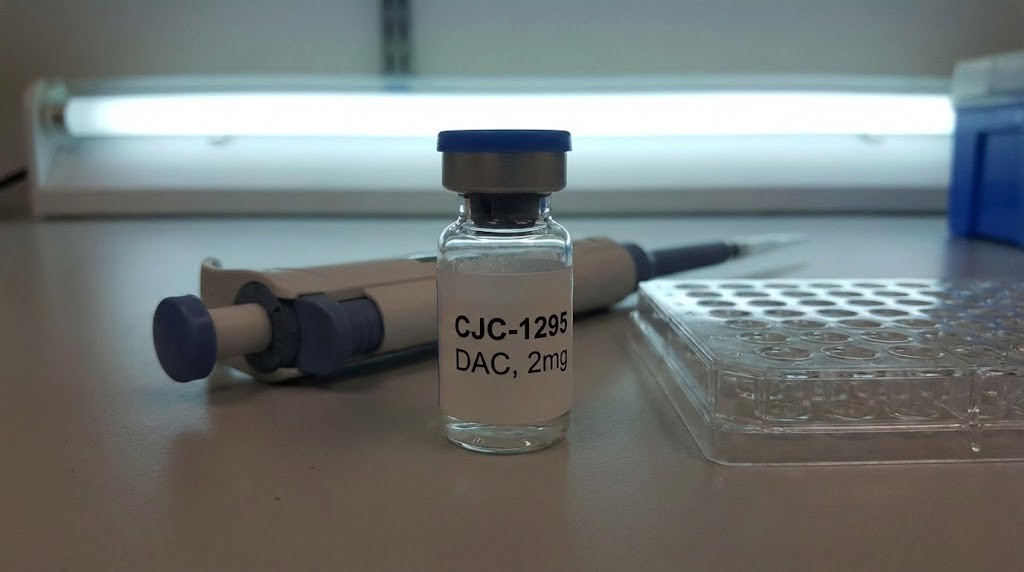
Some researchers see dramatic improvements in body composition within weeks. Others wait months and notice almost nothing.
The difference rarely comes down to the peptide itself. It comes down to understanding how CJC-1295 actually works, when to use it, and what protocols deliver real results versus what the forums claim.
CJC-1295 sits at the center of conversations about growth hormone optimization for good reason. This synthetic peptide amplifies your body's natural growth hormone production through mechanisms that differ fundamentally from direct GH injection. But the science gets complicated quickly. Two different versions exist. Stacking protocols vary wildly. Dosing recommendations contradict each other across sources. And the research, while promising, comes with important limitations that most guides conveniently ignore.
This guide cuts through the noise.
We'll examine the actual clinical evidence behind CJC-1295, break down the critical differences between the DAC and non-DAC versions, and provide specific protocols based on documented outcomes rather than anecdotal claims. Whether you're exploring peptides for muscle growth, investigating fat loss applications, or simply trying to understand whether CJC-1295 belongs in your research, you'll find the information you need here.
What is CJC-1295?
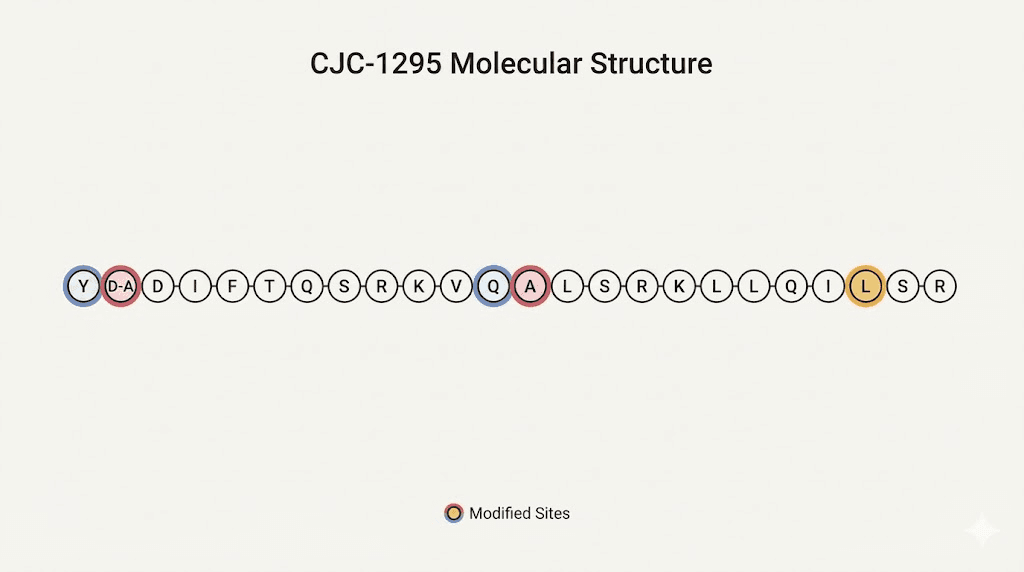
CJC-1295 is a synthetic analog of growth hormone-releasing hormone (GHRH). It consists of 30 amino acids with strategic modifications designed to extend its biological activity far beyond natural GHRH.
Your hypothalamus naturally produces GHRH. This hormone travels to the pituitary gland and signals the release of growth hormone. The problem? Natural GHRH has an extremely short half-life, lasting only minutes in your bloodstream before enzymes break it down.
CJC-1295 solves this problem through molecular engineering.
The peptide incorporates specific amino acid substitutions that make it resistant to dipeptidyl peptidase-4 (DPP-4), the enzyme primarily responsible for degrading natural GHRH. These modifications occur at four key positions: position 2 prevents DPP-IV cleavage, position 8 reduces asparagine rearrangement, position 15 enhances bioactivity, and position 27 prevents methionine oxidation. The result? A peptide that maintains its activity for days rather than minutes.
ConjuChem Biotechnologies originally developed CJC-1295 for potential treatment of lipodystrophy and growth hormone deficiency. Clinical trials reached phase II before the program was discontinued. Despite this, the peptide gained significant attention in research communities studying growth hormone modulation and anti-aging applications.
Understanding what CJC-1295 does requires understanding what it doesn't do. Unlike synthetic human growth hormone injections that directly introduce exogenous GH into your system, CJC-1295 works by amplifying your pituitary's own GH production. This distinction matters significantly for how the body responds to treatment and the potential safety considerations involved.
How CJC-1295 works in the body
The mechanism behind CJC-1295 follows a cascade that begins in the pituitary and affects nearly every tissue in your body. Understanding this cascade explains both why the peptide shows promise and why results vary so dramatically between individuals.
The GHRH receptor pathway
CJC-1295 binds to GHRH receptors on somatotroph cells in the anterior pituitary gland. These specialized cells are responsible for producing and releasing growth hormone. When CJC-1295 activates these receptors, it triggers a series of intracellular events.
First comes adenylyl cyclase activation. This enzyme converts ATP to cyclic AMP (cAMP), a crucial second messenger. Rising cAMP levels then activate protein kinase A (PKA), which phosphorylates various target proteins. The ultimate result? Enhanced growth hormone gene transcription, increased GH protein synthesis, and stimulated GH release into the bloodstream.
What makes CJC-1295 different from a simple GH injection is the pulsatile nature of the response. Your body releases growth hormone in pulses, with the largest pulse typically occurring during deep sleep. CJC-1295 amplifies these natural pulses rather than creating a constant, supraphysiological GH level. This matters because research suggests the pulsatile pattern may be important for optimal physiological response.
IGF-1 elevation
Growth hormone doesn't directly cause most of its effects. Instead, GH travels to the liver and stimulates the production of insulin-like growth factor 1 (IGF-1). This hormone mediates the majority of growth hormone's anabolic and metabolic actions.
Clinical studies on CJC-1295 show dose-dependent IGF-1 elevations. After a single injection, mean plasma IGF-1 concentrations increased 1.5 to 3-fold for 9 to 11 days. After multiple doses, IGF-1 levels remained elevated above baseline for up to 28 days. These aren't trivial changes. They represent significant shifts in the body's growth and repair signaling.
For researchers interested in tissue repair, muscle protein synthesis, or fat metabolism, understanding this IGF-1 pathway becomes essential for setting realistic expectations and designing effective protocols.
Downstream effects on metabolism
The GH and IGF-1 elevations from CJC-1295 create ripple effects throughout your metabolism. Lipolysis increases, meaning your body breaks down stored fat more readily for energy. Protein synthesis accelerates in muscle tissue. Collagen production rises, potentially supporting connective tissue health and skin quality.
But metabolism is complex. These same pathways that promote fat burning also antagonize insulin. Growth hormone makes cells less responsive to insulin's signals, which can affect blood glucose management. This insulin-antagonistic effect explains why careful monitoring and appropriate cycling protocols matter when working with any GHRH analog.
CJC-1295 with DAC vs without DAC
Here's where most guides fail researchers. CJC-1295 exists in two distinct forms, and choosing the wrong one for your goals can mean the difference between optimal results and wasted effort.
Understanding the DAC modification
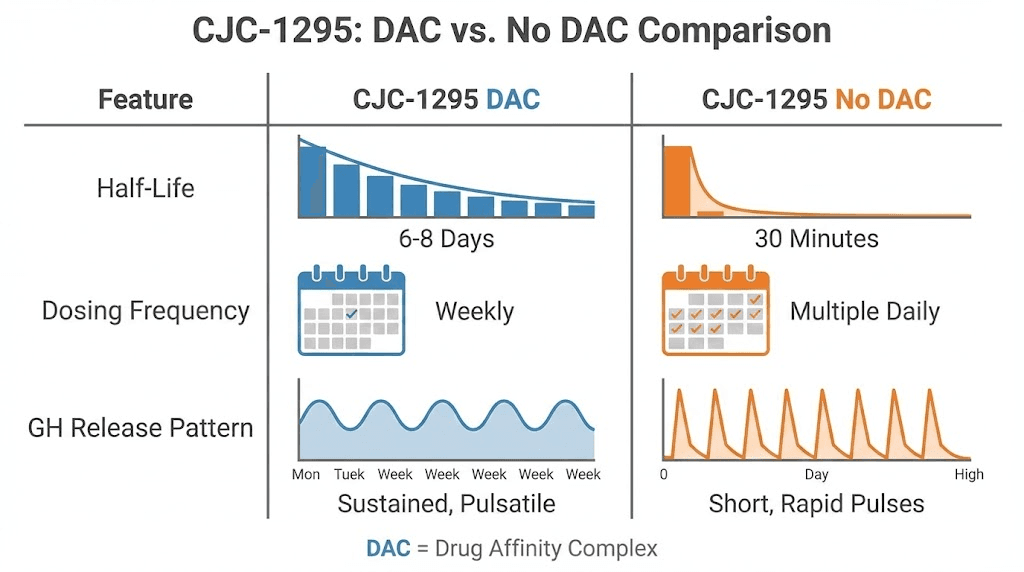
DAC stands for Drug Affinity Complex. This molecular addition allows CJC-1295 to bind to serum albumin, the most abundant protein in human blood. When a peptide binds to albumin, it gains protection from enzymatic degradation and renal clearance.
The practical result? CJC-1295 with DAC has a half-life of approximately 6 to 8 days. Without DAC, the half-life drops to roughly 30 minutes.
That's not a minor difference. It fundamentally changes how you use the peptide, how often you inject, and what kind of growth hormone response you create.
CJC-1295 with DAC characteristics
The extended half-life means CJC-1295 DAC maintains elevated growth hormone levels for prolonged periods. One or two injections per week can sustain measurable GH and IGF-1 increases throughout the week. This convenience appeals to many researchers who prefer less frequent dosing schedules.
However, the sustained elevation comes with trade-offs.
Natural growth hormone secretion follows a pulsatile pattern. Your body releases GH in bursts, not as a constant stream. Some researchers argue that the continuous elevation from CJC-1295 DAC differs from this physiological pattern, potentially affecting how tissues respond to the hormone signal. The sustained levels may also increase the likelihood of certain side effects, particularly joint stiffness and water retention.
Clinical data from the CJC-1295 DAC trials showed dose-dependent GH increases of 2 to 10-fold lasting 6 days or more after a single injection. These are substantial elevations that persist far longer than any natural GHRH could maintain.
CJC-1295 without DAC (Modified GRF 1-29)
CJC-1295 without DAC goes by several names: Modified GRF (1-29), Mod GRF, or tetrasubstituted GRF (1-29). Despite the naming confusion, it's the same molecule. It contains the same amino acid modifications that make it DPP-IV resistant, but lacks the albumin-binding DAC component.
The short 30-minute half-life means this version creates brief, pulsatile GH releases. Each injection produces a spike that rises and falls quickly, more closely mimicking the body's natural secretion pattern.
This pulsatile pattern explains why Modified GRF 1-29 is almost always used alongside growth hormone secretagogues like Ipamorelin. The combination creates synergistic GH pulses that neither peptide achieves alone.
The trade-off is dosing frequency. Without DAC, you need multiple daily injections to maintain elevated GH levels, typically 2 to 3 times per day. Many researchers dose before bed and upon waking to align with natural GH secretion patterns.
Which version should you choose?
The choice depends on your research priorities.
CJC-1295 with DAC suits researchers who prioritize convenience and sustained IGF-1 elevation. The less frequent dosing schedule works well for those who can't commit to multiple daily injections. It may also be preferable when the goal is steady-state hormone elevation rather than acute pulsatile release.
CJC-1295 without DAC (Mod GRF 1-29) suits researchers who want to mimic natural GH physiology more closely. The pulsatile release pattern appeals to those concerned about potential negative effects of sustained GH elevation. It's also the preferred choice for stacking with Ipamorelin, where the synergistic pulse effect is the primary goal.
SeekPeptides provides detailed protocols for both versions, helping researchers match their goals with appropriate peptide selection and dosing strategies.
CJC-1295 benefits supported by research
Claims about CJC-1295 range from modest to miraculous depending on where you look. Here's what the actual research supports, separated from the speculation.
Documented growth hormone and IGF-1 increases
The clearest evidence for CJC-1295 comes from its effects on GH and IGF-1 levels. Published clinical data show:
After a single injection, mean plasma GH concentrations increased 2 to 10-fold for 6 days or more. The response was dose-dependent, meaning higher doses produced larger GH elevations within the studied ranges.
IGF-1 elevations followed, increasing 1.5 to 3-fold for 9 to 11 days after a single dose. With repeated dosing, mean IGF-1 levels remained above baseline for up to 28 days.
The estimated half-life of CJC-1295 (with DAC) was 5.8 to 8.1 days, confirming its extended duration of action.
These hormonal changes are real and measurable. What remains less certain is how they translate to specific outcomes like muscle gain or fat loss in various populations.
Potential body composition effects
Growth hormone plays established roles in both lipolysis and muscle protein synthesis. The logic follows that elevating GH through CJC-1295 should support favorable body composition changes.
Mechanistically, this makes sense. GH promotes the breakdown of triglycerides in fat cells, releasing fatty acids for energy use. It also supports muscle tissue through enhanced protein synthesis and nitrogen retention. These are well-documented GH effects observed across numerous studies.
However, translating elevated GH levels to measurable body composition changes in healthy individuals remains an open question. Most CJC-1295 research focused on hormonal endpoints rather than physique outcomes. The handful of studies examining body composition showed promise, but sample sizes were small and duration limited.
Practical observations from researchers suggest improvements in body composition typically become noticeable around weeks 8 to 12, with continued benefits through week 16 and beyond. Fat loss often appears before significant muscle gains, which aligns with GH's more immediate effects on lipolysis versus the slower process of building new muscle tissue.
Recovery and tissue repair potential
The regenerative effects of growth hormone make CJC-1295 interesting for recovery applications. GH and IGF-1 both play roles in tissue repair, collagen synthesis, and cellular regeneration.
Studies show GH stimulates satellite cell activation, the process by which muscle tissue repairs and grows. Enhanced collagen synthesis supports connective tissues like tendons and ligaments. These mechanisms explain the interest in CJC-1295 among researchers studying injury recovery protocols.
That said, dedicated studies examining CJC-1295 specifically for injury healing are limited. Most evidence comes from the broader growth hormone literature rather than CJC-1295 specific trials. Researchers often combine CJC-1295 with healing-focused peptides like BPC-157 or TB-500 to address tissue repair from multiple angles.
Sleep quality improvements
Many researchers report improved sleep quality within the first few weeks of CJC-1295 use. This observation aligns with growth hormone's role in sleep architecture. The largest natural GH pulse occurs during slow-wave sleep, and GH itself appears to promote deeper, more restorative sleep patterns.
Improved sleep creates a positive feedback loop. Better sleep means more natural GH release, which supports the benefits you're seeking from the peptide in the first place. It also aids energy levels, recovery, and overall wellbeing in ways that extend beyond the direct hormonal effects.
CJC-1295 dosage protocols
Dosing CJC-1295 correctly requires understanding which version you're using, your specific goals, and how the peptide fits into your broader protocol. The recommendations differ substantially between the DAC and non-DAC versions.
CJC-1295 with DAC dosing
Standard protocols for CJC-1295 DAC range from 1 to 2 mg per week, typically divided into one or two injections.
Beginner protocol: 1 mg weekly, administered as a single injection or split into two 500mcg doses. This allows assessment of tolerance and response before increasing.
Standard protocol: 2 mg weekly, typically administered as two 1mg injections spaced 3 to 4 days apart. This maintains steadier hormone levels throughout the week.
Advanced protocol: Some researchers use up to 2.5 to 3 mg weekly, though evidence supporting additional benefit from higher doses remains limited while side effect potential increases.
The extended half-life means timing matters less than with shorter-acting peptides. Many researchers choose evening administration to align with natural GH patterns, but the sustained release makes precise timing less critical than with Mod GRF 1-29.
Cycle length typically runs 12 to 16 weeks, followed by a 4-week break. This cycling approach helps maintain receptor sensitivity and allows assessment of results between cycles.
CJC-1295 without DAC (Mod GRF 1-29) dosing
Without the DAC component, dosing becomes more frequent but individual doses are smaller.
Standard protocol: 100 to 300 mcg per injection, administered 2 to 3 times daily. Most researchers settle on 100 mcg at each dosing time as a starting point.
Timing: Optimal dosing times include upon waking (fasted), post-workout, and before bed. The pre-sleep dose aligns with natural GH secretion patterns, while the fasted morning dose takes advantage of low insulin levels, which can enhance GH release.
Critical detail: Avoid eating within 2 hours of injection. Food intake, particularly carbohydrates, can significantly blunt the GH response. Fasting protocols are essential for maximum benefit.
This version is almost always stacked with Ipamorelin rather than used alone. The synergistic effect of combining a GHRH analog with a growth hormone secretagogue creates stronger GH pulses than either peptide achieves independently.
Using the dosage calculator
Calculating exact injection volumes requires knowing your peptide concentration after reconstitution. SeekPeptides offers a CJC-1295 dosage calculator that eliminates the math. Input your vial size, reconstitution volume, and desired dose, and you'll get the precise injection amount in units or mL.
This matters because dosing errors are common, especially when working with multiple peptides at different concentrations. A calculator reduces the risk of under or overdosing while saving time on conversions.
The peptide reconstitution calculator can also help determine optimal mixing ratios for your specific vial sizes and desired concentrations.
Stacking CJC-1295 with Ipamorelin
The CJC-1295 and Ipamorelin stack has become one of the most popular peptide combinations for growth hormone optimization. Understanding why this combination works helps researchers design more effective protocols.
Synergistic mechanisms
CJC-1295 (particularly the Mod GRF 1-29 version) stimulates the pituitary through GHRH receptors. Ipamorelin stimulates the pituitary through growth hormone secretagogue receptors, mimicking the action of ghrelin. These are two distinct pathways that converge on the same endpoint: growth hormone release.
When you activate both pathways simultaneously, the GH response exceeds what either peptide produces alone. Research on similar combinations shows this synergy can multiply the GH pulse amplitude significantly, creating more pronounced physiological effects.
Ipamorelin also offers advantages over older growth hormone secretagogues. Unlike GHRP-6 or GHRP-2, Ipamorelin doesn't significantly increase cortisol or prolactin levels. This selectivity means fewer unwanted side effects and a cleaner hormonal profile during use.
Standard stacking protocol
Most researchers using this combination follow a consistent pattern:
Dosing: 100 to 300 mcg of each peptide per injection. A common starting point is 100 mcg CJC-1295 (no DAC) plus 100 mcg Ipamorelin. Some protocols increase to 200 mcg of each after assessing initial response.
Frequency: 2 to 3 times daily, typically before bed plus one or two additional doses. The most common approach uses pre-sleep dosing plus a fasted morning dose.
Cycling: 5 days on, 2 days off helps maintain receptor sensitivity. Alternatively, continuous daily dosing for 12 weeks followed by a 4-week break is another common approach.
Duration: Most researchers run this combination for 12 to 16 weeks before taking a break to assess results and prevent desensitization.
Why not stack CJC-1295 DAC with Ipamorelin?
This combination is less common for good reason. The extended half-life of CJC-1295 DAC creates sustained GH elevation that doesn't align well with Ipamorelin's pulsatile mechanism. You lose the synergistic pulse effect that makes the combination valuable.
If using CJC-1295 DAC, most researchers use it alone or in combination with other longer-acting compounds rather than trying to create pulsatile release patterns.
Expected results from the stack
Researchers using the CJC-1295/Ipamorelin combination typically report:
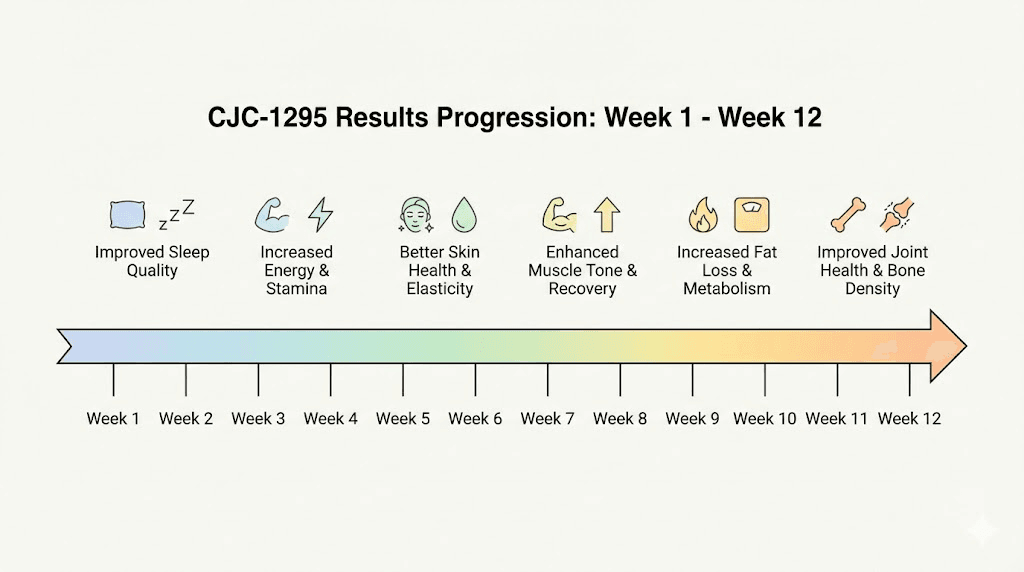
Week 1-2: Improved sleep quality is often the first noticeable change. Some report vivid dreams, which may indicate deeper sleep stages. Energy levels may begin improving.
Week 3-4: Recovery from training improves. Soreness duration decreases. Skin quality changes may become noticeable.
Week 6-8: Body composition changes become more apparent. Reduced body fat, particularly in stubborn areas, often becomes visible. Muscle fullness improves.
Week 10-16: Cumulative benefits reach their peak. The full effects on body composition, recovery, and wellbeing become established.
These timelines represent general patterns rather than guarantees. Individual response varies based on age, baseline hormone levels, diet, training, and numerous other factors.
CJC-1295 side effects and safety considerations
No peptide is without potential downsides. Understanding CJC-1295's side effect profile helps researchers make informed decisions and recognize issues early if they occur.
Common side effects
Injection site reactions: Redness, swelling, or irritation at the injection site affects some users. This typically resolves within hours and can be minimized by rotating injection sites between the abdomen, thigh, and upper arm.
Water retention: Elevated growth hormone promotes fluid retention in tissues. Some researchers notice mild bloating, particularly in the first few weeks. This usually subsides as the body adjusts, and adequate hydration paradoxically helps reduce retention.
Headaches: Some users report headaches, particularly when starting the peptide or increasing doses. Starting with lower doses and titrating up gradually reduces this occurrence.
Fatigue or lethargy: A minority of users experience tiredness, sometimes related to altered sleep patterns during the adjustment period. This typically resolves within the first two weeks.
Flushing: Brief warmth or flushing sensation following injection occurs occasionally. It's usually mild and passes quickly.
Growth hormone-related side effects
Because CJC-1295 elevates growth hormone, it can cause effects associated with GH excess when doses are too high or use is prolonged without breaks.
Joint discomfort: Elevated GH can cause joint stiffness, achiness, or mild pain. Hands, wrists, knees, and ankles are commonly affected. This side effect correlates with GH levels, meaning it's more likely with higher doses or the sustained elevation from CJC-1295 DAC.
Carpal tunnel symptoms: In some cases, fluid retention and tissue swelling can compress the median nerve in the wrist, causing numbness, tingling, or pain in the hand. This is typically reversible with dose reduction or discontinuation.
Insulin resistance: Growth hormone antagonizes insulin's effects. Prolonged GH elevation can reduce insulin sensitivity and affect blood glucose management. This concern is particularly relevant for individuals with pre-existing insulin resistance or those using the peptide long-term without breaks.
Monitoring blood glucose, especially during extended cycles, helps identify insulin sensitivity changes early. The peptide safety guide provides additional detail on managing these risks.
Minimizing side effects
Several strategies reduce the likelihood and severity of side effects:
Start low and titrate up. Beginning with 100 mcg doses rather than jumping to 300 mcg allows your body to adjust. Increase only after assessing tolerance at the lower dose.
Cycle appropriately. Continuous use increases side effect risk and promotes desensitization. Standard protocols include 4-week breaks after 12-16 weeks of use.
Monitor for warning signs. Significant joint pain, persistent numbness or tingling, or notable changes in blood glucose warrant reassessment. Reducing dose or discontinuing use typically resolves these issues.
Maintain proper timing. Avoiding food within 2 hours of injection optimizes the GH response, potentially allowing lower doses to achieve similar effects.
Who should avoid CJC-1295
Certain conditions make CJC-1295 use inadvisable:
Active cancer or history of cancer, as GH and IGF-1 may promote cell proliferation.
Poorly controlled diabetes, given the insulin-antagonistic effects of GH elevation.
Pregnancy or breastfeeding, due to unknown effects on development.
Individuals with pituitary disorders should exercise particular caution, as the peptide directly affects pituitary function.
Medical supervision is advisable for anyone with significant health conditions considering CJC-1295 use.
Reconstituting and storing CJC-1295
Proper handling directly affects peptide effectiveness. Mistakes during reconstitution or storage can degrade CJC-1295 before you use it, wasting both money and research time.
Reconstitution process
CJC-1295 typically comes as a lyophilized (freeze-dried) powder. Before use, you must reconstitute it with an appropriate solvent, usually bacteriostatic water.
Supplies needed:
Bacteriostatic water (BAC water)
Alcohol swabs
Insulin syringes (typically 1mL with 29-31 gauge needles)
Step-by-step process:
1. Allow the peptide vial to reach room temperature before opening. This prevents condensation from introducing moisture.
2. Wipe both the peptide vial stopper and the bacteriostatic water vial with alcohol swabs.
3. Draw the appropriate amount of BAC water into your syringe. For a 2mg vial of CJC-1295 DAC, 2mL of water creates a concentration of 1mg/mL (1000mcg/mL). For a 5mg vial, using 2.5mL creates a concentration of 2mg/mL (2000mcg/mL).
4. Insert the needle into the peptide vial at an angle, allowing the water to run down the glass wall rather than directly onto the powder. This gentle approach reduces peptide degradation.
5. Allow the water to dissolve the powder. Gentle swirling helps, but avoid shaking or vigorous agitation, which can damage the peptide structure.
6. The solution should be completely clear. Cloudiness or particles indicate potential contamination or degradation, and such solutions should not be used.
The complete reconstitution guide provides additional detail on this process for various peptide types.
Storage requirements
Lyophilized (powder) form:
Unreconstituted CJC-1295 is remarkably stable. Store it frozen at -20°C (-4°F) for long-term storage, where it remains viable for years. At room temperature, lyophilized CJC-1295 remains stable for weeks to months, though refrigeration or freezing extends shelf life significantly.
Keep the powder away from light, heat, and moisture, all of which accelerate degradation.
Reconstituted form:
Once mixed with bacteriostatic water, the peptide becomes less stable. Store reconstituted CJC-1295 in the refrigerator at 2-8°C (36-46°F). Under proper refrigeration, it maintains potency for approximately 4 to 6 weeks, though using it within 28 days is optimal.
Never freeze reconstituted peptide. The freeze-thaw cycle damages the molecular structure and reduces effectiveness. Similarly, avoid leaving reconstituted peptide at room temperature or exposing it to light.
For detailed information on peptide shelf life, see the peptide storage guide and peptide expiration article.
Injection technique
CJC-1295 is administered subcutaneously, meaning into the fat layer just beneath the skin.
Clean the injection site with an alcohol swab and allow it to dry. Pinch a fold of skin, typically in the abdomen, outer thigh, or upper arm. Insert the needle at a 45-degree angle and inject slowly. Wait a moment before withdrawing to ensure complete delivery.
Rotate injection sites between uses to prevent local irritation or lipodystrophy. Many researchers establish a rotation pattern, moving systematically between sites.
The peptide injection guide covers technique in greater detail for those new to subcutaneous administration.
What results to expect and when
Setting realistic expectations prevents disappointment and helps researchers evaluate whether their protocol is working. Results from CJC-1295 develop gradually, and the timeline varies based on individual factors and goals.
Early phase (weeks 1-4)
The first noticeable changes typically involve sleep quality. Many researchers report falling asleep faster, sleeping more deeply, and waking more refreshed within the first week or two. Vivid dreams often accompany these sleep improvements, indicating deeper sleep stages where growth hormone release naturally peaks.
Energy and mood improvements may follow. Some researchers describe a subtle but noticeable increase in baseline energy, potentially related to the sleep improvements and hormonal optimization.
Recovery from exercise often improves during this phase. Reduced soreness duration and faster return to baseline performance between workouts become apparent for many users.
Body composition changes are minimal during the first month. The hormonal environment is shifting, but the downstream effects on fat and muscle tissue take longer to manifest visibly.
Intermediate phase (weeks 5-8)
This is when body composition changes typically become noticeable. Fat loss, particularly in stubborn areas that resist diet and exercise alone, often becomes visible. The increased lipolysis from elevated GH levels starts showing measurable results.
Skin quality improvements may become apparent. GH stimulates collagen synthesis, and some researchers report improved skin texture, hydration, and elasticity during this phase. The skin tightening benefits of growth hormone elevation become more evident.
Muscle fullness improves for those combining CJC-1295 with resistance training. While significant muscle growth takes longer, the improved nitrogen retention and protein synthesis create a fuller, more dense appearance to existing muscle tissue.
Recovery benefits compound. The combination of improved sleep, optimized hormones, and enhanced protein synthesis creates progressively better recovery capacity.
Extended phase (weeks 9-16+)
By this point, the cumulative benefits reach their peak. Body composition changes are clearly evident for most researchers following consistent protocols with proper diet and training.
Fat loss continues, though the rate may slow as the body adapts. Researchers often report losing 5-15% of their body fat during a full cycle, though individual results vary considerably based on starting point, diet, and activity level.
Strength and muscle gains become more apparent for those training consistently. GH supports muscle growth indirectly through improved recovery, sleep, and protein synthesis. Combined with progressive resistance training, this creates an environment favorable for building lean tissue.
Overall wellbeing improvements stabilize. The combination of better sleep, improved body composition, enhanced recovery, and hormonal optimization creates a compounding effect on subjective quality of life.
Factors affecting results
Age: Older individuals often experience more dramatic relative improvements, as baseline GH levels decline with age. However, younger researchers may see better absolute muscle and strength gains.
Baseline hormone levels: Those with lower starting GH and IGF-1 typically respond more noticeably than those with already-optimal levels.
Diet and training: Peptides optimize the hormonal environment, but they don't replace the need for proper nutrition and exercise. Results scale dramatically with the quality of diet and training protocols.
Sleep: Since GH works largely during sleep, those with poor sleep quality may not fully benefit from CJC-1295 until sleep patterns improve.
Protocol adherence: Inconsistent dosing, poor timing (eating near injection time), or inadequate cycle length all reduce results.
For researchers serious about optimizing their peptide protocols, SeekPeptides offers comprehensive resources, including personalized protocol builders, progress tracking tools, and access to a community of experienced researchers who've worked through these variables.
CJC-1295 vs other GHRH analogs
CJC-1295 isn't the only option for researchers interested in GHRH modulation. Understanding how it compares to alternatives helps in selecting the right peptide for specific goals.
CJC-1295 vs Sermorelin
Sermorelin is a 29-amino acid peptide corresponding to the first 29 amino acids of natural GHRH. Unlike CJC-1295, it lacks the modifications that provide DPP-IV resistance.
The result? Sermorelin has an even shorter half-life than Mod GRF 1-29, approximately 10-20 minutes. This requires very frequent dosing and produces smaller GH pulses.
Sermorelin's advantage is its longer history of clinical use and FDA approval for diagnosing growth hormone deficiency. Some researchers prefer it for its closer approximation to natural GHRH signaling.
CJC-1295's advantage is its enhanced stability and longer duration of action, producing more robust GH elevation with less frequent dosing.
Sermorelin benefits may suit researchers prioritizing very short-acting, physiologically similar GHRH signaling over convenience or GH elevation magnitude.
CJC-1295 vs tesamorelin
Tesamorelin (Egrifta) is an FDA-approved GHRH analog used to reduce abdominal fat in HIV patients with lipodystrophy. It has a modified amino acid sequence that improves stability over natural GHRH.
Tesamorelin's half-life falls between Sermorelin and CJC-1295, typically around 26-38 minutes. Its FDA approval gives it a more established safety profile for specific clinical applications.
For research purposes, CJC-1295 (particularly with DAC) offers longer duration of action and doesn't require the daily injections that tesamorelin protocols typically use.
CJC-1295 vs direct GH secretagogues
Peptides like Ipamorelin, GHRP-2, and GHRP-6 work through a different mechanism, stimulating GH release via growth hormone secretagogue receptors rather than GHRH receptors.
These aren't direct alternatives but complementary options. As discussed, combining CJC-1295 (no DAC) with Ipamorelin creates synergistic effects that neither achieves alone. The comparison isn't either/or but rather understanding how different peptide classes can work together.
CJC-1295 vs synthetic HGH
Synthetic human growth hormone (somatropin) directly introduces GH into the body, bypassing the pituitary entirely.
HGH produces predictable, dose-dependent GH elevation, but it also suppresses natural GH production through feedback inhibition. Long-term HGH use can reduce pituitary function, potentially creating dependence.
CJC-1295 maintains and enhances pituitary function rather than replacing it. This preserves the body's natural regulatory mechanisms and may have implications for long-term hormonal health, though comparative long-term studies are limited.
HGH produces more dramatic short-term results due to direct, supraphysiological GH levels. CJC-1295 offers more modest but potentially more sustainable effects by working within the body's natural systems.
Combining CJC-1295 with other peptides
Beyond the Ipamorelin stack, CJC-1295 can be combined with various other peptides depending on research goals. Strategic stacking amplifies benefits while maintaining safety.
CJC-1295 + BPC-157
For researchers focused on recovery and healing, combining CJC-1295 with BPC-157 addresses tissue repair from multiple angles.
CJC-1295 elevates GH and IGF-1, which support systemic anabolic processes, collagen synthesis, and cellular repair mechanisms. BPC-157 works locally at injury sites to accelerate healing through mechanisms including angiogenesis, anti-inflammatory effects, and growth factor modulation.
The combination is popular among researchers studying joint health, tendon repair, and injury recovery.
See the BPC-157 and TB-500 stacking guide for detailed combination protocols.
CJC-1295 + TB-500
TB-500 (Thymosin Beta-4) promotes tissue repair, cell migration, and angiogenesis. Combined with the systemic GH elevation from CJC-1295, researchers create a comprehensive regenerative environment.
This stack suits recovery-focused protocols, particularly for connective tissue injuries or periods of high training stress.
CJC-1295 + fat loss peptides
For body composition goals, CJC-1295 can be combined with peptides specifically targeting fat metabolism.
AOD-9604 is a modified fragment of human growth hormone that promotes lipolysis without the full spectrum of GH effects. Combining it with CJC-1295 targets fat loss from multiple mechanisms.
The Cagrilintide family of peptides affects appetite and metabolic rate through amylin receptor agonism. These create synergies with GH-elevating peptides for comprehensive weight management approaches.
Important stacking considerations
More peptides don't automatically mean better results. Each addition increases complexity, cost, and potential for interactions or side effects.
Start with the simplest effective stack and add compounds only when research goals clearly require additional mechanisms. The peptide stacking guide provides frameworks for designing evidence-based combinations.
Timing matters when stacking multiple peptides. Some should be taken together (like CJC-1295 no DAC and Ipamorelin), while others work better at different times of day or separate from meals.
Use the peptide stack calculator to plan dosing schedules that account for half-lives, meal timing, and optimal administration windows.
Regulatory status and sourcing considerations
The legal and regulatory landscape around CJC-1295 requires understanding before beginning research.
FDA status
CJC-1295 is not FDA-approved for any indication. The clinical development program was discontinued after reaching phase II trials. This means the peptide lacks the safety and efficacy validation that comes with full regulatory approval.
In the United States, CJC-1295 has been available through compounding pharmacies, though recent FDA actions have raised questions about its continued compounding availability. The regulatory environment continues to evolve, and researchers should stay informed about current restrictions.
WADA prohibition
The World Anti-Doping Agency prohibits CJC-1295 at all times for athletes subject to anti-doping regulations. It falls under the category of growth hormone releasing factors. Athletes in tested competitions should understand that CJC-1295 use constitutes a doping violation regardless of the substance's legal status for general research.
Sourcing quality considerations
The unregulated nature of the peptide market creates quality concerns. Peptides sold for research purposes vary dramatically in purity, accuracy of labeling, and contamination levels.
Key factors for evaluating sources include:
Third-party testing: Reputable suppliers provide certificates of analysis (COAs) from independent laboratories verifying identity and purity. Testing should confirm peptide identity through methods like mass spectrometry and assess purity typically above 98%.
Manufacturing standards: Good manufacturing practice (GMP) compliance, or at minimum documented quality control processes, indicates more reliable products.
Reputation: Established suppliers with track records and verifiable customer feedback reduce risk compared to unknown sources.
The peptide testing labs guide explains how to interpret COAs and verify peptide quality.
For information on evaluating specific vendors, see reviews of sources like QSC Peptides or Biomax Peptides.
Frequently asked questions
How long does it take for CJC-1295 to start working?
GH and IGF-1 elevation begins within hours of the first injection. However, noticeable effects like improved sleep typically appear within 1-2 weeks, while body composition changes usually become apparent around weeks 6-8. Full benefits develop over 12-16 weeks of consistent use.
Can I use CJC-1295 without Ipamorelin?
Yes. CJC-1295 with DAC is commonly used alone due to its extended half-life and sustained GH elevation. CJC-1295 without DAC (Mod GRF 1-29) is typically combined with Ipamorelin because the combination produces stronger pulsatile GH release than either peptide alone, but it can technically be used independently.
What time of day should I inject CJC-1295?
For CJC-1295 with DAC, timing is less critical due to the extended half-life, though many researchers prefer evening administration. For Mod GRF 1-29, most protocols use pre-bed dosing plus morning fasted injection. Avoiding food within 2 hours of injection is important regardless of timing, as carbohydrates blunt the GH response.
How much water should I use to reconstitute CJC-1295?
This depends on your vial size and desired concentration. For a 2mg vial, 2mL of bacteriostatic water creates a 1mg/mL concentration. For a 5mg vial, 2.5mL creates a 2mg/mL concentration. Use the reconstitution calculator for precise measurements based on your specific vial.
Does CJC-1295 cause water retention?
Some water retention is common, particularly in the first few weeks. Growth hormone promotes fluid retention in tissues. This typically subsides as the body adjusts and can be managed by staying well-hydrated and monitoring sodium intake. The CJC-1295 DAC version may cause more noticeable retention due to sustained GH elevation.
Is CJC-1295 safe for women?
Women can use CJC-1295 at similar doses to men. Growth hormone optimization benefits both sexes, and the peptide doesn't affect sex hormones in ways that create gender-specific concerns. Women often report benefits for skin quality, body composition, and age-related changes.
Can I take CJC-1295 long-term?
Most protocols recommend cycling, typically 12-16 weeks on followed by 4 weeks off. This maintains receptor sensitivity, allows assessment of results, and reduces risk of side effects from prolonged GH elevation. Some researchers use lower-dose maintenance protocols between cycles rather than complete cessation.
What happens when I stop using CJC-1295?
GH and IGF-1 levels return to baseline after the peptide clears your system. Some benefits may persist, particularly if you've made lasting changes in body composition or established better sleep patterns. However, the hormonal optimization effects are not permanent without continued use.
External resources
PubMed: Prolonged stimulation of growth hormone secretion by CJC-1295
WADA Prohibited List (Growth Hormone Releasing Factors)
For researchers serious about optimizing their peptide protocols, SeekPeptides offers the most comprehensive resource available, with evidence-based guides, detailed protocol builders, and a community of thousands who've navigated these exact questions.