Jan 21, 2026

What if you could capture the metabolic benefits of exercise in a molecule?
That question drove researchers at the University of Southern California to a remarkable discovery in 2015. Hidden within mitochondrial DNA, they found a 16-amino acid peptide that the body naturally produces during physical activity. They named it MOTS-c, short for Mitochondrial Open Reading Frame of the 12S rRNA type-c.
The findings that followed challenged everything scientists thought they knew about how cells communicate.
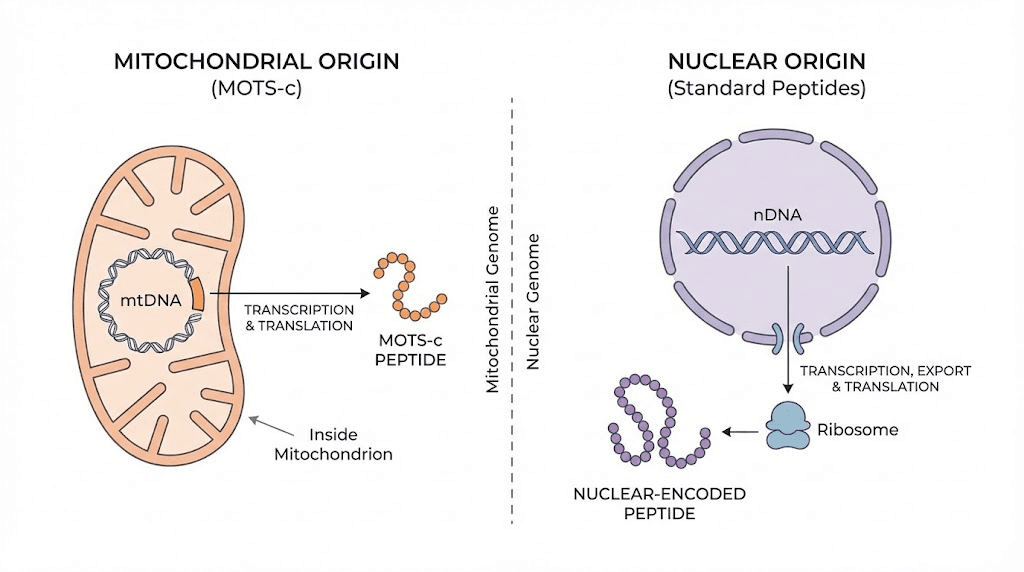
MOTS-c is not like other peptides. Most peptides in your body originate from nuclear DNA, the genetic material in the cell's nucleus. MOTS-c comes from somewhere different entirely. It is encoded in the mitochondria, the energy-producing organelles inside every cell. This makes it part of a small but fascinating class of compounds called mitochondrial-derived peptides.
Why does this matter? Because MOTS-c appears to function as a signaling molecule between mitochondria and the rest of the cell. When you exercise, your muscles produce dramatically more MOTS-c. Studies show skeletal muscle MOTS-c levels increase nearly 12-fold during intense physical activity. That spike triggers a cascade of metabolic benefits, from improved insulin sensitivity to enhanced fat oxidation.
Researchers began asking an obvious question. Could administering MOTS-c externally produce similar benefits without the exercise itself?
The research that followed has made MOTS-c one of the most intriguing compounds in longevity and metabolic science. This guide examines everything we know about MOTS-c benefits, from the molecular mechanisms to practical applications. Whether you are exploring peptides for weight loss, investigating anti-aging compounds, or simply curious about cutting-edge metabolic research, understanding MOTS-c provides valuable insight into how our bodies regulate energy and aging.
What is MOTS-c?
MOTS-c is a 16-amino acid peptide encoded within the mitochondrial 12S rRNA gene. Unlike the vast majority of proteins in your body, which come from nuclear DNA, MOTS-c originates from the small circular genome inside mitochondria.
This distinction matters more than it might seem.
Mitochondria evolved from ancient bacteria that were absorbed into early cells billions of years ago. They retained their own DNA, separate from the nucleus. Scientists long assumed this mitochondrial DNA served only to produce proteins needed for energy generation within the mitochondria themselves.
MOTS-c changed that understanding.
Discovered by Dr. Pinchas Cohen's laboratory at USC, MOTS-c demonstrated that mitochondrial DNA could produce peptides with systemic effects throughout the body. The peptide acts as a hormone, traveling through the bloodstream to influence tissues far from where it was produced. Its primary target appears to be skeletal muscle, though effects extend to the liver, fat tissue, and brain.
The MOTS-c sequence
The amino acid sequence of MOTS-c is MRWQEMGYIFYPRKLR. This short chain contains several notable features that contribute to its biological activity.
The peptide includes both hydrophobic and charged residues, allowing it to interact with cell membranes and various protein targets. The specific arrangement enables MOTS-c to penetrate cells and, under certain conditions, translocate to the nucleus where it can influence gene expression directly.
Where MOTS-c fits among peptides
Understanding where MOTS-c sits in the broader landscape of research peptides helps contextualize its unique properties.
Unlike muscle-building peptides that work through growth hormone pathways, MOTS-c operates through metabolic and stress response mechanisms. Unlike GLP-1 based weight loss peptides that reduce appetite, MOTS-c increases energy expenditure without necessarily affecting hunger.
The closest comparison might be to other mitochondrial-derived peptides like SS-31, though even these differ significantly in mechanism. MOTS-c also shares some functional similarities with exercise mimetics and AMPK activators like metformin, though it works through distinct pathways.
How MOTS-c works: mechanism of action
MOTS-c exerts its effects through several interconnected pathways. Understanding these mechanisms helps explain why the peptide produces such diverse benefits.
The Folate-AICAR-AMPK pathway
The primary mechanism involves a metabolic cascade that ultimately activates AMPK, the master regulator of cellular energy.
Here is how it works.
MOTS-c inhibits the folate cycle, a metabolic pathway involved in one-carbon metabolism and DNA synthesis. This inhibition reduces de novo purine biosynthesis, the process by which cells make new building blocks for DNA and RNA. When purine synthesis slows, levels of AICAR, an intermediate in this pathway, accumulate.
AICAR is a known activator of AMPK.
AMPK activation triggers a cascade of metabolic changes. Glucose uptake increases. Fatty acid oxidation accelerates. Mitochondrial biogenesis, the creation of new mitochondria, begins. Protein synthesis slows to conserve energy. These are precisely the adaptations that occur during and after exercise.
This mechanism explains why MOTS-c is sometimes called an exercise mimetic. It triggers the same cellular switches that physical activity does, though through a different initial signal.
Nuclear translocation and gene regulation
MOTS-c does not just float around the cell. Under conditions of metabolic stress, it can move into the nucleus.
Once inside the nucleus, MOTS-c interacts with transcription factors, particularly those regulated by antioxidant response elements (ARE). These include NFE2L2, also known as NRF2, a master regulator of the cellular stress response.
Through these interactions, MOTS-c influences the expression of hundreds of genes. Many are involved in metabolism and energy homeostasis. Others relate to proteostasis, the maintenance of proper protein folding and function. Still others affect inflammation and oxidative stress.
This nuclear function appears critical for MOTS-c's effects on aging and longevity. By modulating gene expression in response to stress, the peptide helps cells adapt more effectively to metabolic challenges.
Effects on specific tissues
While MOTS-c circulates throughout the body, its effects concentrate in certain tissues.
Skeletal muscle shows the most dramatic responses. MOTS-c increases glucose uptake in muscle tissue, enhances insulin sensitivity, and promotes healthy muscle metabolism. Research shows the peptide can reverse age-related insulin resistance in muscle specifically.
Adipose tissue responds to MOTS-c with increased fat oxidation. The peptide appears to shift the body's fuel preference toward stored fat, which explains some of its weight management effects.
The liver shows reduced lipid accumulation with MOTS-c treatment. This connects to benefits for metabolic conditions involving fatty liver.
The brain may also respond to MOTS-c, though research here is earlier stage. The peptide's effects on inflammation and oxidative stress suggest potential neuroprotective properties.
MOTS-c benefits: what the research shows
The benefits of MOTS-c span metabolic health, body composition, physical performance, and aging. Each benefit connects to the underlying mechanisms described above.
Improved insulin sensitivity
Insulin resistance underlies many metabolic problems. When cells stop responding normally to insulin, blood sugar rises, fat accumulates in the wrong places, and inflammation increases. MOTS-c appears to counteract this process directly.
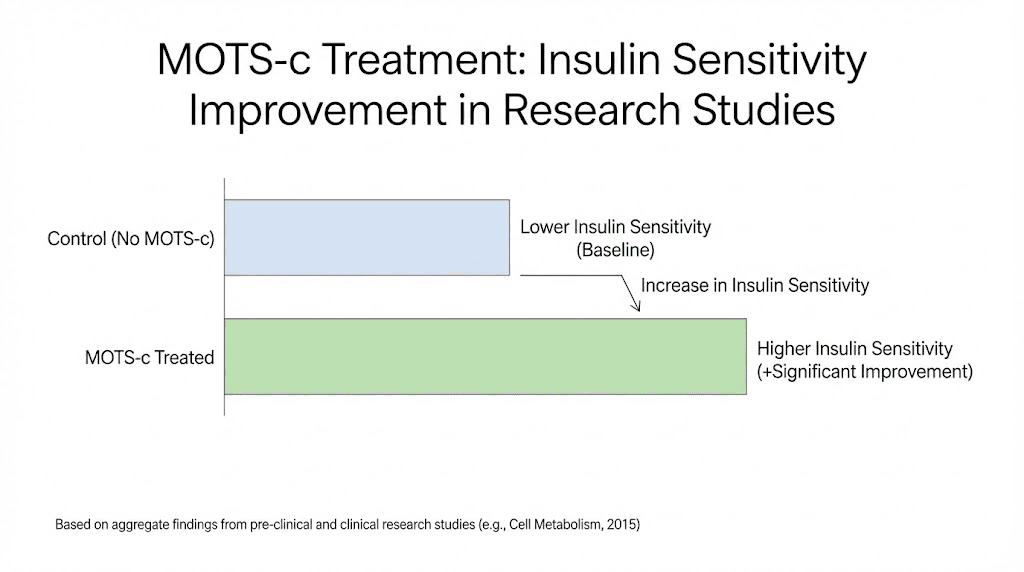
Research in mice showed that MOTS-c treatment prevented both age-related and diet-induced insulin resistance. Hyperinsulinemic-euglycemic clamp studies, the gold standard for measuring insulin sensitivity, demonstrated approximately 30% improvement in glucose disposal rates.
Even more striking, aged mice treated with MOTS-c for just seven days showed insulin sensitivity equivalent to young mice. The peptide effectively reversed years of metabolic aging in muscle tissue.
Human data supports these findings. Studies show that plasma MOTS-c levels correlate negatively with fasting insulin, glycated hemoglobin (HbA1c), and body mass index. People with higher natural MOTS-c levels tend to have better metabolic health.
Obese children and adolescents show approximately 20% lower MOTS-c levels than healthy-weight peers. This correlation suggests that low MOTS-c may contribute to metabolic problems, and that raising levels might help address them.
For those researching compounds to support healthy glucose metabolism, MOTS-c represents a fundamentally different approach than many alternatives. Where semaglutide and tirzepatide work through GLP-1 pathways affecting appetite and insulin release, MOTS-c works at the cellular level to improve how tissues respond to insulin directly.
Weight management and fat loss
MOTS-c shows significant effects on body composition in animal studies.
Mice fed a high-fat diet and treated with MOTS-c at 0.5 mg/kg daily for three weeks did not gain weight despite consuming the same calories as untreated mice. The difference was not reduced food intake. MOTS-c-treated mice ate the same amount. Instead, they burned more energy, as measured by increased heat output.
The treatment also improved glucose homeostasis and reduced liver fat accumulation. These effects persisted throughout the treatment period.
Research on postmenopausal obesity showed similar benefits. MOTS-c treatment reduced both weight gain and insulin resistance associated with estrogen decline, suggesting particular relevance for menopausal metabolic changes.
The mechanism involves shifting fuel utilization. MOTS-c activates pathways that increase beta-oxidation, the process of burning fatty acids for energy. Sphingolipid metabolism, monoacylglycerol metabolism, and dicarboxylate metabolism pathways, all of which are elevated in obesity and diabetes, decrease with MOTS-c treatment.
For context among fat burning peptides, MOTS-c operates through different mechanisms than compounds like AOD-9604 or visceral fat targeting peptides. While those work through growth hormone fragments or other pathways, MOTS-c works through AMPK activation and metabolic reprogramming.
Enhanced physical performance
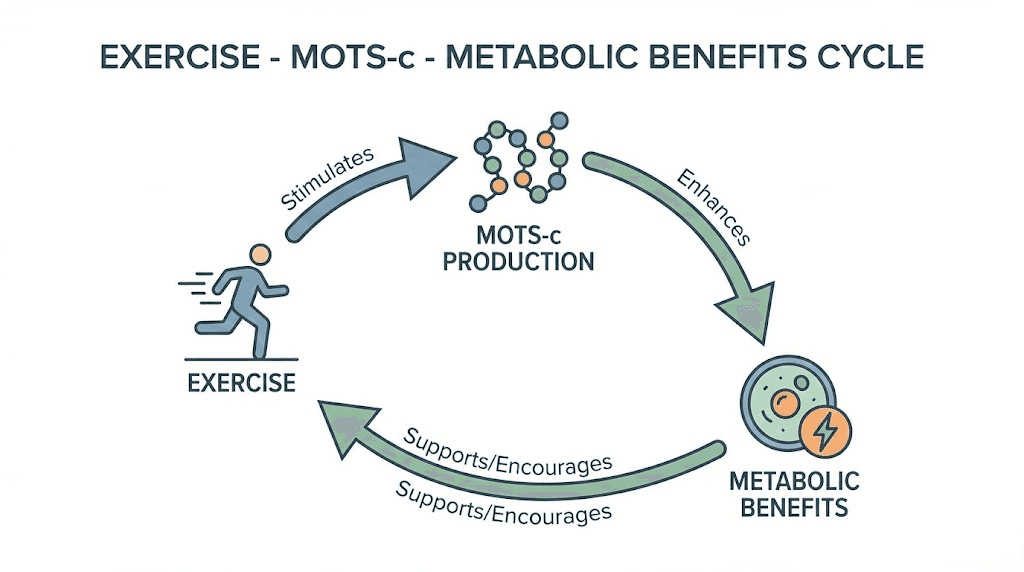
The connection between MOTS-c and exercise goes both directions. Exercise increases MOTS-c, and MOTS-c appears to enhance exercise capacity.
In mice, MOTS-c treatment significantly improved physical performance across all age groups. Young mice ran farther. Middle-aged mice ran farther. Old mice ran farther.
The results in aged mice were particularly striking. Mice equivalent to 65-year-old humans doubled their running capacity on the treadmill after MOTS-c treatment. They even outperformed untreated middle-aged mice.
These improvements appear to involve both metabolic and structural effects. MOTS-c enhances muscle glucose uptake during exercise, provides better fuel availability, and appears to support muscle homeostasis at the cellular level.
Research shows that plasma MOTS-c levels are inversely correlated with myostatin, a protein that limits muscle growth. MOTS-c treatment decreased myostatin levels in obese mice, and the peptide prevented muscle atrophy in cell culture models exposed to palmitic acid, a fatty acid that typically causes muscle wasting.
For those interested in performance-enhancing peptides, MOTS-c offers a unique mechanism. Rather than directly stimulating muscle growth like IGF peptides or increasing growth hormone like ipamorelin, MOTS-c improves the metabolic foundation that supports physical performance.
Anti-aging and longevity effects
The longevity research on MOTS-c may be its most compelling aspect.
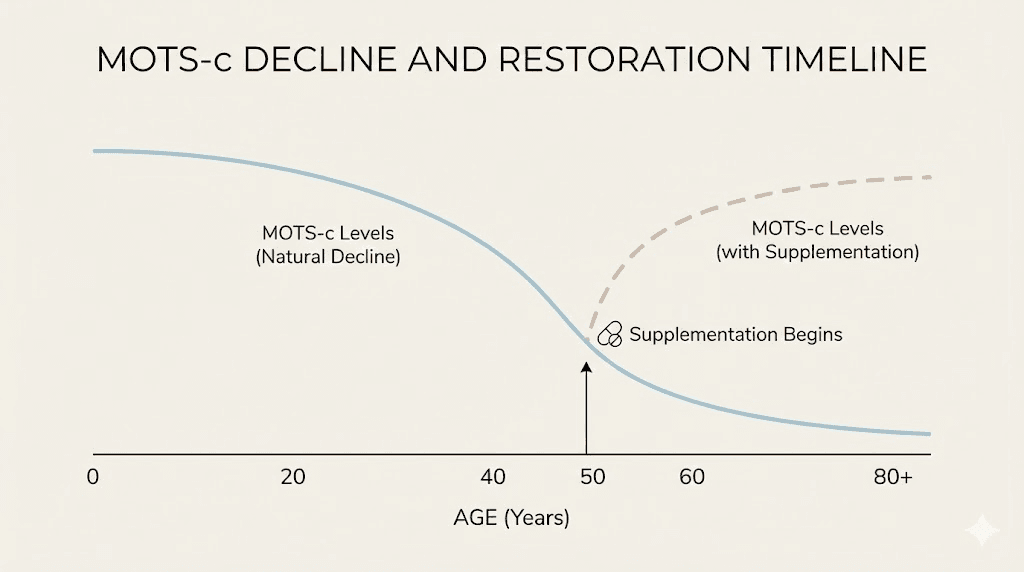
MOTS-c levels naturally decline with age. In both humans and mice, blood and muscle concentrations of the peptide decrease as organisms get older. Young people have approximately 11% to 21% higher MOTS-c levels than middle-aged and elderly individuals.
This decline correlates with age-related metabolic dysfunction. The loss of insulin sensitivity, the accumulation of fat, the decline in physical capacity, all track with falling MOTS-c levels.
Researchers tested whether restoring MOTS-c could reverse these declines.
In a landmark study, mice received MOTS-c treatment beginning very late in life, at 23.5 months old, equivalent to roughly 70 human years. Even starting this late, intermittent MOTS-c treatment three times weekly increased physical capacity and healthspan measures.
The treated mice showed a 6.4% increase in median lifespan, from 912 to 970 days. Maximum lifespan increased 7%, from 1,047 to 1,120 days. Perhaps more importantly, the treatment delayed the onset of age-related physical disabilities. The mice maintained function longer, suggesting "compression of morbidity," the concept of staying healthy longer and experiencing decline only at the very end of life.
One fascinating finding involves a genetic variant. Researchers discovered that an exceptionally long-lived Japanese population carries a specific mitochondrial DNA mutation (m.1382A>C) that produces a functional variant of MOTS-c. This genetic evidence suggests that enhanced MOTS-c function may contribute to human longevity.
For researchers exploring longevity peptides, MOTS-c offers a mechanism distinct from compounds like epitalon that work through telomerase. The SeekPeptides resource library covers the full landscape of anti-aging compounds for those wanting to compare approaches.
Metabolic homeostasis
Beyond individual benefits, MOTS-c appears to support overall metabolic balance.
The peptide influences multiple interconnected systems. Glucose metabolism improves. Lipid metabolism normalizes. Inflammation decreases. Oxidative stress diminishes. Mitochondrial function enhances.
These effects do not occur in isolation. They represent a coordinated response that moves metabolism toward healthier patterns. This systems-level effect distinguishes MOTS-c from more targeted interventions.
Research on diabetic heart tissue demonstrates this integrative effect. MOTS-c treatment restored mitochondrial respiration in cardiomyocytes from type 2 diabetic models. The peptide increased ATP content, protected against inflammation, and reduced oxidative stress.
The implications extend to various metabolic conditions. Obesity. Type 2 diabetes. Non-alcoholic fatty liver disease. Metabolic syndrome. All involve the kind of systemic metabolic dysfunction that MOTS-c appears to address at its roots.
Potential neuroprotective effects
While research is earlier stage, MOTS-c shows promising effects related to brain health.
The peptide has both inhibitory effects on inflammation and age-related disorders, while promoting healthy functioning in brain and other tissues. The same mechanisms that protect muscle and liver tissue, reduced oxidative stress, improved mitochondrial function, modulated inflammation, should theoretically benefit neurons as well.
Research has suggested connections to Alzheimer's disease, though direct evidence for prevention or treatment remains limited. The observation that MOTS-c levels decline with age, combined with the peptide's anti-inflammatory effects, provides a rationale for further investigation.
For those researching nootropic peptides or brain function peptides, MOTS-c represents a metabolic approach rather than a direct cognitive enhancer. The theory is that by improving cellular energy production and reducing oxidative stress, MOTS-c could support brain health indirectly.
MOTS-c and the exercise connection
The relationship between MOTS-c and exercise deserves special attention because it reveals something fundamental about the peptide's function.
Exercise induces MOTS-c
Physical activity dramatically increases MOTS-c levels.
In healthy young men, an acute bout of exercise on a stationary bike increased skeletal muscle MOTS-c levels by 11.9-fold. Circulating plasma levels rose 1.6-fold. These elevations persisted after exercise ended, with muscle levels remaining 18.9-fold above baseline after four hours of rest.
This pattern suggests MOTS-c is not just a bystander in the exercise response. It appears to be a key mediator of exercise benefits.
The induction pathway involves AMPK and PGC-1alpha, master regulators of mitochondrial function and energy metabolism. Exercise activates AMPK, which in turn stimulates MOTS-c production. The released MOTS-c then acts throughout the body to coordinate the metabolic response.
MOTS-c mimics exercise
The reverse relationship is equally interesting. Administering MOTS-c externally produces many of the same benefits as exercise itself.
Improved insulin sensitivity. Check.
Enhanced fat oxidation. Check.
Increased physical capacity. Check.
Better glucose uptake in muscle. Check.
Activated AMPK signaling. Check.
This exercise-mimetic property has generated significant interest.
For people unable to exercise due to injury, illness, or disability, MOTS-c could potentially provide some metabolic benefits of physical activity. For athletes and active individuals, MOTS-c might enhance the effects of training.
However, exercise-mimetic does not mean exercise-replacement. Physical activity produces benefits beyond metabolism, including cardiovascular conditioning, bone density, mental health effects, and social engagement. MOTS-c addresses the metabolic component specifically.
Synergy with exercise
The most interesting possibility may be combining MOTS-c with exercise.
If exercise naturally produces MOTS-c, and MOTS-c enhances exercise performance, a positive feedback loop could emerge. Taking MOTS-c might allow more intense or longer training. That training would produce more endogenous MOTS-c. Combined with the exogenous peptide, total levels would rise further.
Research has not fully explored this synergy yet. But the mechanisms suggest potential for enhanced results when MOTS-c supplementation accompanies a training program.
For those following peptide stacking strategies, combining MOTS-c with other compounds that support exercise adaptation could be particularly interesting. Recovery peptides like BPC-157 and TB-500 address tissue repair while MOTS-c addresses metabolic adaptation.
MOTS-c dosage and administration
Understanding MOTS-c dosing requires acknowledging significant limitations. No FDA-approved protocols exist. Clinical trials in humans are incomplete. Current guidance derives from animal research, early human trials, and anecdotal experience from research communities.
Administration method
MOTS-c requires injection. The peptide is not orally bioavailable, meaning stomach acids and digestive enzymes would destroy it before absorption. Subcutaneous injection into fatty tissue under the skin represents the standard administration method.
Common injection sites include the abdomen, thighs, and upper arms. The same principles apply as for other peptide injections. Rotate sites. Use sterile technique. Allow the peptide to reach room temperature before injecting.
Dosage ranges
Published protocols vary considerably.
Some sources suggest 5mg two to three times weekly. Others recommend 1mg daily. Research protocols have used 10 to 20mg administered two to three times weekly for several weeks, followed by rest periods. Lower-dose approaches suggest 200 to 1,000 micrograms daily with gradual titration over 10 weeks.
A common middle-ground protocol involves 5 to 10mg administered subcutaneously once every five days for 20 days.
The variation reflects the experimental nature of current MOTS-c use. Unlike established compounds with decades of clinical data, optimal dosing remains uncertain. Individual response varies. Goals differ. Body weight and metabolic status influence requirements.
Anyone considering MOTS-c should work with qualified healthcare providers experienced in peptide protocols. The peptide therapy clinic guide can help locate appropriate supervision.
Reconstitution and storage
MOTS-c typically comes as a lyophilized (freeze-dried) powder requiring reconstitution before use.
Standard peptide reconstitution principles apply. Add bacteriostatic water slowly to the vial, directing the stream down the side rather than directly onto the powder. Swirl gently rather than shaking. Allow time for complete dissolution.
A common reconstitution creates approximately 3.33 mg/mL concentration. At this concentration, 1 unit on a U-100 insulin syringe equals approximately 33.3 micrograms.
Storage requirements follow standard peptide guidelines. Unreconstituted powder should be frozen at minus 20 degrees Celsius or below. After reconstitution, refrigerate at 2 to 8 degrees Celsius and use within seven days for best potency. The peptide storage guide covers these principles in detail.
Timing considerations
The time of day for MOTS-c administration does not appear critical based on available evidence. However, some practitioners suggest morning injection to take advantage of potentially energizing effects and avoid any stimulation close to bedtime.
Some protocols align MOTS-c with exercise timing, injecting before workouts to potentially enhance the training response. Others separate injection from exercise to allow independent assessment of effects.
Cycle length and frequency
Most protocols suggest treatment courses of several weeks to a few months, followed by breaks. A common approach involves 4 to 6 weeks of treatment, followed by equal or longer periods off.
Some sources suggest MOTS-c treatment can be repeated two to three times per year as needed. The intermittent approach in longevity research, three times weekly, suggests that continuous daily dosing may not be necessary or optimal.
Understanding peptide cycling principles helps design appropriate protocols. The guide to cycling different peptides addresses considerations for combining multiple compounds.
MOTS-c side effects and safety
Understanding potential risks is essential for anyone researching MOTS-c.
Commonly reported side effects
Most reported side effects are mild and transient.
Injection site reactions include redness, swelling, and minor bruising. These typically resolve within days and can be minimized with proper technique and site rotation.
Fatigue and energy fluctuations may occur, particularly when starting treatment. Some users report initial tiredness before energy levels improve. This may reflect cellular adaptation to altered metabolic signaling.
Digestive symptoms including nausea, bloating, or mild stomach upset have been reported. Staying hydrated and taking MOTS-c with food may help.
Appetite changes vary among users. Some report decreased appetite, others increased hunger. This likely relates to individual metabolic responses to enhanced fat oxidation.
Heart rate changes including elevated heart rate or palpitations have been reported by some users who purchase MOTS-c online.
Sleep disturbances including insomnia may occur in some individuals.
Safety concerns
Several significant safety issues warrant attention.
Regulatory status: MOTS-c is not FDA-approved for any use in humans. It remains experimental with incomplete safety data. The FDA has clarified that MOTS-c is among peptides that cannot be legally used in compounded medications.
Limited human data: Most research has been conducted in cell cultures and animal models. Human clinical trials are limited. Long-term effects of externally administered MOTS-c remain unknown.
Product quality concerns: Research-grade peptides often lack the quality controls of pharmaceutical products. Purity can vary significantly, with some products testing as low as 60% pure. Impurities may pose their own risks.
Potential for metabolic overstimulation: Chronic AMPK activation beyond physiological norms could theoretically disrupt normal energy signaling. The body regulates MOTS-c levels for reasons that may not be fully understood.
Unknown drug interactions: MOTS-c may interact with insulin, metformin, thyroid medications, or other compounds that affect metabolism. Combined use could alter dosing requirements or create unexpected effects.
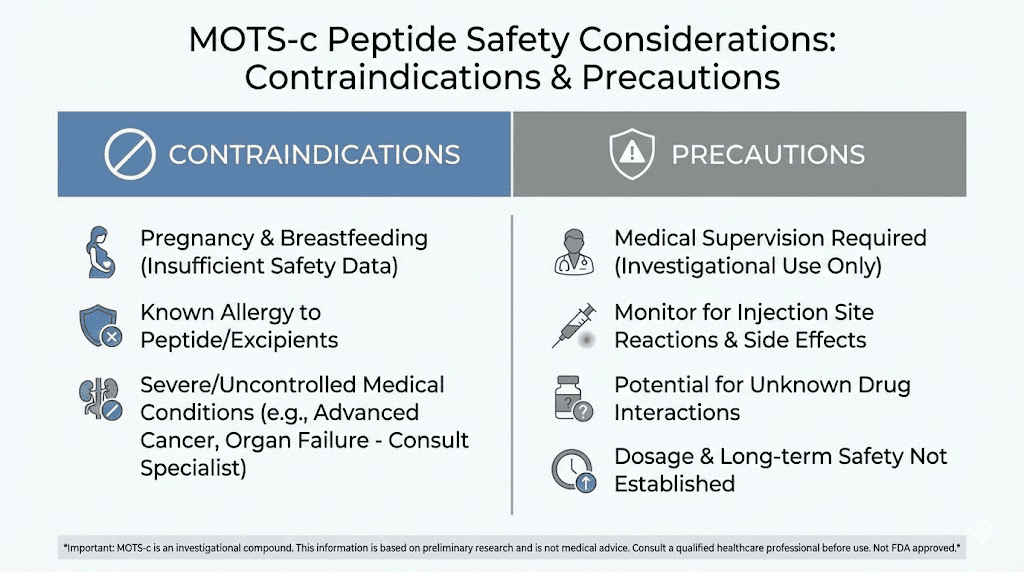
Contraindications
Certain populations should avoid MOTS-c or use extreme caution.
Pregnant and breastfeeding women lack safety data and should not use MOTS-c.
Adolescents should avoid MOTS-c given incomplete data on effects during development.
People with active cancers should exercise caution, as effects on tumor metabolism are unknown.
Those with existing blood sugar management issues should monitor carefully and work closely with healthcare providers.
Sports drug testing
MOTS-c is prohibited by the World Anti-Doping Agency (WADA). It falls under Section 4.4 (Metabolic Modulators, specifically AMPK activators) on the prohibited list. Athletes subject to drug testing should not use MOTS-c.
Understanding peptide safety broadly helps put MOTS-c risks in context. The common peptide mistakes guide covers errors that increase risk with any compound.
MOTS-c compared to other peptides
Positioning MOTS-c among related compounds helps clarify when it might be most relevant.
MOTS-c vs SS-31 (Elamipretide)
Both MOTS-c and SS-31 target mitochondrial function, but through different mechanisms.
SS-31 is a synthetic peptide that concentrates in mitochondria and stabilizes cardiolipin, a key component of the inner mitochondrial membrane. This stabilization improves electron transport chain efficiency and reduces oxidative stress at the source.
MOTS-c is a natural mitochondrial-derived peptide that works through AMPK activation and nuclear gene regulation. It signals the cell to adapt its metabolism rather than directly improving mitochondrial structure.
SS-31 might be considered more targeted toward mitochondrial protection specifically. MOTS-c has broader metabolic effects. They could theoretically complement each other, though no research has examined this combination.
MOTS-c vs GLP-1 agonists
Both MOTS-c and GLP-1 agonists like semaglutide can support weight management, but through entirely different mechanisms.
GLP-1 agonists primarily reduce appetite and food intake. They slow gastric emptying, increase satiety, and affect brain centers involved in hunger. Weight loss results largely from eating less.
MOTS-c increases energy expenditure without necessarily affecting appetite. Weight loss results from burning more rather than eating less.
The comparison between semaglutide and tirzepatide covers GLP-1 options in detail. Those compounds have far more clinical data supporting their use. MOTS-c offers a different mechanism that might appeal to those seeking alternatives or additions to GLP-1-based approaches.
MOTS-c vs growth hormone peptides
Growth hormone secretagogues like ipamorelin, CJC-1295, and sermorelin work through growth hormone pathways to affect body composition and metabolism.
These peptides stimulate growth hormone release, which promotes fat breakdown, supports muscle maintenance, and has various anti-aging effects.
MOTS-c works through AMPK rather than growth hormone. The mechanisms are largely independent, suggesting potential for complementary use. Someone using ipamorelin with CJC-1295 for growth hormone benefits could theoretically add MOTS-c for additional metabolic support, though this combination lacks research validation.
MOTS-c vs AOD-9604
AOD-9604 is a fragment of growth hormone specifically designed to promote fat metabolism without other growth hormone effects.
AOD-9604 stimulates lipolysis through growth hormone receptor interactions. MOTS-c stimulates lipolysis through AMPK activation. Both promote fat burning but through different pathways.
AOD-9604 has more focused fat-loss effects. MOTS-c has broader metabolic and longevity-related benefits. The choice between them, or decision to combine them, would depend on specific goals.
MOTS-c vs metformin
Metformin, a widely-used diabetes medication, also activates AMPK. This has led some to compare MOTS-c to metformin.
Both compounds improve insulin sensitivity and have longevity research interest. However, they work through different mechanisms to activate AMPK. Metformin inhibits complex I of the mitochondrial electron transport chain. MOTS-c works through the folate-AICAR pathway.
Metformin has decades of human safety data and FDA approval. MOTS-c does not. For those already taking metformin, adding MOTS-c would introduce unknown interactions and duplicated mechanisms.
Practical considerations for MOTS-c research
For those proceeding with MOTS-c research, several practical factors warrant attention.
Sourcing considerations
Product quality varies dramatically in the research peptide market. MOTS-c from reputable sources with third-party testing provides much greater confidence than products of unknown origin.
The peptide vendor guide and testing laboratory guide cover evaluation criteria. Certificates of analysis showing purity, mass spectrometry confirmation, and sterility testing provide basic quality assurance.
Monitoring and assessment
Those researching MOTS-c should establish baseline measurements before beginning and track changes over time.
Relevant markers might include fasting glucose, fasting insulin, HbA1c, lipid panels, body composition measurements, and physical performance metrics. Working with healthcare providers allows proper interpretation of these values.
Subjective measures matter too. Energy levels. Sleep quality. Exercise capacity. Recovery from training. These provide real-world feedback on how MOTS-c affects function.
Stacking considerations
MOTS-c can theoretically be combined with other compounds, though research on specific combinations is lacking.
Potential synergies might exist with recovery peptides like BPC-157 and TB-500 for those focused on physical performance. The Wolverine stack represents a popular recovery combination that could potentially be augmented with metabolic support from MOTS-c.
For weight management goals, MOTS-c might complement other approaches. However, combining multiple metabolic modulators increases complexity and potential for interactions.
The guide to using multiple peptides covers general principles. SeekPeptides members access detailed stacking protocols and expert guidance for complex regimens.
Realistic expectations
MOTS-c is not a magic solution. While research shows impressive effects in animals, human results are less established. Individual responses vary. Some people may see dramatic benefits. Others may notice little change.
The peptide works best as part of a comprehensive approach. Exercise, nutrition, sleep, and stress management all affect metabolism. MOTS-c might enhance these foundations but probably cannot replace them entirely.
Patience is also important. Peptide effects take time to manifest. Metabolic adaptations occur over weeks, not days. Expecting overnight transformation leads to disappointment.
The future of MOTS-c research
Several developments could shape how MOTS-c is understood and used going forward.
Clinical trials
An analog of MOTS-c called CB4211 has been tested in Phase 1b clinical trials for obesity and non-alcoholic fatty liver disease. Results showed the compound was safe in healthy adults. Further trials could establish efficacy and optimal dosing in humans.
If clinical development proceeds successfully, MOTS-c or its analogs could eventually gain regulatory approval for specific indications. This would provide much-needed human safety and efficacy data.
Understanding individual variation
Research into genetic variation affecting MOTS-c response could allow more personalized approaches.
The discovery that certain mitochondrial DNA variants produce more effective MOTS-c suggests that genetic testing might eventually predict who would benefit most from treatment.
Combination therapies
As understanding of MOTS-c mechanisms improves, research may identify optimal combinations with other compounds. The intersection of MOTS-c with GLP-1 agonists, growth hormone pathways, and other metabolic interventions remains largely unexplored.
Extended applications
Current research focuses on metabolic disease and aging. Future work might explore MOTS-c for specific conditions including neurodegenerative disease, cardiovascular disease, and sarcopenia. Each application would require its own validation.
Frequently asked questions
Is MOTS-c FDA approved?
No. MOTS-c has not received FDA approval for any use in humans. It remains an experimental compound with incomplete safety and efficacy data. The FDA has clarified that MOTS-c cannot be legally used in compounded medications.
How quickly does MOTS-c work?
Effects develop over weeks rather than days. Some users report improved energy within the first week or two. Metabolic adaptations like improved insulin sensitivity and body composition changes typically require several weeks to months of consistent use.
Understanding peptide timelines helps set realistic expectations.
Can MOTS-c replace exercise?
No. While MOTS-c is sometimes called an exercise mimetic because it activates similar cellular pathways, it cannot replicate all exercise benefits. Cardiovascular conditioning, bone density, mental health effects, and other aspects of physical activity require actual movement. MOTS-c might enhance metabolic benefits of exercise or provide some metabolic support when exercise is limited, but it is not a replacement.
What is the best MOTS-c dosage?
Optimal dosing remains uncertain. Protocols vary from 5mg two to three times weekly to smaller daily doses. The MOTS-c dosage chart provides detailed guidance. Working with qualified healthcare providers helps determine appropriate individual protocols.
Can MOTS-c be taken orally?
No. MOTS-c is not orally bioavailable. Digestive enzymes would destroy the peptide before absorption. Subcutaneous injection is the standard administration method.
Is MOTS-c safe for long-term use?
Long-term safety data is lacking. Animal studies suggest good tolerability, but human data is limited. Most protocols involve treatment courses of weeks to months rather than continuous long-term use. Consulting with peptide therapy specialists helps manage risk.
Can MOTS-c be combined with other peptides?
Theoretically yes, though research on specific combinations is limited. MOTS-c works through mechanisms largely independent of growth hormone peptides, recovery peptides, and other common compounds. The peptide stacking guide covers general combination principles.
Does MOTS-c affect blood sugar?
Yes. MOTS-c improves insulin sensitivity and glucose metabolism. People taking diabetes medications should work closely with healthcare providers, as MOTS-c could potentially affect blood sugar control and medication requirements.
Is MOTS-c legal?
MOTS-c is legal to purchase for research purposes in most jurisdictions. However, it is not approved for human use and is prohibited in competitive sports by WADA. Understanding peptide legality helps navigate the regulatory landscape.
How does MOTS-c compare to epitalon for anti-aging?
Both have longevity research interest but work through different mechanisms. Epitalon affects telomerase activity and telomere length. MOTS-c affects metabolic function and cellular stress response. They address different aspects of aging and could theoretically complement each other.
External resources
PubMed Central - MOTS-c: A promising mitochondrial-derived peptide for therapeutic exploitation
Nature Communications - MOTS-c is an exercise-induced mitochondrial-encoded regulator
For researchers seeking comprehensive guidance on peptide protocols, SeekPeptides provides detailed resources on peptide research, dosing protocols, and getting started safely. Members access the full knowledge base and community support for navigating complex peptide decisions.