Jan 10, 2026
Sermorelin represents one of the most thoroughly researched peptides for optimizing growth hormone levels through a mechanism that preserves the body's natural regulatory feedback systems. Clinical research spanning multiple decades has documented sermorelin's ability to stimulate the pituitary gland's production of human growth hormone without causing the supraphysiological spikes associated with direct HGH administration.
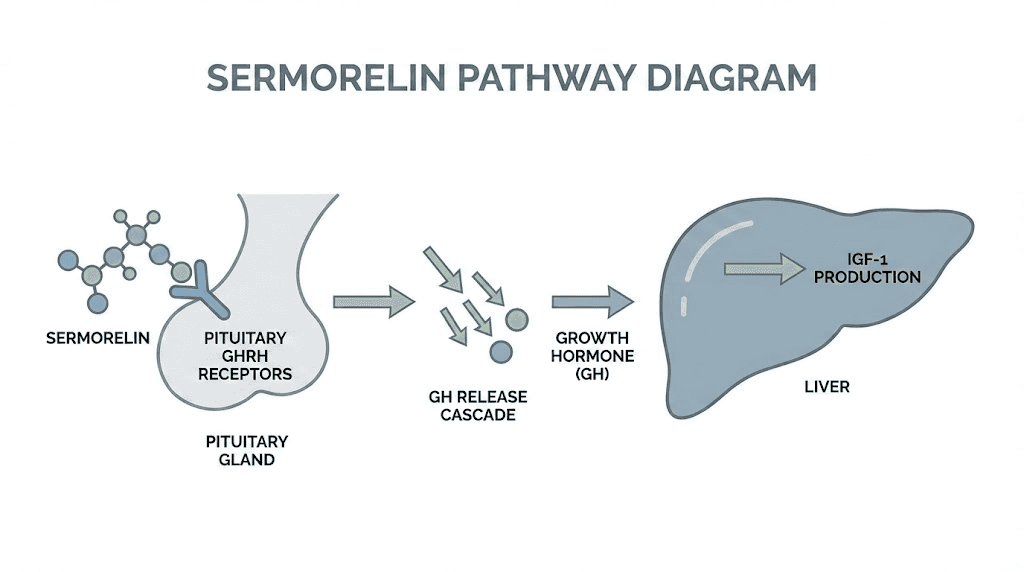
This growth hormone releasing hormone analog works by binding to GHRH receptors in the anterior pituitary, triggering pulsatile GH secretion that mimics the body's natural rhythms. Understanding sermorelin benefits requires examining both the direct effects of optimized growth hormone signaling and the downstream consequences across multiple physiological systems, including improved body composition, enhanced recovery, better sleep architecture, and potential anti-aging properties.
SeekPeptides provides comprehensive resources for those researching peptide protocols designed to support individual health optimization goals through evidence-based approaches.
Understanding sermorelin and growth hormone releasing hormone
Sermorelin acetate contains the first 29 amino acids of naturally occurring growth hormone releasing hormone, which is the biologically active fragment responsible for stimulating GH secretion. The hypothalamus produces endogenous GHRH in a pulsatile fashion, with the most significant release occurring during deep sleep stages. This natural rhythm explains why sleep quality plays such a crucial role in growth hormone optimization. Sermorelin's mechanism preserves this pulsatile pattern rather than creating constant elevated GH levels.
The pituitary gland responds to sermorelin by releasing growth hormone into the bloodstream. Once released, GH travels to the liver where it stimulates production of insulin-like growth factor 1. IGF-1 serves as the primary mediator of many growth hormone effects throughout the body. This cascade affects virtually every tissue, from muscle fibers to bone density to skin elasticity.
What distinguishes sermorelin from direct HGH administration involves the preservation of feedback mechanisms. When exogenous growth hormone floods the system, the body recognizes elevated levels and reduces its own production. Sermorelin works upstream, encouraging the pituitary to produce more GH while the feedback system remains intact. This difference has significant implications for both short-term effects and long-term outcomes.
Clinical research on sermorelin benefits
Published studies examining sermorelin have documented multiple beneficial effects across different populations. Research in growth hormone deficient adults demonstrated significant improvements in body composition, including reduced visceral fat and increased lean body mass. These studies provided the foundation for understanding how sermorelin might benefit those experiencing age-related GH decline, which begins in the late twenties and accelerates through middle age.
The Rudman study, though originally examining direct HGH replacement, established the connection between growth hormone optimization and reversed markers of aging. Subsequent research specifically on sermorelin showed that stimulating endogenous production could achieve similar results with a superior safety profile. Participants in sermorelin trials showed improvements in energy levels, exercise capacity, and quality of life metrics.
Body composition improvements
Fat loss represents one of the most consistent findings in sermorelin research. Growth hormone promotes lipolysis, the breakdown of stored triglycerides into free fatty acids for energy use. This effect proves particularly pronounced for visceral fat, the metabolically dangerous fat surrounding abdominal organs. Visceral fat reduction carries benefits beyond aesthetics, including improved insulin sensitivity and reduced cardiovascular risk markers.
Simultaneously, sermorelin supports muscle protein synthesis through GH and IGF-1 pathways. Research subjects typically demonstrate increased lean mass even without changes to exercise routines. When combined with resistance training, the anabolic effects become more pronounced. This dual effect on fat and muscle creates favorable shifts in body composition that many find difficult to achieve through diet and exercise alone.
Studies tracking weight loss outcomes showed that sermorelin users lost more fat while preserving muscle compared to control groups. This distinction matters because traditional caloric restriction often results in muscle loss alongside fat loss, which can lower metabolic rate and make weight maintenance challenging.
Sleep architecture enhancement
Perhaps no benefit of sermorelin proves more immediately noticeable than improved sleep quality. Growth hormone release peaks during slow wave sleep, the deepest and most restorative stage. Sermorelin administration appears to enhance this relationship, creating a positive feedback loop where better sleep leads to more GH release which further improves sleep quality.
Polysomnography studies measuring sleep stages in sermorelin users documented increased time spent in deep sleep. Participants reported falling asleep faster, experiencing fewer nighttime awakenings, and waking feeling more refreshed. These subjective reports aligned with objective measurements showing extended slow wave sleep duration.
The sleep benefits carry downstream effects throughout waking hours. Better sleep improves cognitive function, mood stability, and physical recovery. For those using sermorelin to support injury healing or athletic recovery, enhanced sleep quality accelerates these processes since most tissue repair occurs during deep sleep phases.
Recovery and healing acceleration
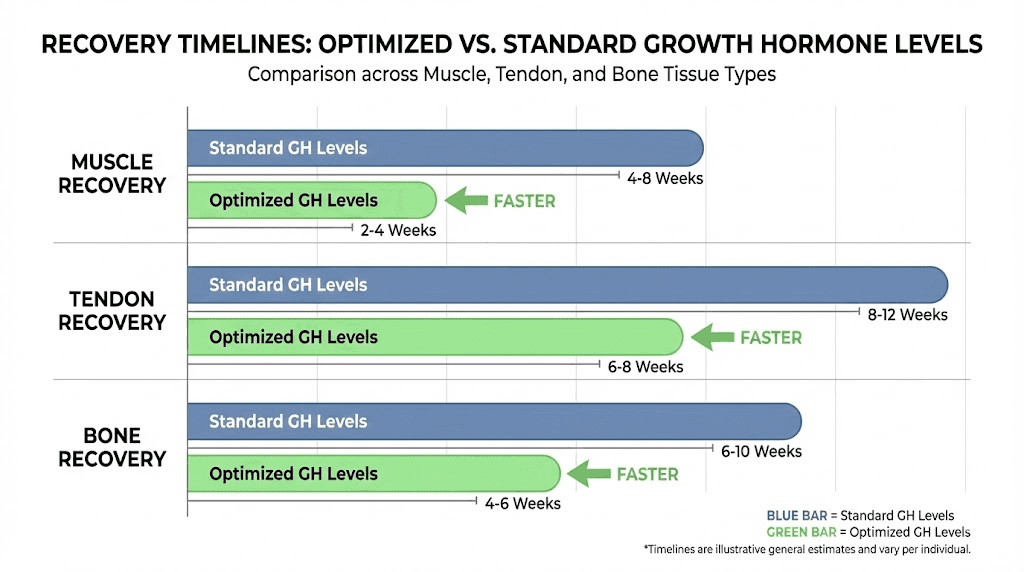
Growth hormone earned its name from its role in childhood development, but its functions in adults center primarily on repair and regeneration. Sermorelin's ability to optimize GH levels translates into faster recovery from exercise, injury, and illness. Athletes researching peptides often focus on sermorelin for its potential to reduce downtime between training sessions.
Tissue repair mechanisms rely heavily on growth hormone signaling. Collagen synthesis, essential for tendon and ligament integrity, increases with optimized GH levels. Bone healing accelerates as osteoblast activity responds to growth hormone stimulation. Even wound healing shows improvement, with research demonstrating faster closure rates and better scar tissue quality.
For those dealing with chronic pain conditions, sermorelin's regenerative properties offer potential relief through actual tissue repair rather than simply masking symptoms. The peptide's effects on joint health have garnered particular interest, as cartilage maintenance depends partly on growth hormone signaling.
Anti-aging and longevity applications
The connection between growth hormone decline and aging has driven significant interest in sermorelin for anti-aging applications. Growth hormone levels decrease approximately 14% per decade after age 30, a phenomenon termed somatopause. This decline correlates with many common aging complaints including decreased energy, increased body fat, reduced muscle mass, thinner skin, and impaired cognitive function.
Reversing or slowing somatopause through sermorelin represents a strategy for addressing aging at a physiological rather than superficial level. Rather than treating individual symptoms, optimizing growth hormone aims to restore the hormonal environment of a younger body. Research on this approach has shown measurable improvements in biomarkers of aging.
Skin and cosmetic benefits
Collagen production diminishes with age, contributing to wrinkles, sagging, and thinning skin. Growth hormone stimulates collagen synthesis, and sermorelin users frequently report improvements in skin quality within weeks to months of beginning protocols. The peptide's effects complement topical approaches to wrinkle reduction by working from within.
Skin elasticity improvements stem from both increased collagen and enhanced hydration at the cellular level. Growth hormone influences water retention in tissues, contributing to the plumper, more youthful appearance many associate with higher GH levels. These effects extend beyond facial skin to the entire body.
Hair quality represents another area where sermorelin users report positive changes. While not a dedicated hair growth peptide, the general improvements in tissue health and cellular regeneration often manifest as thicker, stronger hair. For those experiencing age-related hair thinning, sermorelin may provide supportive benefits.
Cognitive and neurological effects
Growth hormone receptors exist throughout the brain, and GH signaling influences neuroplasticity, neurogenesis, and neurotransmitter function. Sermorelin users commonly describe improved mental clarity, better memory, and enhanced focus. These cognitive benefits may relate to both direct GH effects on the brain and indirect improvements through better sleep.
Research on growth hormone's neuroprotective properties suggests potential applications beyond cognitive enhancement. Brain health peptides increasingly include GH secretagogues among their categories due to documented effects on neural tissue. The relationship between GH and brain-derived neurotrophic factor adds another layer to these cognitive benefits.
For those researching nootropic peptides, sermorelin offers a mechanism distinct from direct neurotransmitter modulation. Rather than acutely enhancing focus or memory, sermorelin's effects build over time as optimized GH levels support overall brain health and function.
Sermorelin versus other growth hormone peptides
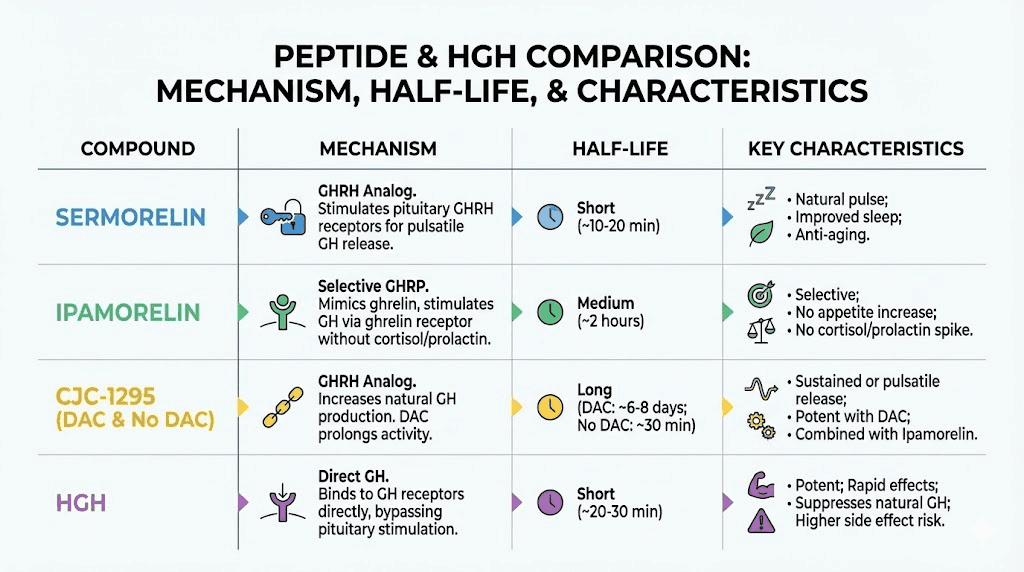
The peptide landscape includes multiple options for growth hormone optimization, each with distinct mechanisms and characteristics. Understanding these differences helps inform protocol selection. Sermorelin belongs to the GHRH analog category, working on one side of the growth hormone release equation.
Sermorelin versus ipamorelin
Ipamorelin operates through ghrelin receptor activation rather than GHRH receptor binding. This growth hormone releasing peptide stimulates GH release through a complementary pathway. Many protocols combine these peptides, using their synergistic mechanisms to achieve greater GH release than either alone. The ipamorelin versus CJC-1295 comparison illustrates how different mechanisms can be combined.
Ipamorelin offers advantages including high selectivity for GH release without affecting cortisol or prolactin. However, it lacks the direct GHRH receptor activation that sermorelin provides. Those researching both peptides often conclude that combination protocols leverage the strengths of each.
Sermorelin versus CJC-1295
CJC-1295 represents a modified GHRH analog with an extended half-life due to drug affinity complex technology. While sermorelin's effects last hours, CJC-1295 DAC maintains elevated GHRH signaling for days. This difference affects dosing frequency and the pattern of GH release. Use the CJC-1295 dosage calculator when researching this peptide.
Some prefer sermorelin's shorter action for more precise control over GH release timing. Others find CJC-1295's extended duration more convenient. Both peptides ultimately stimulate GHRH receptors, making them mechanistically similar despite pharmacokinetic differences.
Sermorelin versus direct HGH
Comparing sermorelin to direct growth hormone administration reveals fundamental differences in approach. Exogenous HGH delivers the hormone directly, bypassing the pituitary entirely. This creates supraphysiological levels that eventually suppress natural production. Sermorelin maintains the body's involvement in GH production.
The feedback preservation with sermorelin means that cessation doesn't result in the suppressed GH levels sometimes seen after HGH discontinuation. This makes sermorelin appropriate for longer-term protocols without the same concerns about dependency or withdrawal effects.
Cost also differs significantly between these approaches. Pharmaceutical grade HGH commands premium prices, while sermorelin typically costs a fraction. This economic reality makes sermorelin accessible to researchers who might find HGH prohibitively expensive.
Sermorelin dosing protocols
Establishing appropriate dosing protocols for sermorelin requires understanding the peptide's pharmacology and individual response variation. Starting doses typically range from 100mcg to 300mcg, with most research protocols suggesting bedtime administration to align with natural GH release patterns.
Standard dosing approaches
Common sermorelin doses fall between 200mcg and 500mcg per administration. Lower doses suit those new to growth hormone peptides or with lower body weights. Higher doses may benefit those with more significant GH deficiency or larger frames. The peptide calculator helps determine appropriate amounts based on individual parameters.
Timing matters significantly with sermorelin. Administration before sleep capitalizes on the natural GH release surge during deep sleep. Some protocols include a morning dose for additional support, though evening dosing remains primary. Taking sermorelin on an empty stomach optimizes absorption and effect.
Food, particularly carbohydrates and fats, can blunt the GH response to sermorelin. Recommendations typically suggest avoiding meals for 90 minutes before and 30 minutes after administration. This fasting window allows optimal peptide absorption and pituitary response.
Cycling considerations
Unlike some peptides requiring strict cycling, sermorelin's mechanism allows for extended use periods. The preservation of natural feedback systems means the pituitary doesn't become desensitized in the same way it might with other compounds. Many protocols run sermorelin continuously for months with sustained benefits.
Some researchers implement periodic breaks to assess baseline function and ensure continued response. A common approach involves 5-6 days per week dosing with 1-2 rest days. Extended cycles might include several months on followed by a shorter break. Peptide cycling guides provide frameworks for structuring these protocols.
Combining different peptides in cycles can maximize benefits while managing potential tolerance. Sermorelin often pairs with GHRPs or other secretagogues in sophisticated protocols designed by experienced researchers.
Reconstitution and storage
Sermorelin arrives as a lyophilized powder requiring reconstitution before use. Bacteriostatic water serves as the standard reconstitution medium, with its benzyl alcohol preservative allowing multi-use vial preparation. The reconstitution calculator simplifies determining water volumes for desired concentrations.
Proper storage extends sermorelin's stability. Unreconstituted powder remains stable at room temperature for limited periods but benefits from refrigeration. Once reconstituted, refrigeration becomes essential, with most guidelines suggesting use within 3-4 weeks. Understanding peptide shelf life prevents using degraded product.
Expired peptides lose potency rather than becoming dangerous, but using fresh, properly stored sermorelin ensures optimal results. Reconstituted peptide stability depends on storage conditions, with refrigeration at appropriate temperatures critical for maintaining activity.
Administration methods for sermorelin
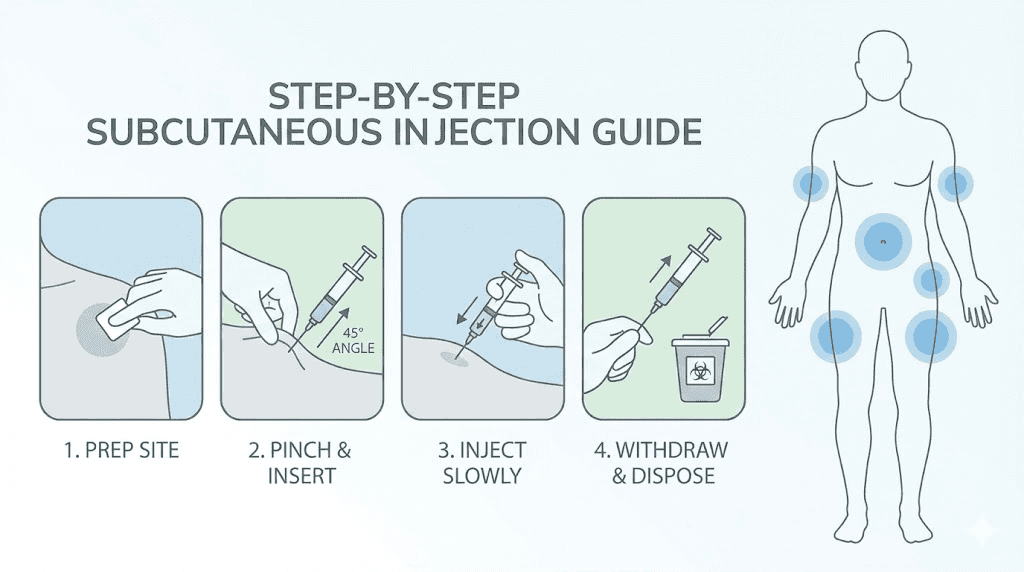
Subcutaneous injection represents the standard administration route for sermorelin. This method ensures complete bioavailability and consistent absorption. Peptide injection techniques are straightforward but require attention to sterility and proper procedure.
Subcutaneous injection technique
Subcutaneous administration involves injecting into the fatty layer beneath the skin. Common sites include the abdomen, thigh, and upper arm. Rotating injection sites prevents tissue irritation and ensures consistent absorption. Small insulin syringes with fine needles minimize discomfort.
Proper sterile technique involves alcohol swabbing injection sites, using new needles for each administration, and avoiding contamination of vial contents. Injectable peptides require more handling care than oral supplements but deliver superior bioavailability.
Those new to injections often find the process simpler than anticipated. The subcutaneous route, unlike intramuscular injection, involves shallow needle insertion and causes minimal if any discomfort. Many sermorelin researchers report adapting to self-injection within the first few administrations.
Alternative administration routes
Some sermorelin formulations are designed for non-injection routes, though these generally show reduced bioavailability compared to subcutaneous delivery. Nasal spray preparations exist, offering needle-free convenience at the cost of some absorption efficiency.
Oral sermorelin faces significant challenges from digestive enzyme breakdown. While research continues on protected oral formulations, injection remains the gold standard for reliable effects. The convenience of alternative routes must be weighed against potentially reduced efficacy.
Sublingual administration has been explored for some peptides, though sermorelin's molecular characteristics make this route less than ideal. Those prioritizing convenience over maximum effect might consider non-injectable options, but most serious protocols rely on subcutaneous delivery.
Combining sermorelin with other peptides
Peptide stacking leverages synergies between compounds with complementary mechanisms. Sermorelin's GHRH receptor activity combines effectively with peptides working through different pathways. Understanding multi-peptide protocols helps design optimal approaches.
Sermorelin and GHRP combinations
Growth hormone releasing peptides like ipamorelin activate ghrelin receptors, providing additive effects when combined with sermorelin's GHRH activation. This dual-pathway stimulation produces greater GH release than either peptide alone. The combination has become a cornerstone of many growth hormone optimization protocols.
The peptide stack calculator helps structure these combination protocols. Typical approaches involve administering both peptides simultaneously or in close sequence. Bedtime dosing remains preferred for both, capitalizing on natural sleep-related GH release enhancement.
Some researchers report exceptional results combining sermorelin with both ipamorelin and modified GRF (1-29), which is sermorelin without DAC modification. These triple combinations maximize GH release through multiple simultaneous mechanisms, though they require careful attention to dosing.
Sermorelin in comprehensive protocols
Beyond GH optimization, sermorelin can complement peptides targeting other goals. Those focused on fat loss might combine sermorelin with AOD-9604, a fat-specific fragment. This stack addresses body composition through multiple mechanisms simultaneously.
Healing-focused protocols might pair sermorelin with BPC-157 or TB-500 for enhanced tissue repair. The BPC-157 versus TB-500 comparison helps choose between these healing peptides. Using the BPC-157 calculator and TB-500 calculator ensures appropriate dosing when stacking.
Anti-aging stacks might incorporate sermorelin alongside Epitalon for telomere support or NAD+ peptides for cellular energy optimization. These comprehensive approaches address aging from multiple angles simultaneously.
Sermorelin for specific populations
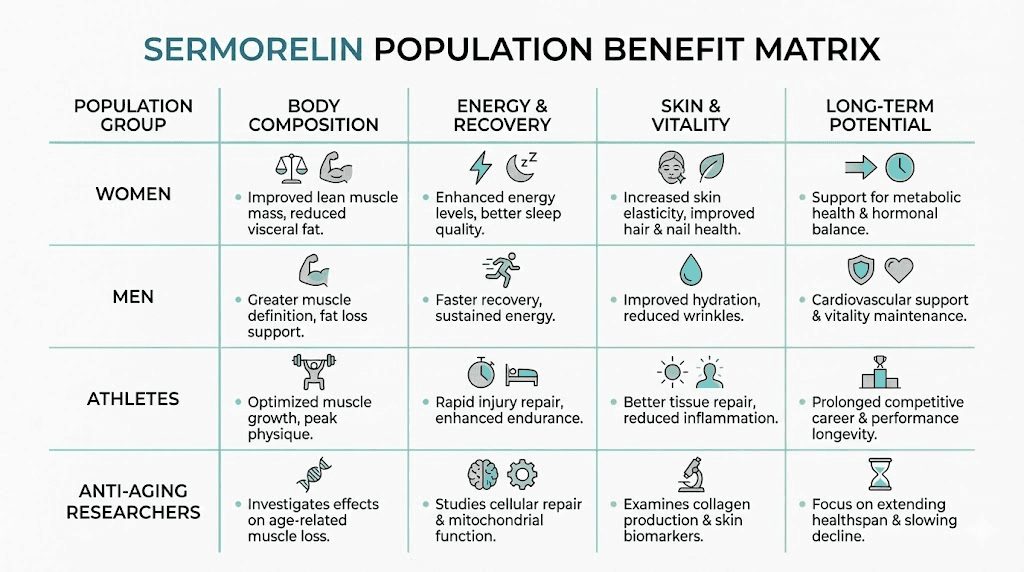
Different groups may experience sermorelin benefits in distinct ways based on their baseline GH status, health goals, and physiological characteristics. Understanding these population-specific considerations helps tailor protocols appropriately.
Sermorelin for women
Women researching peptides often find sermorelin attractive for its relatively side-effect-free profile compared to hormonal alternatives. Growth hormone optimization supports body composition goals, skin quality improvements, and energy levels without the complexities of sex hormone modification.
Women over 40 may benefit particularly from sermorelin as GH decline accelerates during perimenopause and menopause. The peptide's effects on body composition, mood, and skin quality address common concerns during this life stage. Menopause-supportive peptides often include GH secretagogues for these reasons.
For those dealing with perimenopause symptoms, sermorelin's sleep-improving effects prove particularly valuable. Many perimenopausal sleep disturbances relate to hormonal fluctuations, and enhanced sleep quality through GH optimization can provide meaningful relief.
Sermorelin for men
Men using peptides often prioritize body composition and performance effects. Sermorelin's ability to support muscle maintenance while promoting fat loss aligns well with common male health goals. The peptide's effects complement rather than replace testosterone optimization approaches.
Men concerned about sexual function sometimes include sermorelin in comprehensive protocols. While not directly affecting sexual performance, optimized GH levels support overall vitality and energy that can influence sexual health indirectly. For direct effects, peptides like PT-141 or libido-specific peptides may be more appropriate.
Sermorelin for athletes and fitness enthusiasts
Athletic applications of sermorelin center on recovery enhancement and body composition optimization. The peptide's effects on sleep quality translate directly into improved training adaptation, as most physical improvements occur during rest periods. Athletic performance peptides frequently include GH secretagogues for this reason.
Endurance athletes researching cardio performance peptides may find sermorelin supports recovery from high-volume training. The peptide doesn't directly enhance cardiovascular function but accelerates adaptation to training stress through improved recovery between sessions.
Strength and physique athletes benefit from sermorelin's anabolic support and fat loss promotion. When combined with appropriate training and nutrition, optimized GH levels can enhance the body composition changes that intensive training produces. Muscle growth peptides often include sermorelin as a foundational component.
Safety profile and potential side effects
Sermorelin's extensive research history provides substantial safety data. As an analog of a natural hormone, its effects fall within physiological parameters rather than creating unprecedented biological states. Peptide safety considerations remain important, but sermorelin demonstrates a favorable profile.
Common side effects
Injection site reactions represent the most frequently reported side effect, including temporary redness, swelling, or mild discomfort. These local reactions typically resolve quickly and diminish with continued use as technique improves. Rotating injection sites minimizes cumulative irritation.
Some users report transient facial flushing following administration. This vascular response relates to the mechanism of action and usually subsides within minutes. While sometimes noticeable, flushing doesn't indicate adverse effects and requires no intervention.
Headaches occasionally occur, particularly during initial use periods. These typically resolve as the body adjusts to enhanced GH signaling. Staying well-hydrated and starting with lower doses can minimize this possibility. Persistent headaches warrant protocol reassessment.
Rare adverse effects
Serious adverse effects with sermorelin remain uncommon in research literature. Unlike direct HGH administration, which can cause joint pain, fluid retention, and carpal tunnel syndrome at higher doses, sermorelin's pulsatile GH stimulation rarely produces these issues.
Theoretically, any compound that increases GH could accelerate existing malignancies, as cancer cells may respond to growth signals. This concern remains largely theoretical for sermorelin given its physiological rather than supraphysiological effects, but those with history of cancer should consult healthcare providers.
Blood glucose effects can occur since GH influences glucose metabolism. Those with diabetes or prediabetes should monitor blood glucose carefully when using sermorelin. The peptide's effects on insulin sensitivity can be positive or negative depending on individual metabolic status.
Contraindications and precautions
Certain conditions contraindicate sermorelin use or require special caution. Active malignancy generally precludes GH optimization approaches. Pregnancy and breastfeeding warrant avoiding sermorelin due to insufficient safety data in these populations.
Those with pituitary disorders require medical supervision when considering sermorelin. The peptide works through pituitary stimulation, and existing pituitary pathology could affect both efficacy and safety. Similarly, hypothalamic conditions may influence response to GHRH analogs.
Drug interactions with sermorelin are relatively limited, but glucocorticoids and thyroid hormone levels can influence GH response. Those taking prescription medications should research potential interactions before beginning sermorelin protocols.
Expected timeline and results
Understanding peptide timelines helps set appropriate expectations for sermorelin results. Unlike acute-acting compounds, growth hormone optimization produces gradual improvements that compound over time. Different benefits emerge on different schedules.
Short-term effects (weeks 1-4)
Sleep improvements often manifest first, sometimes within the initial week of sermorelin use. Users frequently report deeper sleep, more vivid dreams during REM phases, and enhanced morning alertness. These early sleep benefits provide immediate quality of life improvements.
Energy levels may begin improving within the first few weeks as sleep quality enhances recovery. Some users notice subtle mood improvements during this period as well. However, body composition changes remain minimal in the early phase.
Recovery from exercise may improve relatively quickly, with users reporting reduced soreness and faster return to baseline between training sessions. This effect reflects GH's role in tissue repair and protein synthesis enhancement.
Medium-term effects (months 1-3)
Body composition changes become noticeable during this phase. Fat loss, particularly from visceral stores, progresses measurably. Muscle tone may improve as lean mass increases alongside continued fat reduction. These changes typically become visible to others around month two.
Skin quality improvements often emerge during this period. Users report smoother texture, improved hydration, and reduction in fine lines. These collagen-related benefits accumulate gradually but become increasingly apparent with continued use.
Cognitive benefits solidify during months one through three. Initial improvements in focus and memory become more consistent and pronounced. Some users report enhanced creativity and problem-solving ability as brain function optimizes.
Long-term effects (months 3-6 and beyond)
Maximum body composition benefits typically manifest after several months of consistent use. The combination of fat loss and muscle gain creates increasingly dramatic changes to overall physique. Before and after documentation often shows most striking changes in this phase.
Hair and nail improvements, slower to develop than skin changes, often become notable during extended use. Faster nail growth, increased hair thickness, and improved hair quality reflect broad tissue health optimization.
Biomarkers of aging may show measurable improvement with extended sermorelin use. IGF-1 levels, often depressed in aging individuals, typically normalize. Other markers including lipid profiles and inflammatory markers may improve as body composition optimizes.
Sourcing and quality considerations
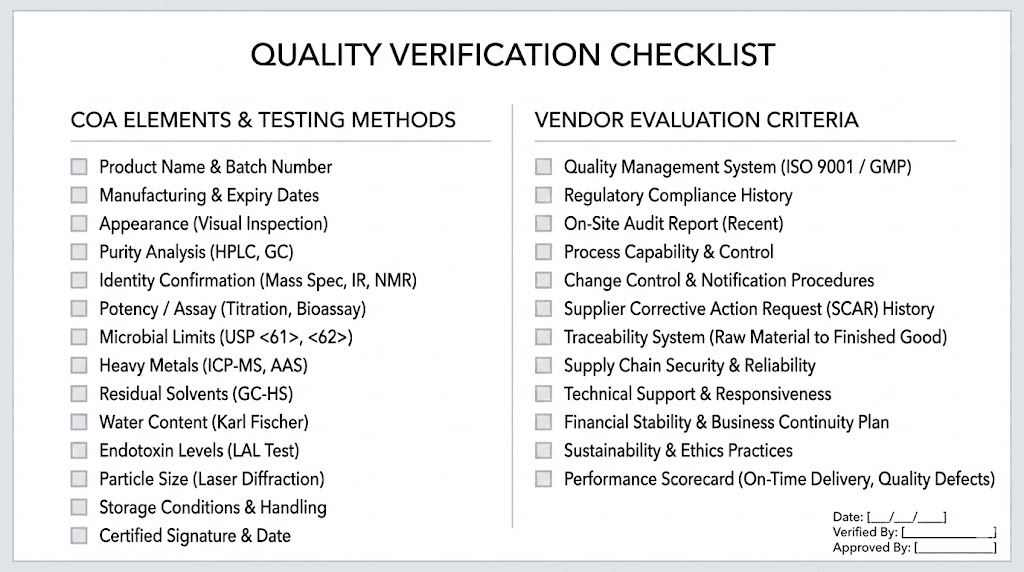
Peptide quality varies dramatically across vendors, making source selection critical for both safety and efficacy. Vendor evaluation requires attention to testing, manufacturing standards, and reputation within the research community.
Purity and testing requirements
High-quality sermorelin should demonstrate 98%+ purity through independent testing. Third-party certificates of analysis provide verification that vendor claims match actual product composition. HPLC and mass spectrometry testing confirm peptide identity and purity.
Understanding testing documentation helps evaluate vendor claims. Elution time should match sermorelin standards, and peak intensity indicates relative purity. Multiple test methods provide more confidence than single-test results.
Contaminants including residual solvents, heavy metals, and bacterial endotoxins require testing beyond simple purity assessment. Quality vendors provide comprehensive testing addressing these concerns. Products lacking thorough testing documentation should raise caution.
Vendor selection criteria
Established vendors with track records in the research community offer more reliability than unknown sources. Online communities and forums provide feedback on vendor experiences, though individual reports should be weighted carefully. Consistent positive feedback over time suggests reliability.
Research grade versus pharmaceutical grade distinctions matter for both quality expectations and legal considerations. Understanding the regulatory landscape helps contextualize vendor offerings and appropriate use cases.
Price outliers, either extremely low or high, warrant skepticism. Quality sermorelin falls within a reasonable price range based on manufacturing costs. Dramatically discounted products may indicate quality compromises, while excessive pricing doesn't guarantee superior quality.
Legal considerations
Peptide legality varies by jurisdiction and intended use. In many regions, sermorelin remains available for research purposes while requiring prescription for clinical use. Understanding local regulations prevents inadvertent legal issues.
Research-labeled peptides technically restrict use to laboratory settings. This legal framework shapes how vendors market and sell these compounds. Practical applications may differ from labeled uses, but understanding the regulatory context remains important.
Importation rules add another layer of consideration for those obtaining peptides internationally. Some jurisdictions permit personal importation of research compounds while others restrict such imports. Researching specific regulations prevents customs complications.
Sermorelin compared to lifestyle interventions
Growth hormone optimization through sermorelin should complement rather than replace foundational health practices. Diet, exercise, and sleep hygiene all influence endogenous GH production. Understanding these interactions helps maximize sermorelin benefits.
Sleep optimization synergies
Sermorelin enhances sleep quality, but foundational sleep hygiene amplifies these benefits. Consistent sleep schedules, dark sleeping environments, and appropriate temperature support the deep sleep phases where GH release peaks. Poor sleep hygiene can limit sermorelin's effectiveness.
Avoiding screens before bed, limiting caffeine after midday, and managing stress all contribute to sleep quality independent of peptide use. These practices create a foundation that sermorelin builds upon rather than replaces.
Exercise and training considerations
Resistance training naturally stimulates GH release, creating additive effects with sermorelin. Training before sermorelin administration may enhance the peptide's GH-releasing effects through primed pituitary responsiveness. Structuring training timing strategically optimizes these synergies.
High-intensity interval training produces acute GH spikes that can complement sermorelin's baseline optimization. The combination of training-induced and peptide-enhanced GH signaling creates a more robust anabolic environment than either approach alone.
Overtraining, however, can suppress GH axis function and potentially limit sermorelin's effectiveness. Adequate recovery between training sessions allows the GH system to respond optimally to peptide stimulation.
Nutritional factors
Protein intake supports the anabolic outcomes of enhanced GH signaling. Adequate amino acid availability allows the body to capitalize on sermorelin-enhanced protein synthesis. Without sufficient protein, some sermorelin benefits may be limited.
Carbohydrate and fat intake around sermorelin administration affects absorption and response. Fasting windows before and after dosing ensure optimal peptide uptake and GH release. This timing consideration applies to all GHRH analogs.
Micronutrient status influences GH axis function. Zinc, magnesium, and vitamin D all play roles in growth hormone production and signaling. Addressing deficiencies in these nutrients supports sermorelin's mechanism of action.
Frequently asked questions
How long does it take for sermorelin to work?
Most users notice sleep improvements within the first 1-2 weeks of consistent sermorelin use. Body composition changes typically become apparent after 6-8 weeks, with optimal results developing over 3-6 months of continued use. Individual response varies based on baseline GH status, age, and protocol consistency.
Can sermorelin be used long-term?
Sermorelin's mechanism preserves natural feedback systems, making it appropriate for extended protocols without the tolerance concerns of some other compounds. Many researchers use sermorelin continuously for months to years with sustained benefits. Periodic blood work helps monitor ongoing response and safety.
What is the best time to take sermorelin?
Bedtime administration aligns with natural GH release patterns during deep sleep. Taking sermorelin 30-60 minutes before sleep on an empty stomach optimizes both absorption and physiological timing. Some protocols include additional morning doses, but evening remains primary.
Does sermorelin require a prescription?
Prescription requirements vary by jurisdiction. In clinical settings, sermorelin may require prescription, while research-labeled compounds follow different regulatory frameworks. Understanding local regulations helps determine appropriate sourcing channels.
What are the differences between sermorelin and ipamorelin?
Sermorelin works through GHRH receptor activation while ipamorelin activates ghrelin receptors. These complementary mechanisms explain why many protocols combine both peptides for enhanced GH release. Either can be used alone, but combination approaches leverage synergies between pathways.
How SeekPeptides supports sermorelin research
SeekPeptides provides comprehensive resources for those researching growth hormone optimization through sermorelin and related peptides. The platform offers educational content designed to support informed decision-making about peptide protocols.
Dosing calculators including the general peptide calculator help determine appropriate sermorelin amounts based on individual parameters. These tools simplify the mathematical calculations involved in protocol design, reducing errors and improving consistency.
The reconstitution calculator specifically addresses the preparation process for lyophilized sermorelin. Proper reconstitution ensures accurate dosing and maintains peptide stability. SeekPeptides tools walk users through this process step by step.
Comparative resources including the ipamorelin versus CJC-1295 comparison help contextualize sermorelin within the broader GH peptide landscape. Understanding how different peptides compare supports informed protocol selection.
SeekPeptides remains committed to providing evidence-based peptide education that supports researchers in achieving their optimization goals through systematic, informed approaches.
Helpful resources
May your growth hormone stay optimized, your sleep stay restorative, and your recovery stay accelerated. Join SeekPeptides.