Feb 6, 2026

You have heard the buzz about GLP-1 medications. Friends lost 20 pounds in three months. Social media overflows with before and after photos. But the prescription costs $1,200 per month, insurance will not cover it, and the side effects sound brutal. You search for alternatives and discover Thrive GLP-1, a natural supplement system claiming to support weight management without injections or prescriptions. The marketing looks compelling. The testimonials seem genuine. Yet something feels off. How can a supplement compare to a prescription medication that fundamentally alters hormone signaling? What does natural GLP-1 support even mean? And most importantly, does it actually work or is this another overhyped supplement promising results it cannot deliver?
The confusion is understandable. The supplement industry rushed to capitalize on GLP-1 popularity, flooding the market with products making bold claims. Some contain ingredients with research backing. Others are pure marketing hype. Thrive GLP-1, manufactured by Le-Vel as part of their myGLP system, sits somewhere in the middle, a legitimate supplement with real ingredients but effectiveness nowhere near prescription semaglutide or tirzepatide.
The challenge extends beyond just comparing natural to pharmaceutical. The entire GLP-1 supplement category operates in a gray zone between legitimate metabolic support and misleading claims. Understanding where Thrive GLP-1 fits requires examining its actual ingredients, the research on natural GLP-1 agonists, realistic expectations for results, and how it compares to both prescription medications and other natural alternatives. This guide provides that comprehensive breakdown, cutting through marketing claims to reveal what Thrive GLP-1 actually delivers, who benefits most from using it, and whether natural GLP-1 support offers meaningful weight management results or simply drains your wallet while prescription alternatives exist.
What is Thrive GLP-1
Thrive GLP-1 represents Le-Vel's entry into the natural weight management supplement market, launched in response to explosive demand for GLP-1 receptor agonist medications. The company markets this as a revolutionary four-part system designed to support your body's natural GLP-1 production rather than introducing synthetic hormones through injections.
Le-Vel positions the myGLP system as the first-to-market holistic daily natural GLP support routine. That claim requires scrutiny.
The system includes four distinct components taken throughout the day in a specific sequence. First, you take THRIVE myGLP Lifestyle Capsules on an empty stomach immediately upon waking. These capsules contain the primary active ingredients designed to stimulate natural GLP-1 production and support metabolic function. Twenty to forty minutes later, you consume the THRIVE myGLP Micronized Lifestyle Mix, a protein shake providing 20 grams of protein along with vitamins, minerals, and additional metabolic support compounds.
After consuming the shake, you apply the THRIVE GLP Derma Fusion Technology, a transdermal patch that delivers nutrients through your skin over a 24-hour period. Finally, throughout the day as needed, you can use THRIVE Dissolvable GLP Activation Technology strips placed on your tongue for an additional boost to energy and appetite control.
This multi-component approach differentiates Thrive GLP-1 from single-pill supplements claiming GLP-1 benefits. Whether that complexity translates to superior results remains an open question examined throughout this guide.
The Le-Vel company background
Le-Vel launched in 2012 as a health and wellness direct sales company, quickly building a customer base exceeding 10 million people worldwide. The company generated over $3 billion in lifetime sales primarily through their THRIVE Experience and THRIVE ELITE Experience product lines. Their business model relies on independent promoters who sell products and recruit additional sellers, a structure common in the supplement industry.
This matters for understanding Thrive GLP-1. Direct sales companies excel at marketing and creating buzz but sometimes prioritize salesforce excitement over clinical evidence. Le-Vel holds over 30 patents related to their delivery technologies and formulations. Patents demonstrate innovation but do not validate effectiveness. You can patent a delivery system that accomplishes nothing therapeutically.
The myGLP launch generated unprecedented preorder interest according to Le-Vel, suggesting either genuine market demand or highly effective promoter incentives. Likely both.
Natural versus pharmaceutical GLP-1
Understanding the fundamental difference between natural GLP-1 support and pharmaceutical intervention proves critical for setting realistic expectations. Your body naturally produces GLP-1 (glucagon-like peptide-1) in your intestinal L-cells in response to food intake. This hormone signals fullness, slows gastric emptying, and helps regulate blood sugar levels. However, natural GLP-1 has a half-life of only 1-2 minutes before enzymes break it down.
Prescription GLP-1 medications like semaglutide work by mimicking GLP-1 structure while resisting enzymatic breakdown. This allows the medication to circulate for days rather than minutes, producing effects exponentially stronger than your body's natural GLP-1 production. These medications directly bind to and activate GLP-1 receptors throughout your body, fundamentally altering hormone signaling in ways natural production cannot match.
Natural GLP-1 supplements like Thrive take a completely different approach. They contain ingredients that may stimulate your body to produce more of its own GLP-1 or slow its degradation. This distinction matters enormously. Even if Thrive doubles your natural GLP-1 production, you still only have twice the amount of a hormone that disappears within minutes. Compare that to semaglutide, which maintains therapeutic levels continuously for days after injection.
Think of it this way. Natural GLP-1 support is like encouraging your body to produce more of a substance it quickly destroys. Pharmaceutical GLP-1 is like introducing an indestructible version that accumulates to therapeutic concentrations. Both affect the same system but through mechanisms producing wildly different results.
Marketing claims versus clinical reality
Le-Vel makes carefully worded claims about their myGLP system. They state it supports weight and appetite management, promotes mental clarity and focus, supports cardiovascular health, helps maintain a healthy inflammatory response, optimizes metabolism, and supports healthy blood sugar levels. Notice the language. Supports, not causes. Helps maintain, not improves. Optimizes, not treats.
This distinction reflects legal requirements. The FDA classifies Thrive GLP-1 as a dietary supplement, not a drug. Supplements cannot legally claim to diagnose, treat, cure, or prevent any disease. The marketing must remain vague about specific outcomes. When Le-Vel states the system supports weight management, they mean it might help with weight management, not that it will help or that clinical evidence demonstrates effectiveness.
The company emphasizes their product as first-to-market holistic natural GLP support. First-to-market often means rushed development to capitalize on trends before competitors arrive. The newness is not necessarily an advantage. Established supplements like berberine have decades of research. Thrive GLP-1 has marketing momentum.
Independent clinical trials examining the complete myGLP system do not exist yet. Le-Vel may conduct internal studies, but these rarely receive peer review or publication in scientific journals. Most evidence supporting individual ingredients comes from studies unrelated to this specific formulation. That pattern is common in the supplement industry but should temper expectations. SeekPeptides emphasizes evidence-based approaches to peptide research, which means questioning claims lacking rigorous validation.
Ingredients and formulation breakdown
Examining what Thrive GLP-1 actually contains reveals both promise and limitations. Le-Vel provides limited detailed ingredient information publicly, requiring some detective work to understand the formulation. The available information suggests the system contains several ingredients with legitimate metabolic effects, though not at levels or combinations proven to match pharmaceutical GLP-1 medications.
Lifestyle capsules composition
The Lifestyle Capsules serve as the primary active component, consumed first thing each morning on an empty stomach. Le-Vel describes these as supporting energy, focus, appetite control, cardiovascular wellness, and healthy inflammatory response while promoting natural GLP and GIP production. The capsules likely contain a proprietary blend making exact ingredient quantities difficult to determine.
Based on product descriptions and similar formulations, the capsules probably include stimulants for energy and focus, appetite suppressants, ingredients targeting inflammation, and compounds with some evidence for influencing incretin hormones. Without seeing the supplement facts panel, determining exact composition remains speculative. This opacity represents a significant limitation when evaluating potential effectiveness.
The emphasis on taking capsules on an empty stomach suggests ingredients sensitive to food interference or requiring specific absorption conditions. Many metabolic compounds work better when taken fasted, allowing peak blood concentrations before food consumption alters digestive processes.
Micronized lifestyle mix ingredients
The protein shake component provides more transparent information. The mix contains 20 grams of protein per serving along with over 50 percent of daily recommended vitamins and minerals. Specific nutrients mentioned include biotin, zinc, and magnesium. The formulation is described as vegan-friendly, suggesting plant-based protein sources rather than whey or casein.
Three ingredients receive specific attention: myHMB, berberine, and probiotics. Each deserves examination.
MyHMB (beta-hydroxy beta-methylbutyrate) is a metabolite of leucine, an essential amino acid. Research shows myHMB helps preserve muscle mass during weight loss, particularly relevant given that GLP-1 medications often cause significant muscle loss alongside fat loss. Studies on semaglutide found 39-40 percent of weight lost was lean mass rather than fat. Including myHMB makes sense as a countermeasure, though whether the dose in this formula suffices for meaningful muscle preservation remains unknown.
Typical effective myHMB doses range from 1.5 to 3 grams daily. If the Lifestyle Mix contains less, benefits diminish proportionally.
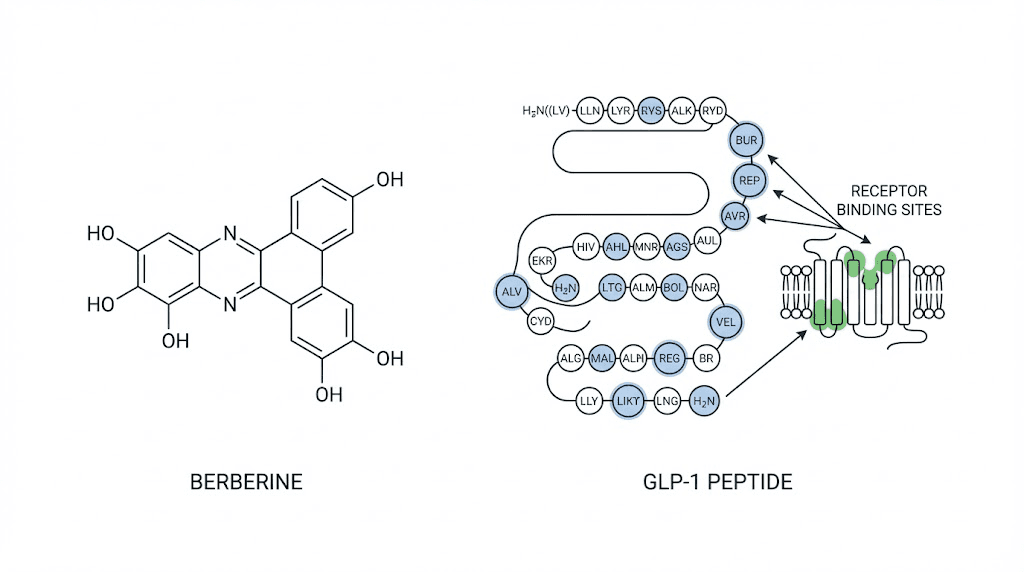
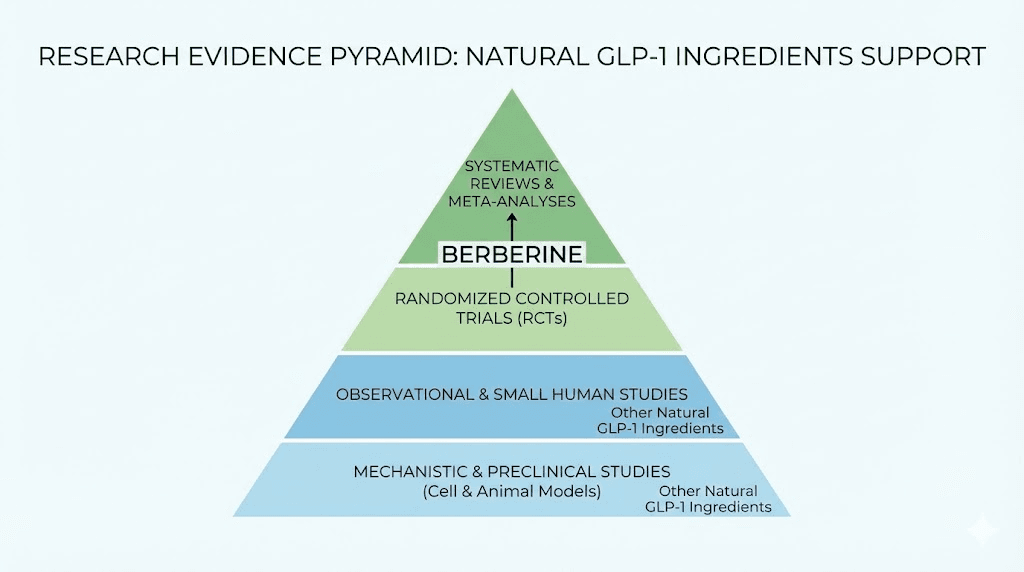
Berberine represents the most research-backed ingredient for natural GLP-1 support. This alkaloid compound extracted from several plants including Berberis activates AMPK, a critical enzyme in energy metabolism. Berberine demonstrates glucose-lowering effects, insulin sensitivity improvements, and modest weight loss in clinical trials. A meta-analysis of 12 randomized controlled trials found berberine produced approximately 4.5 pounds of weight loss on average, significantly less than prescription GLP-1s but more than placebo.
Berberine's mechanism involves multiple pathways beyond GLP-1, including direct effects on glucose metabolism, gut microbiota modulation, and inflammation reduction. Effective doses typically range from 900-1500mg daily divided into multiple doses. The amount in Thrive GLP-1 mix remains unspecified.
Probiotics receive mention but without strain specification or CFU counts. Emerging research links gut microbiota composition to GLP-1 production. Certain bacterial strains stimulate L-cells to produce more GLP-1 naturally. However, probiotic effects are highly strain-specific. Lactobacillus rhamnosus differs fundamentally from Bifidobacterium animalis. Without knowing which strains and at what doses, evaluating the probiotic component proves impossible.
Derma fusion technology
The transdermal patch represents Le-Vel's proprietary delivery technology. Transdermal delivery offers advantages for certain compounds, allowing steady release over 24 hours while bypassing first-pass liver metabolism. However, not all compounds penetrate skin effectively. Molecular size, lipophilicity, and charge all affect transdermal absorption.
The patch supposedly delivers premium nutrition through skin, providing all-day benefits. What nutrition specifically remains vague. Vitamins? Minerals? Metabolic compounds? Peptides cannot be delivered transdermally due to their molecular size. Most larger molecules require penetration enhancers or special formulations to cross the skin barrier.
Le-Vel holds patents on their transdermal technology, suggesting legitimate innovation in delivery methods. However, patents validate novelty, not clinical efficacy. A revolutionary delivery system means nothing if it delivers ineffective ingredients or delivers them at subtherapeutic doses.
The 24-hour delivery timeframe makes sense for maintaining steady metabolic support. Compare this to prescription GLP-1 injections administered weekly, maintaining therapeutic levels through long half-life rather than continuous delivery.
Dissolvable activation strips
The oral strips provide on-demand GLP activation support throughout the day. These dissolve on your tongue, allowing rapid absorption through oral mucosa rather than digestion. Sublingual and buccal delivery works well for certain compounds, particularly those degraded by stomach acid or extensively metabolized by the liver.
The strips supposedly support appetite control and energy when needed. This suggests stimulant content for energy and appetite suppressants for food cravings. Common ingredients in similar products include caffeine, green tea extract, chromium, and B vitamins. Without ingredient disclosure, evaluation remains limited.
The as-needed dosing provides flexibility absent in prescription medications requiring fixed schedules. However, this flexibility may lead to overuse or inconsistent protocols undermining potential benefits. SeekPeptides members access structured protocols preventing common mistakes like inconsistent dosing that reduces effectiveness.
How natural GLP-1 support works
Understanding the mechanisms behind natural GLP-1 support clarifies what Thrive GLP-1 can and cannot accomplish. The human body produces GLP-1 through complex processes involving nutrient sensing, hormone signaling, and enzymatic regulation. Natural supplements influence this system through several pathways, none matching the direct receptor activation of synthetic GLP-1 agonists.
Stimulating endogenous GLP-1 production
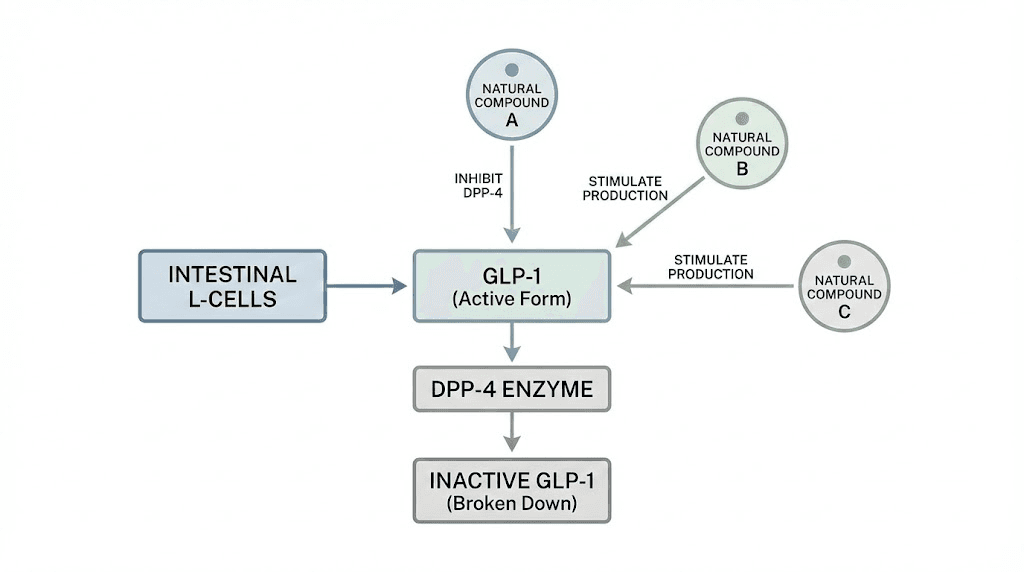
Your intestinal L-cells produce GLP-1 in response to nutrients, particularly protein, fiber, and healthy fats. Certain compounds enhance this natural production through various mechanisms. Berberine, for example, appears to increase GLP-1 secretion through multiple pathways including activation of the TGR5 receptor and modulation of gut microbiota composition. Research shows berberine treatment increases circulating GLP-1 levels in both animal and human studies, though the magnitude remains modest compared to pharmaceutical interventions.
Other natural compounds with evidence for stimulating GLP-1 include curcumin from turmeric, which activates similar metabolic pathways, green tea catechins that influence incretin hormone production, and specific amino acid combinations that trigger L-cell signaling. The effect sizes vary considerably, and most studies examine individual compounds rather than comprehensive formulations like Thrive GLP-1.
Fiber deserves special mention. Soluble fiber fermentation by gut bacteria produces short-chain fatty acids, particularly butyrate, that directly stimulate GLP-1 secretion. This represents one of the most reliable natural methods for increasing GLP-1, though still producing far lower levels than medications achieve. The 20 grams of protein in Thrive's shake likely stimulates some GLP-1 release independent of other ingredients.
Inhibiting DPP-4 enzyme activity
The enzyme dipeptidyl peptidase-4 (DPP-4) rapidly breaks down natural GLP-1, giving it a half-life of only 1-2 minutes. Prescription DPP-4 inhibitors like sitagliptin extend GLP-1 half-life by blocking this enzyme, approximately doubling circulating GLP-1 levels. Several natural compounds demonstrate DPP-4 inhibitory activity, though far weaker than pharmaceutical inhibitors.
Berberine again shows promise, exhibiting DPP-4 inhibitory effects in multiple studies. Green tea extracts, particularly EGCG, inhibit DPP-4 activity to some degree. Certain flavonoids found in fruits and vegetables demonstrate similar effects. However, the inhibitory potency of these natural compounds remains orders of magnitude below pharmaceutical DPP-4 inhibitors.
Even if Thrive GLP-1 contains effective DPP-4 inhibitors, doubling the lifespan of a hormone that lasts two minutes only extends it to four minutes. This provides marginal benefit compared to semaglutide's seven-day half-life. The mathematics of hormone kinetics work against natural alternatives.
Supporting metabolic pathways
Beyond direct GLP-1 effects, many ingredients in natural supplements support broader metabolic health through complementary mechanisms. AMPK activation by berberine improves insulin sensitivity, enhances glucose uptake in muscles, and promotes fat oxidation independent of GLP-1 signaling. These metabolic improvements may contribute more to weight management than modest GLP-1 increases.
B vitamins support energy metabolism. Chromium may improve insulin function. Protein intake preserves muscle during weight loss. Probiotics influence gut barrier function and inflammation. The combination of these effects could provide meaningful metabolic support even if GLP-1 increases remain minimal.
This suggests Thrive GLP-1 might deliver benefits through pathways unrelated to its name. The system may support weight management not by meaningfully increasing GLP-1 but by providing protein, potentially effective metabolic compounds like berberine, and general nutritional support. This is not necessarily bad, but it does raise questions about whether GLP-1 claims mislead consumers about the actual mechanism of action.
SeekPeptides provides comprehensive education on metabolic peptides and hormones, helping researchers understand the complex interplay between different signaling molecules rather than focusing narrowly on single pathways. Weight management involves multiple systems working together, and natural approaches may influence these systems through diverse mechanisms rather than one dominant pathway.
The magnitude problem
The fundamental limitation of natural GLP-1 support lies in magnitude. Research consistently shows natural compounds increase GLP-1 levels by 30-100 percent at best. Starting from a baseline that produces minimal effect due to rapid degradation, doubling that baseline still produces minimal effect. Prescription GLP-1 agonists achieve plasma concentrations hundreds to thousands of times higher than natural production, maintained continuously rather than in brief pulses.
Consider the numbers.
Average weight loss in clinical trials of semaglutide ranges from 12-15 percent of body weight over 68 weeks. Berberine, the most researched natural GLP-1 supporter, produces approximately 4.5 pounds of weight loss in meta-analyses. For a 200-pound person, semaglutide typically produces 24-30 pounds of loss. Berberine produces 4.5 pounds. The difference is not marginal.
This does not mean natural approaches lack value. A 4.5-pound loss combined with dietary changes and exercise may suffice for someone needing to lose 10-15 pounds total. The approach fails for someone needing to lose 50-100 pounds, where pharmaceutical intervention provides far superior results. Setting realistic expectations based on mechanism and magnitude prevents disappointment and wasted money.
Comparing Thrive GLP-1 to prescription medications
Direct comparison between Thrive GLP-1 and prescription medications reveals dramatic differences in effectiveness, cost, administration, side effects, and appropriate use cases. Understanding these distinctions helps determine which approach suits individual circumstances.
Effectiveness and weight loss results
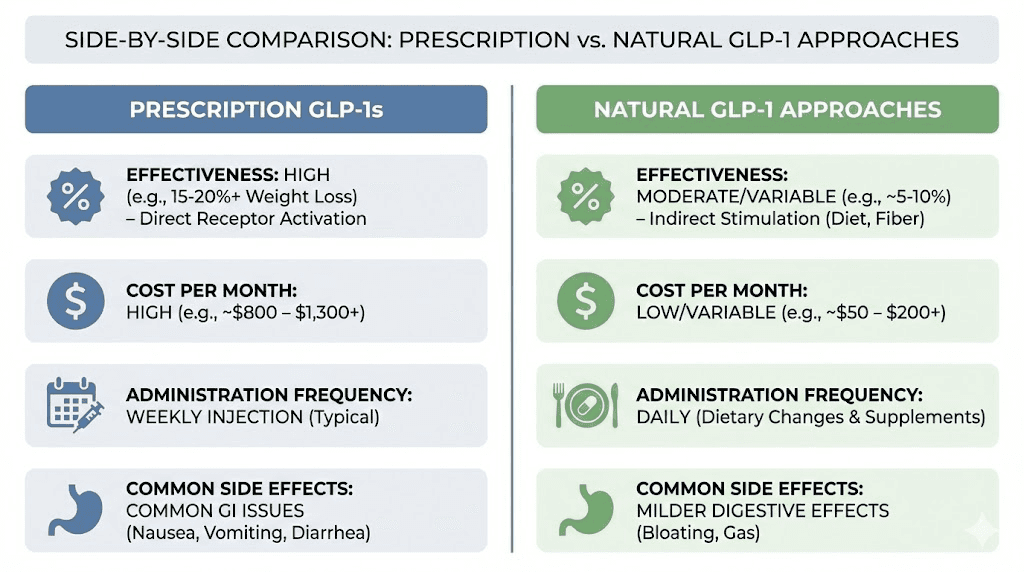
Clinical trial data for prescription semaglutide shows clear, consistent, and substantial weight loss. The STEP 1 trial demonstrated 12.4 percent body weight reduction at 68 weeks compared to 2.4 percent with placebo. The STEP 5 trial showed sustained 15.2 percent weight loss at two years. Tirzepatide trials produced even better results, with the SURMOUNT-1 trial showing 15-22.5 percent body weight reduction depending on dose.
Thrive GLP-1 has no published clinical trials examining weight loss outcomes. Available evidence comes from ingredient studies rather than the complete formulation. Berberine studies show 4.5 pounds average weight loss. MyHMB preserves muscle but does not independently cause weight loss. Probiotics show mixed results averaging 1-2 pounds in meta-analyses. Combining these effects generously suggests 5-8 pounds of potential weight loss, assuming optimal doses and individual responsiveness.
The effectiveness gap is enormous. Prescription medications reliably produce 25-40 pounds of weight loss in typical patients. Thrive GLP-1 might produce 5-8 pounds if everything works perfectly. For someone needing to lose 100 pounds, this difference determines success or failure. For someone needing to lose 15 pounds total, the natural approach may suffice.
Response rate also differs. Approximately 75-85 percent of patients on prescription GLP-1 medications achieve clinically significant weight loss (at least 5 percent body weight). Response rates for natural alternatives remain unknown but likely fall substantially lower. Berberine studies show high variability in individual response. Some people respond well. Many experience minimal effects.
Cost comparison and insurance coverage
Prescription semaglutide costs approximately $1,000-1,400 per month without insurance coverage. Tirzepatide costs $1,000-1,200 monthly. These prices create significant barriers for many patients. Insurance coverage varies widely, with most plans requiring documentation of obesity and failed diet attempts. Many plans still deny coverage entirely, considering weight loss medications cosmetic.
Compounded semaglutide and tirzepatide cost $200-400 monthly through specialized pharmacies, dramatically reducing cost but raising questions about quality control and consistency. This represents a middle ground between brand-name prescriptions and supplements.
Thrive GLP-1 system pricing ranges from $200-300 monthly depending on promoter discounts and subscription options. This makes it slightly cheaper than compounded GLP-1 medications but far more expensive than individual supplements purchased separately. You can buy berberine, protein powder, multivitamins, and probiotics independently for $50-80 monthly, getting similar or identical ingredients without the proprietary delivery systems.
The value proposition depends entirely on effectiveness. If Thrive GLP-1 produces 5-8 pounds of weight loss, paying $250 monthly costs $30-50 per pound lost. If it produces 2-3 pounds like berberine alone, you pay $80-125 per pound lost. Prescription semaglutide at $300 monthly for compounded versions producing 25 pounds of loss costs $12 per pound lost. The pharmaceutical approach provides better cost-effectiveness despite higher absolute cost.
Insurance covers none of the cost for supplements like Thrive GLP-1. You pay full price. This might matter less than expected since insurance rarely covers prescription GLP-1 medications either, forcing most patients to pay cash regardless.
Administration and convenience factors
Prescription GLP-1 medications require weekly subcutaneous injections for semaglutide or weekly injections for tirzepatide. Many patients fear needles or find injections burdensome. Injection technique is straightforward but does require learning proper procedure, storage, and needle disposal. Medications require refrigeration before first use, complicating travel.
Some patients develop injection site reactions, bruising, or discomfort. The weekly schedule means forgetting a dose creates a week-long gap affecting results. Missing multiple doses may require restarting titration from lower doses.
Thrive GLP-1 requires daily multi-step administration. Capsules upon waking. Shake 20-40 minutes later. Applying a patch. Using dissolvable strips as needed. This demands more frequent engagement but avoids injections entirely. The daily routine may help some people stay consistent through habit formation. Others find the multiple steps annoying and eventually skip components, reducing effectiveness.
Travel becomes easier with Thrive since nothing requires refrigeration or injection supplies. You pack capsules, powder, patches, and strips without special storage requirements. This represents a legitimate convenience advantage for frequent travelers.
The trade-off is simplicity versus needle-free. One injection weekly versus multiple daily steps. Neither is inherently superior. Individual preference determines which approach fits better into specific lifestyles.
Side effect profiles
Prescription GLP-1 medications produce well-documented side effects. Gastrointestinal issues dominate, including nausea (44-50 percent of patients), vomiting (24-31 percent), diarrhea (30-40 percent), constipation (24-30 percent), and abdominal pain (20-25 percent). These effects typically peak during dose titration and improve over time but cause 20-50 percent of patients to discontinue treatment within the first year.
More serious but rarer side effects include pancreatitis (uncertain risk increase), gallbladder disease (increased risk with rapid weight loss), hypoglycemia when combined with other diabetes medications, and injection site reactions. Emerging concerns include gastroparesis in some patients and questions about thyroid effects, though human relevance remains uncertain.
Muscle loss represents a major concern. Studies show 39-40 percent of weight lost on semaglutide comes from lean mass rather than fat. For someone losing 30 pounds, 12 pounds comes from muscle. This accelerates age-related sarcopenia and may slow metabolism, making weight regain more likely after stopping medication. Combining GLP-1 medications with resistance training and adequate protein intake partially mitigates but does not eliminate muscle loss.
Thrive GLP-1 side effects remain poorly documented since the system lacks clinical trials. Individual ingredients provide some guidance. Berberine commonly causes gastrointestinal distress including diarrhea, bloating, and abdominal discomfort in 10-30 percent of users, particularly at higher doses. These effects closely mimic GLP-1 medication side effects, though typically less severe.
MyHMB is generally well-tolerated with minimal side effects at standard doses. Probiotics occasionally cause gas or bloating during initial use. Caffeine or other stimulants potentially included in the capsules or strips may cause jitteriness, anxiety, insomnia, or heart palpitations in sensitive individuals.
The severity differential likely favors Thrive GLP-1 since it produces far weaker effects overall. Less effectiveness typically means fewer side effects. However, this represents a double-edged sword. Fewer side effects sounds appealing until you realize it correlates with less effectiveness.
One potential advantage: Thrive GLP-1 should not cause the muscle loss seen with prescription medications since it does not produce the dramatic appetite suppression and calorie restriction. The inclusion of myHMB specifically targets muscle preservation. Someone losing 5-8 pounds on Thrive GLP-1 while consuming adequate protein should maintain muscle mass better than someone losing 30 pounds on semaglutide.
Medical supervision requirements
Prescription GLP-1 medications require physician oversight. Initial evaluation includes medical history, physical examination, baseline lab work checking kidney function, liver enzymes, and potentially pancreatic enzymes. Physicians monitor for side effects, adjust doses, and evaluate response. This medical supervision protects patient safety but requires appointments, copays, and ongoing healthcare system engagement.
Some patients obtain prescriptions through telehealth services with minimal evaluation, raising safety concerns. Proper medical oversight matters, particularly for patients with diabetes, kidney disease, history of pancreatitis, or other comorbidities. SeekPeptides emphasizes the importance of medical supervision for any intervention significantly affecting metabolic function, even when technically available without prescriptions.
Thrive GLP-1 requires no medical supervision since it is classified as a dietary supplement. You purchase it directly, start taking it, and discontinue when desired without physician involvement. This provides convenience and eliminates healthcare barriers but also removes safety oversight.
Someone with medical conditions potentially worsened by supplement ingredients, taking medications that might interact, or experiencing side effects has no medical professional monitoring their situation. The burden falls entirely on the individual to recognize problems and seek help. Most people lack the knowledge to identify concerning symptoms or potential interactions.
The appropriate level of medical supervision depends on individual health status and risk factors. Generally healthy individuals trying Thrive GLP-1 face minimal risk and may not need physician involvement. Those with diabetes, cardiovascular disease, gastrointestinal conditions, or taking multiple medications should consult their doctor before starting, even though supplements do not require prescriptions.
Evidence for natural GLP-1 support
Examining the research behind natural GLP-1 support reveals both legitimate science and substantial limitations. Several ingredients show promise in preclinical and early human studies. None demonstrate effects approaching prescription medications. Understanding what evidence actually exists versus what marketing claims suggest proves essential.
Berberine research and mechanisms
Berberine stands out as the best-researched natural compound for metabolic effects potentially relevant to weight management. Over 2,800 published studies examine berberine, though most focus on glucose metabolism and cardiovascular effects rather than weight loss specifically.
A comprehensive meta-analysis published in 2020 examined 12 randomized controlled trials involving berberine for weight management. Results showed berberine reduced body weight by 2.05 kg (approximately 4.5 pounds) and BMI by 1.04 kg/m² compared to placebo or lifestyle intervention alone. Waist circumference decreased by 1.38 cm on average. These effects are statistically significant but clinically modest.
Berberine's mechanisms extend far beyond GLP-1 modulation. The compound activates AMPK, often called the body's metabolic master switch. AMPK activation increases glucose uptake in muscles, enhances insulin sensitivity, promotes fat oxidation, and improves mitochondrial function. These effects occur independently of GLP-1 signaling.
Specific to GLP-1, berberine increases intestinal GLP-1 secretion through multiple pathways. Studies show berberine activates the G protein-coupled receptor TGR5, which stimulates L-cells to release GLP-1. Berberine also modulates gut microbiota composition, increasing populations of bacteria that produce short-chain fatty acids like butyrate, which in turn stimulate GLP-1 release.
A 2024 study published in Diabetes, Metabolic Syndrome and Obesity examined berberine's effects on incretin hormones directly. Results showed berberine supplementation increased GLP-1 levels by approximately 50 percent compared to baseline. However, this 50 percent increase from normal physiological levels still produces far lower concentrations than even the lowest doses of pharmaceutical semaglutide.
Berberine demonstrates DPP-4 inhibitory activity in cell culture and animal studies, potentially extending the half-life of naturally produced GLP-1. However, the inhibitory potency remains far weaker than pharmaceutical DPP-4 inhibitors like sitagliptin.
Dosing matters significantly. Most positive berberine studies use 900-1500mg daily divided into 2-3 doses. Lower doses show reduced effectiveness. Higher doses increase gastrointestinal side effects without proportional benefits. Berberine has poor bioavailability, with only 5 percent absorbed from the intestinal tract. Various formulation technologies attempt to improve absorption, though clinical validation of enhanced bioavailability forms remains limited.
The evidence supports berberine as a legitimate metabolic support compound producing modest weight loss through multiple mechanisms. Positioning it as natural Ozempic or a GLP-1 replacement overstates effectiveness and misrepresents mechanism. Berberine does other useful things metabolically, some of which indirectly influence GLP-1, but equating it to pharmaceutical GLP-1 agonists misleads consumers.
Protein and satiety peptides
The 20 grams of protein in Thrive GLP-1 Lifestyle Mix likely contributes more to satiety than any other component. Protein consumption triggers release of multiple satiety hormones including GLP-1, peptide YY (PYY), and cholecystokinin (CCK). This occurs through direct amino acid sensing in the intestine and stomach distension from protein-containing meals.
Research consistently shows high-protein meals increase GLP-1 secretion by 50-100 percent compared to high-carbohydrate meals. A 2018 study in the Journal of Nutrition found a 35-gram protein breakfast increased GLP-1 levels significantly more than an isocaloric lower-protein breakfast. The effect lasted several hours, reducing hunger and food intake at subsequent meals.
The magnitude remains important. Even doubling GLP-1 from a protein-rich meal produces far lower levels than pharmaceutical interventions. However, protein provides additional benefits beyond GLP-1. It maximally stimulates muscle protein synthesis, requires more energy to digest (high thermic effect), and provides essential amino acids for physiological functions.
Someone consuming 20 grams of protein from Thrive's shake experiences similar GLP-1 increases to someone consuming 20 grams from any protein source. The branded shake offers convenience but likely provides no advantage over regular protein powder plus a multivitamin from a physiological perspective.
The protein component also helps preserve muscle during weight loss. Combined with myHMB in the formula, this represents an intelligent design choice. Whether the protein content justifies the premium price over standard protein supplements remains questionable.
Gut microbiota and incretin hormones
Emerging research reveals complex relationships between gut bacteria composition and GLP-1 production. The probiotic component in Thrive GLP-1 potentially influences this axis, though specifics remain vague without strain identification and CFU disclosure.
Certain bacterial strains stimulate L-cells to produce more GLP-1. Akkermansia muciniphila shows particularly strong effects, with studies demonstrating supplementation increases GLP-1 levels and improves metabolic parameters in mice and preliminary human trials. Lactobacillus and Bifidobacterium strains show more modest effects, with results varying by specific strain.
The mechanism involves bacterial fermentation of dietary fiber into short-chain fatty acids, particularly butyrate and propionate. These fatty acids bind to receptors on L-cells, triggering GLP-1 release. Additionally, certain bacterial metabolites directly influence incretin hormone expression.
A 2023 meta-analysis examined probiotic effects on metabolic outcomes across 45 randomized controlled trials. Results showed modest improvements in insulin sensitivity and minor weight loss averaging 1-2 pounds. Effects on GLP-1 specifically varied widely between studies, likely due to different bacterial strains used.
The evidence supports gut microbiota as relevant to GLP-1 production but does not validate probiotics as a reliable method for significantly increasing GLP-1. Strain selection, dose, duration, and individual baseline microbiota composition all influence outcomes dramatically. Without knowing which specific strains Thrive GLP-1 contains and at what doses, evaluating this component remains impossible.
Prebiotics (fiber that feeds beneficial bacteria) might provide more reliable benefits than probiotics for GLP-1 support. Consuming adequate soluble fiber from foods supports endogenous production of beneficial bacteria and short-chain fatty acids without relying on added bacterial strains surviving digestion and colonizing the gut.
Other ingredients with metabolic effects
Several other compounds commonly included in GLP-1 support supplements show varying degrees of evidence.
Green tea extract, particularly EGCG (epigallocatechin gallate), demonstrates modest metabolic effects and DPP-4 inhibitory activity. Meta-analyses show green tea catechins produce approximately 2-3 pounds of additional weight loss over 12 weeks compared to placebo.
Chromium, often included in weight loss formulations, shows inconsistent effects. Some studies suggest chromium picolinate improves insulin sensitivity and reduces food cravings. Other studies find no significant benefits. The variability likely relates to individual chromium status, with deficient individuals responding better than those with adequate levels.
Curcumin from turmeric shows anti-inflammatory and insulin-sensitizing effects in studies. Research suggests curcumin increases GLP-1 secretion through similar mechanisms to berberine, including AMPK activation and gut microbiota modulation. However, curcumin suffers from extremely poor bioavailability. Only 1-5 percent absorbs from the gut unless combined with enhancers like piperine (black pepper extract). Whether Thrive GLP-1 contains curcumin and in what form remains unknown.
B vitamins support energy metabolism but do not directly influence GLP-1. They may help prevent deficiencies that impair metabolic function, essentially removing obstacles rather than actively enhancing pathways. Adequate vitamin status matters for optimal health, though supplementation beyond sufficiency rarely produces additional benefits.
The combination of multiple ingredients with modest individual effects could theoretically produce meaningful cumulative benefits. However, combination effects remain largely unstudied. Assuming simple additive effects is optimistic. Synergistic effects producing results greater than the sum of parts requires evidence currently lacking.
Who should consider Thrive GLP-1
Determining appropriate candidates for Thrive GLP-1 requires realistic assessment of goals, expectations, and individual circumstances. The system suits specific populations better than others. Understanding who benefits most prevents wasted money and disappointment.
Ideal candidates for natural GLP-1 support
Someone needing to lose 10-20 pounds with relatively good metabolic health represents an ideal Thrive GLP-1 candidate. This person has modest weight loss goals achievable through lifestyle modifications but wants additional support beyond diet and exercise alone. They want to avoid prescription medications due to cost, side effect concerns, or philosophical preference for natural approaches.
Someone already implementing solid nutrition and exercise habits but hitting a plateau may benefit from the metabolic support Thrive GLP-1 provides. The system is not magic but could provide enough edge to push past stubborn weight stuck despite good behaviors. Think of it as optimizing an already functional program rather than replacing fundamentals.
Individuals sensitive to prescription medications or experiencing intolerable side effects from GLP-1 agonists might find natural alternatives more tolerable. Someone who tried semaglutide but stopped due to severe nausea could attempt Thrive GLP-1 for gentler effects, accepting reduced effectiveness in exchange for better tolerability.
People philosophically opposed to pharmaceutical interventions or preferring natural approaches benefit from having legitimate options backed by some research rather than completely unsubstantiated supplements.
Thrive GLP-1 contains ingredients with actual metabolic effects, even if modest, rather than proprietary blends with zero evidence.
Someone seeking comprehensive metabolic support beyond just weight loss might appreciate the multi-component approach. The system addresses energy, nutrition, and various metabolic pathways rather than narrowly focusing on one mechanism. This holistic approach appeals to certain individuals even if each component provides modest effects.
Finally, people with strong support networks through Le-Vel's promoter system may benefit from the accountability and community aspects. While not strictly related to the supplement itself, social support significantly influences weight loss success. If purchasing Thrive GLP-1 comes with regular check-ins, encouragement, and shared experience with others pursuing similar goals, that social component adds value beyond the pills themselves.
Who should avoid natural alternatives
Someone needing to lose 50-100+ pounds should not rely on Thrive GLP-1 as their primary intervention. The modest effects likely insufficient for substantial weight loss requiring more aggressive approaches. Prescription GLP-1 medications, metabolic surgery, or comprehensive medical weight management programs provide better options for severe obesity.
Individuals with type 2 diabetes requiring pharmacological intervention need medications proven to improve glycemic control. While berberine shows some glucose-lowering effects, it does not replace metformin or other diabetes medications. Someone with diabetes should work with their physician for evidence-based treatment, not substitute supplements for proven therapies.
Anyone with serious medical conditions including kidney disease, liver disease, history of pancreatitis, or cardiovascular disease should consult physicians before taking Thrive GLP-1. The lack of medical supervision creates risks for these populations. Even natural supplements can interact with medications or worsen underlying conditions.
Pregnant or breastfeeding women should avoid Thrive GLP-1 and similar supplements. Safety data for these populations does not exist. The potential risks outweigh any weight management benefits during pregnancy or lactation. Metabolic interventions should wait until after completing breastfeeding.
Someone unwilling to implement fundamental lifestyle changes wastes money on Thrive GLP-1. The system provides modest support for existing healthy behaviors but cannot overcome terrible diet and zero exercise. If you eat 4,000 calories daily, no supplement creates the deficit needed for weight loss. Fix the foundation before adding supplements.
Budget-conscious individuals might better allocate resources elsewhere. For $250 monthly, you could purchase berberine, quality protein powder, multivitamins, and probiotics separately for $50-80, investing the remaining $170-200 in a gym membership, cooking classes, or working with a registered dietitian. The educational and behavioral support likely provides better return on investment than proprietary formulations.
People seeking quick fixes or expecting prescription-level results will experience disappointment. Thrive GLP-1 requires consistency over months to see modest results. Someone hoping for 30-pound loss in three months should pursue proven medical interventions instead of natural supplements unlikely to deliver.
Integration with lifestyle modifications
Thrive GLP-1 works best as one component of comprehensive lifestyle modification, not a standalone solution. The most effective approach combines the supplement with evidence-based nutrition strategies, regular physical activity, adequate sleep, and stress management. Each element supports the others synergistically.
For nutrition, focus on whole foods rich in protein, fiber, and healthy fats, the exact nutrients that naturally stimulate GLP-1 production. This creates additive effects with supplement ingredients. Aim for 0.7-1 gram of protein per pound of body weight to preserve muscle mass during weight loss. Include 25-35 grams of fiber daily from vegetables, fruits, legumes, and whole grains. These dietary factors matter more than any supplement.
Resistance training becomes critical for preserving muscle mass. While Thrive GLP-1 includes myHMB for muscle protection, nothing replaces the stimulus of progressive resistance exercise. Train each major muscle group 2-3 times weekly using compound movements like squats, deadlifts, presses, and rows. The combination of protein intake, resistance training, and myHMB provides the best defense against muscle loss during weight reduction.
Adequate sleep influences hunger hormones profoundly. Sleep deprivation decreases leptin (satiety hormone) and increases ghrelin (hunger hormone), making weight loss dramatically harder. Aim for 7-9 hours nightly. Poor sleep may overwhelm any benefits from Thrive GLP-1 through hormonal disruption.
Stress management matters since chronic cortisol elevation promotes abdominal fat accumulation and insulin resistance. Incorporate stress reduction techniques whether meditation, yoga, nature exposure, or hobbies providing relaxation. The metabolic benefits of stress reduction complement supplement effects.
SeekPeptides members access comprehensive protocols integrating supplements with lifestyle modifications for optimal results, recognizing that peptides and hormones work within the context of overall health behaviors rather than in isolation.
Practical protocol and usage guidelines
Using Thrive GLP-1 effectively requires following specific protocols regarding timing, dosing, and integration with meals and exercise. The multi-component system demands more attention than single-pill supplements but theoretically provides better results through synergistic effects.
Daily administration sequence
The recommended Thrive GLP-1 protocol follows a specific sequence throughout the day. Begin immediately upon waking with the Lifestyle Capsules on an empty stomach. Take with 8-12 ounces of water. The empty stomach matters for optimal absorption of certain ingredients sensitive to food interference. Do not consume anything besides water for at least 20-30 minutes after taking capsules.
Twenty to forty minutes after the capsules, prepare and consume the Lifestyle Mix shake. Mix one packet with 8-12 ounces of cold water, milk, or plant-based milk alternative. The protein and other nutrients in the shake build on the effects initiated by the capsules. The 20-gram protein content stimulates natural GLP-1 release, adding to any effects from supplement ingredients.
After consuming the shake, apply the Derma Fusion Technology patch to clean, dry skin. Recommended sites include upper arm, shoulder, or lower back. Avoid areas with excessive hair, recent shaving, or skin irritation. The patch remains on for 24 hours before replacing with a new one. Rotate application sites to prevent skin irritation.
Throughout the day, use Dissolvable Activation Strips as needed when experiencing increased hunger or energy dips. Place one strip on your tongue and allow it to dissolve completely. Do not exceed the recommended number of strips daily, likely 2-3 based on similar products. Overuse of strips containing stimulants may cause jitteriness, anxiety, or sleep disruption.
The complete sequence demands consistency. Skipping components or taking them at inconsistent times reduces effectiveness. The system is designed with specific timing to maintain metabolic support throughout the day. However, this complexity also creates multiple points of failure where busy schedules interfere with compliance.
Timing with meals and exercise
Coordinate Thrive GLP-1 administration with meals and training for optimal results. The morning capsules and shake essentially replace breakfast or serve as breakfast itself, given the 20 grams of protein. If you consume additional breakfast, wait 1-2 hours after the shake to allow nutrient absorption and prevent overwhelming your digestive system.
For subsequent meals, timing matters less since the patch provides continuous support. However, consuming protein and fiber at lunch and dinner maximizes natural GLP-1 production, creating additive effects with supplement ingredients. Structure meals around 30-40 grams of protein, abundant vegetables providing fiber, and moderate healthy fats. This macronutrient distribution supports satiety and metabolic health independent of supplement use.
Exercise timing interacts with the supplement protocol. Morning training after the capsules and shake works well, providing energy from the supplements while training in a fed state supporting performance. If you prefer fasted training, take the capsules upon waking, train 30-45 minutes later, then consume the shake post-workout. This preserves supplement timing while accommodating fasted training preferences.
Avoid taking activation strips immediately before training if they contain stimulants. The combination of exercise-induced heart rate elevation plus stimulant effects may feel uncomfortable and potentially stress the cardiovascular system unnecessarily. Use strips post-workout if needed for energy and appetite control.
Post-workout nutrition deserves attention during any weight loss protocol. Consume 20-40 grams of protein within 2 hours after resistance training to maximize muscle protein synthesis. The myHMB in Thrive's shake supports this process but does not replace adequate protein intake. If the morning shake served as pre-workout nutrition, consume an additional protein source post-training.
Expected timeline for results
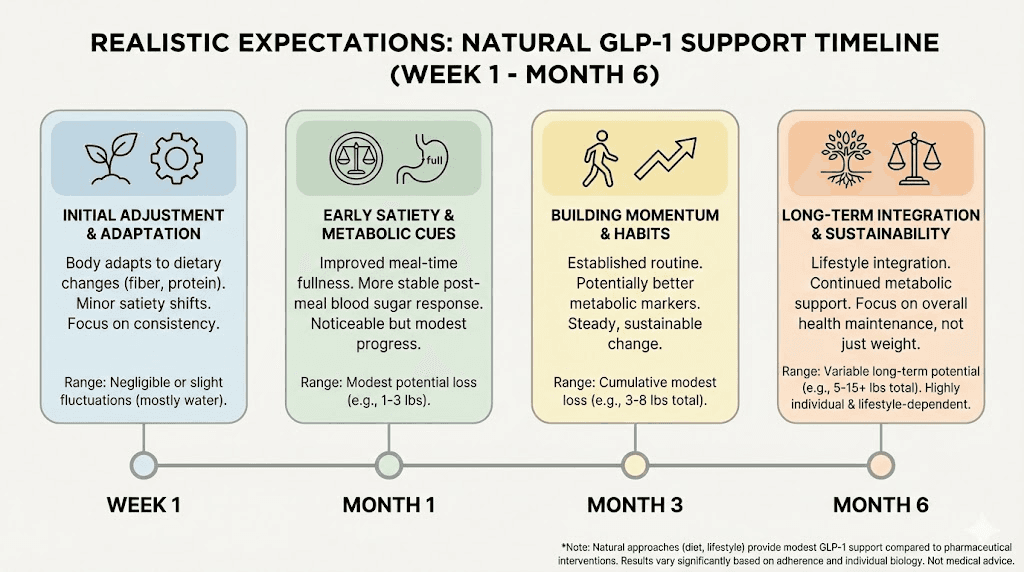
Setting realistic timeline expectations prevents premature discontinuation or unrealistic disappointment. Natural GLP-1 support produces gradual effects over weeks to months, not dramatic changes in days.
During the first week, expect minimal weight change. Initial effects likely reflect water weight fluctuation rather than fat loss. Some people experience reduced appetite within days if berberine or other ingredients reach effective blood levels quickly. Others notice nothing for 2-3 weeks as blood levels accumulate.
By weeks 2-4, subtle changes emerge. Appetite may decrease slightly. Energy levels might improve from the B vitamins and other supportive nutrients. Weight loss of 1-2 pounds represents realistic expectations if combined with appropriate calorie restriction. Some individuals see nothing yet, particularly if insulin sensitivity was already good or if the formulation does not suit their physiology.
Weeks 4-8 provide a meaningful assessment point. If you have lost 3-6 pounds and feel sustained energy with reduced hunger, the system is working as well as can be expected. If you have lost 0-1 pound with no subjective improvements, the protocol likely provides minimal benefit for you. Consider whether the cost justifies continuing versus trying alternative approaches.
By 12 weeks, maximum effects should manifest. Total weight loss of 5-10 pounds represents optimistic but achievable results assuming proper diet and exercise implementation. If you have lost less than 5 pounds in three months, the supplement is underperforming relative to cost. You could achieve similar results through dietary changes alone without $750 in supplement expenses.
Beyond 12 weeks, continued use maintains effects rather than producing additional benefits. Tolerance to some ingredients may develop, potentially reducing effectiveness over time. Le-Vel likely recommends continuous use to maintain sales, but cycling off periodically might prevent tolerance while saving money.
Compare your results to what might be achieved through other approaches. If Thrive GLP-1 helped you lose 8 pounds in three months while you faithfully followed diet and exercise protocols, would you have lost 5-6 pounds with just diet and exercise?
The supplement should provide meaningful advantage beyond fundamental lifestyle modifications to justify ongoing cost.
Monitoring progress and adjustments
Proper monitoring allows objective assessment of whether Thrive GLP-1 provides value. Track multiple metrics beyond just scale weight to capture comprehensive progress or lack thereof.
Weigh yourself weekly under consistent conditions. First thing in the morning after using the bathroom, before consuming anything, wearing minimal clothing. Weekly weighing prevents getting discouraged by daily fluctuations while providing enough data points to identify trends. If weight increases or remains unchanged for 3-4 consecutive weeks, the protocol is not working regardless of how you feel.
Measure waist circumference monthly. This captures abdominal fat loss better than total body weight. A decrease in waist circumference while weight remains stable indicates beneficial body composition changes. Measure at the narrowest point of your torso, typically at or just above the navel. Use the same landmark each time for consistency.
Take progress photos monthly from front, side, and back angles in consistent lighting and clothing. Visual changes often precede or exceed what the scale shows. Photos also provide motivation when progress feels slow, allowing comparison to earlier stages revealing changes you did not notice gradually.
Track subjective measures including hunger levels, energy, sleep quality, and exercise performance. Rate each on a 1-10 scale weekly. If Thrive GLP-1 reduces hunger from 8/10 to 5/10 even without dramatic weight loss, it is providing value through improved dietary adherence. If nothing changes subjectively and objectively, discontinuation makes sense.
Monitor side effects carefully. Gastrointestinal issues like bloating, diarrhea, or abdominal discomfort may indicate berberine intolerance or excessive dose. Jitteriness, anxiety, or sleep disruption suggests stimulant sensitivity. Document when side effects occur and their severity. Minor transient effects often resolve within 1-2 weeks as your body adapts. Persistent moderate to severe side effects warrant discontinuation.
Adjust implementation based on results and tolerability. If morning capsules cause stomach upset, try taking with a small amount of food rather than completely empty stomach. If the full shake is too filling or causes digestive issues, use half portions. If activation strips make you jittery, reduce frequency or discontinue entirely. The system provides flexibility for individualization.
After 8-12 weeks, conduct honest cost-benefit analysis. Total your expenditure, typically $600-900 for three months. Evaluate results achieved. Could you have accomplished similar or better results investing that money in a nutritionist, meal prep service, or gym membership? If Thrive GLP-1 clearly provided value beyond what alternatives would achieve, continuation makes sense. If results were minimal, redirect resources to approaches with better evidence.
Alternatives to Thrive GLP-1
Multiple alternatives exist for people seeking weight management support, each with distinct advantages and limitations. Understanding options allows informed decisions rather than defaulting to whichever product has the best marketing.
Prescription GLP-1 agonists
Prescription medications including semaglutide, tirzepatide, and liraglutide provide the most effective pharmaceutical weight loss interventions currently available. Semaglutide (brand names Wegovy for obesity, Ozempic for diabetes) produces 12-15 percent body weight reduction in clinical trials. Tirzepatide (Mounjaro for diabetes, Zepbound for obesity) produces 15-22.5 percent reductions depending on dose.
These medications require weekly subcutaneous injections, medical supervision, and substantial financial investment if insurance does not cover. Brand-name options cost $1,000-1,400 monthly. Compounded versions from specialized pharmacies cost $200-400 monthly but raise questions about quality control and consistency. Some people experience significant side effects necessitating discontinuation.
For someone needing substantial weight loss, prescription GLP-1 agonists provide far superior effectiveness to any natural alternative. The evidence base is robust, effects are predictable, and medical supervision protects safety. This remains the gold standard for pharmacological weight management despite cost and side effect considerations.
Standalone ingredient supplements
Rather than purchasing Thrive GLP-1's proprietary system, you could buy the most evidence-based ingredients separately at a fraction of the cost. A DIY approach might include:
Berberine 500mg three times daily with meals, totaling 1,500mg daily. This dose matches research protocols showing metabolic benefits. Quality berberine costs $15-25 for a one-month supply. Look for products listing berberine HCl (hydrochloride) and manufactured by reputable supplement companies with third-party testing.
Protein powder providing 20-30 grams per serving. Any quality whey, casein, or plant-based protein works. You do not need proprietary blends. Protein powder costs $30-50 for a month's supply depending on brand and source. This component may already be in your routine, eliminating additional cost.
A comprehensive multivitamin providing B vitamins, minerals including chromium, and other micronutrients. Quality multivitamins cost $10-20 monthly. This ensures you do not develop deficiencies that impair metabolic function.
Probiotics with well-researched strains like Lactobacillus rhamnosus GG or Bifidobacterium lactis BB-12. Multi-strain formulas with 10-50 billion CFU cost $20-30 monthly. Choose products with strains showing metabolic benefits in research rather than generic probiotic blends.
Optional additions include green tea extract (EGCG 300-500mg daily) for modest additional metabolic support and fiber supplements if dietary fiber intake falls short of 25-35 grams daily. These add $10-20 monthly.
Total monthly cost: $50-100 compared to $200-300 for Thrive GLP-1. You obtain similar or identical active ingredients without proprietary delivery systems or the multi-level marketing markup. The trade-off is convenience. Four separate bottles versus one complete system. Some people value the simplicity and accountability of a structured program enough to justify the premium.
Dietary and lifestyle approaches
The most cost-effective approach involves optimizing diet and lifestyle without supplements. While this requires more effort and discipline, it produces results comparable to natural supplements without ongoing expense.
Increase dietary protein to 0.7-1 gram per pound of body weight. This naturally stimulates GLP-1 release with every meal, provides satiety, preserves muscle mass, and has a high thermic effect requiring more calories to digest. Protein from whole food sources like eggs, fish, poultry, legumes, and Greek yogurt costs money but replaces other foods rather than adding to grocery bills.
Maximize dietary fiber from vegetables, fruits, legumes, and whole grains. Fiber intake of 30-40 grams daily supports gut bacteria producing short-chain fatty acids that stimulate GLP-1 production. Fiber also provides volume, slows digestion, and improves satiety. High-fiber diets show consistent weight loss benefits in research.
Include healthy fats from sources like avocados, nuts, seeds, olive oil, and fatty fish. While calorically dense, fats slow gastric emptying and trigger GLP-1 release. A whole avocado with a meal significantly increases GLP-1 and peptide YY levels while reducing subsequent hunger.
Structure meals using the balanced plate method. Half the plate non-starchy vegetables providing fiber and micronutrients. One quarter lean protein. One quarter whole grains or starchy vegetables. This automatically creates the macronutrient distribution supporting natural GLP-1 production without counting calories or macros obsessively.
Implement time-restricted eating where you consume all calories within an 8-10 hour window daily. This provides long fasted periods potentially enhancing insulin sensitivity and fat oxidation. Some evidence suggests intermittent fasting increases GLP-1 sensitivity even without weight loss.
Exercise regularly including both resistance training and cardiovascular activity. Resistance training preserves muscle mass during weight loss. Cardio increases calorie expenditure and improves insulin sensitivity. Exercise may enhance GLP-1 response to meals, though evidence remains mixed. Regardless, exercise provides numerous metabolic and health benefits independent of GLP-1 effects.
This dietary approach costs nothing beyond groceries. In fact, eliminating processed foods often reduces food spending. The challenge is adherence. Supplements provide psychological support, making people feel they are actively doing something for weight loss. Diet changes require sustained behavior modification without the crutch of pills or shakes.
Medical weight management programs
Comprehensive medical weight management programs combine physician supervision, registered dietitian guidance, behavioral counseling, and sometimes medication or meal replacements. These programs cost $200-500 monthly but provide professional support and accountability unmatched by supplements alone.
Programs typically begin with comprehensive evaluation including medical history, physical examination, metabolic testing, and lab work. Based on findings, the team develops individualized treatment plans addressing nutrition, physical activity, sleep, stress, and potential medical contributors to weight gain.
Regular follow-up appointments monitor progress, adjust interventions, and provide ongoing education and motivation. Registered dietitians teach practical food skills, meal planning, and strategies for navigating social situations and travel. Behavioral counselors address emotional eating, stress management, and habit formation.
Some programs incorporate prescription medications when appropriate, including GLP-1 agonists, phentermine, or other weight loss drugs. Having medical supervision makes medication use safer and more effective. Programs can titrate doses, monitor side effects, and adjust treatment based on individual response.
The evidence supports supervised medical weight management producing better outcomes than independent attempts. Accountability, professional guidance, and individualized treatment address the complexity of obesity more comprehensively than supplements or diet alone.
For someone serious about substantial weight loss with the resources to invest in professional support, medical weight management programs likely provide better return on investment than Thrive GLP-1. The cost may be comparable or even less while offering dramatically better outcomes and support.
Safety considerations and contraindications
Even natural supplements carry risks, particularly when containing active ingredients at meaningful doses. Understanding potential safety issues, contraindications, and necessary precautions protects your health while pursuing weight management goals.
Potential side effects and interactions
Berberine, the primary active ingredient in many GLP-1 supplements including likely Thrive GLP-1, commonly causes gastrointestinal side effects. Diarrhea occurs in 10-30 percent of users, particularly at higher doses or when starting supplementation. Bloating, gas, abdominal cramping, and nausea also occur frequently. These effects usually diminish after 1-2 weeks as your body adapts. Taking berberine with food rather than on empty stomach reduces GI side effects, though this may compromise absorption.
Berberine significantly affects blood sugar, creating hypoglycemia risk when combined with diabetes medications. If you take metformin, sulfonylureas, or insulin, adding berberine may cause blood sugar to drop excessively. This necessitates careful monitoring and likely medication adjustment. Never combine berberine with diabetes drugs without physician supervision.
Berberine also affects P-glycoprotein and cytochrome P450 enzymes responsible for metabolizing many medications. This creates potential for numerous drug interactions. Medications with narrow therapeutic windows like warfarin, cyclosporine, or certain antiarrhythmics may reach toxic levels when combined with berberine. Consult your pharmacist or physician about potential interactions with any medications you take.
Stimulants potentially included in Thrive GLP-1 capsules or activation strips may cause jitteriness, anxiety, insomnia, increased heart rate, or elevated blood pressure. People with anxiety disorders, cardiovascular disease, or sensitivity to caffeine may experience particularly problematic effects. Excessive stimulant intake interferes with sleep, ironically impairing the metabolic function you are trying to improve.
Protein intake of 20 grams in the shake causes no issues for most people. However, individuals with kidney disease may need to restrict protein, making high-protein supplements problematic. Always check with your nephrologist before increasing protein intake if you have chronic kidney disease.
Probiotics are generally safe but occasionally cause temporary bloating or gas when initiating supplementation. Immunocompromised individuals should consult physicians before taking probiotics, as rare cases of probiotic sepsis have occurred in severely immunocompromised patients.
Medical conditions requiring caution
Several medical conditions warrant special caution or complete avoidance of Thrive GLP-1 and similar supplements. Type 2 diabetes requires medical supervision due to berberine's glucose-lowering effects potentially causing hypoglycemia when combined with existing medications. If you have diabetes and want to try berberine-containing supplements, work with your physician to monitor blood sugar closely and adjust medications appropriately. Never self-manage diabetes with supplements alone.
Kidney disease complicates supplement use since the kidneys excrete many compounds. Berberine and other ingredients could accumulate to higher levels in people with reduced kidney function. The protein content may exceed prescribed restrictions for chronic kidney disease patients. Anyone with kidney disease should consult their nephrologist before taking Thrive GLP-1.
Liver disease similarly affects supplement metabolism and safety. While berberine shows some hepatoprotective effects in certain contexts, it also undergoes extensive liver metabolism. People with cirrhosis or significant liver dysfunction should avoid supplements without hepatologist guidance.
Cardiovascular disease requires caution, particularly if the supplement contains stimulants. Increased heart rate and blood pressure from stimulants may be problematic for people with arrhythmias, uncontrolled hypertension, or coronary artery disease. Discuss supplement use with your cardiologist if you have cardiovascular conditions.
Gastrointestinal disorders including inflammatory bowel disease, irritable bowel syndrome, or chronic diarrhea may worsen with berberine supplementation. The GI side effects could exacerbate underlying conditions. People with sensitive digestive systems should start with low doses or avoid berberine-containing products entirely.
History of eating disorders represents a relative contraindication. Using supplements promising weight loss may trigger disordered eating patterns or unhealthy relationships with food and body image. Anyone with current or past eating disorders should work with mental health professionals specializing in eating disorders before pursuing weight loss interventions of any kind.
Pregnancy and breastfeeding
Pregnant women should not use Thrive GLP-1 or similar supplements. Berberine crosses the placenta and may affect fetal development. Some research suggests berberine may displace bilirubin from albumin in newborns, increasing jaundice risk. Traditional medicine systems considered berberine-containing plants abortifacients, though human evidence is limited.
The lack of safety data during pregnancy means avoiding all non-essential supplements. Weight loss should not be pursued during pregnancy regardless of pre-pregnancy weight status. Appropriate weight gain during pregnancy, even for obese women, supports fetal development and maternal health.
Breastfeeding mothers should similarly avoid Thrive GLP-1. Berberine and other ingredients may enter breast milk with unknown effects on infant development and growth. The safety of transdermal delivery systems during lactation remains unstudied. Given the lack of data and potential risks, avoiding these supplements while breastfeeding represents the prudent choice.
Women planning pregnancy should discontinue Thrive GLP-1 and similar supplements when trying to conceive. Metabolic optimization before pregnancy makes sense through diet and lifestyle modifications rather than supplements with uncertain fetal safety profiles.
When to seek medical attention
Certain symptoms while taking Thrive GLP-1 warrant immediate medical evaluation. Severe abdominal pain, particularly if radiating to the back, may indicate pancreatitis. While rare with natural supplements compared to prescription GLP-1 medications, pancreatitis represents a medical emergency requiring prompt diagnosis and treatment.
Signs of hypoglycemia including confusion, shakiness, extreme hunger, rapid heartbeat, sweating, or weakness need urgent attention, particularly if you take diabetes medications. Check blood sugar if you have a glucometer. Consume fast-acting carbohydrates and seek medical care if symptoms are severe or persist.
Severe or persistent gastrointestinal symptoms beyond typical bloating or mild diarrhea may indicate serious issues. Bloody diarrhea, black tarry stools, severe abdominal cramping, or vomiting warrant medical evaluation. While probably not directly caused by supplements, such symptoms always require investigation.
Cardiovascular symptoms including chest pain, irregular heartbeat, severe pounding heart, dizziness, or near-fainting need immediate medical attention. These could indicate serious cardiac issues, particularly if the supplement contains stimulants affecting heart function.
Allergic reactions including rash, hives, swelling of face or throat, or difficulty breathing require emergency care. While rare, allergic reactions to supplement ingredients can be severe and require prompt treatment.
Any unexpected or concerning symptoms should be discussed with your physician. Do not dismiss symptoms assuming they are normal supplement side effects. Many conditions could coincide with starting supplementation but require medical evaluation. SeekPeptides emphasizes safety-first approaches to peptide and supplement use, recognizing that even natural compounds require respect for their bioactive effects and potential complications.
Cost analysis and value proposition
Evaluating whether Thrive GLP-1 provides good value requires examining costs in context of expected results, alternatives, and opportunity costs of spending resources on this approach versus others.
Complete system costs
Thrive GLP-1 myGLP system costs approximately $200-300 monthly depending on whether you purchase through promoters offering discounts, use subscription options, or buy complete challenge packs. The system includes all four components for a month's supply. Additional activation strips purchased separately add to the base cost.
Many Le-Vel promoters offer enrollment discounts or incentives for committing to multi-month purchases. These reduce per-month costs but increase total upfront investment. A three-month commitment at $225 monthly totals $675 before seeing whether the system works for you. This represents significant financial commitment for an unproven intervention.
Compare this to prescription semaglutide costs. Brand-name Wegovy costs approximately $1,300 monthly without insurance. Compounded semaglutide from specialized pharmacies costs $200-400 monthly. Thrive GLP-1 at $250 monthly sits between these, costing more than compounded pharmaceuticals while delivering dramatically less effectiveness.
Individual ingredient costs if purchased separately total $50-100 monthly. Berberine ($20), protein powder ($35), multivitamin ($15), probiotics ($25) provides similar or identical active ingredients at a fraction of Thrive's price. The premium for the complete branded system is 150-300 percent over DIY approaches.
You could invest $250 monthly in a gym membership ($50), work with a registered dietitian ($150 per session, monthly), and buy berberine ($20) while still spending less than Thrive GLP-1 system costs and likely getting better results through professional guidance.
Cost per pound lost
Evaluating cost-effectiveness requires calculating cost per pound of weight lost, recognizing substantial individual variability. If Thrive GLP-1 produces 6 pounds of weight loss over three months at $225 monthly, total cost is $675 for 6 pounds lost, equaling $112.50 per pound. If it produces 10 pounds over six months at $225 monthly, total cost is $1,350 for 10 pounds lost, equaling $135 per pound.
Compare this to compounded semaglutide at $300 monthly. Someone losing 25 pounds over six months spends $1,800 total, equaling $72 per pound lost. Despite higher absolute cost, semaglutide provides better cost-effectiveness due to dramatically greater weight loss.
Berberine alone at $20 monthly producing 4.5 pounds over three months costs $60 total, equaling $13.33 per pound lost. This represents the best cost-effectiveness of supplement approaches, though total weight loss remains modest.
Medical weight management programs at $300-500 monthly might produce 20-30 pounds over six months through comprehensive support. At $400 monthly for six months ($2,400 total) producing 25 pounds lost, cost equals $96 per pound. This seems expensive until you consider the professional guidance, behavioral support, and sustainable habit formation likely producing better long-term maintenance than any supplement.
Diet and exercise alone costs virtually nothing beyond grocery bills, making cost per pound lost near zero. The challenge is adherence and achieving sufficient results without additional support. For many people, modest financial investment in supplements or programs improves adherence through accountability and psychological commitment.
Opportunity cost considerations
Beyond direct costs, consider opportunity costs of spending $250 monthly on Thrive GLP-1 versus alternative uses of those resources. $3,000 annually on supplements could instead fund a comprehensive approach to metabolic health with potentially better long-term results.
That $3,000 could purchase 12 sessions with a registered dietitian ($1,800), annual gym membership ($600), quality home exercise equipment ($300), cooking classes teaching meal prep skills ($300), providing comprehensive skill development supporting lifelong weight management rather than temporary supplement use.
Alternatively, invest $3,000 in a high-quality home gym setup including adjustable dumbbells, bench, squat rack, and barbell with plates. This one-time investment provides years of training capacity without ongoing costs. The strength training preserves muscle during weight loss far more effectively than any supplement.
Or save $250 monthly for 12 months, accumulating $3,000 for medical weight management including physician consultation, metabolic testing, and several months of prescription GLP-1 agonist medication under medical supervision. This likely produces far superior results to supplement use alone.
For some people, the structured system and community aspects of Le-Vel's promoter network provide value justifying the premium over DIY approaches. The accountability, encouragement, and shared experience may improve adherence enough to offset the higher cost. This value is subjective and varies by individual. Someone highly self-motivated with strong independent discipline needs this less than someone requiring external structure and support.
Long-term cost projections
Weight loss supplements generally require ongoing use to maintain effects. Discontinuing typically results in regaining lost weight as metabolic support disappears and behaviors revert to previous patterns. This creates indefinite recurring costs unlike one-time interventions or learned behaviors maintained without continued investment.
Using Thrive GLP-1 for 12 months at $250 monthly costs $3,000. Over two years, $6,000. Over five years, $15,000. These cumulative costs rival or exceed metabolic surgery for obesity, which provides permanent anatomical changes without ongoing medication costs. For someone considering long-term supplement use, comparing to surgical options becomes relevant.
Alternatively, the $3,000 spent on supplements in year one could fund intensive lifestyle coaching teaching sustainable eating behaviors, meal planning skills, and exercise programming that continues providing benefit years later without ongoing costs. The supplement dependency model benefits manufacturers but may not serve consumers' long-term interests.
Some people use supplements as a temporary bridge while establishing healthier habits, then discontinue once behaviors are solidified. This represents more intelligent use than indefinite supplementation. Plan for 6-12 month supplement use while simultaneously building dietary skills, exercise routines, and stress management practices that eventually make supplements unnecessary.
SeekPeptides provides research-based protocols for metabolic optimization, emphasizing approaches that enhance long-term metabolic health rather than creating dependency on external interventions requiring indefinite continuation.
External resources
In case I do not see you, good afternoon, good evening, and good night. May your metabolic health stay optimized, your weight management stay sustainable, and your supplement choices stay evidence-based.