Jan 31, 2026
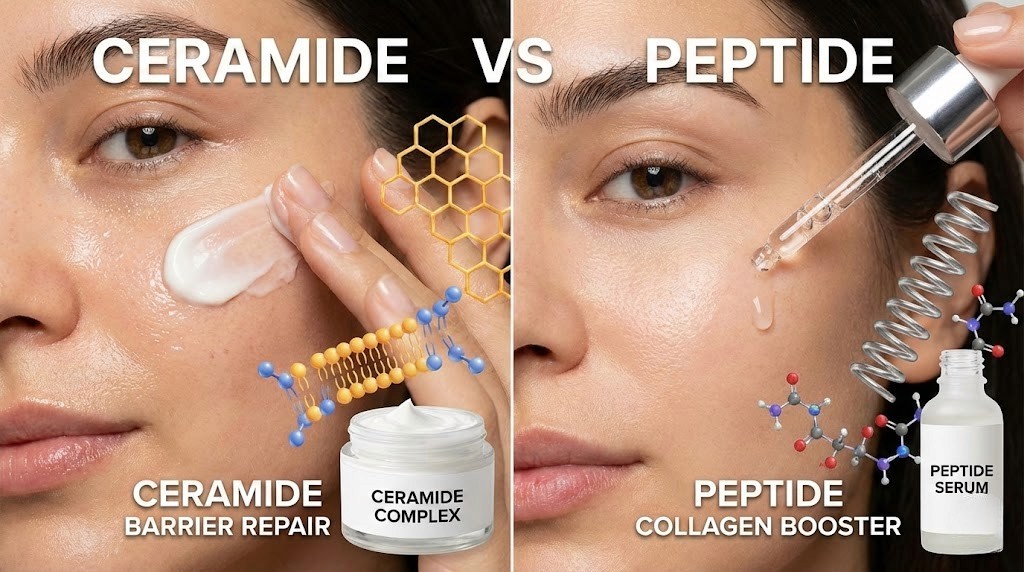
Ceramides and peptides look identical on the ingredient label. In practice? Completely different outcomes for your skin.
One is a fat. The other is a chain of amino acids. One rebuilds the wall. The other sends the signal to build it higher, thicker, stronger. And yet, almost every skincare article lumps them together as if they were interchangeable. They are not. Not even close. The confusion costs people real results, real money, and real time spent on routines that fight against themselves instead of working in concert. Understanding what peptides actually are and how ceramides function at a molecular level is the difference between guessing at skincare and knowing exactly what each ingredient does the moment it touches your face.
Here is what makes this comparison so tricky. Ceramides protect. Peptides signal. But the overlap in marketing language makes them sound like they do the same thing. They both "repair." They both "restore." They both claim to fight aging. The truth is more nuanced, more interesting, and far more useful once you understand the mechanisms at play. Ceramides account for over 50% of the lipids in your stratum corneum, the outermost layer of skin that keeps moisture in and irritants out. Peptides, meanwhile, are short chains of amino acids that act as messengers, telling your skin cells to ramp up collagen production, reduce inflammation, or relax the muscles that cause expression lines.
This guide breaks down the real science behind both ingredients, compares them head-to-head across every major skin concern, and gives you a clear framework for deciding which one belongs in your routine. We will cover the different ceramide subclasses, the major peptide categories used in skincare, how peptides work at the cellular level, and whether combining both ingredients produces better outcomes than using either alone. If you have ever stood in a store aisle wondering whether to grab the ceramide moisturizer or the peptide serum, this article exists for you. By the end, that decision will be obvious. SeekPeptides has built an entire education platform around helping people navigate exactly these kinds of decisions, and the information below draws on the same evidence-based approach that thousands of members rely on daily.
What ceramides actually are
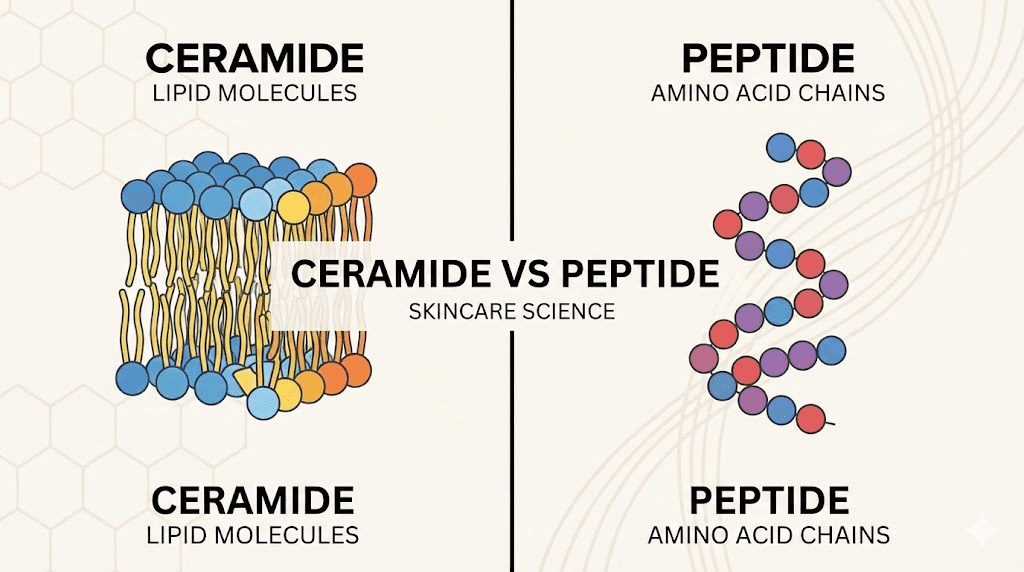
Ceramides are lipids. Fats. That word alone makes some people nervous, but these are not the fats that clog pores or make skin oily. Ceramides are structural fats, the kind that form the mortar between the bricks of your skin cells. Without them, your skin barrier falls apart. Water escapes. Irritants get in. Everything goes wrong fast.
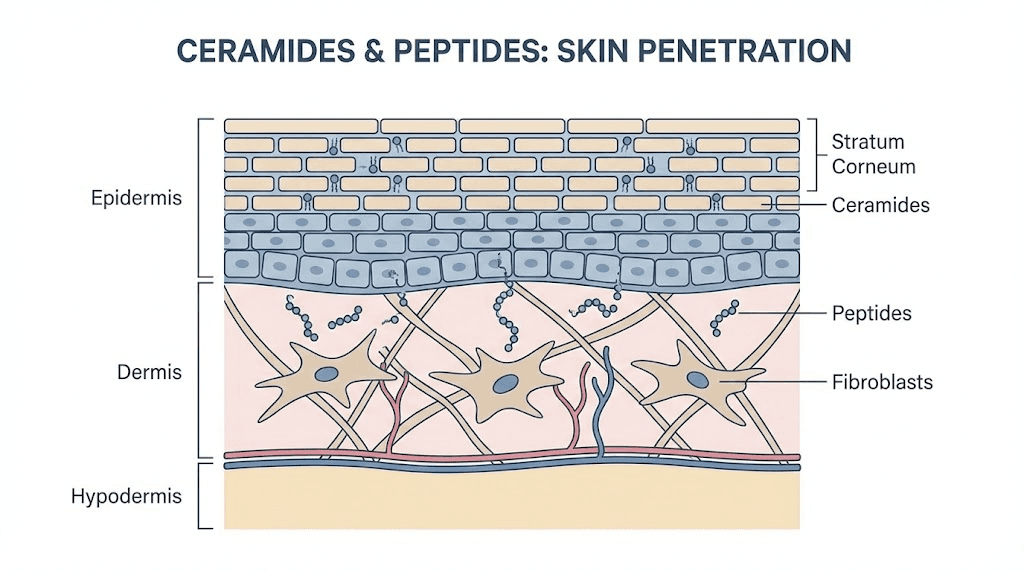
The stratum corneum, your skin outermost protective layer, relies on a precise ratio of three lipid types: ceramides, cholesterol, and free fatty acids. Ceramides make up roughly 50% of that lipid matrix by weight. They are the dominant structural component, which is why even a small reduction in ceramide levels can produce dramatic consequences for barrier function, hydration, and sensitivity. Research has identified at least 12 subclasses of ceramides in human skin, with further subdivision by carbon chain length producing approximately 480 distinct ceramide species. That is not a typo. Nearly 500 variations of a single lipid class exist in your skin, each playing a slightly different role in maintaining barrier integrity.
Think of it this way. Your skin cells are bricks. Ceramides are the cement holding them together. If you remove the cement, the wall crumbles no matter how strong the individual bricks are. This is exactly what happens in conditions like inflammatory skin conditions where ceramide levels drop significantly. The barrier breaks down, transepidermal water loss increases, and the skin becomes vulnerable to everything from bacteria to environmental pollutants.
How ceramides maintain the skin barrier
The mechanism is elegant in its simplicity. Ceramides organize themselves into lamellar structures, thin sheets of lipid that stack between skin cells in highly ordered layers. These lamellar layers create a waterproof seal that prevents moisture from escaping and blocks external substances from penetrating. When scientists examine healthy skin under electron microscopy, they see these lamellar structures organized in precise, repeating patterns. In damaged or diseased skin, those patterns are disrupted.
Transepidermal water loss, often abbreviated as TEWL, is the primary measurement researchers use to assess barrier function.
Healthy skin with adequate ceramide levels shows low TEWL values, meaning water stays where it belongs, inside the skin. When ceramide levels drop, TEWL increases, and skin becomes dry, flaky, and reactive.
Studies on atopic dermatitis patients consistently show that ceramide levels, particularly ceramides EOS and NP, decrease by 28-34% compared to healthy skin, and this decrease correlates directly with increased TEWL and worsened symptoms.
Ceramides do not just sit passively in the barrier, either. They participate in cell signaling, regulate cell differentiation, and even play roles in programmed cell death. The ceramide signaling pathway influences how quickly skin cells mature and shed, which directly impacts texture, tone, and the overall health of the skin surface. This dual role as both structural component and signaling molecule makes ceramides far more sophisticated than most people realize.
Where ceramides come from naturally
Your body produces ceramides through a process called de novo synthesis. It starts with the enzyme serine palmitoyltransferase (SPT), which combines the amino acid serine with a fatty acid called palmitoyl-CoA. This reaction kicks off a cascade that eventually produces the full range of ceramide subclasses your skin needs. The process happens in the living layers of your epidermis, and as skin cells migrate upward toward the surface, they release these ceramides into the intercellular spaces where they organize into those critical lamellar structures.
Age slows this process down. So does UV exposure. Harsh cleansers strip ceramides from the surface faster than your skin can replace them. Cold, dry weather accelerates ceramide loss. And certain genetic conditions, like the filaggrin mutations associated with eczema, impair ceramide production at its source. The research on CERSyn3-deficient mice is particularly striking: animals lacking this ceramide synthesis enzyme died shortly after birth from catastrophic transepidermal water loss. They could not hold water in their skin at all. While human ceramide deficiency is rarely that extreme, it underscores just how fundamental these lipids are to survival.
What peptides actually are
Peptides are short chains of amino acids. That is the simplest definition, and it is accurate as far as it goes. But it does not capture what makes peptides so remarkable for skincare. The magic is in their specificity. Different amino acid sequences produce completely different biological effects, and scientists have identified thousands of peptide sequences with potential applications in dermatology alone. If you are exploring how to get started with peptides, understanding these categories is the essential first step.
A peptide is simply a protein fragment. Proteins are long chains of amino acids, sometimes hundreds or thousands of residues long. Peptides are shorter, typically between 2 and 50 amino acids. This smaller size gives them distinct advantages. They can penetrate skin more easily than full-size proteins. They can target specific receptors with precision. And they can be synthesized in laboratories to exact specifications, which means researchers can design peptides for specific purposes rather than relying on whatever nature provides.
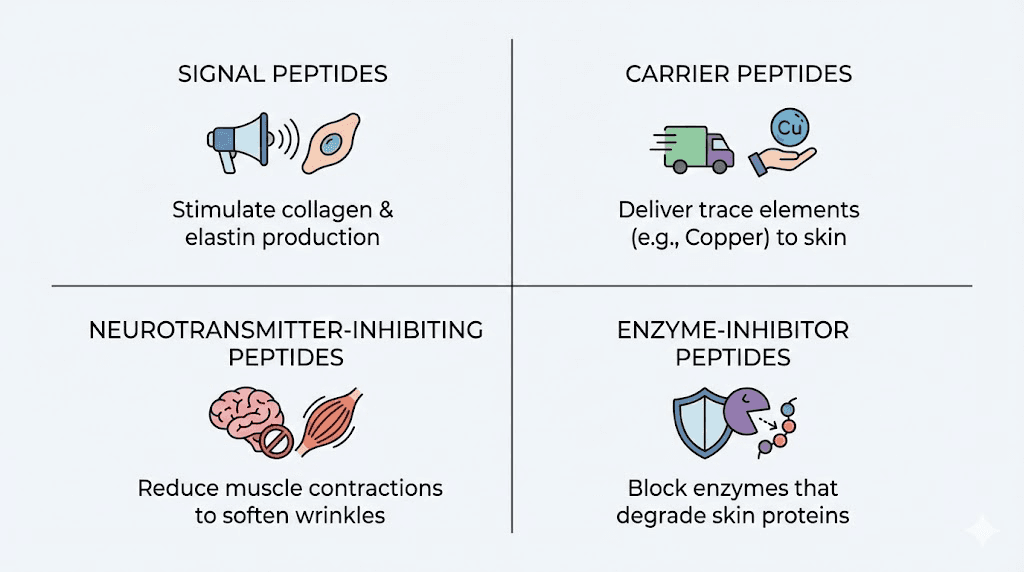
The complete list of peptides used in skincare and research is extensive, but they fall into four main categories. Each category works through a different mechanism, and understanding those mechanisms is the key to choosing the right peptide for your specific concern.
Signal peptides
Signal peptides are the messengers. They tell your skin cells to produce more collagen, more elastin, more of the structural proteins that keep skin firm and smooth. The most famous signal peptide in skincare is Matrixyl, a trademarked blend of palmitoyl tripeptide-1 and palmitoyl tetrapeptide-7 developed by Sederma Inc. in France. Laboratory testing showed that Matrixyl 3000 increased glycosaminoglycan production by 287%, Collagen I synthesis by 117%, and Collagen IV synthesis by 327%. Clinical studies on human subjects demonstrated a 45% reduction in deep wrinkle area after just two months of use and a 68% reduction after six months. Those are significant numbers from a topical product.
Palmitoyl tripeptide-1, one half of the Matrixyl formula, mimics a fragment of broken-down collagen. When your skin detects this fragment, it interprets it as a signal that collagen is degrading and responds by ramping up new collagen production. It is a clever biological hack, tricking the skin repair machinery into working overtime by presenting false evidence of damage. The other half, palmitoyl tetrapeptide-7, reduces the chronic low-grade inflammation that accelerates collagen breakdown in the first place. Together, they simultaneously increase production and decrease destruction.
Other signal peptides include palmitoyl pentapeptide-4 (Matrixyl), which stimulates collagen synthesis through a similar mechanism, and various copper peptide complexes that we will discuss in detail shortly. The category continues to grow as researchers identify new amino acid sequences with signaling capabilities. If you want to understand how peptides target wrinkles specifically, signal peptides are where most of the action happens.
Carrier peptides
Carrier peptides deliver trace minerals to the skin, with copper being the most important. The most studied carrier peptide is GHK-Cu, a tripeptide (glycyl-histidyl-lysine) that binds copper ions with extraordinarily high affinity and transports them to cells where they are needed. GHK-Cu occurs naturally in human plasma, with levels averaging around 200 nanograms per milliliter at age 20 but declining to approximately 80 nanograms per milliliter by age 60. That 60% decline correlates with visible signs of aging, reduced wound healing capacity, and thinning skin.
The research on GHK-Cu is extensive. A study examining skin biopsy samples found that after applying GHK-Cu cream to the thighs for one month, collagen production increased in 70% of treated women. For comparison, vitamin C cream produced increases in only 50% of subjects, and retinoic acid managed just 40%. That makes GHK-Cu more effective at stimulating collagen than two of the most established anti-aging ingredients in dermatology. Additional clinical trials showed that copper peptides reduced periorbital wrinkles by 55% over 12 weeks when applied as an eye cream, while also increasing skin density and thickness.
Beyond collagen, GHK-Cu stimulates elastin production, increases glycosaminoglycan synthesis, promotes angiogenesis (new blood vessel formation), and activates genes involved in tissue repair. It is not just an anti-aging peptide. It is a comprehensive regenerative molecule. The AHK-Cu peptide, also known as copper tripeptide-3, offers a related but distinct profile of benefits that complements GHK-Cu applications.
Neurotransmitter-inhibiting peptides
These are the peptides that get compared to Botox. They work by interfering with the neurotransmitter signals that cause facial muscles to contract, reducing the dynamic wrinkles that form from repeated expressions like frowning, squinting, and smiling. The comparison to peptides vs Botox is a common one, though the mechanisms and intensity differ significantly.
Argireline (acetyl hexapeptide-8) is the most well-known neurotransmitter-inhibiting peptide. It targets SNAP-25, the same protein that botulinum toxin type A (Botox) acts upon. But where Botox cleaves the SNAP-25 protein irreversibly (until the nerve grows new connections), Argireline simply competes with SNAP-25 for binding sites on the SNARE complex. This competition reduces the formation of the protein complex needed for neurotransmitter release, which means less acetylcholine reaches the muscle, which means less contraction, which means fewer expression lines. The effect is gentler and reversible, making it suitable for daily topical use without the risks associated with injectable neurotoxins.
SNAP-8 (acetyl glutamyl heptapeptide-1) represents an evolution of the Argireline approach. It is a slightly longer peptide chain that targets the same mechanism but is designed to be more effective at reducing muscle contraction. Syn-Ake takes a different approach entirely, mimicking the paralytic mechanism of temple viper venom to achieve a similar muscle-relaxing effect through a completely different molecular pathway. Together, these neurotransmitter-inhibiting peptides give consumers multiple options for addressing expression lines without needles.
Enzyme-inhibitor peptides
The fourth category works by blocking the enzymes that break down collagen, elastin, and other structural proteins. Matrix metalloproteinases (MMPs) are the primary targets. These enzymes naturally degrade extracellular matrix components as part of normal tissue remodeling, but their activity increases with age, UV exposure, and inflammation. Enzyme-inhibitor peptides slow that degradation, helping the structural proteins your skin already has last longer.
Think of it as two sides of the same coin. Signal peptides increase production of new collagen. Enzyme-inhibitor peptides decrease destruction of existing collagen. A routine that includes both is addressing the problem from both directions simultaneously, which is why peptide stacking strategies often combine peptides from different categories for maximum effect.
Head-to-head comparison by skin concern
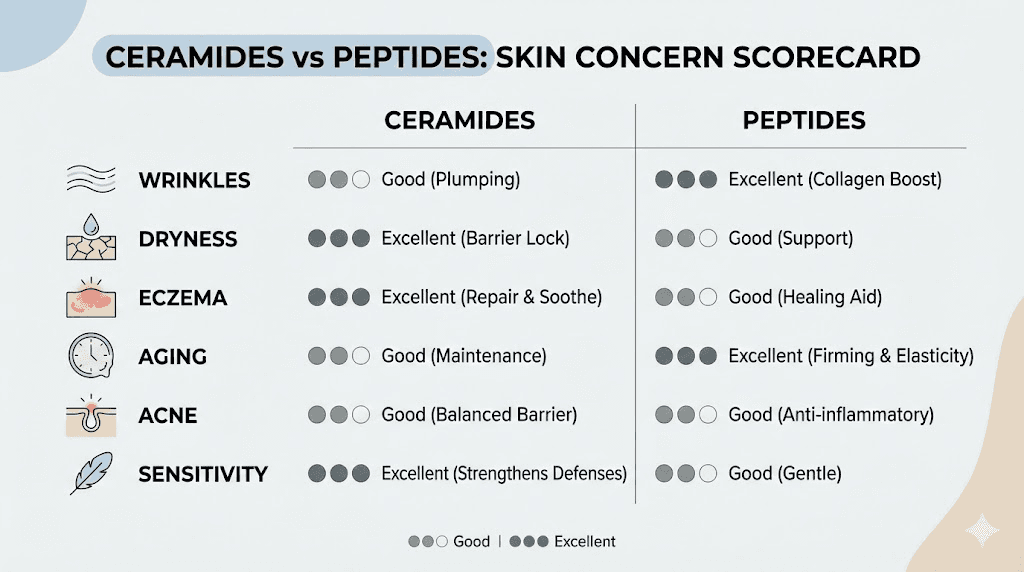
Now that we understand what each ingredient is and how it works, the real question becomes practical. Which one should you reach for when you look in the mirror and see a specific problem staring back? The answer depends entirely on the concern. Let us break it down.
Wrinkles and fine lines
Peptides win this category decisively. The mechanism is straightforward: wrinkles form primarily because of collagen loss, repeated muscle movement, and degradation of the extracellular matrix. Peptides address all three causes directly. Signal peptides like Matrixyl stimulate new collagen production. Neurotransmitter-inhibiting peptides like Argireline and SNAP-8 reduce the muscle contractions that create expression lines. And enzyme-inhibitor peptides slow the breakdown of existing collagen. That is a three-pronged attack on wrinkles from a single ingredient category.
Ceramides do not directly address wrinkle formation. They do not stimulate collagen. They do not relax muscles. They do not inhibit MMPs. What ceramides do is create optimal conditions for other anti-aging ingredients to work by maintaining a healthy, hydrated barrier that allows active ingredients to penetrate effectively. A dehydrated, compromised barrier actually impairs the absorption and efficacy of peptides, so ceramides play a supporting role here. But if you had to choose one ingredient specifically for wrinkles, peptides for skin tightening are the clear choice.
The data supports this. Matrixyl 3000 reduced deep wrinkle area by 45% in two months. GHK-Cu reduced periorbital wrinkles by 55% in 12 weeks. Ceramide studies, by contrast, do not measure wrinkle reduction because that is not what they are designed to do.
Dryness and dehydration
Ceramides win this one. Not even close.
If your primary concern is dry, tight, flaky skin that never seems to hold moisture no matter how much moisturizer you apply, the problem is almost certainly your lipid barrier, and ceramides are the direct solution. When ceramide levels in the stratum corneum drop, the lamellar structures that prevent transepidermal water loss become disorganized. Water escapes through the gaps. No amount of humectant (hyaluronic acid, glycerin, etc.) will solve the problem if the barrier is not intact to trap that moisture once it is drawn in.
Clinical studies consistently show that ceramide-containing moisturizers reduce TEWL, increase stratum corneum hydration, and restore normal lipid organization. The most effective formulations combine ceramides with cholesterol and free fatty acids in a ratio that mimics the natural skin lipid composition. The famous SK-Influx pre-blend from Evonik, containing ceramides NP, AP, and EOP along with cholesterol and fatty acids, has been shown to improve skin hydration in mature skin at just 3% concentration. For a deeper look at how hyaluronic acid and peptides interact with hydration, that guide covers the complementary relationship in detail.
Peptides do not address dehydration directly. Some peptides, particularly GHK-Cu, increase glycosaminoglycan production, which includes hyaluronic acid, a natural moisture-binding molecule. This can contribute to improved hydration over time. But the effect is indirect and slow compared to the immediate barrier restoration that ceramides provide. For acute dryness, ceramides are the first-line treatment.
Eczema and atopic dermatitis
Ceramides again. The connection between ceramide deficiency and atopic dermatitis is one of the most well-established relationships in dermatology. Patients with eczema consistently show decreased total ceramide levels in their stratum corneum, with particularly significant reductions in ceramides EOS (34% decrease) and NP (28% decrease) compared to healthy skin. This depletion weakens the barrier, increases TEWL, and creates a cycle of dryness, irritation, and inflammation that perpetuates the condition.
Meta-analysis data shows that atopic dermatitis patients who used topical ceramide moisturizers experienced significantly greater decreases in TEWL scores compared to control groups. Ceramide-dominant moisturizing creams and cleansers have been shown to safely restore skin permeability and improve the signs and symptoms of eczema in adults. These products are now approved as adjunctive barrier repair agents for atopic dermatitis management. The research is clear and consistent: for eczema-prone skin, ceramide supplementation is not optional. It is essential.
Peptides have some anti-inflammatory properties. KPV peptide for inflammation shows particular promise in research contexts, and GHK-Cu reduces pro-inflammatory cytokines like IL-6. But these effects are secondary to the fundamental barrier dysfunction that drives eczema, and no peptide can replace the structural lipid that is missing from the skin. Ceramides address the root cause. Peptides might help manage symptoms. The hierarchy is clear.
Aging and loss of firmness
Peptides take this one. Aging involves multiple processes, but the visible signs, sagging, thinning, loss of bounce, come primarily from declining collagen and elastin production. After age 20, collagen production decreases by approximately 1% per year. Elastin production slows even earlier. The extracellular matrix gradually loses density and structural integrity, and the skin literally becomes thinner and less resilient.
This is where peptides shine. GHK-Cu plasma levels drop from 200ng/ml at age 20 to 80ng/ml by age 60, and supplementing with GHK-Cu has been shown to increase collagen synthesis, improve skin thickness by 18%, and reduce wrinkle depth by 36% over 12 weeks. Copper peptide before and after results consistently demonstrate visible improvements in firmness and texture. The peptides for anti-aging category has grown rapidly precisely because the evidence base is strong and the mechanism of action is well understood.
Ceramides contribute to a youthful appearance indirectly by maintaining hydration and barrier function, both of which affect how skin looks and feels. Well-hydrated skin with an intact barrier appears plumper, smoother, and more radiant. But ceramides do not address the underlying structural decline that causes aging. They maintain the surface while peptides rebuild the foundation. For longevity-focused approaches, peptides are the primary active ingredient.
Acne and breakouts
This one is more nuanced than you might expect. Neither ceramides nor peptides are traditional acne treatments, but both can play supporting roles, and one of them can actually make acne worse if misused.
Ceramides help acne-prone skin by repairing the barrier damage caused by harsh acne treatments like benzoyl peroxide, salicylic acid, and retinoids.
These treatments are effective against breakouts but often strip the skin barrier, leading to compensatory oil production, increased sensitivity, and paradoxically, more breakouts. A ceramide moisturizer can buffer against this damage without clogging pores, provided the formulation is non-comedogenic. The trick is choosing lightweight, oil-free ceramide products specifically designed for acne-prone skin.
Some peptides have antimicrobial properties that directly combat acne-causing bacteria. GHK-Cu promotes wound healing, which can accelerate the resolution of active breakouts and reduce the risk of acne scarring. However, certain peptide formulations contain oils and emollients that can trigger breakouts in sensitive individuals. The complete guide to peptides for acne covers which peptide types are safe for breakout-prone skin and which to avoid. And the question of whether collagen peptides can cause acne deserves careful consideration as well.
Sensitivity and redness
Ceramides lead here, though peptides offer meaningful support. Sensitive, reactive skin almost always involves some degree of barrier compromise. When the barrier is weakened, nerve endings in the skin become more exposed to environmental stimuli, triggering the stinging, burning, and redness that characterize sensitive skin. Restoring that barrier with ceramides addresses the root cause of the sensitivity.
But peptides contribute anti-inflammatory effects that ceramides do not provide. GHK-Cu reduces TNF-alpha-induced secretion of the pro-inflammatory cytokine IL-6 in dermal fibroblasts. Palmitoyl tetrapeptide-7 (half of the Matrixyl 3000 formula) specifically targets inflammatory pathways. And KPV peptide has shown remarkable anti-inflammatory properties in research settings. For sensitive skin, the ideal approach combines ceramide barrier repair with gentle, anti-inflammatory peptides. Start with ceramides to stabilize the barrier, then introduce peptides once the skin is no longer reactive.
The science of ceramides at the cellular level
Understanding the biochemistry of ceramides explains why they are so critical to skin health and why synthetic replacements work as well as they do. The story begins in the deepest living layer of the epidermis, the stratum basale, where keratinocytes begin their journey toward the skin surface.
As keratinocytes mature and migrate upward through the epidermis, they undergo a remarkable transformation. In the stratum granulosum (the granular layer just below the stratum corneum), specialized organelles called lamellar bodies form within the cells. These lamellar bodies contain lipid precursors, including glucosylceramides and sphingomyelin, along with the enzymes needed to convert those precursors into mature ceramides. When the keratinocytes reach the top of the granular layer, they release the contents of these lamellar bodies into the intercellular spaces. Enzymatic processing then converts the precursors into the final ceramide species that organize into the lamellar lipid structures of the stratum corneum.
The organization of these lipids is remarkably precise. They arrange themselves in two types of lamellar phases: a long periodicity phase (approximately 13 nanometers) and a short periodicity phase (approximately 6 nanometers). Within these lamellar phases, the lipids can adopt different lateral packing arrangements, with orthorhombic packing being the most dense and effective for barrier function. Research shows that formulations containing ceramide EOS or ceramide NS produce a higher fraction of orthorhombic lateral packing, more closely mimicking the lipid organization found in healthy native human skin.
The ceramide NP to NS ratio has emerged as a particularly important marker of skin health. Studies found that the Cer[NP]/Cer[NS] ratio correlates with transepidermal water loss, skin capacitance, texture, scaling, and color. This ratio is approximately 18 times higher in the stratum corneum than in living keratinocytes, and it increases as cells differentiate. Researchers now consider it a potential diagnostic marker for both barrier-disrupted and healthy skin. When the ratio shifts, skin properties change measurably.
Ceramide synthesis and regulation
De novo ceramide synthesis begins with serine palmitoyltransferase (SPT), the rate-limiting enzyme that combines L-serine with palmitoyl-CoA to produce 3-ketosphinganine. This molecule is then reduced to sphinganine, acylated to form dihydroceramide, and finally desaturated to produce ceramide. The process involves multiple enzymes at each step, and the specific enzymes used determine the final ceramide subclass produced. Different ceramide synthase enzymes (CerS1 through CerS6) show preferences for fatty acid chain lengths, which is how the body produces the diverse range of ceramide species found in skin.
But de novo synthesis is not the only source. Ceramides are also generated through hydrolysis of sphingomyelin by sphingomyelinases and through breakdown of glucosylceramides by beta-glucocerebrosidase. These recycling pathways are important for maintaining ceramide levels in the stratum corneum, and disruptions to these enzymes contribute to the ceramide deficiency seen in conditions like atopic dermatitis. The enzyme sphingomyelin deacylase, which is specifically expressed in atopic dermatitis skin, diverts sphingomyelin away from ceramide production, providing a molecular explanation for the ceramide deficiency that characterizes the disease.
Interestingly, niacinamide (vitamin B3) has been shown to dramatically boost ceramide synthesis. Research by Tanno et al. demonstrated that when keratinocytes were incubated with nicotinamide (niacinamide), ceramide biosynthesis increased by 4.1 to 5.5-fold in a dose-dependent manner. The mechanism involves upregulation of SPT gene expression, specifically the LCB1 and LCB2 mRNA that encode SPT subunits. Niacinamide also increased free fatty acid synthesis (2.3-fold) and cholesterol synthesis (1.5-fold), essentially boosting all three major lipid components of the skin barrier simultaneously. Topical application of 2% niacinamide emulsion for four weeks confirmed these findings in vivo, with a 34% increase in total ceramides and a 23% decrease in TEWL. This is why niacinamide and ceramides are so frequently paired in skincare formulations, and it is relevant to anyone building a routine that includes a comprehensive skincare regimen.
The science of peptide signaling for collagen production
Peptides communicate with skin cells through a fundamentally different mechanism than ceramides. While ceramides physically integrate into the skin structure, peptides act as molecular messengers that bind to specific receptors on cell surfaces and trigger intracellular signaling cascades. The precision of this communication is what makes peptides so powerful and so varied in their effects.
When a signal peptide like palmitoyl tripeptide-1 reaches a dermal fibroblast, it binds to receptors on the cell surface that normally detect fragments of degraded collagen. The cell interprets this binding as evidence that collagen is being broken down and needs to be replaced. This triggers a signaling cascade that activates genes responsible for collagen synthesis, including the genes for procollagen I, procollagen III, and various enzymes involved in collagen processing and cross-linking. The result is increased production of new collagen fibers in the dermis, the deep layer of skin that gives it structural support.
GHK-Cu operates through an even more complex mechanism. When the GHK tripeptide delivers its copper ion to a fibroblast, it activates multiple pathways simultaneously. Copper is a cofactor for lysyl oxidase, the enzyme that cross-links collagen and elastin fibers to give them tensile strength. It also activates superoxide dismutase, a critical antioxidant enzyme, and stimulates the production of basic fibroblast growth factor (bFGF), which promotes cell proliferation and tissue repair. Research combining GHK with LED irradiation (625-635nm) showed a 230% increase in bFGF production and a 70% increase in collagen synthesis compared to LED alone. The GHK-Cu dosage guide covers the concentrations that produce these effects.
Perhaps most remarkably, gene expression studies have shown that GHK-Cu can reset the gene expression profile of aged skin cells to patterns more closely resembling younger cells. This genomic reprogramming effect extends beyond simple collagen stimulation, affecting genes involved in DNA repair, antioxidant defense, inflammation control, and tissue remodeling. It is one of the reasons peptide research has expanded so rapidly in recent years, because the implications go far beyond wrinkle reduction.
The 500-Dalton rule and peptide penetration
One of the most important practical considerations for topical peptides is whether they can actually reach their target cells. The stratum corneum, that same layer ceramides help build and maintain, also acts as a barrier to ingredient penetration. The 500-Dalton rule states that molecules smaller than 500 Daltons can generally pass through the skin barrier, while larger molecules cannot. Each amino acid weighs approximately 80 to 110 Daltons, which means peptides of five to six amino acids are typically small enough to penetrate the stratum corneum and reach living cells below.
This is good news for the most popular skincare peptides. Argireline is a hexapeptide (six amino acids). GHK-Cu is a tripeptide (three amino acids). Palmitoyl tripeptide-1 is, as its name suggests, three amino acids with a lipid tail. These are all well within the penetration window. However, the addition of palmitoyl (fatty acid) chains to many cosmetic peptides is not accidental. The lipophilic tail improves the peptide ability to interact with the lipid-rich stratum corneum, enhancing penetration beyond what the peptide alone could achieve.
Modern formulation science has developed additional strategies to improve peptide delivery. Liposomal encapsulation wraps peptides in tiny fat bubbles that merge with the skin lipid barrier. Nanocarriers use engineered particles to shuttle peptides past the stratum corneum. And microneedle peptide patches physically bypass the barrier entirely by creating microscopic channels through which peptides can flow directly into the dermis. These innovations are making topical peptides increasingly effective, though injectable peptides still offer superior bioavailability for systemic applications.
Ceramide types explained
Not all ceramides are created equal. The 12 subclasses found in human skin each have distinct structures, distribution patterns, and functional roles. If you are choosing a ceramide product, knowing which types to look for makes the difference between a formulation that actually repairs your barrier and one that barely moves the needle.
Ceramide NP (formerly ceramide 3)
Ceramide NP is the most abundant ceramide in human skin and the most extensively studied in topical formulations. The NP stands for non-hydroxy phytosphingosine, describing its molecular structure: a non-hydroxylated fatty acid linked to a phytosphingosine base. Its relatively small hydrophobic regions allow for tight packing between adjacent ceramide molecules, which contributes to the formation of organized lamellar membranes.
Levels of ceramide NP are significantly decreased in conditions like eczema and psoriasis, making it a priority for supplementation in compromised skin. A study testing 0.5% topical ceramide NP found that it helped distressed skin (following tape stripping to simulate barrier damage) recover more quickly than placebo cream. After two weeks of daily use, the skin became measurably more resilient. If you are going to add only one ceramide to your routine, ceramide NP is the one most dermatologists recommend.
Ceramide EOS (formerly ceramide 1)
Ceramide EOS is structurally unique among skin ceramides because of its extraordinarily long fatty acid chain, typically 34 to 36 carbons, with an ester-linked omega-hydroxy group. This long chain allows EOS to span multiple layers of the lamellar lipid structure, acting as a molecular anchor that holds the entire barrier together. EOS types account for only about 10% of total skin ceramides, but their role is disproportionately important. They are the rivets in the armor.
In atopic dermatitis, ceramide EOS levels decrease by approximately 34%, contributing significantly to barrier disruption. Topical formulations containing ceramide EOS have been shown to produce higher fractions of orthorhombic lateral packing in skin lipid models, which is the densest and most effective lipid arrangement for preventing water loss.
Ceramide NS (formerly ceramide 2)
Ceramide NS, with its non-hydroxylated fatty acid and sphingosine base, is the second most abundant ceramide subclass in healthy skin. Like EOS, topical application of formulations containing ceramide NS results in improved lipid organization that more closely mimics native human skin. The NP/NS ratio is particularly significant. When this ratio shifts, it reflects changes in epidermal differentiation and barrier function, and researchers use it as a marker for skin health assessment.
Ceramide AP (formerly ceramide 6-II)
Ceramide AP contains an alpha-hydroxylated fatty acid linked to a phytosphingosine base. It represents about 7% of stratum corneum ceramides and contributes to the organization of intercellular lipids into lamellae. Like NP, ceramide AP is decreased in psoriatic skin and in atopic dermatitis, making it another important target for topical supplementation. The famous Evonik SK-Influx blend includes ceramide AP alongside NP and EOP specifically because these three types address the most common deficiencies seen in barrier-compromised skin.
Phytoceramides
Phytoceramides are plant-derived ceramides composed of various plant sphingoid bases attached to fatty acids. Their chemical similarity to certain human ceramides, particularly NP and AP, makes them biocompatible with human skin. Phytosphingosine-based ceramides like CER[EOP], CER[NP], and CER[AP] play key roles in maintaining barrier homeostasis and are particularly useful for atopic skin conditions.
The extraction of phytoceramides is complex and yields are low, which makes them more expensive than synthetic alternatives. However, plant-derived ceramides appeal to consumers seeking natural ingredients and have demonstrated genuine efficacy in clinical testing. Rice bran, wheat germ, and sweet potato are common sources. Oral phytoceramide supplements have also gained popularity, though the evidence for their efficacy is less robust than for topical application.
Peptide types for skincare
Just as ceramides have subclasses, peptides come in distinct varieties with different targets, mechanisms, and clinical evidence. Understanding the specific peptides available helps you match the right molecule to your specific concern. The range of peptide applications extends far beyond what most consumers realize.
GHK-Cu (copper tripeptide-1)
We have already discussed GHK-Cu at length, but a few additional details deserve attention. The peptide has over 4,000 bioactive roles documented in scientific literature, making it one of the most thoroughly studied peptides in existence. Beyond collagen stimulation, GHK-Cu activates genes involved in antioxidant defense (including superoxide dismutase), suppresses genes associated with inflammation, and promotes stem cell activity in the skin. It also accelerates wound healing, which is why it appears in post-procedure products and tissue repair applications.
The best copper peptide serums typically contain GHK-Cu at concentrations between 0.1% and 2%, with most clinical studies using concentrations in the 1-2% range. The peptide is sensitive to pH, light, and temperature, which is why proper formulation matters enormously. An unstable GHK-Cu product delivers a fraction of its potential benefit. For those wondering about application timing, the guide on the best time to apply copper peptides covers the optimal window for maximum absorption.
A common concern is whether copper peptides can cause initial worsening before improvement. The phenomenon known as copper peptide purging does occur in some users, typically during the first one to three weeks. It is generally mild and self-resolving, but understanding the difference between purging and a genuine adverse reaction is important. The guide on GHK-Cu making skin worse explains when to push through and when to stop.
Matrixyl and Matrixyl 3000
Matrixyl (palmitoyl pentapeptide-4) was the original matrikine peptide developed for skincare, and Matrixyl 3000 refined the concept by combining two complementary peptides. The clinical data is impressive. In a four-month study, Matrixyl 3000 matched retinol for anti-aging efficacy without any of the irritation, peeling, or sun sensitivity that retinol commonly causes. That is a significant finding, because retinol intolerance is one of the most common reasons people abandon effective anti-aging routines.
For those already using retinol, the question of combining peptides and retinol comes up frequently. The short answer is yes, they can be used together, and the combination may be more effective than either alone. The more detailed answer involves timing, formulation compatibility, and skin tolerance, which the guide on using peptides and retinol together covers comprehensively.
Argireline (acetyl hexapeptide-8)
Argireline remains the gold standard for topical neurotransmitter-inhibiting peptides, though newer alternatives have emerged. At concentrations of 5-10%, Argireline has been shown to reduce wrinkle depth by up to 30% in 30 days in clinical studies. The effect is most pronounced on dynamic wrinkles (those caused by repeated facial expressions) and less significant for static wrinkles (those visible even at rest). This makes Argireline an excellent complement to signal peptides like Matrixyl, which target the collagen loss responsible for static wrinkles. Together, they address both types of aging-related lines.
SNAP-8 (acetyl glutamyl heptapeptide-1)
Building on the Argireline mechanism, SNAP-8 uses a longer peptide chain to potentially achieve greater muscle-relaxing effects. Early studies suggest it may be more effective than Argireline at comparable concentrations, though head-to-head clinical trials are limited. SNAP-8 can be paired with GHK-Cu, Argireline, and Leuphasyl for synergistic effects, making it a common inclusion in multi-peptide formulations.
Palmitoyl tripeptide-5 (Syn-Coll)
This peptide mimics the body natural thrombospondin-1 to stimulate TGF-beta, a potent growth factor involved in collagen production. Where Matrixyl mimics collagen fragments to trigger repair, Syn-Coll takes a different signaling route to achieve a similar endpoint. This makes the two peptides complementary rather than redundant, and formulations combining both cover multiple collagen-stimulating pathways simultaneously.
DNF-10 peptide
A newer entry in the skincare peptide space, DNF-10 peptide targets under-eye concerns specifically, including dark circles, puffiness, and fine lines in the periorbital area. The thin, delicate skin around the eyes responds differently than other facial areas, and peptides designed specifically for this region can deliver targeted benefits. For those concerned about dark circles, this is a peptide worth investigating.
Can you use ceramides and peptides together?
Yes. Absolutely. And you probably should.
This is not a case where two ingredients compete or cancel each other out. Ceramides and peptides work through completely different mechanisms at different levels of the skin, and combining them produces complementary benefits that neither achieves alone. Ceramides repair and maintain the barrier. Peptides stimulate repair and regeneration in the deeper layers. Using both addresses the skin from the outside in and the inside out simultaneously.
There is actually a synergistic relationship at play. A healthy ceramide-rich barrier improves peptide penetration and efficacy. When the stratum corneum is well-organized with proper lamellar lipid structures, topical peptides encounter a more uniform and predictable pathway for absorption. Conversely, a compromised barrier with disorganized lipids creates an uneven penetration landscape where peptides may pool in some areas and bypass others entirely. In other words, ceramides help peptides work better.
Peptides, in turn, may support long-term ceramide production. GHK-Cu stimulation of fibroblasts and keratinocytes can influence the gene expression patterns that govern lipid synthesis in the epidermis. While this effect is less well-documented than the direct collagen-stimulating properties of GHK-Cu, the genomic reprogramming data suggests that peptides create cellular conditions favorable to healthy lipid production. The relationship is genuinely bidirectional.
The layering guide
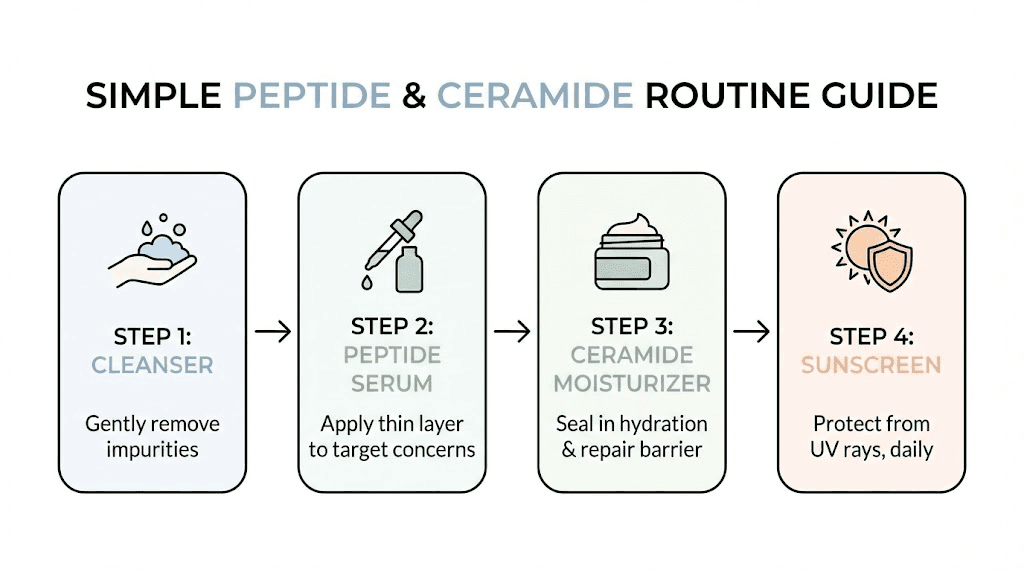
Order matters when applying ceramides and peptides. The general principle is thin to thick, water-based before oil-based. Since most peptide serums are water-based formulations and most ceramide products are cream or lotion consistency, the typical sequence is:
Step 1: Cleanse. Use a gentle, ceramide-preserving cleanser that does not strip the skin barrier. Harsh sulfate-based cleansers remove ceramides from the stratum corneum faster than the skin can replace them.
Step 2: Apply peptide serum. On slightly damp skin, apply your peptide serum and allow it to absorb for one to two minutes. The water on your skin surface aids penetration, and applying the thinner product first ensures it reaches the skin without being blocked by heavier ingredients.
Step 3: Apply ceramide moisturizer. Follow with a ceramide-containing moisturizer or cream. This layer serves double duty: it delivers ceramides to replenish the barrier while also sealing in the peptide serum below, giving it more time to absorb rather than evaporating from the skin surface.
Step 4: Sunscreen (morning only). UV exposure degrades both peptides and ceramides. A broad-spectrum SPF 30 or higher protects your investment in both products. This step is non-negotiable if you are using any active ingredients for anti-aging.
For those combining peptides with vitamin C, the timing becomes more complex because vitamin C requires a low pH environment that can destabilize some peptide formulations. Applying vitamin C in the morning and peptides in the evening is the simplest way to avoid compatibility issues. Similarly, the interaction between copper peptides and vitamin C requires careful timing because ascorbic acid can oxidize copper, reducing the efficacy of GHK-Cu.
Building a complete routine with ceramides, peptides, and complementary ingredients
A well-designed skincare routine does not rely on a single star ingredient. It builds a system where each product supports and enhances the others. Ceramides and peptides form the structural backbone of that system, but several complementary ingredients amplify their effects.
Morning routine
Cleanser: Gentle, non-stripping formula. Look for cleansers that contain ceramides or at minimum do not strip existing ceramides. Cream and milk cleansers are generally safer than foaming formulas for barrier-compromised skin.
Vitamin C serum: L-ascorbic acid at 10-20% provides antioxidant protection and stimulates collagen synthesis through a pathway independent of peptides. This complementary mechanism means vitamin C and peptides together produce more collagen than either alone. Apply vitamin C first, allow it to absorb for two to three minutes, then layer additional products on top.
Peptide serum: Choose a formulation based on your primary concern. For wrinkles and firmness, look for Matrixyl or GHK-Cu. For expression lines, look for Argireline or SNAP-8. For general anti-aging, multi-peptide serums that combine signal and neurotransmitter-inhibiting peptides cover multiple bases. Depology peptide serum and PCA peptide serum are examples of formulations that combine multiple peptide types in a single product.
Ceramide moisturizer: A product containing ceramides NP, AP, and/or EOS along with cholesterol and fatty acids. This seals in everything below while replenishing barrier lipids.
Sunscreen: SPF 30 or higher, broad spectrum. This protects ceramides from UV-induced degradation and prevents the UV-stimulated MMP activity that breaks down collagen, undoing the work your peptides are doing.
Evening routine
Double cleanse: Oil cleanser first to remove sunscreen and makeup, followed by a gentle water-based cleanser. Double cleansing removes surface debris without over-stripping the barrier.
Retinol or retinoid (if tolerated): Retinoids accelerate cell turnover, stimulate collagen production, and increase the rate of ceramide delivery to the stratum corneum. They also make the skin more receptive to peptide absorption by thinning the dead cell layer. However, they can be irritating, which is where ceramides become essential for buffering that irritation. The relationship between copper peptides and retinol is particularly interesting because GHK-Cu may actually help mitigate retinol-induced irritation while enhancing its collagen-stimulating effects.
Peptide treatment: Evening is the optimal time for peptide application because skin repair peaks during sleep. Growth hormone levels rise, cellular turnover increases, and blood flow to the skin surface improves. Delivering peptides during this repair window maximizes their impact. The guide on how to use copper peptides covers timing in detail.
Ceramide night cream: A richer ceramide formula for evening use provides more intensive barrier support during the nighttime repair window. Night creams can contain higher concentrations of ceramides and occlusive ingredients that would be too heavy for daytime use under makeup and sunscreen.
Weekly additions
Niacinamide: Apply two to three times per week, or daily if tolerated. Niacinamide boosts endogenous ceramide production by 4.1 to 5.5-fold, making it the most effective ceramide-boosting ingredient available. It also brightens skin tone, reduces pore appearance, and has anti-inflammatory properties that complement both ceramides and peptides.
Exfoliation (gentle): Once or twice weekly, a gentle chemical exfoliant (AHA or BHA) removes dead skin cells that can impede peptide penetration. Over-exfoliation damages the ceramide barrier, so moderation is critical. If using retinol on alternate evenings, exfoliation may not be necessary at all.
Common mistakes people make with ceramides and peptides
Knowledge without execution is useless. And execution with bad habits is sometimes worse than doing nothing at all. These are the mistakes that undermine results for the majority of people attempting to use ceramides and peptides in their routines. Avoiding them is just as important as choosing the right products.
Mistake 1: using harsh cleansers that strip ceramides
This is the single most common self-sabotaging behavior in skincare. You spend money on a ceramide moisturizer to rebuild your barrier, then wash away the ceramides you just applied (along with your natural ceramides) with a foaming cleanser containing sodium lauryl sulfate. The net effect is zero. Or worse, negative. Switch to a gentle, non-foaming cleanser, and your ceramide products will actually have a chance to work.
Mistake 2: expecting instant results from peptides
Peptides are not instant gratification ingredients. They work by stimulating biological processes that take time to produce visible results. Collagen synthesis does not happen overnight. The Matrixyl 3000 study showed 45% wrinkle reduction, but it took two full months. GHK-Cu clinical trials ran for 12 weeks. How long peptides take to work varies by type and concern, but expect a minimum of four to six weeks for topical applications and eight to twelve weeks for full results. Anyone claiming faster timelines is selling hype, not science.
Mistake 3: using copper peptides with strong acids
GHK-Cu is sensitive to pH extremes and can be oxidized by direct-acid products like L-ascorbic acid (vitamin C), glycolic acid, and salicylic acid at high concentrations. This does not mean you cannot use acids and copper peptides in the same routine, but you need to separate them. Apply acids in the morning and copper peptides in the evening, or use them on alternating days. Applying them simultaneously can degrade the copper complex and reduce efficacy. The potential for copper peptide interactions is one reason some users experience copper peptide side effects that are actually formulation incompatibilities rather than true adverse reactions.
Mistake 4: applying ceramides to wet skin
Peptide serums benefit from application to slightly damp skin because water aids absorption of water-soluble molecules. Ceramide moisturizers work differently. Ceramides are lipids, and applying them to very wet skin can dilute the product and reduce the concentration that actually contacts the stratum corneum. Allow your peptide serum to absorb for one to two minutes, let the skin feel slightly tacky but not wet, then apply your ceramide cream.
Mistake 5: ignoring concentration and formulation quality
Not all ceramide or peptide products are effective. A moisturizer that lists ceramides at the very bottom of its ingredient list may contain such a tiny amount that it produces no measurable benefit. Similarly, a peptide serum with an unstable formulation may deliver degraded, inactive peptide fragments that do nothing. Look for products where ceramides or peptides appear in the first third of the ingredient list, or where the concentration is explicitly stated. The copper peptide concentration guide explains what percentages to look for and what constitutes an effective dose versus marketing window dressing.
Mistake 6: using only one ceramide type
The skin barrier requires multiple ceramide subclasses working together. A product containing only ceramide NP will be less effective than one containing NP, AP, and EOS in combination with cholesterol and free fatty acids. The ratio matters. The diversity matters. Single-ceramide formulations address one piece of the puzzle while leaving gaps in the barrier structure that other ceramide types would normally fill. The most effective products mimic the full lipid composition of healthy skin.
Mistake 7: over-layering active peptides
More is not always better. Using three different peptide serums in the same routine can overwhelm the skin, cause irritation, and actually reduce the absorption of each individual peptide by creating a traffic jam at the stratum corneum. Choose one to two peptide products that target your primary concerns and use them consistently rather than layering every peptide you can find. Understanding how many peptides you can take at once and common beginner mistakes will save you both money and frustration.
Which one is right for your skin type
The ceramide-vs-peptide question ultimately comes down to your primary concern and your current skin condition. Here is a decision framework that simplifies the choice.
If your barrier is compromised: start with ceramides
Signs of a compromised barrier include persistent dryness despite moisturizing, stinging when applying products that previously felt fine, redness, flaking, and increased sensitivity. If this describes your skin, ceramides are your priority. Peptides can wait. Applying active peptides to a damaged barrier is like renovating the interior of a house with no roof. Fix the barrier first, then add actives.
Allow two to four weeks of consistent ceramide use before introducing peptides. When your skin feels stable, hydrated, and no longer reactive, you are ready to add a peptide serum.
If your barrier is healthy but you see aging: prioritize peptides
Skin that holds moisture well, does not react to normal products, and feels balanced but shows fine lines, dullness, or loss of firmness is ready for peptide intervention. Your ceramide levels are adequate (or you are maintaining them with a good moisturizer), and now you need the signaling molecules that stimulate collagen production and tissue repair.
Choose your peptide based on the specific concern. Wrinkles respond to signal peptides. Expression lines respond to neurotransmitter-inhibiting peptides. General anti-aging benefits come from carrier peptides like GHK-Cu. The best peptides for women are covered in a dedicated guide, as are peptides specifically for women over 40 whose skin concerns often differ from younger demographics.
If you want comprehensive results: use both
For the majority of adults over 30, the optimal approach is a routine that includes both ceramides and peptides. Ceramides maintain the foundation. Peptides build on it. The two ingredient categories are not in competition. They are collaborators. Think of ceramides as the goalkeeper and peptides as the strikers. You need both to win the game.
This is the approach that SeekPeptides members consistently find produces the best outcomes, because the platform emphasis on evidence-based protocols recognizes that skin health is not about individual ingredients but about systems that work together.
Skin type considerations
Dry skin: Ceramides first, peptides second. Barrier repair takes priority. Look for rich ceramide creams with cholesterol and fatty acids, then add peptide serums once hydration normalizes.
Oily skin: Lightweight ceramide formulations (gels or light lotions) paired with water-based peptide serums. Oily skin still needs ceramides because oil production and ceramide production are different processes. You can have oily skin with inadequate ceramide levels, which actually contributes to breakouts.
Combination skin: Use ceramide moisturizer all over and target peptide serums to areas of concern. Heavier application of ceramides on dry zones, lighter application on oily zones.
Sensitive skin: Ceramides first, always. Build barrier tolerance before introducing any active peptides. When you do add peptides, start with gentler options like Matrixyl rather than more aggressive formulations. Copper peptides can sometimes cause initial reactions in sensitive skin, so patch testing is essential. Understanding potential reactions before starting helps manage expectations.
Mature skin (50+): Both ingredients become increasingly important as natural ceramide production and collagen synthesis both decline with age. Richer formulations with higher concentrations of both ceramides and peptides are appropriate. Peptides for menopause and perimenopause peptide approaches address the hormonal changes that accelerate skin aging in women.
Injectable peptides vs topical: what the research shows
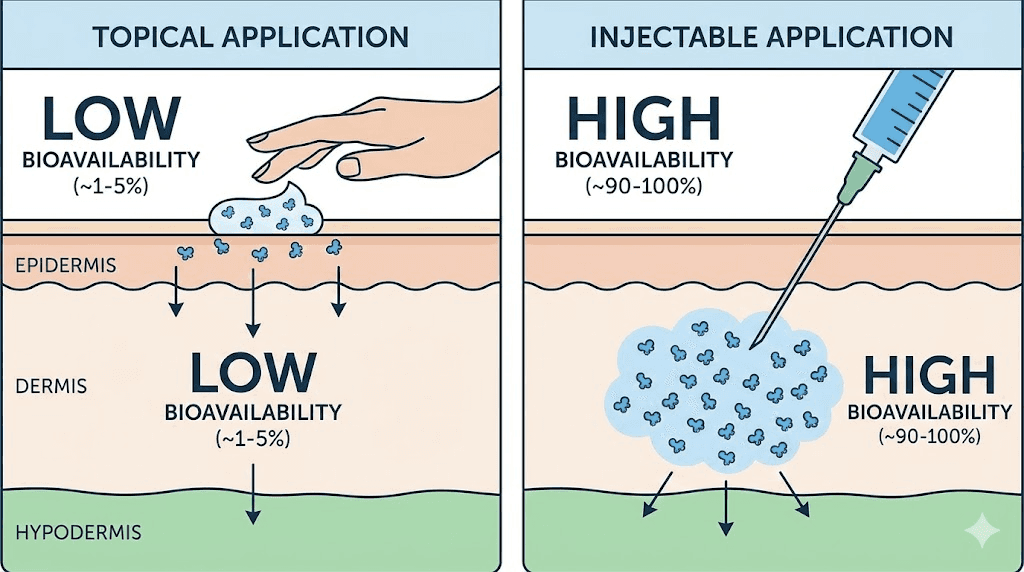
This is where the conversation expands beyond surface-level skincare into the broader world of peptide research. Topical peptides work at the skin level. Injectable peptides work systemically. The difference in bioavailability is enormous, and understanding it changes how you think about peptide applications.
The bioavailability gap
Topical peptides face the stratum corneum barrier. Even with modern formulation techniques like liposomal encapsulation and palmitoylation, a significant percentage of topically applied peptide never reaches the living cells below. The 500-Dalton rule limits which peptides can penetrate at all, and even small peptides that do penetrate face enzymatic degradation in the epidermis before reaching the dermis where fibroblasts reside.
Injectable peptides bypass all of these barriers. Subcutaneous or intramuscular injection delivers peptides directly into tissue, where they enter the bloodstream and reach target cells throughout the body. The bioavailability difference is dramatic. Where topical application might deliver 1-5% of the applied peptide to its target, injectable administration delivers close to 100%. This is why injectable GHK-Cu protocols, covered in the GHK-Cu injection dosage guide and the guide on how to use GHK-Cu peptide injections, can achieve systemic effects that topical application simply cannot match.
What injectable peptides can do that topicals cannot
Injectable peptides influence deep biological systems. GHK-Cu administered subcutaneously can affect collagen and elastin production throughout the body, not just in the skin where it is applied. It reaches the dermis directly, bypasses enzymatic degradation in the epidermis, and achieves tissue concentrations that topical application cannot approach.
Beyond skin, injectable peptides like BPC-157 accelerate injury healing, while TB-500 supports tissue repair through entirely different mechanisms. The best peptides for injury recovery operate at a level that no topical product can reach. And peptides targeting brain function or anxiety require systemic delivery by definition, since they must cross the blood-brain barrier.
For those exploring injectable peptide applications, understanding proper reconstitution is essential. The peptide reconstitution calculator and the guide on bacteriostatic water for peptides cover the technical requirements. Proper storage also matters significantly, as does understanding how long peptides last in the fridge and whether peptides expire.
Where topical peptides still shine
Topical peptides have significant advantages over injectables in several important respects. They are non-invasive, require no medical supervision, carry minimal risk of systemic side effects, and can be applied precisely to target areas. For cosmetic concerns limited to the face or specific body areas, topical application delivers peptides exactly where they are needed most, with minimal distribution to areas where they are not needed.
Topical peptides are also the clear choice for combining with ceramides in a skincare routine. You cannot mix a ceramide moisturizer with an injectable peptide. But you can layer a peptide serum under a ceramide cream every day with zero complications and genuine synergistic benefits. For most consumers whose goals are cosmetic rather than therapeutic, topical peptides combined with ceramides represent the practical sweet spot of efficacy, safety, and convenience.
The natural peptides for skin guide covers which peptides are naturally occurring in the body and how topical supplementation compares to the body own peptide production. For a broader view, peptide safety and risks provides a comprehensive assessment of both topical and injectable applications.
The GHK-Cu dosage spectrum
GHK-Cu is unique in that it is available in both topical and injectable forms, making it a useful case study for comparing delivery methods. Topical GHK-Cu at 1-2% concentration in a cream produces measurable improvements in skin thickness, collagen density, and wrinkle depth over 8-12 weeks. Injectable GHK-Cu, typically administered at 50mg protocols or according to the dosage chart, produces systemic effects including improved wound healing, reduced inflammation throughout the body, and gene expression changes in multiple tissue types.
Proper reconstitution is critical for injectable use. The GHK-Cu reconstitution guide covers the exact process, and knowing how long GHK-Cu lasts once reconstituted and how long 100mg of GHK-Cu lasts helps with planning and cost management. The peptide calculator simplifies the math for determining exact doses. And for those curious about what happens after a course ends, the guide on what happens if you stop GHK-Cu addresses the question directly.
Whether to refrigerate your peptides is another common concern. The answer for most reconstituted peptides, including GHK-Cu, is yes.
Proper copper peptide storage extends shelf life and preserves activity. Understanding how long peptides last in powder form, at room temperature, and once reconstituted in the fridge helps you get the most value from every vial.
The market perspective
Both ceramides and peptides are experiencing significant growth in the skincare market, driven by consumer demand for science-backed ingredients. The global ceramide market was valued at approximately $85 million in 2019, with projections reaching $133.8 million by 2027 at a compound annual growth rate of 5.8%. More recent estimates from broader market analyses suggest the ceramide skincare market may already exceed $400 million when finished products are included. Asia-Pacific dominates the ceramide market with over 30% market share, reflecting the ingredient popularity in Korean and Japanese skincare formulations.
The peptide skincare market is growing even faster, driven partly by the expanding understanding of different peptide types and their applications. Consumer awareness of specific peptides like GHK-Cu, Matrixyl, and Argireline has increased dramatically, moving these ingredients from niche dermatological products into mainstream consumer skincare. Glow peptide formulations, collagen peptide serums, and advanced peptide formulas have all seen substantial growth in retail sales.
What this market growth reflects is a broader shift in consumer expectations. People no longer want vague promises about "smoother" or "younger-looking" skin. They want specific mechanisms, clinical data, and ingredients with demonstrated efficacy. Both ceramides and peptides meet that standard, which is why they continue to gain market share at the expense of less evidence-based alternatives.
Advanced considerations for peptide and ceramide users
The role of cholesterol and fatty acids
Ceramides do not work in isolation within the skin barrier. They require cholesterol and free fatty acids in specific ratios to form proper lamellar structures. The optimal ratio approximates 1:1:1 (ceramides to cholesterol to fatty acids), and products that deliver all three in balanced proportions consistently outperform those containing ceramides alone. If your ceramide product does not also contain cholesterol and fatty acids, it is providing only one-third of what the barrier needs.
Peptide cycling and long-term use
Unlike some active ingredients that require cycling (retinoids can cause tachyphylaxis, for example), most peptides maintain their efficacy with continuous use. Ceramides can certainly be used indefinitely without diminishing returns. The body does not develop tolerance to exogenous ceramides because they are identical to the lipids already present in the skin.
Peptides are slightly more complex. There is theoretical concern that prolonged use of neurotransmitter-inhibiting peptides could lead to receptor adaptation, though clinical evidence of this is limited. Signal peptides like Matrixyl do not appear to lose efficacy over time. GHK-Cu maintains its gene-modulating effects with continued use. For guidance on structuring long-term peptide routines, the peptide cycle planning guide provides frameworks based on current evidence.
Hair applications
Both ceramides and peptides have applications beyond facial skincare. Ceramides are increasingly used in haircare products to repair damaged cuticles and improve moisture retention in hair strands. The cuticle layer of hair has a lipid structure analogous to the skin barrier, and ceramide supplementation can restore integrity that heat styling, chemical treatments, and environmental exposure have damaged.
Peptides for hair are a rapidly growing category. Copper peptides for hair growth have garnered particular attention, with GHK-Cu demonstrating the ability to increase follicle size and stimulate the transition from telogen (resting phase) to anagen (growth phase). The GHK-Cu peptide for hair guide covers the research and protocols in detail, while the broader peptides for hair growth and peptides for hair loss guides explore the full range of peptide options for hair concerns. Peptide shampoo formulations represent the intersection of these two worlds, combining ceramide-like barrier repair for the hair cuticle with peptide signaling for the follicle.
Oral supplementation
Both ceramides and peptides are available in oral supplement form, though the evidence varies significantly.
Oral phytoceramides, typically derived from rice or wheat, have shown some promise in small studies for improving skin hydration and barrier function from the inside out. The theoretical mechanism involves ingested ceramides being absorbed, metabolized, and eventually incorporated into the skin lipid pool. Results are modest compared to topical application but may provide supplementary benefits.
Oral collagen peptides are more extensively studied. Collagen hydrolysate vs collagen peptides is a distinction worth understanding, as the two forms differ in molecular size and absorption characteristics. Multiple randomized controlled trials have shown that oral collagen peptide supplementation improves skin hydration, elasticity, and wrinkle depth over 8-12 weeks. Whether they count as protein, affect weight (weight gain considerations and weight loss potential), and are safe during pregnancy are all questions covered in the dedicated guides. The question of whether they break a fast is also common among users following intermittent fasting protocols.
For those interested in marine collagen peptides, there are specific considerations around sourcing, sustainability, and efficacy that differ from bovine or porcine collagen sources. Product-specific guides for Vital Proteins collagen peptides and Divided Sunset collagen peptides provide formulation-level analysis.
Product-specific considerations
Understanding general principles is essential, but choosing specific products requires additional knowledge. Not every ceramide moisturizer and peptide serum is formulated with equal care, and the differences in quality can dramatically affect outcomes.
The best creams with copper peptides combine GHK-Cu with ceramides and other barrier-supporting ingredients, creating products that deliver both peptide signaling and barrier repair in a single step. Multi-peptide serums from brands like Geek and Gorgeous, The Inkey List, and Allies of Skin offer varying combinations of signal and neurotransmitter-inhibiting peptides at different price points.
For those specifically looking at GHK-Cu formulations, comparing GHK-Cu vs other copper peptides helps clarify which copper peptide type matches your goals. Not all copper peptides are GHK-Cu, and the biological activities differ significantly between variants. The Medi-Peel Peptide 9 and PCA ExLinea peptide smoothing serum are examples of multi-peptide products that take different approaches to formulation.
The broader peptide capsules market offers another delivery format that sits between topical and injectable applications. Encapsulated peptides can provide targeted delivery and improved stability compared to standard serums, though the efficacy data is still catching up with the marketing claims.
For anyone exploring peptide-related skincare approaches for specific concerns, the collagen peptides for cellulite guide and peptides for scars guide cover targeted applications that combine both topical and systemic strategies.
A note on peptide research beyond skincare
While this guide focuses on the ceramide-vs-peptide comparison in a skincare context, it is worth noting that the peptide world extends far beyond cosmetic applications. The same principles of peptide signaling that drive collagen production in the skin also apply to muscle growth, fat loss, gut health, and injury recovery. Peptides like BPC-157 and TB-500 have applications in injury recovery that have nothing to do with skincare but operate through analogous biological mechanisms.
For those new to the broader peptide landscape, the complete introduction to peptides provides the foundation. Understanding the comparison between peptides vs SARMs and the differences between lyophilized vs liquid peptides adds important context for anyone considering peptide use beyond skincare. The peptide dosing guide and peptide stack calculator support practical decision-making.
Bioregulator peptides represent another fascinating frontier, with short peptide sequences that target specific organs and tissues to normalize their function. Epitalon, for instance, targets the pineal gland and has been studied for longevity-related applications. These are not skincare peptides, but they illustrate the breadth and potential of peptide science. SeekPeptides covers the full spectrum, from topical cosmetic applications to advanced research protocols, giving members the research and evidence base they need to make informed decisions.
Frequently asked questions
Are ceramides or peptides better for wrinkles?
Peptides are significantly more effective for wrinkles because they directly stimulate collagen production and can relax the muscle contractions that cause expression lines. Matrixyl 3000 reduced deep wrinkle area by 45% in two months, and GHK-Cu reduced periorbital wrinkles by 55% in 12 weeks. Ceramides support skin hydration, which can make fine dehydration lines less visible, but they do not address the collagen loss that causes true wrinkles.
Can I use ceramides and peptides in the same routine?
Yes, and combining them is actually ideal. Apply your peptide serum first on slightly damp skin, allow it to absorb for one to two minutes, then follow with a ceramide moisturizer. The ceramide layer helps seal in the peptide serum while replenishing barrier lipids. There are no compatibility issues between these two ingredient categories.
How long does it take to see results from ceramides?
Ceramides work relatively quickly for hydration and barrier repair. Many users notice reduced dryness and tightness within the first week. Measurable improvements in transepidermal water loss typically occur within two to four weeks of consistent use. Full barrier restoration in compromised skin may take four to eight weeks.
How long does it take to see results from peptides?
Peptides require more patience. Topical peptides typically take 4 to 12 weeks to produce visible changes, depending on the specific peptide and the concern being addressed. Neurotransmitter-inhibiting peptides like Argireline may show initial effects in two to four weeks. Signal peptides like Matrixyl typically require six to eight weeks. GHK-Cu clinical studies ran for 12 weeks to achieve their reported outcomes.
Do ceramides clog pores?
Ceramides themselves are non-comedogenic. They are naturally present in skin at high concentrations without causing breakouts. However, the vehicle in which ceramides are delivered matters. A heavy, oil-based ceramide cream might aggravate acne-prone skin, while a lightweight ceramide gel or lotion would not. Look for products labeled non-comedogenic and oil-free if you are breakout-prone.
Which peptide is best for anti-aging?
GHK-Cu (copper tripeptide-1) has the strongest evidence base for comprehensive anti-aging effects, including collagen stimulation, elastin production, antioxidant activation, and gene expression normalization. Matrixyl 3000 is the strongest for wrinkle reduction specifically. For a full breakdown, the peptides for anti-aging guide compares all options with clinical data.
Can ceramides help with eczema?
Yes, significantly. Ceramide deficiency is directly linked to the barrier dysfunction that characterizes atopic dermatitis. Ceramide-dominant moisturizers are now approved as adjunctive barrier repair agents for eczema management. They reduce transepidermal water loss, restore lipid organization, and improve the signs and symptoms of the condition.
Are expensive ceramide and peptide products worth it?
Price does not always correlate with efficacy. What matters is formulation quality, specifically concentration, ingredient stability, appropriate pH, and the inclusion of complementary ingredients. An affordable ceramide moisturizer with NP, AP, EOS, cholesterol, and fatty acids at effective concentrations will outperform an expensive one with trace amounts of a single ceramide. Similarly, a well-formulated peptide serum at a moderate price point can match or exceed luxury alternatives. Use the peptide cost calculator to compare value across different options.
External resources
The Pathogenic and Therapeutic Implications of Ceramide Abnormalities in Atopic Dermatitis (NIH PMC)
GHK Peptide as a Natural Modulator of Multiple Cellular Pathways in Skin Regeneration (NIH PMC)
For researchers serious about optimizing their skincare protocols and understanding the full spectrum of peptide applications, SeekPeptides members get access to detailed comparison tools, protocol databases, and expert recommendations for both topical and injectable peptide applications.
The platform provides the kind of evidence-based guidance that turns good skincare into great skincare, with resources covering everything from getting started to advanced stacking protocols.
In case I do not see you, good afternoon, good evening, and good night. Join us.