Jan 27, 2026
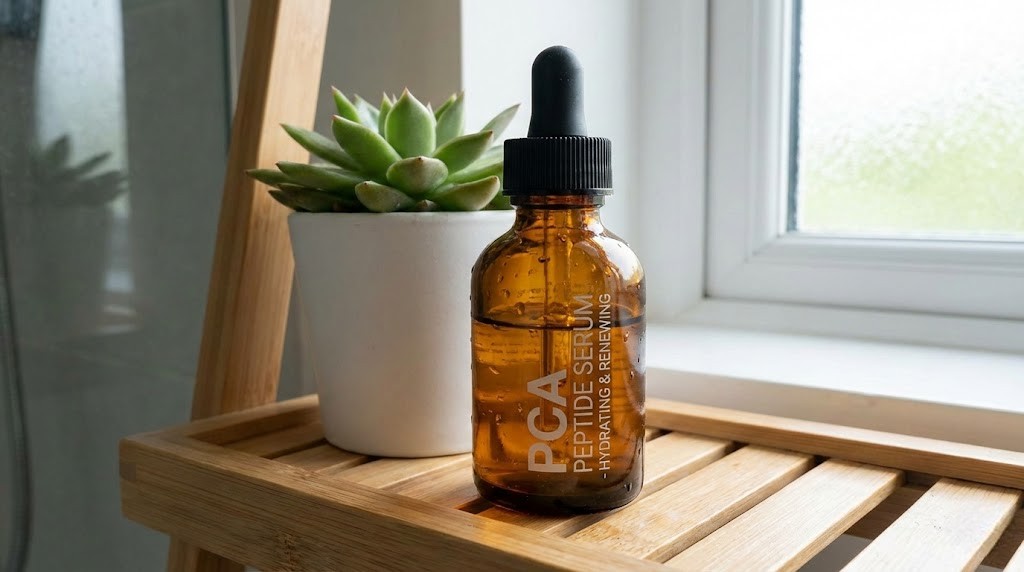
Your forehead tells a story you did not write. Every frown, every squint against the sun, every moment of concentration has left its mark. Lines that were once invisible now catch the light in ways you never asked for. And the skincare industry has noticed.
Peptide serums have become the darling of the anti-aging world, promising to soften those expression lines without the needle. Among the brands making waves, PCA Skin stands out with a focused approach: serums built specifically around neuropeptides that target the muscles responsible for dynamic wrinkles. Their ExLinea line has developed a devoted following among dermatologists and skincare enthusiasts alike.
But here is the question nobody answers clearly. What actually makes PCA Skin peptide serums different from the dozens of other peptide products for wrinkles flooding the market? Is the premium price justified? And more importantly, will they work for your specific skin concerns?
This guide breaks down everything about PCA peptide serums. The science behind their key ingredients. Real clinical data on effectiveness. How they compare to both injectable options and other natural peptides for skin. Whether you are considering your first peptide serum or evaluating if PCA is worth the investment, the answers are here. SeekPeptides has analyzed the research so you can make an informed decision about your skincare routine.
Understanding PCA Skin and their peptide technology
PCA Skin has operated in the professional skincare space since 1990. Unlike mass-market brands, they distribute primarily through licensed aestheticians, dermatologists, and medical spas. This professional-only model shapes everything about their formulation philosophy.
The company built its reputation on chemical peels before expanding into treatment serums. Their peptide offerings represent a specific strategy: targeting expression lines with neurotransmitter-modulating peptides rather than relying solely on peptides for general skin tightening.
The Peptide-Pro Complex explained
PCA Skin developed a proprietary blend they call Peptide-Pro Complex. This is not marketing fluff. The complex combines four specific active ingredients designed to work synergistically:
First, SNAP-8, also known as Acetyl Octapeptide-3. This eight-amino-acid peptide chain represents an evolution of the earlier Argireline formulation. Research shows SNAP-8 can reduce wrinkle depth by up to 63 percent over 28 days by interfering with the SNARE complex that enables muscle contractions.
Second, Argireline Amplified. This is Acetyl Hexapeptide-8 in an enhanced delivery system. The peptide works similarly to SNAP-8 but through a slightly different mechanism, creating complementary effects when combined.
Third, a polysaccharide-amino acid blend derived from proteins, algae, and amino acids. This component improves elasticity while smoothing and hydrating the skin surface.
Fourth, Bacillus and Soybean Ferment Extract. This marine-derived ingredient provides contouring and firming effects specifically targeting loose or sagging skin.
Understanding how peptides work helps explain why this combination matters. Each ingredient addresses a different aspect of aging skin, from muscle relaxation to structural support.
How PCA peptides differ from copper peptides
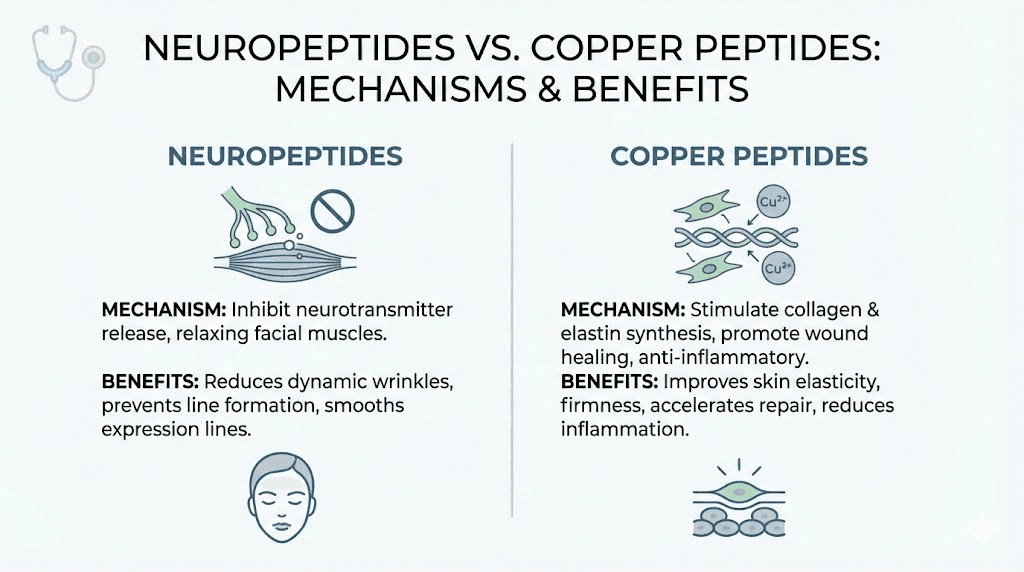
Many people confuse different peptide categories. Copper peptides like GHK-Cu work through entirely different mechanisms than the neuropeptides in PCA serums.
Copper peptides primarily stimulate collagen production and wound healing. They work at the cellular level to rebuild skin structure over time. The results take months to appear but address fundamental changes in skin architecture.
Neuropeptides like SNAP-8 and Argireline work much faster. They interrupt the signaling between nerves and muscles, reducing the contractions that cause expression lines. Results can appear within days or weeks, but the effect is more cosmetic than structural.
Neither approach is superior. They simply solve different problems. For deep static wrinkles caused by collagen loss, GHK-Cu protocols may prove more effective long-term. For expression lines around the eyes and forehead, neuropeptide serums like PCA offerings provide faster visible improvement.
Some users combine both approaches. Using a copper peptide skincare routine for overall skin health while targeting expression lines with neuropeptide spot treatments can address multiple aging concerns simultaneously.
The science behind SNAP-8 peptide
SNAP-8 deserves detailed examination because it forms the foundation of PCA peptide serums. Understanding its mechanism helps set realistic expectations for results.
The peptide gets its name from SNAP-25, a protein essential for neurotransmitter release at the neuromuscular junction. When nerve signals reach facial muscles, SNAP-25 helps form a complex that releases acetylcholine, triggering muscle contraction. Block or reduce this process, and muscle movement decreases.
SNAP-8 mimics a fragment of the SNAP-25 protein. When applied topically, it competes with natural SNAP-25 for binding sites in the SNARE complex. This destabilizes the mechanism that enables muscle contractions. The result resembles a mild, localized version of what happens with botulinum toxin, without the injection or the complete paralysis.
What the research actually shows
In vitro studies demonstrate impressive numbers. SNAP-8 can reduce catecholamine release by up to 40 percent in cell cultures. Wrinkle depth measurements in controlled studies show reductions of 21 percent after just seven days and up to 63 percent after four weeks of consistent application.
However, context matters. These results come from optimal conditions with high concentrations. Real-world application involves additional variables: product formulation, skin penetration, application consistency, and individual physiology.
Most effective serums contain SNAP-8 concentrations between 3 and 10 percent. Below this range, the peptide may not achieve meaningful results. Above it, formulation stability becomes challenging and cost increases substantially.
PCA Skin does not publicly disclose exact concentrations in their Peptide-Pro Complex. This is standard industry practice for proprietary blends but makes direct comparison with other products difficult.
For researchers interested in SNAP-8 peptide mechanisms and studies, the available literature supports meaningful wrinkle reduction with consistent use. The question becomes whether specific product formulations deliver the peptide effectively to target sites.
SNAP-8 versus Argireline
Argireline came first. Developed in the early 2000s, this six-amino-acid peptide was the original topical alternative to botulinum toxin. SNAP-8 followed as an improvement, adding two more amino acids to the chain for enhanced stability and efficacy.
Both peptides target the same biological pathway. SNAP-8 offers several advantages in research settings. It demonstrates better stability in formulation, potentially longer-lasting effects, and may work at lower concentrations than Argireline.
PCA Skin includes both peptides in their ExLinea Pro formula. This redundancy is intentional. Argireline works more quickly but fades faster. SNAP-8 takes longer to build effects but provides more sustained results. Using both creates overlapping benefits with continuous coverage.
The combination approach reflects sophisticated formulation thinking. Rather than relying on a single mechanism, the serum attacks expression lines through complementary pathways that reinforce each other.
PCA ExLinea product lineup explained
PCA Skin offers two main peptide serum products under the ExLinea name. Understanding the differences helps determine which might suit specific needs.
ExLinea Pro Peptide Serum
This represents PCA Skin newest and most advanced peptide formula. It positions as a spot treatment rather than an all-over serum, designed for targeted application to areas of concentrated expression lines.
The Pro version contains the full Peptide-Pro Complex with all four active ingredients working together. Clinical testing by the manufacturer showed impressive results: 100 percent of study participants demonstrated visible reduction in fine lines and wrinkles, visible lifting and tightening effects, and improved skin smoothness and texture.
These were controlled studies with specific protocols, but they do indicate the formula potential when used correctly.
Application involves smoothing a small amount onto areas of wrinkling and laxity, concentrating on lines around the eyes, forehead, and mouth. The manufacturer recommends twice daily use for maximum benefit.
Price point sits at the premium end of the serum market, around 154 dollars for a one-ounce bottle. Subscription options reduce this somewhat, but ExLinea Pro remains an investment-level skincare product.
ExLinea Peptide Smoothing Serum
The original ExLinea formula preceded the Pro version. It uses earlier peptide technology that remains effective but without the enhanced Peptide-Pro Complex.
This serum focuses primarily on SNAP-8 with supporting ingredients for hydration and skin conditioning. It works well as a general expression line treatment but lacks some of the firming and lifting benefits of the Pro formula.
Cost typically runs lower than the Pro version, making it a reasonable entry point for those exploring PCA peptide products. Users often start here before upgrading to the more intensive Pro formula if they respond well to the neuropeptide approach.
For detailed analysis of this specific product, the PCA ExLinea Peptide Smoothing Serum guide covers formulation details, application techniques, and user experiences.
Which product fits which concern
Expression lines concentrated in specific areas benefit most from ExLinea Pro. Its spot-treatment design delivers higher concentrations where they matter most. Forehead furrows, crow feet, and frown lines between the eyebrows respond particularly well.
More diffuse fine lines across larger facial areas may warrant the original ExLinea Smoothing Serum or even combination with other PCA products. The lighter formula spreads more easily over larger treatment zones.
Budget considerations matter too. If peptide serums are new to your routine, starting with the less expensive option lets you evaluate whether neuropeptide-based products work for your skin before committing to premium formulas.
Those already using peptides for wrinkle treatment through other methods may find these topical options complement their existing protocols.
Key ingredients beyond the peptides
PCA ExLinea serums contain more than peptides. The supporting ingredients significantly impact overall performance and determine whether the peptides can actually reach their targets in the skin.
Sodium Hyaluronate
This smaller molecular form of hyaluronic acid penetrates skin more readily than standard hyaluronic acid. It holds up to 1,000 times its weight in water, providing immediate hydration while the peptides work on longer-term concerns.
Well-hydrated skin allows better penetration of active ingredients. The sodium hyaluronate in ExLinea serums is not just a moisture boost but a functional component enabling peptide delivery.
Those interested in combining peptide treatments with hydrating ingredients should understand how hyaluronic acid and peptides interact. The combination works synergistically when properly formulated.
Soothing and conditioning agents
PCA formulas typically include ingredients to calm potential irritation. Neuropeptides themselves rarely cause reactions, but the base formulations require pH levels and vehicle ingredients that might affect sensitive skin.
Silicone-based ingredients create a smooth application texture while forming a breathable barrier that helps seal in active ingredients. This occlusive effect can enhance peptide penetration by preventing moisture loss.
The absence of common irritants matters for those with reactive skin. PCA Skin formulas typically avoid fragrances, dyes, and harsh preservatives that might trigger sensitivity.
Fermentation-derived extracts
The Bacillus and Soybean Ferment Extract in the Pro formula represents an interesting formulation choice. Fermentation creates bioactive compounds that conventional extraction might miss.
These ferment extracts provide additional skin benefits beyond what the peptides offer. They support the skin barrier, provide antioxidant protection, and may enhance the overall anti-aging effect of the formula.
The use of fermented ingredients reflects broader trends in sophisticated skincare formulation. Brands increasingly recognize that how ingredients are processed matters as much as which ingredients are included.
How to use PCA peptide serums effectively
Application technique significantly impacts results with any peptide serum. The molecules need to reach their targets, which requires proper skin preparation and layering sequence.
Preparation and cleansing
Clean skin absorbs active ingredients more effectively. Begin any peptide application with thorough cleansing to remove makeup, sunscreen, excess oil, and environmental residue.
Double cleansing, using an oil-based cleanser followed by a water-based formula, ensures complete removal of occlusive products that might block peptide penetration. This step takes extra time but dramatically improves serum performance.
Slightly damp skin after cleansing can enhance absorption. The moisture helps create a pathway for water-soluble ingredients in the serum. However, wait until skin is no longer wet to the touch. Excess surface water can dilute the product and reduce effectiveness.
Application sequence in your routine
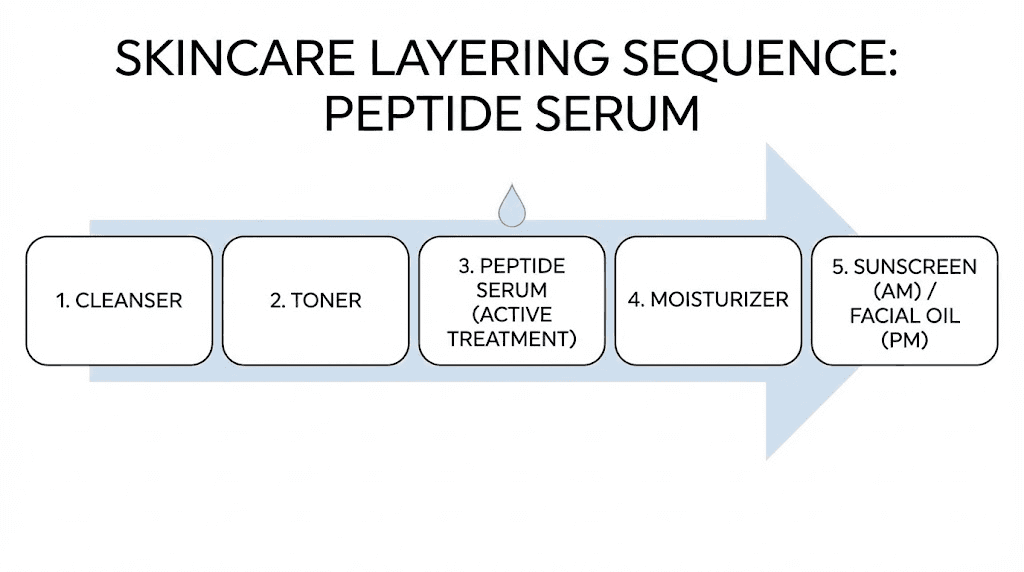
Peptide serums belong early in the skincare routine, after cleansing and toning but before heavier moisturizers and oils. The thin consistency of serums allows them to penetrate effectively, but only if not blocked by previously applied products.
For ExLinea Pro, apply a small amount to targeted areas and gently tap or press into the skin. Avoid rubbing, which can disperse the product away from treatment zones. Allow one to two minutes for absorption before continuing with the routine.
Morning and evening application provides optimal results. Consistency matters more than quantity. Regular twice-daily use of appropriate amounts outperforms sporadic heavy application.
Understanding how peptides work with retinol helps when building a complete anti-aging routine. The two can complement each other when used in the right sequence.
What to pair with PCA peptide serums
Hyaluronic acid serums layer beautifully with peptides. Applying a dedicated hydrating serum after the peptide treatment locks in moisture and creates an optimal environment for continued peptide activity.
Vitamin C presents a more complex consideration. Some formulations work well together, while others may compromise peptide stability. The safest approach separates them into different routines: vitamin C in the morning for antioxidant protection, peptides in the evening for repair.
Niacinamide generally pairs safely with peptides and can enhance overall results. This ingredient supports barrier function and helps control oil, creating conditions that allow peptides to work effectively.
Those using peptides and retinol together should follow careful sequencing. Retinol can potentially destabilize some peptide structures, so allowing the peptide serum to fully absorb before applying retinol products prevents interference.
What to avoid
Direct acids and low-pH products can degrade peptides on contact. Chemical exfoliants like glycolic acid, salicylic acid, and other AHAs or BHAs should not be applied immediately before or after peptide serums.
Copper peptides require special consideration. The interaction between copper peptides and certain ingredients can reduce effectiveness of both. While PCA ExLinea products do not contain copper peptides, those incorporating copper into other parts of their routine should layer carefully.
Physical exfoliation immediately before peptide application can cause irritation. The micro-abrasions from scrubs create pathways that allow ingredients to penetrate too deeply, potentially causing sensitivity.
Realistic timeline for results
Peptide serums require patience and consistency. Marketing often promises rapid transformation, but the biological reality involves gradual improvement over weeks and months.
The first two weeks
Initial changes during this period primarily involve hydration and surface smoothing. The hyaluronic acid and conditioning ingredients in PCA serums produce visible softening almost immediately.
True peptide effects take longer to appear. The neuropeptides need time to accumulate in sufficient concentrations and influence muscle activity. Most users notice nothing dramatic during the first fourteen days.
This is normal and expected. Do not abandon the product because immediate results are absent. The mechanism requires ongoing application before visible changes emerge.
Weeks two through four
Most clinical studies show measurable changes appearing in this window. SNAP-8 research demonstrates 21 percent wrinkle reduction at the one-week mark, with continued improvement through day 28.
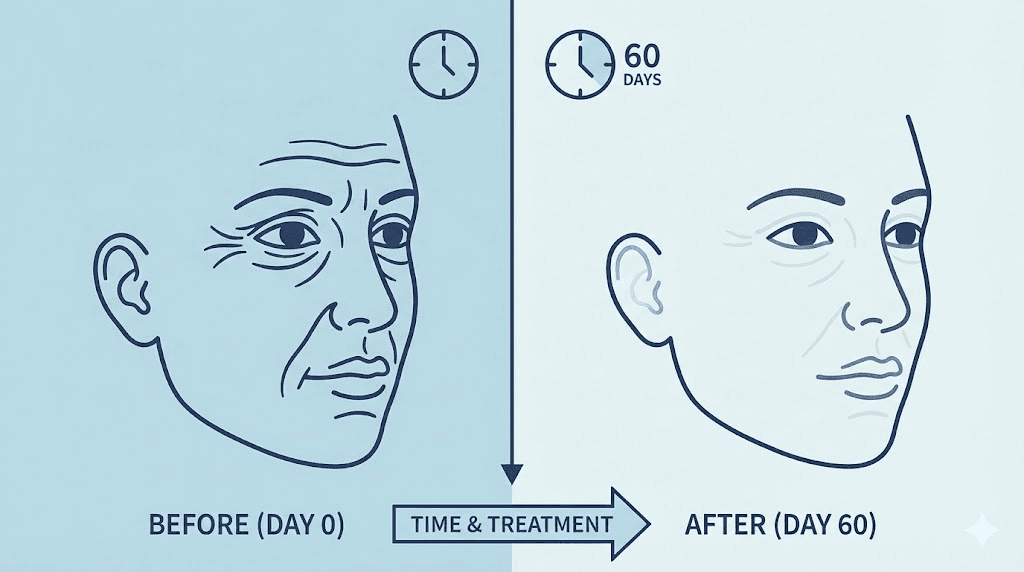
Users may notice expression lines appearing slightly softer. The skin around targeted areas might look smoother, particularly when facial muscles are relaxed. These early improvements often appear subtle until compared with before photos.
Taking progress photos under consistent lighting helps track changes that daily observation might miss. The gradual nature of improvement makes it difficult to perceive without documentation.
One to three months
This timeframe is where PCA peptide serums demonstrate their full potential. Consistent twice-daily application allows peptide effects to compound, producing increasingly noticeable results.
Expression lines that once deepened throughout the day may remain less pronounced. The cumulative effect of reduced muscle movement allows existing wrinkles to partially fill in as collagen remodels over time.
Many users report that their faces look more relaxed without appearing frozen or unnatural. Unlike injectable neurotoxins, topical peptides reduce rather than eliminate expression. The effect is subtle refinement rather than dramatic change.
Understanding how long peptides take to work helps set appropriate expectations. Topical applications require more time than injections but offer convenience and non-invasive application.
Long-term maintenance
Peptide effects require continued use. Unlike collagen-building treatments that create structural changes, neuropeptide results depend on ongoing application. Stopping use allows muscle activity to return to baseline over several weeks.
This does not represent a negative. The reversibility of topical peptides means no long-term commitment to a particular effect. Users can adjust their routine based on changing preferences or needs.
Many people incorporate peptide serums as permanent fixtures in their skincare routines, much like daily sunscreen or moisturizer. The maintenance approach yields consistent results without peaks and valleys.
PCA peptide serums versus other options
Context helps evaluate whether PCA products represent the right choice. Comparing against alternatives clarifies the relative strengths and appropriate use cases.
Versus injectable neurotoxins
Botox, Dysport, and similar injectables remain the gold standard for expression line treatment. They work faster, produce more dramatic results, and require less frequent attention than any topical product.
However, injectables involve needles, professional administration, and significant cost per session. They also create a frozen appearance when overdone and require repeated treatments every three to four months.
PCA peptide serums cannot match injectable results. They offer a different value proposition: daily home treatment that provides more subtle improvement without medical appointments or injection-related concerns.
Some users combine approaches, using injectables for deep lines while maintaining topical peptides between appointments. This extends the period between injections and provides consistent surface-level improvement.
For comparison between peptide treatments and more invasive options, the peptides versus Botox analysis provides detailed perspective.
Versus other peptide serums
The market offers countless peptide serums at various price points. Some deliver excellent results. Others contain negligible peptide concentrations that produce no meaningful effect.
Budget options like The Ordinary Multi-Peptide Serum provide good value for general anti-aging. They contain multiple peptide types but typically at lower concentrations than professional products like PCA.
The Depology peptide serum represents another option in the mid-price range, offering different peptide combinations with their own strengths.
PCA Skin advantage lies in their professional heritage and formulation expertise. The Peptide-Pro Complex specifically targets expression lines rather than general aging concerns. This focused approach may produce better results for that specific problem than broader formulations.
The Geek and Gorgeous peptide serum offers another comparison point for those evaluating different brands and formulation approaches.
Versus copper peptide products
Copper peptides and neuropeptides solve different problems. Direct comparison misses this fundamental distinction.
Copper peptides like GHK-Cu excel at building collagen, accelerating wound healing, and improving overall skin quality over time. They work well for static wrinkles, scarring, and general skin rejuvenation. The best copper peptide serums provide these benefits through consistent topical application.
Neuropeptides excel at expression lines, particularly those around eyes and forehead that form from repeated muscle movement. They work faster for this specific concern but do not address structural aging the way copper peptides do.
An optimal approach might include both. Using copper peptides for textural concerns while targeting expression lines with PCA neuropeptide serums addresses multiple aging mechanisms simultaneously.
Who benefits most from PCA peptide serums
These products work better for some concerns than others. Understanding the ideal use case helps determine whether PCA serums fit your specific situation.
Ideal candidates
Those with visible expression lines from repeated facial movements see the best results. Forehead lines, crow feet, and frown lines between the eyebrows respond particularly well to neuropeptide treatment.
Early-stage aging often responds better than established deep wrinkles. When lines are just beginning to form, reducing the muscle movements that create them can prevent progression and allow partial reversal.
People who cannot or prefer not to use injectables find topical peptides an attractive alternative. Whether due to needle phobia, medical contraindications, or simply preference for non-invasive approaches, PCA serums offer meaningful results without injection.
Those already using other peptides for anti-aging may find neuropeptide serums complement their existing protocols by targeting a different aging mechanism.
Less ideal candidates
Deep static wrinkles from collagen loss respond poorly to neuropeptides. These structural changes require collagen-building treatments like retinoids, GHK-Cu injections, or professional procedures.
Severe sun damage and photoaging involve complex changes that single-mechanism treatments cannot address. Comprehensive approaches combining multiple ingredients and potentially professional treatments produce better results than any single serum.
Those expecting Botox-level results will be disappointed. Topical peptides simply cannot match the efficacy of injectable neurotoxins. They offer a different level of improvement suitable for different expectations.
Budget-conscious users may find the cost-to-result ratio less favorable than alternatives. Less expensive peptide serums or different active ingredients might provide better value depending on specific concerns.
Skin type considerations
PCA formulas work across most skin types. The serums do not typically cause irritation even on sensitive skin, making them accessible to those who struggle with more aggressive anti-aging ingredients.
Oily skin absorbs serums well and does not typically experience excess shine from PCA products. The formulations are designed for professional use, which means elegant textures that work under makeup.
Dry skin benefits from the hyaluronic acid content but may need additional moisturizing products. The serums alone may not provide sufficient hydration for those with very dehydrated skin.
Those with reactive skin or conditions like rosacea should patch test before full application. While peptides rarely cause problems, base formulation ingredients could potentially trigger sensitivity in some individuals.
Understanding peptide serum pricing
PCA Skin products carry premium prices. Understanding what contributes to this cost helps evaluate whether the investment makes sense.
What you are paying for
Research and development for peptide formulations requires significant investment. Creating stable formulations that deliver active ingredients effectively is technically challenging. Brands that do this well charge accordingly.
Professional-grade ingredients cost more than their consumer-market equivalents. Higher peptide concentrations, better delivery systems, and superior raw materials all contribute to formula cost.
The PCA Skin professional distribution model adds cost layers that mass-market products avoid. Dermatologists and aestheticians who recommend these products provide guidance that has value but increases the final price.
Whether this value justifies the cost depends on individual circumstances. Those with disposable income seeking optimal results may find the investment worthwhile. Budget-conscious users might achieve adequate results with less expensive alternatives.
Cost comparison with alternatives
ExLinea Pro at approximately 154 dollars per ounce sits well above drugstore peptide serums but below many luxury skincare brands. It occupies a professional-tier position that reflects its distribution channel.
Injectable Botox treatments cost significantly more per session but may provide better results for deep expression lines. Over a year of maintenance, the cost comparison shifts depending on injection frequency and product usage rates.
Less expensive peptide serums may contain lower concentrations of active ingredients or less sophisticated delivery systems. The per-application cost might be lower, but results could also be diminished proportionally.
Understanding peptide therapy costs across different treatment modalities helps contextualize what various approaches require financially.
Maximizing value from PCA serums
Targeted application stretches product further. Using ExLinea Pro only on specific problem areas rather than as an all-over treatment makes the bottle last longer while concentrating benefits where they matter most.
Consistent use produces better results than occasional heavy application. Regular small amounts outperform sporadic larger quantities, making disciplined application a form of value optimization.
Purchasing through authorized channels often includes guidance from skincare professionals that maximizes results. This consultation has value even if it adds to the initial cost.
Some retailers offer subscription discounts that reduce per-bottle cost. Those committed to long-term use benefit from these programs.
The role of peptides in comprehensive skincare
PCA peptide serums work best as part of a complete skincare approach. Understanding how they fit with other products and practices maximizes overall results.
Building an effective routine
No single product addresses all skin aging concerns. Effective anti-aging requires multiple mechanisms working together: protection from further damage, repair of existing damage, and ongoing support for skin health.
Sunscreen remains the most important anti-aging product. UV exposure causes the majority of visible skin aging. No amount of peptides compensates for inadequate sun protection.
Retinoids provide proven collagen-building effects that peptide serums cannot replicate. Combining retinoid use with peptide treatment addresses both structural aging and expression lines.
Antioxidant serums protect against environmental damage that accelerates aging. Vitamin C, vitamin E, and other antioxidants complement peptide treatments by preventing new damage while peptides address existing concerns.
For those building comprehensive routines, understanding peptide stacking strategies helps combine multiple peptide types effectively.
Professional treatments that complement peptide serums
Microneedling creates channels that allow topical peptides to penetrate more deeply. Professional microneedling sessions followed by home peptide serum use can enhance results beyond what either approach achieves alone.
The microneedle peptide patch approach offers a home-based alternative that provides some of the same benefits in a more accessible format.
Chemical peels remove surface layers that can impede ingredient absorption. Regular professional peels create optimal conditions for peptide serum penetration and effectiveness.
LED light therapy supports skin health in ways that complement peptide activity. Red light therapy in particular may enhance collagen production that works alongside the expression-line targeting of neuropeptides.
Those seeking professional peptide treatments should explore peptide therapy options in their area for comprehensive care.
Lifestyle factors that impact results
Sleep quality affects skin repair processes. The body performs most cellular regeneration during sleep, and poor rest undermines the skin ability to respond to anti-aging treatments.
Hydration from within supports the skin moisture levels that enable peptide delivery. External serums work better when the body overall hydration status is adequate.
Stress hormones accelerate skin aging through multiple mechanisms. Chronic stress may reduce the effectiveness of any skincare routine, including peptide treatments.
Diet influences skin health in ways that complement topical treatments. Adequate protein provides amino acids for collagen synthesis. Antioxidant-rich foods support the skin defense against damage.
Common mistakes with peptide serums
Even quality products fail when used incorrectly. Avoiding common errors maximizes results from PCA peptide serums.
Inconsistent application
The most frequent mistake is irregular use. Peptide effects depend on maintaining consistent concentrations in the skin. Missing applications allows levels to drop, restarting the clock on results.
Some users apply heavily for a few days, then forget for a week, then resume. This pattern never allows peptide effects to build properly. Regular moderate use outperforms sporadic heavy application.
Setting reminders or incorporating peptide application into existing routine anchors helps maintain consistency. Linking the behavior to established habits like tooth brushing makes it automatic.
Improper layering
Applying peptide serums over occlusive products blocks absorption. Oils, heavy creams, and silicone-based primers create barriers that peptides cannot penetrate.
Using exfoliating acids immediately before peptides can destabilize the active ingredients. Separating these steps by several hours or using them on different days prevents interference.
Not allowing absorption time between products reduces effectiveness. Rushing through a routine causes layers to mix on the skin surface rather than penetrating sequentially.
Understanding common peptide mistakes helps avoid these pitfalls when starting with any peptide product.
Unrealistic expectations
Expecting injectable-level results from topical products leads to disappointment. PCA peptide serums provide meaningful improvement, but within the limitations of topical application.
Looking for overnight transformation misses how peptides actually work. The mechanism requires time, and comparing day-to-day appearance obscures gradual progress.
Abandoning products after two weeks because results are not dramatic enough wastes the investment. Most clinical effects emerge between weeks four and twelve. Patience produces results that impatience misses.
Using expired or improperly stored products
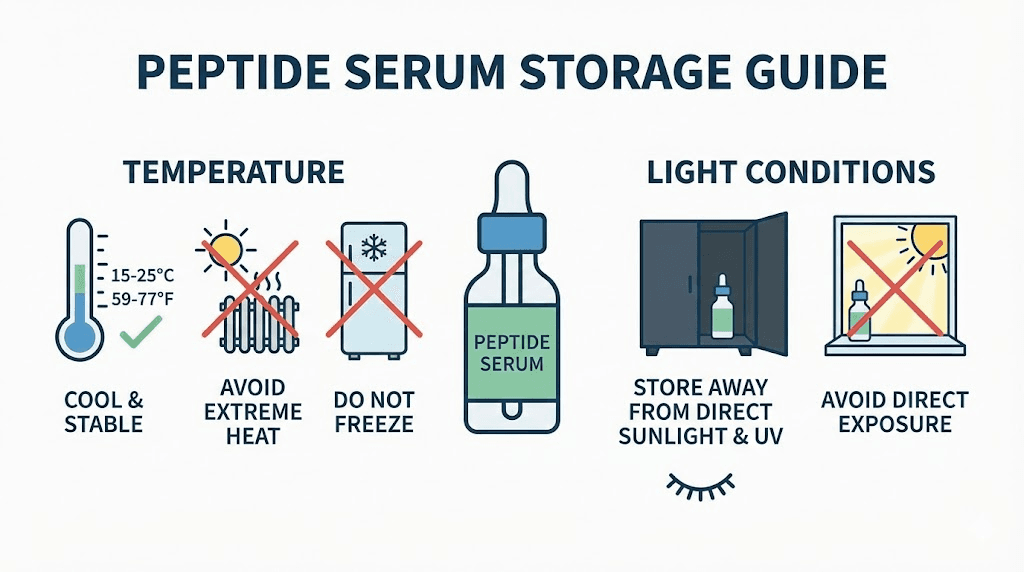
Peptides degrade over time, particularly when exposed to heat, light, or air. Using old products may apply inactive ingredients that cannot produce results.
Improper storage accelerates degradation. Keeping peptide serums in hot bathrooms or direct sunlight reduces their effective lifespan.
Following peptide storage guidelines preserves product effectiveness. Cool, dark storage away from temperature fluctuations maintains potency.
Safety considerations and potential reactions
PCA peptide serums have excellent safety profiles, but awareness of potential issues helps prevent problems.
General tolerability
Neuropeptides rarely cause adverse reactions. They work through mechanisms that do not typically trigger irritation or sensitivity responses.
The base formulations in PCA products are designed for professional use, meaning they avoid common irritants and allergens. Most users experience no problems even with daily long-term use.
However, individual reactions vary. What works perfectly for most users might cause unexpected responses in some. New users should proceed thoughtfully.
Patch testing recommendations
Before full facial application, test any new product on a small, inconspicuous area. The inside of the wrist or behind the ear provides good test sites.
Wait 24 to 48 hours after patch testing before proceeding to facial application. This allows time for delayed reactions to emerge.
Those with known sensitivities or reactive skin conditions should be particularly careful with patch testing. Even well-tolerated formulations can trigger unexpected responses in sensitive individuals.
When to discontinue use
Persistent redness, burning, or itching after application indicates a problem. Occasional mild tingling may be normal, but ongoing discomfort warrants stopping the product.
Any sign of allergic reaction, such as hives, swelling, or difficulty breathing, requires immediate discontinuation and medical attention. These reactions are extremely rare with peptide serums but remain possible.
If skin condition worsens rather than improves over several weeks of use, the product may not be suitable for your skin. Not every product works for every person.
Pregnancy and nursing considerations
Limited research exists on topical peptide use during pregnancy or while nursing. PCA Skin does not specifically recommend against use, but cautious individuals may prefer to pause peptide serums during these periods.
Consulting with healthcare providers about specific ingredients provides personalized guidance. The peptides themselves are generally considered low-risk, but individual circumstances vary.
Frequently asked questions
How long does a bottle of PCA ExLinea Pro last?
With targeted application twice daily to specific expression lines, a one-ounce bottle typically lasts two to three months. Using it as an all-over treatment rather than spot treatment reduces this significantly. Application amount affects duration more than anything else.
Can I use PCA peptide serums with prescription retinoids?
Yes, but sequence matters. Apply the peptide serum and allow full absorption before applying retinoid products. Some users prefer using peptides in the morning and retinoids at night to avoid any potential interaction. Understanding peptide and retinol combinations helps optimize both products.
Will PCA peptide serums replace my need for Botox?
They cannot fully replace injectable neurotoxins for significant expression lines. However, they may reduce the amount or frequency of injections needed, or delay the age at which injections become desirable. Many users find peptide serums extend the time between Botox appointments.
Are results from PCA peptide serums permanent?
No. Unlike collagen-building treatments, neuropeptide effects depend on continued use. Stopping application allows muscle activity to return to baseline within several weeks. Think of it like daily sunscreen: the protection requires ongoing application.
Can I use PCA peptide serums around my eyes?
The ExLinea products are specifically designed for the eye area where crow feet form. Apply carefully to avoid getting product directly in the eyes, but the surrounding skin is an ideal application zone for these serums.
What is the difference between PCA ExLinea Pro and the original ExLinea?
ExLinea Pro contains the advanced Peptide-Pro Complex with four synergistic ingredients including enhanced delivery systems. The original ExLinea focuses primarily on SNAP-8 with supporting ingredients. Pro offers more comprehensive anti-aging effects but at a higher price point.
How do PCA peptide serums compare to The Ordinary peptide products?
The Ordinary offers good value for general peptide benefits at a much lower price. PCA provides higher concentrations, more sophisticated delivery systems, and formulations specifically targeting expression lines. The choice depends on budget, specific concerns, and desired result level.
Can teenagers use PCA peptide serums?
These products are designed for aging skin concerns that teenagers typically do not have. While unlikely to cause harm, they provide little benefit for young skin without expression lines. Better to invest those resources in sunscreen and basic skincare fundamentals.
External resources
Peptide serums occupy a meaningful space in anti-aging skincare. They bridge the gap between basic cosmetic products and medical interventions, offering real improvement without needles or downtime. PCA Skin ExLinea products represent sophisticated entries in this category, backed by clinical research and professional credibility.
The question is not whether peptide serums work. Research confirms they do, within their specific mechanisms. The question is whether they address your particular concerns at a price point that makes sense for your situation.
For expression lines caught early, topical neuropeptides like those in PCA serums can meaningfully slow progression and soften existing creases. For deep established wrinkles, expectations should be modest. These are enhancement products, not miracle solutions.
Whatever approach you choose, understanding the science behind your skincare empowers better decisions. SeekPeptides provides the research-backed guidance that helps navigate the complex world of peptide treatments, whether topical serums, injectable peptides, or comprehensive protocols combining multiple approaches.
For researchers serious about optimizing their peptide protocols, SeekPeptides offers the most comprehensive resource available, with evidence-based guides, proven protocols, and a community of thousands who have navigated these exact questions.
In case I do not see you, good afternoon, good evening, and good night.