Jan 22, 2026
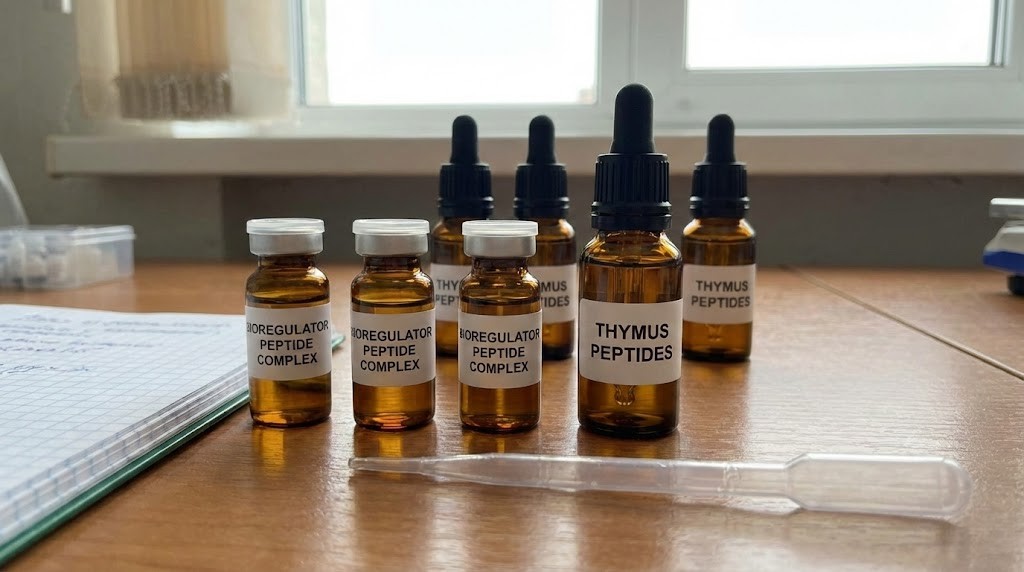
There is an entire category of peptides that most Western researchers have never encountered, peptides that work at the genetic level rather than the tissue level. These are bioregulator peptides, and they represent a fundamentally different approach to cellular optimization.
For over four decades, Russian scientists have been developing and testing these short-chain peptides. Not in small trials. In studies spanning six to twelve years with hundreds of participants. The results they have documented include reduced mortality rates, extended telomeres, and measurable improvements in organ function that persisted long after treatment ended.
This guide covers everything researchers need to understand about bioregulator peptides.
What they are. How they differ from traditional peptides. Which bioregulators target specific organs. The protocols that have shown efficacy in clinical settings. And the important limitations that every serious researcher must understand before incorporating these compounds into their work.
SeekPeptides provides comprehensive resources for researchers exploring these advanced peptide technologies, including detailed protocols for specific bioregulators and guidance on combining multiple compounds safely.
What makes bioregulator peptides different from traditional peptides
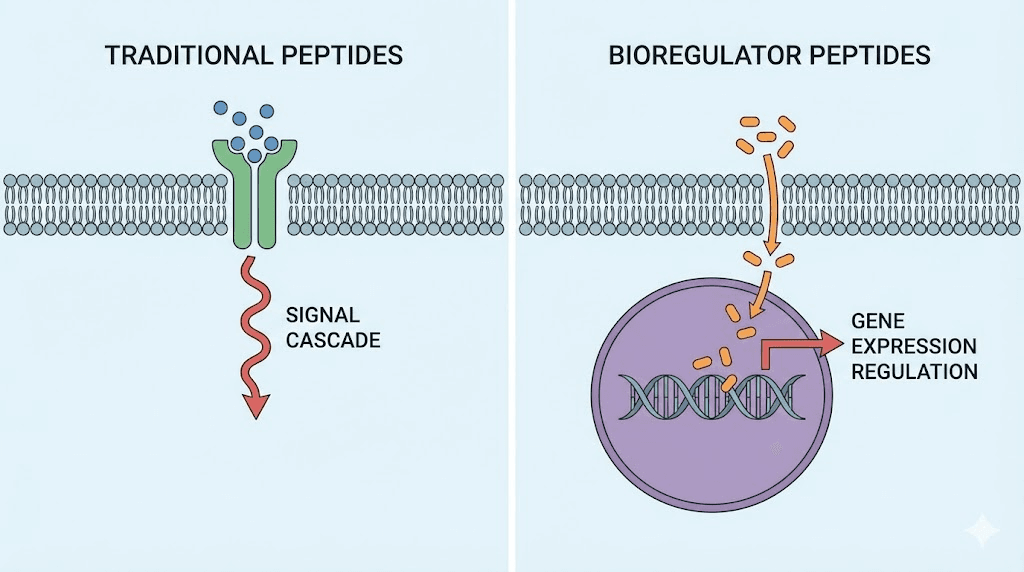
Traditional peptides like BPC-157 work through relatively direct mechanisms. They bind to receptors on cell surfaces, modulate growth factors, promote angiogenesis, or directly influence tissue repair pathways. These peptides typically contain 15 or more amino acids, and their effects are largely localized to specific tissues or systems.
Bioregulator peptides operate completely differently. They are remarkably short, usually containing just two to four amino acids. This compact size allows them to penetrate cell membranes and enter the nucleus directly. Once inside, they interact with DNA to influence gene expression itself.
Think of traditional peptides as workers repairing a building. They fix walls, install new fixtures, and address structural damage. Bioregulator peptides are more like architects who enter the building plans room and adjust the blueprints. They change what the building produces rather than just repairing what already exists.
This distinction has profound implications for how these peptides work. When you use TB-500 for injury recovery, you are promoting healing in damaged tissue. When you use a bioregulator like Epithalon, you are potentially changing how cells throughout your body manage their own aging processes by influencing telomerase expression.
The specificity of bioregulators also sets them apart. Each bioregulator peptide is derived from or designed to mimic peptides naturally found in specific organs. Cardiogen targets cardiac tissue. Pinealon targets brain tissue. Vesugen targets vascular tissue. This organ-specific targeting means these peptides tend to concentrate their effects precisely where their matching tissue sequences are recognized.
The history and science behind bioregulator development
The story of bioregulator peptides begins in the Soviet Union during the 1970s.
Vladimir Khavinson, now Director of the Saint Petersburg Institute of Bioregulation and Gerontology, led research aimed at protecting soldiers, astronauts, and athletes from extreme physiological stressors including radiation exposure and laser-induced retinal damage.
The research team discovered that extracts from specific animal organs contained short peptide sequences that could influence the function of corresponding human organs. When they isolated these peptides and administered them to subjects, they observed remarkable effects on organ function that persisted even after treatment stopped.
The four decades of research
Between 1973 and 2013, Khavinson and his colleagues extracted over 20 complexes of physiologically active peptides from various organs. They also synthesized 15 additional short peptides from amino acids. This work resulted in patents across the United States, Canada, Australia, Europe, Japan, Korea, and Israel.
Six peptide-based pharmaceuticals emerged from this research along with 64 peptide food supplements that have been introduced into clinical practice in Russia and several other countries. The research has been published extensively, though much of it appears in Russian journals that are not easily accessible to Western researchers.
What distinguishes this body of research is its duration.
While most peptide research studies run for weeks or months, many of the bioregulator studies tracked participants for six to twelve years. This longitudinal approach revealed effects that shorter studies would miss entirely, including persistent mortality reductions and sustained organ function improvements.
Key clinical findings
One landmark study followed 266 elderly participants over six to eight years. Researchers assessed the effects of thymic peptide bioregulators like Thymalin and pineal peptide bioregulators like Epithalamin on various health markers.
The results showed significant improvements across multiple systems. Cardiovascular function improved. Immune markers normalized. Endocrine balance was restored. Nervous system function showed measurable enhancement. Most remarkably, disease incidence dropped substantially during the follow-up period.
Mortality data from these studies attracted particular attention. Treatment with Epithalamin alone produced a 1.6 to 1.8 fold reduction in mortality over six years. When combined with Thymalin, mortality reduction reached 2.5 fold. Annual administration of both peptides produced a 4.1 fold reduction in mortality compared to control groups.
Animal studies showed even more dramatic results. Long-term treatment with peptides isolated from thymus and pineal gland increased average lifespan in fruit flies, rats, and mice by 20 to 40 percent. Some animals reached the maximum lifespan documented for their species.
These effects occurred alongside suppressed tumor development and slowed changes in biomarkers of aging.
The complete list of bioregulator peptides and their targets
Understanding which peptides target which organs is essential for any researcher working with bioregulators. Each bioregulator has been developed to influence specific tissue types, and their effects are most pronounced in their target organs.
Pineal gland bioregulators
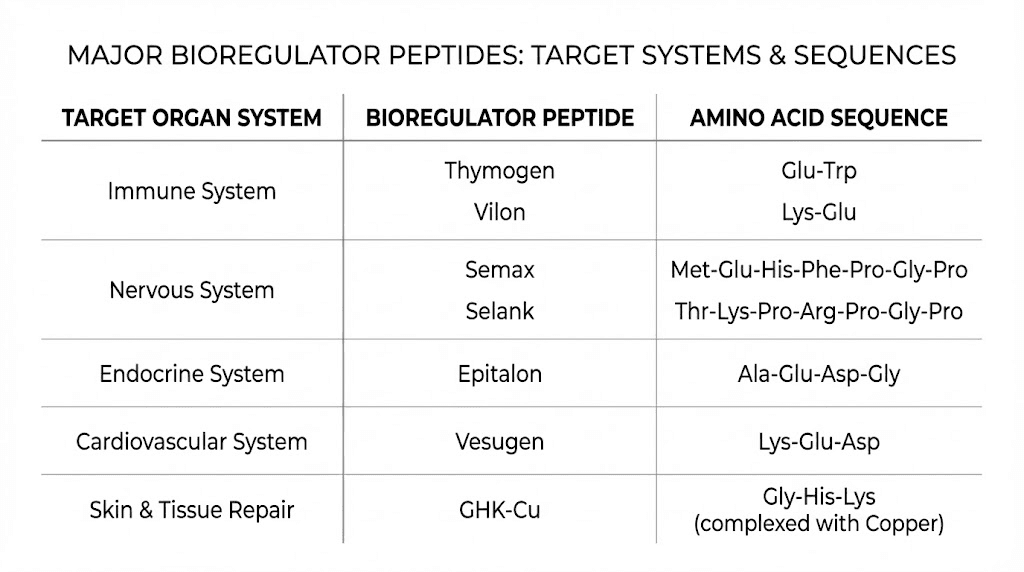
Epithalon is the most studied pineal bioregulator. Its amino acid sequence is Ala-Glu-Asp-Gly, making it a tetrapeptide. Epithalon was synthesized based on the composition of Epithalamin, a bovine pineal gland extract. Research has focused on its effects on telomerase expression and melatonin production.
The pineal gland regulates circadian rhythms and produces melatonin. As this gland ages, its function declines, contributing to sleep disruption and various aging-related changes. Epithalon appears to support pineal function and may restore more youthful patterns of melatonin secretion.
Brain and nervous system bioregulators
Pinealon consists of the sequence Glu-Asp-Arg and was discovered in brain tissue extracts, particularly from the cerebral cortex. It supports neuronal metabolism and antioxidant defenses within the central nervous system. Research suggests it can penetrate the blood-brain barrier and directly influence protein synthesis within neurons and glial cells.
For researchers interested in cognitive peptides, Pinealon represents a distinct approach from compounds like Semax or Selank. While those peptides work through neurotransmitter modulation and growth factor expression, Pinealon works at the epigenetic level to influence how brain cells produce their own regulatory proteins.
Cortagen is another brain-targeting bioregulator that has been studied for its effects on cerebral cortex function and cognitive performance.
Immune system bioregulators
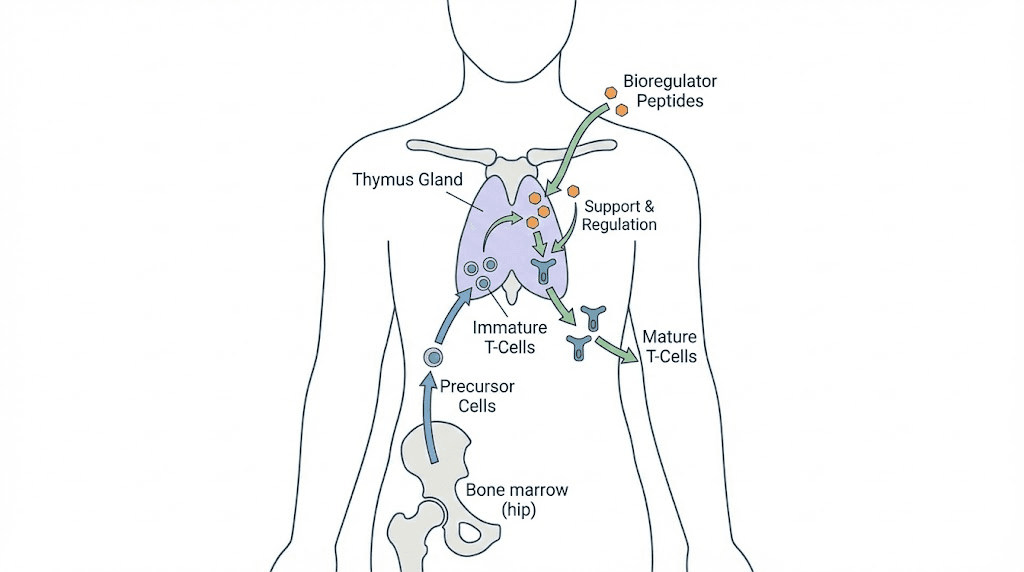
Thymalin is a polypeptide extract derived from thymus gland tissue. The thymus plays a crucial role in T cell maturation and immune response coordination. As the thymus atrophies with age, immune function declines significantly. Thymalin supports thymus function and stimulates the production of T lymphocytes and other immune cells.
Crystagen is another immune-focused bioregulator that has been researched for its effects on immune modulation and inflammatory response.
For researchers exploring immune-supporting peptides, thymic bioregulators offer a fundamentally different mechanism than compounds that directly stimulate immune cell activity. By supporting the organ that produces immune cells, these bioregulators may help restore more youthful immune function patterns.
Cardiovascular bioregulators
Cardiogen is derived from cardiac tissue extracts and consists of short amino acid chains that regulate myocardial gene expression and contractile protein synthesis. Research has demonstrated its influence on calcium homeostasis, mitochondrial bioenergetics, and peptide-mediated cardiomyocyte repair.
Vesugen targets vascular tissue specifically. Its amino acid sequence includes lysine, glutamic acid, and aspartic acid. Vesugen supports endothelial cell function, promotes vascular tissue repair, reduces inflammation in blood vessel walls, and enhances structural integrity of vascular tissues.
Clinical studies have examined Vesugen for conditions affecting vascular health including atherosclerosis in the heart, brain, and extremities. It has also been studied for its effects on microcirculation throughout various organs and tissues.
For researchers interested in cardiovascular peptides, these bioregulators offer approaches that work at the cellular programming level rather than simply promoting tissue repair or modulating specific pathways.
Respiratory system bioregulators
Bronchogen is a tetrapeptide with the sequence Ala-Glu-Asp-Leu. It functions as a DNA-stabilizing agent with bronchodilating and anti-inflammatory properties specific to respiratory tissues. Research has examined its potential in managing chronic respiratory conditions including COPD, bronchial asthma, and lung damage from infections or aging.
Chonluten is another respiratory bioregulator derived from lung tissue extracts. It modulates respiratory gene expression and oxidative response. Research indicates it influences epithelial regeneration, cytokine balance, and peptide-mediated antioxidant defense in lung tissue.
Interestingly, Chonluten also shows effects on gastrointestinal function, suggesting some bioregulators may influence multiple organ systems that share developmental origins or tissue characteristics.
Musculoskeletal bioregulators
Cartalax targets cartilage tissue and has been studied for joint health and mobility. This makes it relevant for researchers exploring peptides for joint support and cartilage regeneration.
Unlike compounds like BPC-157 and TB-500 that promote healing through growth factor modulation and direct tissue repair, Cartalax works by influencing gene expression in cartilage cells. This epigenetic approach may help restore more youthful patterns of cartilage maintenance rather than simply repairing existing damage.
Endocrine and reproductive bioregulators
Pancragen targets pancreatic tissue and has been studied for its effects on insulin production and glucose metabolism. For researchers exploring metabolic peptides, this represents a distinct mechanism from compounds like tirzepatide or semaglutide that work through receptor activation.
Testagen targets testicular tissue and has been researched for its effects on testosterone production and male reproductive health. This provides an alternative approach for researchers interested in testosterone-supporting peptides.
Prostamax focuses on prostate tissue health, while Ovagen targets ovarian function and has been studied for its effects on female reproductive health and hormonal balance.
Liver and digestive bioregulators
Livagen targets liver tissue and has been researched for hepatic function support and regeneration.
The liver plays a central role in metabolism, detoxification, and protein synthesis. For researchers interested in liver-supporting peptides, Livagen offers an epigenetic approach to hepatic optimization.
Ovagen, despite its name, also shows effects on liver function, making it a dual-target bioregulator that some protocols use for both hepatic and reproductive system support.
How bioregulator peptides work at the molecular level
Understanding the mechanism of action helps researchers appreciate why bioregulators behave so differently from traditional peptides. The key lies in their size and their relationship to DNA.
Penetrating cellular barriers
Most peptides cannot easily cross cell membranes. Larger peptides like IGF-1 or insulin must bind to receptors on cell surfaces to exert their effects. The signal is then transmitted inside the cell through secondary messenger systems.
Bioregulator peptides are small enough to bypass this limitation.
Their compact two to four amino acid structures allow them to pass through both the cell membrane and the nuclear membrane. This grants them direct access to the DNA within the cell nucleus.
Once inside the nucleus, bioregulators can interact with specific DNA sequences. This interaction influences which genes are activated or suppressed, effectively reprogramming the cell's protein production at the source.
Epigenetic modulation
The term epigenetic refers to changes in gene expression that do not involve alterations to the DNA sequence itself. Instead, epigenetic modifications determine which genes are accessible for transcription and which remain silenced.
Bioregulator peptides appear to function as epigenetic switches.
They can activate genes that have become silenced with age or suppress genes that contribute to dysfunction. This mechanism explains why their effects can persist long after the peptides themselves have been metabolized and cleared from the body.
Research has shown that one short peptide can regulate dozens of genes simultaneously. This broad influence helps explain the systemic effects observed in clinical studies, where single bioregulators produced improvements across multiple physiological parameters.
Tissue-specific recognition
Each organ in the body has characteristic peptide sequences that are involved in local regulatory functions. Bioregulators are designed to match these sequences, which is why they show organ-specific effects.
When Cardiogen enters the body, it is recognized by cardiac tissue because it matches peptide sequences that heart cells use for internal communication. This recognition causes the peptide to accumulate in cardiac tissue rather than being distributed randomly throughout the body.
This specificity represents a significant advantage over many traditional therapeutic approaches. Rather than affecting all tissues equally, bioregulators concentrate their effects precisely where their matching sequences are found.
Telomere extension and the longevity connection
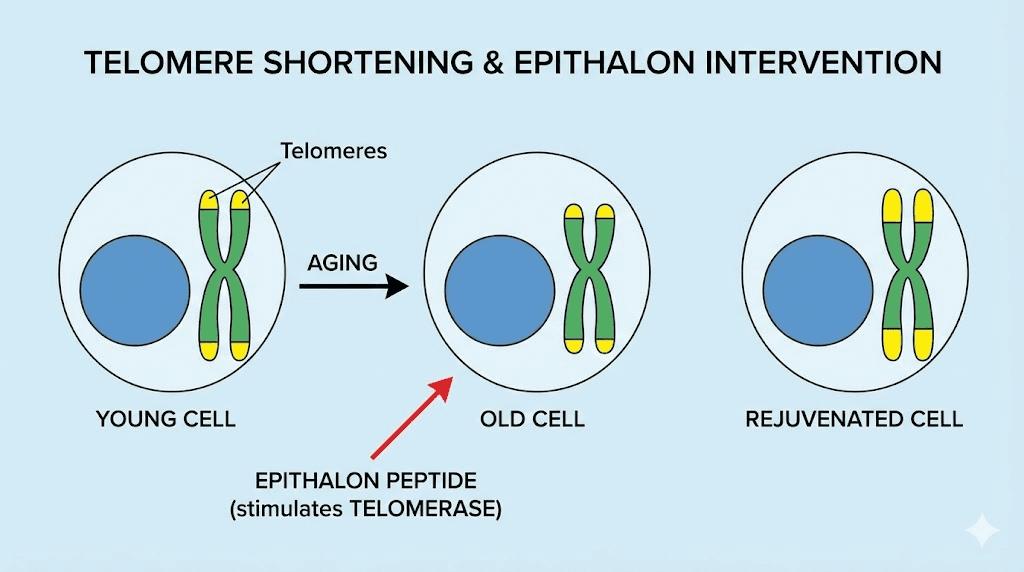
Perhaps no aspect of bioregulator research has attracted more attention than the work on telomere extension. Telomeres are protective caps at the ends of chromosomes that shorten with each cell division. When telomeres become too short, cells enter a state of senescence and stop dividing. This process is fundamentally linked to aging.
The Epithalon-telomerase connection
A seminal study published by Khavinson, Bondarev, and Butyugov investigated Epithalon effects on telomerase expression and telomere length in human somatic cells. Telomerase is the enzyme that can rebuild telomere length, but it is normally inactive in most adult cells.
The study found that Epithalon treatment led to increased expression of the telomerase catalytic subunit in human fetal fibroblasts. Enzymatic activity of telomerase was significantly upregulated. Most remarkably, telomere length was extended in cells that had previously been telomerase-negative.
Khavinson found that adding pineal peptide to cultured human cells activated the telomerase gene to synthesize telomerase. This resulted in lengthened telomeres and an increased number of cell divisions, effectively overcoming the Hayflick limit that normally constrains how many times a cell can divide.
Human telomere studies
In a study of 121 patients aged 60 to 80 years old, the use of pineal peptide bioregulator produced an average increase of telomere length between 11 and 19 percent. This finding suggests that the telomere effects observed in cell cultures translate to measurable changes in living humans.
For researchers exploring anti-aging peptides, the telomere connection provides a plausible mechanism for the mortality reductions observed in long-term clinical studies. If cells can maintain longer telomeres, they may remain functional longer, delaying the accumulation of senescent cells that contributes to aging.
Cancer considerations
Telomerase activation raises an obvious concern. Cancer cells use telomerase to achieve immortality, dividing indefinitely when normal cells would stop. Could activating telomerase increase cancer risk?
The research suggests the opposite. Animal studies showed that Epithalon suppressed tumor development rather than promoting it. Multiple studies documented reduced cancer incidence alongside extended lifespan in treated animals.
One possible explanation is that bioregulators may selectively help normal cells while having anti-cancer effects through other mechanisms. The improved immune function documented in Thymalin studies could contribute to enhanced cancer surveillance. Additionally, the overall improvement in cellular health may reduce the DNA damage and mutations that contribute to cancer development.
However, this area requires more research, and researchers should exercise appropriate caution. Current guidance suggests Epithalon is contraindicated for individuals with active cancer.
Bioregulator protocols and administration approaches
Understanding proper peptide dosing and administration is crucial for any researcher working with bioregulators. These compounds have specific characteristics that influence how they are most effectively used.
Forms of administration
Bioregulators are available in several forms. Injectable versions allow for direct systemic administration. Sublingual tablets or sprays enable absorption through the oral mucosa.
Capsules provide oral administration that passes through the digestive system.
The choice of administration route depends on the specific bioregulator and the research objectives. Injectable forms typically provide more precise dosing and potentially faster effects. Oral forms offer convenience but may be affected by digestive processes.
Understanding peptide reconstitution is essential for researchers working with lyophilized injectable bioregulators. Proper handling maintains peptide integrity and ensures consistent results. The peptide reconstitution calculator can help determine appropriate mixing volumes.
Cycling approaches
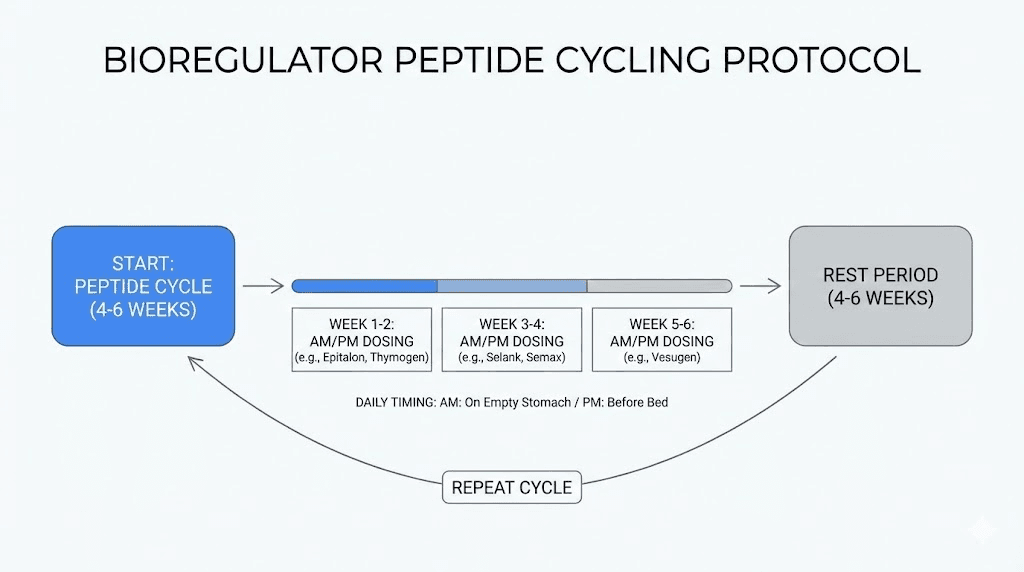
Unlike some peptides that are used continuously, bioregulators are typically administered in cycles. A common protocol involves using a bioregulator for 10 to 20 days, then taking a break before repeating.
This cycling approach reflects how bioregulators work. Because they influence gene expression, their effects can persist after administration stops. The cells continue producing proteins according to the modified gene expression patterns. Continuous administration may not provide additional benefit and could potentially lead to downregulation of the response.
Some protocols call for annual administration. The long-term mortality studies that showed the most dramatic results used bioregulators given once per year over multiple years. This suggests that infrequent but consistent use may be more effective than continuous administration.
For researchers exploring peptide cycling strategies, bioregulators represent a distinct approach from compounds that require continuous use to maintain effects.
Combination protocols
The clinical research often employed multiple bioregulators simultaneously. The combination of Epithalon and Thymalin produced better results than either compound alone. This suggests synergistic effects when targeting multiple organ systems concurrently.
Logical combinations include pairing bioregulators that target related systems. Vesugen and Cardiogen together address cardiovascular health from both vascular and cardiac perspectives. Pinealon and Epithalon together support brain function and overall anti-aging effects.
For researchers interested in peptide stacking, bioregulators can be combined with each other or potentially with traditional peptides. However, the interactions between bioregulators and other peptide types have not been extensively studied, so caution is warranted.
Comparing bioregulators to traditional peptide protocols
The dosing and cycling patterns for bioregulators differ substantially from traditional peptides. BPC-157 protocols typically involve daily administration for weeks or months during injury recovery. TB-500 protocols often include loading phases followed by maintenance dosing.
Bioregulators work differently. A short course may produce effects that persist for months. This means researchers need to think about these compounds in terms of periodic treatment cycles rather than ongoing supplementation.
The peptide cycle planning guide can help researchers understand how to integrate different types of peptides into coherent research protocols.
Specific bioregulator protocols by system
Different health and optimization goals call for different bioregulator selections. The following protocols reflect approaches documented in the research literature.
Anti-aging and longevity protocol
The foundation of any longevity-focused bioregulator protocol is Epithalon. Its effects on telomerase expression and overall cellular aging make it the primary bioregulator for lifespan extension research.
Thymalin complements Epithalon by supporting immune function. The combination showed the strongest mortality reduction in clinical studies. As the immune system declines with age, supporting thymus function may help maintain disease resistance.
Vesugen adds vascular support to the protocol. Cardiovascular disease remains a leading cause of mortality, and maintaining vascular health is essential for healthy aging.
A typical research protocol might involve using all three bioregulators for a 10-day cycle once or twice per year, with each administered according to its specific dosing guidelines.
Cognitive optimization protocol
Pinealon is the primary bioregulator for brain health. Its ability to cross the blood-brain barrier and influence neuronal gene expression makes it uniquely suited for cognitive research.
Cortagen provides additional central nervous system support and has been studied for cerebral cortex function.
Vesugen supports brain health indirectly by maintaining cerebrovascular function. Adequate blood flow to the brain is essential for cognitive performance, and vascular health becomes increasingly important with age.
Researchers interested in nootropic peptides might combine these bioregulators with compounds like Semax that work through different mechanisms, though interactions have not been extensively studied.
Cardiovascular health protocol
Cardiogen targets cardiac tissue directly, supporting myocardial gene expression and contractile function.
Vesugen addresses vascular health, supporting endothelial function and blood vessel integrity.
The combination addresses cardiovascular health from two complementary angles. This dual approach may be more comprehensive than targeting either the heart or blood vessels alone.
Immune support protocol
Thymalin is the foundational bioregulator for immune function. Its effects on T-cell production and immune system modulation make it essential for any immune-focused protocol.
Crystagen provides additional immune support and has been studied for its effects on immune cell function.
These bioregulators offer a different approach than direct immune stimulants. Rather than acutely activating immune responses, they support the organs and systems that produce immune cells, potentially restoring more youthful immune function patterns.
Respiratory health protocol
Bronchogen targets lung tissue with its bronchodilating and anti-inflammatory properties.
Chonluten supports respiratory epithelial regeneration and antioxidant defense in lung tissue.
Vesugen contributes by supporting pulmonary circulation and the vascular component of respiratory function.
Musculoskeletal protocol
Cartalax targets cartilage tissue and may help maintain joint health.
Vesugen supports the vascular supply to joints and muscles.
For active recovery and injury healing, researchers often combine these bioregulators with traditional healing peptides. BPC-157 and TB-500 stacks provide direct tissue repair support while bioregulators work on cellular programming.
Safety profile and considerations
Bioregulators have demonstrated a strong safety profile across decades of research. This favorable safety record stems largely from their origin as peptides that mimic naturally occurring sequences in the body.
Long-term safety data
The multi-year clinical trials conducted in Russia tracked participants for six to twelve years. No significant adverse effects were reported during these extended observation periods.
This long-term safety data is unusual in the peptide field and provides confidence that bioregulators do not produce delayed toxicity or adverse effects.
Animal studies using continuous administration over extended periods confirmed the safety profile. Short peptides possess geroprotective properties while being safe in long-term administration, with no observed toxicity even at high doses.
Minimal side effects
The research literature reports minimal side effects from bioregulator use. The most common complaints are minor and transient, including occasional injection site reactions when using injectable forms.
The precision of bioregulators contributes to their safety. Because they work only where their matching tissue sequences are recognized, they minimize effects on non-target tissues. This specificity represents an advantage over compounds with broader systemic effects.
Contraindications
Despite their favorable safety profile, bioregulators are not appropriate for everyone.
Active cancer is a contraindication, particularly for Epithalon. While research suggests Epithalon may have anti-cancer effects in healthy cells, the telomerase activation it produces could theoretically benefit cancer cells that rely on telomerase for immortality.
Pregnancy and breastfeeding are contraindications due to insufficient safety data in these populations.
Children should not use bioregulators without specialist supervision, as the effects on developing systems have not been adequately studied.
Individuals with known peptide hypersensitivity should exercise caution and may need to start with lower doses to assess tolerance.
Quality and sourcing considerations
Peptide safety depends heavily on product quality. Bioregulators should be sourced from reputable suppliers who provide third-party testing verification.
Peptide testing labs can verify purity and confirm that products contain what they claim.
Proper peptide storage is essential for maintaining bioregulator integrity. Most bioregulators should be refrigerated, and reconstituted products have limited stability. Understanding how long reconstituted peptides last helps ensure product quality.
Limitations of current research
While the safety profile appears favorable, researchers should understand the limitations of the available data.
Most research comes from Russian institutions, and many studies are published in Russian journals with limited accessibility. Independent replication by Western researchers has been limited.
Sample sizes in many studies were relatively small by modern clinical trial standards. While the long-term follow-up provides valuable data, larger studies would strengthen confidence in the findings.
The mechanisms by which bioregulators produce their effects are not fully understood. Gene expression changes have been documented, but the complete pathway from peptide administration to clinical outcome requires further investigation.
Comparing bioregulators to other peptide approaches
Researchers new to bioregulators often want to understand how they compare to more familiar peptides. Each approach has strengths and appropriate applications.
Bioregulators vs. growth hormone secretagogues
Growth hormone secretagogues like Ipamorelin and CJC-1295 stimulate growth hormone release from the pituitary gland. They work by binding to specific receptors and triggering downstream hormonal effects.
Bioregulators work at the genetic level rather than the hormonal level. They may influence how cells respond to growth hormone rather than how much growth hormone is released. This represents a more fundamental intervention in cellular function.
For anti-aging purposes, both approaches have merit. Growth hormone secretagogues provide more immediate effects on body composition, sleep quality, and recovery. Bioregulators may produce more durable changes in cellular aging processes. Some researchers combine both approaches.
Bioregulators vs. healing peptides
BPC-157 and TB-500 are widely used for injury recovery and tissue repair. They work through growth factor modulation, angiogenesis promotion, and direct tissue healing effects.
Bioregulators approach tissue health differently. Rather than directly promoting healing, they influence how cells maintain themselves over time.
This makes bioregulators more suited for prevention and optimization while healing peptides are more suited for active injury recovery.
The best peptides for injury recovery depend on the situation. Acute injuries benefit from healing peptides. Long-term joint health or age-related tissue decline may respond better to bioregulators. Combining approaches could provide both immediate repair and improved long-term maintenance.
Bioregulators vs. metabolic peptides
Metabolic peptides like semaglutide and tirzepatide work by activating specific receptors involved in appetite regulation and glucose metabolism. Their effects depend on continuous administration.
Pancragen, the pancreatic bioregulator, works at the genetic level to support pancreatic function. This more fundamental approach may help maintain metabolic health over time but does not produce the acute appetite suppression and weight loss effects of receptor agonists.
For weight management, metabolic peptides remain the primary tools. Bioregulators may support overall metabolic health as part of a comprehensive approach.
Bioregulators vs. cognitive peptides
Semax and Selank are well-established cognitive peptides that work through neurotransmitter modulation and growth factor expression. They produce relatively rapid effects on focus, memory, and cognitive performance.
Pinealon and Cortagen work at the epigenetic level to influence how brain cells function over time. Their effects may be more subtle but potentially more durable.
For acute cognitive enhancement, traditional cognitive peptides remain more appropriate. For long-term brain health and neuroprotection, bioregulators offer a complementary approach that addresses cellular function at its source.
Practical considerations for bioregulator research
Researchers interested in working with bioregulators face several practical considerations beyond the scientific questions.
Availability and sourcing
Bioregulators are available from various peptide suppliers, though availability varies by region. Some bioregulators are more commonly available than others. The most popular compounds like Epithalon are widely stocked while more specialized bioregulators may require specific sourcing.
Quality varies significantly between suppliers. Reputable peptide vendors provide certificates of analysis and third-party testing results. Given the genetic-level effects of bioregulators, ensuring product quality is particularly important.
Prices for bioregulators tend to be higher than for traditional peptides of similar mass, reflecting the specialized manufacturing required for these short-chain compounds. The peptide cost calculator can help researchers budget for their protocols.
Documentation and tracking
Given the long-term nature of bioregulator effects, documentation becomes particularly important. Researchers should establish baseline measurements before beginning protocols and track relevant parameters over time.
For anti-aging protocols, useful measurements include inflammatory markers, immune function parameters, and potentially telomere length if testing is accessible.
For organ-specific protocols, relevant functional tests help document effects.
The persistence of bioregulator effects means that research timelines must extend beyond the treatment period. Effects may continue developing for weeks or months after a treatment cycle ends.
Integration with other compounds
Many researchers use bioregulators alongside other peptides, supplements, or interventions. While specific interaction studies are limited, the general safety profile of bioregulators suggests they can be combined with other compounds.
Logical integration points include using bioregulators during periods between more intensive peptide protocols, combining bioregulators with compounds that work through different mechanisms, and using organ-specific bioregulators alongside targeted interventions for the same organ system.
Conservative researchers may prefer to assess bioregulator effects in isolation before combining with other compounds.
Future directions in bioregulator research
Bioregulator peptides represent an active area of research with several emerging directions.
Western research expansion
Interest in bioregulators is growing outside Russia. Western researchers are beginning to conduct independent studies that may help validate or refine the findings from Russian research. This expansion should produce more accessible research and potentially lead to standardized protocols based on Western clinical trial standards.
Mechanism elucidation
While the general mechanism of bioregulators is understood, many details remain unclear. Which specific genes do different bioregulators affect? How do tissue-specific effects emerge from relatively simple peptide sequences? Answering these questions will help optimize bioregulator use and potentially lead to new compounds with enhanced specificity.
Combination optimization
The synergistic effects observed when combining bioregulators suggest that optimal protocols may involve carefully selected combinations. Research into which combinations produce the best outcomes for specific health goals could significantly advance the field.
New bioregulator development
The principles underlying bioregulator function could be applied to develop new compounds targeting additional tissues or producing enhanced effects. As understanding of the relationships between short peptide sequences and gene expression improves, new possibilities emerge.
Frequently asked questions
What is the difference between bioregulator peptides and regular peptides?
Bioregulator peptides are very short chains of 2-4 amino acids that enter cell nuclei and influence gene expression directly. Regular peptides like BPC-157 are longer sequences that work by binding to cell surface receptors or modulating growth factors. Bioregulators produce effects at the epigenetic level while regular peptides work through more direct mechanisms.
How long do bioregulator effects last?
Because bioregulators influence gene expression, their effects can persist for weeks or months after treatment ends. This is unlike most peptides that require continuous administration to maintain effects. Some research protocols use annual administration cycles rather than ongoing supplementation.
Can bioregulator peptides be combined with other peptides?
Yes, bioregulators can generally be combined with other peptides since they work through different mechanisms. For example, BPC-157 and TB-500 can be used for tissue repair while bioregulators support long-term cellular function. However, specific interaction studies are limited, so conservative approaches are advisable.
Are bioregulator peptides safe?
Research spanning decades shows a favorable safety profile with minimal reported side effects. However, bioregulators are contraindicated for individuals with active cancer, pregnant or breastfeeding women, and children. Always source from reputable suppliers and consider consulting with a knowledgeable practitioner.
Which bioregulator should I start with?
Epithalon is the most studied bioregulator and represents a logical starting point for researchers interested in anti-aging effects. For organ-specific goals, the relevant bioregulator for that system is appropriate. Many protocols combine Epithalon with Thymalin for comprehensive anti-aging support.
How do I know if bioregulators are working?
Effects may be subtle and develop over extended periods. Tracking relevant biomarkers, subjective well-being, and organ function tests over time helps document effects. Some researchers measure telomere length before and after Epithalon protocols. The persistence of effects after treatment stops is a key characteristic to watch for.
Do bioregulator peptides require injection?
Bioregulators are available in injectable, sublingual, and oral forms. Injectable forms provide more precise dosing. Sublingual and oral forms offer convenience. The choice depends on specific protocols and researcher preferences. Understanding peptide injection techniques is helpful for those using injectable forms.
Where can I learn more about peptide protocols?
SeekPeptides provides comprehensive resources for researchers including detailed protocols, dosing guides, and community support from experienced researchers. Members access in-depth information on bioregulators and other peptide categories.
External resources
For researchers seeking to understand the full potential of peptide therapy, bioregulator peptides represent a fascinating and distinct approach. Their ability to influence gene expression and produce lasting effects through periodic treatment opens possibilities that continuous-administration peptides cannot match.
SeekPeptides members access detailed protocols for every bioregulator discussed here, along with guidance on combining bioregulators with other peptide approaches for comprehensive optimization strategies. The community includes researchers with extensive experience using these compounds who can provide practical insights beyond what published research covers.