Jan 24, 2026
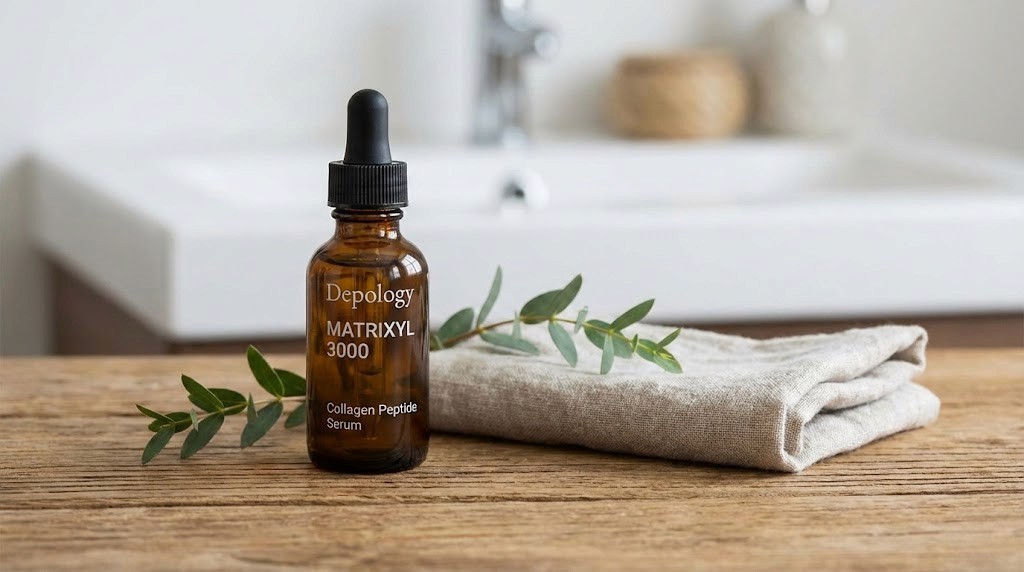
Clinical studies now show measurable results, with wrinkle depth reductions of 30% or more in controlled trials. Understanding how these products work, and whether they belong in your routine, requires cutting through the noise of beauty marketing to examine what actually happens at the cellular level.
What makes Depology interesting is their combination of proven peptide complexes with advanced delivery systems. Their Argireline serums target expression lines through a mechanism similar to Botox but without needles. Their Matrixyl 3000 formulas stimulate collagen production at concentrations backed by peer-reviewed research. And their micro-dart patches bypass the skin barrier entirely, delivering ingredients directly where they are needed. SeekPeptides members have increasingly asked about topical peptides as a complement to their research protocols, making this comprehensive analysis timely and necessary.
This guide covers everything from the molecular mechanisms of each peptide type to practical application protocols. You will learn which Depology products contain which active ingredients, how to layer them with other skincare, what results to realistically expect, and how topical peptides compare to injectable peptide therapy. Whether you are new to peptide skincare or evaluating whether Depology deserves a place in your routine, this analysis provides the depth that surface-level reviews lack.
What is Depology and why does it matter
Depology is a South Korean skincare brand that emerged from the K-beauty movement with a specific focus on peptide technology. The name itself combines "dermatology" with "technology," signaling their positioning as a science-forward brand rather than another cosmetics company riding trends. Their product philosophy centers on using clinically validated ingredients at effective concentrations rather than proprietary blends with undisclosed amounts.
The Korean skincare industry has driven significant innovation in peptides for skin applications. Korean brands were among the first to commercialize peptide formulations that had previously existed only in clinical settings. They pioneered delivery mechanisms like micro-dart patches that solve the fundamental problem of getting large peptide molecules through the skin barrier. Depology sits within this tradition while differentiating through their emphasis on transparent ingredient lists and third-party clinical testing.
What sets Depology apart from countless other peptide skincare brands is their commitment to using trademarked, patented peptide complexes with established research profiles. Rather than creating proprietary peptide blends with no clinical history, they license proven ingredients like Argireline and Matrixyl 3000 from the original developers. This means consumers can reference independent studies on these specific compounds rather than relying solely on brand-sponsored research.
The brand offers a focused product range organized around specific skin concerns. Their anti-wrinkle line features the Peptide Complex 10% Argireline serum and the Matrixyl 3000 Collagen Boosting serum. Their delivery innovation shows in the Deepcare+ micro-dart patches that use dissolvable microneedles. Supporting products include cleansers, toners, and moisturizers designed to complement the active treatments. This focused approach contrasts with brands that offer dozens of overlapping products without clear differentiation.
The K-beauty approach to peptides
Korean skincare philosophy treats skin health as a long-term investment requiring consistent, layered approaches rather than single miracle products. This aligns perfectly with how peptides work, which require weeks to months of consistent application to show results. The K-beauty emphasis on multiple lightweight layers also complements peptide serum textures, which absorb better when applied to properly hydrated skin.
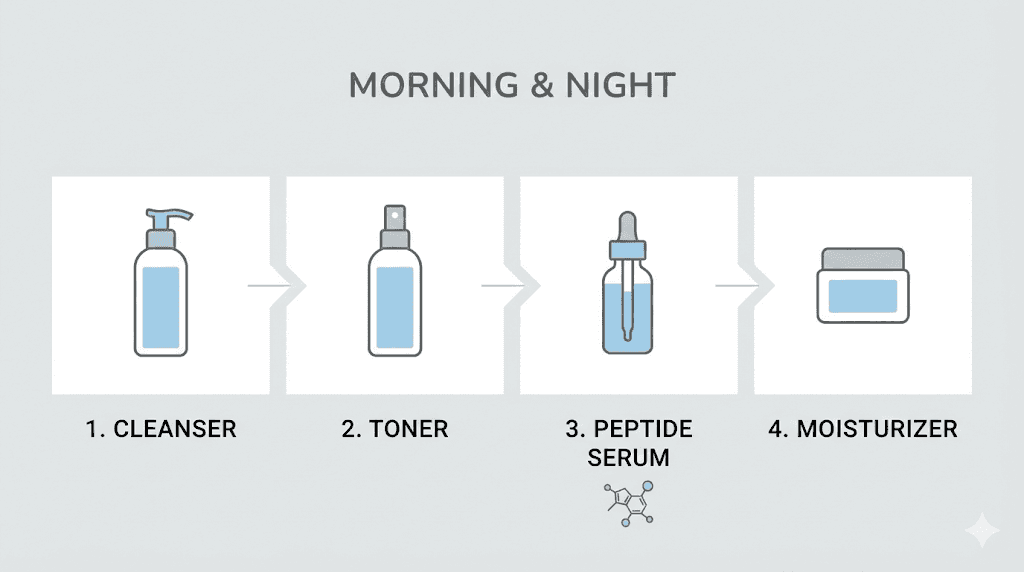
The multi-step Korean skincare routine creates ideal conditions for peptide absorption. Properly cleansed skin removes the film of dead cells and sebum that blocks penetration. Toners balance pH and provide initial hydration. Serums deliver concentrated actives. Moisturizers seal everything in. Each step serves a purpose in maximizing the effectiveness of the active ingredients.
Depology integrates this philosophy into their product design. Their peptide serums have lightweight, watery textures that layer well under other products. Their micro-dart patches are designed for overnight use when skin enters repair mode. Their supporting products use complementary ingredients like hyaluronic acid and ceramides that enhance rather than interfere with peptide activity.
Understanding peptides in skincare
Peptides are short chains of amino acids that serve as signaling molecules in the body. When applied topically, certain peptides can communicate with skin cells, triggering specific responses like increased collagen production or reduced muscle contraction. This is fundamentally different from ingredients like moisturizers that work passively. Peptides actively influence cellular behavior.
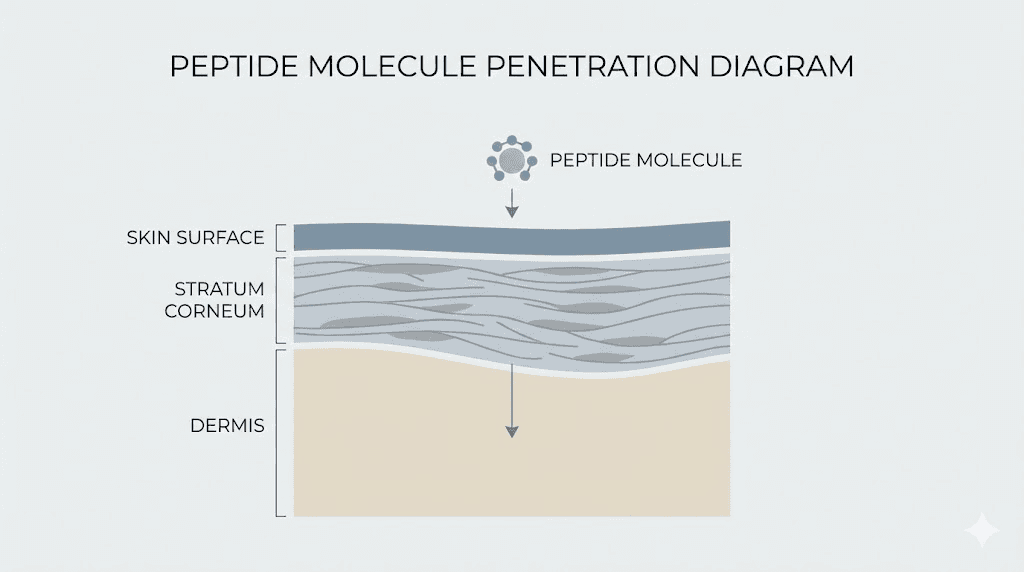
The challenge with topical peptides is getting them where they need to go. Skin exists specifically to keep things out. The stratum corneum, the outermost layer of dead cells, forms a remarkably effective barrier against molecular penetration. Peptides are relatively large molecules that struggle to pass through this barrier. Studies show that traditional peptide creams may see less than 1% of the applied peptide actually penetrating to the living skin layers.
This is why formulation matters enormously with peptide skincare. The peptide compound itself is only part of the equation. How that peptide is delivered, what concentration is used, what supporting ingredients enhance absorption, and how the product is applied all influence whether results occur. Two products containing the same peptide at the same concentration can produce dramatically different outcomes based on formulation quality.
Categories of cosmetic peptides
Scientists classify cosmetic peptides into several categories based on their mechanism of action. Understanding these categories helps decode product claims and set realistic expectations for different formulations.
Signal peptides communicate with fibroblast cells to increase production of structural proteins like collagen and elastin. Matrixyl 3000 falls into this category. These peptides essentially tell skin cells to behave more like younger cells, producing more of the proteins that keep skin firm and resilient. Results from signal peptides develop gradually over weeks to months as new collagen accumulates. Research peptides in this category have shown collagen increases of over 100% in laboratory studies.
Neurotransmitter inhibitor peptides work by reducing muscle contractions that cause expression lines. Argireline is the most famous example. These peptides interfere with the signals that tell facial muscles to contract, relaxing the muscles and softening the wrinkles they create. The mechanism is similar to botulinum toxin but less potent and non-toxic. Results can appear within days to weeks since the effect is immediate muscle relaxation rather than gradual tissue rebuilding.
Carrier peptides deliver essential minerals and trace elements to skin cells. Copper peptides like GHK-Cu are the primary example. The peptide portion acts as a vehicle to transport copper ions, which are essential for many enzymatic processes including collagen synthesis and wound healing. Carrier peptides offer both the direct benefits of the transported mineral and secondary benefits from the peptide sequence itself.
Enzyme inhibitor peptides work by blocking enzymes that break down collagen and other structural proteins. As skin ages, the balance between collagen production and collagen destruction shifts toward destruction. These peptides help restore balance by slowing the breakdown side of the equation, allowing existing collagen to persist longer while new collagen is produced.
How peptides compare to injectable treatments
The obvious comparison for neurotransmitter inhibitor peptides like Argireline is botulinum toxin injections. Both work by reducing muscle contractions. The mechanisms are related but not identical. Botulinum toxin cleaves proteins in the SNARE complex, permanently disabling the signaling machinery until new proteins are synthesized. Argireline competes for position in the SNARE complex without destroying it, creating a temporary and reversible effect.
Clinical comparisons show that injectable botulinum toxin is significantly more effective than topical Argireline. This should surprise no one. An injected treatment bypasses the skin barrier entirely and delivers the active compound directly to the target muscle. Topical applications must penetrate through multiple skin layers with most of the applied product never reaching the target. Peptides versus Botox is not really a fair comparison in terms of pure effectiveness.
However, topical peptides offer advantages that injections cannot match. Daily application is painless, requires no professional administration, costs far less over time, and carries essentially zero risk of serious side effects. Many people prefer the gradual, natural-looking results of peptide skincare over the sometimes frozen appearance that can result from over-injected botulinum toxin. The accessibility difference matters enormously, as peptide serums can be purchased without prescription and used indefinitely.
For those researching injectable peptides for anti-aging purposes, topical peptide skincare represents a complementary approach rather than a replacement. Internal peptide protocols address systemic aging processes while topical treatments target the skin specifically. Using both creates multiple angles of attack against skin aging.
Depology Peptide Complex 10% Argireline serum
The flagship product in Depology's anti-aging lineup is their Peptide Complex 10% Argireline serum. This concentration is at the upper end of what commercial products contain, matching or exceeding most competitors. The 10% refers to the total peptide complex concentration, which includes Argireline along with supporting peptides and delivery enhancers.
Argireline, technically known as acetyl hexapeptide-8, was developed by the Spanish company Lipotec as a topical alternative to botulinum toxin. The peptide consists of six amino acids with an acetyl group attached. Its mechanism involves competing with natural SNAP-25 protein for incorporation into the SNARE complex that enables neurotransmitter release at neuromuscular junctions. When Argireline displaces SNAP-25, the nerve signal to contract reaches the muscle less efficiently, resulting in reduced contraction strength.
Clinical studies on Argireline show measurable results when used consistently. A 28-day trial with 10% Argireline solution showed wrinkle depth reductions of up to 30%. Another study measuring the periocular area, the skin around the eyes where crow's feet form, found 17% wrinkle depth reduction after just 15 days. These are modest but real improvements that develop without the risks associated with injectable treatments.
Key ingredients in the formula
Beyond the headline Argireline content, the Depology formula includes several supporting ingredients that enhance effectiveness. Understanding the full ingredient list helps evaluate whether the product delivers genuine value or relies solely on the star ingredient.
Acetyl hexapeptide-8 is the Argireline itself, providing the neurotransmitter inhibition that relaxes facial muscles. At 10% concentration in the total complex, this represents a clinically meaningful amount based on published research.
Palmitoyl tripeptide-5 is a signaling peptide that stimulates collagen production. This addition means the serum addresses both expression lines through muscle relaxation and deeper wrinkles through structural support. The peptide mimics the action of thrombospondin I, a naturally occurring protein that triggers transforming growth factor beta, which in turn stimulates fibroblasts to produce collagen.
Hexapeptide-9 promotes structural protein synthesis and helps maintain the extracellular matrix that gives skin its architecture. This peptide complements the collagen-stimulating effects of palmitoyl tripeptide-5 by supporting the scaffolding in which collagen fibers organize.
Sodium hyaluronate is a form of hyaluronic acid with smaller molecular weight for better penetration. This ingredient provides immediate hydration while the peptides work on longer-term structural improvements. Hydrated skin appears smoother and more youthful even before peptide effects become visible.
Centella asiatica extract, commonly known as cica, is a K-beauty staple prized for its soothing and healing properties. This botanical ingredient helps calm any potential irritation and supports skin barrier function. Including it demonstrates attention to overall skin health beyond just anti-aging.
Ceramide NP is a lipid that naturally occurs in the skin barrier. Supplementing ceramides helps maintain barrier integrity, which both protects against environmental damage and improves the skin's ability to retain the active ingredients delivered by the serum.
Clinical testing results
Depology provides third-party clinical testing data for this serum, which represents more transparency than many competitors offer. Their studies measured specific outcomes using standardized methodology, allowing meaningful evaluation of claims.
The testing showed a 45% increase in skin hydration after 28 days of use. This substantial improvement in moisture levels contributes to the appearance of smoother, plumper skin even independent of the anti-wrinkle effects. Dehydrated skin shows every fine line more prominently, so restoring hydration immediately improves appearance.
Wrinkle depth decreased by 7% over the same 28-day period. This number may seem modest compared to the 30% figures from isolated Argireline studies, but real-world testing with complete products on diverse populations typically shows more conservative results than laboratory studies with ideal conditions. A 7% measurable improvement in wrinkle depth is meaningful, especially considering the treatment involves applying a serum rather than undergoing a procedure.
User surveys accompanying the clinical testing reported high satisfaction rates. Subjects noted improvements in skin texture, hydration, and the appearance of fine lines. Importantly, no significant adverse events occurred during testing, supporting the safety profile expected from topical peptide formulations.
Depology Matrixyl 3000 Collagen Boosting serum
The second major peptide serum in Depology's lineup takes a different approach than the Argireline formula. Rather than targeting muscle relaxation, the Matrixyl 3000 Collagen Boosting serum focuses on stimulating the production of collagen and other structural proteins. This makes it more suitable for deeper wrinkles caused by actual tissue loss rather than repeated muscle contractions.
Matrixyl 3000 is a trademarked peptide complex developed by Sederma, the French company that pioneered many cosmetic peptide innovations. The complex contains two specific peptides that work synergistically: palmitoyl tripeptide-1 and palmitoyl tetrapeptide-7. These are classified as matrikines, meaning they are fragments of larger proteins found in the extracellular matrix that signal to cells when tissue needs repair.
The original clinical research on Matrixyl compounds showed impressive results. A six-month study found that the combination of these peptides reduced the surface area of deep wrinkles by 68% and wrinkle density by 46%. A separate four-month comparison study showed results comparable to retinol but without the irritation and sun sensitivity that retinol causes. These are among the strongest clinical results published for any cosmetic peptide.
How Matrixyl 3000 works
Understanding the mechanism of Matrixyl 3000 requires knowing a bit about how skin produces collagen. Fibroblasts are the cells responsible for producing collagen and other structural proteins. They exist in the dermis, the deeper layer of skin below the visible surface. As we age, fibroblasts become less active, producing less collagen while enzymes called matrix metalloproteinases break down existing collagen faster.
Palmitoyl tripeptide-1, also known by its research name Pal-GHK, mimics a peptide sequence found naturally in collagen itself. When collagen breaks down, these fragments are released and signal to fibroblasts that repair is needed. By providing this signal peptide topically, the serum tricks fibroblasts into thinking more repair is needed than actually occurring, stimulating increased collagen production.
Palmitoyl tetrapeptide-7 takes a complementary approach by reducing inflammation. Chronic low-grade inflammation, sometimes called inflammaging, accelerates skin aging by increasing enzyme activity that breaks down collagen. By reducing inflammatory signaling, this peptide slows the destruction side of the collagen equation. It also inhibits glycation, the process where sugar molecules bond to proteins and create advanced glycation end-products that stiffen and damage tissues.
The palmitoyl group attached to both peptides serves a crucial function. This fatty acid chain increases the lipophilicity of the peptides, helping them penetrate the lipid-rich layers of the stratum corneum more effectively. Without this modification, the peptides would be too water-soluble to pass through the skin barrier efficiently.
Laboratory studies demonstrate the potency of this combination. In vitro testing showed that Matrixyl 3000 increased production of key extracellular matrix components dramatically: 287% increase in glycosaminoglycans, 117% increase in type I collagen, and 327% increase in type IV collagen. While in vitro results do not translate directly to real-world outcomes, they establish that the mechanism works when the peptides reach target cells.
Supporting ingredients and formulation
The Depology Matrixyl 3000 serum builds around the headline peptide complex with complementary ingredients that support skin health and enhance delivery.
Hyaluronic acid appears again, providing the hydration base that makes peptide serums so pleasant to use. Multiple forms with different molecular weights ensure both surface hydration and deeper moisture delivery. Well-hydrated skin creates better conditions for peptide penetration and shows immediate improvements in smoothness.
Vitamins C and E provide antioxidant protection against free radical damage. Vitamin C and peptides work through different mechanisms, making them complementary rather than redundant. Vitamin C also plays a role in collagen synthesis as a cofactor for the enzymes that crosslink collagen fibers.
Vegan collagen extract derived from yeast provides amino acid building blocks for collagen synthesis. While the body cannot use externally applied collagen directly since it cannot penetrate intact, the breakdown products of this extract supply raw materials that fibroblasts can use.
Aloe vera and cactus extracts provide soothing hydration from botanical sources. These plant-derived ingredients have long histories of use for skin healing and offer additional humectant properties that complement the hyaluronic acid.
Rosehip and sunflower oils contribute essential fatty acids and help the serum spread evenly. These oils also support the skin barrier and help seal in the active ingredients after application.
Clinical results
Testing on the Matrixyl 3000 Collagen Boosting serum showed results consistent with what the ingredient research would predict. Fine line improvement measured at 5.25% after 28 days. Hydration increased by 46.31% over the same period. These results came from controlled testing with measurement devices rather than subjective surveys.
The hydration results are particularly impressive and likely contribute significantly to immediate visual improvements. Nearly 50% better hydration translates to skin that looks plumper, smoother, and more radiant within weeks of starting use. The fine line improvements would develop more gradually as new collagen accumulates over months of consistent use.
Combining the hydration and collagen-stimulating effects makes this serum suitable as a general anti-aging treatment rather than a targeted wrinkle solution. It addresses the underlying processes of skin aging rather than just treating visible symptoms.
Depology Deepcare+ micro-dart patches
The most innovative product in Depology's lineup addresses the fundamental problem with topical peptides: getting them through the skin barrier. The Deepcare+ micro-dart patches use dissolvable microneedles to physically bypass the stratum corneum and deliver ingredients directly to the deeper skin layers where they can act.
Each patch contains approximately 1000 microscopic darts made from hyaluronic acid and other active ingredients. When pressed against the skin, these darts penetrate the outer layer painlessly. Once embedded, they dissolve over the course of hours, releasing their contents directly into the living skin tissue. This delivery method achieves penetration rates impossible with any conventional serum or cream.
The technology originated in medical research on transdermal drug delivery. Microneedle patches have been studied for delivering vaccines, insulin, and other medications that traditionally require injection. The cosmetic adaptation uses the same principle with peptides and other anti-aging actives. Microneedle peptide patches represent a genuine innovation in skincare delivery systems.
Ingredients delivered by the patches
The Deepcare+ patches contain 30mg of serum per patch, with the formulation optimized for the micro-dart delivery system. The ingredient list includes several components that benefit from enhanced penetration.
Hyaluronic acid forms the base of the dissolvable darts themselves. As the darts dissolve, they release hyaluronic acid directly into the dermis where it can attract and hold moisture most effectively. This bypasses the limitation of topical hyaluronic acid, which struggles to penetrate due to its large molecular size.
Argireline appears again in the patch formulation. Delivering this neurotransmitter inhibitor peptide via microdarts means far more of it reaches the target than with surface application. The enhanced penetration could translate to stronger muscle-relaxing effects.
Trehalose is a sugar that protects cells from dehydration stress. This ingredient helps fibroblasts maintain function even when environmental conditions would normally reduce their activity. Including it supports the skin's natural repair processes.
Amino acids provide building blocks for protein synthesis. Delivering amino acids directly to the dermis ensures fibroblasts have the raw materials needed to produce collagen when signaled to do so by the peptide actives.
Using the patches effectively
Proper application technique matters with microneedle patches. The darts need to penetrate fully to release their contents where intended. Applying to clean, dry skin ensures nothing blocks the microneedles. Pressing firmly for several seconds after placement helps the darts embed completely.
Overnight use allows sufficient time for the microneedles to fully dissolve and release their contents. The patches can remain on for 4-8 hours, making bedtime application most practical. Morning removal reveals the treatment area, which may show slight indentations from the microneedles that fade quickly.
The patches work best when targeting specific areas of concern. The eye area and smile lines are common targets since these areas show expression lines most prominently. The forehead can also benefit, especially for horizontal lines that form from raising eyebrows. Using the patches consistently 2-3 times per week provides ongoing treatment while allowing skin to recover between applications.
Depology recommends pairing the patches with their Matrixyl 3000 serum for enhanced results. Applying the serum before the patches adds additional actives to the treatment area. The serum can also be used around the patch edges to treat adjacent skin.
Other Depology peptide products
Beyond the flagship serums and patches, Depology offers additional products that incorporate peptide technology or support peptide skincare routines.
Peptide serum duos and bundles
Depology sells their Argireline and Matrixyl 3000 serums together as the Peptide Serum Duo. This combination makes sense because the two products target different aspects of skin aging through different mechanisms. Using both addresses expression lines, structural collagen loss, and overall skin quality simultaneously.
The recommended protocol involves applying the Argireline serum first, particularly around expression-line-prone areas like crow's feet and forehead lines. Following with the Matrixyl 3000 serum over the full face provides the collagen-stimulating benefits everywhere while the Argireline targets specific wrinkles. This layering approach maximizes the benefits of each product.
Peptide Complex Eye Stick
The Peptide Complex Serum Eye Stick reformulates the Argireline serum into a convenient stick applicator designed specifically for the eye area. The stick format allows precise application without getting product in the eyes and provides a gentle massage effect during application.
The eye area presents unique challenges for anti-aging treatment. The skin is thinner than elsewhere on the face, making it more susceptible to both damage and irritation. Expression lines from squinting and smiling concentrate around the eyes. Puffiness and dark circles add additional concerns. The eye stick formula addresses these issues while accommodating the area's sensitivity.
Matriplex Peptide Cream
For those preferring cream textures over serums, the Matriplex Peptide Cream delivers Matrixyl in a richer, more moisturizing format. Creams work well as the final step in a skincare routine, sealing in earlier layers while providing their own active benefits.
The cream texture suits drier skin types that find serums insufficiently moisturizing on their own. It also works well for nighttime routines when richer textures have time to absorb fully without interfering with makeup. The Matrixyl content provides the same collagen-stimulating benefits as the serum in a format some users find more comfortable.
Supporting products
Depology's cleansers, toners, and other supporting products are designed to work within a peptide-focused routine. The Cica Ceramide Cleanser provides gentle cleansing that prepares skin for active treatments without stripping protective lipids. Their toners help balance pH and provide initial hydration that improves peptide serum absorption.
While these supporting products are not strictly necessary for the peptide serums to work, a cohesive routine often produces better results than mixing unrelated products. The supporting products avoid ingredients that might interfere with peptides or cause irritation that would limit how often the active treatments can be used.
How to use Depology peptide serums correctly
Achieving optimal results from peptide skincare requires proper application technique and routine integration. Peptides are not magic potions that work regardless of how they are used. How, when, and with what you apply them significantly influences outcomes.
Cleansing before application
Clean skin absorbs actives better than skin covered with makeup, sunscreen, or accumulated oils. The stratum corneum presents enough of a barrier without adding additional obstacles. A proper double cleanse, using an oil-based cleanser followed by a water-based cleanser, removes all surface debris while leaving the skin barrier intact.
Avoid harsh cleansers that strip the skin and trigger reactive sebum production. Over-cleansed skin paradoxically absorbs less of applied products because the barrier becomes compromised and focuses on repair rather than absorption. Gentle, pH-balanced cleansers preserve the acid mantle that supports healthy skin function.
Toning for pH optimization
Toners serve multiple functions that benefit peptide absorption. They remove any cleanser residue that might interfere with subsequent products. They restore optimal pH after cleansing. They provide initial hydration that helps water-based serums spread and penetrate. A hydrating toner applied to damp skin creates the ideal canvas for peptide serum application.
The slight dampness from toner application actually improves peptide penetration. Hydrated stratum corneum is more permeable than dehydrated stratum corneum. Applying serum to slightly damp skin rather than completely dry skin can meaningfully improve the amount of peptide that reaches target layers.
Proper serum application technique
Dispensing the right amount prevents waste while ensuring sufficient coverage. For face application, 3-4 drops of serum typically suffices. More is not necessarily better and can lead to pilling where products ball up on the skin surface instead of absorbing.
Warm the serum between fingertips before applying. Body heat reduces viscosity slightly and helps the product spread more evenly. Press the serum into the skin rather than rubbing. Pressing motions push product into the skin while rubbing can create friction that actually inhibits absorption.
Allow each product to absorb before applying the next layer. Rushing through a multi-step routine results in products mixing on the surface rather than each absorbing fully. A minute or two between applications is usually sufficient for serums to sink in.
Layering multiple products
The general rule for layering skincare is thinnest to thickest consistency. Watery serums go before gel serums which go before creams which go before oils. Following this order prevents thicker products from blocking thinner ones from reaching the skin.
When using both the Argireline and Matrixyl 3000 serums, apply the Argireline first to expression-line-prone areas. Both are watery textures so either order would technically work, but targeting specific concerns first ensures those areas receive concentrated treatment. Then apply Matrixyl 3000 over the entire face for general collagen support.
Finish with a moisturizer that seals in the serums and provides additional hydration. Peptide-containing moisturizers add another layer of active ingredients, while plain moisturizers simply lock in what has already been applied. Either approach works, depending on how many actives your skin tolerates comfortably.
Morning versus evening routines
Peptide serums can be used in both morning and evening routines. Morning application protects skin throughout the day and contributes to a smooth makeup base. Evening application takes advantage of the skin's natural repair cycle during sleep.
Morning routines should always end with broad-spectrum sunscreen of at least SPF 30. UV exposure accelerates skin aging and can degrade some active ingredients. Protecting the investment in your skincare routine requires sun protection as a non-negotiable final step before leaving home.
Evening routines can incorporate additional actives that might cause sun sensitivity. Peptides and retinol can be used together, though some prefer alternating nights to reduce potential irritation. The enhanced cellular activity during sleep means evening application of repair-promoting ingredients may produce better results than daytime use alone.
Combining Depology with other skincare ingredients
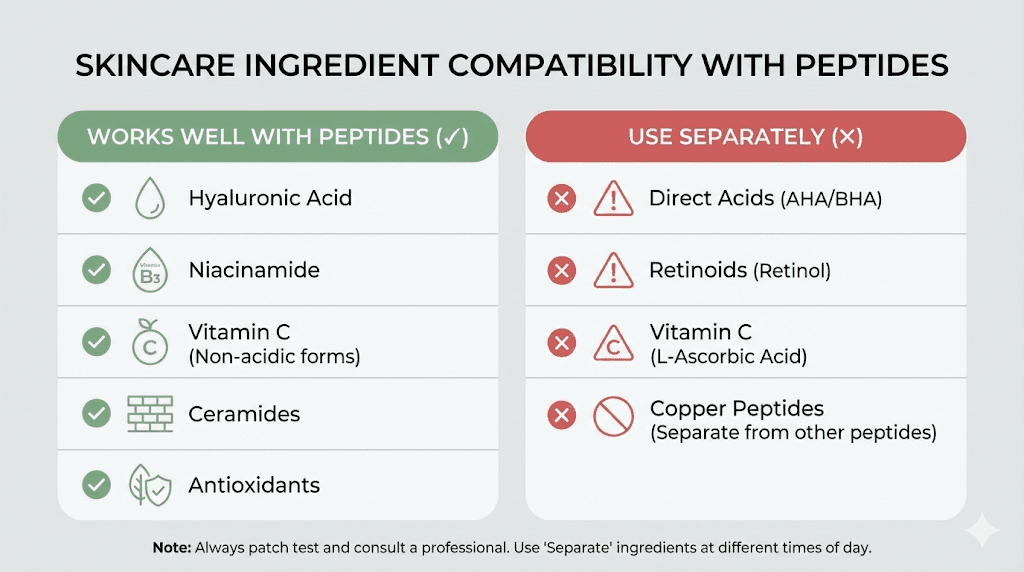
Peptides work well with most other skincare actives, making them versatile additions to existing routines. Understanding which combinations enhance results and which should be approached carefully helps optimize your overall skincare strategy.
Peptides and hyaluronic acid
This is perhaps the most synergistic combination in skincare. Hyaluronic acid provides deep hydration that plumps skin and softens fine lines while creating conditions that enhance peptide penetration. The Depology serums already contain hyaluronic acid, but additional hyaluronic acid products can be layered underneath for even more hydration.
The hydration from hyaluronic acid produces immediate visual improvement while peptides work on longer-term structural changes. This combination delivers both instant gratification and sustained results, which helps maintain motivation for consistent use.
Peptides and vitamin C
Vitamin C is an essential antioxidant and cofactor in collagen synthesis. Combining vitamin C with collagen-stimulating peptides like Matrixyl 3000 provides both the signal to produce more collagen and the materials needed to actually build it. The antioxidant protection from vitamin C also prevents free radical damage that would undermine the benefits of peptide treatment.
Apply vitamin C serum in the morning before peptide serum. Vitamin C works best when applied to clean skin before other products. Let it absorb for a minute or two before layering the peptide serum on top. This combination provides excellent daytime protection along with structural support.
Peptides and niacinamide
Niacinamide, also known as vitamin B3, offers multiple benefits that complement peptide activity. It strengthens the skin barrier, reducing water loss and improving the skin's ability to retain applied products. It reduces inflammation and redness. It helps regulate sebum production in oily skin types. It can even out skin tone by inhibiting melanin transfer.
Combining niacinamide with peptides addresses a wide range of skin concerns simultaneously. The barrier support from niacinamide may even enhance peptide absorption by improving overall skin health. Both ingredients are gentle and compatible with sensitive skin, making the combination well-tolerated by most people.
Peptides and retinol
Retinol is the gold standard prescription-free anti-aging ingredient. It increases cell turnover, stimulates collagen production, and reduces pigmentation. Combining retinol with peptides provides multiple mechanisms attacking skin aging from different angles.
However, retinol can cause irritation, dryness, and sun sensitivity, especially when first introduced. Some people prefer using peptide serums in the morning and retinol at night to separate the applications. Others use retinol only on alternate nights with peptide serum on the off nights. Finding what your skin tolerates requires some experimentation.
The Depology comparison study that found Matrixyl 3000 produced results comparable to retinol without the side effects suggests the peptide serum could be an alternative for those who cannot tolerate retinol. This makes peptides an important option for sensitive skin types.
Ingredients to use carefully with peptides
While peptides are generally compatible with most ingredients, a few combinations warrant caution. Strong acids like glycolic acid or salicylic acid at high concentrations can break down peptides before they have time to work. If using acid exfoliants, apply them at a different time of day than peptide serums, or wait at least 20-30 minutes between applications.
Copper peptides specifically may interact problematically with vitamin C and certain AHAs. The copper ion can oxidize ascorbic acid and destabilize some formulations. While the Depology serums do not contain copper peptides, this is worth knowing for those building routines with multiple peptide products from different brands.
Benzoyl peroxide, commonly used for acne, is highly oxidizing and can degrade many active ingredients including peptides. Separate benzoyl peroxide treatment from peptide application, using one in the morning and one at night, or alternating days.
Realistic expectations and timeline for results
Managing expectations is crucial for satisfaction with any skincare product. Peptide serums are not surgical procedures or injectable treatments. They work gradually through natural biological processes. Understanding what results to expect and when helps you evaluate whether the products are actually working for you.
Immediate effects
Some improvements appear immediately upon using Depology peptide serums. The hyaluronic acid content provides instant hydration that plumps the skin and softens the appearance of fine lines. This hydration effect is visible within minutes of application and persists throughout the day with proper moisturizing follow-up.
Skin texture often improves noticeably within the first week of consistent use. The serums smooth the skin surface and create a more refined appearance. This makes an excellent base for makeup and provides a more radiant look even before deeper anti-aging effects develop.
Short-term results (1-4 weeks)
The Argireline in the Peptide Complex serum begins affecting expression lines within the first few weeks. As the peptide accumulates in the skin and reduces muscle contraction strength, dynamic wrinkles that appear with facial expressions start to soften. Crow's feet, forehead lines, and frown lines may all show early improvement.
Hydration continues to improve as the skin barrier strengthens from consistent care. Better-hydrated skin appears healthier, more luminous, and shows existing wrinkles less prominently. These improvements compound the direct anti-wrinkle effects of the peptides.
Clinical testing showed measurable wrinkle depth reduction within 28 days. While individual results vary, most consistent users should see some visible improvement by the one-month mark.
Medium-term results (1-3 months)
The collagen-stimulating effects of Matrixyl 3000 require more time to manifest. Collagen production is a slow process, and newly produced collagen must organize into functional fibers before it improves skin structure. Expect the firming and plumping effects from increased collagen to become apparent around the 6-8 week mark.
Expression lines continue to improve as the Argireline effect reaches steady state. After consistent use for 6-8 weeks, the full muscle-relaxing potential of the peptide should be realized. Further improvements from that mechanism plateau, though the effect maintains with continued use.
Skin texture and tone continue refining. The cumulative effects of better hydration, stronger barrier function, and increased structural proteins create an overall improvement in skin quality that becomes increasingly noticeable.
Long-term results (3+ months)
Long-term peptide use shifts focus from improvement to maintenance. The structural gains from months of collagen stimulation need ongoing support to persist. Continuing peptide use prevents regression while potentially providing additional gradual improvements.
Skin that has been properly cared for ages more slowly than neglected skin. The cumulative benefit of consistent peptide use over years may be more significant than any short-term improvement. Prevention and maintenance matter as much as treatment of existing concerns.
Some users report continued improvement even after months of use, likely reflecting ongoing collagen accumulation and overall skin health improvement. Peptides before and after results demonstrate that patience and consistency are rewarded with meaningful long-term changes.
Factors affecting results
Individual results vary based on multiple factors. Age matters because older skin has more damage to repair and slower regeneration. Skin type affects absorption and tolerance. Lifestyle factors like sun exposure, smoking, stress, and diet influence how quickly skin ages and how well it responds to treatment. Consistency of use is perhaps the most controllable factor affecting outcomes.
Those with relatively young skin and minor concerns may see subtle improvements that matter to them but might not photograph dramatically. Those with more significant aging may see more dramatic percentage improvements that remain noticeable even after treatment. Setting expectations based on your individual situation rather than best-case marketing photos leads to more satisfaction.
Depology versus competitors
The peptide skincare market includes products at every price point and quality level. Comparing Depology to alternatives helps determine whether the brand offers good value for the investment.
Ingredient quality and concentration
Depology uses trademarked, patented peptide complexes from respected suppliers rather than generic peptides of unknown provenance. Argireline from Lipotec and Matrixyl 3000 from Sederma represent the original formulations backed by clinical research. Some cheaper products may contain similar-sounding ingredients that lack the same quality control and research validation.
The 10% peptide complex concentration in the Argireline serum matches or exceeds most competitors at similar price points. Many drugstore peptide products contain far lower concentrations that may not reach therapeutic thresholds. The Matrixyl 3000 serum similarly uses clinically relevant concentrations.
Formulation sophistication
The supporting ingredients in Depology formulations show attention to overall skin health beyond just delivering the headline actives. Including hyaluronic acid, ceramides, soothing botanicals, and antioxidants creates more complete products than bare-bones peptide serums.
The micro-dart delivery technology represents genuine innovation that few competitors offer. This delivery method addresses the fundamental limitation of topical peptides in a practical, consumer-friendly format. The additional investment in this technology justifies some of the price premium.
Price positioning
Depology positions in the mid-range of the peptide skincare market. The Argireline serum at $49 and the Matrixyl 3000 serum at $40 cost more than drugstore options but far less than prestige brands selling similar products for $100-300. Given the ingredient quality and clinical testing, the pricing represents reasonable value.
The bundle pricing for the Peptide Serum Duo and triple bundles reduces per-unit cost for committed users. The micro-dart patches have a higher per-use cost but offer delivery technology not available in conventional products.
Comparing to other K-beauty peptide brands
Other Korean brands offer peptide products at various price and quality levels. Some focus on gentle, natural-feeling formulations while others emphasize clinical actives. Depology falls on the clinical side, prioritizing proven active ingredients over sensory experience.
The emphasis on third-party testing and transparent ingredient lists differentiates Depology from competitors that rely on proprietary blends and marketing claims without supporting data. For consumers who want evidence-based skincare, this transparency provides reassurance that the products contain what they claim at levels that matter.
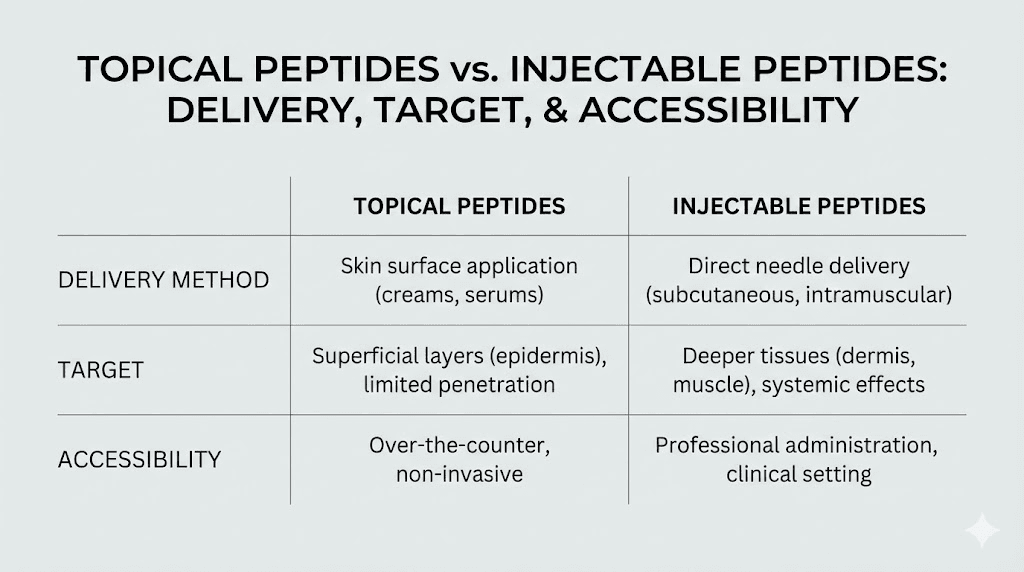
Topical peptides versus injectable peptides for skin
For SeekPeptides members researching anti-aging applications, the relationship between topical peptide skincare and injectable peptide therapy deserves examination. These approaches serve different functions and can complement each other within a comprehensive anti-aging strategy.
Different mechanisms, different targets
Topical peptides work locally, affecting the skin where applied. They target surface concerns like fine lines, texture, and hydration. The peptides in Depology products specifically address skin cell function, muscle relaxation, and collagen production in the dermis.
Injectable peptides like GHK-Cu administered systemically affect the entire body. They can influence skin through internal pathways, affecting fibroblast function from within as well as providing systemic anti-inflammatory and tissue repair effects. Longevity peptides may provide benefits that extend far beyond skin appearance.
Complementary approaches
Using both topical and systemic peptide approaches creates multiple angles of attack against skin aging. Topical products address the skin directly while internal protocols support overall tissue health and repair capacity. This combination may produce better results than either approach alone.
The convenience factor also matters. Topical products require no preparation, no injection technique, and no special storage. They fit seamlessly into existing skincare routines. Injectable peptides require more commitment but may provide more significant systemic effects for those pursuing aggressive anti-aging protocols.
Accessibility differences
Topical peptide skincare is available without prescription and requires no medical supervision. Anyone can purchase Depology products and incorporate them into their routine immediately. This accessibility makes peptide skincare an entry point for those curious about peptides but not ready for injectable protocols.
Injectable peptides require more research, more careful sourcing, and ideally medical consultation. The additional complexity is justified by potentially greater effects but represents a higher barrier to entry. Topical peptides serve as a low-risk introduction to peptide-based anti-aging.
Using both together
A comprehensive anti-aging protocol might include systemic peptides for overall tissue support, topical peptides for targeted skin benefits, and conventional skincare basics like sun protection and hydration. Each layer addresses different aspects of the aging process.
Peptide stacking principles apply to topical products as well. Combining Argireline for expression lines, Matrixyl for collagen, and copper peptides for overall skin health creates a multi-mechanism approach similar to how injectable peptide stacks address multiple pathways. The same thoughtful combination approach that optimizes injectable protocols can optimize skincare routines.
Who should use Depology peptide serums
Peptide serums suit a wide range of users, but certain characteristics make them particularly appropriate or particularly effective for specific populations.
Age-appropriate use
Peptide skincare becomes most relevant in the late 20s to early 30s when collagen production begins declining and the first signs of aging appear. Prevention at this stage may be more effective than treatment later. Young skin responds well to peptides and establishing good habits early pays dividends over decades.
Those in their 40s and beyond with established signs of aging can still benefit significantly. Peptides will not erase deep wrinkles or replace lost volume, but they can soften lines, improve texture, and slow further deterioration. Managing expectations while remaining optimistic about gradual improvement is key for this demographic.
Teenagers and those in their early 20s without any signs of aging have little need for anti-aging peptides specifically. Basic sun protection, hydration, and gentle cleansing matter more at these ages. Peptides will not harm young skin but represent an unnecessary expense when simpler measures suffice.
Skin type considerations
The Depology serums suit most skin types. The lightweight, watery textures absorb without leaving residue or greasiness, making them appropriate for oily and combination skin. The hyaluronic acid and botanical ingredients provide sufficient hydration for normal skin. Dry skin may need additional moisturizing products but can still benefit from the peptide actives.
Sensitive skin generally tolerates peptides well since they work through signaling rather than irritation. Unlike retinol or strong acids, peptides do not cause peeling, redness, or sensitivity. The Depology formulations include soothing ingredients like cica and aloe that further support sensitive skin tolerance.
Those with specific skin conditions should consult a dermatologist before adding new actives. While peptides are generally safe, individual circumstances may warrant professional guidance. Pregnant or breastfeeding women should also check with healthcare providers, though peptides present less concern than many other anti-aging ingredients.
Lifestyle factors
Consistent users see the best results from peptide skincare. If your lifestyle does not permit a regular skincare routine, the investment in peptide products may not pay off. Occasional use will not produce the cumulative benefits that consistent daily use provides.
Those with high sun exposure need to address sun protection as a priority. No anti-aging product can outpace the damage from unprotected UV exposure. Peptides work best when not fighting a losing battle against ongoing photo-damage.
Smokers, heavy drinkers, and those with poor sleep habits may see reduced benefits as these factors accelerate skin aging through pathways peptides cannot fully counteract. Addressing lifestyle factors alongside skincare produces the best overall results.
Frequently asked questions
How long do Depology peptide serums take to work?
Hydration and texture improvements appear within days to weeks. Expression line softening from Argireline typically becomes noticeable within 2-4 weeks of consistent use. Collagen-building effects from Matrixyl 3000 develop more gradually over 6-12 weeks. Clinical testing showed measurable improvements in wrinkle reduction and hydration within 28 days.
Can I use Depology serums with retinol?
Yes, peptides and retinol can be used together. Many people apply peptide serum in the morning and retinol at night to separate the applications. Others use both at night, applying peptide serum first. If irritation occurs, alternate nights between the two products.
Are Depology products cruelty-free?
Depology states their products are cruelty-free and not tested on animals. The brand is part of the K-beauty movement which has generally moved toward cruelty-free practices. Individual consumers should verify current certifications if this is a priority concern.
Can I use the micro-dart patches every day?
Depology recommends using the patches 2-3 times per week rather than daily. The microneedles create tiny channels in the skin that need time to heal. Allowing recovery time between applications prevents overstressing the skin while maintaining consistent treatment.
What is the shelf life of Depology products?
Depology products typically remain fresh for 12-24 months when stored properly. Current batches are dated through 2026. Store serums in a cool, dark place away from direct sunlight. Refrigeration is not necessary but will not harm the products.
Will peptide serums replace Botox?
Topical peptides like Argireline work through a related mechanism to Botox but are significantly less potent. They can soften expression lines and may reduce the frequency or amount of Botox needed, but they cannot fully replace injectable treatments for those seeking maximum wrinkle reduction. Peptides versus Botox is better framed as complementary rather than replacement.
Can I use Depology if I have acne?
The non-comedogenic formulations should not cause breakouts in most users. However, if your acne treatment includes benzoyl peroxide, separate that application from peptide serum use. The soothing ingredients like cica may actually help calm acne-related inflammation.
How much product should I use per application?
Three to four drops of serum is typically sufficient for full face application. More is not necessarily better and can lead to pilling where products ball up instead of absorbing. Start with less and add if needed for full coverage.
External resources
National Institutes of Health - Peptides for Prevention and Treatment of Skin Senescence
Journal of Clinical and Aesthetic Dermatology - Peptide Serum Clinical Study
In case I do not see you, good afternoon, good evening, and good night. May your peptides stay potent, your wrinkles stay softened, and your skin barrier stay strong. Join here.