Jan 3, 2026
Dark circles under eyes create persistent cosmetic concern affecting appearance across all ages and skin types, with multiple underlying causes including thin periorbital skin revealing underlying vasculature, hyperpigmentation from melanin accumulation, shadows from volume loss and fat pad descent, and fluid retention creating puffiness accentuating darkness. Traditional concealer approaches provide temporary masking without addressing root causes, while intensive treatments like laser therapy or chemical peels carry risks in this delicate eye area.
Peptides offer targeted intervention addressing specific dark circle mechanisms through collagen synthesis improving skin thickness to obscure vessels, brightening compounds reducing melanin production, circulation enhancement reducing stagnant blood pooling, and anti-inflammatory effects decreasing puffiness and discoloration. The SeekPeptides platform provides comprehensive guidance on selecting appropriate peptide treatments for under-eye concerns.
This guide examines peptides for dark circles through mechanism analysis, best compound selection, application protocols, realistic expectations, and comparison to alternatives, helping users navigate this sensitive area requiring gentle yet effective interventions for meaningful improvement.
Understanding dark circle causes and peptide mechanisms
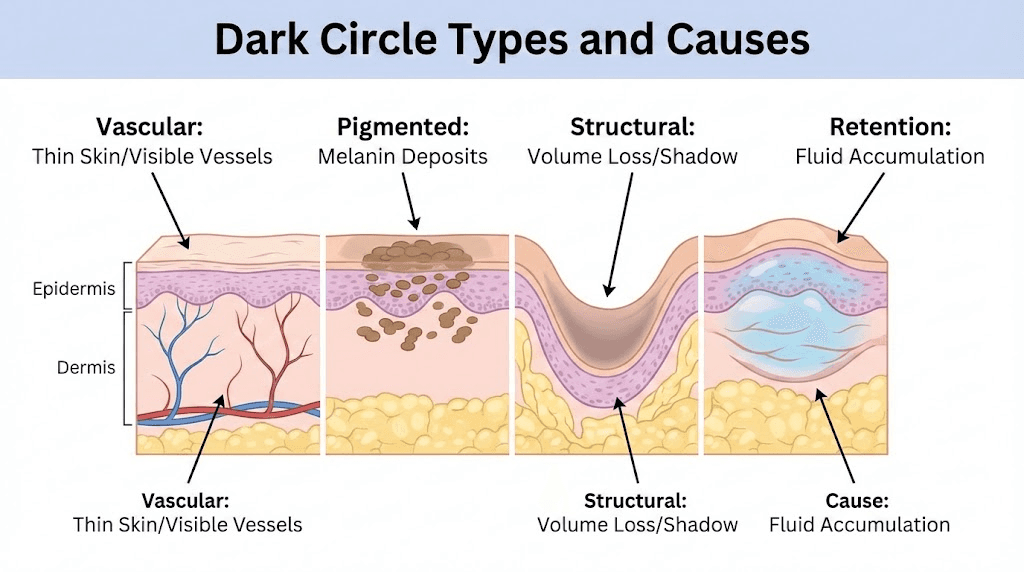
Dark circles develop through four primary mechanisms requiring different interventional approaches for effective treatment. Vascular dark circles result from thin periorbital skin (thinnest on body at 0.5mm vs 2mm average facial skin) allowing visualization of underlying blood vessels and pooled deoxygenated blood appearing blue-purple through skin surface. The peptide approach targets collagen synthesis thickening dermis to obscure vasculature and circulation improvement reducing blood stagnation creating visible discoloration.
Pigmented dark circles stem from melanin accumulation in periorbital skin from chronic sun exposure without adequate protection, post-inflammatory hyperpigmentation from rubbing or allergies, genetic predisposition particularly in darker skin types, or hormonal influences affecting melanocyte activity. Peptide interventions utilize brightening compounds inhibiting tyrosinase enzyme controlling melanin production, exfoliation-promoting peptides accelerating hyperpigmented cell turnover, and antioxidants preventing ongoing melanin formation from oxidative stress.
Structural dark circles create shadows from volume loss as orbital fat pads descend with age, tear trough hollowing between lower lid and cheek, and overall facial bone resorption reducing support structure. Collagen-stimulating peptides provide modest improvement through dermal thickening and improved skin quality, though severe structural issues typically require volumizing fillers for complete correction beyond peptide capabilities.
Fluid retention dark circles manifest as puffiness from lymphatic drainage impairment, salt intake causing water retention, allergies triggering histamine response and swelling, or sleeping position allowing fluid accumulation. Anti-inflammatory peptides reduce swelling and improve lymphatic function, though lifestyle modifications including sleep position elevation, salt reduction, and allergy management prove equally important for comprehensive improvement alongside peptide treatment protocols.
Learn more about peptide mechanisms and anti-aging applications through SeekPeptides educational resources.
Dark Circle Type | Primary Cause | Visual Appearance | Peptide Mechanism | Effectiveness Level |
|---|---|---|---|---|
Vascular | Thin skin, visible vessels | Blue-purple tint | Collagen synthesis thickening skin | Moderate-High - addresses root cause |
Pigmented | Melanin accumulation | Brown-tan discoloration | Tyrosinase inhibition, brightening | High - direct melanin targeting |
Structural | Volume loss, shadows | Hollow, sunken appearance | Modest collagen improvement | Low-Moderate - fillers often needed |
Fluid Retention | Lymphatic impairment, swelling | Puffy, darker when swollen | Anti-inflammatory, drainage support | Moderate - lifestyle critical too |
Best peptides for dark circles and their specific mechanisms
Copper peptides, particularly GHK-Cu, prove highly effective for vascular dark circles through collagen type I and III synthesis dramatically thickening delicate periorbital skin, copper delivery supporting lysyl oxidase enzyme creating stable collagen cross-links strengthening dermal structure, and anti-inflammatory effects reducing chronic irritation contributing to both vascular dilation and melanin production. Research demonstrates GHK-Cu increasing skin thickness by 20-30% over 3-6 months, providing substantial improvement in vessel obscuration for vascular-type dark circles.
The copper peptide concentration matters significantly for under-eye use, with 0.5-1% proving optimal balance between effectiveness and minimizing irritation risk in this sensitive area, while higher concentrations (1-2%) used successfully on face may prove too irritating for periorbital application. Users exploring copper peptide protocols should consider proper storage ensuring product stability and effectiveness throughout treatment duration. SeekPeptides offers comprehensive GHK-Cu guidance for optimal results.
Haloxyl (N-hydroxysuccinimide and chrysin combination) targets vascular dark circles through different pathway enhancing hemoglobin metabolism clearing accumulated blood deposits creating discoloration, strengthening capillary walls reducing leakage and pooling, and anti-inflammatory effects minimizing swelling and related darkness. Clinical studies using 2% Haloxyl demonstrate 20-40% reduction in dark circle intensity over 8 weeks, proving particularly effective for users whose circles worsen with fatigue or sleep deprivation suggesting vascular mechanism predominance.
Niacinamide (vitamin B3, technically not peptide but frequently combined in peptide formulations) addresses pigmented dark circles through multiple mechanisms including inhibiting melanosome transfer from melanocytes to keratinocytes reducing visible pigmentation, anti-inflammatory effects decreasing post-inflammatory hyperpigmentation from rubbing or allergies, and barrier strengthening improving overall skin health and resilience. Concentrations of 5-10% prove effective for brightening without irritation, making niacinamide excellent addition to peptide eye care protocols.
Eyeliss (hesperidin methyl chalcone, dipeptide-2, and palmitoyl tetrapeptide-7 combination) specifically targets fluid retention dark circles through improving lymphatic drainage removing accumulated fluids, reducing capillary permeability decreasing fluid leakage into surrounding tissues, and anti-inflammatory effects minimizing puffiness-related darkness. Clinical data shows 70% of users experiencing measurable puffiness reduction after 28 days using 2-3% Eyeliss, with corresponding dark circle improvement as swelling-related shadows diminish.
Matrixyl peptides (palmitoyl pentapeptide-4 and related compounds) provide general anti-aging benefits for periorbital area through collagen and elastin synthesis improving skin quality and firmness, reduced fine lines making area appear fresher and brighter, and improved dermal thickness providing modest vessel obscuration. While not specifically designed for dark circles, Matrixyl's proven efficacy in overall skin improvement makes it valuable component of comprehensive under-eye treatment protocols addressing multiple aging concerns simultaneously.
Explore peptide options and combination protocols through SeekPeptides comprehensive guides.
Peptide/Active | Primary Mechanism | Dark Circle Type | Clinical Evidence | Optimal Concentration | Results Timeline |
|---|---|---|---|---|---|
GHK-Cu (Copper Peptide) | Collagen synthesis, skin thickening | Vascular | Strong - multiple studies | 0.5-1% for eye area | 2-4 months |
Haloxyl | Hemoglobin metabolism, capillary strength | Vascular | Good - clinical trials | 2% | 6-8 weeks |
Niacinamide | Melanin transfer inhibition | Pigmented | Strong - extensive research | 5-10% | 6-12 weeks |
Eyeliss | Lymphatic drainage, anti-inflammatory | Fluid retention | Good - clinical data | 2-3% | 4-6 weeks |
Matrixyl | Collagen/elastin synthesis | General aging | Moderate - some studies | 3-5% | 8-12 weeks |
Vitamin C (L-Ascorbic) | Tyrosinase inhibition, antioxidant | Pigmented | Strong - well-established | 5-10% (stable form) | 8-12 weeks |
Application protocols optimized for delicate eye area
The periorbital region requires modified application approaches compared to general facial peptide protocols due to extremely thin skin, high sensitivity to irritation, proximity to eyes creating contamination risk, and tendency toward product migration into eyes causing discomfort. Understanding proper peptide application techniques proves critical for safety and effectiveness in this delicate area, with SeekPeptides application guides providing detailed technique instructions.
Concentration adjustment proves essential with under-eye products requiring 30-50% lower active concentrations than facial formulations to prevent irritation - while 1-2% GHK-Cu works well on face, 0.5-1% proves safer for eye area maintaining effectiveness while minimizing redness or stinging risks. Similarly, niacinamide concentrations should not exceed 10% for periorbital use versus 15-20% sometimes used on face, and retinoids if included should be present only in gentle forms at low concentrations to avoid significant irritation.
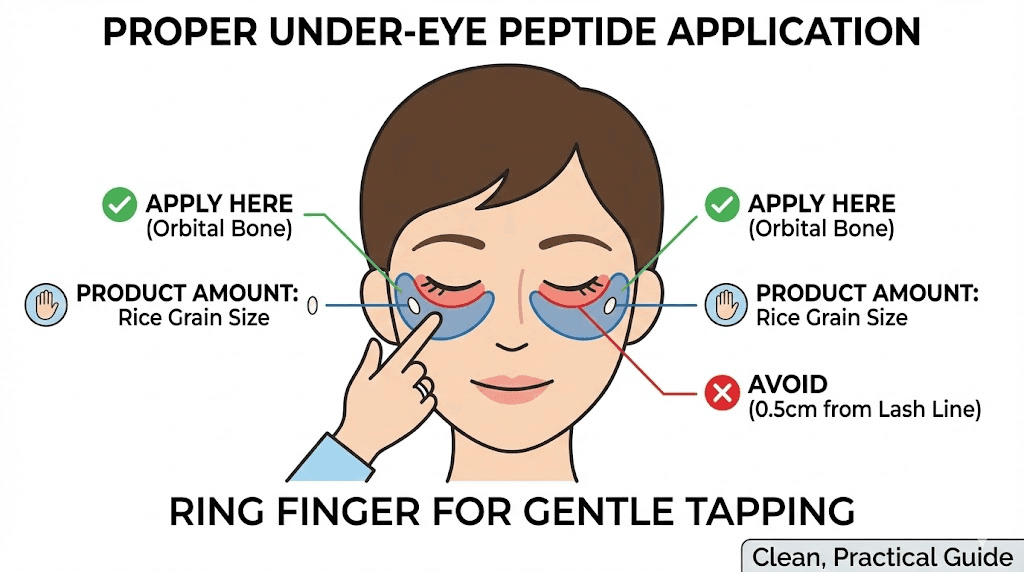
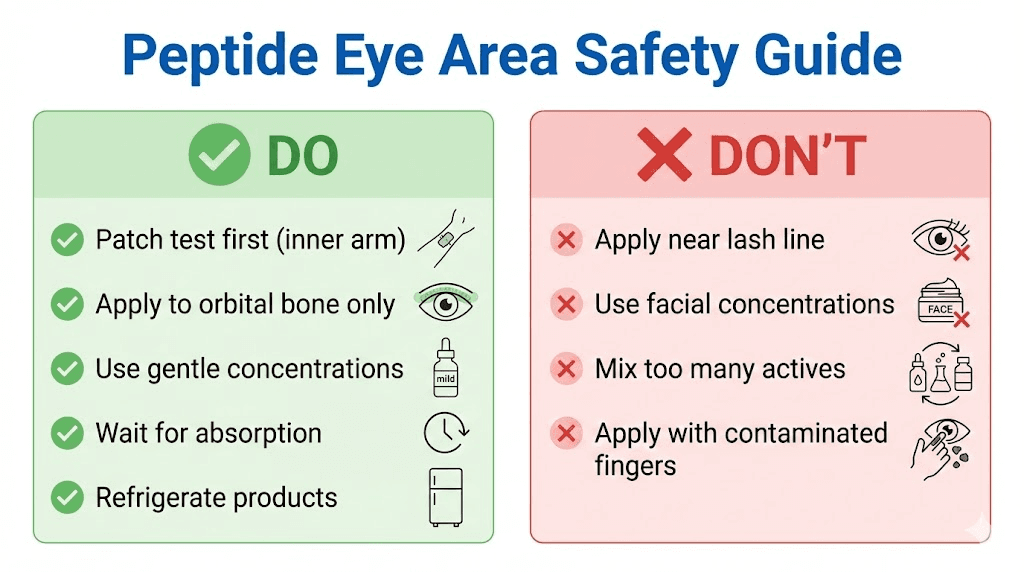
Application technique prevents product migration into eyes causing stinging and potential corneal irritation. Users should apply peptide eye products on orbital bone approximately 0.5cm below lower lash line and 0.5cm from inner corner, gently patting with ring finger (lightest pressure) rather than rubbing, using minimal product (rice grain size per eye), and allowing complete absorption before applying other products or lying down. The careful application approach prevents unnecessary complications while maximizing peptide effectiveness.
Frequency recommendations balance maximizing peptide exposure against allowing adequate recovery in this sensitive area prone to irritation from excessive product use. Most users achieve optimal results with twice-daily application (morning and evening) using well-formulated products at appropriate concentrations, though those with very sensitive skin or using stronger formulations may benefit from once-daily evening application or every-other-day protocols building tolerance gradually before increasing to daily use following peptide cycling principles.
Layering sequence with other eye care products ensures peptides contact skin effectively without interference from occlusive ingredients blocking absorption. Optimal routine: gentle cleanser, peptide eye serum on damp skin (wait 60-90 seconds), vitamin C or niacinamide serum if using separate products (wait 30 seconds), lightweight eye cream with hyaluronic acid for hydration, then SPF during day or richer night cream for evening. This sequence ensures peptides penetrate before heavier products create barrier while supporting ingredients enhance rather than interfere with dark circle improvement mechanisms.
Learn proper peptide application techniques and avoid common mistakes through SeekPeptides educational content.
Expected results timeline and realistic outcome expectations
Initial hydration and immediate improvement appears within days to 1 week as most peptide eye products contain hydrating ingredients like hyaluronic acid providing temporary plumping reducing fine lines and slightly minimizing dark circle appearance through improved light reflection. This early cosmetic enhancement proves encouraging but shouldn't be mistaken for actual dark circle reduction requiring substantially longer peptide treatment duration as described in SeekPeptides timeline guides.
Fluid retention improvement for users with puffiness-related darkness emerges relatively quickly at 3-6 weeks as anti-inflammatory peptides like Eyeliss reduce swelling and enhance lymphatic drainage. Users notice less prominent morning puffiness, reduced shadows from swollen tissue, and overall brighter eye area appearance particularly if combining peptides with lifestyle modifications including elevated sleeping position, reduced salt intake, and adequate hydration supporting natural drainage mechanisms.
Pigmentation lightening for melanin-based dark circles requires 8-12 weeks minimum as brightening peptides and niacinamide gradually inhibit melanin production and promote hyperpigmented cell turnover. Users should photograph progress monthly under consistent lighting as gradual improvement proves difficult detecting day-to-day, with side-by-side comparison revealing meaningful lightening that seemed imperceptible during daily mirror checks. Patience proves essential for pigmented concerns requiring extended treatment timelines.
Vascular dark circle improvement through skin thickening develops over 3-6 months as collagen-stimulating peptides like GHK-Cu increase dermal thickness obscuring underlying vessels. Maximum effect typically plateaus at 6-9 months of consistent application, after which maintenance protocols using reduced frequency or concentration can sustain results following peptide cycling strategies without requiring indefinite peak-intensity treatment as detailed in SeekPeptides protocols.
Age significantly influences achievable improvement magnitude with younger users (20s-30s) typically experiencing more dramatic results as their skin retains better responsiveness to peptide stimulation and baseline collagen production remains moderate rather than severely diminished. Users in 40s-50s achieve meaningful improvement but often obtain 50-70% of the results younger users experience from identical protocols, while very advanced age (60s+) may show modest improvements requiring realistic expectation adjustment or combination with professional treatments for satisfactory outcomes as discussed in age-specific peptide guides.
Explore realistic timelines and before-after expectations through SeekPeptides comprehensive resources.
Timeline Phase | Visible Changes | Mechanism Active | User Experience | Recommended Action |
|---|---|---|---|---|
Days 1-7 | Hydration, temporary plumping | Surface moisture | "Eyes look fresher" | Continue, don't expect dark circle reduction yet |
Weeks 2-6 | Reduced puffiness (if applicable) | Anti-inflammatory effects | "Less puffy mornings" | Combine with lifestyle modifications |
Weeks 8-12 | Pigmentation beginning to lighten | Melanin inhibition, turnover | "Slightly brighter maybe?" | Take monthly comparison photos |
Months 3-6 | Measurable vascular improvement | Skin thickening, vessel obscuration | "Definitely seeing reduction" | Maintain consistency for maximum results |
Months 6-9 | Maximum achievable improvement | Plateau at individual capacity | "As good as it gets with peptides" | Consider maintenance protocol or combination treatments |
Combining peptides with complementary dark circle treatments
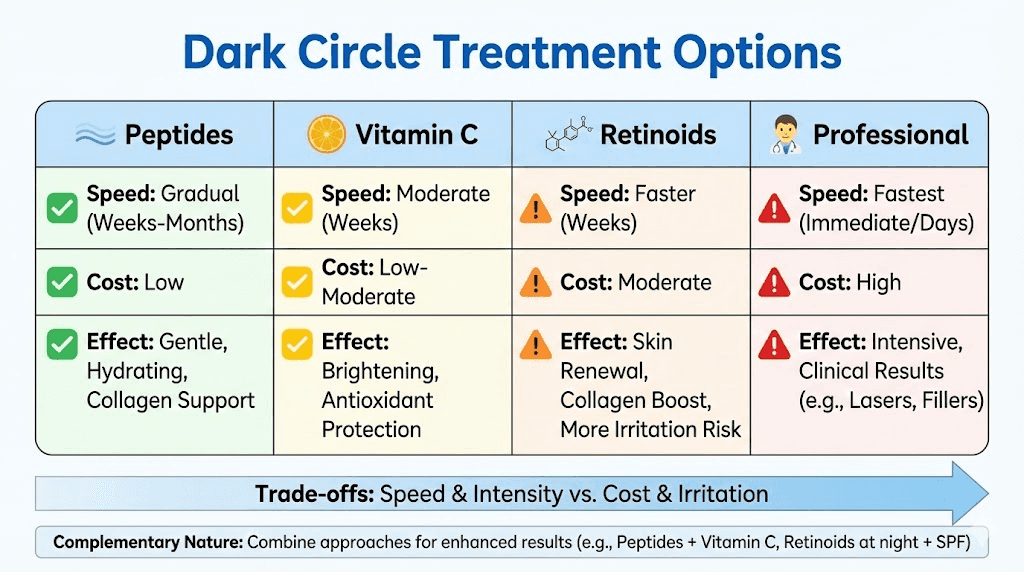
Vitamin C serums provide synergistic brightening through tyrosinase inhibition reducing melanin synthesis, antioxidant protection preventing ongoing pigmentation from UV and oxidative stress, and collagen synthesis support enhancing peptide-induced improvements through complementary pathway. L-ascorbic acid at 10-20% concentration or stable derivatives like magnesium ascorbyl phosphate prove effective when applied before peptide serum, though users should ensure compatible pH ranges avoiding formulation conflicts reducing either ingredient's effectiveness as explored in peptide combination guides.
Retinoids accelerate cell turnover clearing hyperpigmented cells faster and stimulate collagen synthesis through different pathway than peptides creating additive improvement, though eye area requires gentle approaches using retinaldehyde or low-concentration retinol (0.25-0.5%) rather than stronger prescription tretinoin risking significant irritation in this sensitive region. Users should introduce retinoids gradually 2-3 times weekly, applying well away from lash line, and monitoring carefully for dryness or irritation requiring protocol adjustment.
Caffeine eye products enhance peptide dark circle treatment through vasoconstriction temporarily reducing visible vessel appearance, mild diuretic effects decreasing fluid retention and puffiness, and antioxidant properties protecting against free radical damage. Caffeine concentrations of 3-5% prove effective when applied before peptide serum in morning routine, providing immediate cosmetic improvement while peptides work on longer-term structural changes creating comprehensive approach addressing both immediate and cumulative concerns.
Professional treatments provide intensive intervention for stubborn dark circles insufficient responsive to topical peptides alone. Chemical peels using glycolic or lactic acid at professional concentrations accelerate pigmented cell turnover, laser treatments like Q-switched or IPL target melanin directly with high energy, dermal fillers restore volume correcting structural shadows peptides cannot address, and microneedling enhances peptide penetration while stimulating additional collagen production through controlled injury response. Users exploring professional options should consult experienced practitioners familiar with periorbital treatments.
The combination approach proves optimal for comprehensive dark circle reduction - professional treatment providing rapid initial improvement followed by consistent peptide application maintaining and building upon results while preventing recurrence. This multi-modal strategy costs less than repeated professional-only treatments producing superior long-term outcomes versus topical-only protocols potentially producing incomplete results in moderate to severe cases.
Learn about combination protocols and complementary treatments through SeekPeptides comprehensive guides.
Product selection and quality considerations for eye area
Eye-specific formulations prove superior to repurposing facial peptide products due to gentler concentrations appropriate for delicate periorbital skin, fragrance-free formulations minimizing irritation risk in sensitive area, ophthalmologist-tested verification ensuring eye safety, pH optimization for this specific region, and lighter textures preventing milia formation common with heavy creams around eyes. Dedicated eye products from reputable peptide vendors or medical-grade lines typically deliver better results with fewer complications than attempting to adapt facial serums for eye use.
Concentration verification ensures effective dosing without excessive irritation - quality eye products should disclose specific percentages like "1% GHK-Cu" or "2% Haloxyl" rather than vaguely listing peptides without quantities suggesting insufficient therapeutic levels. Users should research brands known for transparency and appropriate eye-area concentrations, avoiding mass-market products listing peptides prominently but containing ineffective trace amounts as discussed in peptide vendor comparisons.
Packaging stability determines whether stated peptide concentrations remain active throughout product shelf life rather than degrading into ineffective fragments - opaque tubes or airless pumps protect light-sensitive peptides, small sizes (15ml typical for eye products) ensure use before significant degradation occurs, and refrigeration recommendations suggest manufacturers prioritize active potency over extended ambient shelf life. Quality indicators mirror those for facial peptide products but prove even more critical given limited eye area treatment options.
Patch testing proves essential before applying new peptide eye products given high sensitivity potential - apply small amount to inner forearm for 24-48 hours watching for redness, itching, or irritation, then test on less sensitive facial area (cheek) for another 24 hours before progressing to eye area. This cautious approach prevents unnecessary discomfort from applying potentially irritating products directly to delicate periorbital region, following peptide safety protocols minimizing risk.
Price versus value assessment requires realistic expectations - effective peptide eye products typically cost $40-150 for 15ml (2-3 month supply) representing higher per-ounce pricing than facial products but reflecting specialized formulation requirements, smaller batch production, and ophthalmological testing expenses. Suspiciously cheap products claiming high peptide concentrations likely contain insufficient actives or unstable formulations, while luxury pricing doesn't guarantee superiority over well-formulated medical-grade options at moderate price points as analyzed in peptide cost comparisons.
Explore product selection guidance and quality evaluation criteria through SeekPeptides vendor reviews.
Safety considerations and managing sensitive eye area
Periorbital skin sensitivity creates unique safety considerations beyond general peptide safety profiles due to extreme thinness increasing absorption and irritation potential, proximity to eyes creating contamination risk, and higher reactivity to active ingredients compared to other facial areas. Understanding peptide safety specific to eye area prevents unnecessary complications while maximizing treatment effectiveness.
Common mild reactions include temporary stinging or tingling upon application lasting 30-60 seconds, particularly with copper peptides or vitamin C combinations, managed through reduced concentration or less frequent application if uncomfortable. Slight redness immediately after application fading within 15-30 minutes proves normal for some users, though persistent redness lasting hours suggests concentration reduction or product discontinuation. Dryness or flaking around eye area may emerge during first 2-3 weeks as increased cell turnover from peptide stimulation creates temporary surface changes, addressed through gentle moisturizer application and brief peptide frequency reduction if severe.
True irritation requiring product discontinuation presents as persistent burning or stinging lasting beyond application period, significant redness spreading beyond application zone or lasting multiple hours, swelling of eyelids or periorbital area, increased sensitivity making area uncomfortable to touch, or itching suggesting allergic response. Users experiencing these symptoms should immediately discontinue problematic product, apply gentle fragrance-free moisturizer for barrier support, and consult dermatologist or ophthalmologist if symptoms persist beyond 48 hours after stopping as outlined in peptide safety protocols.
Eye contamination prevention requires careful application technique keeping products well away from lash line, washing hands before and after application, avoiding application with fingers that touched product bottle opening, and never applying products with eyes closed allowing migration into eyes. If product enters eyes causing stinging, flush immediately with cool water for several minutes and discontinue use if corneal irritation or vision changes develop requiring ophthalmological evaluation.
Specific peptide precautions include avoiding copper peptides during pregnancy and breastfeeding due to uncertain copper exposure effects, exercising caution with brightening actives if history of ocular sensitivity exists, and avoiding mixing multiple active ingredients simultaneously around eyes until individual tolerance confirms. Users with chronic eye conditions, contact lens wear, or recent eye surgery should consult ophthalmologist before beginning peptide eye treatments as discussed in peptide safety guides.
Learn comprehensive safety protocols and risk management strategies through SeekPeptides safety resources.
Lifestyle factors supporting peptide dark circle treatment
Sleep optimization proves critical as inadequate rest exacerbates all dark circle types through increased vascular pooling from prolonged horizontal positioning, fluid retention from disrupted lymphatic circulation, increased cortisol promoting inflammation and collagen breakdown, and impaired skin repair reducing peptide treatment effectiveness. Aim for 7-9 hours nightly sleep on slightly elevated pillow (15-20 degree incline) promoting drainage, maintaining consistent sleep schedule supporting circadian rhythm and hormonal balance, and creating dark cool bedroom environment optimizing sleep quality as discussed in comprehensive health approaches.
Hydration status significantly affects periorbital appearance with dehydration exaggerating dark circles through increased blood viscosity pooling more visibly, skin dullness from reduced cellular hydration making circles more prominent, and impaired lymphatic function allowing fluid retention despite overall dehydration. Users should maintain adequate water intake (30-35ml per kg bodyweight daily), limit alcohol and caffeine in excess depleting body water, and ensure electrolyte balance particularly sodium and potassium regulating cellular hydration supporting optimal peptide response.
Allergy management reduces chronic periorbital inflammation driving melanin production, vascular dilation, and fluid retention - users should identify and address environmental allergies through appropriate medications or avoidance, manage seasonal allergies proactively before symptoms worsen, avoid rubbing eyes despite itching creating mechanical irritation and post-inflammatory hyperpigmentation, and consider antihistamine eye drops for direct ocular symptom relief. Chronic untreated allergies significantly undermine peptide dark circle treatment regardless of product quality or application consistency.
Sun protection prevents ongoing melanin production sabotaging brightening peptide efforts - daily broad-spectrum SPF 30-50 including eye area (or wearing sunglasses with adequate coverage), reapplication every 2 hours during extended outdoor exposure, seeking shade during peak UV hours 10am-4pm, and wearing wide-brimmed hats providing additional eye area protection. UV exposure accelerates collagen degradation and stimulates melanogenesis faster than peptides can reverse, making protection absolutely essential for treatment success.
Stress management reduces cortisol levels accelerating collagen breakdown and promoting inflammation undermining peptide skin improvements - regular exercise supporting cortisol regulation and circulation, meditation or mindfulness practices reducing stress response, adequate social connection and support networks, and professional help for chronic stress or anxiety creating physiological effects beyond lifestyle modifications. High chronic stress creates hostile environment for peptide effectiveness regardless of perfect product application.
Discover comprehensive wellness approaches and lifestyle optimization through SeekPeptides holistic guides.
How you can use SeekPeptides for comprehensive dark circle guidance
SeekPeptides provides extensive peptide education for cosmetic and therapeutic applications. Explore copper peptide guides, GHK-Cu dosing, storage protocols, discontinuation effects, and skin tightening applications.
Access anti-aging peptide resources including peptides for women over 40, perimenopause support, menopause applications, and general women's guides.
Learn about peptide combinations, cycling strategies, stacking protocols, and complementary ingredients.
Explore vendor comparisons reviewing Amopure, Transcend, Planet Peptides, and other suppliers.
Access practical tools including peptide calculator, cost calculator, dosage calculator, and reconstitution calculator.
Learn fundamentals through what are peptides, how they work, safety considerations, research overview, and getting started guide.
Final thoughts
Peptides for dark circles provide targeted intervention addressing specific mechanisms including skin thickening obscuring vessels, melanin inhibition reducing pigmentation, anti-inflammatory effects decreasing puffiness, and circulation enhancement reducing blood pooling. Copper peptides GHK-Cu, Haloxyl, niacinamide, and Eyeliss demonstrate clinical evidence with 0.5-1% concentrations proving effective for delicate eye area.
Results develop gradually over 6-12 weeks for puffiness and pigmentation, 3-6 months for vascular improvement through skin thickening, requiring patience and consistency following realistic timelines. Mild to moderate dark circles respond well to peptide-only protocols while severe cases benefit from combination with professional treatments.
Your dark circle treatment strategy should identify underlying cause type, select appropriate peptide compounds, apply proper technique for sensitive eye area, combine with lifestyle optimization, and maintain realistic expectations about gradual improvement timelines through SeekPeptides comprehensive guidance.
Related under-eye and anti-aging resources
Essential peptide education
In case I don’t see you, good afternoon, good evening, and good night. Take care of yourself. Join SeekPeptides