Jan 27, 2026
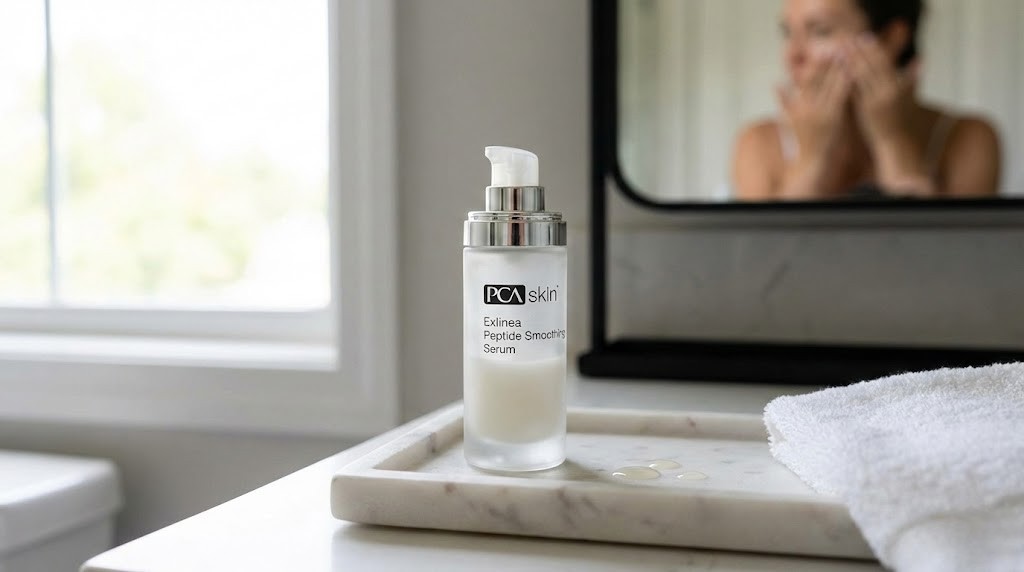
You have tried the drugstore serums. You have layered on the department store creams. You have even invested in treatments promising to turn back the clock. And yet, every morning, the same lines greet you in the mirror. The forehead creases that deepen when you concentrate. The crow's feet that fan out when you smile. The expression lines around your mouth that seem more pronounced with each passing year.
Here is what nobody tells you about anti-aging skincare. Most products work on the surface. They moisturize, they temporarily plump, they create the illusion of improvement. But expression lines, the ones caused by repeated facial movements, require a different approach entirely. They need something that addresses the underlying mechanism of muscle contraction itself.
That is where PCA Exlinea Peptide Smoothing Serum enters the conversation. This professional-grade treatment represents a fundamentally different approach to addressing dynamic wrinkles. Rather than simply masking the appearance of lines, it targets the neuromuscular signals that create them in the first place. The science behind this approach draws from the same mechanisms that make injectable treatments effective, but delivers them through a topical application that you can incorporate into your daily skincare routine.
Understanding how peptides work on wrinkles requires examining the relationship between muscle movement and skin aging. Expression lines form through a process called dynamic wrinkling. Every time you raise your eyebrows, squint at your phone, or purse your lips, the underlying facial muscles contract. Over years and decades, these repeated contractions create permanent creases in the overlying skin. The challenge has always been finding a way to interrupt this cycle without resorting to injections or invasive procedures.
This guide explores everything you need to know about PCA Exlinea Peptide Smoothing Serum. We will examine its key ingredients, understand the science behind its formulation, discuss proper application techniques, and help you determine whether this professional skincare product belongs in your anti-aging arsenal. Whether you are considering this serum as a standalone treatment or as part of a comprehensive peptide skincare routine, the information here will help you make an informed decision.
Understanding PCA Skin and professional-grade peptide skincare
Before diving into the specifics of the Exlinea serum, understanding the brand behind it provides important context. PCA Skin was founded in 1990 by an aesthetician and developed by a dermatologist. This dual heritage shapes everything about their approach to skincare formulation. The company pioneered the modified and enhanced Jessner's peel and has spent more than three decades perfecting chemical peel formulations that work across all skin types and ethnicities.
The professional skincare industry operates differently from consumer beauty brands. Products sold through dermatologists, medical spas, and licensed aestheticians undergo more rigorous testing and typically contain higher concentrations of active ingredients. PCA Skin has positioned itself as a leader in this space, with their chemical peels performed over one million times globally each year by certified professionals.
What makes PCA Skin relevant to the peptide conversation is their commitment to evidence-based formulation. The company operates on three pillars: product innovation, excellence in education, and customer support. Their products reflect current dermatological research rather than marketing trends. When they formulate a peptide-based product, it draws from peer-reviewed studies rather than anecdotal claims.
The Exlinea line represents their answer to the challenge of expression lines. Rather than creating a general anti-aging serum, they developed a targeted spot treatment designed specifically for the areas most affected by dynamic wrinkling. This focused approach differentiates the product from broad-spectrum anti-aging treatments that attempt to address every concern simultaneously.
The science of expression lines and dynamic wrinkles
Understanding why expression lines form helps explain why they require specialized treatment. Dynamic wrinkles differ fundamentally from static wrinkles. Static wrinkles appear due to volume loss, sun damage, and the natural degradation of collagen and elastin that occurs with aging. They are present regardless of facial expression. Dynamic wrinkles, by contrast, appear or intensify during facial movements and gradually become permanent over time.
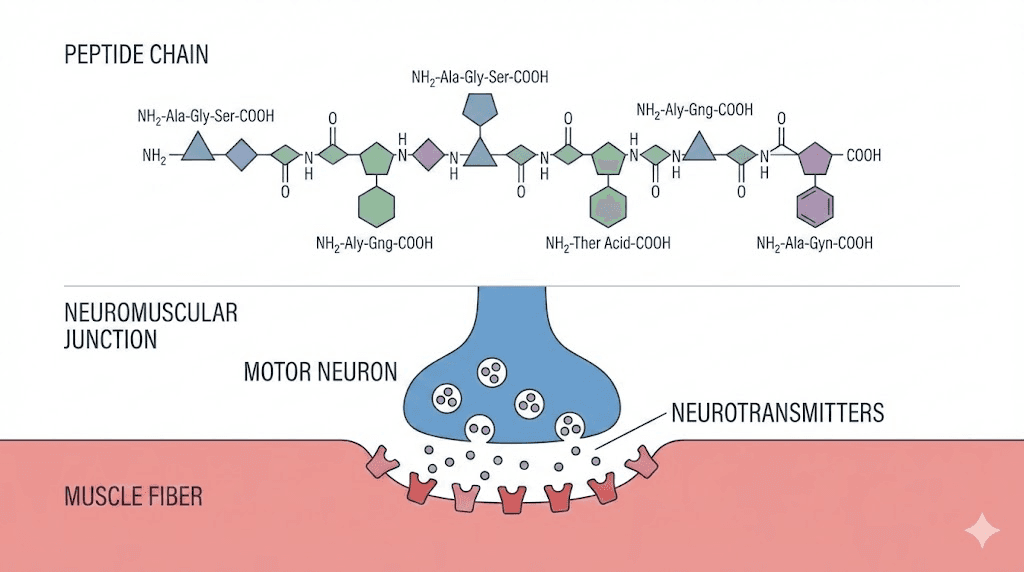
The mechanism behind dynamic wrinkle formation involves the neuromuscular junction. When you decide to smile or frown, your brain sends electrical signals through motor neurons to the facial muscles. At the neuromuscular junction, these signals trigger the release of a neurotransmitter called acetylcholine. Acetylcholine binds to receptors on muscle fibers, causing them to contract. This contraction pulls on the overlying skin, creating the temporary lines we see during expressions.
Young, resilient skin bounces back after these contractions.
As we age, however, the skin loses its elastic properties. The repeated folding in the same locations gradually creates permanent creases. Think of it like folding a piece of paper repeatedly in the same spot. Eventually, the crease becomes permanent, visible even when the paper lies flat. This is essentially what happens to facial skin over decades of expression.
The areas most vulnerable to dynamic wrinkling include the forehead, where horizontal lines form from raising the eyebrows. The glabella, the area between the eyebrows, develops vertical frown lines. The outer corners of the eyes develop crow's feet from squinting and smiling. And the perioral area around the mouth develops lines from pursing the lips and speaking.
Traditional topical treatments have limited effectiveness against dynamic wrinkles because they work on the skin itself rather than the underlying muscle activity. Moisturizers can temporarily plump the skin, making lines less visible. Retinoids and peptides can improve skin quality over time. But addressing the root cause, the repeated muscle contractions, required a different approach.
This is where injectable treatments like botulinum toxin gained prominence. By blocking the release of acetylcholine at the neuromuscular junction, these treatments temporarily paralyze the muscles responsible for expression lines. The results can be dramatic. But not everyone wants injections, whether due to cost, fear of needles, concerns about the frozen appearance, or simply preference for less invasive options.
The peptide revolution in skincare emerged from the question of whether similar mechanisms could be achieved topically. Could a cream or serum interfere with the same biological pathways that injectable treatments target? The development of neuromodulatory peptides like Argireline suggested that the answer might be yes, at least to a degree.
Key ingredients in PCA Exlinea Peptide Smoothing Serum
The effectiveness of any skincare product depends on its ingredients and how they work together. PCA Exlinea Peptide Smoothing Serum contains a thoughtfully selected combination of active compounds, each serving a specific purpose in the anti-aging equation. Understanding these ingredients helps set realistic expectations for what the product can achieve.
Acetyl hexapeptide-8 (Argireline)
The star ingredient in this formulation is acetyl hexapeptide-8, better known by its trade name Argireline. This synthetic hexapeptide has earned the nickname "Botox in a bottle" due to its mechanism of action, though that comparison requires some important caveats.
Argireline is a fragment of SNAP-25, a protein involved in neurotransmitter release. To understand how it works, we need to look at the SNARE complex. When a nerve signal reaches the neuromuscular junction, a group of proteins called the SNARE complex must assemble to allow the release of acetylcholine. SNAP-25 is one component of this complex. Without proper SNARE assembly, acetylcholine release is impaired, and muscle contraction is reduced.
Botulinum toxin works by cleaving SNAP-25, permanently disabling it until the body produces new proteins. Argireline takes a different approach. It competes with natural SNAP-25 for position in the SNARE complex. When Argireline occupies a spot that SNAP-25 would normally fill, the complex cannot function properly, and acetylcholine release is partially inhibited.
The key word here is "partially." Research on Argireline has shown measurable effects on wrinkle depth, but the results are more modest than injectable treatments. A study in Chinese subjects found that the total anti-wrinkle efficacy in the Argireline group was 48.9 percent compared to 0 percent in the placebo group. Another study showed wrinkle depth reduction of up to 30 percent after four weeks of treatment.
These are meaningful improvements. But they are not equivalent to the up to 80 percent wrinkle reduction that injectable botulinum toxin can achieve. The difference lies partly in delivery. Argireline faces significant challenges penetrating the skin to reach its target. Its relatively large molecular size and hydrophilic nature make it difficult to pass through the lipophilic stratum corneum, the outermost layer of skin.
This does not mean Argireline is ineffective. It means expectations should be calibrated appropriately. For those seeking meaningful improvement in expression lines without injections, Argireline offers a viable option. For those expecting results comparable to Botox, disappointment is likely. Understanding this distinction helps users choose the right treatment for their goals.
The relationship between Argireline and SNAP-8, another popular peptide, is worth noting. SNAP-8 is an extended version of Argireline with two additional amino acids. Some studies suggest SNAP-8 may be even more effective at reducing wrinkle depth, with results of up to 38 percent reduction within 28 days.
Sodium hyaluronate
The second key ingredient is sodium hyaluronate, the sodium salt form of hyaluronic acid. This ingredient serves a different purpose than Argireline. Rather than affecting muscle contraction, it provides intensive hydration to the skin.
Sodium hyaluronate has a lower molecular weight than hyaluronic acid, which allows it to penetrate more deeply into the epidermis. Once there, it can hold up to 1000 times its weight in water. This exceptional water-binding capacity creates a plumping effect that immediately reduces the appearance of fine lines.
The hydration benefits extend beyond cosmetic improvement. Well-hydrated skin functions better overall. The skin barrier works more effectively. Cell turnover proceeds normally. And the underlying structures that support skin firmness receive the moisture they need to function optimally. A 2014 study demonstrated that formulas containing sodium hyaluronate decreased wrinkle depth and improved elasticity, effects linked directly to its hydrating properties.
For expression line treatment specifically, sodium hyaluronate serves as an excellent supporting player. While Argireline works on the neuromuscular mechanism, sodium hyaluronate addresses the skin quality issues that make wrinkles more visible. The combination creates a two-pronged approach to the problem.
Squalene
Squalene, derived from olives and wheat germ, is a natural emollient that mimics compounds already present in human skin. In fact, your own skin cells produce squalene as part of the sebum that keeps skin moisturized. Production peaks during adolescence and declines throughout adulthood, contributing to the dryness and roughness that characterize aging skin.
Topically applied squalene replenishes what aging skin has lost. It integrates seamlessly into the skin barrier, providing moisturization without clogging pores. Its antioxidant properties help protect against environmental damage and free radicals that accelerate aging. And because it is bioidentical to naturally occurring squalene, it is well-tolerated by virtually all skin types.
In the context of an anti-wrinkle serum, squalene ensures that the active peptides can penetrate effectively and that the treated skin remains supple and healthy. Dry, compromised skin often shows wrinkles more prominently than healthy, well-moisturized skin. By maintaining optimal skin hydration, squalene contributes to the overall anti-aging effect.
Dipotassium glycyrrhizate
This ingredient, derived from licorice root, brings anti-inflammatory and brightening properties to the formulation. Dipotassium glycyrrhizate works by inhibiting inflammatory mediators in the skin, reducing redness and irritation that can accompany aging and sun damage.
The brightening effect comes from its ability to inhibit tyrosinase, an enzyme crucial for melanin production. Clinical trials have shown that a 2 percent concentration can lighten hyperpigmentation by up to 20 percent over 12 weeks. While the Exlinea serum uses this ingredient at lower concentrations, it contributes to a more even-toned appearance that complements the wrinkle-reducing effects.
For users dealing with both expression lines and uneven skin tone, this multi-functional ingredient adds value. Many people with visible expression lines also have some degree of sun damage or hyperpigmentation in the same areas. Addressing both concerns simultaneously creates a more comprehensive improvement in skin appearance.
Rice bran wax and vitamin E
The supporting cast of ingredients includes rice bran wax, which moisturizes and smooths the skin surface, and vitamin E (tocopherol), a powerful antioxidant. Vitamin E neutralizes free radicals that damage skin cells and accelerate aging. It also supports skin healing and helps maintain the integrity of cell membranes.
These ingredients may not grab headlines like Argireline, but they play essential roles in the overall formulation. A well-designed skincare product works as a system, with each component contributing to the final result. The moisturizing and protective properties of rice bran wax and vitamin E create an optimal environment for the active peptides to work.
PCA Exlinea versus PCA Exlinea Pro: understanding the difference
PCA Skin offers two products in the Exlinea line: the original Exlinea Peptide Smoothing Serum and the more advanced Exlinea Pro Peptide Serum. Understanding the differences helps you choose the right product for your needs.
The original Exlinea formula focuses on acetyl hexapeptide-8 as its primary active ingredient. It provides a solid introduction to peptide-based anti-wrinkle treatment and works well for those with mild to moderate expression lines. The price point, typically around $125 for one fluid ounce, makes it accessible compared to many professional skincare products.
Exlinea Pro represents an upgraded formulation with PCA Skin's proprietary Peptide-Pro Complex. This blend contains four unique ingredients working synergistically to enhance the muscle-relaxing effect. The Pro version claims to deliver both immediate and long-term reduction of visible expression lines, along with improved lifting and tightening effects.
Clinical testing for Exlinea Pro showed impressive results. In studies of women aged 35 to 55, 100 percent of participants showed visible reduction in fine lines and wrinkles. 100 percent showed visible lifting and tightening effects. And 100 percent showed improvement in skin smoothness and texture. These are remarkable numbers, though it is worth noting that such studies often use carefully controlled conditions that may not reflect typical home use.
The Pro version also claims to improve epidermal thickness, which addresses the fundamental structural changes that contribute to aging. Thicker epidermis means more resilient skin that better resists the formation of permanent creases from repeated expressions.
Which version should you choose? For those new to peptide skincare or with milder concerns, the original Exlinea provides a good starting point. For those with more pronounced expression lines or who want the most advanced formulation available, Exlinea Pro may be worth the additional investment. Some users start with the original and upgrade after seeing positive results.
How to use PCA Exlinea Peptide Smoothing Serum effectively
Proper application technique significantly impacts results with any skincare product. With a targeted spot treatment like Exlinea, correct usage becomes even more important. The serum is not meant for full-face application. Instead, it focuses on specific areas where expression lines are most problematic.
Application technique
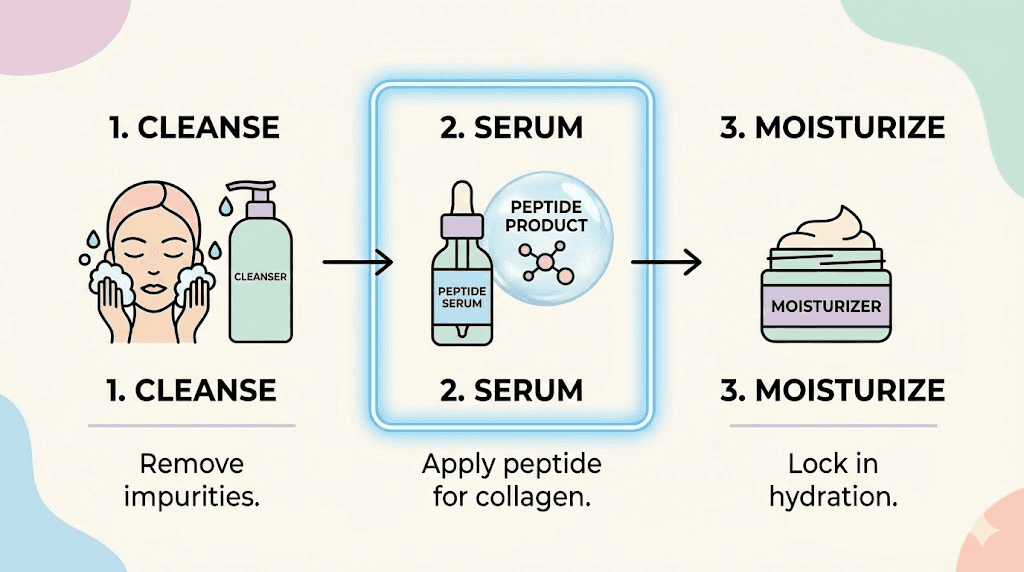
Begin with clean, dry skin. If you use a toner, apply it first and allow it to absorb completely. The serum should go onto bare skin, not over other products that might create a barrier to penetration.
Dispense one to two pumps onto your fingertip. A little goes a long way with this concentrated formula. Apply the serum directly to areas of wrinkling and laxity, concentrating on the lines around the eyes, the forehead, and the mouth. These are the zones where dynamic wrinkling is most prominent.
Use gentle patting motions rather than rubbing or tugging. The delicate skin around the eyes is particularly susceptible to damage from aggressive handling. Pat the serum in until it absorbs, which should take only a minute or two. The formula is designed to absorb quickly without leaving a heavy residue.
For optimal results, use the serum twice daily, morning and evening. Consistency matters more than intensity. Using the product sporadically will not produce the same results as daily, twice-daily application over weeks and months.
Layering with other products
Exlinea should come early in your skincare routine, after cleansing and toning but before heavier creams and moisturizers. The general rule for skincare layering is thinnest to thickest consistency. Water-based serums go before oil-based products, and lighter formulas go before heavier ones.
Wait 60 to 90 seconds between layers to allow proper absorption. Rushing through your routine can lead to pilling, where products ball up on the skin surface rather than absorbing. If you experience pilling with Exlinea, try using a thinner layer and waiting longer before applying subsequent products.
In the morning, follow the serum with any additional treatments you use, then moisturizer, and finally broad-spectrum SPF. Sun protection is non-negotiable in any anti-aging routine. Sun damage accelerates every aspect of skin aging and can counteract the benefits of even the best peptide treatments.
In the evening, the routine is similar but without the SPF. After Exlinea absorbs, apply your treatment serums, then a night moisturizer. Some users find that combining peptides with retinol enhances results, though this requires careful introduction to avoid irritation.
Building a complete peptide skincare routine
Exlinea works best as part of a comprehensive approach to skin aging. No single product addresses every aspect of the aging process. Combining targeted treatments creates synergy that exceeds what any individual product can achieve.
Consider pairing Exlinea with products that address different concerns. A copper peptide serum can support collagen production and wound healing. Natural peptides for skin can provide additional anti-aging benefits. A good vitamin C product offers antioxidant protection and brightening. And a quality moisturizer maintains the skin barrier that keeps everything working properly.
The key is not to overload your skin with too many active ingredients at once. Start with a simple routine and add products gradually, allowing your skin to adjust. If irritation occurs, scale back and identify the culprit before proceeding.
What results can you realistically expect
Setting realistic expectations is crucial for satisfaction with any skincare product. The marketing around anti-aging treatments often creates inflated expectations that lead to disappointment. Understanding what PCA Exlinea can and cannot do helps you evaluate results fairly.
Timeline of effects
Some users notice immediate effects upon application. The hydrating ingredients create a subtle plumping effect that temporarily reduces the appearance of fine lines. This is not a permanent change but rather an instant cosmetic improvement that lasts while the product remains on the skin.
The neuromuscular effects of Argireline take longer to manifest. Unlike injectable treatments that show results within days, topical peptides work gradually. Most users begin noticing meaningful improvement in line depth after four to eight weeks of consistent twice-daily use.
Maximum results typically develop over three to four months of continued use. This extended timeline reflects the nature of topical peptide delivery. The ingredients must penetrate the skin, reach their targets, and gradually shift the balance of neuromuscular signaling. Patience is essential.
User reviews support this timeline. One user reported that "after a weeks use twice a day, the line in my forehead is unnoticeable." Another 67-year-old user noted that "my skin definitely has fewer lines after 3 months of use." Individual results vary based on factors like skin type, line severity, and consistency of use.
What changes to look for
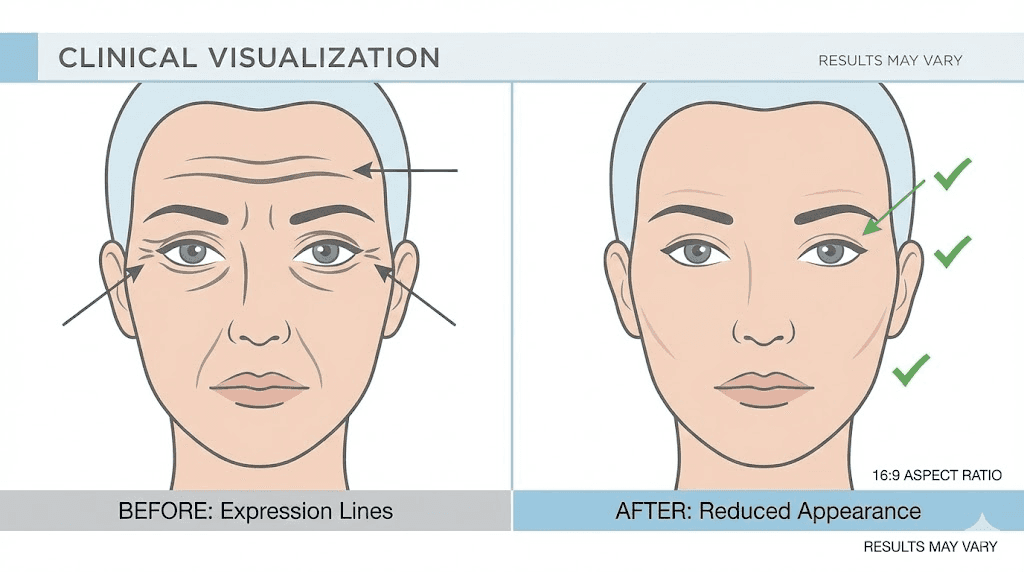
The most noticeable improvements typically occur in the depth and prominence of expression lines. Lines that previously appeared even when your face was at rest may become less visible. The furrow between your eyebrows might soften. The crow's feet at your eye corners may appear less pronounced.
You may also notice improvements in overall skin quality. The hydrating ingredients support better skin texture, increased luminosity, and improved resilience. These benefits complement the specific anti-wrinkle effects and contribute to a generally more youthful appearance.
Some users report that the serum extends the effects of their injectable treatments. If you use botulinum toxin periodically, Exlinea between treatments may help maintain results and potentially extend the time between appointments. Research suggests Argireline may have synergistic effects with injectable neuromodulators.
Who sees the best results
The ideal candidate for Exlinea has mild to moderate expression lines and is looking for improvement without injections. Those in their 20s and early 30s with early signs of expression lines may find it particularly effective for prevention. Younger skin responds more readily to topical treatments, and preventing deep creases from forming is easier than reversing established ones.
Those with deep, well-established expression lines may see improvement but should temper expectations. Decades of repeated muscle contractions create changes that topical products can soften but not erase. For severe expression lines, injectable treatments remain the gold standard, though Exlinea can serve as a valuable complement.
Skin type also matters. The formula works across dry, oily, combination, normal, and sensitive skin types. However, individual responses vary. Some users report stinging upon application, particularly those with very sensitive skin. If you have known sensitivity to any ingredients, patch testing before full application is advisable.
How PCA Exlinea compares to other peptide serums
The peptide skincare market offers numerous options at various price points. Understanding how Exlinea compares to alternatives helps you make an informed choice for your specific needs and budget.
Professional versus consumer-grade products
PCA Exlinea occupies the professional skincare tier, sold primarily through dermatologists, medical spas, and licensed aestheticians. This positioning typically indicates higher concentrations of active ingredients, more rigorous formulation standards, and access to ingredients that consumer brands may not use.
Consumer-grade peptide serums from brands available at drugstores and department stores often contain similar ingredients at lower concentrations. Products like The Ordinary Multi-Peptide + HA Serum offer an entry point to peptide skincare at a fraction of the cost. These can be effective for general anti-aging but may not deliver the same targeted results for expression lines specifically.
The Depology peptide serum and Geek and Gorgeous peptide serum represent mid-range options that balance efficacy with accessibility. These products have developed dedicated followings among skincare enthusiasts who want serious peptide benefits without professional-tier pricing.
Comparing key peptides
Different peptide serums focus on different peptide technologies. Some products emphasize signal peptides that stimulate collagen production. Others focus on carrier peptides that deliver trace elements to cells. Exlinea concentrates on neurotransmitter-inhibiting peptides that address muscle contraction.
The Medi-Peel Peptide 9 line uses a combination of nine different peptides for comprehensive anti-aging. This approach differs from Exlinea's targeted focus on expression lines. Neither is inherently better; they serve different purposes.
SYN-Ake peptide offers another neuromuscular approach, mimicking the effects of temple viper venom to relax facial muscles. Some formulations combine SYN-Ake with Argireline for enhanced effects. Studies suggest SYN-Ake may achieve up to 52 percent reduction in wrinkles within four weeks.
For those exploring the broader world of peptide skincare, understanding the different types of peptides available helps in selecting products that address your specific concerns. Not all peptides do the same thing, and a thoughtful approach matches peptide types to treatment goals.
Price versus value consideration
At approximately $125 for one fluid ounce, PCA Exlinea sits in the premium price range for skincare serums. Is it worth the investment? The answer depends on your priorities and expectations.
For those who might otherwise consider injectable treatments, which typically cost $300 to $600 per session several times per year, a topical alternative represents significant savings. Even if the results are more modest, the cost-effectiveness calculation may favor the serum.
For those comparing to other serums, the professional-grade formulation and clinical testing behind PCA products justify some premium over drugstore alternatives. However, the peptide skincare market offers effective options at lower price points for those on a budget.
Consider starting with a sample or travel size if available. This allows you to test the product and evaluate results before committing to a full-size purchase. PCA Skin products are widely available through authorized retailers, and many offer return policies for products that do not meet expectations.
Combining PCA Exlinea with other skincare ingredients
Modern skincare routines often involve multiple active ingredients. Understanding how Exlinea interacts with other common treatments helps you build an effective routine without unwanted interactions.
Peptides and vitamin C
Vitamin C and peptides make excellent partners in a skincare routine. Vitamin C provides antioxidant protection and brightening effects that complement the wrinkle-reducing properties of peptides. The two ingredients work through different mechanisms and do not interfere with each other.
For optimal results, apply vitamin C in the morning after cleansing, allow it to absorb fully (one to two minutes), then follow with your peptide serum. The combination of copper peptides and vitamin C requires more careful timing due to potential oxidation issues, but Argireline-based products like Exlinea pair well with standard vitamin C serums.
Peptides and retinol
The relationship between peptides and retinol is generally synergistic. Retinol boosts cell turnover and collagen production, while peptides address different aspects of skin aging. Used together, they can produce enhanced anti-aging effects.
However, retinol can be irritating, especially at higher concentrations. If you are new to retinol, introduce it gradually and give your skin time to adjust before adding peptide products. If you experience irritation with the combination, consider using retinol on alternate nights rather than daily.
Some sources suggest avoiding combining peptides with certain acids due to potential hydrolysis of the peptide chains. This primarily applies to alpha hydroxy acids (AHAs) like glycolic acid and beta hydroxy acids (BHAs) like salicylic acid at high concentrations. If you use acid exfoliants, consider separating them from your peptide treatments by using acids in the evening and peptides in the morning, or alternating days.
Peptides and hyaluronic acid
Since Exlinea already contains sodium hyaluronate, you may wonder about layering additional hyaluronic acid products. The combination is generally fine and can enhance hydration benefits. Apply hyaluronic acid first to hydrate the skin, allow it to absorb, then follow with your peptide serum.
The layering order matters because hyaluronic acid works best when it can draw moisture into the skin. Applying it first, to slightly damp skin, allows it to pull in hydration before you seal everything with subsequent products.
Peptides and niacinamide
Niacinamide is another ingredient that pairs well with peptides. This B vitamin derivative addresses multiple skin concerns including pore size, uneven tone, and barrier function. It does not interfere with peptide activity and can enhance overall results when used in the same routine.
Many modern skincare routines incorporate niacinamide as a foundational ingredient. If you use a niacinamide serum, apply it according to the thickness rule, layering thinner formulas before thicker ones.
Potential side effects and safety considerations
Peptide skincare products generally have excellent safety profiles. Unlike more aggressive anti-aging treatments, they rarely cause significant irritation or adverse effects. However, no skincare product works for everyone, and understanding potential issues helps you use Exlinea safely.
Common experiences
Most users tolerate PCA Exlinea without any problems. The formula is designed for sensitive skin compatibility and does not contain common irritants like artificial fragrances or harsh preservatives. The majority of reviews report positive experiences with no adverse effects.
Some users report a slight stinging sensation upon initial application. This typically subsides within a few minutes and does not indicate a problem. If stinging persists or worsens over time, discontinue use and consult a dermatologist.
A small percentage of users report no visible improvement despite consistent use. This falls within the normal range of individual variation. Not everyone responds equally to any skincare ingredient, and those who do not see results from Exlinea may find success with different peptide formulations or alternative treatments.
When to avoid peptide serums
If you have known allergies to any ingredient in the formula, do not use the product. Review the full ingredient list carefully before purchase. Common allergens in skincare include certain botanical extracts and essential oils, both of which appear in the Exlinea formula.
Pregnant and breastfeeding individuals should consult their healthcare provider before using peptide skincare products. While topical peptides are generally considered safe, the precautionary principle suggests discussing any new skincare products during pregnancy with a qualified professional.
If you have active skin conditions like eczema, psoriasis, or severe acne in the treatment areas, address those issues before adding targeted anti-wrinkle treatments. Applying active ingredients to compromised skin can worsen irritation and delay healing.
Patch testing protocol
For those with sensitive skin or a history of reactions to skincare products, patch testing before full use is advisable. Apply a small amount of product to an inconspicuous area, such as behind the ear or on the inner forearm. Wait 24 to 48 hours and observe for any redness, itching, or irritation. If no reaction occurs, proceed with normal application.
Understanding the limitations of topical peptide treatments
Honest assessment of what topical peptides can and cannot achieve helps set appropriate expectations. While PCA Exlinea represents sophisticated science applied to skincare, it operates within biological constraints that limit its effects compared to more invasive treatments.
The penetration challenge
The biggest limitation of topical peptide treatments involves penetration through the skin barrier. The stratum corneum, the outermost layer of skin, exists specifically to keep foreign substances out. This protective function, while beneficial for overall health, makes it difficult for beneficial ingredients to reach their targets.
Argireline faces particular challenges due to its molecular characteristics. With a molecular weight of 889 Daltons and a hydrophilic nature, it does not easily pass through the lipophilic stratum corneum. Various formulation strategies can enhance penetration, but some ingredient inevitably remains on the skin surface without reaching the deeper layers where neuromuscular junctions reside.
This does not mean topical peptides are ineffective. Studies clearly demonstrate measurable improvements in wrinkle depth from products containing Argireline and similar peptides. But the effects are inherently more modest than treatments delivered directly to the target tissue through injection.
Comparison to injectable treatments
When comparing peptides versus Botox, the differences become clear. Injectable botulinum toxin delivers the active compound directly to the muscle tissue, bypassing the skin barrier entirely. The result is near-complete temporary paralysis of treated muscles, producing dramatic smoothing of expression lines within days.
Topical peptides like Argireline work through the same general mechanism but achieve more modest inhibition. Rather than blocking acetylcholine release almost completely, they partially interfere with the process. This produces real but gentler effects that develop gradually over weeks rather than days.
Neither approach is universally better. Injectable treatments offer faster, more dramatic results but require needles, carry more potential for side effects, and need periodic retreatment. Topical peptides offer gentler, more gradual improvement that you can achieve at home without medical intervention.
Realistic expectations
The most satisfied users of products like Exlinea are those who approach them with realistic expectations. If you expect Botox-like results from a cream, you will be disappointed. If you expect modest but meaningful improvement in expression lines achieved through daily self-care, you will likely be pleased.
Topical peptides work best as part of a comprehensive approach to skin aging. Combined with sun protection, adequate hydration, healthy lifestyle habits, and potentially other treatments, they contribute to overall improvement. Expecting any single product to reverse years of aging sets the stage for frustration.
Integrating PCA Exlinea into your long-term skincare strategy
Effective anti-aging requires thinking beyond individual products to overall strategy. Where does a targeted treatment like Exlinea fit into the bigger picture of maintaining youthful, healthy skin?
Prevention versus correction
One of the most valuable applications of peptide serums involves prevention rather than correction. Addressing expression lines before they become deeply etched into the skin is far easier than trying to reverse established creases. Those in their late 20s and 30s who notice early signs of expression lines are ideal candidates for preventive use.
By reducing the muscle contractions that create expression lines, products like Exlinea can slow the progression from dynamic to static wrinkles. This preventive approach, combined with consistent sun protection and good skincare habits, helps maintain youthful skin appearance over time.
Complementary treatments
Exlinea works well alongside other anti-aging approaches. If you receive periodic injectable treatments, using Exlinea between appointments may help maintain results and potentially extend the time between sessions. Some dermatologists recommend this combination approach for optimal outcomes.
Professional treatments like chemical peels, microneedling, and laser therapy address aspects of aging that topical products cannot fully reach. These treatments can enhance the effects of your at-home routine by improving skin texture, stimulating collagen production, and addressing deeper structural changes. PCA Skin, in fact, is renowned for their professional peel treatments that complement their at-home products.
For those interested in professional peptide therapy, working with a qualified provider can help determine the best combination of treatments for your individual needs and goals.
Lifestyle factors
No skincare product can fully compensate for lifestyle factors that accelerate aging. Sun exposure remains the single biggest contributor to premature skin aging. Consistent use of broad-spectrum SPF 30 or higher, combined with sun-protective clothing and behavior, creates the foundation for any anti-aging strategy.
Sleep quality affects skin appearance significantly. During sleep, the body repairs cellular damage and produces growth hormone that supports skin regeneration. Chronic sleep deprivation shows on the face through accelerated aging and poor skin quality.
Nutrition and hydration influence skin health from the inside out. Adequate protein intake provides the amino acids needed for collagen synthesis. Antioxidant-rich foods help neutralize free radical damage. And proper hydration keeps skin plump and resilient.
Smoking accelerates every aspect of skin aging and specifically worsens perioral wrinkles due to the repeated pursing motion. If maintaining youthful skin matters to you, smoking cessation is far more impactful than any skincare product.
Frequently asked questions
How long does it take to see results from PCA Exlinea?
Hydrating effects are often visible immediately, while peptides typically take four to eight weeks of consistent use to show measurable improvement in line depth. Maximum results usually develop over three to four months.
Can I use PCA Exlinea around my eyes?
Yes, the eye area is one of the primary target zones for this product. Apply gently using patting motions, avoiding direct contact with the eyes. The formula is designed for use on the delicate periorbital skin.
Is PCA Exlinea safe for sensitive skin?
The formula is suitable for all skin types including sensitive skin. However, some users with very sensitive skin report mild stinging. Patch testing before full application is advisable if you have a history of skincare reactions.
Can I use PCA Exlinea if I get Botox?
Yes, many users combine topical peptide serums with periodic injectable treatments. The combination may help maintain results between appointments. Discuss this approach with your injector for personalized guidance.
How should I store PCA Exlinea?
Store at room temperature away from direct sunlight and heat. Unlike some peptide products that require refrigeration, this serum is stable at normal room conditions.
Can I use PCA Exlinea with retinol?
Yes, peptides and retinol can be used together effectively. If you are new to retinol, introduce it gradually to allow your skin to adjust. Consider separating them in your routine if you experience irritation.
How does PCA Exlinea compare to The Ordinary peptide serums?
PCA Exlinea is a professional-grade product with higher concentrations of active ingredients and more rigorous formulation standards. The Ordinary offers effective peptide skincare at lower price points but with different formulation approaches.
Is PCA Exlinea worth the price?
Value depends on your priorities. Compared to injectable treatments costing several hundred dollars per session, a topical peptide serum offers a more affordable alternative. The cost of peptide products varies widely, and Exlinea sits in the premium tier.
For researchers serious about understanding peptide skincare and optimizing their anti-aging protocols, SeekPeptides offers comprehensive resources, evidence-based guides, and a community of knowledgeable enthusiasts who can help navigate the increasingly complex world of peptide-based treatments.
In case I do not see you, good afternoon, good evening, and good night. May your expression lines stay soft, your skin stay hydrated, and your peptide routine stay consistent.