Jan 22, 2026
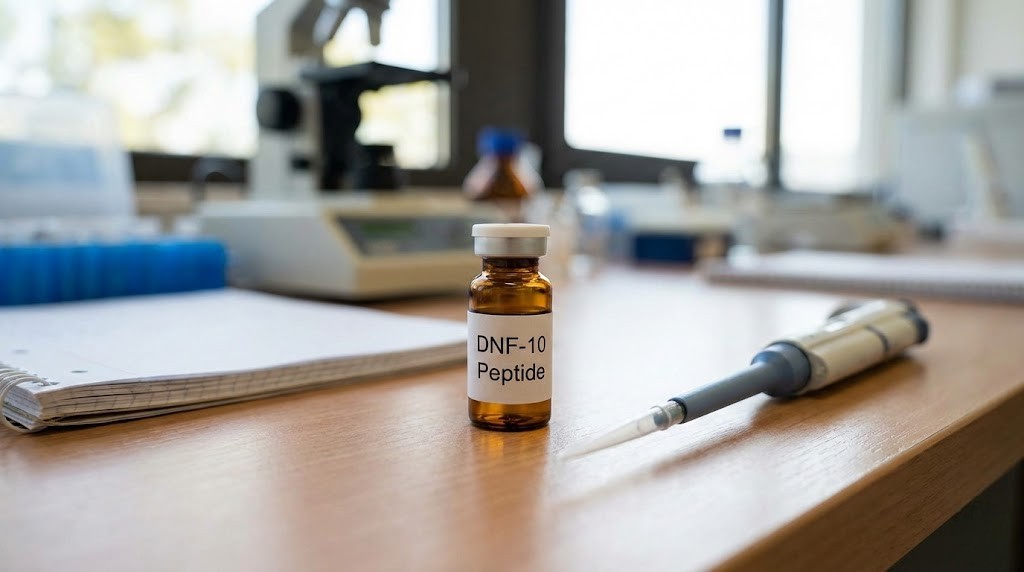
DNF-10 represents something different in the peptide landscape for fat loss. Unlike synthetic compounds that override your body regulatory systems, this yeast-derived peptide complex works with your natural hunger hormones. It modulates ghrelin. It enhances GLP-1. It influences the very signals that tell your brain whether to keep eating or stop. And it does all of this through an oral supplement, not an injection.
The clinical research spans over a decade. The FDA has granted GRAS status. The mechanism of action targets multiple pathways simultaneously rather than just one. For researchers exploring peptides for weight loss, DNF-10 offers a compelling alternative to more aggressive interventions, something that enhances satiety naturally rather than forcing it artificially.
This guide covers everything you need to know about DNF-10 peptide. The science behind how it works. The clinical evidence supporting its benefits. The proper dosing protocols. How it compares to GLP-1 medications like semaglutide. Whether it might be right for your research goals. SeekPeptides members often ask about natural alternatives to injectable weight loss peptides, and DNF-10 consistently emerges as one of the most promising options available.
What is DNF-10 peptide?
DNF-10 is a protein hydrolysate derived from Saccharomyces cerevisiae, the same yeast species humans have used for thousands of years in baking and fermentation. But this is not ordinary yeast extract. The manufacturing process involves enzymatic proteolysis followed by ultrafiltration to isolate peptides with molecular weights below 10 kilodaltons. These small peptides are what give DNF-10 its biological activity.
The name itself hints at the science. DNF stands for the proprietary designation, while the 10 refers to the molecular weight cutoff used during filtration. Only peptides small enough to pass through a 10 kDa membrane make it into the final product. This size selectivity matters because smaller peptides absorb more readily in the digestive tract and can interact more effectively with gut hormone receptors.
Unlike injectable peptides that require reconstitution and subcutaneous administration, DNF-10 comes as a dried powder suitable for oral supplementation. This makes it fundamentally different from compounds like BPC-157 or TB-500 that most researchers administer via injection. The oral bioavailability of DNF-10 peptides allows them to interact directly with the gut epithelium, where they exert their primary effects on satiety hormones.
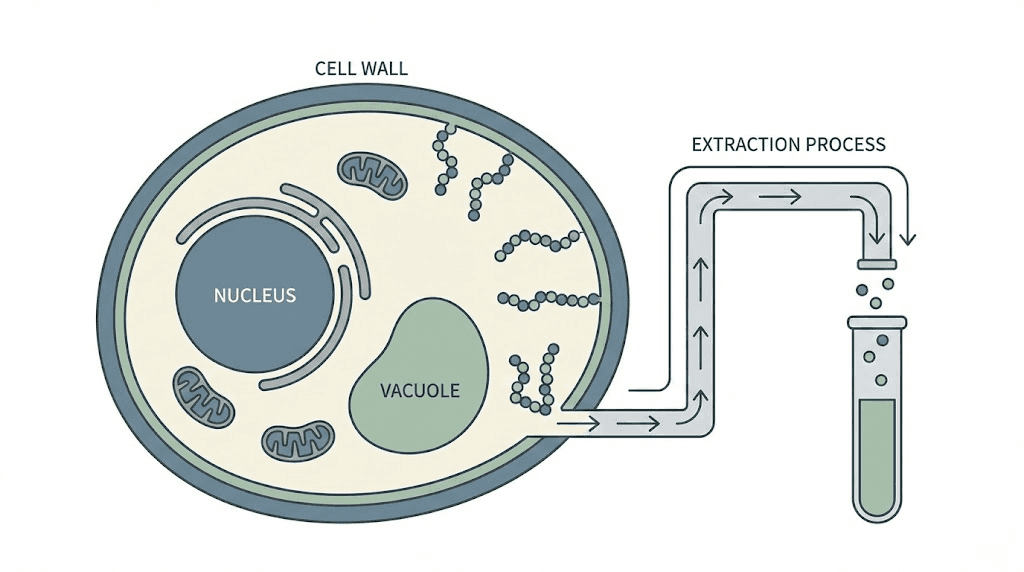
Neo Cremar, a Korean biotechnology company, has manufactured DNF-10 since 2008. Fytexia, based in France, holds the global license for distribution and has conducted much of the clinical research.
This dual-company arrangement means the ingredient has been scrutinized from both manufacturing quality and clinical efficacy perspectives.
The regulatory status of DNF-10
In May 2023, DNF-10 received a No Questions Letter from the FDA following GRAS notification GRN001033. This Generally Recognized As Safe status allows DNF-10 to be used as a food ingredient in specific product categories including popcorn, chips, crackers, meal replacements, snack bars, and dry protein powders for non-alcoholic beverages.
The intended use level is 250 mg or less per serving for food applications, though supplement formulations typically use 500 mg daily.
The GRAS determination required extensive safety documentation including acute and subacute toxicity studies in animals, allergenicity assessments, and manufacturing quality controls. This regulatory pathway differs from the approval process for prescription peptide drugs, but it does confirm that DNF-10 has undergone rigorous safety evaluation.
DNF-10 also holds Non-GMO Project Verification, Halal certification, and is suitable for vegetarians. These certifications expand its potential use in various dietary contexts and supplement formulations targeting different consumer groups.
How DNF-10 works: the mechanism of action
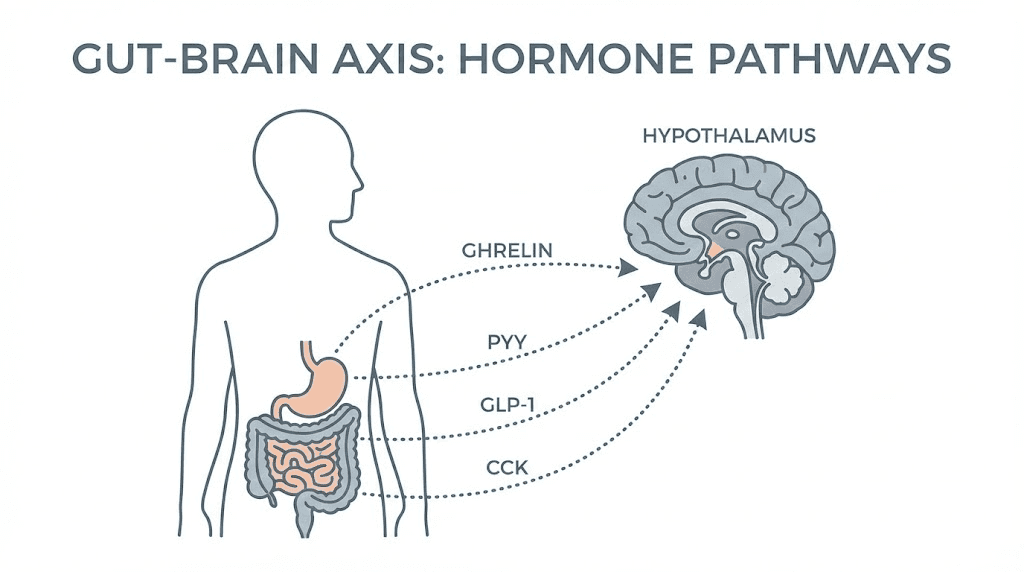
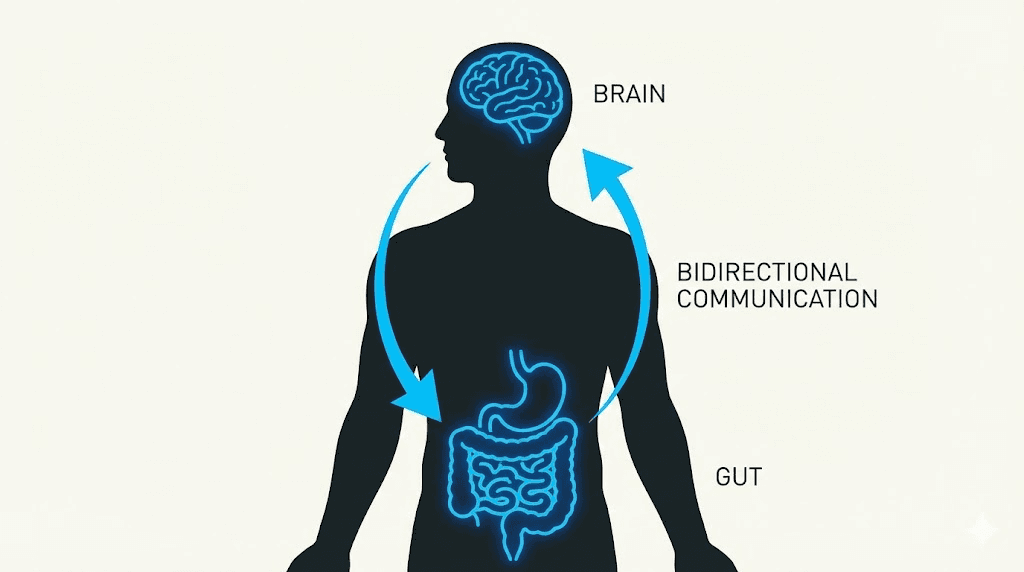
The gut-brain axis controls appetite through a complex symphony of hormones. Ghrelin tells your brain you are hungry. Leptin signals that you have had enough. GLP-1 slows gastric emptying and promotes satiety. Cholecystokinin triggers feelings of fullness after eating. Peptide YY reduces appetite after meals. DNF-10 influences nearly all of these pathways simultaneously.
This multi-target approach distinguishes DNF-10 from single-mechanism interventions. Rather than overwhelming one receptor like GLP-1 agonist drugs do, DNF-10 gently modulates the entire hormonal network that governs hunger and satiety. The result is a more natural feeling of fullness rather than the forced appetite suppression that characterizes some pharmaceutical approaches.
Effects in the stomach
Ghrelin is the hunger hormone. Produced primarily in the stomach, it signals to the hypothalamus that you need to eat. Levels rise before meals and fall afterward. In people struggling with weight management, ghrelin signaling often becomes dysregulated, creating persistent hunger even when caloric needs have been met.
DNF-10 significantly reduces ghrelin levels. Animal studies demonstrate that the low molecular weight peptides from DNF-10 downregulate ghrelin expression in gastric tissue. This reduction in the hunger signal means less constant drive to eat. Researchers studying the best peptides for weight loss note that ghrelin modulation represents one of the most effective targets for sustainable appetite control.
The ghrelin reduction occurs without the dramatic suppression seen with some pharmaceutical interventions. Users report feeling less hungry rather than feeling unable to eat. This distinction matters for long-term adherence to caloric restriction protocols.
Effects in the small intestine
When food enters the small intestine, specialized enteroendocrine cells release hormones that promote satiety. Cholecystokinin, often abbreviated CCK, slows gastric emptying and signals fullness to the brain. Gastric inhibitory peptide, or GIP, promotes insulin secretion and plays a role in nutrient metabolism.
DNF-10 significantly enhances CCK secretion. This acceleration of satiety signaling means you feel full faster during meals. The slowed gastric emptying also extends the duration of fullness, reducing the urge to snack between meals. For researchers exploring peptide dosing strategies, this CCK enhancement represents a key mechanism for understanding how oral peptides can influence eating behavior.
The improvement in GIP release has additional metabolic implications. Enhanced GIP signaling promotes more efficient insulin secretion in response to meals, potentially improving glucose handling. This metabolic benefit extends the utility of DNF-10 beyond simple appetite suppression into broader metabolic health support.
Effects in the colon
The large intestine contributes its own satiety signals through peptide YY and GLP-1 secretion from L-cells. These hormones reinforce the fullness signals from the upper digestive tract and help maintain satiety for hours after eating.
DNF-10 modulates both peptide YY and GLP-1 secretion, with GLP-1 levels increasing several-fold according to mechanistic studies. This dramatic enhancement of GLP-1 mirrors some of the effects seen with injectable GLP-1 receptor agonists, though through stimulating natural hormone production rather than introducing a synthetic analog.
The GLP-1 increase carries particular significance given the popularity of semaglutide and similar medications for weight loss. DNF-10 offers a way to enhance endogenous GLP-1 production rather than replacing it with an external agonist. For researchers comparing peptides that work alongside GLP-1 drugs, this natural enhancement pathway presents interesting possibilities.
DPP-4 inhibition: extending hormone activity
Dipeptidyl peptidase-4, or DPP-4, is an enzyme that rapidly degrades GLP-1 and other incretin hormones. Pharmaceutical DPP-4 inhibitors like sitagliptin form an entire class of diabetes medications precisely because blocking this enzyme extends the activity of naturally produced GLP-1.
DNF-10 inhibits DPP-4 activity.
This means the enhanced GLP-1 production stimulated by DNF-10 also lasts longer because less of it gets degraded. The combined effect of increased production and decreased degradation amplifies the satiety signal substantially.
This dual mechanism, stimulating GLP-1 release while protecting it from degradation, creates a more pronounced and sustained appetite suppression effect than either mechanism alone would produce. Researchers studying how peptides work in the body often find these synergistic mechanisms particularly interesting.
Hypothalamic effects
The hypothalamus integrates all the peripheral hunger and satiety signals into a coherent appetite response. Neuropeptide Y within the hypothalamus strongly promotes food intake, while other peptides oppose this drive.
DNF-10 lowers hypothalamic expression of neuropeptide Y. This central nervous system effect complements the peripheral hormone modulation, creating appetite suppression at both the gut and brain levels. The coordination of peripheral and central effects helps explain why DNF-10 produces consistent appetite reduction across different study populations.
Long-term leptin maintenance
Leptin, produced by fat cells, signals to the brain that energy stores are adequate. During weight loss, leptin levels typically drop, triggering increased hunger as the body tries to defend its fat mass. This leptin decline is a major reason why weight loss becomes progressively harder to maintain.
DNF-10 helps maintain leptin secretion over the long term. This preservation of the satiety signal even during caloric restriction may explain why users report sustainable appetite control rather than the rebound hunger that often accompanies diet-induced weight loss. For those researching peptide cycling strategies, this leptin-preserving effect suggests DNF-10 might support longer protocols without the typical adaptation seen with other interventions.
Clinical research and evidence
More than ten years of research support DNF-10 mechanism of action and clinical benefits. This is not a newly synthesized compound with limited data. Multiple published studies in peer-reviewed journals document both the mechanistic pathways and the real-world outcomes in human subjects.
The 2014 clinical trial
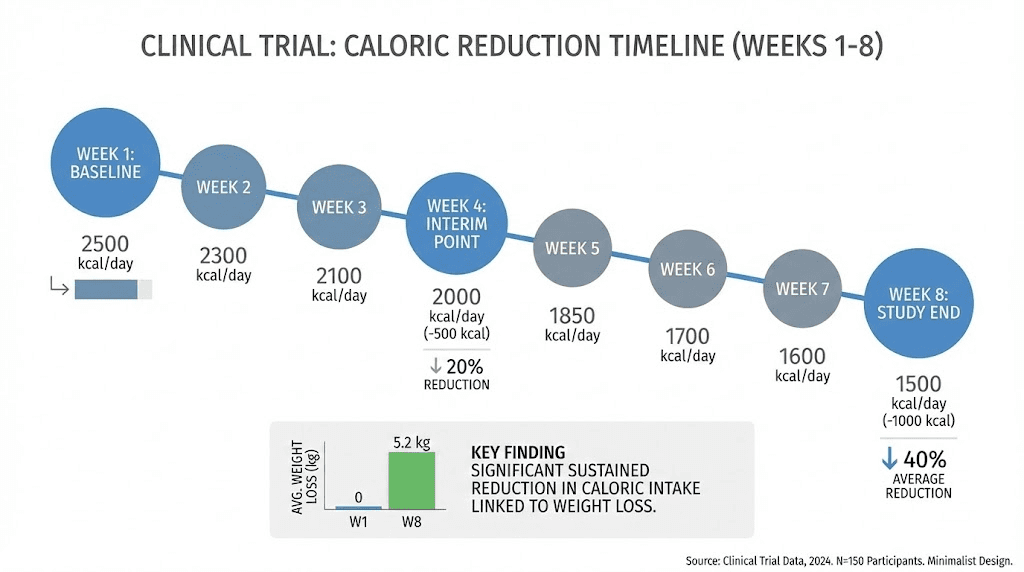
A pivotal clinical study enrolled 54 subjects for a 10-week intervention. Participants received either DNF-10 or placebo while researchers tracked caloric intake, body composition, and various metabolic markers.
The results were striking. Daily caloric intake dropped by 200 kcal after the first week of DNF-10 supplementation. This reduction continued to deepen over time, reaching 600 kcal per day less than baseline by the end of two months. A 600 calorie daily deficit, sustained over weeks, represents significant potential for weight loss without requiring conscious willpower to restrict eating.
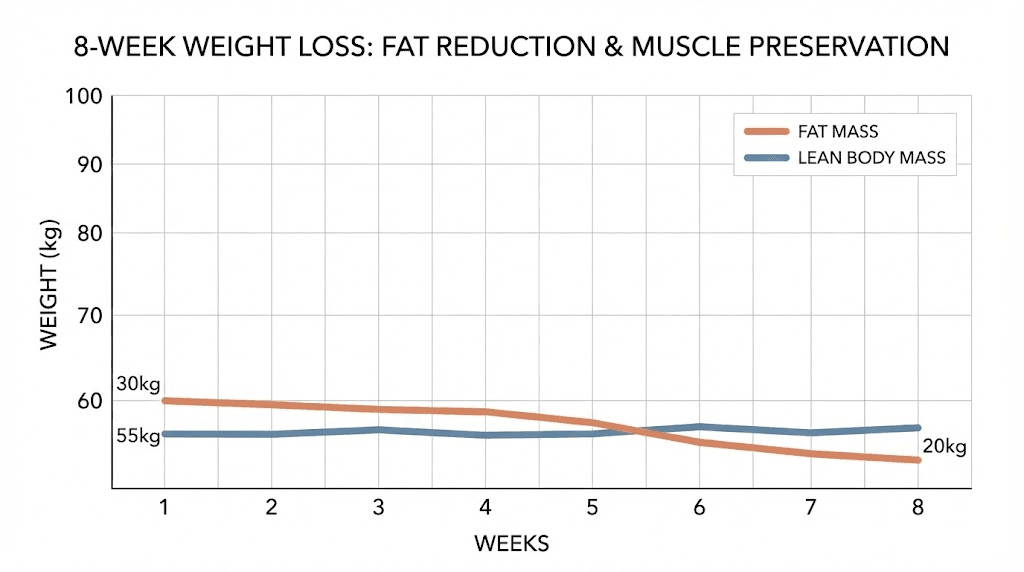
Weight loss became significant after one month. But the composition of that weight loss proved particularly notable. One hundred percent of the weight lost came from fat mass, not lean tissue. This preservation of muscle while losing fat is exactly what researchers studying peptides for both weight loss and muscle retention hope to achieve.
The fat loss concentrated in metabolically significant areas. Total abdominal fat mass decreased by 5 percent. Waist circumference dropped by 5 centimeters. These reductions in visceral and abdominal fat carry health implications beyond aesthetics, as this fat distribution pattern associates with elevated cardiovascular and metabolic risk.
The 2017 clinical trial
A subsequent study focused specifically on obese women, enrolling 30 subjects for an 8-week intervention. This population presents particular challenges for weight management interventions, making positive results especially meaningful.
Bioelectrical impedance analysis confirmed the body composition improvements seen in the earlier trial. Subjects taking DNF-10 showed significant reductions in body fat percentage and improvements in the fat-to-lean mass ratio. The consistency of results across different study populations strengthens confidence in DNF-10 efficacy.
Changes in eating behavior
Beyond the quantitative measures of calories and body composition, the clinical trials revealed qualitative changes in eating behavior. After a few weeks of DNF-10 supplementation, subjects reported reduced appetite for sweet foods specifically.
This selective reduction in sweet cravings suggests DNF-10 may influence reward pathways as well as hunger signals.
Sugar cravings often derail weight management efforts more than hunger itself, making this benefit particularly valuable for long-term adherence. Researchers comparing different peptide approaches to weight loss note that reducing cravings rather than just hunger represents a more sustainable intervention strategy.
Mechanistic studies in animals
In vivo animal studies have elucidated the precise mechanisms by which DNF-10 exerts its effects. These studies confirmed the hormone modulation observed in cell culture and provided tissue-level evidence for the gut-brain signaling changes.
Rat studies demonstrated that DNF-10 administration reduced food intake through measurable changes in gut hormone levels. The ghrelin suppression, CCK enhancement, and GLP-1 elevation all occurred in predictable patterns that matched the hypothesized mechanisms. This confirmation of mechanism across multiple experimental models strengthens the scientific foundation for DNF-10 efficacy.
Safety and toxicology
Any compound intended for human consumption requires rigorous safety evaluation. DNF-10 has undergone extensive toxicological testing, culminating in the FDA GRAS determination that confirms its safety for use as a food ingredient.
Acute toxicity testing
Acute toxicity studies administered a single massive dose of 5,000 mg/kg to Sprague-Dawley rats, equivalent to roughly 350 grams for a 70 kg human. This dose far exceeds any intended human use and represents a worst-case exposure scenario.
The results showed no deaths and no clinical symptoms of toxicity.
Animals showed no hair loss, diarrhea, reduced activity, or other signs of distress. Body weight and organ weights remained normal compared to control animals. This extremely high safety margin provides confidence that DNF-10 at recommended doses poses minimal acute risk.
Subacute toxicity testing
More relevant to ongoing supplementation, subacute studies administered 1,000 mg/kg daily for 90 days. This prolonged exposure at doses far exceeding human use tests for cumulative toxicity and organ damage that might not appear with single doses.
Again, results showed no toxicity. Some minor variations in blood parameters occurred, but all values remained within normal physiological ranges. The researchers concluded that DNF-10 is safe and non-toxic at both single doses of 5,000 mg/kg and repeated doses of 1,000 mg/kg. For context, the typical human dose of 500 mg daily represents less than 10 mg/kg for most adults.
Male rats in the subacute study showed reduced weight gain compared to controls. Rather than indicating toxicity, researchers attributed this to the expected anti-obesity effect of DNF-10. The compound worked as intended even in rodents.
Allergenicity considerations
Since DNF-10 derives from yeast, allergenicity to yeast proteins represents a theoretical concern. Published reports of allergic reactions to baker yeast are extremely rare, with only isolated case reports in the medical literature. One described a child with pre-existing mite allergy who developed urticaria and asthma after eating fresh baked goods containing yeast.
Individuals with known yeast allergies should exercise appropriate caution. However, the enzymatic hydrolysis process that produces DNF-10 breaks down proteins into small peptides that may be less allergenic than intact yeast proteins. The safety data showing no adverse events in clinical trials provides additional reassurance for most users.
Clinical safety record
Across all published clinical trials, no adverse events linked to DNF-10 supplementation have been recorded.
This clean safety profile in human subjects complements the animal toxicology data and supports the ingredient GRAS status.
The gentle mechanism of action likely contributes to this favorable safety profile. Unlike compounds that dramatically suppress appetite or alter metabolism through powerful pharmacological effects, DNF-10 modulates natural hormone signaling within physiological ranges. This more subtle intervention appears to carry correspondingly fewer risks. Researchers studying peptide safety considerations often note that compounds working with the body natural systems tend to show better tolerability than those that override them.
DNF-10 dosage and administration
Proper dosing ensures optimal results while maintaining the safety profile established in clinical research. DNF-10 dosing differs from injectable peptide calculations since it uses oral administration rather than subcutaneous delivery.
Clinically studied dosage
The clinical trials establishing DNF-10 efficacy used 500 mg daily as the primary dose. This amount consistently produced the caloric reduction and body composition improvements documented in the published research. Some studies used 1,000 mg daily, which also showed efficacy.
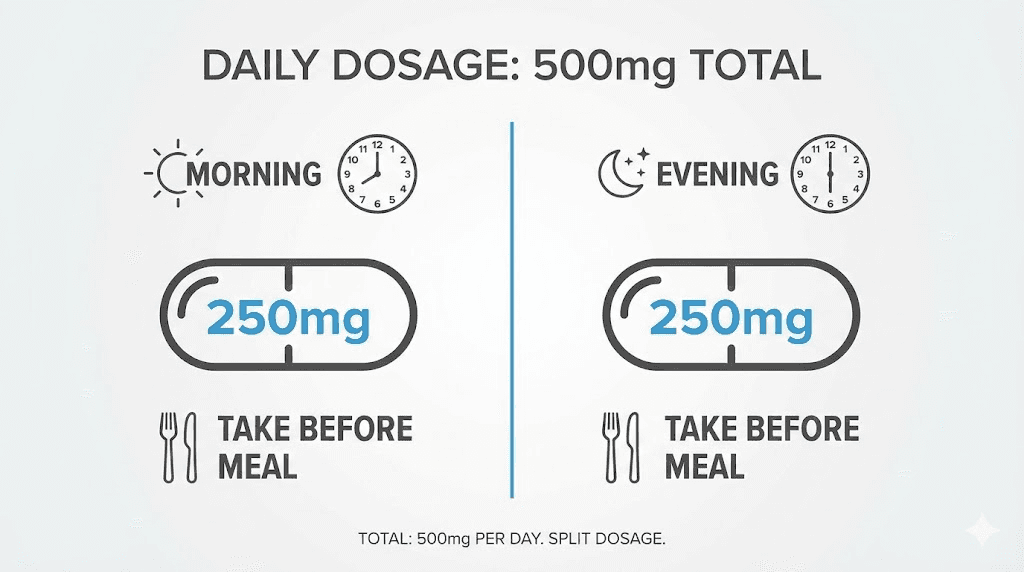
For supplement formulations, 500 mg per day represents the standard recommended dose. This can be taken as a single dose or split into two 250 mg doses. The clinical data supports efficacy at this level, making it the logical starting point for most users.
Timing of administration
Most supplement products recommend taking DNF-10 approximately 30 minutes before the two largest meals of the day. This timing allows the peptides to begin their gut hormone modulation before food intake, maximizing the satiety enhancement effect.
Consistency matters more than precise timing. Taking DNF-10 at the same times each day helps maintain steady effects on the gut-brain axis. Users report better results with regular daily use than with sporadic supplementation.
The water-soluble and heat-resistant nature of DNF-10 means it can be incorporated into various delivery formats without losing potency. Capsules, tablets, and powder formats all deliver the peptides effectively.
Duration of use
Clinical trials ran for 8 to 10 weeks, demonstrating sustained benefits throughout these periods. The progressive improvement in caloric reduction, reaching 600 kcal daily by week 8, suggests that longer use may produce greater cumulative effects.
Unlike some interventions that lose effectiveness over time, DNF-10 appears to maintain or even enhance its effects with continued use. The preservation of leptin signaling during extended protocols may explain this sustained efficacy. Researchers exploring how long peptides take to work should note that DNF-10 shows initial effects within the first week but continues improving through at least two months.
Combining with other interventions
DNF-10 works through natural hormone modulation rather than pharmacological override. This mechanism suggests potential compatibility with other weight management strategies, including dietary modifications, exercise programs, and even certain pharmaceutical interventions.
Some practitioners have explored combining DNF-10 with GLP-1 receptor agonists. The rationale holds that DNF-10 can enhance endogenous GLP-1 production and protect it from degradation, potentially reducing the dose of synthetic GLP-1 agonist needed to achieve desired effects. However, such combinations should only be explored under medical supervision.
For researchers interested in peptide stacking approaches, DNF-10 unique oral administration and natural mechanism make it an interesting component to consider. It operates through different pathways than most injectable peptides, reducing the risk of overlapping effects.
DNF-10 vs GLP-1 receptor agonists
The comparison between DNF-10 and drugs like semaglutide or tirzepatide comes up frequently in weight management discussions. Both target appetite control through the GLP-1 system, but they do so through fundamentally different mechanisms with different implications for users.
Mechanism differences
GLP-1 receptor agonists like semaglutide work by mimicking GLP-1. The synthetic drug binds to GLP-1 receptors and activates them directly, often more potently and for longer durations than natural GLP-1 would. This produces dramatic appetite suppression and significant weight loss.
DNF-10 instead enhances natural GLP-1 production and protects it from degradation. Rather than introducing a synthetic analog, it supports the body own hormone systems. This gentler approach produces more moderate appetite reduction but potentially with fewer side effects and a more natural feeling of satiety.
The multi-target nature of DNF-10 also differs from single-receptor drugs. While semaglutide primarily activates GLP-1 receptors, DNF-10 simultaneously modulates ghrelin, CCK, GIP, peptide YY, and hypothalamic signaling. This broader influence on appetite regulation may produce different subjective experiences and potentially different long-term outcomes.
Administration differences
GLP-1 receptor agonists require injection. Injectable peptide administration presents barriers for many potential users, including discomfort, inconvenience, and the need for proper reconstitution techniques.
DNF-10 administration requires only swallowing capsules or mixing powder into beverages. This oral delivery dramatically simplifies use and eliminates injection-related concerns. For individuals who cannot or prefer not to inject, DNF-10 offers an accessible alternative approach to appetite management.
Side effect profiles
GLP-1 receptor agonists commonly cause gastrointestinal side effects including nausea, vomiting, diarrhea, and constipation. While these often diminish over time, they can be significant during the initial weeks of treatment and may limit tolerance in some users.
DNF-10 clinical trials recorded no adverse events. The absence of reported side effects across multiple studies suggests a substantially more tolerable intervention. This clean safety profile may make DNF-10 appropriate for individuals who cannot tolerate GLP-1 agonist side effects or who prefer a gentler approach.
Efficacy comparison
Head-to-head studies comparing DNF-10 directly to GLP-1 agonists have not been published. However, the weight loss magnitude differs substantially based on available data.
Semaglutide trials report average weight loss of 10-15 percent of body weight over several months. This dramatic effect comes with the side effect profile and injection requirements discussed above.
DNF-10 studies show 5-6 percent reduction in fat mass ratio over 8 weeks, with 5 cm reduction in waist circumference. While more modest, this weight loss came entirely from fat rather than lean tissue, and with essentially no side effects. For some users, the gentler approach with better tolerability may produce better long-term adherence and outcomes.
Regulatory and access differences
GLP-1 receptor agonists require prescriptions and carry substantial costs, often exceeding $1,000 monthly without insurance coverage. Alternatives to prescription GLP-1 drugs attract interest precisely because of these access barriers.
DNF-10 as a dietary supplement ingredient carries no prescription requirement. Products containing it are available through retail channels at typical supplement price points.
This accessibility makes DNF-10 a realistic option for individuals who cannot access or afford prescription weight loss medications.
Feature | DNF-10 | Semaglutide/GLP-1 Agonists |
|---|---|---|
Source | Yeast-derived natural peptides | Synthetic GLP-1 analog |
Administration | Oral (500mg daily) | Weekly injection |
Mechanism | Enhances natural hormones + DPP-4 inhibition | Direct GLP-1 receptor activation |
Weight loss | 5-6% fat mass reduction | 10-15% total weight loss |
Side effects | None reported | GI symptoms common |
Regulatory status | GRAS dietary ingredient | FDA-approved prescription drug |
Access | Over-the-counter supplements | Prescription required |
Available DNF-10 supplement products
Several supplement manufacturers have incorporated DNF-10 into finished products targeting appetite control and weight management. Understanding the available options helps researchers and consumers identify appropriate formulations for their needs.
Irwin Naturals Gut-to-Brain Hunger Control
This liquid soft-gel formula features DNF-10 as the primary active ingredient, complemented by chromium, vitamin B12, vitamin B6, and medium-chain triglycerides. The formulation targets the gut-brain axis signaling that DNF-10 influences.
The recommended dose is two soft-gels twice daily, taken 30 minutes before the two largest meals with a full glass of water. This timing aligns with the clinical research protocols and maximizes the pre-meal satiety enhancement.
Integrative Peptides Cant Weight
This capsule formula combines 500 mg of DNF-10 with garcinia cambogia extract and D-ribose. The garcinia cambogia provides additional support for appetite control through different mechanisms, while D-ribose supports cellular energy production.
The recommended protocol involves one capsule twice daily, ideally at consistent times each morning and evening. Users report that maintaining the schedule helps achieve optimal results.
Product selection considerations
When selecting a DNF-10 product, verify that the formulation provides at least 500 mg of DNF-10 daily at the recommended dose. Some products use DNF-10 as part of proprietary blends where the exact amount remains unclear. Products from established supplement companies with quality control standards offer more reliable potency.
The additional ingredients in various formulations may provide synergistic benefits or may simply add marketing appeal without substantial efficacy enhancement. Chromium has some evidence for supporting glucose metabolism, while B vitamins support general metabolic function. Garcinia cambogia has mixed evidence for weight management. Focus on the DNF-10 content as the primary criterion for product selection.
Who might benefit from DNF-10
DNF-10 mechanism of action and safety profile make it appropriate for certain populations while potentially less suitable for others. Understanding who stands to benefit helps guide appropriate use.
Individuals seeking gentle appetite support
People who experience persistent hunger that sabotages weight management efforts may find DNF-10 helpful. The natural hormone modulation reduces hunger signals without the dramatic suppression that can feel unpleasant or unsustainable.
Unlike stimulant-based appetite suppressants that work through stress hormone activation, DNF-10 targets satiety pathways specifically. This makes it appropriate for individuals who cannot tolerate stimulants or who prefer avoiding them.
Those unable to use injectable peptides
Needle phobia, lifestyle factors, or preference for simpler protocols may make injectable peptides impractical for some researchers and users. DNF-10 offers an oral alternative that still targets metabolic pathways relevant to weight management.
The oral administration also avoids concerns about peptide storage requirements and reconstitution with bacteriostatic water that apply to injectable compounds. The shelf-stable powder format requires only cool, dry storage.
Individuals seeking to complement GLP-1 therapy
Some practitioners have explored using DNF-10 alongside prescription GLP-1 medications.
The hypothesis suggests that enhancing natural GLP-1 production while also providing synthetic GLP-1 might allow lower doses of the prescription medication while maintaining efficacy.
This combination approach should only be explored under medical supervision. However, it represents one potential application for DNF-10 in individuals already using pharmaceutical interventions.
Those with sweet cravings specifically
The clinical finding that DNF-10 reduces appetite for sweet foods specifically suggests particular benefit for individuals whose weight management struggles center on sugar consumption. Craving reduction may prove more valuable than general appetite suppression for this population.
Who should exercise caution
Individuals with yeast allergies should consult with healthcare providers before using DNF-10. While allergic reactions to yeast are rare and the hydrolysis process may reduce allergenicity, the theoretical risk warrants appropriate caution.
Pregnant and breastfeeding women should avoid DNF-10, as with most supplements lacking specific safety data in these populations. The clinical trials specifically excluded these groups.
The GRAS notification specifies that DNF-10 is intended for adults and should not be added to infant formula or foods targeting children. Pediatric use has not been studied and cannot be recommended.
Integrating DNF-10 into weight management protocols
DNF-10 works best as part of a comprehensive approach to weight management rather than as a standalone solution. Understanding how to integrate it effectively maximizes potential benefits.
Dietary considerations
The caloric reduction facilitated by DNF-10 enhanced satiety only produces weight loss if it results in net caloric deficit. Eating more at each meal to compensate for fewer hunger signals would negate the benefit. Mindful eating practices that allow satiety signals to guide food quantity support optimal outcomes.
Protein intake deserves particular attention during any weight loss protocol. Adequate protein preserves lean mass and supports satiety through separate mechanisms from DNF-10. Combining DNF-10 with protein-rich foods like bone broth or collagen may provide complementary benefits.
Exercise integration
Physical activity creates caloric deficit through expenditure rather than restriction and supports lean mass preservation during weight loss. Peptides supporting athletic performance and DNF-10 address different aspects of weight management that combine effectively.
The energy preserved by reducing excessive caloric intake might even support more vigorous exercise performance. Users report that feeling less constantly hungry allows more mental energy for training and other activities.
Tracking progress
Given that DNF-10 specifically targets fat loss while preserving lean mass, body composition measurements provide more meaningful progress indicators than weight alone. Methods like bioelectrical impedance, DEXA scans, or even simple waist circumference measurements capture the selective fat loss that DNF-10 produces.
Subjective measures also matter. Tracking hunger levels, craving intensity, and eating behavior provides insight into whether DNF-10 is producing its intended effects. Reduced appetite for sweets and feeling satisfied with smaller portions indicate the compound is working as expected.
Timeline expectations
Clinical research shows initial caloric reduction within the first week, with progressive improvement continuing through at least eight weeks. Users should expect gradual rather than dramatic changes, particularly compared to more aggressive pharmaceutical interventions.
Weight loss of 1-2 pounds per week represents a healthy and sustainable rate that the caloric deficits achieved with DNF-10 can support. More rapid loss typically indicates water or lean mass reduction rather than the pure fat loss that DNF-10 facilitates.
The science of satiety peptides
Understanding the broader context of satiety peptides helps appreciate what DNF-10 offers and how it relates to other compounds in this space. The gut-brain axis represents one of the most active areas of metabolic research.
Endogenous satiety peptides
The human body produces numerous peptides that regulate appetite. GLP-1, CCK, peptide YY, and oxyntomodulin all signal satiety through different receptors and mechanisms. Ghrelin uniquely promotes hunger rather than satiety. This complex network evolved to match food intake with energy needs.
Modern food environments often disrupt these ancient systems. Highly palatable processed foods can override satiety signals, while irregular eating patterns confuse hunger timing. Supporting natural peptide function offers one approach to restoring appropriate appetite regulation.
Therapeutic targeting of satiety pathways
Pharmaceutical development has focused heavily on GLP-1 agonism, producing blockbuster drugs like semaglutide. However, this single-target approach may miss benefits available from modulating the broader hormone network.
DNF-10 multi-pathway approach represents an alternative philosophy. Rather than overwhelming one receptor, it gently influences many. This strategy may produce more physiologically appropriate appetite regulation with fewer extreme effects.
Research continues into other satiety peptide targets. Ongoing peptide research explores compounds affecting oxyntomodulin, amylin, and other regulators that DNF-10 may also influence through its broad effects on gut hormone secretion.
The role of the gut microbiome
The gut microbiome influences satiety signaling in ways researchers are still elucidating.
Certain bacterial metabolites affect gut hormone secretion, while microbial composition correlates with obesity risk. Whether DNF-10 affects the microbiome or whether microbiome status affects DNF-10 response remains to be fully characterized.
Yeast-derived compounds like DNF-10 may interact with gut bacteria differently than synthetic peptides. The prebiotic-like nature of some yeast components suggests potential microbiome effects, though specific research on DNF-10 microbiome interactions has not been published.
Practical considerations for researchers
Researchers exploring DNF-10 for personal or academic purposes face practical questions beyond the basic science. Addressing these concerns supports informed decision-making.
Sourcing considerations
DNF-10 is a trademarked ingredient manufactured by Neo Cremar and distributed by Fytexia. Legitimate products should use this specific ingredient rather than generic yeast extracts or hydrolysates. The clinical research applies specifically to DNF-10, not to other yeast-derived products that may differ in composition.
Finished supplement products from established manufacturers typically source DNF-10 through authorized distribution channels. Generic yeast peptide products without the DNF-10 designation cannot be assumed to provide equivalent effects.
Quality verification
Reputable supplement manufacturers provide certificates of analysis and third-party testing documentation.
These quality assurance measures confirm that products contain the labeled ingredients at stated potencies. For peptide testing considerations, DNF-10 products should meet the same standards expected of other supplement ingredients.
The Non-GMO Project Verification and other certifications held by DNF-10 as an ingredient provide additional quality assurance, though finished products must be evaluated individually for their manufacturing standards.
Realistic outcome expectations
DNF-10 is not a magic solution for weight loss. It is a tool that enhances satiety signaling and may make caloric restriction easier to maintain. Users who expect dramatic results without any lifestyle modification will likely be disappointed.
The clinical data shows meaningful but moderate benefits: 5-6 percent fat mass reduction over two months with consistent use. This rate of progress can produce significant long-term results when sustained, but it requires patience and complementary healthy behaviors.
Individual response varies. Some users report strong appetite suppression while others notice more subtle effects. Factors like baseline hormone status, diet composition, and adherence to dosing protocols influence outcomes.
Frequently asked questions
Is DNF-10 the same as other yeast extracts?
No. DNF-10 is a specific peptide fraction produced through a proprietary manufacturing process that selects for peptides under 10 kilodaltons. Generic yeast extracts or hydrolysates have not been studied for appetite control effects and may have entirely different compositions. Only products using licensed DNF-10 ingredient can be expected to produce the effects shown in clinical research.
Can DNF-10 replace diet and exercise for weight loss?
DNF-10 supports weight loss by making caloric restriction easier through enhanced satiety, but it does not cause weight loss independently of caloric deficit. The clinical studies showed that DNF-10 users naturally reduced their caloric intake, leading to weight loss. Without this caloric reduction, weight loss would not occur regardless of DNF-10 use. SeekPeptides emphasizes that all peptide interventions work best as part of comprehensive protocols.
How long until I notice effects from DNF-10?
Clinical research showed measurable caloric reduction within the first week of use. Subjective awareness of reduced hunger may develop over the first one to two weeks. Progressive improvement continues through at least eight weeks, with the full 600 kcal daily reduction achieved by that point. Individual timelines vary based on baseline appetite patterns and sensitivity to the peptide effects.
Can I take DNF-10 with prescription medications?
DNF-10 mechanism of action involves natural hormone modulation and DPP-4 inhibition. Individuals taking DPP-4 inhibitor diabetes medications should consult with their healthcare provider before using DNF-10 due to potential overlapping effects. Similarly, those using GLP-1 receptor agonists should seek medical guidance about combination use. For most other medications, significant interactions are not expected based on DNF-10 mechanism, but professional consultation is always advisable.
Is DNF-10 suitable for vegetarians and vegans?
DNF-10 as an ingredient is vegetarian-suitable since it derives from yeast rather than animal sources. Individual supplement products may contain other ingredients that affect vegan or vegetarian suitability, so checking complete product formulations is necessary.
Does DNF-10 need refrigeration?
DNF-10 is heat-resistant and stable at room temperature. Unlike many peptides that require refrigeration, DNF-10 products can be stored in cool, dry conditions without special temperature control. This stability makes the ingredient suitable for various supplement formats and simplifies storage for users.
What happens if I stop taking DNF-10?
DNF-10 effects depend on ongoing use. When supplementation stops, the enhanced satiety signaling returns to baseline levels. However, habits developed during DNF-10 use, such as eating smaller portions and choosing less sweet foods, may persist. Weight regain depends on whether caloric intake returns to pre-supplementation levels rather than on any direct rebound effect from the peptide.
Can DNF-10 cause nutrient deficiencies?
DNF-10 works by enhancing satiety, which may lead to reduced food intake. This caloric reduction could theoretically lead to nutrient deficiencies if the diet becomes overly restricted. Ensuring adequate nutrient density in the foods consumed and potentially using a multivitamin supports nutritional status during any weight loss protocol. DNF-10 itself does not interfere with nutrient absorption.
External resources
For researchers serious about understanding how satiety peptides fit into comprehensive weight management approaches, SeekPeptides provides evidence-based guides, protocol resources, and a community of thousands navigating these exact questions. Members access detailed information on how different peptides work, which approaches suit different goals, and how to implement protocols safely and effectively.