Jan 23, 2026
Peptide shampoos have emerged as one of the most promising developments in hair care science. These are not your standard drugstore formulas packed with sulfates and empty promises. They contain bioactive compounds, short chains of amino acids that communicate directly with your hair follicles, triggering growth signals that your scalp has been missing.
The science behind peptides for hair growth has matured significantly over the past decade. Researchers now understand how specific peptide sequences stimulate dermal papilla cells, increase blood flow to follicles, and extend the anagen phase of your hair cycle. What once existed only in laboratory settings now comes in bottles you can use at home.
This guide covers everything you need to know about peptide shampoos. We will examine the key peptides used in hair care formulations, compare top products on the market, explain how to build an effective routine, and separate genuine science from marketing hype. SeekPeptides has compiled the research so you can make informed decisions about your hair care.
Whether you are dealing with androgenetic alopecia, stress-related shedding, or simply want thicker, healthier hair, understanding peptide technology will help you choose products that actually deliver results.
What makes peptide shampoos different from regular shampoos
Regular shampoos clean your hair. That is their primary function. They strip away oil, dirt, and product buildup using surfactants that create foam when you lather. Most contain ingredients like sodium lauryl sulfate or sodium laureth sulfate, which work effectively as cleansers but do nothing for hair growth.
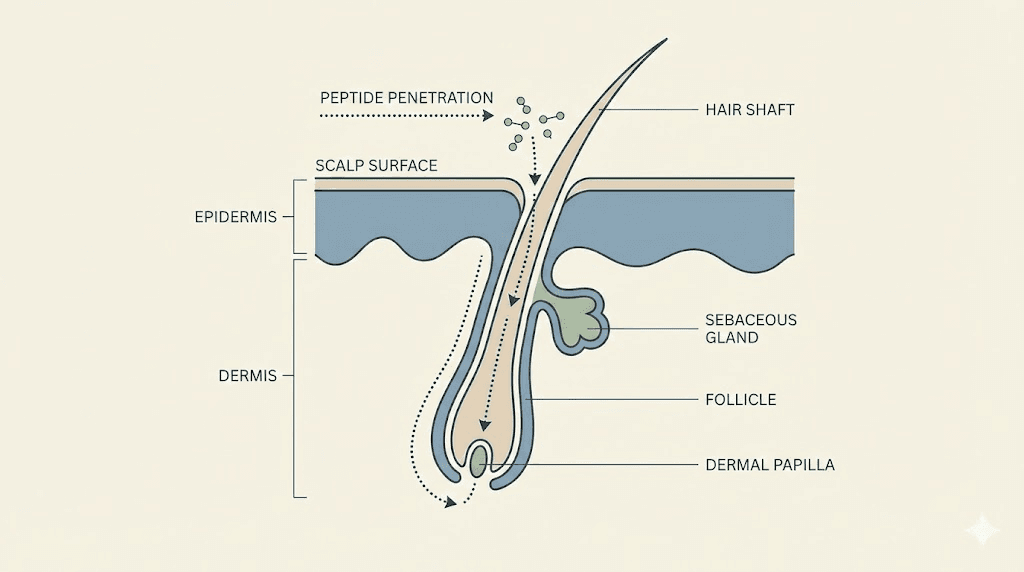
Peptide shampoos take a fundamentally different approach. Yes, they still clean your hair. But they also deliver bioactive compounds to your scalp while you wash. These peptides penetrate the outermost layers of your skin, reaching the hair follicles where growth actually happens.
Think of the difference this way. A regular shampoo is like washing your car. A peptide shampoo is like washing your car while simultaneously applying a treatment that strengthens the paint and prevents rust. Both clean, but one does significantly more.
The science of scalp penetration
For any active ingredient to affect hair growth, it must reach the dermal papilla. This structure sits at the base of each hair follicle, controlling the growth cycle and determining hair thickness. Getting ingredients past the skin barrier presents a significant challenge.
Peptides possess unique properties that aid scalp penetration. Their small molecular size allows them to slip between cells in the stratum corneum, the outermost skin layer. Certain peptides are lipophilic, meaning they dissolve in oils, which helps them move through the sebum-rich environment of the scalp.
Modern peptide shampoos use advanced delivery systems to enhance absorption. Liposomal encapsulation wraps peptides in tiny fat bubbles that merge with cell membranes. Nanoparticle technology reduces peptide size even further. Some formulations use microneedle technology in complementary products to create microchannels that allow deeper penetration.
The contact time during washing matters too. While a shampoo sits on your scalp for only a few minutes, this brief window is sufficient for properly formulated peptides to begin their work. Leaving peptide shampoo on your scalp for two to five minutes before rinsing maximizes absorption.
Comparing active ingredients
Standard shampoos might contain biotin, keratin, or various vitamins. These ingredients offer some benefit, but their mechanisms of action are relatively simple. Biotin supports keratin production at a basic level. Keratin coats the hair shaft externally. Vitamins provide general nutritional support.
Peptides operate through specific cellular signaling pathways. They bind to receptors on cell surfaces and trigger cascades of biological responses. A single peptide can activate multiple growth factors, reduce inflammation through several mechanisms, and stimulate collagen production all at once.
Understanding how peptides work helps explain why they produce more dramatic results than traditional ingredients. They speak the language of your cells, delivering precise instructions rather than vague nutritional support.
Key peptides used in hair growth shampoos
Not all peptides benefit hair equally. Certain sequences have demonstrated specific effects on follicle health, growth cycles, and hair thickness. Understanding which peptides to look for helps you choose effective products and avoid marketing nonsense.
Copper peptides GHK-Cu
GHK-Cu stands as the most researched peptide for hair growth. This tripeptide consists of glycine, histidine, and lysine bound to a copper ion. The combination creates a molecule with remarkable biological activity.
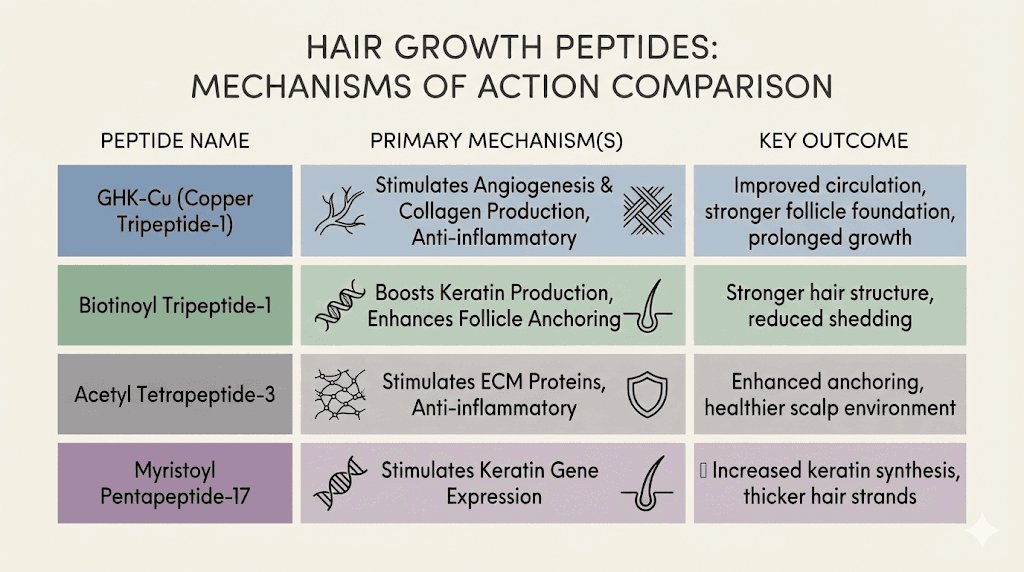
Research shows that GHK-Cu promotes hair growth through multiple mechanisms. It stimulates dermal papilla cells, the master regulators of hair follicle function. It increases production of vascular endothelial growth factor, improving blood supply to follicles. It activates the Wnt/beta-catenin pathway, which controls the hair growth cycle.
Studies have shown copper peptides can enlarge hair follicles, effectively increasing hair diameter. They also inhibit DHT, the hormone responsible for androgenetic alopecia in both men and women. Unlike finasteride, which blocks DHT systemically, copper peptides work locally without affecting hormone levels throughout the body.
The copper peptide hair growth connection extends beyond the scalp. These same peptides improve skin health, reduce inflammation, and promote wound healing. When applied to the scalp, they create an optimal environment for hair regeneration.
One challenge with copper peptides involves stability. Copper exists in a metastable valence state, making it reactive to pH changes, antioxidants, and chelating agents. Quality formulations address this through careful pH balancing and appropriate preservative systems.
Biotinoyl tripeptide-1
This peptide combines biotin with a tripeptide sequence to enhance follicle anchoring. Hair loss often occurs because follicles lose their grip on individual strands. The anchoring proteins weaken, and hair falls out before completing its natural growth cycle.
Biotinoyl tripeptide-1 stimulates production of laminin-5 and collagen IV, two proteins essential for follicle structure. Lab studies show increased levels of these proteins correlate with stronger hair anchoring and reduced shedding.
Many peptide shampoos combine biotinoyl tripeptide-1 with other active ingredients. The synergy between different peptides often produces better results than any single compound alone. This explains why the best formulations contain multiple peptide types.
Acetyl tetrapeptide-3
Often paired with red clover extract, acetyl tetrapeptide-3 targets a specific problem in hair loss: follicle miniaturization. As androgenetic alopecia progresses, hair follicles shrink. Each successive growth cycle produces thinner, shorter, less pigmented hair until the follicle eventually produces nothing visible.
This tetrapeptide helps reverse miniaturization by strengthening the extracellular matrix around follicles. It increases anchoring protein production and helps maintain follicle size through multiple growth cycles. Clinical studies show significant improvements in hair density when used consistently.
The combination of acetyl tetrapeptide-3 with red clover extract addresses both the structural and hormonal aspects of hair loss. Red clover contains isoflavones that inhibit 5-alpha reductase, the enzyme that converts testosterone to DHT.
Myristoyl pentapeptide-17
Keratin makes up approximately 95 percent of your hair shaft. This structural protein determines hair strength, flexibility, and shine. Myristoyl pentapeptide-17 stimulates keratin production in the hair matrix, the rapidly dividing cells that form the hair shaft.
Increased keratin production translates to thicker, stronger hair strands. The effect is somewhat similar to collagen peptides in skin care, building structural proteins from the inside out rather than coating them externally.
This peptide works particularly well for hair damaged by chemical treatments, heat styling, or environmental stress. By boosting keratin synthesis, it helps repair the hair shaft while simultaneously promoting healthier growth from the follicle.
Other notable peptides
Several additional peptides appear in hair care formulations with varying levels of research support.
Oligopeptide-2, also known as IGF-1 peptide, mimics insulin-like growth factor. This compound stimulates cell proliferation in the hair follicle and may extend the anagen phase. Its effects on IGF pathways connect it to broader growth hormone signaling.
AHK-Cu, or copper tripeptide-3, offers similar benefits to GHK-Cu with slightly different properties. Some formulations use both copper peptides to maximize effects through complementary mechanisms.
Redensyl contains dihydroquercetin-glucoside and EGCG2, which target hair follicle stem cells. While not technically peptides, these compounds often appear alongside peptides in advanced hair care formulations.
How peptide shampoos promote hair growth
Understanding the mechanisms behind peptide shampoos helps set realistic expectations and optimize your routine. Hair growth is a complex process involving multiple cell types, growth factors, hormones, and structural proteins. Peptides influence many of these factors simultaneously.
Stimulating dermal papilla cells
The dermal papilla sits at the base of each hair follicle. This small cluster of specialized cells controls whether your follicle is actively growing, resting, or shedding hair. Think of it as the command center for individual hairs.
Peptides like GHK-Cu directly stimulate dermal papilla cells. They increase cellular proliferation, meaning more cells working to support hair growth. They also enhance the signaling molecules these cells produce, amplifying growth signals throughout the follicle.
Research shows that dermal papilla cell activity decreases with age and in conditions like androgenetic alopecia. Reactivating these cells is essential for restoring hair growth. Peptides offer one of the most effective ways to accomplish this without surgical intervention.
Extending the anagen phase
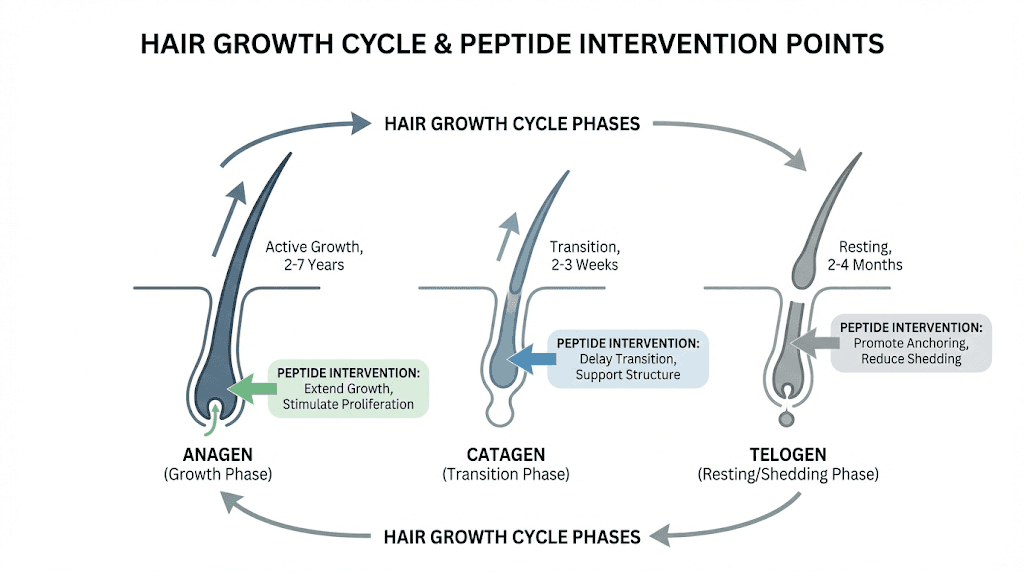
Your hair cycles through three phases. Anagen is the active growth phase, lasting two to seven years for scalp hair. Catagen is a brief transition phase of about two weeks. Telogen is the resting phase, lasting three to four months, after which the hair sheds and the cycle begins again.
Hair loss often involves shortened anagen phases. Instead of growing for years, affected follicles may only produce hair for months before entering rest. This results in shorter, thinner hair that never reaches its full potential length.
Certain peptides extend anagen duration by inhibiting the signals that trigger catagen transition. Copper peptides in particular have shown this effect in studies. By keeping follicles in growth mode longer, they allow hair to grow thicker and longer before shedding.
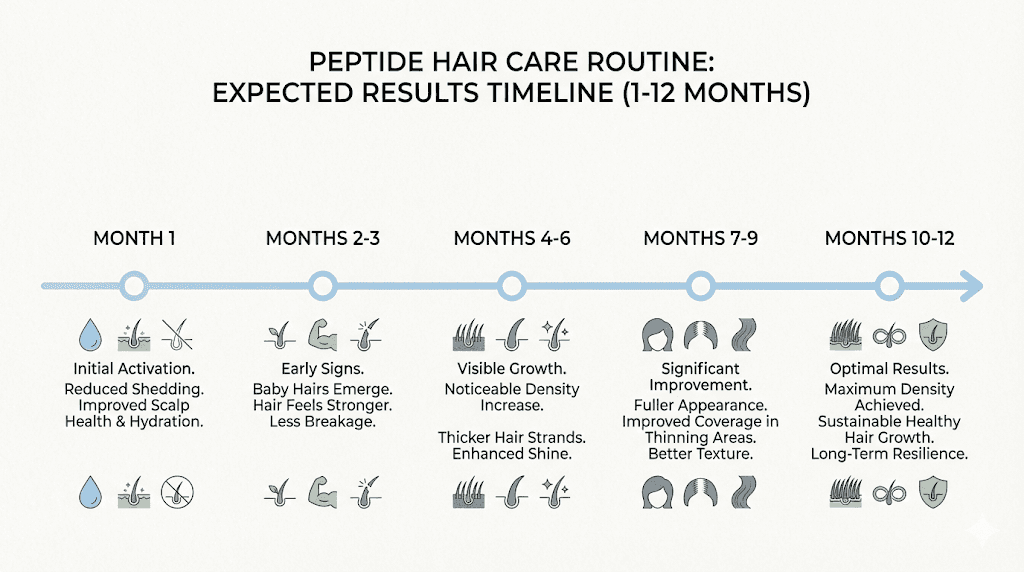
The timeline for peptides to work relates directly to these growth cycles. You cannot expect overnight results because hair growth simply does not happen that fast. Most people notice improvements starting around month four, with significant changes by month six to twelve.
Improving blood circulation
Hair follicles require constant oxygen and nutrient supply. Each follicle connects to a single capillary that delivers blood from your scalp circulation. Compromised blood flow means starving follicles that cannot support robust hair growth.
Peptides with angiogenic properties promote new blood vessel formation. GHK-Cu notably increases VEGF production, leading to more capillaries around hair follicles. Better vascularization means more nutrients reaching the cells that build your hair.
This mechanism explains why peptide treatments often improve hair quality even before dramatically increasing hair count. Existing hairs receive better nutrition and grow stronger, thicker, and more lustrous.
Reducing inflammation
Chronic scalp inflammation contributes to many forms of hair loss. Whether from autoimmune conditions, environmental stress, or even harsh hair products, inflammation damages follicles and disrupts growth cycles.
Many peptides possess anti-inflammatory properties. GHK-Cu reduces inflammatory markers while promoting tissue repair. KPV peptide, while more commonly used for gut inflammation, demonstrates potent anti-inflammatory effects that could benefit scalp health.
Reducing inflammation creates a healthier environment for hair growth. It also helps sensitive scalps tolerate other active ingredients that might otherwise cause irritation.
Blocking DHT locally
Dihydrotestosterone remains the primary culprit in pattern hair loss for most people. This hormone binds to receptors in hair follicles, triggering miniaturization and eventually causing follicles to stop producing visible hair.
Unlike systemic DHT blockers like finasteride, peptides work locally on the scalp. Copper peptides inhibit 5-alpha reductase activity in the skin where they are applied. This reduces DHT at the follicle level without affecting hormone levels throughout the body.
The local action is significant for those who experience side effects from oral DHT blockers. Peptides for men offer an alternative approach that does not carry the same risk of systemic hormonal changes.
Top peptide shampoo products and what they contain
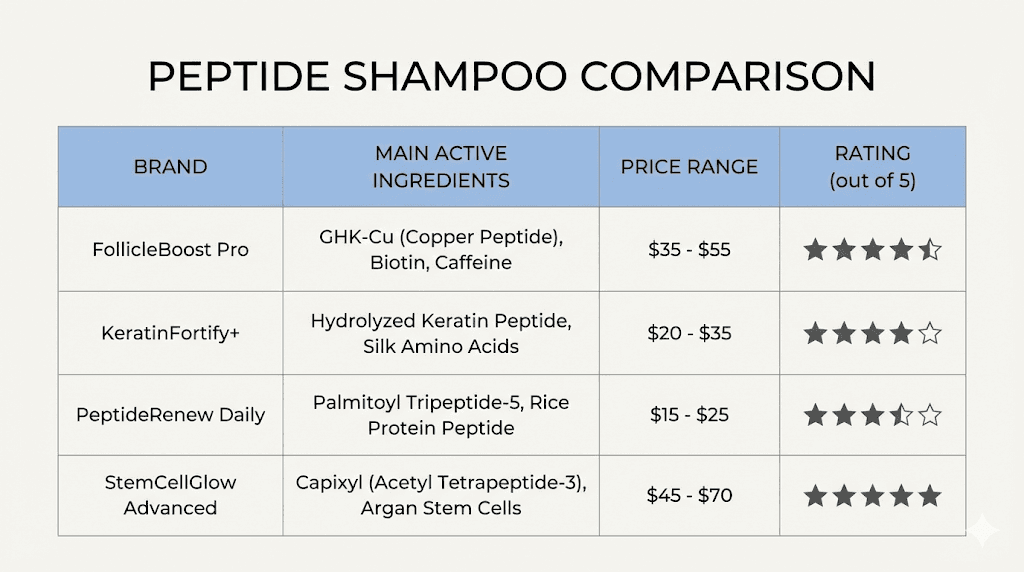
The market offers dozens of peptide shampoos ranging from budget options to premium formulations. Understanding what separates effective products from marketing gimmicks requires examining actual ingredients and concentrations.
Bryan Johnson Blueprint peptide shampoo
Bryan Johnson, the tech entrepreneur known for his extreme longevity protocol, developed a peptide shampoo as part of his Blueprint product line. The formulation contains copper tripeptide-34, a specific copper peptide variant designed for scalp application.
The shampoo also includes caffeine, which increases blood flow to hair follicles, and CoQ10, an antioxidant that supports cellular energy production. The formula avoids sulfates and parabens, making it gentler on the scalp while still providing adequate cleansing.
Johnson claims impressive results from his personal hair regrowth protocol, though the shampoo works in conjunction with other treatments including a peptide serum and lifestyle factors. The price point sits at the premium end of the market.
Briogeo Destined for Density shampoo
This mainstream brand offers a peptide shampoo containing copper tripeptide-34, biotin, and caffeine. The formula targets both hair growth stimulation and scalp health, incorporating gentler surfactants than typical drugstore shampoos.
The product has received positive reviews from both consumers and dermatologists. Its combination of peptides with proven supporting ingredients like caffeine creates a comprehensive approach to hair density. The price falls in the mid-range, making it accessible to more consumers.
Briogeo emphasizes a complete system approach, recommending their peptide shampoo alongside a matching conditioner and scalp serum for maximum results.
Hair Restoration Laboratories biotin peptide shampoo
This specialized brand focuses exclusively on hair loss treatments. Their biotin peptide shampoo contains biotinoyl tripeptide-1, saw palmetto extract for DHT blocking, and dl-pentapeptide-17 for keratin stimulation.
The formula includes hydrolyzed keratin protein, which coats the hair shaft while the peptides work on follicle health. Additional ingredients like caffeine and rosemary extract provide complementary benefits through different mechanisms.
This product represents a more clinical approach to peptide shampoos.
The brand provides detailed ingredient explanations and cites research supporting their formulations.
COSRX peptide-132 hair bonding shampoo
The Korean beauty brand COSRX takes a different approach with their peptide shampoo. Their formula emphasizes hydrolyzed vegetable protein, low-molecular collagen, and eighteen types of amino acids rather than specific growth peptides.
While not focused specifically on hair growth, this shampoo repairs damaged hair and improves overall hair health. The peptide complex strengthens hair bonds, reducing breakage and improving texture. For those whose primary concern is hair quality rather than hair loss, this offers a solid option.
StemBotany GHK-Cu copper peptide shampoo
This specialized product focuses specifically on copper peptide hair benefits. The formula contains a significant concentration of GHK-Cu, the most researched peptide for hair growth.
StemBotany markets their shampoo particularly for post-hair transplant care, where copper peptides support healing and optimize results from surgical procedures. However, the product works equally well for non-surgical hair growth protocols.
The brand offers complementary products including a copper peptide conditioner and scalp treatment, allowing users to maximize copper peptide exposure throughout their routine.
MDhair regrowth treatment shampoo
MDhair combines biomimetic copper peptides with DHT blockers and botanical extracts. Their approach addresses multiple causes of hair loss simultaneously, targeting both hormonal factors and follicle health.
The formula includes redensyl, a patented complex targeting hair follicle stem cells. Combined with copper peptides, this creates a comprehensive growth stimulation system that works through several distinct mechanisms.
MDhair positions their products as a non-prescription alternative to pharmaceutical hair loss treatments, though they recommend using peptide shampoos alongside proven treatments like minoxidil for best results.
What to look for when choosing a peptide shampoo
Reading ingredient labels helps you identify effective products. Look for specific peptide names rather than vague terms like peptide complex. The peptides discussed earlier, including GHK-Cu, biotinoyl tripeptide-1, and acetyl tetrapeptide-3, should appear by name.
Check ingredient position in the list. Ingredients appear in descending order by concentration. Active peptides should appear in the upper third of the ingredient list, not buried at the bottom after fragrances and preservatives.
Consider the overall formula. Peptides work best in gentle, non-stripping bases. Sulfate-free formulas preserve scalp health and allow longer contact time without irritation. Supporting ingredients like caffeine, saw palmetto, and antioxidants enhance peptide effectiveness.
Price does not always correlate with quality, but extremely cheap peptide shampoos likely contain insufficient active ingredient concentrations. Effective peptides cost money to produce, and brands must charge accordingly to include meaningful amounts.
Building an effective peptide hair care routine
A peptide shampoo alone provides modest benefits. Combining it with complementary products and practices maximizes results. Building an effective routine requires understanding how different products work together and when to use them.
The basic peptide hair care stack
Start with a peptide shampoo as your foundation. Use it every time you wash your hair, allowing it to sit on your scalp for two to five minutes before rinsing. This contact time matters because peptides need opportunity to penetrate.
Follow with a peptide conditioner if available. Conditioners stay on hair longer than shampoos, providing extended exposure time. They also improve hair texture and reduce breakage, supporting overall hair health.
Add a leave-in peptide serum or scalp treatment for maximum benefit. These products remain on your scalp for hours, delivering continuous peptide exposure. Apply to clean, towel-dried hair and massage into the scalp rather than the hair strands.
The peptide stack approach applies to hair care just as it does to other peptide applications. Multiple delivery methods increase total exposure and work through complementary mechanisms.
Washing frequency considerations
Washing too frequently can strip beneficial oils and irritate the scalp. Washing too infrequently allows buildup that blocks follicles and reduces peptide penetration. Finding the right balance depends on your hair type and scalp condition.
Most people benefit from washing with peptide shampoo three to four times weekly. This provides regular peptide exposure without over-cleansing. On non-wash days, you can still apply leave-in peptide treatments to maintain consistent levels.
If you exercise frequently or have an oily scalp, you may need to wash more often. In this case, alternating between peptide shampoo and a gentle co-wash helps balance cleansing needs with scalp health.
Complementary treatments to consider
Peptide shampoos work well alongside other hair growth treatments. Combining approaches often produces better results than any single method.
Minoxidil remains the gold standard for topical hair growth treatment. Using it alongside peptide products addresses hair loss through different mechanisms. Apply minoxidil to dry scalp, typically twice daily, separate from your washing routine.
Microneedling creates microchannels in the scalp that enhance absorption of both minoxidil and peptides. Dermarollers or dermapens with 0.5 to 1.5mm needles can be used weekly at home. Many people report accelerated results when combining microneedling with peptide treatments.
Red light therapy stimulates cellular metabolism in hair follicles. Devices ranging from handheld wands to full caps deliver low-level laser therapy that complements peptide effects. Some research suggests red light enhances peptide absorption.
Oral supplements support hair growth from inside out. Collagen peptides taken orally provide amino acids for hair structure. Biotin, vitamin D, iron, and zinc address common nutritional deficiencies that affect hair growth.
For those dealing with significant hair loss, consulting with a dermatologist opens additional options. Prescription treatments, platelet-rich plasma therapy, and other medical interventions can work alongside your peptide routine.
Morning versus evening application
Timing your hair care routine can optimize results. Different products work best at different times based on their mechanisms and your daily activities.
Many people prefer showering in the morning, making this a natural time for peptide shampoo use. Morning washing removes oils accumulated overnight and refreshes the scalp for the day ahead.
Leave-in peptide treatments often work better at night. Your body enters repair mode during sleep, and growth hormone naturally peaks during deep sleep stages. Applying peptide serums before bed may enhance their integration with natural regeneration processes.
If you use minoxidil, most protocols call for twice-daily application, morning and night. Coordinate your peptide shampoo timing to avoid applying immediately after minoxidil, which needs time to absorb fully.
What to expect and when
Patience is essential with peptide hair care. Hair grows approximately half an inch per month, and follicle changes take even longer to become visible. Setting realistic expectations helps you stay consistent through the slow early months.
Weeks one through four typically show minimal visible change. Your scalp may feel healthier, and existing hair might appear slightly shinier or stronger. You are unlikely to see new hair growth yet.
Months two through three often bring reduced shedding. This is actually a positive sign, indicating that follicles are holding onto hair longer. Some people mistake the end of excessive shedding for actual regrowth.
Months four through six is when most people notice the first signs of new growth. Fine, light-colored vellus hairs may appear where there was bare scalp. These eventually darken and thicken into terminal hairs.
Months six through twelve bring continued improvement. Hair density increases, existing hair thickens, and early vellus growth matures. The full effects of peptide treatment typically manifest within this timeframe.
Beyond one year, maintenance becomes the focus. Continued use of peptide products helps preserve gains. Stopping treatment may result in gradual return to baseline over months to years.
Peptide shampoo versus other hair loss treatments
Peptide shampoos occupy a specific place in the hair loss treatment landscape. Understanding how they compare to other options helps you make informed decisions about your protocol.
Peptide shampoo versus minoxidil
Minoxidil (brand name Rogaine) has decades of research supporting its effectiveness. FDA approved since 1988, it works by improving blood flow to follicles and potentially extending the anagen phase. Clinical studies consistently show regrowth in a significant percentage of users.
Peptide shampoos offer a different approach. While some mechanisms overlap, peptides address hair loss through additional pathways including direct follicle stimulation, collagen production, and localized hormone modulation.
Side effects differ substantially. Minoxidil can cause scalp irritation, unwanted facial hair growth, and in rare cases, cardiovascular effects. Peptides generally cause fewer side effects because they are naturally occurring compounds that the body recognizes.
Many experts recommend combining both treatments. Minoxidil provides proven baseline effectiveness while peptides enhance results through complementary mechanisms. The comparison between peptides and other compounds often favors combination approaches.
One key difference involves application format. Minoxidil works as a leave-on treatment applied directly to the scalp. Peptide shampoos wash out, limiting contact time. This makes leave-in peptide serums important for matching minoxidil exposure levels.
Peptide shampoo versus finasteride
Finasteride (brand name Propecia) is an oral medication that blocks DHT production systemically. It is highly effective for androgenetic alopecia but carries potential side effects including sexual dysfunction, depression, and ongoing post-drug syndrome in rare cases.
Peptide shampoos work topically and affect DHT locally rather than throughout the body. This targeted approach appeals to those concerned about systemic hormone manipulation. However, the DHT-blocking effect of topical peptides is less potent than oral finasteride.
For many people, especially those with mild to moderate hair loss, peptide products provide sufficient DHT management without systemic exposure. Those with aggressive hair loss may still require finasteride or similar medications to achieve meaningful results.
The choice often comes down to risk tolerance and severity of hair loss. Peptide shampoos make sense as a first-line treatment or maintenance therapy. Finasteride remains an option for those who need stronger intervention.
Peptide shampoo versus PRP therapy
Platelet-rich plasma (PRP) therapy involves drawing your blood, concentrating the platelets, and injecting them into your scalp. The growth factors in platelets stimulate hair follicles similarly to how peptides work.
PRP requires clinical visits and needle injections, making it significantly more invasive than at-home peptide products. Treatments typically occur monthly or quarterly, with costs ranging from several hundred to over a thousand dollars per session.
The mechanisms share similarities. Both PRP and peptides deliver growth factors to follicles. Both support angiogenesis and tissue repair. The main differences are delivery method, cost, and convenience.
Some clinics now offer combination protocols using both PRP and topical peptides. The injections provide deep delivery of concentrated growth factors while peptide products maintain stimulation between sessions.
Peptide shampoo versus hair transplant
Hair transplantation surgically moves follicles from donor areas to thinning regions.
Modern techniques like FUE (follicular unit extraction) produce natural-looking results with minimal scarring. However, surgery involves significant cost, recovery time, and cannot create new hair, only redistribute existing follicles.
Peptide shampoos work through completely different mechanisms. They aim to optimize existing follicles rather than physically move them. They cannot restore hair where follicles have completely died, but they can improve outcomes from transplantation.
Many hair transplant surgeons recommend copper peptide products for post-operative care. The wound-healing properties of GHK-Cu support faster recovery and may improve graft survival. Using peptide shampoos before and after transplant surgery can optimize results.
For those not ready for surgery, peptide products offer a non-invasive starting point. They may slow progression enough to delay or avoid surgical intervention. For those who have had transplants, peptide products help maintain and protect the investment.
Combining treatments effectively
The most effective hair loss protocols typically combine multiple treatments. Each addresses different aspects of the problem, and synergies between treatments often produce better results than any single approach.
A comprehensive protocol might include:
Daily peptide shampoo and conditioner for topical peptide delivery during regular hygiene. Minoxidil twice daily for proven growth stimulation. A leave-in peptide serum at night for extended topical exposure. Weekly microneedling to enhance product absorption. Oral supplements addressing potential nutritional deficiencies.
For those with more aggressive hair loss, adding finasteride or low-dose oral minoxidil under medical supervision provides additional intervention. PRP treatments every few months offer periodic boosts of concentrated growth factors.
The key is tailoring your approach to your specific situation. Starting with peptides makes sense for most people, adding additional treatments as needed based on response.
DIY peptide hair treatments
Beyond commercial shampoos, some people create their own peptide hair treatments. This approach offers customization and potentially higher peptide concentrations, but requires understanding of proper handling and formulation.
Adding peptides to existing products
The simplest DIY approach involves adding peptide powders or solutions to products you already use. Many suppliers offer GHK-Cu and other peptides in formats designed for cosmetic formulation.
Typical usage rates range from 0.5 to 2 percent peptide concentration. For a 100ml shampoo, this means adding 0.5 to 2 grams of peptide powder or the equivalent volume of solution. Mix thoroughly to ensure even distribution.
pH matters significantly for copper peptides. GHK-Cu works best between pH 5 and 7. Adding it to highly acidic or basic products reduces effectiveness. Testing with pH strips helps ensure your final product falls in the optimal range.
Avoid combining copper peptides with vitamin C (ascorbic acid), alpha hydroxy acids, or other acidic ingredients. These can destabilize the copper-peptide bond and reduce activity. Check your base product ingredients before adding peptides.
Understanding proper storage
Peptide stability affects DIY product shelf life. Understanding proper peptide storage helps maintain effectiveness throughout the product lifespan.
Peptide powders remain stable at room temperature when kept dry and away from light. Once reconstituted or mixed into products, stability decreases. Refrigeration extends shelf life for DIY peptide formulations.
Most DIY peptide hair products remain effective for about four to eight weeks when stored properly. Making smaller batches more frequently ensures you always use fresh, active product.
Signs of peptide degradation include color changes, unusual odors, or separation of ingredients. If your DIY product shows any of these signs, discard it and make a fresh batch.
Peptide serum recipes
Leave-in serums provide longer peptide contact time than rinse-out shampoos. Creating your own serum allows higher concentrations and customized ingredient combinations.
A basic peptide hair serum might include:
Distilled water as the base, approximately 95 percent of total volume. GHK-Cu peptide at 1 to 2 percent concentration. A humectant like glycerin at 2 to 3 percent for moisture retention. A preservative system appropriate for water-based products. Optional additions like caffeine extract or saw palmetto.
Mix peptides into water first, then add other ingredients. Transfer to a dark glass bottle and store in the refrigerator. Apply a few drops to the scalp daily, massaging gently to distribute.
For those interested in more advanced formulations, combining multiple peptides addresses hair loss through various mechanisms simultaneously. Adding a copper peptide, a growth factor peptide, and a keratin-stimulating peptide creates a comprehensive treatment.
Precautions for DIY approaches
DIY peptide products lack the quality controls of commercial formulations. Consider several factors before going this route.
Sourcing matters enormously. Purchase peptides only from reputable suppliers who provide certificates of analysis. The peptide market includes low-quality products that may contain impurities or inadequate active compound levels.
Sterility is important for products applied to skin. Work in clean conditions, use sanitized containers, and include appropriate preservatives to prevent microbial growth.
Start with lower concentrations and increase gradually. More is not always better with peptides, and some people experience irritation at higher concentrations. Patch testing before full application helps identify sensitivities.
Commercial products exist for good reason. They offer convenience, consistency, and formulation expertise that DIY approaches cannot match. Reserve DIY for those willing to invest time in understanding proper techniques and sourcing quality ingredients.
Common mistakes when using peptide shampoos
Maximizing results from peptide hair care requires avoiding common errors that reduce effectiveness. Many people sabotage their own progress through simple mistakes in product use or unrealistic expectations.
Insufficient contact time
The most common mistake involves rushing through hair washing. Peptides need time to penetrate the scalp. Quickly lathering and rinsing defeats the purpose of using an active shampoo.
Leave peptide shampoo on your scalp for at least two minutes, ideally up to five minutes. Use this time to massage gently, improving blood flow and working the product into your scalp rather than just your hair.
Some people apply peptide shampoo as a mask, leaving it on while they complete other shower activities. This extended contact time can significantly improve results compared to standard washing.
Washing too frequently or infrequently
Daily washing strips natural oils and can irritate the scalp. This creates an inflammatory environment that works against hair growth despite the peptides you are applying.
Washing too rarely allows sebum buildup that blocks follicles and reduces peptide penetration. Balance is essential, typically washing with peptide shampoo three to four times weekly for most people.
Listen to your scalp. Itching, flaking, or excessive oiliness indicate your frequency needs adjustment. Some experimentation helps find your optimal schedule.
Expecting overnight results
Hair growth is slow. Understanding realistic peptide timelines prevents discouragement that leads to abandoning effective treatments prematurely.
Most people need four to six months before seeing visible new growth. Some see reduced shedding earlier, but actual regrowth takes time because hair grows slowly and follicle changes must work through growth cycles.
Commit to at least six months of consistent use before evaluating results. Taking photos monthly helps track subtle progress that might not be obvious day to day.
Using incompatible products
Certain ingredients interfere with peptide function. Using incompatible products in the same routine reduces or eliminates peptide benefits.
Avoid applying vitamin C serums or acidic products immediately before or after peptide treatments on the scalp. The low pH destabilizes copper peptides and reduces their activity.
Strong chelating agents can strip copper from GHK-Cu, rendering it inactive. Check ingredient lists for EDTA and similar chelators, especially in leave-on products.
Harsh sulfate shampoos used between peptide washes can strip away benefits and irritate the scalp. Stick to gentle, sulfate-free cleansers throughout your routine.
Neglecting overall scalp health
Peptides work best on healthy scalps. Conditions like dandruff, seborrheic dermatitis, or scalp psoriasis create environments that inhibit hair growth regardless of peptide use.
Address underlying scalp conditions before or alongside peptide treatment. Medicated shampoos for specific conditions, gentle exfoliation to remove buildup, and proper hydration create optimal conditions for peptide effectiveness.
The copper peptide effects on scalp health often help improve conditions like mild inflammation, but more serious issues may require targeted treatment.
Stopping too soon
Many people abandon peptide treatments just before they would have seen results. The four to six month timeline feels long when you are hoping for improvement, and impatience leads to premature conclusions.
Hair follicle changes happen beneath the surface long before visible hair appears. The early months of treatment establish changes that manifest later. Stopping at month three means missing the payoff from months of effort.
Once you see results, continuing treatment maintains them. Peptides do not permanently change your follicles. They support optimal function as long as you keep using them. Stopping typically leads to gradual return toward baseline.
Who should and should not use peptide shampoos
Peptide shampoos suit most people interested in improving hair growth or maintenance. However, certain groups may benefit more than others, and some considerations affect whether peptides are the right choice.
Ideal candidates
Those in early stages of hair loss often respond best to peptide treatment. When follicles are miniaturizing but not yet dead, peptides can reverse the trend and restore healthy function. Early intervention produces better outcomes than waiting until significant loss has occurred.
People experiencing stress-related shedding or telogen effluvium may find peptide shampoos particularly helpful. These conditions involve disrupted growth cycles that peptides can help normalize. Women experiencing hair thinning often fall into this category.
Those seeking to maintain existing hair benefit from peptide products even without active hair loss. Prevention is easier than reversal. Using peptide shampoos before significant thinning occurs helps maintain density long-term.
People who want to avoid or minimize pharmaceutical treatments appreciate peptide options. The natural origin and local action of topical peptides appeals to those concerned about systemic medication side effects.
Post-hair transplant patients benefit from copper peptide products specifically. The wound-healing properties support graft survival and faster recovery while the growth-promoting effects optimize transplant results.
Those who may not benefit
People with completely dormant follicles cannot expect regrowth from peptide treatment alone. Once a follicle has stopped producing hair entirely and the dermal papilla has degraded, topical treatments cannot resurrect it. Only surgical transplantation can restore hair to these areas.
Those with scarring alopecia, where scar tissue has replaced follicles, will not benefit from peptide shampoos. The underlying structure for hair growth no longer exists. Medical treatment of the scarring condition takes priority over growth stimulation.
Certain autoimmune conditions like alopecia areata require different treatment approaches. While peptides might provide modest support, addressing the underlying immune dysfunction is essential. Consult a dermatologist before relying on peptide products for autoimmune hair loss.
Those allergic to specific peptide components should avoid products containing those ingredients. Copper allergies, while rare, would contraindicate GHK-Cu products. Patch testing helps identify sensitivities before full scalp application.
Special considerations
Pregnant and breastfeeding women should consult healthcare providers before using peptide hair products. While topical peptides are generally considered low-risk, limited research exists on use during pregnancy. Err on the side of caution during these periods.
Women over 40 often experience hormonal hair thinning related to perimenopause and menopause. Peptide products can help address this, but understanding the hormonal component may indicate additional treatments. Peptides for perimenopause extend beyond hair care to broader hormonal support.
Those with sensitive scalps should start with lower-concentration products and increase gradually. While peptides themselves rarely cause irritation, other ingredients in shampoo formulations might. Fragrance-free options reduce sensitivity risk.
People taking blood thinners should be cautious with microneedling commonly paired with peptide treatments. The combination increases bleeding risk. Consult your doctor before adding microneedling to your routine if you take anticoagulants.
The future of peptide hair care
Peptide technology continues advancing rapidly. New discoveries in hair biology and peptide science promise even more effective treatments in coming years.
Next-generation peptides
Researchers are developing peptides with enhanced penetration properties. These new molecules combine growth-promoting sequences with carrier peptides that improve transport across the skin barrier. Better delivery means lower required concentrations and improved results.
Targeted peptides designed specifically for hair follicle receptors are in development. Current peptides like GHK-Cu affect many cell types throughout the body. Future peptides may act exclusively on follicular cells, increasing specificity and reducing any potential systemic effects.
Peptide combinations optimized through machine learning offer another frontier. AI analysis of existing research suggests synergistic combinations that may outperform current formulations. These computationally-designed cocktails are entering clinical testing.
Novel delivery systems
Beyond shampoos and serums, new delivery methods aim to maximize peptide effectiveness. Dissolvable microneedle patches release peptides directly into the dermis where follicles reside.
These provide professional-level delivery in convenient at-home formats.
Iontophoresis devices use electrical current to drive peptides deeper into the scalp. Combined with peptide products, these devices may dramatically increase penetration and results. Consumer-grade devices are becoming available.
Encapsulation technology continues improving. Nanoliposomes, solid lipid nanoparticles, and other carriers protect peptides from degradation while enhancing delivery. These technologies are trickling down from pharmaceutical applications to cosmetic products.
Personalized approaches
Genetic testing may soon guide peptide selection. Different genetic variants affect hair loss mechanisms and treatment response. Matching peptide products to individual genetics could optimize results far beyond one-size-fits-all approaches.
Microbiome analysis of the scalp influences hair health significantly. Future peptide products may include compounds targeting specific bacterial populations associated with hair loss. Restoring microbial balance alongside growth stimulation could enhance outcomes.
SeekPeptides continues tracking these developments, providing members with the latest research and evidence-based recommendations as the field evolves.
Frequently asked questions
How long does it take for peptide shampoo to work?
Most people notice initial improvements in hair texture and reduced shedding within two to three months. Visible new hair growth typically appears between four and six months of consistent use. Full results develop over twelve months as new hairs mature and thicken. Patience and consistency are essential for success with peptide treatments.
Can I use peptide shampoo with minoxidil?
Yes, combining peptide shampoo with minoxidil is safe and often recommended. The two treatments work through different mechanisms and complement each other well. Apply minoxidil to dry scalp as directed, and use peptide shampoo during regular washing. Avoid washing with shampoo immediately after applying minoxidil to allow absorption.
Are peptide shampoos safe for color-treated hair?
Most peptide shampoos are safe for color-treated hair, especially sulfate-free formulations. However, some ingredients may affect color longevity. Check specific product labels for guidance, and consider doing a strand test before full use. Gentle peptide shampoos often prove less harsh on color than standard cleansing shampoos.
How often should I use peptide shampoo?
Three to four times weekly works well for most people. This provides consistent peptide exposure without over-washing. Adjust frequency based on your hair type and scalp condition. Very oily scalps may need more frequent washing, while dry scalps benefit from less. Use gentle cleansers on non-peptide wash days.
Can peptide shampoos regrow hair on completely bald areas?
Peptide shampoos cannot regrow hair where follicles have completely died. They work by optimizing existing follicles, not creating new ones. Areas with miniaturized follicles still producing vellus hair may respond to treatment. Completely smooth, shiny bald patches indicate permanent follicle loss requiring surgical transplantation.
Do I need to use peptide conditioner too?
Using a matching peptide conditioner enhances results by providing extended contact time and additional peptide delivery. However, it is not strictly necessary. A peptide shampoo combined with a quality leave-in serum may produce similar or better results depending on specific products. Prioritize consistent shampoo use and add other products as your budget and routine allow.
Are there any side effects from peptide shampoos?
Peptide shampoos rarely cause significant side effects. Some people experience mild scalp tingling or temporary redness, especially when first starting use. True allergic reactions are uncommon but possible. If you experience persistent irritation, itching, or swelling, discontinue use and consult a dermatologist. Patch testing before full use helps identify sensitivities.
Can men and women both use peptide shampoos?
Peptide shampoos work for both men and women experiencing hair thinning. The mechanisms of hair growth are similar regardless of sex, though underlying causes may differ. Peptides for men and peptides for women share many common applications including hair growth support.
External resources
For those serious about optimizing their hair care protocol, SeekPeptides provides comprehensive resources including personalized guidance, detailed product comparisons, and access to a community of researchers sharing real results and experiences.
In case I do not see you, good afternoon, good evening, and good night. May your follicles stay active, your growth cycles stay long, and your hair stay thick.