Jan 22, 2026
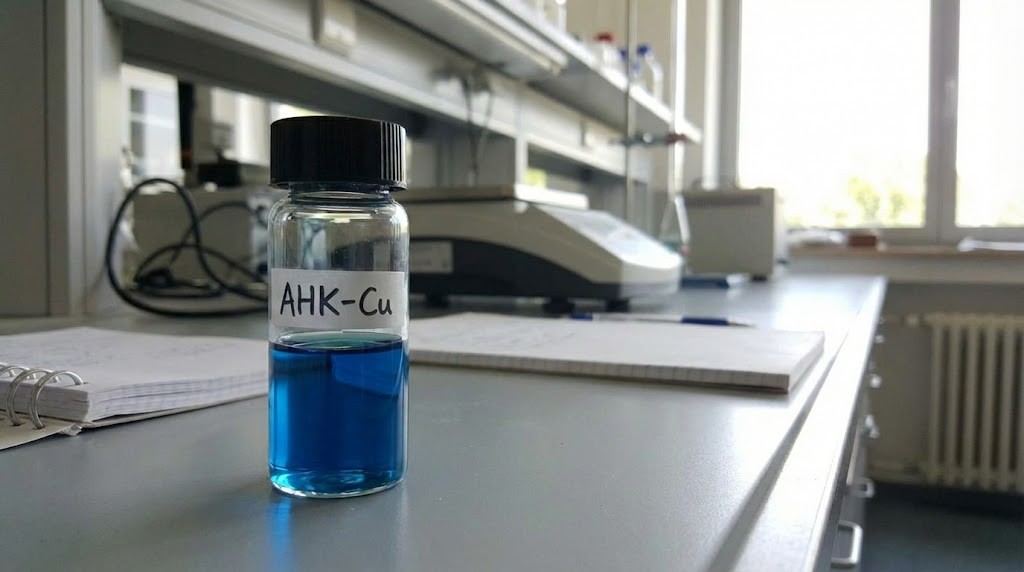
Your hair follicles are dying. Not dramatically, not all at once, but slowly. Microscopically. Each cycle, they produce thinner strands. Shorter strands. Eventually, nothing at all. And the creams and serums you have tried? They address symptoms. They do not address the cellular death happening beneath your scalp.
AHK-Cu changes that conversation entirely. This synthetic copper tripeptide does not just coat the surface or temporarily boost blood flow. It communicates directly with the cells that control hair growth, telling them to proliferate instead of self-destruct. The science is specific. Dermal papilla cells, the master regulators at the base of each follicle, respond to AHK-Cu by increasing their numbers and extending their lifespan. Research published in the Archives of Dermatological Research demonstrates that AHK-Cu at concentrations as low as 10 to the negative twelfth molar stimulates hair follicle elongation in laboratory conditions.
But here is what makes this peptide genuinely interesting. Unlike GHK-Cu, which occurs naturally in your body and declines with age, AHK-Cu was engineered specifically for hair and scalp applications. It was designed in a laboratory to target follicles. That intentionality matters. The peptide sequence, alanine-histidine-lysine bound to copper, was chosen because of how it interacts with growth factor receptors and anti-apoptotic pathways. Researchers wanted something that would keep hair follicles in their growth phase longer. They created exactly that.
This guide covers everything SeekPeptides members need to know about AHK-Cu. You will learn the mechanisms that drive its effects, how it compares to other peptides for hair growth, the concentrations that research supports, application protocols that maximize absorption, and what realistic timelines for results look like. If you are serious about addressing hair loss at the cellular level rather than just masking it, this is where you start.
Understanding AHK-Cu: what makes this copper peptide different
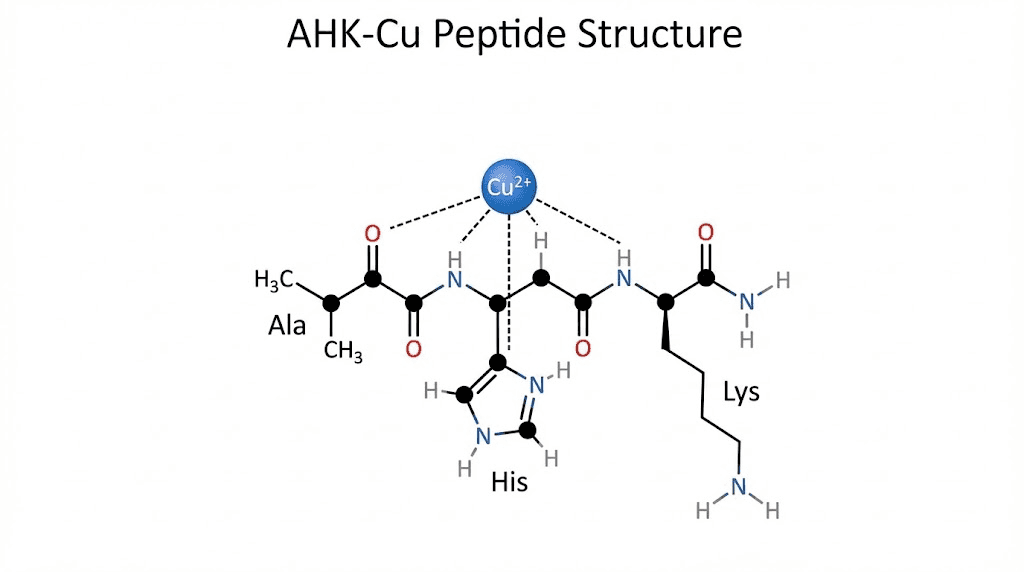
AHK-Cu stands for alanine-histidine-lysine copper.
The name describes its molecular structure, a chain of three amino acids bound to a copper ion. That copper binding is not incidental. Copper serves as the functional engine of the peptide, driving enzymatic reactions that influence everything from collagen synthesis to vascular development.
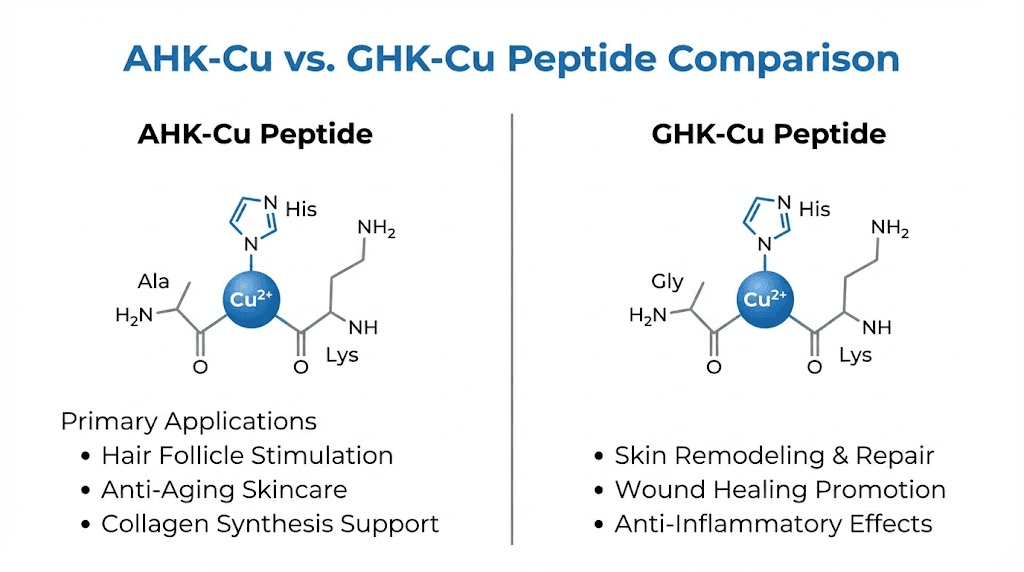
The molecular weight sits at 354 daltons, slightly heavier than its cousin GHK-Cu at 340 daltons. That difference comes from a single amino acid substitution. Where GHK-Cu uses glycine as its first amino acid, AHK-Cu uses alanine. One methyl group. That is the entire structural difference. Yet that tiny change shifts the peptide behavior in meaningful ways.
Most notably, AHK-Cu demonstrates preferential activity in hair follicle environments. While both copper peptides stimulate fibroblast activity and extracellular matrix remodeling, AHK-Cu shows enhanced effects on dermal papilla cells specifically. These are the mesenchymal cells clustered at the bottom of each hair follicle, and they essentially control whether that follicle grows hair or goes dormant. When dermal papilla cells die or become dysfunctional, the follicle miniaturizes. Hair becomes finer. Eventually, production stops.
The synthetic versus natural distinction
GHK-Cu exists naturally in human blood plasma, saliva, and urine. Your body produces it. The problem is that production drops dramatically with age. Plasma levels of GHK-Cu decline from around 200 nanograms per milliliter at age 20 to approximately 80 nanograms per milliliter by age 60. That decline correlates with slower wound healing, thinner skin, and reduced regenerative capacity.
AHK-Cu, by contrast, is entirely synthetic. Your body does not make it. Researchers designed it specifically to optimize certain properties, enhanced stability, targeted follicle activity, and reduced interference with other biological processes. The synthetic origin is not a weakness. It represents deliberate engineering toward specific therapeutic outcomes.
This distinction matters for peptide research applications. When you use GHK-Cu, you are supplementing something your body already recognizes and processes through established pathways. When you use AHK-Cu, you are introducing a novel compound that your body did not evolve to expect. Both approaches have merit. The choice depends on your goals.
How AHK-Cu communicates with cells
Copper peptides work through multiple signaling pathways. AHK-Cu specifically influences three major mechanisms that matter for hair and skin.
First, it stimulates vascular endothelial growth factor expression. VEGF promotes angiogenesis, the formation of new blood vessels. Better vascularization means better nutrient delivery to follicles. Studies show that follicles in balding scalp areas have compromised blood supply compared to areas with normal hair density. Improving that blood supply is foundational to supporting follicle health.
Second, AHK-Cu modulates the Bcl-2 and Bax ratio in dermal papilla cells. These proteins regulate apoptosis, programmed cell death. Bcl-2 protects cells from dying. Bax promotes death. Research demonstrates that AHK-Cu treatment elevates the Bcl-2 to Bax ratio, effectively telling dermal papilla cells to survive longer. Cells that would have died continue functioning. Follicles that would have miniaturized maintain their productive capacity.
Third, the peptide reduces levels of cleaved caspase-3 and PARP. These are execution enzymes in the apoptotic cascade. When they become active, cell death is essentially inevitable. AHK-Cu keeps them inactive. The cell receives protection at multiple points in the death pathway, from the initial decision to the final execution.
AHK-Cu for hair growth: the research evidence
The foundational study on AHK-Cu and hair growth was published in the Archives of Dermatological Research.
Researchers evaluated the peptide effects using two experimental models, ex vivo human hair follicles and cultured dermal papilla cells. Both models showed positive responses.
In the hair follicle experiments, researchers isolated individual follicles from human scalp tissue and treated them with AHK-Cu at various concentrations. Follicles exposed to AHK-Cu at 10 to the negative ninth molar showed significantly greater elongation compared to untreated controls. The effect was dose-dependent within a specific range, with the most pronounced results between 10 to the negative twelfth and 10 to the negative ninth molar.
The dermal papilla cell experiments confirmed the mechanism. Cells treated with AHK-Cu proliferated faster than untreated cells. More importantly, they showed reduced markers of apoptosis. The researchers concluded that AHK-Cu promotes hair growth through a dual mechanism, stimulating cell multiplication while preventing cell death.
Understanding the anagen phase connection
Hair growth follows a cycle with three main phases. Anagen is the active growth phase, lasting two to seven years for scalp hair. Catagen is a brief transitional phase of about two weeks. Telogen is the resting phase, lasting around three months, after which the hair falls out and a new anagen phase begins.
Pattern hair loss, whether male or female, involves progressive shortening of the anagen phase. Follicles that used to grow hair for years now grow it for months. The result is thinner, shorter hair that falls out more frequently. Eventually, the anagen phase becomes so abbreviated that visible hair production effectively stops.
AHK-Cu appears to extend the anagen phase by keeping dermal papilla cells functional longer.
Since these cells regulate follicle cycling, protecting them from premature death allows the growth phase to continue. This is fundamentally different from how minoxidil works, which primarily dilates blood vessels, or how finasteride works, which blocks DHT production. AHK-Cu targets the cells themselves.
DHT and follicle protection
Dihydrotestosterone, or DHT, is the primary driver of androgenetic alopecia. This hormone binds to androgen receptors in susceptible hair follicles, triggering miniaturization. Some research suggests that AHK-Cu may offer protection against DHT-mediated damage through multiple pathways.
One mechanism involves reducing transforming growth factor beta-1 secretion in fibroblasts. TGF-beta-1 is elevated in balding scalp tissue and contributes to follicle regression. By lowering TGF-beta-1 levels, AHK-Cu may reduce one of the downstream effects of DHT exposure.
Another proposed mechanism involves competing interactions at growth factor receptor sites. The copper peptide may occupy binding sites that would otherwise receive pro-apoptotic signals, effectively blocking some of the damage that DHT causes indirectly.
However, caution is warranted here. AHK-Cu is not a DHT blocker like finasteride or dutasteride. It does not reduce circulating DHT levels or prevent DHT from binding to follicle receptors. Any protective effect likely comes from general cellular resilience rather than direct anti-androgenic action. For researchers dealing with significant androgenic hair loss, AHK-Cu might work best as part of a broader protocol rather than as a standalone intervention.
AHK-Cu versus GHK-Cu: choosing the right copper peptide
Both AHK-Cu and GHK-Cu belong to the copper peptide family. Both carry copper ions that drive their biological activity. Both stimulate fibroblast proliferation and extracellular matrix production. Despite these similarities, meaningful differences exist that should inform your choice between them.
GHK-Cu has a substantially larger research base. It has been studied since the 1970s, with documented effects on wound healing, skin remodeling, and gene expression. Over 4,000 genes respond to GHK-Cu treatment, including genes involved in tissue repair, nerve regeneration, and immune function.
The peptide demonstrates broad regenerative properties across multiple tissue types.
AHK-Cu research is more limited but more focused. The available studies concentrate on hair follicles and dermal papilla cells specifically. While AHK-Cu likely shares some of GHK-Cu broader properties, given the structural similarity, the documented evidence emphasizes scalp and hair applications.
When to choose AHK-Cu
AHK-Cu makes sense when hair growth is your primary focus. If you are specifically targeting thinning hair, receding hairlines, or general follicle health, the peptide research record supports AHK-Cu as a purpose-built option. Its enhanced stability in topical formulations is also relevant for scalp applications where the product must remain active on the skin surface.
Researchers who have tried GHK-Cu for hair without satisfactory results sometimes switch to AHK-Cu. The different amino acid sequence may interact with scalp biology in ways that produce better individual outcomes.
Since everyone biology varies, trying both peptides at different times can help identify which works better for a specific person.
When to choose GHK-Cu
GHK-Cu is the better choice for broader regenerative goals. If you want to address aging skin, improve skin texture, support wound healing, or influence systemic tissue remodeling, the extensive research on GHK-Cu provides stronger guidance.
The peptide gene expression effects extend far beyond hair follicles.
For researchers interested in scar reduction, post-procedure healing, or general anti-aging protocols, GHK-Cu offers more documented support. Its natural occurrence in the body also means established metabolic pathways for processing and elimination.
Combining both peptides
Some formulations include both AHK-Cu and GHK-Cu, attempting to capture benefits from each. This approach has theoretical merit. The peptides likely work through overlapping but not identical pathways, so combining them could produce additive effects.
However, no published research specifically evaluates combination protocols. The safety and efficacy of using both peptides simultaneously remains unconfirmed. If you choose to combine them, starting with lower concentrations of each makes sense until you understand how your scalp responds.
AHK-Cu concentration and dosage protocols
Getting AHK-Cu concentration right matters for results. Too little produces minimal effect. Too much can potentially cause irritation or even counterproductive responses. The research and formulation guidance converge on specific ranges that balance efficacy with safety.
Recommended concentration ranges
For finished formulations applied to the scalp, the suggested AHK-Cu concentration falls between 0.3 percent and 2 percent. Most commercial products target the 0.5 to 1 percent range. This provides meaningful peptide exposure without excessive cost or irritation risk.
For DIY formulations, suppliers typically recommend mixing AHK-Cu powder at 2.5 to 5 percent in a water-based solution, then diluting this stock solution into a final carrier. The math works out to between 4 and 25 milligrams of AHK-Cu per milliliter of final product, depending on target concentration.
Research studies used much lower concentrations when testing isolated cells or follicles. The 10 to the negative ninth molar concentration that showed optimal effects in laboratory settings translates to approximately 0.35 micrograms per milliliter. This is vastly more dilute than topical formulations, but isolated cells in culture have direct peptide access without any barrier to penetration.
Application frequency and volume
Most protocols call for once or twice daily application. The typical volume is 0.25 milliliters per application, though this varies based on the area being treated. Full scalp coverage requires more than treating a specific bald patch.
At 2 percent concentration applied twice daily with 0.25 milliliters per application, monthly AHK-Cu consumption runs about 0.28 grams. At 10 percent concentration with the same application schedule, consumption rises to approximately 1.4 grams per month. These numbers help with budgeting and purchasing decisions.
Consistency matters more than volume. Missing applications disrupts the signaling that follicles receive. Since AHK-Cu works by influencing cell behavior over time, irregular use produces irregular results. Establishing a sustainable routine that you can maintain for months is more valuable than aggressive short-term protocols.
Delivery format considerations
AHK-Cu is water soluble. Unlike many skincare peptides that require oil-based carriers, AHK-Cu dissolves readily in aqueous solutions. This simplifies formulation but also means the peptide can degrade if storage conditions are poor.
Liposomal delivery systems encapsulate AHK-Cu in lipid spheres, potentially improving penetration through the stratum corneum and protecting the peptide from degradation. Some suppliers offer AHK-Cu pre-formulated in liposomal carriers at concentrations like 7 or 10 percent. Using these products involves adjusting the volume added to your base formulation rather than working with raw powder.
The powder form offers maximum flexibility and typically the lowest cost per milligram. However, it requires careful handling. AHK-Cu powder must be stored in a cool, dry environment away from light. Once dissolved, the solution should be kept refrigerated and used within a reasonable timeframe to prevent degradation.
How to use AHK-Cu for maximum absorption
Application technique influences how much AHK-Cu actually reaches your hair follicles. The scalp presents barriers that topical products must overcome. Strategic application methods can improve penetration and results.
Preparing the scalp
Clean scalp absorbs peptides better than dirty scalp. Sebum, dead skin cells, and product buildup create a film that blocks active ingredients from reaching the skin. Washing before AHK-Cu application removes this barrier layer.
Some researchers use exfoliating treatments periodically to further improve absorption. Gentle scalp scrubs or chemical exfoliants remove accumulated debris from follicle openings, creating clearer pathways for peptide penetration. This should not be done daily, once or twice weekly is sufficient, but timing it before AHK-Cu application makes logical sense.
Minoxidil users sometimes apply AHK-Cu first, allow it to absorb for 15 to 20 minutes, then follow with their minoxidil treatment. The copper peptide may precondition the scalp environment while the minoxidil addresses vascular factors. This stacking approach lacks formal study but has theoretical basis.
Application method
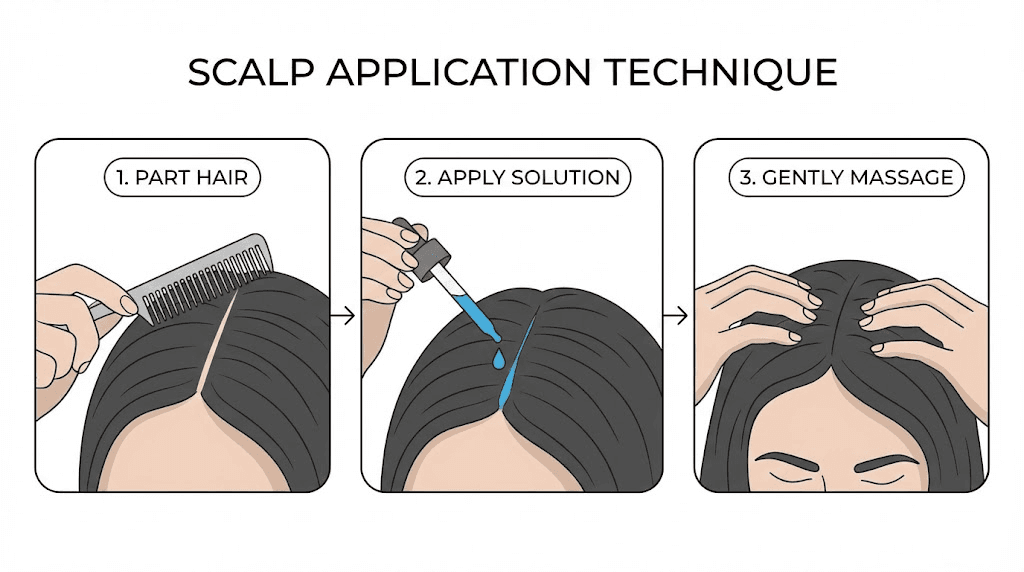
Scalp applicators with narrow tips help distribute AHK-Cu solution along part lines and directly to the scalp rather than coating hair shafts. Hair does not absorb peptides. Only the scalp skin, and specifically the follicle openings, can utilize the active ingredient. Product that sits on hair is wasted product.
Part your hair in sections and apply the solution directly to exposed scalp. Work methodically from front to back or side to side, creating parallel part lines every centimeter or so. Use your fingertips to massage the solution into the scalp after application. Massage improves distribution and may enhance penetration through mechanical action.
Let the solution absorb fully before applying other products or going to bed. The drying time varies based on formulation thickness but typically runs 15 to 30 minutes. Applying AHK-Cu and immediately lying on a pillow transfers product to fabric instead of keeping it on your scalp.
Timing considerations
Morning and evening applications are common for twice-daily protocols. Morning application can coincide with your regular getting-ready routine. Evening application before bed allows overnight absorption but requires complete drying to avoid pillow transfer.
Some researchers prefer nighttime-only application, reasoning that growth hormone release during sleep may synergize with the peptide signaling. Others apply only in the morning to avoid any potential product transfer during sleep. Neither approach has proven superior in comparative research. Choose the schedule you can maintain consistently.
Formulating with AHK-Cu: DIY considerations
Many researchers prefer creating their own AHK-Cu formulations rather than purchasing premade products. This approach offers cost advantages and control over concentrations. However, it requires understanding basic formulation principles.
Solubility and pH
AHK-Cu dissolves in water. The recommended dissolution method involves adding the powder to distilled water and stirring until fully dissolved. No heating should be required at typical use concentrations. Heating can degrade peptides, so working at room temperature is advisable.
The optimal pH range for AHK-Cu formulations falls between 5 and 7.
This roughly matches normal skin pH. More acidic or alkaline conditions may affect peptide stability or cause irritation. If you are mixing AHK-Cu into an existing product, check the base product pH first. Most gentle cleansers, serums, and carriers fall within acceptable ranges.
Preservation requirements
Water-based formulations support microbial growth. Any DIY AHK-Cu solution intended for more than a few days of use absolutely requires a preservative.
Bacteria and mold can proliferate rapidly in unpreserved aqueous solutions, creating products that are unsafe to apply to your skin.
Common preservative systems for peptide formulations include phenoxyethanol, potassium sorbate, or commercially available broad-spectrum preservative blends. The preservative should be effective at your formulation pH and should not interact negatively with the peptide. Consulting supplier guidelines for specific preservative recommendations is wise.
Alternatively, making small batches and storing refrigerated can extend shelf life without preservatives. A one or two week supply mixed fresh and kept cold remains stable long enough for use, though this approach requires more frequent preparation sessions.
What to avoid mixing
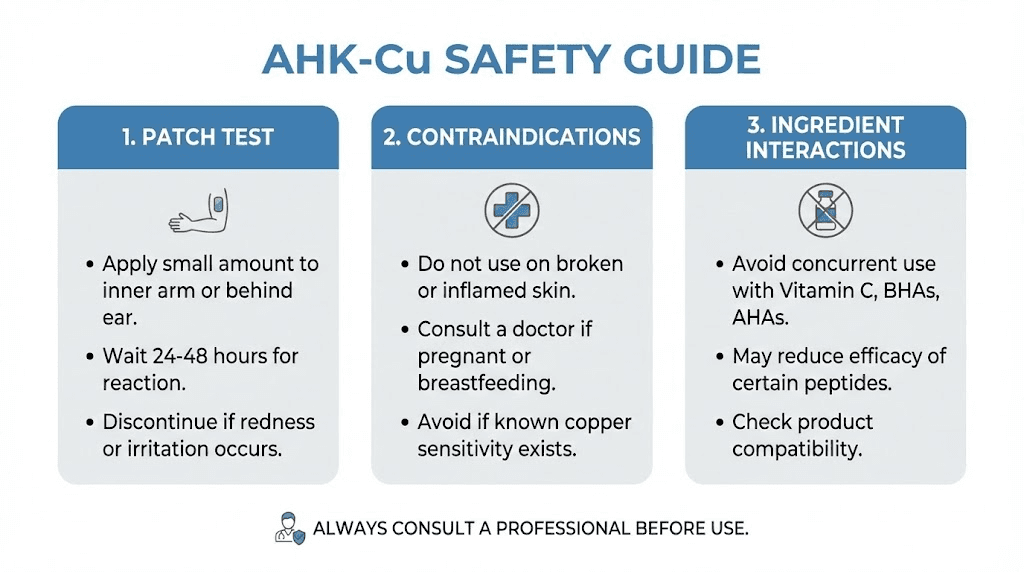
Strong oxidizers can degrade copper peptides. Vitamin C in its ascorbic acid form is a notable example. While both ingredients offer skin benefits, applying them simultaneously or mixing them into the same formulation can reduce the effectiveness of both. Copper peptides and vitamin C are best used at different times of day.
Retinoids present a similar conflict.
The combination of copper peptides and retinol can cause irritation in sensitive individuals, though many people tolerate both when used at separate times. Starting with lower concentrations and gradually increasing helps identify your personal tolerance.
Alpha hydroxy acids like glycolic acid can also conflict with copper peptides. The low pH environment that AHAs require differs from the optimal range for peptide stability. Using AHA exfoliants and AHK-Cu in the same routine is fine, but separate application times prevent direct mixing.
What results to expect and when
Setting realistic expectations prevents frustration and premature protocol abandonment. Hair growth is slow. Follicle cycles take months to complete. Any intervention targeting hair must be evaluated over appropriate timeframes.
Timeline for visible results
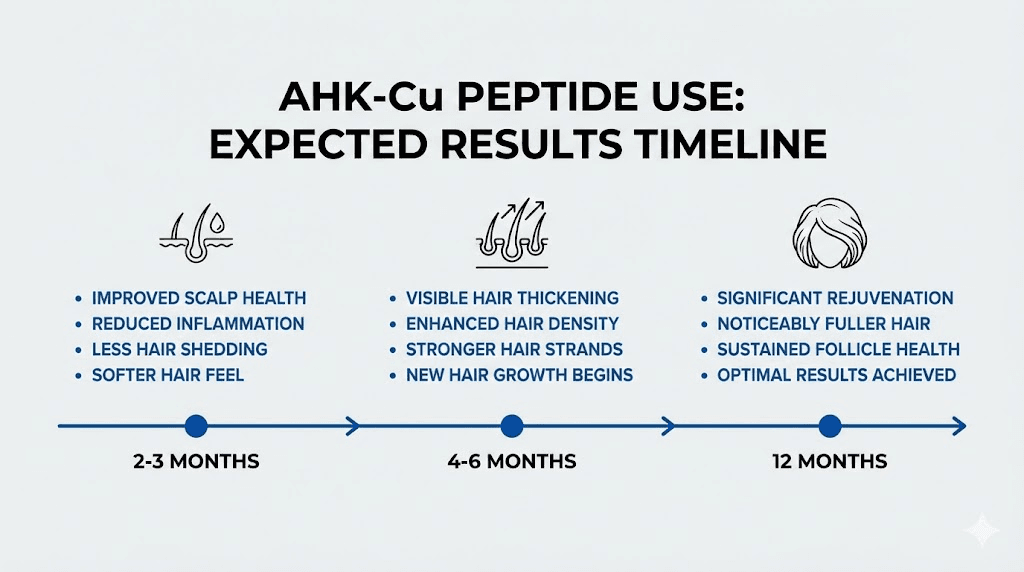
The earliest noticeable changes typically appear around the two to three month mark. These initial signs are usually subtle, reduced shedding, finer new hairs beginning to appear, or improved scalp condition. Dramatic regrowth in areas of complete baldness is unlikely this early.
More substantial improvements, if they occur, generally become apparent between months four and six. Hair that began as fine vellus strands may thicken.
Coverage in thinning areas may improve. The overall appearance of density can increase even without dramatic new follicle activation, simply because existing follicles are producing healthier hair.
Full evaluation of an AHK-Cu protocol requires at least six months, preferably a year. Follicles that enter a new anagen phase after treatment begins need time to produce visible hair length. Judging a protocol at eight weeks captures almost none of the potential effect.
Factors affecting individual response
Response to AHK-Cu varies substantially between individuals. Factors that influence outcomes include the extent of follicle miniaturization, the duration of hair loss, concurrent treatments being used, overall health status, and genetic factors that remain poorly understood.
Follicles that have completely miniaturized or scarred over may not respond to any topical treatment. AHK-Cu can potentially revive dormant follicles, but follicles that have been lost entirely cannot be restored. Earlier intervention, while some follicle function remains, produces better outcomes than waiting until loss is complete.
Combining AHK-Cu with other evidence-based approaches often produces better results than any single intervention alone. Peptide protocols that include microneedling, laser therapy, or pharmaceutical treatments like minoxidil may show synergistic effects. The copper peptide addresses certain aspects of follicle health while other treatments address different factors.
Documenting progress
Taking standardized photographs monthly helps track changes that occur gradually. Position your head the same way, use the same lighting, and photograph from the same angles each time. Side-by-side comparisons over several months reveal changes that day-to-day observation misses.
Counting shed hairs provides another metric. Collect hairs from your brush, shower drain, and pillow over a defined period, then count them. Tracking this number monthly shows whether shedding is decreasing, stable, or increasing. Reduced shedding is often the first measurable improvement.
AHK-Cu for skin: beyond hair growth
While hair growth receives most attention in AHK-Cu discussions, the peptide also offers skin benefits that share mechanisms with its follicle effects. Both involve stimulating fibroblast activity and supporting extracellular matrix production.
Collagen and elastin stimulation
Fibroblasts produce collagen and elastin, the structural proteins that keep skin firm and resilient. AHK-Cu stimulates fibroblast proliferation and activity, leading to increased protein deposition in the extracellular matrix. The result is improved skin tone, texture, and flexibility over time.
Research on the closely related GHK-Cu demonstrates improved collagen production in treated skin compared to various controls including vitamin C cream and retinoic acid. While AHK-Cu specific skin studies are limited, the shared mechanisms suggest similar benefits.
Researchers using AHK-Cu for scalp applications often report improved facial skin as an incidental benefit when the same product contacts their face.
Wound healing support
Copper plays essential roles in wound healing. It activates lysyl oxidase, an enzyme that crosslinks collagen fibers to create strong scar tissue. It supports angiogenesis, the blood vessel formation that supplies healing tissues. It modulates inflammation, helping resolve it at appropriate times rather than allowing it to persist and cause damage.
AHK-Cu delivers copper in a biologically active form. While not typically used as a primary wound healing treatment, it may support recovery from minor injuries, microneedling procedures, or other skin damage. Some researchers apply copper peptide solutions after microneedling sessions, reasoning that the enhanced penetration through treatment channels delivers peptide directly to the dermal layer.
Anti-aging applications
The combination of collagen stimulation, antioxidant activity, and cell-protective effects makes copper peptides relevant for anti-aging protocols. Skin that maintains healthy collagen and elastin networks shows fewer wrinkles and less sagging than skin with degraded structural support.
AHK-Cu reduces the appearance of fine lines through two mechanisms. First, increased collagen fills in the surface irregularities that create wrinkle appearance. Second, the peptide may reduce muscle contractions that contribute to dynamic wrinkle formation, similar to but much weaker than botulinum toxin effects. This makes it relevant for forehead lines, crow feet, and other expression-related wrinkles.
For comprehensive anti-aging benefits, GHK-Cu remains better documented. Researchers specifically targeting skin aging should consider GHK-Cu as the primary copper peptide, potentially adding AHK-Cu if scalp health is also a concern.
Safety, side effects, and contraindications
AHK-Cu demonstrates a favorable safety profile in available research and clinical experience. Serious adverse events are not reported in the literature. However, as with any bioactive compound, some risks and precautions apply.
Common side effects
The most frequent complaints involve local skin reactions. Redness, itching, or mild irritation at the application site can occur, particularly during initial use or with higher concentrations. These reactions typically resolve with continued use as the skin acclimates, or with dose reduction.
Some users report temporary increased shedding when starting copper peptide protocols. This may represent a normal part of follicle cycling acceleration rather than a true adverse effect. Follicles pushed from telogen into anagen must first shed their old hair before producing new growth. The shedding usually stabilizes within a few weeks.
Excessive copper peptide use can theoretically cause problems. Vivid blue coloration in a copper peptide product indicates concentrations that may be too high. Such products should be diluted or avoided. The blue color comes from copper ions, and excessive copper exposure could potentially cause irritation or other issues.
Interactions and combinations
AHK-Cu interacts favorably with minoxidil. The two work through different mechanisms and may produce additive benefits. Many researchers use both as part of their hair growth stack. The copper peptide supports cellular health while minoxidil enhances blood flow.
Finasteride and dutasteride can be combined with AHK-Cu without direct interaction. The DHT blockers address hormonal factors while the copper peptide addresses cellular factors. Using all three simultaneously targets multiple causes of hair loss.
Strong acids, oxidizers, and incompatible actives should be separated from AHK-Cu application as discussed in the formulation section. This includes vitamin C, retinoids at high concentrations, and low-pH chemical exfoliants. Separation by time of day prevents problematic interactions.
Who should avoid AHK-Cu
Individuals with copper metabolism disorders, specifically Wilson disease or Menkes disease, should not use copper peptides without medical guidance. These conditions involve impaired copper handling that could make even topical copper application problematic.
People with known allergies to copper or to any of the amino acids in the peptide sequence should avoid AHK-Cu. A patch test before full application can identify potential sensitivities. Apply a small amount to a discrete area, wait 24 to 48 hours, and check for reaction before proceeding with scalp application.
Pregnant and breastfeeding individuals lack safety data for copper peptide use during these periods. While topical application has minimal systemic absorption, the precautionary principle suggests avoiding use during pregnancy unless a healthcare provider approves.
AHK-Cu in the context of other hair growth peptides
The peptide landscape for hair growth extends beyond copper peptides. Understanding how AHK-Cu fits among other options helps researchers make informed protocol decisions.
Comparison with thymosin peptides
TB-500, a synthetic fragment of thymosin beta-4, promotes tissue repair through different mechanisms than copper peptides. It enhances cell migration, blood vessel formation, and keratinocyte stem cell activity. Some researchers theorize that TB-500 could support hair follicle regeneration, though direct evidence is limited.
The two peptide types work through distinct pathways. TB-500 does not bind copper or stimulate copper-dependent enzymes. AHK-Cu does not directly enhance cell migration the way TB-500 does. Combining them could potentially address different aspects of follicle health, though no published research evaluates this combination.
Comparison with growth hormone secretagogues
Peptides like ipamorelin and CJC-1295 increase growth hormone release, which influences tissue regeneration throughout the body.
Higher GH levels could theoretically support hair growth through improved protein synthesis and cellular turnover.
However, the relationship between growth hormone and hair is complex. While GH deficiency can cause hair problems, supplementing GH in normal individuals does not reliably improve hair growth. The systemic effects of growth hormone secretagogues differ substantially from the targeted local effects of topically applied AHK-Cu.
Comparison with healing peptides
BPC-157 promotes healing through pathways that include angiogenesis and growth factor modulation. Like AHK-Cu, it supports tissue repair. Unlike AHK-Cu, it is typically administered by injection rather than topically, and its mechanisms do not involve copper binding.
Some researchers include both BPC-157 and copper peptides in their protocols, reasoning that systemic healing support from BPC-157 complements the local follicle support from topical AHK-Cu. The combination remains speculative but represents logical stacking based on mechanism understanding.
Sourcing and quality considerations
AHK-Cu quality varies between suppliers. Given that you are applying this compound to your scalp repeatedly over months, source selection matters for both safety and efficacy.
Purity specifications
High-quality AHK-Cu should be at least 98 percent pure, with 99 percent preferred. Impurities in peptide preparations can include synthesis byproducts, degradation products, or contamination from manufacturing. These impurities may cause irritation or reduce effectiveness.
Reputable suppliers provide certificates of analysis documenting purity testing results. Look for HPLC purity data and mass spectrometry confirmation of identity. Products sold without analytical documentation carry unknown risk.
Storage and handling
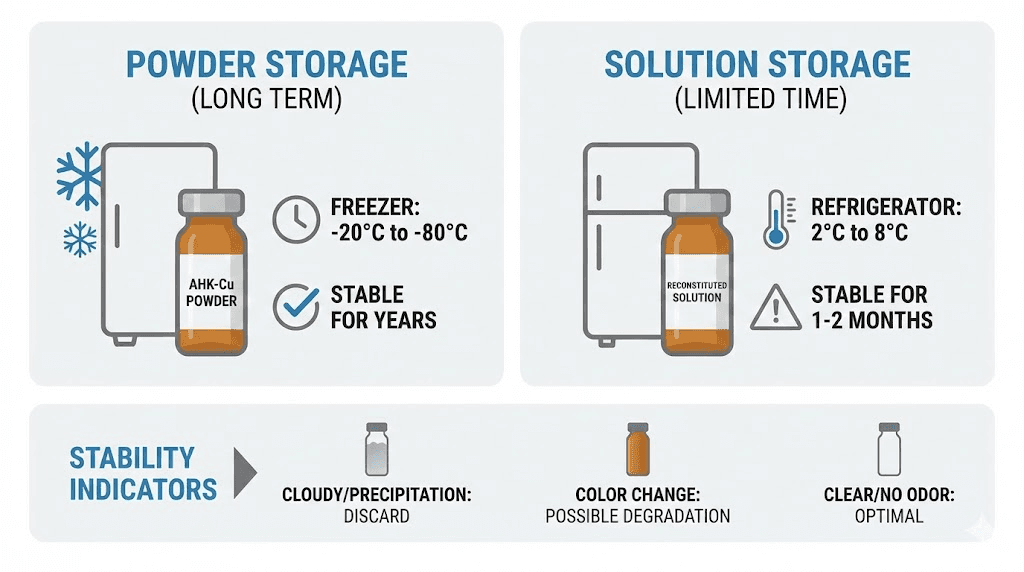
AHK-Cu powder should be stored in a cool, dry place away from light. The freezer is ideal for long-term storage of unopened containers. Once opened, refrigeration helps maintain stability. Exposure to heat, moisture, or light accelerates degradation.
Dissolved AHK-Cu in solution degrades faster than powder. Prepared formulations should be kept refrigerated and used within their stability window. If a solution changes color, develops an odor, or shows visible particles, discard it and prepare fresh.
Format options
AHK-Cu is available as pure powder, pre-dissolved solutions, and liposomal formulations. Each format offers different tradeoffs.
Powder provides maximum flexibility and typically the best per-milligram cost. It requires more preparation work and careful measurement.
Pre-dissolved solutions offer convenience at moderate cost. Quality varies by supplier. Some solutions include additional beneficial ingredients while others contain fillers or unnecessary additives.
Liposomal formulations may improve penetration and stability. They cost more than simple solutions but require less user preparation and may deliver better results through enhanced absorption.
Building an AHK-Cu protocol: practical implementation
Translating research knowledge into daily practice requires specific decisions about products, timing, and integration with other treatments. This section provides actionable guidance for implementing an AHK-Cu protocol.
Starter protocol
For researchers new to AHK-Cu, beginning with a conservative approach allows assessment of tolerance and response before intensifying.
Start with a 0.5 percent AHK-Cu formulation applied once daily. Apply to clean, dry scalp in the evening. Massage gently for one to two minutes to distribute the solution. Allow complete drying before lying down.
Continue this baseline protocol for four to six weeks. Monitor for any irritation or adverse reactions. Take baseline photographs at the start and comparison photographs at the four and six week marks.
If tolerance is good and no concerning reactions occur, consider increasing to twice-daily application or moving to a 1 percent concentration. Make one change at a time to identify what works.
Advanced protocol considerations
Researchers with established tolerance may implement more intensive approaches.
These include higher concentrations, combination with other peptides, and integration with physical treatments.
Microneedling the scalp before AHK-Cu application can substantially improve penetration. The microchannels created by needling allow the peptide to bypass the stratum corneum barrier and reach the dermis directly. Use a 0.5 to 1.0 millimeter needle length for scalp applications. Apply AHK-Cu immediately after needling while channels remain open.
Combining AHK-Cu with GHK-Cu targets multiple copper peptide pathways simultaneously. Some researchers alternate between the two, using AHK-Cu one week and GHK-Cu the next. Others use both daily, with AHK-Cu in the morning and GHK-Cu in the evening. Neither approach has proven superior.
Tracking and adjustment
Monthly progress assessment helps identify whether your protocol is working and guides adjustments. Beyond photographs and shed hair counts, consider tracking subjective factors like scalp health, hair texture, and styling behavior.
If no improvement appears after six months of consistent use, consider whether the protocol needs modification. Options include increasing concentration, adding microneedling, incorporating other treatments like minoxidil, or switching to GHK-Cu to test whether the alternative copper peptide produces better individual response.
If improvement occurs, continue the protocol that is working. Peptide treatments typically require ongoing use to maintain benefits. Discontinuation usually leads to gradual return to pre-treatment status over several months.
Frequently asked questions
How long does AHK-Cu take to show results for hair growth?
Most researchers report initial changes between two and three months, with more substantial improvements visible at four to six months. Full evaluation requires at least six months of consistent use. Hair growth is slow, and follicle cycles cannot be rushed beyond certain biological limits.
Can AHK-Cu be used with minoxidil?
Yes. The two products work through different mechanisms and can be used together. Many protocols apply AHK-Cu first, allow 15 to 20 minutes for absorption, then apply minoxidil. The combination may produce better results than either alone.
What concentration of AHK-Cu should I use?
Start with 0.5 percent and increase to 1 or 2 percent if tolerance is good and results warrant intensification. Concentrations above 2 percent are rarely necessary and may increase irritation risk without proportional benefit. Products that appear vivid blue contain excessive copper and should be avoided.
How does AHK-Cu differ from GHK-Cu?
Both are copper tripeptides, but AHK-Cu uses alanine as its first amino acid while GHK-Cu uses glycine. AHK-Cu is synthetic and was designed specifically for hair and scalp applications. GHK-Cu occurs naturally in the body and has broader documented effects on skin, wounds, and tissue regeneration. For hair-specific goals, AHK-Cu may be slightly more targeted.
Is AHK-Cu safe for long-term use?
Available evidence suggests AHK-Cu is well tolerated with topical application. No significant long-term risks have been identified in published research. However, long-term studies specifically tracking extended use are lacking. Ongoing monitoring for any unexpected effects remains prudent.
Can women use AHK-Cu for hair loss?
Yes. AHK-Cu does not affect hormone levels and is appropriate for both male and female pattern hair loss. The mechanisms that protect dermal papilla cells and extend anagen phase apply regardless of the hormonal drivers behind hair loss.
Does AHK-Cu regrow hair on completely bald areas?
Results vary substantially based on the state of the follicles. AHK-Cu can potentially revive dormant follicles that retain some function. Follicles that have completely miniaturized or been replaced by scar tissue likely will not respond to any topical treatment. Earlier intervention produces better outcomes.
What should I avoid mixing with AHK-Cu?
Avoid applying strong vitamin C products, high-concentration retinoids, or low-pH chemical exfoliants at the same time as AHK-Cu. These ingredients can degrade the peptide or cause irritation. Using them at different times of day prevents problematic interactions.
External resources
PubMed: The effect of tripeptide-copper complex on human hair growth in vitro
US Patent: Stimulation of hair growth by peptide copper complexes
For researchers serious about optimizing their hair growth protocols, SeekPeptides offers comprehensive guidance, dosing calculators, and a community of experienced researchers who have navigated these exact questions. Members access detailed protocol databases, stacking guides, and personalized recommendations based on thousands of documented research outcomes.
In case I do not see you, good afternoon, good evening, and good night. May your follicles stay active, your dermal papilla cells stay protected, and your anagen phase stay extended.