Jan 16, 2026
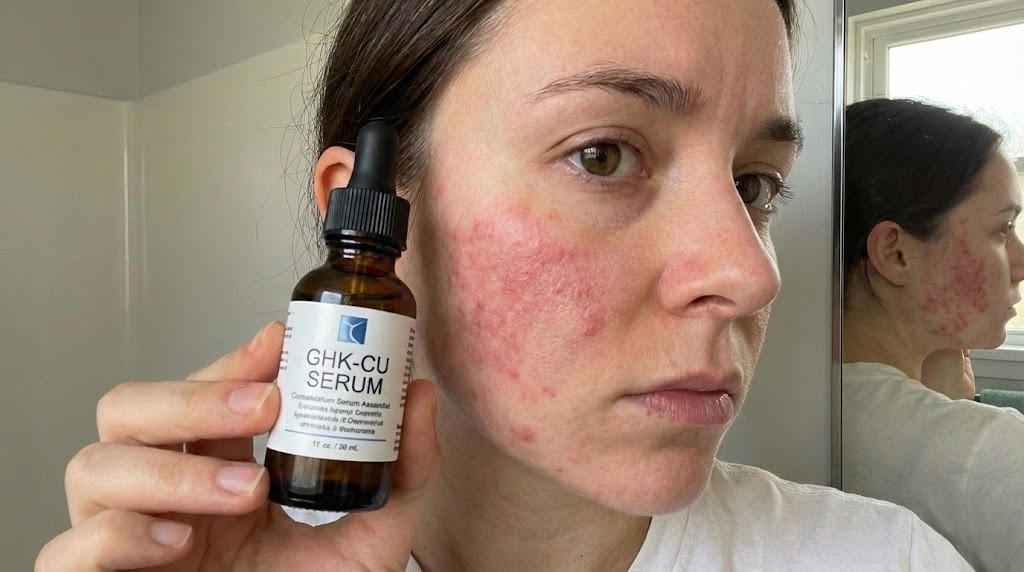
Something is wrong. You started GHK-CU expecting rejuvenation, expecting that youthful glow everyone talks about, expecting the collagen boost and the wrinkle reduction and all those transformative results you read about in research papers. Instead? Your skin looks worse. Maybe it's breaking out. Maybe it looks dull, or dry, or somehow older than before. Maybe you're experiencing what veteran researchers call the dreaded "copper uglies."
You're not alone. And more importantly, you're not necessarily doing anything wrong.
The truth about GHK-CU is more nuanced than most sources admit. This powerful peptide triggers genuine regenerative processes in your skin, but regeneration isn't always pretty at first. Understanding why your skin might temporarily worsen, how to distinguish normal adjustment from genuine adverse reactions, and when to modify your protocol versus when to push through can mean the difference between abandoning a potentially transformative compound and achieving the results you started this journey for.
This guide covers everything researchers need to know when GHK-CU appears to be making skin worse. We'll examine the science behind temporary skin reactions, provide specific troubleshooting protocols, and help you make informed decisions about your research approach. SeekPeptides members consistently report that understanding these dynamics transforms their outcomes.
Understanding Why GHK-CU Can Initially Make Skin Worse
Before troubleshooting, you need to understand the mechanisms at play. GHK-CU doesn't simply "improve" skin. It fundamentally alters cellular behavior, gene expression, and tissue remodeling processes. These changes can create temporary disruption before improvement emerges.
The Accelerated Cell Turnover Effect
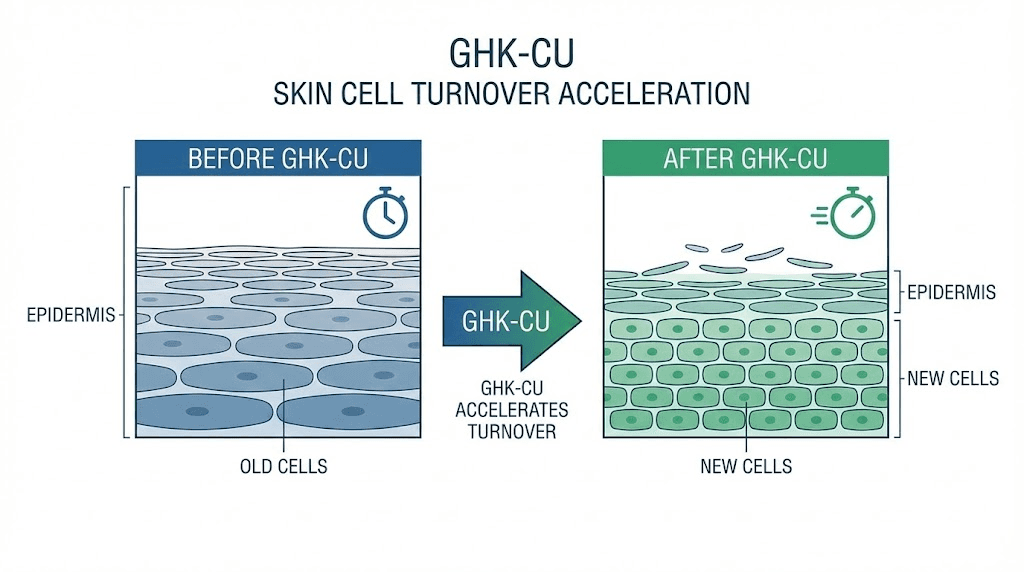
GHK-CU dramatically speeds up cellular processes. Research published in the Journal of Biological Chemistry demonstrates that this tripeptide increases fibroblast activity, accelerates keratinocyte proliferation, and enhances the skin's natural regeneration cycle. Normally, your skin cells turn over every 28 to 40 days depending on age. GHK-CU compresses this timeline.
What does faster turnover mean practically? Dead cells shed more quickly. New cells emerge more rapidly. But here's the problem. If you had congestion beneath the surface, clogged pores, dormant breakouts waiting to happen, accumulated cellular debris, that faster turnover brings everything to the surface simultaneously.
Think of it like this. You've been sweeping dirt under the rug for months. GHK-CU comes along and lifts the rug. Suddenly all that hidden mess is visible. The mess was always there. You just couldn't see it.
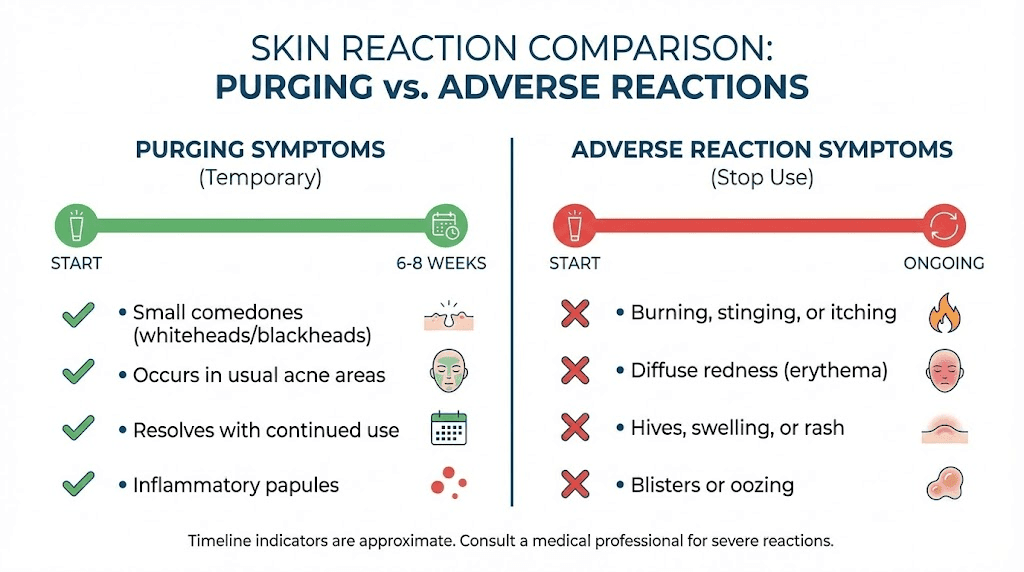
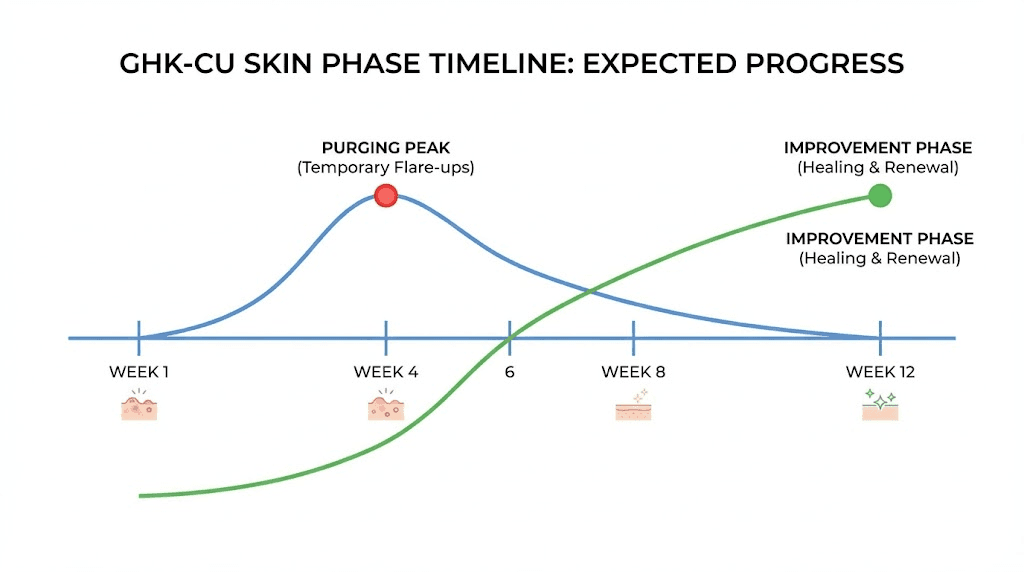
This phenomenon, known as purging, typically manifests as small pimples, increased texture, or temporary breakouts in areas where you normally experience congestion. The key distinction: purging happens in your typical problem areas and resolves within four to eight weeks of consistent use. If you're breaking out in places that never troubled you before, or if the situation worsens beyond eight weeks, something else is happening.
The Collagen Remodeling Paradox
Here's where things get counterintuitive. GHK-CU stimulates both collagen synthesis and collagen breakdown. Research from Dr. Loren Pickart, who isolated GHK-CU in 1973, shows that the peptide increases production of Type I and Type III collagen while simultaneously upregulating matrix metalloproteinases, the enzymes that break down old, damaged collagen.
This dual action creates the regenerative magic. Old, fragmented collagen gets cleared away. Fresh, properly structured collagen replaces it. But during this transition? Your skin might temporarily lose some of its structural support.
The practical result can include temporary increased fine lines, mild sagging, or a "tired" appearance. Some researchers describe their skin looking worse before it looks better. This collagen transition phase typically peaks around weeks two through four and resolves by week six to eight as new collagen matures and cross-links properly.
Understanding peptide timelines helps set realistic expectations. The peptide calculator can help you plan appropriate protocol durations.
The "Copper Uglies" Phenomenon
Among experienced copper peptide users, there's a phenomenon called "copper uglies" that remains somewhat controversial. Some researchers report that copper peptides, including GHK-CU, temporarily accelerate aging signs rather than reversing them.
The proposed mechanism involves MMP-1, a specific matrix metalloproteinase. While GHK-CU generally promotes healthy collagen remodeling, excessive MMP-1 activity can fragment healthy collagen before new collagen fully develops. The result looks like accelerated aging.
Is this phenomenon real? The evidence is mixed. Some dermatologists dismiss it entirely, arguing copper peptides at standard concentrations can't cause significant damage. Others acknowledge that individual variations in MMP expression, copper metabolism, and skin sensitivity can create unexpected reactions.
What's clear: if you experience what appears to be accelerated aging, with deepening wrinkles, increased sagging, or loss of firmness after starting GHK-CU, you should pause your protocol and reassess. This reaction, when it occurs, typically reverses within two to four weeks of discontinuation.
Copper Accumulation and Oxidative Stress
Copper is essential for skin health. The GHK-CU dosing protocol delivers copper in a bioavailable form that supports enzymatic functions including lysyl oxidase for collagen cross-linking and superoxide dismutase for antioxidant defense. However, copper in excess becomes problematic.
Free copper ions generate reactive oxygen species through Fenton-like reactions. This oxidative stress damages cellular membranes, proteins, and DNA. The beauty of GHK-CU is that the peptide chelates copper, preventing free ion toxicity while ensuring cellular delivery. But problems can arise from:
Using multiple copper-containing products simultaneously. Combining topical GHK-CU with injectable GHK-CU without accounting for total copper load. Using copper peptides alongside high-dose copper supplements. Poor quality products where copper isn't properly bound to the peptide.
When copper accumulation occurs, symptoms include persistent redness, increased inflammation, skin sensitivity, and paradoxically accelerated aging. Unlike purging, which localizes to congestion-prone areas, copper overload affects the entire application or injection area uniformly.
Proper peptide storage ensures your GHK-CU maintains its molecular integrity and copper binding capacity.
Distinguishing Purging From Adverse Reactions
This distinction determines your course of action. Get it right, and you'll know whether to persist or pause. Get it wrong, and you'll either abandon effective treatment prematurely or continue causing harm. Let's establish clear criteria.
Signs You're Experiencing Normal Purging
Normal purging has predictable characteristics. The breakouts occur in areas where you typically experience congestion, whether that's your chin, forehead, or cheeks. The lesions are generally small, surface-level pimples rather than deep, painful cysts. Most critically, the pattern follows a recognizable timeline.
Week one through two: Initial increase in breakouts or texture. Week three through four: Peak intensity, possibly worse than baseline. Week five through six: Gradual improvement begins. Week seven through eight: Resolution, with skin beginning to look better than pre-treatment.
If your experience follows this trajectory, you're likely purging. The peptide results timeline provides additional context for expected outcomes.
Other normal purging signs include mild dryness or flaking as dead cells shed more rapidly, temporary sensitivity that remains manageable, and brief periods of dullness before radiance emerges. These symptoms should improve with continued use, not worsen indefinitely.
Signs of Genuine Adverse Reaction
Adverse reactions differ fundamentally from purging. They tend to affect areas that never previously troubled you. They worsen progressively without any improvement trend. They may include symptoms beyond breakouts.
Watch for persistent, spreading redness that doesn't subside. Deep, cystic acne rather than surface breakouts. Burning or stinging that intensifies rather than diminishes. Hives, welts, or other signs of allergic response. Dramatic increase in fine lines or skin laxity. Symptoms that continue worsening beyond eight weeks.
If you observe these patterns, stop your GHK-CU protocol immediately. Most adverse reactions resolve within two to four weeks of discontinuation. If symptoms persist, consult a healthcare provider. Understanding peptide safety helps prevent and manage these situations.
The Eight-Week Assessment Point
Eight weeks serves as your critical checkpoint. By this point, purging should have resolved or significantly improved. Collagen remodeling should be showing positive results. Your skin should look at least as good as baseline, if not noticeably better.
At eight weeks, honestly assess your progress. Compare current photos to pre-treatment images. Ask: Is my skin better, same, or worse than when I started? Has there been any improvement trend, even if not yet at goal? Are symptoms stable, improving, or worsening?
If at eight weeks your skin remains significantly worse than baseline with no improvement trend, something isn't working. Either the GHK-CU isn't suitable for your biochemistry, your protocol needs adjustment, or an external factor is interfering. This is decision point time.
Troubleshooting Your GHK-CU Protocol
You've identified that something isn't right. Now let's systematically address potential issues. Work through these troubleshooting steps in order, making one change at a time and allowing two weeks to assess each modification's impact.
Evaluate Your Dosing Protocol
Dosing errors cause most GHK-CU problems. Too much triggers excessive collagen breakdown and copper accumulation. Too little provides insufficient regenerative stimulus. The GHK-CU dosage guide provides detailed protocols, but here's a troubleshooting framework.
For topical applications, standard concentrations range from 1% to 10%. If you're using a high-concentration product and experiencing issues, switch to 2% to 4% and observe. Apply once daily rather than twice. Ensure you're not layering multiple copper peptide products.
For subcutaneous injections, typical protocols start at 1mg daily and may increase to 2mg. If you started at the higher end and experienced problems, reduce to 0.5mg to 1mg daily. Some researchers find every-other-day dosing sufficient for skin benefits while minimizing side effects.
The GHK-CU injection guide details various protocol approaches. Using a reconstitution calculator ensures accurate dosing.
Assess Your Reconstitution and Storage
Improperly reconstituted or stored GHK-CU can degrade, releasing free copper ions that cause irritation without providing benefits. The reconstitution guide covers proper technique.
Use bacteriostatic water for reconstitution, not plain sterile water. The benzyl alcohol preservative extends peptide stability. Store reconstituted GHK-CU at 36°F to 46°F, never at room temperature. Reconstituted peptide stability is time-limited, typically four to eight weeks refrigerated.
If your peptide has been stored improperly, at room temperature, exposed to light, or reconstituted for months, discard it. Degraded peptide may have lost its copper-binding capacity, creating a solution of free copper rather than beneficial GHK-CU complex.
Understanding GHK-CU shelf life and storage duration prevents using degraded product.
Review Your Skincare Stack
GHK-CU doesn't exist in isolation. Other products in your routine can either support or undermine its effects. Certain combinations create problems.
Vitamin C (L-ascorbic acid) destabilizes copper peptides. The acid disrupts the copper-peptide bond, releasing free copper while deactivating the GHK tripeptide. If using both, apply them at different times of day, vitamin C in the morning, GHK-CU in the evening.
Strong AHAs and BHAs increase penetration and can cause excessive irritation when combined with copper peptides. Space them by at least two hours or use on alternating days during the adjustment period.
Retinoids already accelerate cell turnover. Combining with GHK-CU can overwhelm the skin's regenerative capacity. Consider using one or the other until your skin stabilizes, then slowly reintroduce the second. Peptide and retinol combinations require careful management.
Zinc oxide sunscreens may interfere with copper peptide function. Zinc ions compete with copper for certain cellular pathways. Use mineral sunscreen in the morning, apply GHK-CU in the evening.
Multiple copper-containing products compound your total copper exposure. If you're using a copper peptide serum, copper-infused moisturizer, and injectable GHK-CU simultaneously, you may be overwhelming your skin's capacity to beneficially utilize copper. Choose one delivery method and assess results before adding others.
Address Supporting Factors
GHK-CU's collagen-building effects require nutritional support. Without adequate building blocks, the peptide signals regeneration but your body can't complete the process effectively.
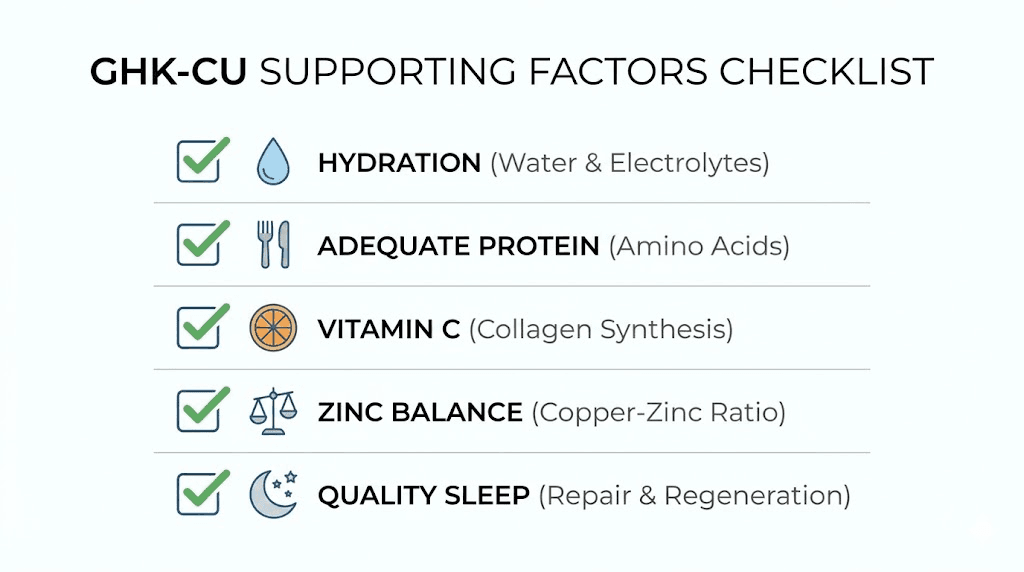
Ensure adequate protein intake. Collagen synthesis requires amino acids, particularly glycine, proline, and hydroxyproline. Low protein diets limit what your body can construct from GHK-CU's regenerative signals. Collagen peptides can supplement dietary protein.
Vitamin C is essential for collagen cross-linking. While you shouldn't apply it simultaneously with GHK-CU, internal vitamin C status matters. Take 500mg to 1000mg orally daily to support collagen formation.
Balance copper with zinc. These minerals share transport pathways and compete for absorption. Increasing copper without adequate zinc creates functional deficiency. A ratio of 8:1 to 15:1 zinc to copper generally maintains balance. If supplementing copper through GHK-CU, ensure dietary zinc is adequate.
Hydration matters. Tissue repair processes require water. Dehydrated skin shows more pronounced signs of collagen remodeling stress. Aim for half your body weight in ounces of water daily.
Sleep enables tissue repair. Growth hormone peaks during deep sleep, synergizing with GHK-CU's regenerative signals. Poor sleep undermines even optimal peptide protocols.
Consider Your Source Quality
Not all GHK-CU is created equal. Low-quality products may contain impurities, improper copper binding, or degradation products that cause adverse effects while providing minimal benefit.
Quality indicators include third-party purity testing with certificates of analysis available, proper storage and shipping conditions, appropriate pricing (extremely cheap peptides often indicate quality compromises), and established reputation from trustworthy sources.
If you've exhausted other troubleshooting steps without improvement, your source quality deserves scrutiny. Peptide vendor reviews help identify reliable sources.
Protocol Adjustments for Common Problems
Let's address specific issues with targeted solutions. Each problem requires a different approach.
Problem: Persistent Breakouts Beyond Eight Weeks
If breakouts continue past the typical purging window, several factors may be involved.
First, confirm these are purging-type lesions in your typical problem areas. If yes, your skin may simply need longer adjustment. Some individuals, particularly those with significant pre-existing congestion, experience extended purging phases of ten to twelve weeks. You can continue if the overall trend shows improvement even if not yet resolved.
If breakouts are spreading to new areas or are cystic rather than surface-level, stop GHK-CU for four weeks. Assess whether skin returns to baseline. If it does, you may have copper sensitivity. Consider trying topical GHK-CU only at low concentration before attempting injections again.
Also review whether other factors might be causing breakouts. Hormonal changes, stress, dietary shifts, or new products introduced around the same time as GHK-CU could be responsible. Systematic elimination helps identify the actual cause.
Problem: Increased Fine Lines or Wrinkles
Temporary increase in fine lines during weeks two through six can reflect normal collagen remodeling. Old collagen breaks down before new collagen fully matures. This should resolve by week eight.
If fine lines are worsening progressively without improvement, you may be experiencing excessive MMP activity, the "copper uglies" phenomenon. Stop GHK-CU immediately. Support your skin with gentle, hydrating products while it recovers. Most researchers see reversal within two to four weeks.
After recovery, you might cautiously retry at lower concentration or frequency. Some individuals tolerate GHK-CU well at half the standard dose but experience problems at full doses. Others simply don't respond well to copper peptides and should explore alternatives.
Understanding what happens when you stop GHK-CU helps set expectations for the recovery period.
Problem: Redness and Irritation
Mild redness immediately after application can be normal, especially with higher concentrations. This should subside within thirty minutes to an hour.
If redness persists for hours, spreads beyond the application area, or worsens over time, reduce concentration or frequency. Switch from daily to every-other-day application. If redness continues at reduced dosing, pause for two weeks and observe whether it resolves.
Burning or stinging that intensifies with continued use, rather than diminishing, indicates genuine irritation rather than adjustment. Stop immediately. Consider whether you might have copper allergy or sensitivity. Patch testing on the inner forearm before facial application is advisable when reintroducing.
Persistent redness affecting the entire face uniformly suggests systemic copper accumulation rather than localized irritation. Review total copper exposure from all sources. Ensure adequate zinc intake to counterbalance copper. Allow a complete washout period of four to six weeks before considering resumption at dramatically reduced levels.
Problem: Dryness and Flaking
Increased cell turnover naturally produces more dead skin cells at the surface. Some flaking is normal during the first four weeks.
To manage dryness without undermining GHK-CU benefits, layer a hydrating hyaluronic acid serum under your copper peptide product. Follow with a barrier-supporting moisturizer containing ceramides. Avoid harsh cleansers that strip natural oils. Consider adding a facial oil at night.
If dryness becomes severe, with cracking, bleeding, or extreme discomfort, reduce application frequency. Every-other-day or every-third-day protocols may suit your skin better than daily use.
Review other products that might contribute to dryness. Retinoids, AHAs, BHAs, and benzoyl peroxide all increase transepidermal water loss. Using these alongside GHK-CU can overwhelm your skin's hydration capacity. Simplify your routine to identify which products your skin can tolerate in combination.
Problem: Dullness or Sallow Appearance
Some researchers report that GHK-CU initially makes skin look tired or sallow before radiance emerges. This typically reflects the collagen transition phase and should resolve by week six to eight.
Support your skin during this phase by ensuring adequate hydration, internally and externally. Use gentle exfoliation, physical or enzymatic rather than acid-based, once weekly to clear accumulated dead cells. Get sufficient sleep to support regeneration.
If dullness persists beyond eight weeks without improvement, your GHK-CU may be degraded or your skin may simply not respond well to this peptide.
Consider trying a different batch from a quality source. If that doesn't help, copper peptides may not be ideal for your skin type.
SeekPeptides provides resources to help identify which compounds work best for different skin types and goals.
When to Stop Versus When to Continue
This is the crucial question. Should you push through discomfort or abandon a protocol that isn't working? Clear criteria help you decide.
Continue Your Protocol When
You're within the first eight weeks and experiencing typical purging, breakouts in your normal problem areas that are surface-level rather than cystic. There's at least some improvement trend, even if small. Symptoms are manageable and not significantly impacting your quality of life. You've ruled out other causes like product interactions or contamination.
GHK-CU's regenerative effects require time. Abandoning too early means missing potential benefits. If your situation fits these criteria, continue with careful monitoring. Take weekly photos from consistent angles and lighting to track progress objectively.
Pause and Reassess When
Symptoms are worsening progressively without any improvement trend. You've passed the eight-week mark without positive change. Breakouts are deep, cystic, or spreading to new areas. You're experiencing symptoms beyond breakouts, like increased aging signs, spreading redness, or allergic responses. The situation is significantly impacting your wellbeing.
Pausing means stopping GHK-CU completely for four weeks while maintaining a gentle, supportive skincare routine. During this period, observe whether your skin returns to baseline. If it does, you've confirmed GHK-CU was responsible. If problems persist, something else may be involved.
Stop Permanently When
You've tried reduced dosing, proper storage, quality sources, and supportive measures without improvement. Your skin consistently reacts negatively to copper peptides regardless of protocol modifications. You've experienced severe reactions like significant allergic response or dramatic worsening.
Some individuals simply don't tolerate copper peptides well.
This isn't failure; it's valuable information about your biochemistry. Many effective alternatives exist for skin regeneration, including other peptides, wrinkle-targeting compounds, and non-peptide approaches.
Alternative Approaches If GHK-CU Doesn't Work
If you've determined that GHK-CU isn't suitable for you, don't despair. Multiple pathways lead to skin improvement. Let's explore alternatives.
Other Regenerative Peptides
BPC-157 and TB-500 offer regenerative benefits without copper involvement. BPC-157 accelerates healing through different mechanisms, promoting angiogenesis and growth factor production. TB-500 supports tissue repair and reduces inflammation. Neither involves copper metabolism, making them suitable for those with copper sensitivity.
Glow peptides target skin appearance through various mechanisms. Snap-8 works similarly to Botox but without injections. Syn-Ake relaxes expression lines. Hyaluronic acid peptides enhance hydration capacity.
The peptide stacking guide helps identify complementary compounds. The peptide stack calculator assists with protocol planning.
Non-Copper Approaches to Collagen Support
If copper peptides specifically cause problems but other peptides suit you, consider collagen support through different pathways.
Vitamin C serums, used separately from any copper products, support collagen synthesis by serving as a cofactor for prolyl hydroxylase and lysyl hydroxylase enzymes. Look for stable forms like ascorbyl tetraisopalmitate or magnesium ascorbyl phosphate if L-ascorbic acid irritates.
Retinoids remain gold standard for collagen stimulation through retinoic acid receptor activation. They work through entirely different mechanisms than copper peptides. If you couldn't tolerate GHK-CU, retinoids might work well, though they have their own adjustment period.
Anti-aging peptides beyond the copper family include matrixyl, argireline, and palmitoyl tripeptides that stimulate collagen without involving copper metabolism.
Internal Support for Skin Health
Sometimes the best approach starts from within. Collagen peptide supplements provide building blocks for your body's collagen production. Studies show oral collagen peptides can improve skin hydration, elasticity, and wrinkle depth over eight to twelve weeks.
Supporting peptides like Epitalon work at the telomere level to support cellular longevity. SS-31 targets mitochondrial function, supporting cellular energy production that underlies all regenerative processes.
The complete peptide list provides comprehensive options for various goals.
SeekPeptides members access detailed protocols for each compound.
Optimizing GHK-CU for Sensitive Skin
If you want to continue exploring GHK-CU despite initial difficulties, these strategies help sensitive skin adapt.
The Gradual Introduction Protocol
Rather than starting at standard doses, begin with minimal exposure and increase slowly.
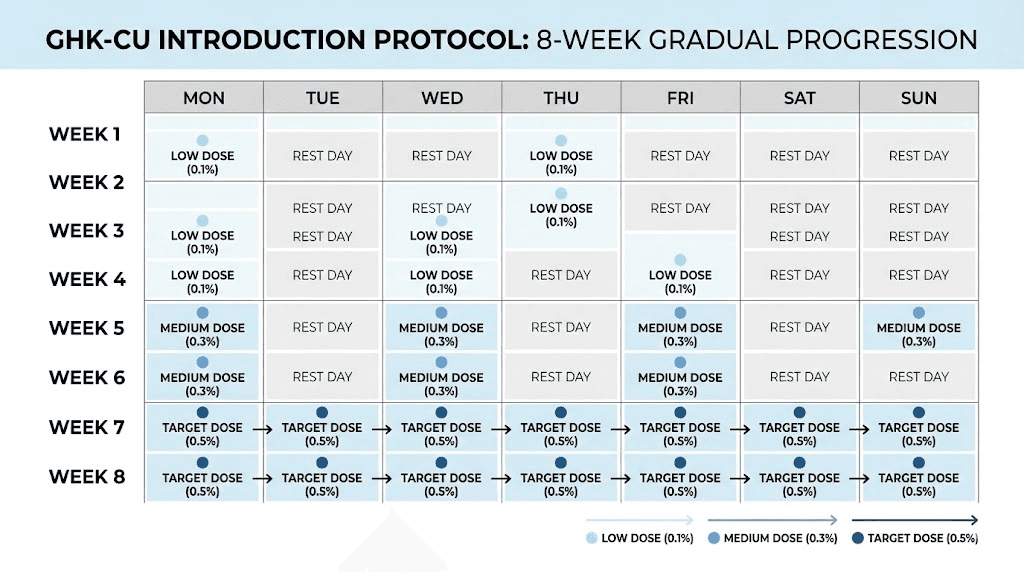
Week one through two: Use GHK-CU once every third day at the lowest available concentration or dose. This allows your skin to begin adapting without overwhelming it.
Week three through four: If tolerating well, increase to every other day. Monitor for any concerning reactions.
Week five through six: Move to daily application if every-other-day causes no issues. Continue at low concentration.
Week seven through eight: If daily low-dose works well, consider gradually increasing concentration or dose. Make increases slowly, no more than 25% at a time.
This protocol takes longer to show results but dramatically reduces the risk of adverse reactions. Patient researchers often achieve better long-term outcomes than those who push too hard too fast.
Buffer and Support Strategies
Support sensitive skin during GHK-CU use with strategic product layering.
Apply a thin layer of hyaluronic acid serum before GHK-CU. This provides a hydration buffer and may reduce direct peptide concentration at the skin surface while still allowing absorption.
Follow GHK-CU with a barrier-supporting moisturizer containing ceramides, cholesterol, and fatty acids. This helps maintain skin barrier integrity during the adjustment period.
Use a gentle, non-foaming cleanser. Harsh cleansing compromises barrier function and increases sensitivity to active ingredients.
Avoid other actives, retinoids, acids, vitamin C, during the GHK-CU introduction period. Add them back one at a time after your skin has stabilized on the copper peptide.
Timing and Cycling Considerations
When you apply GHK-CU matters. Evening application allows overnight repair without sun exposure or product interference. Your skin's repair mechanisms are most active during sleep, synergizing with the peptide's regenerative signals.
Cycling may help sensitive skin. Rather than continuous daily use, try five days on, two days off. This pattern allows some recovery while maintaining regenerative stimulus. If five-on-two-off works, you might eventually transition to continuous use as your skin adapts.
Seasonal considerations matter too. Starting GHK-CU during extreme weather, cold dry winter or hot humid summer, adds environmental stress to the adjustment period. If possible, begin during milder seasons when your skin isn't already coping with climate challenges.
Understanding peptide cycle planning helps optimize your protocol timing.
The Science Behind GHK-CU's Skin Effects
Understanding mechanism helps you interpret what's happening during your protocol. Let's examine the research more deeply.
Gene Expression Modulation
GHK-CU is remarkable among peptides for its broad gene expression effects. Research published in the journal Genome Medicine identified that GHK modulates expression of over 4,000 human genes. Many of these relate to tissue remodeling, antioxidant response, and anti-inflammatory pathways.
The peptide upregulates genes involved in collagen synthesis, including COL1A1 (Type I collagen), COL3A1 (Type III collagen), and COL4A1 (Type IV collagen).
Simultaneously, it modulates expression of matrix metalloproteinases that clear damaged tissue.
This dual action, building new while clearing old, creates the regenerative effect. But it also explains why transition periods can look like worsening. You're watching demolition before construction completes.
The Role of Copper in Skin Function
Copper isn't optional for healthy skin. It serves as cofactor for multiple essential enzymes. Lysyl oxidase cross-links collagen and elastin fibers, giving skin its strength and elasticity. Superoxide dismutase protects against oxidative damage. Tyrosinase participates in melanin synthesis.
GHK-CU delivers copper in a form that cells can readily utilize.
The tripeptide has high affinity for copper(II) ions, chelating them and facilitating cellular uptake without the oxidative risk of free copper. This targeted delivery supports enzymatic function while minimizing toxicity.
However, copper balance matters. Too little limits enzymatic function. Too much overwhelms protective mechanisms. The copper peptide concentration guide helps navigate optimal levels.
Anti-Inflammatory and Antioxidant Actions
Beyond collagen modulation, GHK-CU reduces inflammation and oxidative stress. Research shows the peptide inhibits NFkB activation, a master regulator of inflammatory response. It enhances antioxidant enzyme activity, including superoxide dismutase and catalase.
These effects mean GHK-CU should, theoretically, calm irritated skin rather than worsen it. When the opposite occurs, it suggests either individual sensitivity, improper application, or interference from other factors. The peptide itself isn't pro-inflammatory; if you're experiencing inflammation, look for causes beyond the GHK-CU molecule.
Peptide research continues revealing new mechanisms of action.
Wound Healing Acceleration
GHK-CU's wound healing effects provide insight into its skin transformation mechanism. Studies show 40% to 50% faster wound closure compared to controls.
The peptide attracts immune cells to wound sites, stimulates blood vessel formation, promotes fibroblast proliferation, and accelerates collagen deposition.
Your skin, even without obvious wounds, constantly undergoes micro-damage repair. Sun exposure, environmental stress, and normal cell turnover create ongoing repair needs. GHK-CU accelerates these baseline repair processes, essentially putting your skin into enhanced healing mode.
During this enhanced healing, you're clearing damage faster than normal. Accumulated damage coming to the surface can look worse before it's resolved. Understanding this helps contextualize the temporary worsening some researchers experience.
Real-World Protocol Considerations
Theory matters, but practical application determines results. Let's address real-world considerations that affect outcomes.
Topical Versus Injectable: Which Causes More Issues?
Both delivery methods can cause reactions, but the mechanisms differ slightly.
Topical GHK-CU primarily affects the skin directly.
Reactions tend to be localized to application areas. Concentration can be precisely controlled, and you can easily reduce exposure by diluting or decreasing application frequency. However, topical products often contain additional ingredients that may cause reactions independent of the copper peptide itself.
Injectable GHK-CU provides systemic exposure, affecting the body more broadly. Skin effects may appear more diffuse rather than localized. Dosing is typically more potent than topical but also more controllable in terms of precise measurement. Injection site reactions, separate from general skin effects, can occur.
If you've had problems with one delivery method, the other might work differently for you. Topical failures don't necessarily predict injectable failures, and vice versa. The injectable versus oral peptide comparison provides additional context.
Combining GHK-CU With Other Peptides
GHK-CU often works well in combination with other regenerative peptides. BPC-157 and TB-500 stacks are popular for comprehensive healing support.
However, when troubleshooting GHK-CU problems, simplify first. Remove other peptides temporarily to isolate whether GHK-CU specifically causes your issues. Once you've established a stable protocol with GHK-CU alone, you can systematically reintroduce other compounds.
Some combinations to consider once stabilized include GHK-CU plus KPV for combined regeneration and anti-inflammation, GHK-CU plus Epitalon for comprehensive anti-aging, and GHK-CU plus TB-500 for enhanced tissue repair.
The multi-peptide protocols guide addresses combination considerations.
Age-Related Considerations
GHK-CU levels decline naturally with age. Blood levels drop from approximately 200 ng/mL at age 20 to 80 ng/mL by age 60. This decline correlates with reduced regenerative capacity.
Older researchers supplementing GHK-CU are restoring something their bodies have lost. Younger researchers are adding to existing levels. This difference may affect response patterns.
Older skin may show more dramatic improvement once past the adjustment phase, having more accumulated damage to clear. But older skin also has reduced baseline resilience and may need gentler introduction protocols.
Younger skin typically tolerates higher doses but may show less dramatic improvement since less damage exists to repair. Younger researchers might benefit from lower doses focused on maintenance rather than correction.
Peptides for women over 40 addresses age-specific considerations. Perimenopause peptide protocols account for hormonal factors affecting skin.
Managing Expectations Realistically
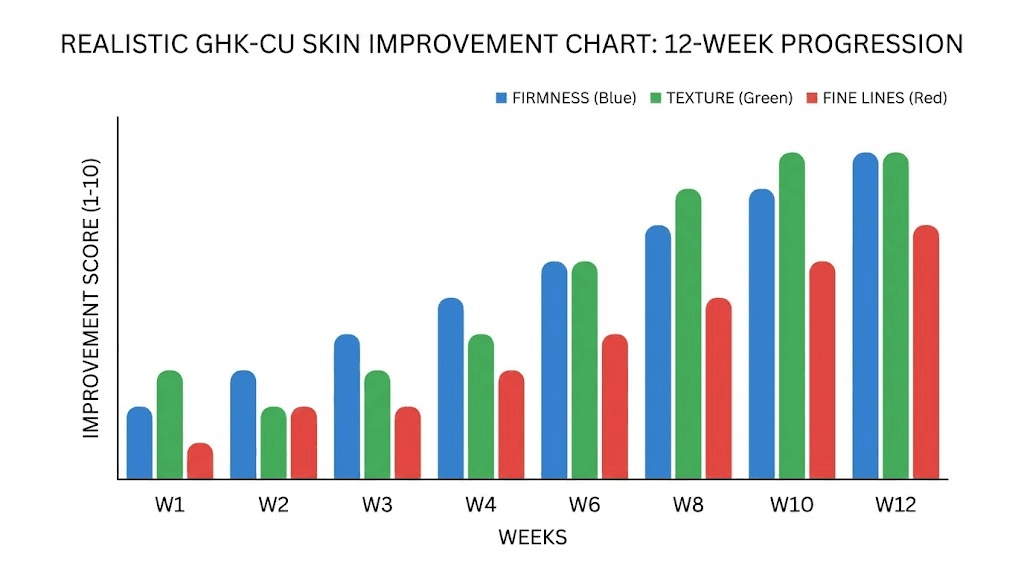
GHK-CU produces measurable improvements, but it isn't magic. Clinical studies show 20% to 30% improvement in skin firmness after twelve weeks of topical use. That's significant, but it's not going to make a 60-year-old look 30.
Set realistic expectations. You're supporting your skin's natural regenerative processes, not overriding biology. Improvements will be genuine but gradual. You won't notice daily changes; you'll notice differences comparing monthly photos.
Also recognize that some aspects of skin aging aren't reversible through any peptide. Deep structural changes, significant volume loss, and profound sun damage may need other interventions. GHK-CU works best as part of a comprehensive approach rather than a standalone solution.
Frequently Asked Questions
How long does GHK-CU purging typically last?
Normal purging peaks around weeks two through four and resolves by week six to eight. If your skin continues worsening beyond eight weeks without any improvement trend, purging is unlikely the cause. At that point, consider pausing to assess whether GHK-CU suits your skin. Peptide timelines vary by individual, but eight weeks provides a reasonable assessment window.
Can I use GHK-CU if I have acne-prone skin?
Yes, though with awareness. GHK-CU's anti-inflammatory properties can actually benefit acne-prone skin, but the initial purging phase may temporarily worsen breakouts. Start with lower concentrations and frequency. If purging seems excessive or extends beyond eight weeks, the copper peptide troubleshooting guide provides additional strategies.
Should I stop GHK-CU if I see more wrinkles initially?
Not necessarily. Temporary increase in fine lines during weeks two through six can reflect normal collagen remodeling. Old collagen breaks down before new collagen matures. If wrinkles progressively worsen beyond six weeks or if the change is dramatic rather than subtle, stop and reassess. Understanding what happens when stopping GHK-CU helps set expectations for the recovery period.
Can I use GHK-CU with retinol?
Yes, but not simultaneously. Both accelerate cell turnover, and using them together can overwhelm the skin. Apply peptides and retinol at different times of day or on alternating nights. During the GHK-CU adjustment period, you might pause retinol entirely to reduce variables.
What's the difference between GHK-CU and other copper peptides?
GHK-CU is the most researched copper peptide, with extensive documentation of its gene expression effects and safety profile. The GHK-CU versus other copper peptides comparison details specific differences. Some alternatives may have different potency, stability, or side effect profiles.
How do I know if I'm allergic to copper versus experiencing normal adjustment?
True copper allergy typically produces hives, swelling, or systemic symptoms beyond localized skin changes. Patch test on your inner forearm before facial application. If the patch test produces rash or itching within 48 hours, copper sensitivity is likely.
Normal adjustment produces temporary, manageable symptoms that improve with continued use rather than escalating into allergic response.
Can poor quality GHK-CU cause skin problems?
Absolutely. Improperly synthesized or degraded GHK-CU may contain free copper ions that cause oxidative damage without providing peptide benefits. Quality peptide sources provide third-party testing and certificates of analysis. If you've exhausted other troubleshooting and still have issues, source quality deserves investigation.
Is injection or topical better for skin effects?
Topical application delivers GHK-CU directly to skin tissue. Injectable protocols provide systemic exposure that may benefit skin through internal mechanisms. Neither is definitively "better"; they work differently. Some researchers use both, with topical for local effect and injection for systemic support. Start with one method and add the second only after establishing tolerance.
External Resources
For additional scientific background on GHK-CU and copper peptides:
GHK Peptide as a Natural Modulator of Multiple Cellular Pathways in Skin Regeneration - PMC
Regenerative and Protective Actions of the GHK-Cu Peptide in the Light of the New Gene Data - PMC
Selected Biomarkers Revealed Potential Skin Toxicity Caused by Certain Copper Compounds - Scientific Reports
Copper Peptide GHK-Cu Overview - Wikipedia
For researchers serious about optimizing their peptide protocols, SeekPeptides offers the most comprehensive resource available, with evidence-based guides, proven protocols, and a community of thousands who've navigated these exact questions.
Understanding why your skin might temporarily worsen, and knowing exactly how to respond, makes the difference between frustration and transformation.
In case I don't see you, good afternoon, good evening, and good night.